Search Result for: https://www.nasdaq.com/videos/locus-robotics

Alibaba's Qwen3.7-Plus supports text, video and imagery inputs at low cost of $0.4/$1.6 per 1M token — but it's proprietary
Alibaba has unveiled its latest AI large language model, Qwen3.7-Plus, this week, enhancing its Qwen family with advanced multimodal capabilities and a cost reduction of 60% compared to the previous text-only model, Qwen3.7-Max. Unlike earlier versions, Qwen3.7-Plus is available solely under a closed commercial license through proprietary APIs and Qwen Chat, marking a significant shift from Alibaba's previous strategy of offering open-source models. This change may disappoint users and enterprises, including major U.S. companies like Airbnb, that relied on open-source versions. The new model excels in multimodal tasks, such as generating enterprise-grade visuals and analyzing videos and images, which its predecessor could not perform. With a competitive pricing structure, Qwen3.7-Plus is positioned just above its Chinese competitor's discounted model. It features a 1-million token context window and a unique parameter called 'preserve_thinking,' which helps maintain continuity during complex tasks, a critical need for developers. Despite its advantages, benchmarks indicate that Qwen3.7-Plus still falls short of leading U.S. models in raw capability. However, it is designed to replace high-cost models in developer workflows and robotic process automation, offering a cost-effective solution for enterprises. The model's cloud-based deployment raises compliance concerns for organizations with strict data residency requirements, as it cannot be downloaded or hosted locally. Overall, Qwen3.7-Plus presents a compelling option for enterprises seeking efficient, multimodal AI solutions without incurring high operational costs.
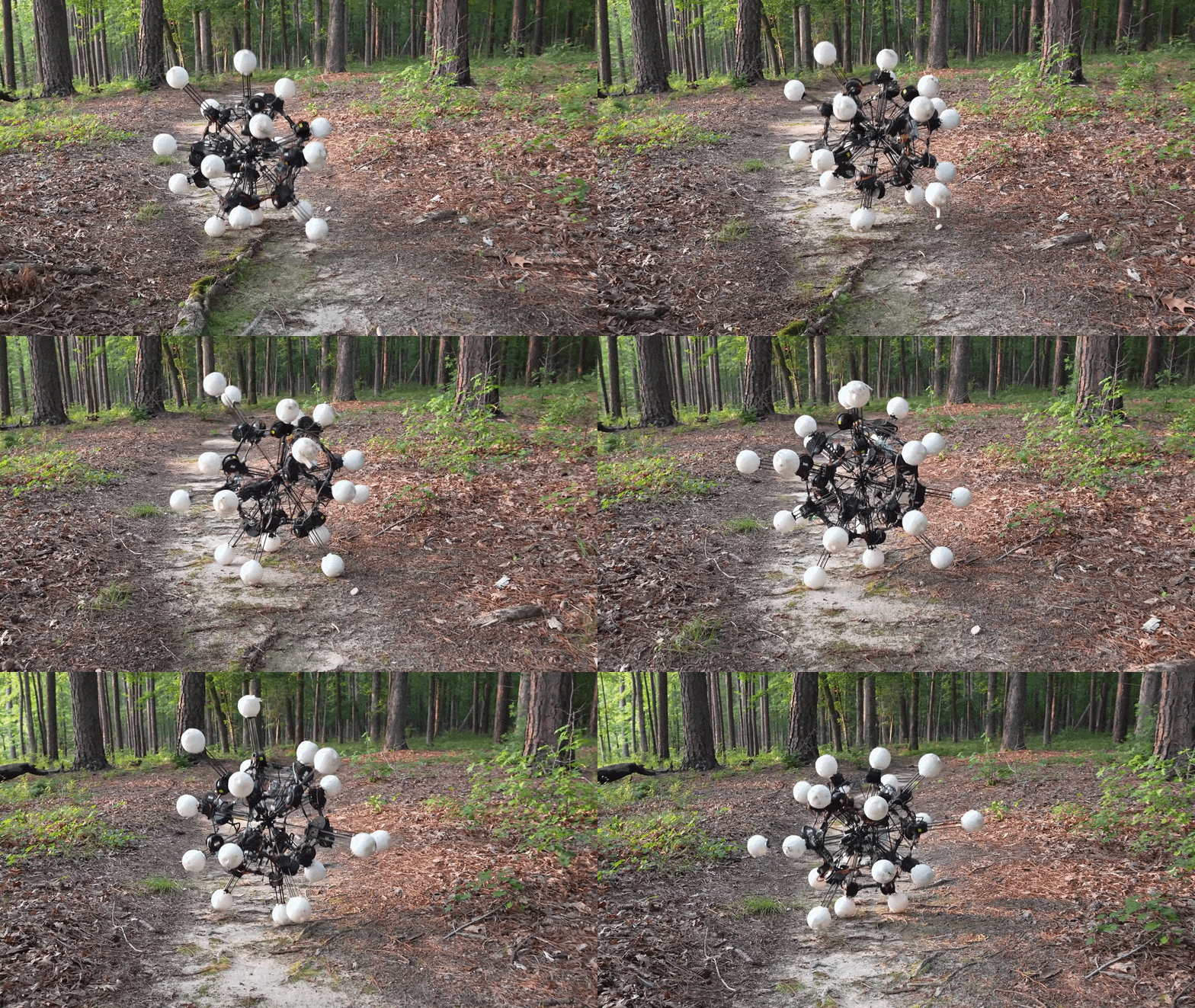
Video Friday: Extreme Omnidirectional Robot
IEEE Spectrum robotics has released its latest edition of "Video Friday," showcasing a variety of innovative robotics videos that highlight the growing integration of robots into daily life. The weekly roundup includes a calendar of upcoming robotics events, such as the International Conference on Robotics and Automation (ICRA) scheduled for June 1-5, 2026, in Vienna, and the Robotics Summer School on Multi-Robot Systems from July 29 to August 4, 2026, in Prague. Among the featured videos, one introduces the Eco-Score for Robots, a new framework aimed at assessing the environmental impact of robotic systems, akin to eco-labels in other industries. Another video demonstrates advancements in robotic manipulation, showcasing AthenaZero's ability to juggle using multi-fingered hands, while a collaboration between the University of Texas and Sony Group Corporation presents the ARISTO hand, designed for delicate object manipulation. Additionally, the segment includes insights from Kacper Nowicki, CEO of Nomagic, who discussed the ongoing debate between humanoid and purpose-built robots at the Web Summit in Vancouver. As robots continue to evolve, these developments raise important questions about their performance, cost, and sustainability in various applications.

Incredible videos show Blue Origin rocket explosion could be seen from hundreds of miles away
On the evening of May 28, Blue Origin's New Glenn rocket experienced a catastrophic explosion during a testing phase, sending flames and debris soaring into the sky. The incident was visible from extensive areas across Florida, drawing attention from residents and observers alike. The explosion highlights the challenges faced in the development of new space launch vehicles, as Blue Origin continues to work towards advancing its capabilities in the competitive aerospace industry. The company has not yet disclosed the specific cause of the failure, but such testing phases are critical for identifying potential issues before future launches.
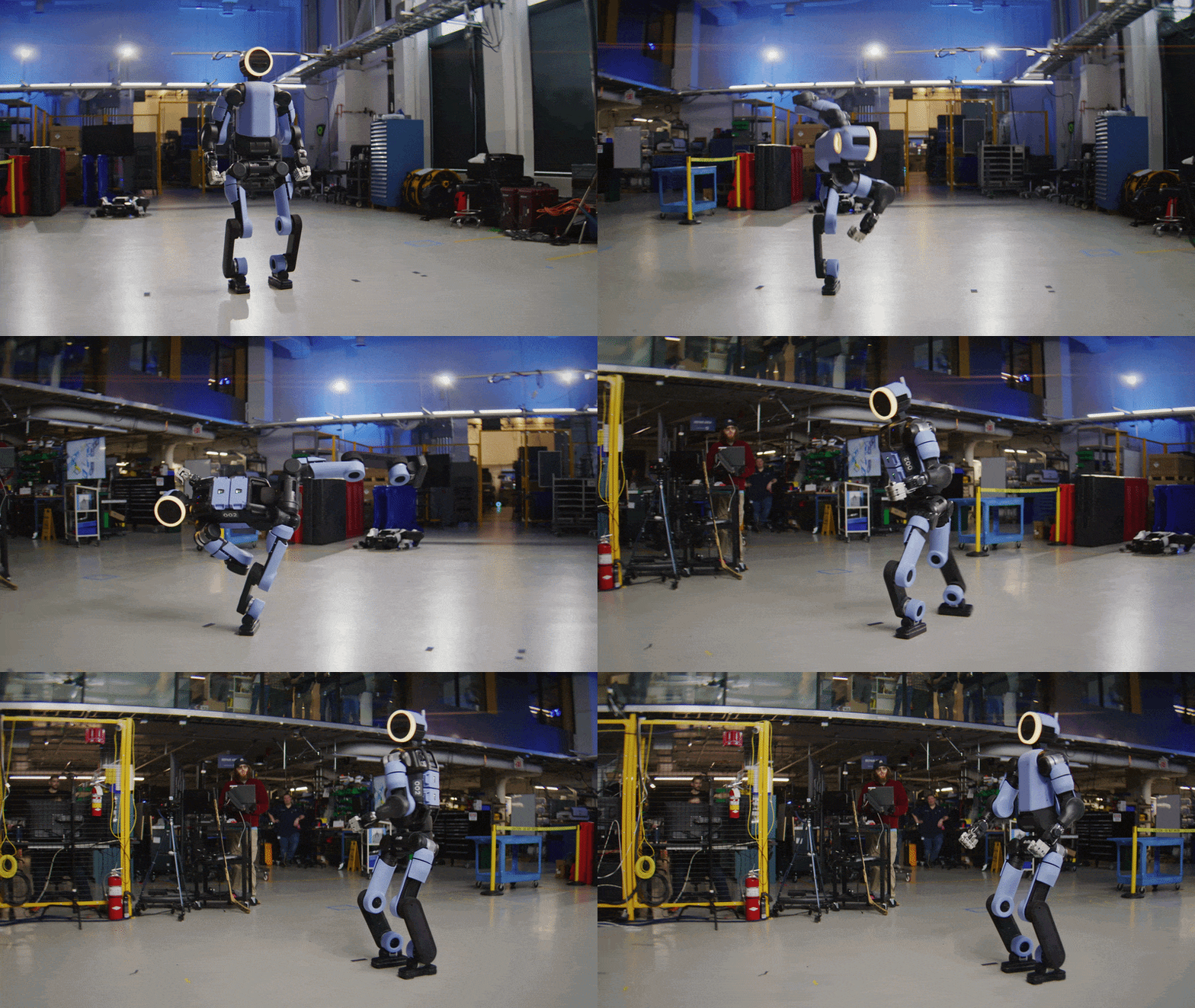
Video Friday: Atlas Versus a Fridge
IEEE Spectrum robotics has released its latest edition of "Video Friday," showcasing a variety of innovative robotics videos and announcing upcoming robotics events scheduled for 2026. Notable events include ICRA 2026 in Vienna from June 1-5, and the Summer School on Multi-Robot Systems in Prague from July 29 to August 4. Among the highlights, Boston Dynamics' Atlas robot demonstrates significant advancements in strength and adaptability, showcasing its ability to lift heavy objects and navigate complex environments using advanced reinforcement learning and control systems. This marks a pivotal moment for humanoid robots as they transition from laboratory settings to dynamic industrial applications. Additionally, the SpikerBot, a robot designed to be programmed by wiring neurons instead of traditional coding, has successfully reached its funding goal on Kickstarter. Other innovations include wheeled-legged robots that enhance mobility and a biomimetic robotic hummingbird developed at the Advanced Vertical Flight Laboratory, which mimics natural flight dynamics. The release also features advancements in construction technology, with Dusty Robotics introducing the FieldPrinter 2, a more efficient and intelligent version of its predecessor, and Noble Machines showcasing their autonomous robots designed for hazardous industrial tasks at NVIDIA GTC 2026. These developments reflect a broader trend in robotics, where technology is increasingly integrated into real-world applications, enhancing efficiency and safety across various industries.
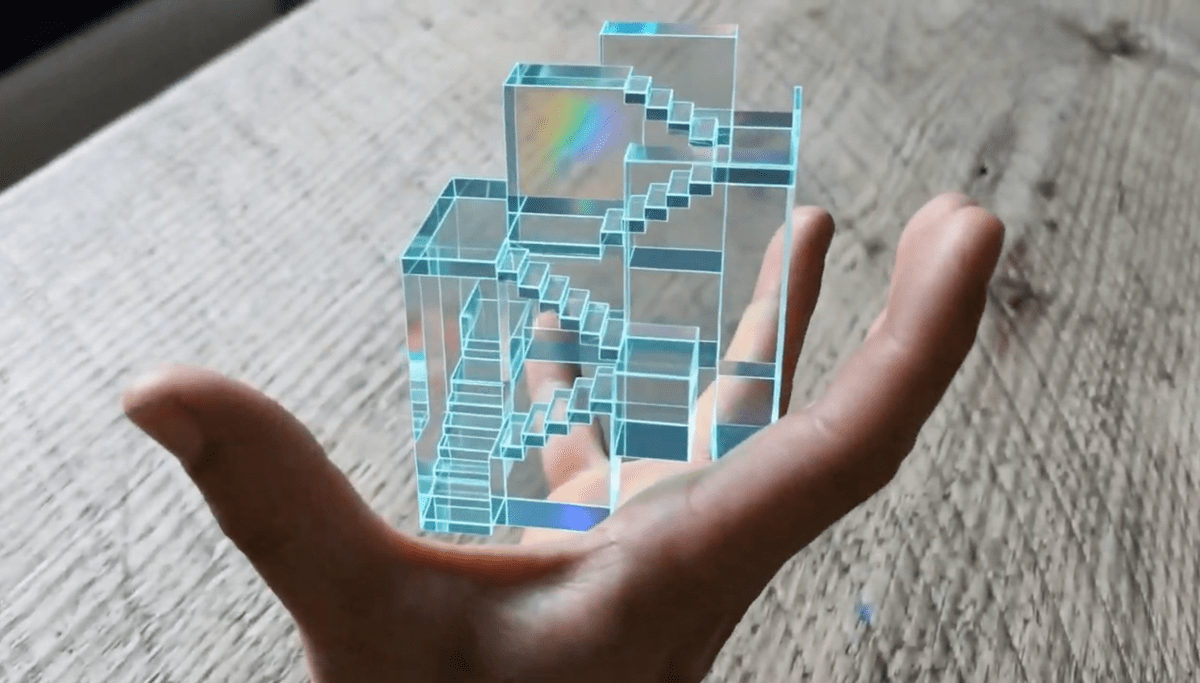
Google’s Gemini Omni turns images, audio, and text into video — and that’s just the start
Google has unveiled its latest innovation, Gemini Omni, a multimodal model designed to enhance user interaction by reasoning across various formats, including text, images, audio, and video. This cutting-edge technology allows users to generate and edit videos through straightforward conversational prompts, with the initial feature being Omni Flash. The launch of Gemini Omni marks a significant advancement in artificial intelligence, aiming to simplify content creation and editing processes for users. The model is trained on data available up to October 2023, ensuring it incorporates the most recent developments in AI capabilities. This initiative reflects Google's commitment to pushing the boundaries of technology and improving user experiences in digital content creation.

Voice AI Systems Are Vulnerable to Hidden Audio Attacks
Researchers are set to unveil alarming findings regarding AI-powered voice and audio tools at the IEEE Symposium on Security and Privacy in San Francisco next week. The study reveals that modified audio clips, imperceptible to human ears, can manipulate large audio-language models (LALMs) to execute unauthorized commands with a success rate between 79 and 96 percent. This vulnerability allows attackers to control devices, conduct sensitive web searches, and even send emails containing user data without the user's knowledge. The research, led by Meng Chen, a Ph.D. student at Zhejiang University in China, demonstrates that these attacks can be executed in real-time and do not require the attacker to have full control over the user's instructions. Instead, adversarial audio can be embedded in various media, such as online videos or voice notes, making it a pervasive threat. The technique, dubbed AudioHijack, exploits a critical flaw in LALM design, allowing malicious instructions to be hidden within manipulated audio clips. The researchers tested their method on 13 leading open models, including those from Microsoft and Mistral, and found that their attacks could be adapted to commercial models as well. While Microsoft acknowledged the importance of the research in enhancing model resilience, Mistral did not respond to inquiries. The study highlights the challenges in defending against such attacks, as common defenses have proven largely ineffective, underscoring the urgent need for improved security measures in AI audio technologies.
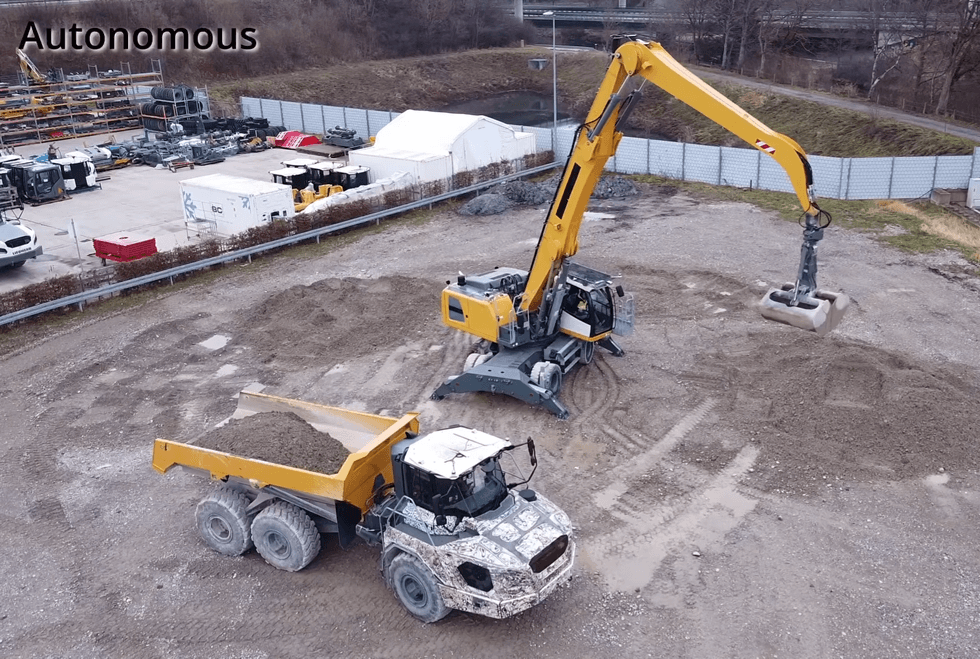
Video Friday: Heavy Robotic Machinery Operates Itself
IEEE Spectrum robotics has released its latest edition of "Video Friday," showcasing a variety of innovative robotics videos and announcing upcoming robotics events. Notable conferences include ICRA 2026 in Vienna from June 1-5, and the Summer School on Multi-Robot Systems in Prague from July 29 to August 4, 2026. Among the featured content is a groundbreaking autonomous material-handling solution developed by ETH Zurich, capable of operating a 40-ton material handler, traditionally a labor-intensive task. Other highlights include the introduction of the world's first production-ready manned mecha by Unitree, and the launch of NIX, an embodied AI exploring dance and movement, which will be made available for free to select partners. NTNU has unveiled the Unified Autonomy Stack, a robust system designed for aerial and ground robots, enhancing their autonomy through advanced perception and navigation capabilities. This system has been validated in challenging environments, showcasing its effectiveness in exploration and object discovery. Robotics expert Rodney Brooks, cofounder of Robust AI, shared insights on the challenges of innovation in robotics and the implications of the current AI surge during a Q&A session ahead of his panel at the Forbes America Innovates event in San Francisco. As the field continues to evolve, the integration of data collection methods remains a significant challenge, with the Koala platform exemplifying innovative approaches to enhance robotic manipulation tasks.
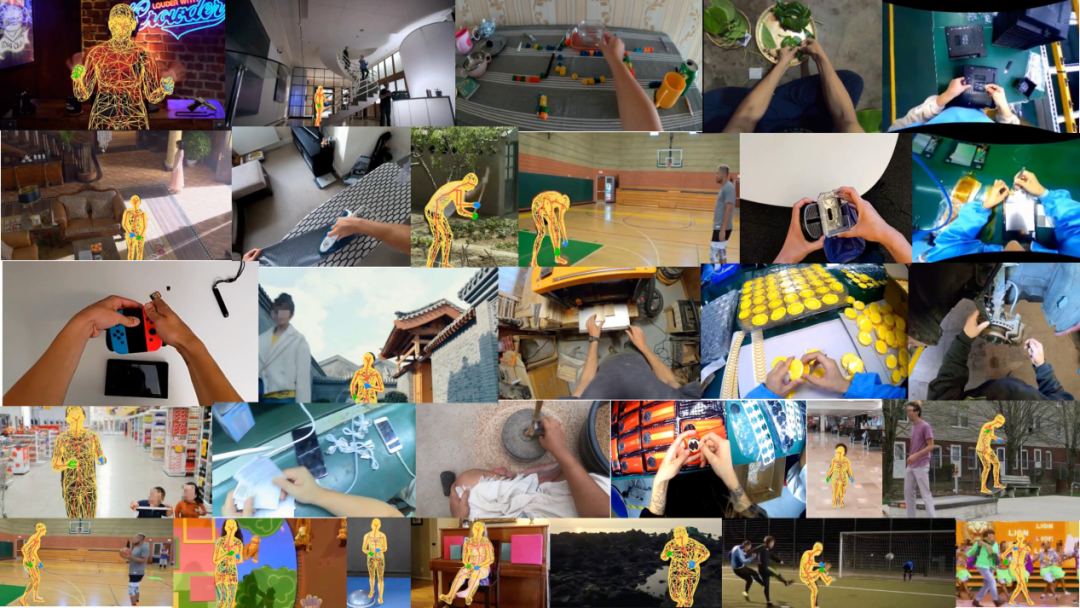
How One Million Hours of Human Video Became a 'Textbook' for Robot Learning
A research team at Peking University has unveiled the HumanNet dataset, a comprehensive collection of one million hours of human-centered videos aimed at advancing robot training in physical tasks. Released in October 2023, this extensive dataset offers a wealth of diverse perspectives and detailed annotations, enhancing the learning capabilities of robots. The initiative seeks to improve the interaction between robots and humans by providing a rich resource that reflects real-world scenarios, ultimately fostering more effective and adaptable robotic systems.
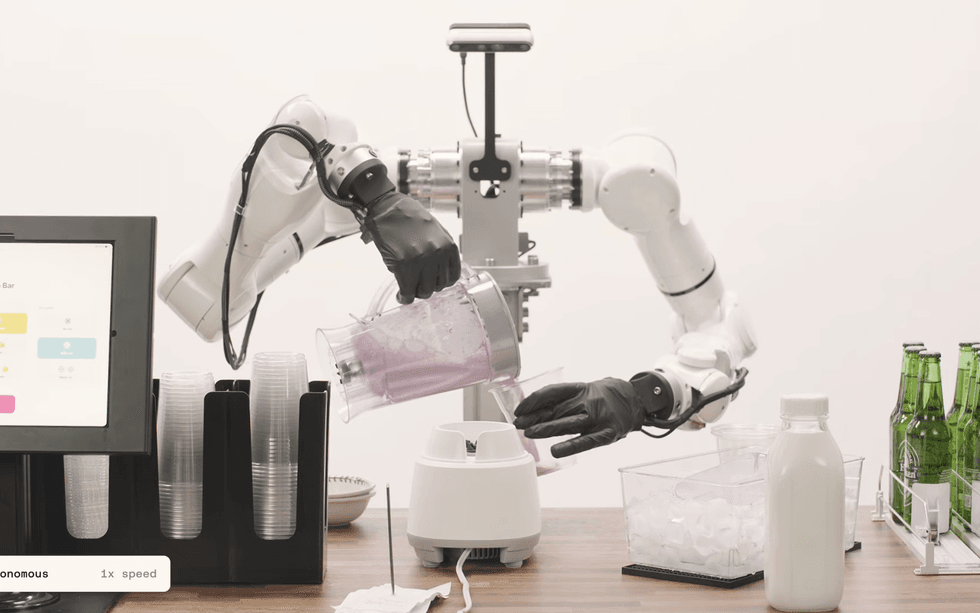
Video Friday: AI Gives Robot Hands Human-Like Dexterity
IEEE Spectrum robotics has released its weekly roundup of notable robotics videos, along with a calendar of upcoming robotics events scheduled for 2026. Key events include ICRA 2026 in Vienna from June 1-5, and the Summer School on Multi-Robot Systems in Prague from July 29 to August 4. Among the highlights is the introduction of GENE-26.5, an AI brain that enables robots to perform complex tasks such as cooking, conducting lab experiments, and playing the piano, showcasing significant advancements in robotic capabilities. Another featured robot, Labububot, is a unique creation that critiques social robots through its design, merging various pop culture elements into a single entity. In other developments, NASA's Jet Propulsion Laboratory is testing next-generation helicopter rotor blades on Mars, achieving speeds that exceed Mach 1 in a simulated Martian atmosphere. Additionally, Boston Dynamics is balancing commercial interests with robotics research through its Atlas robot, while the Robomechanics Lab has introduced Sally, a magnetic-wheeled robot designed for inspecting steel structures, capable of navigating challenging interior corners. These innovations reflect the ongoing evolution in robotics, driven by advancements in AI and engineering, as the field continues to explore new applications and capabilities.

Robots Finally Learn Skills from Watching Videos: What the Tsinghua + Astribot Team's CLAP Framework Achieves
A research team from Tsinghua University, in collaboration with Astribot, has introduced the CLAP framework, a groundbreaking method that allows robots to acquire practical skills by analyzing human-operated videos. This innovative approach aligns visual changes with corresponding physical actions, effectively addressing the limitations that have previously hindered robotic training. The development marks a significant advancement in the field of robotics, potentially enhancing the capabilities of robots in various applications. The framework's unveiling comes as part of ongoing efforts to improve human-robot interaction and skill acquisition, paving the way for more intuitive and efficient robotic systems.

Pentagon releases UFO files on new website
The U.S. government is set to release a collection of files related to unidentified anomalous phenomena (UAP) that includes videos, photographs, and original documents. This initiative, announced by the Department of Defense, aims to provide transparency regarding UAP encounters. The files will be made available on a dedicated website, although the exact launch date has not been specified. While the materials have undergone security reviews, many have not yet been fully analyzed to clarify any anomalies. This move is part of a broader effort to address public interest and concerns surrounding UAP sightings and to foster a better understanding of these unexplained occurrences.

Deepfake Detection Dataset Aims to Keep Up With Generative AI
A collaborative effort involving researchers from Microsoft, Northwestern University, and the non-profit organization Witness has led to the development of a new dataset aimed at enhancing the detection of AI-generated media. Announced in a study published on April 10 in IEEE Intelligent Systems, the Microsoft-Northwestern-Witness (MNW) deepfake detection benchmark is designed to address the growing challenge of distinguishing real from fake content in an era where generative AI technology is rapidly advancing. The dataset includes a diverse array of AI-generated images, audio, and videos, reflecting the current landscape of generative AI. Thomas Roca, a principal research scientist at Microsoft, emphasized the increasing sophistication of AI-generated media, which can easily be produced by anyone using accessible applications. This proliferation raises significant concerns, including identity fraud and the creation of harmful content. The MNW benchmark aims to improve the effectiveness of detection systems by providing a wider variety of AI-generated materials, including those that have undergone post-processing manipulations. Researchers acknowledge that while this dataset could potentially be misused to develop new evasion techniques, it is crucial for enhancing the ability to assess the authenticity of media as generative AI continues to evolve. The team plans to update the dataset biannually to incorporate the latest developments in generative AI and detection challenges, with the goal of fostering transparency and raising standards in the fight against deepfake content.
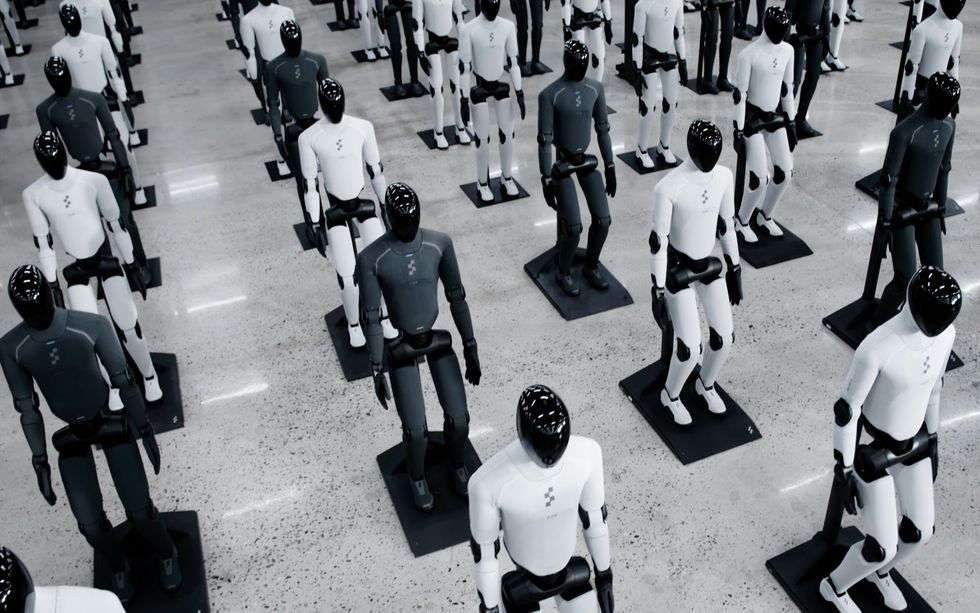
Video Friday: Figure, 1X Ramp Up Humanoid Robot Production
IEEE Spectrum robotics has released its weekly roundup of notable robotics videos and upcoming events, including major conferences like ICRA 2026 in Vienna and RSS 2026 in Sydney. A significant development in humanoid robotics has occurred with the opening of the NEO Factory in Hayward, California, which is now producing robots at a rate of 55 per week. This facility, which spans 58,000 square feet and employs over 200 staff, allows for complete in-house manufacturing, enhancing safety and efficiency. The first consumer robots are expected to ship in 2026, marking a pivotal step toward the realization of general-purpose home robots. In other news, NASA continues its exploration of Mars with two rovers, Perseverance and Curiosity, studying different geological eras of the planet. Meanwhile, the Chinese-made Unitree G1 humanoid robots are gaining traction in the U.S. tech landscape, being utilized by companies like OpenAI and Nvidia, raising questions about their implications for security and privacy. Additionally, advancements in robotics are showcased through various projects, including a surgical robot designed to streamline Neuralink implant procedures and a tactile-enabled humanoid manipulation system that enhances dexterity and stability in real-world tasks. As robotics technology evolves, experts are also exploring how autonomous systems make decisions in unpredictable environments, emphasizing the importance of AI in coordinating complex operations.

Project Eternal turns Antigravity drones into time machines
Antigravity has launched a global initiative called Project Eternal, aimed at preserving the world's most significant locations through documentation. This project invites drone pilots and users of 360-degree cameras from around the globe to capture images and videos of ancient ruins and local streets before they undergo changes due to urban development or environmental factors. By leveraging technology and the collective efforts of participants, Antigravity seeks to create a lasting digital archive that highlights the beauty and history of these places. The initiative underscores the importance of preserving cultural heritage in an ever-evolving world, encouraging individuals to contribute to this vital cause.
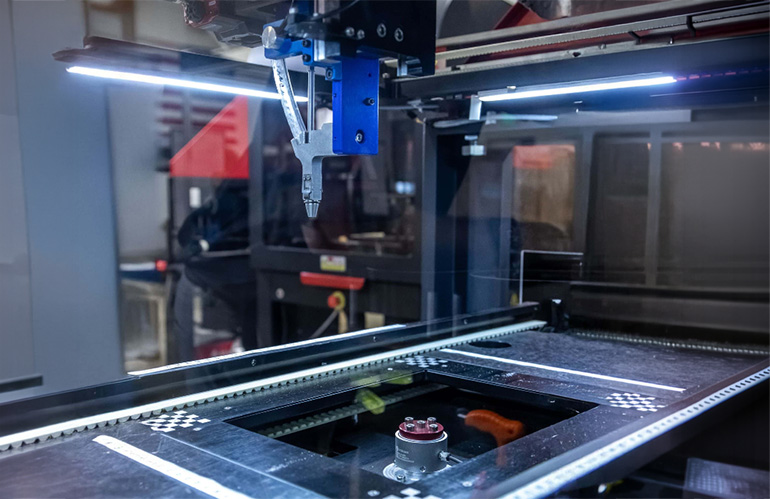
Launchpad Build AI offers MLM to speed industrial automation design
Launchpad Build AI has introduced its Manufacturing Language Model (MLM), aimed at democratizing automation in high-mix, low-volume production environments. This innovative tool allows users to input data through various formats, including photos, videos, or CAD files, streamlining the design process for industrial automation. The launch of MLM represents a significant advancement in making automation accessible to a broader range of manufacturers, enabling them to enhance efficiency and adapt to diverse production needs.

DJI users are creating videos you won’t believe
The recent winners of the SkyPixel contest, hosted by DJI, are set to inspire drone enthusiasts to elevate their aerial photography skills. The contest showcased stunning visuals captured by talented photographers, highlighting the creative potential of drones beyond casual use. With the announcement of the winners, which took place in October 2023, participants are encouraged to explore new perspectives and techniques in their own drone footage. The contest aims to motivate users to move beyond simple vacation clips and family gatherings, showcasing the artistic possibilities that drones can offer. As a result, many drone owners may feel compelled to recharge their devices and embark on new creative projects.
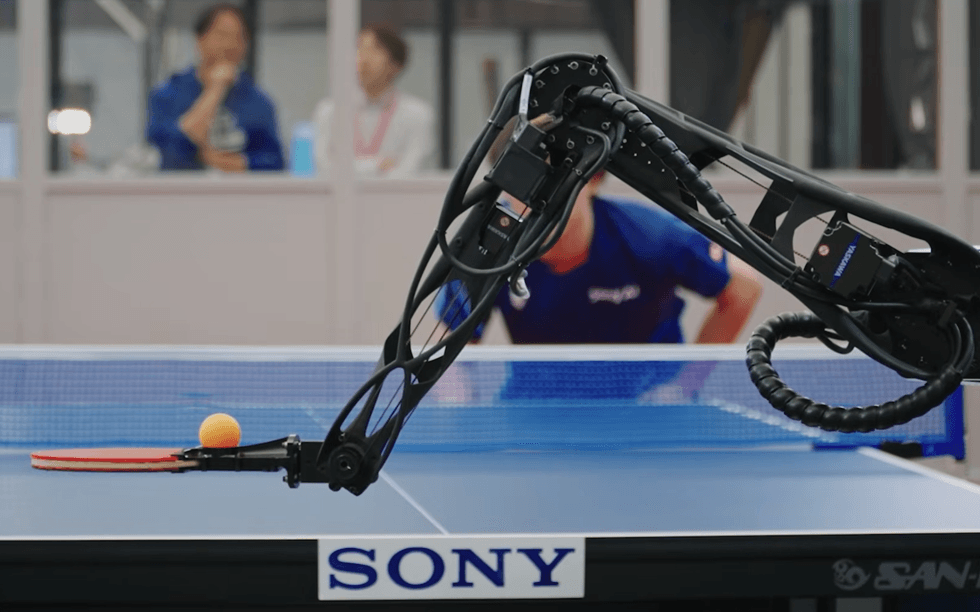
Video Friday: Who Wins in Robot Versus Pro Ping-Pong Player?
In a recent showcase of advancements in robotics, IEEE Spectrum highlighted several innovative developments and upcoming events in the field. Notably, Sony AI's latest research, featured on the cover of Nature, explores the potential of high-speed autonomous systems to master complex perception and dynamic control, aiming to compete with professional athletes. Among the exciting projects is the Ringbot Quad, a unique monocycle robot that integrates wheeled and legged locomotion, allowing it to navigate diverse terrains by switching between driving and walking modes. Meanwhile, in a significant milestone for China's robotics industry, humanoid robots outpaced human runners in a half-marathon in Beijing, with three robots finishing ahead of 12,000 participants. Other highlights include AthenaZero, a robot capable of juggling using only on-board sensory feedback, and advancements from the Max Planck Institute for Intelligent Systems, which reported a method to enhance the efficiency of soft electrostatic actuators, achieving conversion rates of up to 63.6%. As the field continues to evolve, discussions at Carnegie Mellon University emphasize the implications of Artificial General Intelligence (AGI) for society, proposing a future where humans collaborate with robots in supervisory roles, potentially transforming essential services and labor dynamics. Upcoming robotics events include ICRA 2026 in Vienna and the Summer School on Multi-Robot Systems in Prague, offering platforms for further exploration and innovation in robotics.
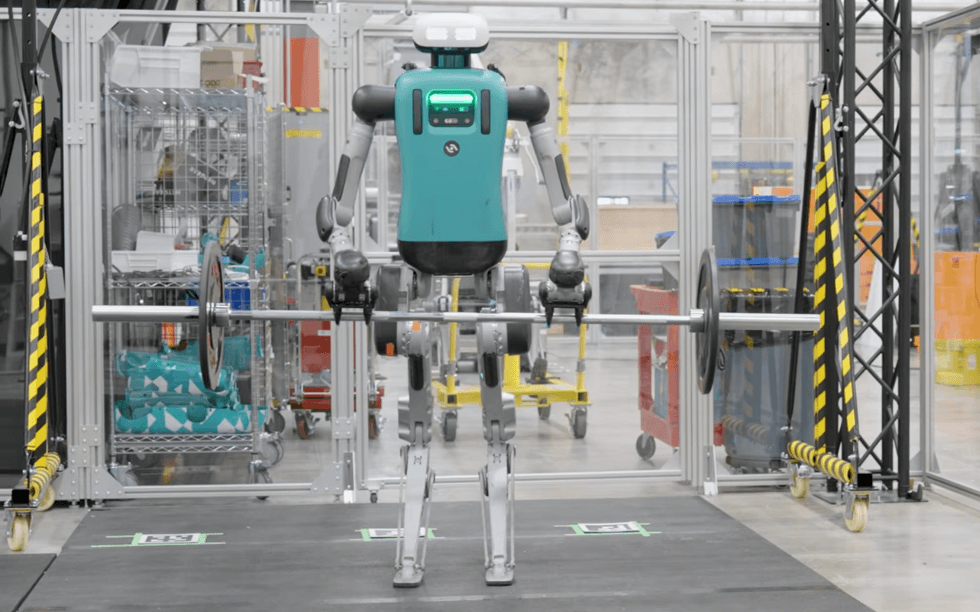
Video Friday: Digit Learns to Deadlift
IEEE Spectrum robotics has released its latest edition of "Video Friday," showcasing a selection of innovative robotics videos and announcing upcoming events in the field. The events include the International Conference on Robotics and Automation (ICRA) scheduled for June 1-5, 2026, in Vienna, the Robotics Science and Systems (RSS) conference from July 13-17, 2026, and a Summer School on Multi-Robot Systems taking place from July 29 to August 4, 2026, in Prague. Among the featured videos, researchers are training the robot Digit to perform a deadlift with a 65-pound object, emphasizing the importance of whole-body coordination and resilience in its actuators. This training allows for the development of a policy that enables Digit to execute a dynamically balanced lift in real-world scenarios. Additionally, Gatlin Robotics has introduced its first commercial showcasing robots in action as part of its Robot-as-a-Service (RaaS) contract. Dexterity highlights the expressive potential of motion intelligence in robotics, while Harvard researchers present a swarm of simple antlike robots capable of constructing and dismantling structures through adaptive group behavior. Lastly, a project from Michigan Robotics demonstrates a microcombustion actuator that rapidly inflates to launch colorful water droplets, challenging conventional notions about the capabilities of soft actuators. These advancements reflect the ongoing evolution and application of robotics technology across various domains.

DJI is releasing 4 new products this month — Here’s what’s coming
DJI, the renowned drone manufacturer, is set to embark on an ambitious product rollout following the recent introduction of its highly anticipated Avata 360 drone. In a strategic move to capture market attention, the company has released four teaser videos, each corresponding to a different launch date, all scheduled to occur within a two-week timeframe. This rapid succession of product announcements reflects DJI's commitment to innovation and its desire to maintain a competitive edge in the drone industry as it looks ahead to 2026. The upcoming launches are expected to showcase a range of new technologies and features, further solidifying DJI's position as a leader in the market.

Video Friday: This Floor Lamp Will Do Your Chores
IEEE Spectrum robotics has released its weekly roundup of notable robotics videos, along with a calendar of upcoming events in the field. Key events include the International Conference on Robotics and Automation (ICRA) scheduled for June 1-5, 2026, in Vienna, and the Robotics Science and Systems (RSS) conference from July 13-17, 2026, in Sydney. Among the highlights is Lume, a sculptural floor lamp that reportedly can perform household chores such as making beds and folding laundry, though skepticism surrounds its capabilities due to the presentation of its functionality in promotional materials. Additionally, researchers from MIT Media Lab and Politecnico di Bari have introduced Electrofluidic Fiber Muscles, a new type of artificial muscle that is soft and flexible, utilizing electric fields to operate silently without external pumps. Another innovation is GEN-1, a general-purpose AI model that significantly improves success rates in physical tasks and enhances speed, marking a step towards achieving generalist intelligence in robotics. The report also discusses advancements in legged manipulators, which face challenges in interacting with diverse articulated objects, and highlights the development of Tether, a system for autonomous interactive play that enhances policy learning through efficient data generation. As the robotics community continues to innovate, these developments signal exciting possibilities for the future of robotics applications.
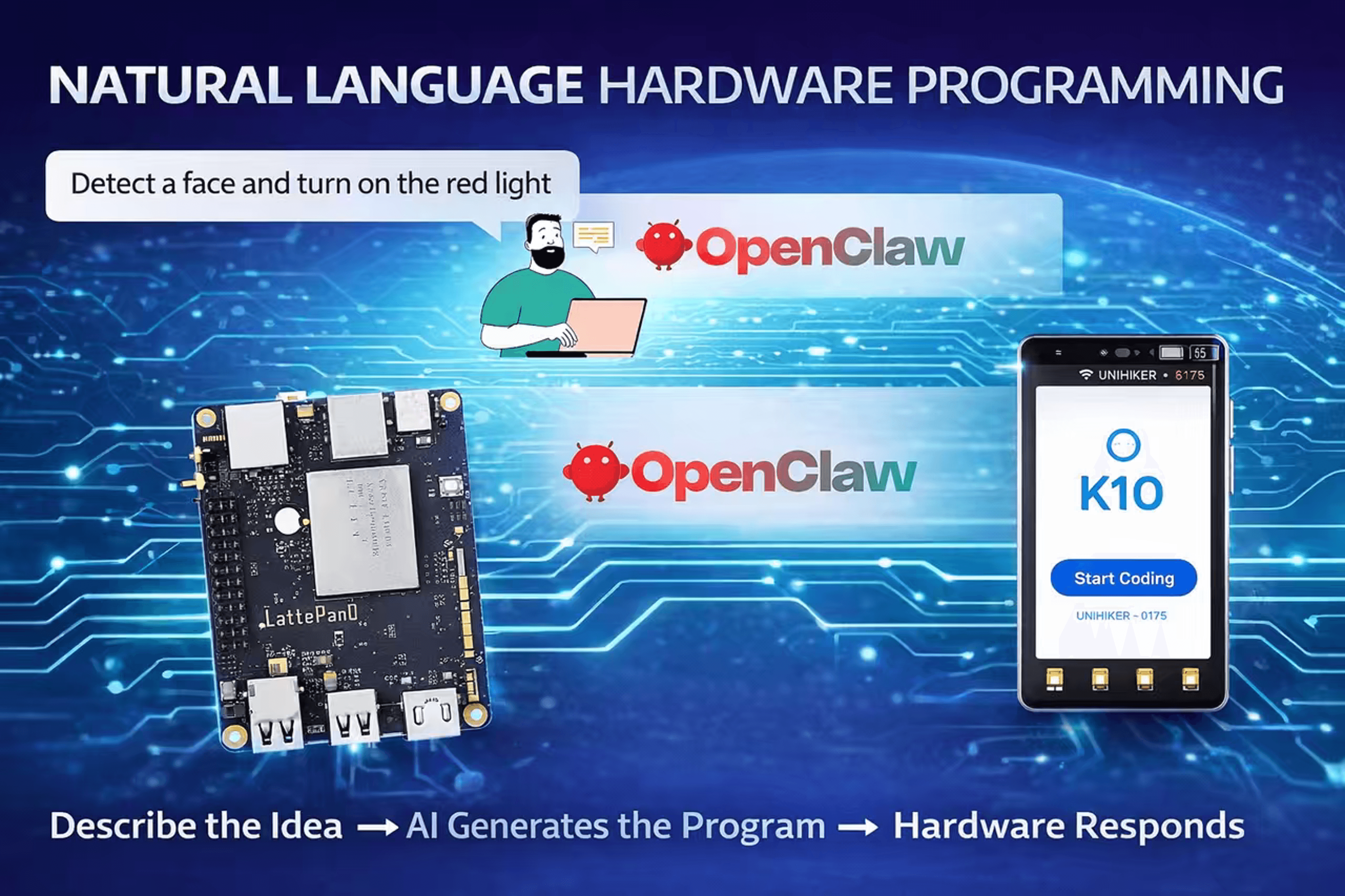
OpenClaw + UNIHIKER K10: Natural Language Hardware Programming in Minutes
Learn how OpenClaw enables natural language hardware programming on UNIHIKER K10, automating code generation, debugging, and deployment in minutes.
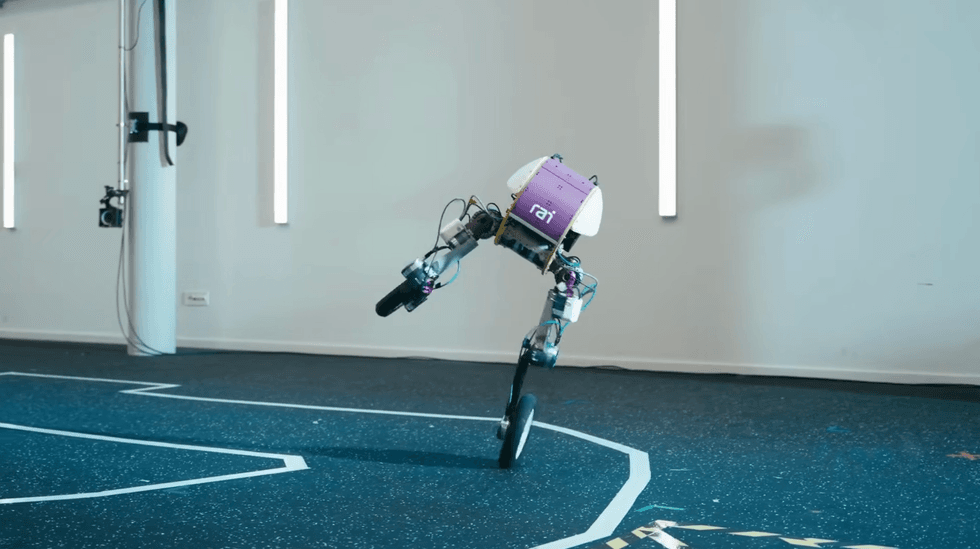
Video Friday: Beep! Beep! Roadrunner Bipedal Bot Breaks the Mold
IEEE Spectrum robotics has released its weekly roundup of notable robotics videos and events. Among the highlights is the introduction of "Roadrunner," a new bipedal wheeled robot prototype that can switch between various locomotion modes, designed for enhanced navigation. Weighing approximately 15 kg, it features symmetric legs that can adapt for obstacle avoidance and movement management. NASA has announced two ambitious missions: SkyFall, which will deploy next-generation helicopters on Mars to scout landing sites and map subsurface water ice, and MoonFall, aimed at preparing for future Artemis missions by sending drones to explore the lunar South Pole. These drones will operate independently for 14 Earth days, surveying challenging terrains. In research advancements, a team from MIT has developed Electrofluidic Fiber Muscles, a new class of soft and flexible artificial muscles for robots and wearables, promising improved agility and integration into textiles. Additionally, the open-source quadruped robot MEVIUS2 has been unveiled, capable of climbing stairs and steep slopes. Other innovations include a wristband from MIT that allows users to control a robotic hand through their own movements, and a cooking robot from Zhejiang Lab that autonomously processes ingredients and performs cooking tasks with high precision. The CMU Robotics Institute is set to host a seminar by Hadas Kress-Gazit from Cornell, focusing on the role of formal methods in robotics amidst the rise of big data.
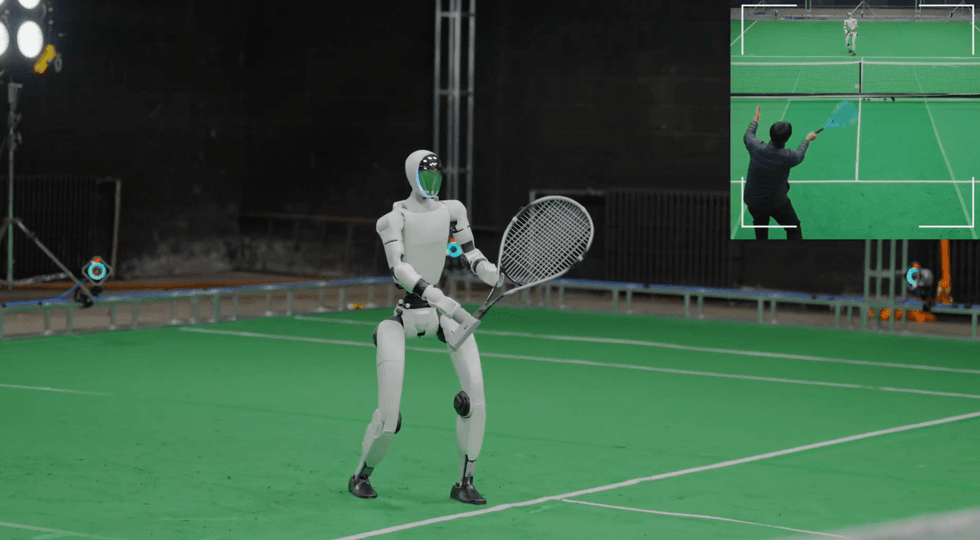
Video Friday: Humanoid Learns Tennis Skills Playing Humans
IEEE Spectrum robotics has released its latest edition of Video Friday, showcasing a variety of innovative robotics videos and announcing upcoming events in the field. Notable events include the International Conference on Robotics and Automation (ICRA) scheduled for June 1-5, 2026, in Vienna, and a Summer School on Multi-Robot Systems from July 29 to August 4, 2026, in Prague. Among the featured advancements, researchers have developed LATENT, a system designed to teach humanoid robots tennis skills by learning from imperfect human motion data. This innovation addresses the challenges of replicating human-like athleticism in robotics. Additionally, a breakthrough has been achieved in robotic manipulation, with a robot successfully peeling an apple using dual dexterous hands, showcasing significant progress in bimanual tasks. The development of MoDE-VLA, a control system that integrates vision, language, force, and touch data, further enhances the robot's ability to perform complex tasks with stability and precision. This shared-autonomy approach allows human operators to guide robots in executing intricate movements. In other highlights, collaborations between Tesollo and Hanyang University have led to advancements in robotic hand technology, while the Fluent Robotics Lab at the University of Michigan is set to present a paper on operational PR2 robots. The KAIST DRCD Lab has also demonstrated the capabilities of its humanoid robot, trained through deep reinforcement learning. As robotics continues to evolve, these innovations reflect the ongoing efforts to bridge the gap between human-like dexterity and robotic functionality.

Video Friday: These Robots Were Born to Run
IEEE Spectrum's weekly feature, Video Friday, showcases a collection of innovative robotics videos and highlights upcoming robotics events, including the International Conference on Robotics and Automation (ICRA) scheduled for June 1-5, 2026, in Vienna. This week’s videos introduce advanced modular building blocks that allow for the automatic design and rapid assembly of agile robots capable of navigating unstructured outdoor environments, a significant advancement from traditional legged robots that rely on predefined designs. Additionally, the RIVR project presents a concept for an ideal urban delivery robot, while KIMLAB introduces TRIP-Bag, a portable teleoperation system designed for high-fidelity data collection in various settings. TUM has developed an open-vocabulary semantic exploration system that enhances robots' ability to map and locate objects in dynamic environments. In a practical demonstration, a reconfigurable robot assists a team responding to a simulated radiation leak at a nuclear facility, showcasing its adaptability in challenging conditions. Meanwhile, Carnegie Mellon University's Robomechanics Lab reflects on a devastating flood that destroyed many of its robots, honoring them with a tribute video. Lastly, the 2025 Silicon Valley Humanoids Summit features a keynote by Disney Research's Moritz Baecher, discussing insights into robotic character development.
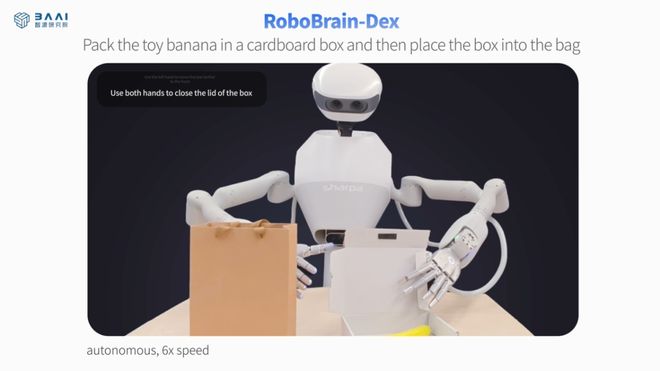
RoboBrain-Dex: Solving the Challenges of Embodied Intelligent Dexterous Manipulation through Human First-Person Perspective Operation Videos
RoboBrain-Dex has unveiled a groundbreaking pre-training paradigm designed to improve robotic dexterity by utilizing extensive collections of human first-person operation videos. This innovative method aims to streamline the learning process for robots, significantly cutting down on both time and costs associated with training. By enabling robots to swiftly grasp complex human operational logic, this approach opens up new possibilities for their application in various high-value industries. The introduction of RoboBrain-Dex marks a significant advancement in the field of robotics, promising to enhance the efficiency and effectiveness of robots in real-world tasks.
Rhoda AI Hits $1.7B Valuation, Unveils "Direct Video-Action" Model to Bridge the Real-World Gap
Rhoda AI, a technology company based in Palo Alto, has emerged from stealth mode with the announcement of a $450 million Series B funding round. This significant investment will support the development of its innovative "Direct Video-Action" framework, which leverages hundreds of millions of internet videos to educate robots on the principles of physics. The funding aims to enhance the company's capabilities in artificial intelligence and robotics, positioning Rhoda AI at the forefront of technological advancements in these fields. The announcement marks a pivotal moment for the company as it seeks to revolutionize how machines learn and interact with the physical world.
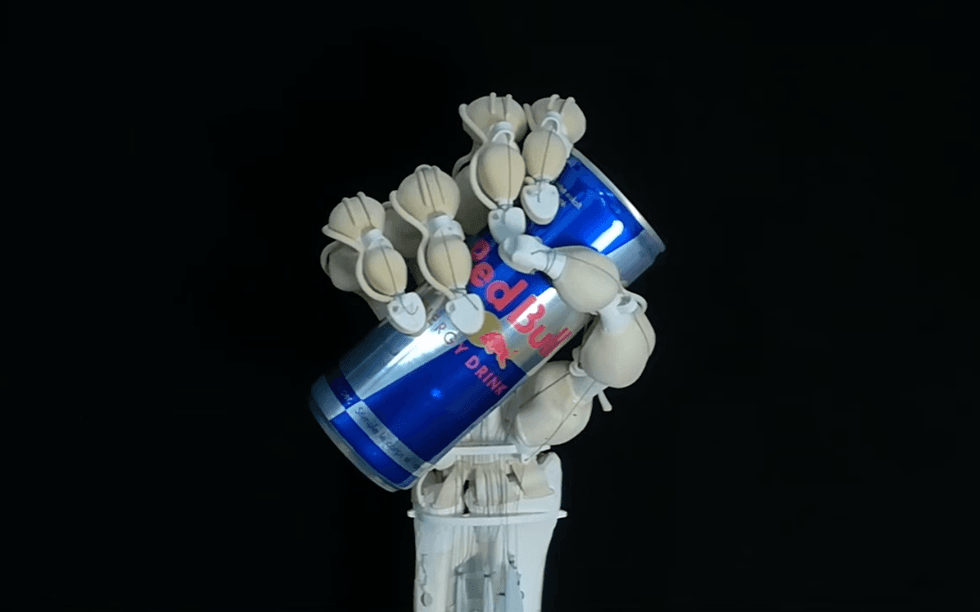
Video Friday: A Robot Hand With Artificial Muscles and Tendons
IEEE Spectrum robotics has released its weekly roundup of notable robotics videos and a calendar of upcoming events, including the International Conference on Robotics and Automation (ICRA) scheduled for June 1-5, 2026, in Vienna. This week's highlights feature advancements in biomimetic design, showcasing a printed hand that integrates soft and rigid components with artificial muscles, enhancing our understanding of natural kinematic structures. Boston Dynamics product managers reflect on classic robots, including LittleDog, which contributed to legged locomotion research over a decade ago. Additionally, DRAGON Lab has introduced a new trajectory planning method for floating-based articulated robots, facilitating exploration in complex environments. Their OmniPlanner tool has been tested extensively across various terrains, including underground mines and forests. The FZI Research Center, in collaboration with ETH Zurich and other institutions, has made strides in preparing for lunar missions by testing cooperative autonomous multirobot teams outdoors. Meanwhile, advancements in humanoid robotics are being discussed, with Kamel Saidi from NIST emphasizing the importance of performance standards for broader adoption. In academia, Junyao Shi from UPenn's GRASP lab will address the challenges of building general-purpose robots, focusing on how human data and foundation models can bridge existing gaps in robotics. This ongoing exploration of robotics technology underscores the field's rapid evolution and its potential impact on various sectors.
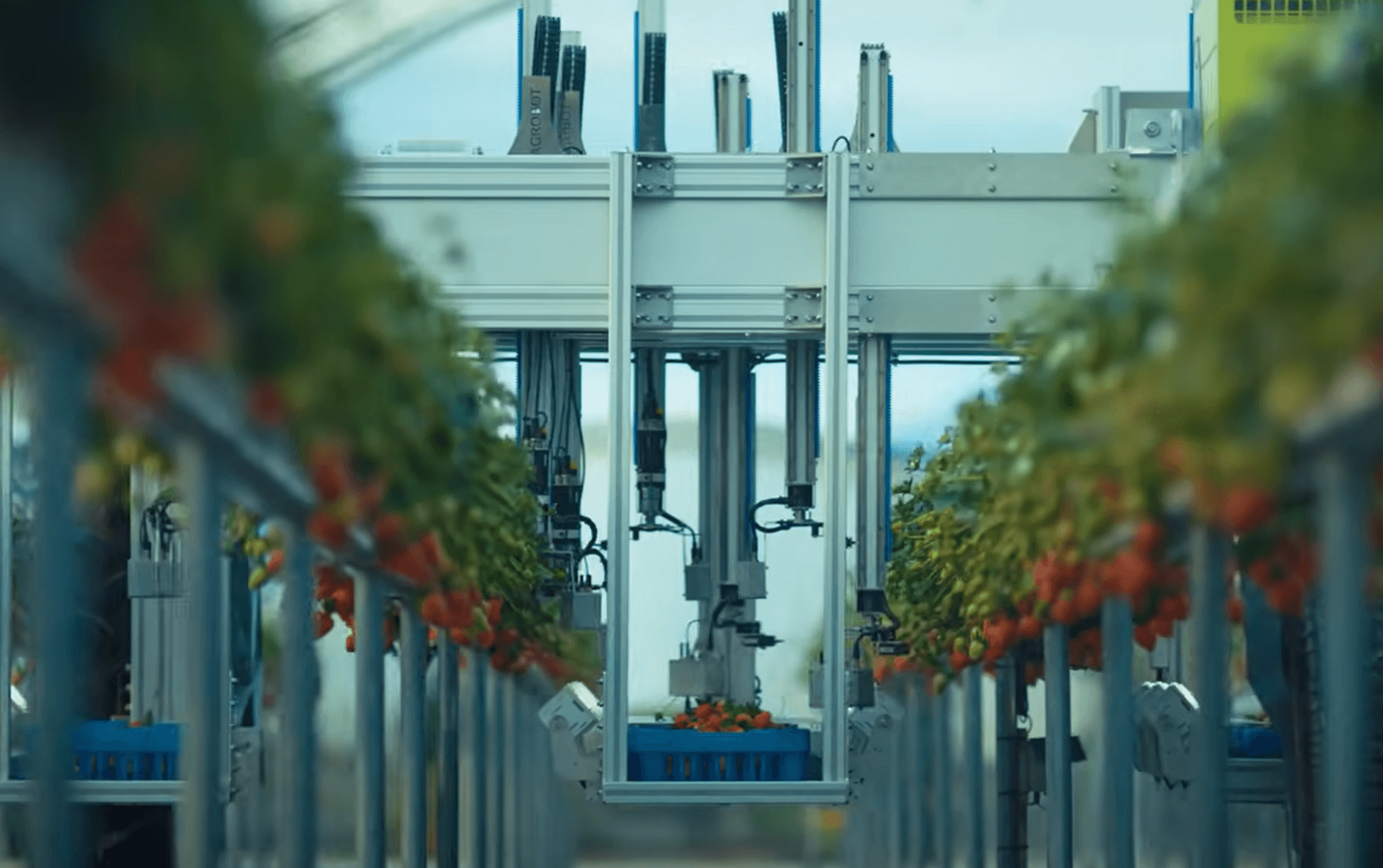
AGRICULTURAL ROBOTICS | Harvesting Robots: $6.9B Market
Harvesting robots hit $2.24B in 2024 and are targeting a $50B labor market at less than 5% penetration. Deep-dive: market data, 14 companies, economics, and 2030 outlook.
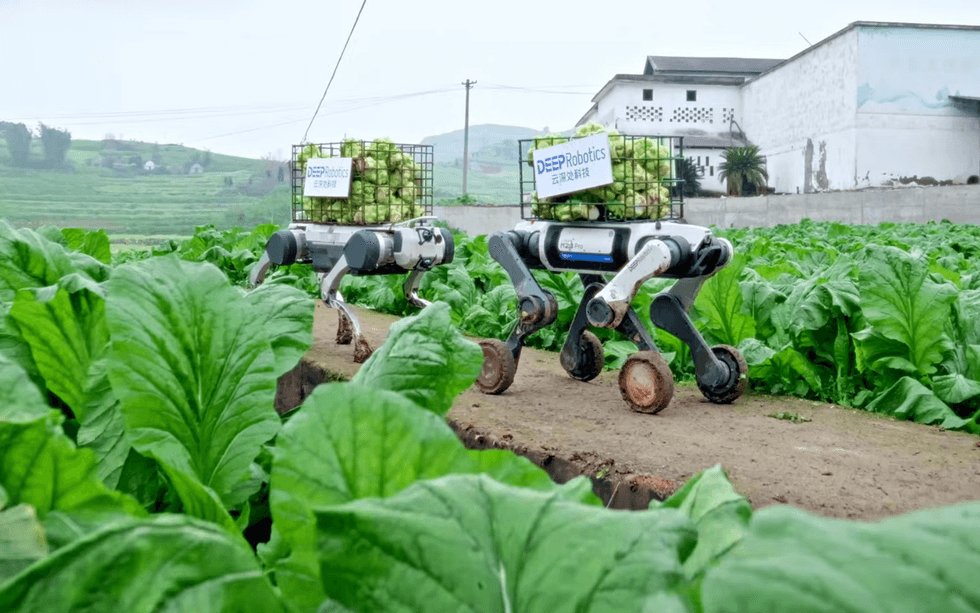
Video Friday: Robot Dogs Haul Produce From the Field
IEEE Spectrum's weekly feature, Video Friday, showcases a variety of innovative robotics videos and highlights upcoming robotics events, including the International Conference on Robotics and Automation (ICRA) scheduled for June 1-5, 2026, in Vienna. This week’s selection includes demonstrations of the Lynx M20 robots, which are designed to address the logistical challenges of transporting harvested crops in mountainous regions. Research from a collaboration between the Max Planck Institute for Intelligent Systems, the University of Michigan, and Cornell University reveals that magnetic microrobot swarms can manipulate larger objects without direct contact, showcasing their potential for complex tasks such as assembly and movement of small items. Meanwhile, Georgia Tech is investigating how bipedal robots can recover from balance loss in unpredictable environments, aiming to enhance their functionality in real-world applications. In a separate initiative, Carnegie Mellon University's TartanAUV team is refining their autonomous underwater vehicle, Osprey, in preparation for the annual RoboSub competition. Additionally, advancements in tilt-rotor aerial robots are being explored to improve control and maneuverability through reinforcement learning techniques. The feature also includes educational tools like the Astorino robot, designed for teaching robotics in schools, and discussions on the need for more realistic datasets for autonomous driving. Overall, the content reflects the ongoing evolution and application of robotics across various fields, emphasizing both technical advancements and educational initiatives.
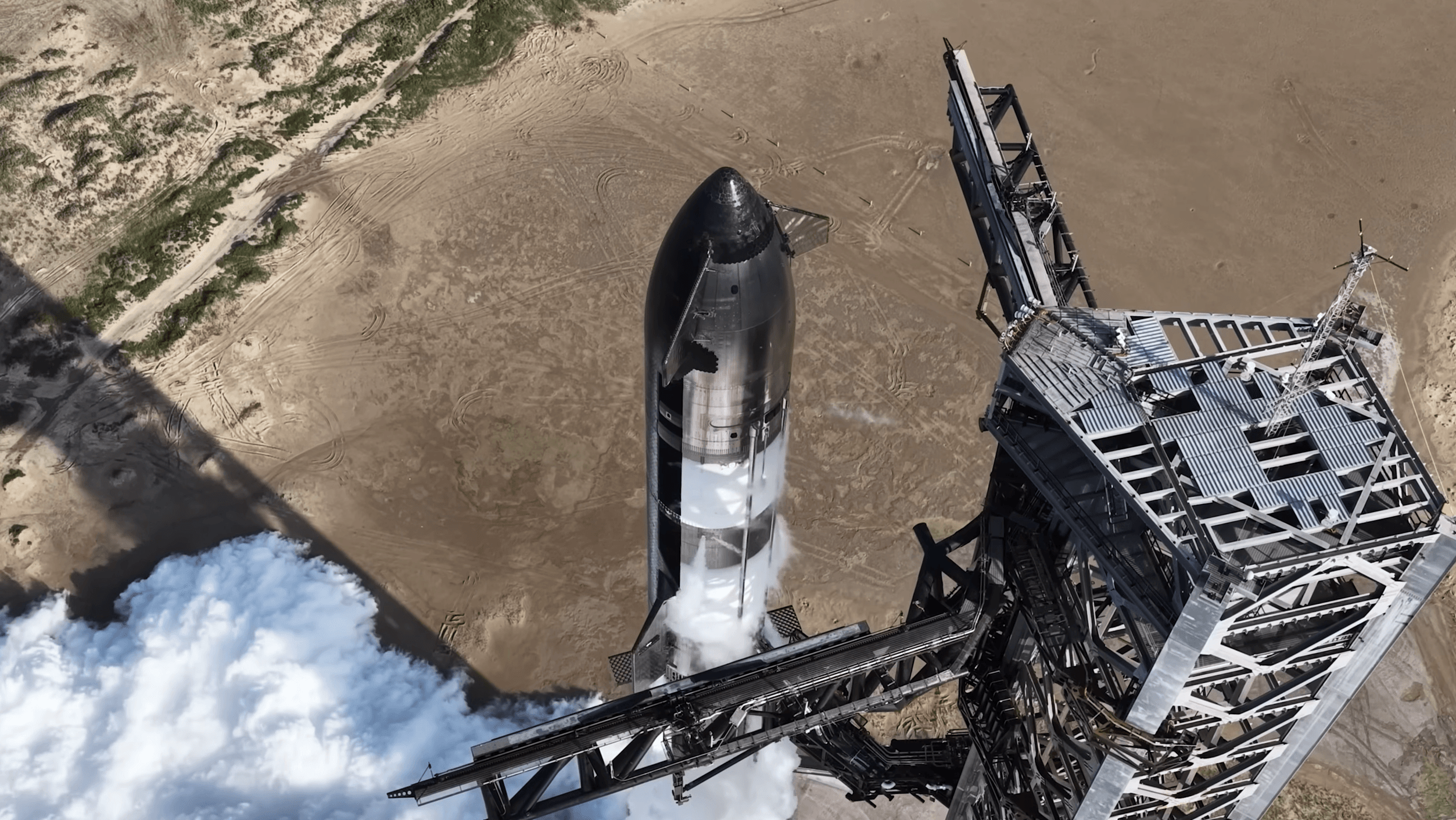
EXECUTIVE BRIEFING: The 2026 Space Robotics Landscape
Explore the definitive 2026 directory of 95+ space robotics leaders, covering orbital servicing, lunar rovers, and in-space manufacturing. Download the complete RobotToday reference guide to track the companies, funding, and technologies driving the $24B orbital economy.
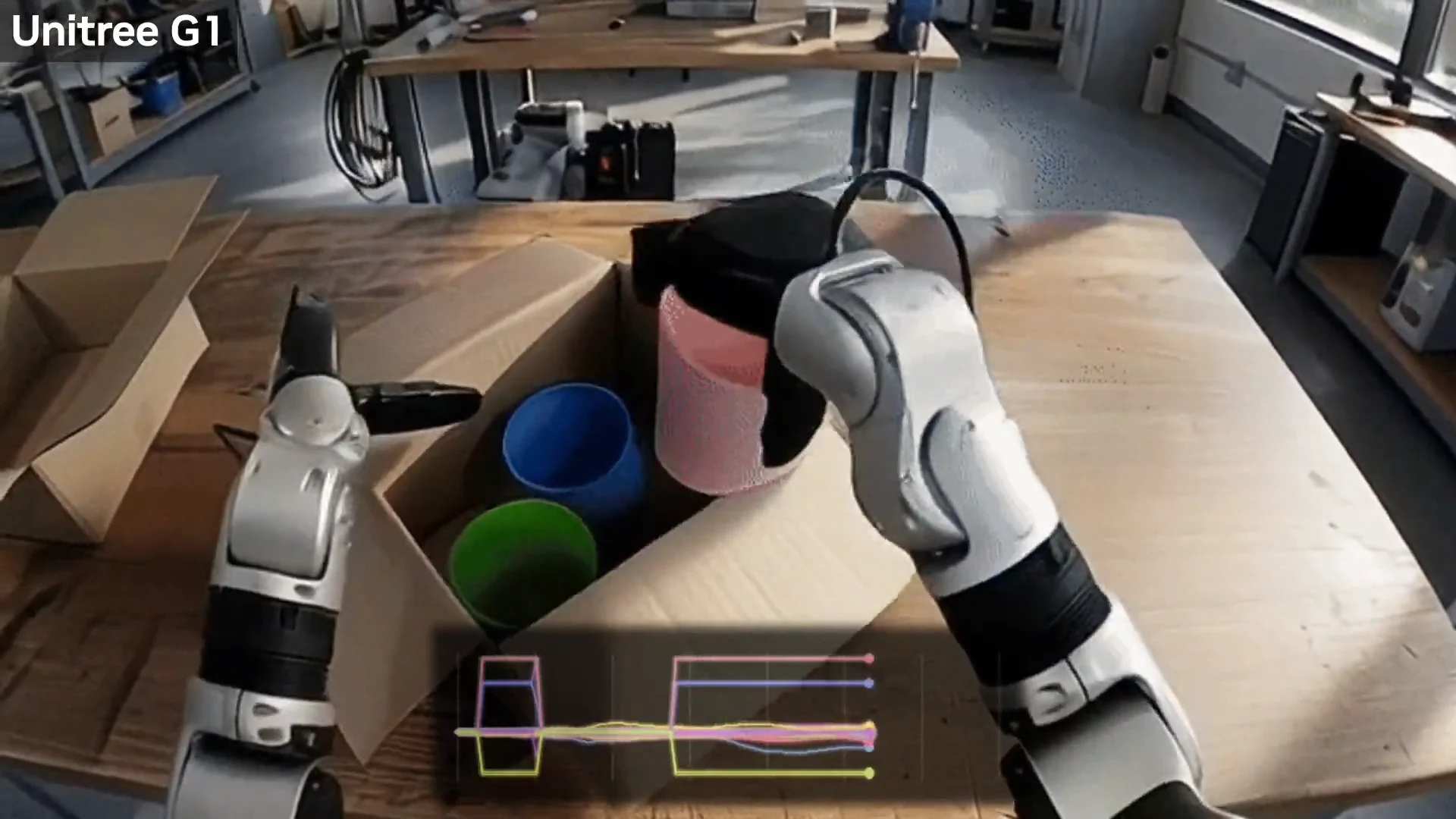
NVIDIA Open-Sources DreamDojo: A 44,000-Hour "Dream" to Solve the Robotics Data Gap
NVIDIA GEAR Lab has unveiled DreamDojo, an innovative open-source world model that leverages a substantial dataset of 44,000 hours of human egocentric videos. This advanced model employs "latent actions" to effectively connect human movements with robotic actions, enabling it to achieve zero-shot generalization and real-time controllability for applications in teleoperation and planning. The release of DreamDojo marks a significant advancement in the field of robotics, enhancing the potential for seamless interaction between humans and machines.
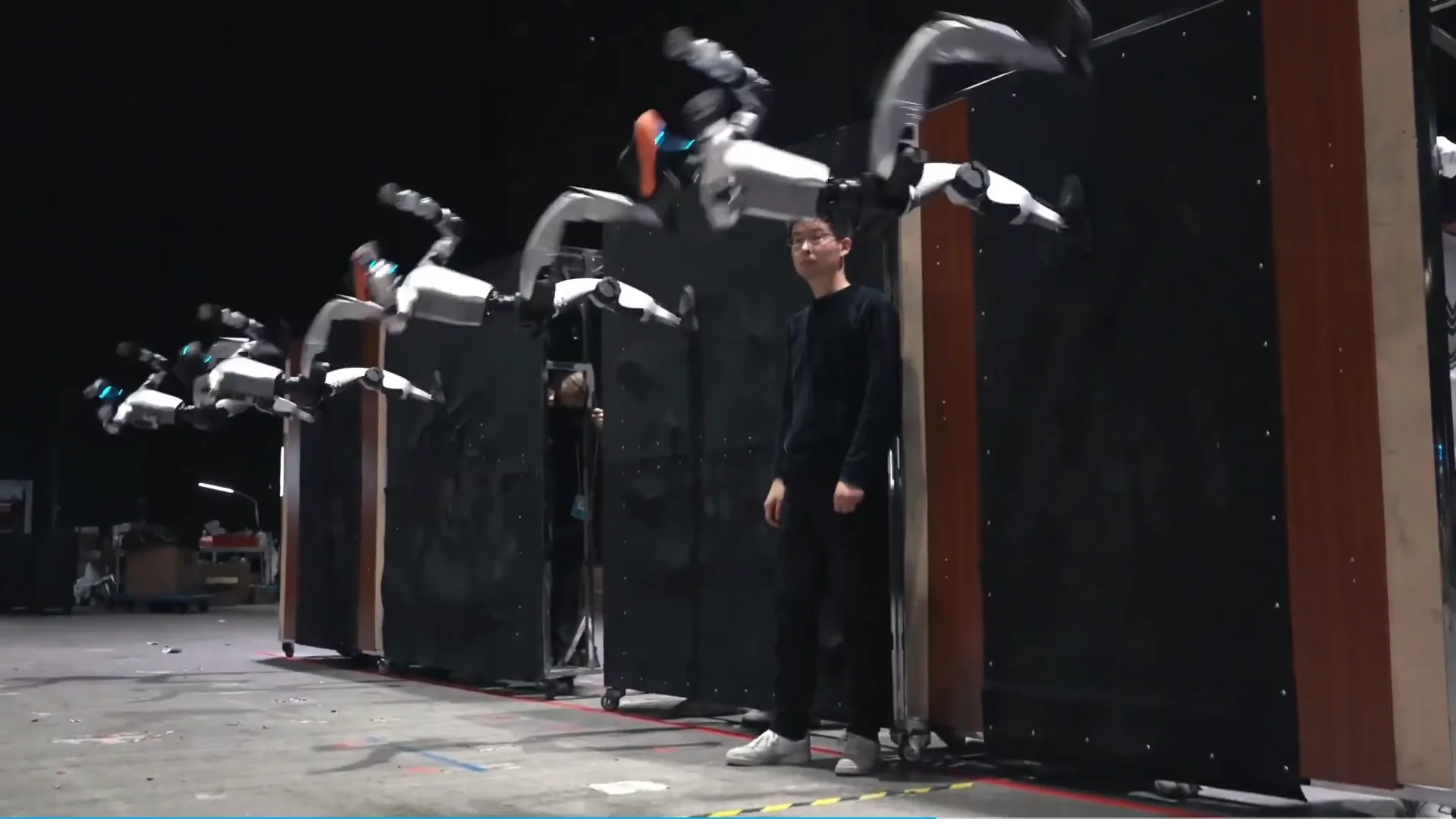
Watch: Unitree Previews "Cluster Cooperative" Tech with Mass Humanoid Performance
Unitree Robotics has released new videos showcasing its G1 humanoid robots performing synchronized jumps and intricate formations. This impressive display of coordination is made possible by the company's innovative "Cluster Cooperative Rapid Scheduling System." The demonstrations highlight the advanced capabilities of the G1 robots, emphasizing their potential applications in various fields. The videos, which were shared recently, illustrate the robots' ability to work together seamlessly, marking a significant advancement in robotic technology. This development reflects Unitree Robotics' commitment to pushing the boundaries of automation and robotics, aiming to enhance efficiency and collaboration in robotic systems.
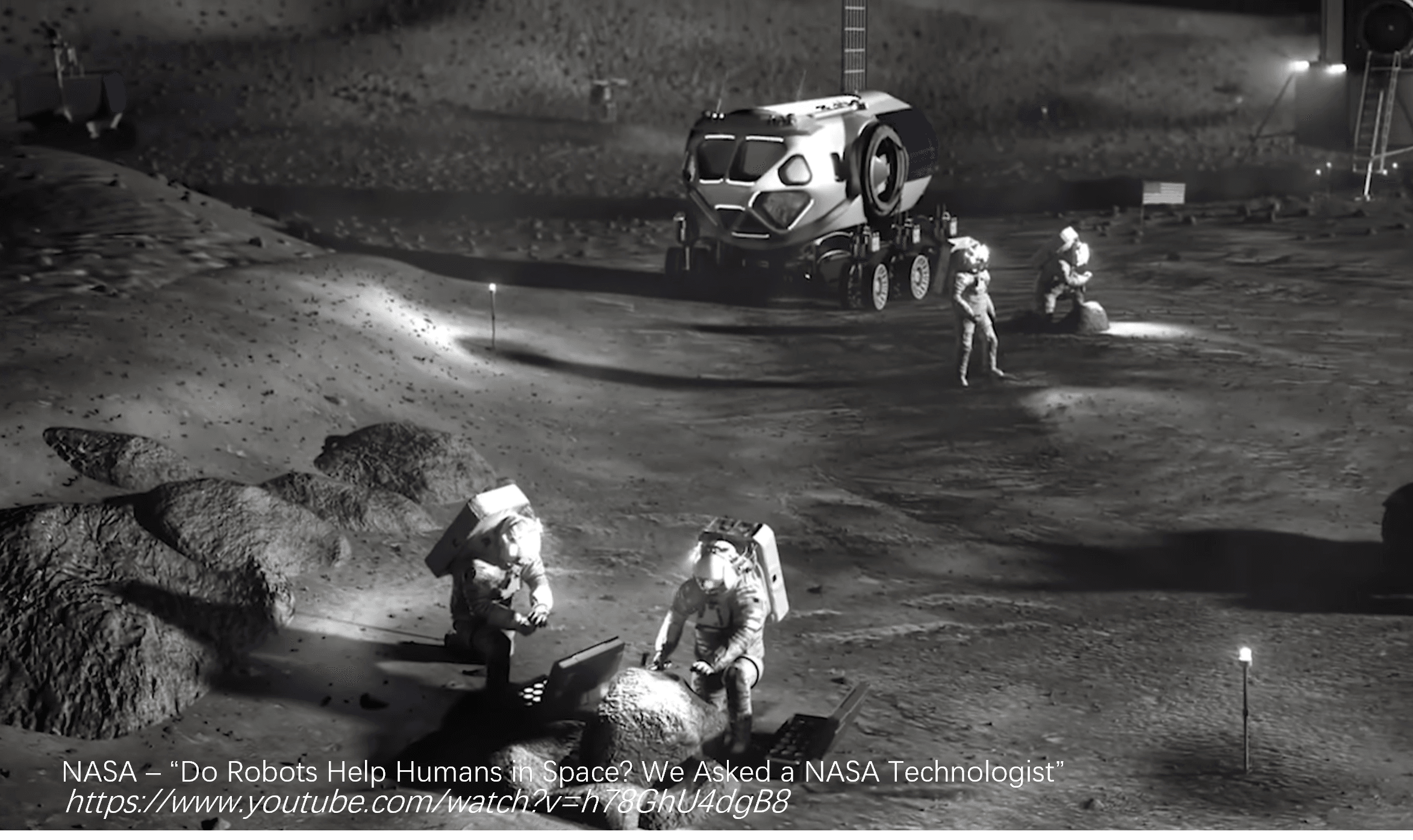
Space Robot- Building Skyscrapers in Space: ISMA's Industrial Revolution
ISAM technology breaks rocket fairing limits through robotic space manufacturing. Market grows from $3.5B to $14.5B by 2032. See how 3D printing, autonomous assembly, and orbital fabrication are creating off-Earth factories.
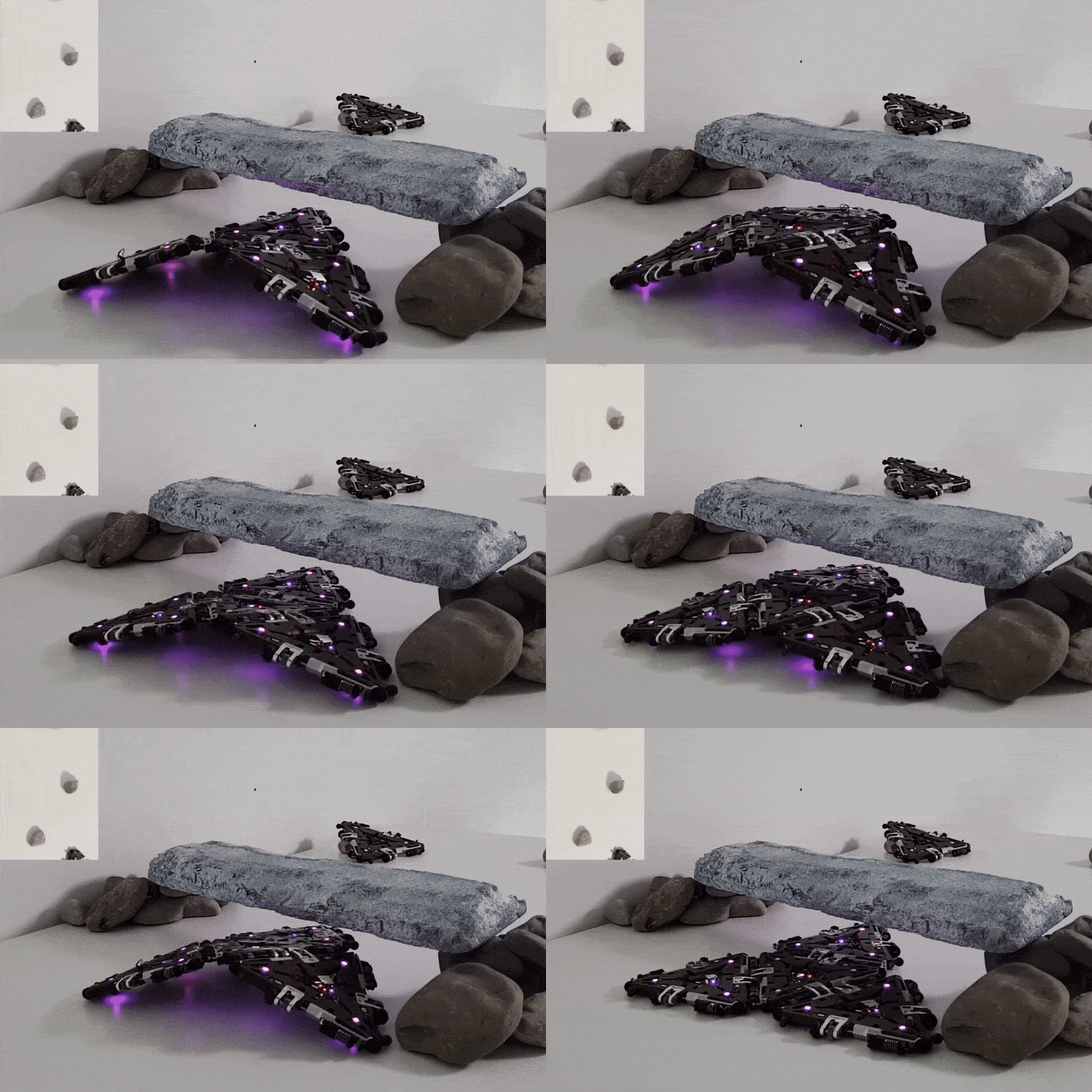
Video Friday: Robot Collective Stays Alive Even When Parts Die
IEEE Spectrum robotics has released its weekly roundup of notable robotics videos, along with a calendar of upcoming events, including the International Conference on Robotics and Automation (ICRA) scheduled for June 1-5, 2026, in Vienna. Among the highlights, researchers from the Max Planck Institute and other institutions have published a study revealing that elephants' unique whiskers contribute to their exceptional sense of touch, potentially inspiring advancements in robotic sensing technologies. In product news, Weave Robotics announced the launch of Isaac 0, a laundry-folding robot set to begin shipping to homes in the Bay Area in February 2026. Meanwhile, engineers at Boston Dynamics continue to test the Atlas platform's full-body control capabilities. Additionally, a team from the University of Waterloo has developed a system enabling collaborative art creation with robots, while Harvard scientists have introduced a new 3D-printing method for soft robotics that could enhance medical technology. Texas A&M University has unveiled a quiet all-electric unmanned rotorcraft, and Deep Robotics has showcased the Lynx M20 robot, designed for winter sports challenges. These developments reflect ongoing innovations in robotics, addressing both practical applications and advanced research, as the field continues to evolve.
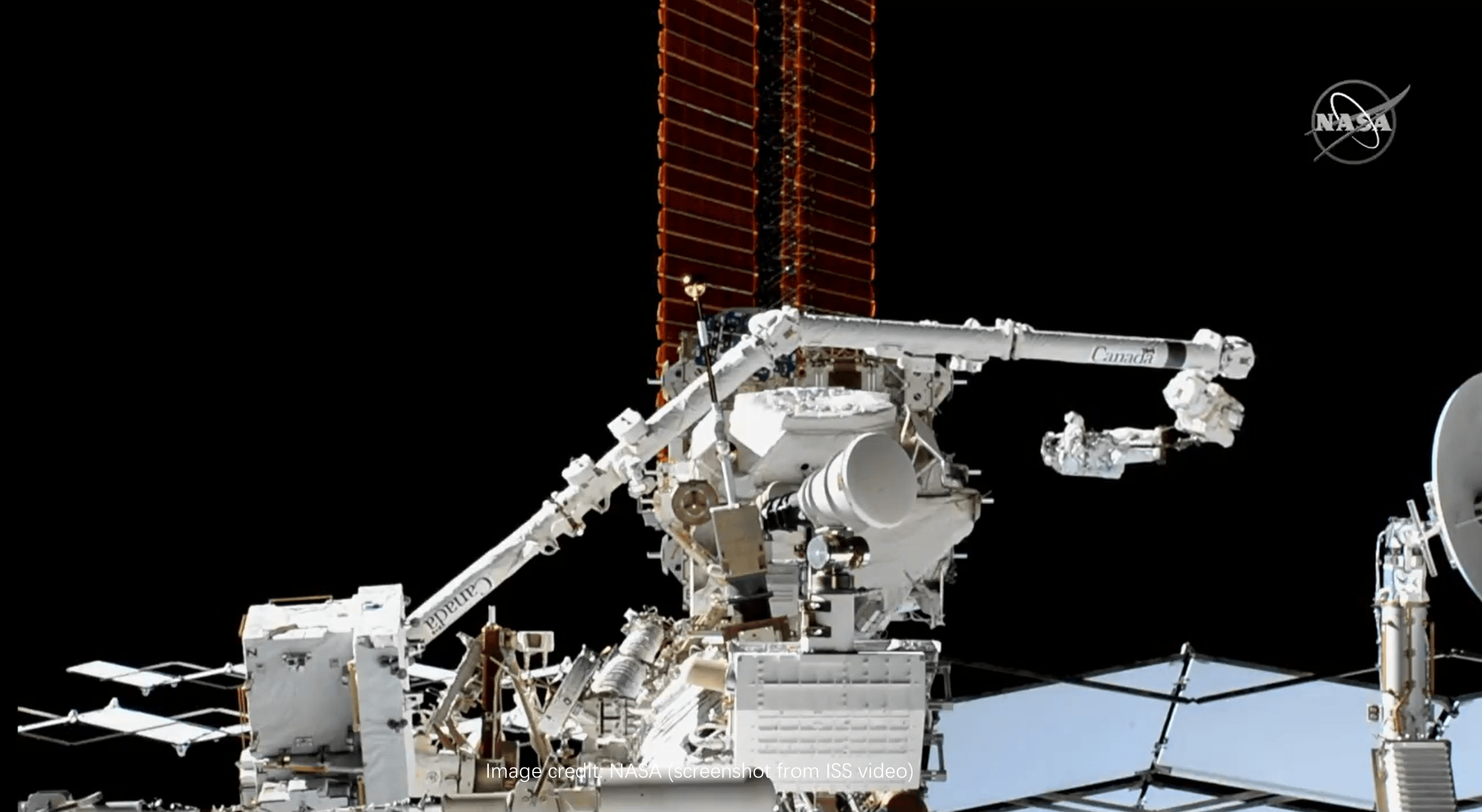
Space Robot - Space Station's AI Assistants: From Robotic Arms to Autonomous Partners
Space station robots evolve from remote tools to autonomous AI partners. How embodied intelligence reshapes human-robot collaboration in orbit.
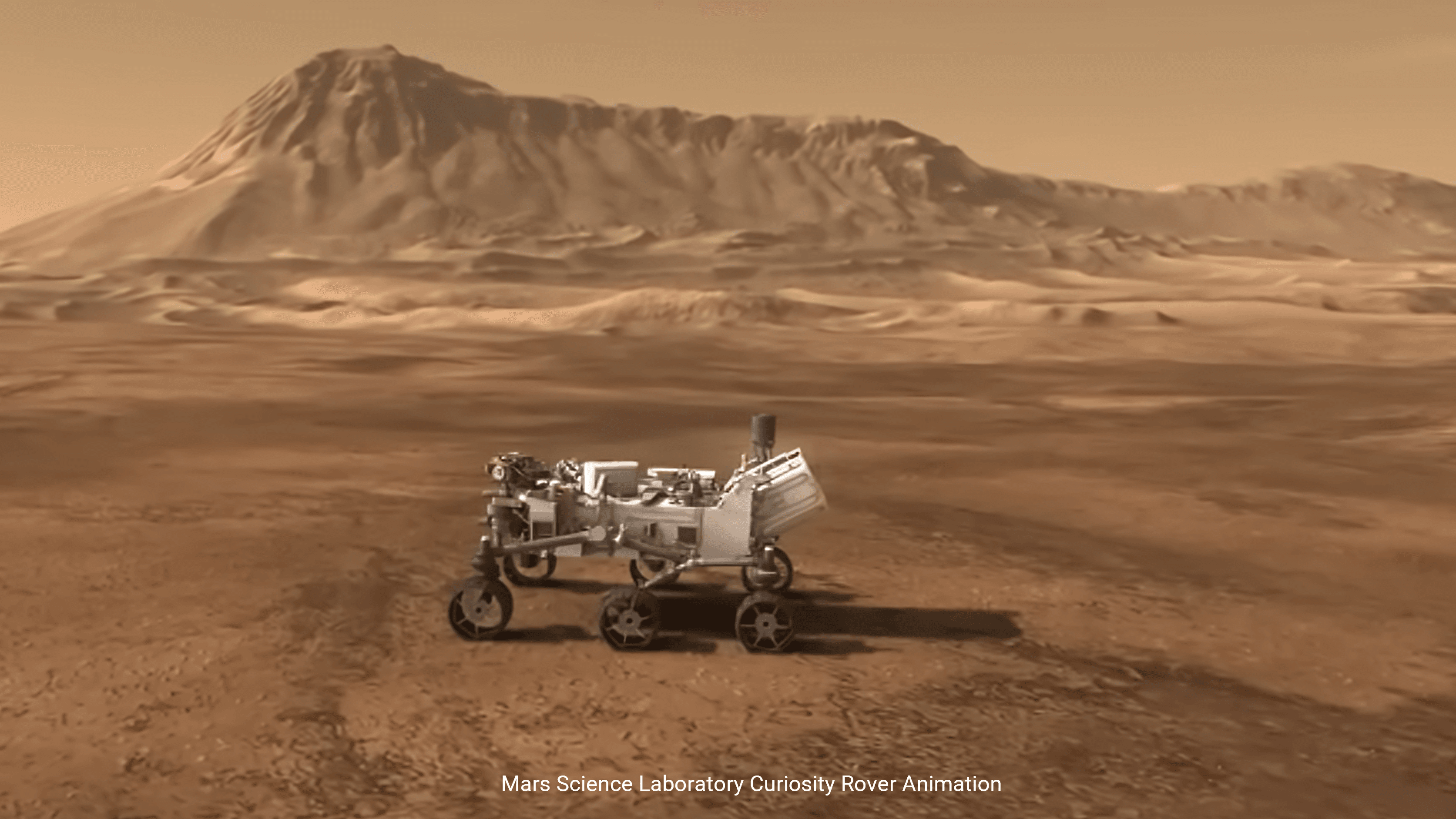
Space Robot- Lunar Rovers: Building Infrastructure on the Moon
Lunar rovers face -180°C nights and glass-sharp dust while building moon infrastructure. Inside the engineering challenges, commercial strategies, and international competition shaping planetary robotics.

Global Robotics Market 2026: Forecast Analysis & Key Trends
Comprehensive 2026 global robotics market forecast compilation from IFR, Markets and Markets & more. Market size, growth rates & regional analysis by segment.

RobotToday Weekly Industry Briefing: Feb 2 – 6, 2026
Robotics shifted from demos to deployment post-CES 2026, led by China’s humanoid scale, AI robot brains, and accelerating industrial adoption.
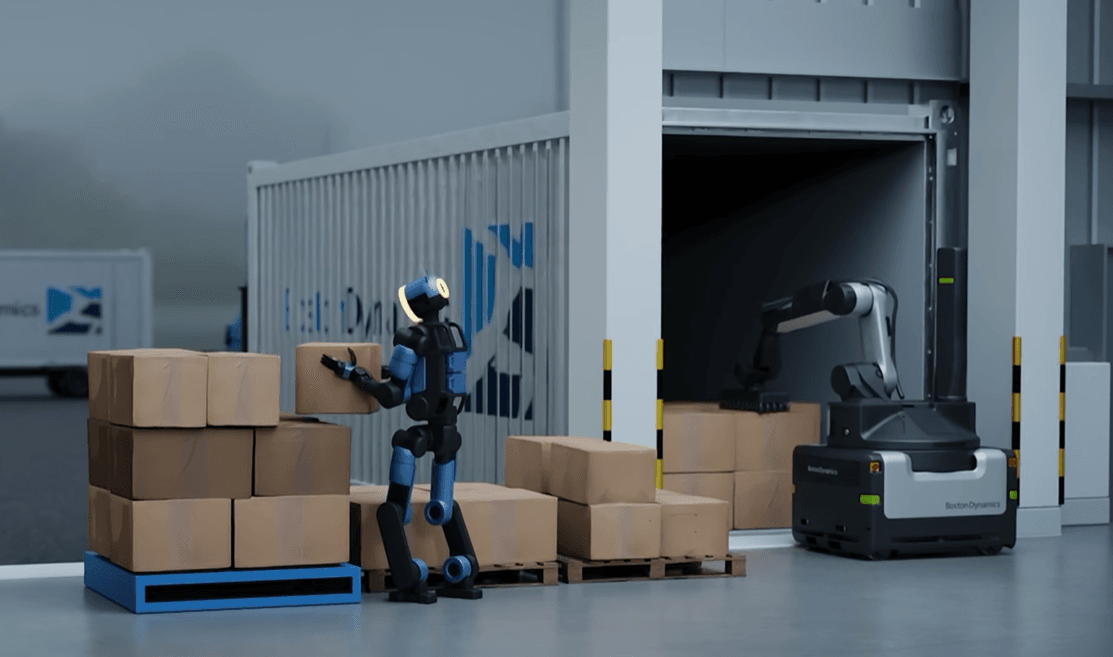
When the Machine Knows Better: The Quiet Revolution Inside Manufacturing
The machine can already see what human inspectors miss. But inside manufacturing, the real fight isn't about technology — it's about who gets to decide. The union battle over Manufacturing Intelligence begins here.
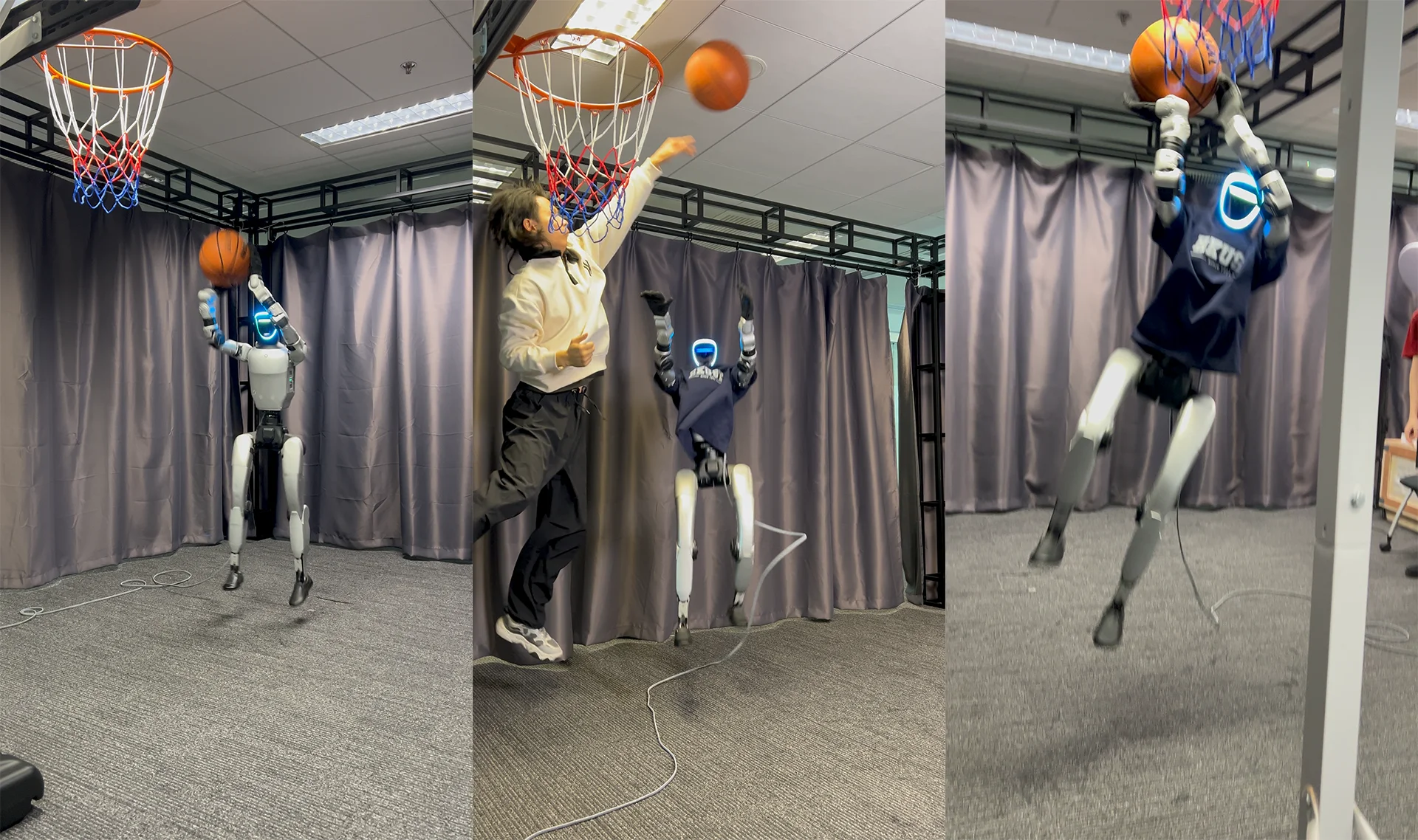
HumanX: The AI Framework Turning Unitree’s G1 into a Basketball Pro
Researchers from the Hong Kong University of Science and Technology (HKUST) and the Shanghai AI Lab have developed an innovative full-stack framework that enables humanoid robots to learn complex athletic skills, such as basketball and reactive fighting, by directly analyzing human videos. This groundbreaking technology eliminates the need for traditional manual reward engineering, streamlining the learning process for robots. The framework represents a significant advancement in the field of robotics and artificial intelligence, showcasing the potential for machines to acquire skills through observation and imitation. The development is part of ongoing efforts to enhance robot capabilities and improve their interaction with human activities, with implications for various applications in sports, entertainment, and training environments.
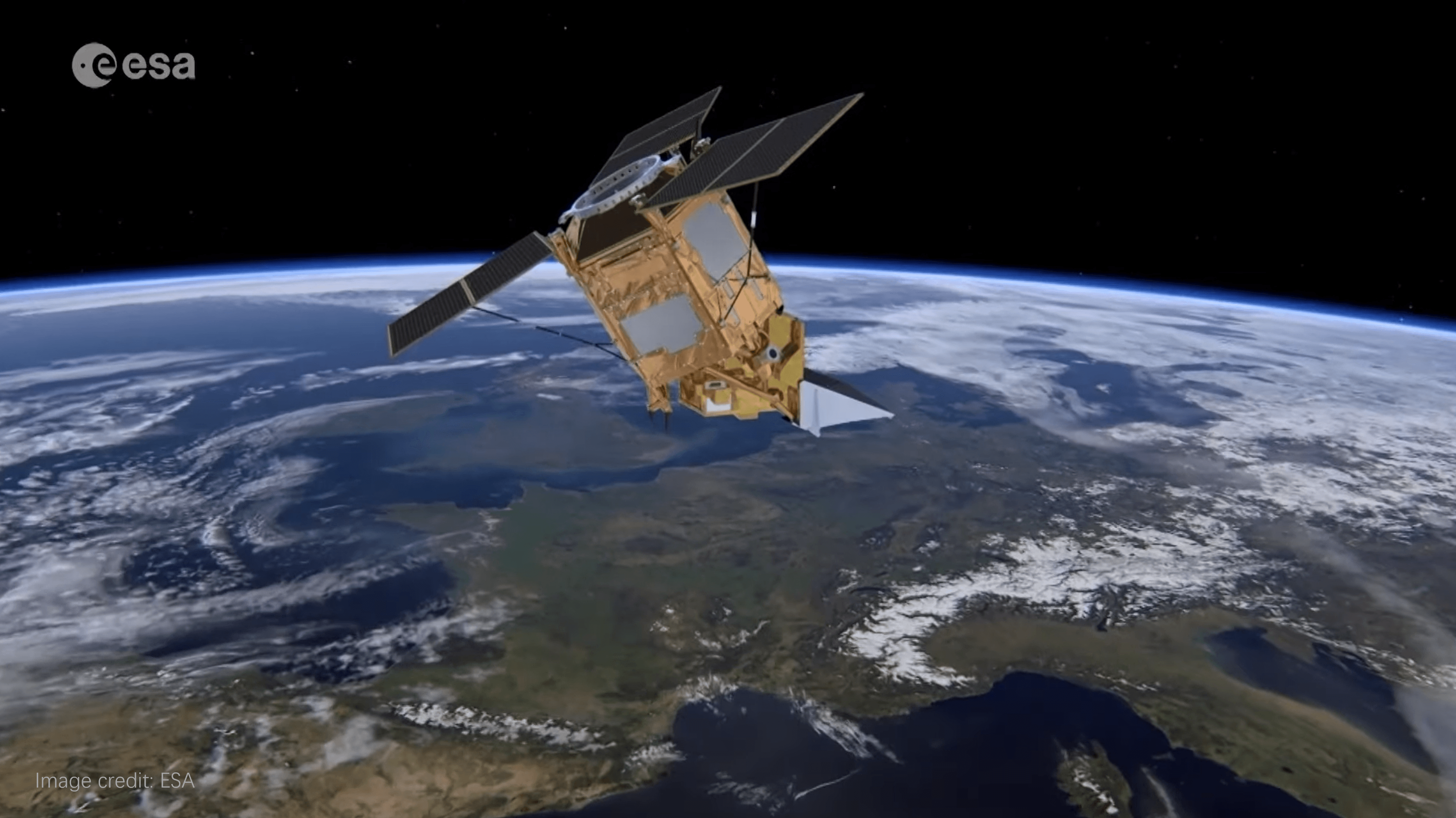
Space Robot - Killer App: The $30B Satellite Servicing Market
Orbital servicing is transforming space economics: $2B wasted annually on premature satellite deaths. Market growing from $500M to $20-30B by 2040. Deep dive into Astroscale, Northrop Grumman MEV, and the business of satellite refueling and debris removal.
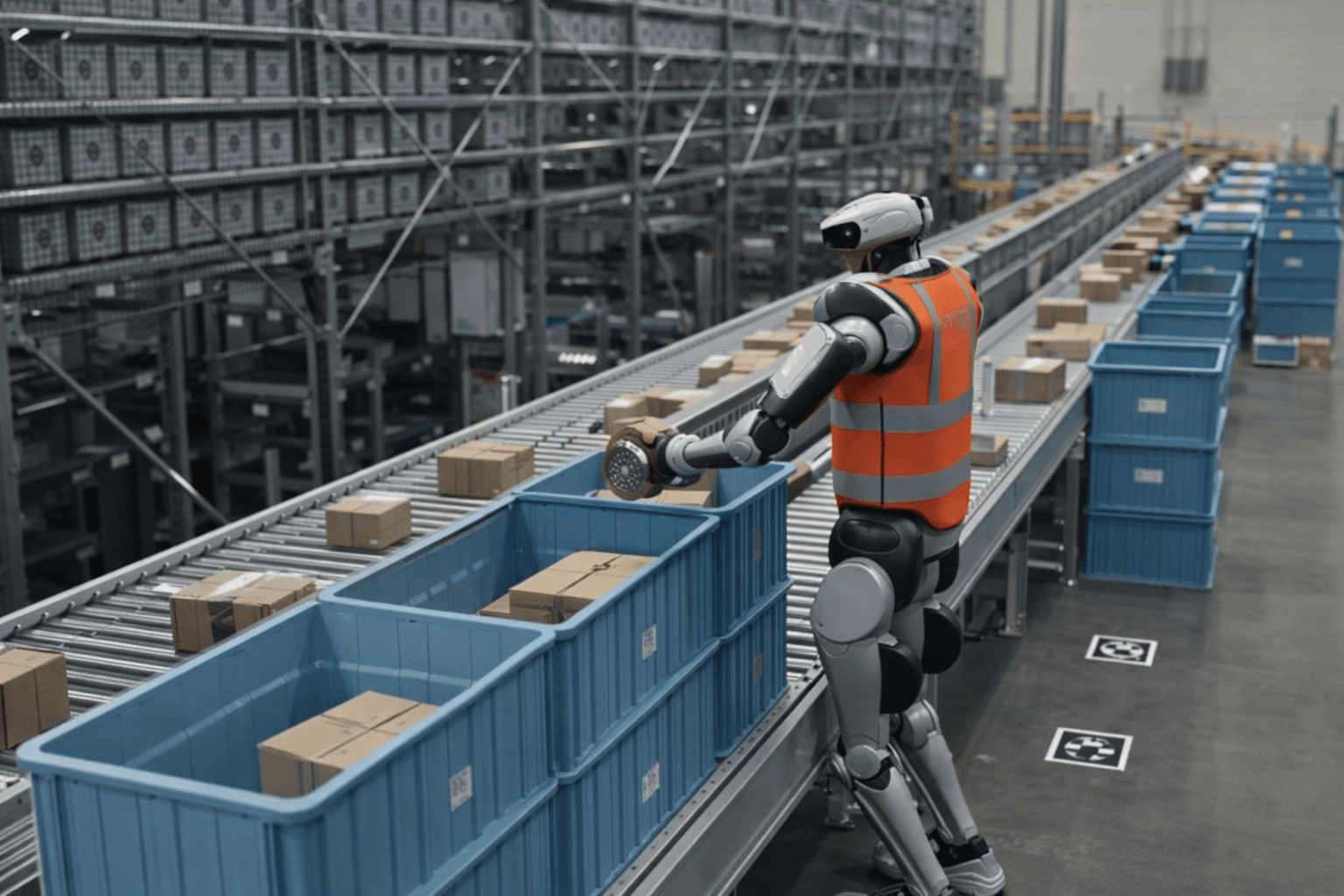
Humanoid Robots Are Entering Warehouses — and Unions Are Pushing Back
Humanoid robots are entering warehouses now — and unions like the Teamsters and UAW are drawing battle lines. Inside the 2026 labor showdown that could reshape logistics forever.

RobotToday Weekly Industry Briefing: January 26 – 30, 2026
Robotics industry briefing Jan 26-30, 2026: Serve-Diligent $29M acquisition, Richtech-Microsoft controversy, Waabi $1B funding, cloud robotics market to $43B by 2031, Fauna Robotics Sprout, Gartner humanoid forecast, NY Robotics launch.
Video Friday: Multitasking Robots Smoothly Do the Things Together
IEEE Spectrum robotics has released its weekly roundup of notable robotics videos and upcoming events, including the ICRA 2026 conference scheduled for June 1-5, 2026, in Vienna. Among the highlights, Westwood Robotics unveiled THEMIS Gen2.5, the first commercial full-size humanoid robot capable of walking and manipulating objects simultaneously. This advancement builds on Helix's previous work, which demonstrated a single neural network controlling a humanoid's upper body, now expanded to encompass the entire robot's functions. In a demonstration of practical applications, Kimberly Elenberg from Carnegie Mellon University showcased how data from robotic responders can enhance life-saving efforts during mass casualty incidents. Meanwhile, Sphero continues to thrive in the competitive educational robotics market since its inception in 2011. Innovative flight testing methods were discussed by Zipline, emphasizing the importance of testing drones in extreme conditions. Additionally, researchers from the University of Tokyo introduced a concept of 3D-printing both skin and skeleton, while LimX presented small bipedal robots capable of skiing and resembling dinosaurs. The EPFL Reconfigurable Robotics Lab introduced a novel user-guided control system for modular robots, demonstrating its effectiveness through various tasks. Texas A&M University showcased its Quadrotor Biplane Tailsitter (QBiT) UAVs, which combine the agility of quadrotor drones with the efficiency of fixed-wing aircraft. Lastly, DARPA announced a new challenge aimed at developing drones capable of carrying payloads exceeding four times their weight, promising to transform drone usage across multiple sectors.

Oracle AI world
Oracle AI World: premier enterprise AI conference with expert keynotes, hands-on sessions, and networking in Las Vegas, Oct 26-29, 2026.

Microsoft Ignite 2026
Microsoft Ignite: premier tech conference on cloud, AI, security, and Microsoft innovation. Join developers, IT pros, leaders; San Francisco & online.
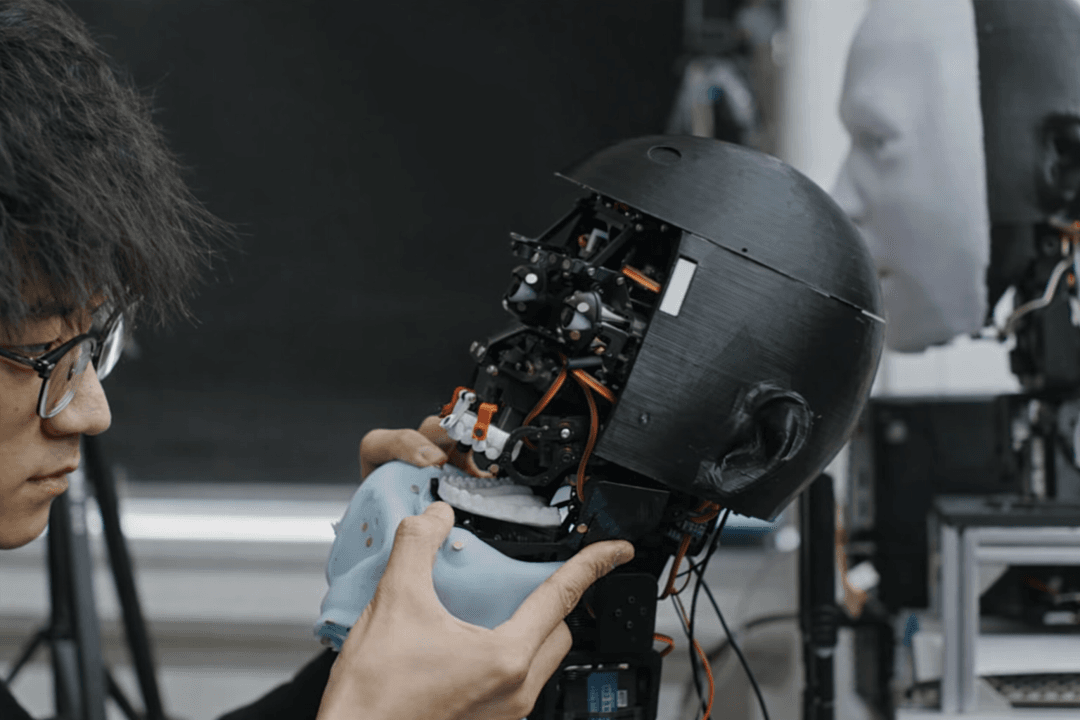
Columbia's Emo: Solving Robot Face Problem
Columbia's Emo robot breakthrough reveals why facial biomimicry is robotics' second hardest challenge. Analysis of tech barriers and 2028-2030 timeline.

RobotToday Weekly Industry Briefing: January 19 – January 23, 2026
iRobot emerges from Chapter 11, Tesla sets a 2027 Optimus release, and Hyundai faces labor pushback. Explore the top robotics industry news for Jan 18-23, 2026.
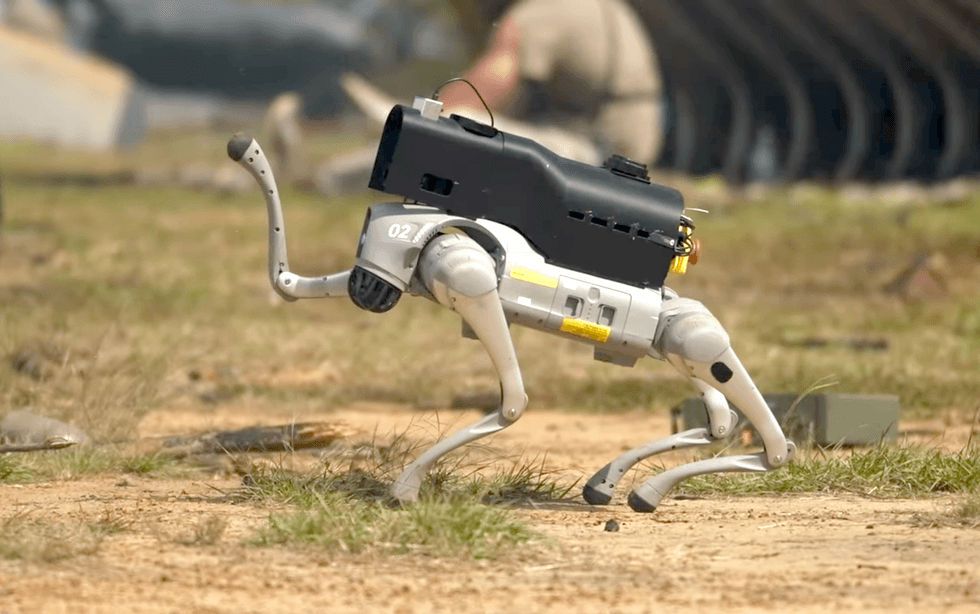
Video Friday: Humans and Robots Team Up in Battlefield Triage
IEEE Spectrum robotics has released its latest edition of "Video Friday," showcasing a collection of innovative robotics videos and a calendar of upcoming robotics events. Among the featured highlights is the Lynx M20 quadruped robot, which successfully completed a field test in extreme cold conditions in Yakeshi, Hulunbuir, demonstrating its reliability in temperatures as low as -30°C. Additionally, a teaser video from KIMLAB presents a new teleoperation robot, set against the backdrop of the University of Illinois at Urbana-Champaign's Main Quad, where students enjoy the serene environment. The publication also includes commentary on the practicalities of using humanoid robots for specific tasks, emphasizing that just because a humanoid can perform a task, it does not necessarily mean it should. Other notable mentions include an autonomous urban delivery robot and the development of CLIO, an embodied tour-guide robot created by an undergraduate team at the University of Hong Kong, which utilizes advanced technologies such as large language models and computer vision to enhance visitor experiences. This weekly roundup not only highlights the advancements in robotics but also encourages collaboration and engagement between researchers and the public, reflecting the ongoing evolution of the field.

How to Get Started With Visual Generative AI on NVIDIA RTX PCs
AI-powered content generation has become an integral part of daily tools such as Adobe and Canva, as numerous agencies and studios increasingly adopt this technology into their workflows. This shift, which has gained momentum over recent months, allows for the creation of photorealistic images and videos, enhancing the quality and efficiency of digital content production. The integration of AI into these platforms is driven by the need for faster turnaround times and improved creative capabilities, enabling users to produce high-quality visuals with ease. As the technology continues to evolve, it is reshaping the landscape of content creation, making advanced tools accessible to a broader range of users.