

Introduction
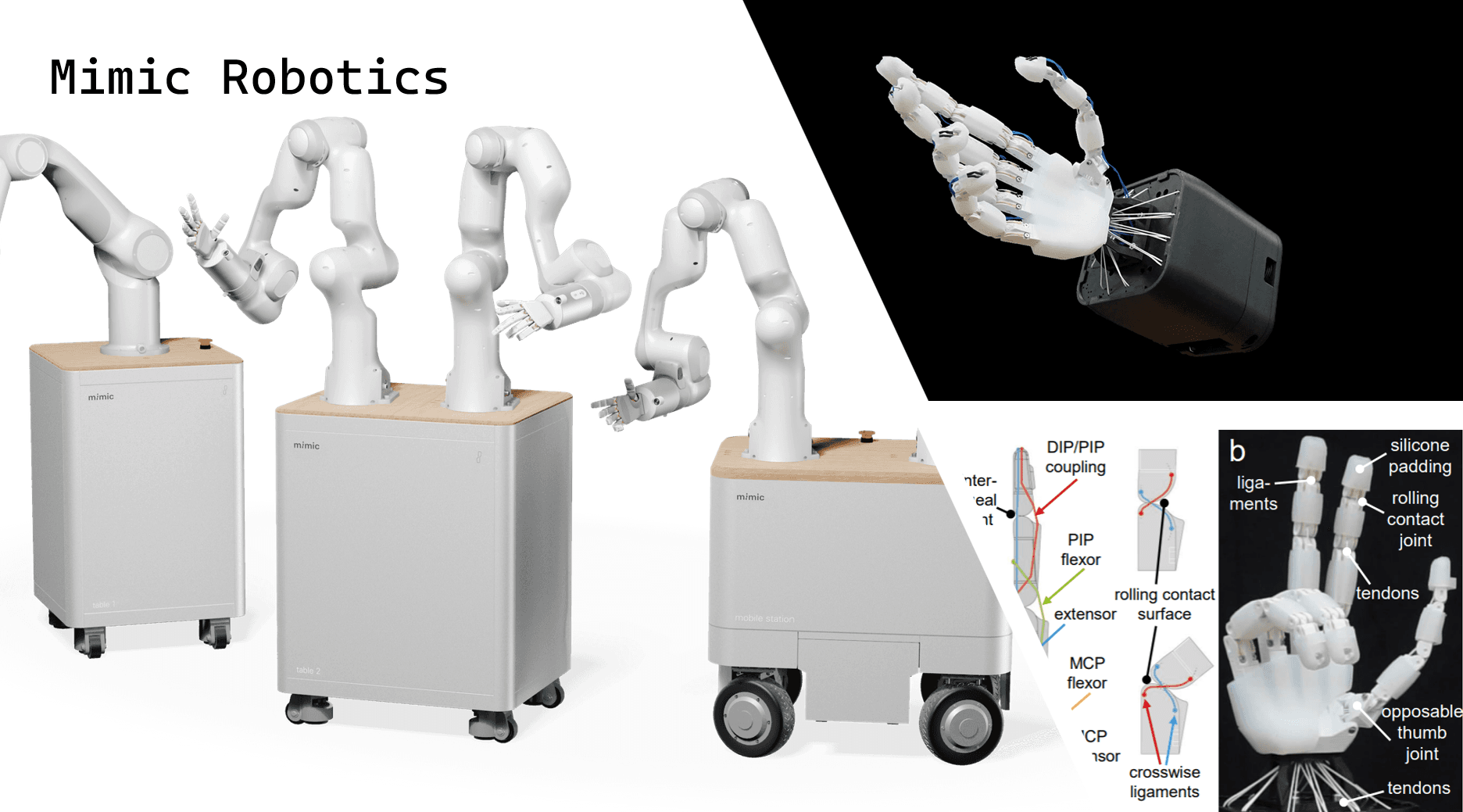
In the evolving world of robotics, one of the most formidable challenges remains dexterous manipulation—robots that can use human-like hands, adapt to varied objects and tasks, and learn quickly rather than being painstakingly hardcoded. Mimic Robotics, a spin-out from ETH Zurich founded in 2024, is tackling precisely that challenge.
Their mission: build a universal robotic hand combined with a foundation model for manipulation—what they call Physical AI—to scale automation into tasks that remain out of reach for traditional robots.
(Read source on Sifted)
The Technical Foundations: Hardware
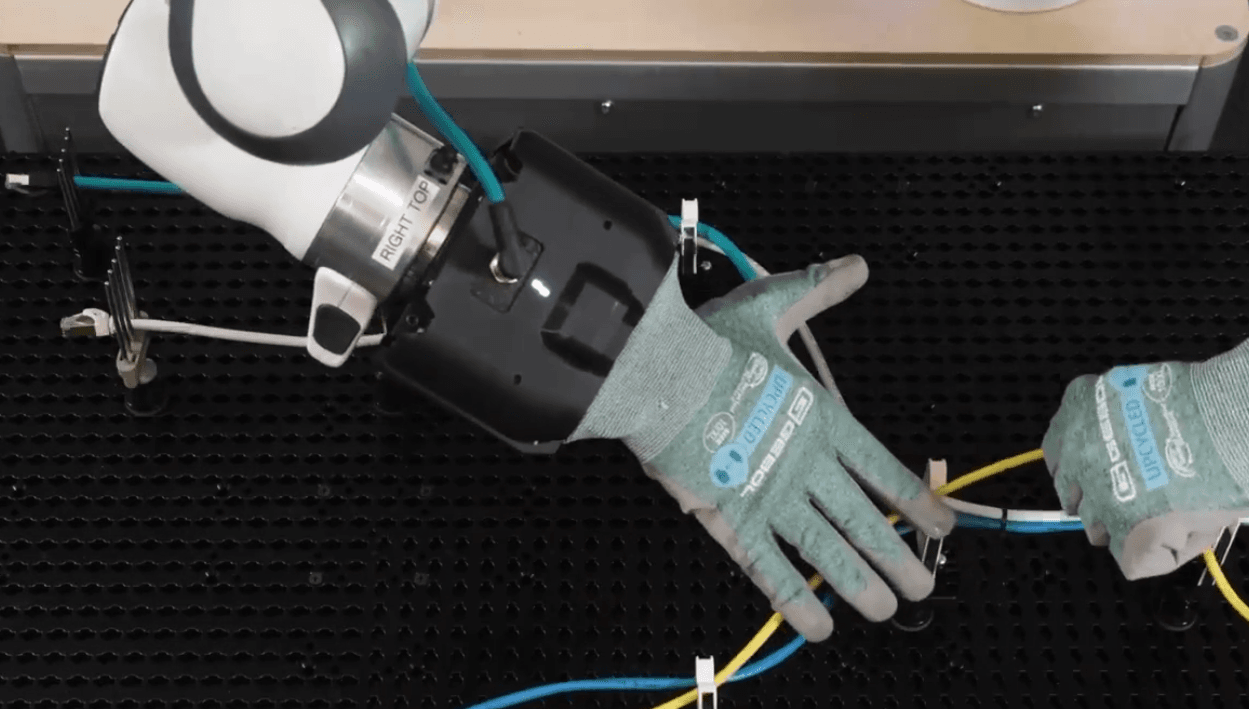
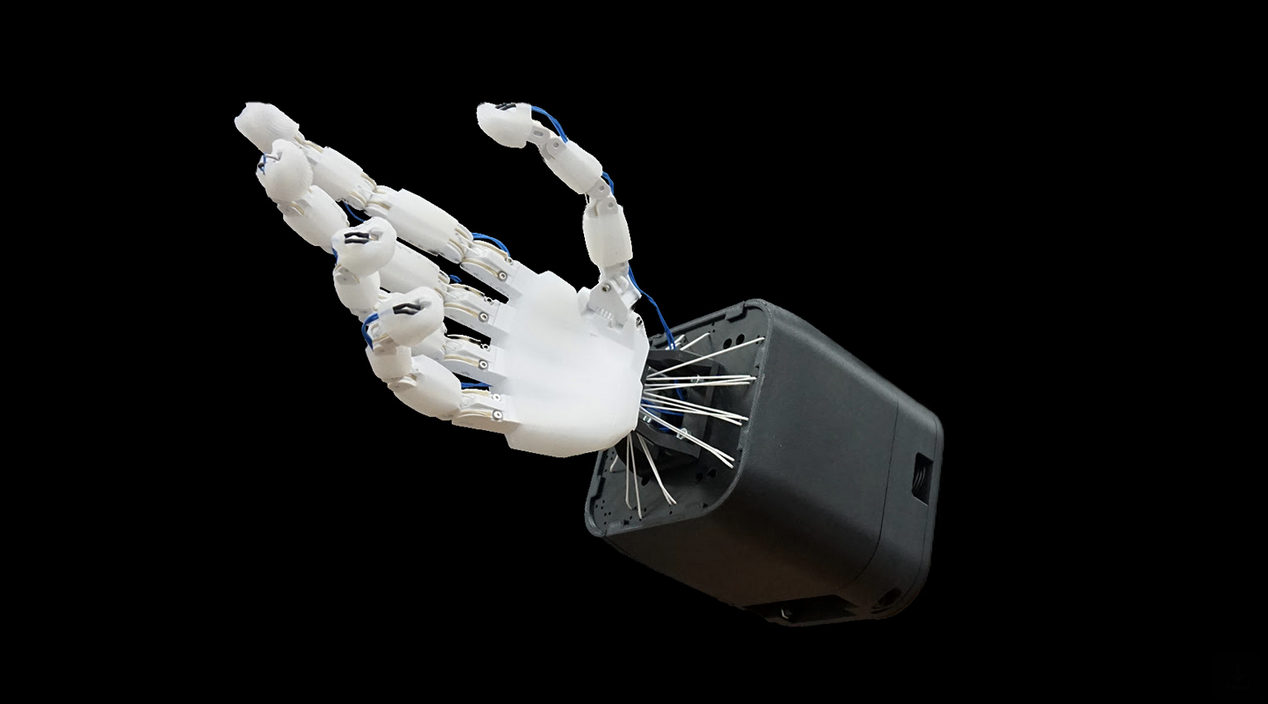
Mimic’s hardware strategy centres on a dexterous robotic hand that mimics human morphology: multiple fingers, compliant joints, rich sensing, and tactile feedback. The hand is designed to mate with off-the-shelf industrial robot arms or mobile bases, avoiding the complexity of a full humanoid body.
(The Next Web)
This approach allows them to focus engineering effort on the “hand + intelligence” module, rather than replicating locomotion, balance, or full-body mobility.
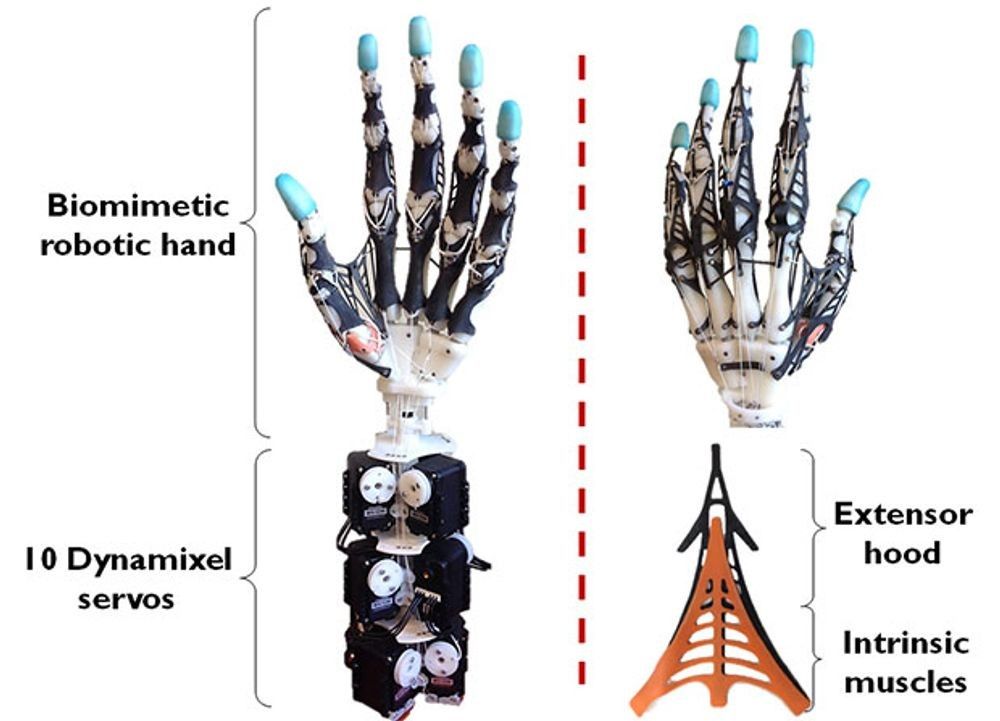
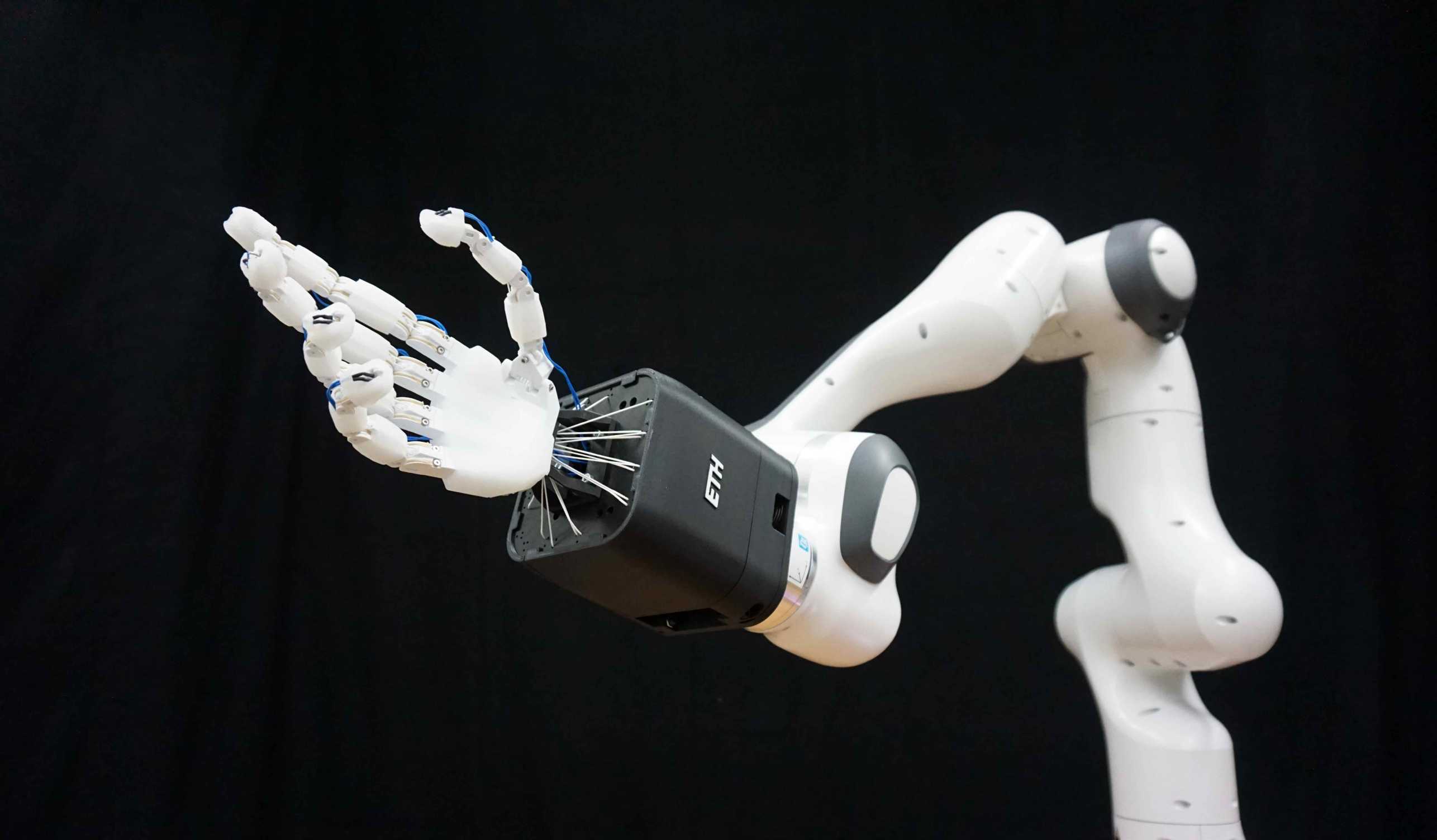
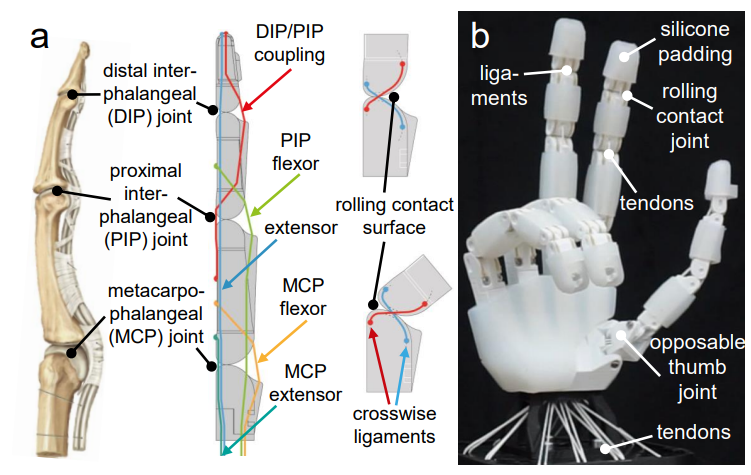
The hardware draws from ETH Zurich’s Soft Robotics and Robotic Systems labs, which have explored tendon-driven, biomimetic hands and compliant actuation systems.
For example, ETH’s “Biomimetic Tendon-Driven Hand” platform demonstrates how joints, tendons, sensors and structural compliance can enable human-like grasping.
ETH Zurich Tendon-Driven Hand Soft Robotic Gripper 3D-Printed Demo Mimic Robotics HEARO Prototype Mimic HEARO Concept Dexterous Fingertip Manipulation
The Technical Foundations: Software and Intelligence
On the software side, Mimic is building a foundation model for robotic manipulation. Through imitation learning, generative AI and scalable data capture, the system aims to learn how to pick, place, assemble and manipulate varied objects—starting from human demonstration rather than hand-programmed action.
(Official site)
This paradigm shift matters: rather than designing a robot for one narrow task, Mimic’s ambition is a platform that can adapt, generalize and learn across tasks.
One co-founder explained: “Most use cases are stationary and do not require a full humanoid robot with legs… that’s why we focus data-collection and hardware ingenuity on a universal robotic hand compatible with off-the-shelf arms.”
(The Next Web)
Deployment & Industry Fit
Mimic positions its solution for industries fraught with manual tasks: complex assembly, packaging and sorting of irregular objects, kitting in manufacturing, and logistics in unstructured environments.
Their claims include cost reductions of up to 70 % from day one and rapid deployment by teaching new tasks via simple demonstration (< 1 hour).
(Mimic Robotics)
The company recently closed a $16 million seed round (≈ €13.8 M) in November 2025, led by Elaia and Speedinvest, to scale its Physical AI and hand hardware commercialization.
(Sifted article)
Academic Inspiration vs Commercial Implementation
It’s important for readers that RobotToday distinguishes between academic research and commercial products.
- ETH Zurich’s research labs developed biomimetic, tendon-driven hands and advanced manipulation research (for example, the Soft Robotics Lab).
- Mimic Robotics is a spin-out from ETH Zurich, founded by researchers from those labs, but is a distinct company commercializing manipulation hardware and AI software.
- Some earlier tendon-driven robotic hand projects—such as those at the University of Washington—share similar mechanical ideas but are independent research efforts not directly tied to Mimic’s hardware lineage.
- Therefore, the academic images seen online are reference or inspiration, while Mimic’s current commercial platform is designed for industrial durability, sensing, and AI integration.
Why This Matters for Robotics and Data Collection
The convergence of dexterous hardware and foundation-model learning creates a potent new platform for robotics.
For humanoid development and data collection, Mimic’s technology offers:
- A modular building block for humanoid or manipulator robots. By solving the hand/arm interface, mirroring human manipulation becomes achievable for broader robot types.
- Rapid demonstration-based teaching, critical for scaling robots into new environments with minimal reprogramming.
- Strong alignment with unstructured, human-centric environments such as logistics, data centres and service robotics—providing valuable manipulation data for future humanoids.
Conclusion
Mimic Robotics is forging a pragmatic path in the robotics-automation frontier.
Rather than chasing full humanoids from day one, the company concentrates on the hand + brain block—hardware built for real operations and software designed to learn at scale.
By combining biomimetic manipulation hardware, foundation-model AI, and industrial scalability, Mimic aims to automate the “tedious, low- to medium-volume” manual tasks that have resisted conventional robotics.
For industries ranging from ICT and logistics to precision manufacturing, this convergence of dexterity and intelligence could become a cornerstone of the next generation of intelligent robotic systems.








Leave a comment