


PushCorp, Inc.
"Advance Automation with Robotic Compliance Technology"
Garland, TX maker of robotic force compliance end-effectors and servo spindles since 1993; inventor of the AFD for surface finishing.
Contact PushCorp, Inc.
WEBSITE
https://pushcorp.com/PHONE
+1 972 840-0208HEADQUARTERS
United States

Company Facts
Founded
1993
Primary Role
Component Supplier
Company Size
-
Primary Region
North America
Annual Sales
-
Funding Stage
-
Funding Total
-
Spirit AI Implements Moz1 Humanoids on CATL and JD.com Production Lines
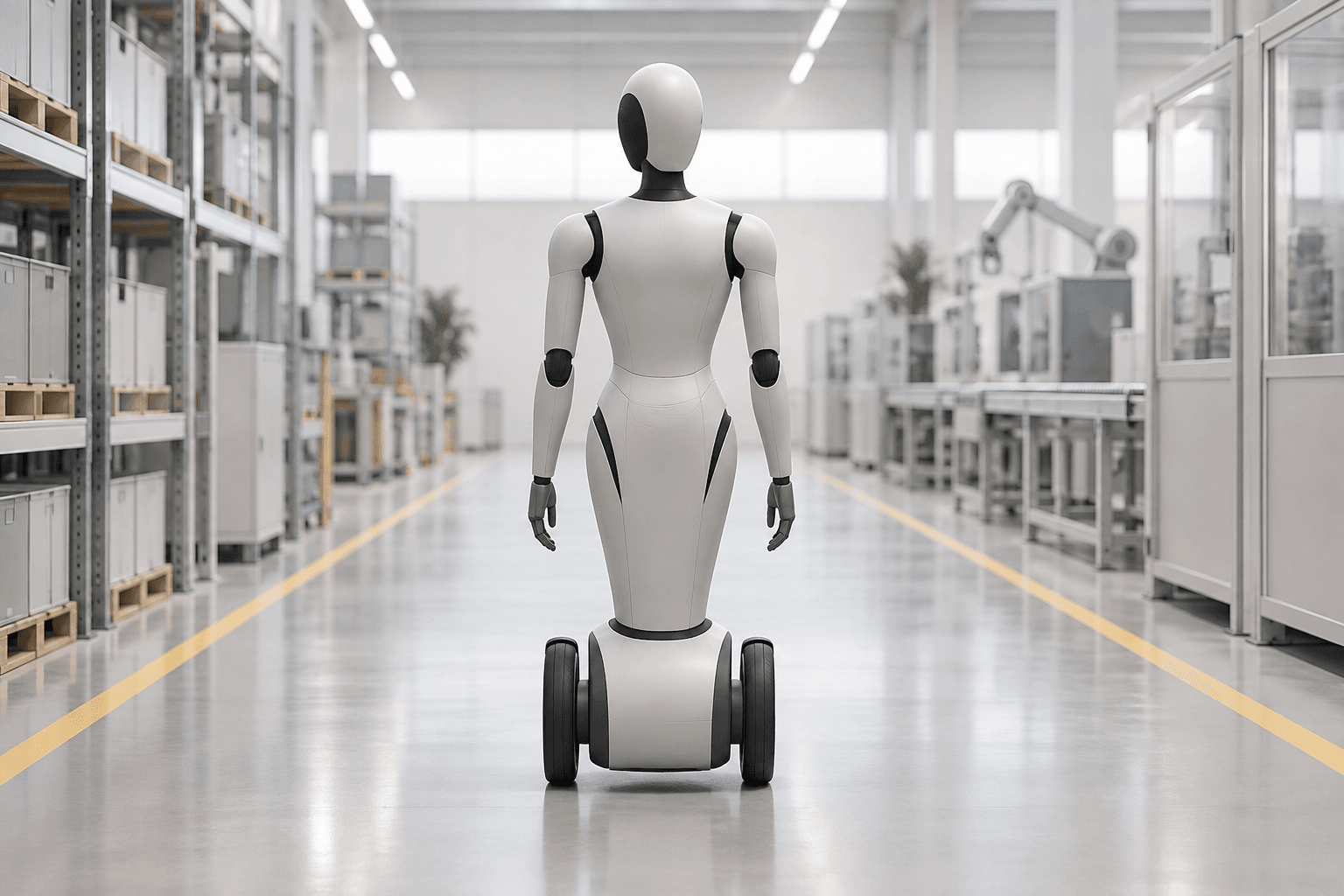
Spirit AI has deployed its Moz1 wheeled humanoids on production lines at CATL and JD.com. This move marks a significant step in integrating advanced robotics into manufacturing processes. The deployment of Moz1 is crucial as it reflects the growing trend of utilizing humanoid robots in industrial settings, enhancing efficiency and productivity. Gao Yang, the founder of Spirit AI, anticipates a pivotal moment in mid-2027, likening it to a GPT-3 breakthrough for natural-language processing in robot brains. Looking ahead, the industry will be watching closely for developments in natural-language capabilities and how they can further transform robotic applications. No further timeline was disclosed at the time of publication.
Hunan Province Advances Smart Robotics Industry with New Implementation Guidelines
On August 10, Hunan Province Governor Mao Weiming chaired the 97th executive meeting of the provincial government, where the implementation guidelines for accelerating the development of the smart robotics industry were approved. The guidelines emphasize the deep integration of artificial intelligence with the real economy, highlighting collaborative chains, innovation-driven approaches, and the need for scenario-driven support. The guidelines aim to leverage Hunan's existing strengths in engineering machinery and electronic information to transition technological advantages into the robotics industry chain. Notable companies such as SANY Heavy Industry and Zoomlion are positioned to contribute to this initiative, which seeks to extend existing manufacturing capabilities into robotics rather than starting from scratch. The meeting also discussed the establishment of a supply-demand matching mechanism to facilitate real-world testing of robotic products, addressing a critical challenge for robotics companies. Continued financial, technological, and talent support policies were emphasized to meet the core needs of the early-stage robotics industry. No further timeline was disclosed at the time of publication.
Smart Robotics Artificial Intelligence Construction Machinery Technology Innovation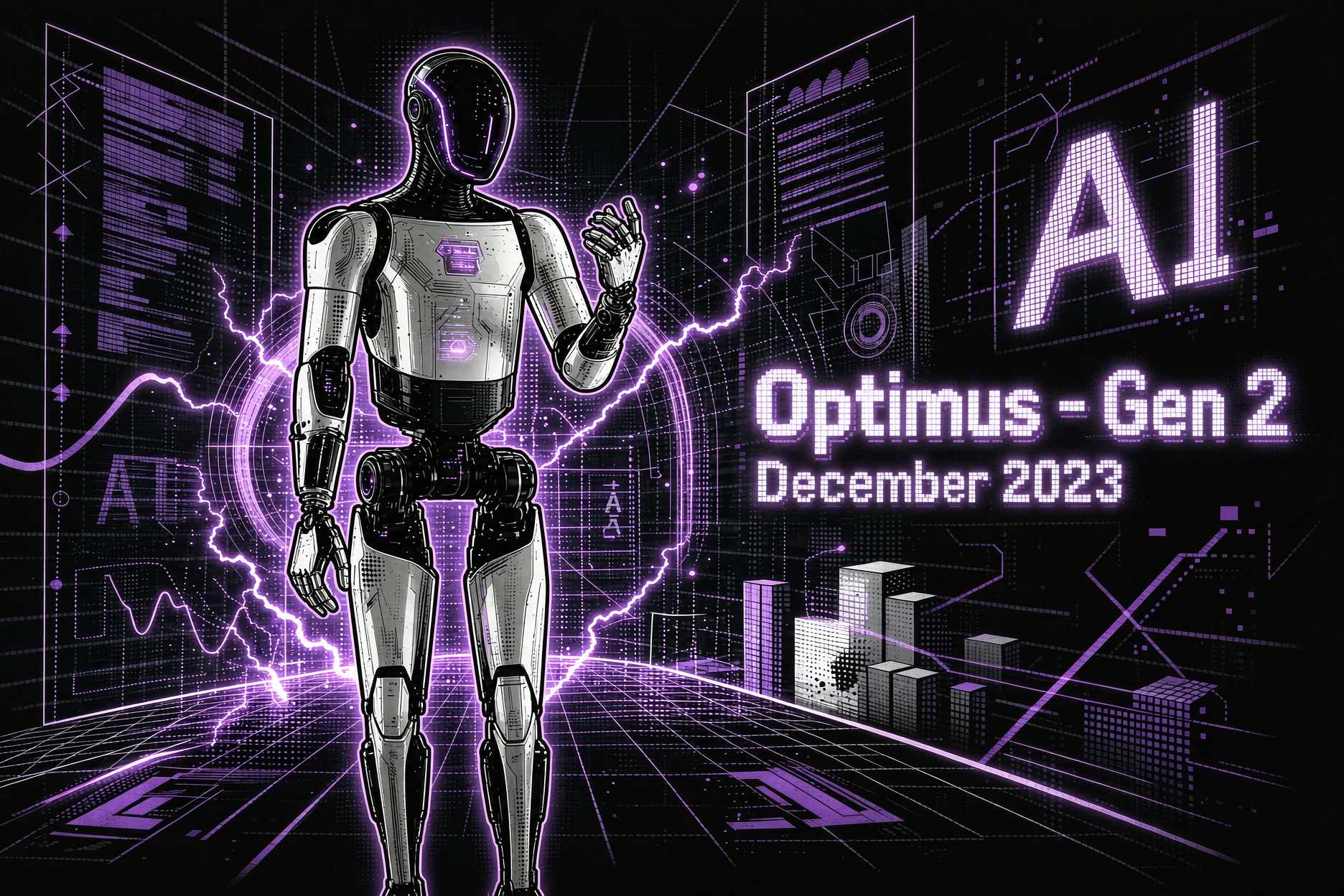
Tesla, BMW, and Mercedes Deploy Humanoid Robots in Production Lines
Tesla, BMW, and Mercedes have integrated humanoid robots into their production lines, marking a significant shift from prototype to real-world application in heavy industry. Tesla's Optimus robots are deployed in Fremont and Texas factories, assisting in battery assembly and wiring tasks, while BMW has procured Figure 03 for metalworking and logistics testing. Mercedes utilizes Apollo for high-risk positions, showcasing the adaptability of humanoid robots to existing factory setups without extensive modifications. The economic advantages of these robots are becoming clear, with operational costs as low as $2 to $5 per hour compared to $35 to $45 for workers in the U.S. and Europe. This cost differential, which includes wages, social security, benefits, training, and management, is a key motivator for automakers to adopt humanoid robots. As the Labor-as-a-Service (LaaS) leasing model gains traction, the barriers to entry for automotive companies are lowering, prompting hardware manufacturers to shift towards high-margin software subscription services. Looking ahead, the humanoid robot market is projected to reach $15 trillion, but there are challenges to overcome. These include limited interaction data for robots in complex environments, insufficient hardware durability, and labor disputes regarding job displacement. The year 2026 is anticipated to be a pivotal point for humanoid robots in commercial applications, with the success of this transition hinging on data accumulation, hardware reliability, and societal responses to job replacement issues.
Humanoid Robots Manufacturing Automation Cost Efficiency Industrial Robotics
Challenges in Embodied Intelligence: The Need for Genuine Orders and Market Validation
A founder recently listed on the Hong Kong stock exchange publicly criticized the prevalent trend of speculative entrepreneurship in the industry, which relies on false and unsustainable revenue through related transactions. This model lacks product-market fit and often leads to premature IPO attempts within two to three years. Concurrently, reports indicate that regulators are tightening IPO reviews for humanoid robot companies, focusing on sustainable revenue, loss reduction, and genuine innovation capabilities. The core of the debate centers on how embodied intelligence can demonstrate credible market valuation, which hinges on entering real-world scenarios, addressing industry needs, and securing verifiable orders. Genuine orders must withstand three tests: the value of the order, the resolution of real needs, and the engineering capability for scalable delivery. Many companies can create seemingly substantial contracts through related transactions, but they fail to meet any of these critical tests. In contrast, Jiying Intelligent, founded by Jieyi Technology, has taken a different approach by identifying specific pain points in the automotive parts manufacturing sector. Their robots have significantly improved inspection efficiency and are already deployed in real-world applications. The success of Jiying's model will depend on their ability to deepen their solutions in automotive inspection and pharmacy services and replicate these successes in similar scenarios.
Embodied Intelligence Robotics Manufacturing Automation Industrial Robotics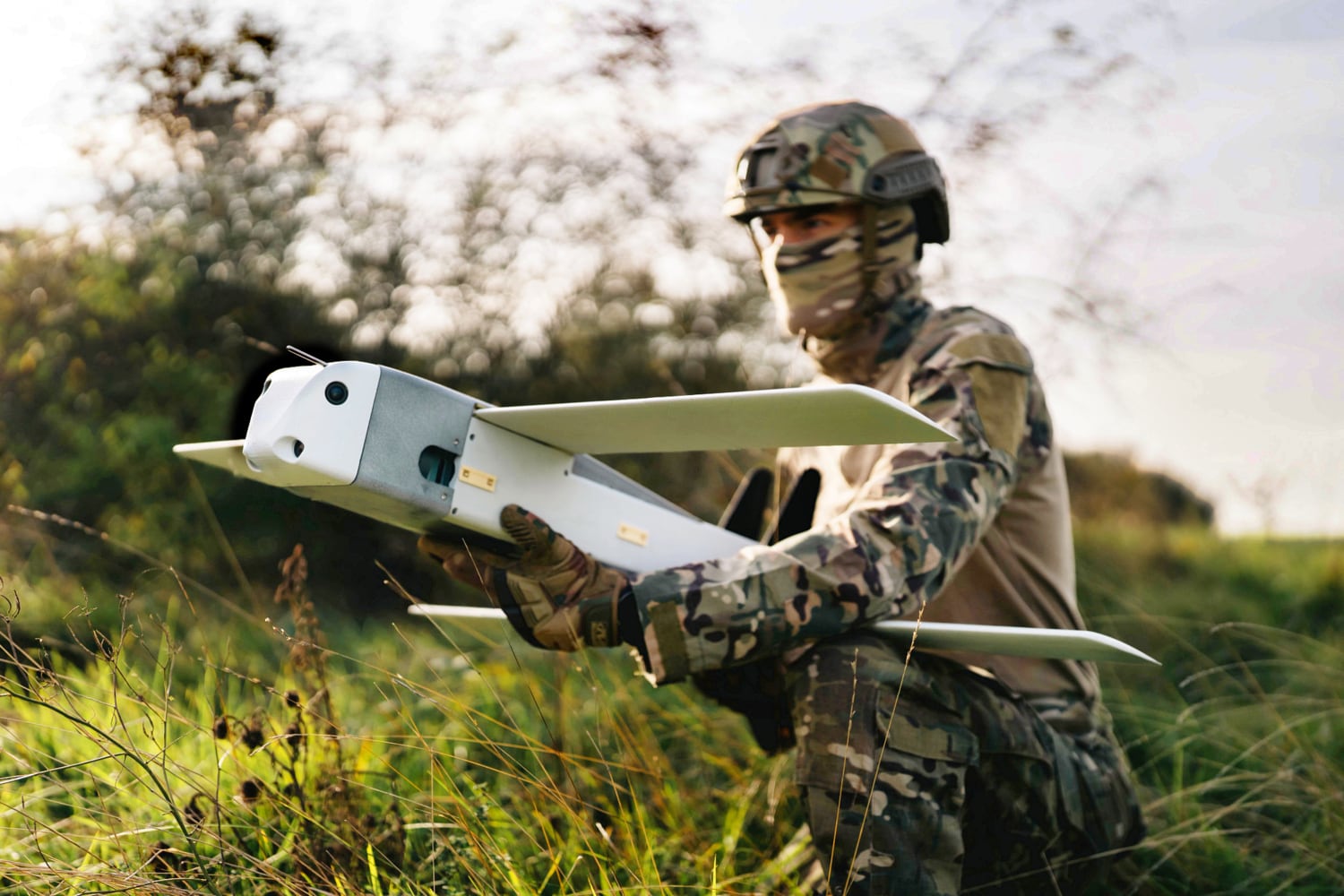
Renault and Thales Partner to Produce Military Drone with Goal of 1000 Units Monthly by 2027
On June 16, Renault and Thales announced a partnership aimed at industrializing the teleoperated munition Toutatis, with production set to begin in 2027. This collaboration is significant as it marks a strategic move towards enhancing military capabilities through advanced drone technology. The goal of producing 1000 units per month highlights the commitment of both companies to meet increasing defense demands. Looking ahead, industry watchers should monitor the progress of this partnership and its implications for military procurement and technology adoption. No further timeline was disclosed at the time of publication.
Défense
Micro Yi Intelligent Manufacturing Secures CSRC Approval for Overseas Listing with 31% Market Share
Micro Yi Intelligent Manufacturing has received approval from the China Securities Regulatory Commission (CSRC) for its overseas listing. This move is significant as it positions the company to expand its reach in the global market, particularly in the field of intelligent manufacturing. The company currently holds a 31% market share in the domestic industrial embodied intelligent robots sector, highlighting its strong presence and competitive edge in this rapidly evolving industry. This approval is expected to enhance its capabilities and attract further investment. Looking ahead, stakeholders will be keen to observe how Micro Yi leverages this approval to enhance its international operations and whether it can maintain its market share amidst growing competition. No further timeline was disclosed at the time of publication.
Robotics Automation AI
AMC Robotics Secures $50 Million Equity Facility for New Manufacturing Plant
AMC Robotics has announced a $50 million standby equity purchase agreement to finance the construction of its robotic manufacturing facility, expected to be completed by November 2026. This funding is crucial for AMC Robotics, which specializes in AI-driven industrial robotics systems, as it will support the buildout and commissioning of the production line. The agreement also includes a $3.88 million loan through convertible promissory notes, which will mature in one year. Investors will have the option to require AMC Robotics to issue shares up to the outstanding balance of the notes. No further timeline was disclosed at the time of publication.
AI AI Funding & Investment Robotics AMC Robotics funding industrial robotics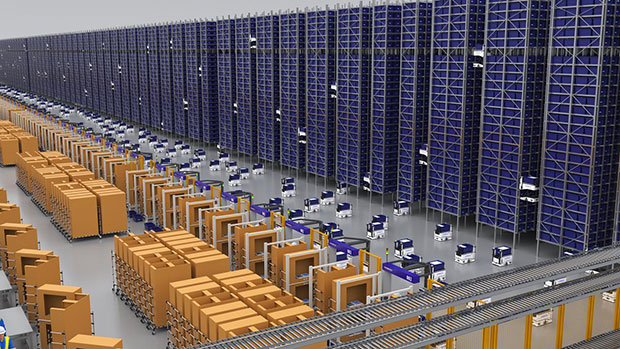
Hai Robotics Selected for World's Largest Rack-Climbing Robot Deployment in E-Commerce
Hai Robotics has been chosen to implement automation technology for a large-scale e-commerce fulfillment center operated by a prominent European fashion retailer. This project features the HaiPick Climb system, marking the largest deployment of rack-climbing warehouse robots globally, with over 1,500 units set to be integrated. The significance of this deployment lies in its potential to redefine warehouse automation standards, showcasing the HaiPick Climb as a leading solution for high-performance e-commerce fulfillment. The retailer, already utilizing multiple HaiPick Systems in Europe, is expanding its collaboration with Hai Robotics to enhance operational efficiency and scalability in response to increasing online order volumes. Looking ahead, the integration of more than 1,500 HaiPick Climb robots within a single system highlights Hai Robotics' capability to deliver comprehensive warehouse automation solutions. No further timeline was disclosed at the time of publication.
Industry News
USA Rare Earth Partners with Pasqal and Riven Systems for Quantum AI in Rare Earth Supply Chain
USA Rare Earth has announced a collaboration with French quantum computing firm Pasqal and industrial AI company Riven Systems to enhance the separation of rare earth elements in the U.S. This initiative, revealed on September 17, aims to utilize quantum machine learning and automated lab experiments to identify more effective molecules for binding to rare earths. The significance of this project lies in its potential to create smaller, more energy-efficient processing facilities that can operate at lower costs. Currently, China dominates the rare earth supply chain, particularly in the separation of heavy rare earths. Alex Moyes, senior vice president at USA Rare Earth, highlighted the industry's challenge of separating Mixed Rare Earth Carbonate into individual oxides, which is crucial for advanced manufacturing. Looking ahead, Riven Systems will automate thousands of experiments to generate data for machine learning models, while Pasqal will benchmark these models against classical computing methods. This innovative approach could lead to the discovery of more effective extractants, ultimately reducing processing stages and environmental impact. No further timeline was disclosed at the time of publication.
AI and Robotics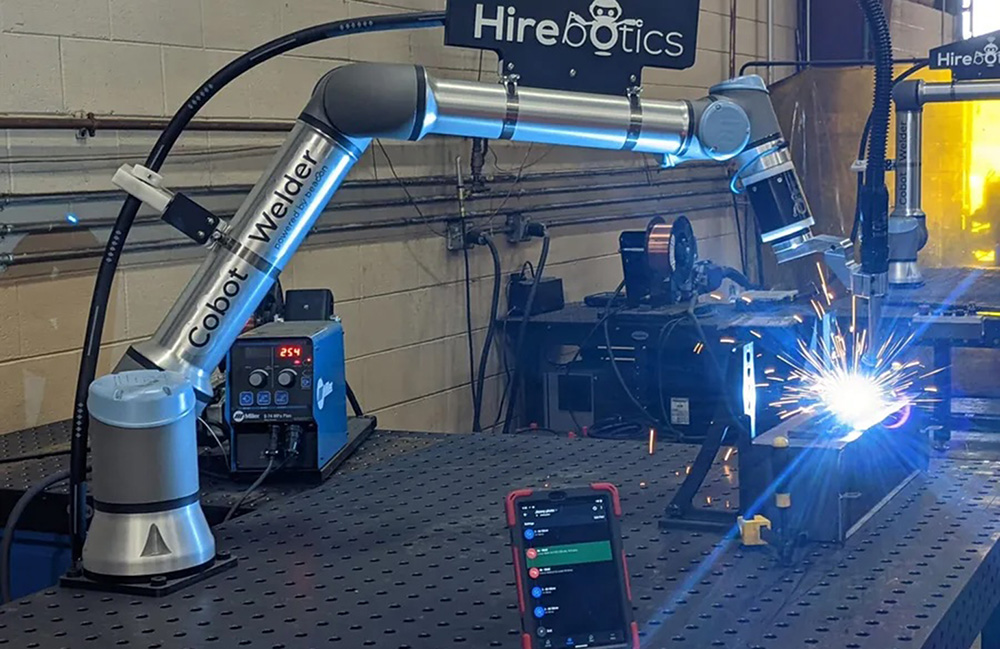
Hirebotics Enhances Cobot Capabilities with Line Tracking and Linear Rail Features
Hirebotics LLC has introduced new extensions for its collaborative robots, enabling them to handle large and moving parts without disrupting workflows. These enhancements include line tracking and modular rail capabilities, which significantly extend the working range of the cobots, allowing for greater flexibility in automating conveyor-based finishing operations. The technologies were unveiled at IMTS 2026 in Chicago. The importance of these advancements lies in their ability to address the challenges manufacturers face when dealing with oversized or awkward parts that do not fit within a fixed work envelope. According to CEO Matthew Bush, the line tracking feature allows the Cobot Painter to follow moving parts on a conveyor, maintaining its programmed path without halting production. This innovation is particularly beneficial for painting and coating operations, where interruptions can lead to inefficiencies. Looking ahead, Hirebotics' linear rail, available in customizable lengths, offers manufacturers a new method to adapt automation for various processes and workpiece sizes. This capability is designed to enhance existing applications such as welding and plasma cutting, providing additional options for manufacturers to optimize their automation strategies. No further timeline was disclosed at the time of publication.
Arms / Manipulators Cobot Arms Collaborative Robots Controllers Manufacturing Motion Control
China’s Dexterous Hand Industry, 2026 Part 3 — The Players
Five vendor archetypes, MIR’s composite top ten, eight company profiles and six field deployments — every firm linked to the RobotToday supplier directory.
China’s Dexterous Hand Industry, 2026 Part 2 — The Technology
Linkage, tendon, direct drive or hybrid — and why hardware is converging while the DL1–DL5 manipulation scale decides who wins. Part 2 of 3.
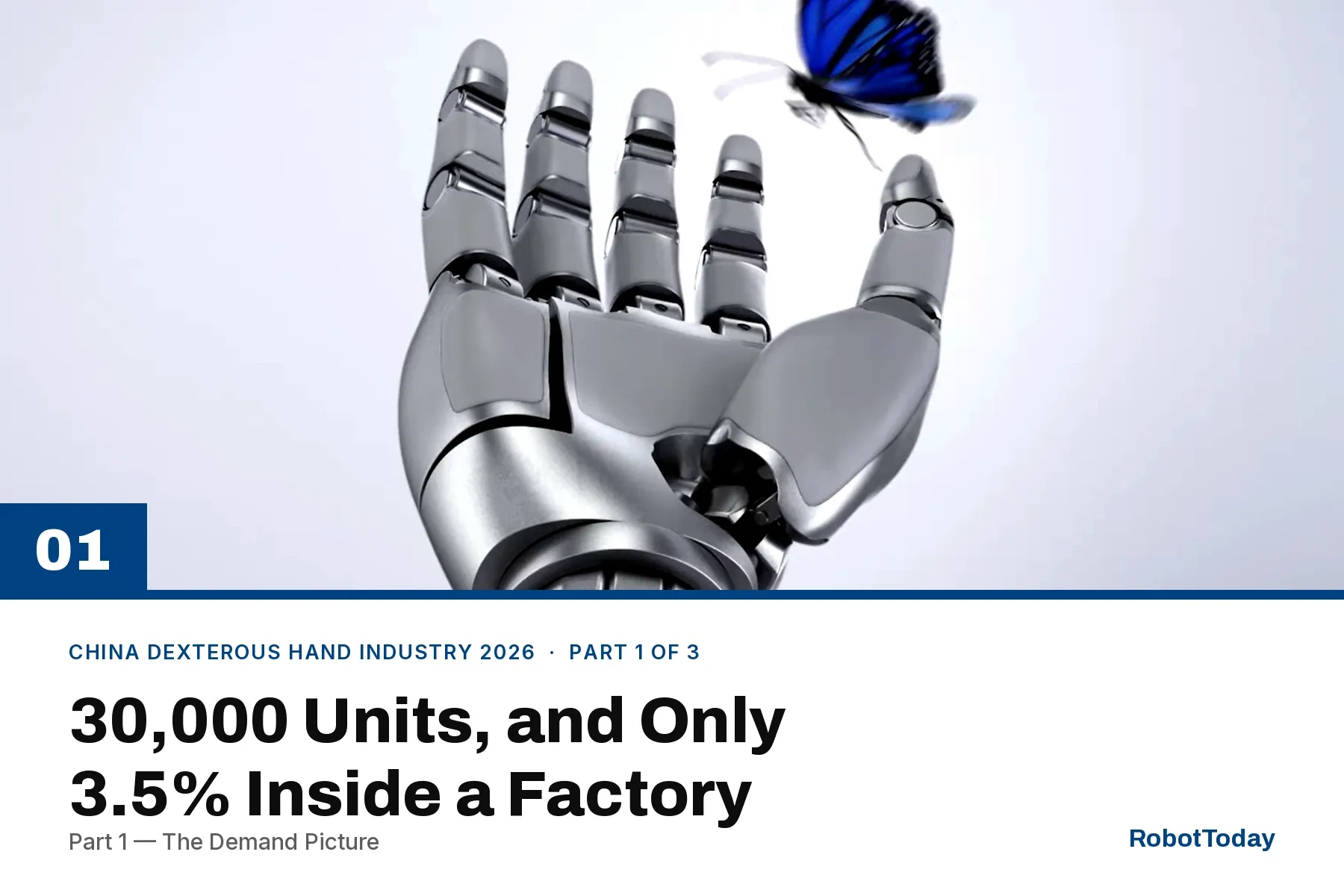
China’s Dexterous Hand Industry, 2026 Part 1 — The Demand Picture
MIR Databank puts China dexterous hand shipments above 30,000 units in 2026, yet only 3.5% of 2025 demand came from factory production. Part 1 of 3.
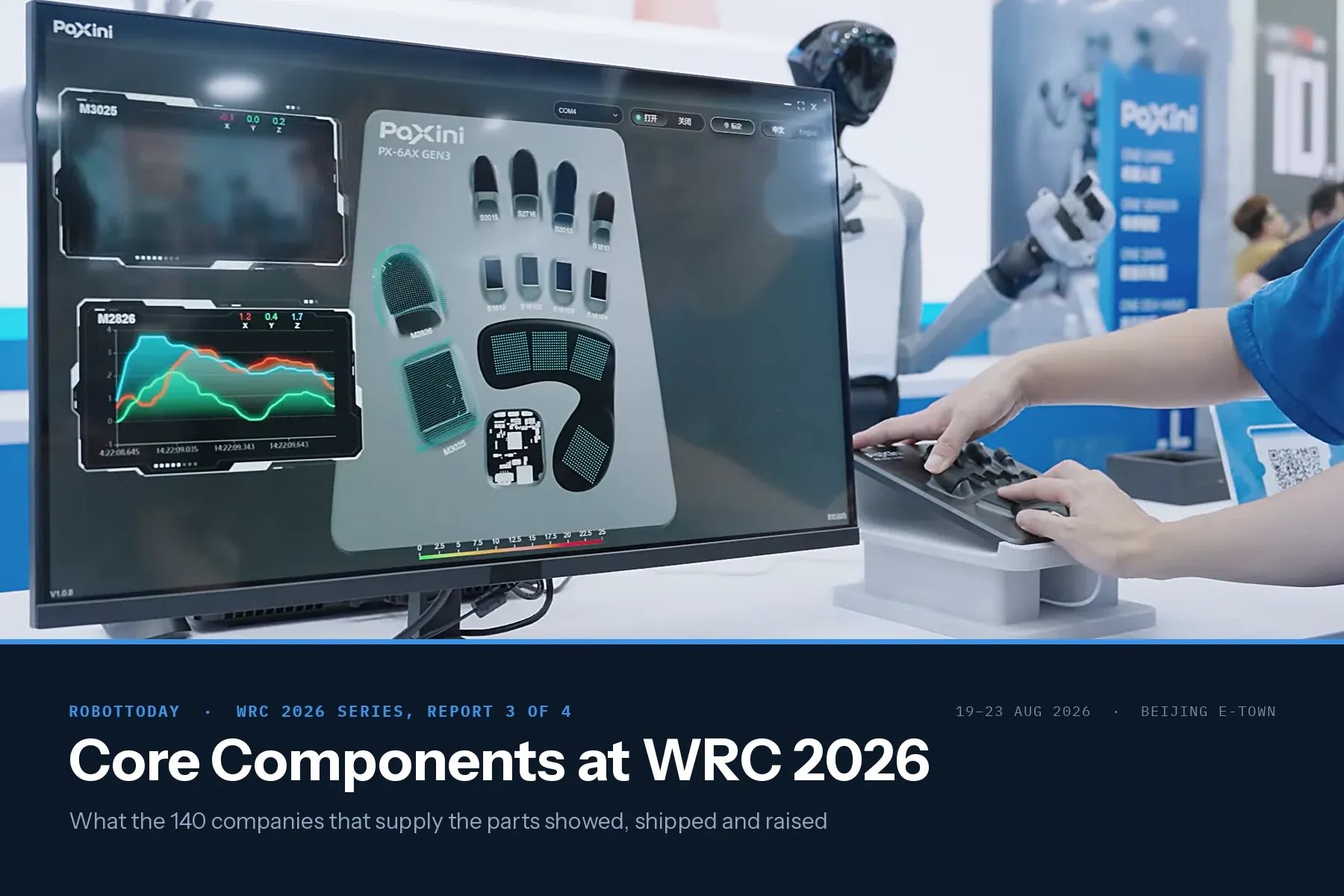
WRC 2026 Core Components: 137 Robot Parts Suppliers
The third report in the WRC 2026 series. Report 1 mapped all 248 exhibitors by category and Report 2 covered the 139 that build finished robots. This one covers the 137 that build what goes inside them.
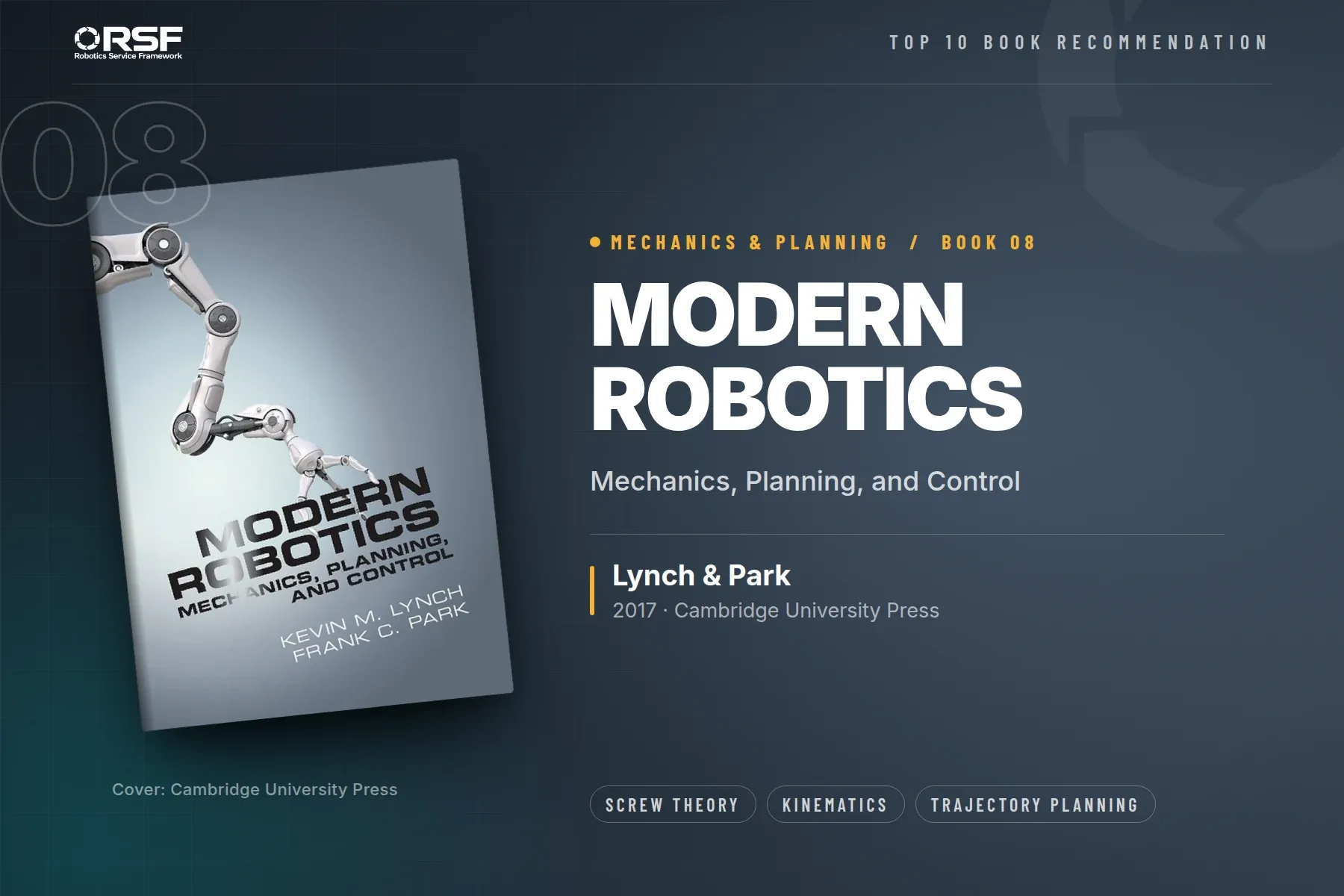
Modern Robotics K. M. Lynch & F. C. Park — RSF Top 10 Robot Education Textbooks · No. 8
The book the field agreed to make free: full preprint PDF, video lectures and open code from the authors. Screw theory and kinematics, taught rigorously.
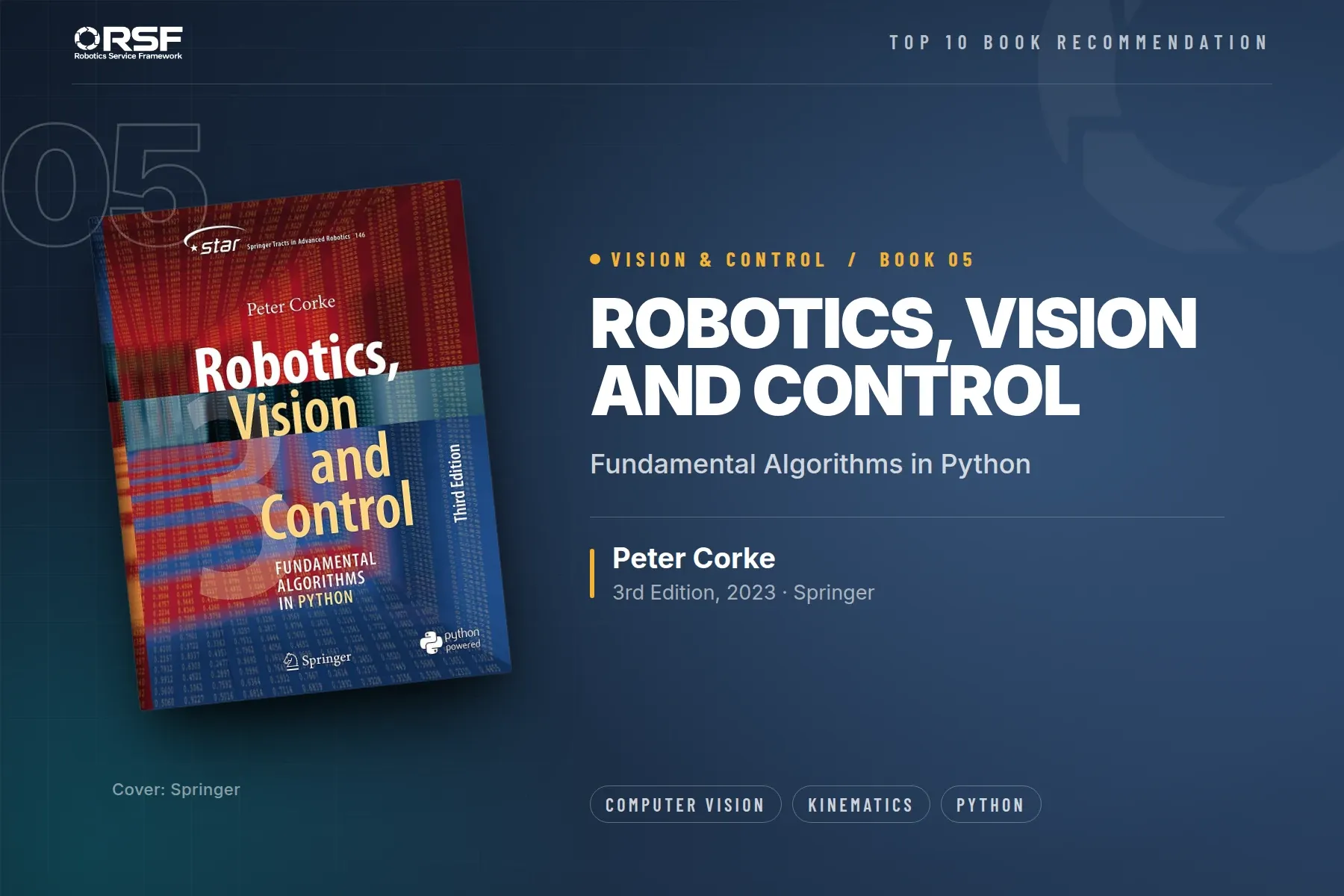
Robotics, Vision and Control Peter Corke — RSF Top 10 Robot Education Textbooks · No. 5
Most books you read; Corke's you run. Every concept ships as executable Python via the open Robotics Toolbox. The code softens the maths.
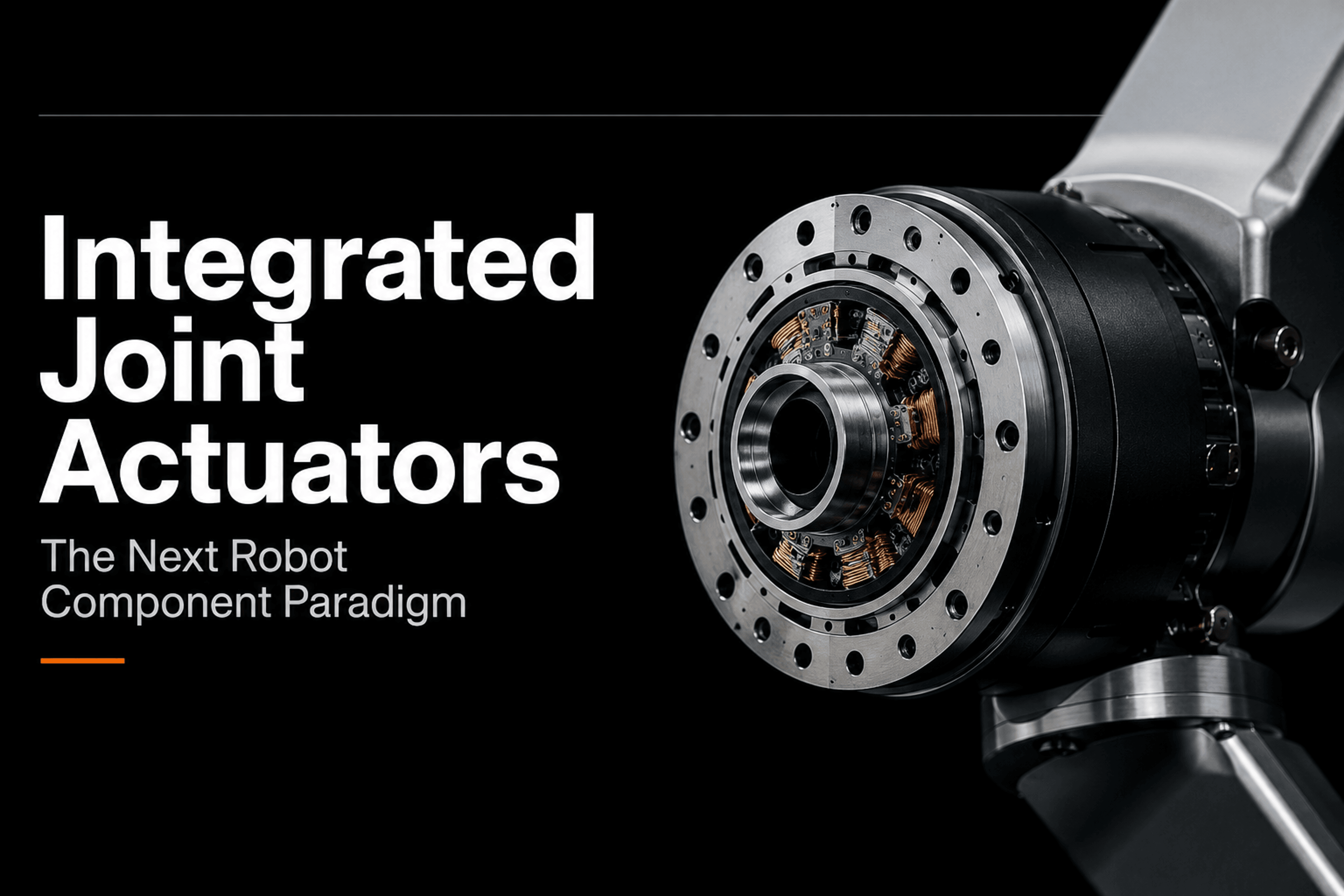
Integrated Joint Actuators 2026: Technology, Global Suppliers & China's Leap Forward
From rotary joints hitting 530 N·m+ to linear joints with planetary roller screws, integrated actuators are replacing the three-part drivetrain. Full supplier map: Tihu, PhyArc, RobStride, Schaeffler, maxon — and China's path from 1,000-RMB modules to global standard-setter.
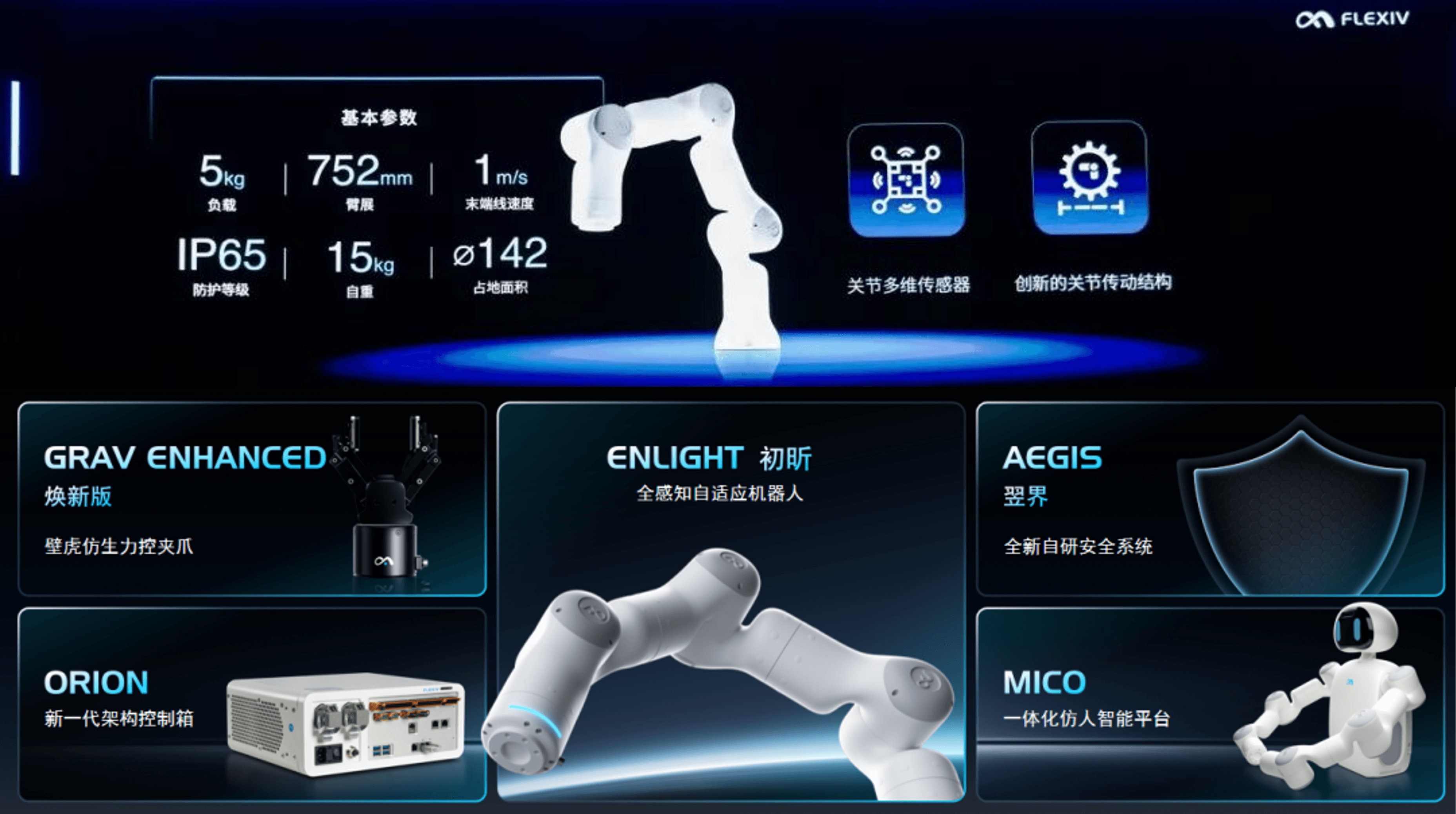
Flexiv Launches “Enlight” Platform to Expand General-Purpose Robotics Capabilities
Flexiv unveils the Enlight robotics platform, Orion controller, and MICO system—advancing force-centric, general-purpose robots for real-world applications.
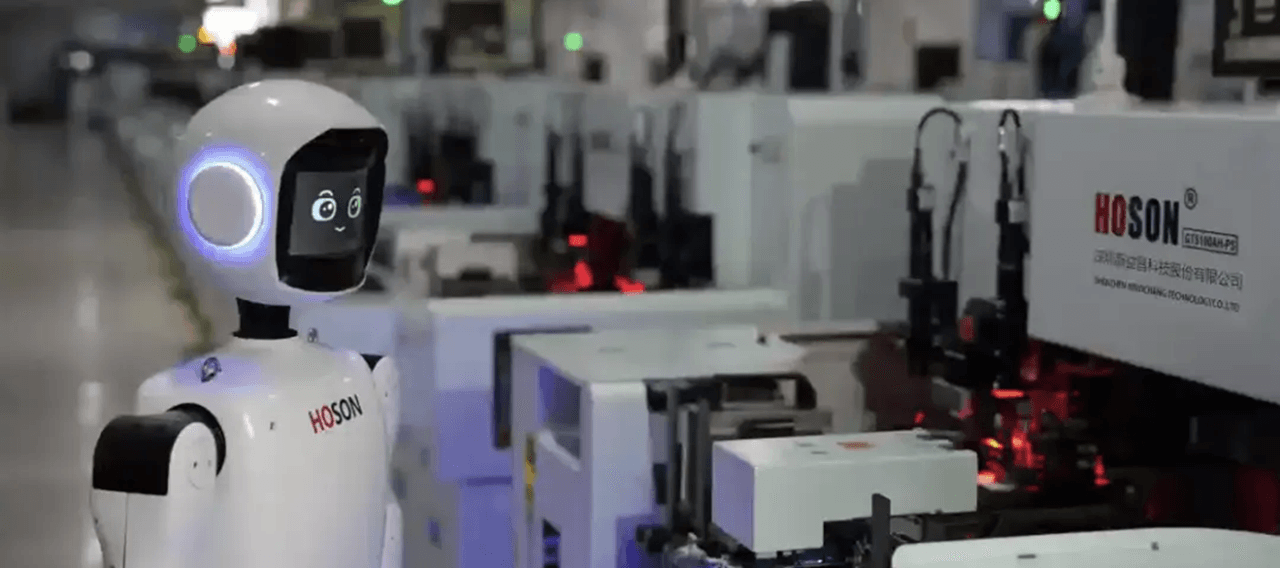
Hoson Tech Enters Humanoid Robotics with Hoson Robot
Hoson Tech expands into humanoid robotics with the Hoson Robot, bringing semiconductor-grade precision and embodied intelligence to real-world automation.
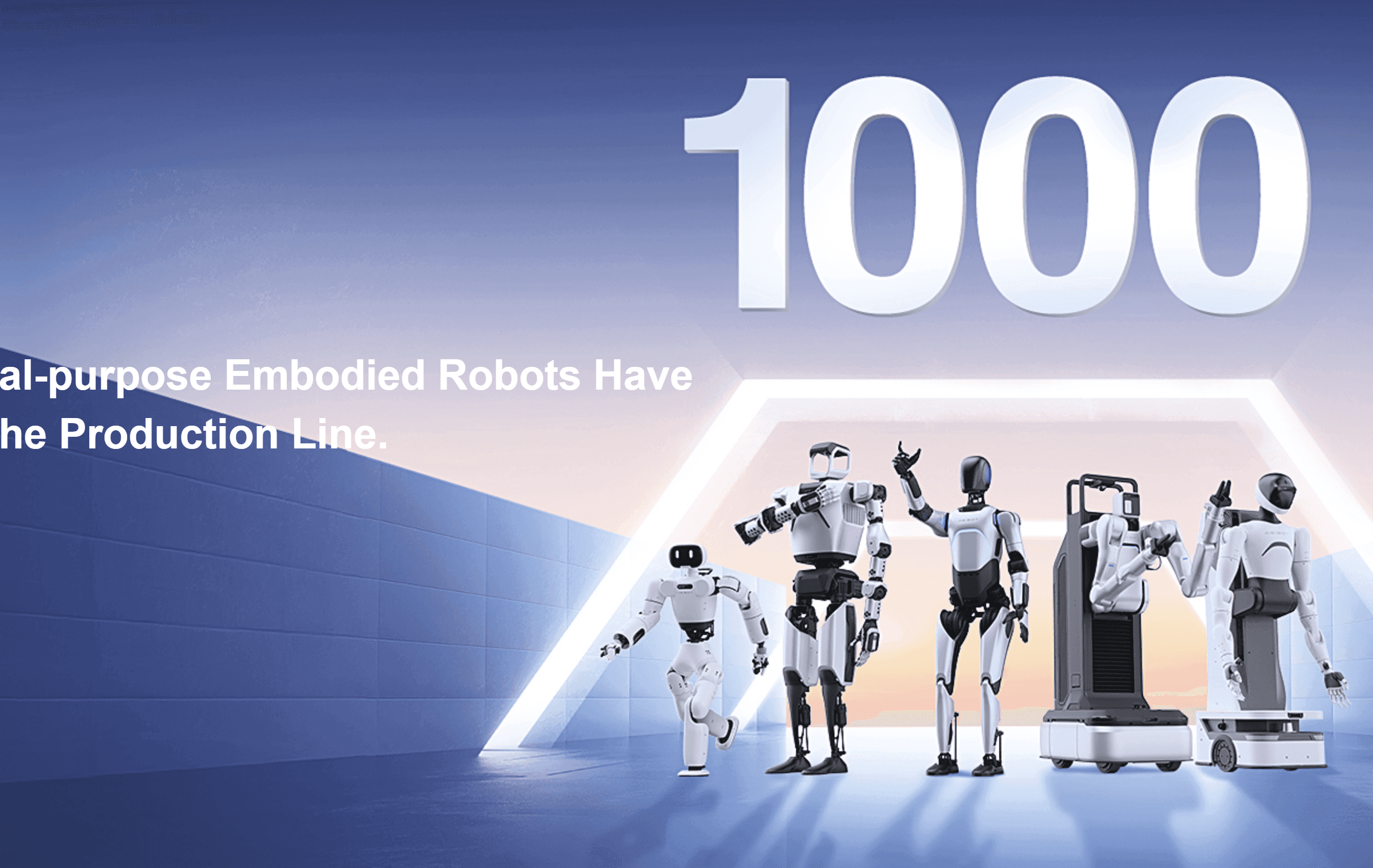
Agibot and Longcheer Technology Forge a New Benchmark for AI Manufacturing
Agibot and Longcheer Technology announce a strategic partnership to advance AI-driven manufacturing and set a new benchmark in integrating intelligent robotics into production processes.


