


A founder recently listed on the Hong Kong stock exchange publicly criticized the prevalent trend of speculative entrepreneurship in the industry, which relies on false and unsustainable revenue through related transactions. This model lacks product-market fit and often leads to premature IPO attempts within two to three years. Concurrently, reports indicate that regulators are tightening IPO reviews for humanoid robot companies, focusing on sustainable revenue, loss reduction, and genuine innovation capabilities.
The core of the debate centers on how embodied intelligence can demonstrate credible market valuation, which hinges on entering real-world scenarios, addressing industry needs, and securing verifiable orders. Genuine orders must withstand three tests: the value of the order, the resolution of real needs, and the engineering capability for scalable delivery. Many companies can create seemingly substantial contracts through related transactions, but they fail to meet any of these critical tests.
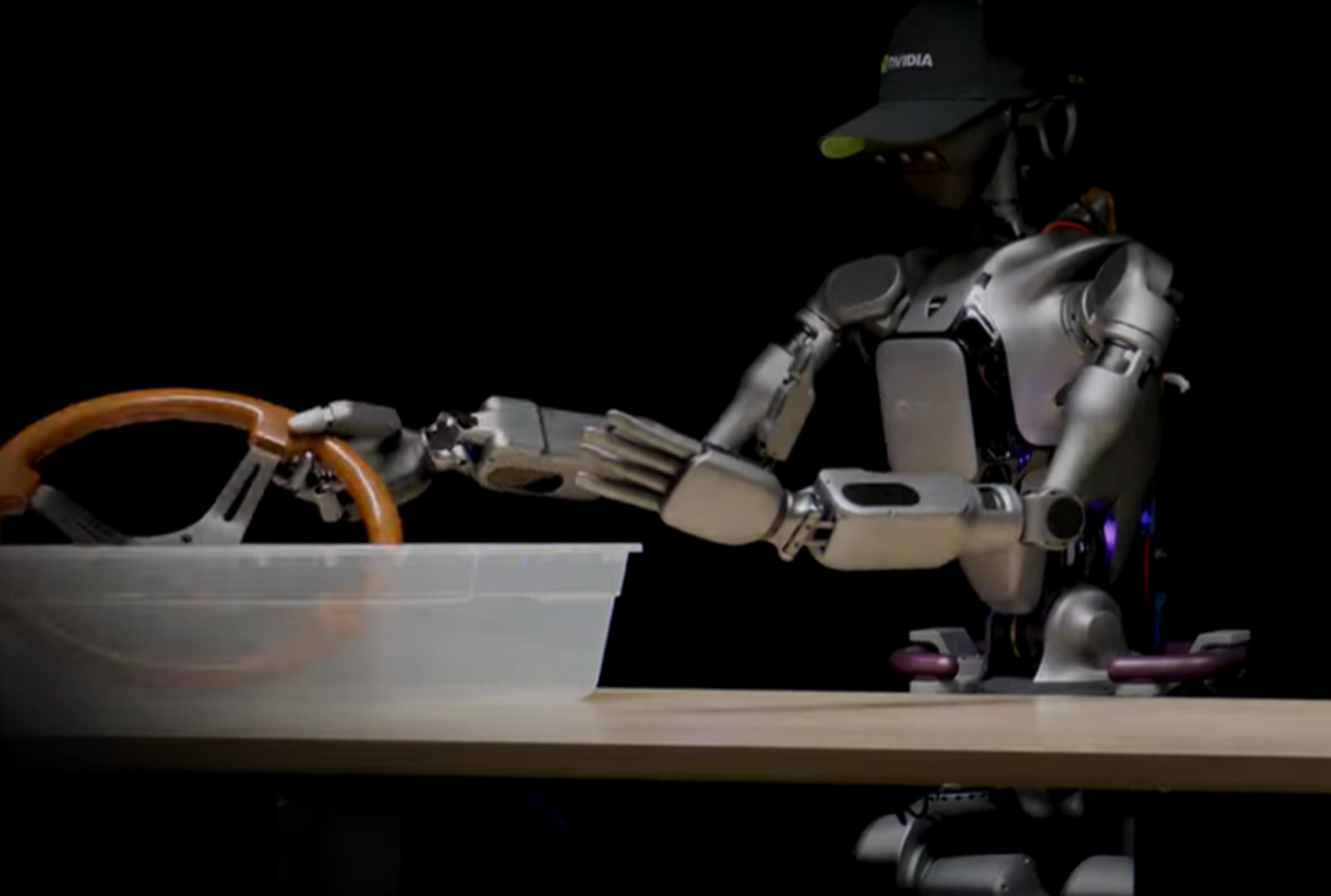
In contrast, Jiying Intelligent, founded by Jieyi Technology, has taken a different approach by identifying specific pain points in the automotive parts manufacturing sector. Their robots have significantly improved inspection efficiency and are already deployed in real-world applications. The success of Jiying's model will depend on their ability to deepen their solutions in automotive inspection and pharmacy services and replicate these successes in similar scenarios.
Editor's Note
The robotics industry is facing scrutiny as the gap between funding and actual market demand widens. Companies must focus on delivering genuine solutions that meet real-world needs to secure sustainable growth. The emphasis on verifiable orders and engineering capabilities will shape the future of investment and innovation in this sector.


























Leave a comment