


Kardome Technology Ltd
Israeli voice AI startup delivering spatial hearing technology for robotics, automotive, and smart-home devices, deployed in over 11 million devices.
Contact Kardome Technology Ltd
WEBSITE
https://www.kardome.comPHONE
+972 549743366 (or similar)HEADQUARTERS
Israel

Company Facts
Founded
2019
Primary Role
Software/Algorithm
Company Size
-
Primary Region
Middle East
Annual Sales
-
Funding Stage
-
Funding Total
-

350 Robots at Changlong Faced Challenges and Learned to Intentionally Lose to Children
A total of 350 robots were deployed at Changlong for a month, where they encountered significant challenges and exhaustion. Interestingly, these robots also learned to intentionally lose to children during interactions, showcasing an unexpected adaptability in their programming. This development is significant as it highlights the evolving capabilities of robots in engaging with humans, particularly in playful environments. The ability to intentionally lose can enhance user experience and foster a more enjoyable interaction between robots and children, potentially leading to broader applications in educational and entertainment sectors. Looking ahead, it will be important to monitor how these robots continue to adapt and what further advancements are made in their programming. No further timeline was disclosed at the time of publication.
Robotics Automation AI
Humanoid Robot Stands in Rain for National Day Celebration in Xihu District
A humanoid robot was prominently featured during the National Day celebrations in Xihu District, standing in the rain while others sought shelter from the downpour. This unique display highlighted the integration of robotics into public events, showcasing the potential for robots to engage with communities in various weather conditions. The presence of the humanoid robot during such a significant occasion emphasizes the growing role of robotics in cultural and public celebrations. As communities increasingly embrace technology, this event serves as a reminder of how robots can enhance public experiences, even in adverse weather. Looking ahead, it will be interesting to observe how robotics continues to be incorporated into public events and celebrations. The adaptability of robots in different environments could lead to more innovative uses in future gatherings. No further timeline was disclosed at the time of publication.
Robotics Automation AI
Surgical Robots for Membrane Surgery Seek to Address Planning Discrepancies
Surgical robots designed for membrane surgery are striving to evolve into comprehensive intelligent systems. However, a significant challenge remains: the discrepancies between preoperative planning and the actual conditions encountered during surgery. This issue is critical as it directly impacts the effectiveness and safety of surgical procedures. Addressing these discrepancies is essential for enhancing the reliability of surgical robots, ensuring they can adapt to real-time conditions and improve patient outcomes. Looking ahead, the focus will be on developing solutions that bridge the gap between planned and actual surgical environments. No further timeline was disclosed at the time of publication.
Robotics Automation AI
Former ByteDance Intern Secures $30 Million for AI Startup in China
A former intern from ByteDance has successfully raised $30 million for a new AI startup based in China. This funding aims to advance the development of world models, which are AI systems designed to simulate real-world physics. These models have significant applications in fields such as robotics and interactive video. The importance of this funding lies in the potential of world models to enhance various technological applications. By simulating real-world physics, these AI systems can improve the efficiency and effectiveness of robotics, making them more capable in complex environments. This development is crucial as industries increasingly rely on AI to innovate and streamline operations. Looking ahead, the focus will be on how this startup utilizes the $30 million funding to develop its world models and the impact these advancements will have on robotics and interactive video applications. No further timeline was disclosed at the time of publication.
Artificial Intelligence Investments News Startups ByteDance China
IROS 2026 Best Paper Finalists: South Korea Leads
Ten papers made the IROS 2026 Best Paper and Best Student Paper shortlist, four from South Korea. What each one does and what it means for industry.
SafeWorld Launches With $12.2M Funding to Develop Robot-Safety Simulation Software
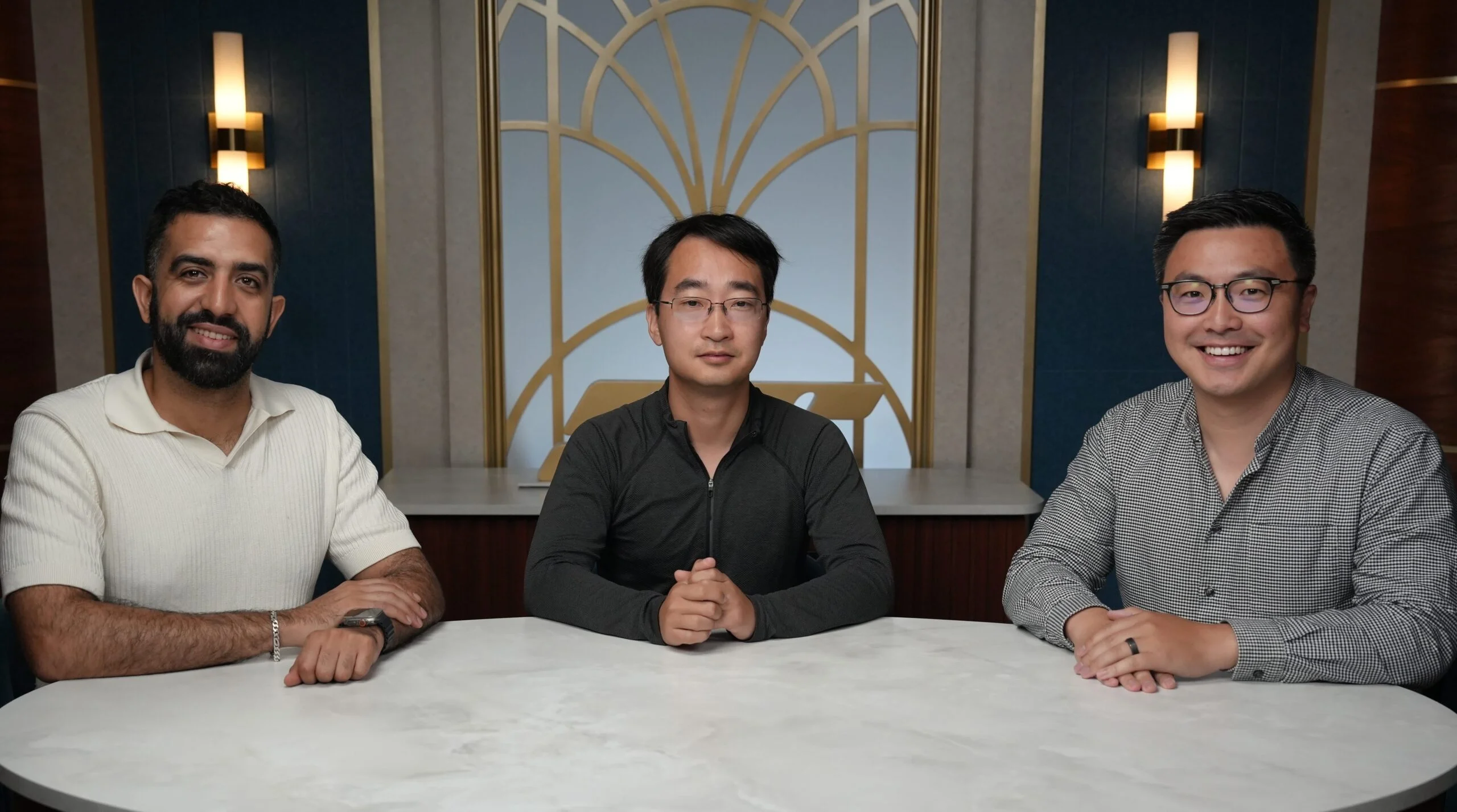
SafeWorld has officially launched after securing $12.2 million in seed funding, co-led by Shine Capital and a16z Speedrun. The Palo Alto-based startup aims to create simulation software that tests the safety of autonomous robots prior to their deployment in real-world environments. This platform allows companies to simulate various safety scenarios based on past incidents and robot logs, enabling extensive testing without the need for physical environments. The significance of SafeWorld's technology lies in its ability to address the challenges of traditional safety testing, which can be costly and time-consuming as robots become more autonomous. By utilizing simulation, companies can evaluate how robots respond to unexpected situations and human interactions, thus ensuring safety throughout the deployment process rather than relying on one-time certifications. Early pilots are already underway with major automotive manufacturers and warehouse-automation firms. Looking ahead, SafeWorld's platform is poised to transform safety testing in industrial and commercial settings where robots operate near humans. The startup's innovative approach could lead to more effective safety measures, reducing reliance on physical barriers and enhancing collaboration between robots and workers. No further timeline was disclosed at the time of publication.
AI Funding & Investment AI Safety Physical AI Startups AI Carnegie Mellon University
Mecka AI Secures $60 Million in Series B Funding Led by Sequoia
Mecka AI, a startup focused on collecting and analyzing human motion data for training humanoid and other robots, has successfully raised $60 million in a Series B funding round led by Sequoia. Notable participants in this funding include Nvidia and Microsoft's venture fund M12, among others. This funding is significant as it positions Mecka AI to replicate the success of data-labeling companies like Scale AI and Mercor, which have been instrumental in training large language models (LLMs). With a valuation of $500 million, Mecka AI aims to enhance robotics by paying individuals to perform everyday tasks while wearing body sensors and using smartphones to capture motion data. Looking ahead, the robotics sector is witnessing a surge in startups focused on real-world data collection for robot training, with competitors like XDOF also seeking funding. The expansion of human-data platforms into robotics, as seen with Scale AI and Micro1, indicates a growing trend that could reshape how robots learn and interact with their environments. No further timeline was disclosed at the time of publication.
TC Venture
Mecka Secures $60 Million in Series B Funding to Enhance Robot Training Data Solutions
Mecka has successfully raised $60 million in a Series B funding round led by Sequoia Capital, with participation from Nvidia, Microsoft’s M12, Qualcomm Ventures, and Samsung. This funding, announced on October 7, aims to bolster Mecka's efforts in gathering human demonstrations for training robot models. The company specializes in developing capture hardware and converting recordings into structured motion and 3D data, while also offering services in robot integration and ongoing operations. The significance of this funding lies in Mecka's impressive growth trajectory, having achieved a revenue run rate exceeding $100 million in June, with projections reaching $300 million by the end of the year. However, it's important to note that these figures are company-reported and do not necessarily reflect actual revenue earned. The announcement also highlights Mecka's involvement in the EgoVerse consortium, which focuses on enhancing robot learning through human demonstrations, underscoring the potential for improved robot performance through effective data utilization. Looking ahead, the key consideration for humanoid developers is the effectiveness of transforming human recordings into reliable robotic behavior. Mecka's funding not only supports its commercial approach to this challenge but also positions it alongside competitors like Figure, which is exploring similar avenues through its Index platform. No further timeline was disclosed at the time of publication.
US Mecka
Mecka AI Secures $60 Million in Series B Funding for Robotics Development
Mecka AI has successfully raised $60 million in Series B funding, primarily led by Sequoia Capital, with additional support from Nvidia, Microsoft's M12, and Qualcomm. This funding will be utilized to enhance technology that enables robots to better understand and interact with the physical world. The significance of this funding lies in addressing the substantial data challenges within the robotics sector. CEO and cofounder Josh Gao emphasized the importance of capturing various physical interactions, including force and pressure, to advance robotics capabilities. The investment will also focus on scaling physical AI through improvements in sensors, infrastructure, and real-world data collection. Looking ahead, the robotics industry will need to monitor how Mecka AI utilizes this funding to innovate and expand its technology. No further timeline was disclosed at the time of publication.
JIATF-401 Expands Counter-UAS Options with Directed Energy and AI Technologies
The Joint Interagency Task Force-South (JIATF-401) is broadening its approach to counter unmanned aerial systems (UAS) by integrating directed energy and artificial intelligence technologies. This shift reflects the Pentagon's recognition that there is no one-size-fits-all solution to the growing drone threat. The expansion of counter-UAS capabilities is significant as it allows for a more versatile defense strategy against various drone threats. By employing a mix of advanced technologies, JIATF-401 aims to enhance operational effectiveness and adaptability in the face of evolving challenges in aerial warfare. Looking ahead, stakeholders in defense and technology sectors should monitor JIATF-401's developments closely. The task force's ongoing efforts to innovate and implement diverse counter-UAS strategies could influence future military engagements and defense procurement decisions. No further timeline was disclosed at the time of publication.
Pentagon artificial intelligence AI CACI Counter UAS cUAS CUAS Drones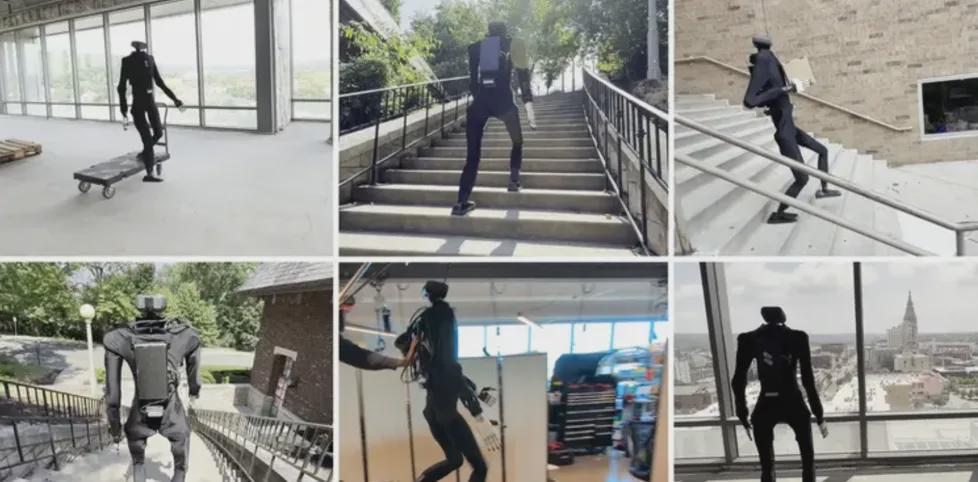
Skild AI Aims to Expand Beyond AI Brain After Achieving $14 Billion Valuation
Skild AI, following its recent valuation of $14 billion, is shifting its focus from being solely an AI brain to broader applications. This transition reflects the company's ambition to leverage its technology in various sectors beyond traditional AI roles. The move is significant as it highlights the growing trend of AI companies seeking to diversify their offerings and integrate into more tangible products and services. This development is crucial as it indicates a maturation in the AI industry, where companies like Skild AI are recognizing the need to create practical applications for their technologies. By moving beyond just AI brain functionalities, Skild AI aims to address market demands for more integrated and user-friendly solutions. This shift could potentially lead to innovative products that enhance human-robot interactions and improve operational efficiencies across industries. Looking ahead, it will be important to monitor how Skild AI implements this strategy and what new products or services emerge from this transition. The company's ability to successfully navigate this shift could set a precedent for other AI firms considering similar expansions. No further timeline was disclosed at the time of publication.
Robotics Automation AI
China’s Dexterous Hand Industry, 2026 Part 3 — The Players
Five vendor archetypes, MIR’s composite top ten, eight company profiles and six field deployments — every firm linked to the RobotToday supplier directory.
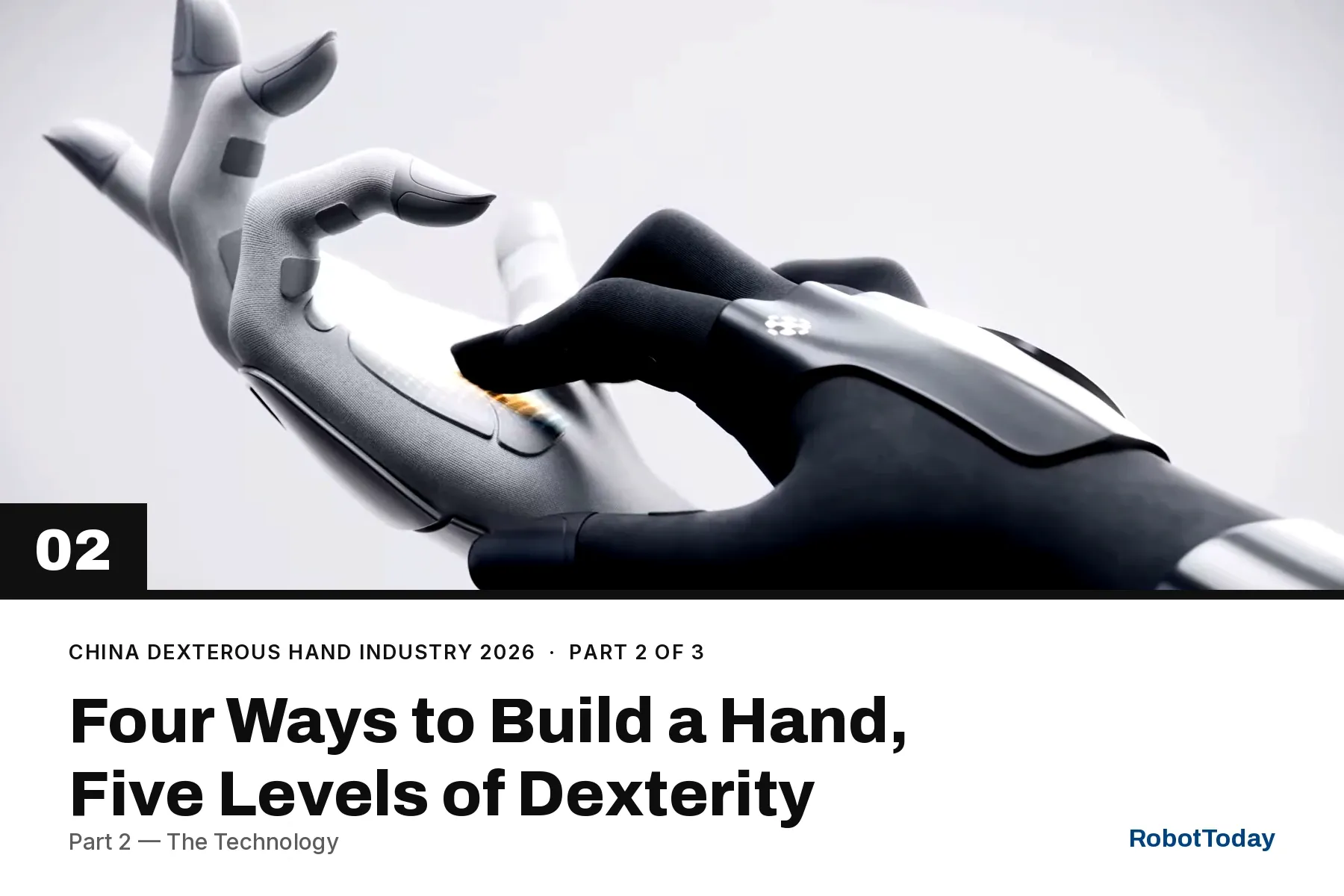
China’s Dexterous Hand Industry, 2026 Part 2 — The Technology
Linkage, tendon, direct drive or hybrid — and why hardware is converging while the DL1–DL5 manipulation scale decides who wins. Part 2 of 3.
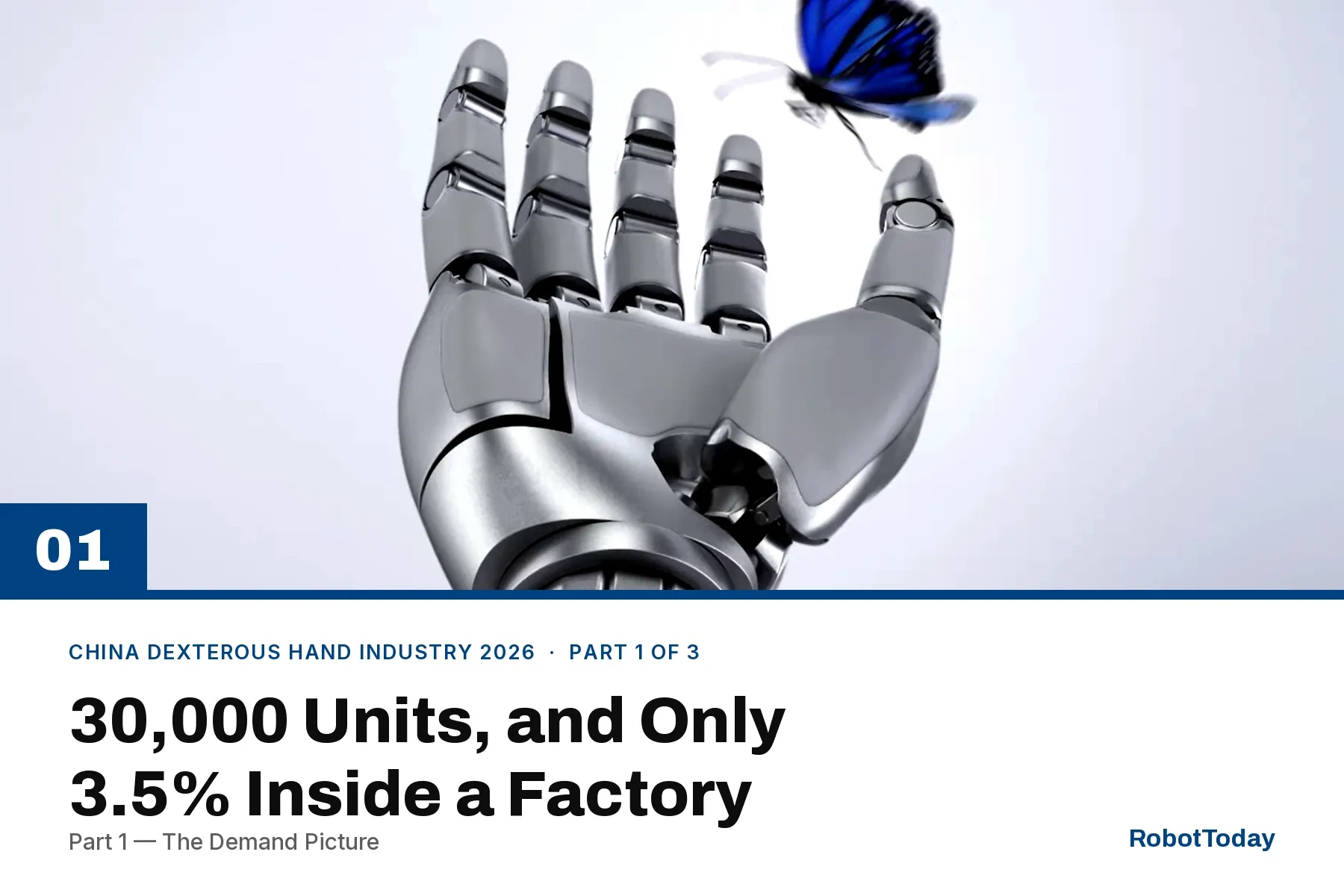
China’s Dexterous Hand Industry, 2026 Part 1 — The Demand Picture
MIR Databank puts China dexterous hand shipments above 30,000 units in 2026, yet only 3.5% of 2025 demand came from factory production. Part 1 of 3.
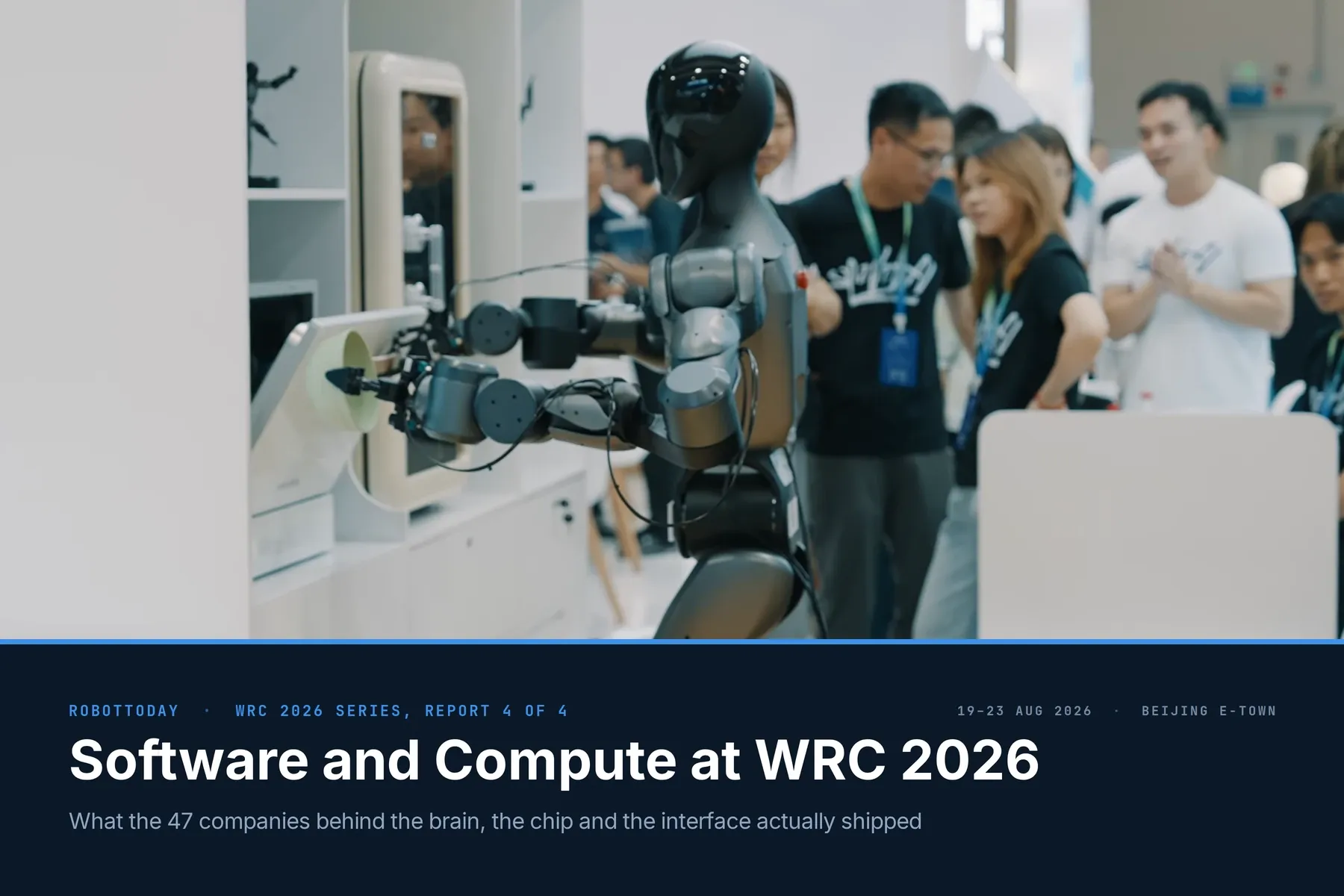
Software, Compute and Interaction at WRC 2026
47 WRC 2026 exhibitors supply robot software, compute or interaction — but only 19 call themselves software companies. Five open artefacts, licence-checked.
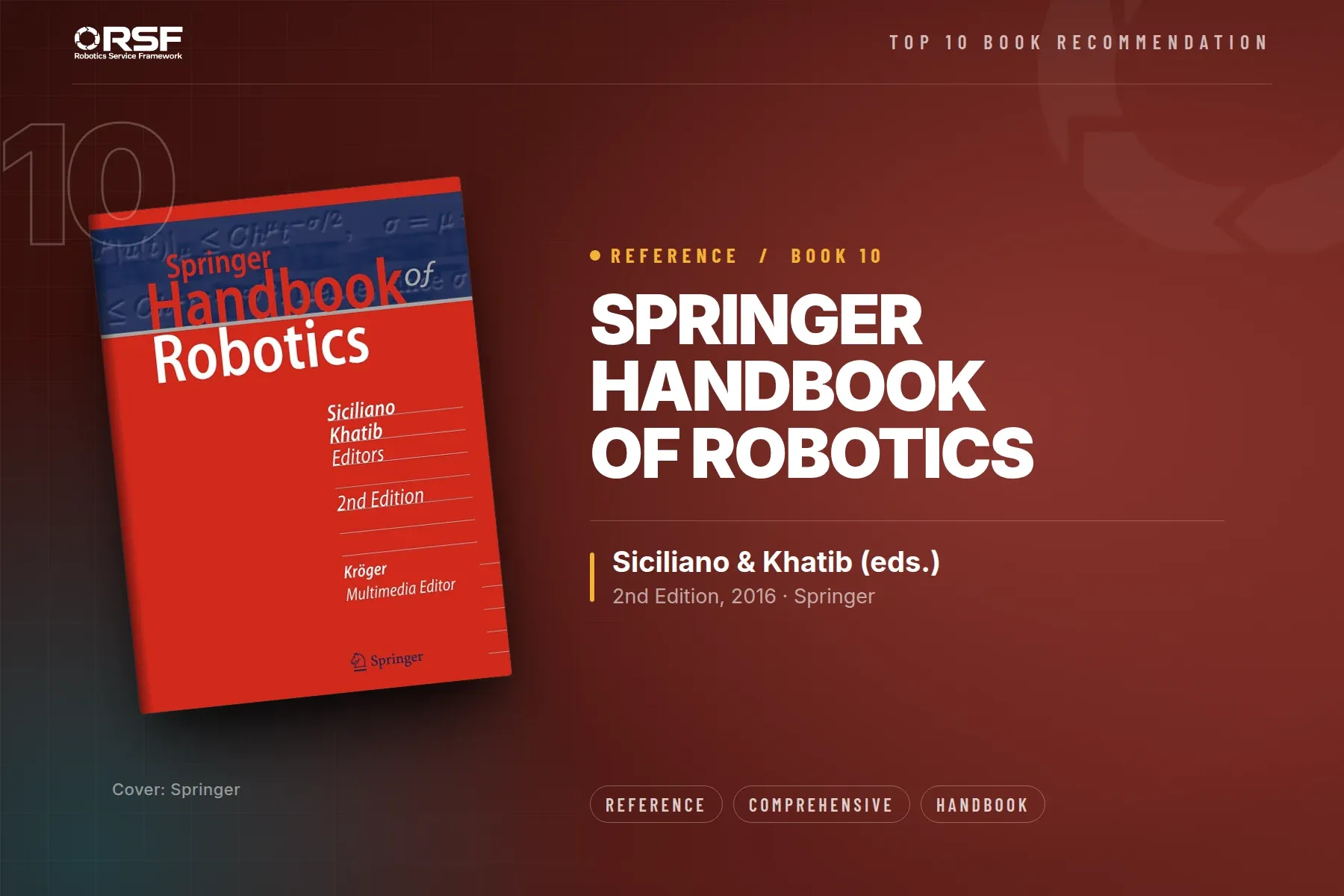
Springer Handbook of Robotics B. Siciliano & O. Khatib (eds.) — RSF Top 10 Robot Education Textbooks · No. 10
Eighty-plus chapters, 2,300 pages, nobody reads it cover to cover. It ranks for one reason: when a fault crosses domains, this is the reference of record.

The Most Important AI at WAIC Wasn't a Robot
At WAIC 2026, AI-native platforms quietly replaced interpreter hardware — what invisible AI infrastructure means for robotics and embodied AI.

Physical AI Landscape: From Digital Intelligence to the Embodied Physical World
A comprehensive industry analysis of Physical AI — covering Embodied AI, Field AI, Factory AI, VLM, World Model, VLA, and the VLA vs WAM architecture debate. Includes 20+ companies, 28 references, and the RobotToday Physical AI Landscape diagram. July 2026.
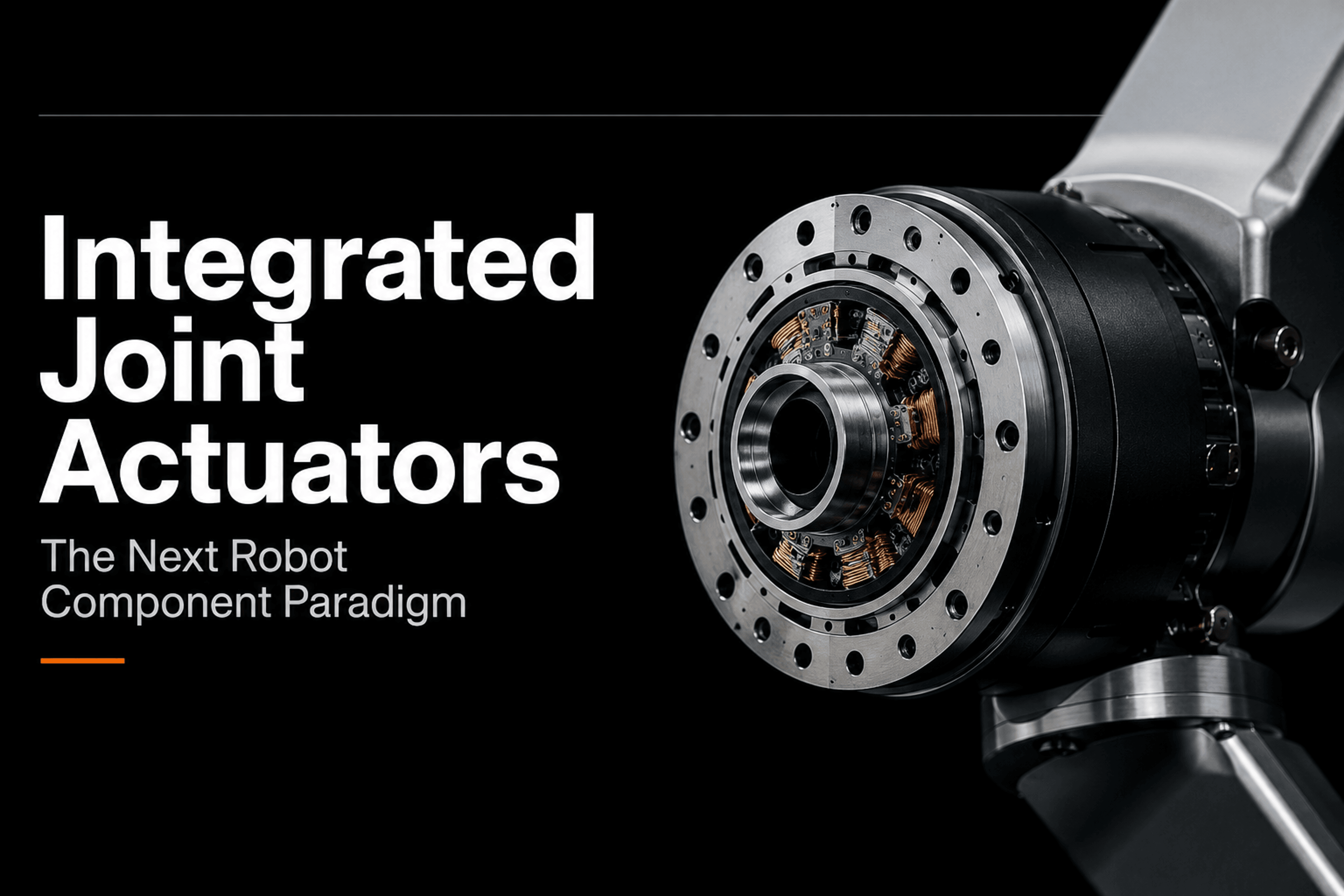
Integrated Joint Actuators 2026: Technology, Global Suppliers & China's Leap Forward
From rotary joints hitting 530 N·m+ to linear joints with planetary roller screws, integrated actuators are replacing the three-part drivetrain. Full supplier map: Tihu, PhyArc, RobStride, Schaeffler, maxon — and China's path from 1,000-RMB modules to global standard-setter.
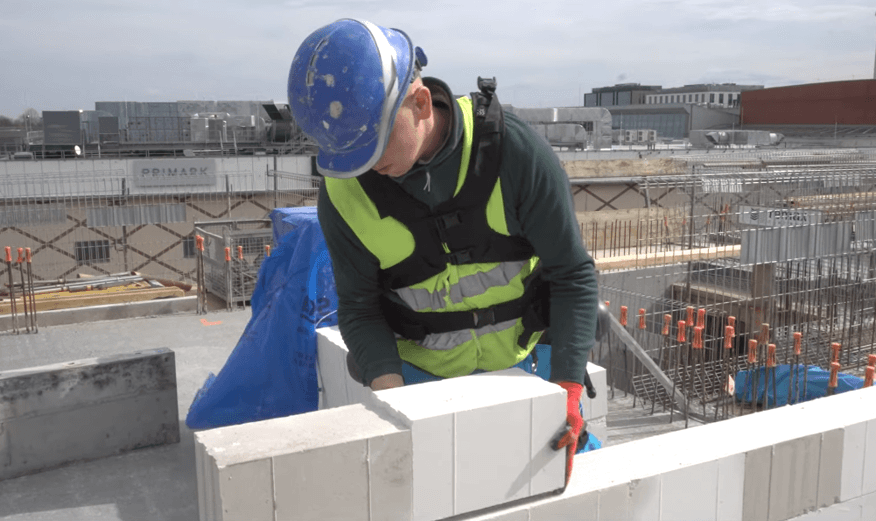
CONSTRUCTION ROBOTICS | EXOSKELETONS & HUMAN AUGMENTATION
Construction musculoskeletal injuries cost US employers over $2 billion annually. Exoskeletons are moving from pilots to standard practice. Ottobock, German Bionic, Hyundai, and Innophys launched major products in 2024–2025. Korea and Japan lead adoption. AI is turning passive suits into connected safety platforms.


