

Jaia Robotics, Inc.
US developer of low-cost micro autonomous underwater vehicles (AUVs) enabling scalable aquatic data collection for defense, research, and environmental use.
Contact Jaia Robotics, Inc.
WEBSITE
https://jaia.techPHONE
+1 401-214-9232HEADQUARTERS
United States

Company Facts
Founded
2020
Primary Role
Manufacturer
Company Size
-
Primary Region
North America
Annual Sales
-
Funding Stage
-
Funding Total
-

WRC 2026 Robot Systems: 149 Companies That Build Robots
149 of the 248 classified WRC 2026 exhibitors build finished robots. 93 build humanoid or legged machines. The audited humanoid sales number is one unit.

WRC 2026 Exhibitor Map: 248 Robotics Companies Mapped
We classified 248 WRC 2026 exhibitors with the RobotToday taxonomy. Motion & Actuation leads at 75 companies, Humanoid at 72, and compute stays thin at 12. (Modified 2026-08-27)

Multi-Stage Dynamic Positioning Control for Overactuated AUVs Using Active Disturbance-Rejection
The Journal of Field Robotics has published an early view article detailing a novel multi-stage dynamic positioning control method for overactuated Autonomous Underwater Vehicles (AUVs). This method employs active disturbance-rejection techniques to enhance control performance in challenging underwater environments. This advancement is significant as it addresses the complexities faced by AUVs in dynamic conditions, improving their operational reliability and efficiency. The proposed control strategy is expected to facilitate better navigation and stability, which are critical for underwater exploration and various marine applications. Future developments in this area will likely focus on refining the control algorithms and testing them in real-world scenarios. Researchers and practitioners should monitor upcoming publications for further insights into the practical applications and performance metrics of this innovative control approach.
RESEARCH ARTICLE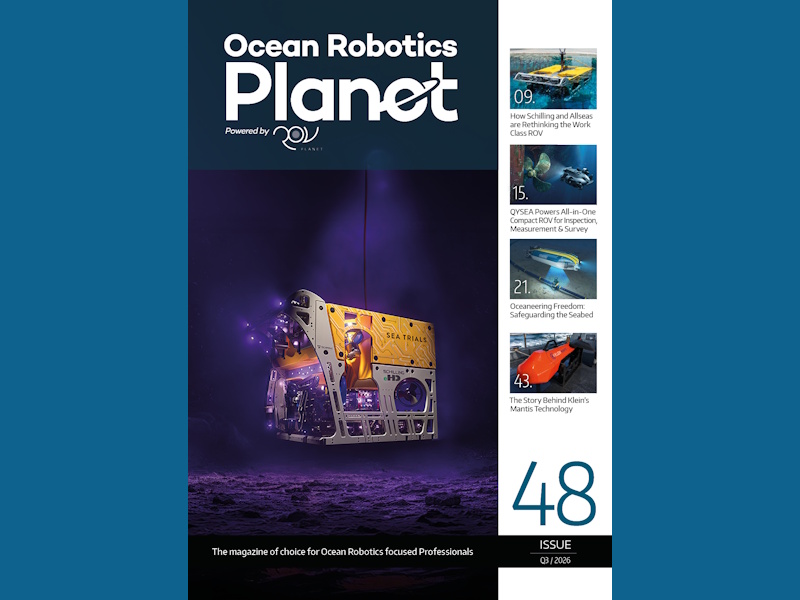
Ocean Robotics Planet Magazine Issue 48 Now Available for Professionals
Ocean Robotics Planet Magazine has released its 48th issue, featuring a variety of articles focused on advancements in ocean robotics. Highlights include discussions on how Schilling and Allseas are innovating work class ROVs, and QYSEA's all-in-one compact ROV designed for inspection and survey tasks. This issue emphasizes the importance of marine robotics in safeguarding energy supplies and addressing climate science challenges. Articles also cover the integration of uncrewed systems in subsea surveillance and the preparation of EUROATLAS's Greyshark AUV for production, showcasing the evolving landscape of marine technology. Readers should look out for insights into the future of work class ROV power and the upcoming 2026 Underwater Glider User Group Workshop. The magazine serves as a key resource for professionals in the ocean robotics sector, providing valuable information on current trends and innovations.
rov planet magazine ocean robotics planet magazine no:48 2026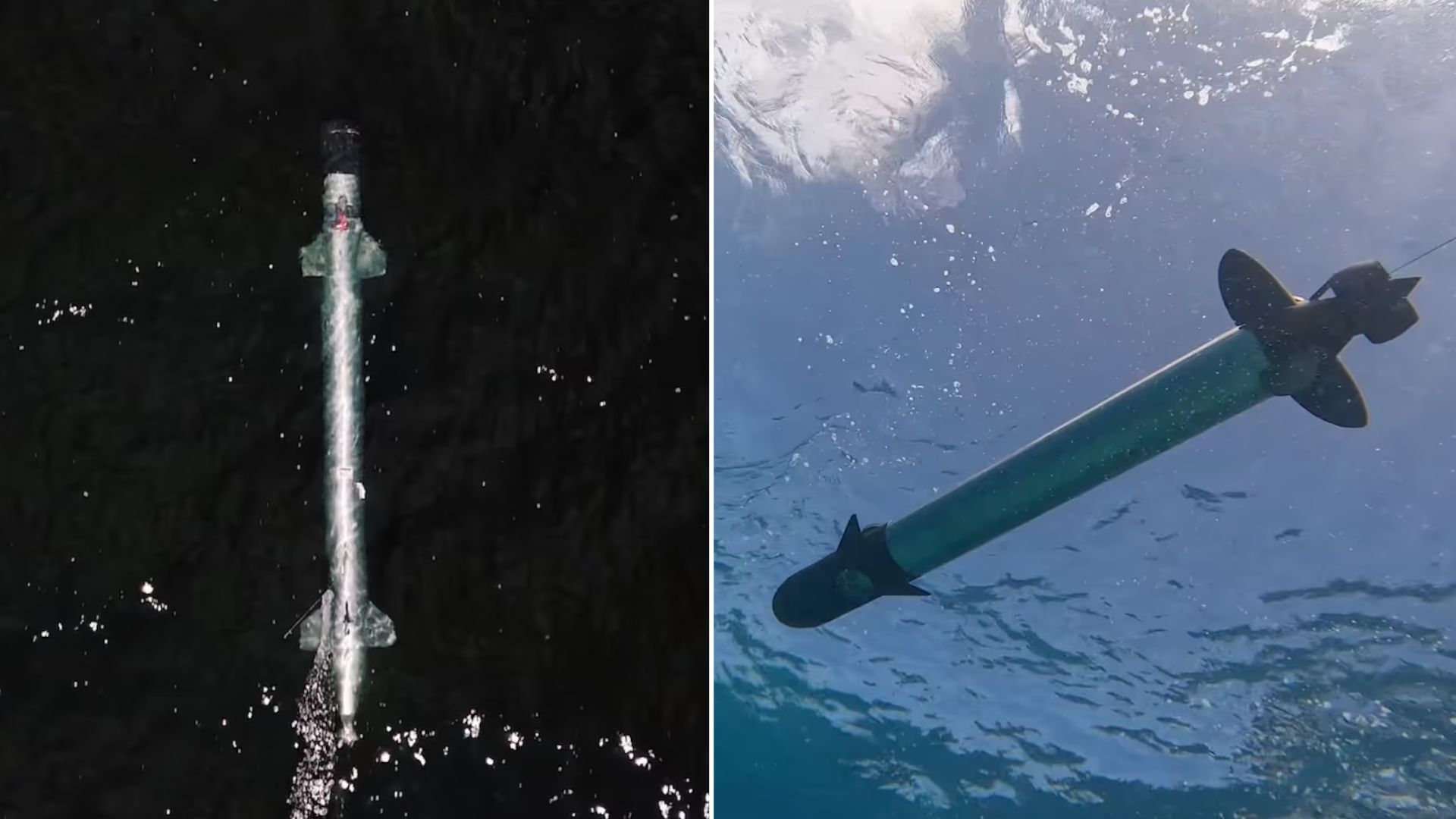
Taiwan Collaborates with U.S. Startup Vatn Systems on 200 nm Submarine Drone Technology
Taiwan has entered into a partnership with U.S. defense startup Vatn Systems to develop autonomous underwater vehicles (AUVs) aimed at enhancing maritime surveillance and defense capabilities. The agreement, signed with the National Chung-Shan Institute of Science and Technology (NCSIST), focuses on AI-enabled command-and-control systems and establishing a local supply chain for AUV technology. This collaboration is significant as it combines Vatn's expertise in undersea autonomy with Taiwan's industrial capabilities, allowing for the development of affordable AUVs like the Skelmir S12. These vehicles can perform various missions, from seabed mapping to mine countermeasures, without the risks associated with manned vessels, thus expanding Taiwan's underwater capabilities. Looking ahead, the partnership not only aims to enhance Taiwan's defense but also supports dual-use applications in critical infrastructure inspection and offshore industries. The initiative is part of a broader strategy by NCSIST to develop indigenous underwater technology while collaborating with foreign firms, including ongoing efforts with Anduril Industries and the Huilong program for local AUV development.
Military
AUVSI Appoints Heather Lee as Acting President and CEO Following Michael Robbins' Departure
The Association for Uncrewed Vehicle Systems International (AUVSI) has announced a leadership transition, with Michael Robbins set to depart on September 30, 2026, to lead the Semiconductor Industry Association. Heather Lee, currently the Chief Operating Officer, will assume the role of Acting President and CEO starting October 1. This transition is significant as Robbins has been instrumental in expanding AUVSI's advocacy efforts in Washington and enhancing its engagement with policymakers, contributing to a robust U.S.-based drone ecosystem. Under his leadership, AUVSI representatives testified before Congress eight times, and the organization broadened its focus on defense, commercial drones, and autonomous systems. Looking ahead, AUVSI's current policy priorities and programs are expected to continue seamlessly under Lee's guidance. The organization remains committed to its mission in the autonomous systems sector, ensuring that members and stakeholders experience consistent engagement and results during this leadership change. No further timeline was disclosed at the time of publication.
News Autonomous Systems AUVSI Drone Industry Drone Policy Green UAS
Study on Cooperative Navigation Methods for Autonomous Underwater Vehicles in Terrain Mapping
A recent study published in the Journal of Field Robotics explores cooperative navigation methods for autonomous underwater vehicles (AUVs) in terrain mapping. The research focuses on enhancing the accuracy and efficiency of AUVs when mapping underwater environments through collaborative navigation techniques. This research is significant as it addresses the challenges faced by AUVs in accurately mapping complex underwater terrains. By improving navigation methods, the study aims to facilitate better data collection for various applications, including environmental monitoring, underwater exploration, and resource management. Looking ahead, the implications of this research could lead to advancements in AUV technology and its applications in marine research. No further timeline was disclosed at the time of publication.
RESEARCH ARTICLE
AI Robots Enhance Underwater Safety by Monitoring Divers' Breathing Through Bubble Analysis
A research team from the University of Minnesota Twin Cities has developed an innovative AI model that enables underwater companion robots to monitor divers' breathing rates in real-time by analyzing the bubbles they exhale. This groundbreaking study, published in the International Journal of Robotics Research, marks the first application of computer vision for underwater human respiration tracking, providing a new technological pathway for diving safety. The underwater environment poses significant physiological challenges, such as fatigue, hyperventilation, and pressure fluctuations, which are amplified in deep-sea conditions. Traditional biosensors are ineffective underwater due to the heavy diving suits that obstruct skin contact, and wireless data transmission through water is often unstable. The research team's solution allows robots to 'see' breathing by training autonomous underwater vehicles (AUVs) equipped with cameras to analyze the volume and frequency of exhaled bubbles, categorizing the diver's breathing patterns as 'below normal,' 'normal,' or 'above normal.' This technology has implications beyond academia, benefiting commercial diving, scientific exploration, and military operations. A robot partner capable of interpreting the physiological state of a team in real-time can mitigate potential safety hazards early on. As robots evolve from mere task executors to proactive assessors of partner conditions, the dangers of deep-sea environments are being redefined, all starting from the interpretation of a series of bubbles.
Underwater Robotics AI Technology Diving Safety Computer Vision Marine Research
France's New Partnerships Aim to Boost Domestic Drone Production Using Automotive Expertise
France is advancing its domestic drone production through partnerships between major automotive companies and drone manufacturers. This initiative aims to utilize France's robust automotive manufacturing base to enhance the production of autonomous systems, reflecting a significant shift in industrial strategy across Europe and North America. The collaboration involves established automakers and suppliers, with Renault and Thales redesigning the Toutatis loitering munition for automotive-style production, targeting 1,000 units per month by 2027. Additionally, Delair and Schaeffler plan to produce about 100 drones daily by November, while Valeo and Forvia are expanding their roles in electric motors and counter-UAS technologies, respectively. This approach emphasizes efficient manufacturing over design. Looking ahead, the partnerships signify a broader trend in the drone industry, where operational deployment and manufacturing capacity are becoming as crucial as technological innovation. No further timeline was disclosed at the time of publication.
Drone Manufacturing Drone News Drone News Feeds Drones in the News Europe Drone Industry News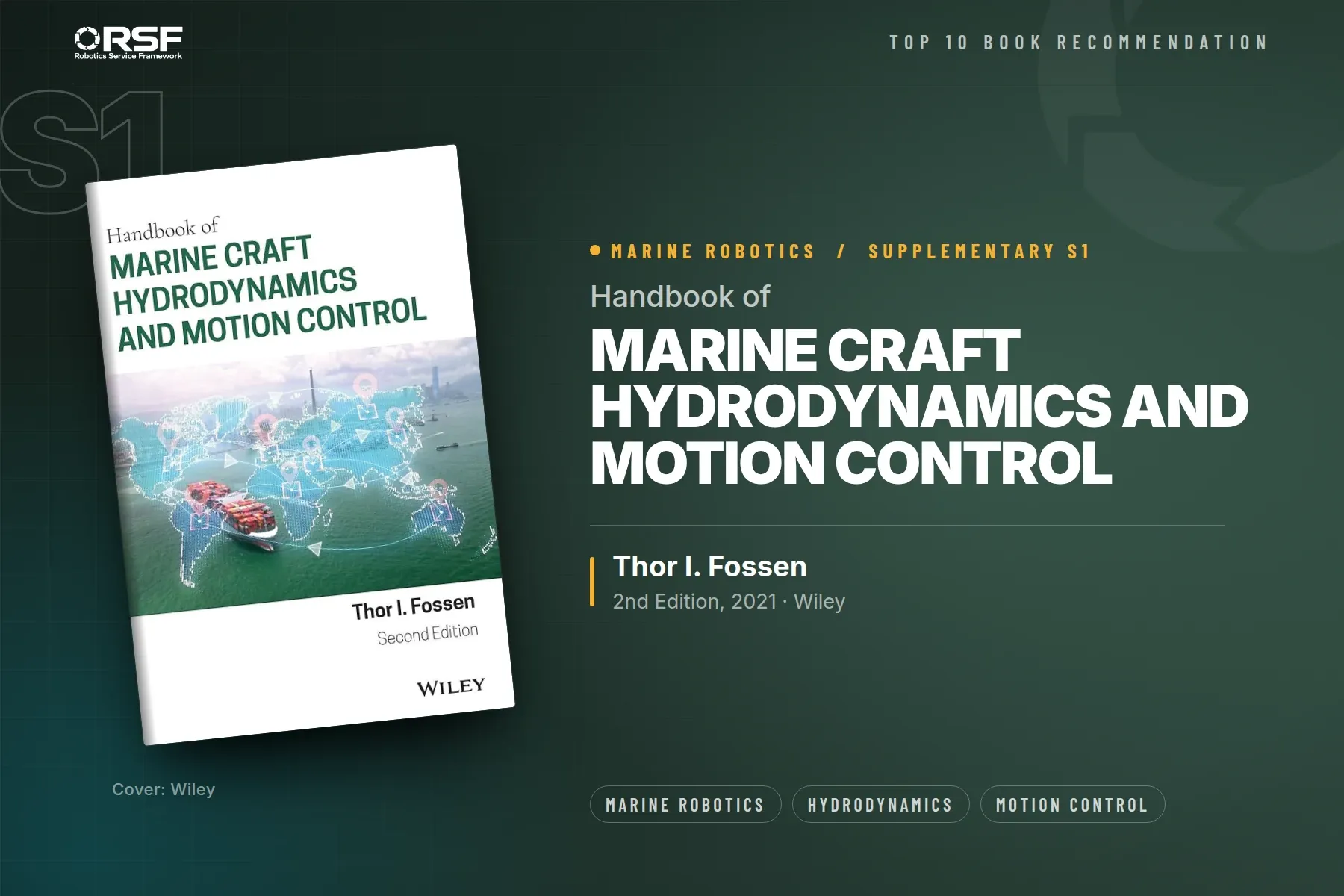
Handbook of Marine Craft Hydrodynamics and Motion Control Thor I. Fossen — RSF Specialist Shelf · Book S1 of 6
Added mass, wave loading, DVL navigation: the marine GNC reference for USV, ROV and AUV service engineers. The hardest book on the RSF list, 5/5.

Small Unmanned Aircraft: Theory and Practice Beard & McLain — RSF Specialist Shelf · Book S2 of 6
Beard & McLain derive the fixed-wing autopilot the RSF Top 10 never does: successive loop closure on roll, pitch, altitude and airspeed. 4/5.
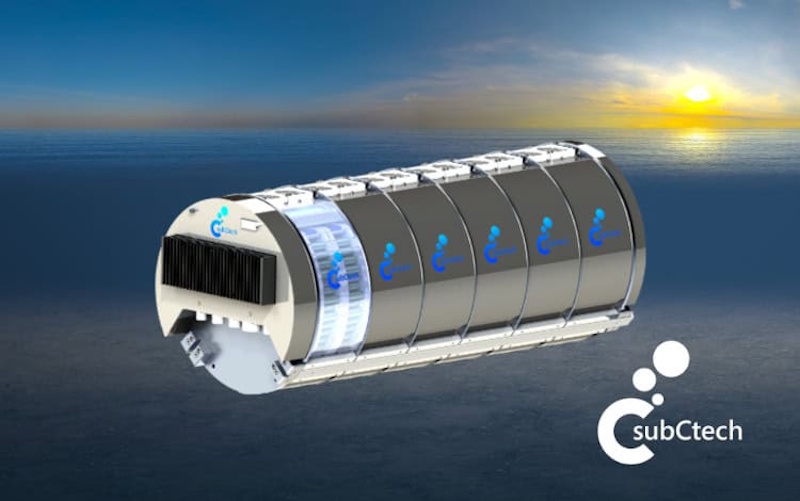
SubCtech Achieves 50kW Continuous Power for 600 V-Class AUV Battery System
SubCtech has reached a significant technical milestone by successfully demonstrating a continuous output of 50 kW from its 600 V-class AUV battery system. This achievement was part of a project aimed at developing a high-voltage, high-discharge-rate battery and charger system for underwater platforms, which required the system to operate at 35 °C for at least 45 minutes. The successful demonstration not only met but exceeded the customer's requirements, as the battery system delivered the necessary power for over 50 minutes without any thermal throttling. This marks SubCtech's entry into the 600 V-class battery segment and showcases the scalability of its existing technology to meet higher power demands. Looking ahead, SubCtech's achievement highlights its capability to innovate within established technology frameworks. The company plans to leverage this milestone to further enhance its offerings in the underwater robotics market. No further timeline was disclosed at the time of publication.
subctech technical milestone power auv battery system
Fugro Secures Contract for Offshore Survey of Greater Sunrise and Bayu Undan in Timor-Leste
Fugro has signed a contract to conduct a comprehensive offshore survey programme for the Greater Sunrise and Bayu Undan projects in Timor-Leste. This initiative aims to support the planning and development of essential offshore energy infrastructure, which is crucial for the country's energy ambitions. The survey will involve extensive geophysical, seismic, and autonomous underwater vehicle (AUV) surveys in deepwater areas exceeding 3,000 meters. The data collected will provide vital seabed intelligence and geotechnical insights necessary for pipeline routing, engineering design, and geohazard assessment, ensuring safe offshore operations. Mobilization and planning are set to begin in the third quarter of 2026, with offshore operations expected to start in the fourth quarter and last approximately three months. This project reinforces Fugro's leadership in marine site characterization and offshore survey services in the Asia Pacific region, as noted by Safri Drahman, APAC Regional Business Line Director at Fugro.
fugro contract greater sunrise bayu undan pipeline survey programme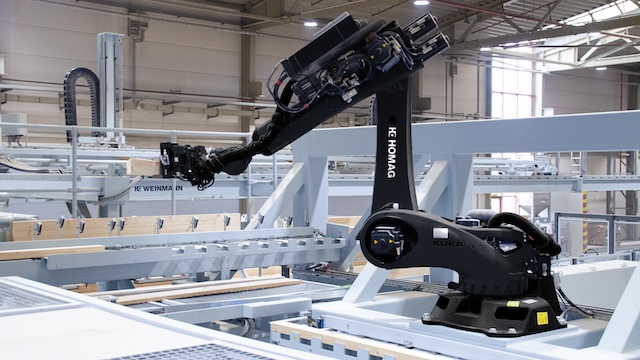
Current Disturbances Impacting Online Localization for Autonomous Underwater Vehicles
The Journal of Field Robotics has published an early view article discussing the challenges of online localization for autonomous underwater vehicles (AUVs) in the presence of current disturbances. This research highlights the difficulties faced by AUVs when global references are not available, which is crucial for their navigation and operational efficiency. Understanding how current disturbances affect AUV localization is significant as it directly impacts the effectiveness of underwater missions. Accurate localization is essential for various applications, including environmental monitoring, underwater exploration, and military operations. The findings from this study could lead to improved algorithms and technologies that enhance the reliability of AUVs in challenging underwater environments. Future research should focus on developing advanced localization techniques that can mitigate the effects of current disturbances on AUVs. As underwater exploration continues to grow, the demand for reliable AUV navigation systems will increase. No further timeline was disclosed at the time of publication.
RESEARCH ARTICLE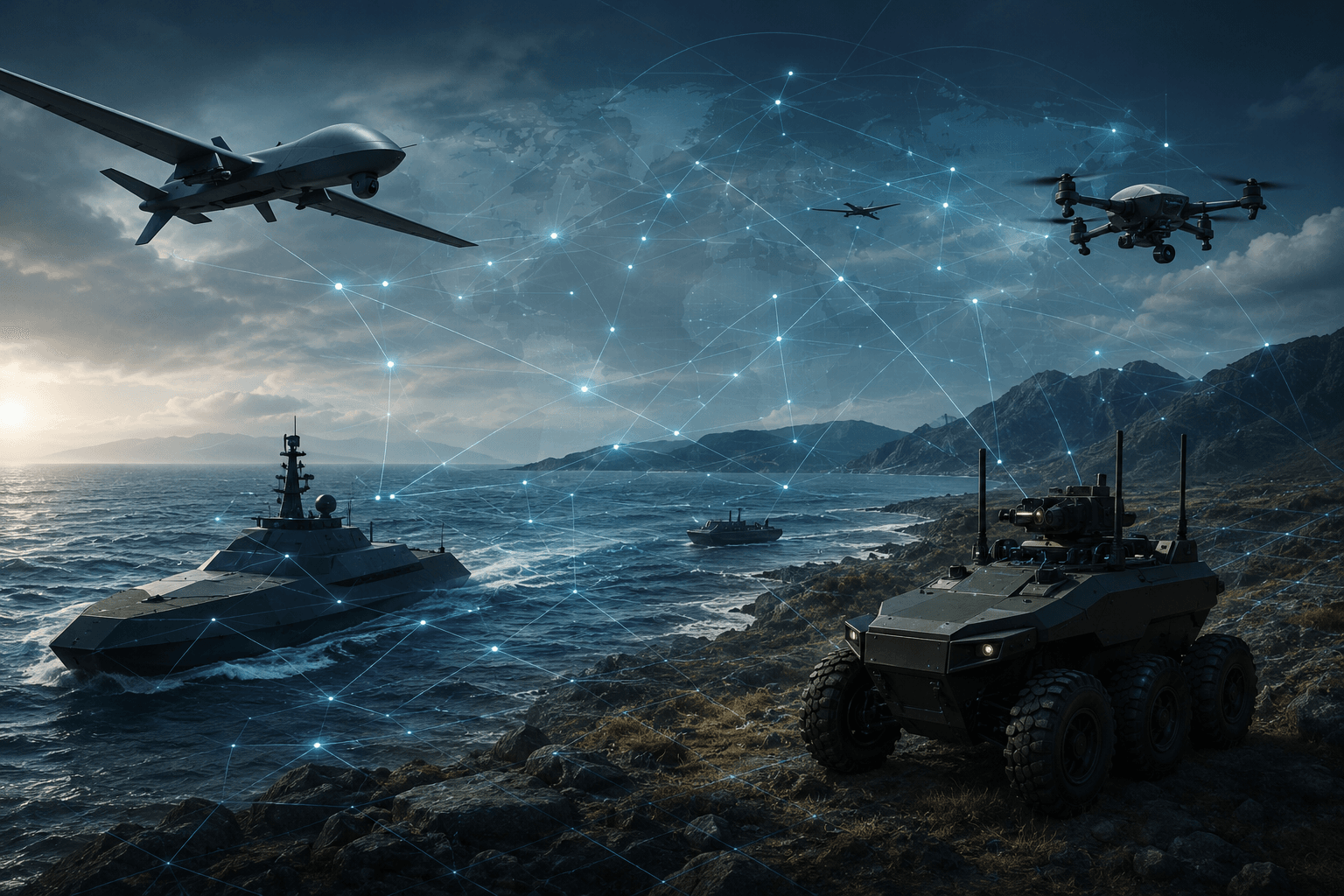
FUTURE WARFARE | Cross-Domain Integration - Integration How Land, Sea, Air and Software Are Converging Into a Single Kill Chain
Cross-domain robotics is reshaping modern warfare as drones, UGVs, AI targeting systems, and autonomous logistics converge into a single networked kill chain across land, sea, air, and software.

GLOBAL ROBOTICS INDUSTRY Comprehensive Sector Overview
A comprehensive global robotics industry overview for 2025, analyzing 14 key market segments — from industrial and humanoid robots to logistics AMRs, military systems, and service robots — with expert market sizing, US case studies, five-year forecasts, and bilingual English-Chinese analysis for executives and investors.
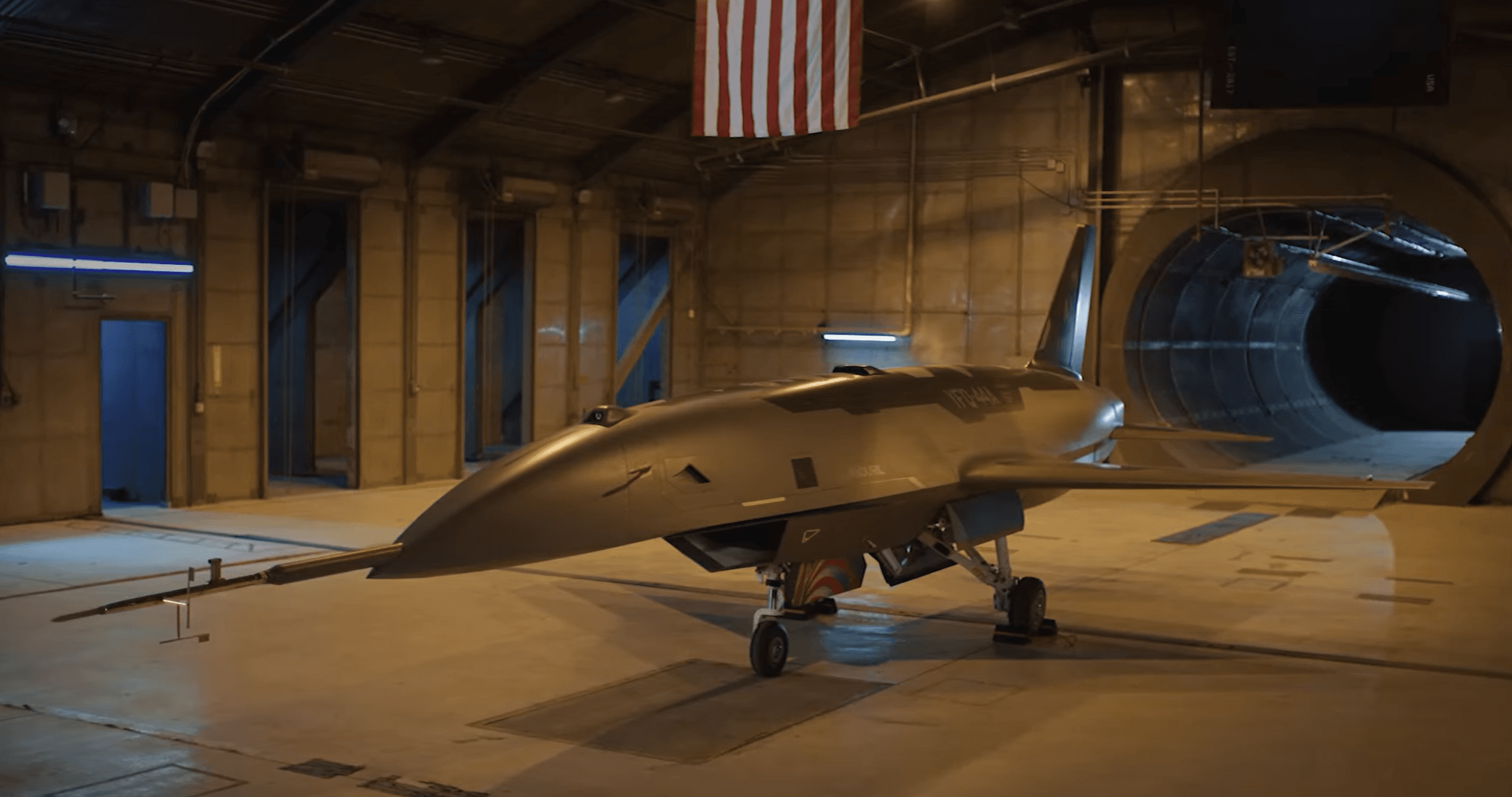
FUTURE WARFARE | Air - Collaborative Combat Aircraft, Drone Motherships & the Autonomy Race Above the Battlefield
Anduril’s YFQ-44A Fury flew its first semi-autonomous mission on 31 October 2025 — 556 days from contract to flight. By February 2026 it was carrying live missiles and swapping autonomy software mid-flight. China’s Jiutian drone mothership flew on 11 December 2025, capable of releasing over 100 loitering munitions from its internal bay at 15,000 metres. And the U.S. Air Force is standing up its second experimental one-way attack drone unit for mid-2026. This article maps the most consequential aerial autonomous systems competition in history: the CCA programme that will determine U.S. air dominance in the 2030s, the Valkyrie’s surprising rebirth, the A-GRA open-architecture breakthrough, and the Chinese drone mothership that has no Western equivalent.
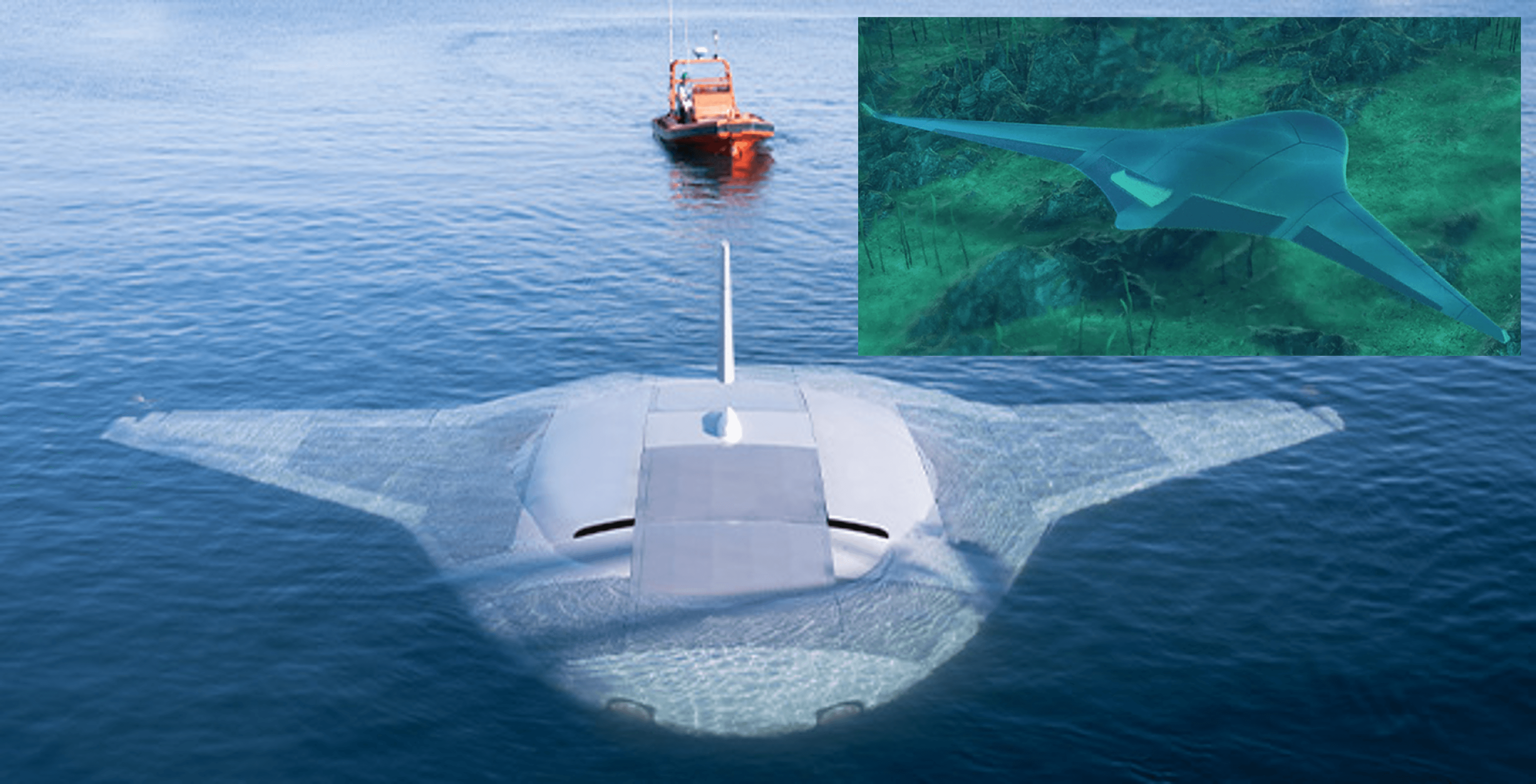
FUTURE WARFARE | Sea - Autonomous Surface Vessels & Unmanned Underwater Vehicles — The Hybrid Fleet Takes Shape
Ukraine’s ‘Sub Sea Baby’ autonomous torpedo struck a Russian Kilo-class submarine inside Novorossiysk harbour in December 2025 — the first confirmed underwater drone attack on a submarine in history. The U.S. Navy is requesting $5.3 billion for unmanned maritime systems in FY2026, a 70 percent year-on-year increase. Saronic Technologies went from prototype to $392 million production contract in under 12 months. And DARPA’s Manta Ray XL-UUV completed full-scale sea trials. This article maps the maritime autonomous systems revolution — from Ukraine’s improvised Black Sea fleet to the Pentagon’s hybrid manned–unmanned force of the 2030s, and from Saronic’s Franklin, Louisiana shipyard to Boeing’s 85-tonne robot submarine.
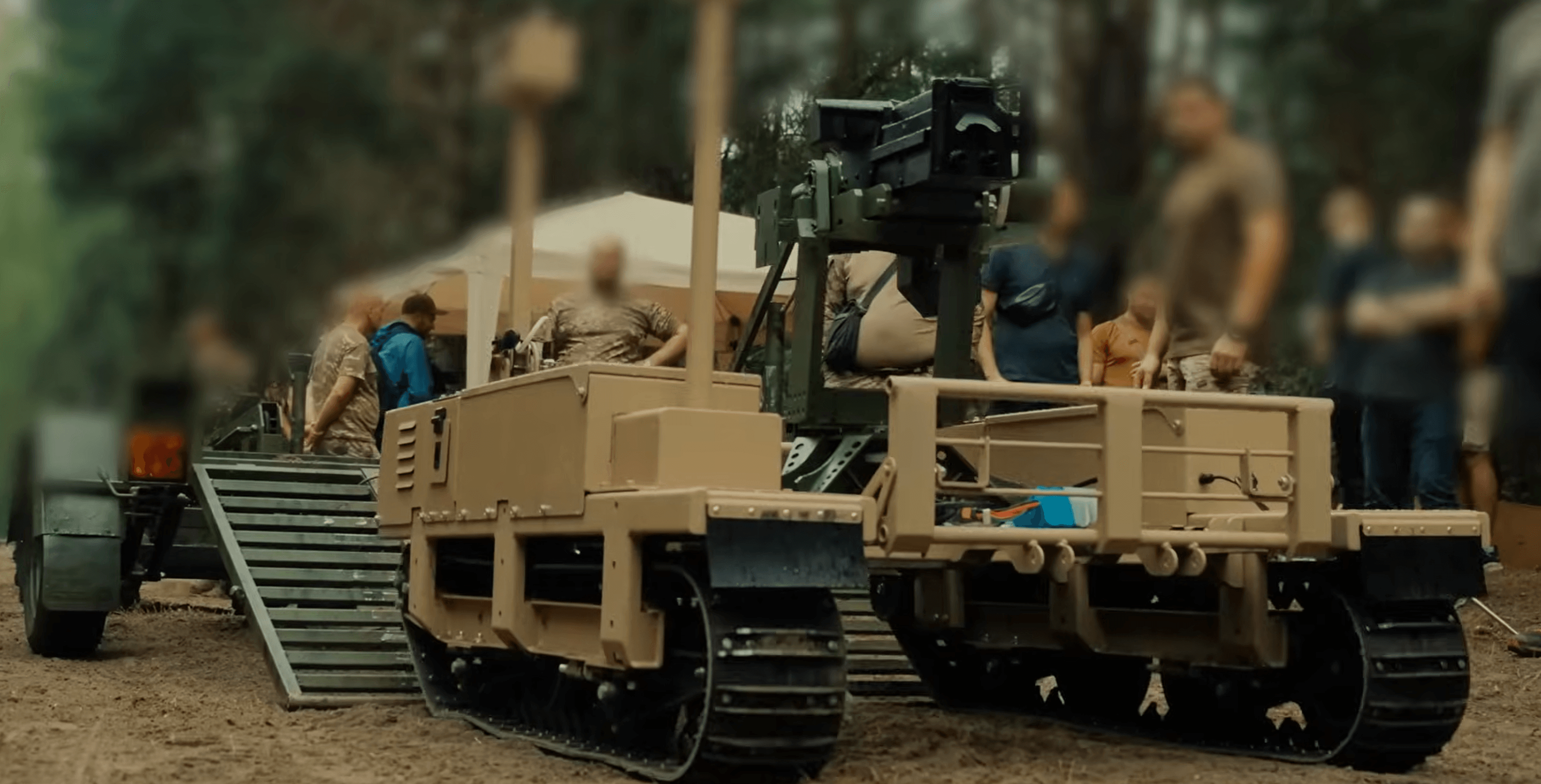
FUTURE WARFARE | Land - Unmanned Ground Vehicles — From Logistics Mules to Front-Line Robots
Ukraine fielded 15,000 unmanned ground vehicles in 2025 — surpassing its own procurement targets by over 100 percent. A single UGV held a front-line position for 45 days. Up to 90 percent of supplies to Pokrovsk now move by robot, not truck. The U.S. Army cancelled its $3 million Robotic Combat Vehicle and is starting over. China is deploying $3,000 robot dogs in PLA urban-warfare exercises. This article maps the emerging UGV battlefield — from Ukraine’s garage-built logistics fleet to the Pentagon’s stalled combat-vehicle ambitions, and from Ghost Robotics’ Vision 60 to the quadruped proliferation problem no treaty has yet addressed.
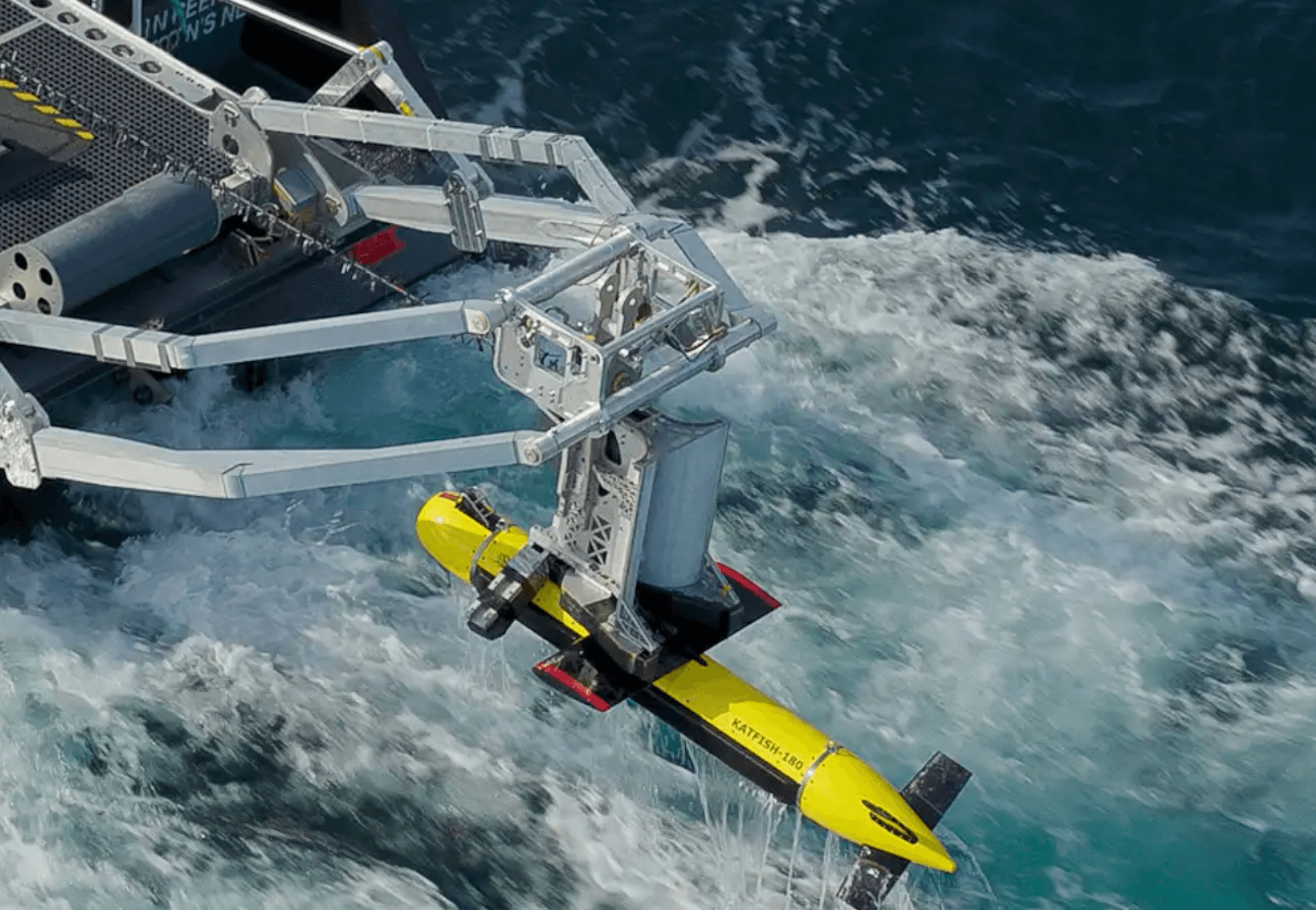
Kraken Robotics Revenue Surges as the Global USV Market Accelerates
Kraken Robotics posts record revenue growth as subsea sensing and autonomy demand surges, highlighting strong momentum in the global USV market.


