


CNR-ISSIA (Istituto di Studi sui Sistemi Intelligenti per l'Automazione)
Italian CNR research institute specializing in intelligent autonomous systems, marine robotics, and automation.
Contact CNR-ISSIA (Istituto di Studi sui Sistemi Intelligenti per l'Automazione)
WEBSITE
http://www.issia.cnr.itPHONE
+39 080 592 9429HEADQUARTERS
Italy

Company Facts
Founded
2002
Primary Role
Research Institute
Company Size
-
Primary Region
Europe
Annual Sales
-
Funding Stage
-
Funding Total
-
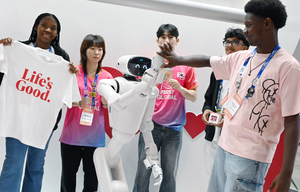
LG Electronics Showcases Robotics at 2026 First Global Challenge in Incheon
LG Electronics is actively participating in the 2026 First Global Challenge, an international youth robotics competition taking place at Songdo Convensia in Incheon. The event, which runs from Wednesday to Saturday, gathers youth teams from 185 countries to design and build robots aimed at addressing global challenges, particularly focusing on wildfire prevention and recovery due to climate change. This year's competition, themed “Igniting Innovation,” emphasizes the importance of robotics in tackling pressing issues like wildfires. LG's involvement includes sponsoring the event and showcasing its latest robotics technologies at an exhibition booth. The company also features its humanoid robot, LG CLOiD, allowing visitors to engage with the technology and learn about the innovative solutions being developed by young participants. As LG increases its investment in robotics as a key growth area, it aims to integrate physical AI into its strategy. The company recently launched LG Data Factory to enhance data management for robotics training. No further timeline was disclosed at the time of publication.
All News
Zhiyuan's Data Business Struggles to Support Robotics at $20 Per Hour
Zhiyuan's data business is facing challenges as it operates at a rate of $20 per hour, which is insufficient to sustain the robotics industry. The company is exploring new avenues to enhance its offerings and address the growing demand for data in robotics. This situation highlights the broader issue within the robotics sector, where the cost of data collection and processing is becoming a critical factor. As companies seek to innovate and improve their robotic systems, the financial viability of data services like those offered by Zhiyuan is under scrutiny. Looking ahead, industry stakeholders should monitor how Zhiyuan adapts its business model to better serve the robotics market. No further timeline was disclosed at the time of publication.
Robotics Automation AI
MIT Develops Paper-Thin Robot Powered by Live Muscle Cells and Light Control
MIT has successfully created a paper-thin robot that utilizes live muscle cells for swimming and is controlled by light. This innovative design showcases the potential of biohybrid robotics, merging biological materials with robotic systems to enhance functionality. The significance of this development lies in its implications for future robotics applications, particularly in environments where traditional motors may not be suitable. By employing live muscle cells, the robot can achieve more natural movements and adaptability, which could lead to advancements in soft robotics and bioengineering. Looking ahead, the ongoing research at MIT may pave the way for further innovations in biohybrid robots. As the technology matures, it will be interesting to observe how these robots can be integrated into various fields, including medicine and environmental monitoring. No further timeline was disclosed at the time of publication.
Robotics Automation AI
ZTE Unveils Self-Developed Multi-Form Humanoid Robot Matrix Featuring Xingzai, Xingqing, and Xingwang
ZTE has introduced its self-developed multi-form humanoid robot matrix, which includes models named Xingzai, Xingqing, and Xingwang. This showcase highlights ZTE's advancements in humanoid robotics and its commitment to innovation in this field. The introduction of these humanoid robots is significant as it marks ZTE's entry into a competitive market where robotics technology is rapidly evolving. The models aim to bridge the gap between physical and semantic knowledge, addressing challenges in the robotics sector. Looking ahead, industry observers will be keen to see how ZTE's humanoid robots perform in real-world applications and whether they can establish a foothold in the market. No further timeline was disclosed at the time of publication.
Robotics Automation AI
350 Robots at Changlong Faced Challenges and Learned to Intentionally Lose to Children
A total of 350 robots were deployed at Changlong for a month, where they encountered significant challenges and exhaustion. Interestingly, these robots also learned to intentionally lose to children during interactions, showcasing an unexpected adaptability in their programming. This development is significant as it highlights the evolving capabilities of robots in engaging with humans, particularly in playful environments. The ability to intentionally lose can enhance user experience and foster a more enjoyable interaction between robots and children, potentially leading to broader applications in educational and entertainment sectors. Looking ahead, it will be important to monitor how these robots continue to adapt and what further advancements are made in their programming. No further timeline was disclosed at the time of publication.
Robotics Automation AI
Fudan Team Develops Robot Mat Capable of Harvesting Ground Electricity, Eliminating Battery Needs
A team from Fudan University has developed an innovative robot mat that can harness electricity from the ground, thus removing the necessity for batteries. This advancement could significantly impact the design and functionality of mobile robots, making them more efficient and environmentally friendly. The ability to extract energy directly from the ground is a game-changer in robotics, as it addresses one of the major limitations of mobile robots: battery dependency. This technology could lead to longer operational times and reduced maintenance costs, enhancing the overall performance of robotic systems in various applications. Future developments in this area will be crucial to watch, particularly how this technology can be integrated into existing robotic platforms. No further timeline was disclosed at the time of publication.
Robotics Automation AI
Quadruped Robot Special Scenario Application Challenge Competition Now Open for Recruitment
The Quadruped Robot Special Scenario Application Challenge Competition has officially opened its recruitment phase. This competition aims to explore innovative applications for quadruped robots in various scenarios, encouraging participants to push the boundaries of robotic capabilities. This initiative is significant as it highlights the growing interest in quadruped robots and their potential applications beyond traditional uses. By fostering competition, it aims to stimulate creativity and technological advancements in the field of robotics, which is crucial for future developments. Participants and observers should watch for emerging technologies and innovative solutions that may arise from this competition. The outcomes could influence the direction of quadruped robot applications and inspire further research and development in the robotics sector. No further timeline was disclosed at the time of publication.
Robotics Automation AI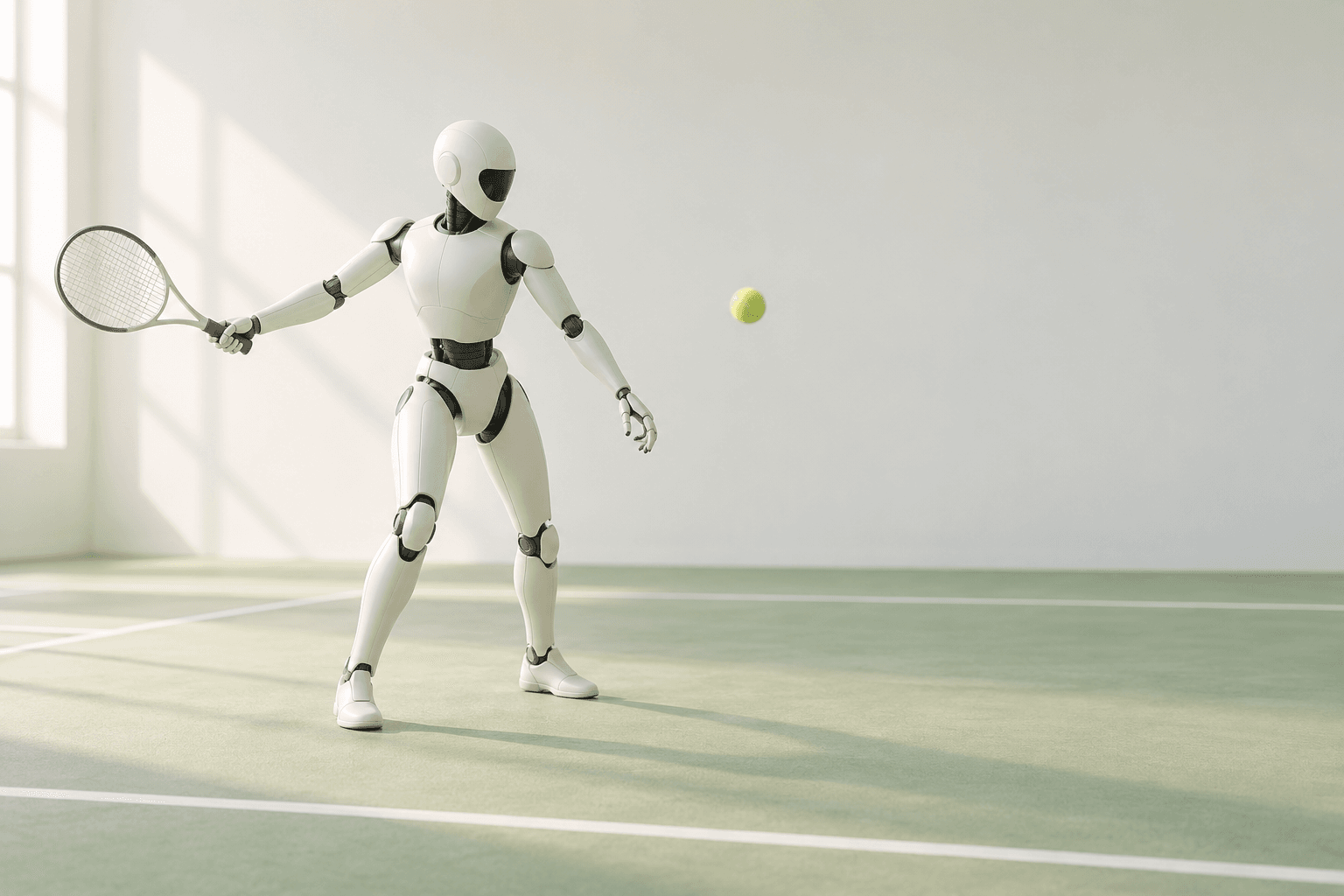
Galbot and Tsinghua's LATENT Receives IROS 2026 Award for Humanoid Tennis Forehand
LATENT, a collaborative project between Galbot, Tsinghua University, and other partners, has been awarded the IROS 2026 entertainment paper award. The recognition comes from a study demonstrating the capabilities of a Unitree G1 robot, which successfully returned forehands in approximately 91 percent of 20 motion-capture rallies. This achievement is significant as it highlights advancements in humanoid robotics and their application in sports, showcasing the potential for robots to perform complex tasks with high accuracy. The successful execution of tennis forehands by the Unitree G1 underscores the progress made in robotic motion and control, which could influence future developments in both entertainment and competitive robotics. Looking ahead, the implications of this research may extend beyond sports, potentially impacting various fields where precision and agility are required. No further timeline was disclosed at the time of publication.

Huawei Unveils XMFS Prototype for Cross-Node Shared Memory at LPC 2026
Huawei presented its XMFS prototype at the Linux Plumbers Conference 2026, showcasing a new approach to cross-node shared memory. This innovative system utilizes POSIX file calls to facilitate memory sharing across different nodes, enhancing performance and efficiency in distributed computing environments. The introduction of XMFS is significant as it addresses the growing need for efficient memory management in multi-node systems. By enabling cross-node shared memory, Huawei aims to improve data accessibility and processing speed, which are critical for applications requiring high-performance computing. Looking ahead, industry observers will be keen to see how XMFS evolves and whether it will undergo further development to achieve mainline review status. The potential impact of this technology on distributed computing and memory management practices will be closely monitored in the coming years.

Huawei and Qualcomm Sign Multi-Year Patent Licensing Agreement for 5G, AI, and Computing
On October 5, Huawei and Qualcomm announced a multi-year patent licensing agreement that includes cross-licenses to their patent portfolios in 5G, AI, computing, and networking. This agreement also involves Qualcomm's acquisition of specific Huawei U.S. patents related to these technology fields. The significance of this agreement lies in its adherence to fair, reasonable, and non-discriminatory licensing principles, marking a notable collaboration between two major players in the tech industry. This is the first patent licensing agreement between the companies that specifically addresses 5G technologies, highlighting the importance of this sector in their business strategies. Looking ahead, the agreement is still pending necessary regulatory approvals, including a review under the U.S. Hart-Scott-Rodino antitrust law. Stakeholders will be monitoring the progress of these approvals and any potential implications for the broader telecommunications and technology markets.
News Feed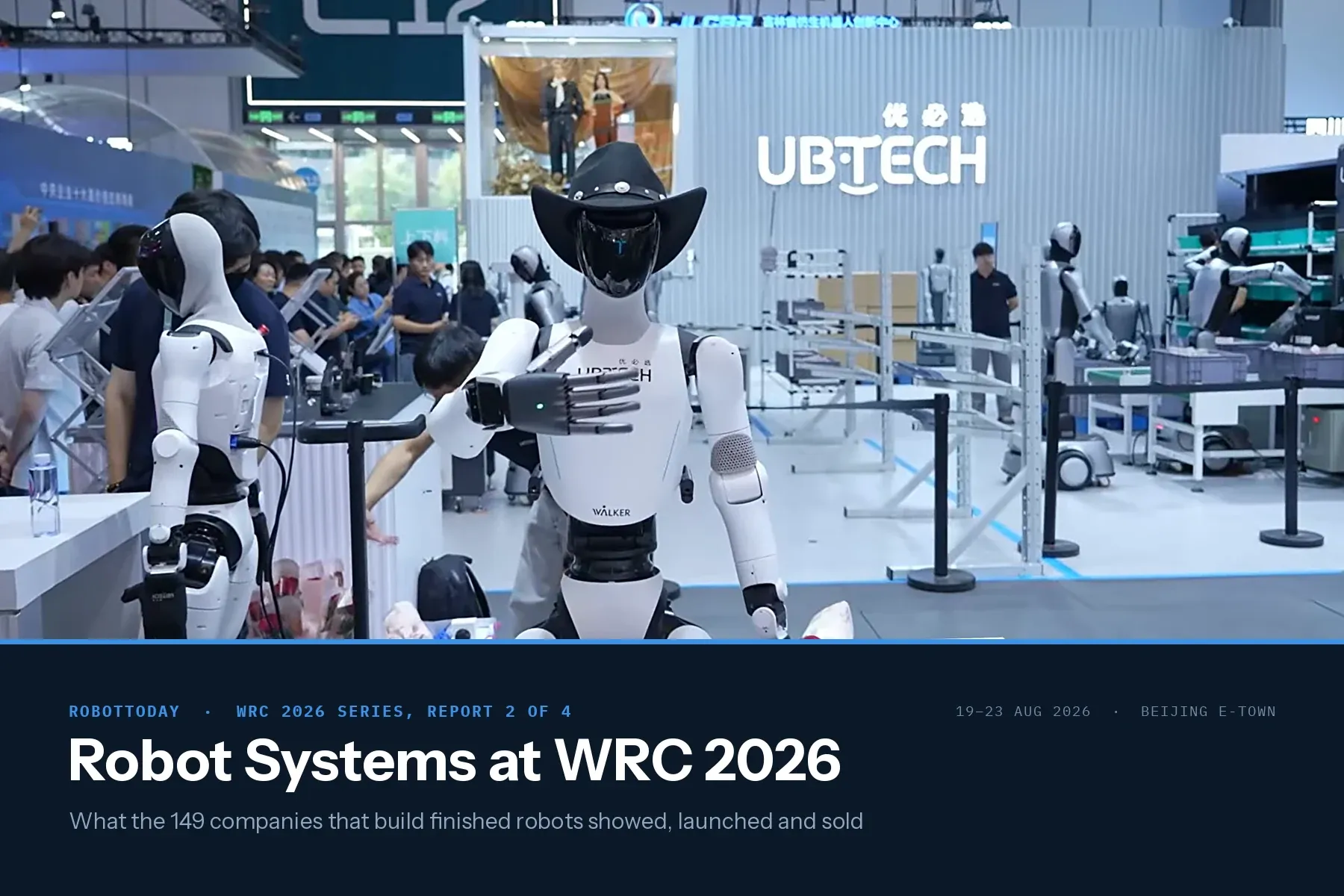
WRC 2026 Robot Systems: 149 Companies That Build Robots
149 of the 248 classified WRC 2026 exhibitors build finished robots. 93 build humanoid or legged machines. The audited humanoid sales number is one unit.

WRC 2026 Exhibitor Map: 248 Robotics Companies Mapped
We classified 248 WRC 2026 exhibitors with the RobotToday taxonomy. Motion & Actuation leads at 75 companies, Humanoid at 72, and compute stays thin at 12. (Modified 2026-08-27)

Handbook of Marine Craft Hydrodynamics and Motion Control Thor I. Fossen — RSF Specialist Shelf · Book S1 of 6
Added mass, wave loading, DVL navigation: the marine GNC reference for USV, ROV and AUV service engineers. The hardest book on the RSF list, 5/5.

Small Unmanned Aircraft: Theory and Practice Beard & McLain — RSF Specialist Shelf · Book S2 of 6
Beard & McLain derive the fixed-wing autopilot the RSF Top 10 never does: successive loop closure on roll, pitch, altitude and airspeed. 4/5.
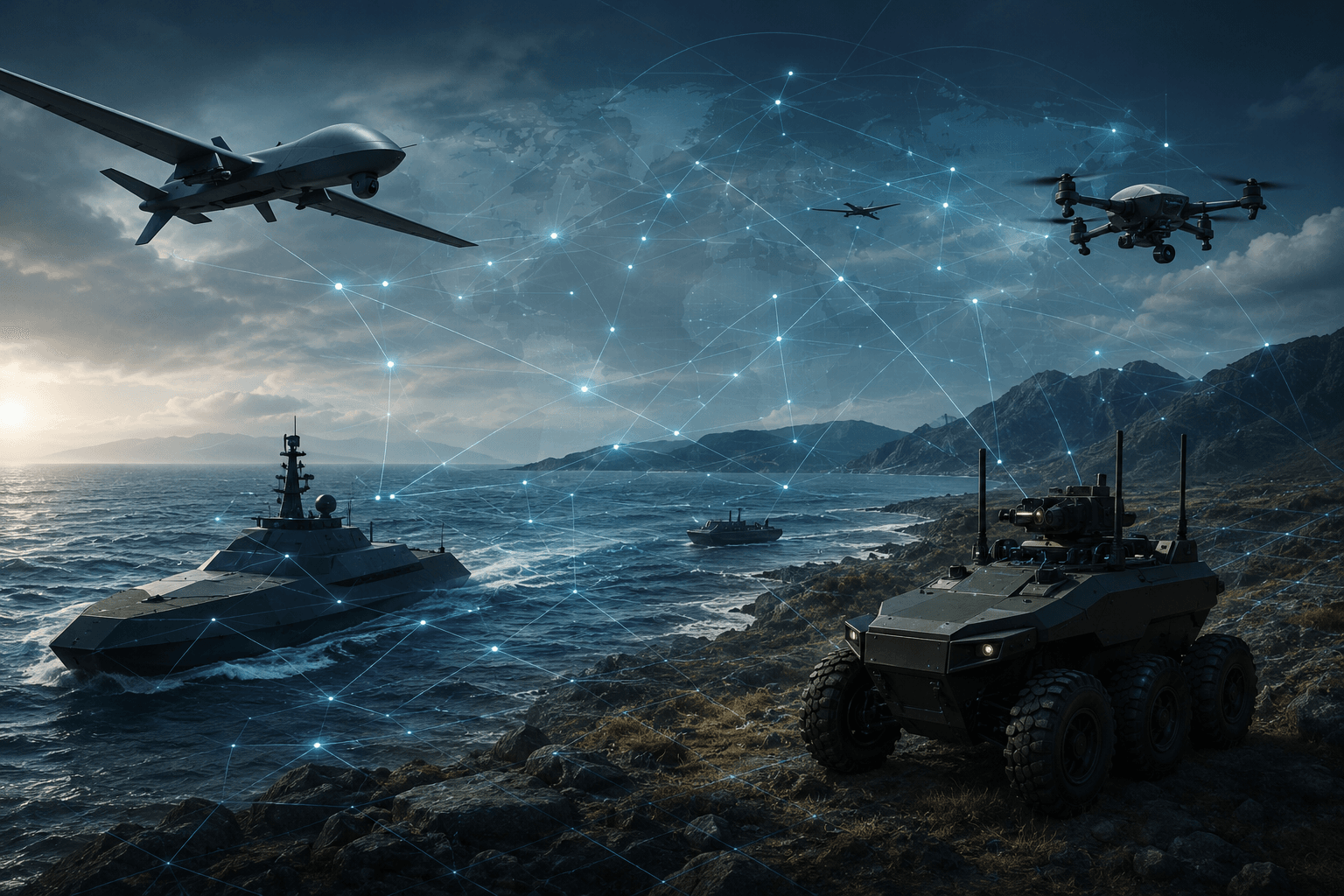
FUTURE WARFARE | Cross-Domain Integration - Integration How Land, Sea, Air and Software Are Converging Into a Single Kill Chain
Cross-domain robotics is reshaping modern warfare as drones, UGVs, AI targeting systems, and autonomous logistics converge into a single networked kill chain across land, sea, air, and software.

GLOBAL ROBOTICS INDUSTRY Comprehensive Sector Overview
A comprehensive global robotics industry overview for 2025, analyzing 14 key market segments — from industrial and humanoid robots to logistics AMRs, military systems, and service robots — with expert market sizing, US case studies, five-year forecasts, and bilingual English-Chinese analysis for executives and investors.
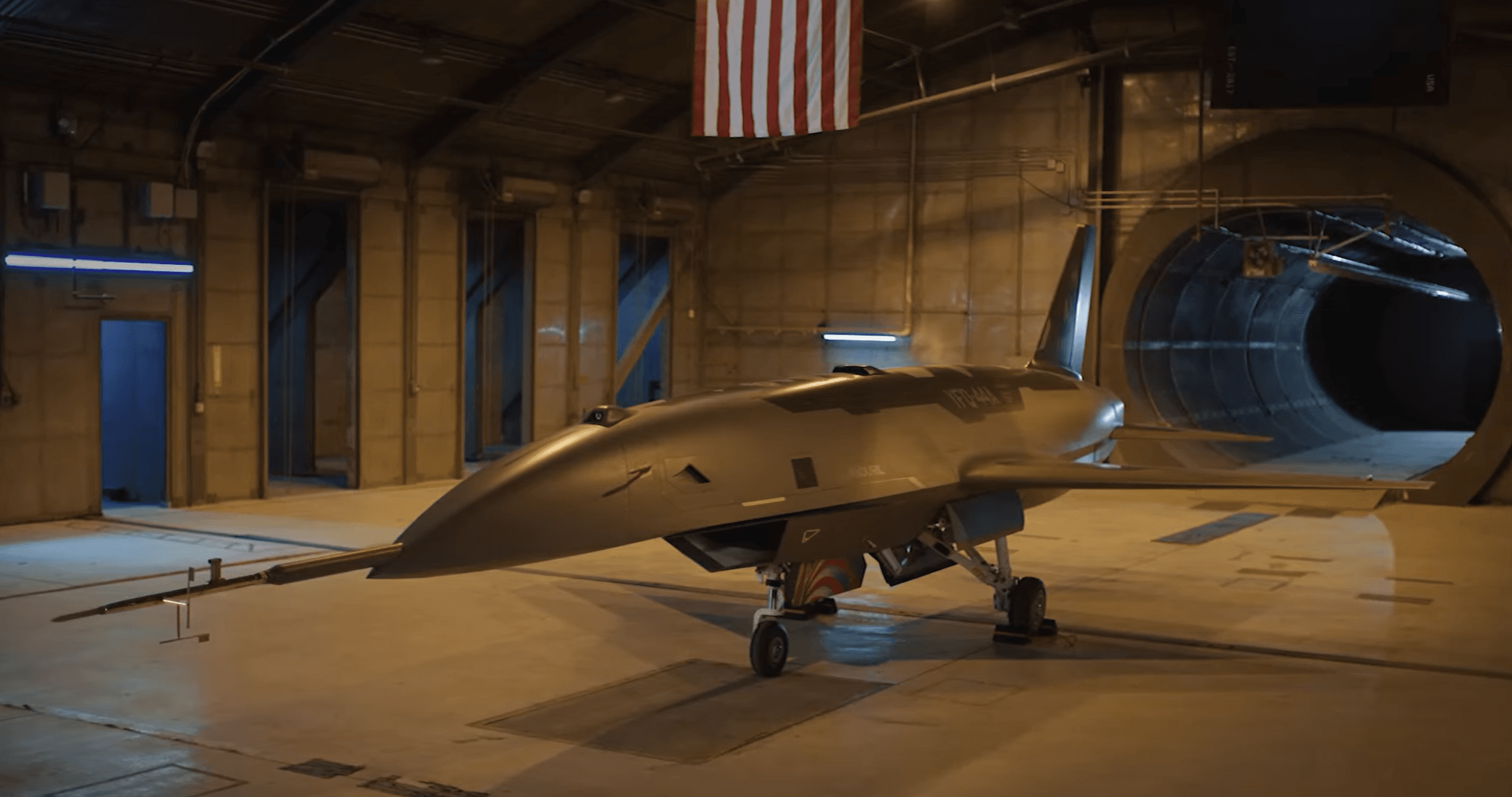
FUTURE WARFARE | Air - Collaborative Combat Aircraft, Drone Motherships & the Autonomy Race Above the Battlefield
Anduril’s YFQ-44A Fury flew its first semi-autonomous mission on 31 October 2025 — 556 days from contract to flight. By February 2026 it was carrying live missiles and swapping autonomy software mid-flight. China’s Jiutian drone mothership flew on 11 December 2025, capable of releasing over 100 loitering munitions from its internal bay at 15,000 metres. And the U.S. Air Force is standing up its second experimental one-way attack drone unit for mid-2026. This article maps the most consequential aerial autonomous systems competition in history: the CCA programme that will determine U.S. air dominance in the 2030s, the Valkyrie’s surprising rebirth, the A-GRA open-architecture breakthrough, and the Chinese drone mothership that has no Western equivalent.
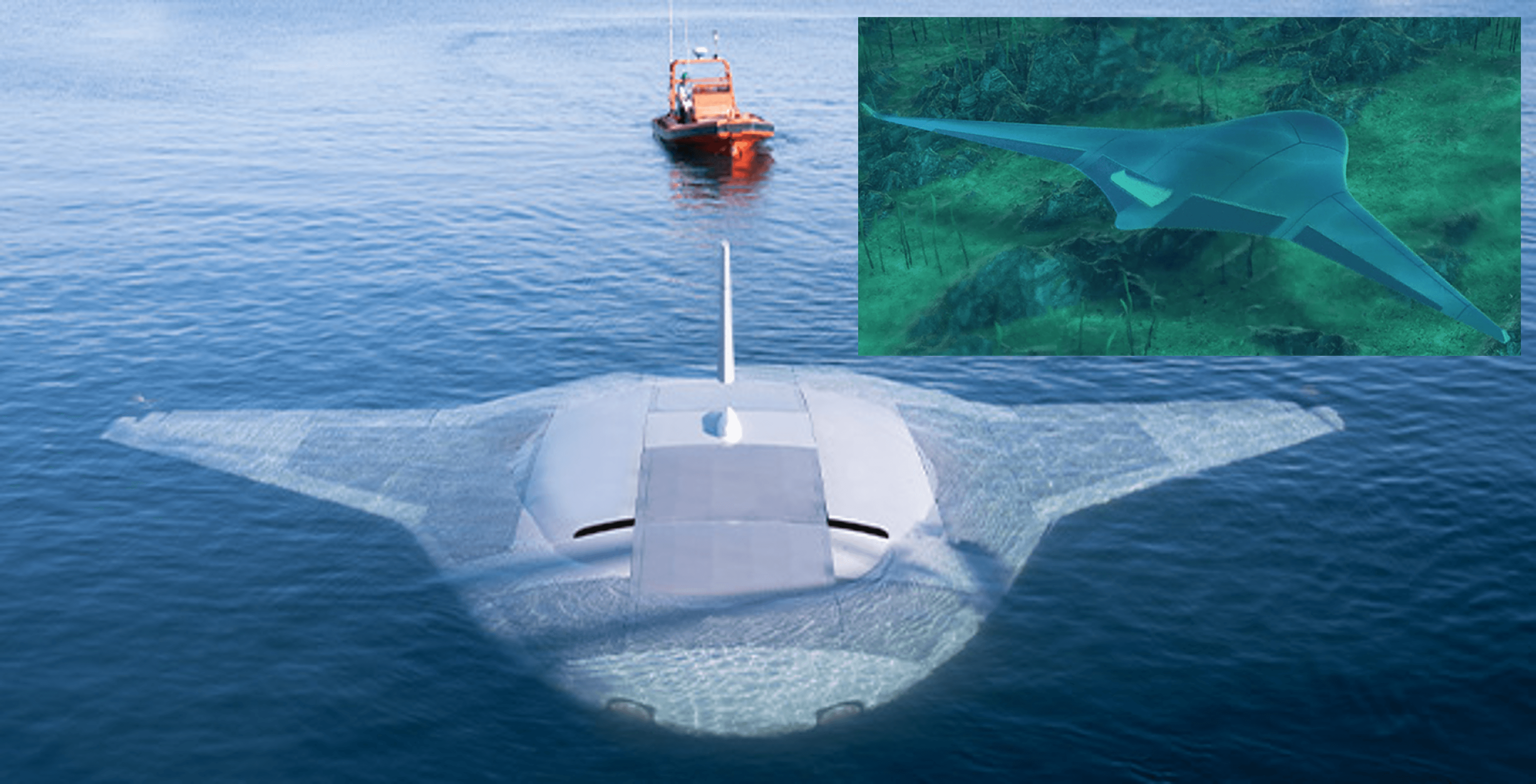
FUTURE WARFARE | Sea - Autonomous Surface Vessels & Unmanned Underwater Vehicles — The Hybrid Fleet Takes Shape
Ukraine’s ‘Sub Sea Baby’ autonomous torpedo struck a Russian Kilo-class submarine inside Novorossiysk harbour in December 2025 — the first confirmed underwater drone attack on a submarine in history. The U.S. Navy is requesting $5.3 billion for unmanned maritime systems in FY2026, a 70 percent year-on-year increase. Saronic Technologies went from prototype to $392 million production contract in under 12 months. And DARPA’s Manta Ray XL-UUV completed full-scale sea trials. This article maps the maritime autonomous systems revolution — from Ukraine’s improvised Black Sea fleet to the Pentagon’s hybrid manned–unmanned force of the 2030s, and from Saronic’s Franklin, Louisiana shipyard to Boeing’s 85-tonne robot submarine.
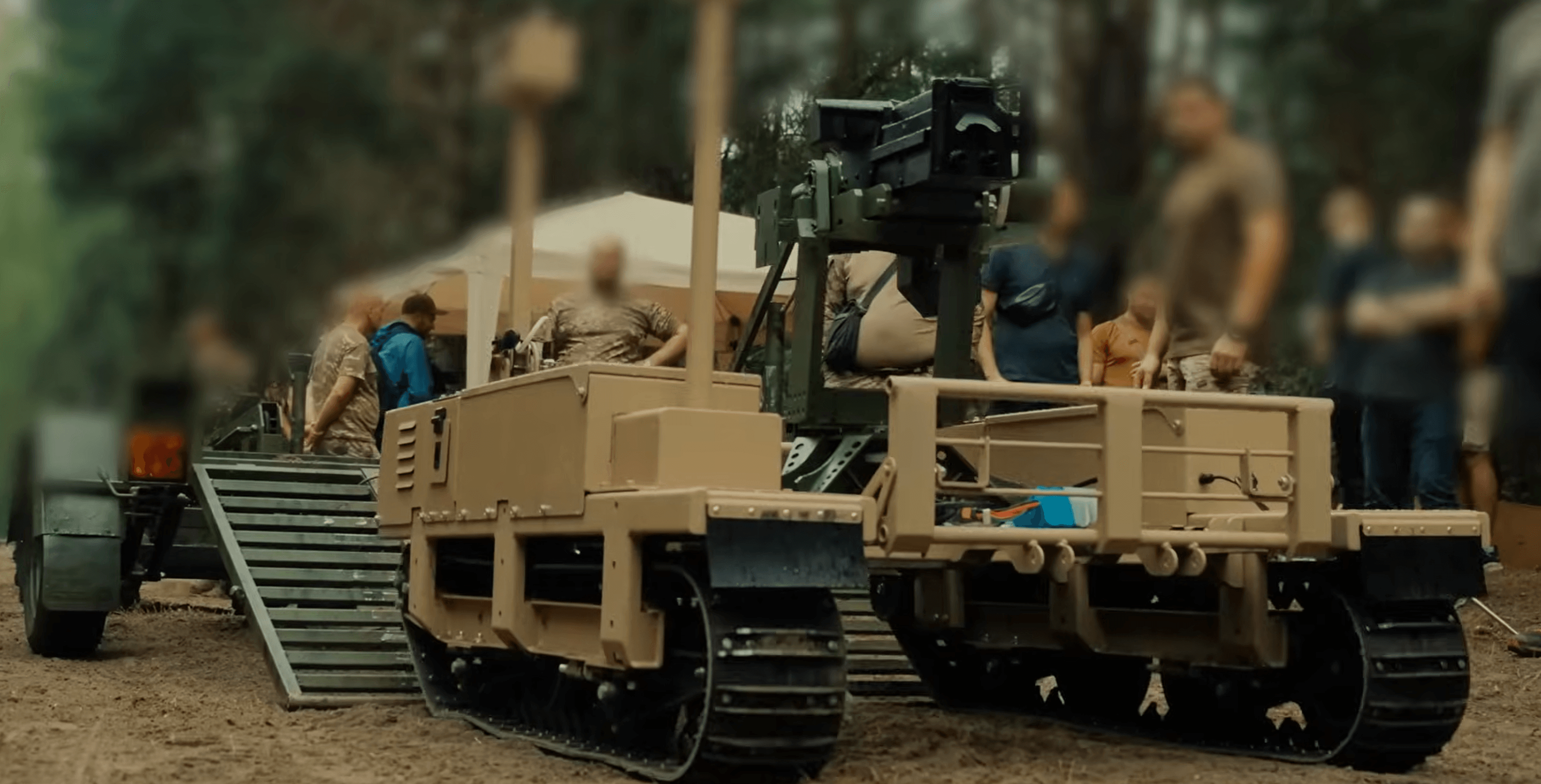
FUTURE WARFARE | Land - Unmanned Ground Vehicles — From Logistics Mules to Front-Line Robots
Ukraine fielded 15,000 unmanned ground vehicles in 2025 — surpassing its own procurement targets by over 100 percent. A single UGV held a front-line position for 45 days. Up to 90 percent of supplies to Pokrovsk now move by robot, not truck. The U.S. Army cancelled its $3 million Robotic Combat Vehicle and is starting over. China is deploying $3,000 robot dogs in PLA urban-warfare exercises. This article maps the emerging UGV battlefield — from Ukraine’s garage-built logistics fleet to the Pentagon’s stalled combat-vehicle ambitions, and from Ghost Robotics’ Vision 60 to the quadruped proliferation problem no treaty has yet addressed.
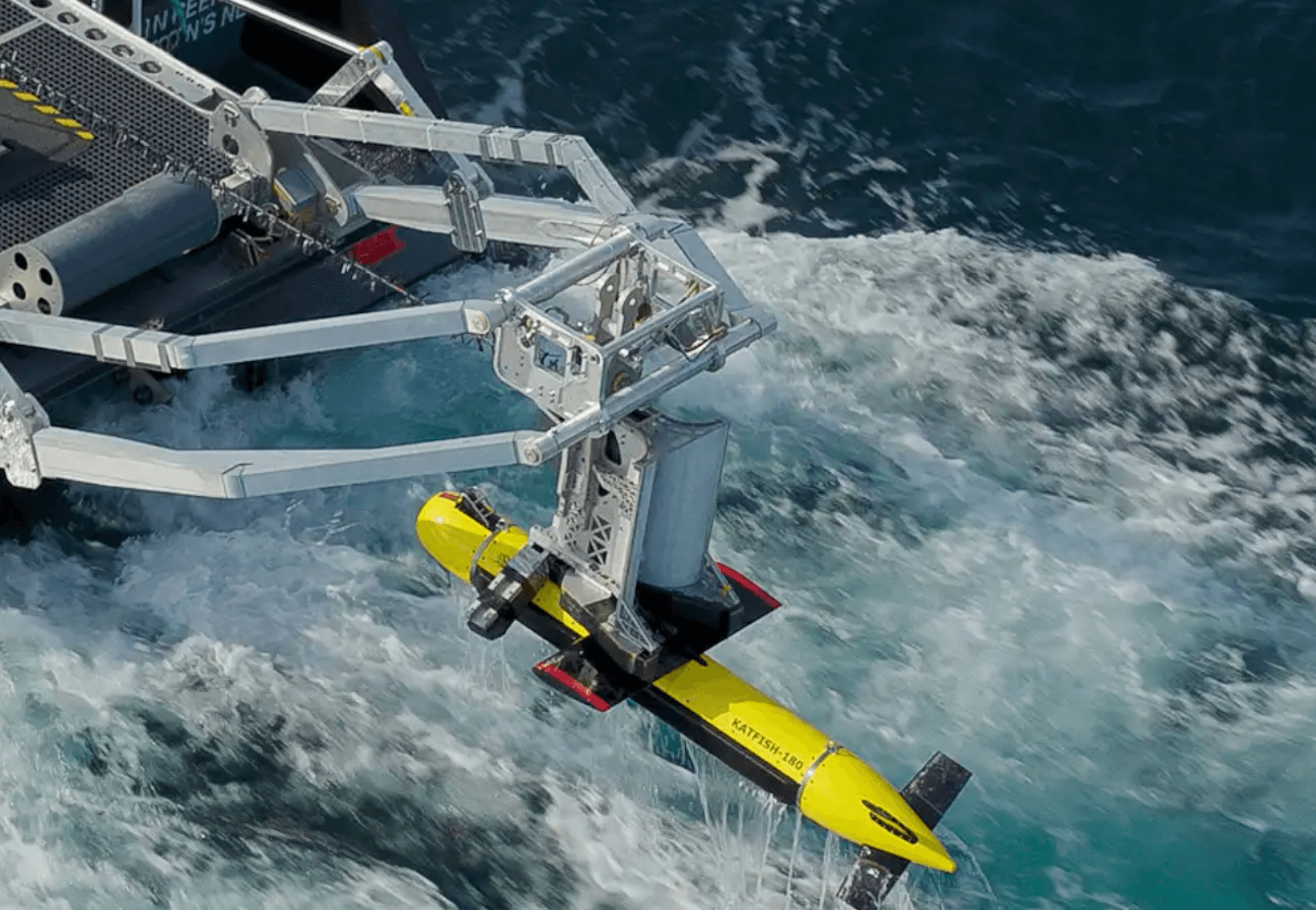
Kraken Robotics Revenue Surges as the Global USV Market Accelerates
Kraken Robotics posts record revenue growth as subsea sensing and autonomy demand surges, highlighting strong momentum in the global USV market.


