Industry Briefing
A single destination for timely, editor-curated robotics news from around the world.

Evaluating Office Relocation Versus Refurbishment for Business Growth
As businesses grow, they often face the decision of whether to relocate to a new office or refurbish their current space. Both options can enhance productivity and employee satisfaction, but they come with distinct advantages and challenges. Factors such as available space, budget, and business objectives play a crucial role in determining the best course of action. Investing in office refurbishment can modernize workspaces without the disruption of moving, allowing for improvements like flexible workspaces, better lighting, and upgraded facilities. These changes can create a more comfortable and professional environment for employees and clients alike. However, it is essential to assess whether the current office is genuinely limiting business operations or if minor adjustments could suffice. Consulting with workplace experts can provide valuable insights into optimizing existing spaces and identifying efficiency opportunities. Staying in the same location allows employees to maintain familiar routines and access to local amenities. However, if refurbishment cannot resolve fundamental issues, relocation may be necessary. No further timeline was disclosed at the time of publication.
Business Infrastructure business operations commercial property employee experience facilities management
Human-Robot Collaboration: How Modern Workplaces Can Be Designed for Safety, Productivity, and Employee Wellbeing
The industrial robotics market, valued at $85 billion, is transforming production floors by eliminating physical barriers between humans and machines. This shift allows for a collaborative environment where workers and robotics operate side by side. As millions of industrial robots are deployed globally, effective management of this transition is crucial. It necessitates a comprehensive understanding of spatial geometry, workforce psychology, and adherence to functional safety standards to ensure a seamless integration of technology into the workplace. This evolution in manufacturing aims to enhance efficiency and productivity while prioritizing safety and worker well-being.
Engineering Robotics automation news automation strategy cobots collaborative automation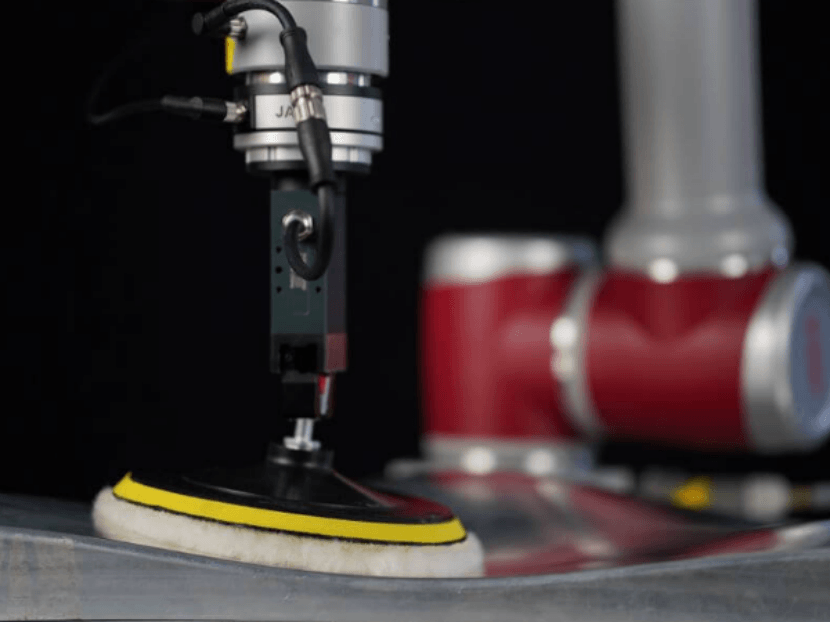
The Future of Factory Robot Arm Design: Lightweight Materials and Modularity
JAKA, a leader in factory automation technology, is advancing the design of robotic arms by integrating lightweight materials and modular architecture to enhance efficiency and safety. In recent years, the demand for precise and adaptable automation solutions has surged, prompting JAKA to innovate in creating flexible, high-performance systems that prioritize user safety. The company’s latest model, the JAKA S5, exemplifies this evolution by utilizing lightweight materials that facilitate smoother movements and improved processing accuracy, particularly in delicate operations like polishing. This design minimizes vibration and inertia, leading to enhanced repeatability and efficiency, which is crucial in high-quality production environments. Moreover, JAKA’s modular approach allows for high reprogrammability, enabling users to easily adjust the robots for various tasks without significant downtime or extra costs. This adaptability not only streamlines workflows but also reduces the risk of workplace accidents by minimizing direct contact with hazardous equipment. While the initial investment in these robotic solutions can vary, JAKA’s focus on lightweight and modular designs ultimately lowers long-term costs by extending the operational lifespan and reducing maintenance needs. The JAKA S5 serves as a versatile platform for multiple production lines, allowing manufacturers to quickly adapt to changing demands. In summary, JAKA is at the forefront of transforming manufacturing processes through innovative robotic solutions that enhance precision, safety, and cost-effectiveness, aligning with the evolving needs of the industry.

How to Overcome Cobot Design Challenges
Despite the widespread adoption of collaborative robots, or cobots, across various industries, designers face significant challenges in their development. As these robots become integral to manufacturing and service sectors, professionals are tasked with finding innovative solutions to enhance their design and functionality. Experts emphasize the importance of addressing issues such as safety, user interface, and adaptability to ensure that cobots can effectively work alongside human operators. The ongoing evolution of technology necessitates a proactive approach to design, enabling cobots to meet the dynamic needs of modern workplaces. As the demand for automation continues to rise, the collaboration between engineers and industry stakeholders will be crucial in overcoming these obstacles and advancing the capabilities of collaborative robots.
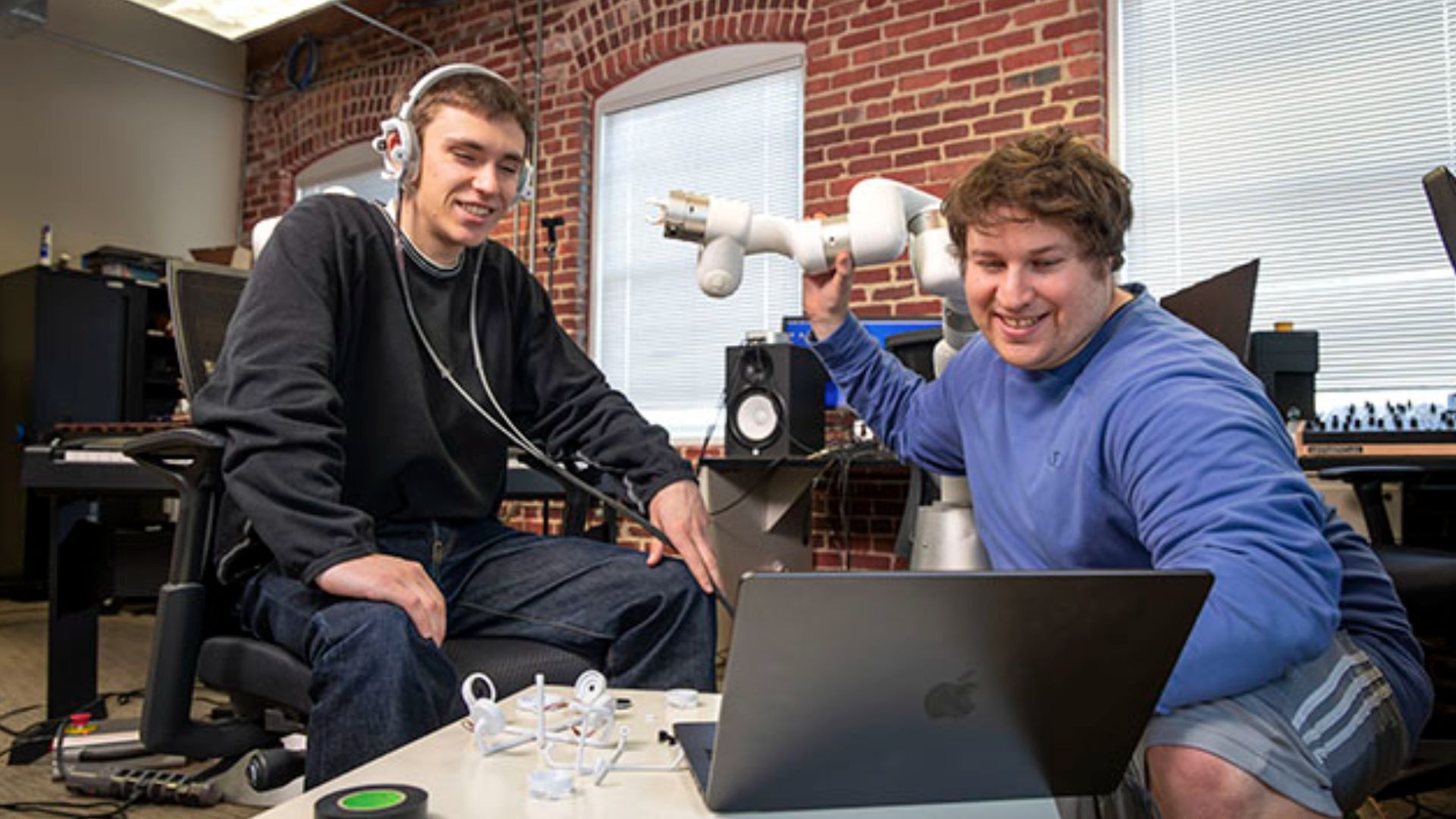
Watch: New wearable converts robot movements into music to improve workplace safety
Researchers at Georgia Tech have unveiled an innovative wearable audio system designed to enhance the interaction between humans and robots. This groundbreaking technology translates the movements of nearby robots into sound, allowing users to perceive the robots' actions through auditory cues. The development aims to improve safety and awareness in environments where humans and robots coexist, such as factories and warehouses. The system was introduced during a recent technology showcase held at the Georgia Institute of Technology, where experts demonstrated its capabilities. By providing real-time audio feedback, the wearable device enables users to better understand the dynamics of their robotic counterparts, potentially reducing accidents and improving collaboration. The motivation behind this research stems from the increasing integration of robots into everyday workspaces, where clear communication and awareness of robotic movements are essential for effective teamwork. The audio system operates through a combination of sensors and algorithms that interpret robot actions and translate them into distinct sounds, creating an intuitive interface for users. This advancement not only represents a significant step forward in human-robot interaction but also highlights Georgia Tech's commitment to pioneering research in robotics and audio technology. As industries continue to evolve with automation, such innovations are crucial for ensuring safe and efficient operations in shared environments.
AI and Robotics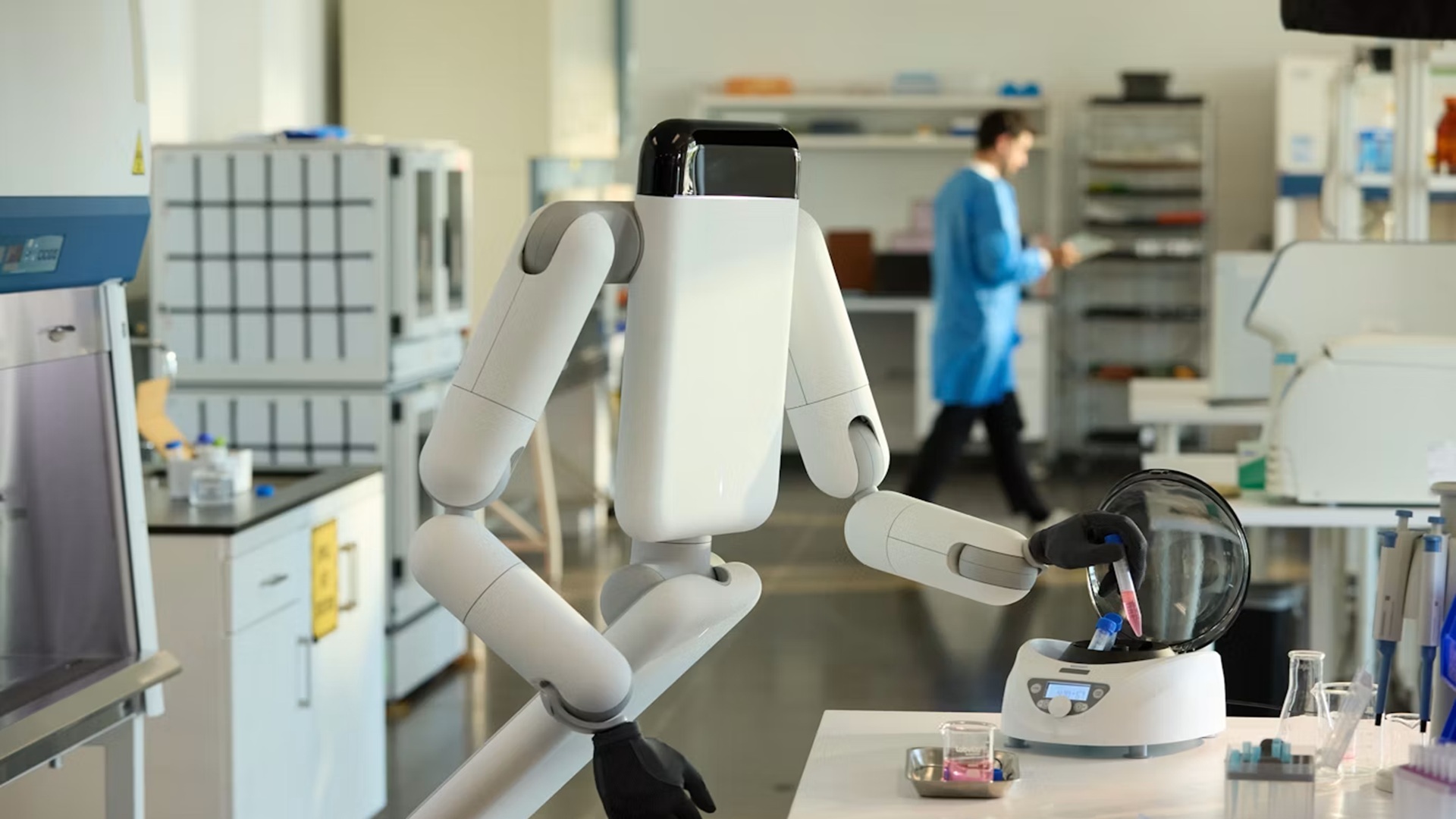
Eno humanoid robot aims to become the general-purpose machine for every workplace
Genesis AI has introduced Eno, its inaugural general-purpose robot, marking a significant step in the company's ambition to advance robotics technology. The unveiling took place recently, showcasing Eno's capabilities designed to perform a variety of tasks across different sectors. This launch is part of Genesis AI's broader strategy to innovate and integrate artificial intelligence into everyday applications, aiming to enhance efficiency and productivity in various industries. By leveraging cutting-edge technology, Eno is expected to address diverse needs, from automation in manufacturing to assistance in healthcare. The development of this robot reflects the growing trend in the tech industry towards creating versatile AI-driven solutions that can adapt to multiple environments and challenges.
AI and Robotics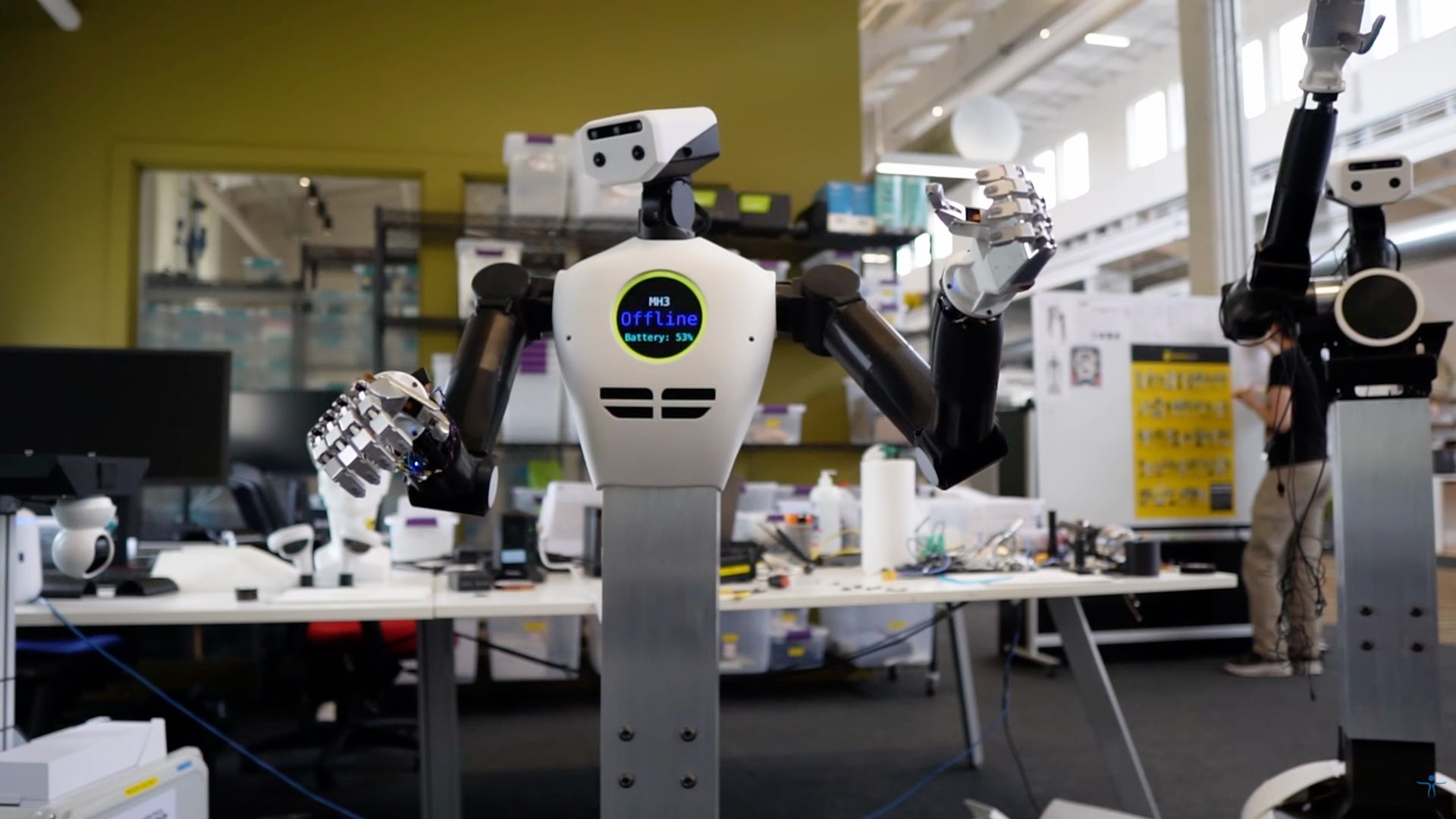
Canadian firm’s humanoid targets hazardous factory work with 2027 production plans
Mirsee Robotics, a Canadian company, is advancing its technological capabilities with the development of the MH3, its third-generation humanoid robot. This innovative project aims to automate physically demanding tasks across various industries, addressing labor shortages and enhancing operational efficiency. The MH3 is designed to perform a range of functions, making it a versatile solution for businesses seeking to streamline their workforce. The initiative reflects the growing trend of integrating robotics into everyday operations, driven by the need for increased productivity and safety in the workplace. As the project progresses, Mirsee Robotics is positioning itself at the forefront of the robotics industry, with plans to unveil the MH3 in the coming months.
AI and Robotics
First Humanoid Application Centre in the Netherlands opened at MICS: humanoid robots from demo to practical application
A new innovation center has been established in the Netherlands, aiming to integrate robotics and artificial intelligence with the manufacturing sector. This initiative is designed to expedite the deployment of humanoid robots in various workplaces. By fostering collaboration among industry experts, researchers, and technology developers, the center seeks to enhance productivity and efficiency in manufacturing processes. The initiative reflects a growing recognition of the potential benefits of humanoid robots in addressing labor shortages and improving operational capabilities. The center is expected to serve as a hub for research and development, facilitating advancements that could reshape the future of work in the industry.

Willow Announces $7M Seed Funding to Ensure Enterprises Can Fully Oversee and Govern Autonomous Agents
Willow, an innovative agentic access platform, has officially launched after securing $7 million in seed funding aimed at helping enterprises integrate AI agents into their operations while fostering innovation. The funding round was spearheaded by Hetz Ventures, with early support from Wix Co-Founder and CEO Avishai Abrahami and President Nir Zohar. This financial backing underscores the growing interest in solutions that facilitate the safe adoption of artificial intelligence in the workplace, addressing concerns about potential disruptions to productivity and creativity. Willow's platform is designed to empower organizations to leverage AI technology effectively, marking a significant step forward in the intersection of AI and enterprise operations.
Uncategorized
From ball to rover: Transformable palm-sized rover SORA-Q for autonomous lunar exploration
In June 2026, a groundbreaking study published in Science Robotics highlights advancements in robotic technology, showcasing innovative designs and applications that could revolutionize various industries. Researchers from leading institutions collaborated to develop these robots, which are engineered to enhance efficiency and safety in sectors such as manufacturing, healthcare, and logistics. The study emphasizes the integration of artificial intelligence and machine learning, enabling robots to adapt to complex environments and perform tasks with greater precision. This research is particularly timely as industries seek to recover and innovate following disruptions caused by global events in previous years. The findings were presented at an international robotics conference held in Tokyo, where experts gathered to discuss the future of automation and its implications for the workforce. The motivation behind this research stems from the increasing demand for automation solutions that can address labor shortages and improve productivity. By employing advanced algorithms and sensor technologies, the robots demonstrated their ability to collaborate with human workers, paving the way for safer and more efficient workplace environments. This study not only marks a significant milestone in robotic development but also sets the stage for further exploration into the ethical and economic impacts of widespread robotic integration in society.
Research Article
Sensory Robotics Launches UL-Certified 3D Virtual Robot Safety System
Cincinnati-based safety startup has introduced its innovative SR-1 system, designed for seamless collaboration between humans and robots, at the Automate 2026 event in Chicago. This debut highlights the company's commitment to enhancing workplace safety and efficiency through advanced technology. The SR-1 aims to eliminate traditional fencing barriers, allowing for more fluid interaction between human workers and robotic systems. By showcasing this cutting-edge solution at a prominent industry event, the startup seeks to address growing concerns about safety in automated environments and promote the integration of robotics in various sectors. The introduction of the SR-1 reflects the ongoing evolution of automation and the importance of ensuring safe human-robot collaboration in the future of work.

Pudu Robotics unveils next-gen semi-humanoid "PUDU D7," featuring embodied AI for autonomous evolution through tasks.
Pudu Robotics, a leading Chinese robotics company, has announced the launch of its next-generation semi-humanoid robot, the PUDU D7, designed specifically for manufacturing and industrial environments. This innovative robot aims to enhance operational efficiency and productivity within various sectors by automating tasks that traditionally require human intervention. The announcement was made recently, highlighting the company's commitment to advancing robotic technology in industrial applications. The PUDU D7 is expected to streamline workflows, reduce labor costs, and improve safety in workplaces, reflecting the growing trend of automation in the industry.

7 Ways New Engineers Can Flourish in the Age of AI
As new graduates enter the workforce, they are navigating a landscape where artificial intelligence (AI) is essential rather than optional. Successful engineers are learning to leverage AI as a tool rather than viewing it as competition. To remain competitive in this rapidly evolving field, experts recommend several strategies for young professionals. First, mastering fundamental skills in data structures, algorithms, and core programming languages like C++, Java, and Python is crucial. Understanding these basics enables engineers to effectively debug and optimize their work, even when using AI tools. Additionally, engineers should learn to collaborate with AI by crafting clear prompts, reviewing AI-generated code, and using AI to enhance productivity while exercising critical judgment. Building projects that demonstrate comprehensive system design is increasingly important, as employers seek candidates who can define requirements and deliver scalable, maintainable products. Early development of system design skills is also vital, as even junior engineers are expected to discuss responsible AI integration and system reliability. Strong communication skills are essential, as engineers must articulate design choices and collaborate within teams—an area where AI cannot replace human input. Continuous learning and curiosity about industry developments, new tools, and community engagement are also emphasized as key to staying relevant. Finally, engineers are encouraged to think beyond coding, focusing on problem-framing, architectural judgment, and ethical considerations in AI use. For ongoing career insights, professionals can subscribe to the IEEE Spectrum Career Alert Newsletter, which offers biweekly updates on jobs, education, and the engineering workplace.
Ieee-member-news Career-advice Ai Young-professionals Type-ti
Microsoft launches Scout, an OpenClaw-inspired personal assistant
At the recent Build conference, Microsoft unveiled Scout, an innovative AI assistant designed to integrate the capabilities of OpenClaw into the Microsoft 365 ecosystem. This new tool aims to enhance user productivity by leveraging advanced AI functionalities. With training data extending up to October 2023, Scout is positioned to provide users with a more flexible and powerful experience within the Microsoft 365 suite. The launch reflects Microsoft's commitment to advancing AI technology and improving workplace efficiency through intelligent solutions.
AI Microsoft openclaw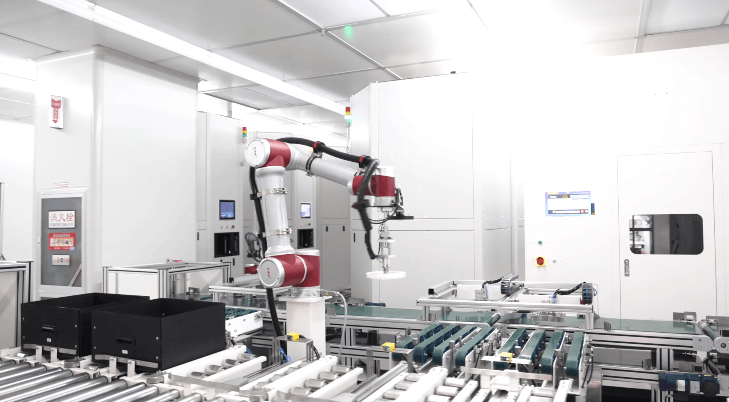
How Robotic Arms Improve Worker Ergonomics and Reduce Injury Risk
In the realm of modern manufacturing, JAKA, a leading provider of intelligent robotic solutions, is revolutionizing workplace safety and ergonomics through its advanced robotic arms, particularly the JAKA Pro16. These collaborative robots are designed to alleviate the physical strain on workers by taking over repetitive and physically demanding tasks, such as polishing, grinding, and material handling. By doing so, they significantly reduce the risk of musculoskeletal disorders and work-related injuries that often arise from prolonged repetitive motions and heavy lifting. The JAKA Pro16, notable for its high payload capacity and IP68 protection, is engineered to operate efficiently in harsh environments, lifting heavy loads with precision while minimizing the potential for strains and sprains associated with manual labor. Its robust design ensures stable operation, enhancing safety during heavy-duty tasks. Moreover, JAKA's commitment to ergonomic design allows for flexible deployment and easy programming, enabling manufacturers to adapt their workflows to better suit workers' needs. This adaptability not only improves worker comfort but also fosters a safer working environment. As industries increasingly prioritize worker well-being, JAKA's innovative approach illustrates how integrating collaborative robots into manufacturing processes can lead to safer, more efficient workplaces. By investing in such technologies, companies can protect their workforce while promoting sustainable production growth.

The Benefits of High-Speed Joint Actuation in Modern Articulated Robots
In the rapidly evolving manufacturing sector, JAKA Robotics is at the forefront of intelligent automation, showcasing the transformative capabilities of articulated robots, particularly collaborative robots (cobots). These advanced machines, equipped with high-speed joint actuation, are designed to enhance production efficiency and precision. The JAKA Pro5 articulated robot exemplifies this innovation, enabling accelerated production cycles through quick and precise movements that streamline loading, unloading, and assembly processes. This is particularly beneficial in time-sensitive industries like consumer electronics and automotive assembly, where reduced cycle times can significantly boost throughput. Moreover, the high-speed joint actuation not only increases speed but also enhances precision, ensuring consistent quality control in tasks such as component placement and welding. JAKA's robots maintain high accuracy over time, minimizing errors and reducing scrap rates, which is crucial for industries with stringent quality standards. The Pro5 model's compact design and user-friendly programming interface facilitate easy integration into existing production lines, allowing manufacturers to adapt swiftly to changing demands without extensive downtime. This flexibility empowers companies to optimize resources effectively and respond to market fluctuations. As industries continue to evolve, the role of high-speed joint actuation in articulated robots is becoming increasingly vital. By adopting JAKA's technology, organizations can modernize their production processes, improve workplace safety, and enable skilled workers to focus on higher-value tasks, positioning themselves for success in a competitive landscape.
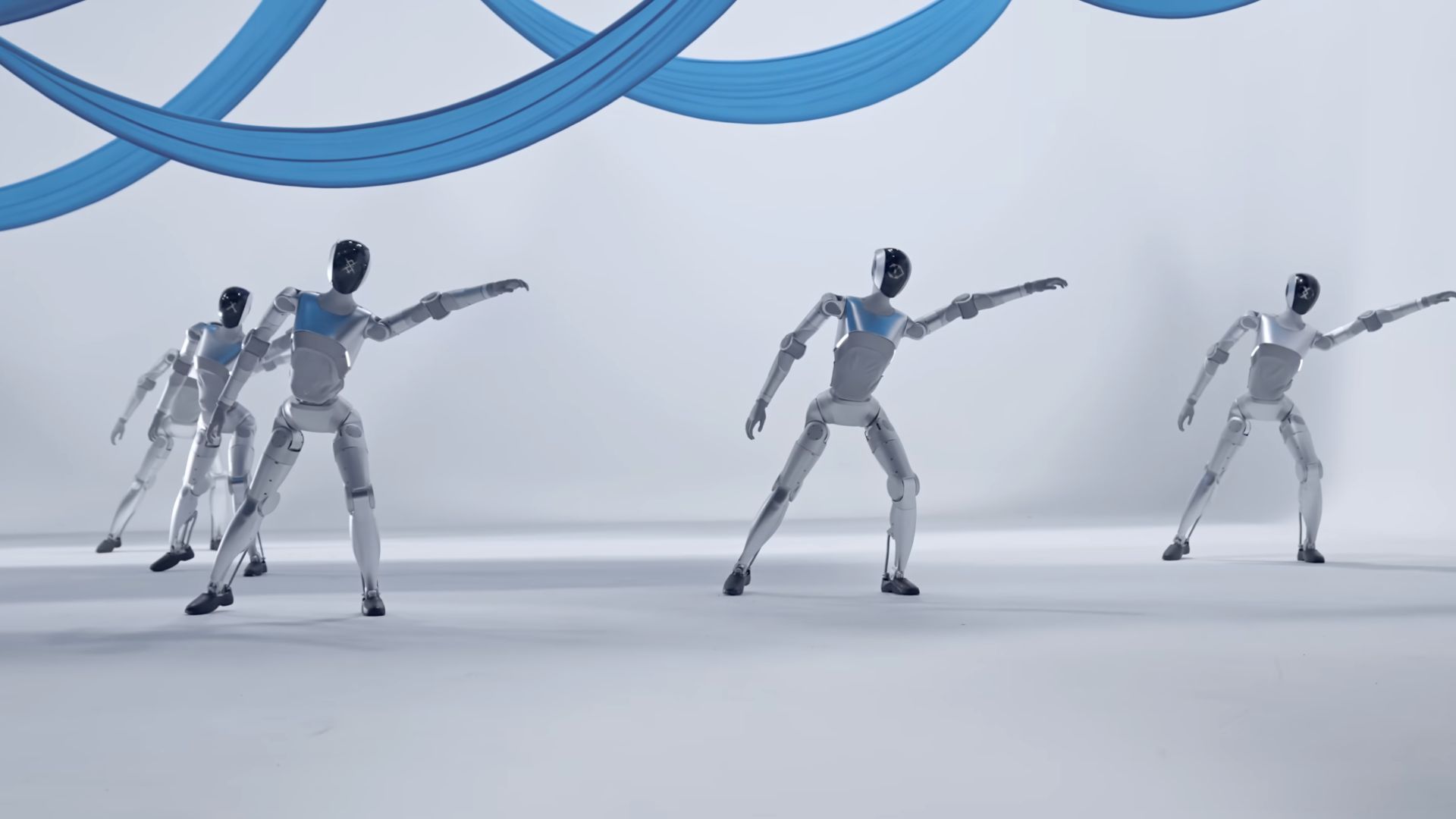
Video: This $42k humanoid robot from China blends real-time motion, vision, and smart control
Chinese robotics company LimX Dynamics has unveiled a full-size humanoid robot aimed at enhancing automation across various industries. The launch took place on October 15, 2023, at a technology expo in Shanghai, where the company showcased its latest advancements in robotics. This innovative robot is designed to perform tasks traditionally handled by humans, thereby increasing efficiency and productivity in workplaces. LimX Dynamics believes that the integration of such robots can significantly reduce labor costs and address workforce shortages in sectors like manufacturing and logistics. The development process involved extensive research and collaboration with industry experts to ensure the robot's capabilities meet the demands of modern enterprises.
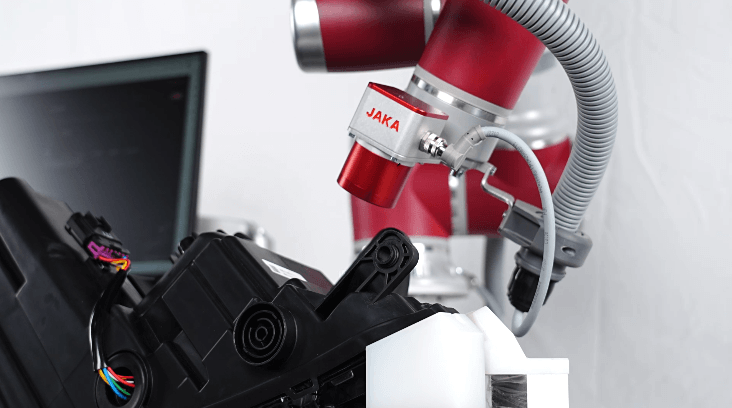
Enhancing Safety and Precision with Real-Time Force Feedback in Controllable Robots
The manufacturing sector is undergoing a significant transformation with the rise of collaborative robots, or cobots, particularly through innovations from JAKA Robotics. The company’s controllable robots utilize real-time force feedback technology, enhancing safety and precision in various industrial applications. This technology continuously monitors the forces exerted during operations, allowing cobots to adapt to unexpected changes in their environment, such as obstacles or excessive force during assembly. By equipping their cobots with real-time force feedback, JAKA Robotics significantly improves workplace safety, enabling safe collaboration between human workers and machines. For instance, when a cobot detects a sudden force change or an object in its path, it can automatically slow down or stop, reducing the risk of accidents. This capability not only enhances safety but also allows human operators to focus on more strategic tasks by relieving them from repetitive, hazardous activities. The JAKA Zu3 cobot exemplifies this innovation, designed for high-precision tasks in confined spaces, with a payload capacity of 3 kg and a reach of 626 mm. Its integration with vision systems allows for non-destructive testing and precise measurements, crucial in industries like electronics manufacturing. As the demand for advanced cobots grows, JAKA Robotics is committed to enhancing operational efficiency while prioritizing worker safety. The integration of real-time force feedback is set to redefine automation standards, positioning companies to thrive in a competitive landscape by improving productivity and quality control.
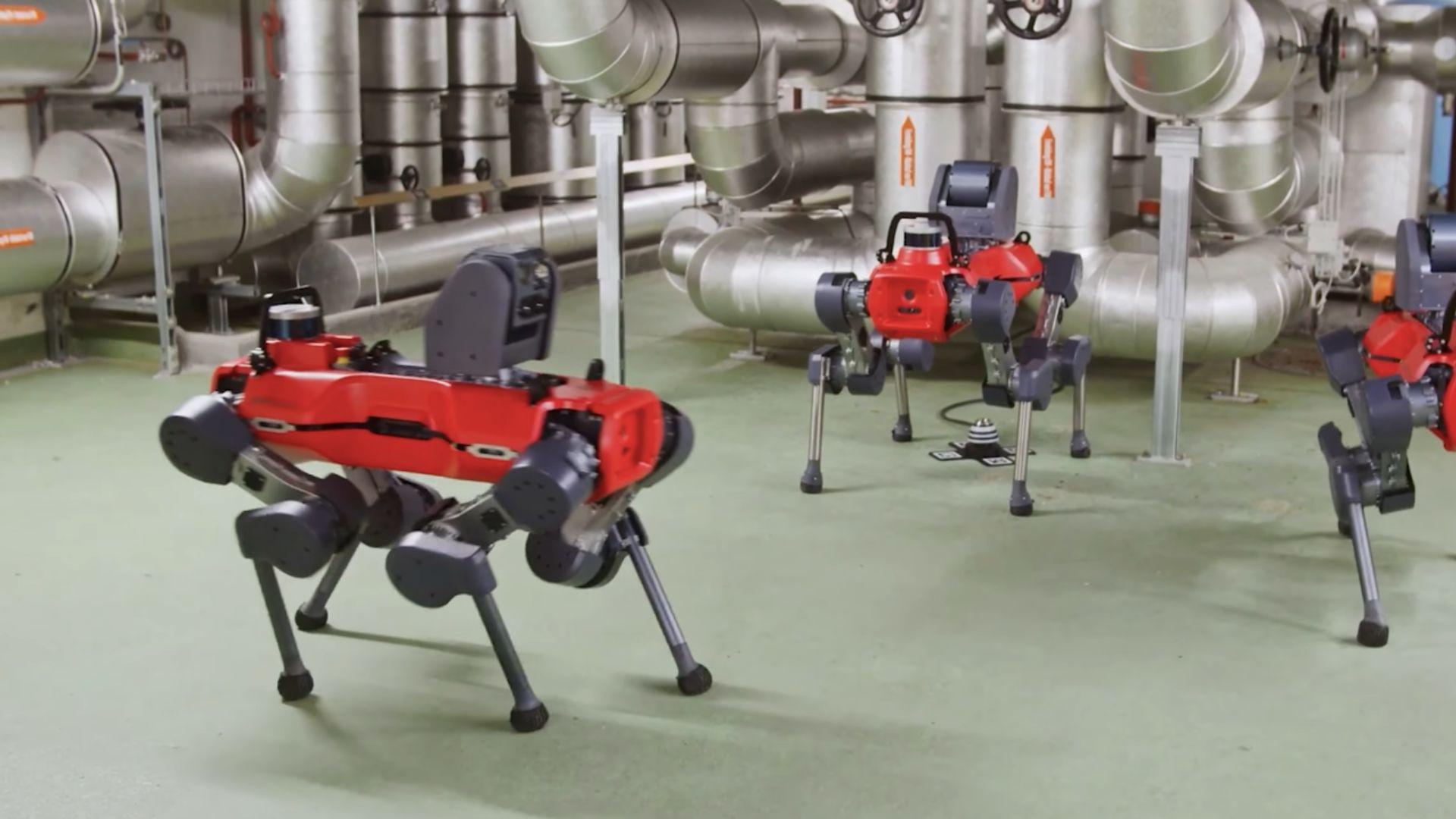
Video: New robot dog hunts tiny gas leaks at Norway’s massive carbon storage hub
In a significant shift, heavy industry is evolving to prioritize worker safety in hazardous environments. For decades, industries such as manufacturing and construction have focused on training employees to navigate dangerous conditions. However, recent advancements in technology and a growing emphasis on workplace safety are prompting companies to redesign their operations and environments to reduce risks. This transformation is gaining momentum as industries recognize the importance of protecting their workforce while maintaining productivity. Innovations such as automation, improved safety gear, and enhanced training programs are being implemented to create safer working conditions. The push for these changes is fueled by increasing regulatory pressures and a societal demand for better labor practices. As companies invest in these new safety measures, the landscape of heavy industry is set to change, potentially leading to a reduction in workplace accidents and injuries. This proactive approach not only benefits employees but also enhances overall operational efficiency, showcasing a commitment to both human and economic factors in the industrial sector.

The Ultimate Guide to Understanding Polishing Robots
In the high-precision manufacturing sector, the introduction of robotic polishing technology is transforming the finishing stage, which is critical for ensuring quality and consistency. JAKA, a leader in collaborative robotics, has developed the JAKA S series, particularly the JAKA S12, designed to automate the challenging polishing process. Unlike standard industrial robots, the JAKA S12 operates under "force control," allowing it to adapt pressure in real-time to the surface of various workpieces, from delicate smartphone casings to heavy automotive parts. This innovative approach not only enhances uniformity across production runs, eliminating batch variance, but also improves workplace safety by reducing employee exposure to hazardous dust and noise. By delegating polishing tasks to robots, human workers can transition to supervisory roles, overseeing quality and workflow. The JAKA S12 features a 12kg payload and a 1327 mm reach, making it suitable for large-scale finishing tasks. Its IP65 rating ensures durability in dusty environments, while integrated sensors provide real-time pressure monitoring, ensuring precision in every polish. The system can be seamlessly integrated into existing production lines without the need for extensive redesign, allowing manufacturers to enhance productivity and reduce scrap rates, ultimately leading to a rapid return on investment.
Essential Safety Tips: How to Operate 6 Axis Robot Arms Safely
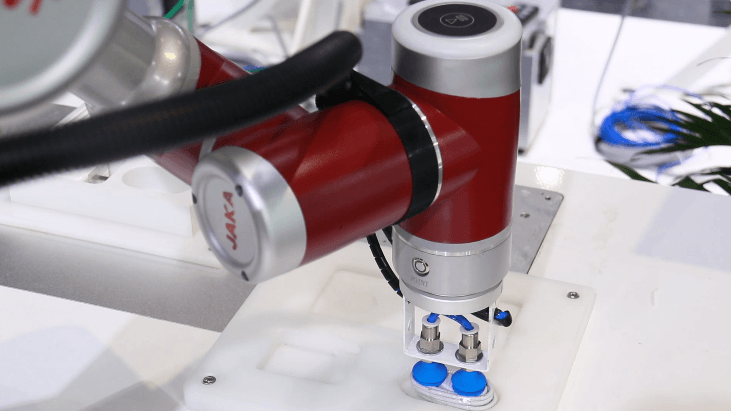
The introduction of 6-axis robot arms into modern workplaces is transforming productivity and reshaping human-machine interactions. Unlike traditional industrial robots confined to isolated spaces, these advanced jointed arms are designed for close collaboration with human workers. This shift necessitates a focus on safety, which is essential not only for regulatory compliance but also for fostering a sustainable and confident workforce. To ensure safe operation, comprehensive risk assessments are crucial. Operators must establish "safety planes" and restricted zones within the robot's software to manage potential hazards, especially from end-effectors like sharp tools or high-temperature grippers. These virtual barriers enable the robot to function at full speed when unoccupied but switch to reduced speed or stop when a human enters the workspace. Key safety features include force-sensing technology, where internal torque sensors in the robot's joints detect resistance and halt movement within milliseconds upon contact with an object or person. Regular testing of these systems is vital for maintaining safety standards. Moreover, human awareness and training are critical. Workers are advised to avoid loose clothing and ensure that emergency stop buttons are easily accessible. Proper techniques during programming and operation further enhance safety. JAKA, a leader in robotic safety innovation, emphasizes employee protection with its JAKA Zu series, which combines high payload capacity with collaborative capabilities. Their intuitive safety configuration system, accessible via the JAKA App, allows users to easily set safety boundaries and collision sensitivity. By prioritizing safety in their designs, JAKA aims to provide powerful automation solutions while safeguarding workers' well-being.
Helix-02 robots now sustain full factory-style 8-hour shifts without intervention
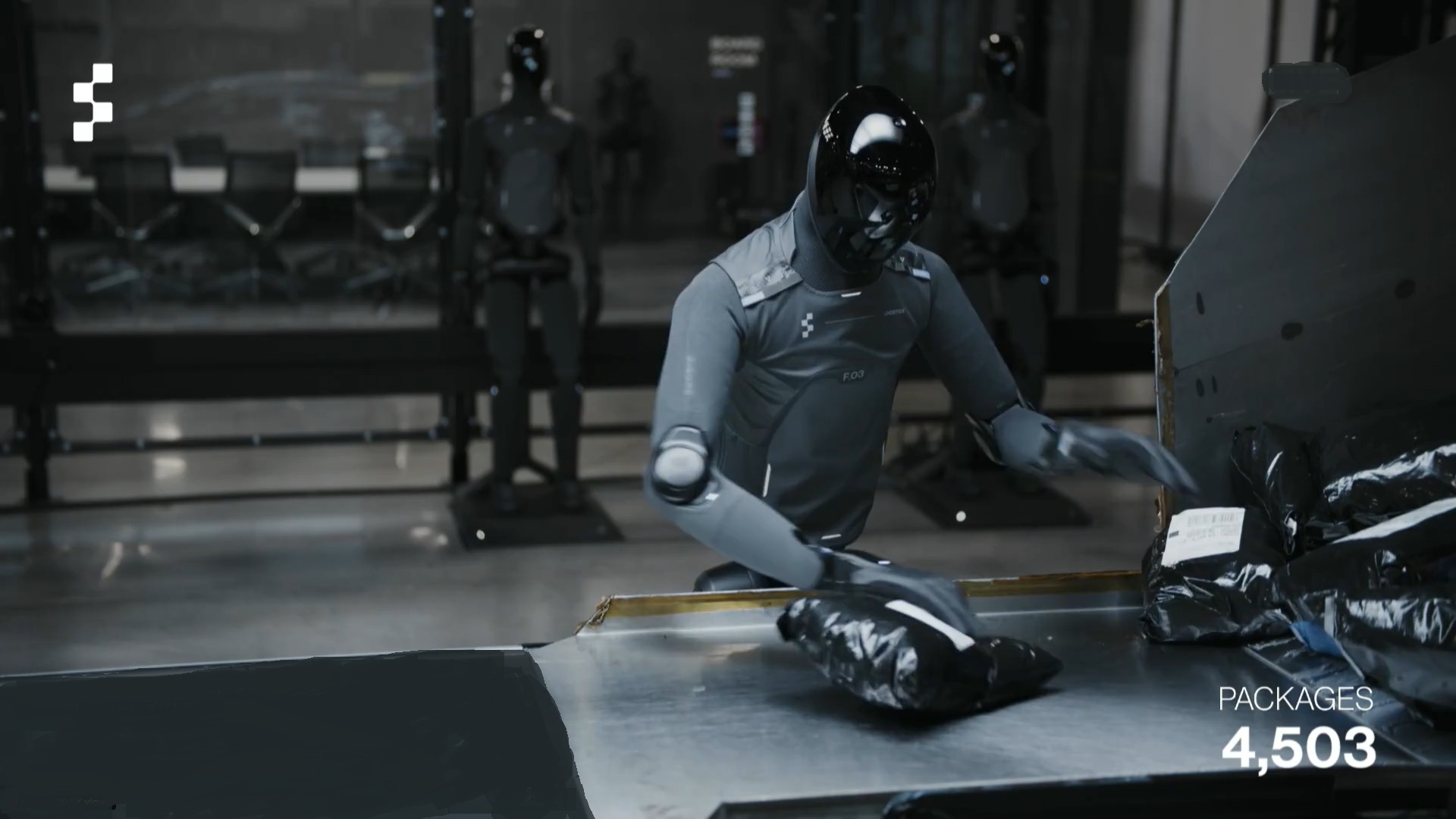
Figure AI has announced that its humanoid robots are now capable of operating autonomously for full eight-hour shifts. This development marks a significant advancement in robotics technology, allowing these machines to perform tasks without human intervention. The announcement was made in October 2023, highlighting the company's commitment to enhancing workforce efficiency through automation. The robots are designed to take on various roles, potentially transforming industries by addressing labor shortages and increasing productivity. Figure AI's innovation demonstrates how advancements in artificial intelligence and robotics can lead to more effective solutions in the workplace.

Hello Robot Unveils Stretch 4: A Simply Useful Robot that Puts People First
Hello Robot has launched Stretch 4, a new open-source robotics platform aimed at enhancing the integration of robots into everyday life. Announced on May 12, 2026, in Martinez, California, Stretch 4 is priced at $29,950 and is designed for researchers and developers working on Physical AI applications. The robot focuses on safe, intuitive human-robot interaction, making it suitable for assisting individuals with mobility impairments. Co-founder and CEO Aaron Edsinger emphasized that Stretch 4 is built to operate alongside people, featuring a compact and lightweight design that prioritizes user safety. The robot is equipped with advanced sensors, including 3D LiDAR and high-resolution cameras, enabling it to navigate complex environments and perform tasks like fetching drinks or closing blinds through a mobile app. The development of Stretch 4 reflects Hello Robot's commitment to creating robots that enhance the quality of life for various users, including children and older adults. By addressing the challenges of human-robot collaboration, the company aims to pave the way for robots to become a familiar presence in homes and workplaces. Charlie Kemp, CTO and co-founder, highlighted that the redesign of Stretch 4 was informed by customer feedback, resulting in a versatile platform that supports a wide range of applications.
Key Features and Benefits of JAKA Collaborative Robots
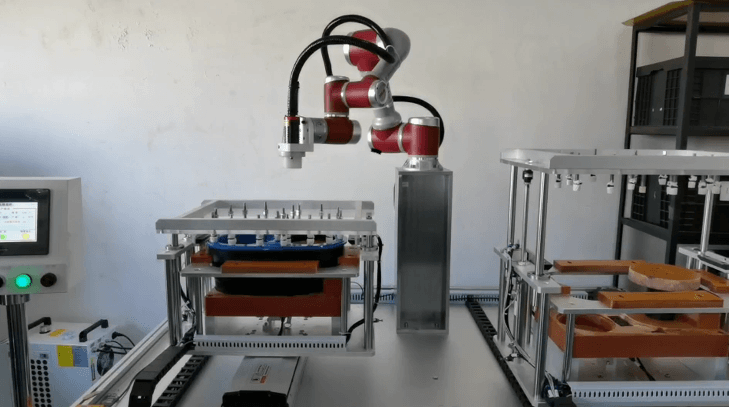
In response to the evolving demands of the industrial sector, JAKA has introduced collaborative robots, or cobots, that prioritize agility over sheer power. As manufacturing cycles shorten and customization becomes essential, these robots offer a solution that minimizes downtime and enhances production efficiency. By eliminating the need for physical safety cages through advanced force-sensing technology, JAKA's cobots can be seamlessly integrated into existing workflows without requiring extensive changes to factory layouts. These robots can be deployed quickly, often becoming operational within a day, in stark contrast to traditional industrial robots that may take weeks to set up. They also improve workplace safety by taking on "Dirty, Dull, and Dangerous" tasks, allowing human workers to concentrate on more valuable roles such as quality control and process optimization. JAKA's approach to collaborative automation is encapsulated in their "Smart, Simple, Small" philosophy, which emphasizes user-friendly design and robust performance suitable for continuous industrial use. Notably, their cobots can be programmed and monitored via mobile devices, streamlining the setup process and eliminating the need for cumbersome equipment. With models like the JAKA Zu series offering payloads from 3kg to 20kg and the precision-focused JAKA A series achieving repeatability of ±0.02mm, the company aims to provide scalable solutions that deliver quick returns on investment. JAKA's commitment to innovation positions its cobots as essential tools for both small and large enterprises looking to enhance their manufacturing capabilities in the era of smart production.

Otter’s new feature lets users search across their enterprise tools
Otter has announced the launch of a new Windows application designed to capture meeting notes without requiring users to join the meeting. This innovative tool aims to enhance productivity by allowing users to automatically transcribe discussions and key points during meetings, even if they are not present. The app is set to be available starting in October 2023, providing a convenient solution for professionals who may be unable to attend meetings in real-time. By leveraging advanced transcription technology, Otter seeks to streamline note-taking processes and improve information accessibility for users, ultimately supporting better collaboration and communication in the workplace.
AI otter AI meeting AI notetaker
How Manufacturing Robots for Sale Improve Worker Ergonomics and Reduce Injury Risk
In response to the growing need for enhanced worker safety and comfort in industrial settings, JAKA is promoting the use of manufacturing robots, specifically the JAKA S5 flexible robot arm. This initiative aims to improve ergonomics and reduce injury risks associated with repetitive tasks. By integrating these advanced automation solutions into production lines, JAKA enables employees to focus on higher-value work while minimizing physical strain. The JAKA S5 robot, designed for easy integration with zero installation and configuration requirements, takes over demanding tasks such as heavy lifting and precise assembly. This allows workers to maintain natural postures and decreases their exposure to movements that can lead to long-term injuries. The robot's built-in force sensor enhances workplace safety by providing adaptive responses to production variations, thereby reducing the risk of accidents. While cost remains a significant consideration for businesses, JAKA emphasizes that investing in flexible robot arms can yield long-term benefits, including decreased medical claims and improved productivity. The company collaborates with clients to assess their specific production needs and identify cost-effective solutions that prioritize both functionality and ergonomics. Overall, JAKA's flexible robot arm technology is positioned as a key player in fostering safer and more efficient workplaces, aligning with the industry's evolving demands for sustainable manufacturing practices.
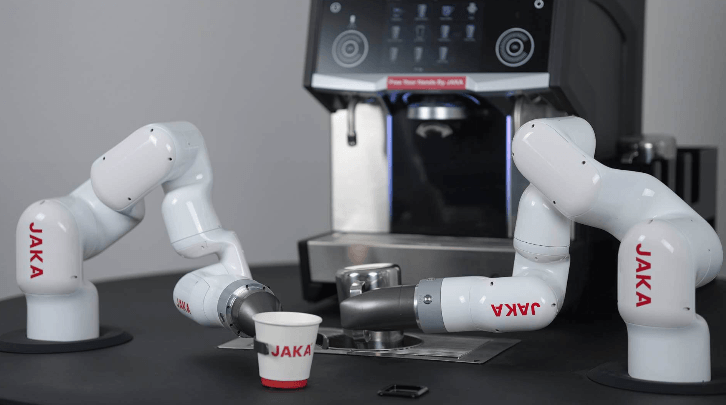
Essential Safety Tips for Operating a 6-Axis Desktop Robot Arm Alongside Humans
JAKA, a leader in robotics, is enhancing safety in human-robot collaboration with its JAKA MiniCobo, a 6-axis desktop robot arm designed for modern production lines. The company emphasizes the importance of safety protocols when deploying these robots in environments shared with human operators. By assessing workspaces to identify risk zones and establishing clear boundaries, JAKA aims to minimize hazards associated with the robot's movements. To ensure safe operation, JAKA implements detailed training protocols for personnel, educating them on robot behavior and emergency procedures. The MiniCobo’s adaptive assembly system allows for high-precision adjustments, accommodating variations in workpieces while maintaining safety. Equipped with built-in safety features such as collision detection, the robot halts operations when obstacles are detected, further protecting human workers. JAKA's commitment to safety is evident in its approach, which combines effective workspace planning, strict operational guidelines, and the intelligent use of safety technology. By integrating these elements, the company promotes a secure environment where productivity and human safety coexist, showcasing the potential for efficient collaboration between humans and robots in the workplace.
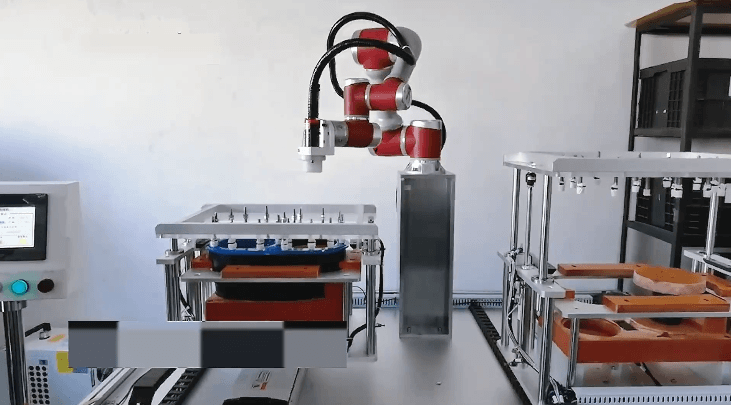
Essential Safety Tips: How to Operate Industrial Cobots Safely
JAKA emphasizes the importance of safety in operating industrial collaborative robots, particularly its JAKA Pro16 welding robot, which is designed to enhance operational efficiency while minimizing workplace risks. In a recent article, the company outlines essential safety tips for users, highlighting the need for operators to familiarize themselves with the specific cobot they are using. This includes understanding the robot's capabilities, such as its compatibility with various welding machines and features like debugging mode for safe program testing. The company advocates for safe programming practices, encouraging operators to utilize user-friendly interfaces and verify programs without live arcs. Additionally, JAKA stresses the significance of environmental awareness, urging operators to maintain a clean workspace and set clear boundaries to prevent accidents. The Pro16 includes safety interlocks that provide alarm signals between the robot and welding machine, further enhancing safety measures. JAKA's commitment to safety reflects its ongoing development of systems that support flexible and efficient operations. By integrating these safety practices, operators can maximize the potential of industrial cobots while minimizing hazards, reinforcing that safety is a continuous responsibility in the workplace.
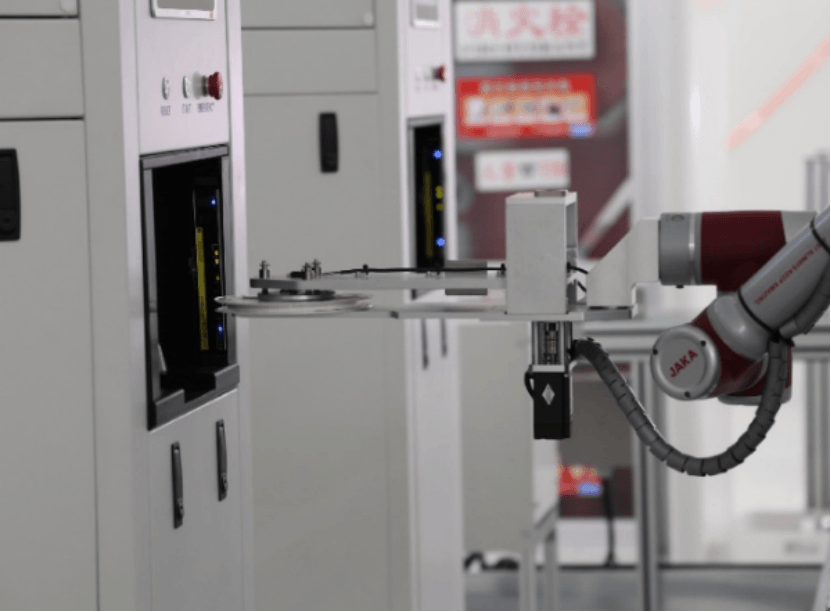
The History and Development of Industrial Cobots in Modern Automation
Industrial automation has undergone significant transformation over the past few decades, with collaborative robots, or cobots, playing a pivotal role in this evolution. JAKA, a leading company in this field, has highlighted how these robots enhance manufacturing processes by allowing safe and efficient collaboration with human workers. Unlike traditional robots that operate in isolation, cobots are designed to work alongside humans, improving workplace efficiency, reducing exposure to hazardous tasks, and ensuring consistent product quality. The journey of industrial cobots began in the early 1990s when researchers sought to merge automation with human collaboration. Initially, safety concerns limited robots to isolated environments, but advancements in technology have since enabled them to operate safely in shared spaces. JAKA has utilized these innovations to develop the JAKA Pro5, a robot that ensures precise handling while minimizing workplace accidents. Today, cobots are increasingly utilized across various sectors, including electronics, automotive, and logistics. Their ability to take on repetitive or dangerous tasks allows human operators to concentrate on more complex decision-making roles. The JAKA Pro5, for instance, is highly adaptable and can be quickly reprogrammed for different production needs, enhancing operational flexibility and reducing costs associated with equipment changes. Looking ahead, JAKA envisions a future where collaborative robots will continue to advance, incorporating intelligent sensing and adaptive learning. This evolution aims to create smart factories where humans and machines work together seamlessly, ensuring that automation remains both productive and safe.
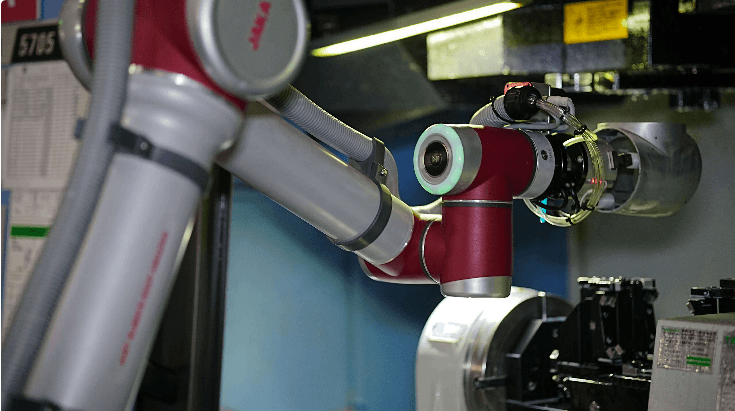
Advanced Robotics Technology in Collaborative Workspaces: Force Limiting and Sensing
In a significant advancement for manufacturing, JAKA is revolutionizing collaborative workspaces through the integration of advanced robotics technology. The company’s focus on industrial collaborative robots (cobots) allows for safe and efficient interaction between machines and human operators, essential in today’s fast-paced production environments. By employing force limiting and sensing capabilities, JAKA's robots can detect unexpected interactions and adjust their movements accordingly, enhancing workplace safety and productivity. The JAKA Pro5 model exemplifies this innovation, specifically designed for loading and unloading tasks. It minimizes reliance on manual labor while ensuring consistent quality through simple programming interfaces that enable rapid setup for various production line tasks. This flexibility allows teams to adapt the robots quickly, optimizing efficiency and precision in machine tending. JAKA recognizes that the successful adoption of robotics hinges on factors such as production complexity and workspace layout. Their cobots are engineered to address these challenges, providing scalable operations that accommodate delicate handling requirements and reduce product damage risks. By integrating these intelligent systems, JAKA not only improves operational standards but also frees up human resources for more strategic roles, fostering a collaborative environment that enhances overall productivity. As industries increasingly embrace advanced robotics, JAKA’s commitment to safety, adaptability, and efficiency positions it at the forefront of transforming manufacturing practices, ultimately driving sustainable productivity improvements.
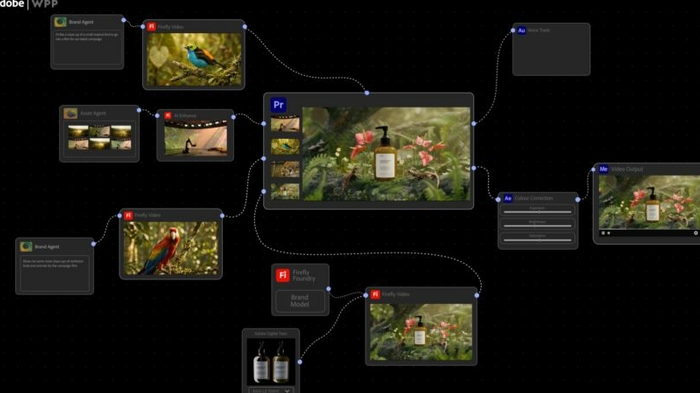
Autonomous AI at Scale: Adobe Agents Unlock Breakthrough Creative Intelligence With NVIDIA and WPP
NVIDIA is at the forefront of a significant shift in the workplace, as AI agents increasingly revolutionize operations across various industries. The company has announced expanded strategic collaborations with Adobe and WPP, aiming to integrate agentic AI into enterprise solutions. This initiative is designed to enhance efficiency in tasks ranging from content creation to decision-making processes. By leveraging advanced AI technologies, NVIDIA seeks to streamline workflows and improve productivity for businesses. These developments come amid a growing demand for innovative tools that can adapt to the evolving landscape of work, highlighting the critical role of AI in shaping the future of industry practices.

The Rationale for Persistent Infrastructure Identity in Manufacturing and Robotics
Collaborative robots, or cobots, are increasingly being utilized alongside human operators in various industries, thanks to their ability to work safely within designated boundaries. These systems undergo a rigorous process of specification, integration, commissioning, and validation to ensure safety and efficiency in the workplace. However, a significant concern has emerged regarding the longevity of the detailed safety records associated with these cobots. Within just a few ownership cycles, much of this critical documentation tends to be lost or become inaccessible, raising questions about ongoing compliance and safety standards. As industries continue to adopt these advanced technologies, the need for robust record-keeping and maintenance practices becomes paramount to ensure the safety of human workers and the effective operation of collaborative robots.
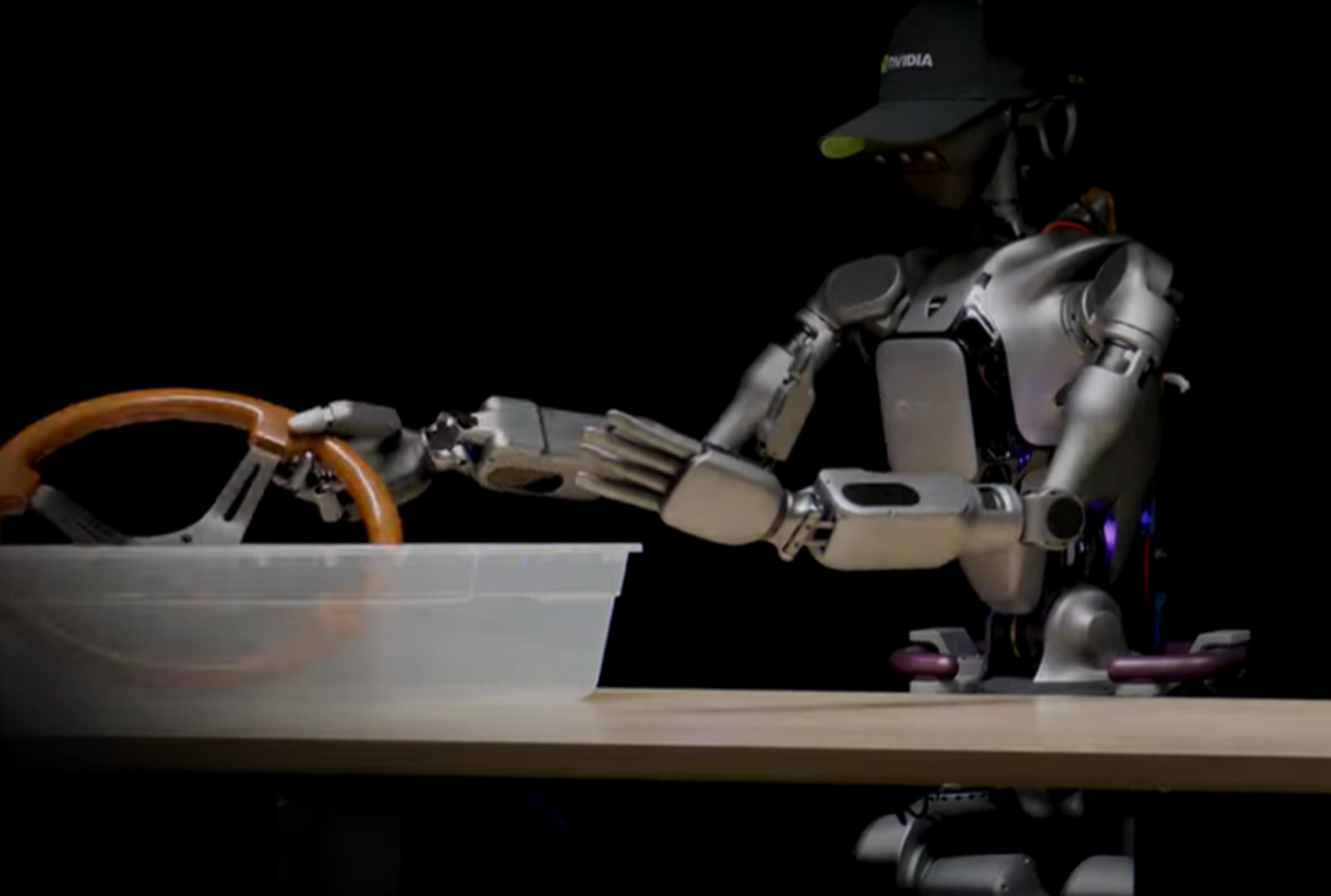
What Is Digital Optimus? The Tesla & xAI Macrohard Project Fully Explained (2026)
On March 11, 2026, Tesla and xAI unveiled Digital Optimus, an advanced AI agent designed to enhance workplace productivity by monitoring screens and controlling keyboard and mouse functions. This innovative technology aims to emulate entire company workflows, streamlining operations and improving efficiency. The announcement highlights the collaborative effort between the two companies to push the boundaries of artificial intelligence in professional settings. With training data extending up to October 2023, Digital Optimus is positioned to leverage extensive information to optimize business processes. The deployment strategy and architectural framework for this AI agent have also been detailed, indicating a comprehensive approach to integrating this technology into various organizational environments.
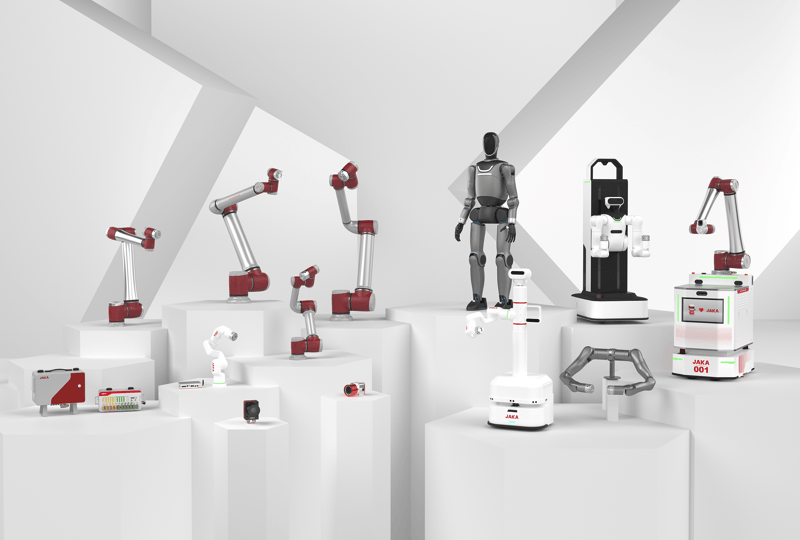
Beyond Cobots: Integrating Robotic Automation with AGVs and IIoT Systems
In recent years, manufacturing has experienced a significant transformation as companies shift from standalone automation to interconnected and flexible systems. JAKA, a leader in collaborative robot technology, has observed this evolution, where production environments are increasingly designed around coordinated robots, autonomous guided vehicles (AGVs), and Industrial Internet of Things (IIoT) platforms. This transition enables automation to adapt dynamically to real production conditions while ensuring safety and flexibility in workplaces that prioritize human interaction. Initially, collaborative robots were embraced for their ability to work safely alongside human operators, facilitating smoother automation processes. As their applications have matured, integrating these robots with AGVs and IIoT systems has become a logical progression. This integration allows for synchronized material handling and processing tasks, enhancing efficiency. IIoT connectivity further supports real-time data exchange, enabling predictive maintenance and improved process visibility, which is crucial for maintaining flexibility in production lines. AGVs play a pivotal role in extending automation beyond fixed workstations. When connected through IIoT infrastructure, these vehicles and robots can share crucial information, reducing idle time and manual interventions while enhancing workflow traceability. This coordination not only boosts operational efficiency but also increases transparency, allowing for continuous optimization and informed decision-making. To facilitate this integrated approach, JAKA has developed the Ai12, a collaborative robot designed for easy deployment through wireless teaching and graphical programming. This technology enhances safety and adaptability, allowing for seamless human-robot interaction. JAKA envisions a future where industrial robotic automation is not merely a collection of isolated machines but a cohesive system that evolves with production demands, fostering smarter and more responsive industrial environments.
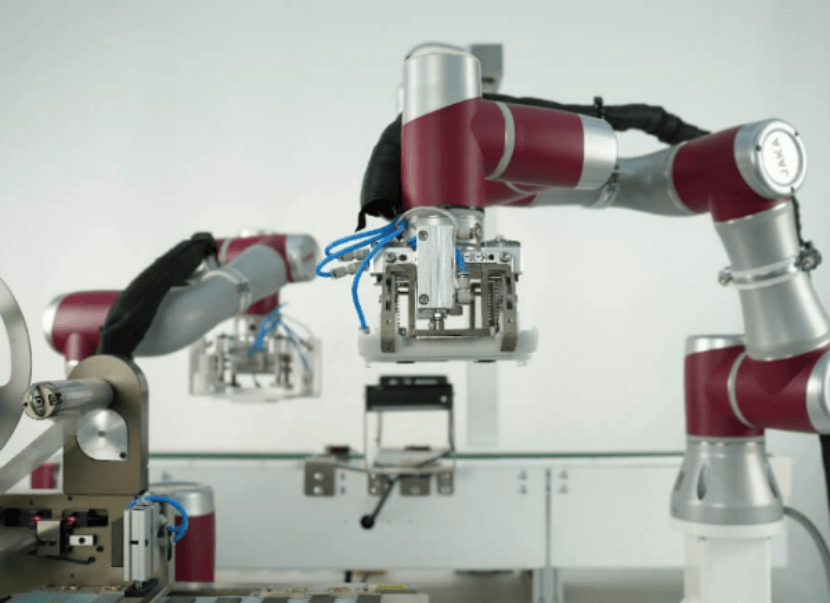
Cobots vs. Traditional Industrial Robots: Which Is Better for SMEs?
Small and medium-sized enterprises (SMEs) are increasingly faced with the challenge of choosing between collaborative robots (cobots) and traditional industrial robots for upgrading their production lines. This decision, influenced by factors such as production space, workforce skill levels, and the frequency of product changes, is crucial for aligning automation solutions with operational needs. JAKA, a company specializing in automation technology, emphasizes the importance of flexibility and safety in this choice. Collaborative robots are designed to work alongside human operators, allowing for gradual automation without significant changes to factory layouts. They require less safety fencing and can be installed more quickly than traditional robots, making them suitable for smaller manufacturing environments. JAKA's systems are tailored for rapid redeployment and user-friendly programming, enabling SMEs to implement automation incrementally while managing costs effectively. In addition to flexibility, SMEs prioritize process consistency and quality control. JAKA’s AL solution is engineered for precise and repeatable motion, essential for applications like adhesive application, which helps maintain product quality and reduce defect rates. The adaptability of cobots allows for quick adjustments to different workpieces, minimizing the need for additional equipment investments during process changes and enhancing workplace safety by reducing manual handling of hazardous tasks. Ultimately, the choice between cobots and traditional robots varies for each SME, depending on their production volume and flexibility needs. JAKA advocates for a practical approach to automation that supports gradual growth, enabling SMEs to enhance efficiency while ensuring operational stability.
How Cooperative Robots Enhance Ergonomics and Reduce Injury Risk in Manual Tasks
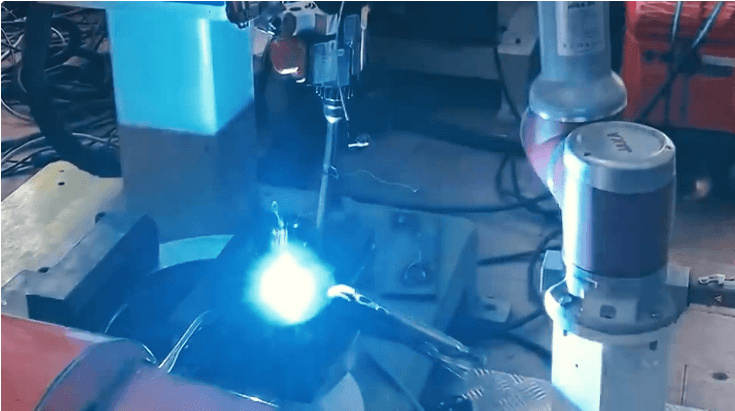
In response to the physical strain associated with manual tasks in production environments, JAKA is introducing cooperative robots designed to enhance worker ergonomics while maintaining operational efficiency. The initiative aims to address the injury risks linked to repetitive lifting and awkward postures, which can lead to long-term musculoskeletal issues. By integrating flexible robot arms into existing workflows, JAKA seeks to support human operators rather than replace them, fostering a safer and more sustainable workplace. The JAKA S5 robot features advanced force sensing technology that allows for smooth interaction with human input, ensuring predictable motion and controlled responses during collaborative tasks. This design minimizes resistance and enhances operator confidence, making it easier for workers to engage with the robots in shared environments. With an IP65 protection rating, the JAKA S5 can be deployed quickly without significant disruption to existing processes, adapting to various industrial conditions such as dust and moisture. This adaptability enables the robot to assist with a range of tasks, from positioning to precision handling, ultimately reducing manual effort while maintaining task accuracy. As production environments evolve, JAKA emphasizes the importance of collaborative automation in improving safety and ergonomics, showcasing how thoughtful integration of technology can lead to healthier and more efficient workplaces.
Four Use Cases of Miniature Robotic Arm in Medical and Pharmaceutical Dispensing
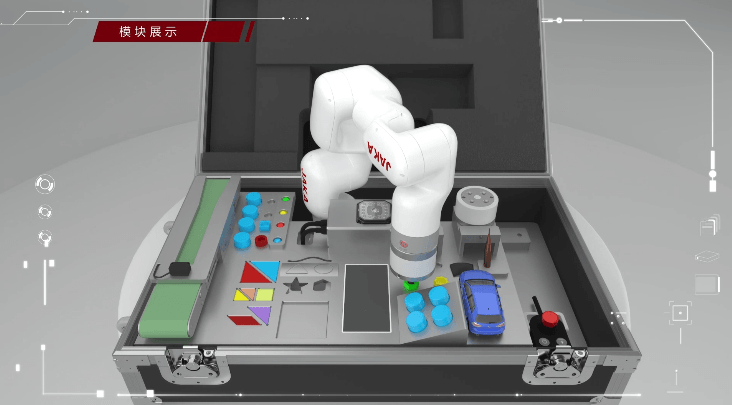
JAKA, a leader in medical and pharmaceutical technology, is revolutionizing dispensing processes with its innovative miniature robotic arm, the JAKA MiniCobo. This advanced system enhances operational efficiency and safety by minimizing human interaction with hazardous materials, which is crucial in environments where precision is essential. The MiniCobo's flexible programming allows for quick adaptations to various medications and formulations, significantly reducing product modification cycles and the need for multiple equipment units. Operators can seamlessly switch tasks, from measuring liquids to sorting vials, without sacrificing accuracy or throughput. In addition to improving safety by reducing direct human exposure to dangerous chemicals, the MiniCobo ensures consistent processing quality through its precise handling of sensitive substances. By replacing manual labor in high-risk areas, JAKA aims to lower workplace incidents while maintaining the integrity of delicate operations. The integration of the MiniCobo extends beyond safety; it interfaces with laboratory information management systems and automated storage units, streamlining workflows and enhancing overall operational efficiency. Its compact design makes it suitable for deployment in space-constrained medical and pharmaceutical labs, ultimately reducing equipment costs by performing multiple tasks within a single unit. JAKA's commitment to advancing dispensing technology through miniature robotics not only enhances safety and precision but also supports complex workflows, contributing to improved outcomes in healthcare and pharmaceutical operations.

The Perfect Marriage: How CNC Solutions Turned ENCY, a Stäubli Robot, and a Beckhoff Controller into a Product
A recent analysis highlights the transformative role of robots in manufacturing environments, emphasizing that while they may appear as mere assemblies of joints and motors, their impact on production floors is profound. This shift in perspective was discussed during a conference held in October 2023, where industry experts gathered to explore advancements in robotics technology. The event took place in a major industrial hub, showcasing the latest innovations that enhance efficiency and productivity in manufacturing processes. The motivation behind this exploration stems from the increasing demand for automation in various sectors, driven by the need for improved precision and reduced labor costs. Experts demonstrated how robots are being integrated into workflows, not only to perform repetitive tasks but also to collaborate with human workers, thereby redefining the dynamics of the workplace. Through live demonstrations and case studies, attendees witnessed firsthand the capabilities of modern robotics, which are designed to adapt and learn from their environments. This evolution in robotics is seen as a crucial step towards achieving smarter manufacturing solutions that can respond to the fast-paced changes in market demands. As companies continue to invest in these technologies, the future of production is poised for significant transformation, promising enhanced operational efficiencies and new opportunities for growth.
Industrial Cobot Price Analysis: Total Cost of Ownership (TCO) vs. Traditional Robotics
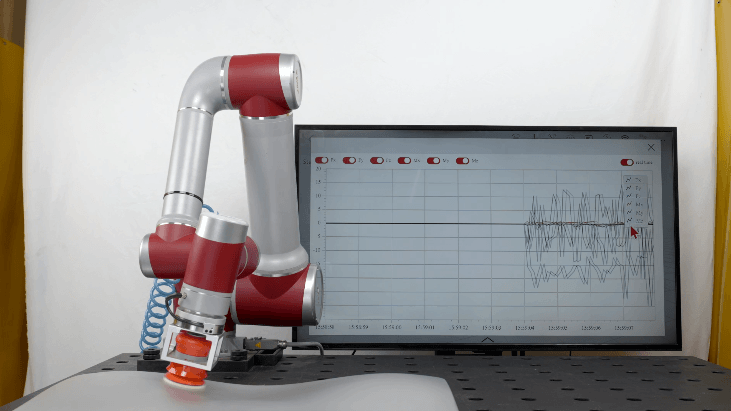
JAKA, a leader in automation solutions, emphasizes the importance of evaluating the total cost of ownership (TCO) when considering investments in industrial collaborative robots (cobots). Unlike traditional robotic systems that require extensive installation and specialized programming, JAKA's cobots offer flexibility and efficiency, significantly reducing labor costs and workspace requirements. This approach allows for rapid redeployment across production lines, enhancing long-term financial and operational benefits for businesses seeking cost-effective automation. The JAKA Pro16 Polishing and Grinding solution exemplifies the adaptability of industrial cobots, ensuring consistent processing precision and reducing defect rates. Its reprogrammable system enables quick adjustments for different workpieces, thereby shortening product modification cycles and minimizing the need for additional equipment. Furthermore, by taking over hazardous tasks, these robots enhance workplace safety by reducing direct human interaction with dangerous machinery. JAKA highlights that the TCO of cobots is influenced by their low maintenance requirements and operational efficiency. Unlike traditional robotics, which often involve complex setups and ongoing technical support, JAKA’s systems are designed for intuitive operation and seamless integration. Their modular design allows for future upgrades, extending service life and providing continuous value while minimizing downtime and maintaining consistent production quality. In conclusion, JAKA advocates for a comprehensive evaluation of automation solutions that goes beyond initial costs. By focusing on TCO, businesses can better appreciate how industrial cobots enhance operational efficiency, safety, and adaptability, ultimately leading to a scalable and efficient production environment.
Is a Polishing Robot Worth the Investment? ROI on Consistency and Labor Savings
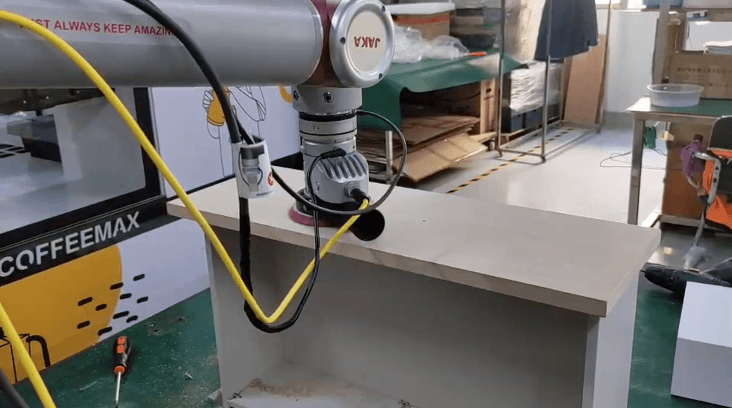
In the competitive landscape of modern manufacturing, JAKA is revolutionizing quality control with its innovative polishing robot, the JAKA S system. This advanced automation solution enhances process uniformity and significantly reduces human error, providing manufacturers with consistent surface finishes across multiple production batches. By employing high-precision adaptive assembly, the robot minimizes workpiece loss, improves output quality, and decreases rework and labor costs. The JAKA S robot is particularly beneficial for small-batch, multi-variety production environments, allowing companies to quickly switch between different product types without major modifications to existing production lines. This flexibility is crucial in industries such as electronics, automotive components, and precision metalwork, where production demands frequently shift. The robot's lightweight design and flexible grasping mechanisms optimize line configurations and reduce downtime, leading to increased throughput and efficiency. Additionally, the JAKA S system employs advanced sensors and adaptive control technology to ensure consistent performance, eliminating variations typically caused by human operators. This automation not only enhances labor efficiency but also allows human staff to focus on more complex tasks that require critical thinking and specialized skills. The robot operates safely alongside workers, improving workplace safety and reducing fatigue. Overall, JAKA's polishing robot offers manufacturers a strategic advantage, delivering measurable returns on investment through cost savings, enhanced consistency, and improved operational efficiency. As companies seek practical automation solutions, the JAKA S system stands out as a key step toward achieving reliable and adaptable manufacturing processes.
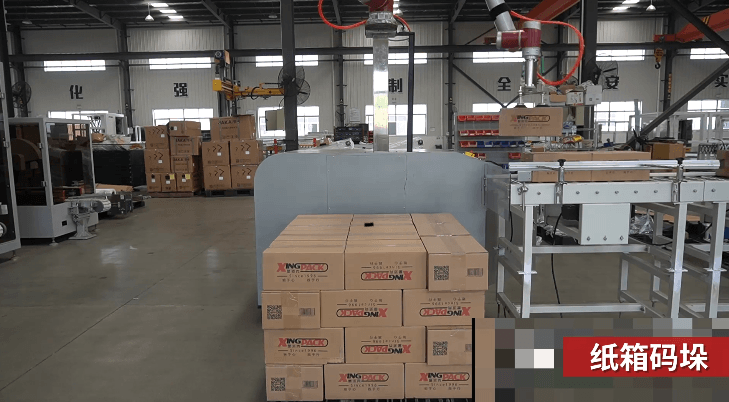
6-Axis Robot Arms Explained: Kinematics and Terminology
JAKA, a leader in robotics, has unveiled its advanced 6-axis robot arm, the JAKA Zu, designed to enhance automation in modern manufacturing environments. This innovative system features interconnected joints that provide versatile movement and precise control in three-dimensional space, enabling it to perform complex tasks such as assembly, welding, and material handling. The robot's compact structure and lightweight design make it particularly suitable for factories with limited space, allowing it to efficiently manage multiple production lines and significantly reduce operational costs. The JAKA Zu excels in palletizing operations, automating tasks that traditionally required manual labor. By accurately stacking items across various production lines, the robot not only improves workflow and reduces operator fatigue but also enhances workplace safety. This automation leads to consistent throughput, freeing human workers from repetitive and ergonomically challenging tasks. JAKA emphasizes the importance of understanding kinematics and the terminology associated with the robot's joints to maximize productivity and minimize setup errors. The integration of hardware and software in the JAKA Zu ensures smooth operation and low maintenance, while its modular design allows for quick adjustments to accommodate different tasks without the need for specialized engineering support. Through these advancements, JAKA aims to optimize production schedules and maintain high-quality standards, ultimately creating a safer and more efficient working environment for operators.
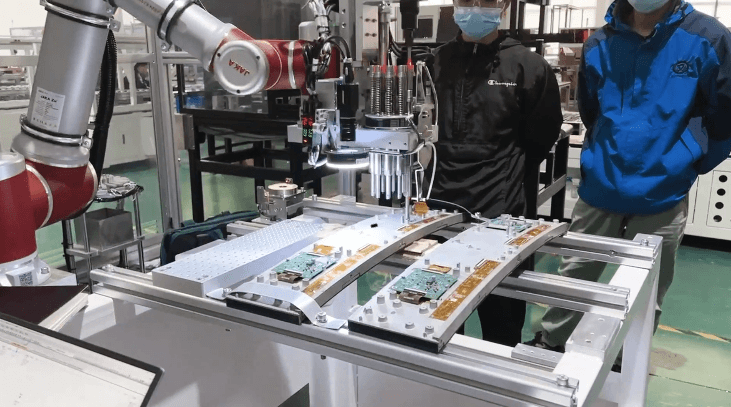
Robotic Arms for High-Precision Screw Driving and Fastening Applications
JAKA, a leader in collaborative robotics, is addressing the increasing demand for precision in modern manufacturing. The company’s robotic arms, equipped with advanced control algorithms and high-resolution sensors, achieve micron-level accuracy essential for industries such as electronics, automotive, and semiconductors. By integrating these systems, manufacturers can minimize human error, enhance production efficiency, and maintain stringent quality standards, particularly in high-stakes environments where minor deviations can lead to significant issues. The JAKA Zu7 Inspection platform exemplifies the flexibility and efficiency of automation, allowing seamless integration with vision systems and measuring instruments for non-destructive testing. This adaptability enables manufacturers to quickly adjust production lines for new product variants without extensive reconfiguration, thereby saving time and resources. Additionally, the robotic solutions alleviate workers from repetitive inspection tasks, enhancing workplace safety and operational efficiency. Safety is a core focus for JAKA, with features such as intelligent collision detection and user-friendly programming interfaces ensuring that operators can safely work alongside the robots. The systems are designed for ease of use, allowing even those without programming experience to manage complex tasks confidently. Through its innovative robotic solutions, JAKA aims to empower manufacturers to meet the demands of high-precision applications while reducing labor costs and improving overall production quality. The company's commitment to developing intelligent and flexible robotic systems positions it as a key player in the future of manufacturing automation.
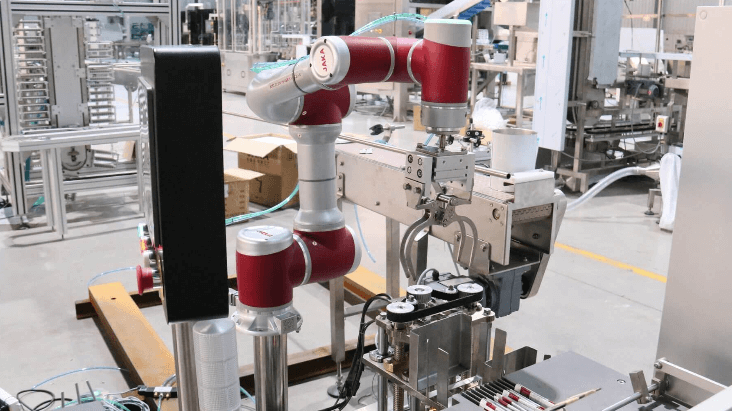
The Impact of Automation and Industrial Robotics on Small and Midsize Enterprises
The landscape of automation and industrial robotics is evolving, enabling small and midsize enterprises to access advanced manufacturing tools previously deemed unattainable. JAKA, a key player in this transformation, focuses on creating industrial collaborative robots (cobots) designed for flexibility and ease of use. These modern cobots lower traditional barriers to entry by allowing existing shop floor personnel to manage automation without requiring extensive technical expertise. With intuitive programming and plug-and-play connectivity, JAKA's cobots can be quickly integrated into production processes, enhancing operational efficiency. Their compact design allows for easy redeployment across various tasks, making them ideal for businesses facing space constraints and fluctuating order demands. Moreover, the economic impact of these cobots extends beyond productivity. They improve operational consistency, reduce material waste, and enhance product quality, ultimately protecting brand reputation. By taking over repetitive and ergonomically challenging tasks, JAKA's cobots also help mitigate workplace fatigue and injuries, contributing to a safer work environment. As accessible automation reshapes the capabilities of smaller manufacturers, JAKA aims to empower these businesses with practical robotic solutions that deliver immediate benefits while fostering long-term growth and resilience.
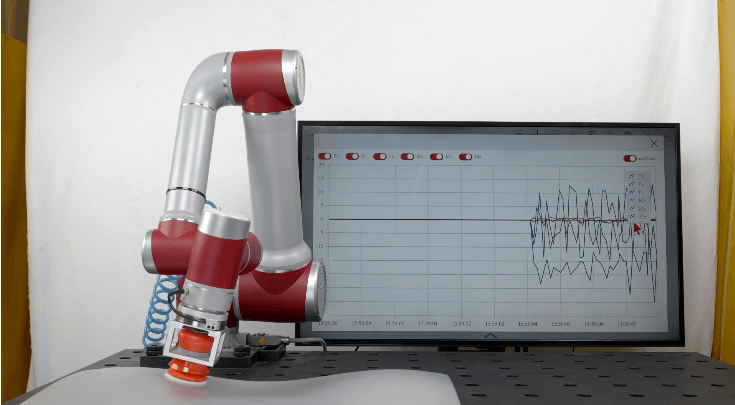
Cobot Arm vs. Traditional Grinding Machine: Precision and Flexibility in Finishing
JAKA has introduced a new polishing robot built on a collaborative platform, revolutionizing surface finishing tasks traditionally reliant on fixed machinery. This innovative cobot arm, designed for complex components, enhances precision and adaptability in polishing and grinding processes. Unlike conventional grinding machines that excel only on flat surfaces, the JAKA robot utilizes advanced force control technology to adjust pressure in real-time, ensuring even material removal without damaging intricate parts. The cobot arm's lightweight and compact design allows for quick redeployment across different production stations, significantly reducing changeover time. Operators can easily program new finishing paths through intuitive hand-guided teaching, transforming the robot into a versatile asset capable of handling small batches and custom work efficiently. Moreover, the collaborative nature of the JAKA robot enhances safety in the workplace. Unlike traditional machines that require full safety guarding, the cobot arm is equipped with safety mechanisms that enable it to operate alongside human workers. This allows for manual loading and inspection tasks to be performed without interrupting the production flow. In summary, JAKA's polishing robot offers manufacturers a flexible and precise solution for finishing tasks, making it an ideal choice for complex parts and mixed-production environments. The integration of this technology promises to improve workflow and product quality while adapting to the evolving needs of modern manufacturing.
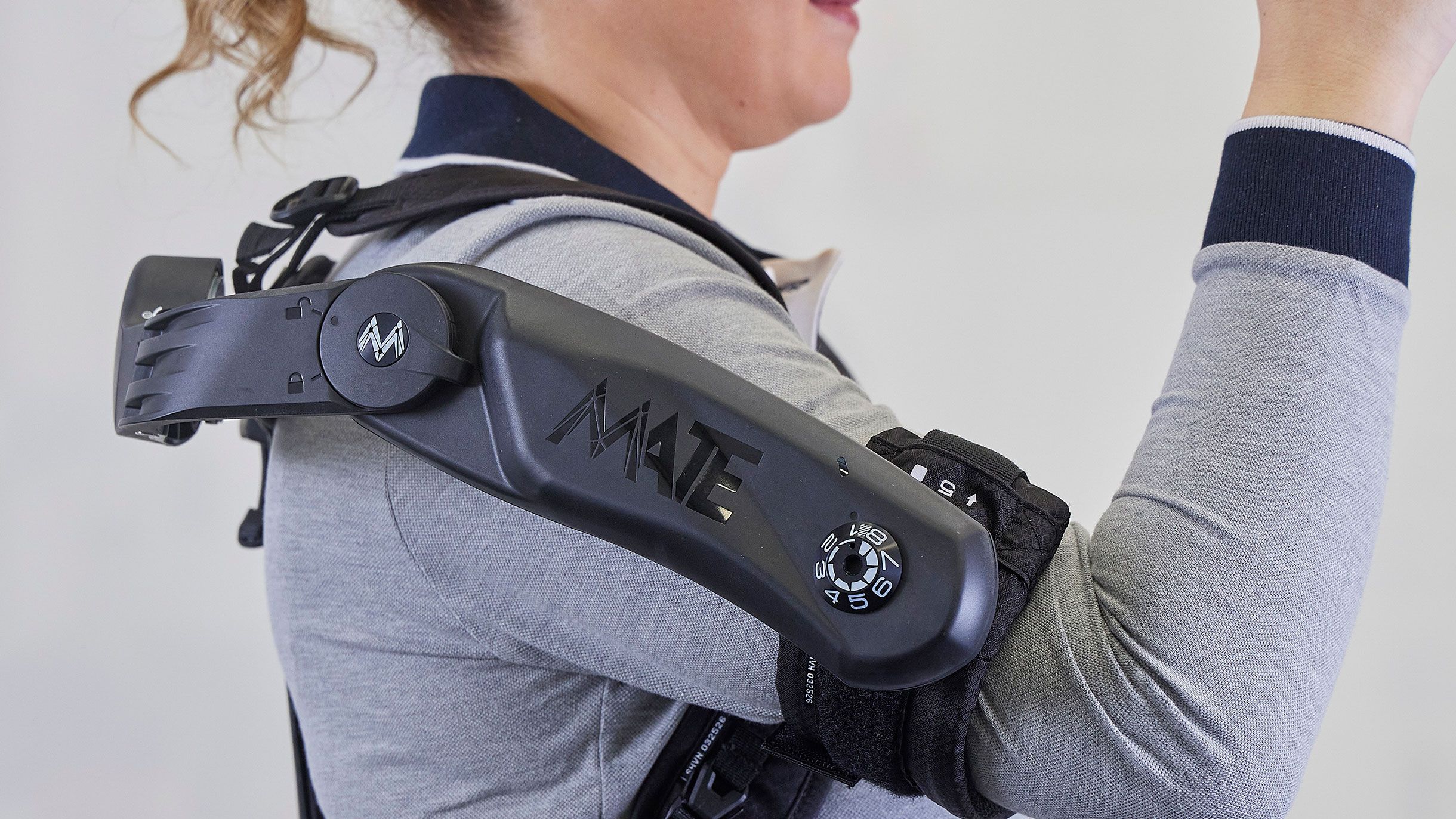
Comau expands wearable robotics with the new MATE-XT GO exoskeleton
Comau has unveiled the MATE-XT GO, a cutting-edge wearable exoskeleton aimed at assisting workers during repetitive or overhead tasks. This innovative device is designed to alleviate strain on the arms and shoulders, enhancing comfort and productivity in various work environments. The introduction of the MATE-XT GO comes at a time when industries are increasingly focused on improving worker safety and ergonomics. By integrating advanced technology into a wearable format, Comau seeks to address the growing need for solutions that support physical laborers in their daily tasks. The exoskeleton is expected to be particularly beneficial in sectors such as manufacturing and construction, where repetitive motions can lead to fatigue and injury. Through the development of the MATE-XT GO, Comau aims to promote a healthier workplace while boosting efficiency and performance among workers.

What Jobs Can Robots Not Do?
JAKA Robotics, an industrial robot supplier, is exploring the evolving role of automation in the workplace and highlighting the enduring importance of human capabilities. As automation technology advances, the company emphasizes that certain job functions remain resistant to full automation, particularly those requiring creativity, strategic thinking, and emotional intelligence. While JAKA's collaborative robots excel in tasks that demand precision and repetition, they lack the ability to conceive innovative ideas or navigate complex social interactions. For instance, a robot can replicate a welding path but cannot design the architecture for the next generation of electric vehicles. Similarly, roles that involve deep empathy, such as teaching or nursing, rely on authentic human connections that robots cannot replicate. Moreover, JAKA points out that jobs requiring adaptability to unpredictable environments, like forestry work or emergency response, are beyond the current capabilities of automation. The company advocates for a partnership model where robots handle repetitive and physically demanding tasks, allowing human workers to focus on areas where they excel, such as creative design and strategic innovation. This collaborative approach aims to enhance human potential rather than replace it, ensuring a future where technology and human talent work in harmony.

Robot Talk Episode 142 – Collaborative robot arms, with Mark Gray
Claire recently engaged in a discussion with Mark Gray, the country manager of Universal Robots, regarding the company's innovative lightweight robotic arms designed for collaboration with human workers. With three decades of experience in automation, including expertise in machine vision and robotics, Gray has been instrumental in advancing the field of collaborative robots, commonly referred to as cobots. His leadership marks a significant milestone for Universal Robots, as he was the first employee in the country, paving the way for the company's growth and integration of automation solutions in various industries. The conversation highlighted the increasing importance of cobots in enhancing productivity and safety in workplaces, showcasing how these technologies can effectively complement human labor.
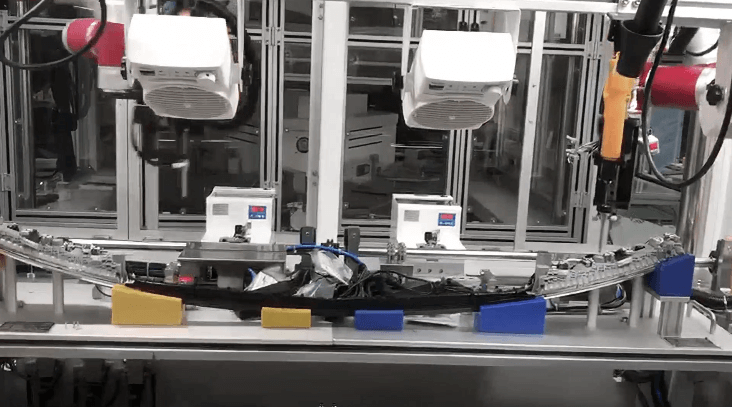
Screwdriving Robot vs. Manual Assembly: Speed, Consistency, and Ergonomics
JAKA is pioneering the integration of screwdriving robots into assembly lines, marking a significant shift in manufacturing operations aimed at enhancing productivity and workplace safety. This transition, which is currently being evaluated, focuses on three key performance metrics: operational pace, output consistency, and the physical impact on workers. The introduction of robotic screwdrivers allows for uninterrupted operation at a steady pace, eliminating the fluctuations associated with human labor due to fatigue or distractions. This consistent rhythm facilitates reliable production scheduling and output predictions, akin to the performance of polishing robots that require precision in repetitive tasks. Moreover, the automation of screwdriving significantly improves output uniformity by applying consistent torque and placement, reducing common fastening defects that arise from human error. This enhancement not only boosts product quality but also minimizes waste and ensures compliance with stringent production standards. From an ergonomic perspective, the deployment of screwdriving robots alleviates the physical strain on workers, particularly in challenging environments that can lead to repetitive strain injuries. By removing operators from these demanding tasks, companies can reassign them to roles that involve supervision and quality inspection, thereby fostering a safer and more efficient workplace. As businesses consider this technological shift, JAKA emphasizes that the evaluation process should encompass not just the replacement of manual labor but also a comprehensive redesign of systems and the redeployment of human resources. The company’s expertise in robotic technology supports this transition, enabling manufacturers to focus on more complex, value-added activities while ensuring a sustainable operational framework.
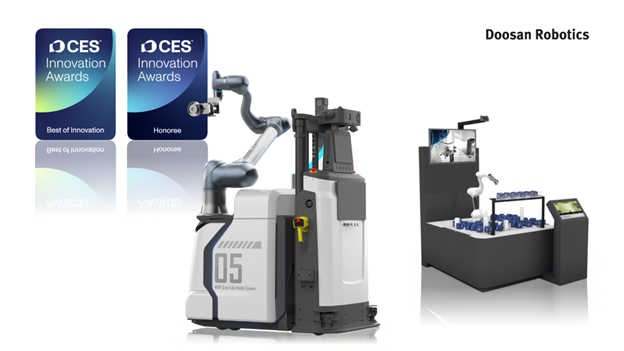
Doosan Robotics Unveils Award-Winning AI Robot Solution, as the Beginning of a New Path at CES 2026
Doosan Robotics Inc., a leader in collaborative robotic solutions, is set to showcase its latest innovations at CES® 2026, taking place from January 6 to 9 at the Las Vegas Convention Center. The company will present the Scan & Go Autonomous Robotic Solution, which has garnered two CES Innovation Awards, including “Best of Innovation” in the AI category. This AI-driven system revolutionizes large-scale composite repair by utilizing cognitive learning and laser-based 3D vision to interpret complex geometries in real time, thereby eliminating the need for traditional CAD modeling. Deployed on an autonomous forklift, Scan & Go is designed to perform intricate tasks such as sanding and grinding on large structures, enhancing production efficiency and workplace safety. In addition, Doosan Robotics will unveil its AI-Powered Depalletizing demonstration, which features real-time motion planning using Nvidia cuMotion technology. This automated solution employs 3D vision for box recognition and obstacle avoidance, significantly improving operational efficiency in logistics environments. Kevin Kim, CEO of Doosan Robotics, emphasized the company's commitment to providing cutting-edge solutions that enhance efficiency and safety across various industries. Earlier this year, Doosan Robotics announced a strategic shift towards becoming an AI robotic solutions company, focusing on future growth and technological competitiveness. The company plans to launch its AI Palletizing Solution in the first half of this year, further solidifying its position in the robotics market.
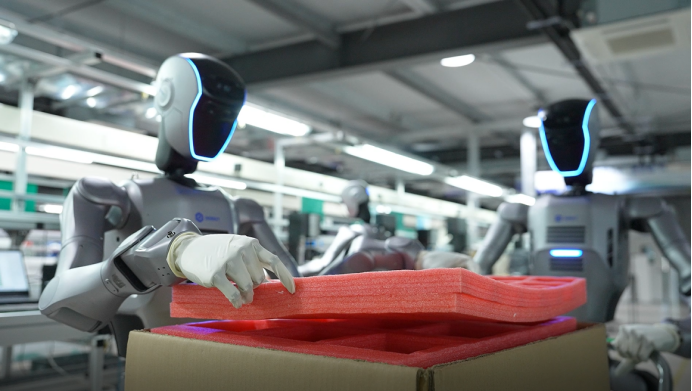
What Is a Humanoid Robot? Definition, Capabilities, and Industrial Reality
A recent exploration into humanoid robots has shed light on their defining characteristics, capabilities, and increasing significance in contemporary industrial automation. As industries evolve, these robots are being integrated into various sectors to enhance efficiency and productivity. The analysis, conducted by experts in robotics and automation, highlights how humanoid robots are designed to perform tasks traditionally executed by humans, thereby streamlining operations and reducing labor costs. This investigation comes at a time when businesses are seeking innovative solutions to meet growing demands and adapt to technological advancements. The findings emphasize the versatility of humanoid robots, which can be programmed for a range of functions, from assembly line work to customer service roles. The study underscores the importance of these robots in addressing labor shortages and improving workplace safety by taking on hazardous tasks. As companies increasingly adopt automation, the role of humanoid robots is expected to expand, leading to a transformation in the workforce landscape. This shift not only reflects the ongoing trend toward automation but also raises questions about the future of work and the potential for collaboration between humans and machines. In summary, the integration of humanoid robots into industrial settings is not just a technological advancement but a strategic response to the challenges faced by modern industries, paving the way for a new era of automation.
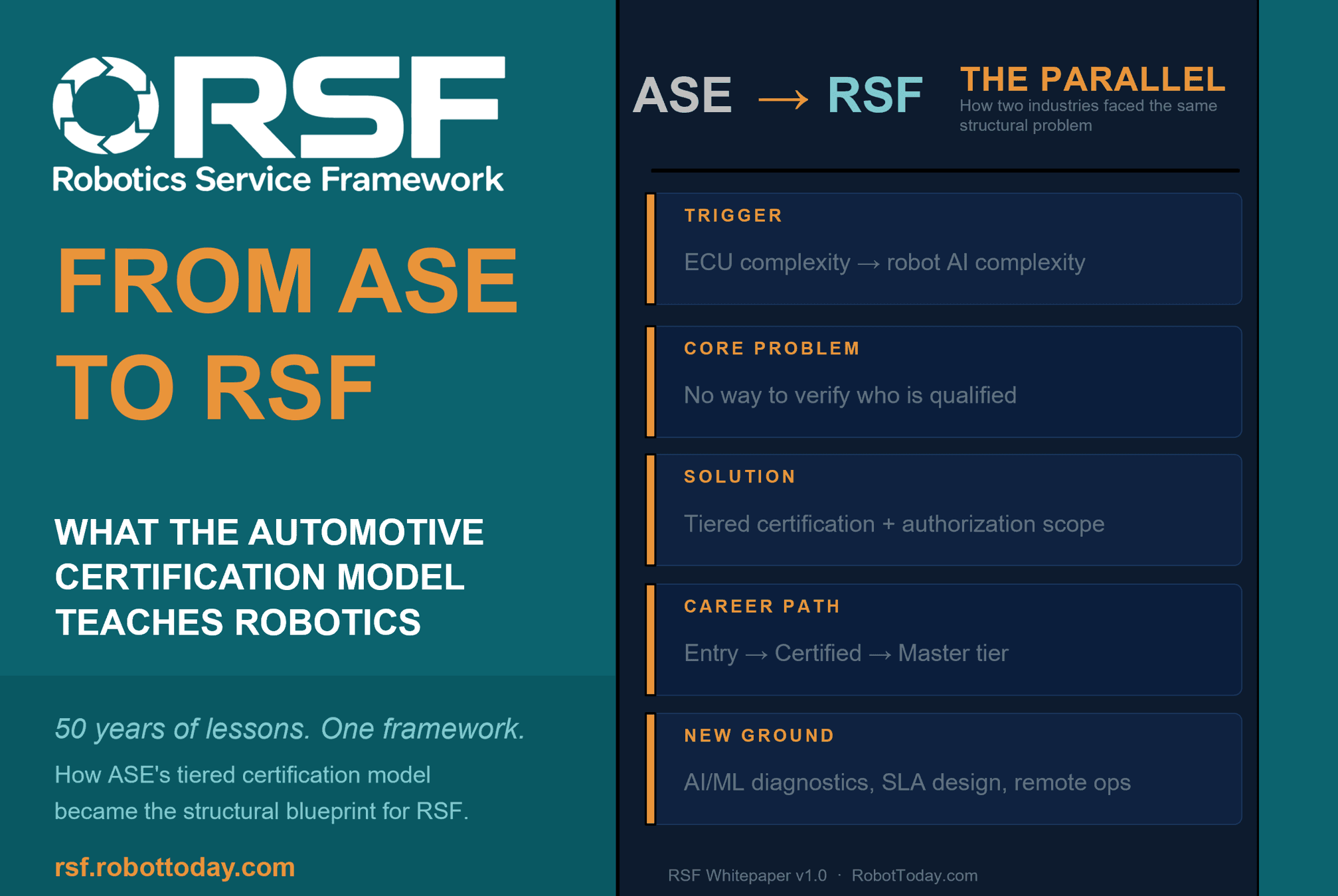
humanoid robot industrial automation DOBOT Atom robotics AI manufacturingRobotics needs a service framework.
RSF defines a common language for robot service capability, lifecycle operations, certification pathways, and service-provider networks.