

Industry Briefing
A single destination for timely, editor-curated robotics news from around the world.

Robot Dog 'Benben' Engages New Students at Chengdu University with Anti-Fraud Education
A robot dog named 'Benben' welcomed new students at Chengdu University, showcasing enhanced movement control and interactive capabilities. The robot, developed by Sichuan Tianjiang Xinhua Intelligent Technology, collaborated with anti-fraud volunteers to educate students and parents about fraud prevention through engaging interactions. This initiative is significant as it combines technology with education, addressing the need for increased awareness among first-year students who may lack social experience. The event, organized by the Chengdu Economic and Information Bureau and the university's School of Mechanical Engineering, aims to integrate robotics into real-world educational scenarios, enhancing both learning and technology adoption. Looking ahead, the Chengdu initiative plans to continue exploring diverse applications of robotics in educational settings, with a focus on real classroom interactions. This approach not only aids in technology iteration but also provides valuable operational data, paving the way for future integration of robots in various educational environments beyond just welcome events.
Robotics Education Technology Fraud Prevention Interactive Learning
NOAA Selects Mississippi State University to Lead New Northern Gulf Research Institute
NOAA has appointed Mississippi State University to host the Cooperative Institute in the Gulf of America (CINGA), aimed at enhancing research collaboration on Gulf ecosystems. This initiative builds on a 20-year partnership with NOAA, focusing on science-based decision-making for the northern Gulf region. The establishment of CINGA is significant as it comes with a funding award of up to $100 million over five years, with a potential renewal based on performance. The institute will collaborate with nine partner institutions, leveraging their expertise to improve natural resource management and coastal resilience in the Gulf of America. Looking ahead, CINGA will address major research themes, including advancements in environmental modeling, forecasting capabilities, sustainable development of marine resources, and enhancing data accessibility. No further timeline was disclosed at the time of publication.
noaa mississippi state university northern gulf research institute
Qianjue Technology and Tsinghua University Introduce New Neural Network Complexity Metric
Qianjue Technology, in collaboration with Tsinghua University, has proposed a new metric for assessing neural network complexity called Effective Degree (ED). This metric aims to quantify the complexity of learned models and enhance their ability to generalize in new environments, addressing a core challenge in robotics: the ability to make correct judgments in unfamiliar settings. The significance of this development lies in its potential to improve the selection of models for robotic brains, diagnose overfitting during training, and enhance generalization capabilities when facing new tasks and environments. The research has been validated across various tasks, including vision, language, and reinforcement learning, providing a new technical pathway for advancing robotics. Looking ahead, the research aligns with recent theories in world modeling, notably those discussed by Turing Award winner Yann LeCun. The methodologies employed by the Qianjue-Tsinghua team, which focus on the recovery of hidden variables in data generation, echo similar inquiries in the field. No further timeline was disclosed at the time of publication.
Neural Networks Machine Learning Robotics AI Research
KAIST's New President Bae Choong-sik Envisions an AI-Native University
Bae Choong-sik was inaugurated as the 18th president of the Korea Advanced Institute of Science and Technology (KAIST) and outlined a vision to transform the university into an 'AI-native' institution. His plans include integrating artificial intelligence across all disciplines, enhancing education, and fostering innovation in AI technologies. This initiative is significant as it aims to redefine how students learn and researchers work, positioning KAIST as a leader in AI innovation rather than just a user of the technology. Bae emphasized the importance of a curriculum that incorporates AI as a common tool, alongside a focus on basic sciences and humanities. Looking ahead, KAIST plans to expand its research in physical AI and develop an AI-native campus with interactive learning and autonomous laboratories. No further timeline was disclosed at the time of publication.
All News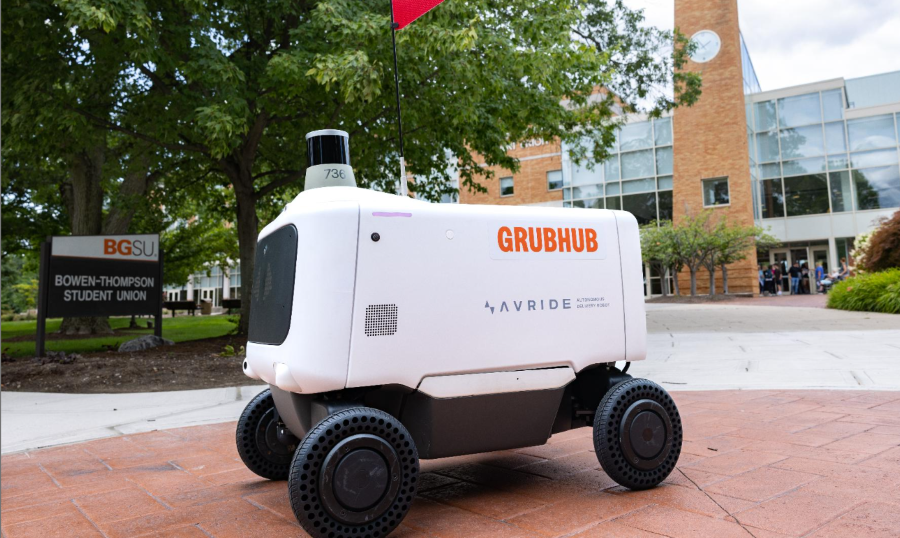
Bowling Green State University Introduces New Delivery Robot Capable of Carrying Six Large Pizzas
Bowling Green State University (BGSU) has announced the launch of a new generation of campus delivery robots this fall, which can carry six large pizzas and five 1.5-liter drinks. This upgrade effectively doubles the carrying capacity compared to previous models, allowing for more efficient delivery of multiple meals and larger orders. The introduction of these robots is significant as it enhances the dining experience for students, enabling them to order through the Grubhub platform and track their deliveries in real-time. The payment system is fully integrated, supporting various payment methods, which facilitates use by commuters, residents, and visitors alike. The new robots are set to officially launch on August 17, 2023, on the BGSU campus. There is potential for expanding the delivery range to surrounding areas in the future. With this upgrade, BGSU continues to lead in autonomous delivery services, having been the first university in Ohio to implement such technology.
Campus Delivery Robots Food Delivery Technology Robotics University Services
Purdue University's New Underwater Robot Enhances Ocean Mission Reliability
Purdue University's College of Engineering has developed a new underwater robot that is currently patent-pending. This innovative robot is designed to enhance ocean research, underwater infrastructure inspection, and search-and-rescue operations by adapting to mission requirements in real time. It can function as a drifter, a glider, or a thruster-driven vehicle as needed. The significance of this development lies in its potential to improve the reliability and efficiency of various underwater missions. By being able to switch between different operational modes, the robot can better meet the specific demands of each task, thereby increasing the effectiveness of ocean exploration and safety operations. Looking ahead, the adaptability of this underwater robot could pave the way for more advanced applications in marine technology. No further timeline was disclosed at the time of publication.
Robotics
Zhejiang University Develops Millimeter-Scale Robot Powered by Ultrasonic Waves
Researchers at Zhejiang University have created a 6mm long, 2.5mm diameter helical robot that operates without a battery or traditional motor. Instead, it is powered by an external arrangement of piezoelectric transducers that generate ultrasonic fields for propulsion and directional control. The robot can navigate through pipes, perform high-speed spins, and traverse slopes of 30° and 60°, even completing vertical movements and maneuvering through complex pathways. This breakthrough addresses a significant challenge in micro-robotics: providing power to increasingly smaller devices. The robot's design allows it to operate in confined fluidic environments, demonstrating its ability to move forward and backward within a 3mm diameter pig vein. The study, published in the journal Ultrasonics, highlights the innovative use of ultrasonic manipulation to enhance the robot's capabilities in navigating complex geometries. Future developments may focus on refining the robot's navigation in more intricate environments and optimizing the control of the ultrasonic fields. The research team has shown that by adjusting the activation combinations, frequency, and phase of the piezoelectric transducers, they can significantly enhance the flow field around the robot, indicating potential for further advancements in micro-robotic applications.
Microrobots Biomedical Engineering Ultrasonic Technology Robotics
University of Florida Launches Robotics Lab for Industrialized Construction Initiatives
The University of Florida (UF) has inaugurated a new robotics lab focused on industrialized construction, supported by a $1 million donation from Autodesk. This initiative aims to tackle Florida's housing shortage and the anticipated retirement wave in the construction workforce. The lab will enhance the university's Industrialized Construction Engineering (ICon) degree program, which is set to welcome its first cohort this fall. This lab is significant as it addresses critical issues in the construction industry, including worker safety and operational efficiency. By utilizing advanced manufacturing principles, the program emphasizes a shift from traditional construction methods to more precise, technology-driven processes. The integration of digital workflows, including BIM and AI, alongside hands-on experience with a COBOD BOD3 3D concrete printer, positions UF at the forefront of modern construction education. Looking ahead, the lab will provide essential resources for students and researchers to explore automated construction methods. The collaboration with Autodesk will facilitate the use of cutting-edge computational tools, enhancing the educational experience. No further timeline was disclosed at the time of publication.
Academia / Research Construction News autodesk STEM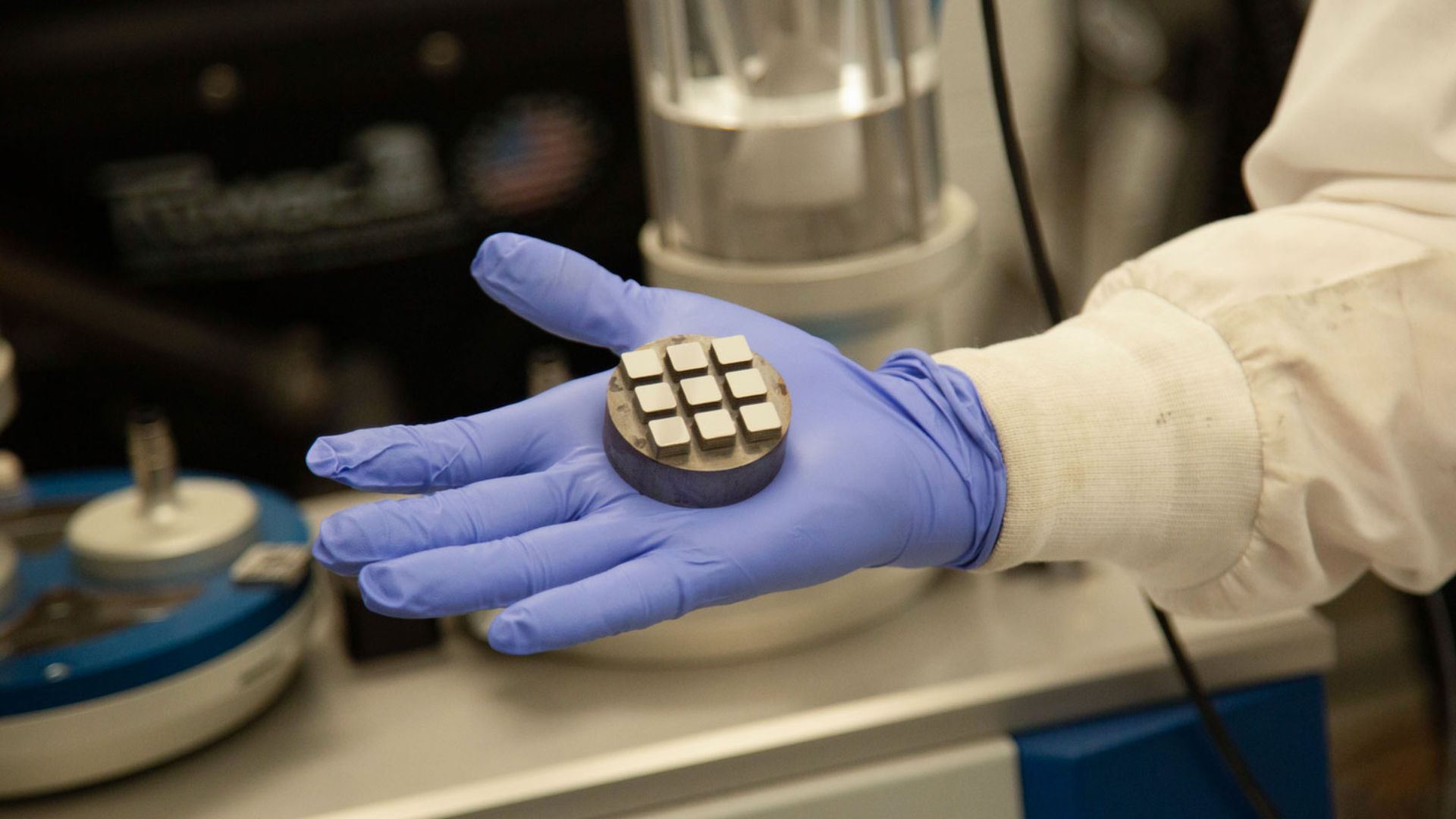
University of Toronto Engineers Develop Six New Metal Alloys for Extreme Environments
Researchers at the University of Toronto Engineering have created six innovative metal alloys using an AI-driven discovery platform. These alloys are designed to enhance the durability of components in jet engines and nuclear reactors, capable of withstanding temperatures exceeding 1,832°F. The AI-assisted approach significantly accelerates the identification of high-performance materials, demonstrating the potential for rapid advancements in material science. The significance of this development lies in the growing demand for materials that can endure extreme temperature and pressure fluctuations, which are common in applications like jet engines and nuclear power plants. Yu Zou, the project leader, emphasized the need for materials that can be produced through 3D metal printing, allowing for the creation of complex components that traditional manufacturing methods cannot achieve. Looking ahead, the researchers aim to further refine their AI-driven system to explore additional material compositions. No further timeline was disclosed at the time of publication, but the initial success in identifying six new alloy formulations suggests a promising future for advanced materials in extreme environments.
AI and Robotics Energy Innovation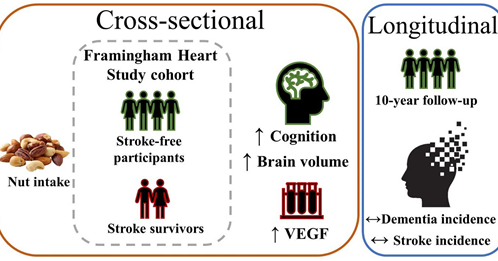
Monash University Study Links Higher Nut Consumption to Better Cognitive Function
Researchers from Monash University published a study examining the impact of nut consumption on cognitive function and brain health. Utilizing data from the Framingham Heart Study, they analyzed participants with and without stroke, focusing on average nut intake and its correlation with cognitive test scores, brain volume measured by MRI, and protective blood components like BDNF and VEGF. The analysis of 1,742 participants without stroke revealed that higher nut intake (ranging from 0 to 94.3g per day) was associated with better overall cognitive function scores after adjusting for factors like age, gender, and obesity. Notably, this trend was particularly evident in groups with poorer lifestyle habits, such as low diet quality and lack of exercise. Among 28 stroke survivors, those with higher nut consumption exhibited elevated levels of VEGF, a component that aids in creating new blood vessels and protecting brain tissue. However, the long-term study tracking participants over ten years found no significant link between nut intake and the risk of new strokes or dementia onset.
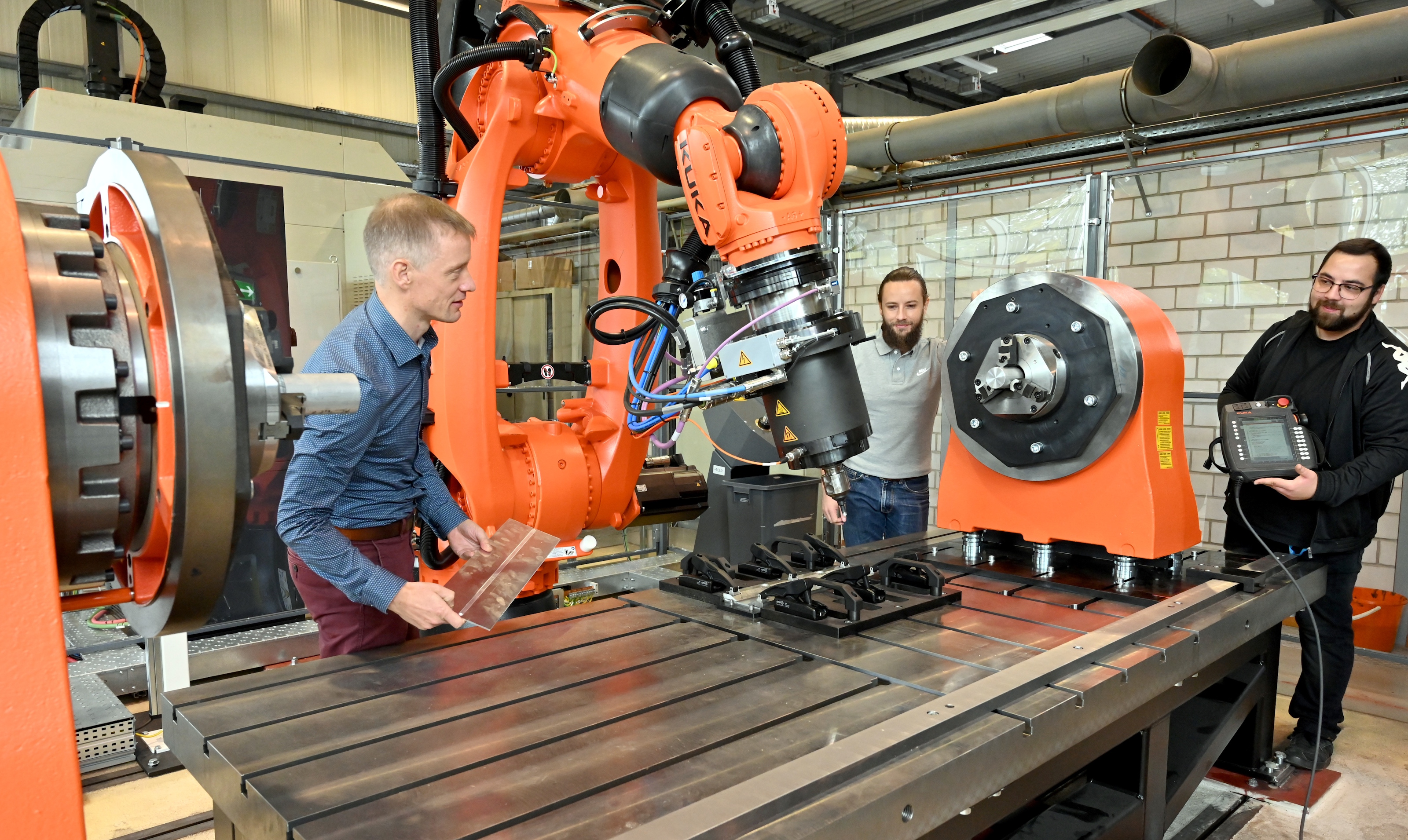
University of Applied Sciences Magdeburg-Stendal and KUKA Systems AWS Launch FSW Research Platform
The University of Applied Sciences in Magdeburg-Stendal, in collaboration with KUKA Systems AWS, has introduced a new research cell dedicated to friction stir welding (FSW). This initiative aims to enhance the development and testing of innovative manufacturing processes, leveraging advanced robotics and digital technologies. The centerpiece of this research platform is the KR FORTEC ultra MT, engineered specifically for high-load FSW and machining tasks. This integration of industrial robotics with scientific research is expected to streamline the transition of new applications from the development phase to full-scale production. Looking ahead, the collaboration between the University of Applied Sciences and KUKA Systems AWS signifies a significant step in advancing manufacturing technologies. No further timeline was disclosed at the time of publication.

GKN Aerospace Initiates $16 Million Expansion in New Hampshire to Boost Engine Component Production
GKN Aerospace has commenced a $16 million expansion of its facility in North Charlestown, New Hampshire, to enhance production capacity for aero-engine components. The expansion will add approximately 57,000 square feet, increasing the facility's total size to nearly 97,000 square feet, as reported by GKN Aerospace. This expansion is significant as it aims to meet the rising demand from engine customers, according to Joakim Andersson, president of Engines at GKN Aerospace. The larger facility will not only support business growth and workforce expansion but will also enable a broader range of manufacturing activities, including turning operations and non-destructive testing (NDT). Looking ahead, GKN plans to introduce additional manufacturing capabilities at the expanded site, which will include a dedicated production cell for high-performance compressor blades and vanes. This initiative is expected to strengthen operational ties with GKN's Muncie, Indiana, facility and create new skilled jobs, reinforcing GKN's position in the engine component supply chain.
News
Adelaide University's CSER Group Launches Program to Upskill Educators in AI
Adelaide University's Computer Science Education Research (CSER) Group has initiated a new program aimed at enhancing teachers' understanding of Artificial Intelligence (AI). This initiative is designed to equip educators with the necessary skills to effectively integrate AI into their teaching practices. The importance of this program lies in its potential to empower teachers with knowledge about AI, which is increasingly becoming a critical component of modern education. By providing educators with the tools to understand and utilize AI, the CSER Group aims to foster a more informed and technologically adept teaching workforce. Looking ahead, it will be essential to monitor the program's impact on educators and their ability to incorporate AI into their curricula. No further timeline was disclosed at the time of publication.

North Carolina State University Develops Infrared-Powered Soft Robots for Continuous Jumping
Researchers at North Carolina State University have created innovative soft robots capable of continuous jumping when exposed to infrared light. These teardrop-shaped robots autonomously leap upward or forward without needing external mechanisms to reset after each jump, thanks to a unique design that harnesses energy from infrared illumination. This advancement is significant as it allows soft robots to perform repetitive movements without motors or complex controls, making them suitable for various challenging terrains. The robots utilize a photothermally responsive liquid crystal elastomer ring and a rigid V-shaped tail, enabling them to store and release energy efficiently during jumps. Looking ahead, the researchers have demonstrated that these soft robots can navigate diverse surfaces, including slopes and obstacles, and even operate across water-land interfaces. Future developments may focus on optimizing the robots' design for enhanced performance and exploring their applications in environments where traditional robots struggle.
AI and Robotics
Brookhaven National Laboratory and Stony Brook University Achieve Quantum Link Over 13 Miles
Researchers at Brookhaven National Laboratory and Stony Brook University have successfully demonstrated a quantum link across 13 miles in open air. This achievement marks the first of its kind in the United States and adds a wireless component to the nation’s longest quantum network, which spans 161 miles and connects eight nodes. The significance of this development lies in overcoming the limitations of fiber-optic cables, which can hinder the transmission of fragile quantum information over long distances. By utilizing laser technology to send quantum states of light through the atmosphere, the researchers have addressed the challenges posed by conventional wireless technology, which is unsuitable for preserving delicate quantum signals. Looking ahead, the integration of telescope technology and adaptive optics to counteract atmospheric turbulence is a noteworthy advancement. This innovative approach could pave the way for more robust quantum communication systems. No further timeline was disclosed at the time of publication.
Science
ePropelled Receives $60 Million U.S. Funding to Boost Drone Propulsion Manufacturing in New Hampshire
U.S. drone propulsion manufacturer ePropelled has announced a significant expansion of its manufacturing operations in New Hampshire, backed by $60 million in U.S. government funding. This initiative will increase the company's production space from 20,000 square feet to 80,000 square feet in Laconia, enhancing propulsion system production capacity by over four times. The funding, provided through the Department of War’s Industrial Base Analysis and Sustainment program, aims to strengthen the U.S. industrial base and domestic production of critical technologies. ePropelled's expansion will enable the company to meet rising demand from government programs, allied nations, and commercial drone manufacturers, reflecting a growing focus on the components within drones. The new facility will introduce automated production lines and additional engineering resources, creating jobs in New Hampshire. ePropelled's CEO, Nick Grewal, emphasized the importance of this investment for both the company and the U.S. advanced manufacturing sector, as it aims to deliver reliable propulsion systems while supporting the government's domestic manufacturing objectives. No further timeline was disclosed at the time of publication.
Drone Manufacturing Drone News Drone News Feeds News critical drone components Department of War
University of Hong Kong Develops AI Tool to Predict Heart Disease 15 Years Early
Researchers at the LKS Faculty of Medicine of the University of Hong Kong have created an AI tool called CardiOmicScore, which predicts serious cardiovascular diseases up to 15 years before symptoms appear. This innovative system utilizes data from a single blood test to assess the risk of six major cardiovascular diseases, including coronary artery disease and stroke. The significance of this development lies in its potential to identify individuals at high risk of cardiovascular diseases earlier than traditional methods. Current assessments often rely on standard clinical measurements, which may overlook early biological changes. CardiOmicScore aims to provide a more accurate and timely evaluation of cardiovascular health, addressing a critical gap in preventive care. Looking ahead, the research team emphasizes the importance of further validation and potential clinical applications of CardiOmicScore. As cardiovascular diseases remain the leading cause of death globally, advancements in predictive tools like this could significantly enhance early intervention strategies. No further timeline was disclosed at the time of publication.
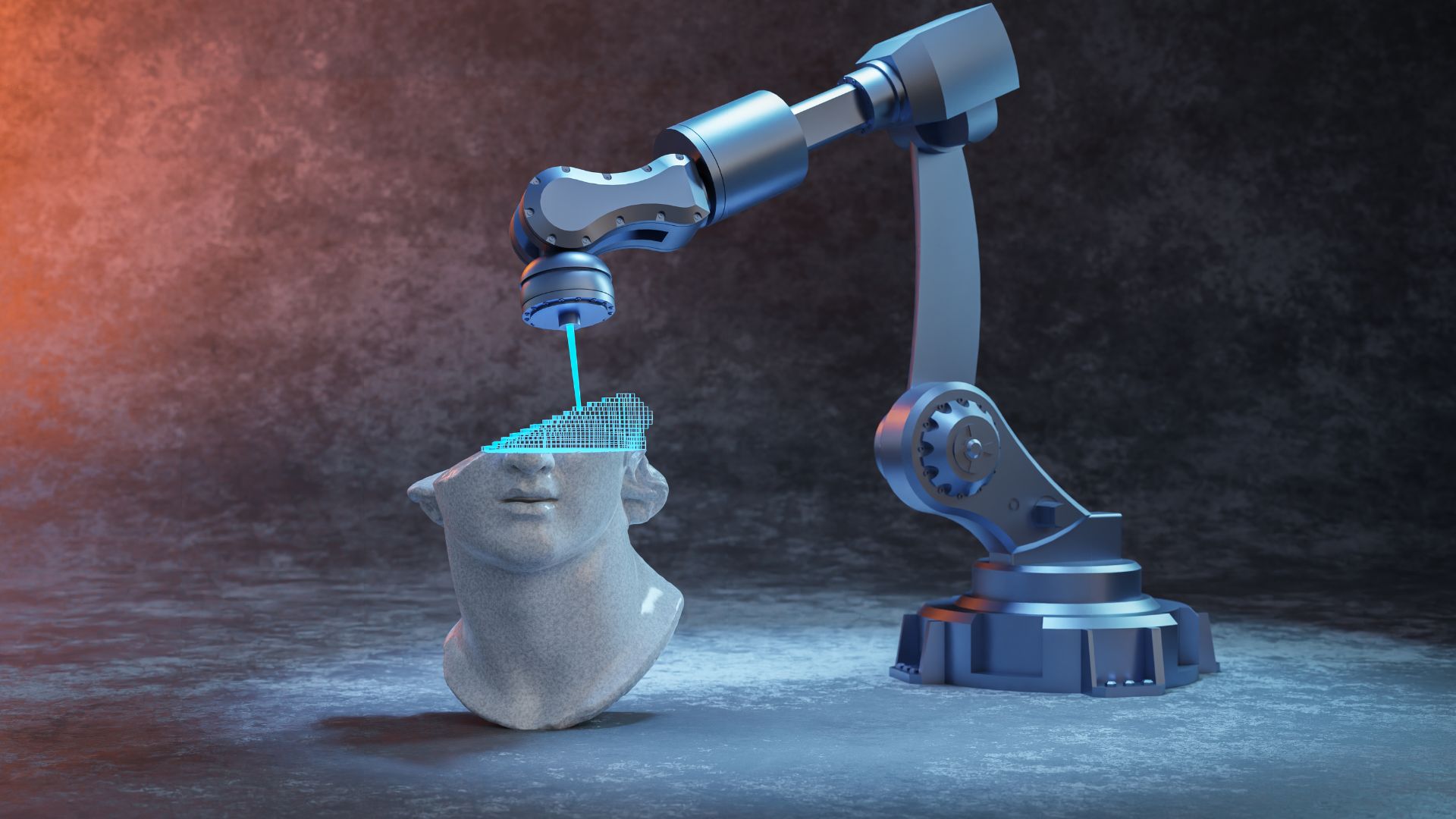
University of Utah Develops Fast Holographic 3D Printing for Seamless Microstructures
Researchers at the University of Utah have introduced a novel 3D printing technique that creates solid microstructures in approximately 20 seconds using a single laser exposure. This method eliminates the weak seams typical of traditional layer-by-layer printing, enhancing the strength and reliability of microscale devices. The innovative process employs a nanoscale mask to reshape laser light into a holographic pattern, allowing for the simultaneous hardening of the printing material, which significantly reduces manufacturing time compared to existing laser-based techniques. The significance of this development lies in its potential applications in microfluidic devices and advanced manufacturing. By curing entire structures in one exposure, the new method addresses the common issue of microscopic seams that can compromise the integrity of printed parts. The researchers demonstrated the ability to produce multiple parts continuously, akin to a conveyor-belt process, which could revolutionize the production of complex microscale components. Looking ahead, the research team aims to extend this technology to achieve true three-dimensional printing while maintaining the speed and accuracy of the current method. No further timeline was disclosed at the time of publication, but the implications for industries requiring precise microscale channels are substantial, suggesting a promising future for this innovative approach.
Innovation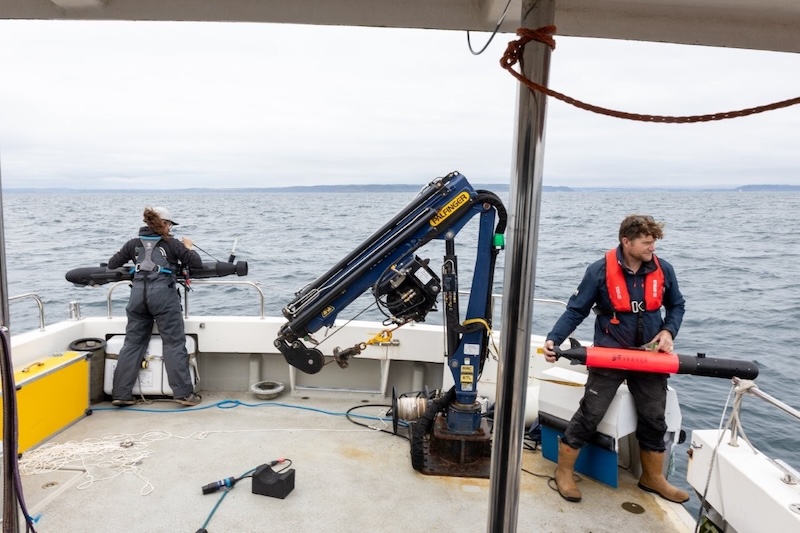
University of Plymouth Launches £1.2 Million Multi-Robot Demonstration at Smart Sound Connect
The University of Plymouth has successfully completed a significant underwater trials demonstration at the Smart Sound Connect Subsurface (SSCS) project, showcasing multi-marine robotic platforms. This event featured collaboration among ACUA Ocean, ecoSUB Robotics, Seaber, and Sonardyne, highlighting the capabilities of the £1.2 million initiative aimed at enhancing marine autonomy and ocean sensing in the UK. The demonstration attracted stakeholders from various sectors, emphasizing the project's role in advancing technology in marine environments. The SSCS project enhances the existing Smart Sound Plymouth testbed by integrating a seabed node array for precise positioning and communication, alongside intelligent sensors. This infrastructure supports advanced testing capabilities for autonomous vehicles, reinforcing Plymouth's status as a leading hub for marine autonomy. The successful demonstration underscores the importance of collaborative efforts in developing ocean observing technologies that can provide actionable intelligence for climate resilience and preparedness. Looking ahead, the SSCS project aims to further develop ocean observing technologies that can transform prototypes into reliable data streams. No further timeline was disclosed at the time of publication, but the ongoing collaboration is expected to drive innovation and strengthen industry partnerships in marine autonomy and sensing technologies.
Marine Research ACUA Ocean automation autonomous underwater vehicles auv
Carnegie Mellon University Selects OptiTrack as Motion Capture Technology Partner for New Robotics Innovation Center
Partnership equips a world-class robotics program with precision motion capture solutions and cutting-edge active tracking technology across two state-of-the-art research facilities
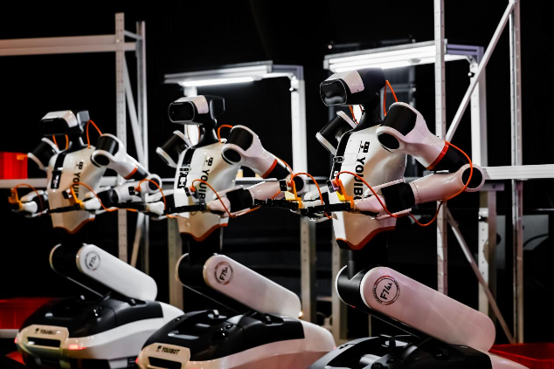
"Brand new humanoid robots starting at 299,000! Xi'an Jiaotong University PhD team establishes company and secures 4,000 intention orders!"
A team of PhD graduates from Xi'an Jiaotong University has launched a new company focused on developing humanoid robots, with prices starting at 299,000 yuan. The initiative has garnered significant interest, as the company has already received 4,000 intention orders for its innovative products. This development marks a significant step in the field of robotics, showcasing the team's commitment to advancing technology and meeting market demand. The robots are expected to cater to various applications, reflecting the growing trend of integrating robotics into everyday life.
Robotics Automation AI
Peking University team develops new generation data acquisition device using EMG wristband, backed by Gong Hongjia, Lu Qi, and overseas
The SnowOrigin team, composed of researchers from Peking University, has secured investments from notable figures including Gong Hongjia and Lu Qi, as well as overseas institutions. This innovative team focuses on surface electromyography (sEMG) technology to develop a new generation of human control data collection solutions, utilizing wearable devices like neural wristbands and panoramic headsets, along with their proprietary Neural Math Hybrid (NMH) AI decoding model. As the fields of embodied intelligence and Physical AI rapidly evolve, there is an increasing demand for high-quality human control data. Current mainstream data collection methods, such as first-person video and motion capture, often fail to capture critical information about the intent and nuances of human actions. SnowOrigin's wearable devices aim to bridge this gap by integrating muscle and neural signal decoding technologies to create structured data that includes posture, force, and micro-control, thereby supporting the training of robots and world models. Founder Qin Xu emphasized that unlike traditional lab-based motion capture systems, their wearable solutions are cost-effective, lightweight, and suitable for long-term use without disrupting daily activities. The team is advancing two commercialization pathways: enhancing human-robot interaction for AI devices and building a foundational data infrastructure for Physical AI applications. With a strong academic background and a commitment to innovation, SnowOrigin is positioned to lead in the emerging market for embodied data collection, having already made significant strides in real-time decoding of sEMG signals into actionable insights. As the demand for comprehensive interaction data grows, the team is poised to capitalize on this shift in paradigm.
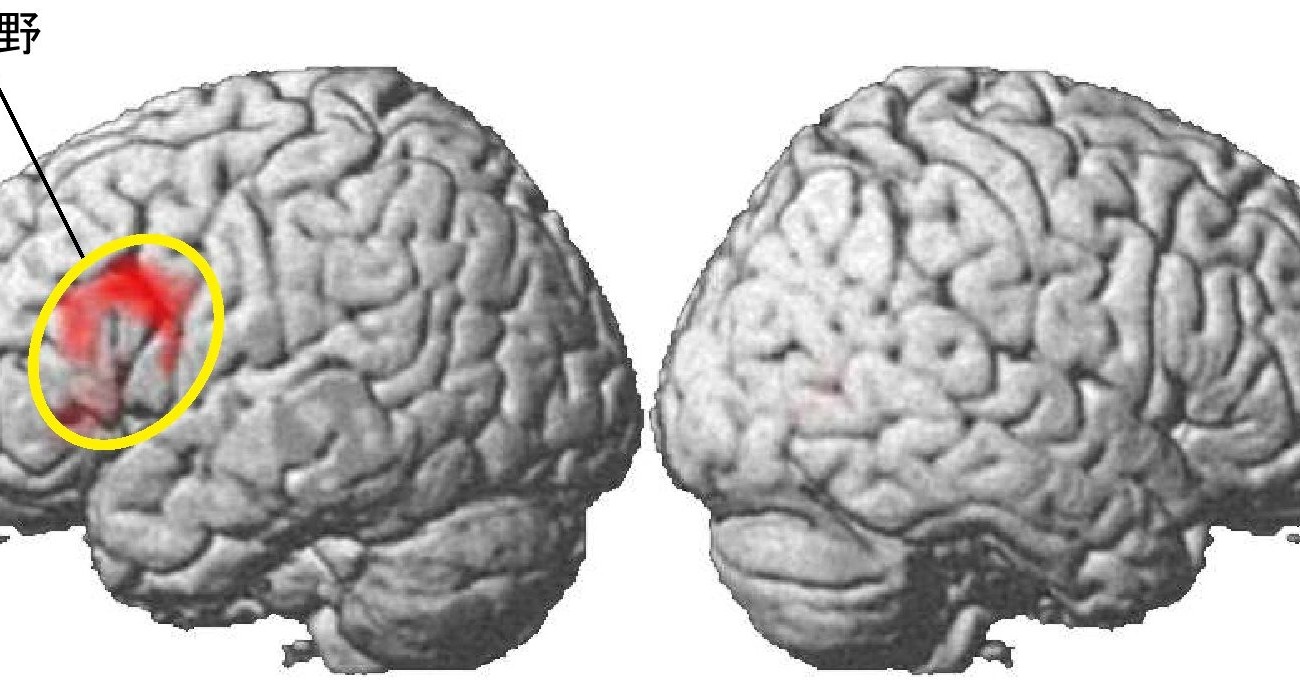
Study shows differences in brain activity after reading print vs. digital manga, confirmed by fMRI at Tokyo University.
A research team led by Professor Kuniyoshi Sakai from the University of Tokyo's Graduate School of Arts and Sciences has published a study in PLOS One, in collaboration with Coremix, demonstrating that reading manga on paper promotes more efficient brain activity compared to reading on digital devices. The findings suggest that traditional paper formats may enhance core and supportive integration processes in the brain, highlighting the potential cognitive benefits of physical reading materials in an increasingly digital world.

Beihang University Unveils New Bioinspired Soft Robot for Medical Applications
A collaborative research team from Beihang University in China and Koç University in Turkey has created a groundbreaking millimeter-scale soft robot that mimics the movement of snails. This innovative robot employs a unique fluid transport mechanism, enabling it to traverse slippery and intricate surfaces with ease. The development holds significant promise for advancing the design of future medical micro-robots, potentially enhancing their functionality in various applications. The team's findings were recently published in the esteemed journal 'Science Advances', highlighting the potential impact of this technology in the field of robotics and medicine.
Soft Robotics Medical Robotics Bioinspired Technology Fluid Transport Systems
Increased Investment in 'Dexterous Manipulation': Shunheng Intelligent Completes Three Rounds of Financing Led by Professor Fang Bin from Beijing University of Posts and Telecommunications
Shunheng Intelligent has announced the successful completion of three rounds of financing aimed at advancing its research in robotics, specifically in the area of 'dexterous manipulation.' This funding will support the development of tactile perception technology and intelligent algorithms, with the goal of enhancing the practical applications of robotics across various industries. The financing comes at a crucial time as the demand for sophisticated robotic solutions continues to grow, highlighting the company's commitment to bridging the gap between advanced robotic capabilities and real-world use.
Dexterous Manipulation Robotics AI Tactile Perception Industrial Automation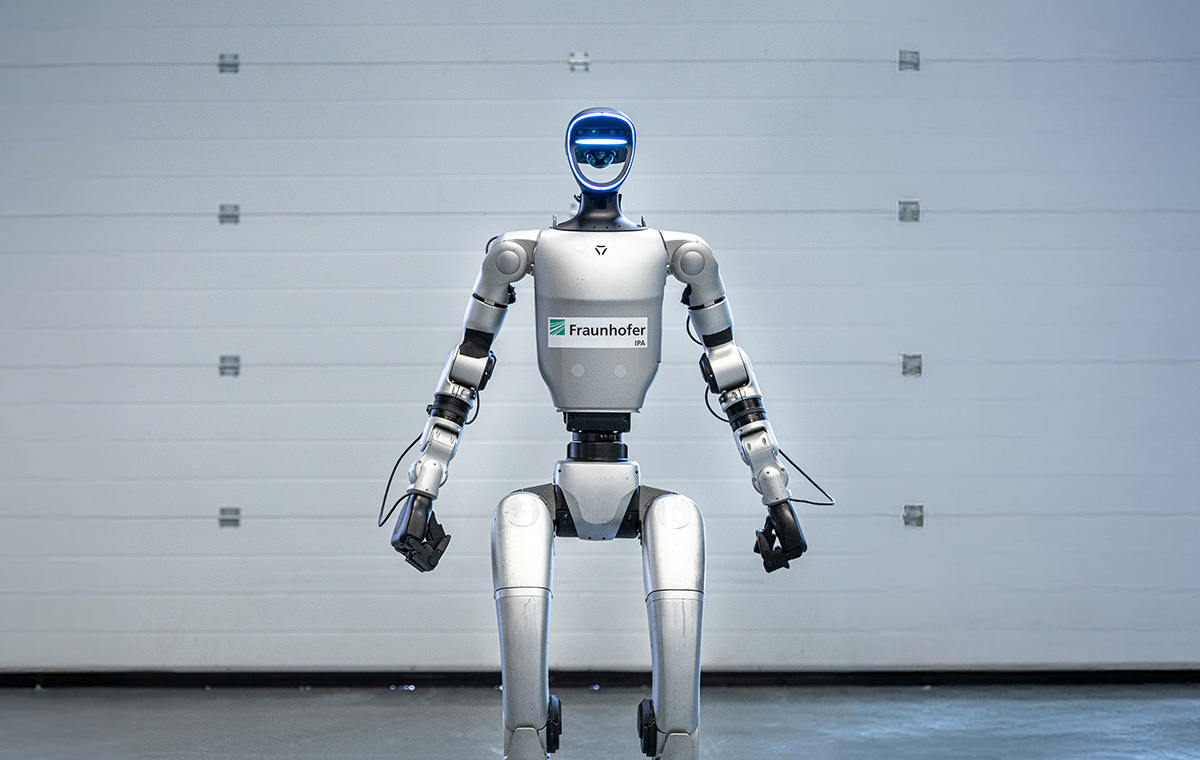
Fraunhofer IPA offers new test benchmark for humanoids
Fraunhofer IPA has introduced a new benchmark aimed at evaluating humanoid robots for industrial applications. This initiative addresses the need for standardized criteria that can be utilized by third-party analysts to assess the performance and suitability of these robots in various industrial settings. The development of this benchmark reflects the growing demand for reliable and efficient humanoid robots in the workforce, as industries seek to enhance productivity and automate processes. By providing a structured framework for evaluation, Fraunhofer IPA aims to facilitate the integration of humanoid robots into industrial environments, ensuring they meet specific operational requirements.
Actuators / Motors / Servos Arms / Manipulators Batteries / Power Supplies Cameras / Imaging / Vision Controllers End Effectors / Grippers
New HUGIN AUV for the University of Gothenburg to Replace “Ran”
Researchers at the University of Gothenburg are set to enhance their underwater exploration capabilities with the acquisition of a HUGIN underwater vehicle, which boasts a range of 3,000 meters. This purchase comes in the wake of the loss of the previous vehicle, “Ran,” which was lost beneath an Antarctic glacier in 2024. The funding for this new equipment has been made possible through a significant donation from Voice of the Ocean, supplemented by insurance funds. With the contract for the HUGIN vehicle currently being finalized, the university is now in a position to plan new expeditions aimed at advancing their research efforts in underwater environments.
kongsberg discovery hugin auv university of gothenburg “ran”Robotics needs a service framework.
RSF defines a common language for robot service capability, lifecycle operations, certification pathways, and service-provider networks.
Join the RobotToday community on LinkedIn
Daily robotics news, in-depth analysis, conference highlights, and discussions with professionals worldwide.







