

Industry Briefing
A single destination for timely, editor-curated robotics news from around the world.
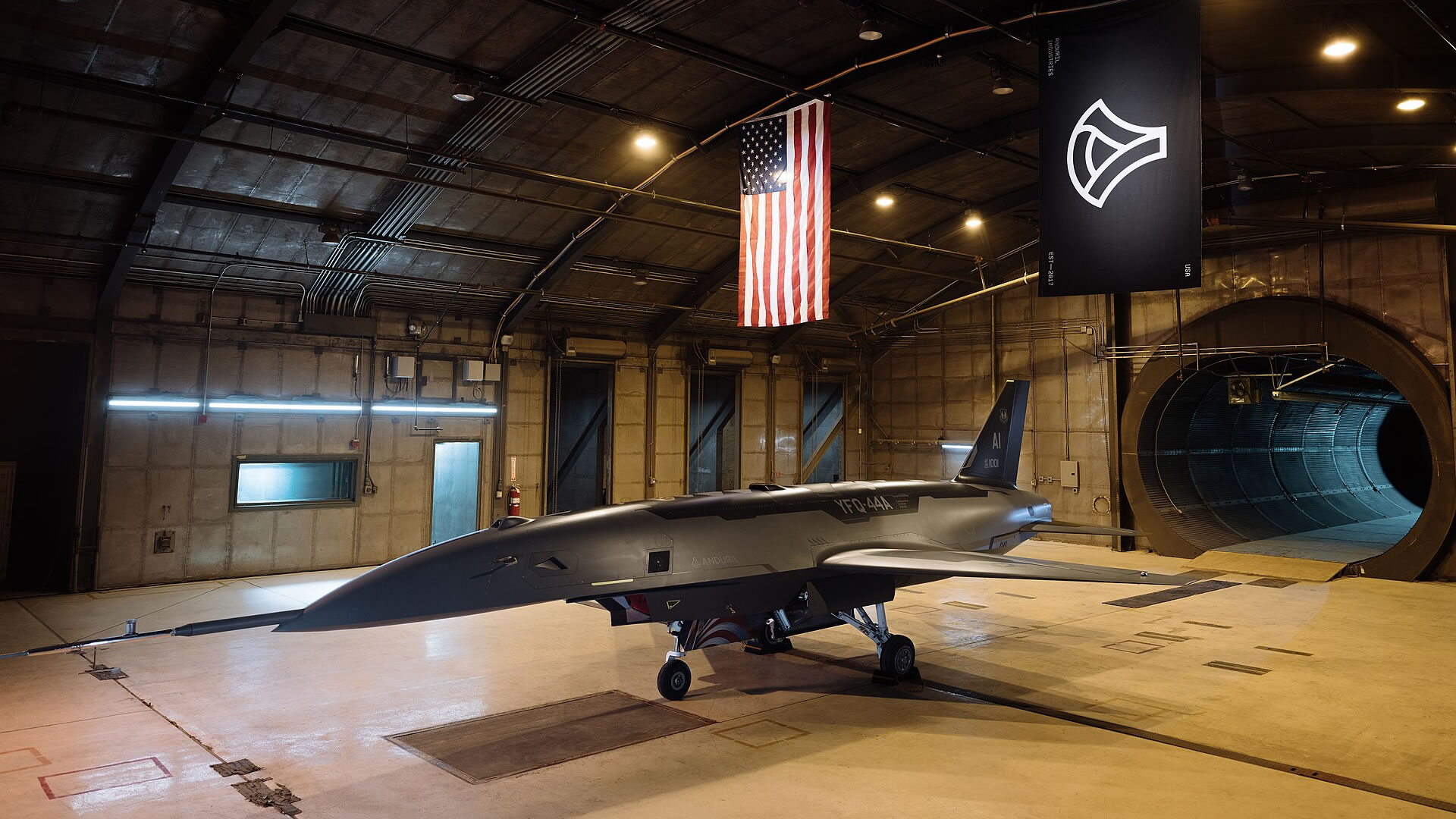
US Air Force Receives First Collaborative Combat Aircraft for Autonomous Warfare Trials
The United States Air Force (USAF) has received its first two Collaborative Combat Aircraft (CCA) designs, the YFQ-44A 'Fury' and YFQ-42A 'Vengeance', at Creech Air Force Base, Nevada. These aircraft will be tested for their operational capabilities alongside crewed fighters in contested airspace. The introduction of CCAs is significant as they are designed to be semi-autonomous and provide a cost-effective solution for missions in high-risk environments. They can carry payloads for offensive and defensive actions, allowing crewed aircraft like the F-35 to operate more safely while coordinating with the CCAs. Moving forward, the USAF will focus on operational experimentation with the CCAs, determining logistics such as the number of personnel required for operation and the optimal handling of multiple CCAs by a single pilot. No further timeline was disclosed at the time of publication.
AI and Robotics Military
China's 40,000-ton Type 076 Amphibious Assault Ship Completes Final Trials with GJ-21 Drone
China's new Type 076 amphibious assault ship, named Sichuan, has entered its final sea trials alongside sightings of the GJ-21 stealth drone. The ship, displacing approximately 40,000 tonnes, is designed to transport troops, landing craft, armored vehicles, and helicopters for amphibious operations. Notably, Sichuan features an electromagnetic aircraft-launch system, allowing it to potentially launch fixed-wing aircraft, distinguishing it as a 'drone carrier'. The significance of the Sichuan lies in its advanced capabilities, which may enhance China's amphibious assault strategies. Unlike traditional amphibious ships that typically operate helicopters, Sichuan's catapult system could enable the deployment of larger unmanned combat aircraft like the GJ-21. This shift in design reflects a strategic focus on integrating advanced drone technology into naval operations. Looking ahead, the integration of the Sichuan with China's existing naval assets, including the Liaoning aircraft carrier, suggests a potential evolution in naval task group operations. While the exact implications remain speculative, the combination of conventional fighters and drone capabilities could redefine China's maritime military strategy. No further timeline was disclosed at the time of publication.
Innovation Military
JAKA π Completes Trials Ahead of 2026 World Humanoid Robot Games
The JAKA π humanoid robot, developed by JAKA Robotics, has successfully completed trials for the upcoming 2026 World Humanoid Robot Games. This lightweight robot showcased its capabilities in various events, including 100m sprints and martial arts, during the recent competition held in Beijing. Its design focuses on dynamic balance control and human-robot interaction, making it a notable entry in the field of humanoid robotics. The significance of JAKA π lies in its ability to bridge advanced technology with practical applications in everyday life. With a focus on sectors such as education, commercial services, and entertainment, JAKA π aims to make robotics more accessible. The robot's performance at the World Humanoid Robot Games reflects ongoing efforts to innovate and expand the boundaries of humanoid robotics. Looking ahead, JAKA π is set to officially launch in June 2026, following a series of successful demonstrations and trials. The robot's rapid development and adaptability in various environments highlight its potential for widespread use in diverse applications. No further timeline was disclosed at the time of publication.
Humanoid Robots Robotics Technology AI Emergency Response Education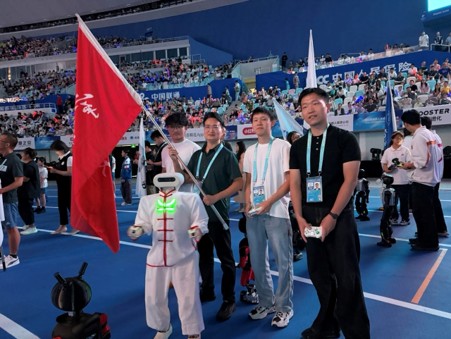
JAKA π Robot Successfully Completes Trials Ahead of 2026 World Humanoid Robot Games
The JAKA π robot, developed by JAKA Robotics, has successfully completed its first international humanoid competition at the World Humanoid Robot Games in Beijing. This lightweight humanoid robot, which debuted just two months ago, showcased its capabilities in various events, including 100m sprints and emergency rescue scenarios, demonstrating its adaptability to real-world applications. The significance of JAKA π's participation lies in its focus on expanding the boundaries of humanoid robotics beyond traditional athletic performance. JAKA Robotics aims to make robotic technology accessible for diverse applications, including education, commercial services, and entertainment, thereby fostering innovation and talent development in the field. Looking ahead, JAKA π is set for an official launch in June 2026, following a series of successful trials and public demonstrations. The company is committed to refining its technology and expanding its impact on various industries, emphasizing the importance of making advanced robotics more approachable for students and professionals alike. No further timeline was disclosed at the time of publication.
Humanoid Robots Robotics Technology AI Education Robotics Emergency Services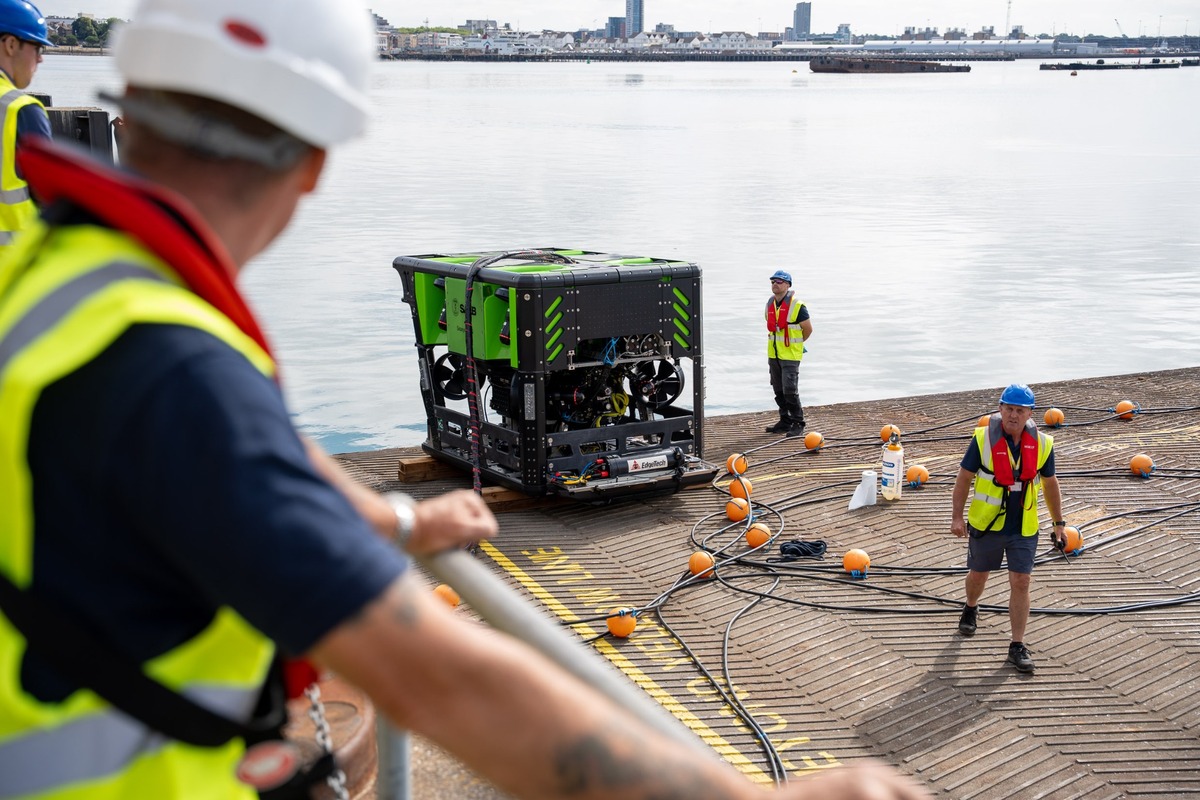
Saab's Seaeye SR20 Successfully Completes Inland Water Trials for ROV Development
Saab UK’s Seaeye SR20, an all-electric work-class remotely operated vehicle (ROV), has successfully completed a series of inland water trials. These trials were crucial for verifying and validating the vehicle's performance against its specifications, demonstrating its manoeuvrability and stable operation. The completion of these trials is significant as it marks a key milestone in the SR20's development, which is aimed at enhancing subsea operations. The vehicle's electric architecture and integrated control systems were put to the test, confirming its capability to meet various operational requirements. Looking ahead, the SR20 program will advance to the next phase of testing following these successful trials. This progression is essential for Saab as it works towards the operational deployment of the SR20, which is expected to meet the evolving needs of the subsea industry.
saab's seaeye sr20 rov inland water trials
ARX Robotics Demonstrates GEREON Uncrewed Ground Vehicles in US Army Trials
ARX Robotics UK has successfully showcased the capabilities of its GEREON uncrewed ground vehicles (UGVs) during Project Convergence-Capstone 6 (PC-C6). This event marks the largest experiment in the US Army's initiative to enhance land warfare capabilities. The successful demonstration is significant as it highlights the operational potential of GEREON UGVs in modern military applications. This aligns with the US Army's ongoing efforts to integrate advanced technologies into their land warfare strategies. Looking ahead, further developments in the integration of autonomous systems into military operations are expected. No further timeline was disclosed at the time of publication.
News
AlphaGrid Utilizes AI and Organoids to Predict Cancer Drug Responses Pre-Trials
AlphaGrid has developed a method that employs artificial intelligence and patient-derived organoids to create digital twins of tumors. This innovative approach allows for the testing of drug responses prior to the commencement of clinical trials. This advancement is significant as it could potentially streamline the drug development process, reducing the time and costs associated with clinical trials. By predicting how tumors will respond to treatments in advance, AlphaGrid aims to enhance the efficacy of cancer therapies and improve patient outcomes. Looking ahead, the impact of AlphaGrid's technology on the pharmaceutical industry will be crucial to monitor. The ability to accurately predict drug responses could revolutionize how cancer treatments are developed and personalized for patients. No further timeline was disclosed at the time of publication.
Startups AI Drug Discovery biotechnology healthtech oncology Startup spotlight
Japan's ATLA Selects Terra Drone Interceptor for 2026 Counter-UAV Trials
Japan's Acquisition, Technology & Logistics Agency (ATLA) has chosen Terra Drone's interceptor drone as a test article for its Interceptor Drone Rapid Acquisition Programme. This selection marks a significant step in Japan's efforts to enhance its counter-UAV capabilities. The decision to utilize Terra Drone's locally developed technology underscores the importance of domestic innovation in addressing emerging threats in aerial security. The trials scheduled for 2026 will evaluate the effectiveness of the interceptor drone in real-world scenarios, contributing to Japan's defense strategy. As the trials approach, stakeholders will be keen to observe the performance of the Terra Drone interceptor and its potential integration into Japan's defense systems. No further timeline was disclosed at the time of publication.
News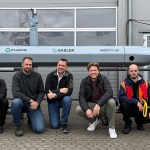
Ranger Autonomous Vessel Successfully Completes Sea Trials from Submarine Torpedo Tube
An innovative autonomous surface vessel, the Ranger, has successfully completed its Sea Acceptance Test (SAT) in Germany, demonstrating its ability to be launched from a submarine's torpedo tube. Developed by Gabler and Flanq, the Ranger is designed for intelligence, surveillance, and reconnaissance missions with minimal human intervention. The successful completion of the SAT marks a significant milestone for the program, confirming the vessel's seaworthiness and the integration of its core technologies. The Ranger, measuring approximately 15 feet long, features a folding keel and collapsible sensor mast, allowing it to fit within a standard 21-inch torpedo tube. Looking ahead, Gabler will manage the commercialization and integration of the Ranger with submarines, while Flanq will provide advanced maritime technologies and mission software. The companies are also developing a one-way attack variant called Strike, expanding the platform's capabilities for future naval operations.
Military
Exploring the Business Advantages of Autonomous Robots in the Industrial Sector
The rapid advancement of physical artificial intelligence is leading to the increased use of autonomous and semi-autonomous robots across various sectors, including warehousing, logistics, mining, construction, and agriculture. As manufacturers prepare to launch humanoid robots, the industrial sector is particularly poised for transformation due to a significant shortage of skilled labor, with projections indicating a rise in vacant manufacturing positions in the U.S. from 440,000 to 510,000 in early 2026 to between 1.5 million and 2 million by the early 2030s. This labor shortage is driving industrial companies to adopt autonomous robots to enhance productivity and manage operational costs. The shift towards automation is expected to change the financial landscape of these businesses, converting operating expenses into capital expenditures and increasing their asset base. This could lead to a credit and financing boom as companies become more attractive to lenders, creating a feedback loop that encourages further investment in robotics. Looking ahead, industrial companies must navigate several challenges, including determining the ownership models for robots, assessing their lifespan, and managing obsolescence risks. Key considerations will include whether to purchase or lease robots, the potential for secondary resale value, and the need for maintenance and upgrade commitments to ensure long-term viability in a rapidly evolving technological landscape.

SWIFT Initiates Blockchain Ledger Trials with Citi and MUFG for 24-Hour Payments
SWIFT has commenced trials of a blockchain digital ledger designed for continuous cross-border transfers between banks. This initiative aims to enhance transaction speed and reduce fees, potentially facilitating the broader adoption of tokenization in the financial sector. The significance of this development lies in SWIFT's goal to enable real-time transfers, even during bank branch closures. By leveraging blockchain technology, the financial messaging network seeks to address the growing demand for faster and more cost-effective payment solutions in an increasingly digital economy. Looking ahead, the success of these trials could pave the way for more widespread implementation of blockchain in cross-border payments. No further timeline was disclosed at the time of publication.

Nippon Steel Kowa Real Estate Begins Domestic Trials of Loki Cleaning Robot with JDSC and SoftBank Robotics
Nippon Steel Kowa Real Estate and JDSC have announced the start of domestic trials for the Loki cleaning robot, developed by Loki Robotics in Switzerland. This initiative aims to innovate building maintenance operations in next-generation smart buildings, addressing the growing demand for automation in high-workload areas like restroom cleaning due to a shortage of maintenance personnel. The collaboration, formalized through a memorandum of understanding among Nippon Steel Kowa Real Estate, JDSC, and SoftBank Robotics, seeks to validate the cleaning quality and environmental compatibility of Loki within Japan's office buildings. The first phase of trials is set to begin in August 2026, starting with the introduction of Loki in Nippon Steel Kowa's own office building to assess its operational compatibility and remote operation capabilities. Following the initial trials, the three companies will develop a phased operational design tailored to Japan's building environments and cleaning operations. They will also explore the potential for expanding Loki's deployment to other properties managed by Nippon Steel Kowa Real Estate based on insights gained from the trials. This initiative represents a significant step toward establishing a practical model for cleaning robots in Japan's building maintenance sector.
U.S. Army to Evaluate BLADE's Hunter WOLF Robotic Vehicle with 82nd Airborne Division
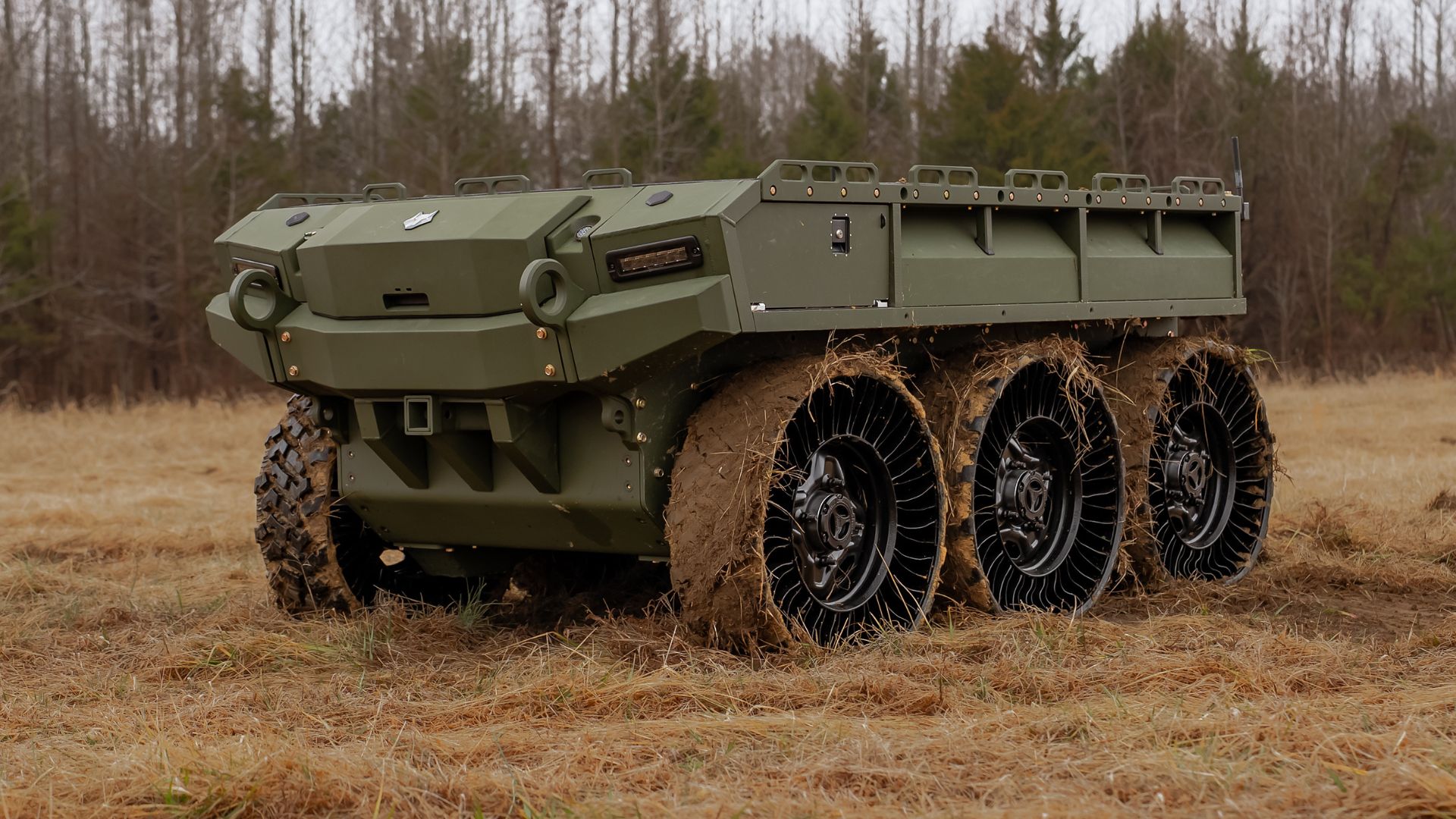
The U.S. Army is set to conduct field evaluations of BLADE's Hunter WOLF robotic vehicle with the 82nd Airborne Division on August 20 at Fort Polk, Louisiana. This unmanned ground vehicle is designed to assist in support tasks during military operations, boasting a payload capacity of 2,800 pounds to facilitate the movement of equipment and supplies. The significance of this evaluation lies in its potential to enhance operational efficiency for soldiers by reducing their physical burden during demanding missions. Hunter WOLF's capabilities, including casualty evacuation and mobile power support, allow troops to focus more on combat tasks rather than logistics, addressing the needs of light infantry units. Looking ahead, the evaluation will provide 82nd Airborne soldiers with hands-on experience, assessing the vehicle's adaptability in various mission scenarios. BLADE plans to configure Hunter WOLF for roles such as tactical communications and equipment transport, with the aim of validating its flexibility and effectiveness in real-world operations. No further timeline was disclosed at the time of publication.
AI and Robotics Military
Russia Trials PLOT-40 Floating Defense Platform Against Drone Threats to Maritime Bases
Russia is testing the PLOT-40 floating defense platform to safeguard its ports from Ukrainian drone attacks. This platform, resembling a small pillbox, is equipped with an automatic cannon and is a response to the increasing sophistication of unmanned systems in maritime warfare. The significance of the PLOT-40 lies in its potential to enhance the defense of Russian maritime assets, particularly following recent drone attacks on the Black Sea port of Novorossiysk. As Ukraine intensifies its drone operations, the need for innovative defense solutions becomes critical for protecting extensive maritime facilities. Looking ahead, the PLOT-40 represents a shift towards improvised defense mechanisms in counter-drone warfare. Its simple design may allow for cost-effective deployment, but its lack of mobility and armor raises questions about its effectiveness against larger drones. No further timeline was disclosed at the time of publication.
Military
X-62A Test Jet Uses AI to Autonomously Intercept T-38 During Recent Trials
The U.S. Air Force's X-62A test jet successfully utilized its AI-driven capabilities to autonomously identify and intercept a T-38 aircraft in recent trials. This achievement marks a significant step towards enhancing the Air Force's Collaborative Combat Air (CCA) drone program, showcasing the potential for autonomous air-to-air combat. The importance of this development lies in its demonstration of advanced autonomous capabilities, which the Air Force aims to integrate into its operational fleet. The X-62A, modified from a two-seat F-16D Viper, executed 27 AI-controlled intercepts across eight flights, leveraging data from the Lockheed Martin Infrared Search and Track Legion Pod. Looking ahead, the Air Force's ongoing efforts to refine autonomous combat systems will be crucial. The successful execution of real-time intercepts indicates progress in overcoming situational awareness challenges faced by autonomous platforms. No further timeline was disclosed at the time of publication.
Air Air Forces Collaborative Combat Aircraft Drones News & Features Testbeds
UK Civil Aviation Authority's New Vision for BVLOS Drone Operations in Airspace
The UK Civil Aviation Authority has unveiled its Airspace Architecture Concept of Operations, aiming to transition Beyond Visual Line of Sight (BVLOS) drone operations from isolated trials to widespread commercial use across UK airspace. Published on July 30, 2026, the document outlines how drones and other airspace users can operate routinely at scale, emphasizing the need for integrated commercial operations rather than bespoke approvals. This initiative is part of the CAA’s Airspace Modernisation Strategy and Future of Flight programme, which recognizes the current limitations of BVLOS flights that rely on dedicated airspace arrangements. The Concept of Operations builds on the UK BVLOS Roadmap and introduces five key technology and process pillars, including electronic detection systems, conflict-avoidance systems, reliable communication links, digital traffic management services, and information sharing among operators and air traffic services. The CAA envisions a future where drone technology can deliver significant economic and societal benefits, with target use cases including faster inspections of critical infrastructure and support for emergency services. As technology evolves, the CAA expects the document to adapt, paving the way for a more integrated airspace system that maintains safety standards while fostering innovation. No further timeline was disclosed at the time of publication.
Drone News Drone News Feeds News aerial infrastructure inspection Airspace Architecture Concept of Operations Airspace Modernisation Strategy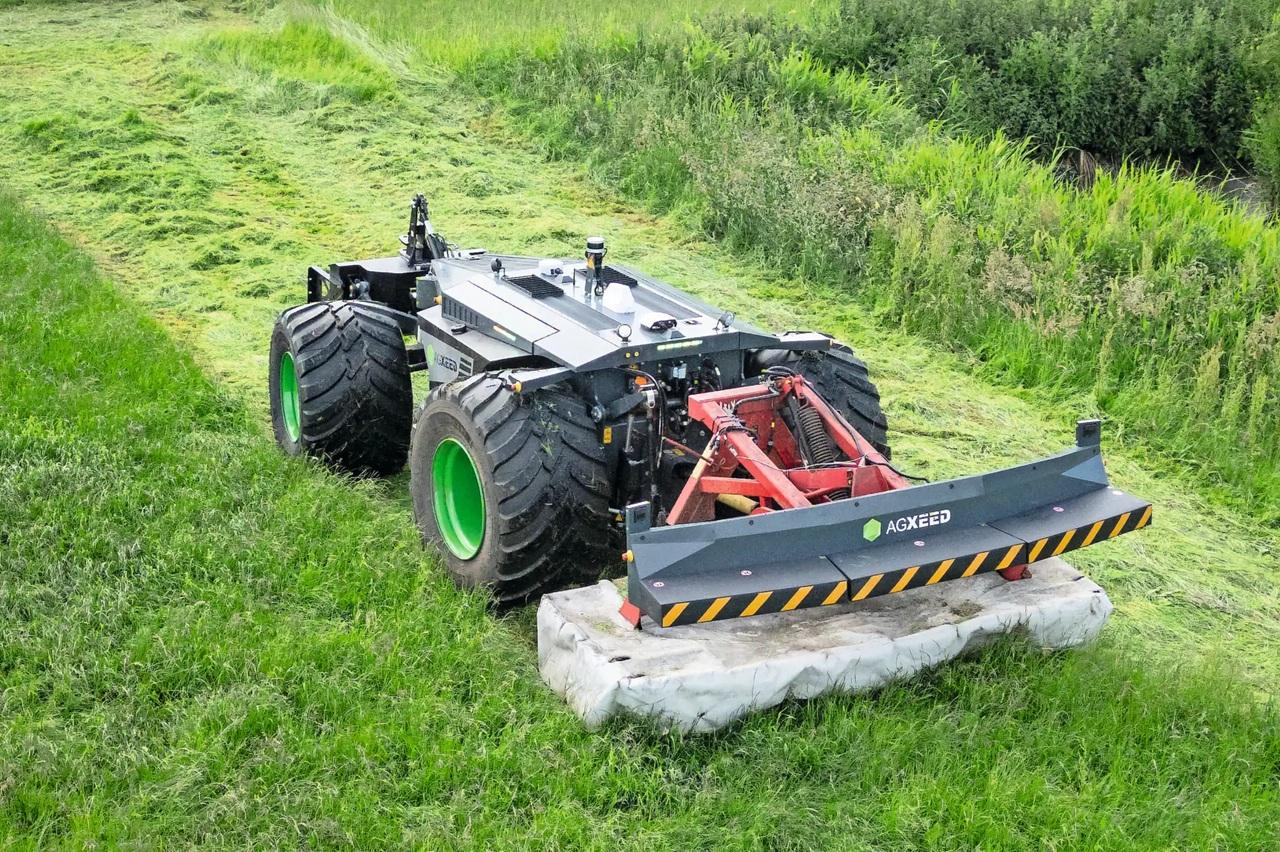
Agxeed W4 Autonomous Robot Enters Dairy Farming Trials in the Netherlands
Dutch dairy farmer Joram Hofman is currently testing the Agxeed W4 autonomous robot for mowing, tedding, and raking grass on his farm. This initiative, in collaboration with NPPL+R and Agxeed, highlights the potential of autonomous field robots in dairy farming, traditionally dominated by arable farming technologies. The integration of the Agxeed W4 into Hofman's highly automated dairy operation, which includes Lely milking robots and feeding systems, demonstrates a shift towards more efficient farming practices. Hofman utilizes data from these robots to optimize cow rations, leading to improved feed efficiency, although he notes that milk yield has not significantly increased. Looking ahead, the ongoing trials of the Agxeed W4 could pave the way for broader adoption of autonomous technologies in dairy farming. As farmers like Hofman seek to enhance productivity while managing labor challenges, the role of such robots in forage production will be crucial. No further timeline was disclosed at the time of publication.
Crop solutions autonomous farm equipment autonomous tractors farm robots field robots gps
Baidu's Apollo Go Launches Robotaxi Trials in London with FREENOW and Uber
FREENOW, a European mobility platform owned by Lyft, has partnered with Baidu’s Apollo Go to initiate robotaxi testing in London, UK. This deployment signifies the first instance of a Chinese autonomous vehicle conducting real-world road tests in London's intricate traffic conditions, with Uber also confirming the operation of Apollo Go vehicles on public roads. The significance of this development lies in Apollo Go's expansion into right-hand-drive markets, following its initial launch in Hong Kong. The test fleet will utilize Apollo RT6 robotaxis, which will have safety operators on board during the trials. Initial testing will occur in Brent, a borough of London that features both urban and suburban driving environments. Looking ahead, FREENOW and Apollo Go aim to start offering rides to the public in 2027. This milestone will be crucial in assessing the viability of autonomous vehicles in complex urban settings and could pave the way for broader adoption of robotaxi services in the UK and beyond.
News Feed
Royal Navy Tests Robotic Boat for Autonomous Drone Launching in Maritime Surveillance
The Royal Navy is conducting trials of a robotic boat designed to autonomously launch and recover drones at sea, enhancing uncrewed maritime surveillance capabilities. This initiative, in collaboration with ACUA Ocean and Teledyne FLIR Defense, aims to improve persistent aerial reconnaissance while minimizing risks to personnel. The system integrates an uncrewed surface vessel (USV) with a tethered uncrewed aerial system (T-UAS), allowing for extended surveillance operations. This development is significant as it represents a new approach to maritime surveillance, combining aerial and surface capabilities into a single autonomous system. The SkyCarrier and SkyRanger R70 drones, utilized during the trials, are equipped with advanced AI and imaging technologies, enabling them to perform demanding surveillance missions. The ability to maintain a stable tether connection allows for longer operational durations and continuous power supply, which is crucial for effective surveillance in challenging sea conditions. Looking ahead, the Royal Navy's exploration of this technology could lead to enhanced capabilities in anti-submarine warfare, mine countermeasures, and the protection of critical maritime infrastructure. No further timeline was disclosed at the time of publication.
AI and Robotics
TCS Report Reveals Manufacturers' Long-Term Commitment to Physical AI Investments
On July 22, Tata Consultancy Services (TCS) released the 'Manufacturing for the Future: TCS Physical AI Readiness Report 2026.' The report, based on a survey of CXOs and vice presidents from 300 manufacturing companies in North America and Europe, indicates that no respondents plan to cut physical AI investments, with 26% explicitly stating they will increase spending. Manufacturers are viewing physical AI as a long-term transformation strategy rather than isolated automation trials. The impact of physical AI on operations is becoming clearer, with 77% of respondents anticipating significant or transformative effects on warehouse operations, making it the top deployment priority. Following closely are assembly and manufacturing operations (75%) and logistics and material handling (72%). Anupam Singhal, President of TCS Manufacturing Business, noted that physical AI extends intelligence from screens to the shop floor, enabling machines to perceive, adapt, and act in real-time. Despite strong investment confidence, large-scale deployment remains in its early stages, with 68% of manufacturers still in non-deployment or experimental phases and only 9% successfully scaling pilot projects. Key barriers to broader deployment include traditional system integration, modern data infrastructure, and workforce skills. TCS warns that if governance does not keep pace, scaling will introduce unacceptable operational and regulatory risks.
Physical AI Manufacturing Technology Automation Industry 4.0
Tesla Launches Robotaxi Trials in Orlando and Tampa Ahead of Q2 Earnings Call
Tesla has initiated trials of its unsupervised Model Y SUVs in Orlando and Tampa, just before its second-quarter earnings call. This expansion marks the third city in Florida for Tesla's robotaxi service, following a recent launch in Miami. The operational areas in the new cities appear to be limited, and Tesla has not disclosed further details about the launch. This development is significant as it reflects Tesla's ongoing efforts to establish a commercial robotaxi service, despite a slower rollout than previously promised. CEO Elon Musk has stated that the goal is for Tesla's robotaxis to serve half of the U.S. population by the end of 2025. However, the company has yet to scale operations in Dallas and Houston, where autonomous fleets were announced earlier this year. Looking ahead, the potential regulatory changes proposed by the Department of Transportation could facilitate Tesla's deployment of its Cybercabs. If the rule change is adopted, it may allow Tesla to accelerate its robotaxi initiatives across various cities, enhancing its competitive position in the autonomous vehicle market.
Transportation In Brief robotaxis Tesla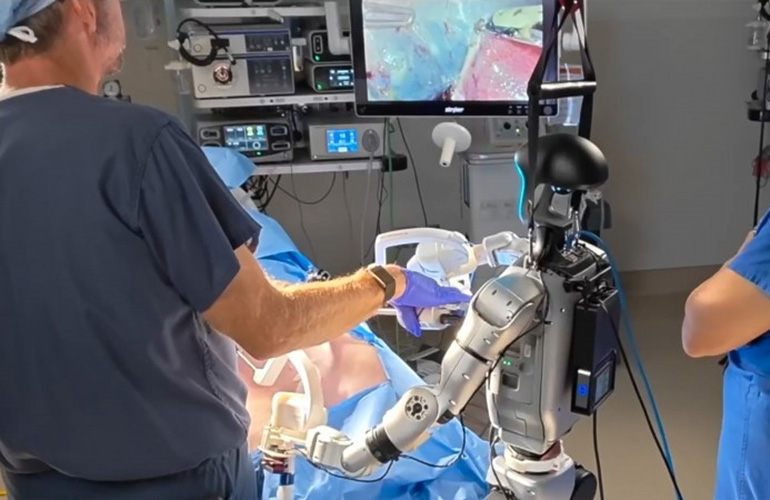
UC San Diego Trials Teleoperated Humanoid Robots for Surgical Procedures
In a groundbreaking preclinical trial at UC San Diego, teleoperated humanoid robots successfully conducted surgeries, marking a significant advancement in surgical technology. This trial represents the first instance of humanoid robots being utilized in a surgical context, showcasing their potential to enhance precision and efficiency in medical procedures. The significance of this development lies in the versatility of humanoid robots, which may offer improved capabilities over traditional robotic systems like the da Vinci Surgical System. By integrating advanced teleoperation techniques, these robots could potentially reduce the need for human intervention, thereby minimizing risks and improving patient outcomes in complex surgeries. Looking ahead, the next steps involve further trials to assess the long-term effectiveness and safety of these humanoid robots in surgical environments. No further timeline was disclosed at the time of publication, but the results of this trial could pave the way for broader applications in healthcare robotics.
Healthcare Robotics Human Robot Interaction / Haptics Humanoids News Surgical / Interventional Systems Surgical Systems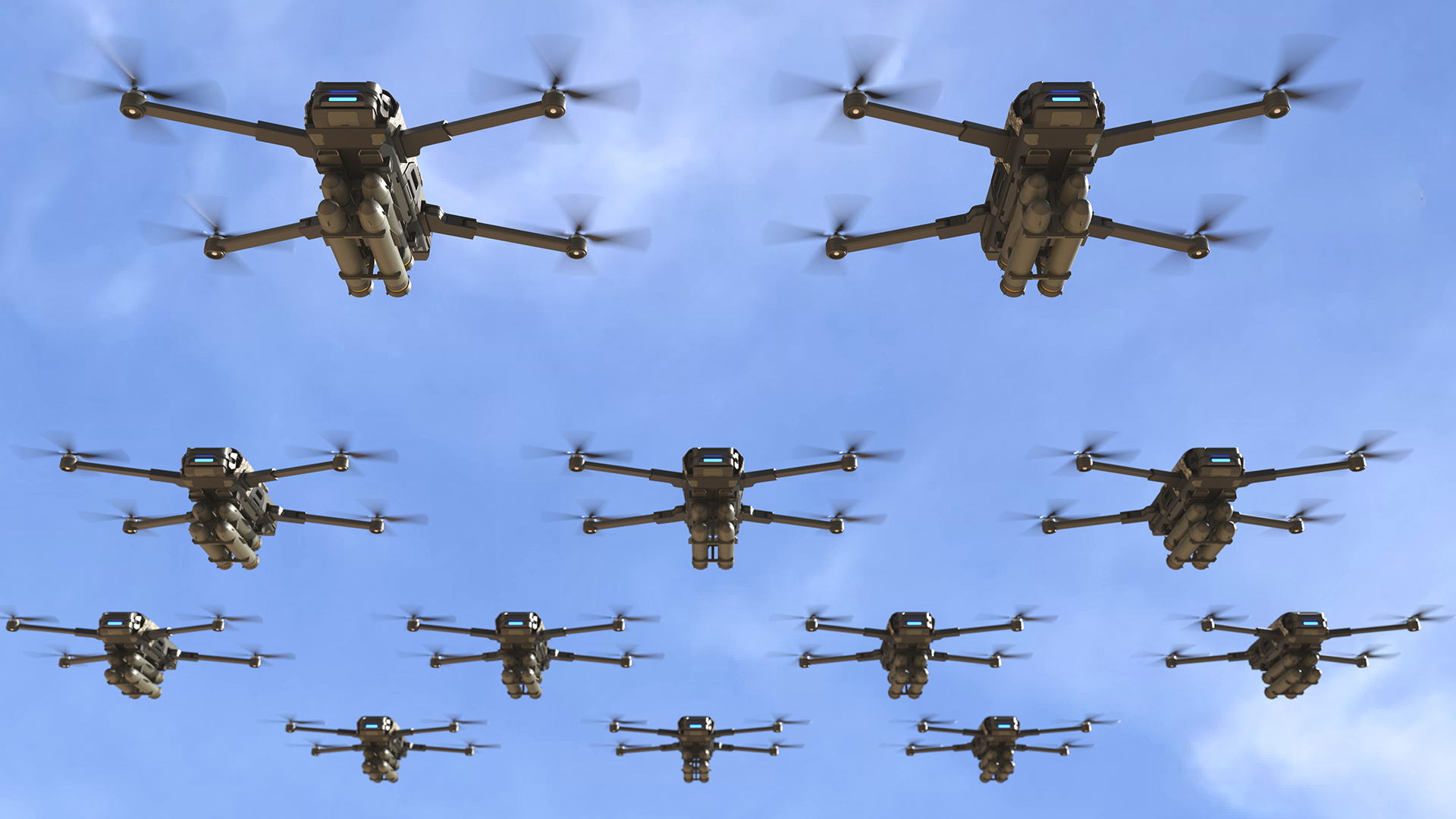
Laser dazzler blinds drone sensors in breakthrough counter-UAS technology trials
NUBURU, a U.S. defense technology company, has announced promising preliminary findings from its recent tests of a laser dazzler system. Conducted in October 2023, these tests aim to evaluate the effectiveness of the laser dazzler in countering potential threats. The system is designed to temporarily blind or disorient adversaries, enhancing the safety of military personnel and operations. The encouraging results indicate that the technology could play a crucial role in modern defense strategies, addressing the increasing need for non-lethal deterrents in various combat scenarios. NUBURU's advancements in laser technology reflect a growing trend in the defense sector to develop innovative solutions for protecting forces while minimizing collateral damage.
Military
UK’s 21-ton extra-large submarine drone to undergo trials for undersea operations, payload
The United Kingdom has awarded MSubs, a submarine technology company, an $8.8 million contract to initiate trials of a new unmanned underwater vehicle. This contract, announced recently, aims to enhance the UK's maritime capabilities and explore advanced underwater technologies. The trials will take place in various locations across the UK, with the goal of assessing the vehicle's performance and operational effectiveness. The initiative is part of the UK's broader strategy to bolster its defense and security measures in response to evolving maritime threats. By leveraging MSubs' expertise, the UK seeks to innovate and maintain a competitive edge in underwater operations.
Military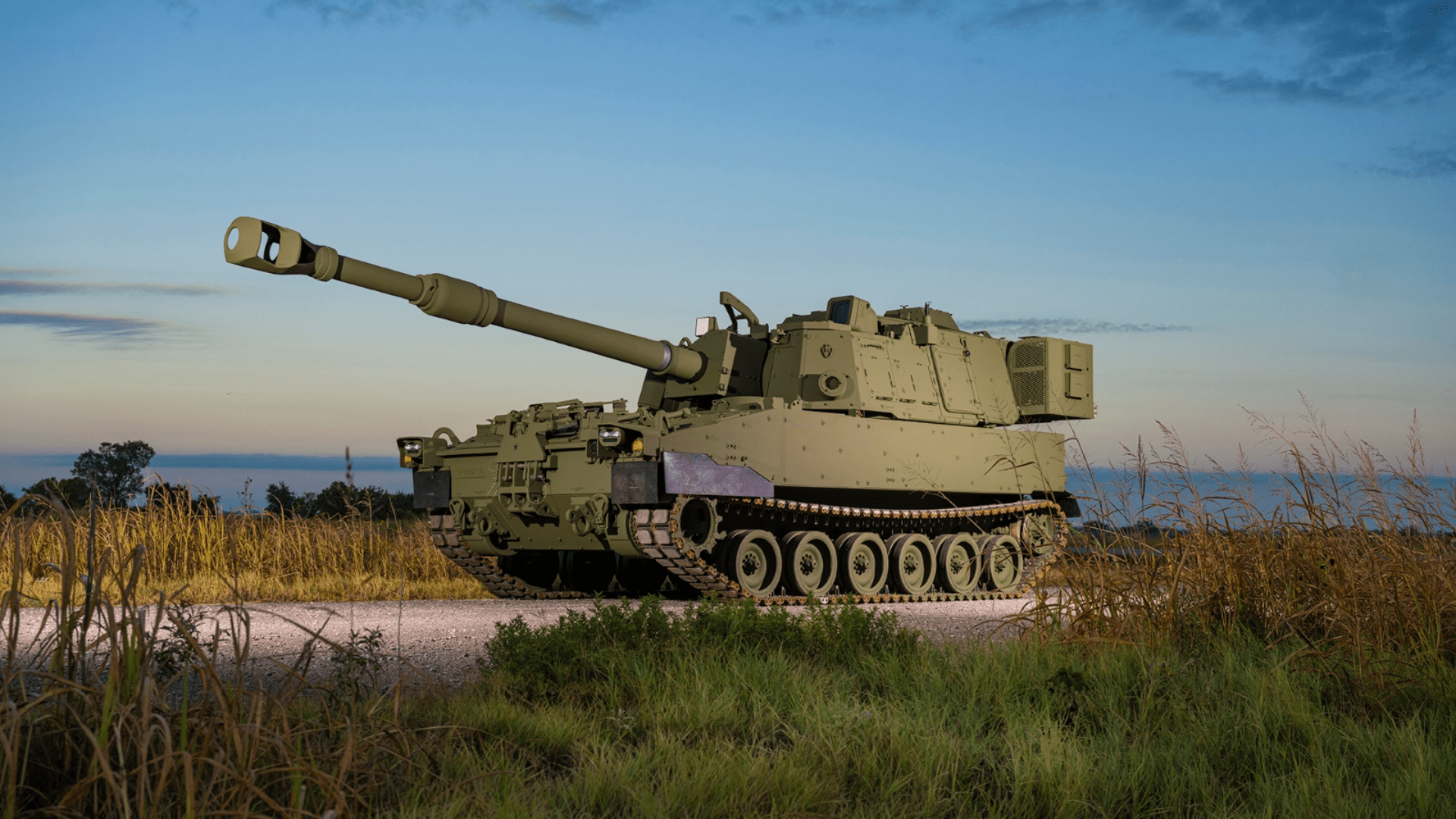
US Army trials LP-CROWS integration on Paladin artillery for drone defense
Engineers at the US Army Yuma Proving Ground are conducting developmental testing of advanced military technologies. This initiative, which began recently, aims to evaluate and enhance the performance of various systems crucial for operational readiness. The testing is part of the Army's ongoing efforts to improve its capabilities and ensure that troops are equipped with the most effective tools for modern warfare. By rigorously assessing these technologies in a controlled environment, the Army seeks to identify potential improvements and address any issues before deployment. The Yuma Proving Ground, known for its vast testing facilities, provides an ideal location for these critical evaluations, allowing engineers to simulate real-world conditions effectively. This testing phase is essential for maintaining the Army's competitive edge and ensuring the safety and effectiveness of its personnel in future missions.
Military
Turkey’s ‘Fighter Drone’ Teamed With M-346 Fighter-Trainer In Autonomy Trials
Turkey has joined a select group of nations engaged in advanced flight testing of crewed and uncrewed aircraft collaboration, marking a significant step in the development of autonomous combat systems. The recent demonstrations featured Turkey's innovative 'fighter drone' working in tandem with the M-346 fighter-trainer aircraft. These trials are part of a broader initiative as air forces worldwide strive to enhance their capabilities through collaborative combat aircraft. The successful integration of these technologies could reshape future military operations and tactics, underscoring Turkey's commitment to advancing its defense capabilities in an increasingly competitive global landscape.
Air Air Forces Drones News & Features Turkish Air Force
World’s first smart squid-fishing robot that mimics humans begins sea trials in China
A groundbreaking robotic system has been developed in China, touted as the world's first intelligent robotic solution designed for various applications. This innovative technology aims to enhance efficiency and precision across multiple sectors, including manufacturing and healthcare. The system was unveiled at a technology expo in Beijing on October 15, 2023, where industry leaders and experts gathered to witness its capabilities. The motivation behind this development stems from the increasing demand for automation and smart technology in response to labor shortages and the need for improved productivity. By integrating advanced artificial intelligence and machine learning algorithms, the robotic system can adapt to different tasks and environments, making it a versatile tool for businesses looking to streamline operations. Demonstrations at the expo showcased the robot's ability to perform complex tasks with minimal human intervention, highlighting its potential to revolutionize traditional workflows. As industries continue to embrace automation, this robotic system represents a significant step forward in the quest for intelligent solutions that can meet the challenges of modern production and service demands.
Innovation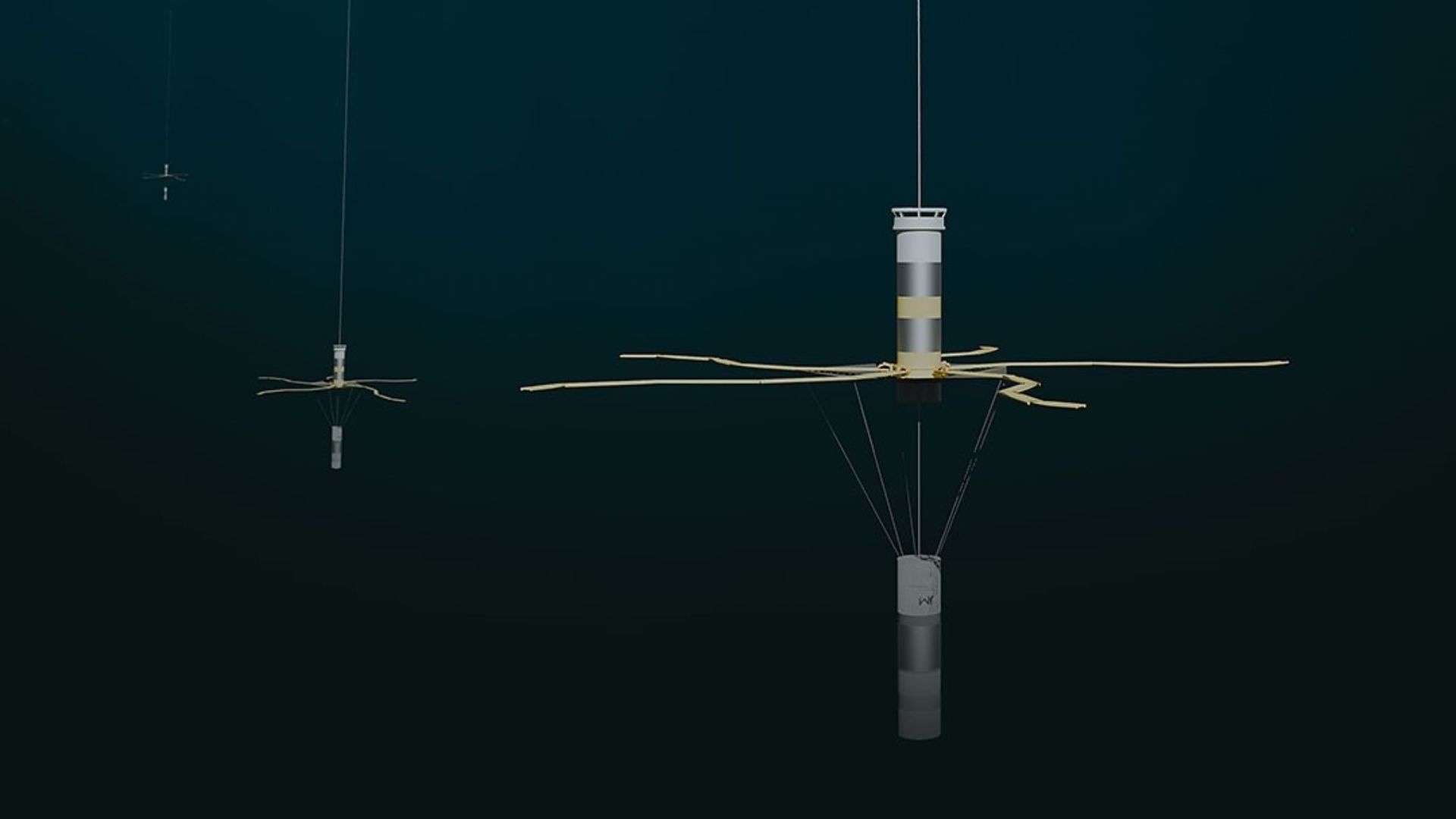
UK trials compact G-size sonobuoy built for autonomous drones hunting submarines
Ultra Maritime has successfully conducted the inaugural in-water deployment trial of its advanced Multistatic Active Receive system. This significant milestone took place recently, marking a key step in the development of the technology designed to enhance maritime surveillance and detection capabilities. The trial was held in a controlled marine environment, allowing the team to assess the system's performance and reliability in real-world conditions. The motivation behind this initiative is to improve the effectiveness of maritime operations, particularly in detecting underwater threats and monitoring marine activities. By utilizing innovative technology and methodologies, Ultra Maritime aims to set a new standard in maritime security solutions. The successful trial demonstrates the potential of the Multistatic Active Receive system to revolutionize the industry and address growing concerns over maritime safety and security.
Military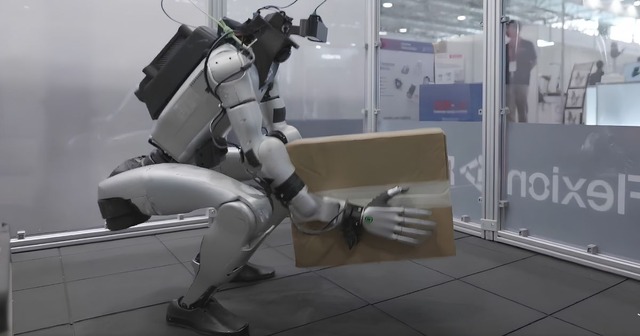
Flexion Robotics demonstrates fully autonomous humanoid with over 95% success rate in 300 trials at ICRA 2026.
Flexion Robotics announced on its official X account that it conducted a fully autonomous demonstration using humanoid robots at the International Conference on Robotics and Automation (ICRA 2026) from June 9 to June 11, 2026. The three-day event showcased the company's advancements in robotics technology, highlighting their commitment to innovation in the field. The demonstration aimed to illustrate the capabilities of humanoid robots in performing complex tasks autonomously, reflecting the growing interest and investment in robotics solutions across various industries.

Thales’ new radio frequency weapon destroys 80 drones with zero ammo use in trials
A cutting-edge radio frequency weapon has demonstrated its effectiveness by successfully neutralizing 80 drones in recent tests. Developed by a leading defense technology company, this innovative system aims to address the growing threat posed by unmanned aerial vehicles. The tests were conducted in October 2023 at a designated military facility, showcasing the weapon's capabilities in real-world scenarios. The motivation behind this development stems from increasing concerns over drone usage in both military and civilian contexts, where they can be employed for surveillance or attacks. By disrupting the communication signals of these drones, the radio frequency weapon effectively renders them inoperable, providing a strategic advantage in airspace security. The successful deployment of this technology marks a significant advancement in counter-drone measures, as military forces around the world seek reliable solutions to mitigate potential risks associated with drone operations.

Saronic’s Marauder Enters On-Water Trials: Designed, Built, and Launched in Under a Year
Saronic has unveiled its inaugural Marauder Medium Unmanned Surface Vessel (MUSV), which is engineered to provide autonomous capabilities for both defense and commercial uses far from shore. This significant launch marks a remarkable achievement in American shipbuilding, as the transition from initial design to on-water trials was completed in less than a year—a pace not recorded since World War II. The swift development underscores Saronic's innovative approach and the effectiveness of its integrated production model.
saronic marauder usv on-water trials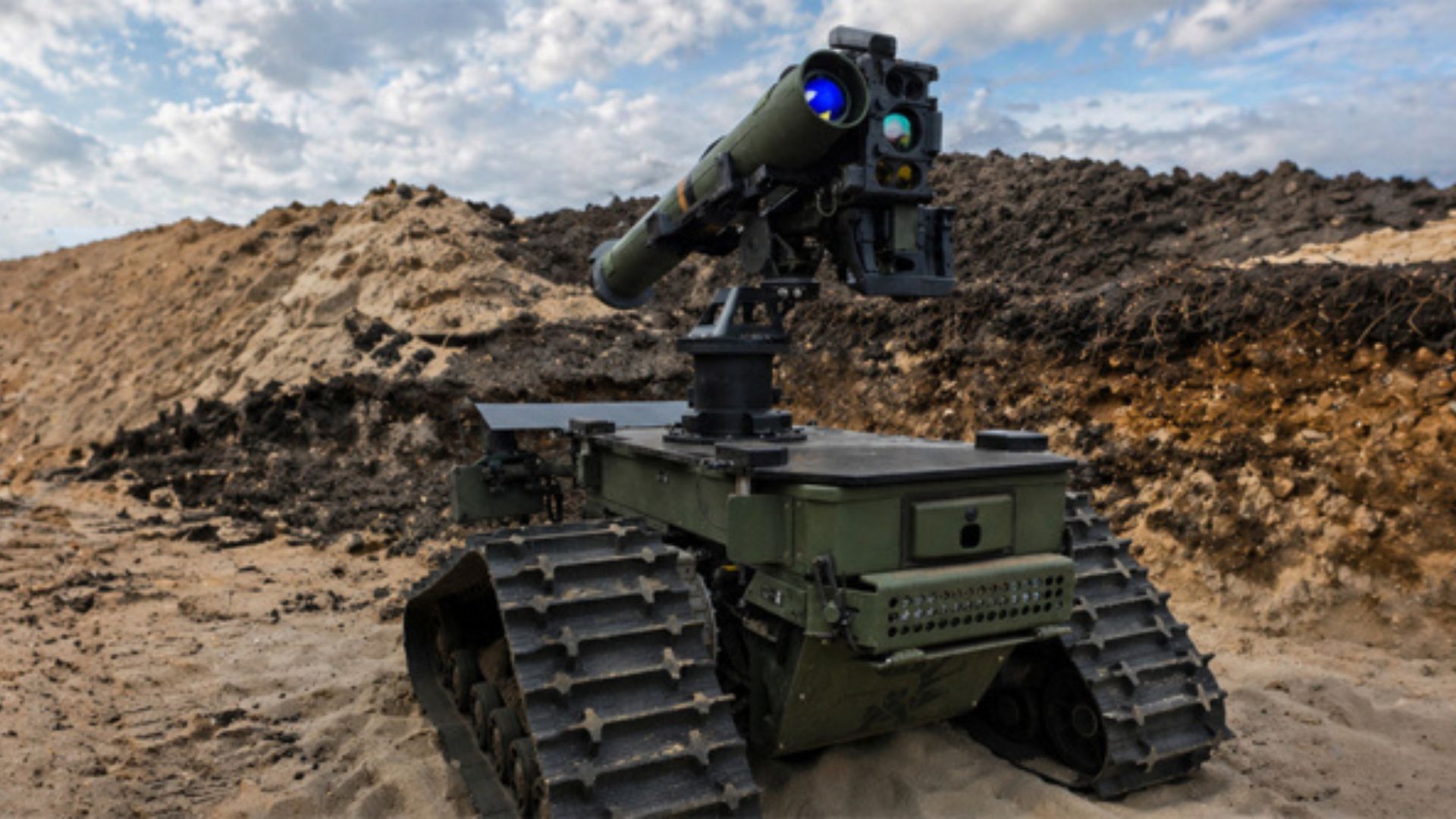
Germany’s Ziesel combat robot fires 3.4-mile anti-tank missiles during military trials
German defense companies have made significant strides in advancing a new combat robot, bringing it closer to deployment on the front lines. This development follows a successful launch that showcased the robot's capabilities. The initiative is part of Germany's broader effort to enhance its military technology and modernize its armed forces amid increasing global security challenges. The combat robot is designed to assist troops in various operations, potentially reducing risks to human soldiers. The successful demonstration of the robot's functions marks a crucial step in integrating advanced technology into military operations, reflecting a growing trend among nations to leverage robotics in defense strategies. As tensions rise in various regions, the push for innovative military solutions underscores the urgency for nations to adapt and strengthen their defense mechanisms.
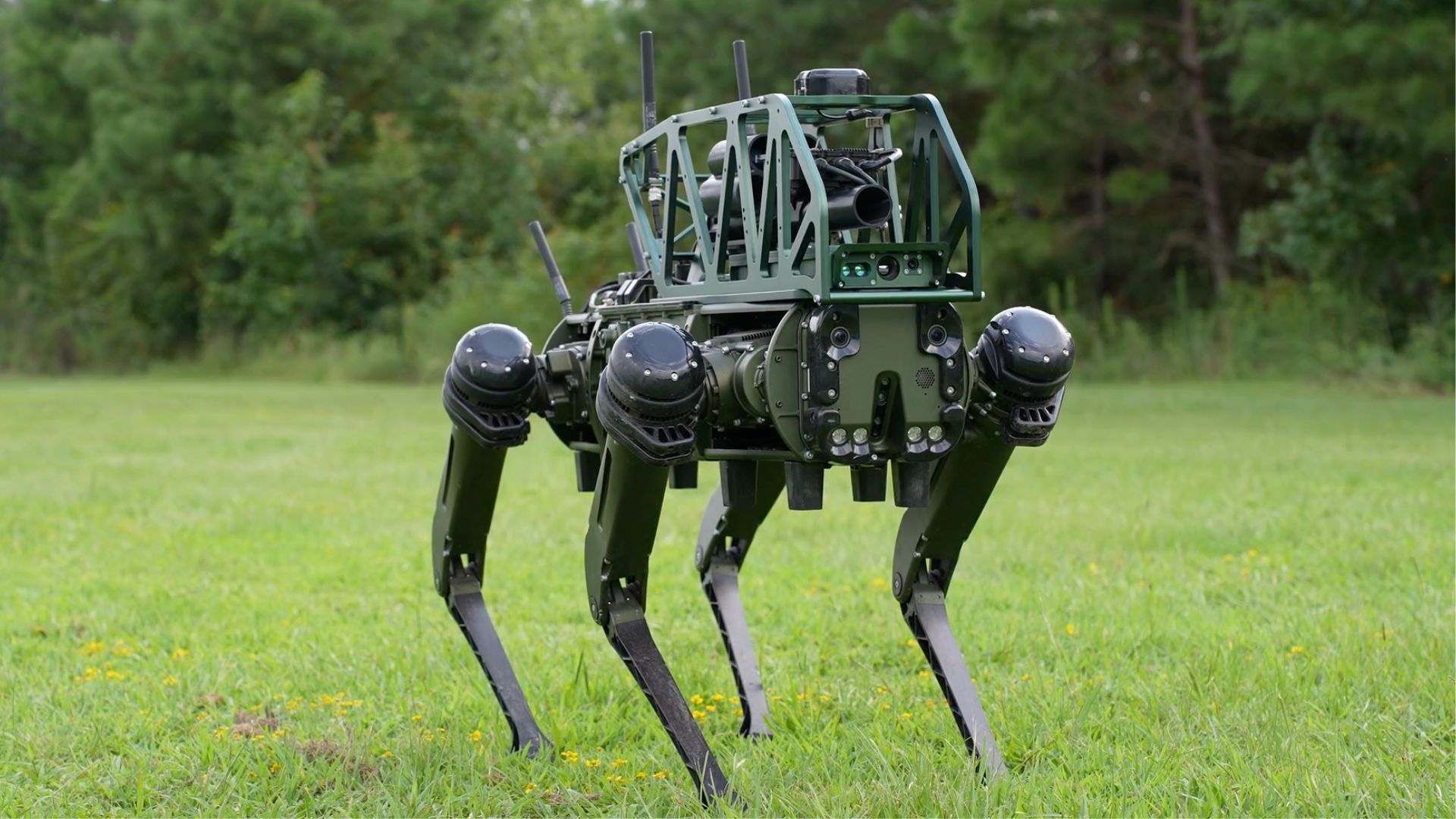
Robot dogs with shotguns, grenade launchers head to US urban warfare trials
The United States has contracted an Australian defense company to supply advanced robotic dogs and modular systems designed for military applications. This agreement, announced recently, aims to enhance the capabilities of the U.S. armed forces by integrating cutting-edge technology into their operations. The initiative is part of a broader strategy to modernize defense assets and improve operational efficiency. The robotic systems are expected to assist in various tasks, potentially reducing risks to personnel and increasing mission effectiveness. The collaboration underscores the growing partnership between the U.S. and Australia in defense innovation, reflecting a commitment to leveraging advanced technology in military operations.
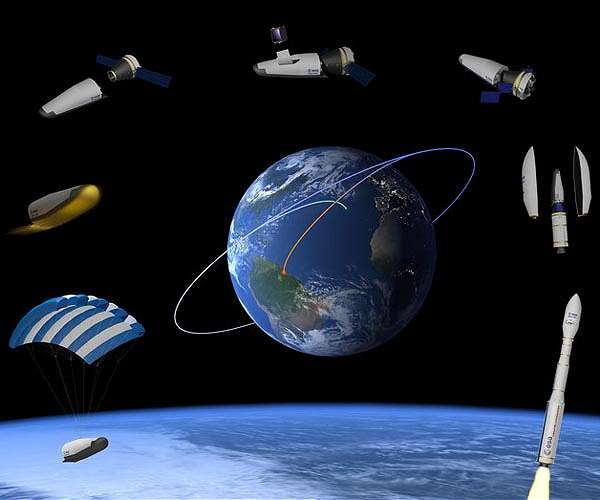
Space Rider Heat Shield and Steering Flaps Pass Plasma Wind Tunnel Trials
In a significant advancement for Europe's Space Rider program, ceramic tiles and control flaps from the reentry module have successfully passed high-temperature testing in a plasma wind tunnel. This milestone, achieved on May 4, 2026, at the Italian Aerospace Research Centre (CIRA) in Capua, Italy, marks a crucial step in qualifying the spacecraft's thermal protection and guidance systems. The rigorous testing process is essential for ensuring the spacecraft's reliability and safety during reentry, as it prepares for future missions in space exploration.
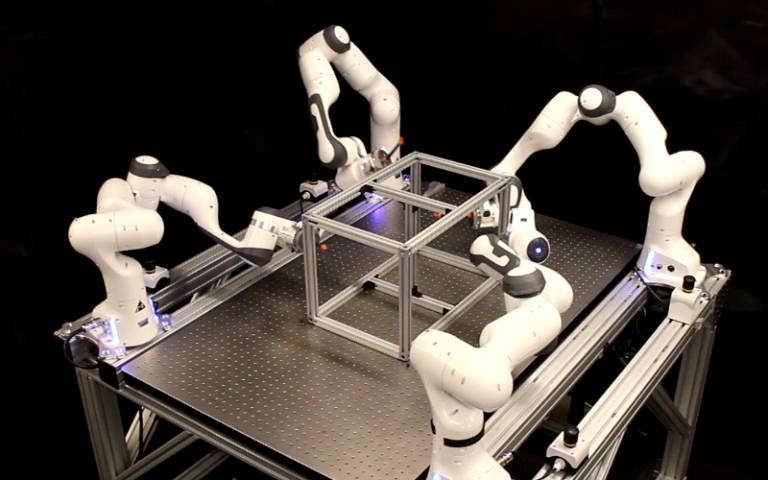
Japan Airlines begins humanoid robot trials at Tokyo's Haneda airport as labor shortages bite
Tokyo's Haneda Airport is set to trial humanoid robots in its ground services as a response to ongoing labor shortages and the challenges posed by an aging workforce. This initiative aims to enhance operational efficiency and address the increasing demand for airport services. The trial is expected to commence soon, although specific dates have not yet been disclosed. By integrating advanced robotics into its operations, Haneda Airport seeks to mitigate the impact of labor constraints while maintaining high standards of service for travelers. The deployment of these robots represents a significant step towards modernization in the aviation industry, showcasing how technology can be leveraged to solve pressing workforce issues.
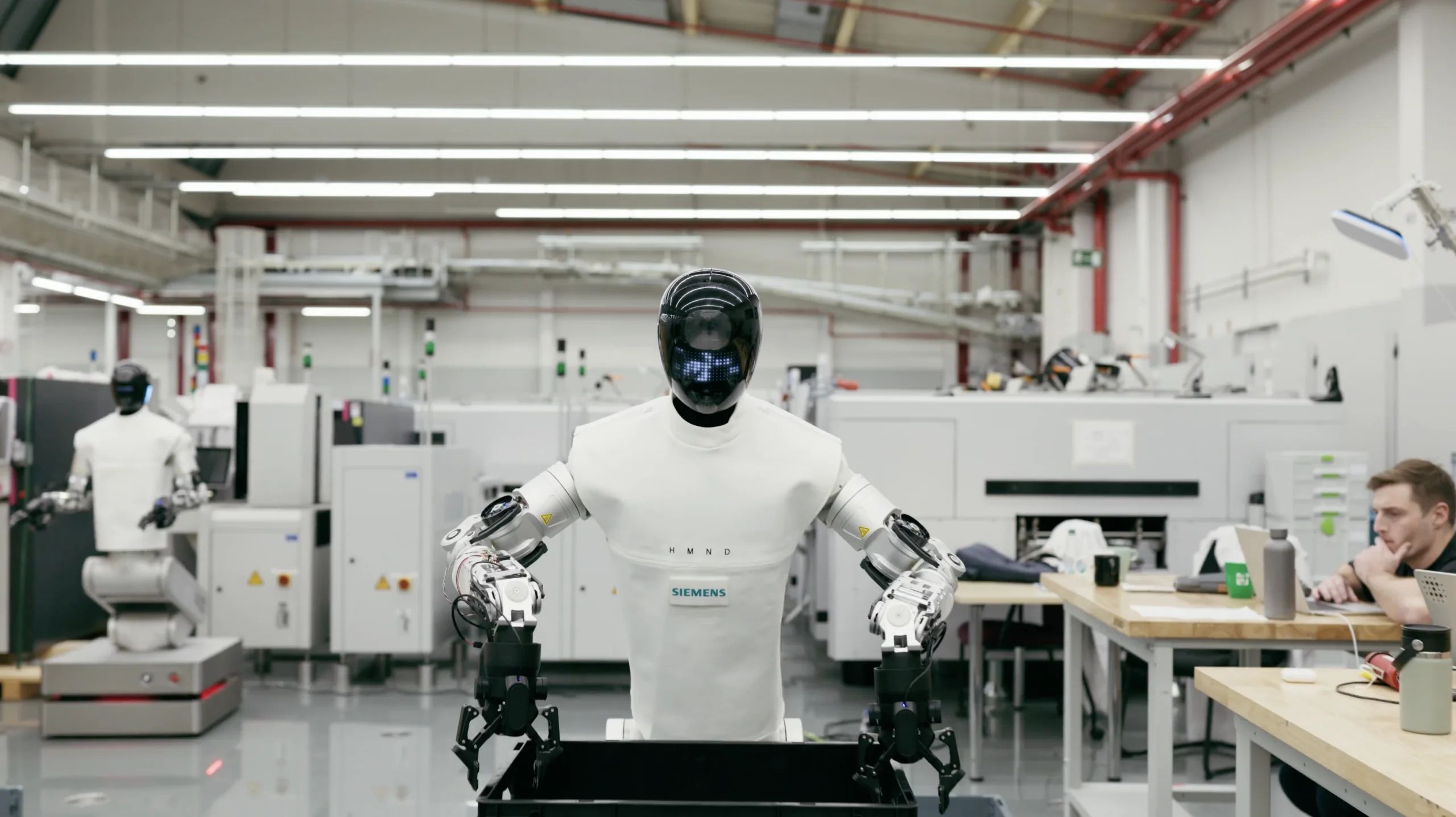
Siemens and Humanoid Formalize Partnership Following Successful "Physical AI" Trials in Erlangen
Siemens and Humanoid have announced the successful deployment of the HMND 01 Alpha, an advanced autonomous logistics robot, at a German electronics factory. This milestone was achieved as part of their collaboration to enhance operational efficiency in manufacturing environments. The deployment, which took place recently, marks a significant step forward in automating logistics processes within the factory setting. The HMND 01 Alpha has met key performance metrics, demonstrating its capability to streamline operations and improve productivity. This initiative reflects the growing trend of integrating robotics and automation in industrial settings to address labor shortages and increase efficiency.
Europe HMND-01 Humanoid
Episode 27: Gregory Galarneau of The Exoskeleton Store on Trials, Champions and Exoskeleton Buy-In
In the latest episode of the Exoskeletons and Wearable Robotics Podcast, host Gregory Galarneau from The Exoskeleton Store engages in an insightful dialogue about the practicalities of adopting occupational exoskeletons. The discussion, which aired recently, delves into the challenges and successes associated with integrating these advanced technologies into various workplaces. Galarneau emphasizes the importance of having champions within organizations to promote buy-in and facilitate smoother implementation processes. The episode aims to provide listeners with a realistic perspective on the trials faced by companies considering the adoption of exoskeletons, highlighting both the potential benefits and the hurdles that need to be overcome.
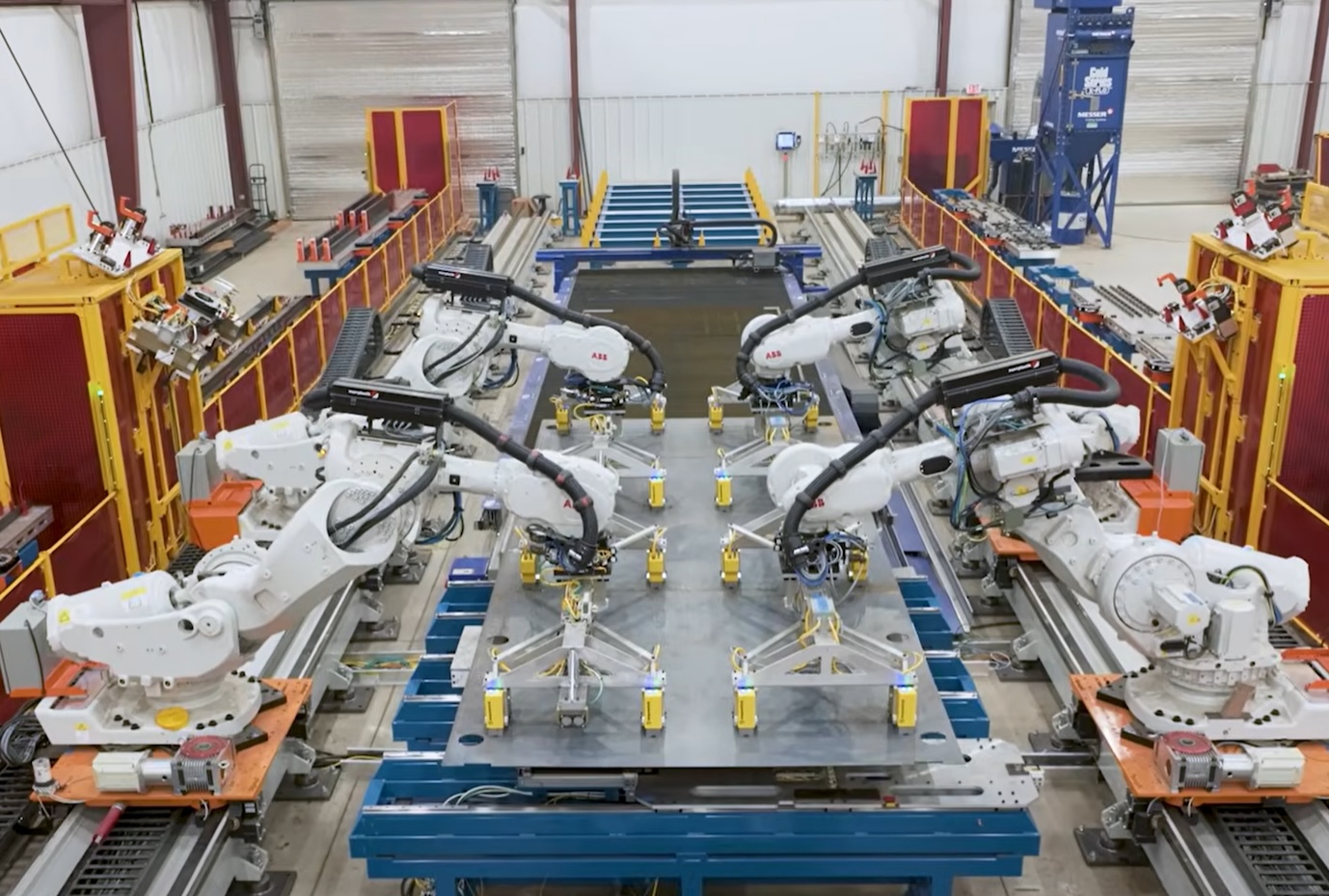
Xiaomi says humanoid robots begin factory trials, targets large-scale deployment within five years
Xiaomi CEO Lei Jun announced that the company has initiated trial operations of its humanoid robots at its automobile factory. In a recent social media update, he revealed plans to integrate a significant number of these robots into production facilities over the next five years. This development is part of Xiaomi's ongoing efforts to enhance automation and efficiency in manufacturing, leveraging advancements in its robotics unit, which is built on a general-purpose vision-language-action (VLA) foundation. The strategic move aims to position Xiaomi at the forefront of technological innovation in the automotive sector.
News Feed
Fugro Trials First Automated eDNA Sampler to Transform Biodiversity Studies
Fugro has announced the successful testing of the DOT-NM Autosampler, a cutting-edge device created in collaboration with Dartmouth Ocean Technologies Inc. and NatureMetrics. The trial was conducted at the marina adjacent to Fugro's office in Portchester, UK. This innovative technology is designed to autonomously collect environmental DNA (eDNA) samples, enabling rapid biodiversity assessments. By streamlining the sampling process, the DOT-NM Autosampler aims to significantly reduce both project duration and costs, enhancing efficiency in environmental monitoring efforts.
fugro automated edna sampler biodiversity studiesRobotics needs a service framework.
RSF defines a common language for robot service capability, lifecycle operations, certification pathways, and service-provider networks.
Join the RobotToday community on LinkedIn
Daily robotics news, in-depth analysis, conference highlights, and discussions with professionals worldwide.







