

Industry Briefing
A single destination for timely, editor-curated robotics news from around the world.
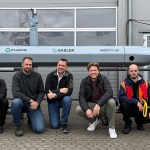
Ranger Autonomous Vessel Successfully Completes Sea Trials from Submarine Torpedo Tube
An innovative autonomous surface vessel, the Ranger, has successfully completed its Sea Acceptance Test (SAT) in Germany, demonstrating its ability to be launched from a submarine's torpedo tube. Developed by Gabler and Flanq, the Ranger is designed for intelligence, surveillance, and reconnaissance missions with minimal human intervention. The successful completion of the SAT marks a significant milestone for the program, confirming the vessel's seaworthiness and the integration of its core technologies. The Ranger, measuring approximately 15 feet long, features a folding keel and collapsible sensor mast, allowing it to fit within a standard 21-inch torpedo tube. Looking ahead, Gabler will manage the commercialization and integration of the Ranger with submarines, while Flanq will provide advanced maritime technologies and mission software. The companies are also developing a one-way attack variant called Strike, expanding the platform's capabilities for future naval operations.
Military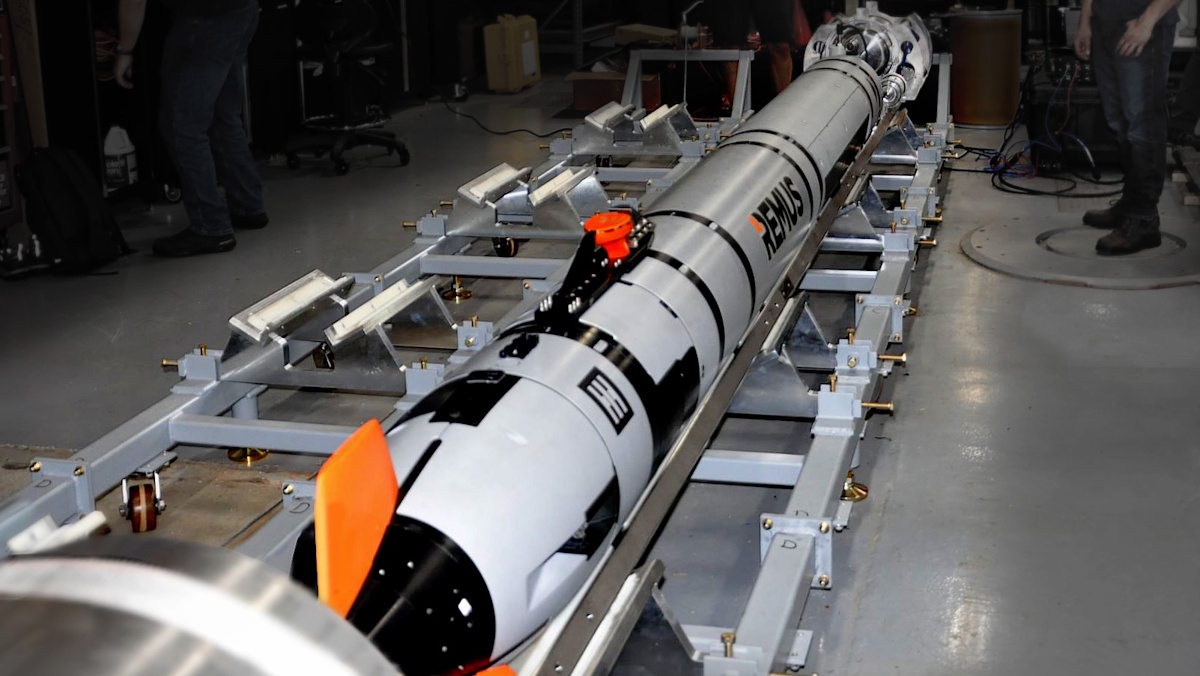
REMUS 620 Validated for Torpedo Tube Deployment
A collaborative effort involving HII, the Woods Hole Oceanographic Institution, and the U.S. Navy's Naval Undersea Warfare Center Division Newport has successfully achieved a significant milestone in enhancing the U.S. Navy Submarine Force's capabilities. This initiative focuses on the launch and recovery of autonomous undersea vehicles from submarine torpedo tubes. The achievement marks a crucial step forward in the integration of advanced technology into naval operations, underscoring the commitment to modernizing the submarine fleet. The project reflects ongoing efforts to improve operational efficiency and expand the tactical options available to the Navy.
hii remus 620 auv torpedo tube deployment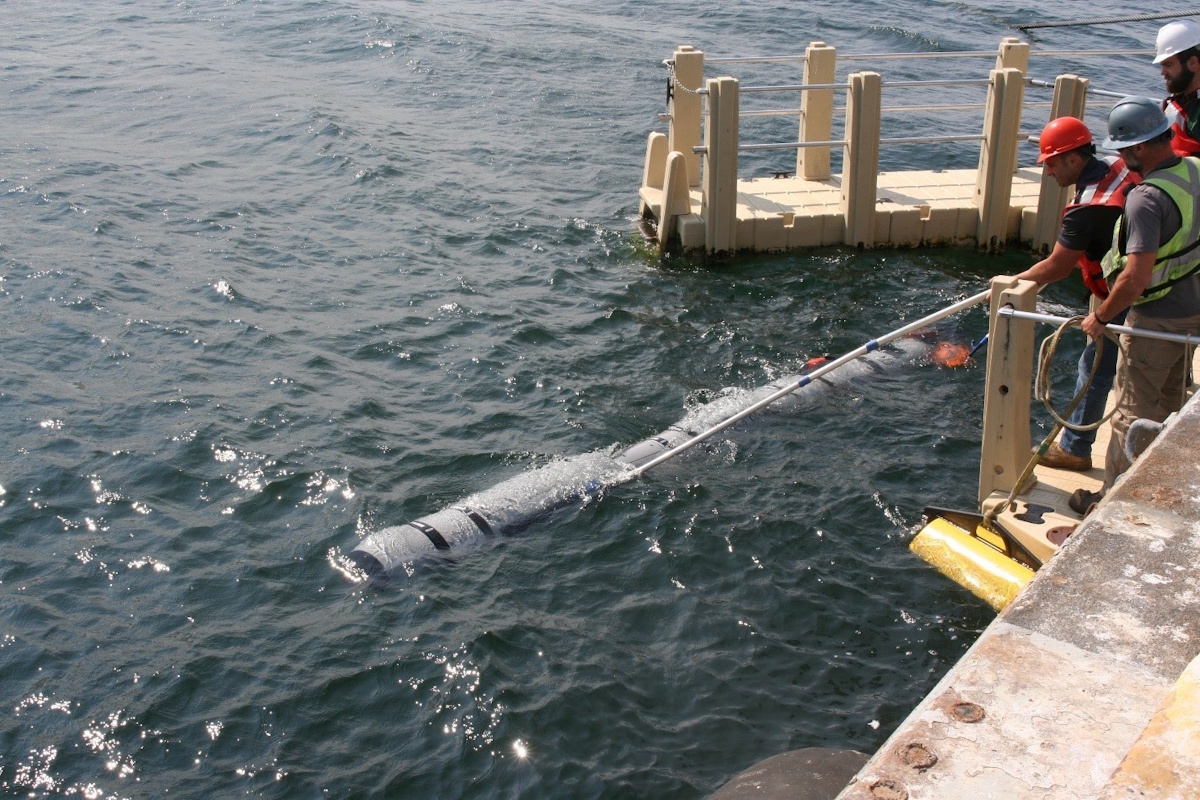
REMUS 620 Conducts First Torpedo Tube Recovery and Swimout
A collaborative effort involving HII, the Woods Hole Oceanographic Institution, and the U.S. Navy’s Naval Undersea Warfare Center Division Newport has achieved a significant milestone in underwater technology. The team successfully recovered a second-generation REMUS 620 unmanned underwater vehicle into a Virginia-class submarine torpedo tube and shutterway test fixture. This operation took place at Seneca Lake, New York, marking a crucial advancement in the integration of advanced underwater systems into military submarines. The successful recovery demonstrates the capabilities of the REMUS 620 and its potential applications for naval operations, enhancing the U.S. Navy's underwater surveillance and reconnaissance capabilities.
Robotics needs a service framework.
RSF defines a common language for robot service capability, lifecycle operations, certification pathways, and service-provider networks.
Join the RobotToday community on LinkedIn
Daily robotics news, in-depth analysis, conference highlights, and discussions with professionals worldwide.







