Industry Briefing
A single destination for timely, editor-curated robotics news from around the world.
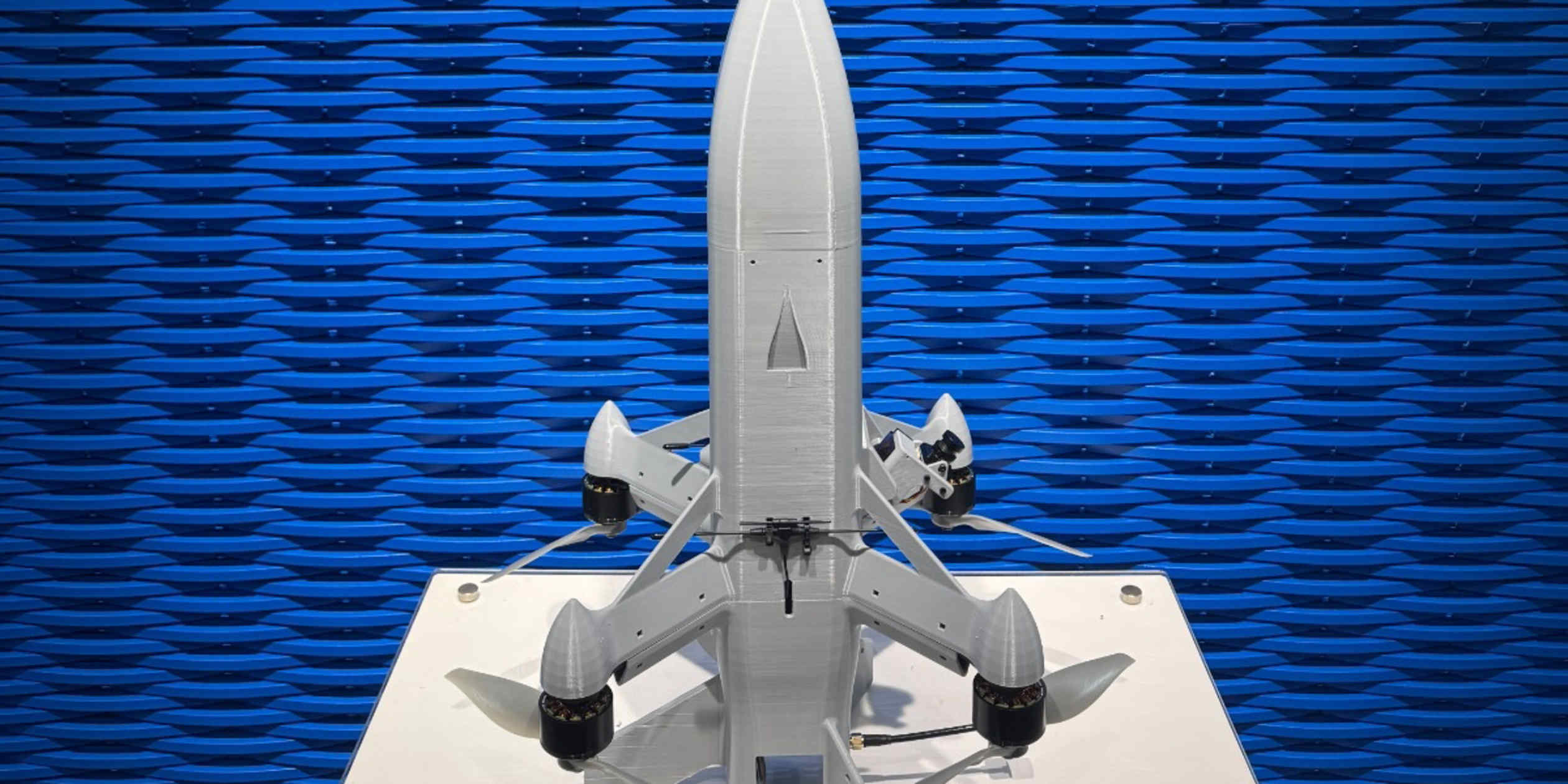
Japan's Rapid Drone Purchases Highlight Lack of Interest in Integration Systems
Japan is quickly acquiring drones, such as the Terra B1 interceptor supplied by Terra Drone to the Self-Defense Forces. However, there is a notable lack of interest in developing integration systems for these drones. This trend raises concerns about the country's ability to establish common standards, which are essential for effective defense operations and public trust. Without these standards, Japan may struggle to fully leverage its drone capabilities in a cohesive manner. Moving forward, it will be important to monitor Japan's approach to integrating drone technology with existing systems. No further timeline was disclosed at the time of publication.
Marine Corps Chooses Allen Control Systems' Bullfrog M240 for L-MADIS Integration
The Marine Corps has selected Allen Control Systems' Bullfrog M240 autonomous weapon for integration into its Light Marine Air Defense Integrated System (L-MADIS). This system is part of the Ground Based Air Defense program and includes two Polaris MRZR vehicles, one serving as a command unit and the other equipped with electronic warfare capabilities to counter drone threats. The Bullfrog M240 transforms the traditional 7.62mm machine gun into an autonomous weapon, capable of firing 850 rounds per minute and weighing approximately 300 pounds. This integration is facilitated through a prototype Other Transaction Agreement contract valued at around $6.2 million. The Marine Corps is also seeking $1.27 billion in its fiscal 2027 budget for Ground Based Air Defense capabilities, highlighting the importance of advanced defense systems. Looking ahead, the Bullfrog M240 is not only being considered by the Marine Corps; the US Army Applications Lab has awarded a contract to assess its deployment on Army combat vehicles. Additionally, Allen Control Systems is working on integrating Bullfrog onto US Special Operations Forces maritime platforms, indicating a growing interest in this technology across multiple military branches.
Land Warfare Naval Warfare Army Counter UAS cUAS LMADIS MADIS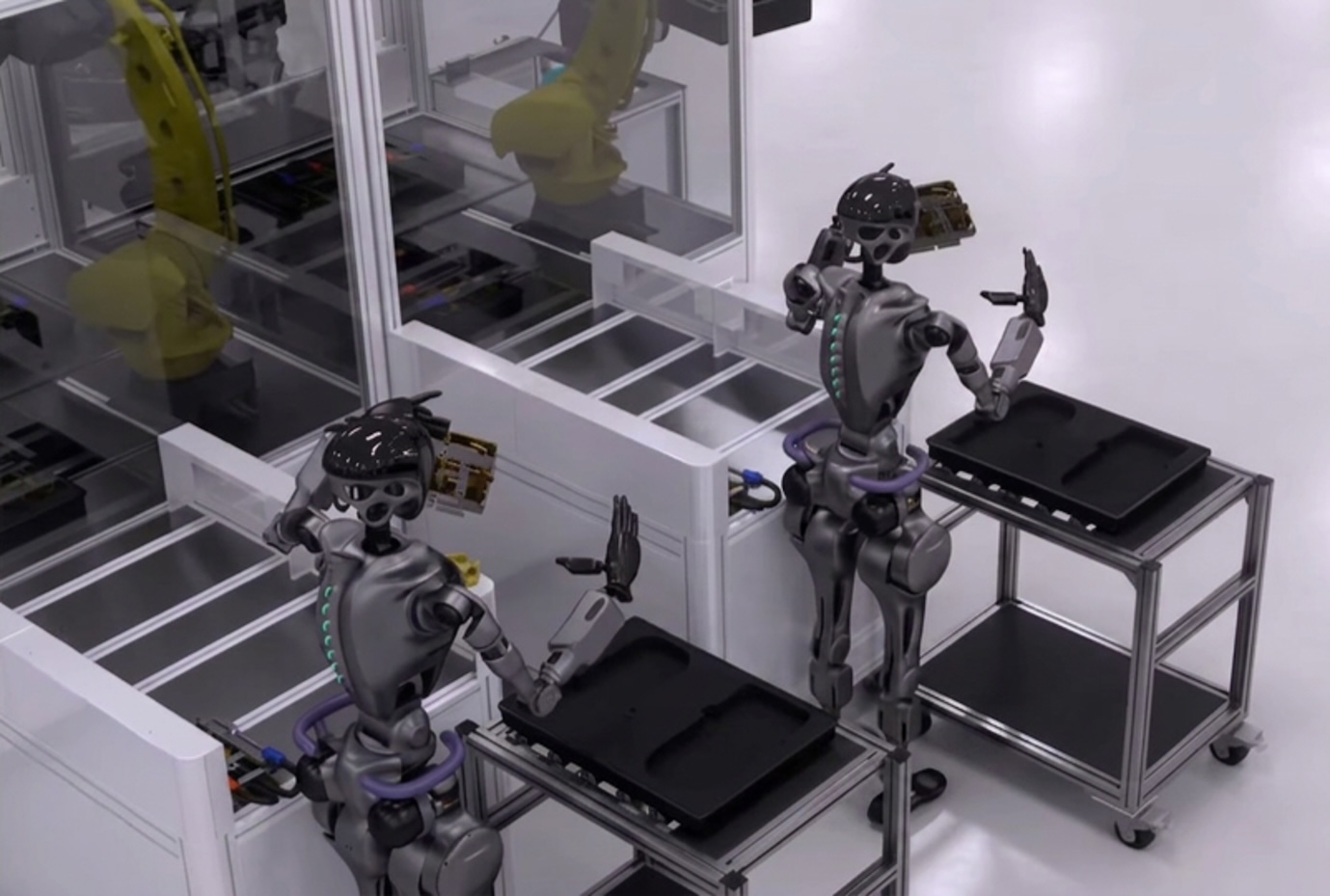
Milrem Robotics Aims to Lead Integration of Uncrewed Systems Near Russia Border
Milrem Robotics has announced its ambition to spearhead the integration of various uncrewed systems from allied nations along the borders with Russia and Belarus through the Unified Drone Logistics (UDL) initiative. This integration is significant as it aims to enhance operational efficiency and interoperability among allied forces, particularly in a region marked by geopolitical tensions. By leveraging the UDL, Milrem Robotics seeks to create a cohesive framework for uncrewed systems that can operate seamlessly across national lines. Looking ahead, stakeholders will be keen to observe how Milrem Robotics implements this initiative and the potential impact it may have on defense strategies in the region. No further timeline was disclosed at the time of publication.
News
Atomica Launches Physical AI Sensor Platform for Diverse Intelligent Systems Applications
Atomica, a microfabrication foundry based in the U.S., has introduced its Physical AI Sensor Platform. This platform is designed to assist customers in creating sensors tailored for various applications, including robotics, autonomy, industrial automation, medical systems, defense, smart infrastructure, and edge intelligence. The launch of the Physical AI Sensor Platform is significant as it addresses the growing demand for advanced sensor technologies across multiple sectors. By providing a streamlined solution for sensor fabrication, Atomica aims to enhance the development of intelligent systems that rely on accurate and efficient sensor data. Looking ahead, industry stakeholders should monitor how Atomica's platform influences sensor development in key sectors. The effectiveness of this platform in facilitating the creation of sophisticated sensors will be crucial for advancements in robotics and other intelligent systems. No further timeline was disclosed at the time of publication.

Development and Evaluation of a Push-Based Gangue-Sorting Robotic System
A new push-based gangue-sorting robotic system has been designed and developed, with successful integration and field evaluation reported in the Journal of Field Robotics. This innovative system aims to enhance the efficiency of sorting gangue materials in mining operations. The significance of this development lies in its potential to improve resource recovery and reduce waste in mining processes. By effectively sorting gangue materials, the robotic system can contribute to more sustainable mining practices and optimize operational efficiency. Looking ahead, the industry will be keen to observe further advancements in robotic sorting technologies and their applications in various mining environments. No further timeline was disclosed at the time of publication.
RESEARCH ARTICLE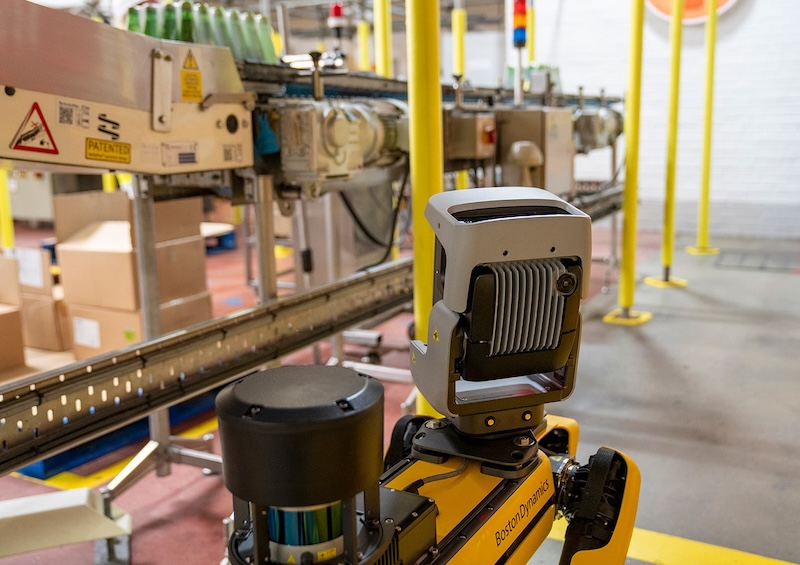
Boston Dynamics Launches Spot 5.2 to Enhance Autonomous Inspections with AI Integration
Boston Dynamics has introduced Spot 5.2, a significant software update aimed at integrating its Spot quadruped robots with enterprise systems. This update allows AI agents to initiate autonomous inspections and other actions on factory floors, enhancing the robot's capabilities alongside the Orbit fleet management software. The importance of this update lies in its potential to unify disparate AI and automation systems within industrial facilities. By enabling data from various sources, including robots, sensors, and cameras, to trigger actions by Spot, Boston Dynamics aims to streamline operations and improve efficiency in industrial environments. Looking ahead, the update includes enhanced inspection capabilities powered by Google Gemini, video inspections, and predictive maintenance tools. No further timeline was disclosed at the time of publication.
Pickr.AI Introduces Modular Picking Robots for Seamless Warehouse Integration
Norwegian robotics firm Pickr.AI has launched a series of modular picking robots that can easily integrate into existing warehouse systems without major modifications. This innovative technology is compatible with various automated storage solutions, including AutoStore and vertical lift modules, allowing for incremental automation in warehouses. The significance of this development lies in its potential to enhance warehouse operations by increasing capacity, improving picking accuracy, and providing predictable operating costs. Pickr.AI's robots utilize advanced robotics, AI, and 3D machine vision, designed to work alongside both automated systems and human workers, thus minimizing implementation risks. Looking ahead, Pickr.AI is set to expand its deployment across the Nordic region and beyond. The company has already seen success with its technology in the pharmaceutical and logistics sectors, notably through partnerships with firms like Spedify and VESO Apotek. No further timeline was disclosed at the time of publication.
News Warehouse robots 3d machine vision artificial intelligence automated picking autostore
Alaska Center for Unmanned Aircraft Systems Integration Tests Drone Delivery of Blood Samples for Anti-Doping Agency
The Alaska Center for Unmanned Aircraft Systems Integration (ACUASI) successfully conducted a test flight carrying chilled human blood samples over a distance of 1,000 kilometers for the International Testing Agency (ITA). This 8-hour, 47-minute round trip from Nenana aimed to assess the viability of long-range drones in transporting biological samples without degradation. This initiative is significant as it explores the potential of unmanned aircraft to enhance the efficiency of medical sample transport, particularly in remote areas. The ITA's interest in utilizing drones stems from their ability to cover greater distances at lower costs compared to traditional crewed aircraft, which could revolutionize the logistics of anti-doping efforts and medical testing. Looking ahead, the results from this test could pave the way for broader applications of drone technology in healthcare and research. ACUASI's capabilities, combined with the operational efficiency demonstrated during this flight, suggest a promising future for drone-assisted medical logistics, especially in underserved communities in Alaska and beyond. No further timeline was disclosed at the time of publication.
Delivery Drone News Drone News Feeds Logistics Medical Medical Delivery
China Advances Toward Integrated Air, Land, and Sea Drone Swarm Systems
China is progressing from large formations of identical drones to a more complex network that coordinates uncrewed systems across air, land, and sea. The China Electronics Technology Group Corporation (CETC) highlights the evolution of drone swarms from mere numbers to distributed systems capable of communication and local decision-making. This shift is significant as it enhances operational capabilities in diverse environments, particularly in military applications. CETC identifies five key capabilities for effective swarm functionality: survivability, situational awareness, planning and decision-making, mission execution, and autonomous learning. While China has made strides in these areas, challenges remain, especially in integrating different types of uncrewed systems. Looking ahead, CETC envisions a heterogeneous swarm that allows various platforms to work together seamlessly. This integration could enable aerial drones, ground vehicles, and maritime systems to share information and resources, enhancing overall mission effectiveness. However, achieving this level of coordination presents substantial technical challenges.
Military
Israel Defense Forces Establish New Branch for Unmanned Systems and AI Integration
The Israel Defense Forces (IDF) are launching a new branch dedicated to unmanned systems and artificial intelligence, as announced by Chief of Staff Lt. Gen. Eyal Zamir. This initiative aims to adapt to the rapidly evolving battlefield, emphasizing the integration of robotics, drones, and AI technologies. The establishment of the Unmanned Systems and Artificial Intelligence Branch is a significant step for the IDF, reflecting a strategic shift towards modern warfare capabilities. Zamir highlighted that these advancements will enhance operational effectiveness and save lives, marking a transformative moment for military operations. Looking ahead, the IDF plans to fully inaugurate this new branch by early December. The focus will be on harnessing technologies across land, air, and sea domains, with an emphasis on maritime capabilities as part of the IDF’s broader multi-year plan, Hoshen. No further timeline was disclosed at the time of publication.
Air Warfare Global Land Warfare AI & Autonomy Air Force Army
Mecalux Leads Integrated Logistics Solutions for Complex Warehouse Projects
Mecalux is increasingly recognized as a global partner for companies seeking integrated solutions in storage systems, automation, robotics, and software. As warehouse projects grow in complexity, the need for a single provider that can manage all aspects of logistics has become essential. This shift aims to reduce project risks and enhance operational performance from the outset. The evolution of warehouse development highlights that competitive advantage now hinges on the integration of various technologies rather than their individual capabilities. For instance, Cepsa's modernization of its lubricants production facility in Spain exemplifies how a turnkey project can improve efficiency and reduce costs by ensuring all phases are managed by one company. Looking ahead, companies across diverse sectors, including pharmaceuticals and food processing, are likely to continue prioritizing integrated logistics solutions. The ability to connect storage systems, automation, and software into a cohesive operation will be critical for businesses aiming to adapt to changing demands and enhance their operational effectiveness.
AMR and AGV Automation Systems and Shuttles Magazine Features Materials Handling Storage & Racking WMS & SCM Software
DOBOT Completes System Integration of Humanoid Robot Atom W in Just 48 Hours
DOBOT and Robotkit successfully integrated the new humanoid robot Atom W at DOBOT's facility in Frankfurt, Germany, completing the task in just 48 hours without any prior preparation. This rapid integration highlights Robotkit's ability to adapt to new hardware and environments instantly, distinguishing it from traditional software that requires specific machine adjustments. The project commenced under unknown conditions with a new robot and environment, showcasing Robotkit's capabilities in real-time object recognition and manipulation. The system demonstrated precise actions such as identifying and retrieving boxes of pharmaceuticals and handing trays to humans, as well as performing delicate tasks like towel folding. These features are essential for transitioning humanoid robots from demonstration phases to real-world production and operation. Robotkit's design allows for immediate execution of diverse skills, including 'Pick & place by prompt' and 'Autonomous explore.' The integration loop enables the robot to process visual information and respond to changes in real-time, enhancing its autonomy. No further timeline was disclosed at the time of publication.

The Role of Integrated Actuators in Enhancing Humanoid Robot Joint Functionality
Humanoid robots are gaining traction in robotics research, attracting interest from universities and tech companies. Unlike traditional industrial robots, humanoid robots must navigate complex environments, requiring advanced joint coordination for human-like movements. This necessitates the use of robotic actuators, which convert electrical energy into mechanical motion, enabling actions like walking and balancing. The significance of integrated actuators lies in their ability to address the challenges faced in humanoid robot design. These actuators must provide high torque output while being compact to avoid adding excessive weight. Additionally, they require precise control for dynamic movements, as any delay can compromise stability. Integrated actuators streamline system integration by combining multiple components into a single module, reducing complexity and enhancing performance. The CubeMars AK45-10 robotic actuator exemplifies this innovation, offering a compact design with a diameter of 53mm and a weight of 260g, while delivering up to 7Nm of peak torque. As humanoid robots continue to evolve, the development of such integrated solutions will be crucial for optimizing performance and efficiency in robotic joint applications. No further timeline was disclosed at the time of publication.
Sponsored Content Cubemars
BAE Systems Explores Typhoon Integration with CCA Drones and Meteor Missiles
BAE Systems is investigating the integration of uncrewed collaborative combat aircraft (CCA) with the Eurofighter Typhoon, aiming to enhance combat capabilities. This initiative is part of a broader Long-Term Evolution (LTE) program that seeks to improve the jet's operational effectiveness in modern warfare environments. The integration of CCAs with the Typhoon is significant as it aims to expand the combat mass and operational range of air forces, addressing emerging threats. BAE Systems has accelerated this work over the past year, coinciding with the U.K. Royal Air Force's launch of the Storm Fighter CCA program, which will enable these drones to operate alongside the Typhoon, F-35, and future Tempest jets. Looking ahead, BAE Systems plans to incorporate advanced technologies such as the European Common Radar System (ECRS) Mk 2 and a large-area display cockpit into the Typhoon. These enhancements are expected to improve the aircraft's capabilities in collaborative combat scenarios, as demonstrated in recent simulations off the east coast of Scotland, where Typhoons successfully coordinated with CCAs.
Air Air Forces Collaborative Combat Aircraft Fighters Royal Air Force Typhoon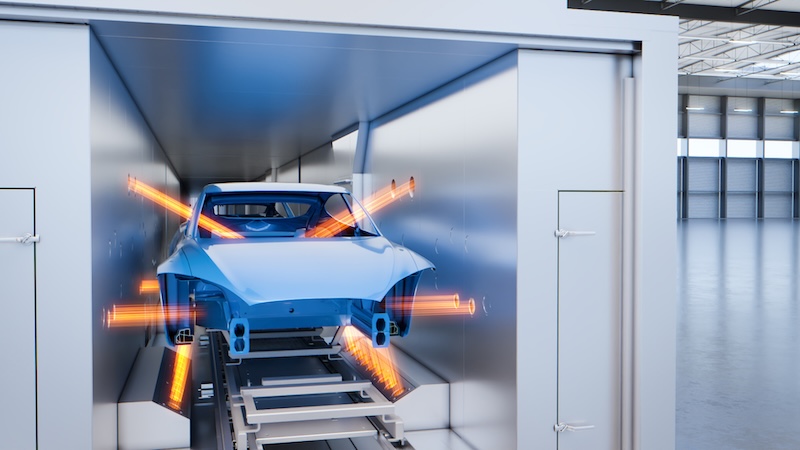
Dürr implementing a CO2-efficient paint shop with cross-plant system integration
Dürr is undertaking a significant project to construct a fully integrated paint shop for Volkswagen Autoeuropa, which includes the deployment of an advanced software solution. This initiative, set to be completed by 2024, aims to enhance efficiency in vehicle production by utilizing cutting-edge application and drying technologies that focus on maximizing CO2 reduction. The project also features an innovative SCADA integration, which will unify three separate paint shops into a single cohesive system. By the end of the project, it is anticipated that the facility will support the production of 236,100 vehicles annually, reflecting a commitment to sustainability and operational excellence in the automotive industry.
Industrial robots News automotive manufacturing automotive production co2 reduction digital manufacturing
LiTime Powers Smart Agriculture and Robotics in Agriculture with Extended Runtime and System Integration
Automation is transforming the landscape of modern agriculture, with technologies such as lawn mowers, irrigation control systems, automated transporters, and robotics becoming increasingly prevalent on farms, plantations, and in greenhouses. These advanced tools are designed to operate efficiently over extended periods, requiring intelligent management and minimal maintenance in challenging outdoor conditions. In response to these demands, LiTime, a prominent manufacturer of lithium batteries, is stepping up to provide innovative energy solutions tailored for agricultural automation. Their products aim to enhance the performance and reliability of these automated systems, ensuring that farmers can maximize productivity while minimizing operational challenges.
Agriculture Automation agricultural automation agricultural machinery agricultural robots amrs
Alibaba launches preorders for its first in-house AI glasses, featuring AR navigation and visual payment integration across its ecosystem
Alibaba has launched preorders for its inaugural self-developed Quark AI Glasses, priced at ¥3,699 ($510) for members and ¥3,999 ($550) for non-members. The preorder phase is currently active on Tmall, with deliveries anticipated to begin in early December. These innovative glasses are equipped with Qualcomm’s AR1 and BES2800 dual flagship chips, allowing them to seamlessly integrate with Alibaba’s ecosystem services and provide augmented reality experiences. This move marks Alibaba's entry into the growing market for smart eyewear, aiming to enhance user interaction with digital content.
News FeedRobotics needs a service framework.
RSF defines a common language for robot service capability, lifecycle operations, certification pathways, and service-provider networks.
Join the RobotToday community on LinkedIn
Daily robotics news, in-depth analysis, conference highlights, and discussions with professionals worldwide.