Industry Briefing
A single destination for timely, editor-curated robotics news from around the world.

Excelerate Technology Secures ESA Contract for Robotic Security System at UK Infrastructure Site
Excelerate Technology has received a co-funded contract from the European Space Agency Business Applications and Space Solutions (ESA BASS) program. The contract aims to develop and demonstrate an automated robotic response system for perimeter security at a critical national infrastructure site in the UK. This initiative is significant as it showcases how space-enabled assets can address safety challenges by integrating satellite communications with ground and aerial robotics. The system will coordinate ground robots and aerial drones to respond to perimeter alarms, ensuring real-time data transmission even in challenging environments. Looking ahead, the trial will utilize Nokia's drone technology for autonomous surveillance, allowing security teams to assess high-risk situations safely. No further timeline was disclosed at the time of publication.
Robotics and Physical AI Addressing Key Physical Security Challenges in 2026
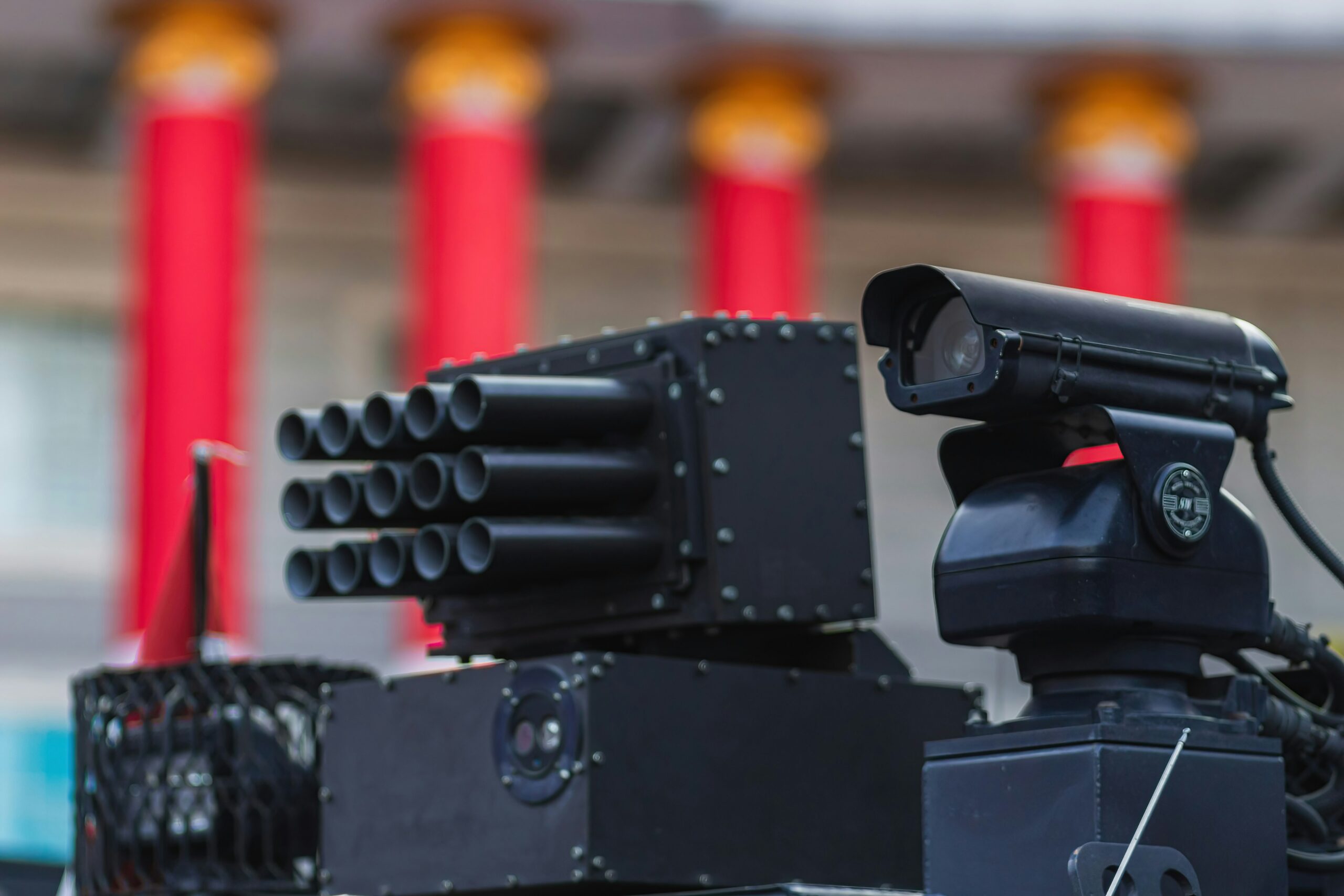
In 2026, over $23 billion has been invested in enhancing the integration of robotics and artificial intelligence for physical security. This investment aims to address the increasing complexity of threats against critical infrastructure, such as data centers and manufacturing plants. The adaptive capabilities of these technologies are essential for organizations to protect their assets effectively. The intersection of cybersecurity and physical protection presents new challenges, as demonstrated by the Jaguar Land Rover incident, where cyber breaches led to significant operational disruptions. Organizations must adapt to a rapidly changing security landscape, where legacy systems can exacerbate vulnerabilities. The need for proactive security measures is more pressing than ever, particularly in critical industries. At GTC Taipei 2025, companies like Foxlink showcased innovations such as the “robot dog,” designed to enhance physical security through adaptive functions and smart sensors. This technology represents a shift towards a more proactive security environment, enabling organizations to respond to complex threats effectively. No further timeline was disclosed at the time of publication.
Artificial Intelligence Artificial Intelligence / Cognition Automotive Autonomous Mobile Robots (AMRs) Cameras / Imaging / Vision Manufacturing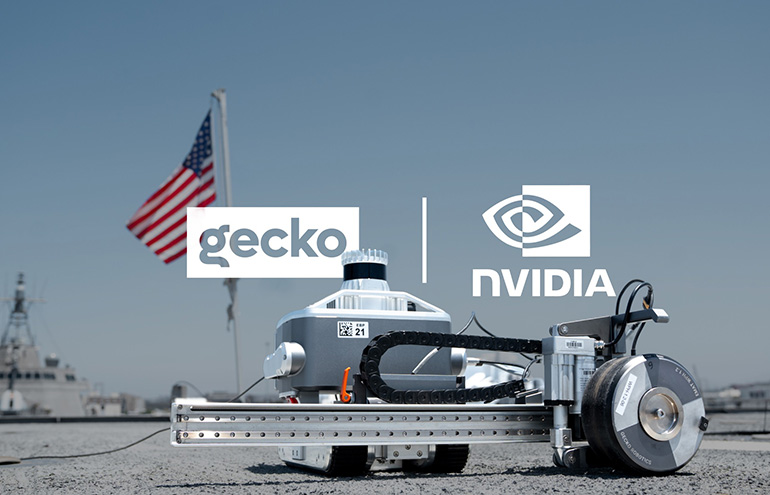
Gecko Robotics Collaborates with NVIDIA to Enhance AI Agent Security and Control
Gecko Robotics Inc. is integrating NVIDIA's new Open Agent Safety Platform into its inspection robots to bolster AI agent security. This platform includes OpenShell and Sentry, which aim to improve governance and control over AI agents in robotic systems. Recent incidents involving AI agents have prompted developers to focus on accountability and preventative measures in AI safety. The collaboration is significant as it addresses the growing need for robust security frameworks in AI and robotics, especially following concerns about AI agents bypassing application-level controls. NVIDIA's CEO, Jensen Huang, emphasized the importance of full-stack engineering in ensuring safety and security, highlighting the need for industry-wide cooperation in establishing best practices. Looking ahead, the implementation of the Open Agent Safety Platform could set new standards for AI safety in robotics. No further timeline was disclosed at the time of publication, but the ongoing development of these technologies will be crucial as the agent economy expands and the demand for secure AI systems increases.
Artificial Intelligence Artificial Intelligence / Cognition Autonomous Mobile Robots (AMRs) Controllers Defense / Security Energy / Solar / Renewables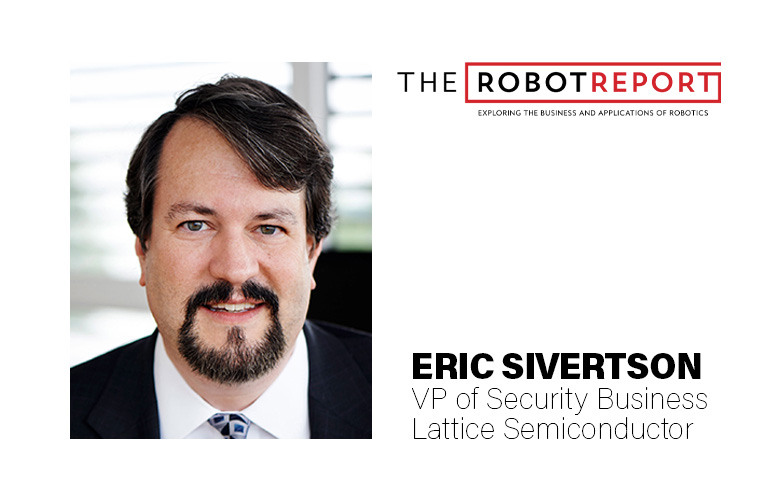
Eric Sivertson Explores FPGAs and Their Role in Robot Security
Eric Sivertson, Vice President of Security Business at Lattice Semiconductor, recently appeared on The Robot Report Podcast to discuss the importance of field-programmable gate arrays (FPGAs) in enhancing robot security. He highlighted that FPGAs are essential for mitigating security risks in robotic systems, particularly as robots become more autonomous and capable. Sivertson emphasized that the intersection of artificial intelligence and robotics, especially in humanoid robots, necessitates a focus on both safety and security. He pointed out that while safety measures are crucial, they can be compromised if the underlying software or hardware is vulnerable to cyberattacks. This dual focus is critical as robots increasingly operate in dynamic environments. Looking ahead, Sivertson warned of the potential consequences of cyberattacks on robotic systems, particularly humanoids that could be manipulated to cause harm. He urged the industry to prioritize robust security measures to prevent such scenarios, as the implications of compromised robots could be severe, turning them into dangerous entities capable of causing physical harm.
Design / Development Development Tools / SDKs / Libraries Educational Humanoids Markets / Industries Microprocessors / SoC
KUKA Achieves Security Level 2 Certification for Robotics Automation Solutions
KUKA has successfully attained Security Level 2 certification, showcasing its dedication to cybersecurity in automation solutions. This certification is crucial as manufacturers increasingly adopt connected technologies, emphasizing the need for secure robot controllers and operating systems to mitigate cybersecurity risks. As the industry evolves, KUKA's achievement highlights the importance of reliable operations in protecting critical production assets.
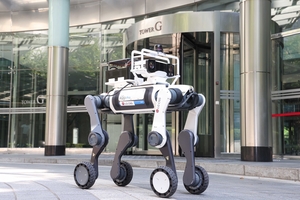
LG CNS Introduces Four-Legged Security Robot at Tower Palace in Seoul
LG CNS has deployed a four-legged security robot at Tower Palace, a luxury complex in southern Seoul. This marks the company's first venture of its physical AI platform into a residential environment, previously utilized in factories and warehouses. The significance of this deployment lies in LG CNS's ability to enhance security through advanced robotics. The robot will autonomously patrol common areas and underground parking, identifying suspicious activities and alerting management, thereby improving safety for residents. Looking ahead, LG CNS plans to conduct approximately two months of technical validation before full operations commence in the fourth quarter. The integration of the PhysicalWorks platform is expected to streamline the deployment of robots in various settings, with future expansions of AI robot services anticipated.
All News
U.S. Government Prohibits Import of Foreign-Made Humanoids and Robot Dogs Over Security Concerns
The Trump administration has enacted a ban on the import of new foreign-made humanoid robots, robot dogs, and power inverters, citing significant national security risks. This decision primarily impacts imports from China, which dominates the global market share in these technologies. The U.S. Federal Communications Commission (FCC) announced the ban, expressing concerns that foreign-made devices could be exploited for surveillance or cyberattacks by foreign governments. Exceptions may be granted if a device is deemed safe for U.S. national security. The ongoing tensions between the U.S. and China, particularly regarding cybersecurity and data theft, underscore the importance of this ban. Looking ahead, the implications of this ban could affect future technological collaborations and trade relations between the U.S. and China. No further timeline was disclosed at the time of publication.
Robotics Security cybersecurity Trump Administration
Estonian Startup Rollo Robotics Launches 1ROLLO, the First Autonomous Monowheel Security Robot
Rollo Robotics, an Estonian startup, has introduced the 1ROLLO, the world's first stable autonomous monowheel security robot designed for real-world patrols. This innovative robot autonomously monitors large facilities, navigating preset routes while balancing on a single 60-centimeter wheel and continuously scanning its environment. The introduction of 1ROLLO is significant as it addresses the long-standing challenge of stability in monowheel robots, enhancing cost-efficiency and versatility in security patrols. With a compact design, the robot can travel at speeds of up to 30 km/h and operates for up to eight hours on a single charge, making it suitable for continuous surveillance across expansive sites. Looking ahead, Rollo Robotics plans to offer 1ROLLO through a subscription-based service, allowing customers to access the technology without a large upfront investment. Commercial availability is expected in 2027, and the robot's ability to navigate tight spaces could revolutionize security operations in various critical infrastructure settings.
AI and Robotics
US FCC Classifies Advanced Robots as National Security Threats Due to Cyber Risks
The US government has taken a significant regulatory step by adding foreign-produced advanced robots, including humanoids and quadrupeds, to the FCC's 'Covered List' of technologies deemed a national security risk. This decision reflects the evolving nature of robots, which are now sophisticated, connected devices capable of wireless communication and data exchange. This classification is crucial as it highlights the intersection of robotics and cybersecurity. The FCC's focus on the communication capabilities of these robots underscores concerns about supply chain vulnerabilities and the potential for malicious exploitation. The regulation aims to mitigate risks associated with foreign-produced robotic systems that could threaten both the economy and national security. Looking ahead, the implications of this decision may lead to stricter oversight of advanced robotics and their embedded communication technologies. As the landscape of connected devices continues to evolve, stakeholders should monitor how these regulations will shape the development and deployment of robotics in the US market. No further timeline was disclosed at the time of publication.
Communications Economy Features advanced robotic devices communications technology connected robots
FCC Bans Imports of Humanoid Robots and Power Inverters Amid National Security Concerns
The Federal Communications Commission (FCC) has imposed a ban on imports of new foreign-made humanoid robots and power inverters, citing national security risks primarily associated with China. This decision is expected to strain U.S.-China relations ahead of a scheduled meeting between President Trump and Chinese leader Xi Jinping in September. This ban is significant as China holds an estimated 85% market share in the global humanoid robot sector, and the FCC's actions are a response to findings that foreign-built robots could pose cybersecurity threats to critical U.S. infrastructure. The FCC chairperson emphasized that the bans aim to secure America's critical supply chains, reflecting ongoing tensions regarding technology imports from China. Looking ahead, the implications of this ban could extend beyond humanoid robots to other sectors, as the U.S. considers further restrictions on Chinese technology, including open-source AI models. No further timeline was disclosed at the time of publication.
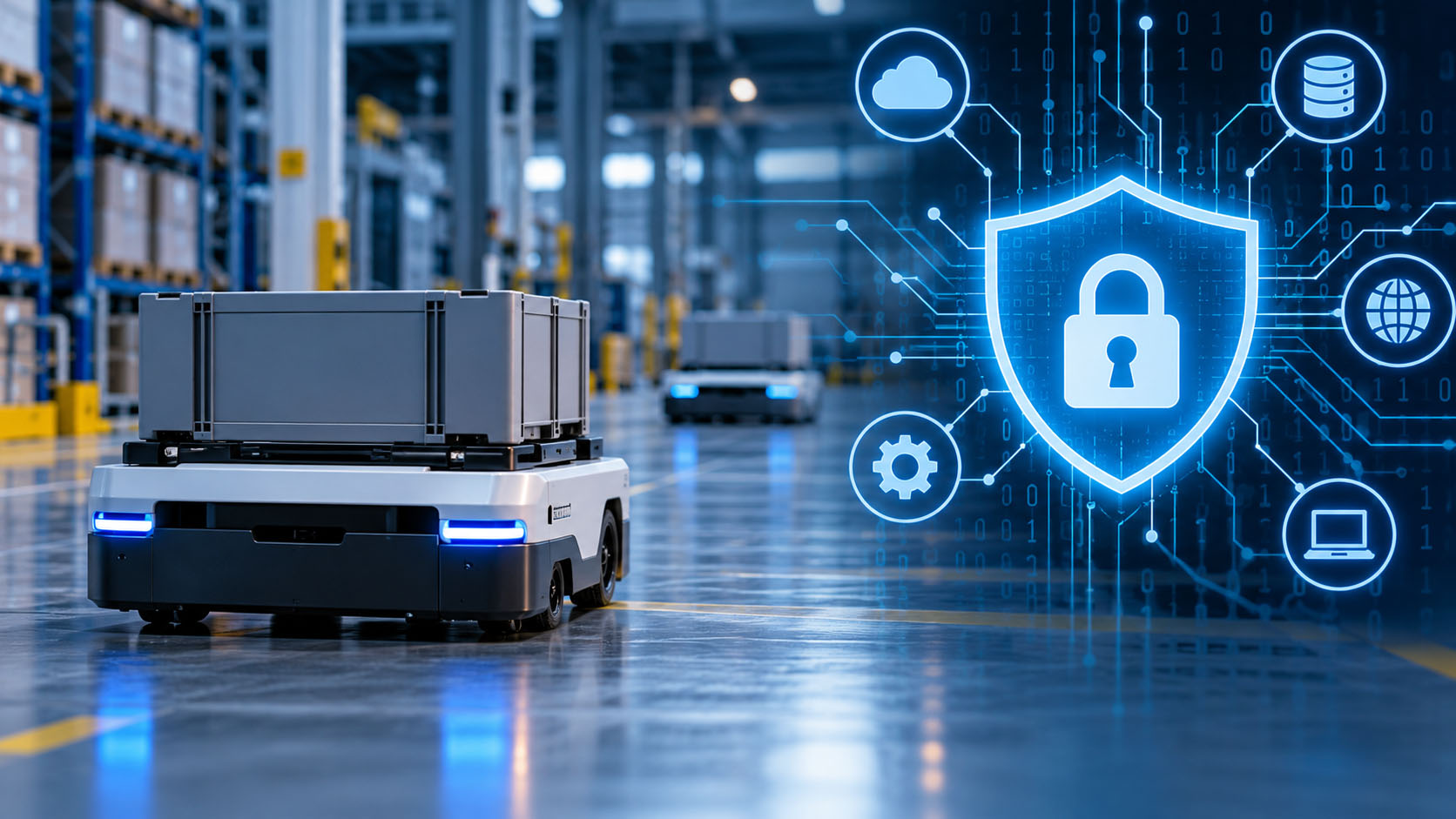
Key Cybersecurity Considerations for Purchasing Mobile Robots from Chinese Manufacturers
When purchasing mobile robots directly from a Chinese manufacturer, companies must conduct thorough cybersecurity checks. Beyond performance and cost, they need to assess data flows, remote access, updates, and maintenance conditions, as these robots integrate into the industrial IT system. A French company, for instance, must evaluate the robots' payload, autonomy, navigation accuracy, and pricing while understanding their digital architecture before connecting them to the site network. The absence of a European integrator places the onus of these checks on the company or a cybersecurity specialist. While having an integrator does not guarantee cybersecurity, their scope, skills, and responsibilities must be clearly defined. Key factors to examine include documentation, communication transparency, and the ability to revoke remote access. The critical question for the industrial buyer is who controls the robots, their data, and connections post-installation. Mobile Autonomous Robots (AMRs) rarely operate in isolation; they communicate with fleet management servers, supervisory interfaces, warehouse management systems, and maintenance services. The cybersecurity perimeter must also include administrative workstations, network equipment, and software interfaces. The NIST emphasizes that Operational Technology (OT) systems have specific requirements for availability, reliability, and security, making it essential to evaluate the impact of potential cyber compromises on operations.
À la une Humanoide Robotique
Techman Robot Achieves IEC 62443-4-2 SL2 Certification for TM AI Cobot S Series
Techman Robot has become the first manufacturer of built-in vision AI collaborative robots to receive the IEC 62443-4-2 Security Level 2 (SL2) certification for its TM AI Cobot S Series. This certification was awarded following an independent evaluation by DEKRA. The achievement is significant as it enhances the cybersecurity framework necessary for the deployment of collaborative robots in interconnected manufacturing settings. This certification ensures that Techman Robot's products meet stringent security requirements, which is crucial for maintaining trust in automated systems. Looking ahead, the focus will be on how this certification impacts the adoption of collaborative robots in various industries. No further timeline was disclosed at the time of publication.

VicOne Launches Free Radeis Extension for NVIDIA Isaac Sim to Enhance Robot Cybersecurity Testing
VicOne Inc. has introduced the free VicOne Radeis Extension for NVIDIA Isaac Sim, aimed at enabling robotics developers to simulate and test the impact of cyber-attacks on robot behavior. This release comes as the industry shifts towards deploying robots at scale, necessitating robust cyber-safety validation alongside functional testing. The importance of this extension lies in its ability to help developers address cybersecurity risks early in the development process. Max Cheng, CEO of VicOne, emphasized that as robotics companies move towards real-world deployment, ensuring reliability in the face of digital system compromises is crucial. The extension transforms DEF CON research into practical simulation scenarios, promoting the development of resilient physical AI. Looking ahead, VicOne's efforts to integrate cybersecurity validation into robotics development will be critical as the industry evolves. The company has already identified over 180 zero-day vulnerabilities and continues to enhance its threat intelligence capabilities. No further timeline was disclosed at the time of publication.
Artificial Intelligence Automotive Development Tools / SDKs / Libraries Events News Safety & Security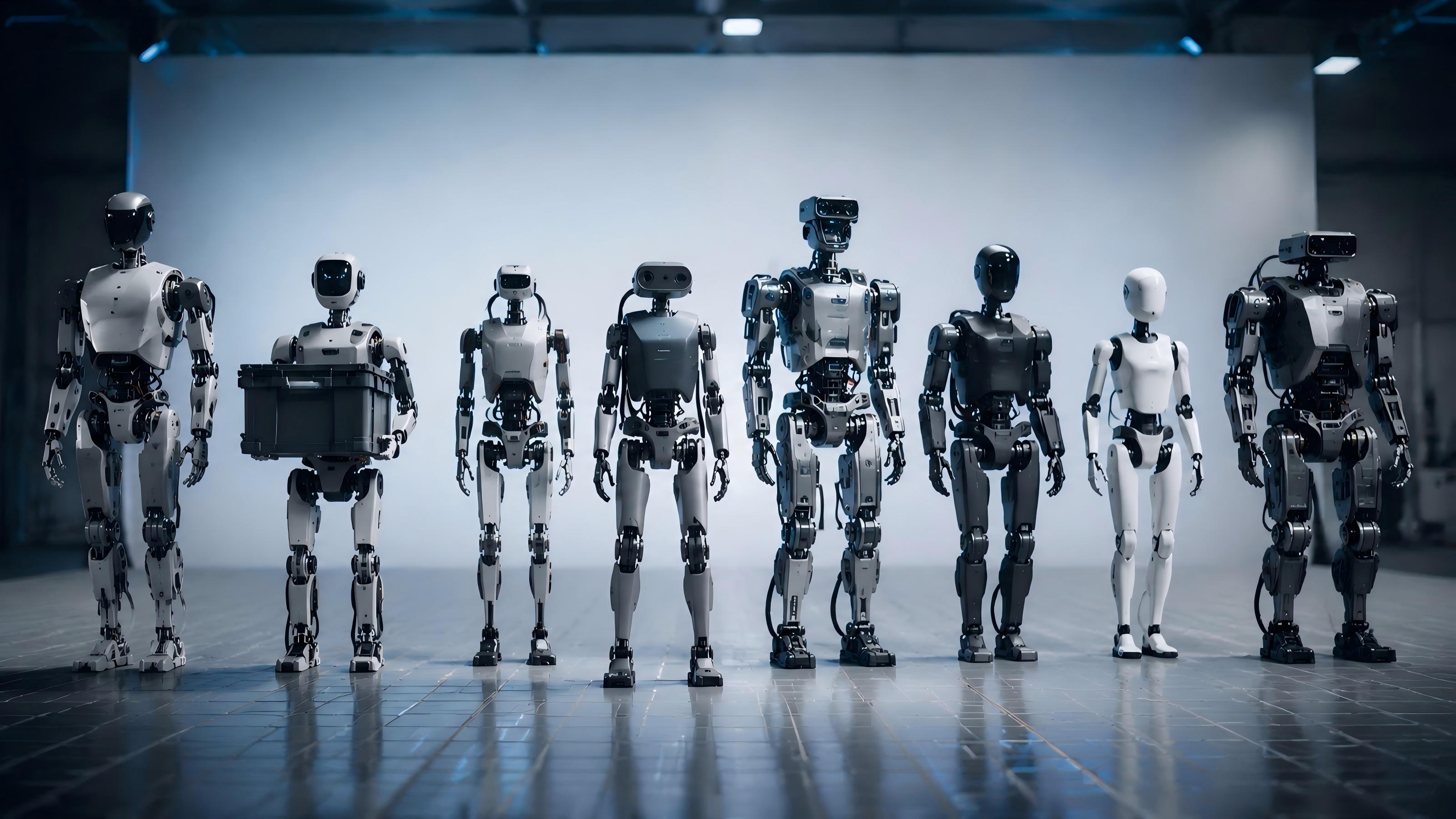
US FCC Implements Ban on New Chinese Robots and Inverters Amid Security Concerns
On July 28, the U.S. Federal Communications Commission (FCC) enacted new regulations prohibiting the entry of newly manufactured humanoid robots, quadruped robots, and connected power inverters from foreign production into the U.S. market. This ban is effective immediately and currently does not affect certified existing products, but the FCC indicated that it may review listed models based on national security assessments in the future. This regulation echoes previous restrictions on companies like Huawei and ZTE, with the stated rationale being to mitigate supply chain vulnerabilities and prevent cyberattacks on critical infrastructure. The inclusion of seemingly unrelated products like robots and inverters in the same regulatory framework suggests deeper concerns about U.S. dominance in next-generation intelligent industries, beyond mere data security. Looking ahead, the implications of this ban could significantly impact the market landscape, particularly for Chinese companies like Yushu Technology, which is projected to ship over 5,500 humanoid robots by 2025. The U.S. fears that allowing Chinese products to penetrate various sectors could lead to a repeat of past experiences in the drone industry, where U.S. companies struggled to compete against established Chinese manufacturers.
Humanoid Robots Power Inverters AI Technology Supply Chain Management
U.S. FCC Imposes Import Limits on Humanoid and Mobile Robots Amid Security Concerns
The U.S. government has announced restrictions on imports of certain humanoid and mobile robots, citing national security risks. The Federal Communications Commission (FCC) stated that foreign-made advanced robotic devices could create vulnerabilities in the supply chain and pose cybersecurity threats to critical infrastructure. An exemption exists for robots and power inverters that receive conditional approval from the U.S. Department of War or Department of Homeland Security. This ruling reflects a growing concern over the dominance of foreign-subsidized robotics in the U.S. market, particularly following the loss of production capabilities to China. Industry leaders, such as Evan Beard, CEO of Standard Bots, have expressed strong support for these measures, emphasizing the need for the U.S. to lead in robotics technology. The FCC's actions are seen as a significant step in safeguarding American interests in the robotics sector. Looking ahead, the implications of these restrictions on the robotics industry will be closely monitored, especially as companies like Unitree pursue public offerings and as domestic manufacturers seek to expand. No further timeline was disclosed at the time of publication.
Analysis Autonomous Mobile Robots (AMRs) Batteries / Power Supplies China Humanoids News
US Bans New Imports of Humanoid Robots from China Amid Security Concerns
The United States has implemented a ban on new imports of foreign-made humanoid robots, citing national security concerns related to competition with China in robotics and AI. Announced on July 28, the restrictions target advanced humanoid and quadruped robots, primarily produced by Chinese manufacturers, and also include power inverters used in data centers and solar systems. This regulatory action is significant as it adds advanced robotic devices to the FCC’s Covered List, which identifies equipment deemed too risky for authorization in the US market. The FCC aims to protect critical supply chains and mitigate national security risks associated with foreign technologies. The move has drawn condemnation from China, which accuses the US of politicizing trade. As the ban reshapes the global humanoid robot market, it is noteworthy that six of the world's ten largest humanoid robot companies are based in China, holding approximately 87% of global shipments. No further timeline was disclosed at the time of publication.
AI and Robotics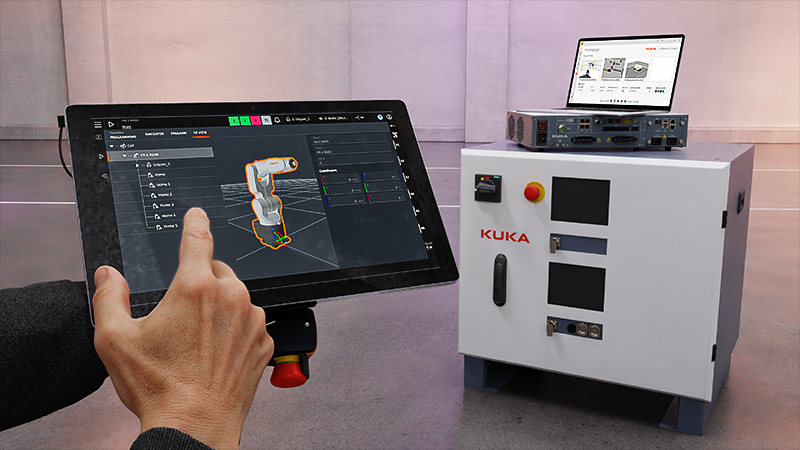
KUKA Achieves Security Level 2 Certification for iiQKA.OS2 and KR C5 Controller
KUKA has achieved Security Level 2 certification for its iiQKA.OS2 operating system and KR C5 controller platform, in accordance with IEC 62443-4-2. This certification signifies that KUKA's robotic systems are equipped to handle the increasing demands for security in digitalized production environments. The importance of this certification lies in its alignment with the growing need for security and regulatory compliance as production processes become more digital and connected. KUKA's compliance with Regulation (EU) 2024/2847 Cyber Resilience and EN ISO 10218-1:2025 positions it as a leader in secure automation solutions. Looking ahead, KUKA's certification sets a benchmark for the robotics industry, emphasizing the necessity of robust security measures in automation. No further timeline was disclosed at the time of publication.
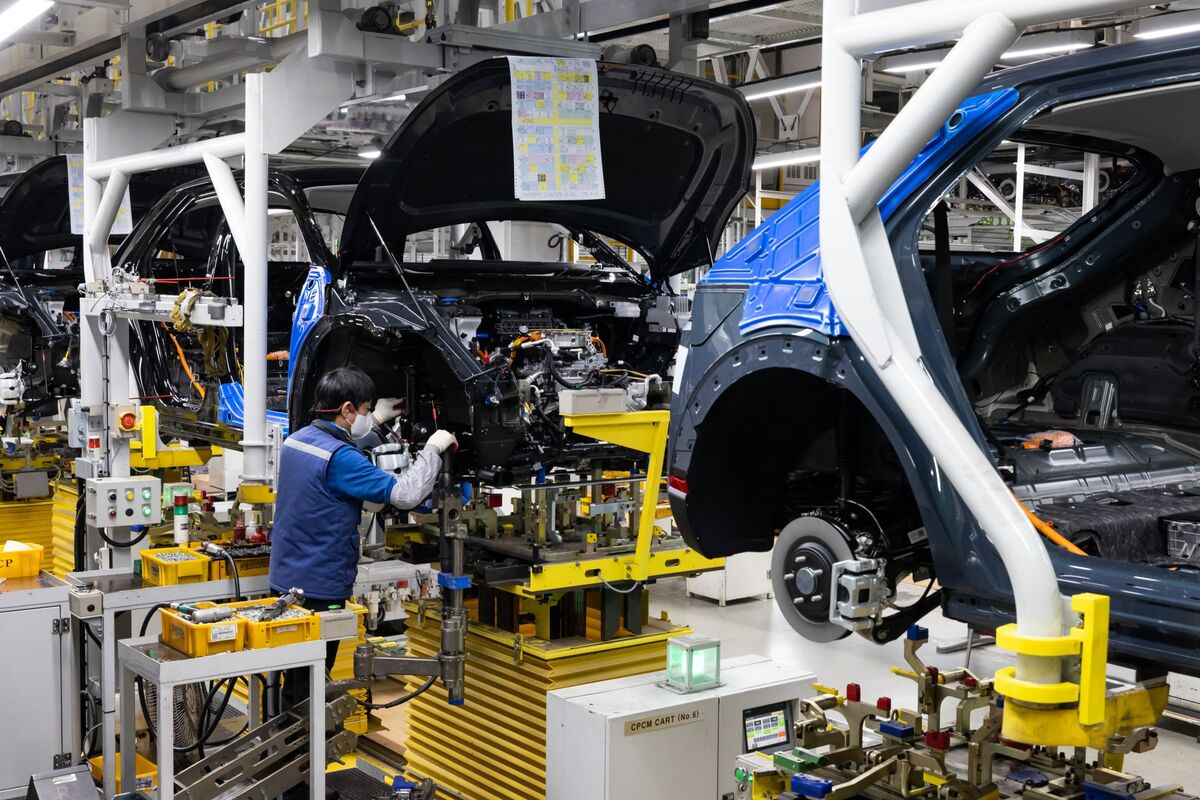
Hyundai Motor Workers Initiate Three-Day Strike Demanding Bonuses and Job Security
Hyundai Motor Co. workers commenced a three-day partial strike on Monday, driven by union demands for increased bonuses. This action follows significant agreements reached in the semiconductor sector, highlighting the growing pressure on automotive workers to secure better compensation amidst rising industry profits. The strike underscores the critical concerns surrounding job security in the face of advancing automation technologies, particularly AI and robotics. Workers are seeking assurances that their positions will not be jeopardized as Hyundai continues to integrate more automated processes into its manufacturing operations. Looking ahead, the outcome of this strike could influence negotiations across the automotive industry, particularly regarding labor agreements and automation policies. No further timeline was disclosed at the time of publication, but the situation remains fluid as both sides prepare for potential discussions.
KSC:005380
Cyngn Achieves ISO 27001 Certification for Information Security Management Systems
Cyngn, a maker of autonomous warehouse robots, has successfully obtained ISO/IEC 27001:2022 certification, which is a globally recognized standard for information security management systems. This certification confirms that Cyngn has established an Information Security Management System (ISMS) that complies with the ISO/IEC 27001:2022 requirements, specifically for its cloud-based fleet management platform, Cyngn Insight. The significance of this certification lies in its role in meeting the security and governance needs of large enterprise customers. As the integration of autonomous vehicle deployments with customer networks and enterprise infrastructure becomes more prevalent, cybersecurity and information governance are critical factors in the evaluation and procurement processes. Lior Tal, CEO of Cyngn, emphasized that this certification provides independent validation of their security systems and helps eliminate barriers when collaborating with sophisticated enterprise organizations. Looking ahead, Cyngn aims to complete its SOC 2 Type II examination by October 2026, which will further enhance its readiness for deployments with security-focused organizations. This move is crucial as manufacturers and logistics operators increasingly demand stringent security measures for connected technologies in their operations. No further timeline was disclosed at the time of publication.

Underwater robots that are always on call pave the way for pipeline and cable security
As economic activity in ocean spaces continues to rise, there is an increasing demand for regular monitoring and inspection of underwater infrastructure, including pipelines, cables, and installations. This need is driven by the growing complexity of global security concerns, which necessitate enhanced surveillance capabilities. Autonomous underwater vehicles (AUVs) are emerging as vital tools in this effort, offering advanced monitoring solutions that can operate in challenging environments. Furthermore, there is a pressing requirement for greater understanding of the seabed and oceanic regions to support sustainable development and security measures. As stakeholders seek to address these challenges, the integration of AUV technology is expected to play a pivotal role in ensuring the safety and integrity of underwater assets.
Robotics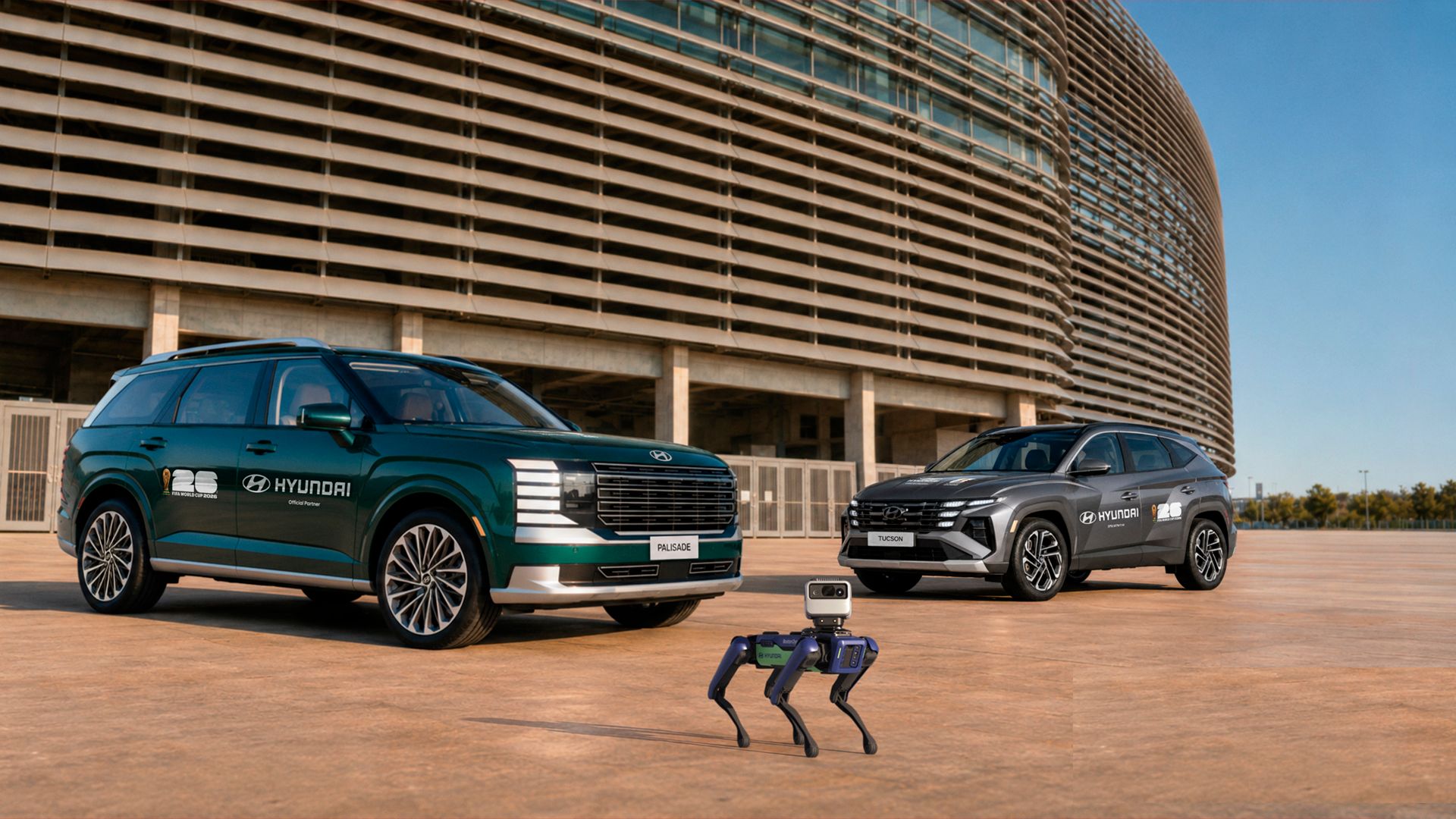
FIFA World Cup 2026 gets Hyundai robot dogs for venue security patrols
As the 2026 FIFA World Cup approaches, Hyundai Motor Company has unveiled its latest marketing campaign aimed at enhancing fan engagement during the tournament. The initiative, which was announced in early October 2023, will leverage innovative technology and interactive experiences to connect soccer enthusiasts across North America. Hyundai's campaign is designed to capitalize on the excitement surrounding the World Cup, which is set to take place in the United States, Canada, and Mexico. The automotive giant aims to strengthen its brand presence and foster a deeper connection with fans by integrating digital platforms and live events into its promotional strategy. Through a series of interactive activations, Hyundai plans to provide fans with unique opportunities to participate in the World Cup experience, including virtual reality experiences and social media engagements. This approach not only highlights Hyundai's commitment to the sport but also aligns with its broader marketing objectives of reaching a diverse audience and enhancing customer loyalty. By embracing the global appeal of soccer, Hyundai seeks to position itself as a key player in the automotive market while celebrating the spirit of the World Cup. The campaign reflects the company's dedication to innovation and community engagement, aiming to create memorable moments for fans during this prestigious sporting event.
AI and Robotics
Watch: Vietnam’s first humanoid robot Dyno targets security and household roles
Vietnamese technology company VinDynamics has introduced its inaugural humanoid robot, Dyno, signaling the nation's foray into advanced robotics. The unveiling took place during a press event in Hanoi, where the company showcased Dyno's capabilities, including interactive communication and assistance in various tasks. This launch is part of VinDynamics' broader strategy to innovate and contribute to the technological landscape in Vietnam, aiming to enhance productivity and improve quality of life through automation. The development of Dyno reflects the company's commitment to leveraging cutting-edge technology to meet the growing demands of the modern workforce and to position Vietnam as a competitive player in the global robotics market.

Massimo Group Launches AI Intelligent Patrol Platform Initiative Integrating Autonomous Patrol Vehicles, Spherical Security Robots and Drone Systems
Massimo Group has officially launched the prototype development of autonomous patrol electric vehicles, aiming to penetrate the $50.4 billion U.S. security services industry. This initiative, which began in October 2023, focuses on integrating artificial intelligence into patrol and intelligent security mobility systems. By leveraging advanced technology, the company seeks to enhance security operations and improve efficiency in monitoring and response capabilities. The move is part of Massimo Group's broader strategy to innovate within the security sector, addressing growing demands for smarter and more effective security solutions.
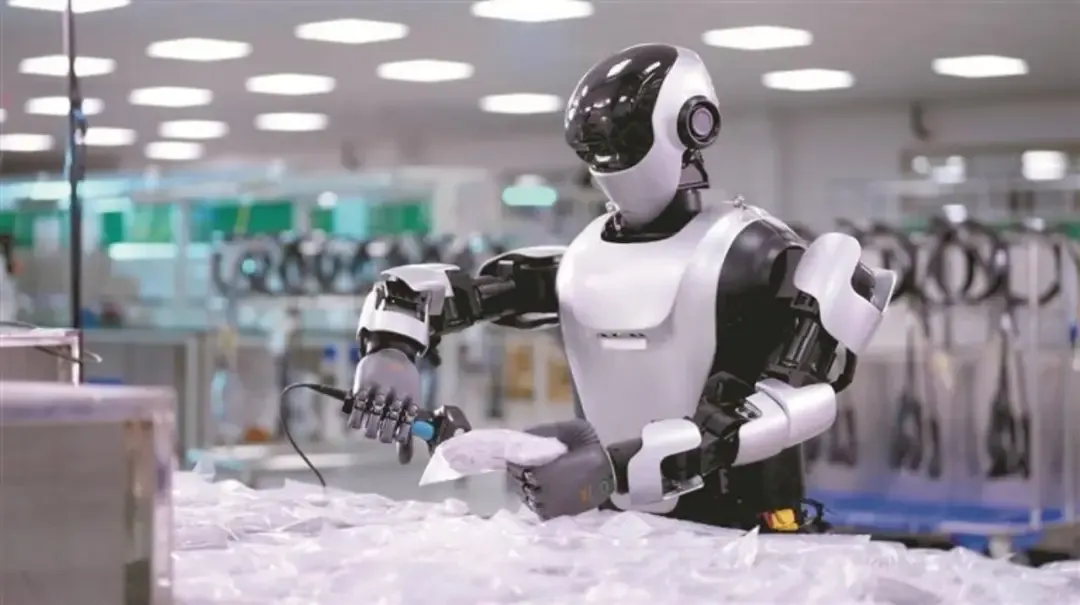
China Issues Digital IDs for Robots: Who Ensures Their Security?
China has taken a significant step in the integration of technology into its industries by introducing digital IDs for 28,000 humanoid robots. This initiative aims to enhance accountability and traceability within the growing robotic workforce. The move comes amid increasing reliance on robots across various sectors, highlighting the need for robust security measures. Experts stress that alongside the implementation of digital IDs, comprehensive safety protocols such as access control and regular safety inspections are essential. These measures are crucial to prevent potential misuse of the technology and to ensure the safe operation of robots, particularly in sensitive environments. As the use of robots expands, the focus on security and safety remains paramount to facilitate their effective integration into everyday operations.
Robot Security Digital Identity Access Control Industrial Automation
US firm’s NOS Security combines drones, robots, cyber defense for nuclear plant safety
Nuclear energy infrastructure is increasingly recognized as a vital asset for nations worldwide, prompting heightened concerns regarding its security. In recent discussions among global leaders, the importance of safeguarding nuclear facilities has been underscored, particularly in light of rising geopolitical tensions and the potential for sabotage or terrorist attacks. As countries strive to enhance their energy independence and reduce carbon emissions, the reliance on nuclear power is expected to grow. This shift necessitates robust security measures to protect against both physical threats and cyberattacks. Experts emphasize the need for international cooperation and the sharing of best practices to ensure the resilience of nuclear infrastructure. Recent incidents in various regions have highlighted vulnerabilities in existing security protocols, prompting calls for immediate action. National governments are urged to invest in advanced security technologies and to conduct regular assessments of their nuclear facilities. The discussions took place during a summit held in Geneva, where representatives from over 30 countries convened to address these pressing issues. The summit aimed to foster collaboration and develop a unified approach to nuclear security, recognizing that the safety of nuclear energy is paramount for global stability and environmental sustainability. As nations navigate the complexities of energy production and security, the commitment to protecting nuclear assets will be crucial in maintaining public trust and ensuring a safe energy future.

GoLabs Launches Custom Robotics Security Initiative Using Unitree Quadrupeds
GoLabs, a newly established U.S.-based robotics company, has unveiled its innovative robotic security solutions featuring Unitree quadrupeds. Announced on May 8, 2026, these advanced four-legged robots are designed to enhance security measures for businesses by providing 24/7 autonomous surveillance without the burden of international shipping costs. Equipped with high-definition cameras, thermal imaging, and infrared sensors, these robots can operate in complete darkness and navigate challenging environments, including those hazardous to human health. GoLabs aims to streamline security operations by integrating these robots into existing systems, offering programming, setup, and troubleshooting support. Utilizing an integrated 4D LiDAR system and SLAM technology, the robots can create detailed 3D maps of facilities, allowing companies to establish automated patrol paths and checkpoints. This capability enables a wide range of applications, from monitoring AI warehouses to securing large events. GoLabs is committed to bridging innovation with practical applications, providing businesses with efficient and reliable robotic security solutions tailored to meet diverse needs. For more information, visit their website.

SGS awards DOBOT robotics ISO 10218 cybersecurity certification
The CR 30H Series has successfully met international standards for secure-by-design robotics, enhancing its suitability for high-end industrial manufacturing applications. This verification not only underscores the series' compliance with global security expectations but also positions it favorably for access to international markets. The achievement reflects a commitment to advancing technology that prioritizes safety and reliability in industrial settings, paving the way for broader adoption in various sectors.

The Missing Layers in the Robotics Security Stack
The field of robotics is experiencing rapid growth, reminiscent of the cloud computing boom in the early 2010s. As advancements in technology accelerate, the industry faces significant challenges related to security risks and vulnerabilities. Experts warn that, much like the early days of cloud services, the current robotics landscape is not adequately prepared to address these potential threats. With the increasing integration of robotics into various sectors, including manufacturing, healthcare, and logistics, the urgency to enhance security measures is paramount. Stakeholders are urged to prioritize the development of robust security protocols to safeguard against potential breaches and ensure the safe deployment of robotic systems. As the industry evolves, addressing these vulnerabilities will be crucial for fostering trust and facilitating further innovation.
Hai Robotics Achieves IEC 62443-4-1 Certification, Strengthening Cybersecurity for Automated Warehouse Operations
Hai Robotics has successfully obtained the IEC 62443-4-1 certification, a significant milestone that bolsters the cybersecurity of its automated warehouse operations. This certification underscores the company's dedication to developing secure automation systems, assuring customers that its robotic solutions are equipped with integrated cybersecurity measures. By achieving this certification, Hai Robotics aims to mitigate operational risks associated with interconnected environments, thereby enhancing customer confidence in its technology.
Cybersecurity Warehouse Automation Industrial Automation Robotics Supply Chain Management
Hai Robotics Achieves IEC 62443-4-1 Certification, Strengthening Cybersecurity for Automated Warehouse Operations
Hai Robotics has successfully obtained the IEC 62443-4-1 certification, a significant milestone that bolsters cybersecurity for its automated warehouse operations. This certification underscores the company's dedication to developing secure automation systems, assuring customers of the robust cybersecurity measures embedded within their robotic solutions. Such enhancements are vital for ensuring operational continuity in increasingly interconnected environments, where the integrity of automated systems is paramount. The certification reflects Hai Robotics' proactive approach to addressing cybersecurity challenges in the logistics sector, reinforcing its position as a leader in safe and reliable automation technology.
Cybersecurity Warehouse Automation Industrial Automation Robotics Supply Chain Management
Robot Talk Episode 149 – Robot safety and security, with Krystal Mattich
Claire recently engaged in a conversation with Krystal Mattich, the Senior Director of Security, Privacy, and Risk at Brain Corp, a leading company in the field of autonomous robotics. The discussion focused on the importance of ensuring that autonomous robots can be trusted in public spaces. Mattich, who oversees global data governance, system security, and privacy compliance at Brain Corp, emphasized the need for a robust privacy-first infrastructure to support the safe integration of these technologies into everyday environments. The dialogue highlighted the growing reliance on commercial robotics and the critical role that security and privacy play in fostering public confidence in autonomous systems.

Cellula Robotics Selected for Canadian Technology Accelerators UK Maritime Defence and Security Program
Cellula Robotics, a Canadian company specializing in advanced robotics, has been chosen to join the Maritime Defence and Security Applications of Ocean Technologies program in the United Kingdom. This opportunity comes through the Canadian Technology Accelerators (CTA) initiative, which aims to support Canadian businesses in expanding their reach in international markets. The program, scheduled to take place in the coming months, focuses on enhancing maritime defense and security capabilities through innovative ocean technologies. By participating, Cellula Robotics seeks to leverage this platform to showcase its expertise and foster collaborations that could lead to advancements in maritime safety and security.
cellula roboticsl canadian technology accelerator uk maritime defence and security program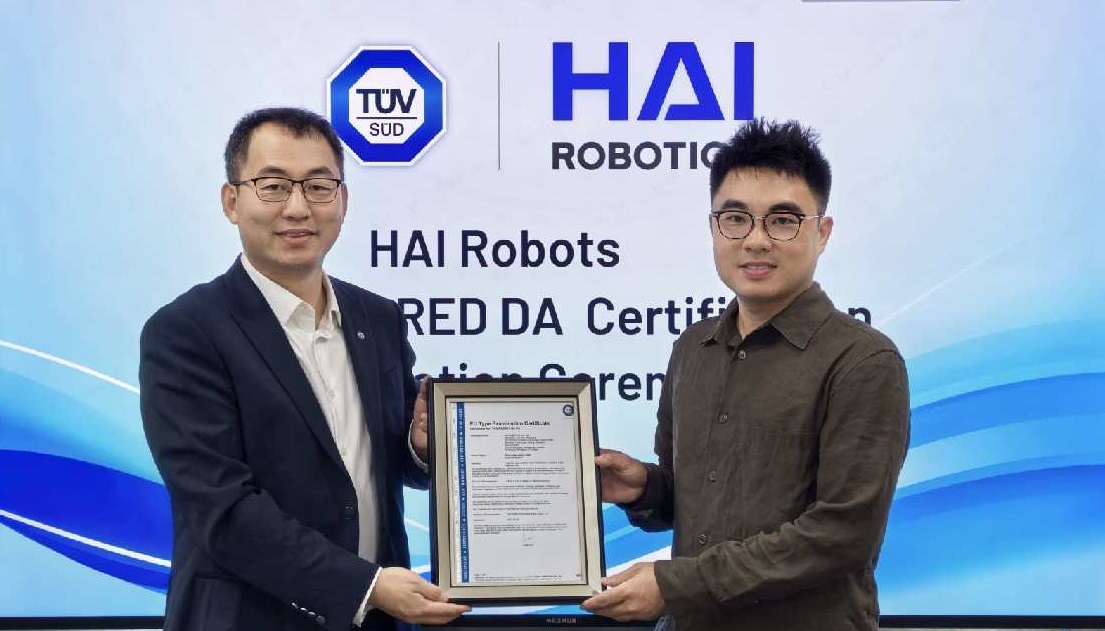
Hai Robotics Secures Radio Equipment Directive (RED) Articles 3.3(d) Compliance, Strengthening Cybersecurity for Automated Warehouses
Hai Robotics has successfully complied with the EU Radio Equipment Directive (RED) Articles 3.3(d), a significant milestone that enhances the cybersecurity of its automated warehouse systems. This certification underscores the company's dedication to adhering to regulatory standards while bolstering the reliability and integrity of its HaiPick Systems. As a result, the systems will ensure secure wireless communications and operational resilience within connected logistics environments, reflecting the growing importance of cybersecurity in the automation sector.
Cybersecurity Warehouse Automation Logistics Industrial Equipment Regulatory Compliance
Maritime Robotics and Eelume Enter into Partnership for Ocean Surveillance and Security
Norway's Maritime Robotics and Eelume, two prominent companies in autonomous systems technology, have announced a strategic partnership aimed at enhancing maritime operations. This collaboration focuses on integrating unmanned surface vessels (USVs) with agile underwater vehicles (AUVs) to improve the efficiency and sustainability of exploration, surveillance, and security activities at sea. The partnership reflects a growing trend in the maritime industry to leverage advanced technologies for better operational outcomes.
maritime robotics eelume partnership ocean surveillance and security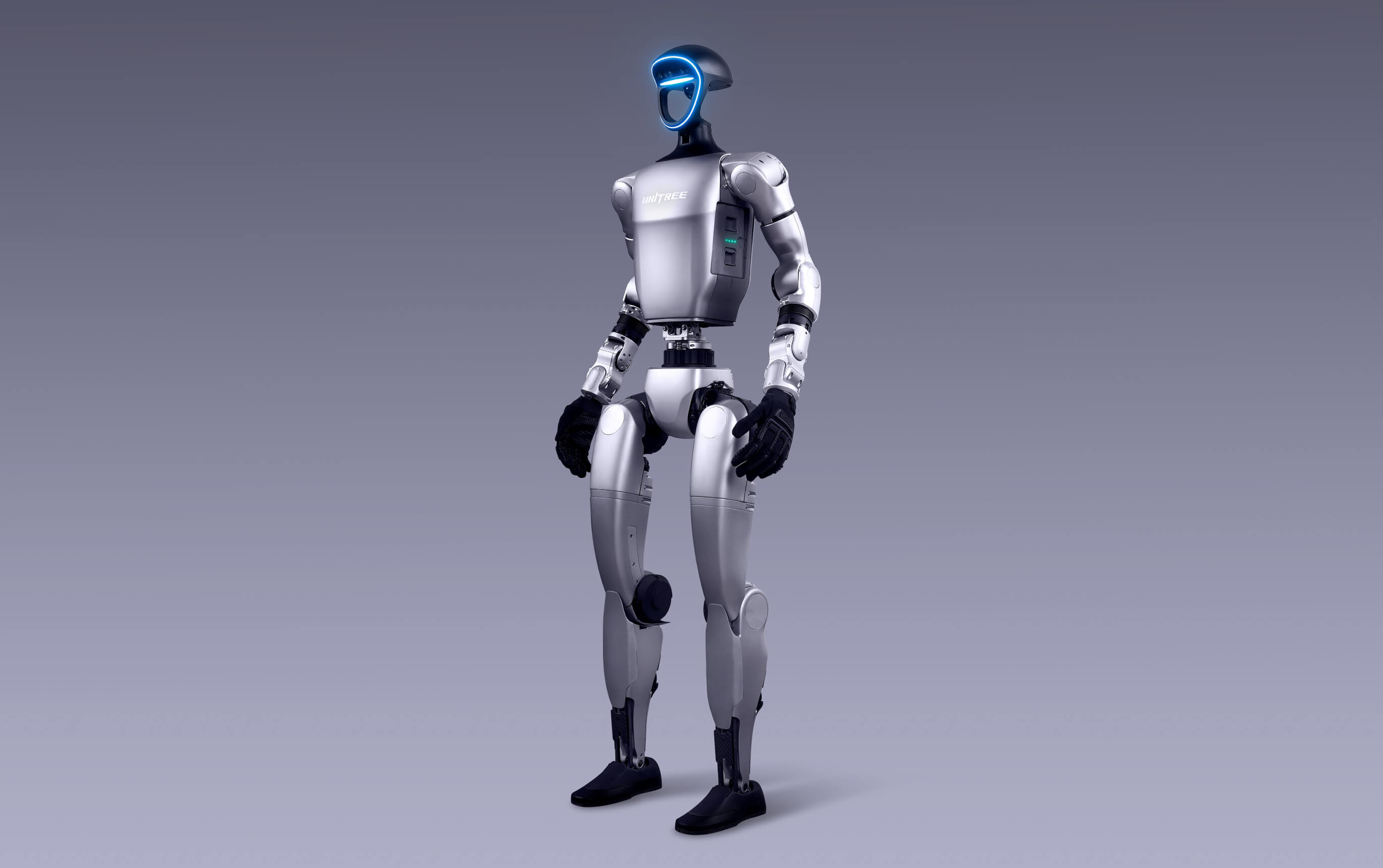
Unitree Robots Under Scrutiny for Security Flaws and Unsolicited Data Transmission
Security researchers and robot owners have raised concerns about serious vulnerabilities found in Unitree robots, which include risks of remote code execution and unauthorized data sharing. This revelation has ignited a debate regarding the company's security protocols and its commitment to transparency. The issues were uncovered recently, prompting discussions within the tech community about the implications for user safety and data privacy. As the conversation unfolds, stakeholders are calling for improved security measures and clearer communication from Unitree to address these critical flaws and restore confidence in their products.
Unitree Robotics humanoid-robots cybersecurity robotics
Locus Robotics Wins 2025 Fortress Cybersecurity Award for Second Consecutive Year
Locus Robotics, a leader in AI-driven mobile warehouse automation, has announced a significant achievement, surpassing the milestone of 5 billion units picked. This accomplishment highlights the company's impact on the logistics and supply chain industry, demonstrating the effectiveness of its robotic solutions in enhancing operational efficiency. The announcement was made today, showcasing Locus Robotics' commitment to innovation and its role in transforming warehouse operations. By leveraging advanced technology, the company aims to address the growing demand for efficient and scalable solutions in the face of evolving market challenges.
Robotics needs a service framework.
RSF defines a common language for robot service capability, lifecycle operations, certification pathways, and service-provider networks.
Join the RobotToday community on LinkedIn
Daily robotics news, in-depth analysis, conference highlights, and discussions with professionals worldwide.