

Industry Briefing
A single destination for timely, editor-curated robotics news from around the world.
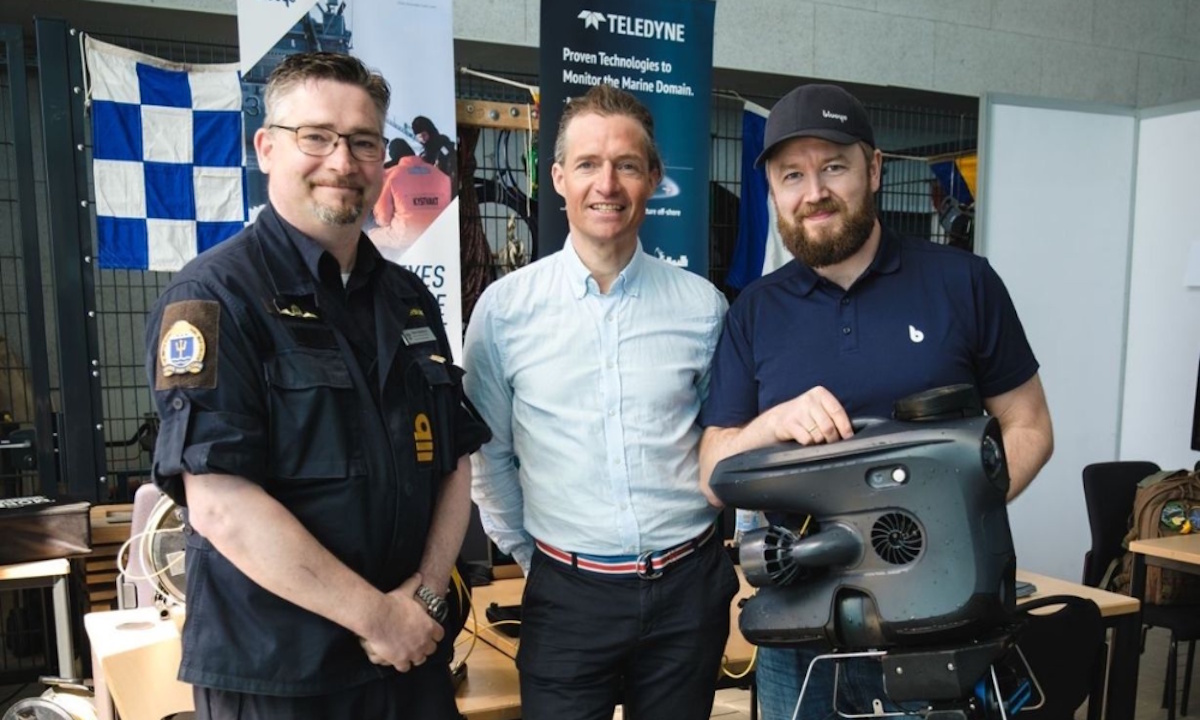
Swedish Navy Conducts Tests of Blueye X3 ROV for Diver Support Operations
The Swedish Navy's experimentation office, MaX, has been testing the Blueye X3 ROV since May 2026. The ROV has been utilized for various tasks, including filming the Navy's unmanned underwater vehicle, LUUV. MaX is particularly focused on how the X3 can assist in manned dives, especially in challenging environments. The significance of the Blueye X3 lies in its user-friendly operation and impressive capabilities, including a depth rating of 300 meters, which is suitable for operations in the Baltic Sea. The ROV is expected to enhance efficiency in tasks such as inspecting boat undersides and retrieving items from the seabed, ultimately improving safety and operational effectiveness for divers. On September 5, 2026, MaX showcased the Blueye X3 to the public during Navy Day in Karlskrona, allowing visitors to experience driving the ROV firsthand. This demonstration highlights the Navy's commitment to integrating advanced technology into their operations. No further timeline was disclosed at the time of publication.
swedish navy testing blueye x3 rov diver support
NASA's CADRE Mission to Test Autonomous Rovers for Lunar Exploration
NASA is set to launch the Cooperative Autonomous Distributed Robotic Exploration (CADRE) mission, sending three small rovers to the Moon in late 2026. These rovers will autonomously explore a designated area, coordinating tasks and electing a leader without human intervention. This mission aims to assess the feasibility of operating multiple autonomous rovers on the lunar surface, which is crucial for future explorations, especially at the lunar South Pole where water ice could support a lunar economy. The significance of the CADRE mission lies in its potential to revolutionize lunar exploration. By testing the rovers' ability to operate independently, NASA hopes to establish a framework for sustained lunar operations that do not require constant oversight from Earth. This capability is essential for future missions that aim to utilize lunar resources, such as ice for propellant and life support, which could pave the way for a more extensive lunar economy. Looking ahead, the success of the CADRE mission could lead to further advancements in autonomous robotic systems for space exploration. As the rovers face challenges such as communication disruptions and harsh lunar conditions, their performance will provide valuable insights into the development of resilient robotic teams capable of operating in remote environments. No further timeline was disclosed at the time of publication.
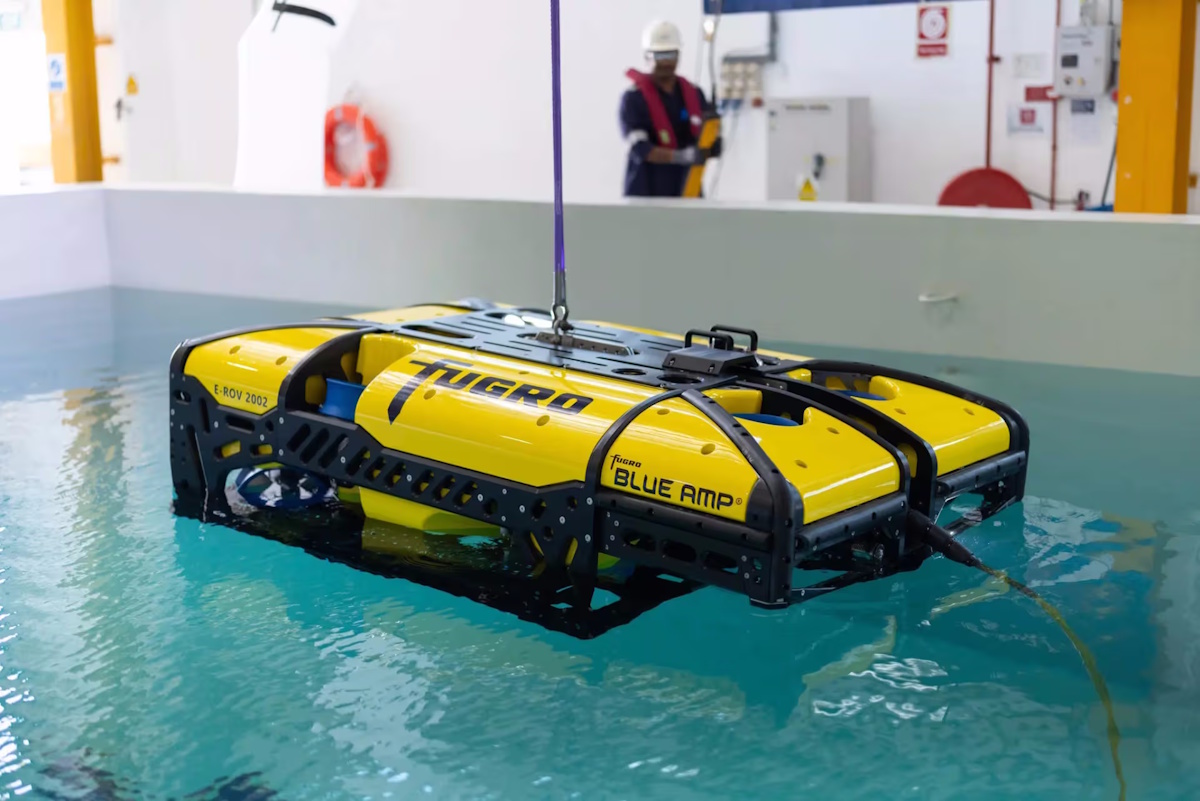
Fugro Strengthens Offshore Safety with New ROV Test Pool Facility in Singapore
Fugro has announced the successful commissioning of its new remotely operated vehicle (ROV) test pool in Singapore. This facility enhances the company's in-house capabilities for controlled testing, verification, and validation of various equipment, systems, and operational methodologies. The establishment of the test pool marks a significant milestone for Fugro, as it aims to improve technical assurance and minimize execution risks associated with marine and offshore projects. By investing in this advanced facility, Fugro is positioning itself to better serve its clients and ensure the reliability of its operations in a competitive industry.
fugro offshore safety rov test pool facility
Comau Provides Advanced Battery Cell Formation and Testing System to Slovenia’s National Institute of Chemistry
Comau has successfully delivered a laboratory-scale cell formation and testing solution to Slovenia’s National Institute of Chemistry (NIC). This customized system is designed to facilitate material validation, product development, and cycle life testing, integrating industrial processes into a research environment while maintaining necessary flexibility. The significance of this delivery lies in its ability to accommodate various battery cell formats, including pouch, cylindrical, and prismatic cells, on a single platform. This versatility allows researchers and industrial partners to explore a wide range of battery technologies, bridging the gap between academic research and commercial development. Looking ahead, the NIC facility is poised to support both academic and industrial users in battery research and testing across Europe. No further timeline was disclosed at the time of publication.
Industrial robots News Science battery automation battery cell formation battery cell testing
FCC Approves Nationwide Testing of Cellular Networks for Drone Connectivity
The Federal Communications Commission (FCC) has granted a temporary waiver to support the US Department of Transportation's Mobile Network Aviation Assessment Program (MNAAP). This initiative aims to test the viability of using commercial wireless networks to enhance aviation safety and security for drones operating in US airspace. This testing is significant as it addresses one of the major challenges in expanding commercial drone operations: reliable connectivity. Drones flying beyond visual line of sight (BVLOS) require dependable communication methods, which are crucial for future applications like drone delivery and automated inspections. The MNAAP will conduct tests across the contiguous United States, involving up to 2,000 authorized pilots and 200 non-federal drone operators. The FCC's waiver is set to last until October 1, 2029, allowing ample time to gather data that could inform the future integration of cellular networks into the drone ecosystem.
News
Teradyne Unveils Iris 100: Advanced Optical Test System for MicroLED Production
Teradyne, Inc. has launched the Iris 100, a production-ready optical test platform designed specifically for microLED devices. This innovative system provides semiconductor-grade optical testing, measuring each individual emitter in an array and integrating seamlessly with the Teradyne UltraFLEXplus platform for comprehensive optical and electrical testing. The introduction of the Iris 100 is significant as it addresses the growing demand for high-volume precision manufacturing in microLED technology, which is crucial for augmented reality microdisplays and optical data interconnects in AI data centers. The system's advanced capabilities ensure that manufacturers can achieve the necessary throughput and cost efficiency required for large-scale production. Looking ahead, Teradyne aims to expand the Iris 100's capabilities to include photodetector testing, further enhancing its testing solutions for the evolving optical test requirements. No further timeline was disclosed at the time of publication.
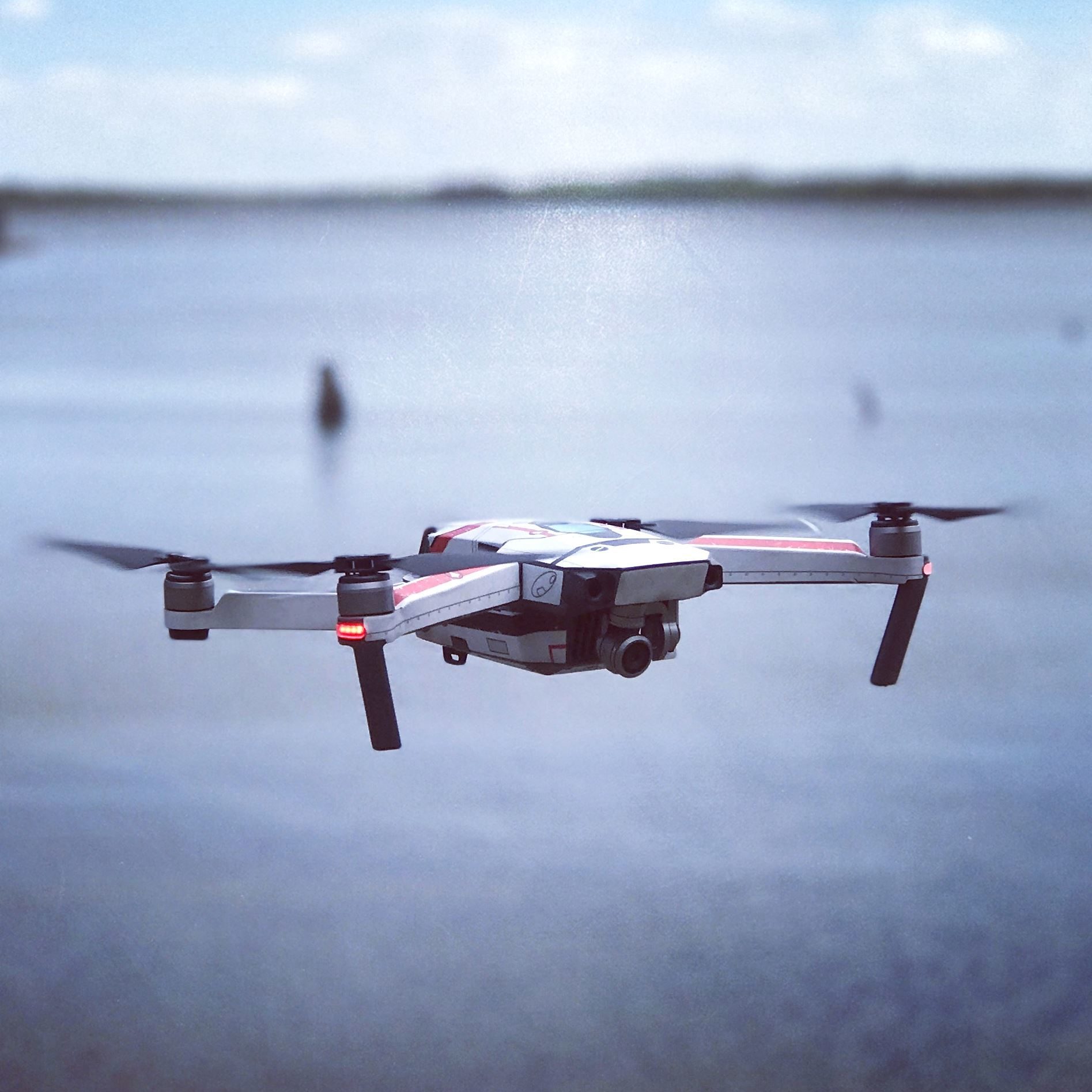
FCC Approves Nationwide Testing of Cellular Networks for Drone Safety Applications
The Federal Communications Commission (FCC) has eliminated a regulatory barrier to facilitate nationwide testing of commercial wireless networks on drones and general aviation aircraft. This order, effective September 11, supports the Department of Transportation's Mobile Network Aviation Assessment Program (MNAAP), which aims to evaluate wireless signal quality across various locations and altitudes in the contiguous United States. This initiative is significant as it seeks to determine the capability of commercial networks to support safety-related aviation services, including UAS command and control, autonomous detect and avoid systems, and counter-UAS detection. The waiver creates a controlled testing environment for participants approved by the Department of Transportation, allowing for the collection of crucial data on mobile broadband service performance. Looking ahead, the MNAAP may authorize up to 2,000 general aviation pilots to utilize a dedicated app on standard devices to report findings to a centralized database. Additionally, dedicated modules may be deployed on up to 200 UAS for targeted testing. This program could enhance understanding of airborne network performance, although the effectiveness of ground-based cellular infrastructure in aerial operations remains to be fully assessed.
Drone News Drone News Feeds News US Government BVLOS cellular connected drones
FDA Approves Vitestro's Aletta Robot for Autonomous Blood Sampling
Vitestro, a medical technology company based in Utrecht, Netherlands, has received FDA approval for its Aletta device, which autonomously performs venipuncture for outpatient adults. This marks Aletta as the first robot capable of conducting blood sampling without direct human intervention, having previously secured CE certification in Europe. The significance of this approval lies in the establishment of a regulatory framework for autonomous blood sampling robots, indicating a shift towards integrating robotic solutions in clinical settings for high-frequency medical procedures. Blood sampling is one of the most commonly performed invasive medical operations worldwide, with billions conducted annually, highlighting the need for efficient and reliable solutions. Looking ahead, the Aletta robot employs multimodal imaging technology to visualize veins and utilizes AI algorithms to determine optimal puncture paths. As healthcare faces a shortage of trained personnel, the introduction of such robotic systems could alleviate the burden on nurses and improve patient care. No further timeline was disclosed at the time of publication.
Medical Robotics Blood Sampling Healthcare Technology Automation
Kratos Valkyrie Drone Crashes During Test Flight at Dugway Proving Ground
A Kratos Valkyrie drone crashed at the U.S. Army's Dugway Proving Ground in Utah on August 4, 2026, following a test flight. The incident occurred shortly after takeoff, but no injuries or damage were reported. Kratos has paused flight operations for the Valkyrie to investigate the cause of the mishap, emphasizing safety as a priority. The crash is significant as it highlights ongoing developments in military drone technology, particularly for the Valkyrie series, which has been in operation since 2019. The U.S. Air Force is the first known operator, and the drone is being adapted for various configurations, including the Conventional Takeoff and Landing (CTOL) variant intended for the U.S. Marine Corps. Looking ahead, the investigation into the crash may impact future test flights and developments of the Valkyrie family. Kratos has expressed growing global interest in the Valkyrie drones, including partnerships for international military applications. No further timeline was disclosed at the time of publication.
News & Features Air Drones Loyal Wingman Unmanned XQ-58
Nscale Plans NYSE IPO Valued at $35 Billion, Seeks $3 Billion in Funding
Nscale, a British neocloud company, is preparing for its IPO on the NYSE, aiming for a valuation of $35 billion and seeking to raise $3 billion. The company, which spun out from Arkon Energy, has secured over $103 billion in contracts, primarily from Microsoft and Anthropic. The significance of Nscale's IPO lies in its reliance on major contracts, with 85% of its revenue coming from a $43.8 billion deal with Microsoft and a $44.6 billion agreement with Anthropic. The latter is contingent on Nscale meeting stringent financing milestones, which could impact its future revenue. Investors should monitor Nscale's financial performance, as its revenue surged to $140.6 million in the first half of the year, despite net losses increasing to $1.02 billion. The company has also secured $1 billion in convertible debt from Nvidia as part of a larger financing package. No further timeline was disclosed at the time of publication.
AI Funding & Investment Business Insights AI business capital markets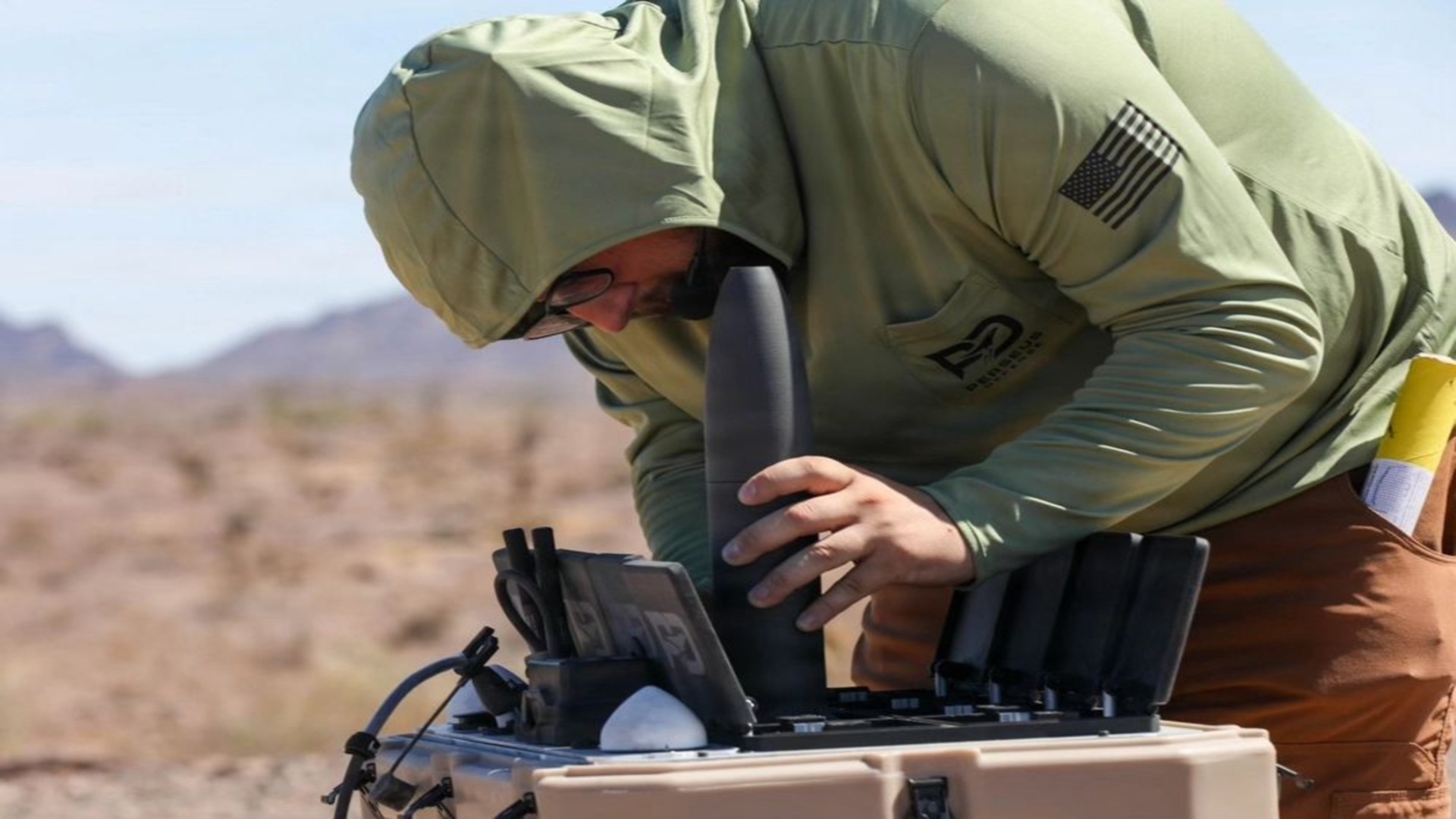
Perseus Defense Tests Low-Cost Mk-III Interceptor Against Drones at Yuma Proving Ground
Perseus Defense has successfully tested its Mk-III interceptor missile, designed to physically destroy small drones, at the Yuma Proving Ground in Arizona. This demonstration, part of Falcon Peak 26.2, showcases a cost-effective solution for military installations facing aerial threats, with each interceptor costing around $2,500. The Mk-III's kinetic hit-to-kill approach offers a significant advantage over traditional electronic warfare systems, which can struggle against drones using preprogrammed routes or fiber-optic communications. This capability is crucial as militaries seek affordable means to counter drones that typically cost only a few hundred dollars, compared to the high price of conventional missiles. Looking ahead, the demand for effective domestic counter-drone systems is expected to grow, especially following recent drone incursions over US military bases. No further timeline was disclosed at the time of publication.
Military
MIT Team Demonstrates Under-Ice Communication with ROV in Arctic Testing
In September 2026, a research team from MIT's Lincoln Laboratory conducted a field test in Utqiaġvik, Alaska, where an underwater remotely operated vehicle (ROV) successfully transmitted data through approximately 3.6 feet of Arctic ice. This marks a significant step toward establishing a large-scale underwater sensor network in the Arctic. The importance of this breakthrough lies in the limitations of traditional radio signals in seawater, which quickly attenuate and are ineffective for underwater communication. The team utilized a magnetic field communication system, employing a modem developed by Norwegian startup Havguard, achieving a data transmission rate of about 1.2KB/s. While this rate may seem modest compared to Wi-Fi or 5G, it suffices for the low bandwidth needs of Arctic sensor networks. Looking ahead, MIT aims to deploy some sensors via air drop by 2028, integrating them with the underwater modem to create a comprehensive system. The technology's potential applications span climate monitoring, coastal resilience, and military surveillance, highlighting the strategic value of autonomous underwater robots as Arctic ice melts and new shipping routes emerge. No further timeline was disclosed at the time of publication.
Underwater Robotics Arctic Research Sensor Networks AI in Robotics
Testing Five Robot Lawnmowers Reveals Significant Improvements in Navigation and Performance
A recent comparison of five robot lawnmowers showcased their advancements in handling challenging landscapes, particularly in coastal South Carolina. While these machines are not yet fully autonomous, they significantly reduce yard maintenance efforts, provided users monitor their operation to prevent mishaps. The improvements in navigation and maneuverability, particularly with the adoption of network RTK technology, have led to better performance and reliability. Users can now enjoy a well-maintained lawn with minimal effort, as these mowers operate quietly and efficiently, creating a professional appearance. Looking ahead, the integration of secondary navigation technologies like lidar and vSLAM will further enhance the reliability of robot lawnmowers. However, challenges remain, and users should remain vigilant to ensure optimal performance and prevent issues in their yards.
Buying Guides Gadgets Reviews Robot Smart Home Smart Home Reviews
AndroMach Achieves 21 Successful Ignitions for Reusable Hypersonic Drone Engine
French aerospace startup AndroMach has successfully completed a series of 21 rocket engine ignitions for its hypersonic drone program. The tests, conducted at the DGA Essais de Missiles center in Gironde, confirmed the engine's reusability, a significant milestone before flight testing of the Envol suborbital hypersonic drone. The importance of these tests lies in their potential to reduce costs and improve reliability in rocket engine development. By demonstrating that the engine can be reused after multiple firings, AndroMach can ensure consistent performance and lower the expenses associated with testing. The campaign focused on the critical ignition phase, which poses extreme challenges due to high heat and pressure. Looking ahead, the successful completion of these tests paves the way for future flight tests of the Envol drone. The engine's performance data will inform its operational conditions for upcoming missions, which aim to facilitate microgravity experiments. No further timeline was disclosed at the time of publication.
Transportation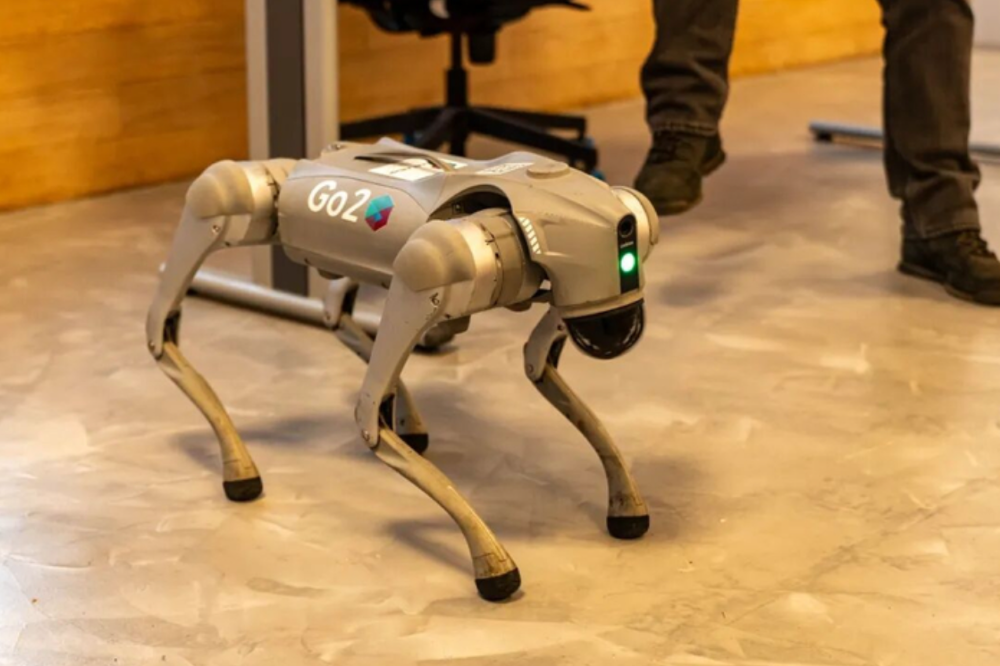
Yushu Technology Sets Record for Fastest IPO Approval on STAR Market
Yushu Technology has made history by completing a 104-day approval process for its initial public offering (IPO) on the STAR Market, marking it as the first humanoid robot company to be listed in A-shares. The company, which has demonstrated significant revenue growth and holds a leading market share in both humanoid and quadruped robotics, plans to utilize the funds raised from the IPO to further advance its robotics development. This move comes as Yushu faces stiff competition from established industry giants, including Tesla, in the rapidly evolving robotics sector.
Humanoid Robots Robotics Development IPO Market Growth
SpaceX's Starmind Plans 1 Million AI Satellites Amid Collision Risks
SpaceX has announced its ambitious Starmind project, which aims to deploy 1 million AI satellites in orbits between 500 and 2,000 km. This initiative, confirmed by Elon Musk on June 23, 2026, follows a merger with xAI, valuing the combined entity at $1.25 trillion. The satellites will function as orbital data centers, processing AI workloads powered by solar arrays and linked by optical lasers. The significance of Starmind lies in its potential to add 100 gigawatts of AI compute capacity annually, contingent on the successful operation of the Starship launch system. However, the project raises concerns regarding space debris, as the current orbital environment is already congested, with a 20% increase in collision risk reported since 2024. The European Space Agency has highlighted that the density of debris in low Earth orbit is now comparable to that of active satellites, complicating the operational landscape for new entrants like Starmind. Looking ahead, the first operational orbital AI deployments are targeted for 2028, with test launches expected in early 2027. However, the project faces scrutiny regarding its impact on space debris, as even a 1% failure rate could significantly increase the number of uncontrollable objects in orbit, exacerbating existing risks. No further timeline was disclosed at the time of publication.

Starmind's Orbital Compute vs. Terrestrial Data Centers: Analyzing Resource Advantages
Starmind's orbital compute technology presents a significant advantage over traditional ground-based data centers by eliminating constraints related to land, water, and grid permitting. While terrestrial data centers are currently cheaper and faster to construct, with U.S. data center spending reaching $85.3 billion in 2026, Starmind's approach focuses on addressing the growing resource limitations faced by hyperscale facilities. The significance of Starmind's technology lies in its ability to sidestep the increasing challenges of land and water usage. For instance, a 100 MW data center can consume approximately 530,000 gallons of water daily for cooling, while Starmind's AI1 utilizes deployable liquid radiators that require no water. This structural advantage could resonate with investors as the demand for AI computing continues to escalate, potentially leading to annual water withdrawals of up to 1.7 trillion gallons by 2027. Looking ahead, Starmind's next milestones include the launch of AI1 prototypes scheduled for early 2027. However, the technology's claims regarding cooling efficiency and operational reliability remain unverified until real flight data is available. As the industry evolves, the competition between orbital and terrestrial solutions will become increasingly relevant, particularly in the context of resource management and sustainability.
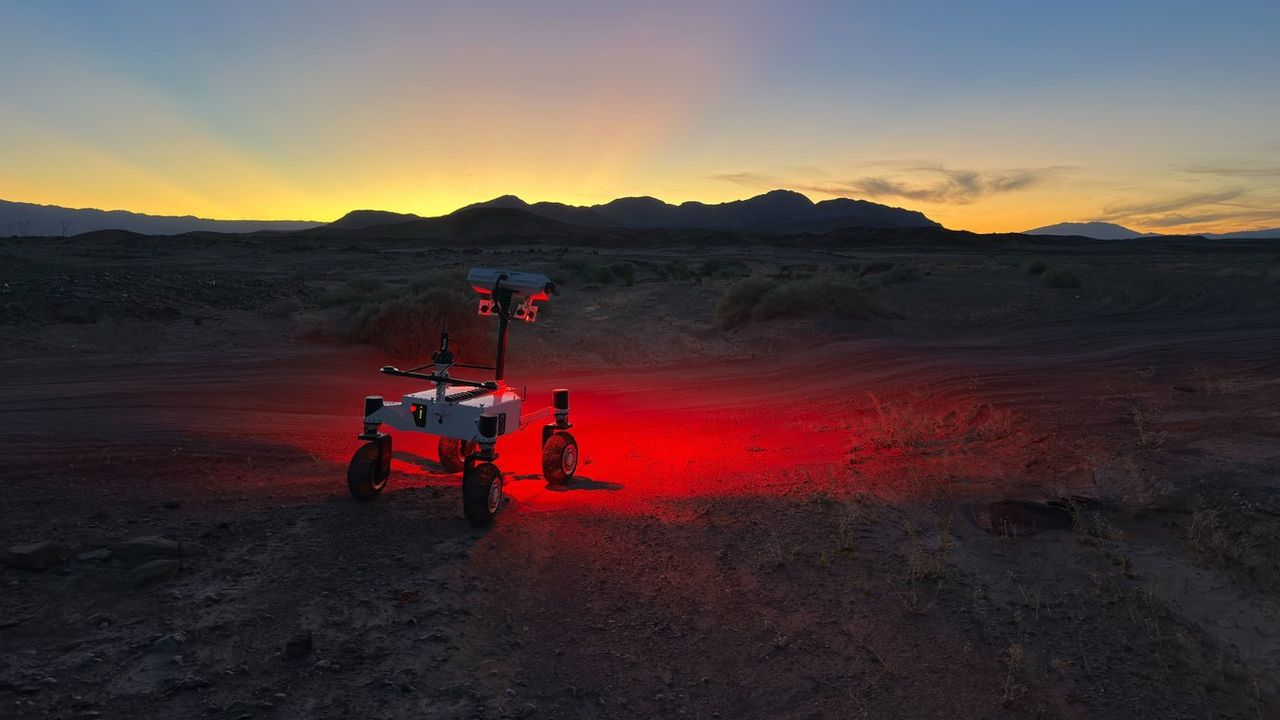
NASA tests advanced new Mars rover prototype in the California desert (video)
NASA scientists are advancing the development of autonomous robotic technology with a new rover prototype designed to enhance navigation on challenging terrains. This innovative rover is being tested to improve its ability to think independently and maneuver through difficult lunar and Martian landscapes that have previously posed significant obstacles for older models. The initiative aims to equip future missions with more capable rovers that can adapt to unpredictable environments, thereby increasing the efficiency and success of exploration efforts on other celestial bodies. The ongoing research and testing are part of NASA's broader strategy to enhance robotic capabilities for upcoming space missions.
Space Exploration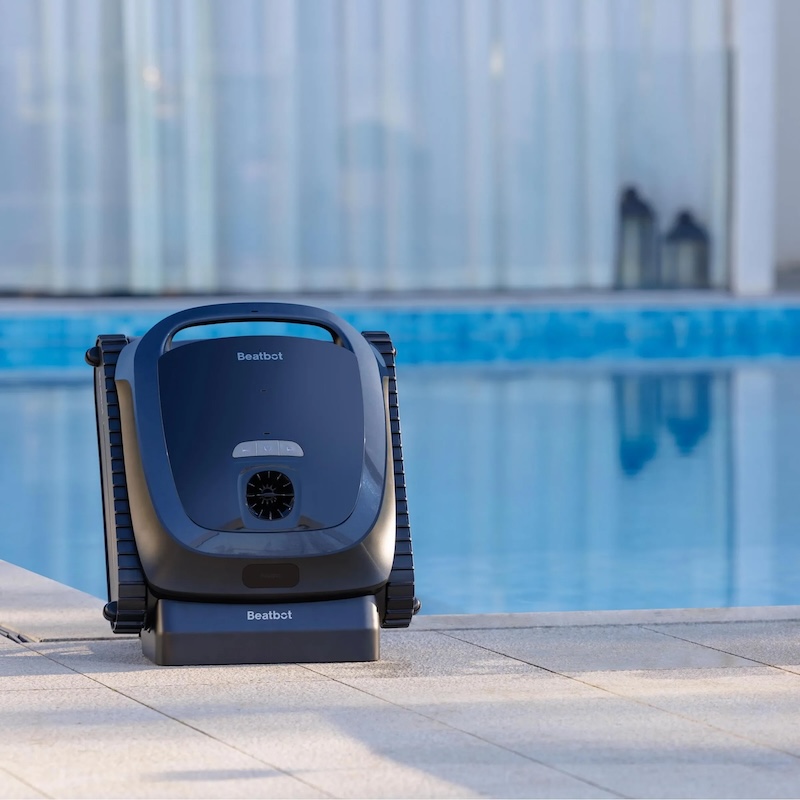
How AI Navigation is Improving the Performance of Robotic Pool Cleaners
Robotic pool cleaners have evolved beyond traditional metrics such as suction power and debris collection, with a significant emphasis now placed on navigation capabilities. Previously, these devices were primarily evaluated based on their ability to pick up dirt and debris, but advancements in technology have shifted the focus to how effectively they can navigate a pool's surface. A robot that operates randomly may clean certain areas thoroughly while neglecting others, leading to inconsistent cleaning results. This change in evaluation criteria reflects a growing understanding that efficient navigation is crucial for maximizing the overall performance of pool cleaning robots. As manufacturers continue to innovate, the integration of sophisticated navigation systems is becoming a key factor in the design and functionality of these devices, ensuring a more comprehensive cleaning experience for pool owners.
Artificial Intelligence Environment Technology AI navigation ai robotics AquaSense 2 Ultra
Windows 11 response improvements are gradually taking effect with the latest update and a shift in Microsoft's AI strategy.
Microsoft has launched a new update for Windows 11, aimed at enhancing performance, particularly in the responsiveness of the Start menu and application launches. This update comes at a pivotal moment for the company, as it faces significant changes within its AI division. Yusuf Mehdi, who has been instrumental in leading Microsoft's AI and operating systems efforts, has announced his departure. Additionally, the company is revising its internal rules regarding the use of AI development tools. These developments indicate a potential shift in Microsoft's AI strategy as it navigates these transitions.
Advances in Autonomous Vehicle Testing: The State of the Art and Future Outlook on Driving Datasets, Simulators, and Proving Grounds
A recent study published in the Journal of Field Robotics highlights advancements in autonomous robotic systems designed for agricultural applications. Researchers from a leading university conducted the study to explore how these robots can improve efficiency and sustainability in farming practices. The findings, released in early October 2023, indicate that the integration of advanced sensors and artificial intelligence allows these robots to perform tasks such as planting, monitoring crop health, and harvesting with greater precision. The research was conducted on various farms across the Midwest, where the team tested different robotic models under real-world conditions. The motivation behind this study stems from the increasing demand for food production and the need to reduce environmental impact. By employing autonomous technology, farmers can potentially decrease labor costs and enhance productivity while minimizing the use of pesticides and fertilizers. The study outlines the methodology used, including the development of algorithms that enable the robots to navigate complex terrains and adapt to changing environmental conditions. As agriculture faces challenges such as labor shortages and climate change, the implementation of these robotic systems could play a crucial role in the future of farming. The researchers emphasize the importance of continued innovation in this field to address global food security concerns effectively.
SURVEY ARTICLE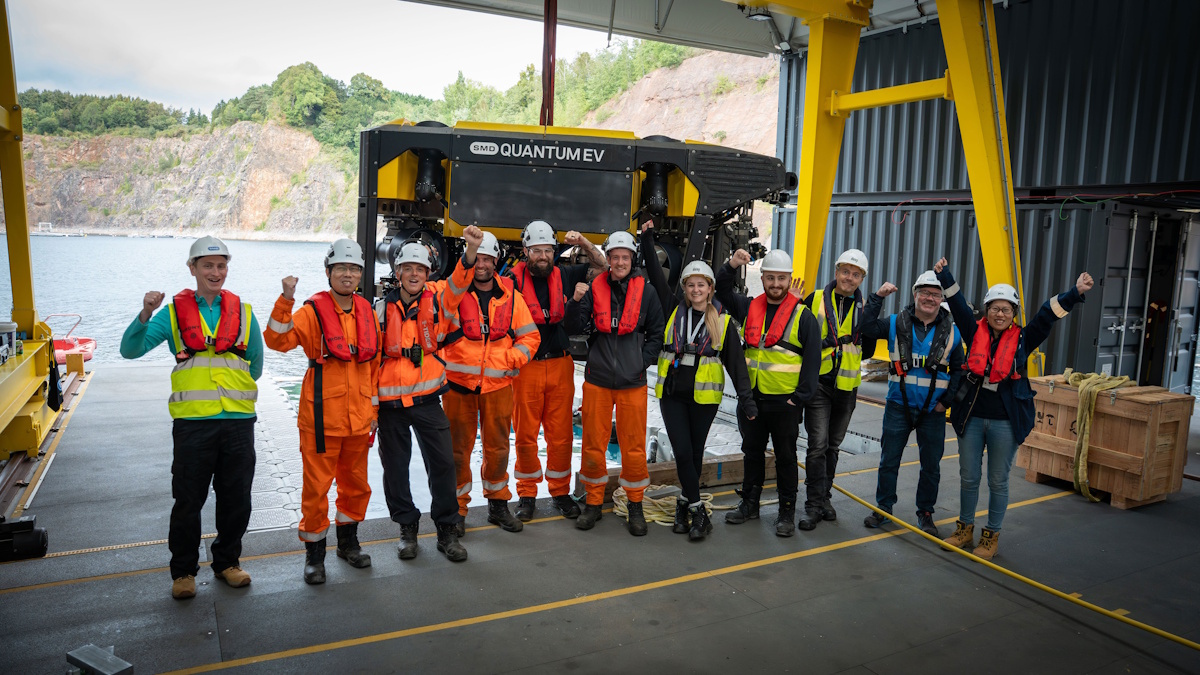
Testing Complete on First SMD Electric Work Class ROV
SMD, a subsea technology and services company, has achieved a significant milestone with the successful completion of Site Acceptance Testing (SAT) for its innovative electric work class remotely operated vehicle (ROV), the SMD Quantum EV. This testing took place at the DEEP Campus located near Bristol. The successful SAT marks a crucial step in the development and deployment of this advanced ROV, which aims to enhance subsea operations while promoting sustainability through its electric design. The completion of this testing phase underscores SMD's commitment to advancing subsea technology and meeting the growing demand for environmentally friendly solutions in the industry.
smd electric work class rov smd quantum ev site acceptance testing (sat) deep campus
ARGOS-X from Forssea Robotics Performs Resident ROV Demo at IFREMER Pools
The RESIDENT R&D program, initiated two years ago in partnership with IFREMER, is focused on developing and qualifying technological components for remotely operated vehicles (ROVs) to ensure their long-term residency on the seabed. This innovative project aims to enhance the capabilities of ROVs for underwater exploration and research by improving their durability and functionality in challenging marine environments. The collaboration seeks to address the growing need for advanced underwater technology as industries increasingly rely on ROVs for tasks such as environmental monitoring, resource exploration, and scientific research. The program is set to continue its efforts into 2024, with ongoing testing and evaluation of the technologies being developed.
argos-x forssea robotics resident rov demo ifremerRobotics needs a service framework.
RSF defines a common language for robot service capability, lifecycle operations, certification pathways, and service-provider networks.
Join the RobotToday community on LinkedIn
Daily robotics news, in-depth analysis, conference highlights, and discussions with professionals worldwide.







