Industry Briefing
A single destination for timely, editor-curated robotics news from around the world.
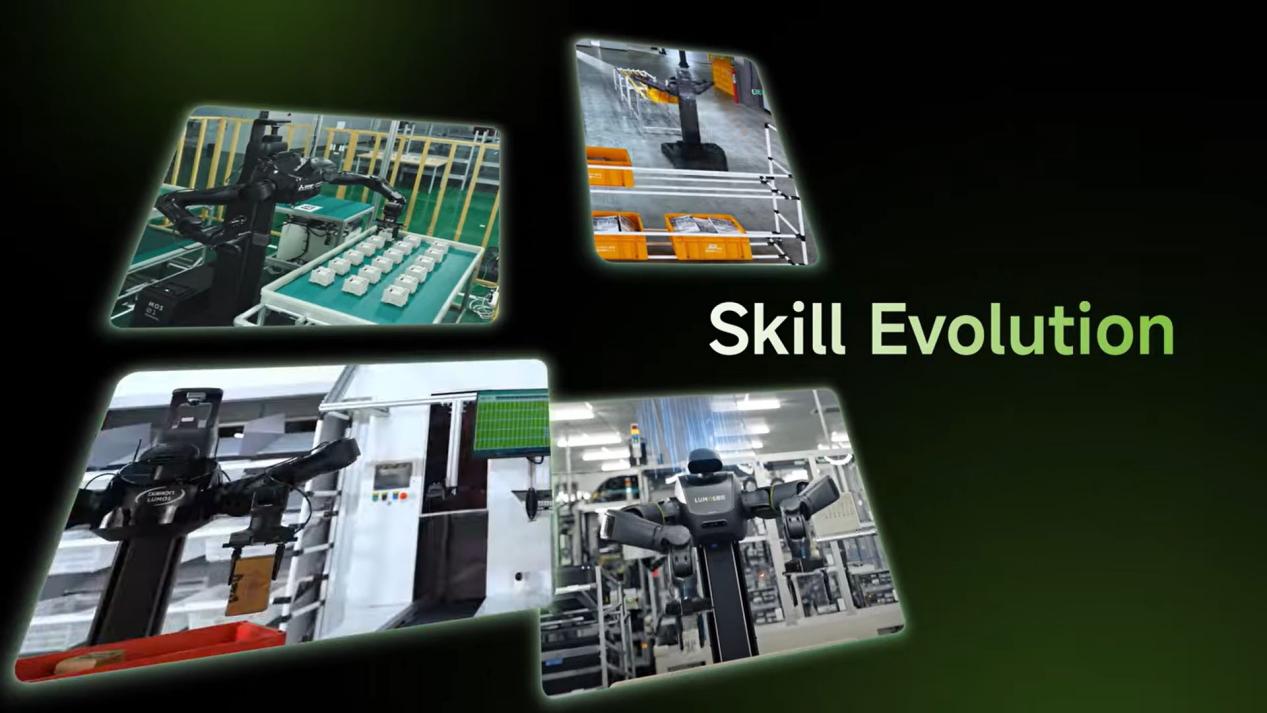
Lumos Robotics Introduces NexCore to Rapidly Teach Robots New Skills
Lumos Robotics has announced that its NexCore platform can significantly reduce the time required to develop new skills for robots, from weeks to just days. This innovation targets the engineering processes that contribute to high costs in deploying additional robots in factories. By integrating task definition, data collection, model training, evaluation, and deployment into a single workflow, NexCore aims to streamline the adaptation of robots to various production tasks. The importance of NexCore lies in its potential to democratize robotics for factory users who lack programming or AI development experience. Users can describe tasks in natural language and utilize a combination of real-world, simulation, and video data to train and evaluate skills. This capability allows for the management and reuse of skills across compatible robots, enhancing operational efficiency and reducing reliance on specialists. Looking ahead, Lumos Robotics emphasizes that the key to scaling embodied AI is minimizing the cost of acquiring new skills. The NexCore platform has been validated through collaboration with Mitsubishi Electric, achieving success rates of up to 99% in various tasks. No further timeline was disclosed at the time of publication.
Lumos Robotics Industrial Automation Artificial Intelligence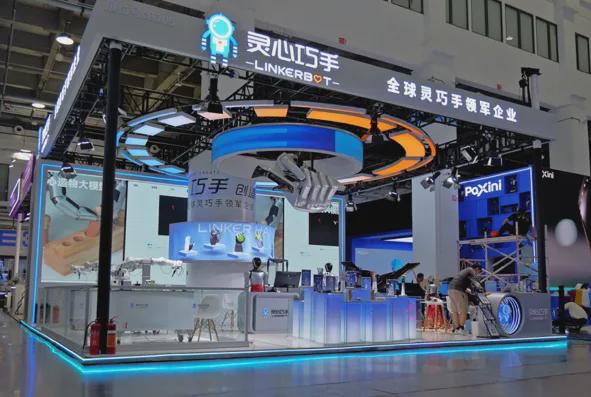
WRC 2026: Showcasing Advanced Dexterous Operations and Flexible Skills in Robotics
The 2026 World Robot Conference (WRC 2026) will take place in Beijing from August 19 to 23, focusing on the theme of 'Human-Machine Symbiosis and Integrated Production and Demand.' The event will feature over 300 intelligent enterprises showcasing innovations that drive global robotics industry trends and technological collaboration. Leading company Lingxin Qiaoshou will present its fully automated robotic arm production line, Linker Hand series dexterous hands, and the Lingxin Robot Band, emphasizing practical applications over mere demonstrations. This year's conference shifts the spotlight from flashy demonstrations to real-world applications, highlighting the importance of dexterous operations in modern industrial settings. Lingxin Qiaoshou's exhibition aims to demonstrate the transition of dexterous operations from laboratory settings to real industrial scenarios, showcasing the company's commitment to advancing flexible production capabilities. The exhibition has already attracted significant attention from industry professionals and media outlets, underscoring its relevance in the robotics landscape. Looking ahead, the advancements presented at WRC 2026, particularly in the areas of visual recognition and dexterous manipulation, are expected to enhance the adaptability of automated production lines in various industrial environments. Lingxin Qiaoshou's innovations could lead to more efficient manufacturing processes, reducing costs and increasing versatility in production. No further timeline was disclosed at the time of publication.
Robotic Arms Dexterous Manipulation Industrial Automation AI in Robotics
Apprenticeships in Logistics: Addressing the Skills Gap for Future Robotics
The logistics sector faces a critical skills gap as the BBC reduces its apprenticeship scheme, highlighting the need for skilled workers in automation and robotics. In England, apprenticeship starts rose by 4.1% in 2024/25, reaching 353,500, with higher-level apprenticeships growing significantly. However, traditional Level 2 apprenticeships are declining, which is concerning for industries requiring hands-on skills. Engineering and technology apprenticeships saw over 100,000 starts in England, yet they remain 9% below 2014/15 levels. The IET reports that 76% of engineering employers struggle to find candidates with essential skills. As the logistics industry evolves, future technicians must be adept in areas like electronics and software to maintain advanced equipment, emphasizing the importance of practical training. Germany's dual vocational training system contrasts with the UK, as it continues to produce skilled workers despite demographic challenges. Companies like STILL are successfully integrating apprentices into their workforce, demonstrating effective workforce planning. As automation advances, ensuring young people have access to practical training in robotics and logistics is vital for the industry's future.
Jobs and Training Apprentice apprenticeships IT logistics maintenance
NVIDIA Enables the Next Era Of Physical AI Research With Agent Skills For Autonomous Vehicles, Robotics And Vision AI
At the Computer Vision and Pattern Recognition (CVPR) conference, NVIDIA is showcasing innovative physical AI agent skills aimed at accelerating the development of autonomous vehicles, robotics, and vision AI systems. This unveiling comes as researchers and developers face significant challenges in advancing physical AI, particularly in creating more capable and efficient systems. By introducing these new skills, NVIDIA seeks to enhance the capabilities of AI agents, ultimately facilitating faster progress in the field. The event highlights NVIDIA's commitment to driving advancements in AI technology, which is crucial for the future of autonomous systems.
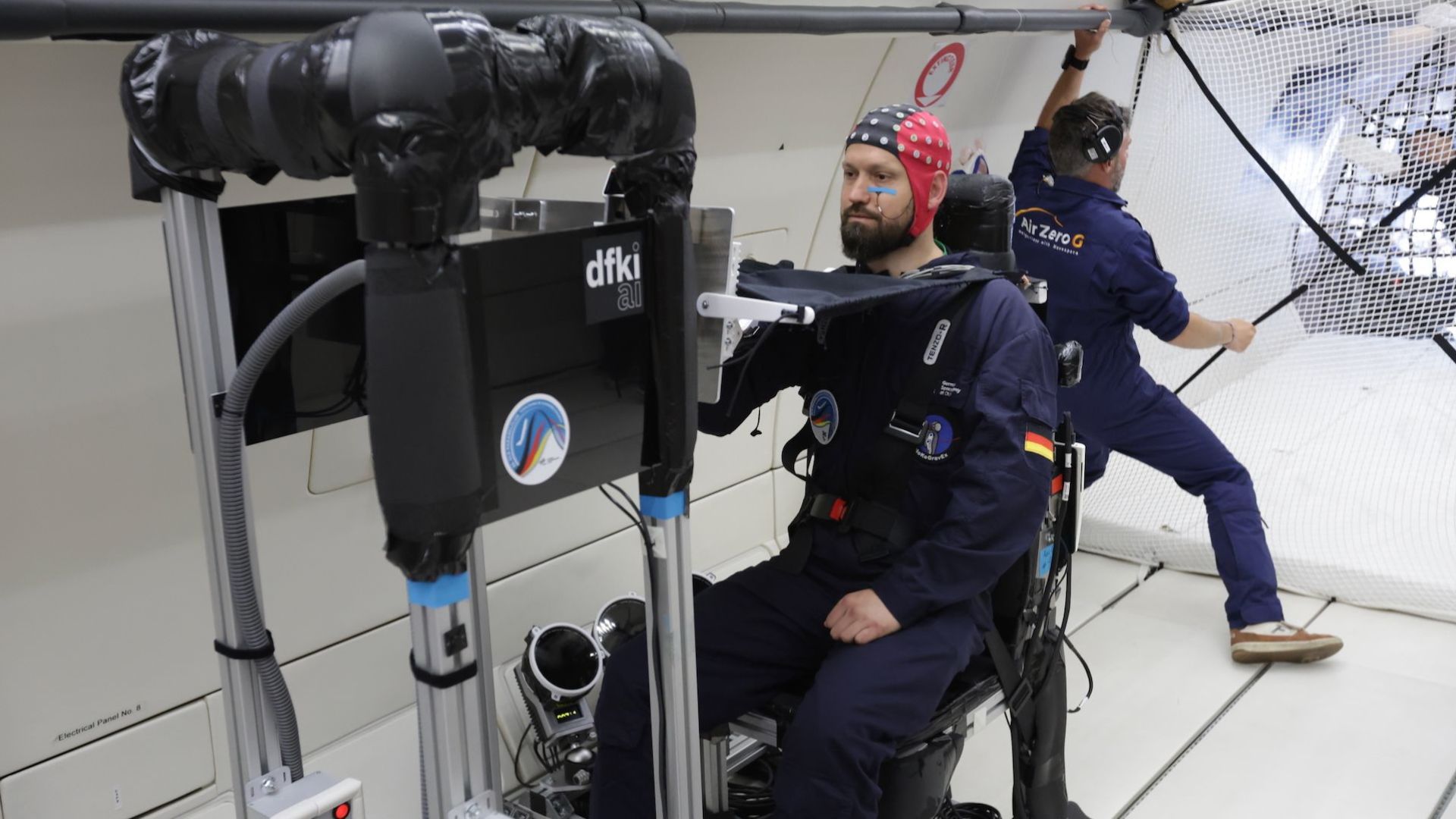
Robotic suit simulates weightlessness on Earth to improve astronaut motor skills
Researchers from the German Research Center for Artificial Intelligence (DFKI) and the University of Duisburg-Essen have unveiled a groundbreaking study that explores the potential of artificial intelligence in enhancing urban planning. This research, published on October 15, 2023, aims to address the growing challenges of urbanization by integrating AI technologies into city development strategies. The study focuses on how AI can analyze vast amounts of data related to traffic patterns, environmental impacts, and population growth to create more efficient and sustainable urban environments. By employing advanced algorithms, the researchers demonstrate that AI can predict future urban needs and optimize resource allocation, ultimately leading to improved quality of life for residents. The motivation behind this initiative stems from the increasing pressure on cities worldwide to adapt to rapid population growth and climate change. As urban areas expand, traditional planning methods often fall short, necessitating innovative solutions that AI can provide. Through a series of simulations and case studies, the researchers illustrate the practical applications of their findings, showcasing how AI-driven insights can inform decision-making processes for city planners and policymakers. This collaborative effort highlights the importance of interdisciplinary approaches in tackling complex urban issues, paving the way for smarter, more resilient cities in the future.
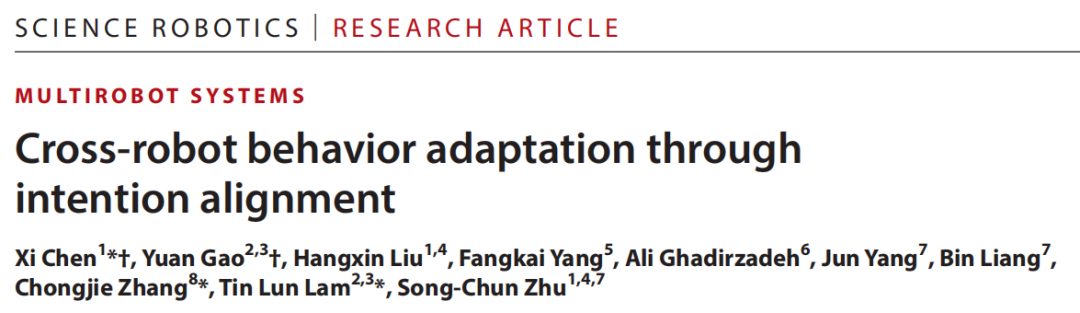
Can Heterogeneous Robots Share Skills? Collaborative Breakthrough by Peking University, Tsinghua University, and Others in IAIL Framework Published in Science Robotics
A collaborative research team from leading universities has introduced the IAIL framework, a groundbreaking system that allows diverse robots to autonomously comprehend and perform tasks without the need for prior programming or human input. This innovative framework emphasizes intention alignment over mere action replication, which markedly improves coordination among multiple robots. The development, announced in October 2023, aims to revolutionize the way robots interact and collaborate in various environments, paving the way for more efficient and effective robotic applications across multiple sectors.
Heterogeneous Robots Robot Collaboration AI Frameworks Robotics ResearchRobotics needs a service framework.
RSF defines a common language for robot service capability, lifecycle operations, certification pathways, and service-provider networks.
Join the RobotToday community on LinkedIn
Daily robotics news, in-depth analysis, conference highlights, and discussions with professionals worldwide.