Top News

Industry Briefing

A single destination for timely, editor-curated robotics news from around the world.
Video Friday: Robot Collective Stays Alive Even When Parts Die

Video Friday: Robot Collective Stays Alive Even When Parts Die

IEEE Spectrum robotics has released its weekly roundup of notable robotics videos, along with a calendar of upcoming events, including the International Conference on Robotics and Automation (ICRA) scheduled for June 1-5, 2026, in Vienna. Among the highlights, researchers from the Max Planck Institute and other institutions have published a study revealing that elephants' unique whiskers contribute to their exceptional sense of touch, potentially inspiring advancements in robotic sensing technologies. In product news, Weave Robotics announced the launch of Isaac 0, a laundry-folding robot set to begin shipping to homes in the Bay Area in February 2026. Meanwhile, engineers at Boston Dynamics continue to test the Atlas platform's full-body control capabilities. Additionally, a team from the University of Waterloo has developed a system enabling collaborative art creation with robots, while Harvard scientists have introduced a new 3D-printing method for soft robotics that could enhance medical technology. Texas A&M University has unveiled a quiet all-electric unmanned rotorcraft, and Deep Robotics has showcased the Lynx M20 robot, designed for winter sports challenges. These developments reflect ongoing innovations in robotics, addressing both practical applications and advanced research, as the field continues to evolve.

Modular-robots Video-friday Autonomous-robots
TARS brings real-life embodied AI to ICRA 2026 robotics conference

TARS brings real-life embodied AI to ICRA 2026 robotics conference

TARS made a significant impact at the IEEE International Conference on Robotics and Automation (ICRA 2026) with the international launch of its DexHand platform, which garnered considerable interest from both industry leaders and academics. The event took place during the conference, where Dr. Ding, TARS’ chief scientist and co-founder, delivered a keynote address in the plenary session. The demonstration of DexHand highlighted its ability to perform all 26 sign-language gestures of the English alphabet, showcasing the platform's innovative capabilities and potential applications in enhancing communication. This debut not only marks a milestone for TARS but also emphasizes the growing intersection of robotics and accessibility technology.

Artificial Intelligence Components automation news DexHand dexterous manipulation embodied ai
The Rise of Force Sensing Technology in China's Robotics Industry

The Rise of Force Sensing Technology in China's Robotics Industry

Recent trends in the robotics industry indicate a shift from mere mobility to operational intelligence, particularly in humanoid robots. Companies are now focusing on practical applications such as tool handling and assembly, highlighting the importance of force sensing technology. As robots engage in physical tasks, understanding the force exerted becomes crucial for effective operation. This transition underscores the growing significance of six-dimensional force sensors, which are evolving from optional components in industrial robots to essential infrastructure for next-generation intelligent robots. The recent funding rounds exceeding 100 million yuan reflect a broader interest from both traditional investors and state-owned enterprises, signaling a pivotal moment in the industry's development. Looking ahead, the demand for comprehensive sensing, control, and manufacturing infrastructure will likely increase as the humanoid robotics sector matures. The complexity of enabling robots to perform sustained tasks, such as assembly and material handling, will challenge developers to innovate beyond flashy capabilities and focus on the intricate details that drive commercialization.

Humanoid Robots Force Sensing Technology Industrial Automation Robotics Innovation
Interview with Digid’s Nils Könne and Christian Kreil: Nanoscale sensors could help solve robotics’ tactile sensing challenge

Interview with Digid’s Nils Könne and Christian Kreil: Nanoscale sensors could help solve robotics’ tactile sensing challenge

The swift advancement of artificial intelligence and robotics is drawing significant attention to software and powerful processors, particularly large language models. However, experts emphasize that for robots to function effectively in real-world settings, they require a fundamental capability: advanced environmental sensing and understanding. This necessity is driving increased interest and investment in cutting-edge sensing technologies, as researchers and developers seek to enhance robots' interaction with their surroundings. The push for these innovations is becoming more pronounced as industries recognize the potential of robots to perform complex tasks in various environments, highlighting the importance of integrating sophisticated sensory systems into robotic designs.

Features Science Sensors Technology AI infrastructure automation news

Yimu Tech Secures Over RMB1 Billion for Tactile Sensing Development and Production

Yimu Tech Secures Over RMB1 Billion for Tactile Sensing Development and Production

Yimu Tech, a Chinese company specializing in tactile sensing hardware and software, has successfully raised over RMB1 billion in a Series E financing round. This funding elevates the company's valuation to over RMB10 billion and was supported by various leading RMB and USD funds, along with industrial investors. The significance of this financing lies in Yimu Tech's focus on developing tactile sensing materials, chips, algorithms, and models specifically for robotic applications. The newly acquired capital will facilitate further research and development efforts, as well as enhance the mass production capabilities and order fulfillment for its production lines. Looking ahead, stakeholders should monitor Yimu Tech's advancements in tactile sensing technology and its impact on the robotics industry. The company's commitment to innovation and production scalability will be crucial as it aims to meet growing demand in the market. No further timeline was disclosed at the time of publication.

News Feed
Robotic Hands Prices Plummet from 100,000 to 10,000 Yuan, Humanoid Robots Enter Homes

Robotic Hands Prices Plummet from 100,000 to 10,000 Yuan, Humanoid Robots Enter Homes

In a robotics lab in Shenzhen, engineer Huang Junlin is training a six-degree-of-freedom robotic hand for home use. Unlike industrial applications, home scenarios demand higher standards for weight, cost, and usability, prompting a significant reduction in humanoid robot costs. The robotic hand, a crucial and complex component, previously priced at 100,000 Yuan, now costs around 10,000 Yuan due to advancements in supply chain maturity and technology breakthroughs. The reduction in price is pivotal as it opens the door for consumer-grade humanoid robots, with the global market projected to exceed 20 billion Yuan by 2026. In 2025, the market is expected to reach 17 billion Yuan, with a shipment volume of approximately 18,000 units, marking a year-on-year growth of over 500%. China's share is anticipated to surpass 50%, with shipments expected to rise to 62,500 units by 2026, indicating a robust demand for humanoid robots. The surge in consumer humanoid robots is catalyzing the formation of a new supply chain ecosystem, including advancements in bionic skin, tactile sensors, and flexible materials. A new materials company in Jiaxing has developed third-generation electronic skin capable of multimodal perception and real-time feedback. As robotic hands become more affordable and tactile sensing technology advances, the integration of humanoid robots into homes may occur sooner than anticipated, marking the beginning of a revolution in robotics.

Humanoid Robots Robotic Hands AI Technology Consumer Robotics
New Soft Mechanical Force Sensor Enables Instant Touch Detection in Robotics

New Soft Mechanical Force Sensor Enables Instant Touch Detection in Robotics

Researchers from the National University of Singapore have developed a soft mechanical force sensor, named ME-SOFS, which allows robots to detect touch and respond instantly without electronics. This innovation transforms applied force into fluid flow, activating soft robotic actuators and creating a fully mechanical sensing-to-action process. The ME-SOFS sensor, made entirely from flexible materials, eliminates the need for traditional electronic sensors, reducing complexity and potential failure points. Its design is particularly beneficial for soft robots operating in extreme environments, such as underwater or inside the human body, where electronic systems may fail. Future applications of the ME-SOFS sensor include integration into soft robotic systems, such as a glove that measures grasping forces and a haptic pad for touch feedback. This technology could significantly enhance prosthetics and human-machine interfaces. No further timeline was disclosed at the time of publication.

AI and Robotics
Developing a Framework for Tactile-Based Proximity Sensing of Buried Objects in Granular Media

Developing a Framework for Tactile-Based Proximity Sensing of Buried Objects in Granular Media

A new framework has been proposed for tactile-based proximity sensing of buried objects using granular media jamming. This method aims to enhance the detection capabilities of robotic systems in challenging environments where traditional sensing methods may fail. The significance of this framework lies in its potential applications in search and rescue operations, archaeological explorations, and environmental monitoring. By improving the ability to sense buried objects, it can lead to more efficient and effective operations in various fields. Future developments will focus on refining the technology and testing its effectiveness in real-world scenarios. No further timeline was disclosed at the time of publication.

RESEARCH ARTICLE
JAIST and King's College Develop EleTac Soft Gripper with Integrated Tactile Sensing

JAIST and King's College Develop EleTac Soft Gripper with Integrated Tactile Sensing

Researchers from Japan's JAIST and King's College London have developed EleTac, a soft robotic gripper inspired by the trunk of an elephant. This innovative design integrates grasping, external tactile perception, and proprioception within a single soft structure. The gripper can manipulate various objects, including tofu and fabric, while estimating contact position and force using a vacuum system operating at 30 kPa. The significance of EleTac lies in its ability to handle delicate and irregularly shaped items, addressing the challenges of soft robotics. Traditional rigid grippers utilize clear joints for sensing, while soft grippers often struggle with limited perception due to their material properties. EleTac's design allows for continuous tactile sensing across its surface, enhancing its ability to discern between self-induced deformations and external contacts. Future developments will focus on refining the visual-based tactile sensing capabilities of EleTac, which utilizes an internal optical system to monitor material deformation. This advancement could lead to improved performance in applications requiring precise manipulation of fragile objects. No further timeline was disclosed at the time of publication.

Soft Robotics Tactile Sensing Proprioception Robotic Grippers
Changingtek Robotics Launches High-Precision Tactile Sensing Data Collection Hand, Uhand

Changingtek Robotics Launches High-Precision Tactile Sensing Data Collection Hand, Uhand

A new compact unit has been developed, featuring a highly sensitive tactile array that boasts a spatial resolution of 2.34 taxels per square centimeter. This advanced technology is capable of detecting forces ranging from 0 to 160 Newtons, with an impressive sensing precision of 0.1 Newtons. The innovation aims to enhance applications in robotics and automation, providing more accurate and responsive interaction with various surfaces and objects. With training data available up to October 2023, this breakthrough represents a significant step forward in tactile sensing technology, potentially transforming how machines perceive and interact with their environments.
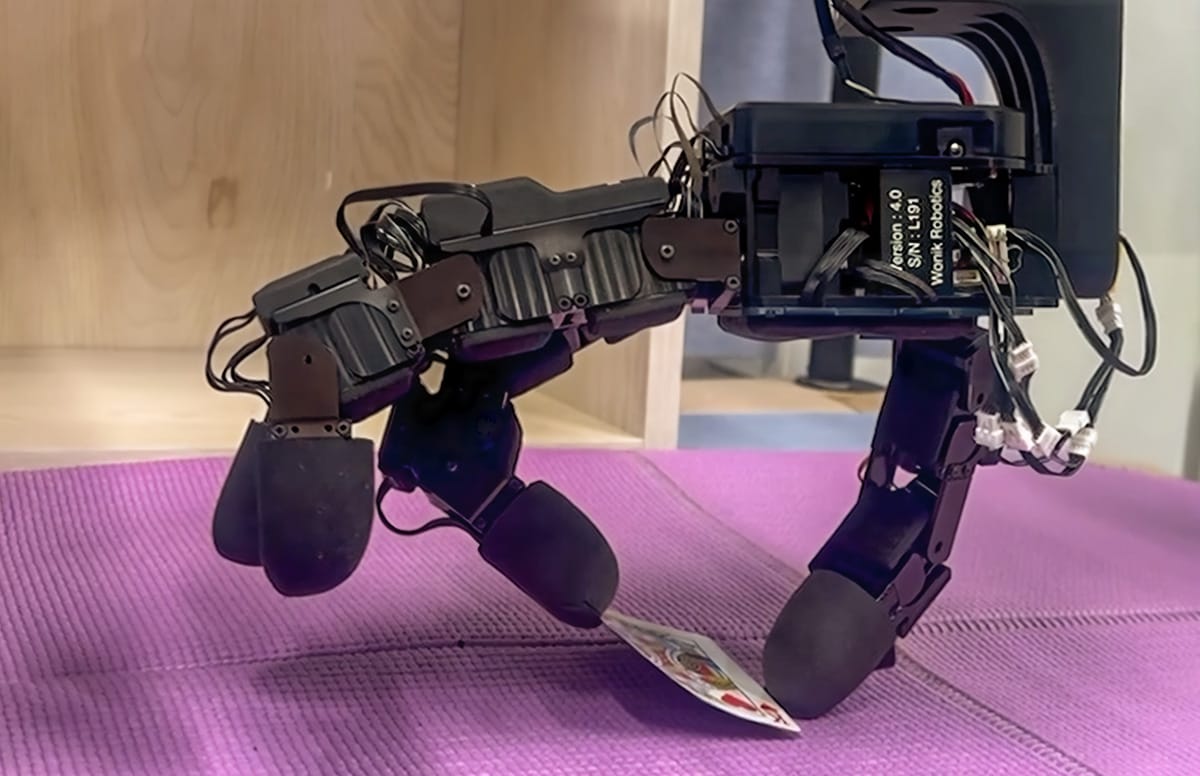
XELA Robotics to show tactile sensing at the 2026 Robotics Summit & Expo

XELA Robotics to show tactile sensing at the 2026 Robotics Summit & Expo

XELA Robotics is set to showcase its advancements in tactile sensing technology at the upcoming Robotics Summit & Expo in 2026. The company will present its enhanced magnetic interference compensation system and the innovative uSkin integrated within the Universal Manipulation Interface. This demonstration aims to highlight the potential of these technologies in improving robotic interactions and functionality. The Robotics Summit & Expo serves as a key platform for industry leaders to share breakthroughs and foster collaboration in the field of robotics.

End Effectors / Grippers Events Grippers Human Robot Interaction / Haptics News Sensors / Sensing Systems
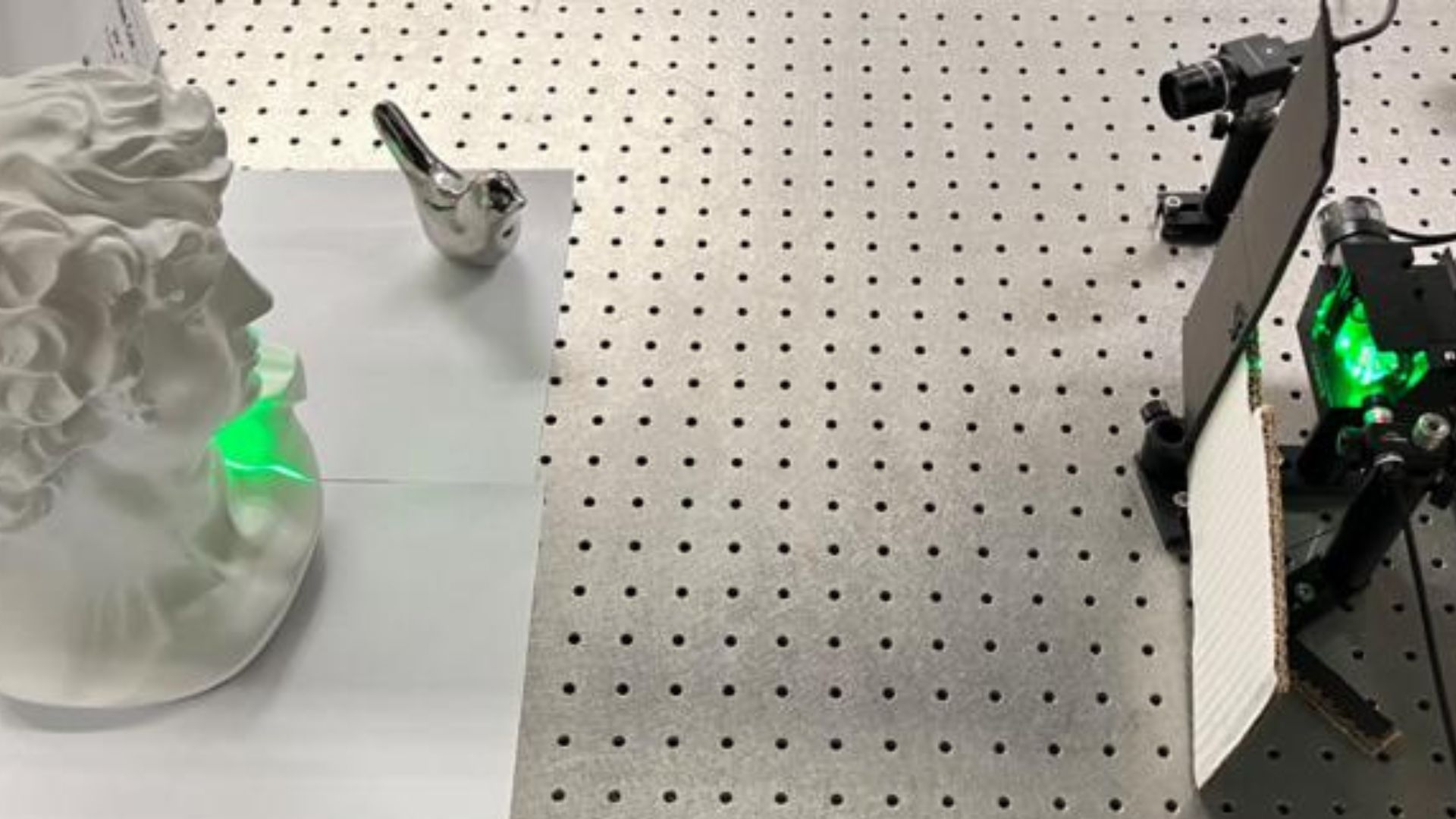
3D-sensing technology could improve self-driving cars and robotic surgery

3D-sensing technology could improve self-driving cars and robotic surgery

Researchers at the University of Arizona have made significant strides in 3D-sensing technology, which could revolutionize how autonomous vehicles navigate complex urban environments. This breakthrough was announced recently, showcasing the potential to enhance safety and efficiency in city driving. The team developed an advanced system that utilizes sophisticated algorithms and sensors to interpret real-time data from the surrounding environment, enabling vehicles to better understand and respond to dynamic conditions on busy streets. By improving the accuracy of spatial awareness, this technology aims to reduce accidents and improve traffic flow, addressing the growing challenges of urban mobility. The research highlights the university's commitment to innovation in transportation technology, with implications that could extend beyond self-driving cars to various applications in robotics and smart city infrastructure.
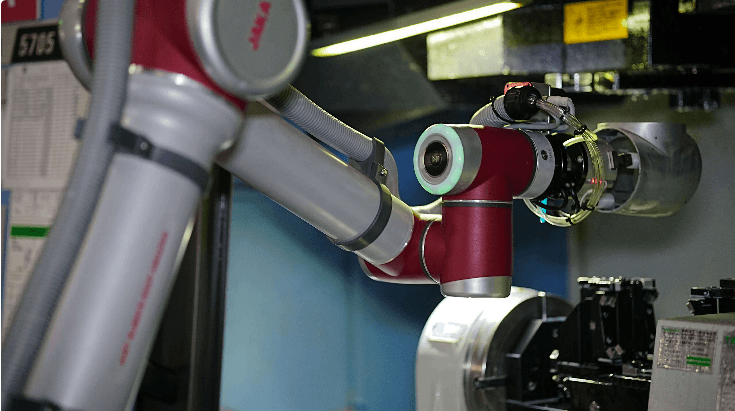
Advanced Robotics Technology in Collaborative Workspaces: Force Limiting and Sensing

Advanced Robotics Technology in Collaborative Workspaces: Force Limiting and Sensing

In a significant advancement for manufacturing, JAKA is revolutionizing collaborative workspaces through the integration of advanced robotics technology. The company’s focus on industrial collaborative robots (cobots) allows for safe and efficient interaction between machines and human operators, essential in today’s fast-paced production environments. By employing force limiting and sensing capabilities, JAKA's robots can detect unexpected interactions and adjust their movements accordingly, enhancing workplace safety and productivity. The JAKA Pro5 model exemplifies this innovation, specifically designed for loading and unloading tasks. It minimizes reliance on manual labor while ensuring consistent quality through simple programming interfaces that enable rapid setup for various production line tasks. This flexibility allows teams to adapt the robots quickly, optimizing efficiency and precision in machine tending. JAKA recognizes that the successful adoption of robotics hinges on factors such as production complexity and workspace layout. Their cobots are engineered to address these challenges, providing scalable operations that accommodate delicate handling requirements and reduce product damage risks. By integrating these intelligent systems, JAKA not only improves operational standards but also frees up human resources for more strategic roles, fostering a collaborative environment that enhances overall productivity. As industries increasingly embrace advanced robotics, JAKA’s commitment to safety, adaptability, and efficiency positions it at the forefront of transforming manufacturing practices, ultimately driving sustainable productivity improvements.
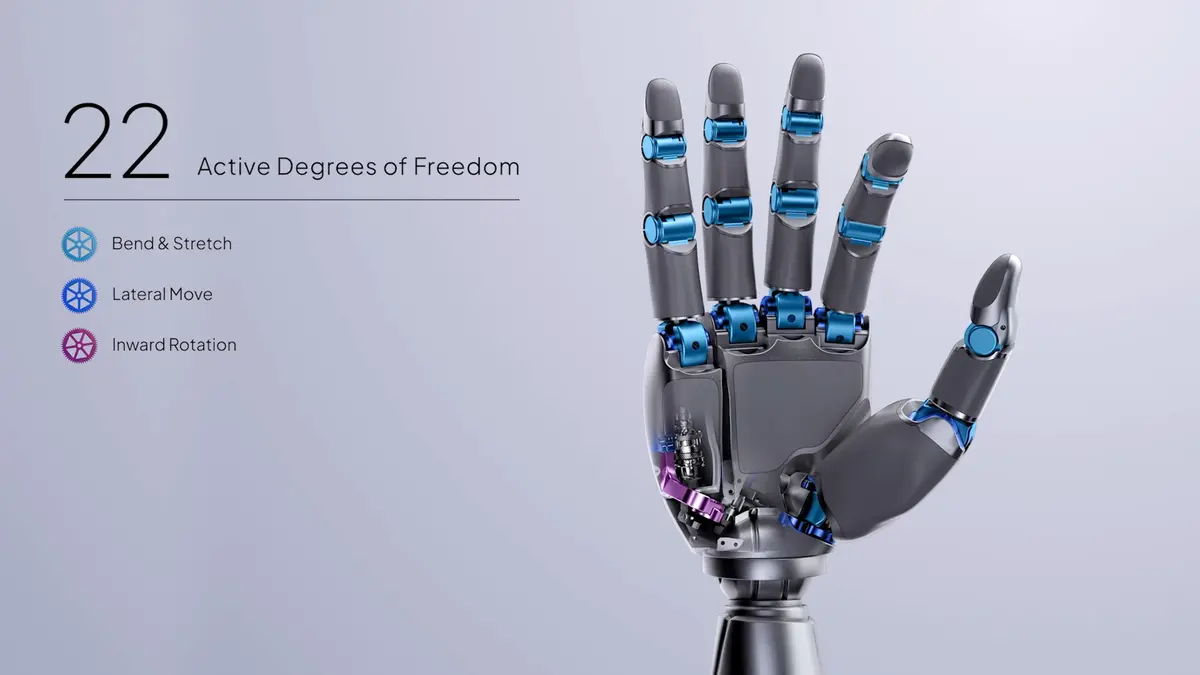
Sharpa Robotics Begins Shipping Its SharpaWave Hand, Targeting Human-Level Tactile Sensing

Sharpa Robotics Begins Shipping Its SharpaWave Hand, Targeting Human-Level Tactile Sensing

Sharpa Robotics has officially launched mass production of its innovative SharpaWave hand, which incorporates a proprietary Dynamic Tactile Array technology. This announcement follows a successful debut at various industry events, where the advanced capabilities of the hand garnered significant attention. The company is now shipping the product to customers, marking a significant milestone in the development of robotic technology aimed at enhancing tactile feedback. This move is expected to advance applications in various fields, including healthcare and manufacturing, where precise manipulation and sensory feedback are crucial.

SharpaWave tactile sensing hand Sharpa Robotics
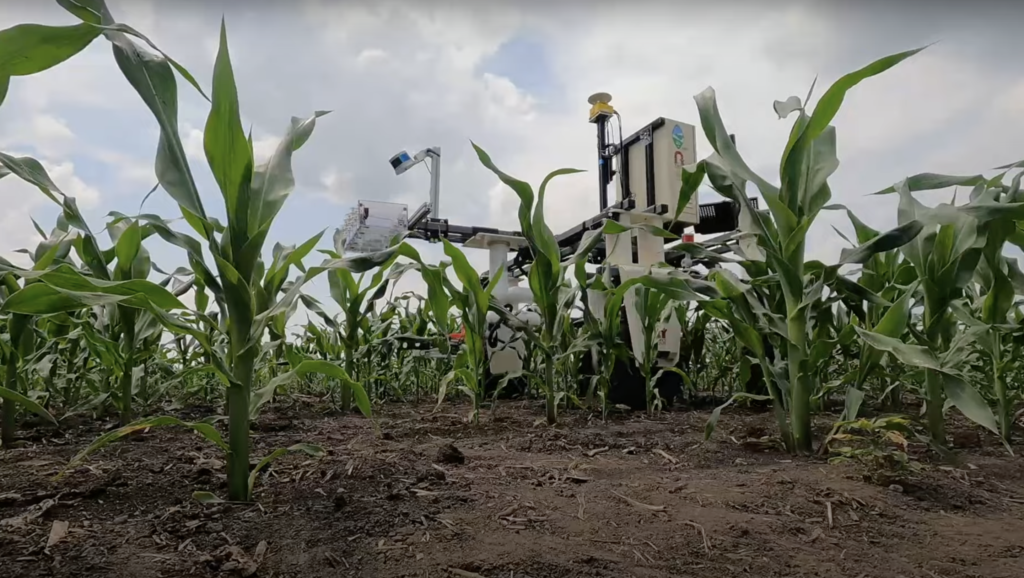
Smart Sensing: CMU Researchers Develop Robotic Platform to Boost Corn Crop Health

Smart Sensing: CMU Researchers Develop Robotic Platform to Boost Corn Crop Health

Researchers at Carnegie Mellon University have developed an advanced robotic platform designed to enhance corn crop health. This innovative robot arm autonomously identifies the optimal stalks and executes a precise motion sequence to position the stalks within its gripper. The initiative, announced recently, aims to address the critical role corn plays in global industry and agriculture, serving as a key ingredient in products ranging from tortillas to ethanol and starch. By improving the efficiency and effectiveness of corn cultivation, the researchers hope to contribute to the sustainability and productivity of this vital crop.

Uncategorized
Kirisense wins funding to develop robotic fingertips that can sense touch and slip

Kirisense wins funding to develop robotic fingertips that can sense touch and slip

Kirisense, a UK robotics startup, has received funding from the Henry Royce Institute to advance its development of tactile sensing technology aimed at enhancing robots' sense of touch to more closely resemble that of humans. This initiative, part of the Henry Royce Institute’s Industrial Collaboration Programme, is being executed in collaboration with the University of Sheffield. The project will concentrate on creating robotic fingertips that can provide a more nuanced and sensitive interaction with their environment, potentially revolutionizing the field of robotics by improving the dexterity and functionality of robotic systems.

News Sensors advanced automation advanced materials artificial intelligence automation news
Beyond Dexterity: Why Contact May Define the Next Era of Robotics

Beyond Dexterity: Why Contact May Define the Next Era of Robotics

At the 2026 IEEE International Conference on Robotics (ICRA) in Vienna, AGILINK showcased a captivating demonstration of robotic dexterity by creating a balloon dog, which drew significant attention from attendees. This seemingly playful task is recognized in the robotics community as a complex manipulation challenge due to the balloon's lightweight and highly deformable nature. The demonstration highlighted the intricate balance between motion and contact intelligence, essential for successful robotic manipulation. AGILINK's approach involved mapping the actions of professional balloon artists to robotic hands, allowing the robot to learn both successful manipulation sequences and recovery strategies during failures. This dual focus on motion and contact intelligence is crucial, as maintaining stable interaction with the balloon is as important as executing the correct sequence of actions. In conjunction with the balloon dog demonstration, AGILINK introduced the OmniHand 3 Ultra-M, a dexterous robotic hand designed to enhance contact intelligence through advanced sensing and faster response capabilities. The hand features 20 active degrees of freedom and a direct-drive architecture, enabling precise force regulation and tactile sensing across its surface. The significance of these advancements extends beyond balloon animals, addressing broader challenges in robotics related to unstable and deformable interactions, such as delicate assembly and household tasks. As robotics research increasingly prioritizes interaction dynamics, AGILINK's innovations may pave the way for more effective manipulation in unpredictable real-world environments.

Humanoid-robots Physical-ai Dexterous-hands Direct-drive-actuation Robotic-manipulation Reinforcement-learning
DAIMON Robotics Wants to Give Robot Hands a Sense of Touch

DAIMON Robotics Wants to Give Robot Hands a Sense of Touch

In April 2023, DAIMON Robotics, a Hong Kong-based company, launched Daimon-Infinity, touted as the world's largest omni-modal robotic dataset for physical AI. This extensive dataset, which includes high-resolution tactile sensing data from over 80 real-world scenarios and 2,000 human skills, aims to enhance robot manipulation capabilities across various tasks, from household chores to industrial assembly lines. The initiative is backed by collaborations with prominent partners, including Google DeepMind, Northwestern University, and the National University of Singapore. Prof. Michael Yu Wang, co-founder and chief scientist of DAIMON, emphasized the importance of tactile feedback in improving robotic dexterity, advocating for a shift from the traditional Vision-Language-Action (VLA) model to a more integrated Vision-Tactile-Language-Action (VTLA) framework. This transition is crucial for enabling robots to perform complex manipulation tasks effectively, especially in environments where visual data alone is insufficient. Recognizing a significant data gap in the robotics industry, DAIMON has committed to open-sourcing 10,000 hours of its dataset to support broader research and development efforts. The company aims to accelerate the deployment of embodied AI by providing high-quality tactile data, which is essential for training robots to interact with their surroundings more naturally and effectively. As the robotics landscape evolves, DAIMON's innovative approach positions it as a key player in advancing the capabilities of humanoid robots in real-world applications.

Type-sponsored Factory-robots Tactile-sensing Ai-models Embodied-intelligence
Silicon Sensing Produced its 30 Millionth Inertial Sensor

Silicon Sensing Produced its 30 Millionth Inertial Sensor

Silicon Sensing Systems Ltd has reached a significant milestone by producing its 30 millionth inertial sensor. Established in 1999, the company has become a key player in the global market, supplying advanced inertial sensors and systems across various sectors, including robotics, industrial production, marine, aerospace, defense, transport, and space. The company's innovative approach centers on high-performance gyroscopes, accelerometers, inertial measurement units (IMUs), and combi-sensors, all leveraging its proprietary micro electro-mechanical systems (MEMS) technology. These products are designed to outperform traditional systems, such as fiber optic gyros (FOG) and dynamically tuned gyros (DTG), by offering superior performance in a more compact and robust form. This achievement underscores Silicon Sensing's commitment to advancing sensor technology and meeting the evolving demands of diverse industries worldwide.

silicon sensing systems production milestone inertial sensor micro electro-mechanical systems (mems) gyros inertial nvigation
The Dexterity Debate: Roboticists Clash Over the Future of Humanoid Hands-On Work

The Dexterity Debate: Roboticists Clash Over the Future of Humanoid Hands-On Work

Renowned roboticist Rodney Brooks has raised concerns about the future of humanoid robots, asserting that their inability to achieve true dexterity is primarily due to insufficient touch sensing capabilities. This assertion has ignited a debate within the robotics community, as other experts argue that even with limited dexterity, these robots can still provide significant value and functionality. The discussion highlights differing perspectives on the potential and direction of humanoid robotics, emphasizing the need for advancements in sensory technology to enhance robot performance. As the industry evolves, the implications of these contrasting views will shape the development of future robotic systems.

humanoid-robots Dexterity AI automation robotics
Exail Integrates Elwave’s Electromagnetic Sensing Technology Into R7 ROVs

Exail Integrates Elwave’s Electromagnetic Sensing Technology Into R7 ROVs

Exail, a prominent player in maritime robotics, has partnered with Elwave to enhance its R7 Remotely Operated Vehicles (ROVs) with advanced electromagnetic sensing technology. This collaboration involves the integration of Elwave’s Tetrapulse sensors, which utilize the cutting-edge CEDAR (Controlled Electric Detection And Ranging) technology. The deployment of these sensors will occur across multiple R7 ROVs, although the identity of the client benefiting from this enhancement remains undisclosed. This strategic move aims to bolster the capabilities of Exail’s ROVs, ensuring they remain at the forefront of maritime exploration and operations.

exail elwave electromagnetic sensing technology r7 rov
Teradar enters paid evaluation program with German automaker for terahertz vehicle sensing technology

Teradar enters paid evaluation program with German automaker for terahertz vehicle sensing technology

Teradar, a company specializing in terahertz (THz) vision technology, has initiated a paid technical evaluation program with a leading German automotive manufacturer. This collaboration aims to assess Teradar's innovative sensing technology for potential integration into advanced driver assistance systems (ADAS) and autonomous driving platforms. The evaluation will specifically target challenging scenarios where traditional sensing technologies, including cameras, radar, and lidar, may face limitations. By exploring the capabilities of THz technology, both Teradar and the automotive manufacturer seek to enhance the safety and efficiency of future automotive systems.

Components Design Engineering adas advanced driver assistance systems automation news
Structural Optimization and Robotic Concrete Construction: Key Trends from 2015–2025

Structural Optimization and Robotic Concrete Construction: Key Trends from 2015–2025

A team of researchers has pinpointed critical factors essential for transforming optimized concrete designs into dependable robotic construction processes. Their study highlights the importance of addressing fabrication constraints, integrating reinforcement, implementing effective sensing technologies, and ensuring rigorous quality control. By focusing on these elements, the researchers aim to enhance the reliability and efficiency of robotic construction workflows. This research is particularly relevant in the context of advancing construction technologies, as it seeks to bridge the gap between innovative design and practical application in the field.

Vishay Precision Group (VPG) is Benefiting from the Manufacturing Rebound and Robotics Growth

Vishay Precision Group (VPG) is Benefiting from the Manufacturing Rebound and Robotics Growth

Vishay Precision Group, Inc. (NYSE: VPG), a Malvern, Pennsylvania-based company specializing in precision measurement and sensing technologies, is experiencing significant growth due to a rebound in manufacturing and advancements in robotics. In its first-quarter 2026 investor letter, Prosper Stars & Stripes highlighted VPG as a key beneficiary of these trends, noting a 33.60% increase in share price over the past month and an impressive 429.73% rise over the past year, with shares closing at $133.45 on June 17, 2026. The company's recent performance reflects a broader recovery in the industrial sector, with VPG reporting a book-to-bill ratio above 1.0 for the sixth consecutive quarter and projecting revenue growth of nearly 10% alongside a doubling of operating margins to approximately 20%. This growth is driven by increased demand across various markets, including military, space, semiconductors, and data centers. Additionally, VPG is positioning itself in the emerging humanoid robotics market, which is expected to scale significantly later this year, potentially expanding its addressable market. The company reported $84.4 million in revenue for Q1 2026, marking an 18% year-over-year increase. Despite its potential, some analysts suggest that other AI stocks may offer greater upside. As of the end of Q1 2026, VPG was held by 23 hedge fund portfolios, up from 20 in the previous quarter.

ABB Robotics delivers new industry-ready physical AI at Automate 2026

ABB Robotics delivers new industry-ready physical AI at Automate 2026

At Automate 2026, ABB Robotics will showcase its latest advancements in physical AI, including the debut of its Physical AI Toolchain, designed to enhance the capabilities of industrial robots. The event, taking place at Booth #1241 on June 17, 2026, will feature demonstrations of the Autonomous Versatile Robotics (AVR™) system, which equips robots with advanced sensory and mobility functions to operate more efficiently across various applications. Marc Segura, President of ABB Robotics, emphasized that physical AI is transforming traditional robotic operations, allowing for faster, safer, and smarter performance. The new toolchain facilitates the training of robots using simulated and real-world data, bridging the gap between simulation and practical application with high precision. This initiative follows ABB's partnership with NVIDIA, which aims to enhance robot training through advanced simulation technologies. Among the highlights will be the introduction of ABB's high-speed PoWa™ cobot family and a collaboration with Aura Sensae, integrating intelligent sensing technology for improved human-robot interaction. Visitors can expect to see demonstrations of AI-powered palletizing systems, intuitive interfaces, and real-time interaction capabilities, showcasing ABB's commitment to human-centric robotics. Additionally, ABB Robotics will host special events focused on automotive and software innovations on June 23 and 24, respectively, further engaging with industry stakeholders.

Robots move beyond mapped worlds with advanced lidar sensing

Robots move beyond mapped worlds with advanced lidar sensing

A lidar technology company has partnered with a robotics AI developer to enhance the capabilities of autonomous systems. This collaboration, announced recently, aims to integrate advanced lidar sensing with cutting-edge artificial intelligence to improve navigation and object recognition in various applications, including autonomous vehicles and drones. The partnership is expected to leverage the strengths of both companies, combining precise environmental mapping with intelligent decision-making algorithms. This initiative comes in response to the growing demand for more reliable and efficient autonomous solutions in industries such as transportation and logistics. The companies plan to begin testing their integrated systems in the coming months, with the goal of launching a prototype by early next year.

Daimon Robotics and Galbot jointly launches RobOmni for benchmarking tactile perception and dexterous manipulation

Daimon Robotics and Galbot jointly launches RobOmni for benchmarking tactile perception and dexterous manipulation

Daimon Robotics and Galbot have announced the launch of RobOmni, a new platform designed to benchmark tactile perception and dexterous manipulation in the field of embodied AI. This development marks a significant shift from traditional vision-centric approaches to a more comprehensive understanding of physical interactions. The collaboration aims to enhance the capabilities of robots in performing complex tasks that require fine motor skills and sensitivity to touch. The launch event took place recently, highlighting the growing importance of tactile feedback in robotics and its applications across various industries. By integrating advanced tactile sensing technologies, RobOmni is set to provide researchers and developers with the tools needed to push the boundaries of robotic dexterity and perception.

Sponsored Content
ICRA 2026 Insights: China's Influence on the Robotics Industry

ICRA 2026 Insights: China's Influence on the Robotics Industry

At the ICRA 2026 conference held in Vienna, more than 60 Chinese companies highlighted their innovations in robotics, focusing on dexterous hands and tactile sensing technologies. This event marked a pivotal moment for China, which is transitioning from being a participant in the global robotics arena to taking on a leadership role. The emphasis on tactile feedback in robotic applications reflects a growing recognition of its significance in enhancing robotic functionality. Additionally, the conference showcased the evolution of data-driven methodologies in the field, underscoring China's commitment to advancing robotics technology and its applications.

Robotics Tactile Sensing Dexterous Hands AI Industrial Automation
Innovative Breakthroughs in Robot Force Sensors by Xinghui Sensing

Innovative Breakthroughs in Robot Force Sensors by Xinghui Sensing

Xinghui Sensing, a new player in the six-dimensional force sensor market, is positioning itself to cater to the growing needs of humanoid robots by developing innovative, compact, and high-precision sensors. Co-founder Shen Xinxing emphasized the industry's increasing demand for advanced technology to enhance performance in robotic applications, addressing gaps that have yet to be filled. The company's efforts come at a time when the robotics sector is rapidly evolving, necessitating cutting-edge solutions to improve functionality and efficiency. By focusing on these unmet needs, Xinghui Sensing aims to establish itself as a key contributor to the future of robotics technology.

Force Sensors Humanoid Robots Robotics Technology Sensor Innovation
Innovative Robot Tactile Sensing: A Team from USTC Uses Liquid Metal to Replace Dense Sensor Arrays

Innovative Robot Tactile Sensing: A Team from USTC Uses Liquid Metal to Replace Dense Sensor Arrays

A research team at the University of Science and Technology of China has unveiled a revolutionary tactile sensing platform named CLiMETS. This innovative technology employs a single piece of liquid metal to effectively detect touch and pressure, streamlining the sensing process by removing the necessity for intricate sensor arrays. The development, announced recently, promises to significantly enhance sensitivity and durability in tactile sensing applications. This advancement is expected to facilitate the integration of more sophisticated robotic systems, marking a notable step forward in the field of robotics and sensory technology.

Tactile Sensing Liquid Metal Technology Robotics Soft Robotics
Ouster Brings Support for REV8 Digital Lidar to Robotics and Edge AI Ecosystem

Ouster Brings Support for REV8 Digital Lidar to Robotics and Edge AI Ecosystem

Ouster has announced the integration of its Rev8 OS digital lidar technology with the NVIDIA Jetson platform, enhancing the capabilities of the NVIDIA Robotics ecosystem. This development, which aims to introduce native color lidar sensing, is set to advance the field of Physical AI. By leveraging the powerful processing capabilities of the Jetson platform, Ouster's technology will enable more sophisticated and responsive robotic applications. This integration marks a significant step forward in the evolution of robotics, allowing for improved perception and interaction with the physical world. The collaboration is expected to drive innovation and expand the potential uses of lidar in various industries, including autonomous vehicles and smart infrastructure.

Ouster Releases Family of ‘Native Color Lidar’ Sensors for Robotics, Autonomous Vehicles

Ouster Releases Family of ‘Native Color Lidar’ Sensors for Robotics, Autonomous Vehicles

Ouster has launched a groundbreaking series of digital lidar sensors, the Rev8 family, which the company claims to be the world's first native color lidar platform. This innovative technology is designed for applications in robotics, autonomous vehicles, and industrial AI systems. The announcement was made recently, showcasing the sensors' capabilities powered by Ouster's advanced L4 Silicon architecture, which enhances their range and performance. This development marks a significant advancement in lidar technology, aiming to meet the growing demand for high-quality sensing solutions in various industries.

AI AI Use Cases Robotics autonomous driving industrial AI LiDAR
Huaweike Secures 70% Market Share and Signs Agreement in Singapore, Aiming for Global Leadership in Tactile Sensing Standards

Huaweike Secures 70% Market Share and Signs Agreement in Singapore, Aiming for Global Leadership in Tactile Sensing Standards

Huaweike, a prominent player in tactile sensing technology, has entered into a research collaboration with Nanyang Technological University in Singapore. This partnership aims to leverage Huaweike's leading position, which includes a substantial 70% market share in humanoid robot tactile sensors, to drive innovation and establish global standards within the sensing industry. The collaboration is set to showcase significant advancements in flexible sensor technology, reflecting both organizations' commitment to enhancing the capabilities of tactile sensing in robotics and beyond.

Tactile Sensors Flexible Sensors Robotics AI Industrial Automation
GMEX Robotics Advances Autonomous Hospital Logistics Platform to Enhance Safety, Efficiency and Operational Workflow

GMEX Robotics Advances Autonomous Hospital Logistics Platform to Enhance Safety, Efficiency and Operational Workflow

GMEX Robotics Corporation has announced a significant upgrade to its Hospital Logistics Robot, aimed at enhancing safety and efficiency in healthcare settings. This development, revealed on April 21, 2026, addresses ergonomic challenges faced by medical staff and patients, who often struggle with existing robots that require bending to retrieve items. The new design improves durability and usability, allowing for optimized delivery height and safer interactions in high-traffic hospital environments. The autonomous, battery-powered robot is equipped with advanced technologies, including artificial intelligence, multi-dimensional sensing, and real-time obstacle detection, facilitating seamless transport and handling of medical materials. To ensure security and accountability, the platform incorporates multi-layered verification protocols such as facial recognition and barcode scanning, restricting access to authorized personnel only. CEO Sam Lu emphasized the pressing need for intelligent automation solutions in healthcare, stating that the advancements in hospital logistics robotics are designed to alleviate operational strain and enhance clinical staff's focus on patient care. This upgrade is part of GMEX Robotics' broader strategy to expand its presence in the healthcare sector, supported by ongoing research and development efforts aimed at improving performance and usability across its technology stack.

JAKA Robotics nhận được nguồn vốn mới từ các ông lớn trong ngành sản xuất.

JAKA Robotics nhận được nguồn vốn mới từ các ông lớn trong ngành sản xuất.

JAKA Robotics, a leading player in industrial automation, has successfully completed a new funding round aimed at accelerating the development of its general-purpose intelligent robots. The investment, which involves a Shanghai-based industrial investment fund and global leaders in electronics and automotive manufacturing, will enhance JAKA's research and development efforts in perceptual intelligence, improving the robots' capabilities in sensing, reasoning, and interacting with the physical world. Founded in 2014, JAKA has deployed tens of thousands of robots in nearly 100 countries, earning the trust of over 1,500 industry leaders, including major companies like Toyota, Ford, Schneider Electric, and Flex. In response to the growing demands of the industry, JAKA has strategically repositioned itself for 2025, focusing on general-purpose intelligent robots, which include collaborative robots and integrated intelligent solutions. The company’s collaborative robots, weighing between 1 and 40 kg, continue to evolve, while its intelligent integrated products—such as JAKA Kargo, Khan, Lumi, K1, and S³—have achieved industrial-scale certification in logistics, inspection, and precision assembly. By enhancing cognitive and reasoning abilities, JAKA is transforming robots from task-specific tools into reliable partners capable of adapting to complex environments, making real-time decisions, and collaborating with humans to achieve shared goals. This latest support underscores JAKA's market leadership and the long-term potential of general-purpose intelligent robots as the company transitions perceptual intelligence from the lab to practical applications in manufacturing and services.

Overcoming Core Engineering Barriers in Humanoid Robotics Development

Overcoming Core Engineering Barriers in Humanoid Robotics Development

Engineers in the humanoid robotics field are set to address critical challenges related to sensing, motion control, power, and thermal management during an upcoming technical examination. This event will delve into the complexities of motion control, which remains one of the most significant hurdles in achieving stable bipedal locomotion in dynamic environments. Attendees will explore the intricacies of modeling, real-time feedback, and sensor fusion essential for maintaining balance and stability. Additionally, the session will highlight the importance of advanced sensing architectures, including inertial measurement units and tactile sensors, which play a crucial role in enhancing human-robot interaction and ensuring safety through effective collision avoidance. Participants will also examine the implications of power and thermal constraints on system design, focusing on the trade-offs involved in battery chemistry choices and thermal protection strategies that influence operational endurance. As the industry transitions from prototype development to mass production, the event will provide insights into the shift towards modular architectures and cost-effective component selection, with a keen eye on supply chain readiness anticipated for the late 2020s. This comprehensive examination aims to equip engineers with the knowledge necessary for real-world deployment of humanoid robotics, addressing both current challenges and future advancements.

Sensor-fusion Type-whitepaper Motion-control Humanoid-robots
The Science Behind Cobot Force Sensing and Collision Detection

The Science Behind Cobot Force Sensing and Collision Detection

JAKA, a leader in collaborative robotics, is advancing the integration of force sensing and collision detection technologies to enhance safety and efficiency on production floors. As the demand for collaborative robots grows, understanding these systems becomes crucial for their effective deployment. Force sensing enables robots to perceive real-time physical interactions by continuously monitoring joint-level data such as torque and motion. This capability allows robots to differentiate between normal operational loads and unexpected contact, facilitating smoother transitions and reducing stress on both machinery and operators during tasks like assembly and inspection. Complementing this, collision detection translates abnormal force patterns into immediate responses, allowing robots to adjust their speed or halt operations when necessary. This continuous feedback loop fosters safe interactions between robots and human workers without the need for physical barriers, accommodating dynamic work environments. JAKA's compact cobot design, exemplified by the JAKA Zu3, integrates these technologies into a lightweight system suitable for precision tasks in confined spaces. With a payload capacity of 3 kg and a reach of 626 mm, the Zu3 is engineered for seamless human-robot collaboration, ensuring that existing workflows remain undisturbed. By embedding advanced sensing and control mechanisms into their robotics framework, JAKA aims to promote reliable collaboration in real-world production settings, where safety, precision, and adaptability are paramount.

Understanding Automation Robotics Technology: From Sensors to Control Systems (JAKA CAB V3)

Understanding Automation Robotics Technology: From Sensors to Control Systems (JAKA CAB V3)

JAKA, a leader in automation robotics technology, has unveiled its advanced polishing robot, powered by the innovative CAB V3 controller, designed to enhance the precision and consistency of metal component finishing. This cutting-edge system, which integrates sophisticated sensing and control mechanisms, addresses the challenges faced by skilled artisans in achieving flawless surfaces. The CAB V3 controller serves as the brain of the robot, translating high-resolution sensor data into precise motion commands. Equipped with advanced proprioceptive sensors and force control technology, the polishing robot can adapt to subtle variations in part geometry, ensuring optimal tool orientation and pressure during operation. This real-time feedback loop allows the robot to maintain high standards of quality while compensating for any deviations. JAKA's design philosophy emphasizes the seamless integration of sensing, computation, and mechanical action, enabling the polishing robot to operate smoothly without vibrations that could damage surfaces. The CAB V3 also supports connectivity with external vision systems and factory networks, enhancing flexibility in mixed-production environments. By leveraging this advanced automation technology, manufacturers can achieve unprecedented levels of consistency and quality in their finishing tasks, transforming the traditional polishing process into a highly efficient and repeatable operation.

The Future of Industrial Cobots: Enhanced Sensing and True Autonomy

The Future of Industrial Cobots: Enhanced Sensing and True Autonomy

JAKA, a leader in advanced robotics technology, is revolutionizing the role of industrial collaborative robots (cobots) by enhancing their perceptual intelligence and autonomous decision-making capabilities. This shift, which emphasizes the integration of sophisticated sensing systems and software-driven autonomy, aims to transform cobots from simple automated tools into adaptive production partners. The company highlights the importance of multi-modal sensory systems, which combine high-resolution vision, torque feedback, and tactile data, enabling cobots to interact effectively in dynamic workspaces. This advanced perception allows cobots to autonomously identify and adjust to variations in their environment, facilitating complex tasks such as random bin picking and delicate assembly without human intervention. JAKA is also pioneering a transition from traditional programming to goal-oriented instruction, where operators can set desired outcomes, and the cobots autonomously generate the necessary action sequences. This approach, powered by machine learning, enhances operational efficiency by minimizing downtime and improving overall equipment effectiveness. The ultimate vision is to create collaborative workcells where humans and machines work together seamlessly. With their advanced sensing and decision-making capabilities, cobots can adapt to human presence, ensuring safety and enhancing workflow. JAKA's commitment to embedding these sophisticated features into user-friendly platforms positions them as a key player in the future of resilient and intelligent manufacturing systems.

Doosan Robotics Wins Two CES Innovation Awards® 2026 Including “Best of Innovation” in AI Category

Doosan Robotics Wins Two CES Innovation Awards® 2026 Including “Best of Innovation” in AI Category

Doosan Robotics has received prestigious accolades at the CES Innovation Awards, being recognized as the Best of Innovation in the Artificial Intelligence category and as an Honoree in the Robotics category for its Scan & Go Autonomous Robotic Solution. These awards, presented by the Consumer Technology Association (CTA), highlight exceptional design and engineering in technology products ahead of CES 2026, scheduled for January 6–9 in Las Vegas. The Scan & Go solution, developed in partnership with Canada-based Maple Advanced Robotics Inc. (MARI), is an AI-driven robotic platform designed to enhance large-scale manufacturing and composite repair processes. Utilizing cognitive learning and 3D perception, the system interprets complex geometries in real time, generating optimized tool paths without the need for CAD modeling or programming. Mounted on a self-driving forklift, it autonomously navigates and operates on large, irregular structures, performing tasks such as sanding, grinding, and inspection with minimal preparation. This innovation aims to automate hazardous and labor-intensive maintenance tasks, addressing safety concerns related to noise, dust, and repetitive strain injuries. With advanced safety features, including torque-sensing collision detection, Scan & Go enhances workplace safety and productivity, earning recognition from leading wind energy manufacturers. Kevin Kim, CEO of Doosan Robotics, emphasized the company's commitment to developing immediate, on-site AI robotic solutions, marking Scan & Go as the beginning of a broader initiative to tackle real-world industrial challenges. This recognition at CES 2026 signifies Doosan's strategic transformation into an AI Robot Solution company, aimed at bolstering its global competitiveness in the robotics sector.

CMU and Partners Redefine Robotic Perception with NeuralFeels

CMU and Partners Redefine Robotic Perception with NeuralFeels

A collaborative research effort involving Carnegie Mellon University, Meta FAIR, the University of California, Berkeley, the Technical University of Dresden in Germany, and the Centre for Tactile Internet with Human-in-the-Loop (CeTI) has led to the development of NeuralFeels, an innovative machine learning model. This model enhances robotic perception by integrating vision and touch sensing capabilities within a robotic hand, enabling it to reconstruct and track objects that are not directly visible. The initiative aims to advance the field of robotics by improving how machines interact with and understand their environments, addressing limitations of traditional sensing methods. The research findings were recently announced, showcasing the potential of NeuralFeels to redefine the capabilities of robotic systems in various applications.

Research
£4 m to Boost Marine Robotics Research Capabilities

£4 m to Boost Marine Robotics Research Capabilities

The UK’s National Oceanography Centre (NOC) has secured a funding boost of £4 million aimed at enhancing its fleet of marine autonomous systems with next-generation sensing technologies. This investment, announced recently, is designed to support the advancement of sustainable ocean science, enabling researchers to gather more accurate and comprehensive data about marine environments. By integrating these advanced sensing capabilities, the NOC aims to improve its understanding of ocean dynamics and contribute to the global efforts in addressing climate change and preserving marine ecosystems. The initiative reflects a growing commitment to innovative research methods in the field of oceanography, positioning the NOC at the forefront of marine science advancements.

marine robotics research
Seoul University Introduces Single-Layer Artificial Skin for Enhanced Robotic Sensory Perception

Seoul University Introduces Single-Layer Artificial Skin for Enhanced Robotic Sensory Perception

On July 10, a research team led by Professor Seung Hwan Ko at Seoul University published a significant study in Nature Materials, unveiling a novel single-layer artificial skin. This innovative material allows robots to simultaneously sense temperature and pressure, mimicking human sensory capabilities. The design utilizes a silver-core-copper oxide shell nanowire network, enabling rapid switching between temperature and mechanical sensing modes at a frequency of 16 Hz. The development is crucial as it addresses the limitations of existing artificial skin technologies, which typically rely on multiple stacked sensors, resulting in complex structures and slower response times. The new sensor demonstrates remarkable response speeds, with mechanical stimuli detected in microseconds and thermal stimuli in milliseconds. When combined with AI models, the sensor's accuracy in object recognition improved from 65% to 95% by integrating signals from both sensing modes, showcasing its potential for real-world applications. Looking ahead, the research team has created a multi-array platform that can measure temperature and pressure distribution with spatial resolution comparable to human skin. This technology not only serves as a fingertip sensor but also has the potential to evolve into a comprehensive artificial skin system for robots. The team emphasizes that this advancement is a key enabling technology for physical AI systems, allowing machines to perceive and interact with their environment more effectively. No further timeline was disclosed at the time of publication.

Artificial Skin Robotics Sensor Technology AI Human-Robot Interaction
Robbyant Unveils LingBot-Depth 2.0 and LingBot-Vision to Redefine Robotic Spatial Perception

Robbyant Unveils LingBot-Depth 2.0 and LingBot-Vision to Redefine Robotic Spatial Perception

Building upon the success of LingBot-Depth, which pioneered the Masked Depth Modeling (MDM) technique to resolve depth sensing challenges for transparent and reflective surfaces, LingBot-Depth 2.0 represents a massive scale-up in training data and performance.

Three-armed kitchen robot cuts raw salmon with 95% touch-sensing accuracy

Three-armed kitchen robot cuts raw salmon with 95% touch-sensing accuracy

In a notable development within the robotics industry, researchers and engineers are grappling with the complexities of programming industrial robots to prepare sashimi, a task that has proven to be unexpectedly challenging. Despite advancements in automation and robotics, the intricate nature of slicing raw fish with precision and artistry has eluded machines, highlighting the limitations of current technology in replicating skilled human techniques. This ongoing effort reflects a broader trend in the food industry, where automation is increasingly sought after to enhance efficiency and consistency. As of October 2023, experts are exploring innovative approaches to overcome these hurdles, aiming to integrate advanced sensory feedback and machine learning algorithms that could enable robots to mimic the nuanced movements of experienced chefs. The pursuit of automating sashimi preparation not only underscores the demand for robotics in culinary applications but also raises questions about the future of traditional food preparation methods in an era of rapid technological advancement.

AI and Robotics
Mouser Electronics launches "Rise of the Robots" series on the fusion of sensing, AI, and control technologies.

Mouser Electronics launches "Rise of the Robots" series on the fusion of sensing, AI, and control technologies.

Mouser Electronics has unveiled the latest installment of its technology series, "Empowering Innovation Together" (EIT), titled "Rise of the Robots." This new episode explores the advancements in robotics and their impact on various industries. The release aims to highlight the growing significance of robotics in enhancing efficiency and productivity across sectors. By showcasing innovative technologies and expert insights, Mouser seeks to inform and inspire its audience about the future of automation. The series continues to serve as a platform for discussing cutting-edge developments in technology, reinforcing Mouser's commitment to fostering innovation in the electronics industry.

Taiwan’s new ‘intelligent’ humanoid robot combines sensing and adaptive interaction

Taiwan’s new ‘intelligent’ humanoid robot combines sensing and adaptive interaction

A Taiwanese company has introduced its first humanoid robot designed to engage in physical interactions with humans. This groundbreaking development was announced during a technology expo held in Taipei on October 15, 2023. The robot, which features advanced artificial intelligence and motion capabilities, aims to enhance human-robot collaboration in various sectors, including healthcare and customer service. The motivation behind this innovation is to address the growing demand for automation and assistance in daily tasks, particularly in environments where human interaction is essential. By utilizing sophisticated sensors and machine learning algorithms, the robot can understand and respond to human gestures and commands, making it a versatile tool for both personal and professional use. The unveiling of this humanoid robot marks a significant milestone in Taiwan's robotics industry, showcasing the nation's commitment to technological advancement and innovation.

AI and Robotics
OMRON Robotics to Demonstrate Next-Generation Autonomous Mobile Robots at Automate 2026

OMRON Robotics to Demonstrate Next-Generation Autonomous Mobile Robots at Automate 2026

A leading technology company has unveiled its latest advancements in automated material handling with the introduction of the LD-150 and LD-300 autonomous mobile robots (AMRs). This launch took place in October 2023, showcasing the company's commitment to enhancing efficiency in logistics and warehouse operations. The new AMRs are designed to streamline material flow, addressing the growing demand for smarter and more flexible solutions in supply chain management. By integrating advanced navigation and sensing technologies, the LD-150 and LD-300 aim to optimize workflows, reduce operational costs, and improve safety in various industrial environments. This innovation reflects the company's strategy to leverage automation in response to evolving market needs and the increasing complexity of logistics operations.

Robot Talk Episode 159 – Robot sensing and manipulation, with Maria Koskinopoulou

Robot Talk Episode 159 – Robot sensing and manipulation, with Maria Koskinopoulou

Claire recently engaged in a conversation with Maria Koskinopoulou, an Assistant Professor in Robotics and Computer Vision at Heriot-Watt University, regarding the advancements in autonomous robotic manipulators. The discussion highlighted the applications of these technologies in various fields, including surgery and industry. Koskinopoulou, who co-leads the ARM²Lab—focused on Autonomous Robotic Manipulation and Multi-Agent Systems—alongside Ignacio Carlucho, shared insights into her research interests and the potential impact of robotics on future innovations. The dialogue underscores the growing significance of robotics in enhancing efficiency and precision across multiple sectors.

Optical Tactile Sensing Approaches Human Recognition: Low-Cost, Reliable Solutions from Guangma Future

Optical Tactile Sensing Approaches Human Recognition: Low-Cost, Reliable Solutions from Guangma Future

Guangma Future has introduced the TOUCH-X tactile sensor, a groundbreaking innovation that utilizes advanced optical technology to deliver high-frequency sampling and exceptional performance while eliminating electromagnetic interference. Launched recently, this sensor is designed to significantly improve the capabilities of robots in precision tasks and enhance their interactions with humans. The development comes in response to the increasing demand for advanced tactile sensors in various applications, reflecting the company's commitment to advancing robotics technology.

Tactile Sensors Robotics Optoelectronics Industrial Automation
RobotToday Initiative

Robotics needs a service framework.

RSF defines a common language for robot service capability, lifecycle operations, certification pathways, and service-provider networks.