

Industry Briefing
A single destination for timely, editor-curated robotics news from around the world.

Hesai Group Reports Q2 Growth Amid Robotics Expansion Challenges
Hesai Group (NASDAQ:HSAI) announced a second-quarter revenue of RMB860.8 million, a 21.9% increase, with total LiDAR shipments rising 78.4% to 628,275 units. Despite a 60% increase in net income to RMB70.6 million, shares fell 5.3%, highlighting concerns over the company's Strategic Growth Initiatives (SGI), which reported a loss of RMB64.0 million. The profitability of Hesai's LiDAR segment is crucial for financing its robotics ambitions without compromising overall margins. SGI generated its first revenue of RMB44.9 million, primarily from robotic actuation modules, and the company raised its 2026 revenue guidance for SGI from RMB100 million to between RMB200 million and RMB300 million. Management anticipates SGI will approach $100 million in revenue and reach breakeven by 2027. As Hesai Group continues to expand its offerings, including the Kosmo spatial-intelligence platform, it faces the challenge of maintaining profitability amid rising R&D expenses and declining gross margins. The success of its robotics platform will depend on effective commercialization in developing markets, with the potential for a second profit pool if targets are met. No further timeline was disclosed at the time of publication.
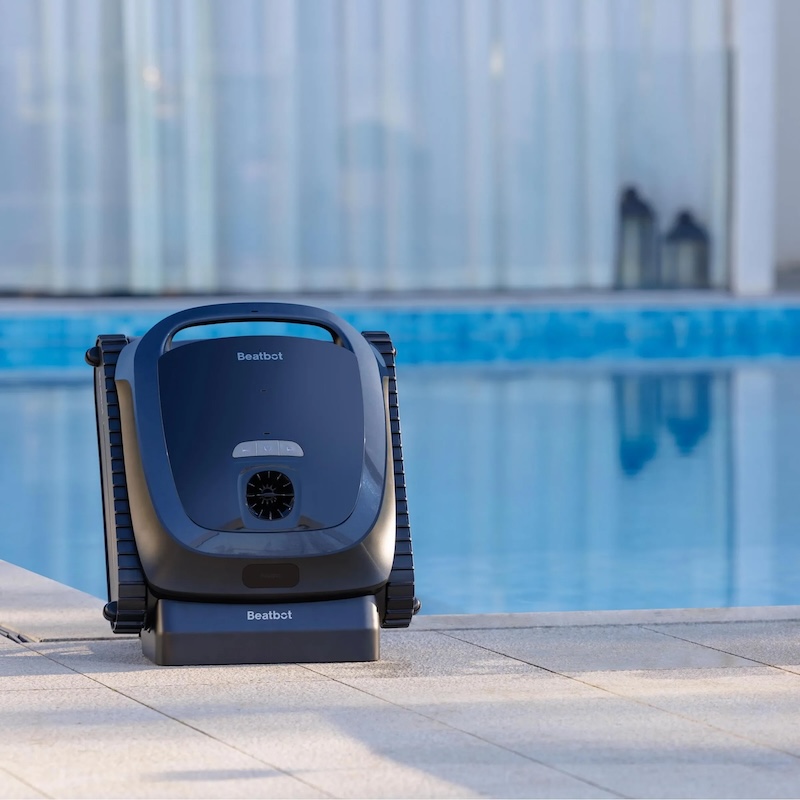
How AI Navigation is Improving the Performance of Robotic Pool Cleaners
Robotic pool cleaners have evolved beyond traditional metrics such as suction power and debris collection, with a significant emphasis now placed on navigation capabilities. Previously, these devices were primarily evaluated based on their ability to pick up dirt and debris, but advancements in technology have shifted the focus to how effectively they can navigate a pool's surface. A robot that operates randomly may clean certain areas thoroughly while neglecting others, leading to inconsistent cleaning results. This change in evaluation criteria reflects a growing understanding that efficient navigation is crucial for maximizing the overall performance of pool cleaning robots. As manufacturers continue to innovate, the integration of sophisticated navigation systems is becoming a key factor in the design and functionality of these devices, ensuring a more comprehensive cleaning experience for pool owners.
Artificial Intelligence Environment Technology AI navigation ai robotics AquaSense 2 Ultra
ARGOS-X from Forssea Robotics Performs Resident ROV Demo at IFREMER Pools
The RESIDENT R&D program, initiated two years ago in partnership with IFREMER, is focused on developing and qualifying technological components for remotely operated vehicles (ROVs) to ensure their long-term residency on the seabed. This innovative project aims to enhance the capabilities of ROVs for underwater exploration and research by improving their durability and functionality in challenging marine environments. The collaboration seeks to address the growing need for advanced underwater technology as industries increasingly rely on ROVs for tasks such as environmental monitoring, resource exploration, and scientific research. The program is set to continue its efforts into 2024, with ongoing testing and evaluation of the technologies being developed.
argos-x forssea robotics resident rov demo ifremerRobotics needs a service framework.
RSF defines a common language for robot service capability, lifecycle operations, certification pathways, and service-provider networks.
Join the RobotToday community on LinkedIn
Daily robotics news, in-depth analysis, conference highlights, and discussions with professionals worldwide.







