Industry Briefing
A single destination for timely, editor-curated robotics news from around the world.

Bionic Emotion-Sensing Humanoid Robot Demonstrates Real Tears During Interaction
A new humanoid robot has been developed that can express emotions by shedding real tears while communicating. This advancement highlights the potential for robots to engage more authentically with humans, enhancing their roles in various applications. The ability of this robot to exhibit genuine emotional responses could significantly impact industries such as healthcare and customer service, where human-like interactions are crucial. As robots become more integrated into daily life, their emotional capabilities may improve user acceptance and trust. Looking ahead, the evolution of emotion-sensing technology in robotics will be critical to watch. The implications of such advancements could reshape how robots are utilized across sectors, potentially leading to more empathetic and responsive machines. No further timeline was disclosed at the time of publication.
AI and Robotics
Tactile Sensing Technology Sees Significant Growth in Robotics Sector
Tactile sensing technology is gaining prominence in the robotics industry as humanoid robots transition from exhibition spaces to factory floors. Since 2026, funding in the tactile sensing sector has exceeded 7 billion yuan, with the penetration rate of tactile sensors in commercial humanoid dexterous hands rising from 20% to over 60% this year. This rapid growth is notable within the robotics components sector, highlighting a shift in robotic applications. While visual-language-action models have enhanced robots' environmental understanding and task planning, precision assembly and flexible grasping require tactile feedback for effective force control and slip detection. According to Qianjue Robotics founder Ma Daolin, tactile sensing is essential for high-precision industrial operations. The evolution of technology supports this need, as Qianjue Robotics' VTLA model integrates tactile modalities into traditional frameworks, enabling real-time perception of deformation, texture, and force distribution during contact. Their comprehensive tactile solution expands sensing from fingertips to palms, achieving a sensor density of 125 points per square centimeter and a force accuracy of 0.03 Newtons. As hardware costs decrease and data accumulation accelerates, tactile sensing is becoming a necessary capability in real-world operational scenarios.
Tactile Sensors Humanoid Robots Robotics Technology Industrial Automation
L3Harris and ARX Robotics Test Counter-Drone Sensing on Uncrewed Ground Vehicle
L3Harris Technologies and ARX Robotics have successfully demonstrated a robotic ground vehicle equipped with a counter-drone sensing system during the US Army’s Project Convergence-Capstone 6 experimentation campaign. This innovative approach allows for the deployment of sensors on a remotely controlled robot, reducing the risk to soldiers by keeping them away from potential drone threats. The demonstration utilized L3Harris' CORVUS-RAVEN counter-drone capability mounted on ARX Robotics' GEREON uncrewed ground vehicle. This setup enhances situational awareness by passively detecting signals associated with drone threats and providing critical bearing information. The ability to reposition the robotic vehicle as tactical situations evolve offers commanders a flexible alternative to fixed sensor locations. As small drones pose increasing challenges for modern militaries, the collaboration between L3Harris and ARX Robotics highlights the importance of modularity and adaptability in military technology. No further timeline was disclosed at the time of publication.
Military
Innovative Hybrid Robot Skin Integrates EIT Mapping with Pneumatic Force Sensing
A new prototype hybrid robot skin has been developed, integrating electrical impedance tomography (EIT) location mapping with pneumatic force sensing. This innovative design features a rigid base, four soft air-tight pads, a continuous piezoresistive layer, and 32 boundary electrodes, all produced through advanced 3D printing and spray coating techniques. This development is significant as it enhances the robot's ability to perceive its environment and respond to physical interactions, which is crucial for applications in humanoid robotics and other fields. The combination of EIT and pneumatic sensing allows for more precise location mapping and force detection, potentially improving the functionality and safety of robotic systems in various environments. Looking ahead, the implications of this technology could lead to more adaptive and responsive robotic systems. As researchers continue to refine this hybrid skin, it will be important to monitor advancements in its application across different robotic platforms and industries. No further timeline was disclosed at the time of publication.
Hybrid Robotic Skin Integrates EIT and Pneumatic Sensing for Enhanced Force Detection
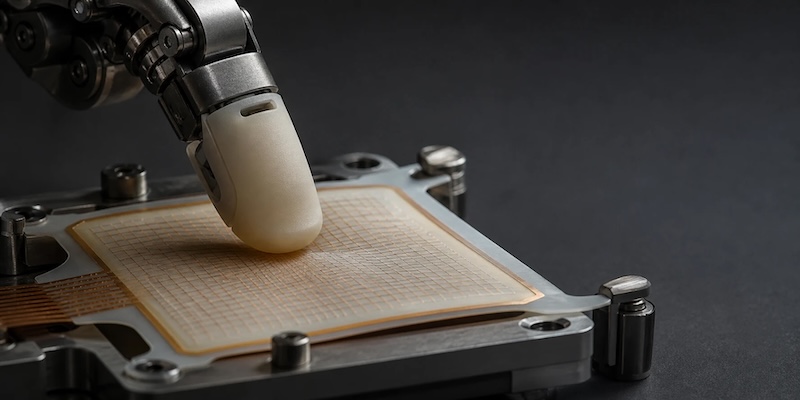
Scientists have developed a hybrid robotic skin that merges electrical impedance tomography (EIT) with pneumatic pressure sensing to enhance force detection across large areas of humanoid robots, as reported by RoboSkin. This innovative system, detailed in a preprint from May 2026, utilizes EIT to identify contact points while employing four sealed pneumatic pads to estimate the applied force, addressing the sensitivity limitations of traditional EIT-based tactile sensors. The significance of this development lies in its ability to reduce sensitivity variation in large-area sensors. In load-cell indentation experiments, the researchers observed a decrease in the coefficient of variation for sensitivity non-uniformity from 0.31 with EIT alone to 0.14 with the hybrid method, indicating improved performance under test conditions. The prototype features a rigid base, four soft air-tight pads, a continuous piezoresistive layer, and 32 boundary electrodes, all produced through 3D printing and spray coating. Looking ahead, the researchers' hybrid approach, which reconstructs EIT images at 100 Hz and utilizes pneumatic data for force magnitude estimation, showcases the potential for more effective tactile sensing in humanoid robots. No further timeline was disclosed at the time of publication.
News Research Robotics Science eit electrical impedance tomography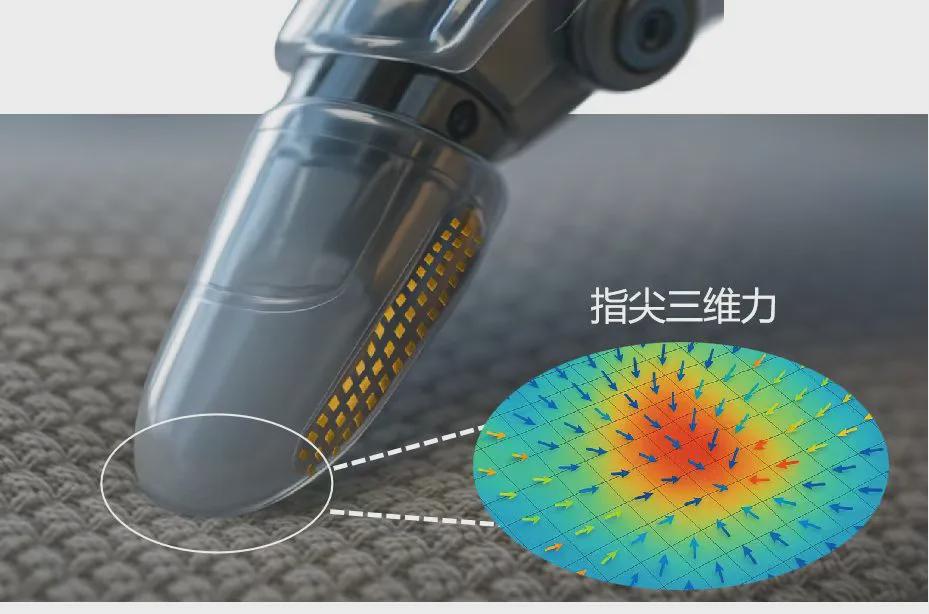
SUSTech Professor's Research on Tactile Sensing Leads to Major Orders for Robotics
In recent weeks, the tactile sensing sector has seen a surge in funding, with multiple startups announcing financing ranging from millions to hundreds of millions. This trend highlights the growing importance of tactile sensing in robotics, particularly as humanoid robots evolve from merely standing to performing tasks in precision manufacturing and assembly. The significance of tactile sensing lies in its ability to enhance robotic interactions with objects, addressing critical questions such as whether a cup has been grasped or if a part has slipped. According to Xiong Gengchao, CEO of Saigan Technology, while tactile feedback may not be essential for demonstrations, it becomes crucial for robots to integrate into factories and daily life. Saigan Technology, founded in June 2023 and rooted in research from SUSTech, has secured bulk orders for its tactile modules. The company plans to showcase its 3D force tactile modules and adaptive grasping solutions at the upcoming 2026 World Robot Conference, emphasizing the importance of material innovation in developing effective tactile sensing technologies.
Tactile Sensing Humanoid Robots Robotics Technology Automation Flexible Electronics
Hanyang University Develops Dual-Gate Transistor for Enhanced Touch Sensing in Robotics
Researchers at Hanyang University ERICA have created a vertically integrated dual-gate transistor design aimed at improving touch sensing in robots and prosthetics. This innovative architecture addresses the limitations of conventional tribotronic devices by offering tuneable sensitivity and reliable detection, which are crucial for applications requiring human-like touch perception. The significance of this advancement lies in its potential to enhance the functionality of electronic skin systems, enabling robots and prosthetics to perceive touch more reliably. The dual-gated tribotronic transistor features a polydimethylsiloxane (PDMS) sensing layer, which allows for high-density integration and improved performance compared to traditional devices that struggle with fixed sensitivity and integration challenges. Looking ahead, the research team, led by Associate Professor Jaekyun Kim, aims to further explore the applications of this technology in self-powered sensing systems. Their study was published online on April 9, 2026, and in Nano Energy on June 15, 2026. No further timeline was disclosed at the time of publication.
News Science electronic skin flexible electronics hanyang university human-robot interaction
Recent Advances in Electronic Skin Enhance Touch and Proximity Sensing for Robotics and Prosthetics
Recent developments in miniaturized and portable electronics have led to a surge in demand for self-powered sensing technologies. Triboelectric nanogenerators (TENGs) are at the forefront of this trend, gaining significant attention for their ability to create highly sensitive tactile sensors. These advancements are crucial for enhancing the functionality of robots and prosthetics, enabling them to better interact with their environments. The importance of TENGs lies in their potential to revolutionize how robots and prosthetics sense touch and proximity. As these devices become more sensitive and adaptable, they can significantly improve user experience and operational efficiency. This is particularly relevant in applications where precise tactile feedback is essential, such as in robotic surgery or prosthetic limbs that require fine motor control. Looking ahead, the continued development of TENGs and similar technologies will be critical. The industry should monitor advancements in miniaturization and flexibility of electronic components, as these will play a vital role in the integration of advanced sensing capabilities into everyday devices. No further timeline was disclosed at the time of publication.
Robotics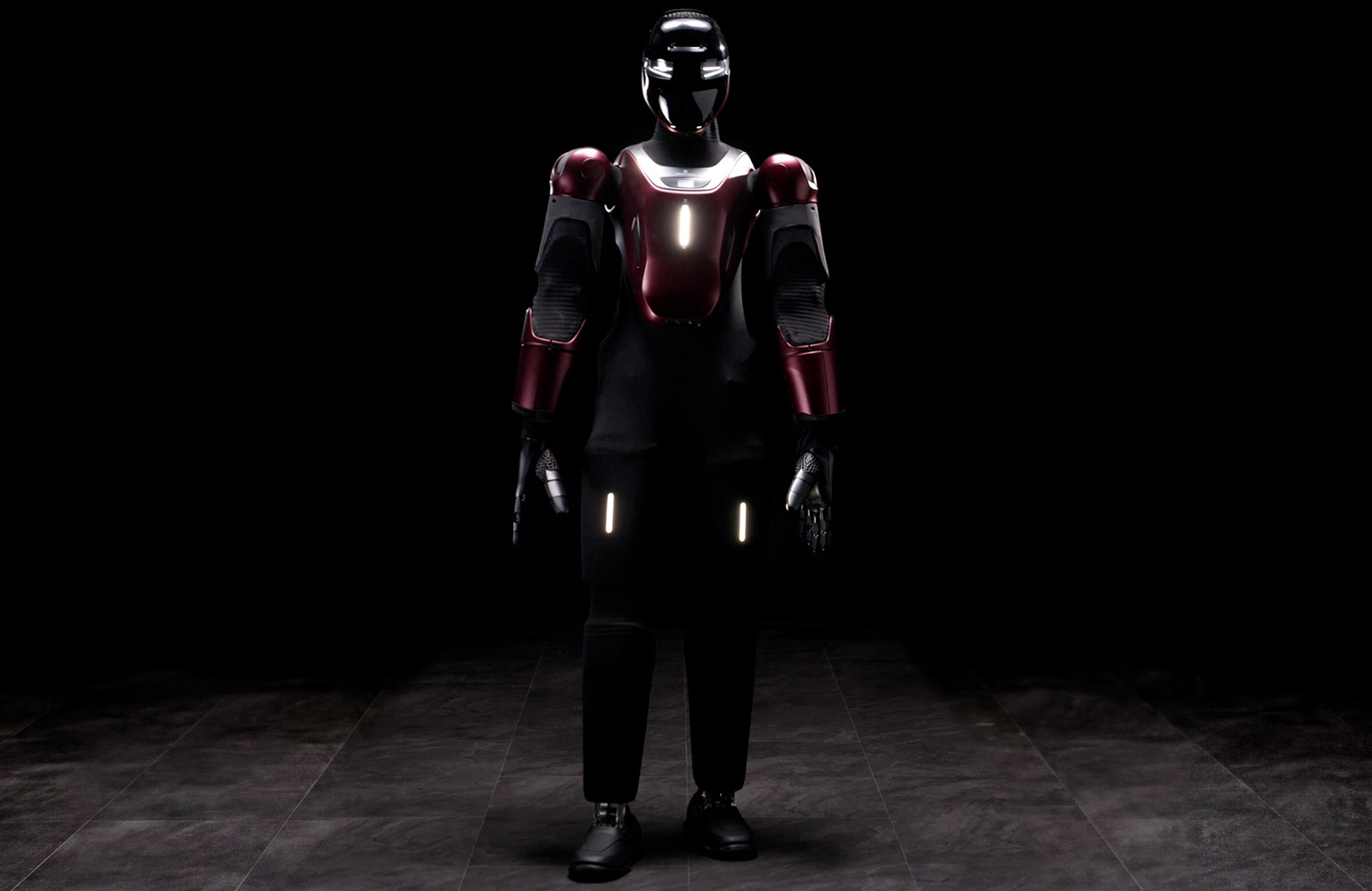
Generative Bionics Launches Gene.01 Humanoid Robot with Advanced Tactile Sensing
Generative Bionics has introduced the Gene.01 humanoid robot at AMD Advancing AI 2026, marking its U.S. debut. Developed in six months, Gene.01 features full-body tactile sensing integrated with physics-native AI, allowing it to interpret and respond to its environment effectively. This innovation is significant as it represents a shift towards humanoid robots that prioritize human interaction and adaptability in industrial applications. CEO Daniele Pucci emphasized that Gene.01 is a scalable platform tailored to meet specific customer needs, enhancing collaboration in environments such as shipyards through a partnership with Fincantieri. Looking ahead, Generative Bionics is open-sourcing the Gene.01 model to support developers in creating industry-specific applications. The robot's design focuses on safe and efficient human-robot collaboration, utilizing advanced sensing capabilities to improve task teaching and interaction. No further timeline was disclosed at the time of publication.
Artificial Intelligence Artificial Intelligence / Cognition Human Robot Interaction / Haptics Humanoids Manufacturing Maritime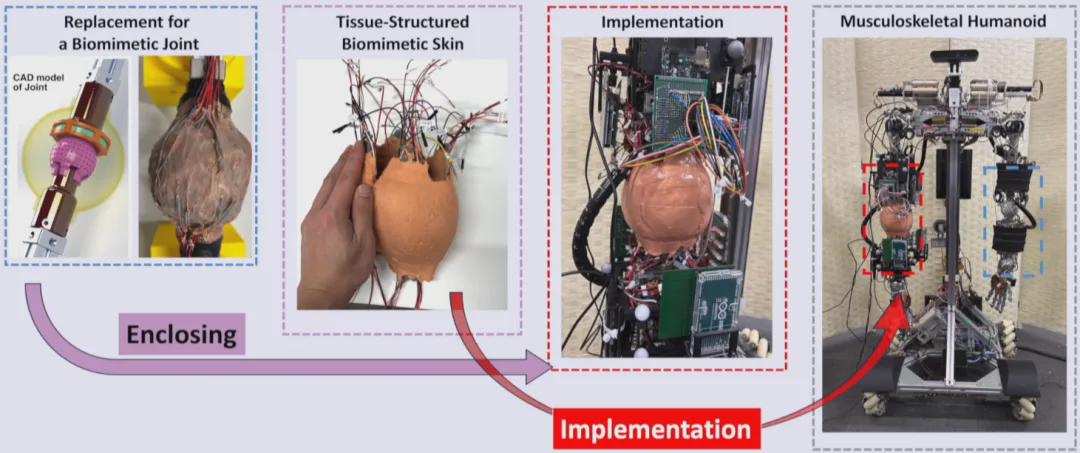
Tokyo University Innovates Artificial Skin for Enhanced Joint Angle Sensing in Robots
Tokyo University's research team has developed an artificial skin that enables robots to accurately sense joint angles through its deformation. This bionic skin, designed with a tissue-like layered structure, was tested on the Musashi-W humanoid robot. The results indicated that the average estimation error for joint angles could be maintained within approximately 3 degrees, and further accuracy was achievable by integrating skin and muscle information. This advancement is significant as traditional muscle-driven humanoid robots face challenges in measuring joint angles directly, unlike conventional robotic joints that utilize encoders. Current methods rely on limited sensors, such as muscle length and tension sensors, to infer joint angles. The research team's approach mimics biological structures by embedding numerous small sensors within soft tissues, enhancing the robot's ability to discern between external disturbances and internal state changes. Moving forward, the integration of these sensors into robotic systems could revolutionize how robots perceive their own movements and interactions with the environment. No further timeline was disclosed at the time of publication.
Humanoid Robots Proprioception Biomimetic Technology Robotic Sensors
Lyte Secures $165 Million in Series C Funding to Enhance Robot Sensing Capabilities
Lyte AI Inc. has successfully raised $165 million in Series C funding, achieving a post-money valuation of $1.6 billion. Founded in 2021, the Sunnyvale-based company specializes in designing processors, multimodal sensors, and software that enable robots to accurately perceive their surroundings. This funding will accelerate the deployment of LyteVision, their perception platform, into various robotics applications. The significance of this funding round lies in Lyte's innovative approach to solving the sensing challenges faced by robots. According to co-founder and CEO Alexander Shpunt, the company focuses on creating a comprehensive perception foundation, from custom silicon to spatial data generation. With this investment, Lyte aims to expand its reach across industries such as inspection, logistics, and manufacturing, where accurate sensing is crucial for operational safety and efficiency. Looking ahead, Lyte plans to significantly grow its workforce, hiring across multiple domains including silicon, software, and operations. The company has already raised a total of $272 million since its inception and is poised to become a key player in the robotics sector, as indicated by the strong demand for its technology from early customers. No further timeline was disclosed at the time of publication.
Artificial Intelligence Artificial Intelligence / Cognition Design / Development Financial Investments News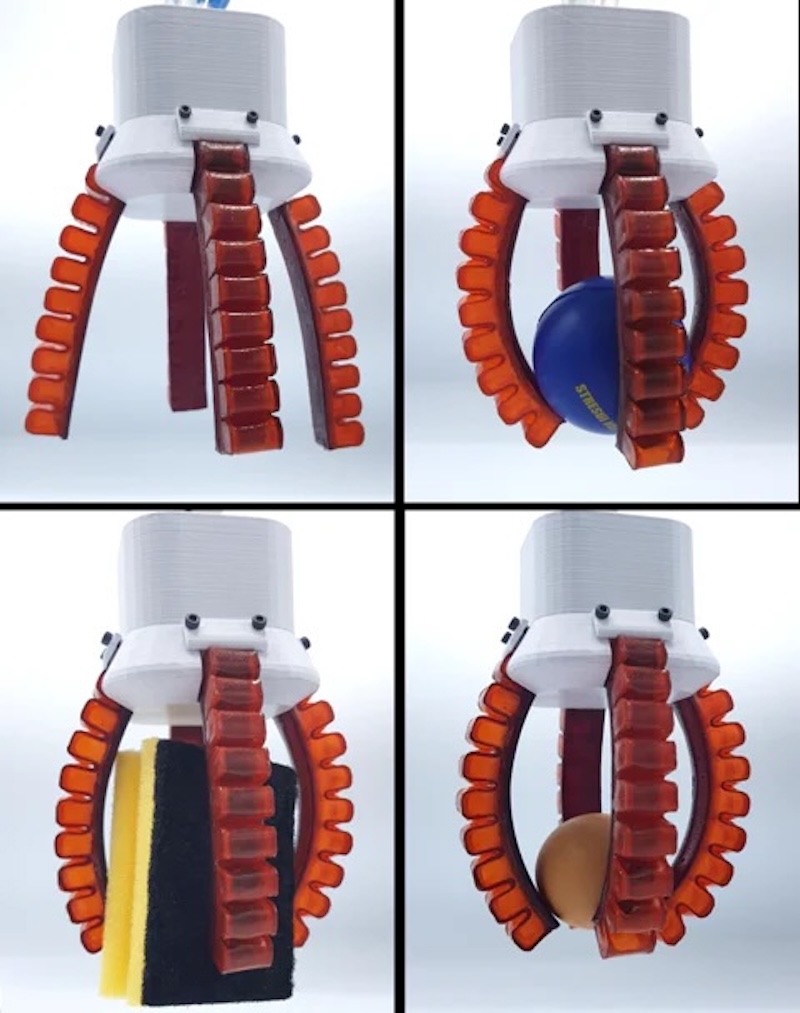
VUB Leads RESSORT Project to Enhance Soft Robots with Sensing and Adaptation Capabilities
Vrije Universiteit Brussel (VUB) is spearheading the RESSORT project, a four-year initiative funded by the European Union's Horizon Europe program. This project aims to advance soft robotics by enabling these robots to sense, repair, and adapt to their environments, with applications in healthcare, food handling, and industrial inspection. The significance of RESSORT lies in its potential to transform soft robots into more sustainable and reliable solutions. By integrating innovative technologies such as self-healing materials and variable-stiffness structures, the project seeks to overcome existing limitations that have kept soft robots primarily in laboratory settings. This advancement could lead to safer interactions with humans and delicate objects. Looking ahead, RESSORT plans to develop three demonstrators to validate its technologies in real-world scenarios. One key application is a personalized soft exosuit for rehabilitation, designed to provide tailored support to patients. The project also aims to create an adaptive robotic system for the food industry, enhancing the ability to handle fragile products effectively.
Features Research Robotics Science adaptive robots brubotics
European Scientists Develop Color-Sensing Robotic Finger with High-Resolution Feedback
A team of scientists from Queen Mary University of London and other institutions has developed a robotic fingertip featuring a synthetic skin that changes color in response to mechanical deformation. This innovative approach allows the fingertip to generate detailed maps of topology, strain, and contact pressure, marking a significant advancement in tactile sensing technology. The ability to sense various tactile information is crucial for robotic manipulation, yet traditional sensors often face spatial constraints. The new robotic finger's design, which integrates sensing directly into the material, offers a promising alternative for roboticists exploring advanced tactile feedback methods. Future developments will focus on integrating this technology into actual robotic hands to assess its practical applications. No further timeline was disclosed at the time of publication.
Soft-robotics Robot-hands Robot-hand Sensors Tactile-sensors
Yimu Tech Secures Over RMB1 Billion for Tactile Sensing Development and Production
Yimu Tech, a Chinese company specializing in tactile sensing hardware and software, has successfully raised over RMB1 billion in a Series E financing round. This funding elevates the company's valuation to over RMB10 billion and was supported by various leading RMB and USD funds, along with industrial investors. The significance of this financing lies in Yimu Tech's focus on developing tactile sensing materials, chips, algorithms, and models specifically for robotic applications. The newly acquired capital will facilitate further research and development efforts, as well as enhance the mass production capabilities and order fulfillment for its production lines. Looking ahead, stakeholders should monitor Yimu Tech's advancements in tactile sensing technology and its impact on the robotics industry. The company's commitment to innovation and production scalability will be crucial as it aims to meet growing demand in the market. No further timeline was disclosed at the time of publication.
News Feed
The Rise of Force Sensing Technology in China's Robotics Industry
Recent trends in the robotics industry indicate a shift from mere mobility to operational intelligence, particularly in humanoid robots. Companies are now focusing on practical applications such as tool handling and assembly, highlighting the importance of force sensing technology. As robots engage in physical tasks, understanding the force exerted becomes crucial for effective operation. This transition underscores the growing significance of six-dimensional force sensors, which are evolving from optional components in industrial robots to essential infrastructure for next-generation intelligent robots. The recent funding rounds exceeding 100 million yuan reflect a broader interest from both traditional investors and state-owned enterprises, signaling a pivotal moment in the industry's development. Looking ahead, the demand for comprehensive sensing, control, and manufacturing infrastructure will likely increase as the humanoid robotics sector matures. The complexity of enabling robots to perform sustained tasks, such as assembly and material handling, will challenge developers to innovate beyond flashy capabilities and focus on the intricate details that drive commercialization.
Humanoid Robots Force Sensing Technology Industrial Automation Robotics Innovation
Mouser Electronics launches "Rise of the Robots" series on the fusion of sensing, AI, and control technologies.
Mouser Electronics has unveiled the latest installment of its technology series, "Empowering Innovation Together" (EIT), titled "Rise of the Robots." This new episode explores the advancements in robotics and their impact on various industries. The release aims to highlight the growing significance of robotics in enhancing efficiency and productivity across sectors. By showcasing innovative technologies and expert insights, Mouser seeks to inform and inspire its audience about the future of automation. The series continues to serve as a platform for discussing cutting-edge developments in technology, reinforcing Mouser's commitment to fostering innovation in the electronics industry.
LG Innotek Partners with TDK to Develop Advanced Vision and Tactile Sensing Modules
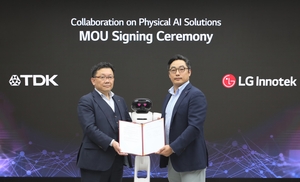
LG Innotek is enhancing its robotics capabilities by collaborating with Japan's TDK to create next-generation vision and tactile sensing modules for physical AI applications. This strategic partnership combines LG Innotek's optical engineering expertise with TDK's extensive sensor technology portfolio, aiming to launch their first module featuring an inertial sensor by 2027. The significance of this collaboration lies in its potential to revolutionize how robots perceive their environment. By integrating TDK's inertial measurement units and other sensors into LG Innotek's vision modules, robots can achieve a more nuanced understanding of movement, direction, and sound, thereby improving their operational accuracy. Additionally, the tactile sensing module, designed to mimic human skin, will enable robots to detect physical contact and pressure, further enhancing their interaction capabilities. Looking ahead, LG Innotek and TDK plan to expand their partnership into real-time sensor data processing and other physical AI technologies. With the global physical AI market projected to grow significantly, this collaboration positions LG Innotek to strengthen its market presence and meet the increasing demand for sophisticated robotic components.
All News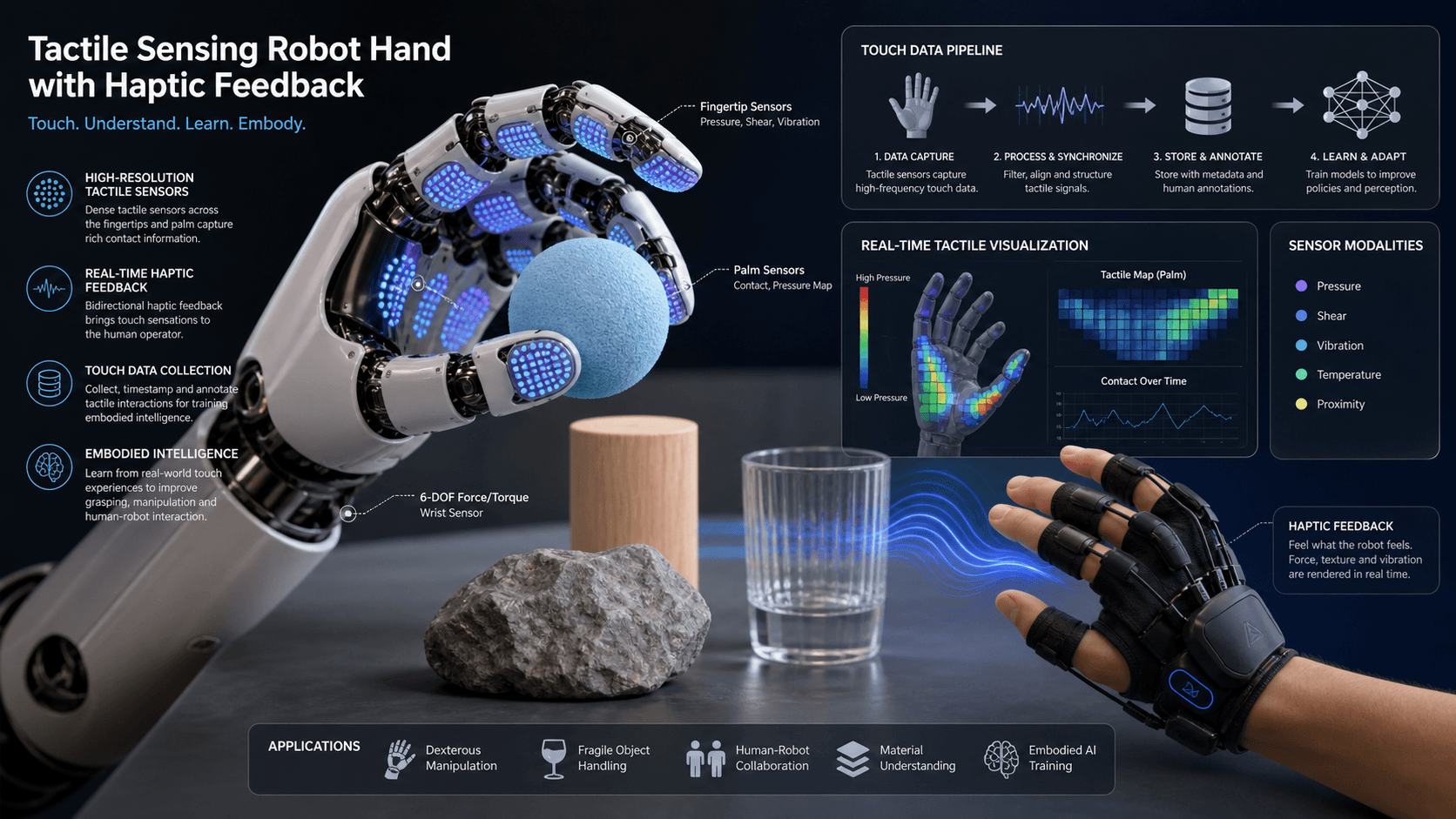
XinZhi Embodied and Fudan University Release Reports on 30,000 Hours of Tactile Data for Robotics
XinZhi Embodied and Fudan University have published three technical reports that detail 30,000 hours of tactile data aimed at enhancing embodied intelligence in robotics. This research addresses the critical gap in touch sensing capabilities that has hindered effective robot manipulation. The significance of this development lies in its potential to improve the interaction between robots and their environments, enabling more sophisticated manipulation tasks. By providing extensive tactile data, the reports contribute to the advancement of haptic sensing technologies, which are essential for robots to perform tasks that require a nuanced understanding of touch. Looking ahead, the industry will be watching how this research influences future robotics applications and the integration of haptic feedback in robotic systems. No further timeline was disclosed at the time of publication.
Technology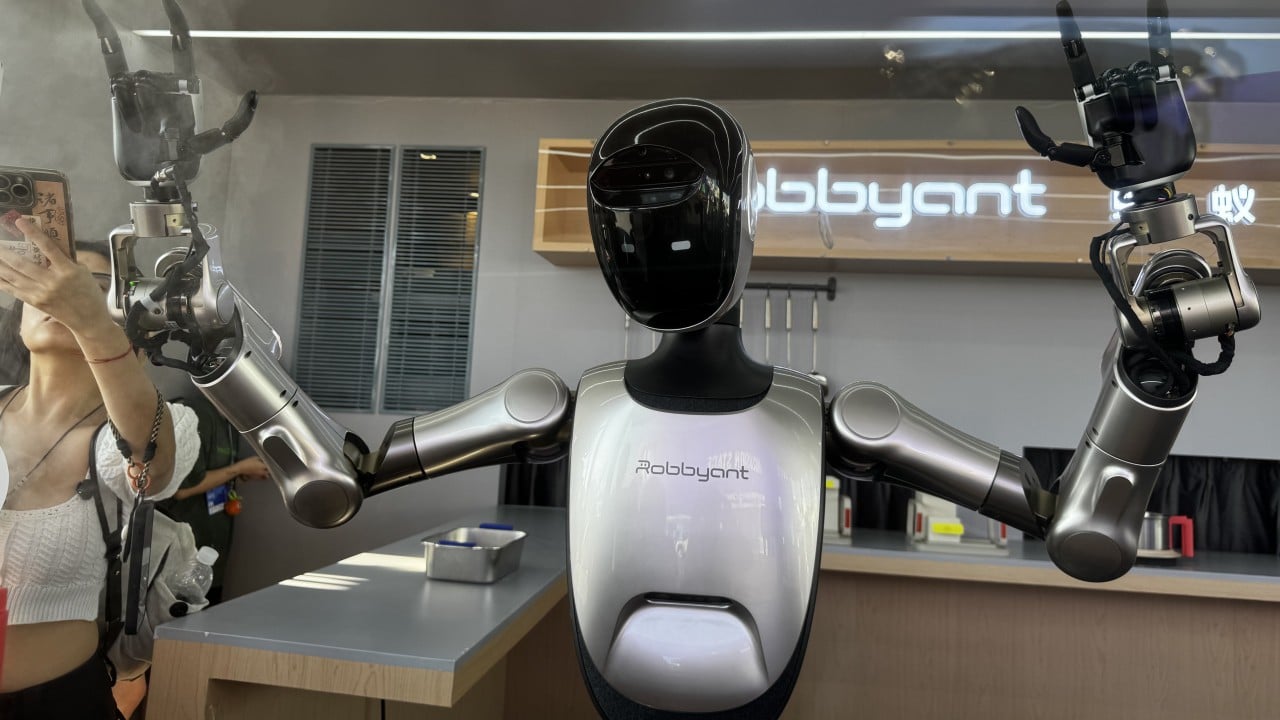
Glass crashes slashed? Ant Group embodied AI unit claims breakthrough in robot sensing
Robbyant, the embodied artificial intelligence arm of Chinese fintech giant Ant Group, launched a new vision model that it claims can help robots overcome a long-standing challenge: accurately perceiving glass, mirrors and transparent objects. The unit of Hangzhou-based Ant Group on Tuesday unveiled its next-generation spatial perception model, LingBot-Depth 2.0, alongside a new foundational visual model called LingBot-Vision, as AI labs race to equip machines with the “brains” required to...

Interview with Digid’s Nils Könne and Christian Kreil: Nanoscale sensors could help solve robotics’ tactile sensing challenge
The swift advancement of artificial intelligence and robotics is drawing significant attention to software and powerful processors, particularly large language models. However, experts emphasize that for robots to function effectively in real-world settings, they require a fundamental capability: advanced environmental sensing and understanding. This necessity is driving increased interest and investment in cutting-edge sensing technologies, as researchers and developers seek to enhance robots' interaction with their surroundings. The push for these innovations is becoming more pronounced as industries recognize the potential of robots to perform complex tasks in various environments, highlighting the importance of integrating sophisticated sensory systems into robotic designs.
Features Science Sensors Technology AI infrastructure automation news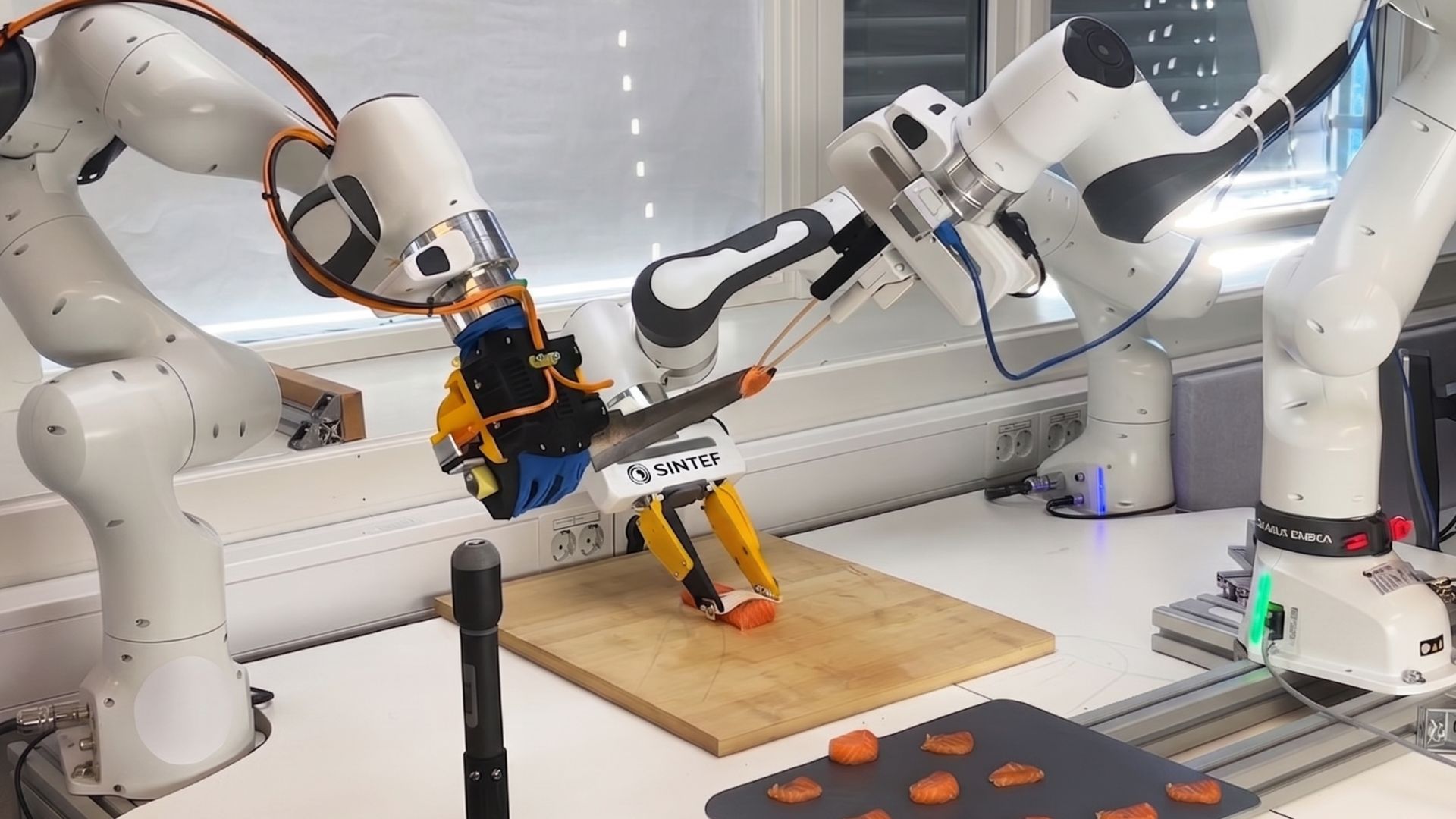
Three-armed kitchen robot cuts raw salmon with 95% touch-sensing accuracy
In a notable development within the robotics industry, researchers and engineers are grappling with the complexities of programming industrial robots to prepare sashimi, a task that has proven to be unexpectedly challenging. Despite advancements in automation and robotics, the intricate nature of slicing raw fish with precision and artistry has eluded machines, highlighting the limitations of current technology in replicating skilled human techniques. This ongoing effort reflects a broader trend in the food industry, where automation is increasingly sought after to enhance efficiency and consistency. As of October 2023, experts are exploring innovative approaches to overcome these hurdles, aiming to integrate advanced sensory feedback and machine learning algorithms that could enable robots to mimic the nuanced movements of experienced chefs. The pursuit of automating sashimi preparation not only underscores the demand for robotics in culinary applications but also raises questions about the future of traditional food preparation methods in an era of rapid technological advancement.
AI and Robotics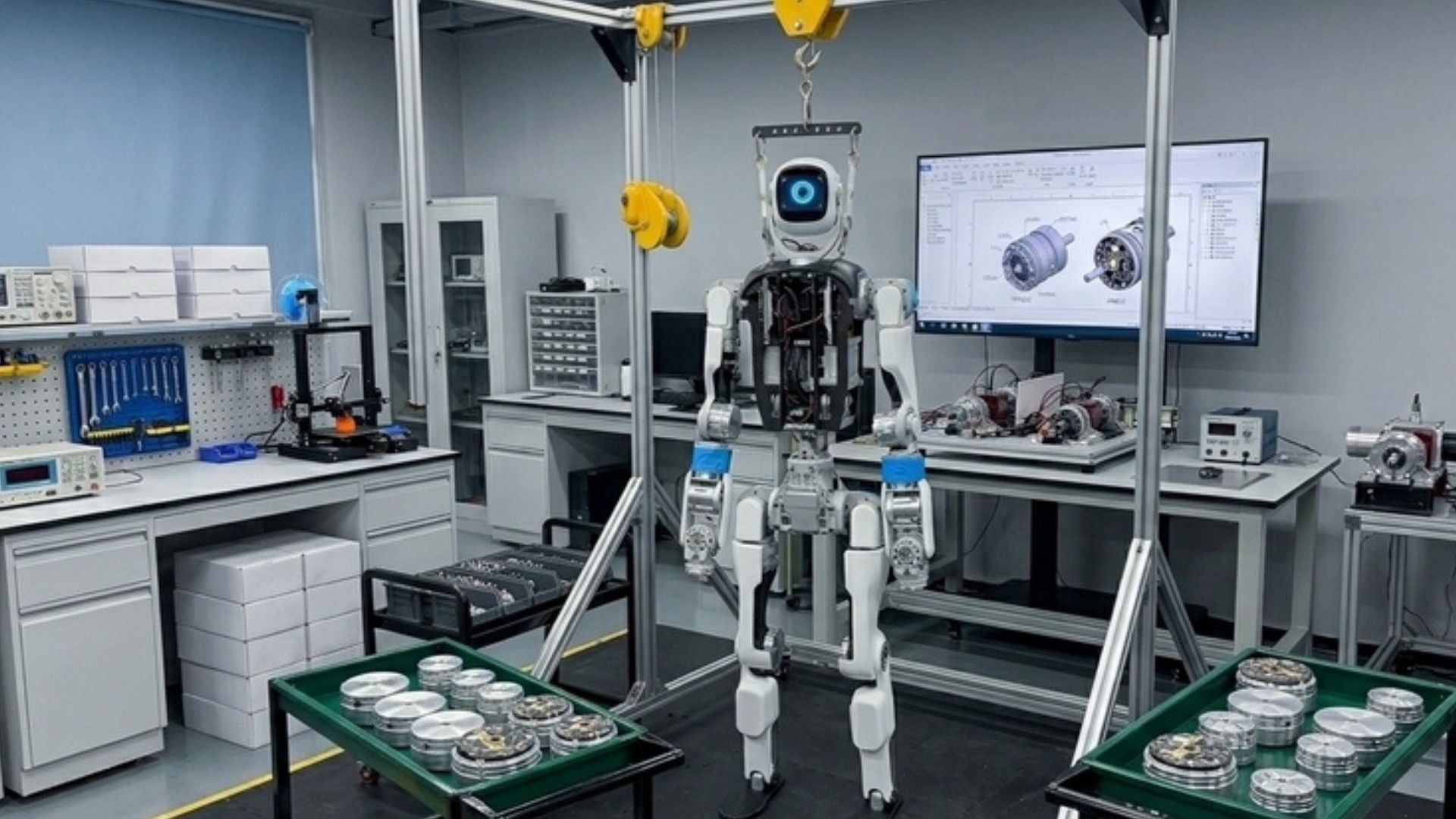
Taiwan’s new ‘intelligent’ humanoid robot combines sensing and adaptive interaction
A Taiwanese company has introduced its first humanoid robot designed to engage in physical interactions with humans. This groundbreaking development was announced during a technology expo held in Taipei on October 15, 2023. The robot, which features advanced artificial intelligence and motion capabilities, aims to enhance human-robot collaboration in various sectors, including healthcare and customer service. The motivation behind this innovation is to address the growing demand for automation and assistance in daily tasks, particularly in environments where human interaction is essential. By utilizing sophisticated sensors and machine learning algorithms, the robot can understand and respond to human gestures and commands, making it a versatile tool for both personal and professional use. The unveiling of this humanoid robot marks a significant milestone in Taiwan's robotics industry, showcasing the nation's commitment to technological advancement and innovation.
AI and Robotics
Robots move beyond mapped worlds with advanced lidar sensing
A lidar technology company has partnered with a robotics AI developer to enhance the capabilities of autonomous systems. This collaboration, announced recently, aims to integrate advanced lidar sensing with cutting-edge artificial intelligence to improve navigation and object recognition in various applications, including autonomous vehicles and drones. The partnership is expected to leverage the strengths of both companies, combining precise environmental mapping with intelligent decision-making algorithms. This initiative comes in response to the growing demand for more reliable and efficient autonomous solutions in industries such as transportation and logistics. The companies plan to begin testing their integrated systems in the coming months, with the goal of launching a prototype by early next year.

Robot Talk Episode 159 – Robot sensing and manipulation, with Maria Koskinopoulou
Claire recently engaged in a conversation with Maria Koskinopoulou, an Assistant Professor in Robotics and Computer Vision at Heriot-Watt University, regarding the advancements in autonomous robotic manipulators. The discussion highlighted the applications of these technologies in various fields, including surgery and industry. Koskinopoulou, who co-leads the ARM²Lab—focused on Autonomous Robotic Manipulation and Multi-Agent Systems—alongside Ignacio Carlucho, shared insights into her research interests and the potential impact of robotics on future innovations. The dialogue underscores the growing significance of robotics in enhancing efficiency and precision across multiple sectors.

Changingtek Robotics Launches High-Precision Tactile Sensing Data Collection Hand, Uhand
A new compact unit has been developed, featuring a highly sensitive tactile array that boasts a spatial resolution of 2.34 taxels per square centimeter. This advanced technology is capable of detecting forces ranging from 0 to 160 Newtons, with an impressive sensing precision of 0.1 Newtons. The innovation aims to enhance applications in robotics and automation, providing more accurate and responsive interaction with various surfaces and objects. With training data available up to October 2023, this breakthrough represents a significant step forward in tactile sensing technology, potentially transforming how machines perceive and interact with their environments.
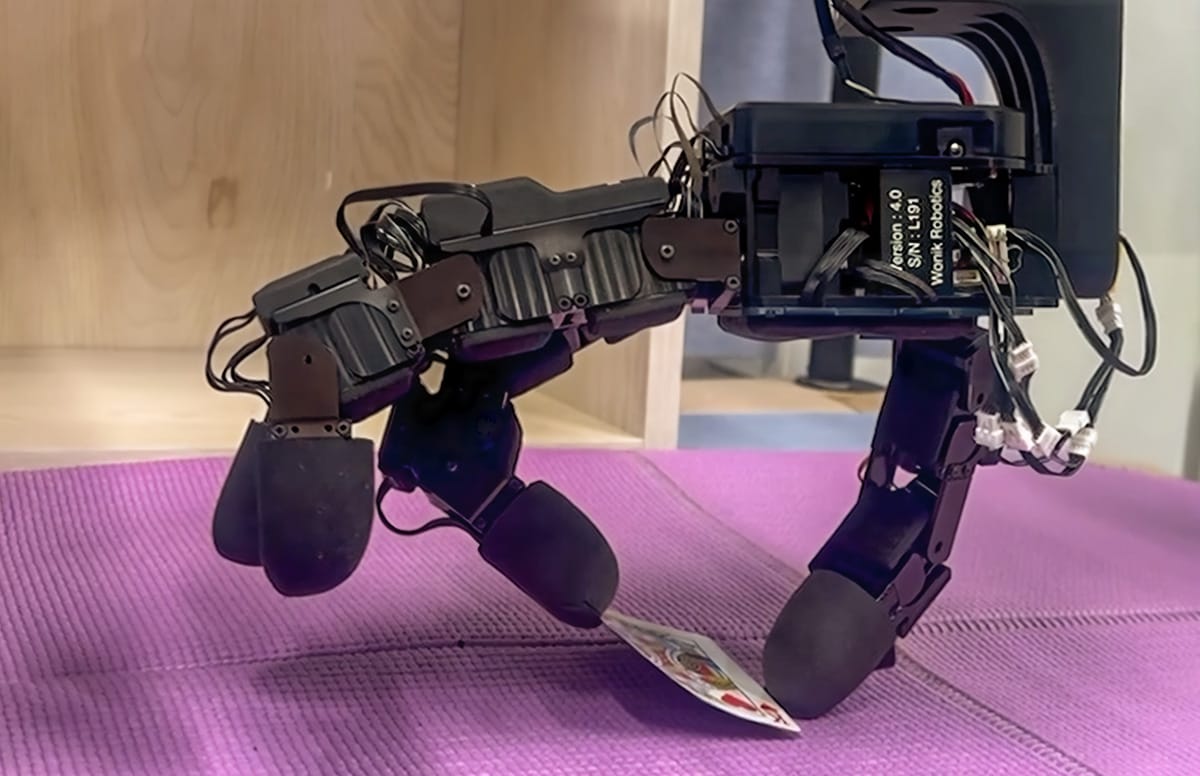
XELA Robotics to show tactile sensing at the 2026 Robotics Summit & Expo
XELA Robotics is set to showcase its advancements in tactile sensing technology at the upcoming Robotics Summit & Expo in 2026. The company will present its enhanced magnetic interference compensation system and the innovative uSkin integrated within the Universal Manipulation Interface. This demonstration aims to highlight the potential of these technologies in improving robotic interactions and functionality. The Robotics Summit & Expo serves as a key platform for industry leaders to share breakthroughs and foster collaboration in the field of robotics.
End Effectors / Grippers Events Grippers Human Robot Interaction / Haptics News Sensors / Sensing Systems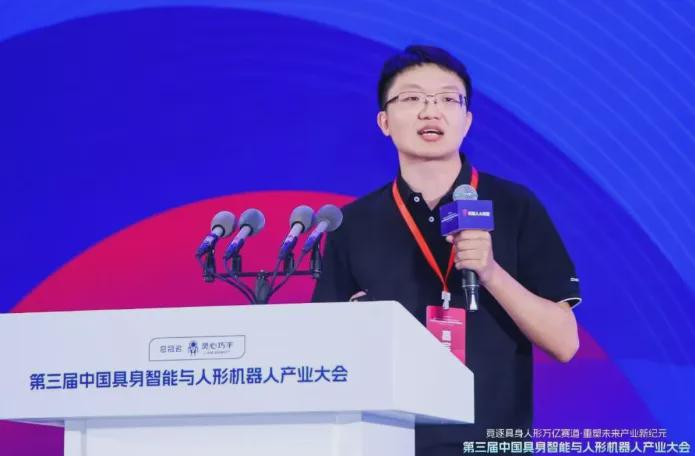
Innovative Breakthroughs in Robot Force Sensors by Xinghui Sensing
Xinghui Sensing, a new player in the six-dimensional force sensor market, is positioning itself to cater to the growing needs of humanoid robots by developing innovative, compact, and high-precision sensors. Co-founder Shen Xinxing emphasized the industry's increasing demand for advanced technology to enhance performance in robotic applications, addressing gaps that have yet to be filled. The company's efforts come at a time when the robotics sector is rapidly evolving, necessitating cutting-edge solutions to improve functionality and efficiency. By focusing on these unmet needs, Xinghui Sensing aims to establish itself as a key contributor to the future of robotics technology.
Force Sensors Humanoid Robots Robotics Technology Sensor Innovation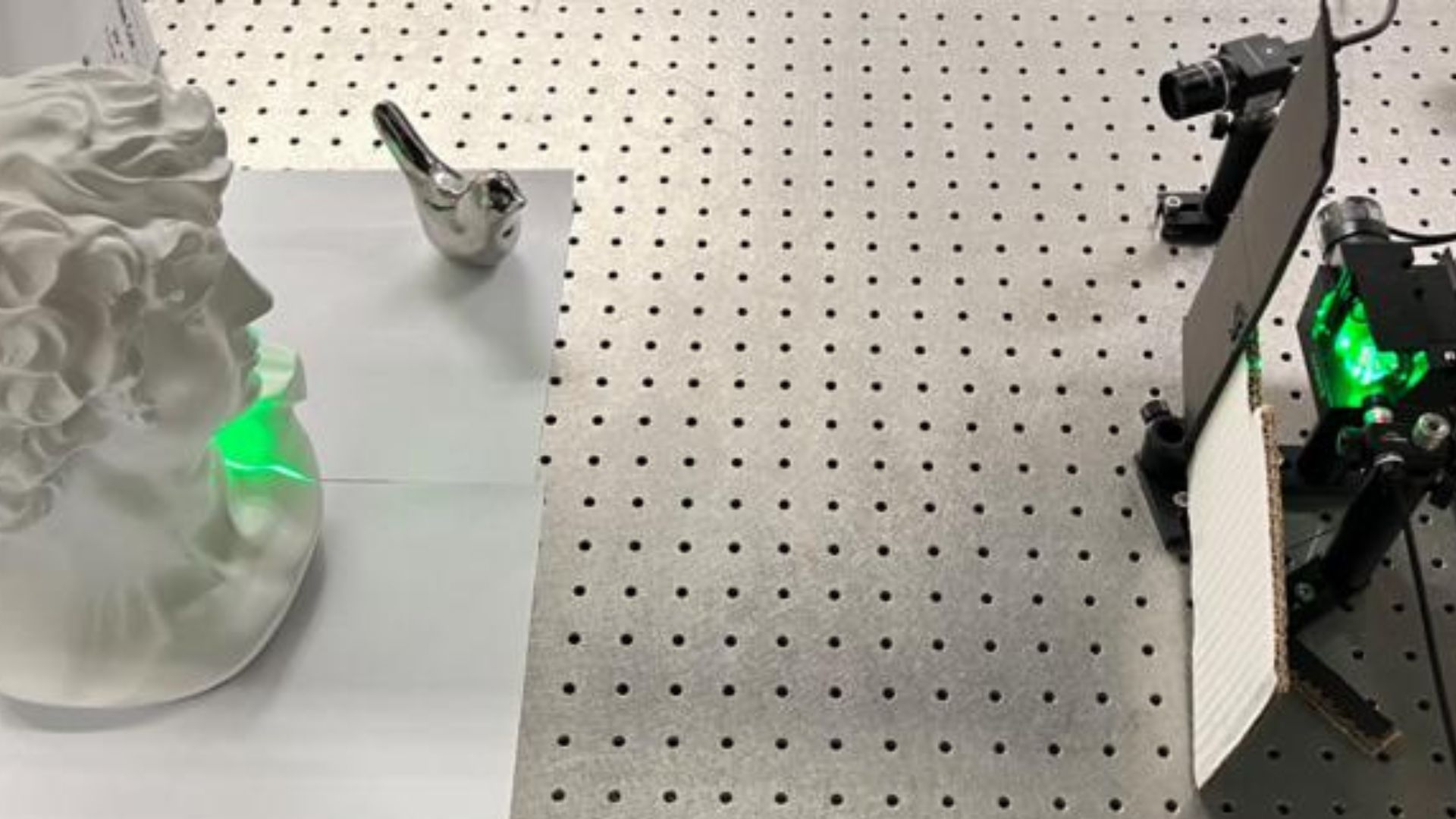
3D-sensing technology could improve self-driving cars and robotic surgery
Researchers at the University of Arizona have made significant strides in 3D-sensing technology, which could revolutionize how autonomous vehicles navigate complex urban environments. This breakthrough was announced recently, showcasing the potential to enhance safety and efficiency in city driving. The team developed an advanced system that utilizes sophisticated algorithms and sensors to interpret real-time data from the surrounding environment, enabling vehicles to better understand and respond to dynamic conditions on busy streets. By improving the accuracy of spatial awareness, this technology aims to reduce accidents and improve traffic flow, addressing the growing challenges of urban mobility. The research highlights the university's commitment to innovation in transportation technology, with implications that could extend beyond self-driving cars to various applications in robotics and smart city infrastructure.

Innovative Robot Tactile Sensing: A Team from USTC Uses Liquid Metal to Replace Dense Sensor Arrays
A research team at the University of Science and Technology of China has unveiled a revolutionary tactile sensing platform named CLiMETS. This innovative technology employs a single piece of liquid metal to effectively detect touch and pressure, streamlining the sensing process by removing the necessity for intricate sensor arrays. The development, announced recently, promises to significantly enhance sensitivity and durability in tactile sensing applications. This advancement is expected to facilitate the integration of more sophisticated robotic systems, marking a notable step forward in the field of robotics and sensory technology.
Tactile Sensing Liquid Metal Technology Robotics Soft Robotics
Artificial muscle merges sensing and movement in one structure for humanoid robots
A research team has made a significant breakthrough by creating an "intelligent artificial muscle" that mimics the functions of biological muscle–tendon complexes. This innovative technology, developed recently, features liquid metal channels embedded within a liquid crystal elastomer (LCE). The artificial muscle is designed to contract when stimulated electrically, while simultaneously measuring its internal force and length in real time. This dual capability enhances its potential applications in robotics and prosthetics, providing a more responsive and adaptable solution for mimicking natural muscle behavior. The research aims to advance the field of soft robotics and improve the functionality of artificial limbs, addressing the growing demand for more sophisticated and efficient robotic systems.
Robotics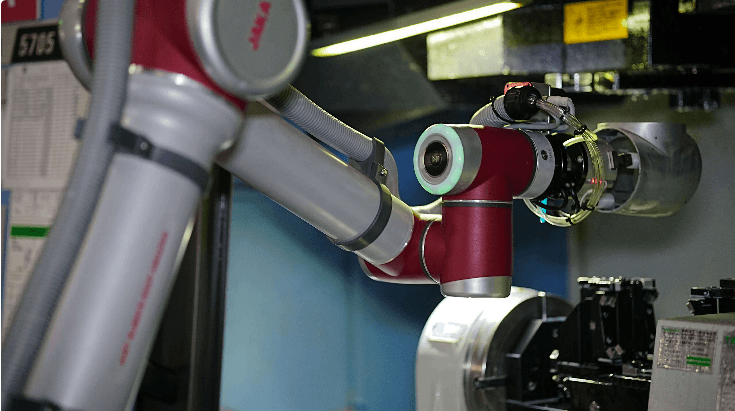
Advanced Robotics Technology in Collaborative Workspaces: Force Limiting and Sensing
In a significant advancement for manufacturing, JAKA is revolutionizing collaborative workspaces through the integration of advanced robotics technology. The company’s focus on industrial collaborative robots (cobots) allows for safe and efficient interaction between machines and human operators, essential in today’s fast-paced production environments. By employing force limiting and sensing capabilities, JAKA's robots can detect unexpected interactions and adjust their movements accordingly, enhancing workplace safety and productivity. The JAKA Pro5 model exemplifies this innovation, specifically designed for loading and unloading tasks. It minimizes reliance on manual labor while ensuring consistent quality through simple programming interfaces that enable rapid setup for various production line tasks. This flexibility allows teams to adapt the robots quickly, optimizing efficiency and precision in machine tending. JAKA recognizes that the successful adoption of robotics hinges on factors such as production complexity and workspace layout. Their cobots are engineered to address these challenges, providing scalable operations that accommodate delicate handling requirements and reduce product damage risks. By integrating these intelligent systems, JAKA not only improves operational standards but also frees up human resources for more strategic roles, fostering a collaborative environment that enhances overall productivity. As industries increasingly embrace advanced robotics, JAKA’s commitment to safety, adaptability, and efficiency positions it at the forefront of transforming manufacturing practices, ultimately driving sustainable productivity improvements.
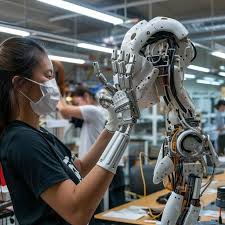
Development of Dual‐Functional Flexible Ultrasonic Sensor Array of Proximity Sensing and Material Recognition for Safety Control of Robot
The Journal of Field Robotics has recently published an article in its EarlyView section, highlighting advancements in robotic technology. Researchers from various institutions have collaborated to explore innovative applications of robotics in field environments. The study, released in October 2023, emphasizes the growing importance of robotics in enhancing efficiency and safety in agriculture, disaster response, and environmental monitoring. The motivation behind this research stems from the increasing need for automation in sectors that face labor shortages and require precise data collection. By integrating advanced sensors and artificial intelligence, the team aims to develop robots capable of performing complex tasks autonomously. This approach not only aims to reduce human intervention but also to improve the accuracy and speed of operations in challenging environments. The findings indicate that these robotic systems can significantly enhance productivity while minimizing risks associated with hazardous conditions. The researchers conducted extensive field tests to validate their designs, demonstrating the robots' capabilities in real-world scenarios. This work represents a significant step forward in the field of robotics, showcasing the potential for these technologies to transform various industries and address pressing global challenges.
RESEARCH ARTICLE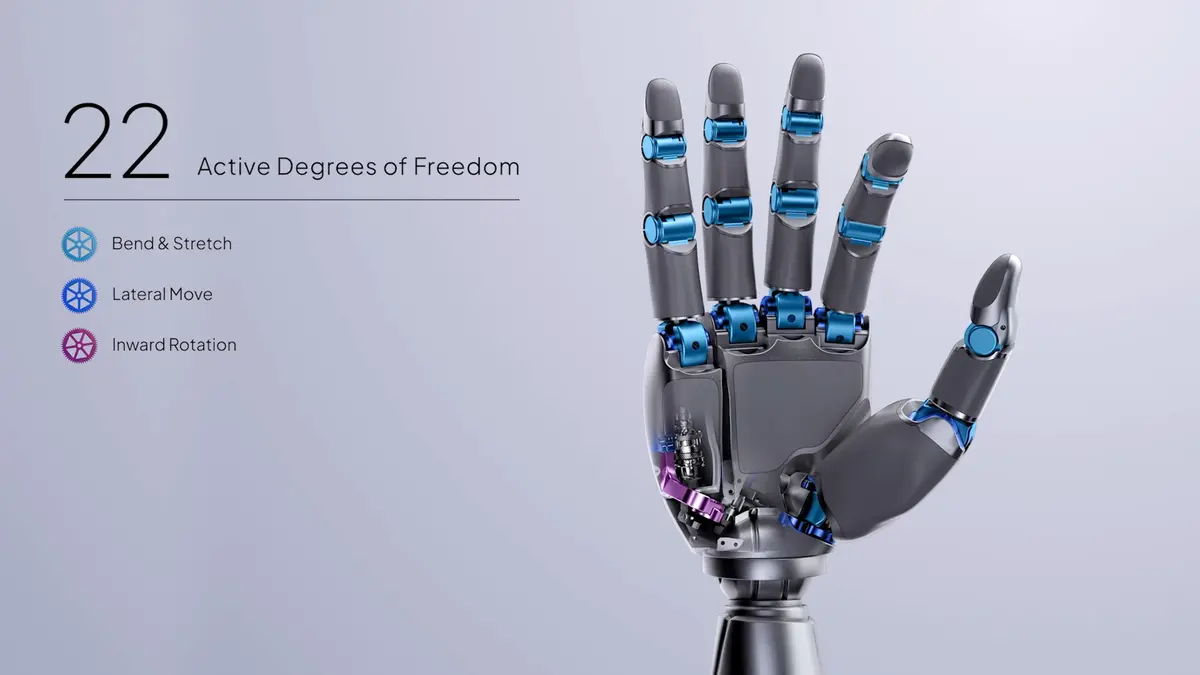
Sharpa Robotics Begins Shipping Its SharpaWave Hand, Targeting Human-Level Tactile Sensing
Sharpa Robotics has officially launched mass production of its innovative SharpaWave hand, which incorporates a proprietary Dynamic Tactile Array technology. This announcement follows a successful debut at various industry events, where the advanced capabilities of the hand garnered significant attention. The company is now shipping the product to customers, marking a significant milestone in the development of robotic technology aimed at enhancing tactile feedback. This move is expected to advance applications in various fields, including healthcare and manufacturing, where precise manipulation and sensory feedback are crucial.
SharpaWave tactile sensing hand Sharpa Robotics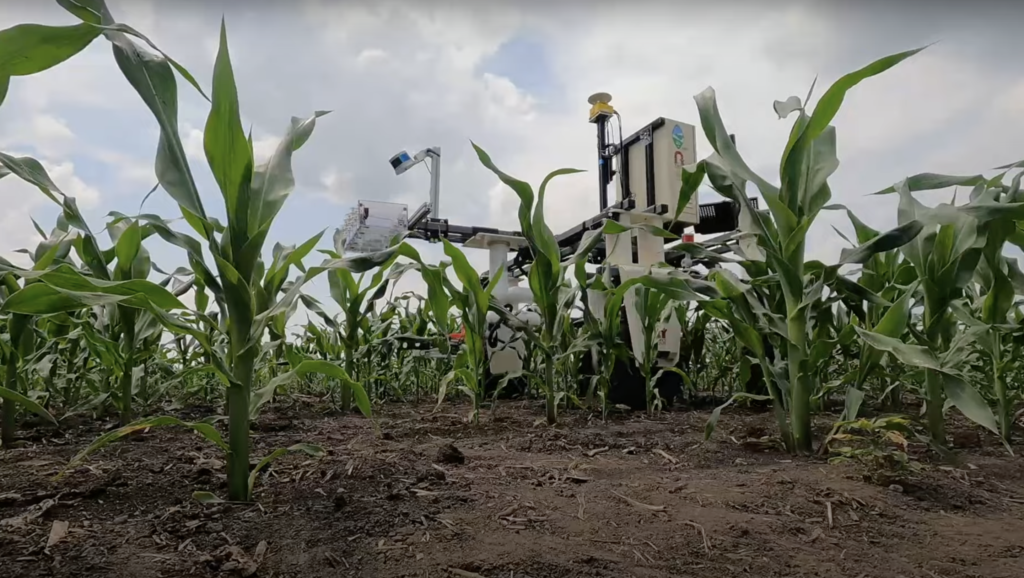
Smart Sensing: CMU Researchers Develop Robotic Platform to Boost Corn Crop Health
Researchers at Carnegie Mellon University have developed an advanced robotic platform designed to enhance corn crop health. This innovative robot arm autonomously identifies the optimal stalks and executes a precise motion sequence to position the stalks within its gripper. The initiative, announced recently, aims to address the critical role corn plays in global industry and agriculture, serving as a key ingredient in products ranging from tortillas to ethanol and starch. By improving the efficiency and effectiveness of corn cultivation, the researchers hope to contribute to the sustainability and productivity of this vital crop.
UncategorizedRobotics needs a service framework.
RSF defines a common language for robot service capability, lifecycle operations, certification pathways, and service-provider networks.
Join the RobotToday community on LinkedIn
Daily robotics news, in-depth analysis, conference highlights, and discussions with professionals worldwide.