Industry Briefing
A single destination for timely, editor-curated robotics news from around the world.

5 Common Truck Tire Problems and How to Fix Them
Truck owners are being urged to pay close attention to changes in ride quality, as neglecting these signs can significantly reduce tire lifespan and compromise safety on the highway. Experts warn that failing to address common tire issues can lead to sudden blowouts, posing a serious risk to drivers and others on the road. With the increasing reliance on trucks for transportation and logistics, understanding how to identify and resolve tire problems is crucial for maintaining optimal vehicle performance. Owners are encouraged to regularly inspect their tires and seek professional assistance when necessary to ensure their rigs operate safely and efficiently under pressure.
Engineering automation news commercial vehicles fleet maintenance fleet operations fleet safety
The Hidden Lifecycle Challenge Behind Industrial Automation Growth
The rapid advancement of automation is reshaping infrastructure demands across factories and shipping centers. As industries strive to enhance production efficiency, reduce errors, and minimize waste, the integration of smarter technologies has become essential. This shift is characterized by the increasing reliance on robots, artificial intelligence, and self-operating machines, which require sophisticated systems to function effectively. The ongoing evolution in manufacturing and logistics is not only transforming operational processes but also necessitating significant upgrades in infrastructure to support these advanced technologies. As companies adapt to these changes, the focus remains on optimizing the movement of goods and ensuring seamless operations in an increasingly automated environment.
Automation Industry automation infrastructure automation news circular economy data security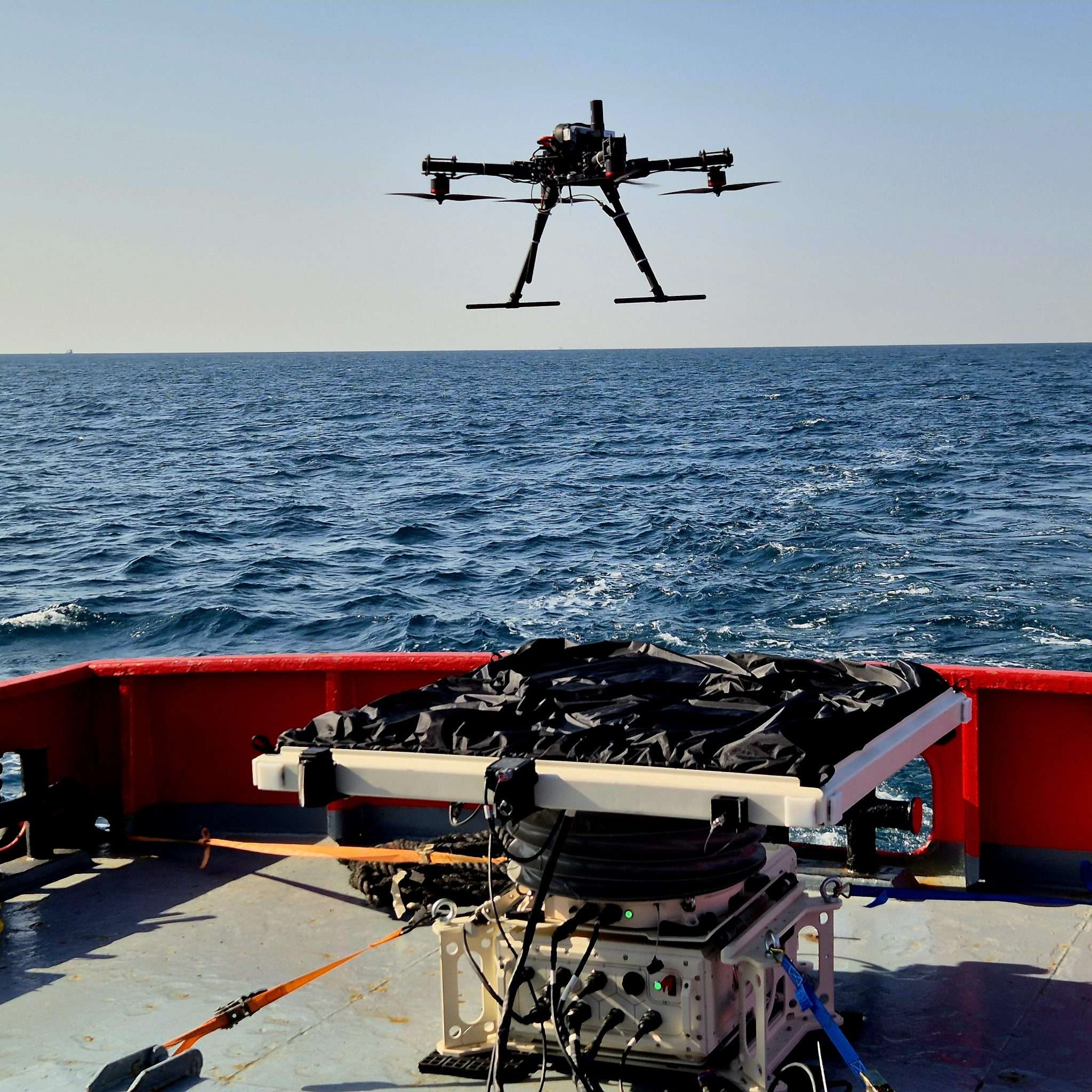
WaiV Robotics Brings Autonomous Drone Recovery at Sea to U.S. Offshore Operators
WaiV Robotics, a London-based maritime autonomous infrastructure developer, has officially launched its services in the U.S. market this week. The company aims to address the increasing challenges faced by offshore energy operators in inspection, maintenance, and emergency response as assets are positioned further from shore. By introducing its innovative autonomous drone launch and recovery technology, WaiV Robotics seeks to enhance operational efficiency for offshore operators across the country. The platform is designed to streamline processes and improve safety in the demanding offshore environment.
Applications Drone News Drone News Feeds Drones in the News News ocean
Terra Drone Establishes Estonia-Based Defense Subsidiary to Support European Expansion
Japan's Terra Drone Corporation has launched a new subsidiary, Terra Defense Europe, in Estonia, marking a significant expansion of its defense business in Europe. This move comes as the company shifts its focus from commercial drone services to defense and counter-drone systems. Established to enhance its operational capabilities, the subsidiary will provide sales, maintenance, logistics management, and foster local partnerships for unmanned systems related to defense throughout Europe. This strategic initiative reflects the growing demand for advanced defense technologies in the region.
Applications Defense defense Drone News Drone News Feeds News
The Ultimate Bench Blueprint: Essential Phone Repair Tools for Beginners 2026
In 2026, the smartphone hardware landscape has undergone a significant transformation, making repairs far more complex than in previous years. Major manufacturers such as Apple, Samsung, and Google have developed flagship devices that resemble intricate puzzles, requiring advanced technical skills to disassemble. Unlike earlier models that allowed for simple component swaps using basic tools, today's smartphones are secured with specialized, microscopic screws and feature multi-layered logic boards, along with robust waterproof gaskets. This evolution in design reflects a growing emphasis on security and durability, posing challenges for consumers and repair technicians alike. As a result, the process of fixing a smartphone has shifted from straightforward DIY repairs to a more complicated endeavor, often necessitating professional assistance.
Engineering Industry automation news consumer electronics diagnostic tools DIYFIXTOOL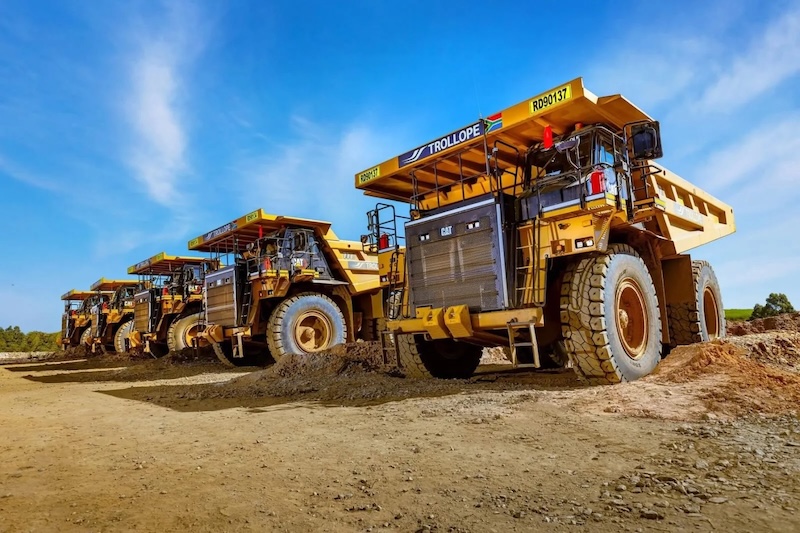
AI, Robotics and Automated Mining: The Future of Excavators and Mining Machinery Parts
The global mining industry is undergoing a significant transformation as it increasingly integrates artificial intelligence, robotics, and full automation into its operations. This shift has led to the widespread adoption of intelligent excavators and driverless mining trucks, which are now considered standard equipment in modern mining practices. These advancements are not only improving operational safety but also significantly boosting production efficiency. As mining machinery evolves, there is a corresponding rise in the standards and demands for high-quality professional mining machinery parts, reflecting the industry's commitment to enhancing performance and reliability in the face of technological change.
Engineering Mining ai in mining automation news autonomous haul trucks autonomous mining equipment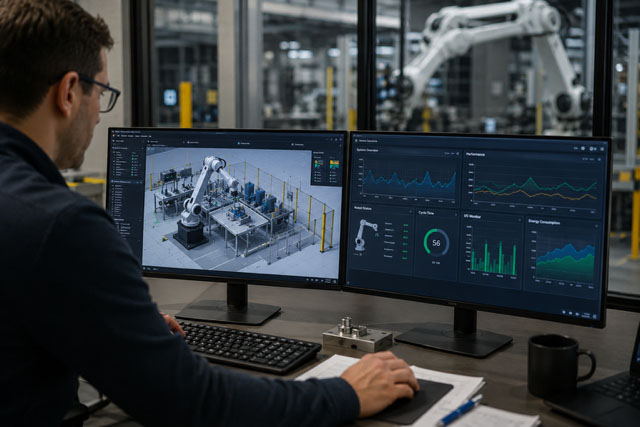
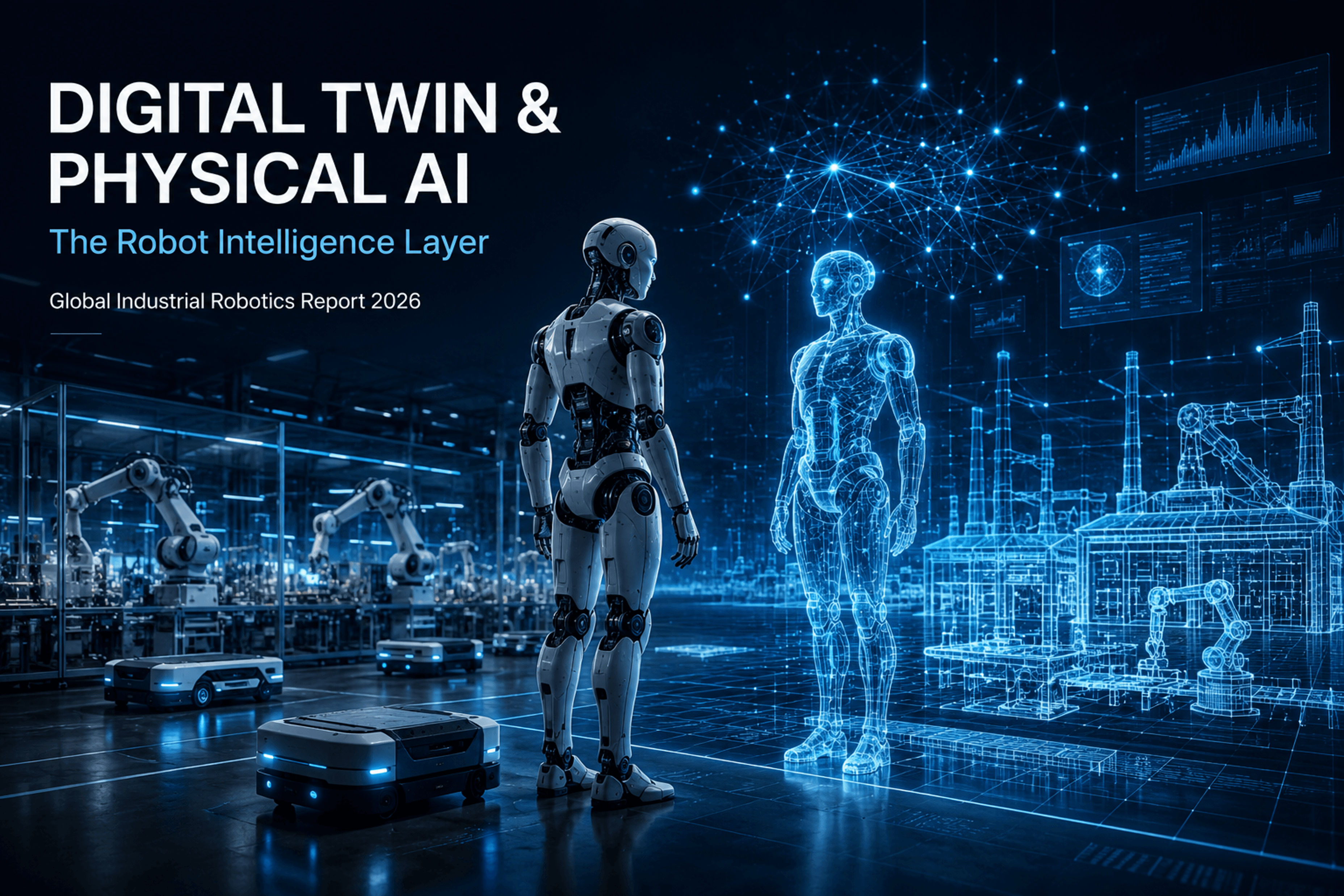
Digital Twins: Transforming the Factories of the Future
As media attention focuses on humanoid robots and generative artificial intelligence, a less flashy yet equally transformative technology is quietly reshaping the global industry: digital twins. This innovative approach is emerging as a crucial element in the ongoing industrial transformation, offering strategic advantages that may rival those of more visible technologies. The concept of digital twins involves creating virtual replicas of physical systems, enabling companies to optimize operations and improve efficiency. This shift is expected to significantly impact the future of manufacturing, positioning digital twins as a foundational component in the evolution of factories worldwide.
À la une IA Industrie Robotique analyse de données industrielles automatisation industrielle.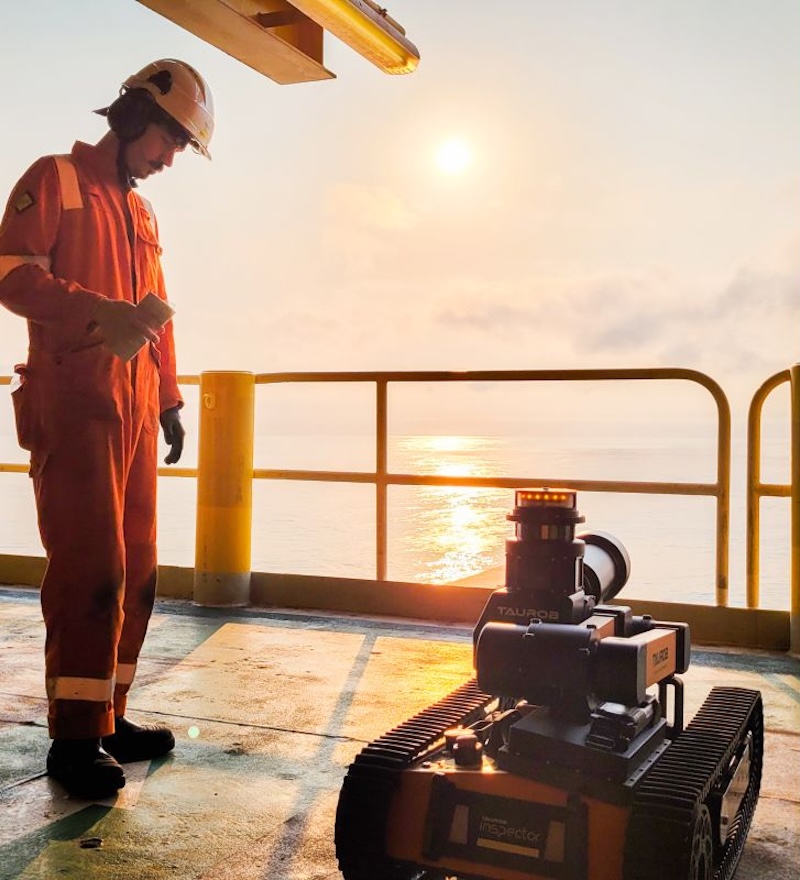
From oil platforms to power plants: Dietsmann showcases robotics-driven maintenance in Africa
Dietsmann, a leading independent provider of operation and maintenance services for energy production facilities, has announced its participation as a Bronze Sponsor at the upcoming African Energy Week (AEW) 2026. This significant event is scheduled to take place from October 12 to 16 in Cape Town, South Africa. The sponsorship underscores Dietsmann's longstanding commitment to the African energy sector, which has been a focus for the company for decades. By engaging in this prominent industry gathering, Dietsmann aims to enhance its visibility and influence within the region, reflecting its evolving role in supporting energy production and sustainability initiatives across Africa.
Events Features AEW 2026 African Energy Week AI analytics automation news
The critical robot arm on the ISS isn't working properly, but NASA has a plan to fix it
In May, a section of the Canadarm2 robotic arm on the International Space Station (ISS) sustained damage, prompting the need for repairs by astronauts. The repairs are scheduled to take place no earlier than June 30. Fortunately, a spare part is already available on the station, which will facilitate the repair process. The incident highlights the ongoing maintenance challenges faced by the ISS as it continues to support various scientific missions in low Earth orbit.
International Space Station Space Exploration Missions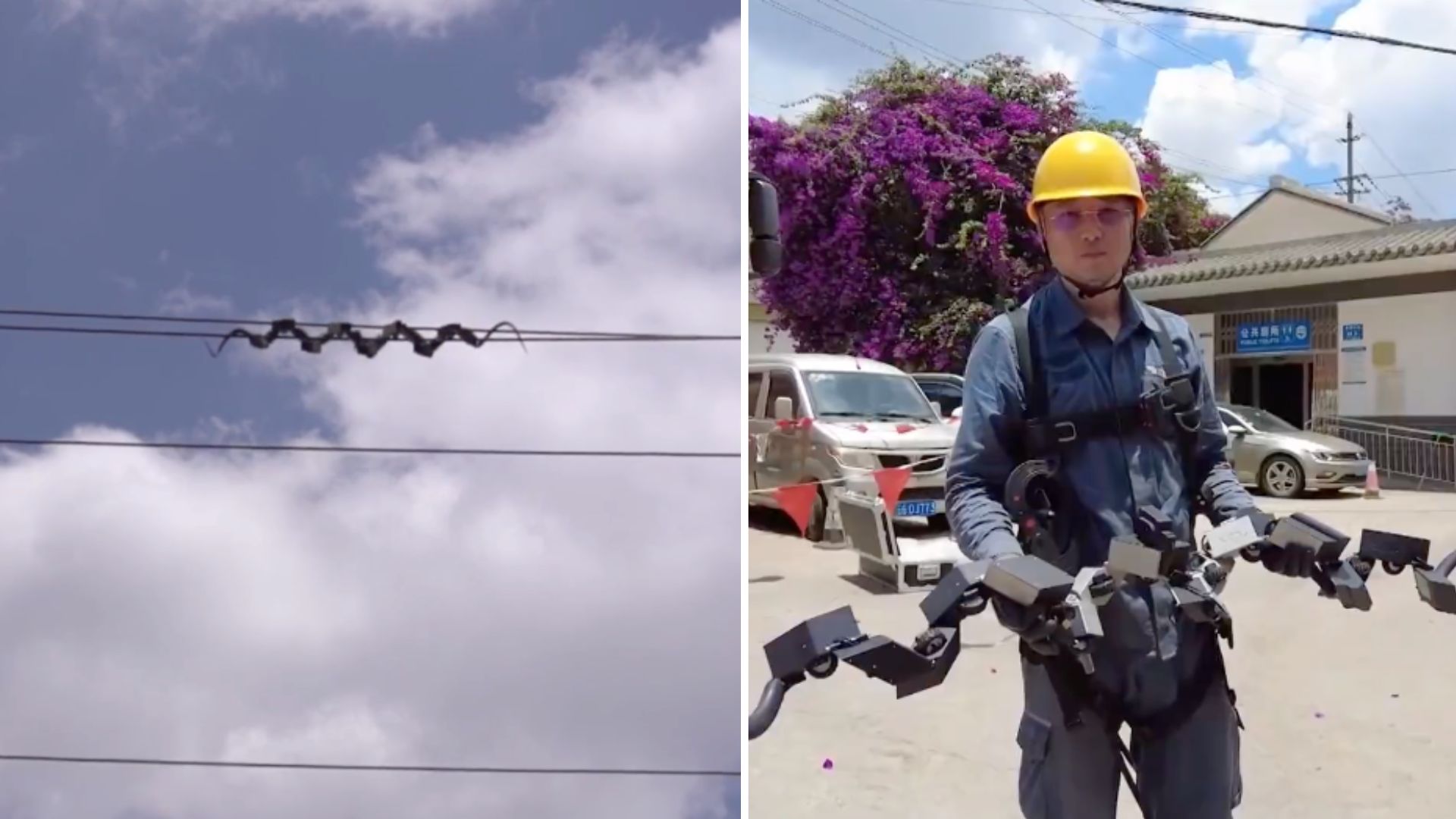
China’s robotic snakes slither across power lines to spot faults before failure
China has introduced robotic snakes to enhance the inspection of power lines, aiming to ensure a stable electricity supply across the nation. This innovative technology was rolled out recently as part of a broader initiative to improve infrastructure maintenance and reduce the risks associated with manual inspections. The deployment of these robotic devices is particularly significant given the increasing demand for reliable energy sources in the country. By utilizing advanced robotics, the initiative seeks to minimize human error and enhance safety for workers who traditionally perform these inspections. The robotic snakes are designed to navigate complex environments, allowing for thorough examinations of power lines that may be difficult for humans to access. This move reflects China's commitment to leveraging technology in its energy sector, ultimately contributing to a more resilient and efficient power grid.
AI and Robotics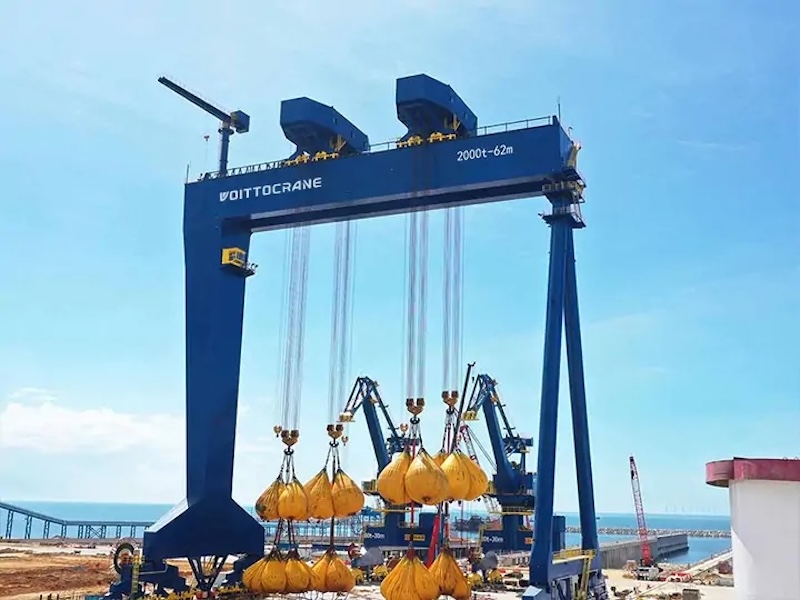
How Automated Container Gantry Cranes Are Reshaping Port Operations in 2026
In 2026, container gantry cranes, essential to global port logistics, are set to undergo significant transformation. This evolution is driven by advancements in automation and artificial intelligence, alongside increasing demands for reduced emissions in the shipping industry. As a result, these towering machines are transitioning from traditional mechanical roles to becoming intelligent, interconnected systems. This shift aims to enhance operational efficiency and sustainability in port operations, fundamentally redefining logistics practices worldwide. The integration of smart technologies is expected to improve the speed and accuracy of cargo handling, ultimately benefiting global trade.
Logistics Material handling ai automation automated container cranes automation news cargo handling
AirData UAV and LeoSight Bring Live Drone Data for DFR Programs
LeoSight has announced a new integration with AirData UAV that enables real-time streaming of flight data, telemetry, and operational insights directly into its command software, LeoCommand. This integration aims to enhance collaboration between dispatchers and field teams by providing shared visibility across drone and DFR (Drone First Response) operations. The partnership leverages AirData's status as one of the most widely used platforms in commercial drone operations, allowing public safety agencies to improve their operational efficiency. The integration is expected to streamline communication and data sharing, ultimately enhancing response capabilities in critical situations.
Disaster Response drone fleets Drone News Drone News Feeds emergency response Fire and Police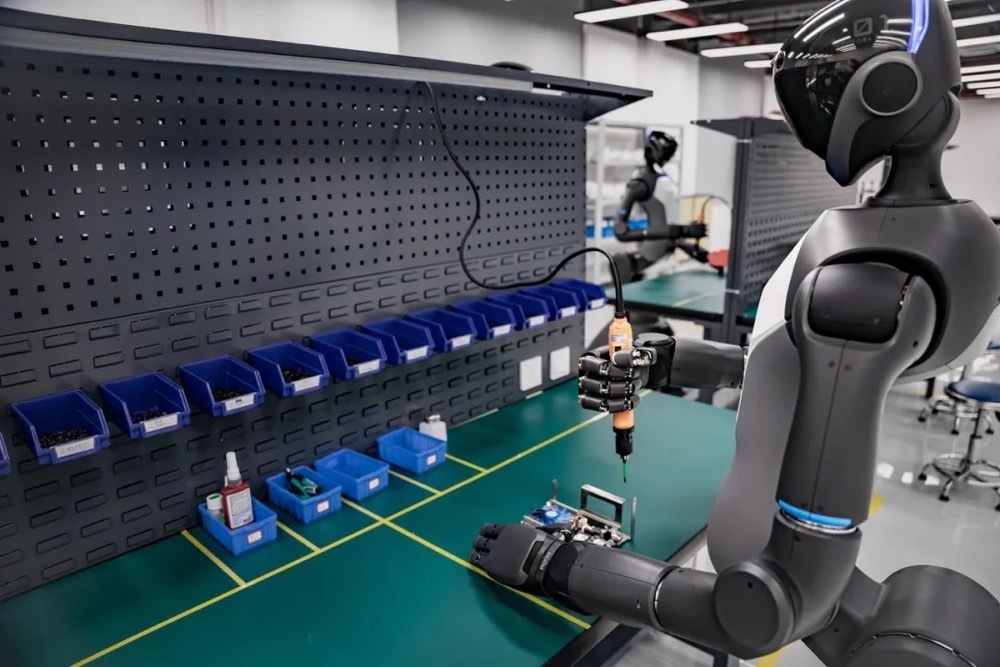
Automated Lawn Maintenance: An Agronomic and Operational Review of Turf Health, Biodiversity, and Field Performance
A recent study published in the Journal of Field Robotics highlights advancements in autonomous robotic systems designed for agricultural applications. Researchers from a leading university conducted the study to explore how these robots can enhance efficiency in farming practices. The research was carried out over the summer of 2023 at various agricultural sites across the Midwest. The motivation behind this initiative stems from the increasing demand for sustainable farming solutions that can address labor shortages and improve crop yields. By integrating advanced sensors and machine learning algorithms, the robots are capable of performing tasks such as planting, monitoring crop health, and harvesting with minimal human intervention. The study involved extensive field tests, where the robots demonstrated their ability to navigate complex terrains and adapt to changing environmental conditions. Results showed a significant increase in productivity compared to traditional farming methods, suggesting that the implementation of these technologies could revolutionize the agricultural sector. As the agricultural industry faces challenges related to climate change and population growth, this research underscores the potential of robotics to provide innovative solutions that promote sustainability and efficiency in food production. The findings are expected to pave the way for further developments in agricultural robotics, ultimately benefiting farmers and consumers alike.
SURVEY ARTICLE
How JPL Keeps the 13-Year-Old Curiosity Rover Doing Science
The Curiosity rover, which has been exploring Mars for 13 years, continues to operate effectively despite the challenges of its hostile environment. Since its successful landing in August 2012 at the Jet Propulsion Laboratory (JPL) in Pasadena, California, Curiosity has traveled nearly 37 kilometers, drilled into 42 rocks, and captured approximately 763,000 images. JPL engineers, including assistant team chief Alexandra Holloway, have implemented ongoing software updates and innovative solutions to keep the rover functional, even as it faces wear and diminishing power. Holloway highlighted the rover's longevity, attributing it to robust engineering and continuous maintenance efforts. While Curiosity and the younger Perseverance rover share similar hardware, Perseverance features additional capabilities for autonomous navigation, reflecting their distinct mission objectives. Curiosity's operational challenges include wheel wear from sharp rocks and power consumption from its nuclear source, which decreases over time. Engineers have developed strategies to optimize power usage, such as reducing computer activation time and parallel processing tasks. Looking ahead, Holloway noted that while Curiosity's arm may eventually fail, the rover still possesses valuable remote sensing instruments that will contribute to future Mars exploration. With its power source expected to remain viable through at least 2035, Curiosity's mission continues to yield significant scientific insights, paving the way for future missions.
Curiosity-rover Mars Jpl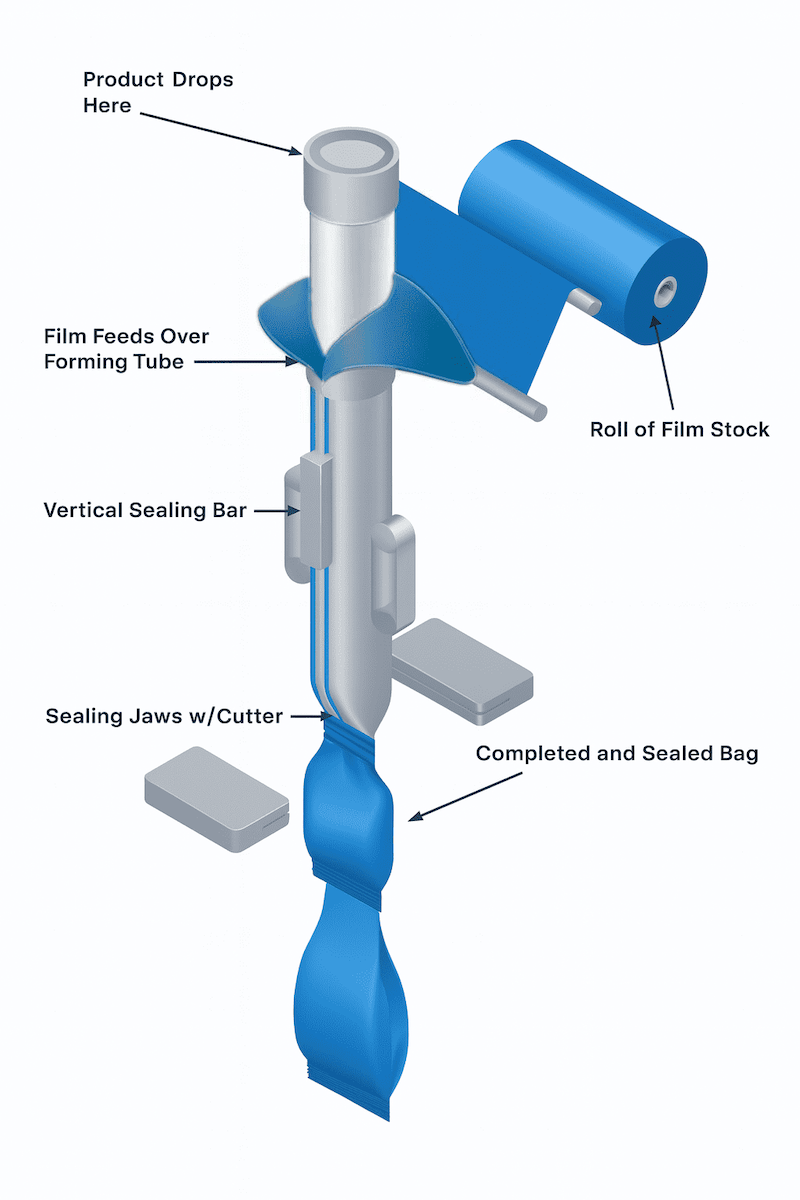
The Future of VFFS Technology in High-Speed Packaging Operations
The packaging industry is experiencing significant changes as manufacturers respond to increasing consumer demands and shorter production timelines. This transformation is marked by a growing reliance on smarter, faster, and more efficient packaging solutions. Central to this evolution is Vertical Form Fill Seal (VFFS) technology, which has emerged as a crucial tool in contemporary packaging facilities. As companies across various sectors adopt this innovative system, they aim to enhance productivity and meet the dynamic needs of the market. The shift towards VFFS technology reflects a broader trend in the industry, where efficiency and adaptability are becoming paramount in the face of evolving consumer expectations.
Engineering Technology artificial intelligence automation news industrial automation industry 4.0
US firm’s next-gen aerospace composite set to deliver exceptional strength, durability
A Texas-based company has submitted a patent application for an innovative self-lubricating aerospace composite, designed to enhance the performance and longevity of aircraft components. The development, spearheaded by Carbon Fiber Max, aims to address the challenges of friction and wear in aerospace applications, which can lead to increased maintenance costs and reduced efficiency. By integrating advanced materials technology, the firm seeks to provide a solution that not only improves operational reliability but also contributes to overall safety in aviation. The patent application was filed recently, marking a significant step forward in aerospace material science. This breakthrough could potentially revolutionize the industry by offering a more sustainable and cost-effective alternative to traditional materials.

NASA briefly sheltered space station astronauts in SpaceX’s Dragon due to leaks
The Russian space agency Roscosmos has reported the discovery of new leaks in the Russian service module of the International Space Station (ISS). This announcement comes as part of ongoing monitoring and maintenance efforts to ensure the integrity and functionality of the module, which plays a crucial role in supporting the ISS's operations. The leaks were identified during routine inspections, prompting immediate attention from engineers and scientists. The agency has not specified the exact timing of the discovery but emphasized the importance of addressing these issues to maintain the safety and stability of the space station. This development underscores the challenges faced in maintaining aging space infrastructure and highlights the need for continued vigilance in space exploration efforts.
Space crew dragon Dragon international space station NASA SpaceX
Why Factory Automation Now Depends on Software-Savvy Workers
As automation increasingly integrates into production environments, the demand for workers skilled in managing technology is rising. Traditionally, factory automation was characterized by robotic arms performing repetitive tasks behind safety barriers. However, the evolving landscape now requires employees to navigate complex dashboards, respond to alerts, and make data-driven decisions. This shift reflects a broader trend in which the role of human workers is transforming from manual labor to technological oversight, necessitating a new set of skills to effectively collaborate with advanced machinery. The growing reliance on automation is reshaping the workforce, prompting a need for training and adaptation to ensure that employees can thrive in a more automated future.
Automation Factories Robotics automation news automation workforce cobots
Europe’s most important industrial lubrication conference celebrates its 10th anniversary in Bilbao
The Euskalduna Convention Centre in Bilbao is set to host the 10th anniversary of LUBMAT, Europe’s premier conference on industrial lubricants, this Wednesday and Thursday. The event will bring together 200 professionals from Europe, Asia, and America, highlighting its significance as a leading international biennial gathering focused on lubricants, tribology, and production equipment monitoring. This milestone edition aims to foster collaboration and knowledge sharing among industry experts, reflecting the growing importance of innovation and sustainability in the lubricants sector.
Events advanced lubricants advanced manufacturing aerospace engineering AI in maintenance asset management
Interview with GFT Technologies’ Brandon Speweik: Moving AI from detection to action on the factory floor
Manufacturers are increasingly shifting their focus from the theoretical applications of artificial intelligence to practical solutions that address real-world challenges. While discussions around AI have primarily centered on software tools such as dashboards, analytics, and predictive models, industry leaders are now seeking ways for AI to not only identify problems but also actively contribute to solving them. This evolution in perspective reflects a growing recognition of AI's potential to enhance operational efficiency and drive innovation within the manufacturing sector. As companies explore these advancements, the emphasis is on integrating AI technologies that can deliver tangible results and improve decision-making processes on the shop floor.
Components Features Manufacturing ai robotics artificial intelligence automation news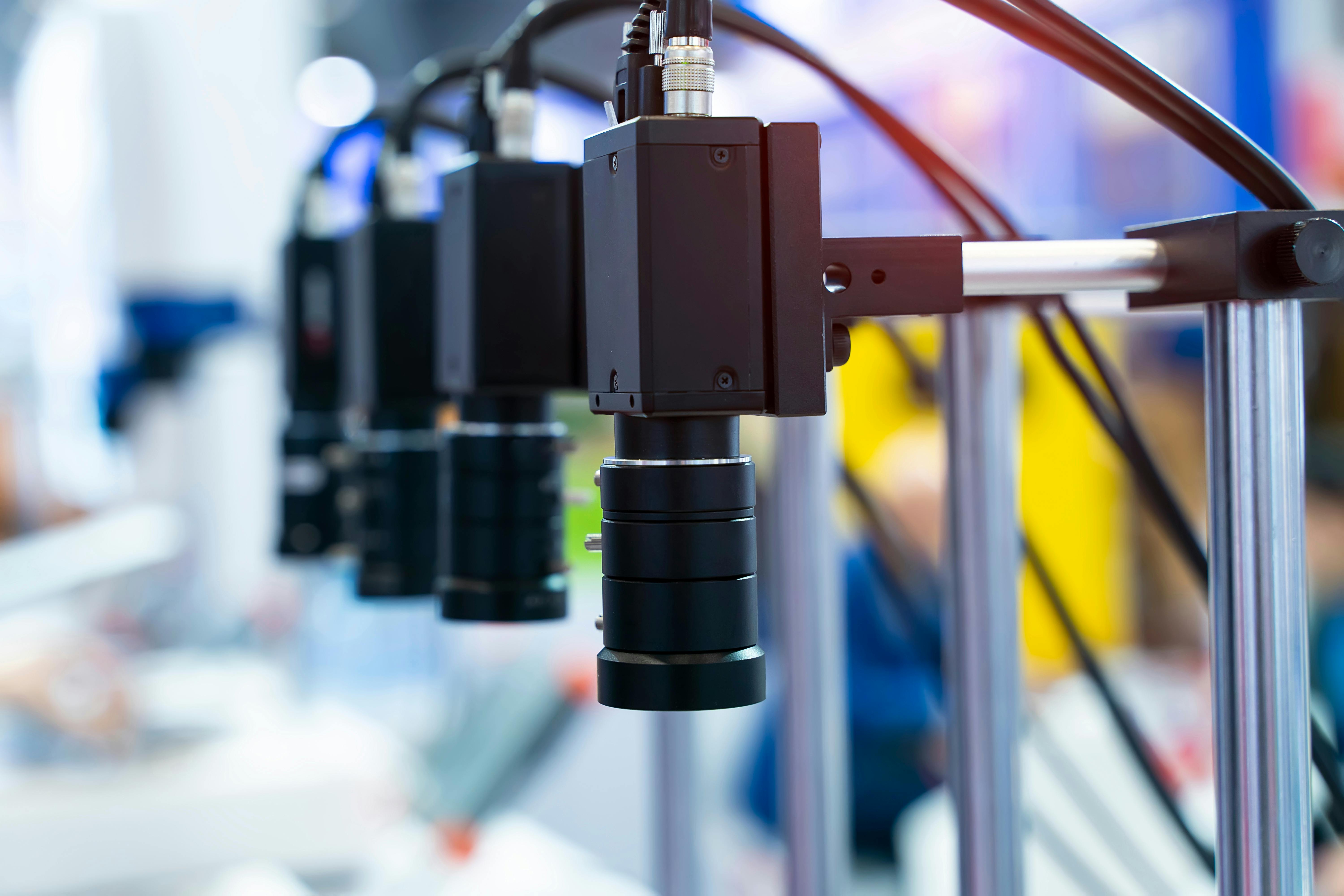
How Industrial Vision Systems Beat Dust, Heat and Vibration to Stay Sharp on the Factory Floor
Engineers and operators in the manufacturing sector are addressing environmental threats to machine vision cameras, which can compromise system accuracy and lead to operational downtime. To mitigate these risks, experts are implementing protective measures and maintenance strategies designed to enhance the durability and reliability of these critical systems. By focusing on proactive maintenance and environmental safeguards, teams can ensure that machine vision technology continues to function effectively, even in challenging conditions. This approach not only helps maintain productivity but also extends the lifespan of the equipment, ultimately supporting the efficiency of manufacturing processes.
Factory / Sensors
Delivering Flawless Field Service with Predictive Insights and AI
In a recent session, industry leaders discussed the integration of artificial intelligence and predictive technologies in asset maintenance and field service operations. The event highlighted how organizations are leveraging real-time asset insights to enhance their maintenance and service strategies. By utilizing intelligent recommendations, companies are optimizing their operations and improving technician guidance. This approach not only streamlines maintenance processes but also facilitates the orchestration of end-to-end workflows across supply chain management, service execution, and financial operations. The session underscored the growing importance of technology in driving efficiency and effectiveness in asset management.

As Drone as First Responder Programs Scale, Data Management Becomes Mission Critical
A California fire district is facing significant challenges as it expands its public safety drone program, particularly in transforming flight data into actionable intelligence. As agencies increasingly incorporate drones into their operations, the focus has shifted from merely launching aircraft to effectively managing larger fleets and handling increased volumes of data. This evolution necessitates more sophisticated operational strategies to ensure that the drones can be utilized effectively in emergency situations. The growing complexity of these programs underscores the critical importance of data management in enhancing public safety efforts.
Applications Drone News Drone News Feeds Drones in the News Featured – Safety and Security News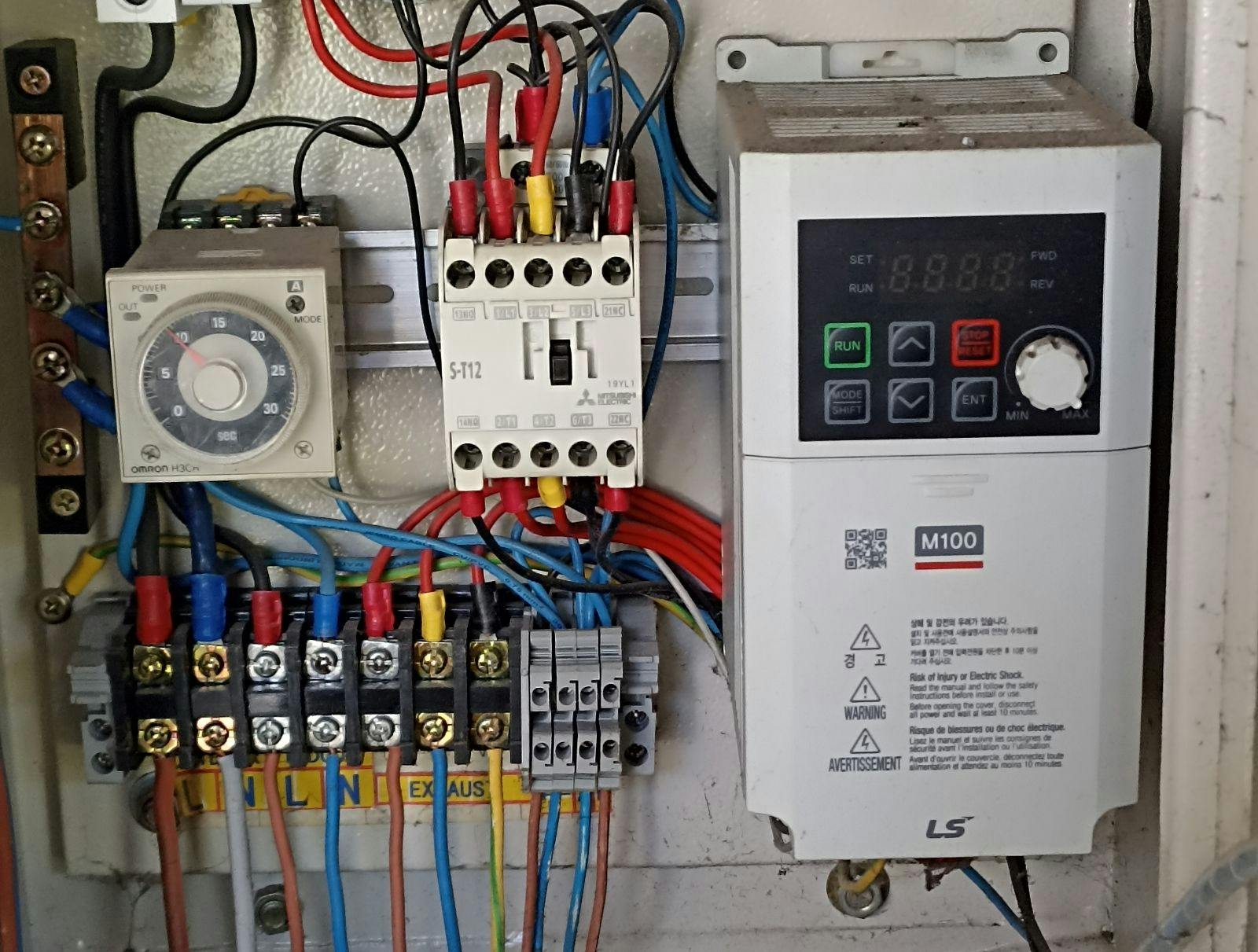
Quiz: How to Avoid VFD Cable Costs
In a recent industry discussion, experts emphasized the importance of preventing bearing damage and ensuring proper termination of variable frequency drive (VFD) cables. This guidance comes in response to increasing concerns about equipment reliability and operational efficiency in manufacturing settings. The discussion took place during a technical seminar held in October 2023, where engineers and technicians gathered to share best practices and innovative solutions. The seminar highlighted that improper cable termination can lead to significant operational failures, including bearing wear and electrical interference, which can ultimately disrupt production processes. To mitigate these risks, specialists recommended implementing rigorous installation protocols and regular maintenance checks. They outlined a series of steps that include using high-quality materials, adhering to manufacturer specifications, and conducting thorough inspections of cable connections. By following these guidelines, companies can enhance the longevity of their equipment and reduce the likelihood of costly downtimes. The insights shared during the seminar are crucial for organizations looking to optimize their machinery's performance and ensure a smooth operation in an increasingly competitive market.
Factory / Plant Maintenance
Closing the Insight-to-Action Gap: An Integration Architecture for Automated Predictive Maintenance
Recent research highlights that the primary challenge in industrial predictive maintenance is not the inaccuracy of models, but rather the ineffective transition from anomaly detection to actionable response. The study proposes a new integration architecture designed to link machine learning-based anomaly detection systems directly with maintenance execution systems within plants. This innovative approach aims to transform traditional monitoring dashboards into dynamic systems that not only identify issues but also facilitate immediate corrective actions. By addressing the critical gap between detection and response, this integration seeks to enhance operational efficiency and reduce downtime in industrial settings.
Factory / Plant Maintenance
Apellix Spray Painting Drone Goes to Work in the Field for State DOTs, Federal Contractors, and Commercial Coating Firms
A new technological advancement is transforming the way infrastructure, industrial, and government projects are executed, as the Semi-Autonomous Aerial Coating System begins to replace traditional lifts and scaffolding. This innovative system is being deployed across various real-world applications, streamlining the coating process and enhancing efficiency. The shift towards this aerial solution is gaining momentum as organizations seek to improve safety and reduce labor costs associated with conventional methods. By utilizing advanced robotics and automation, the Semi-Autonomous Aerial Coating System allows for precise application of coatings while minimizing the need for extensive manual labor. As this technology continues to evolve, it is expected to play a significant role in modernizing project execution and addressing the challenges faced in construction and maintenance tasks.
Best Practices for Calibrating and Maintaining Manufacturing Robotic Arms
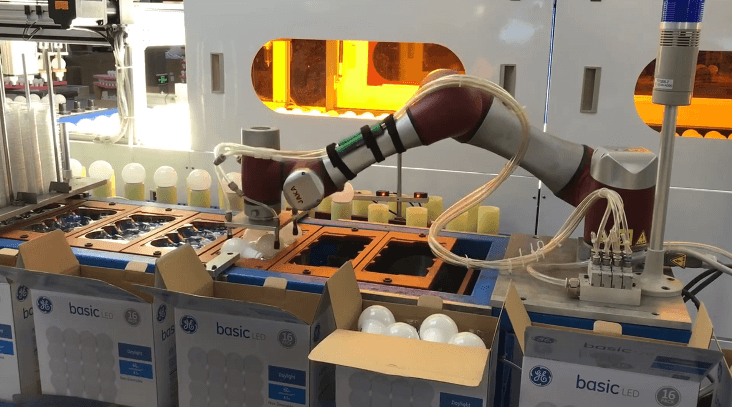
In the evolving landscape of modern manufacturing, robotic arms and collaborative robots have emerged as essential tools, enhancing efficiency and precision while minimizing human error. JAKA, a leading provider of collaborative robots, emphasizes the importance of scientific calibration and regular maintenance to ensure the stable operation of these machines, which directly impacts production quality and safety. To maintain optimal performance, JAKA outlines best practices for calibrating and servicing robotic arms, particularly its JAKA Zu12 model. Regular kinematic calibration is crucial for correcting geometric errors and ensuring accurate motion trajectories, which is vital for collaborative robots that interact closely with humans. The JAKA Zu12’s integrated design facilitates efficient calibration during assembly, maximizing its reach and payload capabilities. Daily and periodic maintenance is also critical in reducing failure rates. Daily tasks include cleaning, checking cable connections, and ensuring joint operation, while periodic maintenance focuses on lubricating joints, inspecting wear on components, and updating software. For collaborative robots like the JAKA Zu12, regular safety checks are essential to ensure safe human-robot interactions. JAKA also advocates for scenario-based maintenance tailored to specific application needs, such as handling and palletizing tasks, to enhance processing precision and operational reliability. By implementing systematic calibration and maintenance strategies, JAKA aims to help enterprises optimize the performance of their robotic arms, ultimately reducing costs and boosting production efficiency in automated manufacturing environments.

Expert Tips on Getting the Most Out of Your Collaborative Robot Arm
As automation transforms the manufacturing sector, JAKA Robotics is at the forefront with its innovative collaborative robots, particularly the JAKA A12L, which combines intelligent visual perception with collaborative capabilities. This technology is designed to enhance productivity and efficiency in various manufacturing tasks such as loading, unloading, inspection, and sorting. To effectively integrate the JAKA A12L into production, users are advised to familiarize themselves with the robot's features through user manuals and training resources. Understanding its capabilities is essential for maximizing its potential, especially in quality inspection and sorting, which can lead to reduced defect rates and improved processing precision. Effective programming is crucial for optimizing the robot's performance. The JAKA A12L offers user-friendly programming interfaces, allowing users to start with simple tasks and gradually increase complexity. Its reprogrammable nature enables adaptability to changing production needs, while compatibility with vision systems enhances its ability to perform precise measurements and non-destructive testing. Regular performance monitoring is vital for sustained success. By tracking key performance indicators, conducting routine maintenance, and gathering feedback from operators, manufacturers can identify areas for improvement and ensure the robot operates efficiently. By embracing collaborative robots like the JAKA A12L and implementing best practices in programming and monitoring, manufacturers can significantly boost production efficiency and product quality, ultimately driving operational excellence and maintaining a competitive edge in the industry.
Application engineering for assembly systems is quietly becoming manufacturing’s biggest competitive edge
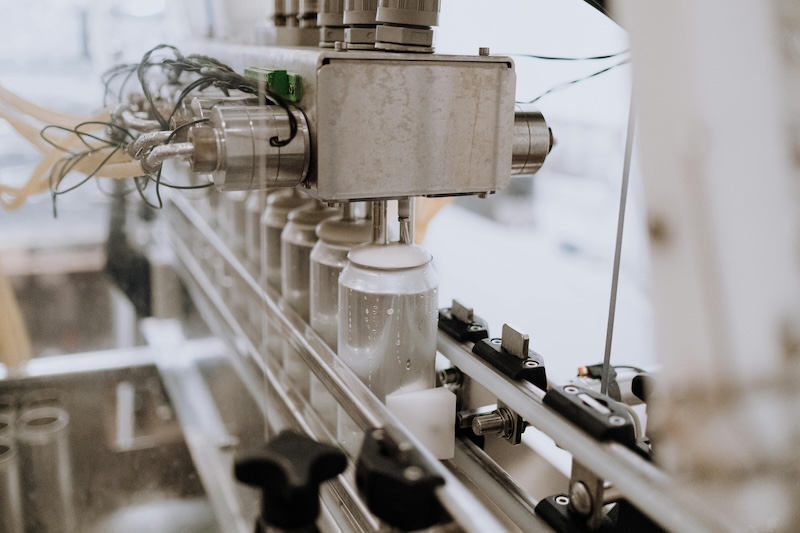
In a significant shift within the manufacturing sector, companies are increasingly focusing on application engineering to enhance assembly systems. This evolution is driven by the need for higher productivity and reduced error rates on the factory floor. Leading the charge is Atlas Copco, a prominent player in the industry, which is fully embracing this transformation. The emphasis is now on not just the machines themselves, but also on the engineering that connects and adjusts these machines in real-time to align with operational demands. As factories strive to optimize their processes, the integration of advanced engineering techniques is becoming essential for success in a competitive landscape.
Engineering Manufacturing application engineering assembly line automation assembly systems atlas copco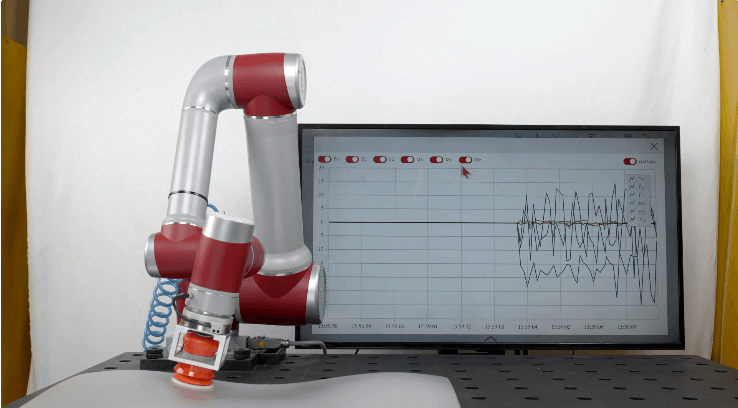
Common Pitfalls When Using Cobots and How to Avoid Them
The integration of collaborative robots, or cobots, into manufacturing is gaining momentum, with JAKA Robotics leading the way in providing advanced solutions aimed at enhancing productivity. However, businesses often face challenges during the implementation of these systems. A recent article highlights common pitfalls in cobot deployment, emphasizing the need for thorough planning and assessment to align the robots' capabilities with specific operational tasks. To avoid mismatches, companies are encouraged to conduct comprehensive evaluations of their workflows and engage stakeholders from various departments. Additionally, the importance of training for operators and maintenance personnel is underscored, as inadequate training can lead to inefficiencies and increased error rates. JAKA Robotics offers resources to ensure effective training, which is crucial for maximizing productivity and ensuring safety. Another critical aspect is the ongoing monitoring and maintenance of cobots. Neglecting these can result in operational disruptions and decreased efficiency. JAKA’s Over-The-Air (OTA) system utilizes IoT and big data to provide real-time insights into cobot performance, allowing organizations to proactively address maintenance needs. By focusing on careful planning, robust training, and continuous maintenance, businesses can fully leverage the potential of cobots. JAKA Robotics remains committed to supporting organizations through this transition, fostering a culture of innovation and collaboration while redefining operational capabilities in the manufacturing sector.

Scientists build first-of-its-kind robot to clean and inspect underwater bridge piles
Underwater inspections of bridge foundations have been identified as one of the most perilous tasks in the field of civil engineering. Conducted by specialized divers and engineers, these inspections are crucial for ensuring the structural integrity and safety of bridges. The inspections typically take place during scheduled maintenance periods, which can vary throughout the year depending on weather conditions and operational requirements. The inspections are primarily carried out in various locations across the country, where aging infrastructure poses significant risks to public safety. The motivation behind these inspections stems from the need to prevent catastrophic failures and to comply with regulatory standards that mandate regular assessments of bridge conditions. To perform these inspections, teams utilize advanced technology, including remotely operated vehicles (ROVs) and sonar imaging, which allow for detailed examinations of underwater structures without compromising diver safety. Despite these innovations, the inherent risks associated with underwater work, such as strong currents and visibility challenges, remain a concern for professionals in the field. As infrastructure continues to age, the demand for thorough inspections is expected to increase, highlighting the importance of ongoing training and the development of safer inspection methods. This proactive approach aims to enhance the safety of bridges and ensure the reliability of transportation networks for the public.

Microsoft’s new responsible tech lead on how to humanize high-speed AI development
Jenny Lay-Flurrie, the head of Microsoft's Trusted Technology Group, emphasized the importance of responsible technology during a recent discussion. She outlined the critical questions surrounding the development and maintenance of ethical tech practices, focusing on how to ensure that technology is built correctly and remains trustworthy over time. Lay-Flurrie’s insights come at a pivotal moment as the tech industry faces increasing scrutiny regarding data privacy, security, and ethical standards. Her remarks highlight the ongoing commitment of Microsoft to prioritize responsible innovation in an era where technology plays a central role in daily life. The conversation reflects broader industry trends aimed at fostering accountability and transparency in tech development, ensuring that advancements benefit society while safeguarding users' rights.
Heavy-duty robot takes over hazardous inspections at UAE gas plant
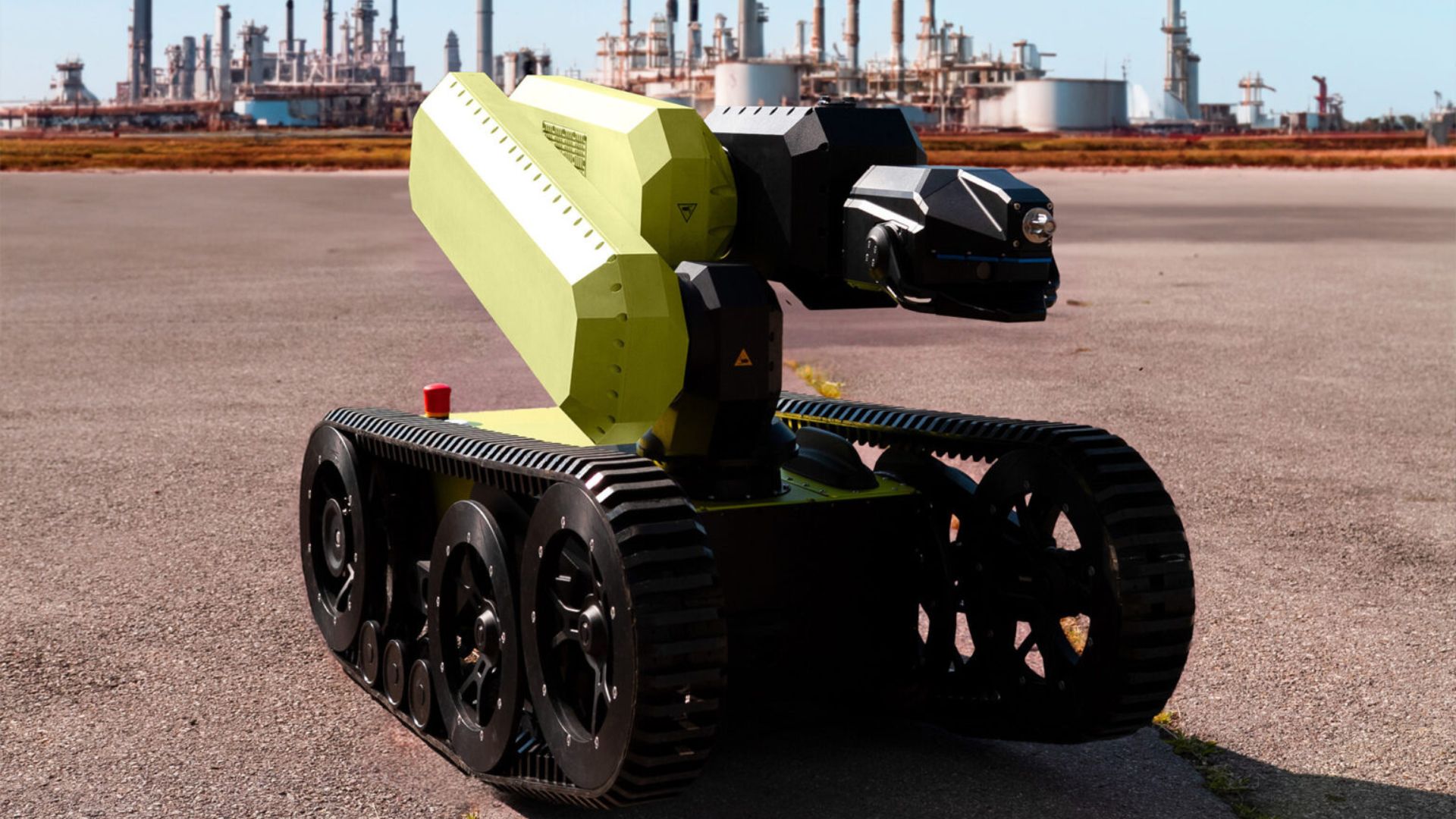
A heavy-duty inspection robot from Austria has been introduced at a gas compression facility to enhance safety and efficiency in monitoring operations. This deployment, which took place recently, aims to streamline inspections and reduce the need for human intervention in potentially hazardous environments. The robot is equipped with advanced sensors and imaging technology, allowing it to detect leaks, assess structural integrity, and gather data in real-time. By utilizing this innovative technology, the facility seeks to minimize risks associated with gas compression processes and improve overall operational reliability. The initiative reflects a growing trend in the energy sector to incorporate automation and robotics to address safety challenges and optimize maintenance procedures.
Drone delivery company Flytrex expands with new Texas factory
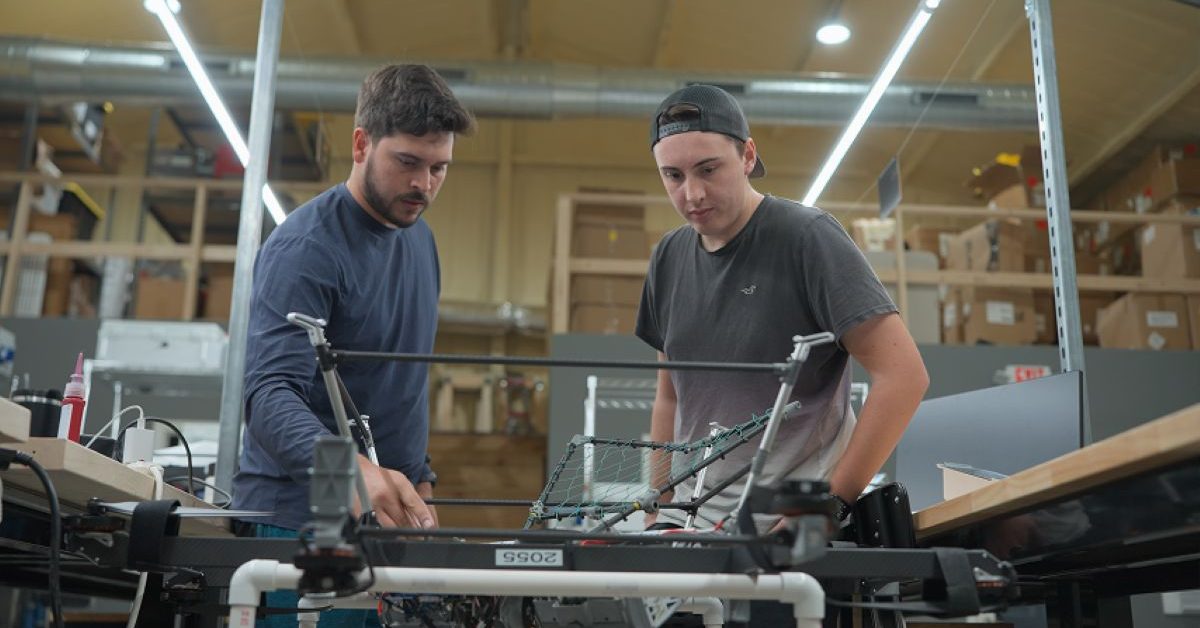
Flytrex, a drone food delivery company, is expanding its operations in Texas by establishing a new drone manufacturing and maintenance facility near Dallas. This strategic move underscores the company’s commitment to enhancing aerial food delivery services throughout the Dallas-Fort Worth metro area. The facility aims to support the growing demand for drone deliveries, reflecting Flytrex's ambition to scale its innovative logistics solutions in a rapidly evolving market.
News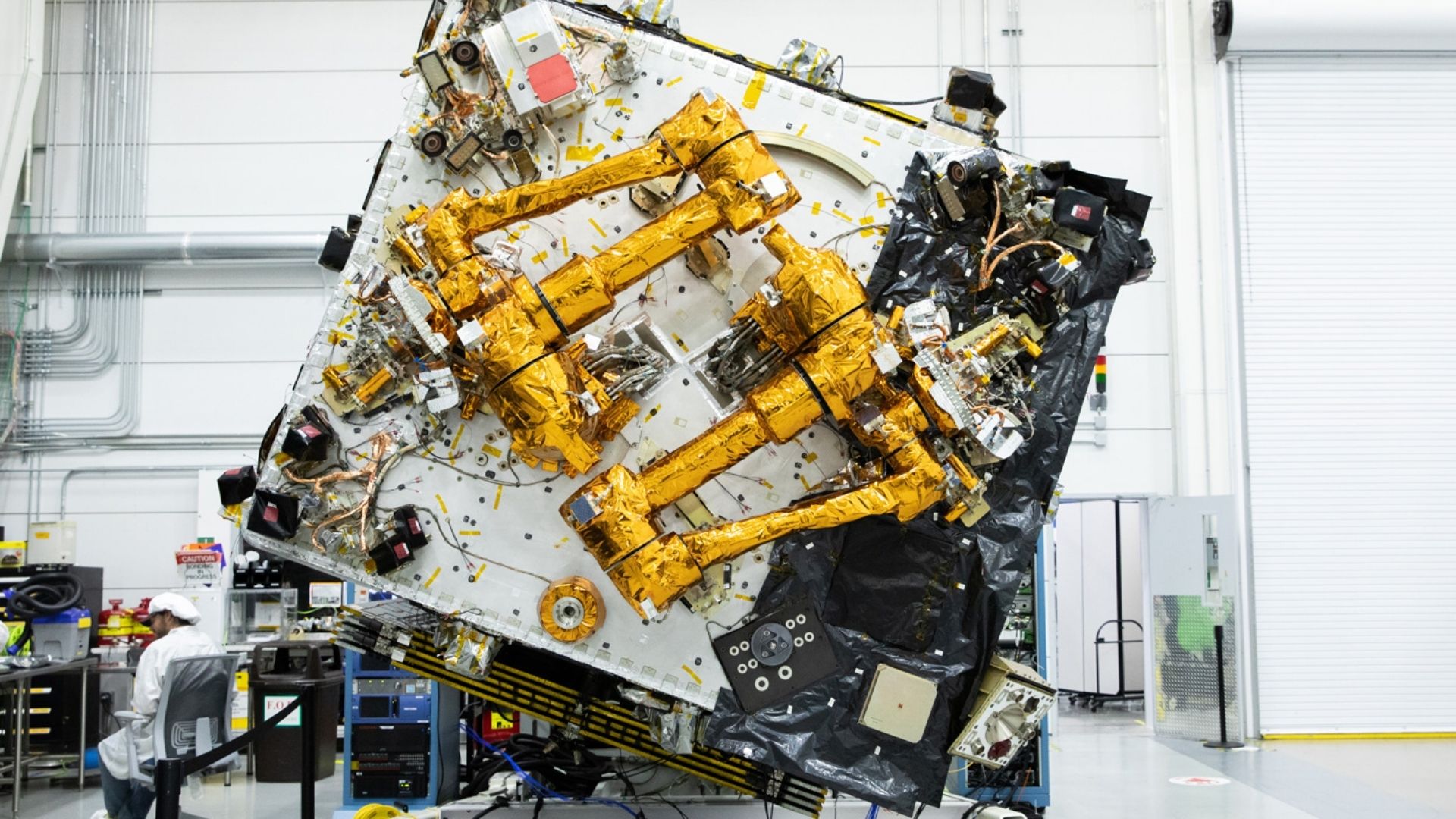
DARPA`s orbital robotic servicing satellite set for 2026 launch
The Defense Advanced Research Projects Agency (DARPA) is set to launch its Robotic Servicing of Geosynchronous Satellites (RSGS) program this summer. This initiative aims to enhance the capabilities of satellites in geosynchronous orbit by enabling robotic servicing, which includes maintenance, upgrades, and repairs. The program is designed to address the growing need for satellite longevity and functionality in an increasingly crowded orbital environment. By employing advanced robotics technology, DARPA seeks to extend the operational life of critical satellite assets, thereby ensuring continued communication and data services. The launch of RSGS represents a significant step forward in satellite servicing, with the potential to revolutionize how space assets are managed and maintained.
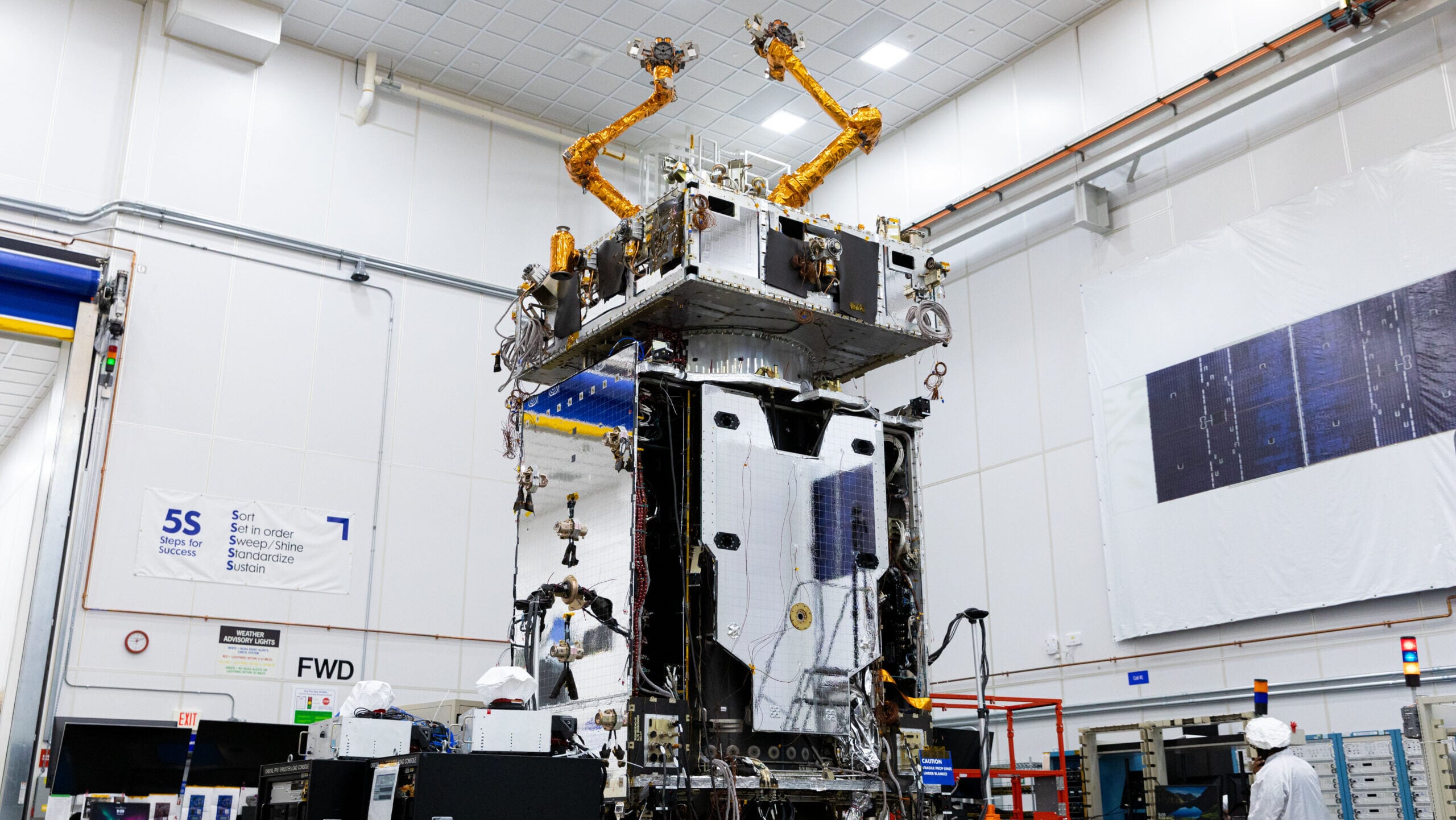
DARPA’s robotic servicing spacecraft to finally fly this summer
The Robotic Servicing of Geosynchronous Satellites mission, a collaboration between DARPA and Northrop Grumman, is set to establish the United States' first on-orbit servicing capability for satellites. This groundbreaking initiative aims to enhance satellite maintenance and repair, extending the operational lifespan of critical space assets. Company officials announced the mission's significance, highlighting its potential to revolutionize satellite operations and reduce costs associated with launching new satellites. The project is expected to take place in the coming months, marking a pivotal advancement in space technology and satellite management.
Space darpa Defense Advanced Research Projects Agency Naval Research Laboratory Northrop Grumman on-orbit refueling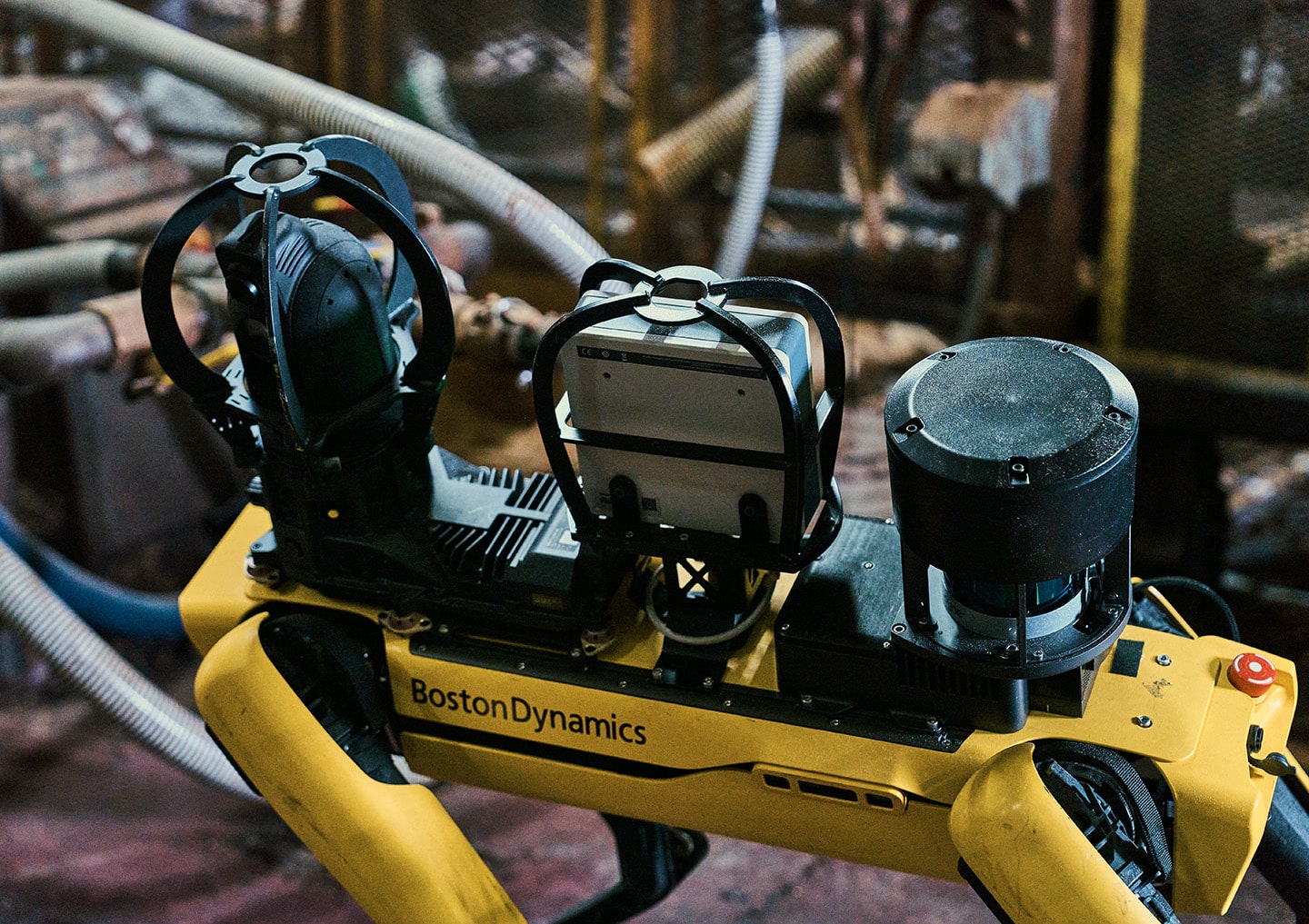
A New Approach to Predictive Maintenance Challenges | Boston Dynamics
A recent report highlights the critical role of AI-based predictive maintenance in enhancing operational efficiency across various industries. This innovative approach relies on timely and accurate data to monitor the condition of assets automatically. By implementing automated asset condition monitoring systems, organizations can anticipate equipment failures before they occur, thus minimizing downtime and reducing maintenance costs. The increasing adoption of these technologies is driven by the need for businesses to optimize their operations and extend the lifespan of their assets. As industries continue to evolve, the integration of AI in maintenance strategies is becoming essential for staying competitive.
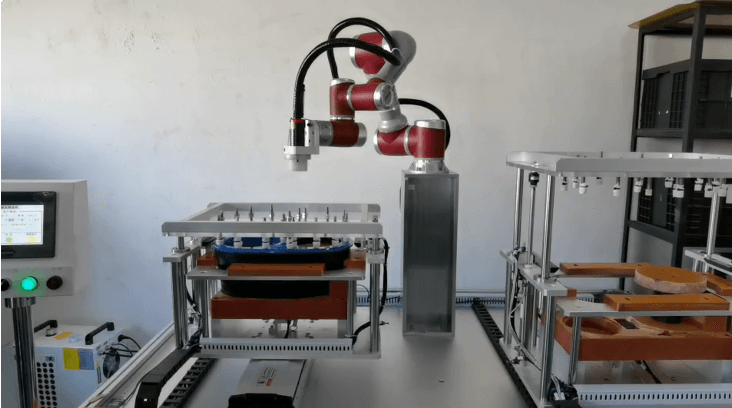
6 Axis Cobot Arms vs. Traditional 6 Axis Robot Arms: Which is Better?
Manufacturers face a critical decision when expanding production lines: whether to invest in modern collaborative robots (cobots) or traditional industrial 6-axis robot arms. This choice, which can significantly impact operational efficiency, safety, and costs, requires careful consideration beyond just the initial price. Traditional 6-axis robots, designed for high-speed operations, necessitate extensive safety measures such as cages and interlocking doors, which can inflate costs and require more floor space. In contrast, cobots feature integrated sensors that allow them to work alongside human operators without the need for safety barriers, making them suitable for facilities with limited space. Programming also presents a challenge; traditional robots often require specialized engineers for reprogramming, leading to increased downtime and operational costs. Cobots, however, are designed for ease of use with intuitive interfaces that enable floor technicians to manage them without extensive coding knowledge. While traditional robots may have lower upfront costs, their total cost of ownership is often higher due to hidden expenses related to safety and maintenance. Cobots, with their flexible design, offer a quicker return on investment, particularly in environments with changing production needs. JAKA has introduced the JAKA Zu series, which combines the precision of industrial robots with the user-friendly features of cobots. This series eliminates the need for complex programming and bulky equipment, allowing users to manage robots via a mobile app. JAKA's solution aims to provide manufacturers with a scalable and adaptable automation option that can grow with their business needs.

Tattu Launches 5.0 Smart Battery Platform as Heavy-Lift Drones Demand Faster Charging and Smarter Fleet Power Management
A new platform has been developed for 100kg-class agricultural and logistics unmanned aerial vehicles (UAVs), showcasing advanced technological features aimed at enhancing operational efficiency. This innovative system integrates high-discharge performance capabilities, enabling rapid energy release during flight. Additionally, it supports 6C fast charging, significantly reducing downtime for UAVs between missions. The platform also incorporates an intelligent Battery Management System (BMS) that optimizes battery performance and longevity, while providing access to lifecycle data for better maintenance and operational planning. This development is expected to revolutionize the agricultural and logistics sectors by improving the reliability and efficiency of UAV operations, ultimately contributing to increased productivity in these industries.

Anthropic has acquired the dev tools startup used by OpenAI, Google, and Cloudflare
Stainless, a startup based in New York and established in 2022, has gained recognition in the burgeoning artificial intelligence sector for its innovative approach to automating the creation and maintenance of software development kits (SDKs). These SDKs serve as essential libraries that enable developers to effectively interact with application programming interfaces (APIs). By streamlining this process, Stainless aims to enhance efficiency and reduce the complexity involved in software development, positioning itself as a key player in the tech landscape.
AI Anthropic Stainless
How to Maintain and Manage 6 Axis Robot Arms for Longevity and Precision
In the realm of smart manufacturing, the 6-axis robot arm has emerged as a crucial tool for achieving high-speed production and exceptional accuracy. However, maintaining its peak performance requires a systematic management approach. Neglecting routine maintenance can lead to unexpected downtime and safety hazards in collaborative workspaces. To address this, manufacturers are encouraged to adopt a tiered maintenance strategy that ensures the robot's repeatability and structural integrity. A successful maintenance program begins with daily visual inspections, where operators check for wear on the robot’s harness and ensure cleanliness to prevent contamination of internal components. In addition to daily checks, a quarterly or semi-annual schedule should focus on mechanical stability and accuracy, utilizing tools like laser trackers to detect any drift caused by thermal expansion or wear. The longevity of these robotic arms also hinges on the health of internal components and software. Regular checks for lubrication and maintaining a clean, temperature-controlled environment for the control cabinet are essential. Furthermore, keeping the robot's firmware updated and backing up program data ensures rapid recovery in case of hardware failures. JAKA Robotics has developed the JAKA Zu series, designed to minimize maintenance needs while maximizing operational life. The JAKA Zu20 model, capable of handling a 20 kg payload, is particularly suited for heavy-duty applications. The company also offers a digital ecosystem through the JAKA App, enabling users to monitor robot performance wirelessly. With built-in diagnostics and professional training resources, JAKA aims to provide a reliable investment in robotic technology that delivers precision and value over time.
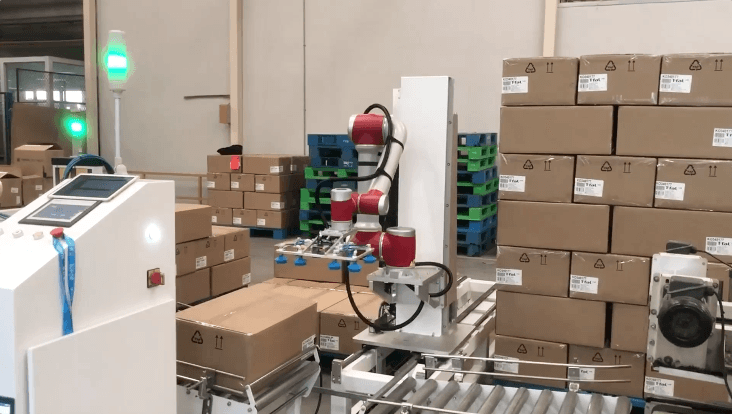
Cobot Palletizing vs. Traditional Palletizers: Speed, Footprint, and Cost Analysis
The palletizing process at the end of production lines is undergoing a significant transformation as manufacturers evaluate the shift from traditional palletizers to collaborative robot (cobot) systems. This change is driven by the need for greater flexibility and efficiency in supply chain operations. Traditional palletizers, known for their high-speed capabilities and suitability for single-SKU production, dominate high-output environments like food and beverage processing. However, cobots, equipped with 6-axis robotic arms, offer a more adaptable solution, particularly for facilities handling diverse product mixes. The transition is taking place as manufacturers seek to optimize space and reduce costs. Traditional systems require extensive floor space and safety barriers, often leading to operational bottlenecks. In contrast, cobots can operate safely alongside human workers, fitting into tighter spaces and allowing for more efficient warehouse layouts. Cost considerations also play a crucial role in this shift. While traditional palletizers may have similar initial costs, their total cost of ownership is significantly higher due to installation and maintenance expenses. Cobots, like those developed by JAKA, provide a more economical option, with easier installation and lower energy consumption. JAKA's Zu series exemplifies this innovation, offering advanced palletizing solutions that enhance productivity while minimizing product damage. As the industry adapts to these technological advancements, the choice between traditional and cobot palletizing systems will ultimately hinge on manufacturers' specific needs for speed, space, and cost efficiency.
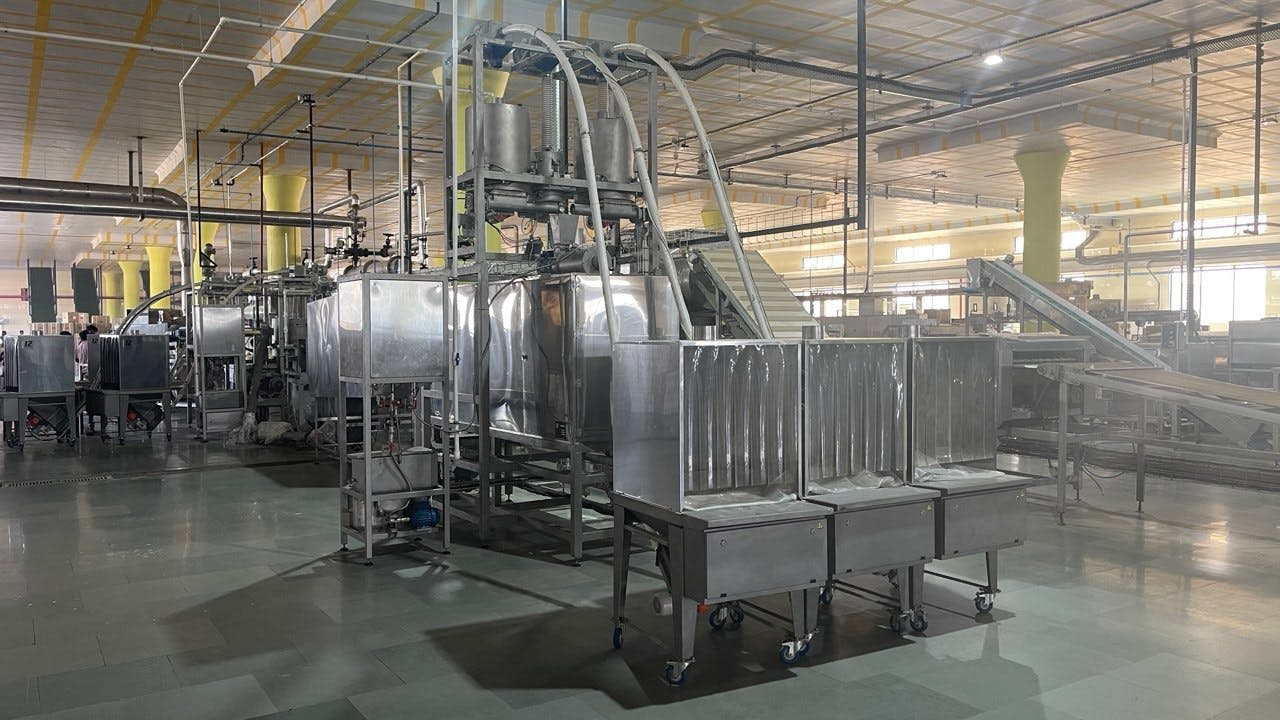
How a Two-Week Maintenance Overhaul Cut Downtime by 10% at a Major Snack Food Manufacturer
Bikaji Foods has successfully implemented a structured, low-cost maintenance framework that has significantly improved reliability without necessitating major capital investments. This initiative, aimed at enhancing operational efficiency, has yielded measurable gains in the company's reliability metrics. The strategic focus on cost-effective maintenance solutions reflects Bikaji Foods' commitment to optimizing performance while managing expenses effectively. By prioritizing this approach, the company has demonstrated that substantial improvements can be achieved through innovative practices rather than extensive financial outlays.
Process / Plant Maintenance
Humanoid Secures Landmark Deal with Schaeffler to Deploy Thousands of Humanoid Robots
Humanoid, a London-based AI and robotics startup, has secured a significant phased deployment agreement with Schaeffler, a leading motion technology company, to integrate humanoid robots into its manufacturing operations. The rollout is set to commence in late 2026, with the initial deployment occurring at two Schaeffler sites in Germany. This landmark agreement aims to deploy thousands of humanoid robots across Schaeffler’s global facilities by 2032, following successful proof-of-concept trials. The first phase will take place from December 2026 to June 2027, focusing on box handling in Herzogenaurach and conducting capability demonstrations in Schweinfurt. The collaboration emphasizes economic viability, with Humanoid assisting Schaeffler in seamlessly integrating robotic systems into existing production environments while adhering to safety and IT standards. The partnership operates under a Robot-as-a-Service (RaaS) model, where Humanoid will provide not only the robotic systems but also ongoing support, maintenance, and performance management. Additionally, Humanoid has entered a five-year supply agreement with Schaeffler, designating them as the preferred supplier for actuators, which will cover over 50% of Humanoid's actuator needs through 2031. Artem Sokolov, Humanoid's founder and CEO, highlighted the importance of this collaboration in advancing humanoid robotics within global manufacturing. Dr. Jochen Schroeder, COO of Schaeffler AG, emphasized the partnership's role in scaling advanced robotics technology in real-world manufacturing settings. Following the initial deployment, both companies plan to assess performance and expand the use of humanoid robots for various tasks, including assembly and packaging.
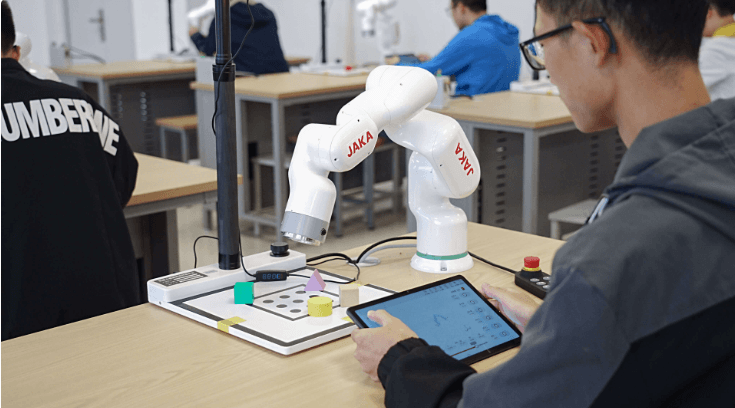
Industrial Automation and Robotics for Educators: Training the Next Generation
The rapid evolution of industrial automation and robotics is reshaping global manufacturing, leading to an increased need for a skilled workforce adept at managing advanced machinery. As educators strive to connect theoretical engineering principles with the practical demands of modern smart factories, there is a pressing requirement for classroom tools that reflect real-world equipment. By 2026, the integration of robotics into STEM curricula is expected to be crucial for fostering critical thinking and technical literacy among students. Educational programs are shifting towards "Embodied Intelligence," where learners engage with sophisticated technologies like industrial robot arms, enhancing their understanding of vision systems, sensor feedback, and machine learning. This hands-on experience equips students with essential skills in industrial safety, workflow optimization, and predictive maintenance, preparing them for careers as automation engineers and technicians. However, challenges persist, including the high costs and complexities associated with traditional industrial robots, which often require specialized facilities and safety measures. To address these issues, educational institutions are exploring "all-in-one" solutions that prioritize safety and usability while maintaining industrial-grade performance. JAKA Robotics is stepping up to meet these educational needs by providing tools that facilitate a safe learning environment. Their JAKA Academy offers a comprehensive training platform with courses ranging from basic operations to advanced software development. The versatile JAKA Zu and S series robots are designed for both research and classroom use, allowing students to engage in practical tasks and develop innovative AI-driven workflows. By incorporating JAKA's technology into educational settings, students are empowered to become the next generation of leaders in industrial automation.
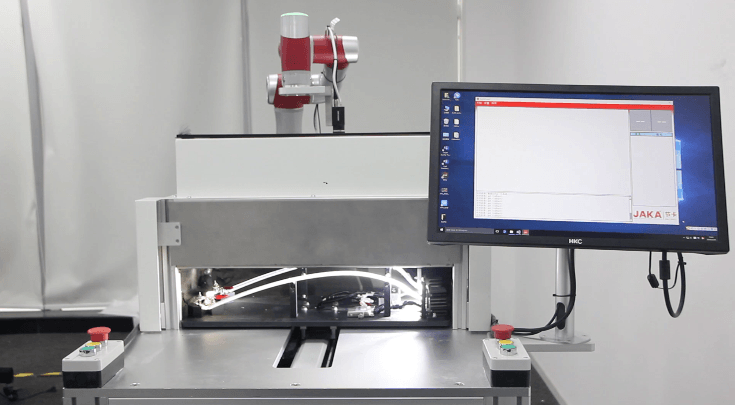
Top 5 Trends of the Industrial Robot Arm Industry in 2026
In 2026, the landscape of industrial automation and robotics is undergoing a transformative shift, moving from rigid machines to intelligent, adaptive systems. This evolution is driven by global manufacturing challenges, including labor shortages and the demand for hyper-personalization. Key advancements in connectivity and artificial intelligence are reshaping productivity and safety on factory floors. A major trend is the emergence of "self-evolving" robots that utilize generative AI to autonomously learn new tasks, minimizing the need for manual programming. Additionally, agentic AI empowers these machines to make informed decisions in complex environments, enhancing their ability to predict equipment failures and optimize operations in real-time. The convergence of Information Technology (IT) and Operational Technology (OT) is facilitating seamless data exchange between digital systems and physical robots. This integration allows for the creation of digital twins, enabling manufacturers to simulate production changes before implementation. Cloud connectivity has become standard, with nearly half of new deployments leveraging IoT technology for predictive maintenance. This capability allows robots to monitor their health and schedule repairs proactively, reducing unplanned downtime and long-term costs. Furthermore, advanced 2D and 3D vision systems are enhancing robots' capabilities, enabling them to perform high-speed quality inspections and adjust their behavior for safety around human workers. The shift towards modular and scalable automation is also notable, as manufacturers adopt flexible robot cells that simplify integration and facilitate quick changeovers. Leading this innovation is JAKA Robotics, whose JAKA A12 model exemplifies the future of flexible automation. With a 12 kg payload and a 1425 mm working radius, the JAKA A12 combines high performance with user-friendly deployment through a wireless software ecosystem, positioning itself as a key player in the evolving industrial landscape.

Interview de Lucas GOUMARRE , CEO Korben For People
Service robotics is undergoing a significant transformation, evolving from a mere automation tool to a strategic infrastructure across various sectors, including cleaning, logistics, and retail. This shift is driven by the increasing need for effective software management of robotic fleets, which is becoming a crucial factor in optimizing operations. Lucas Goumarre, CEO of Korben For People, discusses these developments and their implications for the future of service robotics. The insights were shared in an interview featured in Robot Magazine.
À la une Actualités Interview Robotique automatisation nettoyage cybersécurité robotique![[David Ignatius] A US industrial revolution](/uploads/2026/05/9722277339112679.jpg)
[David Ignatius] A US industrial revolution
A Pittsburgh-based start-up, Gecko Robotics, is pioneering advancements in manufacturing and maintenance within the defense industry through the use of innovative robotic technology. The company's co-founder and CEO, Jake Loosararian, showcased a nimble robot designed to inspect for flaws on a large steel tube, which simulates a nuclear submarine reactor. This development represents a significant shift in how routine tasks are performed in both the defense sector and potentially across American manufacturing. By integrating robotics into these processes, Gecko Robotics aims to enhance efficiency and accuracy, marking a transformative moment in industrial practices.
All News
AgroDrone Europe Deploys Industrial-Scale Robotic Shading to Mitigate Structural Risks and Maximize Greenhouse ROI across Germany and Poland
A company has introduced centimeter-level Real-Time Kinematic (RTK) positioning technology to transform the maintenance processes for high-output growers in the agricultural corridor of Germany and Poland. This innovative approach aims to eliminate the risks associated with manual maintenance, replacing it with a predictable and data-driven operational expense. By leveraging advanced positioning systems, the company seeks to enhance efficiency and reliability in agricultural operations, addressing the growing need for precision in farming practices. This development is part of a broader trend towards automation and data utilization in agriculture, reflecting the industry's shift towards more sustainable and cost-effective methods.
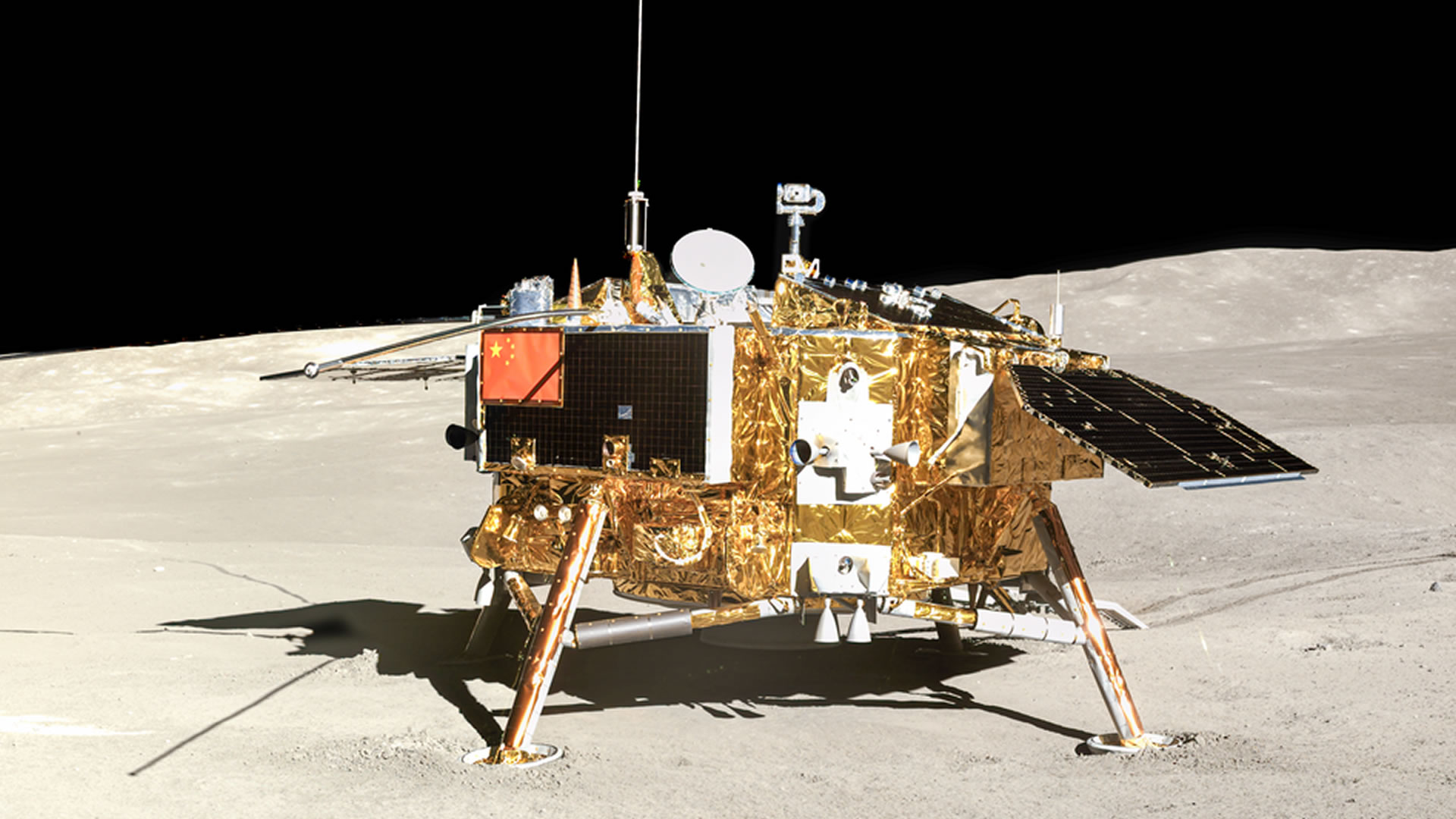
China unveils 220-pound robot ‘construction worker’ to use human tools on moon
China has unveiled plans for its upcoming Chang’e-8 mission, which will introduce an innovative robotic system designed to perform maintenance tasks on the lunar surface. This mission is set to take place in the near future, although specific dates have not been disclosed. The Chang’e-8 mission aims to enhance lunar exploration capabilities and support China's long-term goals for sustainable presence on the Moon. The introduction of the robotic “Moon mechanic” is expected to facilitate the construction of a lunar research station, showcasing advancements in space technology and robotics. This initiative reflects China's commitment to expanding its role in space exploration and developing infrastructure for future missions.
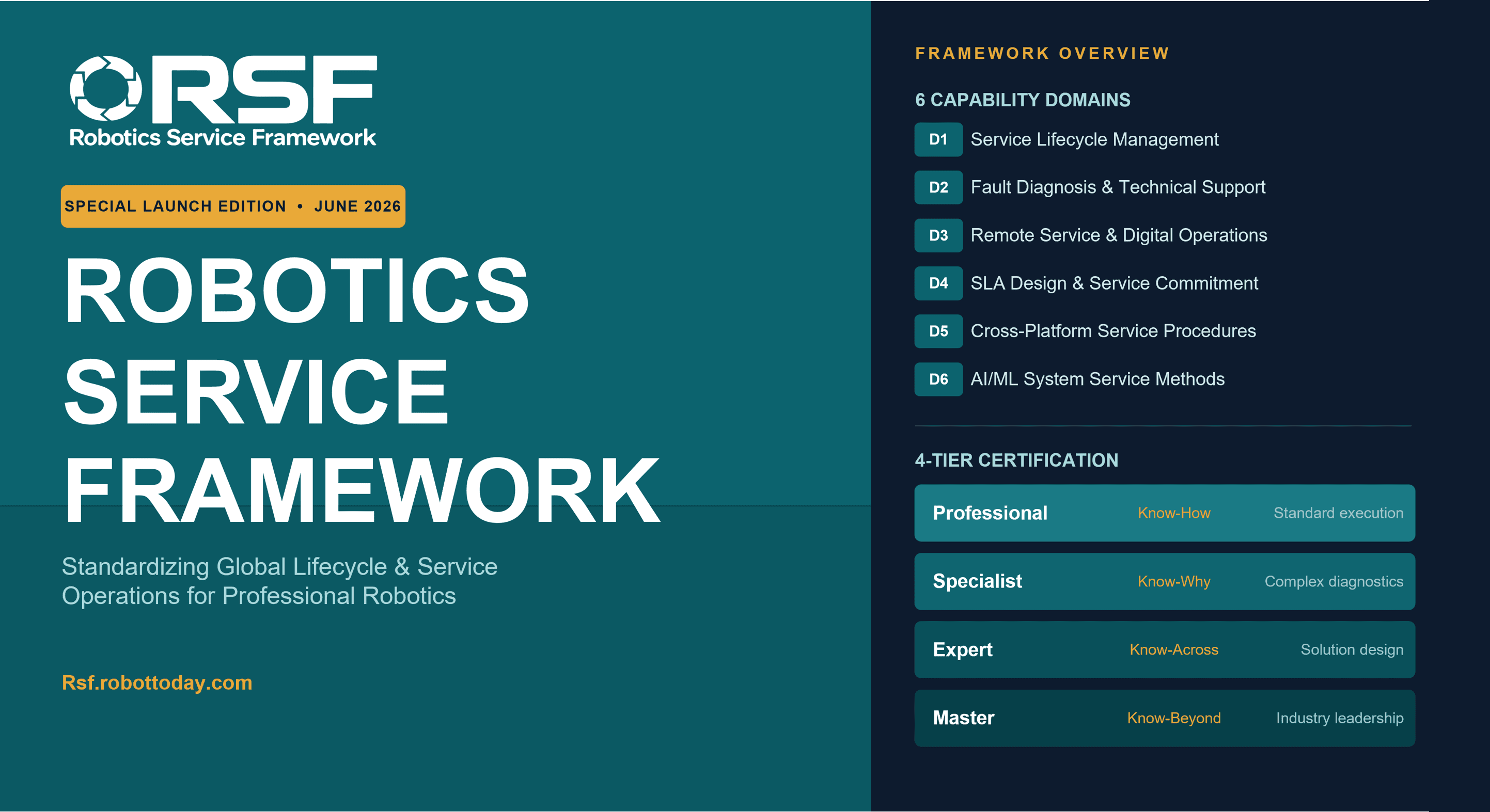
Robotics needs a service framework.
RSF defines a common language for robot service capability, lifecycle operations, certification pathways, and service-provider networks.