

Industry Briefing
A single destination for timely, editor-curated robotics news from around the world.

Mouser Launches Resource Hubs for Industrial Edge AI and Power Management Solutions
Mouser Electronics has introduced dedicated resource hubs aimed at addressing the complete design challenges associated with industrial edge AI. These hubs provide practical guidance on critical aspects such as workload characterization, energy harvesting, and the development of production-grade power architecture. The significance of these resources lies in their ability to streamline the design process for engineers, enabling them to efficiently tackle the complexities of integrating AI at the edge. By offering direct access to technical insights and stocked components, Mouser facilitates a smoother transition from concept to implementation in edge AI projects. Looking ahead, engineers and decision-makers should monitor how these resource hubs influence the adoption of edge AI technologies and power management solutions in various industrial applications. No further timeline was disclosed at the time of publication.
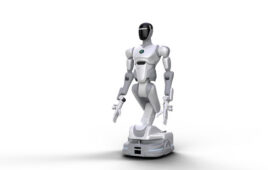
Advancements in Humanoid Robotics Driven by Power Management Solutions
The latest episode of Designing the Future highlights the significant progress in humanoid robotics, driven by advancements in speed, mobility, and dexterity. As these technologies evolve, the role of power management becomes increasingly critical, particularly in the context of battery and fuel cell usage. Engineers face challenges in converting energy from onboard sources to effectively power mechatronics and logic systems. This focus on power management is essential for the realization of humanoid robots that can perform a wide range of tasks, fulfilling the long-held promise of general-purpose machines. The conversation between Jim Anderton and John Quinlan from Murata Power Solutions underscores the importance of efficient power solutions in enhancing robotic performance. As the industry continues to innovate, the interplay between power systems and robotic capabilities will shape future developments. Looking ahead, the demand for compact and efficient power products will likely grow as humanoid robots become more prevalent in various sectors, including industrial and medical markets. No further timeline was disclosed at the time of publication.
Humanoids
Tattu Launches 5.0 Smart Battery Platform as Heavy-Lift Drones Demand Faster Charging and Smarter Fleet Power Management
A new platform has been developed for 100kg-class agricultural and logistics unmanned aerial vehicles (UAVs), showcasing advanced technological features aimed at enhancing operational efficiency. This innovative system integrates high-discharge performance capabilities, enabling rapid energy release during flight. Additionally, it supports 6C fast charging, significantly reducing downtime for UAVs between missions. The platform also incorporates an intelligent Battery Management System (BMS) that optimizes battery performance and longevity, while providing access to lifecycle data for better maintenance and operational planning. This development is expected to revolutionize the agricultural and logistics sectors by improving the reliability and efficiency of UAV operations, ultimately contributing to increased productivity in these industries.

Mission-Critical Automation: Ensuring Uninterrupted Operations Through Robust Power Management
Effective power management in facilities necessitates meticulous planning and the integration of various technologies and techniques for optimal oversight. This comprehensive approach involves assessing energy consumption patterns, implementing advanced monitoring systems, and utilizing energy-efficient solutions to enhance overall energy use. By employing strategies such as real-time data analytics and automated control systems, facilities can significantly reduce energy waste and improve operational efficiency. The focus on seamless power management is driven by the need to lower operational costs and minimize environmental impact, making it a critical consideration for businesses aiming to achieve sustainability goals. As organizations increasingly prioritize energy efficiency, the adoption of these innovative practices is expected to grow, leading to more sustainable and economically viable operations.
Robotics needs a service framework.
RSF defines a common language for robot service capability, lifecycle operations, certification pathways, and service-provider networks.
Join the RobotToday community on LinkedIn
Daily robotics news, in-depth analysis, conference highlights, and discussions with professionals worldwide.







