A single destination for timely, editor-curated robotics news from around the world.

WITRON is set to transform intralogistics with the introduction of its Order Picking Network (OPN), which emphasizes the integration of warehouse, transport, store, and enterprise operations rather than focusing solely on automation performance. This initiative represents a significant shift in strategy for the company, as highlighted by managing directors Helmut Prieschenk and Karl Högen. By prioritizing overall value creation through enhanced interaction across various logistics levels, WITRON aims to optimize processes and improve efficiency in supply chain management. The OPN initiative reflects the company's commitment to evolving industry standards and meeting the dynamic needs of modern logistics.
LogisticsBusiness By David Priestman 3 hours ago Automation Systems and Shuttles Conveying and Sortation eFulfilment Materials Handling Robotic Picking WMS & SCM Software
A recent study published in the Journal of Field Robotics highlights advancements in robotic technology aimed at improving agricultural efficiency. Researchers from various institutions conducted the study to explore how autonomous robots can enhance crop management and reduce labor costs. The findings, released in early October 2023, indicate that these robots can perform tasks such as planting, monitoring, and harvesting with greater precision than traditional methods. The research was conducted in diverse agricultural settings, showcasing the robots' adaptability to different crops and terrains. By integrating advanced sensors and machine learning algorithms, the robots can analyze soil conditions and plant health, allowing for timely interventions that can lead to increased yields. This initiative is driven by the growing need for sustainable farming practices in response to global food demands and labor shortages in the agricultural sector. The study emphasizes that implementing robotic solutions could not only optimize resource use but also address environmental concerns associated with conventional farming techniques. As the agricultural industry faces mounting challenges, the deployment of these innovative robotic systems represents a significant step forward in modernizing farming practices and ensuring food security for the future.
JournalofFieldRobotics By Lina Wang, Chengcheng Li, Huaibo Song, Kang Kang, Binrui Wang Jun 21, 2026 RESEARCH ARTICLE
Researchers have highlighted the complexities involved in controlling robotic arms, prosthetic hands, and rehabilitation devices, emphasizing the challenges of precision in tasks such as picking up an egg. The study, which draws on data up to October 2023, illustrates that achieving the right amount of force is critical; insufficient pressure can lead to dropping the object, while excessive force risks breaking it. This research aims to improve the functionality and usability of assistive technologies, ultimately enhancing the quality of life for individuals relying on these devices. By refining control mechanisms, the team seeks to make these technologies more intuitive and effective for users in everyday situations.
TechXplore:Robotics Jun 15, 2026 Robotics
Teradyne Robotics, the parent company of Universal Robots and Mobile Industrial Robots, is set to showcase the impact of physical AI on industrial automation at the Automate 2026 trade show in Chicago from June 22 to 25. At booth #1250, attendees will witness demonstrations highlighting the capabilities of their robotic solutions. Jean-Pierre Hathout, President of the Teradyne Robotics Group, emphasized the significance of these innovations, stating that physical AI is prominently featured in their offerings. The event aims to illustrate how advancements in robotics are revolutionizing the industry and enhancing operational efficiency.
RoboticsAndAutomationNews.com By Sam Francis Jun 15, 2026 Events Features AI data centers ai robotics Automate 2026 autonomous mobile robots
A team of researchers has created an innovative soft robotic gripper designed to assess the ripeness of fruit and facilitate harvesting. This development, which emerged from ongoing advancements in agricultural technology, aims to address the challenges faced by farmers in determining the optimal time for fruit picking. The gripper, equipped with advanced sensors, can gently handle delicate produce without causing damage, ensuring that only ripe fruits are collected. The project, which began in early 2023, took place at a leading agricultural research facility. The motivation behind this invention stems from the increasing demand for efficient and sustainable farming practices, as well as the need to reduce labor costs and improve the quality of harvested fruits. By automating the inspection and harvesting process, the researchers hope to enhance productivity and minimize waste in the agricultural sector. The robotic gripper operates through a combination of tactile sensing and machine learning algorithms, allowing it to analyze the texture and firmness of the fruit in real-time. This technology not only promises to streamline the harvesting process but also aims to improve the overall quality of produce reaching consumers. As the agricultural industry continues to evolve, innovations like this soft robotic gripper represent a significant step forward in the quest for smarter, more efficient farming solutions.
InterestingEngineering.com By Neetika Walter Jun 11, 2026 AI and Robotics
A team of researchers educated at Tsinghua University and Harvard has developed an innovative robot capable of learning physical manipulation without any prior training data. This groundbreaking technology relies solely on tactile sensors and an instinct-driven trial and error approach to tackle complex tasks, such as picking up a flat credit card. The project highlights a significant advancement in robotics, showcasing the potential for machines to adapt and learn in real-time, which could revolutionize various applications in automation and artificial intelligence.
PanDaily.com By [email protected] (Pandaily) Jun 10, 2026 Robotics
At Automate Booth #19019, attendees will witness a demonstration of advanced robotics technology featuring three Autonomous Mobile Robots (AMRs) and one collaborative order picking robot (Cobot) from four distinct vendors. This showcase highlights the seamless interoperability of these systems, which operate together as a unified fleet. The event aims to illustrate the potential of collaborative robotics in enhancing operational efficiency and productivity in various industries. By presenting this integrated approach, the exhibitors seek to emphasize the importance of interoperability in modern automation solutions. The demonstration is set to take place during the Automate event, which runs through October 2023, attracting industry professionals eager to explore the future of robotics and automation.
roboticstomorrow-Robotics Jun 10, 2026
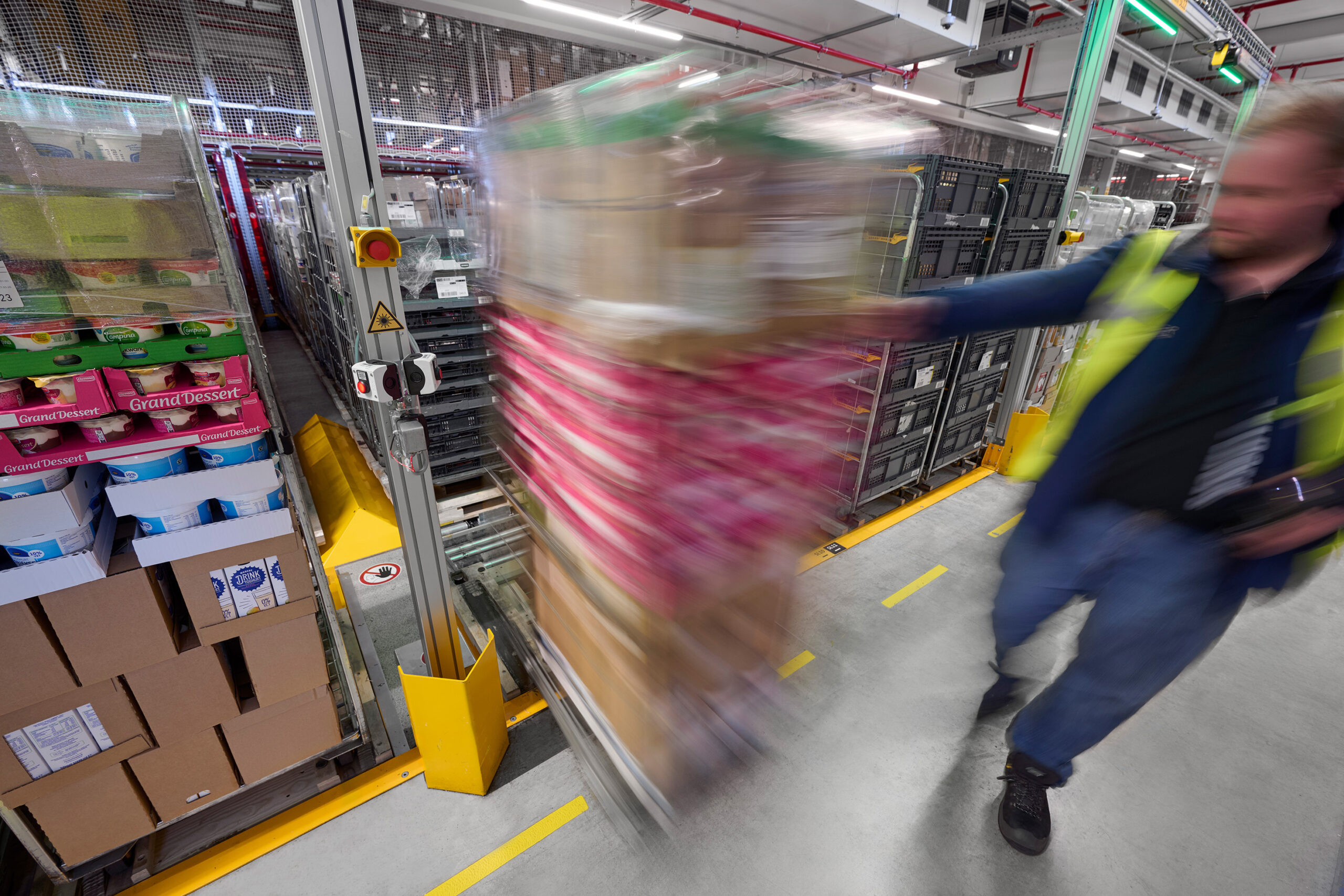
REWE, a prominent grocery retailer in Germany, has implemented automation in its fresh food operations at a logistics facility located in Oranienburg, which serves the metropolitan area north of Berlin. This initiative, executed in collaboration with Cimcorp, a leader in intralogistics automation, aims to enhance the efficiency of fulfilling fresh produce orders. The newly automated system will support over 370 supermarkets and 580 stores in the greater Berlin region, streamlining the supply chain and improving service delivery. This move reflects REWE's commitment to innovation and operational excellence in the competitive grocery market.
LogisticsBusiness By David Priestman Jun 07, 2026 Automation Systems and Shuttles Components and Parts Conveying and Sortation eFulfilment Magazine Features Materials Handling
In response to escalating pressures on supply chains, warehouse operators are increasingly turning to advanced automation technologies to meet rising consumer demands for rapid delivery and precise order fulfillment. As expectations for efficiency and accuracy grow, traditional manual processes for picking, packing, and sorting are proving inadequate. The shift towards automation includes the implementation of automated guided vehicles and smart conveyor systems, which are designed to enhance operational efficiency and streamline logistics. This transition is crucial for businesses aiming to remain competitive in a fast-evolving market landscape.
RoboticsAndAutomationNews.com By Sam Francis Jun 02, 2026 Automation Business Infrastructure Warehouse robots agvs automated guided vehicles
This week, experts from Locus Robotics, Nomagic, and RightHand Robotics will participate in a webinar focused on advancements in robotic piece picking technology. The discussion aims to highlight the latest developments in this field, showcasing how these innovations can enhance efficiency in logistics and warehousing operations. Attendees will gain insights into the current state of robotic automation and its implications for the future of supply chain management. The event underscores the growing importance of robotics in improving operational capabilities across various industries.
RoboticsBusinessReview.com By The Robot Report Staff Jun 01, 2026 6-Axis Arms / Manipulators Artificial Intelligence / Cognition Autonomous Mobile Robots (AMRs) Cameras / Imaging / Vision Collaborative Robots
Warehouse automation is evolving as logistics operators increasingly focus on scaling robotic systems. While the effectiveness of robotics in tasks like parcel picking, depalletizing, sorting, and palletizing has been demonstrated through various pilot projects and controlled deployments, the industry now faces the challenge of implementing these technologies on a larger scale. This shift comes as companies seek to enhance efficiency and productivity in their operations, responding to growing demands for faster and more reliable logistics solutions. As the sector moves forward, the emphasis will be on integrating robotics into existing workflows and expanding their capabilities across multiple facilities.
RoboticsAndAutomationNews.com By Sam Francis Jun 01, 2026 Computing Features Material handling Software automation news depalletizing
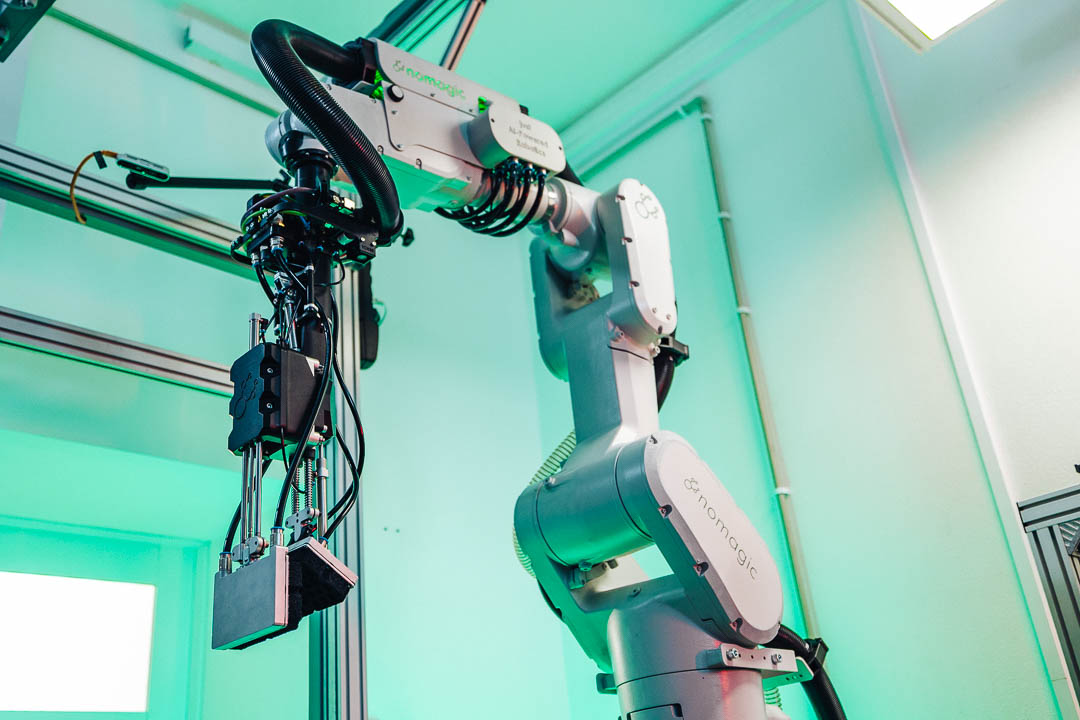
At the LogiMAT trade show, Nomagic, a company specializing in order picking technology, showcased its innovative solutions that stand out amidst a sea of automation demonstrations. Co-founder and CEO Kacper Nowicki delivered a compelling presentation that highlighted the company's advancements in addressing complex order picking challenges. This event, held recently, served as a platform for industry leaders to explore cutting-edge technologies aimed at enhancing efficiency in logistics. Nomagic's focus on improving order fulfillment processes reflects a growing demand for smarter automation solutions in the supply chain sector.
LogisticsBusiness By Peter MacLeod May 29, 2026 AI eFulfilment Materials Handling Robotic Picking Nomagic order picking technology
Peter MacLeod recently explored how Ocado is revolutionizing the fulfillment sector by leveraging software, data, and real-world experiences. Traditionally, the material handling industry has focused on visible elements such as larger systems, faster conveyors, and taller cranes, which have dominated both trade exhibitions and media narratives for decades. However, MacLeod's insights reveal a shift towards a more data-driven and experiential approach, indicating a significant transformation in how fulfillment processes are managed and optimized. This evolution reflects a broader trend in the logistics industry, emphasizing the importance of technology and innovation over mere physical infrastructure.
LogisticsBusiness By Peter MacLeod May 27, 2026 AMR and AGV Automation Systems and Shuttles eFulfilment Magazine Features Materials Handling Pallets and Totes
Recent advancements in soft robotics, which utilize flexible, muscle-like materials, have revolutionized the field, allowing machines to perform tasks such as picking ripe tomatoes and navigating complex search-and-rescue environments. However, despite their impressive capabilities, these innovative robots face significant challenges in terms of control. The inherent flexibility that enables their fluid movements also complicates their operation, making it difficult for developers to achieve precise control. As researchers continue to explore the potential of soft robotics, the quest for improved control mechanisms remains a critical focus, highlighting the balance between versatility and functionality in this emerging technology.
TechXplore:Robotics May 22, 2026 Robotics
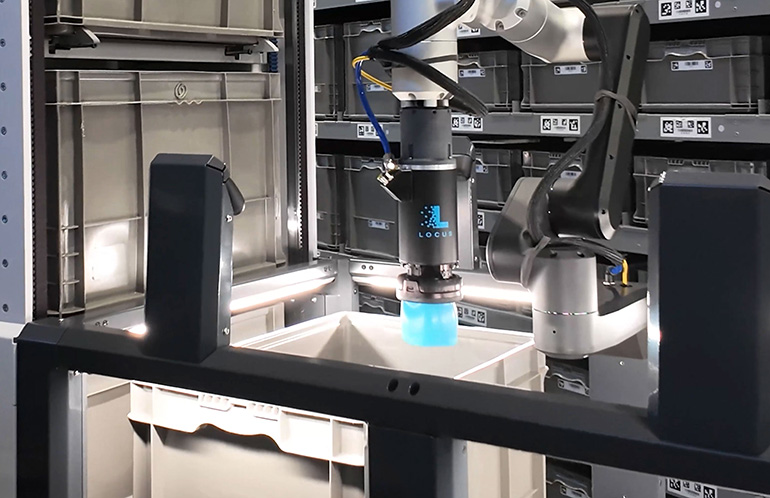
Nexera Robotics has announced that its adaptive NeuraGrasp technology will enhance the picking capabilities of the Locus Array mobile manipulator, allowing it to handle a significantly larger variety of e-commerce stock-keeping units (SKUs). This development aims to improve efficiency in warehouse operations, addressing the growing demand for automation in the e-commerce sector. The integration of NeuraGrasp with the Locus Array is set to streamline the picking process, ultimately supporting businesses in meeting customer needs more effectively.
RoboticsBusinessReview.com By Eugene Demaitre May 19, 2026 Autonomous Mobile Robots (AMRs) End Effectors / Grippers Grippers Logistics Mergers & Acquisitions News
Saishunkan Pharmaceutical Co., Ltd. has implemented a new system at its shipping center located within the integrated headquarters and factory known as "Saishunkan Hilltop." This innovative system combines autonomous mobile robots (AMR) with a digital picking system (DPS) to enhance operational efficiency. The introduction of this technology aims to streamline logistics processes and improve productivity within the company.
RobotStart.info May 19, 2026
Locus Robotics has announced its acquisition of Vancouver-based Nexera Robotics, a move aimed at enhancing its capabilities in mobile manipulation. The acquisition, revealed on May 19, 2026, will integrate Nexera's patented NeuraGrasp™ technology into Locus's existing AI platform, significantly expanding the range of SKUs that the Locus Array can autonomously handle. This advancement is expected to open new categories and improve efficiency in warehouse operations, addressing challenges that have historically limited robotic picking capabilities. Rick Faulk, CEO of Locus Robotics, emphasized the importance of AI-driven mobile manipulation for the future of warehouse robotics, stating that the ability to efficiently grasp a wide variety of inventory is crucial for creating value in the coming decade. The NeuraGrasp™ technology combines AI intelligence, sensory inputs, and computer vision, allowing a single gripper to adapt to various item characteristics, thereby enhancing reliability in real-world warehouse conditions. The acquisition follows the successful launch of Locus Array at MODEX 2026, where it garnered significant market interest and recognition as a top innovation. With Nexera now wholly owned by Locus Robotics, the integration of NeuraGrasp™ is expected to accelerate the company's growth and broaden its market reach, positioning it at the forefront of the autonomous fulfillment industry.
RoboticsTomorrow.com May 19, 2026
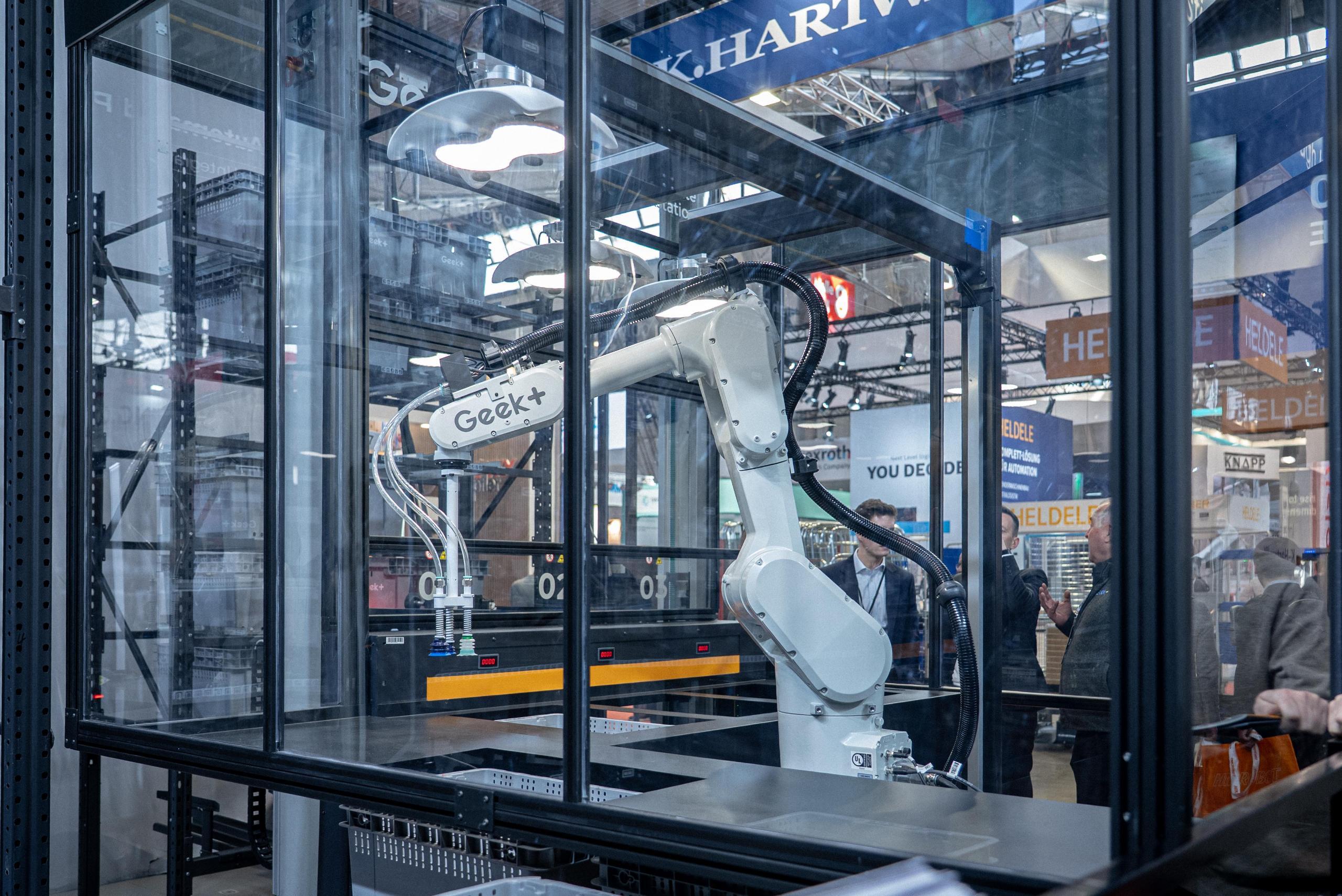
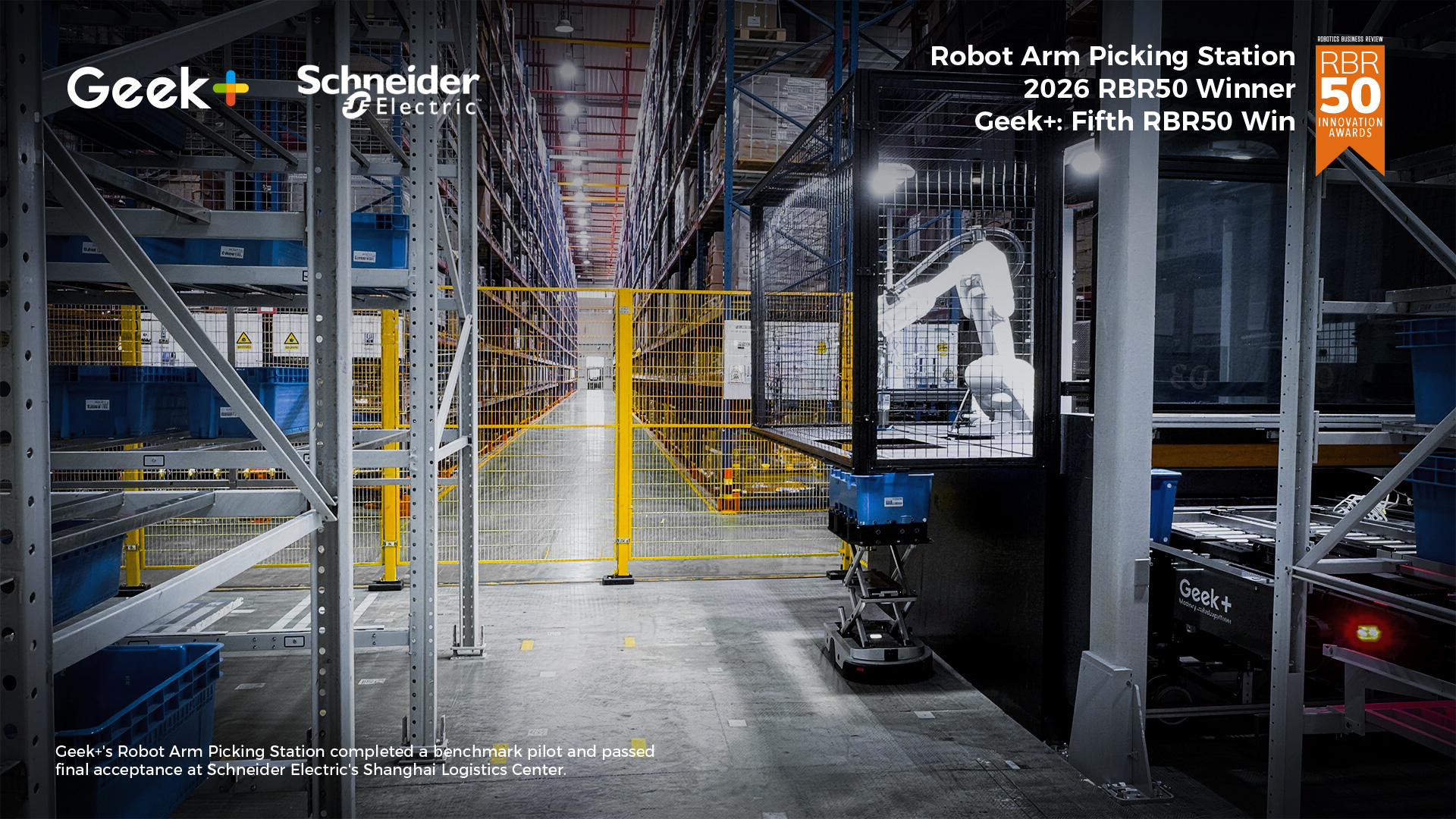
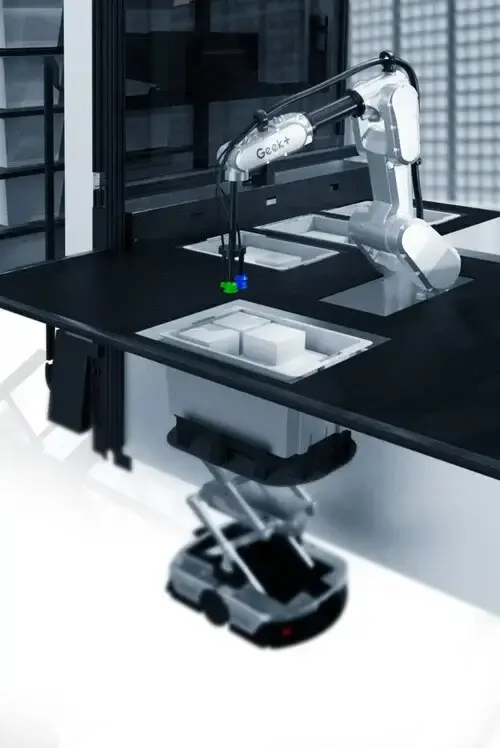
Geek+ has been honored with the 2026 RBR50 Innovation Award for its advanced Robot Arm Picking Station, a technology that greatly improves efficiency and precision in warehouse operations. This innovative system has been implemented at Schneider Electric's warehouse in Shanghai, where it automates the complex item-picking process. The Robot Arm Picking Station boasts an impressive accuracy rate of over 99.99% and has successfully doubled the throughput of manual picking. This achievement represents a significant advancement towards the goal of fully autonomous warehouse operations, showcasing the potential of robotics in transforming logistics and supply chain management.
geekplus.com By Geek+ May 19, 2026 Warehouse Automation Robotics Logistics Artificial Intelligence Supply Chain Management

A new integrated autonomous picking system has been developed to tackle challenges in automated material handling. This innovative system combines a lightweight six-degree-of-freedom robotic arm with depth-camera-based vision, adaptive grasping capabilities, and intelligent task management. The deployment of this technology aims to enhance efficiency and accuracy in various industrial applications. The system was designed to streamline operations and reduce labor costs, addressing the growing demand for automation in the logistics and manufacturing sectors. By leveraging advanced robotics and artificial intelligence, the integrated system promises to improve productivity and operational effectiveness in environments where precision and speed are critical.

roboticstomorrow-Robotics May 14, 2026
Chef Robotics has announced an expansion into component assembly for consumer packaged goods (CPG) manufacturing, enabling automation of secondary packaging and kitting processes. This development, revealed on May 11, 2026, allows Chef robots to efficiently handle a variety of items, including sauce sachets, seasoning packets, and even non-food inserts like cutlery kits and instruction cards. Historically, CPG assembly lines have relied heavily on manual labor due to the challenges posed by lightweight and deformable items. Chef Robotics aims to address this issue by utilizing AI-powered computer vision, which enables robots to assess and manipulate items in real time, ensuring precise placement without damage. The technology adapts to the variability of items in unstructured bins, eliminating the need for pre-sorting. The new assembly application features three key capabilities: detecting and reorienting items mid-pick for accurate placement, picking and placing multiple components simultaneously, and ensuring correct item allocation in multi-compartment products. This innovation promises higher throughput, reduced labor dependency, and consistent item placement across production shifts. Chef's CPG assembly application is available in the US, Canada, the UK, and Germany, and operates on existing robotic hardware and software, allowing for seamless integration into current manufacturing setups. The service is offered under Chef's robotics-as-a-service (RaaS) pricing model, further solidifying the company's position as a leader in AI-driven food robotics solutions.
RoboticsTomorrow.com May 11, 2026
In the evolving landscape of modern manufacturing, industrial robot arms have emerged as essential components, revolutionizing production processes across various sectors, including automotive and pharmaceuticals. These advanced mechanical systems, designed to replicate human dexterity, offer unmatched precision, endurance, and payload capacity, enabling manufacturers to achieve unprecedented efficiency. Equipped with versatile "End-of-Arm Tooling" (EOAT), these robots perform a range of tasks, from picking and placing delicate electronic components to executing precise welding and material removal. Their ability to maintain consistent quality and reduce waste makes them invaluable in heavy industry. Furthermore, advancements in automation have led to the integration of 2D and 3D vision systems, allowing robots to adapt to their environment, detect defects, and handle unsorted parts, transforming them from simple tools into intelligent collaborators. Leading the charge in this industrial revolution is JAKA, a company that has developed the JAKA Zu and Pro series of robot arms. These models exemplify flexibility and ease of deployment, designed for seamless transitions between tasks such as screw driving and inspection. With user-friendly wireless control and graphical programming via the JAKA App, manufacturers can optimize their production lines without requiring extensive coding knowledge. JAKA's innovative solutions provide a compact and efficient alternative to traditional automation, empowering businesses to enhance their operational capabilities and reach their full potential.
jaka.com By JAKA May 11, 2026
A new report sheds light on the training process of a bin picking AI model, aimed at enhancing the efficiency of automated sorting systems. This development is particularly relevant for businesses looking to implement advanced AI solutions in their operations. The training utilizes data collected up until October 2023, ensuring that the model is equipped with the latest information and techniques. The report details the behind-the-scenes work involved in refining the AI's capabilities, which is crucial for organizations seeking to make informed comparisons between different AI solutions. By understanding the training process, stakeholders can better assess how these technologies can be integrated into their projects, ultimately leading to improved productivity and accuracy in sorting tasks. As industries increasingly turn to automation, insights into AI training methodologies are vital for decision-makers aiming to stay competitive in a rapidly evolving market.

roboticstomorrow-Robotics May 06, 2026
ABB Robotics has introduced PickMaster® Lite, a simplified version of its robotic picking software, aimed at packaging OEMs and system integrators. Launched on May 5, 2026, this new software is designed to accelerate the development of high-speed, vision-guided robotic picking solutions. By offering essential features for common picking tasks, PickMaster Lite reduces engineering efforts by 30% and commissioning time by 25%, while ensuring reliable performance. The motivation behind this launch stems from the increasing demand for automation in manufacturing, driven by labor shortages and consumer expectations for personalized products. Craig McDonnell, Business Line Managing Director at ABB Robotics, emphasized the need for quick and reliable automation solutions to enhance production flexibility. PickMaster Lite employs an intuitive, task-based interface with pre-configured templates, eliminating the need for specialized programming skills. It integrates seamlessly with existing machine control architectures, allowing for easy communication with PLC and HMI systems. This capability enables machine builders to manage key functions directly through their preferred control systems, thus minimizing development risks. The software is particularly suited for high-volume, cost-sensitive applications in sectors such as consumer goods, food and beverage, pharmaceuticals, electronics, and e-commerce. As part of the broader PickMaster family, it offers a scalable solution that can evolve alongside production needs, with options for more advanced functionalities through PickMaster and PickMaster Twin. For additional details, interested parties can visit ABB's robotics website.

RoboticsTomorrow.com May 05, 2026
In Shanghai's Zhangjiang hi-tech zone, Agibot, an emerging robotics company, has established a unique data collection facility dedicated to advancing embodied intelligence. This innovative "data foundry" features a room filled with various robots, each diligently performing tasks such as picking up objects, placing them, and folding clothing, all under the guidance of a human operator. The setup highlights the company's commitment to refining robotic capabilities through hands-on data collection and task repetition. By creating a controlled environment where robots can learn and adapt, Agibot aims to enhance the efficiency and functionality of their technology, positioning themselves at the forefront of the robotics industry.
SCMPTech By Wency Chen May 05, 2026
In response to the increasing volatility of global supply chains and labor shortages, companies are increasingly turning to collaborative robots for the essential "pick and place" cycle in logistics and manufacturing. This shift, driven by the need for enhanced operational efficiency, allows businesses to automate sorting and assembly tasks in shared workspaces without extensive safety measures, thereby maintaining consistent throughput. While manual labor offers flexibility, it is hampered by the "fatigue curve," leading to a 15-20% decline in picking rates over an eight-hour shift due to exhaustion. Human error can also create bottlenecks and waste. In contrast, collaborative robots deliver consistent performance with sub-millimeter accuracy, ensuring precise placement of items throughout their operational hours. JAKA, a leader in automation solutions, focuses on "Freeing Your Hands" by replacing repetitive manual tasks with intelligent automation. Their JAKA A series robots excel in high-speed sorting, combining industrial-grade durability with essential safety features for collaborative environments. For heavier payloads, the JAKA Zu series, including the Zu 20 model, can automate heavy-duty tasks while minimizing injury risks to human workers. Equipped with wireless teaching technology, these robots can quickly adapt to different product lines, ensuring high throughput in diverse production settings. Safety is paramount, as JAKA robots are designed to respond instantly to human presence, maintaining a secure workspace. By integrating JAKA collaborative robots, businesses can enhance accuracy and reliability, achieving their production goals around the clock.
jaka.com By JAKA Apr 30, 2026
Veterans from the autonomous vehicle industry have established a new robotics company, highlighting the significant overlap in skills between the two fields. These industry pioneers shared insights with Business Insider, emphasizing that the expertise gained in developing autonomous vehicles is highly applicable to robotics. Their experience in data analysis, machine learning, and system integration equips them to tackle the challenges faced in the robotics sector. As the demand for advanced robotics solutions continues to grow, these founders aim to leverage their backgrounds to innovate and drive progress in this emerging market. The transition reflects a broader trend of professionals seeking to apply their technical skills across different technology domains, particularly as industries converge and evolve.
BusinessInsider By [email protected] (Lloyd Lee) Apr 29, 2026 Transportation robotaxi robotics hiring
Researchers are advancing the capabilities of robots to perform a wider range of manual tasks by enhancing their ability to manipulate various objects. While many robotic systems have successfully mastered basic functions like picking up and transporting items, they still face challenges with more complex tasks that require dexterous handling. This development is crucial as it aims to improve the efficiency and versatility of robots in both household and professional environments. The ongoing efforts in robotics research are focused on overcoming these limitations, which could lead to significant improvements in how robots assist in everyday tasks and specialized applications.
TechXplore:Robotics Apr 28, 2026 Robotics
Sereact, a robotics company, has announced plans to enhance its Cortex 2.0 technology, expanding its capabilities beyond bin picking to include assembly and kitting tasks. This initiative comes as the company secures Series B funding, enabling it to enter the U.S. market. To support this expansion, Sereact is also opening a new office in Boston. The move aims to capitalize on growing demand for advanced robotic solutions in various industries, reflecting the company's commitment to innovation and market growth.
RoboticsBusinessReview.com By The Robot Report Staff Apr 27, 2026 6-Axis Artificial Intelligence Artificial Intelligence / Cognition Humanoids Investments Logistics
At LogiMAT 2026 in Stuttgart, Geekplus, a prominent provider of autonomous mobile robots, presented its cutting-edge 'Geekplus Brain' embodied intelligence technology along with a range of robotic solutions designed to revolutionize warehouse automation. The company conducted live demonstrations of its Robot Arm Picking Station, showcasing its capabilities in improving operational efficiency within logistics. Additionally, Geekplus introduced the humanoid robot Gino 1, further emphasizing its commitment to advancing automation in the industry. This event highlights the growing importance of innovative technologies in streamlining logistics processes and enhancing productivity.
geekplus.com By Geek+ Apr 27, 2026 Autonomous Mobile Robots Warehouse Automation Logistics Robotics Supply Chain Management
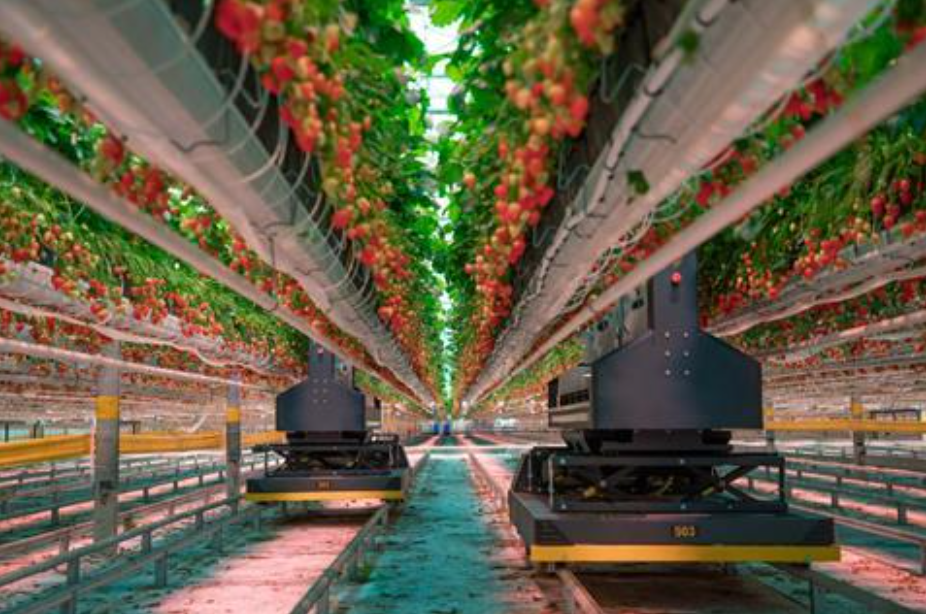
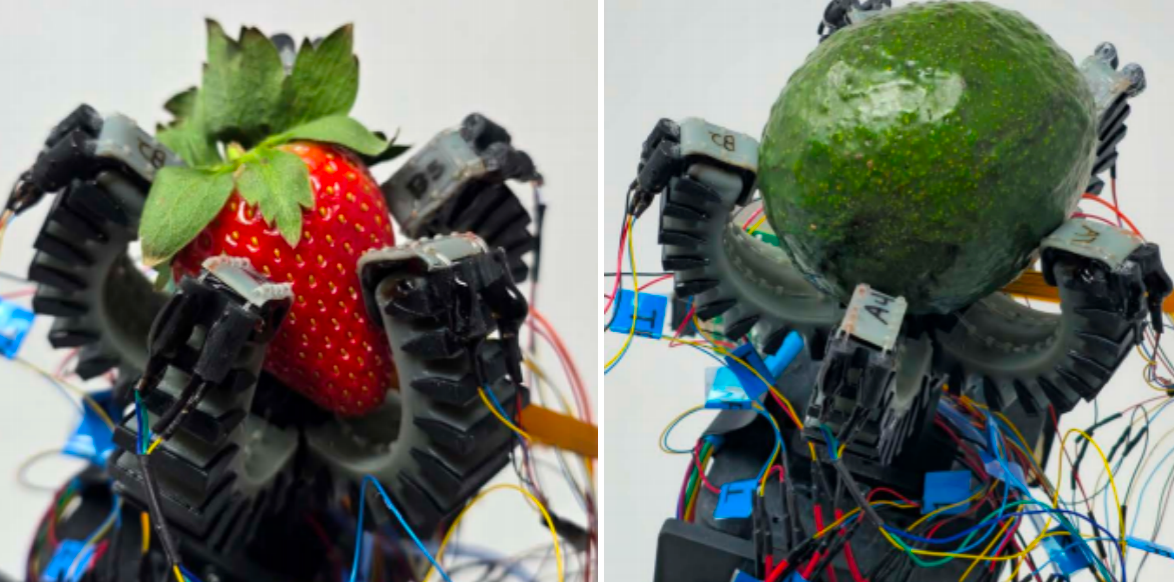
Researchers at Cornell University have developed an innovative soft robot gripper designed to assess the ripeness of strawberries through tactile feedback. This advancement, which utilizes stretchable fiber-optic sensors, allows the robot to predict the fruit's readiness by touch. The gripper is capable of gently twisting the strawberries off their branches or vines, ensuring that the delicate fruit remains undamaged during the harvesting process. This technology not only enhances the efficiency of fruit picking but also addresses the challenges associated with manually assessing ripeness, which typically relies on visual and olfactory cues. The development represents a significant step forward in agricultural robotics, aiming to improve the quality and yield of strawberry production while minimizing waste.
TechXplore:Robotics Apr 20, 2026 Robotics
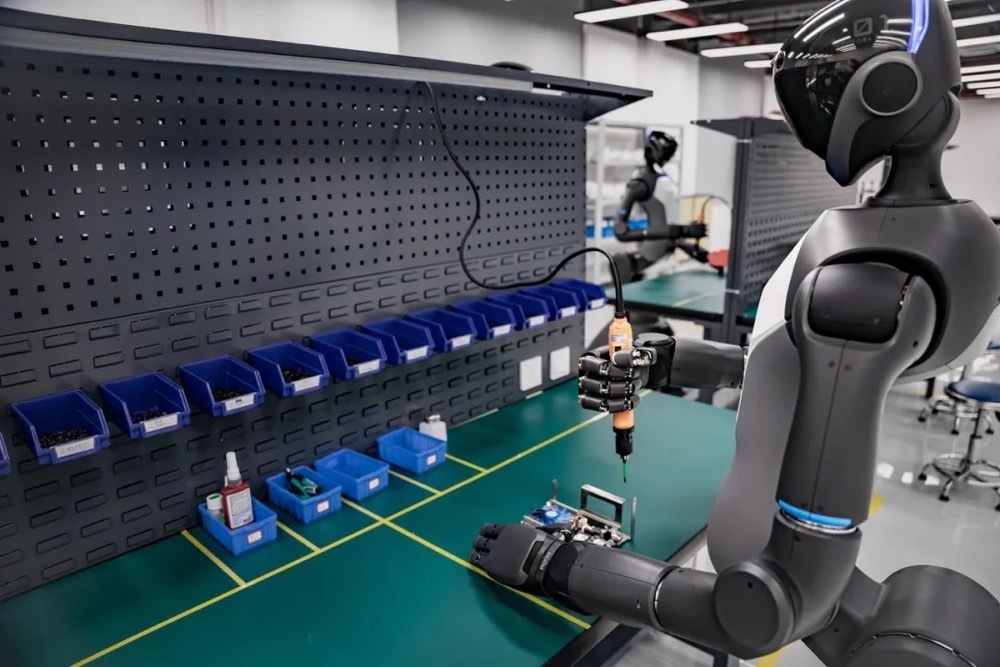
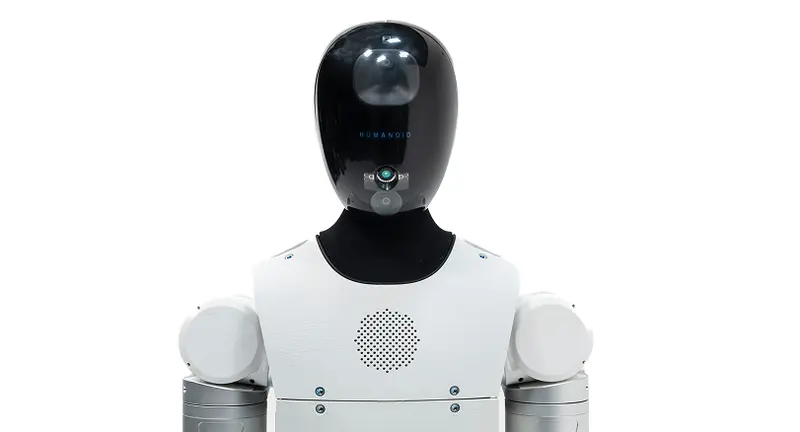
Siemens and Humanoid have achieved a significant milestone in integrating physical AI into industrial operations with the successful testing of the HMND 01 Alpha humanoid robot at Siemens' electronics factory in Erlangen, Germany. This event, which took place on April 16, 2026, marks a key development in their strategic partnership with NVIDIA, aimed at creating fully AI-driven, adaptive manufacturing environments. The HMND 01 Alpha, equipped with NVIDIA's physical AI technology, autonomously performed logistics tasks such as picking, transporting, and placing containers, meeting all target performance metrics. It achieved a throughput of 60 tote moves per hour, maintained over 8 hours of uptime, and demonstrated a pick-and-place success rate exceeding 90 percent. Siemens' Xcelerator portfolio plays a crucial role in this integration, providing the necessary digital infrastructure for real-time data exchange and synchronized workflows between the humanoid robot, other machinery, and human operators. This collaboration aims to address labor shortages and operational complexities in modern manufacturing. Humanoid’s development process was accelerated through the use of NVIDIA's AI stack, enabling a reduction in prototype development time from 18-24 months to just 7 months. This deployment signifies a step forward in the evolution of humanoid robots, positioning them as valuable assets in factory settings capable of adapting to dynamic conditions alongside human workers.
RoboticsTomorrow.com Apr 16, 2026
In a recent study published in the Journal of Field Robotics, researchers explored advancements in robotic navigation systems, focusing on their application in complex environments. The findings, released in May 2026, highlight innovative algorithms that enhance the ability of robots to navigate through challenging terrains, such as urban landscapes and disaster-stricken areas. The research team, composed of experts in robotics and artificial intelligence, conducted extensive field tests to assess the performance of these new navigation systems. By integrating machine learning techniques, the robots demonstrated improved decision-making capabilities, allowing them to adapt to unforeseen obstacles and dynamic surroundings. This study is significant as it addresses the growing need for efficient robotic solutions in various sectors, including search and rescue operations, urban planning, and environmental monitoring. The enhanced navigation systems could lead to more effective deployment of robots in critical situations, ultimately saving lives and resources. The researchers emphasized that the successful implementation of these technologies relies on ongoing collaboration between academia and industry, ensuring that advancements in robotics can be effectively translated into real-world applications. As the demand for autonomous systems continues to rise, this research represents a crucial step toward more intelligent and adaptable robotic solutions.
JournalofFieldRobotics By Zhen‐Cheng Li, Yu‐Hang Miao, Jin‐Hua Qiao, Liu‐Yu Zong, Wen‐Hao Su Apr 08, 2026 RESEARCH ARTICLE
As automation technology evolves, manufacturers are increasingly seeking ways to enhance robot teaching methods while ensuring precision. JAKA, a leader in collaborative automation solutions, is focusing on simplifying this process through the integration of visual perception in their cobot systems. This innovative approach significantly reduces setup time and enhances adaptability in production environments. Waypoint teaching, a critical aspect of robot operation, allows robots to understand their movement and interaction with surroundings through visual feedback rather than fixed programming. By utilizing cameras for reference identification, JAKA's vision-guided robots can dynamically generate waypoints, accommodating slight positional variations of parts on the work surface. This method is particularly beneficial for tasks such as picking, alignment, and inspection, where positional changes are common. The teaching process begins with visual calibration to align the robot's coordinate system with the camera's perception. Operators then guide the robot to sample waypoints, with the vision system recording spatial relationships. This continuous validation of waypoint data ensures consistent performance without the need for frequent re-teaching, making it ideal for environments with changing product models or layouts. In practical applications, JAKA employs the A12L intelligent visual perception robot, which integrates collaborative functionality with advanced vision capabilities. This system streamlines the teaching process, allowing operators to easily set waypoints without complex external hardware. By combining visual perception with structured teaching steps, JAKA aims to make automation more accessible while maintaining the expertise of human operators, ultimately fostering flexible and efficient manufacturing workflows.
jaka.com By JAKA Mar 31, 2026
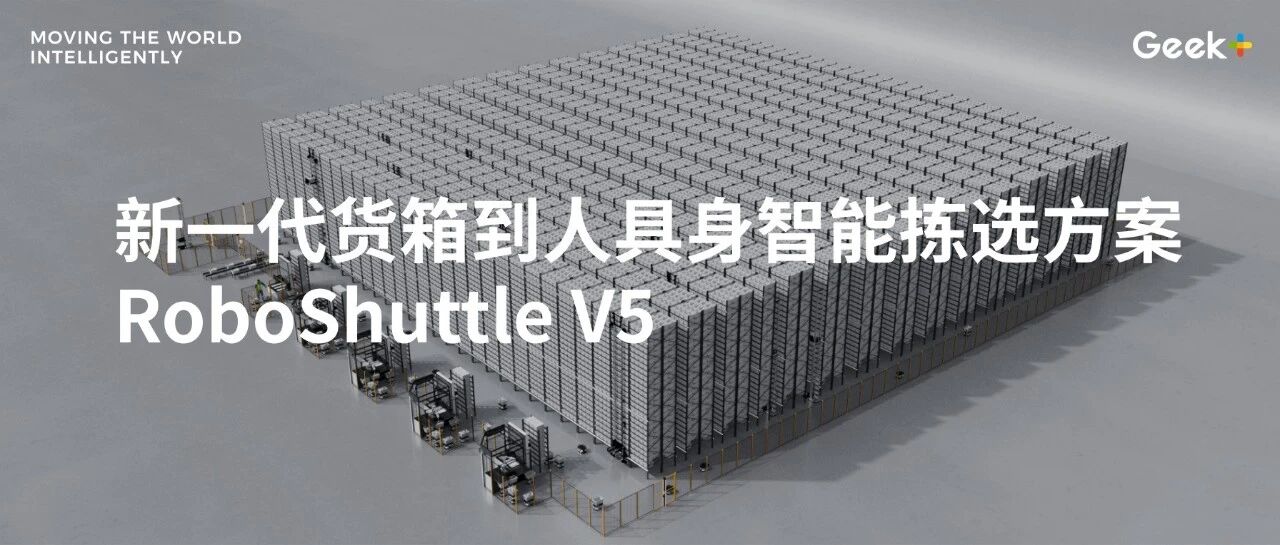
Geekplus has unveiled the RoboShuttle V5, a cutting-edge autonomous picking and fulfillment system that incorporates intelligent robotic arm technology and zero-shot learning capabilities. This innovative solution is designed to address and eliminate bottlenecks in warehouse operations, allowing for fully unmanned operations around the clock. The RoboShuttle V5 will be prominently featured at LogiMAT 2026, taking place in Stuttgart, Germany, showcasing its potential to revolutionize the logistics and warehousing industry.
geekplus.com By Geek+ Mar 24, 2026 Autonomous Robotics Warehouse Automation Supply Chain Management Order Fulfillment Logistics

A groundbreaking advancement in agricultural technology has emerged with the development of a new tomato-picking robot that employs predictive capabilities to enhance its harvesting efficiency. Unlike traditional robots that merely identify ripe tomatoes, this innovative machine assesses the ease of harvesting each fruit and adapts its approach accordingly. This intelligent strategy has resulted in an impressive success rate of 81%, with the robot even capable of adjusting its angles during the picking process. This significant leap in automation could facilitate a future where robots and human workers collaborate seamlessly on farms, revolutionizing the agricultural landscape.
ScienceDaily.com Mar 18, 2026
Hai Robotics has unveiled an upgrade to its HaiPick Climb automated storage and picking system, aimed at improving throughput performance, storage density, and workflow flexibility. This enhancement, announced recently, is designed to facilitate faster deliveries and boost inventory capacity without expanding the warehouse footprint. The upgrade comes in response to customer feedback and evolving operational demands, ensuring that the system remains reliable while meeting the needs of modern logistics.
hairobotics.com By Hai Robotics Mar 09, 2026 Automated Storage Warehouse Automation Robotics Logistics
Hai Robotics has unveiled an upgrade to its HaiPick Climb automated storage and picking system, aimed at improving efficiency in warehouse operations. This enhancement, announced recently, focuses on boosting throughput performance, increasing storage density, and providing greater workflow flexibility while ensuring system reliability. The upgraded system is designed to facilitate faster deliveries and expand inventory capacity, offering more configuration options to adapt to the changing demands of customers in the logistics sector. This initiative reflects Hai Robotics' commitment to meeting the evolving needs of warehouse operations, positioning the company to better serve its clients in an increasingly competitive market.
hairobotics.com By Hai Robotics Mar 09, 2026 Automated Storage Systems Warehouse Automation Robotics Supply Chain Management
In the latest edition of Video Friday, IEEE Spectrum robotics highlights significant advancements in robotics and upcoming events. Among the featured developments, NASA's Perseverance rover has gained the ability to autonomously determine its location on Mars using a new technology called Mars global localization, which enhances its exploration capabilities. The rover utilizes an algorithm that compares panoramic images with orbital terrain maps, achieving location accuracy within 10 inches. Additionally, various robotics projects are showcased, including the progress of the Shiva robot in strawberry picking and the Corvus One for Cold Chain, designed to operate in extreme cold environments. The video series also includes insights into the rapid development of humanoid robots by the U.K.-based company Humanoid, which aims to create reliable and safe robots in increasingly shorter timeframes. Experts from institutions like Microsoft and Carnegie Mellon University discuss the future of human-robot collaboration and the challenges of scaling robot learning. As billions of dollars are invested in robotics, the potential for general-purpose humanoid robots appears closer than ever, promising to revolutionize interactions in both physical and digital realms. The weekly calendar of upcoming robotics events, including ICRA 2026 in Vienna, is also available for enthusiasts and professionals in the field.
Spectrum.ieee.orgAutomaton By Evan Ackerman Feb 20, 2026 Humanoid-robots Video-friday Agility-robotics Perseverance-rover Insect-robots Industrial-robotics
As industries face increasing challenges related to manual handling, the risk of fatigue and injury has prompted a search for innovative solutions. Traditional manual methods are proving inadequate, while fully robotic systems often present issues of rigidity, high costs, and limited adaptability. This gap has created a significant opportunity for the development of hybrid systems that combine human expertise with targeted automation. By leveraging the strengths of both human workers and advanced technology, companies can enhance efficiency and safety in their operations. As of October 2023, the focus is shifting towards these integrated solutions, aiming to address the limitations of existing approaches and improve workplace conditions.
roboticstomorrow-Robotics Feb 09, 2026
JAKA, an industrial robot company, is at the forefront of automation technology, focusing on five primary types of robots that cater to various production needs. These include articulated robots, known for their flexibility and complex movements, which are essential for tasks like welding and assembly. The compact design of JAKA's Zu series exemplifies this versatility, allowing operation in confined spaces. Additionally, the SCARA robot specializes in high-speed, precise motions within a horizontal plane, making it ideal for electronics manufacturing. JAKA emphasizes engineering principles that ensure repeatability and stability in all its robotic models. The delta robot, characterized by its parallel-linked arms, excels in ultra-high-speed picking and packaging, particularly in the food and pharmaceutical industries. JAKA is committed to delivering reliable automation solutions that meet rigorous production standards. The Cartesian robot, or gantry robot, operates on three linear axes, making it suitable for applications such as 3D printing and precise dispensing. Its intuitive programming aligns with JAKA's mission to make automation accessible. Lastly, collaborative robots, or cobots, represent a significant shift towards human-centric automation, designed to work safely alongside human workers. JAKA focuses on developing accessible cobots equipped with user-friendly programming and safety features. Overall, JAKA aims to provide a diverse range of robotic solutions that enhance flexibility, efficiency, and collaboration in modern manufacturing environments.
jaka.com By JAKA Feb 06, 2026
JAKA, a leader in advanced robotics technology, is revolutionizing the role of industrial collaborative robots (cobots) by enhancing their perceptual intelligence and autonomous decision-making capabilities. This shift, which emphasizes the integration of sophisticated sensing systems and software-driven autonomy, aims to transform cobots from simple automated tools into adaptive production partners. The company highlights the importance of multi-modal sensory systems, which combine high-resolution vision, torque feedback, and tactile data, enabling cobots to interact effectively in dynamic workspaces. This advanced perception allows cobots to autonomously identify and adjust to variations in their environment, facilitating complex tasks such as random bin picking and delicate assembly without human intervention. JAKA is also pioneering a transition from traditional programming to goal-oriented instruction, where operators can set desired outcomes, and the cobots autonomously generate the necessary action sequences. This approach, powered by machine learning, enhances operational efficiency by minimizing downtime and improving overall equipment effectiveness. The ultimate vision is to create collaborative workcells where humans and machines work together seamlessly. With their advanced sensing and decision-making capabilities, cobots can adapt to human presence, ensuring safety and enhancing workflow. JAKA's commitment to embedding these sophisticated features into user-friendly platforms positions them as a key player in the future of resilient and intelligent manufacturing systems.
jaka.com By JAKA Jan 15, 2026
Geekplus has introduced its Robot Arm Picking Station, a groundbreaking development in warehouse automation that represents the industry's first fully unmanned picking solution. This innovative technology aims to significantly improve operational efficiency and adaptability within warehouses, allowing for the management of a wide range of stock-keeping units (SKUs). The Robot Arm Picking Station is designed to integrate smoothly with existing workflows, facilitating a more intelligent and streamlined process in warehouse operations. This launch underscores Geekplus's commitment to advancing automation technology and enhancing the capabilities of modern logistics.
geekplus.com By Geek+ Dec 09, 2025 Warehouse Automation Robotics Logistics E-commerce Supply Chain Management
Arvato, in collaboration with Geek+, has launched an advanced Goods-To-Person robotics system at its logistics center in Poznań, Poland. This initiative, which took place recently, is designed to improve picking efficiency and accommodate the increasing demands of the e-commerce sector. The implementation of Geekplus' P800 picking robots is expected to streamline the order picking process and enhance storage optimization. This move aligns with Arvato's broader automation strategy, enabling the company to better meet client needs in a highly competitive logistics environment.
geekplus.com By Geek+ Dec 02, 2025 Warehouse Robotics E-commerce Logistics Supply Chain Management Automation Technology Third-Party Logistics
Robotera has announced a groundbreaking advancement in warehouse automation with the introduction of its VLA-powered L7 humanoid robot. This innovative technology is specifically designed to tackle the intricate "picking" phase in warehouses, a task that traditional Automated Guided Vehicles (AGVs) struggle to manage effectively. The launch of the L7 marks a significant milestone in the field of robotics, as it is touted as the first of its kind globally to address these challenges. The development comes in response to the growing demand for more efficient and capable solutions in logistics and supply chain operations. By integrating advanced visual and learning algorithms, the L7 humanoid robot is expected to enhance productivity and accuracy in warehouse environments, ultimately streamlining operations for businesses.
HumanoidsDaily By [email protected] (Humanoids Daily Staff) Nov 21, 2025 Robotera
Geek+ has announced a partnership with Shiperoo to revolutionize logistics by integrating advanced automation solutions aimed at boosting operational efficiency and sustainability for retailers. This collaboration will see the deployment of Geek+ robotic technologies at Shiperoo's fulfillment centers located in Melbourne. The initiative is designed to significantly enhance order picking speeds and optimize logistics operations, positioning both companies for future international expansion.
geekplus.com By Geek+ Nov 14, 2025 Logistics Automation Solutions E-commerce Supply Chain Management
Locus Robotics has partnered with MSK Pharma Group to enhance pharmaceutical logistics through the implementation of its LocusOne™ platform, which was announced on November 12, 2025. The collaboration, taking place in Bensheim, Germany, involves the deployment of 48 autonomous mobile robots (AMRs) to optimize fulfillment processes at MSK Pharma's logistics centers. This initiative aims to address the increasing order volumes while adhering to stringent Good Distribution Practice (GDP) and Good Manufacturing Practice (GMP) standards. The LocusOne platform will manage the AMRs, improving task distribution, route planning, and resource utilization, thereby increasing efficiency in warehouse operations. Over the past six months, MSK Pharma has successfully utilized Locus Robotics' solutions across its two logistics centers, which span 28,000 square meters. The robots assist in order picking, resulting in faster processing times and reduced physical strain on employees. The project also emphasizes sustainability, as the Bensheim warehouse operates on a fully CO₂-neutral basis, utilizing renewable energy sources and energy-efficient vehicles. Simon Heß, Managing Director of MSK Pharma Group, highlighted the benefits of this investment in improving logistics processes and working conditions. Denis Niezgoda, Chief Commercial Officer at Locus Robotics, noted that this collaboration showcases how automation can enhance competitiveness in specialized sectors like pharmaceutical logistics in Germany.
LocusRobotics.com By Locus Robotics Nov 12, 2025
UK startup Humanoid has partnered with industrial giant Schaeffler to successfully complete a proof-of-concept for bin picking, a crucial advancement in automation technology. This trial utilized a pre-alpha robot, demonstrating the potential for efficient sorting and handling of items in industrial settings. Following this initial success, the project will advance to a second phase, which will incorporate the new HMND 01 Alpha platform. This collaboration aims to enhance operational efficiency and reduce labor costs in manufacturing processes, reflecting the growing trend towards automation in the industry.
HumanoidsDaily By [email protected] (Humanoids Daily Staff) Oct 30, 2025 proof-of-concept Schaeffler HMND-01 manufacturing automation Humanoid
Recent advancements in robotics have transformed the industry from isolated applications to integral components of the entire supply chain. This evolution signifies a shift from robots performing singular tasks, such as welding or picking, to becoming versatile systems that enhance operational efficiency across various processes. As of October 2023, these developments highlight the increasing reliance on robotics to streamline workflows and improve productivity in manufacturing and logistics sectors. The integration of robotics into supply chains is driven by the need for greater automation and efficiency, allowing companies to respond more effectively to market demands. This ongoing progression underscores the importance of robotics in modern industry, paving the way for more sophisticated and interconnected systems in the future.
roboticstomorrow-Robotics Oct 27, 2025
Locus Robotics has announced that it has surpassed six billion warehouse picks globally, marking a significant milestone in the adoption of autonomous mobile robots in logistics. This achievement underscores the increasing reliance on automation within the industry, as companies seek to enhance efficiency and productivity in their operations. The milestone was reached in October 2023, reflecting a trend toward integrating advanced robotic solutions in warehouses around the world. Locus Robotics' technology is designed to streamline the picking process, allowing businesses to meet rising consumer demands while optimizing labor costs. The company's success illustrates the growing acceptance and implementation of robotics in supply chain management, as organizations look to innovate and remain competitive in a rapidly evolving market.
LocusRobotics.com By Locus Robotics Oct 27, 2025
PBSA is preparing to implement South Africa's inaugural HaiPick System for Masterparts, representing a major leap forward in the logistics of automotive spare parts. This innovative automation solution, created in collaboration with Hai Robotics, is designed to increase storage density and enhance picking accuracy while tackling existing operational challenges within the automotive aftermarket. The project is slated to commence operations in the fourth quarter of 2025, reflecting a commitment to modernizing the industry and improving efficiency in supply chain management.
hairobotics.com By Hai Robotics Jul 31, 2025 Warehouse Automation Supply Chain Management Automotive Logistics Robotics Logistics TechnologyRSF defines a common language for robot service capability, lifecycle operations, certification pathways, and service-provider networks.
Excepteur sint occaecat cupidatat non proident