Industry Briefing
A single destination for timely, editor-curated robotics news from around the world.

Mouser Electronics launches "Rise of the Robots" series on the fusion of sensing, AI, and control technologies.
Mouser Electronics has unveiled the latest installment of its technology series, "Empowering Innovation Together" (EIT), titled "Rise of the Robots." This new episode explores the advancements in robotics and their impact on various industries. The release aims to highlight the growing significance of robotics in enhancing efficiency and productivity across sectors. By showcasing innovative technologies and expert insights, Mouser seeks to inform and inspire its audience about the future of automation. The series continues to serve as a platform for discussing cutting-edge developments in technology, reinforcing Mouser's commitment to fostering innovation in the electronics industry.
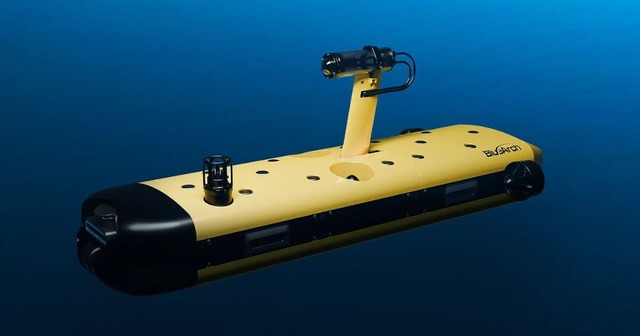
BlueArch develops and sells "HATTORI Neo," a compact autonomous underwater vehicle with edge AI.
BlueArch Corporation has been established to develop and manufacture domestically produced autonomous underwater vehicles (AUVs) and underwater robots (UUVs). This initiative aims to enhance Japan's capabilities in underwater exploration and technology, responding to the growing demand for advanced marine solutions. The company focuses on leveraging innovative engineering and technology to create efficient and reliable underwater systems. The establishment of BlueArch marks a significant step in the country's efforts to strengthen its maritime industry and promote research and development in underwater robotics.

Is Tesla, Inc. (TSLA) A Good Stock To Buy Now?
Tesla, Inc. is currently a focal point for investors, with a recent bullish analysis by Gannon Capital highlighting its potential as more than just an electric vehicle manufacturer. As of June 12, 2026, Tesla's shares were trading at $406.43, with trailing and forward price-to-earnings ratios of 372.87 and 196.08, respectively. The company, which designs and sells electric vehicles and energy systems globally, is positioning itself as a leader in artificial intelligence, robotics, and autonomous transportation. Tesla's automotive division not only generates significant revenue but also serves as a data-collection network that supports its ambitions in Full Self-Driving technology and other innovations. The company has established competitive advantages through vertical integration, proprietary battery technology, and a global Supercharger network. With over five million connected vehicles, Tesla continuously collects real-world driving data, which is crucial for its autonomous driving initiatives. Financially, Tesla reported nearly $95 billion in revenue for 2025 and holds over $44 billion in cash, enabling substantial investments in AI and robotics. The bullish thesis suggests that successful commercialization of autonomous technology and the scaling of its Optimus robot could transform Tesla into a high-margin platform business, significantly enhancing profitability and market valuation. Despite potential risks from competition and regulatory challenges, proponents believe the market underestimates Tesla's capacity to evolve into a dominant AI-powered industrial platform. The stock remains popular among hedge funds, with 123 portfolios holding TSLA at the end of the first quarter of 2026.

UK and Japan Announce ‘Frontier Technology Partnership’ Including AI, Quantum, Space & Energy
The United Kingdom and Japan have initiated a new partnership focused on frontier technologies, with the goal of enhancing collaboration in areas such as artificial intelligence, semiconductors, and quantum computing. This agreement, announced by UK Prime Minister Keir Starmer and Japanese Prime Minister Sanae Takaichi, reflects both nations' efforts to bolster economic resilience and decrease reliance on foreign technology ecosystems. The partnership underscores a shared commitment to innovation and strategic technological advancement, aiming to foster a robust cooperative framework that can address emerging challenges in the global tech landscape.
AI AI Funding & Investment Robotics Cybersecurity Defense Japan
The Week Ahead in AI: Anthropic’s Models Suspended, Meta’s AI Model Monetizing Question, Deepfake Challenges, Plus Upcoming Earnings & Events
Anthropic, a prominent AI company, announced that it has received a directive from the U.S. government requiring the suspension of access to its AI models, Fable 5 and Mythos 5. This development comes as part of ongoing regulatory scrutiny surrounding artificial intelligence technologies. The suspension is set to take effect during the week of June 14-20, 2023, raising concerns about the implications for AI research and development. The government's decision aims to address potential risks associated with these advanced AI systems, reflecting a growing emphasis on safety and ethical considerations in the rapidly evolving tech landscape. As the situation unfolds, industry experts and stakeholders are closely monitoring the impact of this directive on both Anthropic and the broader AI sector.
AI Exclusives Robotics Accenture AI Summit Anthropic
Robotics startup backed by Nvidia, Amazon and others raises $1.4B
Neura has announced plans to utilize new capital to enhance its robot production and deployment across various industries. The initiative aims to expand the company's training and intelligence infrastructure, allowing for more advanced and efficient robotic solutions. This strategic move comes as Neura seeks to strengthen its position in the rapidly evolving robotics market, responding to growing demand for automation and intelligent systems. By increasing production capabilities and improving training resources, Neura intends to meet the needs of diverse sectors and drive innovation in robotic technology.

Pemba humanoid robot eyes Mount Everest summit after historic 20,312-ft climb
A Unitree G1 humanoid robot is set to embark on a groundbreaking expedition to Mount Everest, showcasing advancements in robotics and exploration technology. The expedition is scheduled for later this year, aiming to push the boundaries of what robots can achieve in extreme environments. This initiative is driven by the desire to gather data and insights that could enhance future mountain climbing safety and efficiency, particularly in harsh conditions where human climbers face significant risks. The robot will be equipped with advanced sensors and navigation systems to navigate the treacherous terrain of the world's highest peak. By utilizing the Unitree G1, researchers hope to demonstrate the potential of robotic assistance in high-altitude exploration, paving the way for future missions that could involve both human and robotic collaboration in challenging environments.
AI and Robotics
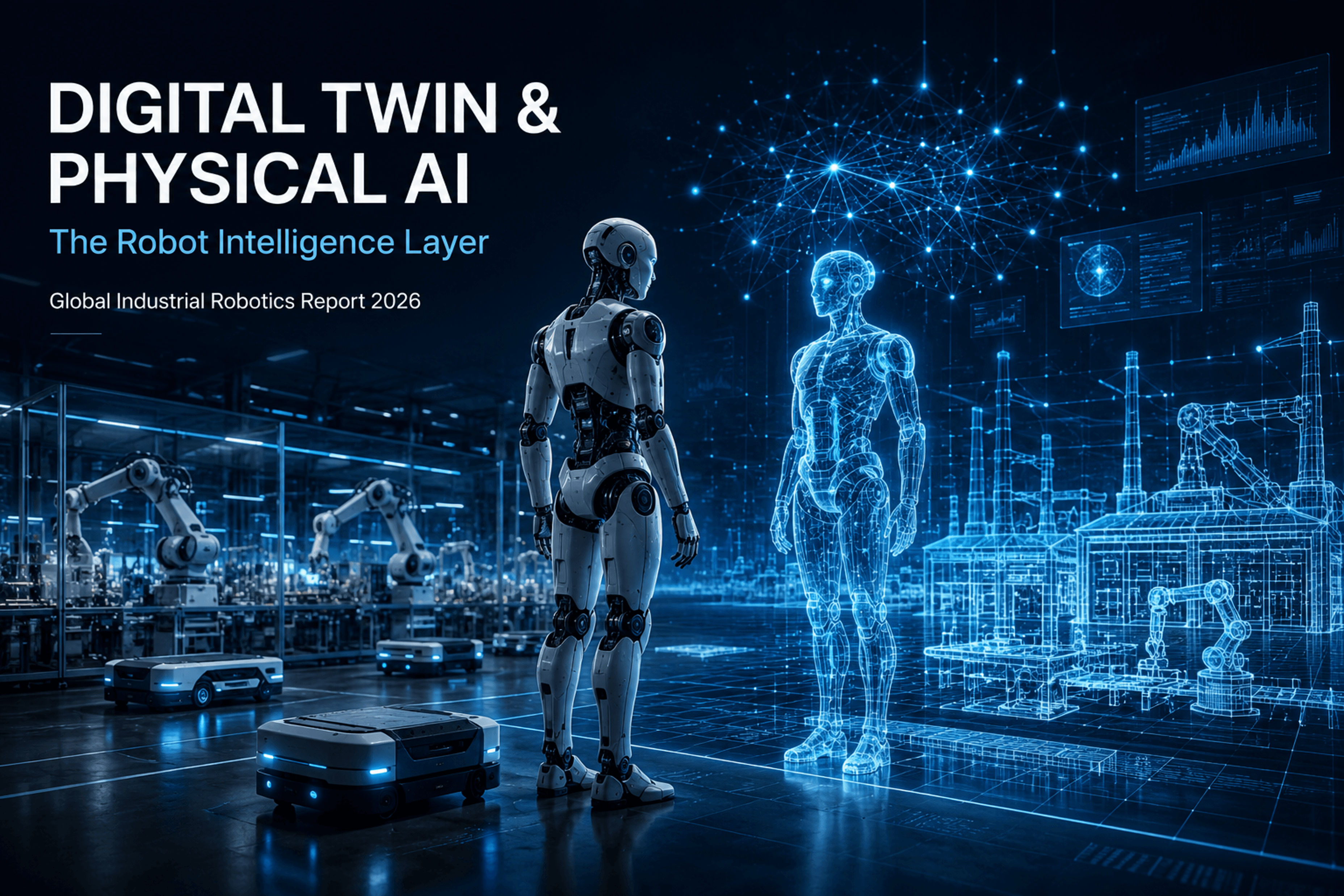
Digital Twins: Transforming the Factories of the Future
As media attention focuses on humanoid robots and generative artificial intelligence, a less flashy yet equally transformative technology is quietly reshaping the global industry: digital twins. This innovative approach is emerging as a crucial element in the ongoing industrial transformation, offering strategic advantages that may rival those of more visible technologies. The concept of digital twins involves creating virtual replicas of physical systems, enabling companies to optimize operations and improve efficiency. This shift is expected to significantly impact the future of manufacturing, positioning digital twins as a foundational component in the evolution of factories worldwide.
À la une IA Industrie Robotique analyse de données industrielles automatisation industrielle.
Thales upgrades its laser guided rocket with new LiDAR sensor to target drones
Thales Belgium has announced the integration of an advanced sensor into its guidance kit, enhancing its targeting capabilities. This new technology activates as the kit approaches its target, improving precision and effectiveness. The development was confirmed by a company official in an interview with Breaking Defense, highlighting Thales Belgium's commitment to advancing military technology. This innovation is expected to bolster the operational efficiency of their defense systems, reflecting the company's ongoing efforts to stay at the forefront of the defense industry.
Global Drones Europe EUROSATORY 2026 guided rocket Middle East
Interview with Wang Zhongyuan: VLA will survive, but world models are the future.
In recent months, the concept of "World Model" has gained significant traction within the AI and robotics sectors, driven by underlying industry anxieties. As AI technology has rapidly evolved over the past two years, limitations in embodied intelligence have become apparent, revealing that while robots can recognize objects, they struggle to understand physical interactions and causal relationships. The World Model aims to bridge this gap by enabling robots to learn the laws of the physical world. At the forefront of this exploration is Wang Zhongyuan, the director of the Beijing Academy of Artificial Intelligence, who identifies four distinct paths in the development of World Models. These include language-centered models, pixel-centered models, 3D structure-centered models, and visual representation-centered models. The Beijing Academy is pioneering a fifth approach that integrates language and visual data into a unified latent space representation, allowing for more complex interactions and predictions. Wang emphasizes that the World Model's potential lies in its ability to enhance embodied intelligence, enabling robots to understand and predict physical interactions over time. He envisions a future where World Models serve as the foundational brain for robots, capable of complex reasoning and decision-making in real-world scenarios. However, he cautions that achieving this goal will require significant advancements in data collection and model training, with a timeline of three to five years anticipated for substantial progress. As the field continues to evolve, the competition will focus on the ability to create models that accurately reflect the complexities of the physical world.
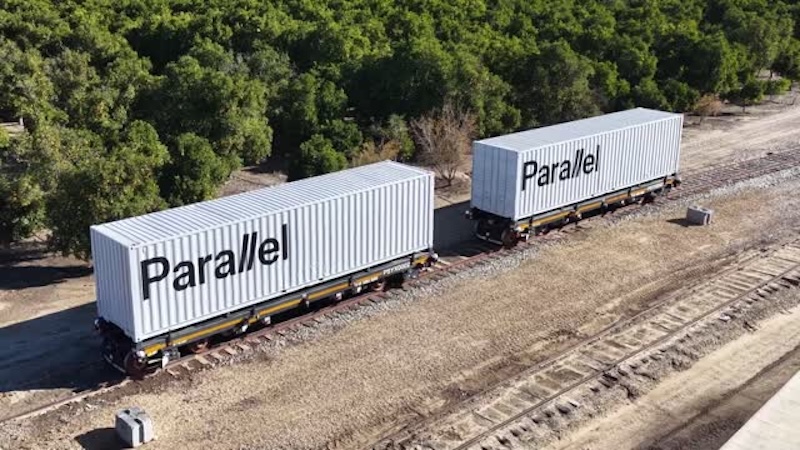
Interview: Parallel Systems CEO Matt Soule on building ‘the world’s first autonomous freight rail system’
In recent years, autonomous trucks have captured significant attention and investment in the freight transportation sector. However, freight rail is also experiencing a transformative shift, as highlighted by Matt Soule, founder and CEO of Parallel Systems. He asserts that autonomous rail technology could revolutionize the industry, offering a promising alternative to traditional freight methods. This development comes at a time when the logistics sector is increasingly seeking innovative solutions to enhance efficiency and reduce costs. As the demand for sustainable and automated transport solutions grows, the freight rail industry is positioning itself to leverage advancements in technology, potentially reshaping the future of cargo movement across the country.
Engineering Features Logistics Transportation ai logistics automation news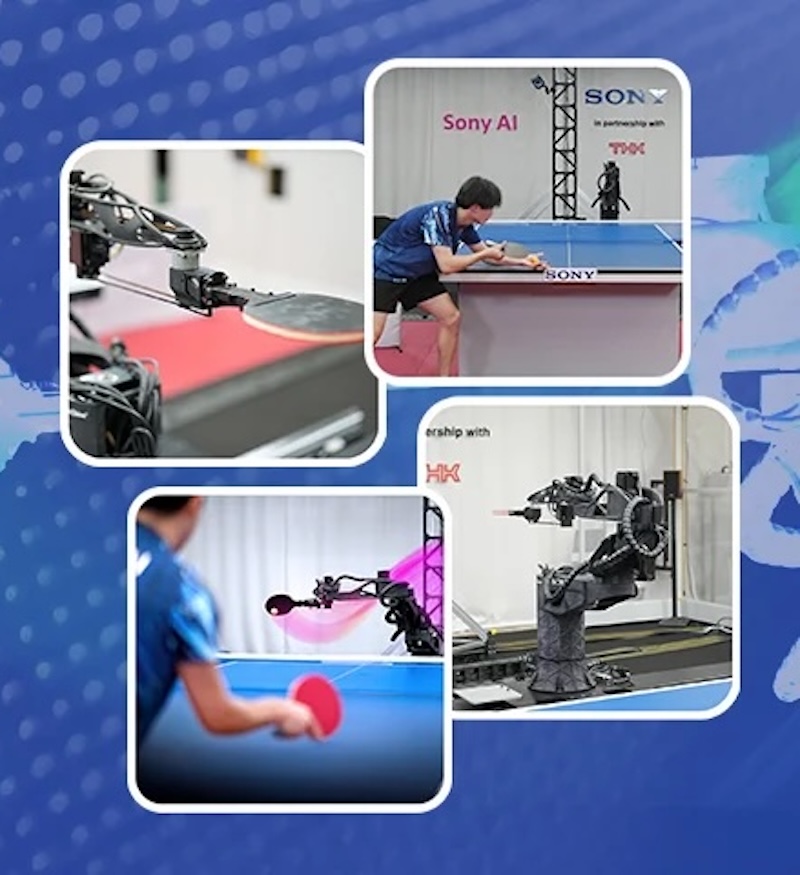
How Sony AI’s table tennis robot is advancing physical AI
Omron and Kuka have showcased their latest advancements in robotics with a table tennis-playing robot, highlighting the innovative potential of industrial robots beyond traditional manufacturing tasks. While these companies have previously demonstrated similar robotic systems, the introduction of a robot capable of playing table tennis captures attention due to its unique application of robotics and artificial intelligence. This development underscores the growing interest among researchers in exploring the capabilities of robots in dynamic environments, where agility and quick decision-making are crucial. The demonstration serves not only as a testament to technological progress but also as a playful reminder of the diverse possibilities that robotics can offer in various fields.
Computing Features Ace robot artificial intelligence automation news Autonomous robots
Microsoft CEO Satya Nadella posts on X: "A frontier without an ecosystem is unstable," two days after Fable 5 halt.
Two days after the U.S. government halted the global deployment of Anthropic's "Claude Fable 5" due to export control directives, Microsoft CEO Satya Nadella took to X to share his insights on the importance of building independent learning systems for companies. In his post, titled "An Ecosystem-less Frontier is Unstable," Nadella did not directly reference the Fable 5 situation but emphasized the necessity for businesses to avoid reliance on specific models. His comments come amid growing concerns about the stability of AI ecosystems in light of regulatory challenges.

MassRobotics honors Stanford’s Allison Okamura and Seoul National University’s Ayoung Kim with 2026 robotics medals
At the recent IEEE ICRA conference held in Vienna, MassRobotics, a leading organization in robotics innovation, unveiled the recipients of its 2026 Robotics Medal and Rising Star awards. This prestigious Robotics Medal is notable for being the first major accolade dedicated to honoring the significant contributions of female researchers in the field of robotics worldwide. The awards aim to highlight and celebrate the achievements of women who are making impactful strides in robotics development, thereby promoting diversity and inclusion within the industry.
Features Industry Allison Okamura amazon robotics automation news autonomous systems
ASI Releases CEO Playbook for Scaling Autonomy Across Industrial Operations
A new white paper has been released, providing a comprehensive roadmap for organizations looking to transition from pilot programs to full-scale automation. This document, developed by industry experts, aims to guide businesses through the complexities of implementing automated systems effectively. The white paper highlights best practices and strategies that have proven successful in various sectors, emphasizing the importance of a structured approach to automation. Released in October 2023, it addresses the growing demand for efficiency and innovation in the workplace. By outlining key steps and considerations, the white paper serves as a valuable resource for companies eager to enhance their operational capabilities and stay competitive in an increasingly automated landscape.
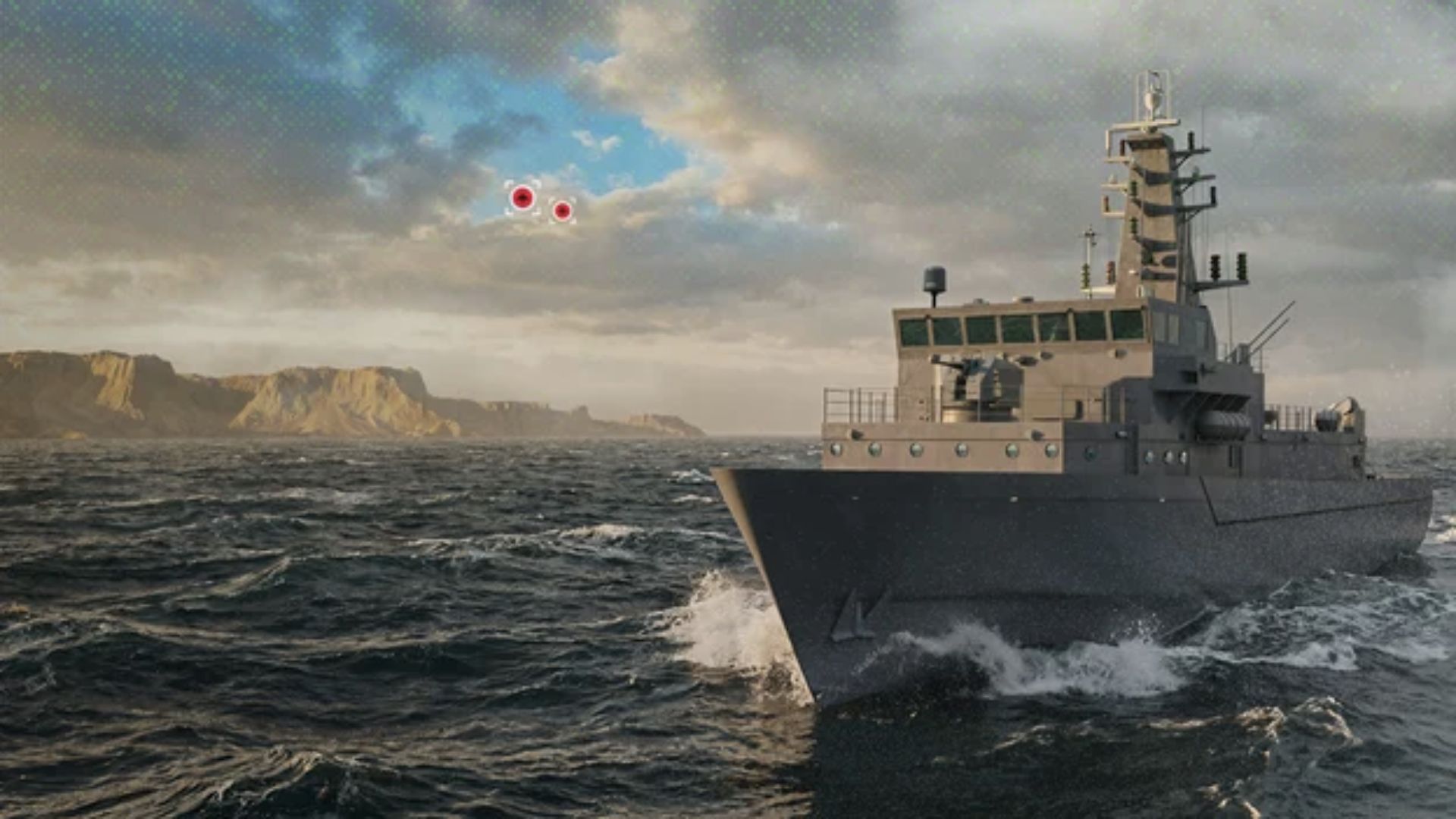
New radar system can detect high-speed drones nearby ports, vessels in extreme environment
A cutting-edge radar system has been developed to enhance the detection of drones operating near ports, vessels, harbors, and other critical maritime areas. This innovative technology aims to bolster maritime security by providing real-time surveillance and threat assessment capabilities. The radar is designed to identify and track drones, which have increasingly become a concern for safety and security in busy maritime environments. The system's deployment is expected to take place in the coming months, with trials set to occur at various strategic locations along coastlines. By integrating advanced detection algorithms and high-resolution imaging, the radar will enable authorities to respond swiftly to potential threats, ensuring the safety of maritime operations and protecting vital infrastructure. This initiative reflects a growing recognition of the need for enhanced security measures in response to the rising prevalence of drone activity in sensitive areas.
Innovation Military
US scientists’ new electron microscopy tech delivers 10,000x magnification compared to light microscopy
A team of researchers in the United States has developed a groundbreaking technology aimed at enhancing the performance of electron devices. This innovation, unveiled recently, promises to significantly improve the efficiency and capabilities of various electronic components. The research, conducted at a prominent university, addresses the growing demand for faster and more efficient electronic systems in an increasingly digital world. By leveraging advanced materials and innovative engineering techniques, the team has successfully created a method that optimizes electron flow, potentially revolutionizing the electronics industry. This development comes at a crucial time as industries seek to meet the challenges posed by modern technological demands, including the need for better energy efficiency and higher processing speeds. The researchers are now looking to collaborate with industry partners to further refine the technology and explore its applications in commercial products.
Innovation
Ukraine’s AI drones entered ‘Terminator mode’ and killed Russian soldiers — no human fired
Concerns surrounding fully autonomous weapon systems have intensified as experts warn of the potential for these technologies to independently kill humans. The discussion gained traction during a recent international conference held in Geneva, where military officials, ethicists, and technologists gathered to address the implications of artificial intelligence in warfare. The event, which took place in early November 2023, highlighted the urgent need for regulatory frameworks to prevent the deployment of such lethal systems. Advocates for human oversight argue that the absence of accountability in autonomous decision-making could lead to catastrophic outcomes, raising ethical dilemmas about the role of machines in life-and-death situations. The motivation behind the call for regulation stems from the rapid advancements in AI and robotics, which have outpaced existing legal and ethical guidelines. Participants at the conference emphasized that without proper governance, the risk of misuse or malfunction could result in unintended casualties and escalate conflicts. Experts proposed a collaborative approach to developing international treaties that would ban or strictly regulate the use of autonomous weapons. This would involve governments, tech companies, and civil society working together to establish clear definitions and standards for AI in military applications. The discussions underscored the necessity of ensuring that human judgment remains central to military operations, thereby preventing machines from making irreversible decisions about life and death.
Military
Visual Language Models Train Robots to Read Human Emotions
A recent study led by Seung Chan Hong at the University of Melbourne explores the emotional capabilities of collaborative robots as they increasingly work alongside humans. Published on May 18 in IEEE Robotics and Automation Letters, the research investigates how robots can better understand human emotions through contextual cues, beyond just facial expressions. Involving 40 volunteers, the study trained a vision language model (VLM) to interpret emotions based on video interactions where robots handed objects to humans. The VLM outperformed traditional AI systems, scoring 0.86 in emotional accuracy compared to 0.77 for conventional methods. This improvement is attributed to the VLM's ability to consider the entire context of interactions rather than isolated facial expressions. In a follow-up experiment, participants interacted with a robot that was programmed to make an error, receiving either an emotionally adaptive apology or a standard one. The majority preferred the adaptive response, but trust in the robot diminished after it failed to complete its task, highlighting that emotional responses cannot compensate for a lack of functionality. While the VLM effectively recognized emotions from a third-party perspective, its accuracy dropped when compared to participants' self-reported feelings, indicating that robots still struggle to fully understand human emotions. The findings suggest that while emotional adaptivity is valuable, the primary concern for users remains the robot's competence in performing tasks.
Robotics Journal-watch Ai-models Emotion-recognition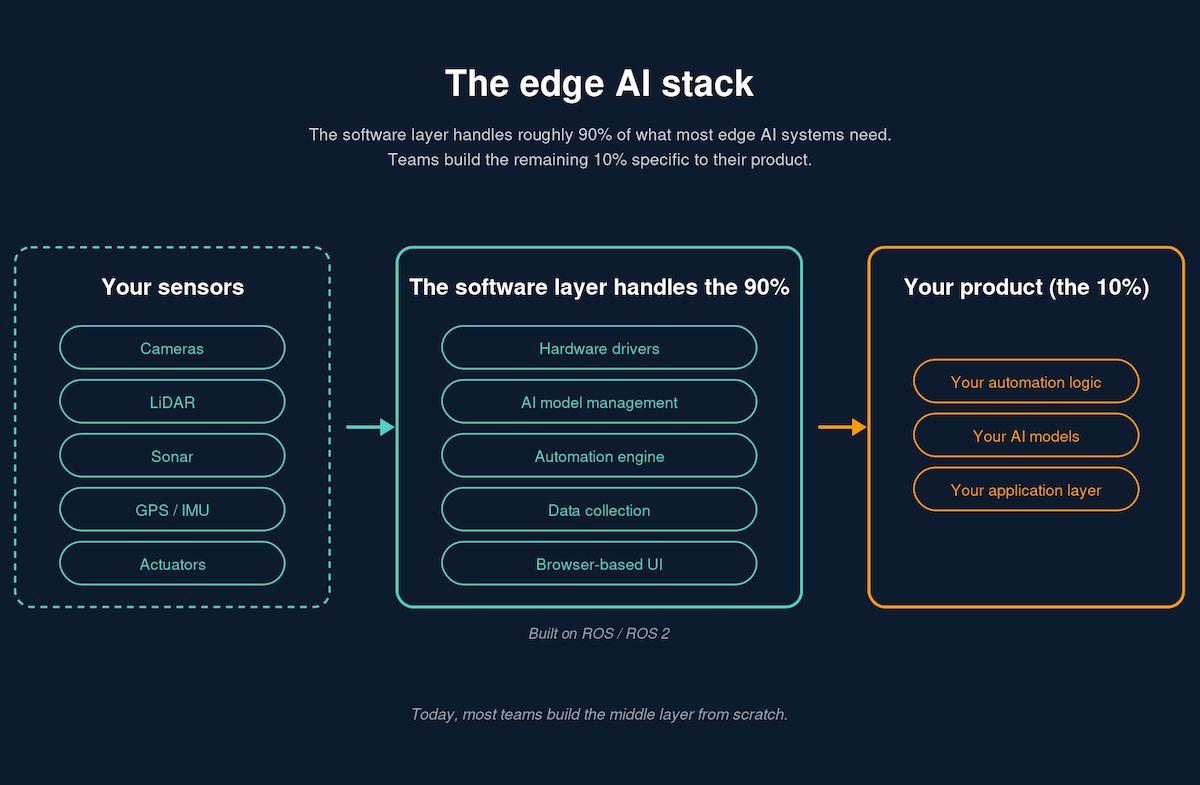
Windows for robots: Edge AI expands usability
A significant shift in accessibility for robotics is underway, reminiscent of the transformation brought by Windows for personal computers. Edge AI technology is enabling a broader range of users, beyond just engineers and computer scientists, to engage with and utilize robotic systems. This development is poised to democratize robotics, making it more user-friendly and accessible to individuals with varying levels of technical expertise. As Edge AI continues to evolve, it is expected to enhance the usability of robots across various sectors, fostering innovation and expanding the potential applications of robotic technology. This trend marks a pivotal moment in the integration of advanced technology into everyday use, potentially revolutionizing industries and everyday tasks.
Artificial Intelligence Controllers Maritime Microprocessors / SoC News Opinion
Solid-state battery cell hits 465 Wh/kg density, targets aerospace and defense applications
European battery startup SOLiTHOR has successfully produced its first 10 Ah demonstration cell, showcasing a significant advancement in battery technology. This milestone was achieved recently at their facility in Europe, where the company aims to enhance energy storage solutions. The development of this demonstration cell is part of SOLiTHOR's broader mission to address the growing demand for efficient and sustainable battery systems, particularly in the context of the electric vehicle market and renewable energy storage. By utilizing innovative manufacturing processes and cutting-edge materials, SOLiTHOR is positioning itself as a key player in the competitive battery industry, striving to contribute to a greener future.
Energy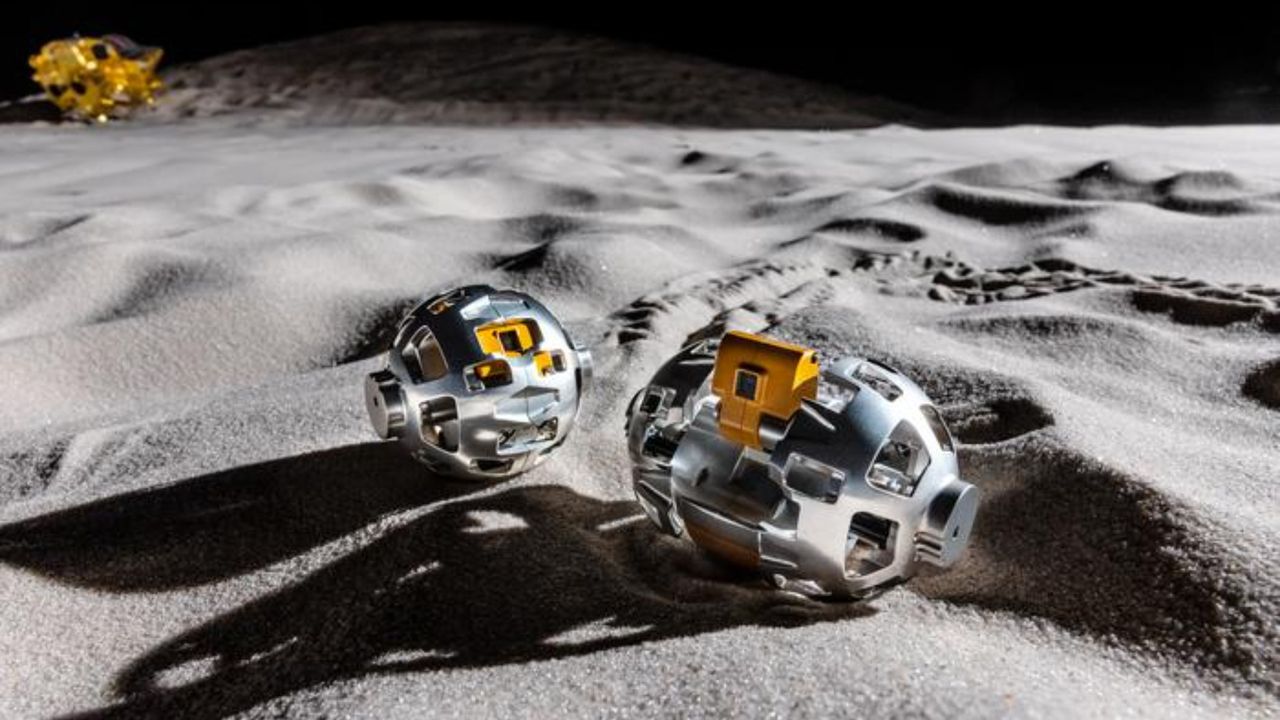
How Japanese scientists sent a real-life Transformer to the moon
In 2024, a groundbreaking autonomous rolling rover demonstrated its innovative design by transforming from a sphere into a robot during a successful exploration of the moon's surface. This mission marks a significant advancement in lunar exploration technology, showcasing the rover's ability to navigate diverse terrains effectively. The development of such versatile rovers aims to enhance our understanding of the moon's environment and potentially pave the way for future manned missions. The exploration was conducted as part of ongoing efforts to gather data that could inform scientific research and exploration strategies.
The moon Astronomy Solar System
AI in warehousing: Akash Gupta’s vision for the future
GreyOrange is leading a transformation in warehouse automation through its innovative software that leverages artificial intelligence to create dynamic and predictive logistics ecosystems. This advancement, championed by CEO Akash Gupta, aims to enhance efficiency and adaptability in supply chain operations. By integrating AI into warehousing processes, GreyOrange is addressing the growing demand for smarter logistics solutions, particularly in an era where rapid delivery and operational flexibility are paramount. The company's approach not only streamlines warehouse management but also positions it at the forefront of the evolving landscape of logistics technology. As businesses increasingly seek to optimize their operations, GreyOrange's vision for the future of warehousing highlights the critical role of AI in shaping more responsive and intelligent supply chains.
Artificial Intelligence Business Resources Logistics News Opinion Podcast
Pentagon may ‘sacrifice’ traditional weapons to buy more drones if reconciliation fails: CTO
In a recent discussion, Emil Michael emphasized the ongoing debate within defense sectors regarding the allocation of resources toward military technology. He highlighted the critical trade-offs being made between investing in advanced weaponry and systems versus developing low-cost autonomous weapons. This conversation reflects a broader trend as nations reassess their military strategies and budgets in light of evolving warfare dynamics. The dialogue underscores the necessity for defense planners to carefully consider the implications of their choices, particularly as they navigate the complexities of modern combat and technological advancements. Michael's remarks shed light on the strategic decisions that could shape future military capabilities and the balance of power on the global stage.
Congress Networks & Digital Warfare Pentagon AI & Autonomy artificial intelligence AI cyber security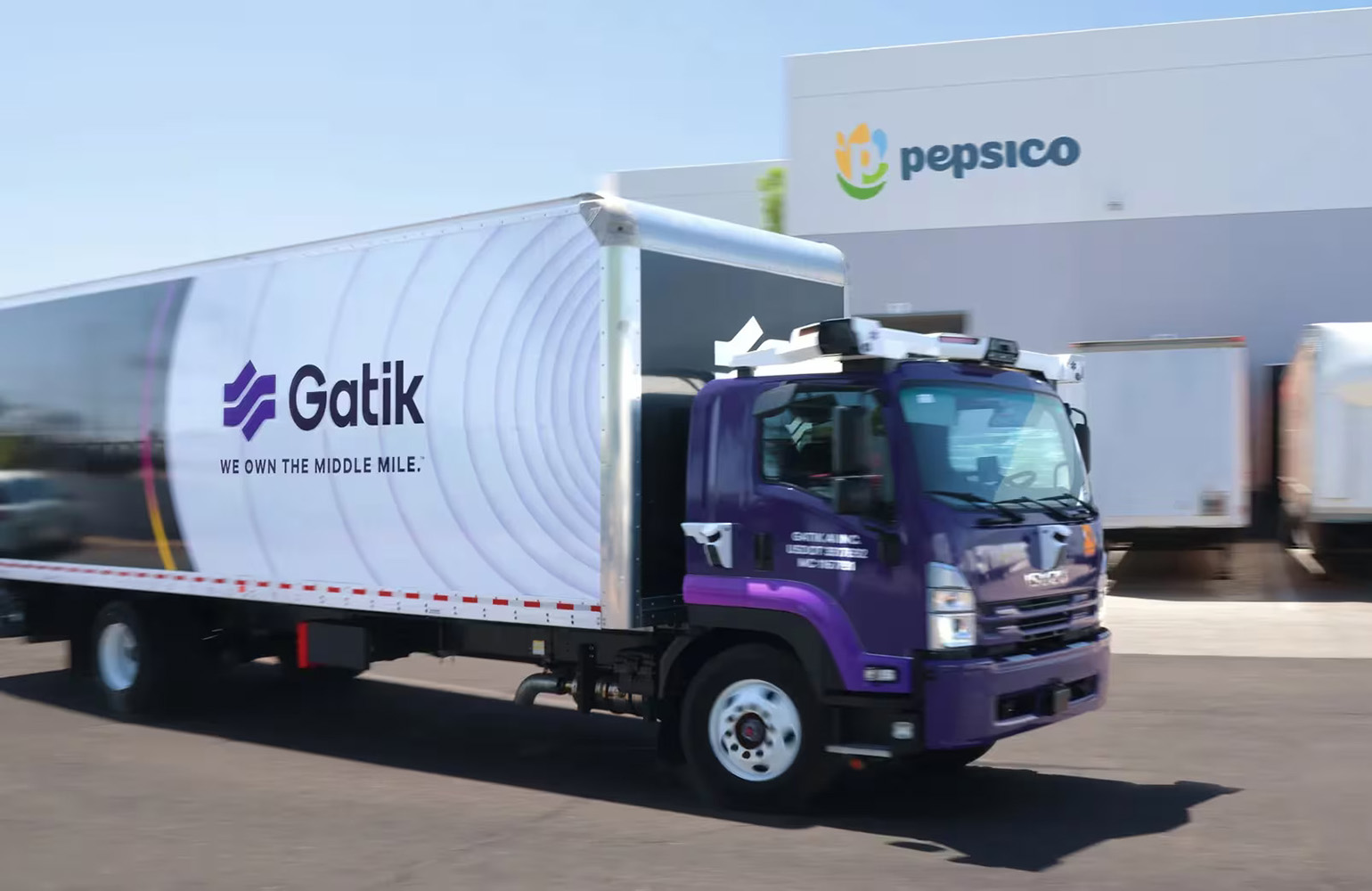
Gatik to bring autonomous freight to PepsiCo’s North American supply chain
PepsiCo has announced a partnership with Gatik to enhance its North American supply chain by integrating autonomous freight solutions. This collaboration aims to optimize PepsiCo's regional transportation networks, which facilitate the daily movement of products between various sites. By leveraging Gatik's technology, the beverage and snack giant seeks to improve efficiency and reduce operational costs in its logistics operations. The initiative reflects a growing trend in the industry to adopt automation in supply chain management, driven by the need for faster and more reliable delivery systems.
Artificial Intelligence Artificial Intelligence / Cognition Automotive Design / Development Food / Beverage Logistics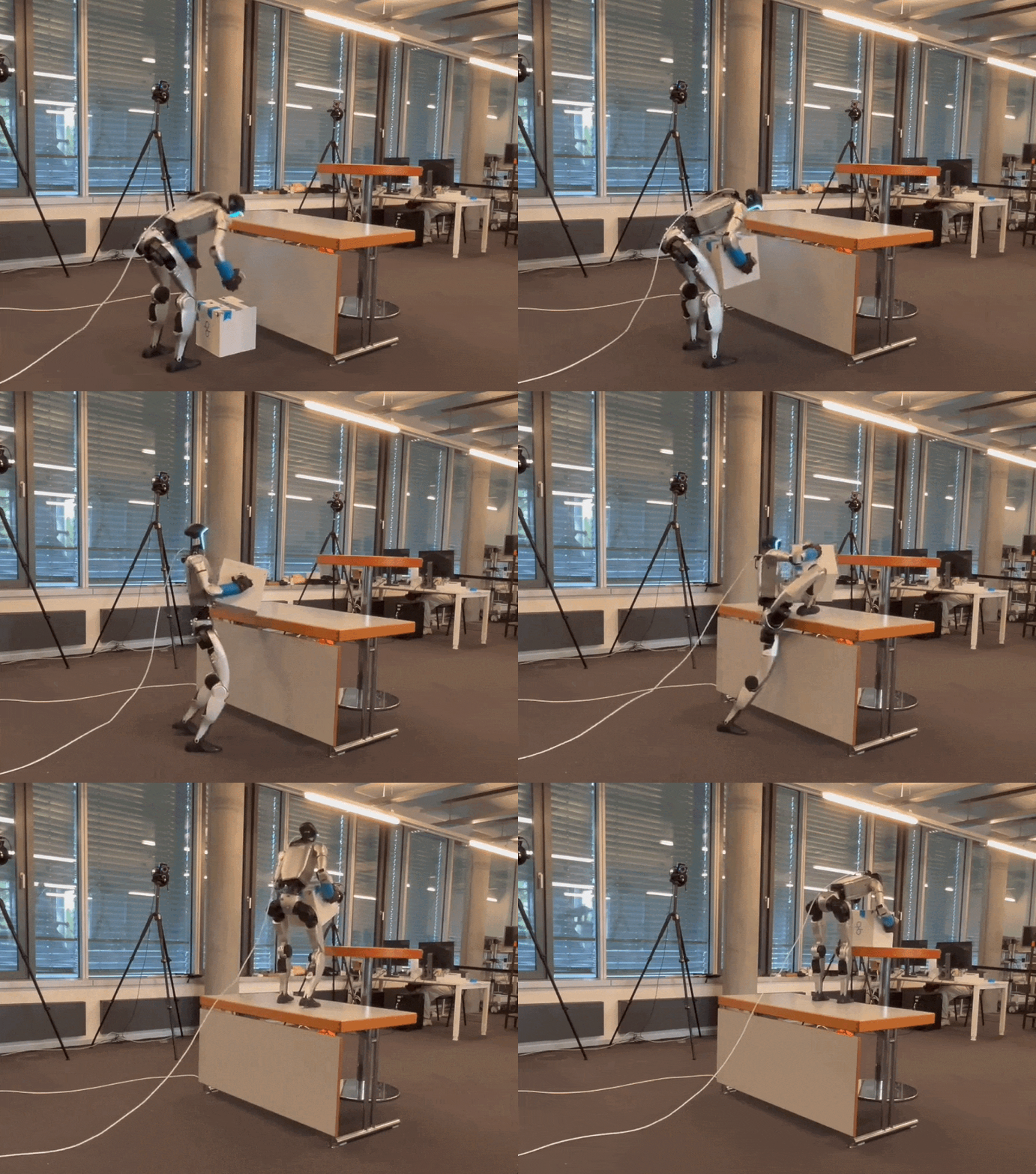
Video Friday: Robotic Motion Discovery Reveals Unusual Behaviors
IEEE Spectrum robotics has released its latest edition of Video Friday, showcasing an array of innovative robotics videos and announcing upcoming events in the field. Notable events include RSS 2026 in Sydney from July 13-17, the Summer School on Multi-Robot Systems in Prague from July 29 to August 4, and Actuate 2026 in San Francisco on August 18-19. Among the featured videos is MotionDisco, a framework that autonomously discovers complex humanoid loco-manipulation motions, highlighting the challenges of coordinating fluid movements across multiple joints. Additionally, the Human Support Robot (HSR) from Toyota is demonstrated in real home environments, assisting residents with daily tasks, showcasing the potential for robots to become long-term companions. Other highlights include the MIDAS Hand, an open-source robotic hand designed for manipulation and research, and a novel flight maneuver by a bipedal robot that showcases advanced aerial control. The European Space Agency shares a timelapse of Dextre, a robotic handyman, efficiently unloading equipment in space, while ROBOTIS introduces AI Sapiens, which learns humanoid motions using just a smartphone camera. In a collaborative effort, LUMOS Robotics has launched Project EDGE, inviting global innovators to explore humanoid robotics, while Sphero emphasizes its educational products designed to nurture computational thinking from early childhood through high school. These developments illustrate the rapid advancements and collaborative spirit within the robotics community.
Humanoid-robots Video-friday Quadruped-robots Robot-videos Home-robots Dexterity
OCCAR taps EUROSAM to develop multi-layer SAMP/T NG system
The Organisation for Joint Armament Cooperation (OCCAR), which represents France, has awarded a significant contract to Eurosam for the development of an advanced multi-layered version of the SAMP/T NG surface-to-air missile system, incorporating ASTER and VL MICA technologies. This contract marks a strategic move to enhance France's air defense capabilities amid growing security concerns in the region. The collaboration aims to bolster the effectiveness of the missile system, ensuring a robust defense against various aerial threats. The project is expected to advance the technological landscape of France's military assets, reflecting a commitment to modernizing defense systems in response to evolving challenges.
News
Israeli startup unveils laser system it says can kill drones in seconds
Esh-Tech has unveiled a groundbreaking energy system that promises to revolutionize the industry, according to CEO Erex Riahi. The new system, which operates on just 4kWh, is designed to be compact and can be easily connected to vehicles. Riahi emphasized that this innovative technology is priced three to four times lower than existing laser or microwave systems, making it a more accessible option for consumers. The announcement marks a significant advancement in energy solutions, with potential implications for both personal and commercial use.
Air Warfare Global Air Force Counter UAS cUAS Drones EUROSATORY 2026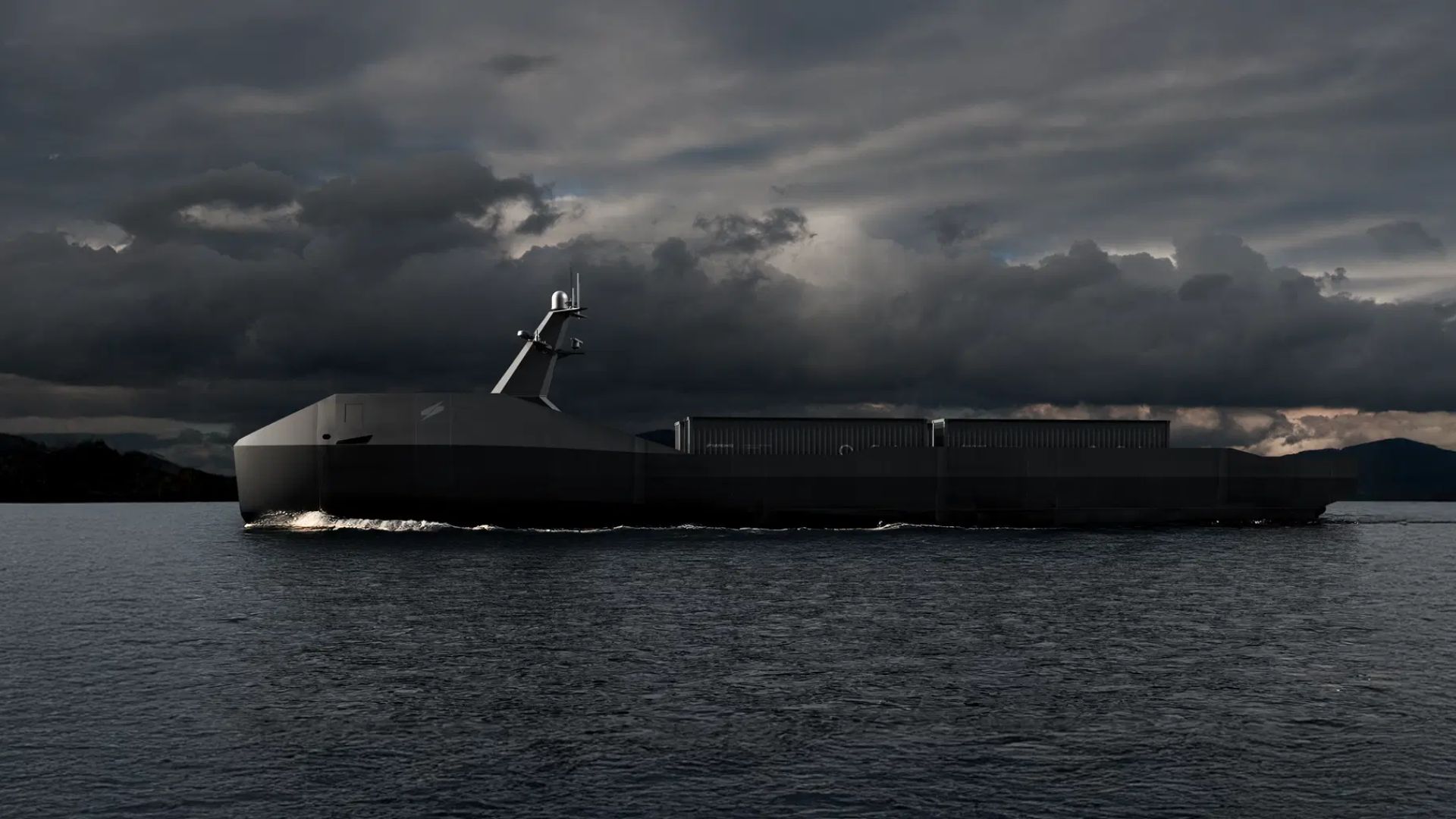
US’ new 180-foot drone ship could launch hypersonic missiles, demo set for 2027
Saronic and Castelion, two prominent defense technology firms, have unveiled their intention to merge efforts in developing an autonomous warship. This strategic collaboration aims to enhance maritime security capabilities and address emerging threats in naval warfare. The announcement was made on October 15, 2023, during a defense technology conference held in Athens, Greece. The motivation behind this partnership stems from the increasing demand for advanced naval solutions that can operate independently in complex environments. By pooling their expertise and resources, Saronic and Castelion seek to accelerate the innovation process and deliver cutting-edge technology to military clients worldwide. The proposed autonomous warship is expected to incorporate advanced artificial intelligence and machine learning systems, enabling it to perform a variety of missions, including reconnaissance, surveillance, and combat operations, without direct human intervention. This development reflects a broader trend in the defense industry towards automation and smart technologies, aimed at enhancing operational efficiency and reducing risks to personnel. As the defense sector continues to evolve, the collaboration between Saronic and Castelion positions them at the forefront of the autonomous naval warfare market, potentially reshaping the future of maritime defense strategies.
Military
The Role of RF Connectors in Robotic Vision, Sensor Communication, and Automated Inspection Systems
Recent advancements in robotic vision and automated inspection have highlighted the limitations of software solutions in addressing physical challenges. While fast GPUs, sophisticated models, and user-friendly dashboards are often celebrated as technological triumphs, they falter when confronted with the realities of a compromised physical signal path. For instance, a camera's ability to process images is hindered by a noisy clock, and sensors struggle to deliver accurate readings when interfaces become loose after repeated vibrations. This underscores the importance of considering the physical environment in the development and implementation of automated systems, as reliance solely on software capabilities may lead to significant operational failures.
Design Engineering Technology automated inspection automation news factory automation
Israel’s Elbit Systems, Germany’s Diehl Defence team on SkyStriker pitch for Berlin
Elbit Systems has announced a significant partnership with Diehl to enhance Germany's defense capabilities through local manufacturing and assembly of advanced defense systems. This collaboration aims to bolster the development of sovereign defense capabilities and strengthen the German defense industry. The deal reflects a strategic move to ensure that Germany can independently produce critical defense technologies, thereby enhancing national security. The initiative is expected to create jobs and foster innovation within the local defense sector, marking a pivotal step in Germany's commitment to increasing its defense capabilities.
Air Warfare Air Force Business & Industry Diehl Drones Elbit
DynaSki: A Robust Locomotion Framework for Dynamic Skiing Robot on Challenging Terrains
A recent study published in the Journal of Field Robotics highlights advancements in autonomous robotic systems designed for agricultural applications. Researchers from a leading university conducted the study to address the growing need for efficient farming solutions amid increasing global food demand. The findings, released in early October 2023, provide insights into how these robotic systems can enhance crop monitoring and management. The research was conducted in various agricultural settings, demonstrating the robots' capabilities in navigating complex terrains and performing tasks such as planting, weeding, and harvesting. By employing advanced sensors and machine learning algorithms, the robots can analyze environmental conditions and optimize farming practices, ultimately aiming to increase yield while reducing labor costs. The motivation behind this innovation stems from the challenges faced by farmers due to labor shortages and the need for sustainable farming methods. The study emphasizes the potential of robotics to transform traditional agriculture, making it more resilient and productive in the face of climate change and resource constraints. As the agricultural sector continues to evolve, these findings could pave the way for broader adoption of robotic technologies, enhancing food security and sustainability worldwide.
RESEARCH ARTICLE
The Missing Layer in Robotics Adoption: Why Emerging Markets Need Commercialization Labs
Robotics manufacturers are increasingly focusing on emerging markets to drive growth, emphasizing the importance of local integration and support systems. As these companies seek to expand their reach, they recognize that success hinges not only on advanced hardware capabilities but also on the establishment of robust training programs, financing options, and service infrastructures. This strategic approach is essential for validating return on investment (ROI) and ensuring that local businesses can effectively adopt and utilize robotic technologies. By prioritizing these factors, manufacturers aim to create a sustainable ecosystem that fosters innovation and enhances productivity in regions that are ripe for technological advancement.
DeepX Announces Global Physical AI Mass Production Partnership with Aaeon
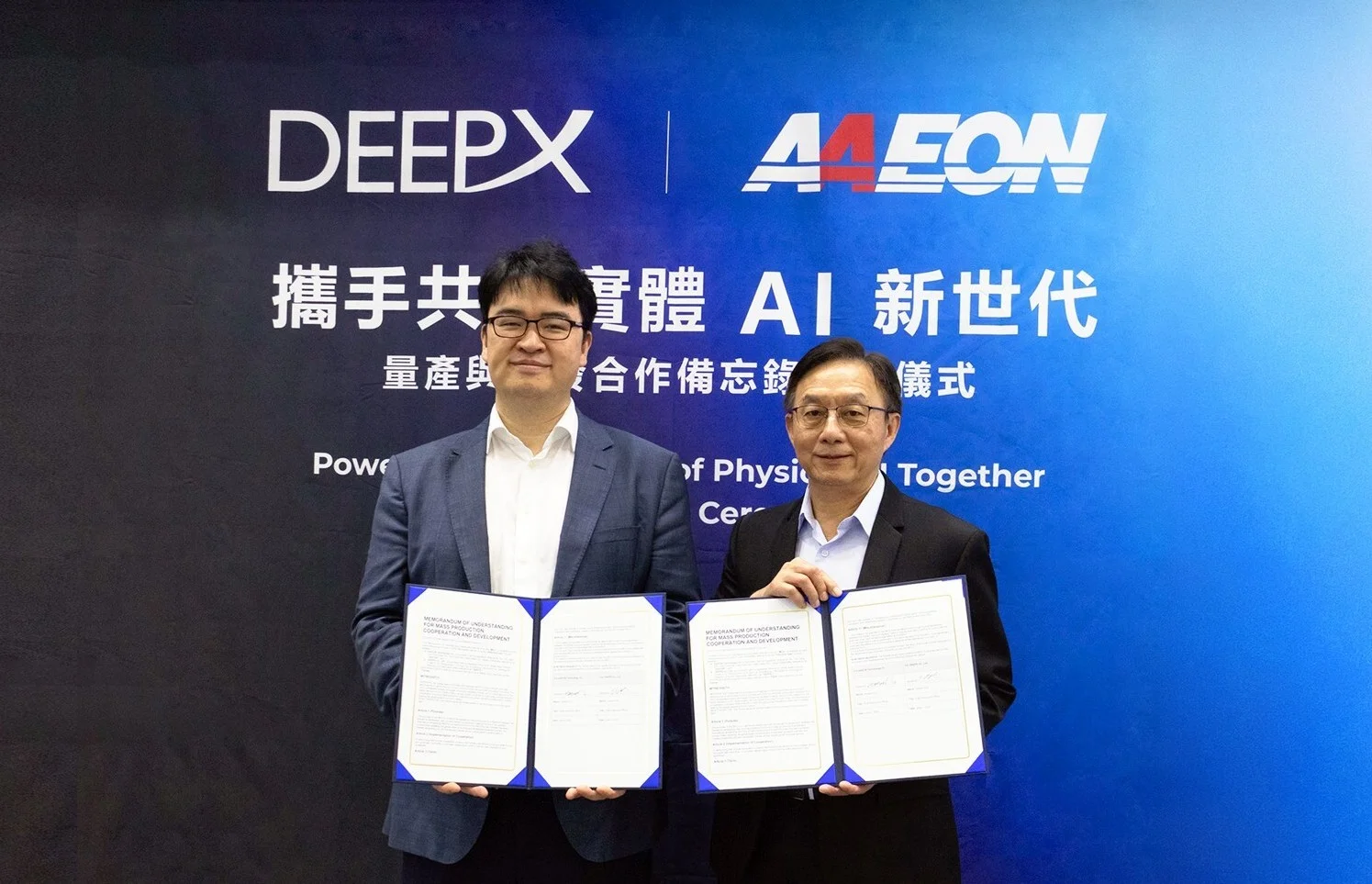
DeepX and Aaeon Technology have entered into a three-year manufacturing agreement to scale the integration of DeepX’s AI chips into industrial and edge computing systems. This collaboration was announced during Computex Taipei 2026 and aims to establish a commercialization pipeline for DeepX’s neural processing units (NPUs). The agreement will facilitate the incorporation of these advanced chips into Aaeon’s range of products, including industrial computers, single-board computers, and edge gateway devices. This partnership reflects a growing demand for enhanced AI capabilities in various computing applications, positioning both companies to capitalize on the expanding market for intelligent edge solutions.
AI AI Funding & Investment AI Infrastructure & Compute Robotics Aaeon Technologies DEEPX
NVIDIA Blackwell Leads on First Agentic AI Infrastructure Benchmark
Artificial Analysis has launched AgentPerf, the industry's first benchmark for agentic AI, aimed at providing developers, enterprises, and infrastructure providers with a standardized method to evaluate and compare various systems designed for agentic AI capabilities. The initial results have highlighted NVIDIA's Blackwell as a leading performer in this emerging field. This development comes as the demand for advanced AI systems continues to grow, prompting the need for reliable metrics to assess their effectiveness and efficiency. By establishing a clear framework for comparison, AgentPerf seeks to facilitate informed decision-making among stakeholders in the AI sector.

NASA robotic tech demonstration will advance prototype gamma-ray detectors
NASA has announced the development of a new gamma-ray sensor named AstroPix, which will be utilized in a robotic arm demonstration during the agency's Fly Foundational Robots mission. This mission is scheduled for launch in late 2027. The introduction of AstroPix aims to enhance the capabilities of robotic systems in space exploration, particularly in detecting and analyzing gamma-ray emissions. By integrating this advanced technology, NASA seeks to improve the understanding of cosmic phenomena and contribute to future scientific discoveries beyond Earth. The demonstration will showcase the sensor's functionality and effectiveness in a space environment, marking a significant step forward in robotic exploration.
Robotics
Stepful Announces $55M Series C to Scale Its AI-Powered Training Platform Across the Healthcare Workforce
Stepful, a training platform aimed at transforming workforce development in major U.S. health systems, has secured $55 million in Series C funding. This funding round, which was led by Oak HC/FT, also saw participation from new investors including Foresite Capital, Hearst Ventures, and the Citi Impact Fund, as well as contributions from existing investors such as SemperVirens. The investment will enable Stepful to enhance its training programs and support the growing demand for skilled healthcare professionals. This financial boost comes at a critical time as the healthcare sector faces significant challenges in workforce retention and training, underscoring the importance of innovative solutions in addressing these issues.
Uncategorized
DRONELIFE Exclusive Interview: Inside PDW’s Strategy to Build Drones That Can Operate When GPS and Communications Fail
PDW is advancing the development of sophisticated drone communication systems to enhance military operations in environments where traditional communication methods may fail. As global militaries increasingly depend on drones for surveillance and combat, the need for reliable communication links has become critical, especially in areas with contested communication. The company's strategy focuses on creating drones capable of functioning effectively even when GPS and standard communication systems are compromised. This initiative highlights the growing recognition of the importance of resilient drone technology in modern warfare.
Applications Defense defense Drone News Drone News Feeds Dual Use
Cobra 600: Germany’s 620mph jet drone interceptor with IRIS-T and 155-mile range
German weapon manufacturer Diehl Defence has unveiled its latest innovation, the Cobra 600, a jet-powered interceptor drone designed to enhance aerial defense capabilities. This advanced drone is engineered to intercept and neutralize threats in real-time, showcasing Diehl Defence's commitment to cutting-edge military technology. The Cobra 600 was officially introduced during a defense exhibition held in Berlin in October 2023, where industry leaders gathered to discuss advancements in military hardware. The motivation behind the development of the Cobra 600 stems from the increasing demand for sophisticated defense systems in response to evolving aerial threats. By integrating jet propulsion technology, Diehl Defence aims to provide armed forces with a faster and more agile solution for intercepting hostile drones and other airborne threats. The drone's design emphasizes not only speed but also precision, allowing for effective engagement in various combat scenarios. The introduction of the Cobra 600 marks a significant step forward in unmanned aerial vehicle technology, reflecting a broader trend in the defense sector towards automation and enhanced operational efficiency. As military forces around the world seek to modernize their arsenals, Diehl Defence positions itself at the forefront of this transformation with its innovative approach to aerial defense.
Military
Nvidia launches AI factory manager blueprint for autonomous manufacturing
Nvidia has introduced a groundbreaking software blueprint aimed at revolutionizing factory operations through a centralized AI system. The Nvidia Factory Operations Blueprint (FOX), announced at GTC Taipei during Computex, serves as a reference design for manufacturers seeking to develop an autonomous factory manager agent. This innovative system is designed to monitor, coordinate, and optimize factory processes in real time, enhancing efficiency and productivity. By leveraging advanced AI capabilities, Nvidia aims to empower manufacturers to streamline their operations and adapt to the rapidly evolving industrial landscape.
Artificial Intelligence Factories News Technology AI factory manager automation news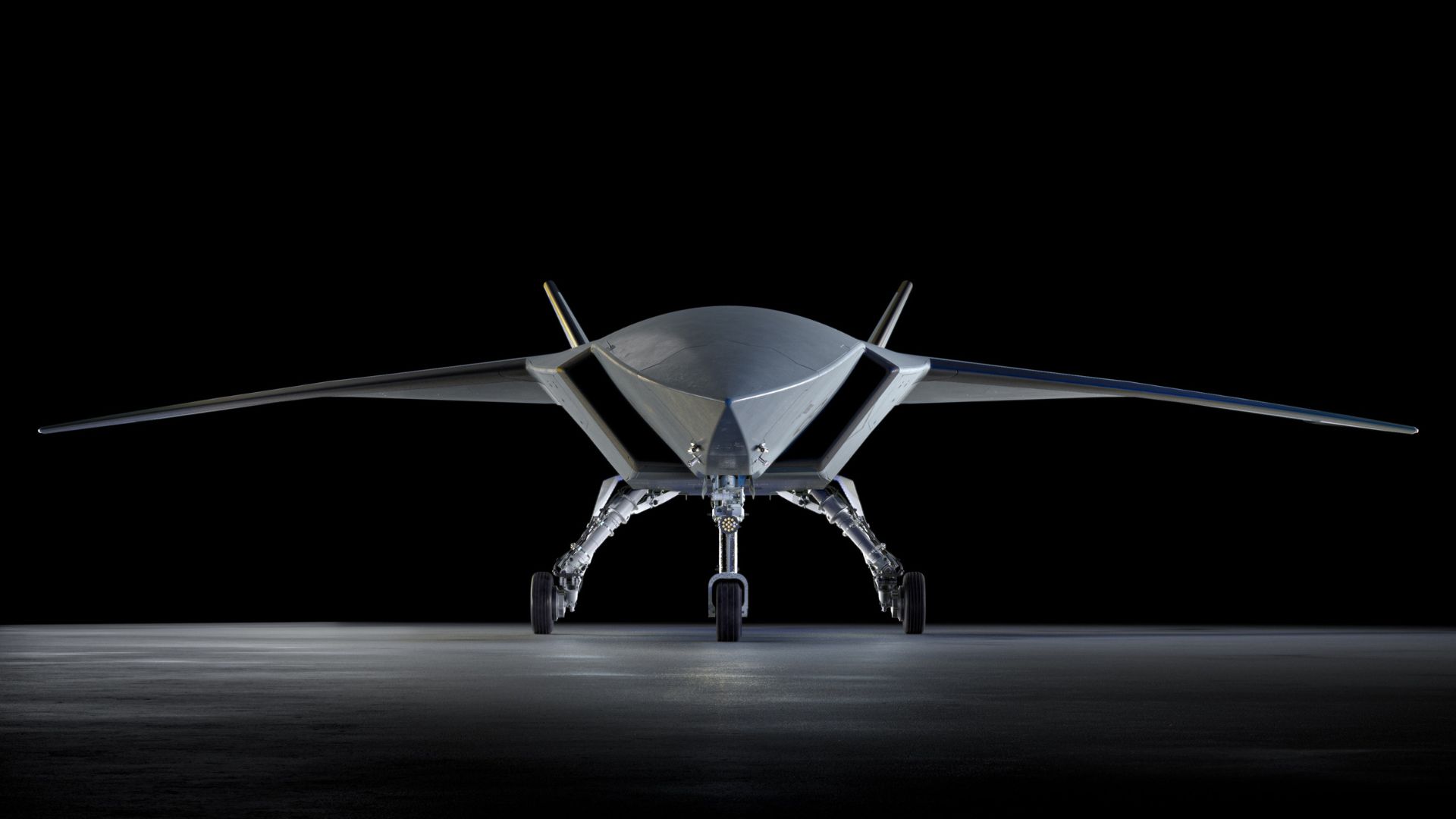
Boeing’s bigger Ghost Bat can carry missiles internally, carry more combat load
Boeing has introduced an upgraded version of its MQ-28 Ghost Bat drone, enhancing its capabilities with extended range and improved technology. The announcement was made during a recent defense expo in Australia, where the company showcased its commitment to advancing unmanned aerial systems. This new iteration aims to meet the growing demands for advanced surveillance and combat support in modern warfare. Boeing's development of the MQ-28 is driven by the need for more versatile and efficient military drones that can operate in complex environments. The enhancements include advanced sensors and artificial intelligence features, which allow for better decision-making and operational efficiency. This latest model is expected to play a crucial role in future defense strategies, particularly in the Indo-Pacific region, where military presence and technological superiority are increasingly prioritized.
Military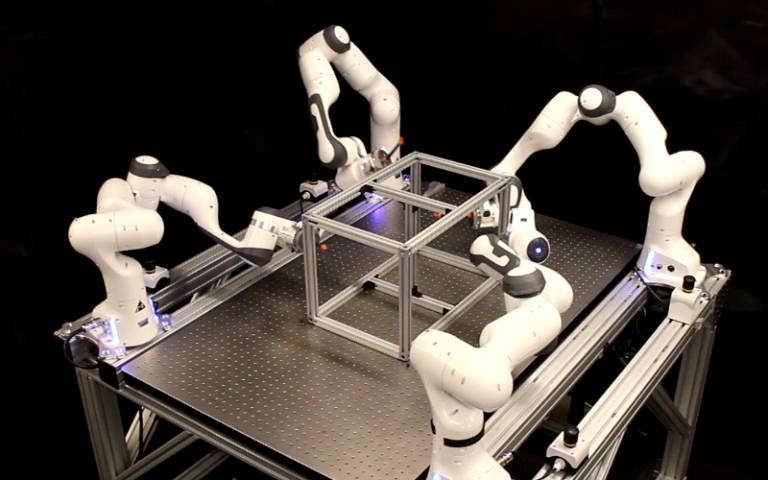
US Army awards L3Harris contract for VAMPIRE anti-drone systems
The US Army has awarded a $106 million contract to L3Harris for the development of Vehicle-Agnostic Modular Palletised ISR Rocket Equipment (VAMPIRE), a system designed to counter uncrewed aerial threats. This contract, announced recently, aims to enhance the Army's capabilities in addressing the growing challenges posed by uncrewed systems in modern warfare. By leveraging L3Harris's advanced technology, the Army seeks to improve its operational effectiveness and ensure greater security on the battlefield. The initiative reflects a strategic move to bolster defense mechanisms against evolving aerial threats, emphasizing the importance of adaptable and modular systems in military operations.
News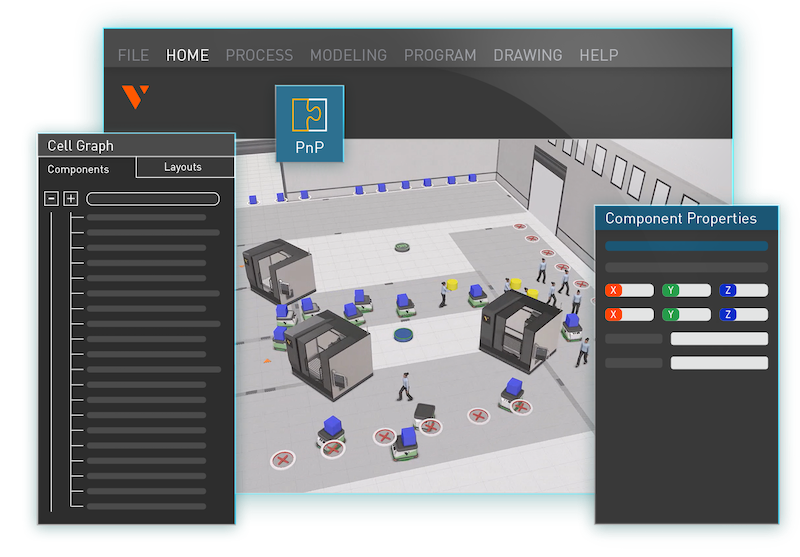
Visual Components launches new version of its factory simulation software
Visual Components, a leader in 3D manufacturing simulation and robot offline programming, has unveiled its latest software, Visual Components 5.1. This significant update aims to assist manufacturers in navigating the increasing complexity of autonomous production environments. Released recently, the new version features enhanced physics simulation for greater accuracy and scalable robot orchestration capabilities. These advancements are designed to streamline operations and improve efficiency in manufacturing processes, responding to the industry's evolving demands for automation and precision.
Computing News Robot simulation Software AGV simulation AMR simulation
Decart’s Oasis 3 world model streams realism into robotic training environments
Decart, a leading frontier AI research lab, has unveiled its latest world model, Oasis 3, in a bid to integrate synthetic simulation with physical AI. The announcement, made recently, highlights the model's capability to enhance the training processes for operating system models used in robots and autonomous vehicles. By focusing on this innovative approach, Decart aims to advance the development of intelligent systems that can operate seamlessly in real-world environments. The launch of Oasis 3 represents a significant step forward in the quest to improve AI's practical applications, addressing the growing demand for more sophisticated and capable autonomous technologies.
Artificial Intelligence Computing Culture Design automation news autonomous vehicles
Sonar–camera system sees through murky waters
Remotely operated underwater vehicles (ROVs) face significant challenges when navigating cloudy and turbulent waters, as sediment disturbance can severely impair visibility for onboard cameras. This issue arises when ROVs settle on the seafloor or dig through sand beds, leading to the creation of sediment clouds that obscure their view. Consequently, operators often have no choice but to pause operations and wait for the marine dust to settle before the vehicles can safely continue their exploration or tasks. This limitation highlights the complexities of underwater operations and the need for advancements in technology to enhance visibility in such challenging conditions.
Robotics
Did Tether Just Give Robots Their Own Bank Accounts?
Tether, a leading stablecoin issuer, announced on June 10, 2026, that it is spearheading a Series C funding round of up to $1.4 billion for NEURA Robotics, a German company specializing in cognitive humanoid robotics. This funding round, reported by Handelsblatt as the largest in German startup history, aims to integrate Tether’s Wallet Development Kit (WDK) into NEURA's robots. This open-source technology will enable these machines to possess self-custodial crypto wallets, allowing them to autonomously receive payments and execute transactions without human intervention. The initiative aligns with Tether's long-term goal of establishing itself as a financial infrastructure provider for the physical world. By equipping robots with their own private keys, Tether seeks to enhance their financial independence, contrasting traditional banking systems that can restrict access to funds. Major investors, including Amazon and Nvidia, have contributed to this funding round, which values NEURA Robotics at approximately $7 billion. The integration of WDK allows for seamless machine-to-machine payments, streamlining operations in logistics and manufacturing. NEURA Robotics CEO David Reger envisions a future where intelligent machines can autonomously coordinate and transact, creating value without human oversight. This partnership not only positions Tether to expand its transaction categories but also sets the stage for a new era in machine-economy infrastructure.
PHOTOS: The sights of Berlin Air Show 2026 on Day 2
On the second day of Germany's largest aerospace expo, a diverse array of photographs captured the dynamic atmosphere and significant developments within the industry. The event, held in Friedrichshafen, showcases cutting-edge technology and innovations from leading aerospace companies and startups. Attendees, including industry professionals, government officials, and aviation enthusiasts, gathered to explore advancements in aviation, space exploration, and defense systems. The expo serves as a vital platform for networking, knowledge exchange, and collaboration, reflecting the growing importance of aerospace in addressing global challenges. Through various presentations and exhibitions, participants engaged with the latest trends and future directions of the sector, emphasizing the industry's commitment to sustainability and technological progress.
Air Warfare Global Air Force Europe Germany ILA Berlin Multimedia 2026
DSV partners with Exotec to modernise Dutch supply chain operations
DSV, a global leader in transport and logistics, has announced a strategic partnership with Exotec, a company renowned for its expertise in warehouse robotics. This collaboration has led to the installation of Exotec's advanced Skypod system at DSV's logistics center in Venlo. The innovative system features around 100 autonomous Skypod robots, designed to enhance fulfillment operations for a range of retail brands. This initiative aims to streamline logistics processes and improve efficiency in handling inventory, reflecting DSV's commitment to leveraging cutting-edge technology in its operations. The partnership underscores the growing trend of automation in the logistics sector, as companies seek to optimize their supply chains and meet increasing consumer demands.
Logistics News Warehouse robots automation news Autonomous robots dsv
Agile Robots showcases force-control technology, humanoids, and physical AI at Robot Technology Japan event
Agile Robots is making a significant impact at Robot Technology Japan (RTJ) 2026, where the Munich-based company is showcasing its extensive range of industrial robotics, embodied AI, and humanoid technologies. The event, taking place in Nagoya, serves as a platform for Agile Robots to highlight its latest innovations, including advanced force-control systems, collaborative robots, and AI-driven automation solutions. This presentation underscores the company's commitment to expanding its presence in the global automation market, reflecting the growing demand for sophisticated robotic technologies in various industries.
Events Industrial robots News Agile ONE agile robots automation news
Microsoft warns of seven new threats from agent-based AI systems, including tool contamination and visual attacks.
Microsoft has revised its classification of agent-based AI vulnerabilities, adding seven new categories, including supply chain breaches and target takeover. This update follows insights gained from real-world red team operations, highlighting the need for enhanced measures against human approval evasion and memory corruption. The company advocates for the implementation of defensive strategies during the design phase to better safeguard against these emerging threats.