

Industry Briefing
A single destination for timely, editor-curated robotics news from around the world.

New US Photonics Design Platform Accelerates 1.6T Chip Development for Data Centers
Researchers in the United States have introduced a novel photonics design platform aimed at expediting the creation of high-performance chips for data centers. OpenLight, a semiconductor company based in California, and Israeli chipmaker Tower Semiconductor have enhanced their PH18DA photonics ecosystem by launching OpenLight’s photonic Process Design Kit (PDK), now accessible through Cadence’s electronic design automation tools. This open-platform design kit offers engineers a comprehensive library of components for developing custom Photonic Application-Specific Integrated Circuits (PASICs) and simplifies the process of creating photonic integrated circuits (PICs). The technology supports 400G and 1.6T photonic circuits, potentially streamlining the transition from design to production on the PH18D platform, according to OpenLight CEO Adam Carter. The integration of this PDK into Cadence tools is expected to facilitate the design of photonic integrated circuits alongside conventional integrated circuits. The collaboration aims to enhance the development of advanced optical systems, with a focus on improving performance, power efficiency, and scalability for next-generation optics solutions. No further timeline was disclosed at the time of publication.
AI and Robotics
Emerson Unveils DeltaV Automation Platform for AI-Scale Data Center Management
Emerson has introduced its DeltaV Automation Platform for Data Centers, which features an automation portfolio tailored for AI-scale data centers. This platform integrates thermal, mechanical, and electrical subsystems within a scalable architecture, enhancing the monitoring and control of data center infrastructure. The significance of this development lies in its ability to reduce engineering efforts, simplify integration, and improve consistency across commissioning, operations, and maintenance. Nathan Pettus, president of Emerson’s process systems and solutions business, emphasized that data center performance is increasingly reliant on the collaboration of critical systems rather than individual components. Looking ahead, the DeltaV Automation Platform aims to provide operators with unified visibility and coordinated control, enabling predictable project commissioning and reliable large-scale operations. Emerson's platform includes the DeltaV distributed control system and DeltaV programmable logic controllers, both of which leverage AI technologies for enhanced integration of optimization models.
Factory / Analytics
SoftBank and NTT Collaborate on Cross-Industry AI and Data Sharing Platform in Japan
SoftBank Corp. and NTT are spearheading a collaborative effort involving numerous Japanese companies and research groups to develop a cross-industry platform for artificial intelligence and data sharing across Japan. This initiative aims to enhance the infrastructure necessary for AI-powered data integration, positioning Japan to compete with leading nations in AI technology. The collaboration is significant as it seeks to address Japan's ambition to strengthen its presence in the global AI landscape, particularly against competitors like the US and China. By fostering a nationwide data-sharing ecosystem, the initiative could unlock new opportunities for innovation and efficiency in various sectors, thereby enhancing Japan's technological capabilities. Looking ahead, stakeholders will be keen to observe the progress of this initiative and its impact on Japan's AI landscape. No further timeline was disclosed at the time of publication.

Mocean Energy Launches Blue Core to Enter AI Data Centre Market
Mocean Energy has announced its entry into the AI infrastructure sector with the introduction of Blue Core, an innovative offshore data centre concept. This initiative aims to generate its own power, significantly reducing the energy costs typically associated with data centres. The Edinburgh-based company is currently seeking Pre-Series A funding to advance the development of Blue Core while continuing its operations in the offshore power industry. This move is significant as it addresses the growing demand for sustainable energy solutions in the data centre market, which is increasingly reliant on AI technologies. Looking ahead, stakeholders should monitor Mocean Energy's progress in securing funding and the subsequent development of Blue Core. No further timeline was disclosed at the time of publication.

NueroDance Introduces ND1000 and ND8 EEG Devices Alongside NeuroAI Data Platform
NueroDance has launched its ND1000 and ND8 series EEG devices, along with the NeuroAI group cross-modal data platform, during an event in Beijing. This initiative aims to establish a neural data infrastructure that extends the capabilities of AI beyond traditional text and image processing. The introduction of these EEG devices and the NeuroAI platform signifies a strategic move by NueroDance to position itself at the forefront of the evolving AI landscape. By focusing on cross-modal data, the company seeks to unlock new applications and insights from neural data, potentially transforming how AI systems interact with human cognitive processes. As the demand for advanced AI solutions grows, the development of a robust neural data infrastructure will be crucial. Observers should watch for how NueroDance's offerings will influence the AI sector and whether they can successfully integrate brain-computer hardware with multi-scene neural data applications. No further timeline was disclosed at the time of publication.
Technology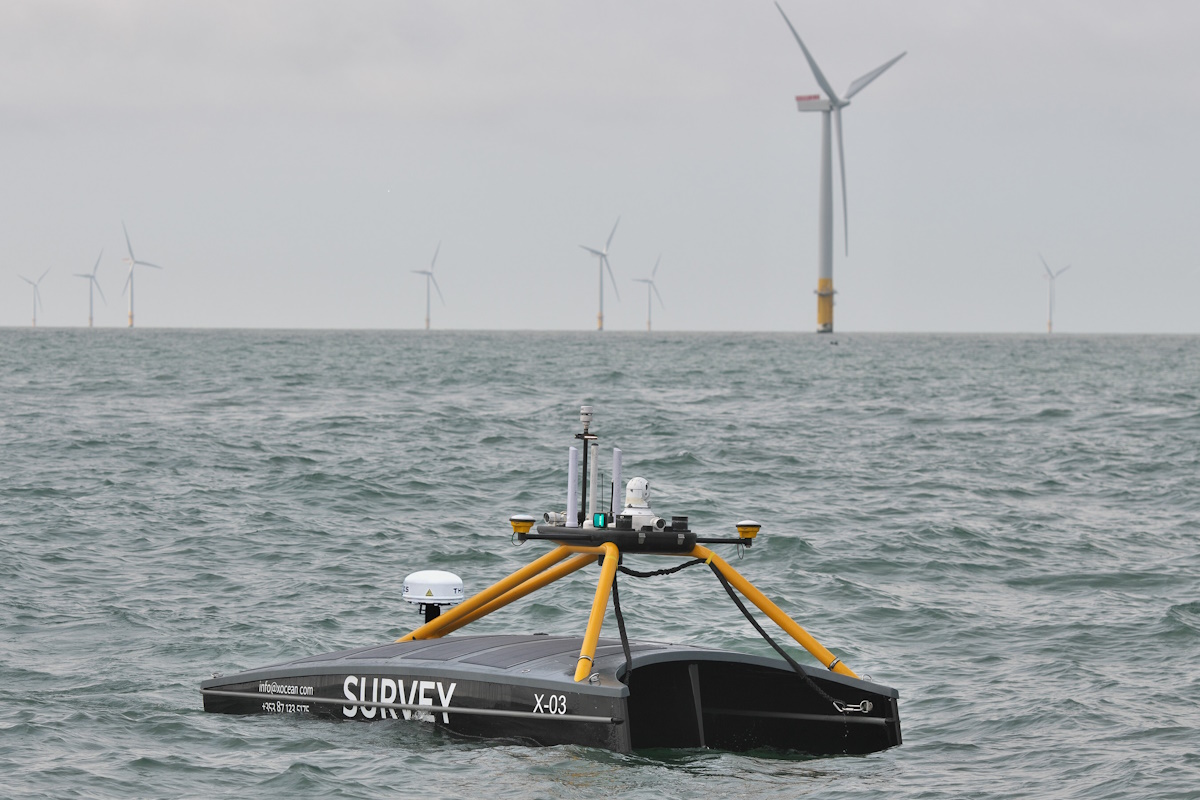
XOCEAN Secures €115 Million Investment to Accelerate Growth of Its Ocean Data Services Platform
XOCEAN, a prominent provider of ocean data for the offshore energy and civil hydrography sectors, has successfully raised €115 million to bolster its growth and expand its global presence. The funding round was organized in collaboration with S2G Ventures and received contributions from a consortium of investors, including S2G, Climate Investment, Morgan Stanley's 1GT fund, and an affiliate of the Crown Family's CC Industries. This financial boost aims to enhance XOCEAN's capabilities and support its strategic initiatives in the evolving market.
xocean investment growth ocean data services platform
MiniMax Reports 703% Revenue Growth in Enterprise AI and Open-Platform Services for H1 2026
Chinese AI company MiniMax announced a remarkable 703.1% increase in revenue from its open platform and enterprise AI services for the first half of 2026, reaching US$73.9 million. This segment now represents 63.4% of the company's total revenue, a significant rise from 30.3% in the same period last year. The surge in revenue is attributed to the growing demand for AI solutions, with revenue from AI-native products also seeing a substantial increase of 100.9% to US$42.6 million. Additionally, MiniMax's gross profit soared by 464.8% to US$20.8 million, highlighting the company's strong performance in the AI sector. Looking ahead, MiniMax's focus on expanding its enterprise AI and open-platform services could further enhance its market position. No further timeline was disclosed at the time of publication.
News Feed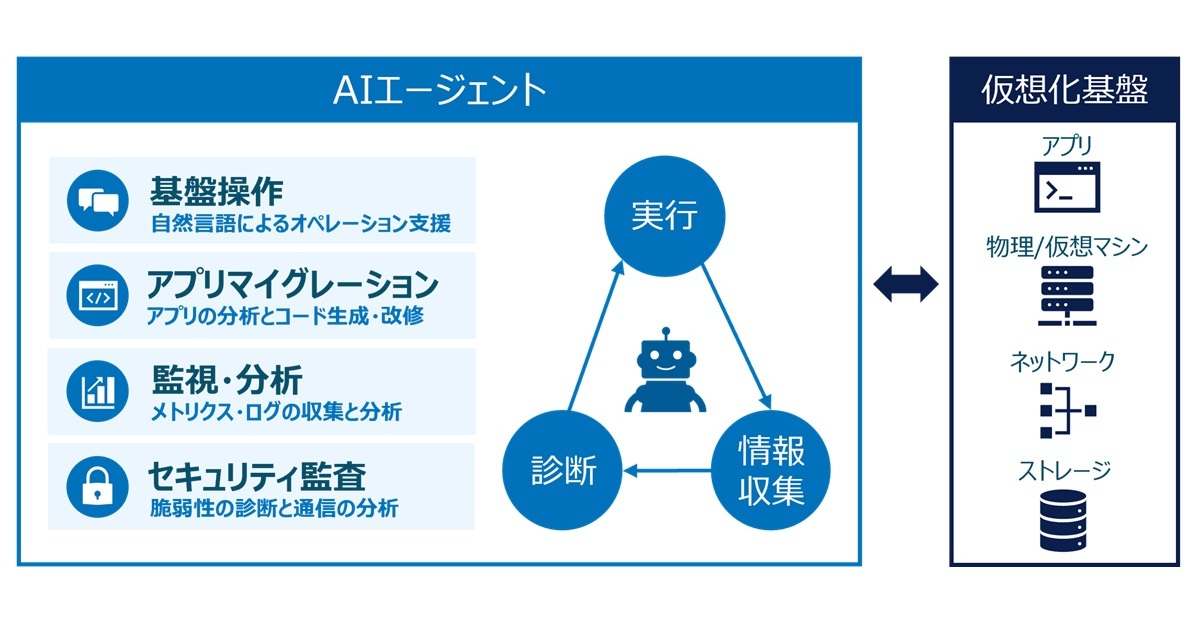
NTT Data Launches AI-Ready Support Services for Prossione Virtualization Platform
NTT Data Advanced Technology announced the launch of its support services for the Prossione Virtualization platform based on Kernel-based Virtual Machine (KVM) on July 22, 2026. This service encompasses design, construction, migration, and maintenance, aiming to enhance operational efficiency and reduce virtualization costs through AIOps integration. The introduction of these services is significant as it addresses the growing trend of companies considering open-source software (OSS) for virtualization to mitigate costs associated with proprietary products. NTT Data's Prossione Virtualization aims to minimize dependency on specific vendors while optimizing existing infrastructure resources, thus overcoming the technical hurdles associated with transitioning from commercial products to OSS. Looking ahead, the modular nature of the services allows businesses to start small and expand functionalities as needed, adapting to changing operational requirements. No further timeline was disclosed at the time of publication.
SpaceX Proposes 1 Million AI Satellites to Address Ground Data Center Constraints
On January 30, 2026, SpaceX filed with the FCC to launch up to 1 million AI compute satellites, positioning orbital data centers as a solution to the increasing demand for AI computing power. Ground data centers are facing significant challenges, with energy consumption projected to reach approximately 1,050 TWh in 2026, making them the fifth-largest electricity consumer globally. The demand for new data center capacity is outpacing the growth of power generation infrastructure, leading to a critical bottleneck in the grid system. The significance of this initiative lies in the structural constraints faced by ground data centers, including power delivery limitations, high water consumption, and local opposition to new projects. The Uptime Institute's 2026 outlook identifies power as the primary constraint on data center growth, with capacity clearing prices in the PJM grid skyrocketing to $329.17/MW, driven by data center expansion. Additionally, cooling requirements are becoming increasingly unsustainable, with facilities consuming vast amounts of water, further complicating their operational viability. Looking ahead, SpaceX's orbital AI compute initiative aims to circumvent these challenges by leveraging the advantages of space, such as continuous solar power and minimal local opposition. The first AI prototypes are expected to launch in early 2027, with operational deployments planned for 2028. No further timeline was disclosed at the time of publication.

Starmind's Orbital Compute vs. Terrestrial Data Centers: Analyzing Resource Advantages
Starmind's orbital compute technology presents a significant advantage over traditional ground-based data centers by eliminating constraints related to land, water, and grid permitting. While terrestrial data centers are currently cheaper and faster to construct, with U.S. data center spending reaching $85.3 billion in 2026, Starmind's approach focuses on addressing the growing resource limitations faced by hyperscale facilities. The significance of Starmind's technology lies in its ability to sidestep the increasing challenges of land and water usage. For instance, a 100 MW data center can consume approximately 530,000 gallons of water daily for cooling, while Starmind's AI1 utilizes deployable liquid radiators that require no water. This structural advantage could resonate with investors as the demand for AI computing continues to escalate, potentially leading to annual water withdrawals of up to 1.7 trillion gallons by 2027. Looking ahead, Starmind's next milestones include the launch of AI1 prototypes scheduled for early 2027. However, the technology's claims regarding cooling efficiency and operational reliability remain unverified until real flight data is available. As the industry evolves, the competition between orbital and terrestrial solutions will become increasingly relevant, particularly in the context of resource management and sustainability.

Tiburon Subsea, Ocean Robotics and Data Platform Poised for Growth
Tiburon Subsea Inc. has achieved a significant milestone by securing a patent for its groundbreaking JETTE propulsion system, designed for autonomous underwater vehicles. This development marks a pivotal advancement in underwater technology, enhancing the capabilities and efficiency of these vehicles. The patent, granted in October 2023, underscores the company's commitment to innovation in the subsea industry. By introducing this state-of-the-art propulsion system, Tiburon Subsea aims to improve operational performance and expand the potential applications of autonomous underwater vehicles in various sectors, including marine research and exploration.
tiburon subsea ocean robotics data platform patent
Shenzhen's Embodied Intelligence Port Launches to Enhance AI Functionality and Data Services
In 2026, Shenzhen's Bao'an Qianhai Kexing Science Park will officially launch the first 'data service + incubation empowerment' embodied AI ecosystem community, known as 'Jubaopen.' This initiative aims to address the critical challenge in the embodied intelligence industry: bridging the gap between prototype development and functional deployment. The 'Jubaopen' community will focus on data services, creating a closed-loop system for data collection, cleaning, labeling, training, and iteration. It will support over 100 terminals simultaneously, covering 50 to 100 tasks, and is expected to reduce R&D costs for enterprises by 30% to 50%. The efficiency of this model is exemplified by the case of Zhenjue Wanxiang, which has successfully supplied wearable data collection devices to North American robotics giant Figure. The embodied intelligence port spans 23 square kilometers and hosts over 139 upstream and downstream companies, including Tencent and VIVO. Bao'an's strategy includes providing open testing environments across various industries, facilitating rapid development and market entry for companies. As the competition in embodied intelligence shifts towards scalable applications, this port aims to offer systematic solutions for the industry.
Embodied AI Robotics Development Data Services Automation Industry Innovation
1X Technologies CEO Bernt Børnich Foresees 'Hard Takeoff' for Robotics in Three Years
In a recent interview on the All-In Podcast, Bernt Børnich, Founder and CEO of 1X Technologies, forecasted a 'hard takeoff' for physical artificial intelligence within three years. He emphasized that the timeline for general-purpose robotic labor could be shorter than expected, driven by the capabilities of the $20,000 NEO platform. Børnich's vision extends beyond household applications, highlighting a broader commercial strategy that includes opening NEO as a developer platform. He believes that leveraging internet-scale video training and massive data ingestion will be crucial for achieving early autonomy in robotics, potentially leading to self-sufficient systems capable of building other robots and operating complex facilities. Looking ahead, Børnich's aggressive timeline suggests significant advancements in robotics are imminent. He noted that 1X is transitioning to an open ecosystem, allowing for a diverse range of applications and autonomy levels. This shift aims to enhance the capabilities of NEO, positioning it as a versatile tool for various industries, including automated retail.
1X Technologies US NEO Bernt Børnich
Lingbo Develops Unique Robot Intelligence Platform Using Ant Group's Payment Ecosystem Data
Lingbo, a robotics subsidiary of Ant Group, has announced the development of a novel robot intelligence platform that utilizes data from Ant's extensive payment ecosystem. This initiative aims to enhance embodied AI capabilities and was unveiled recently, marking a significant step in the integration of financial data into robotics technology. The significance of this development lies in its unconventional approach to AI, which leverages real-time transaction data to inform and improve robot decision-making processes. By tapping into Ant Group's vast data resources, Lingbo aims to create more adaptive and intelligent robotic systems that can better understand and respond to human interactions in various environments. Looking ahead, Lingbo's next steps in this project remain unclear, as no further timeline was disclosed at the time of publication. Industry observers will be keen to see how this integration of financial data into robotics will influence the market and the potential applications that may arise from this innovative approach.
Technology
SpaceX Launches Starmind Project for 1 Million AI Satellites by 2028
SpaceX has officially named its orbital AI infrastructure project 'Starmind,' which aims to deploy a constellation of up to 1 million satellites. This initiative, confirmed by Elon Musk on June 22, 2026, will enable AI inference directly in space, utilizing solar energy rather than terrestrial power sources. The first satellite, designated AI1, was unveiled on June 8, 2026, and is designed to operate in sun-synchronous orbits. The significance of Starmind lies in its potential to overcome the limitations faced by ground-based data centers, such as land, power, and water constraints. By running AI computations in orbit, Starmind can provide a more efficient solution to the growing demand for AI computing power. The project leverages the existing Starlink infrastructure for data transmission, distinguishing its function from Starlink's internet relay capabilities. Looking ahead, SpaceX plans to begin hardware deployment with the AI1 satellite, while full-scale production and deployment of the satellite constellation are targeted for 2028. As of now, no Starmind satellites have been launched, and further engineering challenges remain to be addressed, particularly regarding the scalability of the satellite design.

SpaceX IPO Provides Indirect Investment Opportunity in Starmind Project
Starmind does not have a standalone stock or ticker; investors can gain exposure through SpaceX (ticker: SPCX), which began trading on Nasdaq after its IPO on June 12, 2026. Starmind is integrated within SpaceX, contributing to the company's AI and space initiatives, and its performance directly influences SPCX shares. The significance of Starmind lies in its role as a division of SpaceX, which encompasses other projects like Starlink and Starship. As of early July 2026, SPCX shares are trading between $149 and $150, significantly lower than their 52-week high of $225.64. The project’s milestones, such as AI1 prototype updates, can impact SpaceX's stock performance, making it essential for investors to monitor these developments closely. Looking ahead, the early 2027 launch of AI1 prototype satellites is a critical milestone that could provide verifiable data affecting Starmind's valuation and, consequently, SPCX stock. No further timeline was disclosed at the time of publication, but the upcoming events will be pivotal for investors tracking the relationship between Starmind and SpaceX's stock performance.

Tesla's Optimus Robots to Support Starmind Satellite Production, Not Maintenance
Tesla's Optimus robots will not be used to repair Starmind satellites in orbit, as confirmed by recent statements from Elon Musk. Instead, these robots are intended to assist in the construction and operation of the Terafab chip manufacturing facility in Texas. The AI1 satellites, designed to disintegrate upon reentry, highlight the company's swap-and-replace strategy rather than traditional maintenance practices. This approach is significant as it reflects a broader trend in satellite management, where mass-produced satellites are replaced rather than repaired. The economics of servicing missions are prohibitive, with the cost of launching a replacement satellite being significantly lower than conducting a repair mission. This model aligns with SpaceX's operational history, where rapid replacement of satellites is more efficient than attempting to maintain them in orbit. Looking ahead, the focus will remain on the production capabilities of the Gigasat factory, which is expected to support the continuous replacement of satellites. No further timeline was disclosed at the time of publication, but the demand for rapid satellite turnover suggests a robust future for Optimus robots in terrestrial manufacturing rather than in-space servicing.

SpaceX's Starmind Plans 1 Million AI Satellites Amid Collision Risks
SpaceX has announced its ambitious Starmind project, which aims to deploy 1 million AI satellites in orbits between 500 and 2,000 km. This initiative, confirmed by Elon Musk on June 23, 2026, follows a merger with xAI, valuing the combined entity at $1.25 trillion. The satellites will function as orbital data centers, processing AI workloads powered by solar arrays and linked by optical lasers. The significance of Starmind lies in its potential to add 100 gigawatts of AI compute capacity annually, contingent on the successful operation of the Starship launch system. However, the project raises concerns regarding space debris, as the current orbital environment is already congested, with a 20% increase in collision risk reported since 2024. The European Space Agency has highlighted that the density of debris in low Earth orbit is now comparable to that of active satellites, complicating the operational landscape for new entrants like Starmind. Looking ahead, the first operational orbital AI deployments are targeted for 2028, with test launches expected in early 2027. However, the project faces scrutiny regarding its impact on space debris, as even a 1% failure rate could significantly increase the number of uncontrollable objects in orbit, exacerbating existing risks. No further timeline was disclosed at the time of publication.
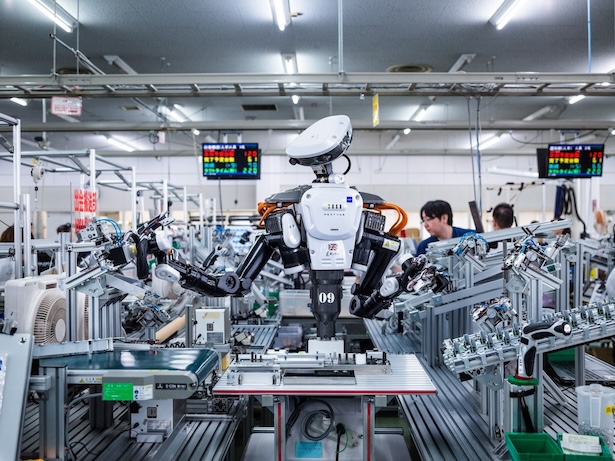
SpaceX's Starship V3 Plans for 1 Million Starmind Satellites by 2030
SpaceX's Starship V3 is set to revolutionize satellite deployment, aiming to launch 1 million Starmind satellites by 2030. The spacecraft can carry over 100 tonnes to low Earth orbit (LEO), significantly more than the Falcon 9's capacity. As of May 2026, Starship has completed 12 flights, with the next mission scheduled for late July 2026, focusing on operational payloads including AI1 prototypes in early 2027. This ambitious plan is crucial for expanding orbital compute capacity, targeting an annual addition of 100 GW through a million tonnes of satellite hardware. SpaceX's strategy hinges on achieving a launch cadence of approximately 12,000 flights, equating to about three launches per day. The company has invested over $15 billion in the Starship program, with expectations to begin payload deliveries in the second half of 2026, starting with Starlink V3 satellites. Looking ahead, the successful deployment of the Starmind constellation will depend on Starship's ability to meet its cost targets of $10–20 million per flight. If achieved, this would make launching satellites more economical than building ground data centers. The next significant milestone will be the launch of AI1 prototypes in early 2027, with full-scale deployments commencing in 2028 from the new Gigasat factory in Texas.

Starmind's Satellite Technology Achieves 880 Billion Liters in Annual Water Savings
Starmind has announced that its satellite technology can save approximately 880 billion liters of cooling water annually at full scale. This figure is equivalent to the annual household water use of around 6.5 million Americans. The technology operates by utilizing a closed-loop liquid cooling system that eliminates the need for water during its operational life, contrasting sharply with traditional ground data centers that consume vast amounts of water for cooling. The significance of this achievement lies in the growing water consumption crisis faced by data centers, particularly as AI expansion drives demand. In 2025, U.S. data centers consumed nearly one trillion liters of water, highlighting the urgent need for sustainable solutions. Starmind's approach not only addresses direct water usage but also avoids indirect water consumption associated with electricity generation, marking a substantial shift in how computing can be conducted in a resource-efficient manner. Looking ahead, Starmind's deployment strategy includes a projected buildout of 100 GW of orbital compute per year, which could displace an additional 735 billion liters of ground water demand annually. The first tranche of 10,000 satellites is already operational, offsetting approximately 8.8 billion liters of water per year. No further timeline was disclosed at the time of publication.
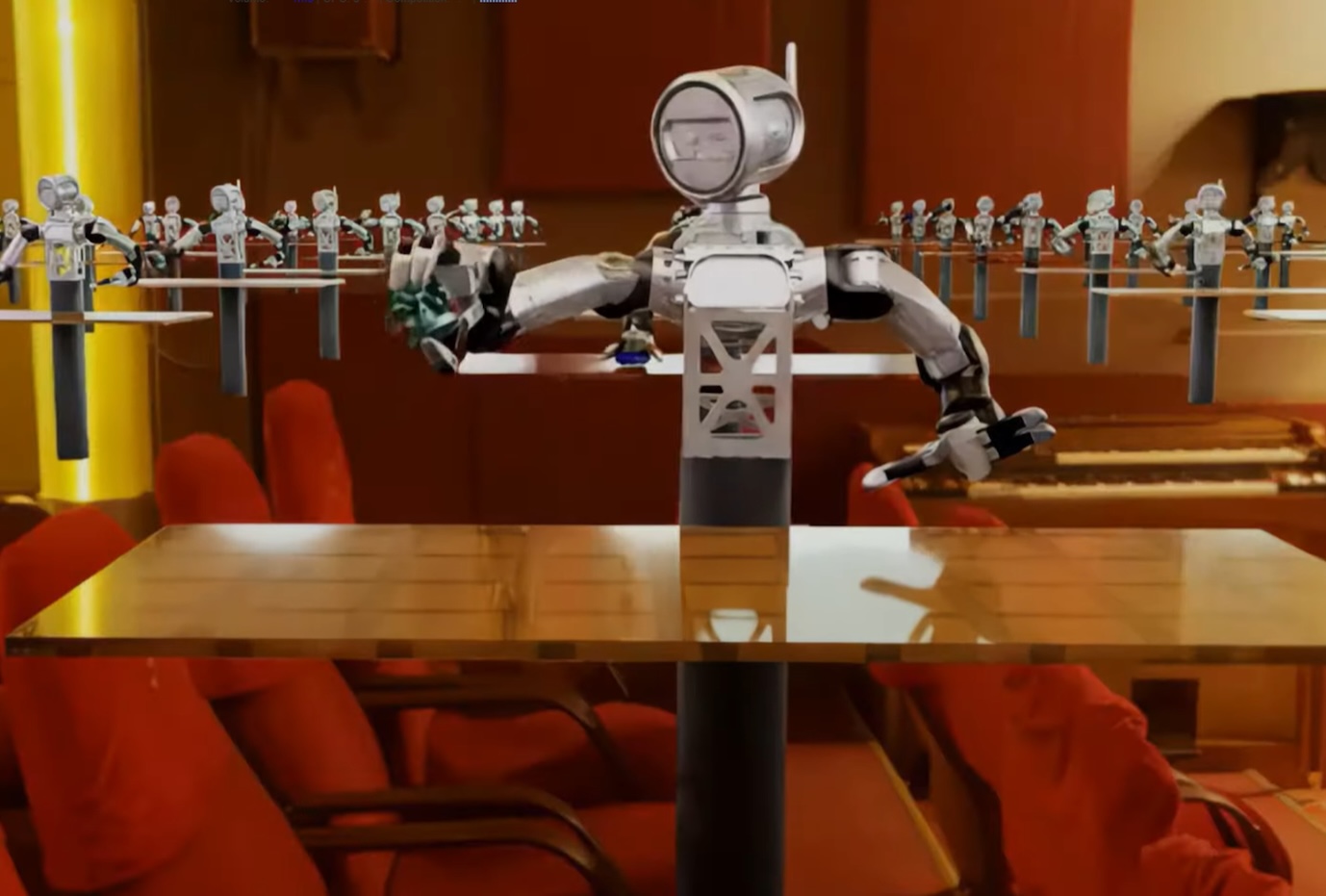
SpaceX's Starmind Faces Feasibility Challenges for 1 Million Satellite Deployment
On January 30, 2026, SpaceX submitted a request to the FCC to launch up to 1 million satellites as part of its Starmind orbital compute constellation. This ambitious plan is unprecedented, as the total number of satellites ever launched globally is in the low tens of thousands. The proposal seeks a waiver from standard deployment milestones, citing reliance on the Starship's full reusability for success. The significance of this request lies in the technical and logistical challenges it presents. Experts warn that low Earth orbit may not support the proposed number of active satellites without risking a debris cascade. SpaceX's own IPO prospectus acknowledges unresolved dependencies related to Starship's launch cadence and reusability, which are critical for the orbital AI compute strategy. Looking ahead, the timeline for achieving the necessary launch cadence and manufacturing capacity remains uncertain. SpaceX's Gigasat facility in Texas aims for volume production by late 2027, but this would require unprecedented output levels. No further timeline was disclosed at the time of publication, leaving the feasibility of the Starmind project in question.

SpaceX Unveils AI1 Satellite Specs for Starmind Constellation with Key Thermal Challenges
SpaceX has introduced the AI1 satellite, the inaugural component of its Starmind constellation, which stands 20 meters tall and has a wingspan of 70 meters. This orbital compute node is designed to deliver computing power equivalent to one NVIDIA GB300 server rack, utilizing a unique cooling system with deployable liquid radiators. The satellite's specifications were revealed during a presentation on June 8, 2026, ahead of SpaceX's IPO. The significance of the AI1 satellite lies in its role as a compute platform rather than a traditional satellite, focusing on running AI inference workloads. The satellite's cooling system, which is critical for its operation in the vacuum of space, is designed to reject heat through infrared radiation. However, independent engineers have raised concerns about the feasibility of the thermal and mass claims made by SpaceX, suggesting that the cooling requirements may exceed practical limits. Looking ahead, SpaceX plans to launch two AI1 prototypes in early 2027, with full-scale production expected to commence later that year at its Gigasat facility in Bastrop, Texas. The ongoing debate regarding the satellite's thermal management capabilities will be crucial to monitor as the project progresses, with no further timeline disclosed at the time of publication.

Orbbec Unveils Robot-Free Data Collection Hardware Platform to Help Customers Capture Real-World Demonstrations for Physical AI at Scale
Leveraging its deep expertise in and broad product portfolio of robotics and AI vision, Orbbec is one of the few industry providers that combines advanced multi-sensor calibration and synchronization technologies, a full-stack vision product portfolio, and global-scale manufacturing and delivery capabilities.
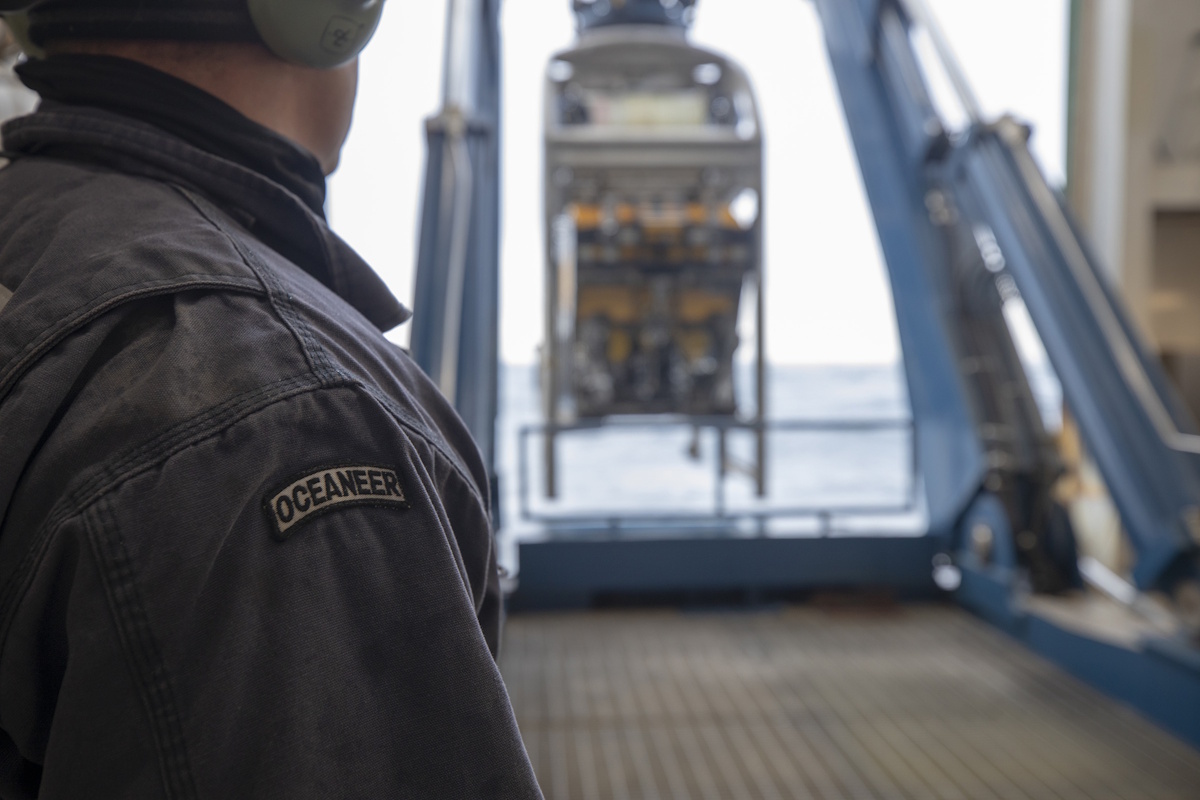
Oceaneering Secures Petrobras Contract for ROV Services Offshore Brazil
Oceaneering International, Inc. (“Oceaneering”) announced that its Brazilian subsidiary, Marine Production Systems do Brasil LTDA (“MPS”), won a contract from Petróleo Brasileiro S.A. (“Petrobras”) to deliver ROV services offshore Brazil. The award follows a competitive tender process. The contract term is four years and operations are expected to begin in 2027.
oceaneering petrobras contract rov services offshore
Innocean, SBVA launch startup growth platform
Innocean, the advertising and marketing division of Hyundai Motor Group, announced on Monday its collaboration with SBVA, a venture capital firm previously known as SoftBank Ventures Asia. This partnership aims to establish UP 2026, a growth platform focused on fostering collaboration with high-growth startups and exploring new business opportunities. SBVA, affiliated with the SoftBank Group, has a diverse investment portfolio that includes over 100 startups across various sectors such as artificial intelligence, the Internet of Things, and robotics. The initiative reflects Innocean's commitment to innovation and strategic growth in an evolving market landscape.
All News
AGIBOT Introduces Genie Sim 3.0, an Integrated Simulation, Data, and Benchmarking Platform for Embodied AI
AGIBOT has unveiled Genie Sim 3.0, an advanced platform aimed at improving embodied artificial intelligence in robotics. Launched recently, this open-source platform addresses significant challenges in robotics development by incorporating features such as environment generation, data scalability, and standardized evaluation methods. Genie Sim 3.0 enables the creation of 3D environments driven by large language models (LLMs) and includes a comprehensive framework for evaluating robot algorithms. The platform also integrates deeply with reinforcement learning, streamlining the experimentation and deployment processes for robotics. This upgrade is expected to facilitate faster advancements in the field, enhancing the capabilities and efficiency of robotic systems.
Embodied AI Robotics Simulation Reinforcement Learning Data Evaluation
ACUA Ocean and RS Aqua Sign MoU to Accelerate Remote Deployment of Long-Endurance and Persistent Ocean Acoustic Data Gathering AI Systems
ACUA Ocean has entered into a Memorandum of Understanding with RS Aqua, a company focused on advancing ocean exploration and conservation through innovative technology and expertise. This partnership aims to enhance the discovery and understanding of marine environments, ultimately contributing to their protection. The agreement was formalized recently, signaling a commitment from both organizations to collaborate on initiatives that leverage their respective strengths in oceanic research and technology. By combining resources and knowledge, ACUA Ocean and RS Aqua seek to address pressing challenges facing the oceans and promote sustainable practices in marine management.
acua ocean rs aqua mou ocean acoustic data gathering ai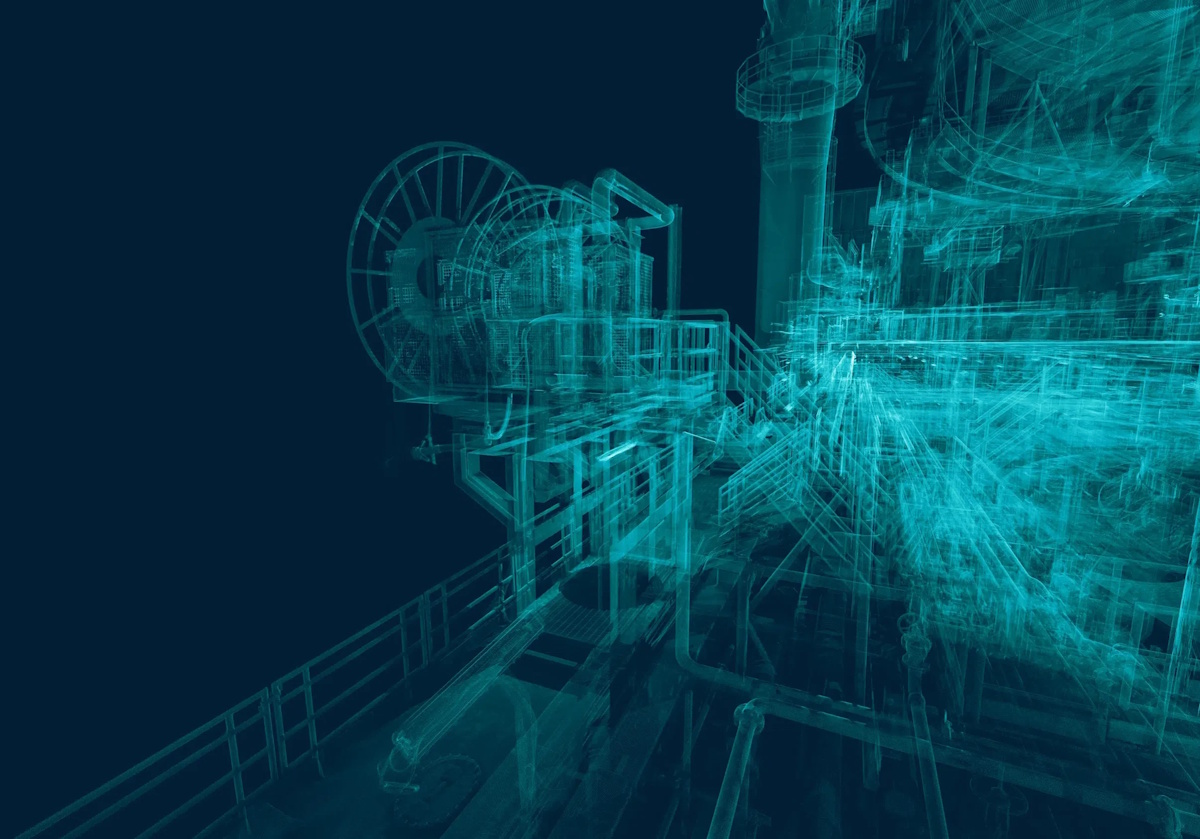
Oceaneering Expands Vision™ Platform with Subsea Module for Engineering‑Grade Integrity Visualization
Oceaneering International, Inc. has unveiled Vision™ Subsea, a new module integrated into its cloud-based Vision™ 3D data visualization software platform, developed by its subsidiary GDi. Announced today, this innovative module provides engineers with access to engineering-grade point cloud data collected during remotely operated vehicle (ROV) operations. By offering a measurable and contextual view of subsea asset integrity, Vision™ Subsea enhances the ability to identify anomalies, conduct dimensional checks, and plan interventions effectively. This advancement aims to improve the safety and efficiency of subsea operations, addressing the growing need for precise monitoring and maintenance of underwater infrastructure.
oceaneering gdi vision™ platform subsea module integrity visualization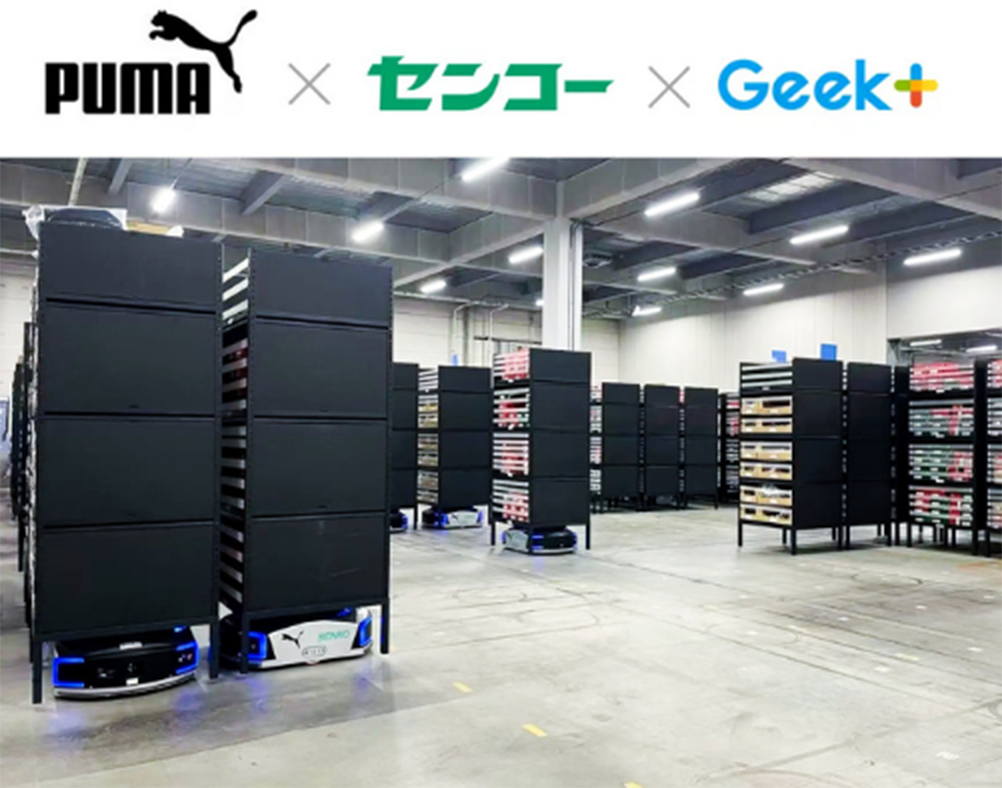
Geekplus Japan Supports PUMA in Building a New Core Logistics Center — Unified Management of Store and E-commerce Inventory with Logistics Data Platform
Geekplus Japan has joined forces with PUMA and Senko Co., Ltd. to launch a state-of-the-art logistics center that merges business-to-business (B2B) and business-to-consumer (B2C) operations. This initiative, unveiled recently, leverages the open supply chain management solution 'skylaa' to streamline processes. The new center will feature the deployment of 42 automated mobile robots, aimed at boosting efficiency and enhancing inventory management. This strategic move is expected to significantly elevate PUMA's e-commerce capabilities and improve overall logistics performance, reflecting a growing trend towards automation in the retail sector.
Logistics Automation E-commerce Solutions Supply Chain Management Mobile Robotics Inventory Management
Nauticus Robotics Signs Master Services Agreement with Advanced Ocean Systems
Nauticus Robotics, Inc., a prominent player in the field of autonomous subsea robotics and software solutions, has announced the establishment of a Master Services Agreement (MSA) with Advanced Ocean Systems, Inc. (AOS), a Florida-based company specializing in the development and integration of autonomous and remote systems. This partnership aims to enhance the capabilities and offerings of both companies in the rapidly evolving technology landscape. The agreement was made public today, signaling a strategic collaboration that could lead to innovative advancements in subsea technology and services.
nauticus robotics master services agreement advanced ocean systems
Oceaneering Awarded Contract by Esso Exploration Angola (Block 15) Limited for ROV Services and Integrated Solutions
Oceaneering International, Inc. has secured a significant contract with Esso Exploration Angola, a subsidiary of ExxonMobil, to provide support services for offshore operations in Angola's Block 15. The agreement, which began on July 1, 2025, is projected to yield between $80 million and $90 million in revenue over the next three years. This partnership underscores Oceaneering's commitment to enhancing operational efficiency in the region's oil and gas sector.
oceaneering contract award esso exploration angola block 15 rov services
Fugro Partners with DTACT and Ubotica to Launch a Data Fusion and Intelligence Platform
Fugro has formed a strategic partnership with DTACT, a high-tech software firm, and Ubotica, a pioneer in AI-driven satellite intelligence, to create an innovative data fusion and intelligence platform. This collaboration aims to equip government organizations with essential information to enhance national security and protect vital underwater infrastructure. The initiative underscores the growing importance of advanced technology in safeguarding critical assets and responding to emerging security challenges.
fugro partnership dtact ubotica data fusion platform
DeepOcean’s Subsea Services Offering Reinforced by Vessel Capacity Extensions
DeepOcean, a prominent ocean services provider, has enhanced its subsea capabilities by extending its charter agreements with Østensjø Rederi for three vessels. This strategic move ensures that DeepOcean's advanced subsea vessel, Edda Freya, will continue to be part of its fleet until at least 2026, with further options for extension available. The decision reflects DeepOcean's commitment to bolstering its operational capacity in the subsea sector, responding to increasing demand for specialized marine services.
deepocean subsea services vessel capacity østensjø rederi edda freyaRobotics needs a service framework.
RSF defines a common language for robot service capability, lifecycle operations, certification pathways, and service-provider networks.
Join the RobotToday community on LinkedIn
Daily robotics news, in-depth analysis, conference highlights, and discussions with professionals worldwide.







