

Industry Briefing
A single destination for timely, editor-curated robotics news from around the world.
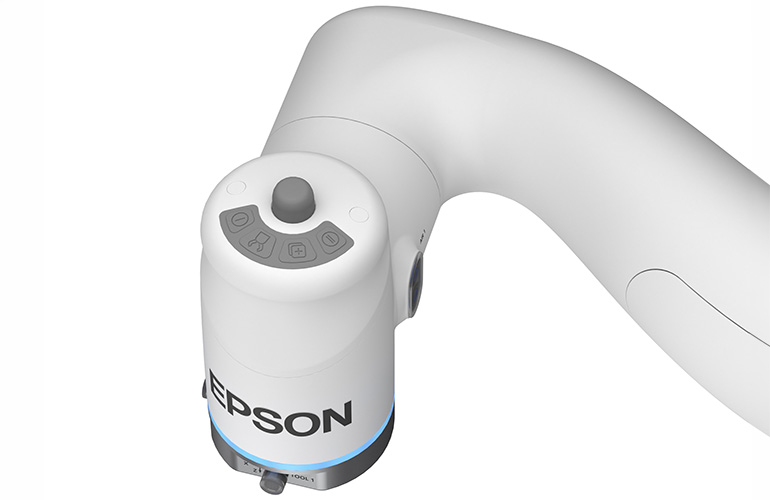
Epson Launches AX6 Cobot Featuring Compact Design and No-Code Programming
Epson Robots has introduced the AX6 collaborative robot, expanding its six-axis robot line. This new cobot is designed with power- and force-limiting features, enabling safe operation alongside humans without traditional safety barriers, as confirmed by Rick Brookshire, director for product and robot development at Epson. The introduction of the AX6 is significant as it lowers barriers for new robot users by simplifying programming and integration, while also catering to applications where space and user interaction are critical. Epson, a leader in SCARA robots, aims to provide a comprehensive range of robotic safety solutions with this new addition. Looking ahead, the AX6 features a 900 mm reach and a 6 kg maximum payload, along with no-code software for ease of use. It complies with ISO Class 5 cleanroom standards, making it suitable for life science applications. No further timeline was disclosed at the time of publication.
Arms / Manipulators Assembly Cobot Arms Collaborative Robots End Effectors / Grippers Healthcare Robotics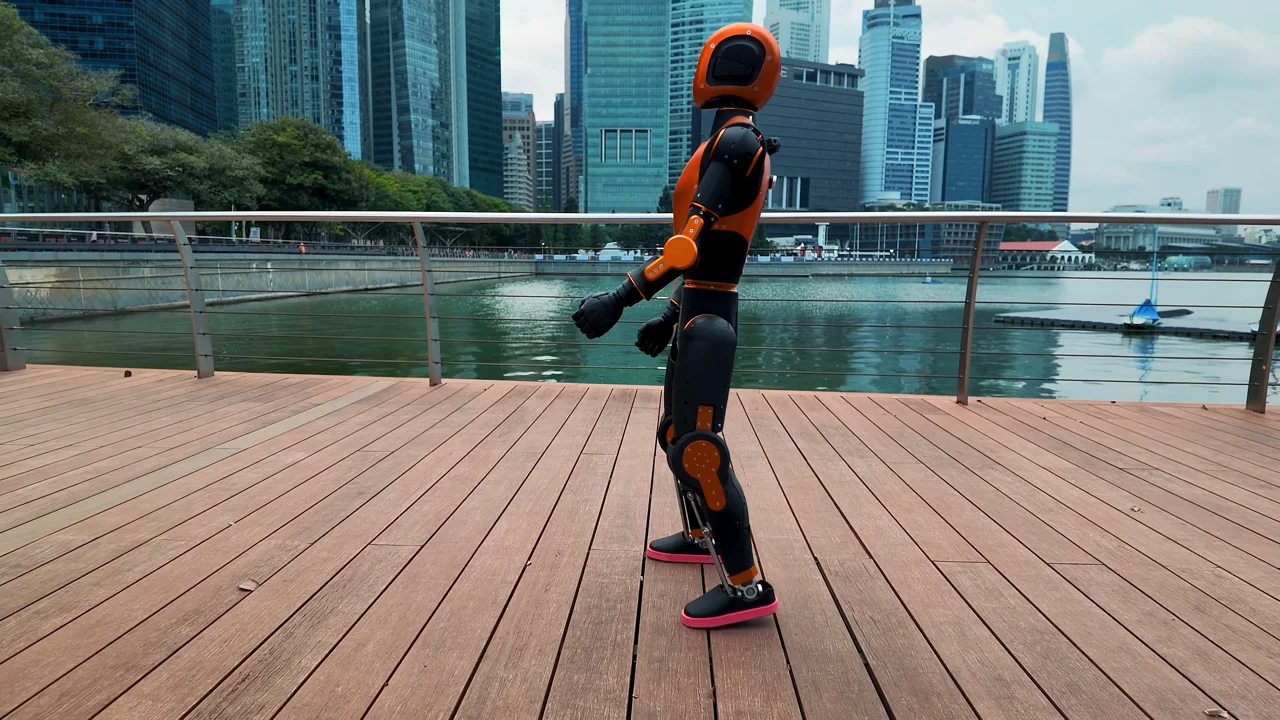
Asimov Releases Open-Source Training Code for Humanoid Robot Locomotion
Asimov has announced the open-source release of the training code for its humanoid robot's walking capabilities. This initiative, revealed on September 25, allows developers to inspect and modify the locomotion policy of Asimov 1, providing a foundation for adapting the robot's controller to different hardware and exploring various walking styles. This development is significant as it enhances the accessibility of robotics technology, enabling a broader community of developers to contribute to the evolution of humanoid robotics. By providing the isaac_asimov repository built on NVIDIA’s Isaac Lab simulation framework, Asimov encourages innovation in training methodologies, which could lead to improved humanoid performance and capabilities. Looking ahead, developers will be able to utilize the released training framework to bridge the simulation-to-hardware gap, although no further timeline was disclosed at the time of publication. The community's engagement with this open-source initiative could accelerate advancements in humanoid locomotion and related technologies.
open-source Asimov locomotion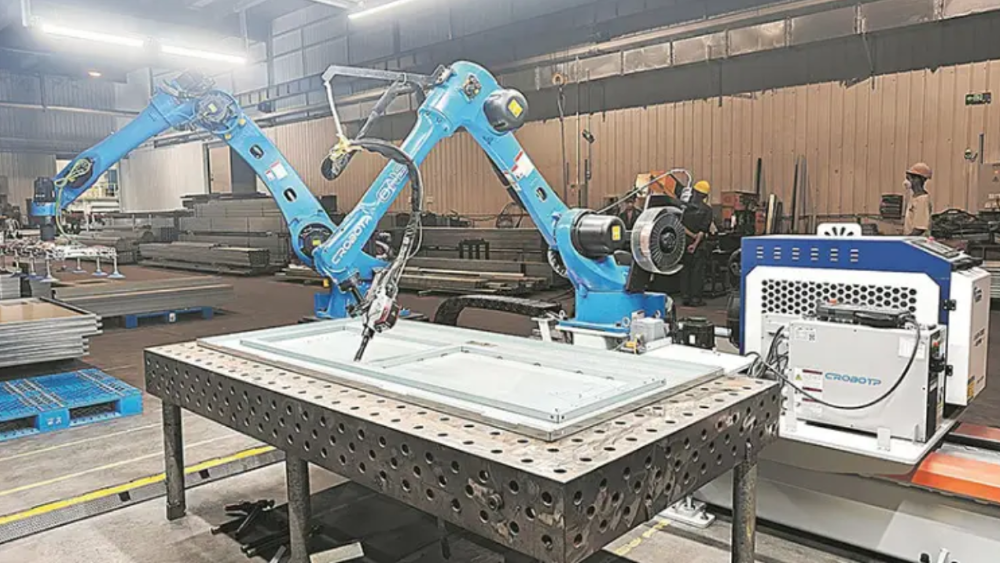
Western China's First 'No Programming' Welding Robot Enters Production
On August 18, the first fully automatic, no programming welding robot was delivered in Chengdu, Sichuan Province. Developed by the Chengdu Craftsman studio led by Feng Zhengle, this innovative robot is designed for the power industry, specifically for non-standard customized door panels. Traditional industrial robots require extensive reprogramming for each model change, which hampers efficiency. The new robot utilizes advanced technologies, including AI deep learning visual recognition and laser seam sensing, to overcome technical challenges in welding thin sheet metal. Its dual positioning system—AI visual initial positioning combined with laser precision positioning—enables high-precision laser welding. The operational efficiency has significantly improved, with complex door panel welding taking only six minutes and simple ones three minutes, reducing overall operation time by 20% and eliminating the need for post-welding polishing. This development marks a shift in manufacturing logic, moving from customized automation solutions to adaptable automation for various products. As the robot begins its journey in a workshop in Chengdu, it represents a significant advancement in the integration of AI into manufacturing processes, transforming the skills of frontline workers into executable algorithms.
Welding Robots Automation Technology AI in Manufacturing Flexible Production
Microsoft Introduces AI Code of Conduct to Prevent Dangerous Model Behavior
Microsoft has unveiled a new AI code of conduct aimed at steering AI models away from harmful actions. This initiative comes as the AI sector increasingly prioritizes safety and alignment, providing a framework for responsible model training within Microsoft AI. The code emphasizes the importance of guiding AI systems to support human endeavors rather than replace them, with strict safety constraints to uphold these principles. It includes prohibitions against cyberattacks, nuclear weapon involvement, and deepfake creation, ensuring that AI models remain under human control. As AI safety gains prominence due to recent incidents, Microsoft’s code reflects a commitment to responsible AI development. The company, alongside others like Anthropic and OpenAI, is focused on ensuring alignment in AI systems, with CEO Satya Nadella advocating for deliberate pacing in AI advancements. No further timeline was disclosed at the time of publication.
AI Microsoft Anthropic
Epoch and METR Launch MirrorCode Benchmark to Evaluate AI Programming Tasks
Epoch and METR have introduced MirrorCode, a benchmark designed to assess AI systems' capabilities in long-horizon programming tasks. The benchmark, which was announced in April, has shown that AI models, such as Opus 4.7, can complete tasks that would typically take humans weeks in a fraction of the time and cost. For instance, Opus 4.7 solved a task in 14 hours at a cost of $251, while humans would require 2-17 weeks. The significance of MirrorCode lies in its ability to demonstrate that AI systems are not only improving in coding proficiency but can also self-orient and learn from their environment. This capability suggests that advanced AI agents might develop their own implementations of software programs, potentially leading to significant advancements in industrial applications. Looking ahead, the results from MirrorCode indicate that while AI models have made substantial progress, challenges remain. Eight out of 25 target programs were never solved to a 100% threshold, highlighting areas for further development. No further timeline was disclosed at the time of publication.

Airion Launches No-Code Physical AI Development Platform 'Physical AI Studio' for Yazaki
On September 24, 2026, Airion Inc. announced the launch of its Physical AI development platform, 'Physical AI Studio,' for Yazaki Corporation. This initiative aims to enhance the development and utilization of Physical AI in manufacturing environments, with Airion's engineers initially supporting the creation of use cases and technical validation. The significance of this platform lies in its ability to bridge the gap between manufacturing personnel and AI expertise. As the demand for automation and advanced applications grows, 'Physical AI Studio' allows users to independently manage data collection, AI model validation, and implementation processes, ultimately facilitating a more efficient production workflow. Looking ahead, Airion plans to refine 'Physical AI Studio' based on real-world feedback from Yazaki's manufacturing processes. The platform's no-code capabilities will enable users to construct and modify workflows without specialized knowledge, ensuring adaptability and continuous improvement in the automation of wire harness manufacturing tasks.

UK RAS STEPS Hosts Micromaze Robot Hackathon at University of York
From August 25 to 27, 2026, UK RAS STEPS organized a Micromaze Robot Hackathon at the University of York’s Institute for Safe Autonomy. Participants worked in teams to design, build, and program autonomous robots that could navigate complex mazes using a custom Raspberry Pi Pico W platform. The event featured various sensors and tools, culminating in a final challenge that evaluated maze performance and innovative features. This Hackathon is significant as it not only fosters technical skills in robotics but also serves as a potential model for future professional development and outreach programs aimed at introducing robotics to children and students. The collaborative environment encouraged participants to engage deeply with robotics concepts and practical applications. Looking ahead, the success of this event may lead to more initiatives focused on robotics education and community engagement. No further timeline was disclosed at the time of publication.

Microsoft Announces Update to Windows Code Signing Infrastructure Ahead of 2026 Changes
On August 20, 2026, Microsoft announced plans to update its Windows code signing infrastructure due to the expiration of the current certification authority on October 19, 2026. This transition will begin in the coming weeks, with a phased enhancement of code signing expected to continue through 2027, including a shift to post-quantum cryptography standards. This update is significant as it addresses potential compatibility issues that may arise from fixed certificates and cryptographic methods in applications. Microsoft has urged IT departments to verify the reliability of signatures using standard Windows APIs and to avoid relying on specific certification authorities or certificate details. Looking ahead, IT administrators are encouraged to ensure that their software sources utilize standard APIs and have plans for post-quantum cryptography compliance. No further timeline was disclosed at the time of publication.

AI Makeup Assistant Iron Bestie Wins Top Honors at Hong Kong Hackathon
Iron Bestie, a personalized makeup assistant, won first place at Hong Kong's inaugural physical AI hackathon, outperforming over 160 global competitors. The robotic arm demonstrated its capabilities by applying lipstick while integrating with a user's daily schedule, showcasing advanced vision-language models and voice recognition technology. This achievement highlights the growing intersection of AI and personal care, emphasizing how technology can enhance daily routines. The use of local redaction middleware also underscores the importance of data privacy in AI applications, ensuring that sensitive user information remains secure during operation. Looking ahead, the success of Iron Bestie may inspire further innovations in the beauty tech sector. The unique collaboration between Luo Yuqing, a novice coder, and Zeng Yitao, an experienced algorithm developer, illustrates the potential for diverse skill sets to drive advancements in robotics and AI. No further timeline was disclosed at the time of publication.
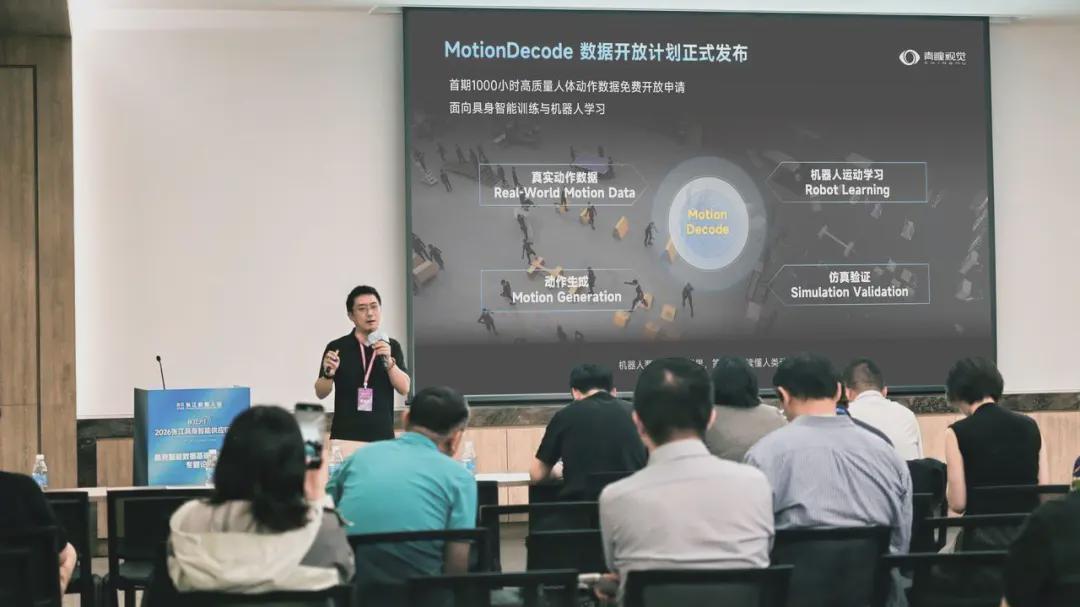
Qing Tong Vision Launches MotionDecode Data Open Plan: 1000-Hour Motion Capture Dataset Now Open Source
Qing Tong Vision has launched the MotionDecode Data Open Plan, offering free access to a comprehensive 1,000-hour high-quality human motion dataset. This initiative, announced recently, is designed to enhance the development of humanoid robots and promote embodied intelligence by reducing research barriers and encouraging collaboration within the data ecosystem. The program is expected to support a wide range of applications, including robot training and motion generation, representing a pivotal advancement in the industrialization of embodied intelligence.
Motion Capture Embodied Intelligence Humanoid Robots Data Open Source AI Training Data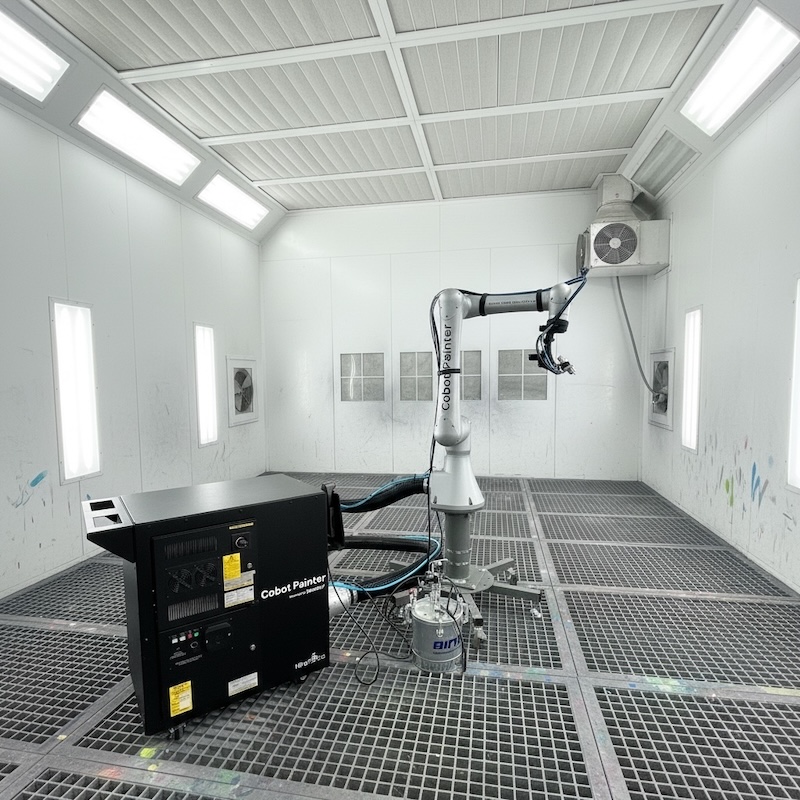
Hirebotics launches ‘no-code explosion-proof’ collaborative robot for industrial painting
Hirebotics has unveiled the Cobot Painter, the first explosion-proof collaborative robot solution designed specifically for metal fabrication. This innovative product, developed using Hirebotics' no-code Beacon platform in conjunction with Fanuc's CRX-10iA/L Paint hardware, is now available for purchase. The Cobot Painter provides metal fabricators and manufacturers with a practical alternative to traditional manual spraying methods and complex automated production lines, catering to high-mix, low-volume production needs. This launch marks a significant advancement in the automation of metal finishing processes, aiming to enhance efficiency and safety in the industry.
Industrial robots News Beacon platform Cobot Painter cobots collaborative robots
Hirebotics offers no-code, explosion-proof cobot for painting
Hirebotics has introduced a new no-code, explosion-proof collaborative robot (cobot) designed specifically for stationary painting applications. This innovative technology allows parts to be placed in a designated paint booth, where the cobot autonomously handles all spraying operations. The development aims to enhance safety and efficiency in industrial painting processes, providing manufacturers with a reliable solution that minimizes the risk of explosions while simplifying the operation through its no-code interface. This advancement reflects Hirebotics' commitment to improving automation in the manufacturing sector, making it easier for companies to adopt robotic solutions without extensive programming knowledge.
Arms / Manipulators Artificial Intelligence / Cognition Automotive Cobot Arms Collaborative Robots Design / Development
Interview with Olo Robotics COO Eleanor Tang-Smith: Making robot programming accessible to everyone
Recent advancements in robotics hardware have led to the emergence of highly capable autonomous mobile robots, quadrupeds, robotic arms, and humanoid robots, which are now more commercially available than ever. However, many organizations face significant challenges in adopting these technologies due to the complexities associated with software development. Creating robotic applications often necessitates specialized knowledge in platforms like ROS 2 (Robot Operating System 2). This gap in expertise hinders the widespread implementation of robotic solutions in various sectors, despite the promising capabilities of the hardware. As the industry continues to evolve, addressing the software barriers will be crucial for facilitating broader adoption and maximizing the potential of robotic innovations.
Computing Design Features Robot simulation ai robotics automation news
No-Code Solutions Empower Robotics: Peking University Incubator Secures Millions in Funding
Qian Space, a startup specializing in embodied intelligence, has successfully secured millions in seed funding to advance its development of a no-code platform designed for creating robot motions. This groundbreaking technology enables users to generate intricate robotic movements through natural language or video input, thereby reducing the barriers for non-professionals and broadening the market for humanoid robots. The funding will facilitate the expansion of this innovative platform, which aims to democratize access to robotic technology and enhance user engagement in robotics.
Embodied Intelligence Robot Motion Software No-Code Development Humanoid Robots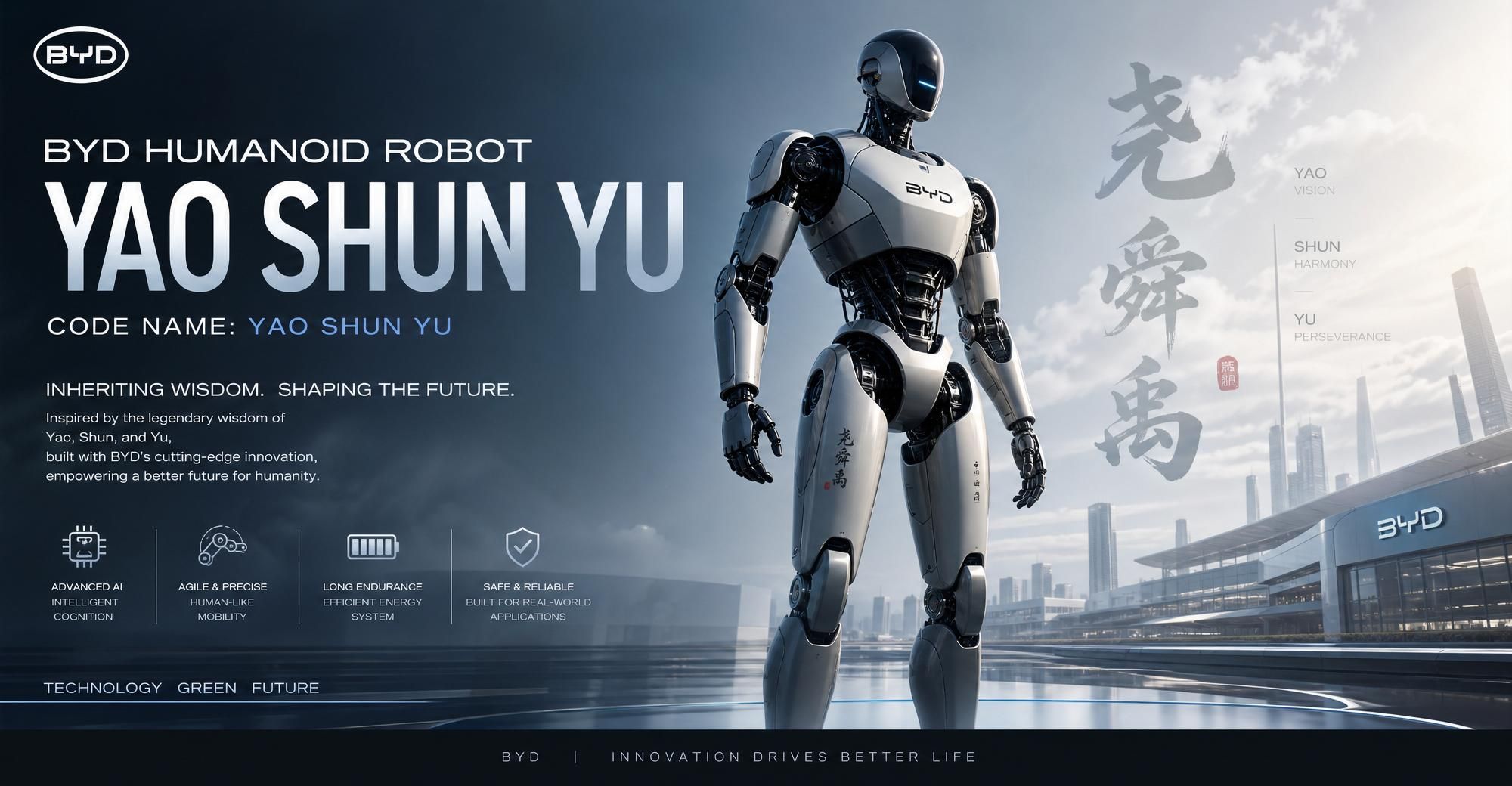
BYD Secretly Develops Humanoid Robot Codename 'Yao-Shun-Yu' as Auto Giants Race Into Embodied AI
China's largest electric vehicle manufacturer, BYD, has announced its secret development of humanoid robots, a project codenamed "Yao-Shun-Yu." This revelation was made by BYD Executive Vice President Li Ke during a recent interview, highlighting the company's expansion into the burgeoning field of embodied artificial intelligence. Initiated in 2022, the project is part of BYD's 15th Business Unit, which is dedicated to electronic integration and intelligence. As competition intensifies among automotive giants to innovate in AI technology, BYD's foray into robotics signifies its commitment to diversifying its technological capabilities beyond electric vehicles.
Robotics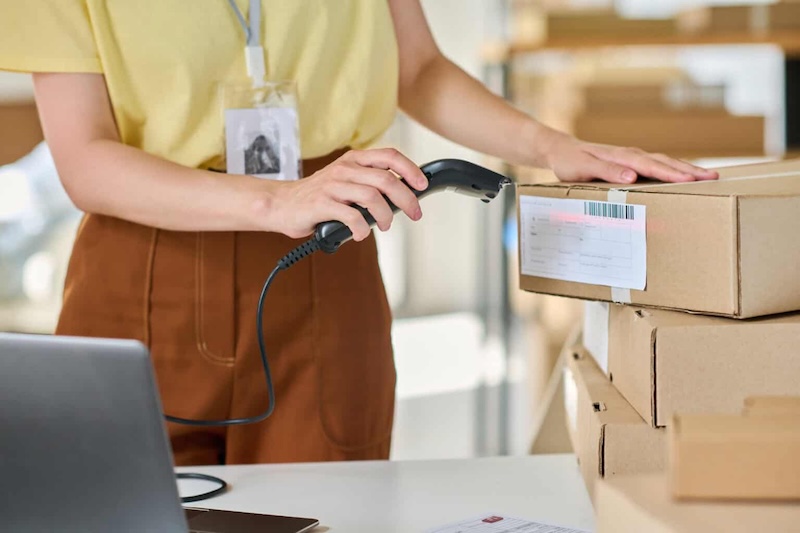
RFID and Barcode Technology for Smarter Operations
Recent advancements in RFID and barcode technology are transforming business operations by enabling real-time asset and inventory tracking. These technologies enhance accuracy and speed in daily workflows, with barcodes facilitating quick scanning and RFID providing automated visibility on a larger scale. As a result, companies across various sectors—including manufacturing, healthcare, retail, and logistics—are experiencing reduced downtime and improved decision-making capabilities. This shift towards smarter operations is particularly evident in busy warehouses, where the integration of these technologies streamlines processes and enhances overall efficiency. The growing reliance on RFID and barcode systems underscores their critical role in optimizing business performance and adapting to the demands of modern supply chains.
Communications Internet Technology asset management asset tracking automation news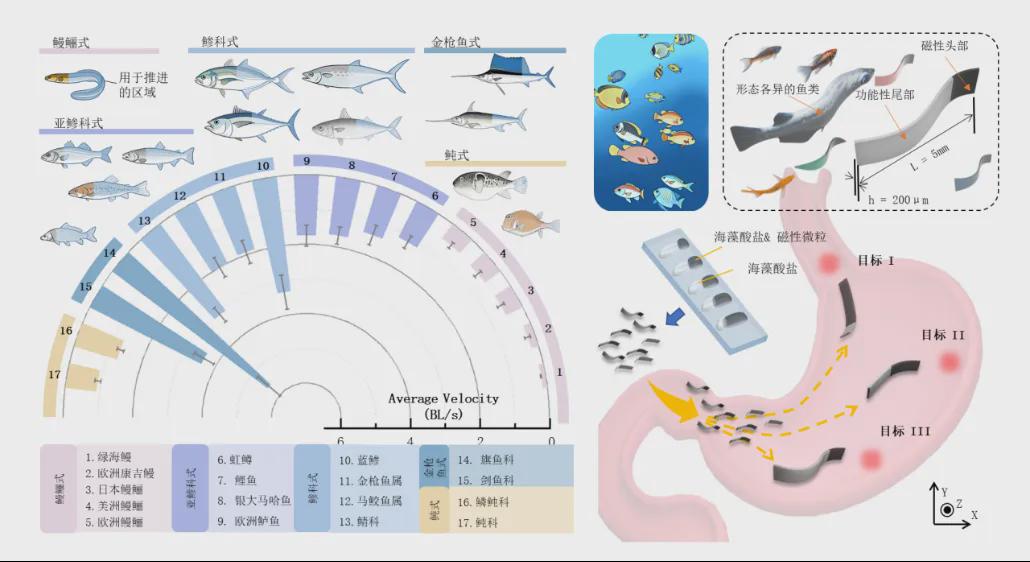
Inspired by Fish Diversity: Beijing Institute of Technology Team Develops Morphology-Encoded Soft Microrobots
A research team at the Beijing Institute of Technology has unveiled a groundbreaking system of soft microrobots that mimic the various swimming styles of fish. This innovative development allows for the selective control of the robots by adjusting their body proportions within a uniform magnetic field. The advancements in this technology hold significant promise for future applications in the biomedical field, potentially enhancing medical procedures and therapies.
Soft Robotics Biomedical Engineering Microrobots Control Systems
No-code automation: One video guide instructs three completely different robots
A research team at the Federal Technology Institute of Lausanne (EPFL) in Switzerland has unveiled an innovative robotic system designed to assist in search and rescue operations. This groundbreaking development was announced on October 15, 2023, during a press conference held at the institute's headquarters in Lausanne. The motivation behind creating this advanced robotic technology stems from the increasing need for efficient and effective tools in emergency response situations, particularly in challenging environments where human rescuers may face significant risks. The robotic system is equipped with state-of-the-art sensors and artificial intelligence capabilities, allowing it to navigate complex terrains and identify victims in disaster-stricken areas. By simulating various emergency scenarios, the research team demonstrated the robot's ability to operate autonomously while providing real-time data to human operators. This integration of robotics into search and rescue missions aims to enhance the safety and efficiency of rescue efforts, ultimately saving more lives. The EPFL team emphasizes that this technology could revolutionize the way emergency services respond to crises, particularly in remote or hazardous locations. As the project progresses, further testing and collaboration with emergency response teams are planned to refine the robot's capabilities and ensure its practical application in real-world situations.
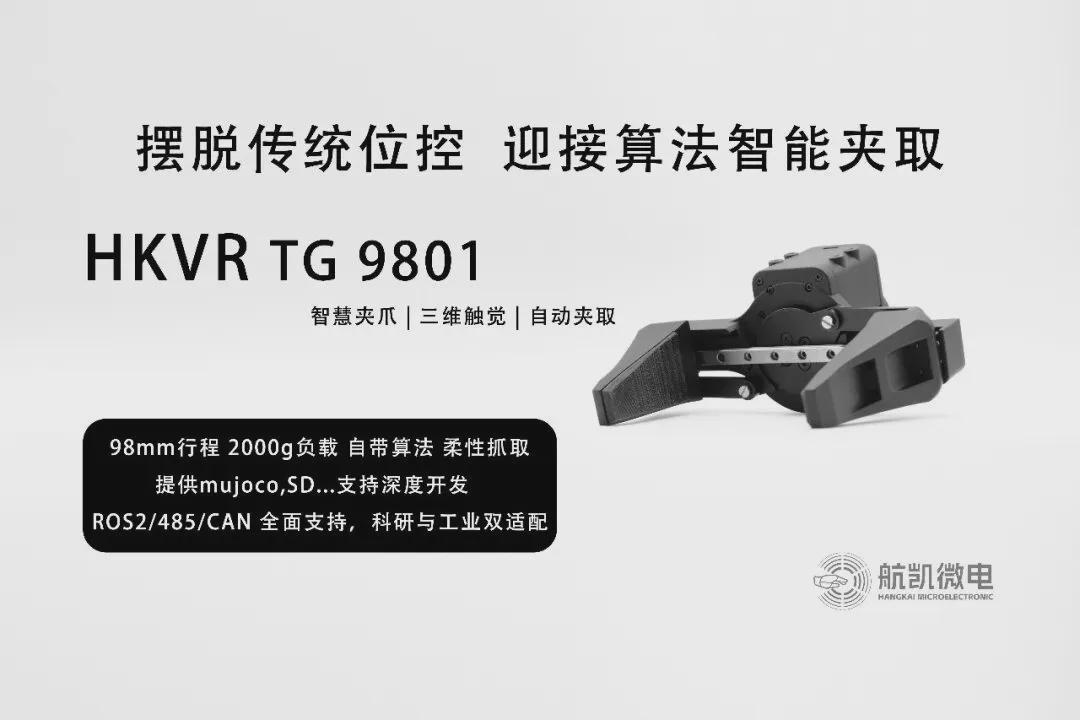
Hangkai Microelectronics TG 9801 Tactile Intelligent Gripper: No Programming Required for Smart Grabbing, Natively Supports ROS2/485/CAN, Versatile for All Scenarios
Suzhou Hangkai Microelectronics has introduced the HKVR TG 9801 tactile adaptive gripper, a cutting-edge solution designed to simplify automation and robotics applications. This innovative gripper eliminates the need for complex programming, allowing for flexible grasping of diverse materials and sizes. The device features native support for ROS2 and various industrial communication protocols, facilitating seamless integration and quick deployment in industrial settings. This advancement aims to enhance operational efficiency and adaptability in automation processes, catering to the growing demand for versatile robotic solutions in various sectors.
Tactile Grippers Robotics Integration Industrial Automation ROS2 Smart Manufacturing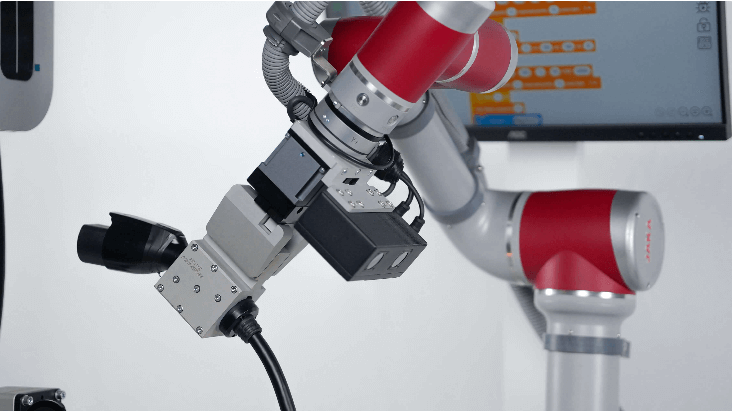
Mastering the Programming of a Jointed Arm Robot for Non-Linear Tasks
JAKA, a leader in robotic technology, has developed advanced programming solutions for 6-axis robot arms, enabling them to navigate complex, non-linear trajectories with precision. Traditionally, programming such intricate paths has been a challenge, often requiring tedious point-by-point teaching that can lead to jerky movements. To address this, JAKA has integrated intuitive software interfaces that allow operators to program the robotic arms using graphical tools and drag-and-drop methods, significantly simplifying the process. The innovative design of the 6-axis robot arm provides the necessary dexterity to maneuver around obstacles and follow curves smoothly. JAKA’s precision control technology ensures that the arm can accurately interpolate motion between points, resulting in fluid movements essential for tasks like welding and sealing. Additionally, features such as waypoint recording and path smoothing algorithms help translate human-guided motions into repeatable programs. Safety and reliability are paramount in dynamic operations. JAKA's robotic arms are equipped with advanced sensors that enable real-time path corrections based on force feedback and vision input, ensuring consistent performance even in unpredictable environments. With multiple safety mechanisms in place, the robotic arms can operate safely alongside human workers. By combining cutting-edge mechanical design, intelligent software, and robust safety features, JAKA aims to make the programming of complex robotic tasks accessible and efficient, empowering programmers to fully exploit the capabilities of their 6-axis robot arms in various production settings.

Figure CEO on Scaling Humanoids: 'You Can't Code Your Way Out of This Problem'
Brett Adcock, CEO of Figure, presented the company's ambitious plans at Bloomberg Tech after a successful viral demonstration of their technology. During his address, Adcock highlighted the critical need for comprehensive AI solutions capable of addressing practical challenges. He also announced a new logistics partnership, marking a significant step in the company's growth strategy. Looking ahead, Figure aims to ramp up production to manufacture 100,000 robots within the next four years, showcasing their commitment to scaling operations and meeting increasing demand in the robotics sector.
Brett Adcock Figure AI helix roboticsRobotics needs a service framework.
RSF defines a common language for robot service capability, lifecycle operations, certification pathways, and service-provider networks.
Join the RobotToday community on LinkedIn
Daily robotics news, in-depth analysis, conference highlights, and discussions with professionals worldwide.







