

Industry Briefing
A single destination for timely, editor-curated robotics news from around the world.

MilliTrack Introduces AMR+ for Enhanced Robot Navigation Using Millimeter Wave Technology
MilliTrack, a South Korean startup, has developed AMR+, an additional positioning system that utilizes millimeter wave radio signals to enhance robot navigation in challenging environments. Traditional systems relying on cameras and LiDAR often fail in dusty, foggy, or brightly lit conditions, which are common in industrial settings. AMR+ supplements existing navigation systems without replacing them, providing a more reliable source of location data. The significance of AMR+ lies in its ability to improve the accuracy of autonomous mobile robots (AMRs) in environments where conventional SLAM (Simultaneous Localization and Mapping) becomes unreliable. MilliTrack claims that AMR+ can achieve a positioning accuracy of 3 centimeters within a 30-meter range, with a latency of less than 100 milliseconds. This dual-layer positioning approach allows robots to switch between their existing navigation systems and AMR+ as needed, ensuring continuous operational reliability. Looking ahead, MilliTrack plans to launch AMR+ in March 2027, with an expected price of around $1,000 for a tracker and a tag, and $200 for additional tags. The technology has already been deployed in over 30 projects in South Korea, demonstrating its potential to enhance industrial robot navigation without the need for extensive infrastructure changes. No further timeline was disclosed at the time of publication.
Autonomous Mobile Robots Positioning Technology Industrial Automation Millimeter Wave Technology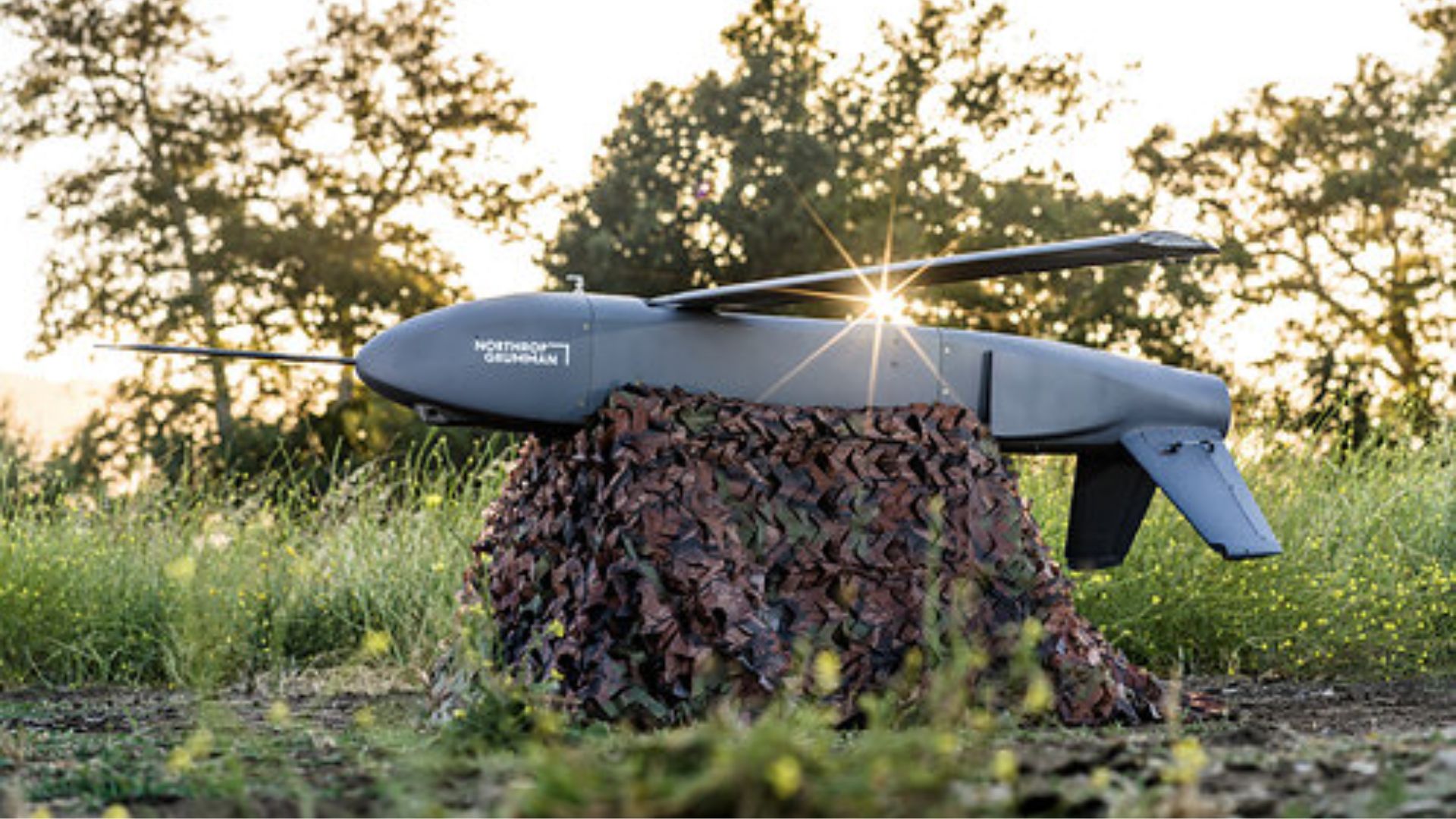
Northrop Grumman's Lumberjack Drone Successfully Tests Quantum Navigation Technology
Sandbox AQ has successfully tested its quantum sensor-based Magnetic Navigation (MagNav) on Northrop Grumman’s Lumberjack drone, marking a significant milestone in unmanned aircraft systems. This test is the first of its kind for an attritable drone, showcasing the potential of quantum navigation in GPS-denied environments, which is increasingly relevant given current military operations. The successful integration of MagNav with Lumberjack's visual navigation system is crucial as the U.S. military seeks alternatives to GPS for navigation and targeting. The ongoing conflicts in Ukraine and West Asia highlight the need for resilient navigation systems that can operate effectively even when GPS signals are jammed or spoofed. This advancement could enhance operational capabilities in contested domains. Looking ahead, the deployment of Sandbox AQ’s AQNav technology in various aircraft platforms could revolutionize military navigation. The ease of integration into existing systems, as demonstrated by the rapid installation on Lumberjack, suggests a promising future for quantum navigation solutions in defense applications. No further timeline was disclosed at the time of publication.
Military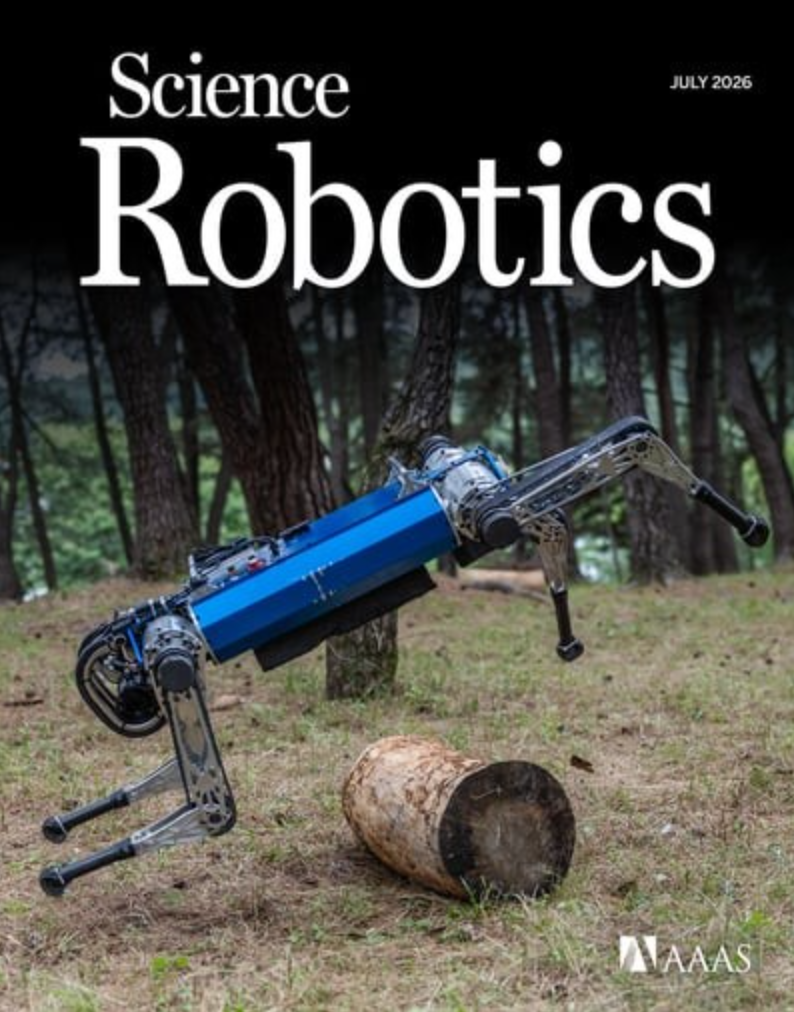
KAIST Unveils Advanced Four-Legged Robot with Autonomous Navigation Technology
KAIST's mechanical engineering team, led by Professor Park Hai-won, announced a breakthrough in robotic technology on July 16. They developed a four-legged robot capable of autonomously selecting and switching between various gaits in real-time, enabling it to navigate complex outdoor environments with speed and stability. This innovation is significant as it integrates a new control architecture called APT-RL (Action Pre-training Reinforcement Learning based on Transformers), which allows the robot to learn movement through computer simulations rather than traditional motion capture. The robot, named KAIST HOUND, demonstrated its capabilities by traversing diverse terrains, achieving peak speeds of 6 meters per second, faster than an average cyclist. Future developments to watch include the potential applications of this technology in disaster response, defense tasks, and industrial inspections. The research was published in the July issue of the journal Science Robotics, highlighting its importance in advancing the field of robotic control and physical AI.
Four-Legged Robots Robotics Technology AI Autonomous Navigation
Bastian Solutions Highlights the Importance of Flexible AGV Navigation Technology
Bastian Solutions, part of Toyota Automated Logistics, emphasizes the need for adaptable navigation technology in automated guided vehicles (AGVs) as manufacturing and warehouse operations evolve. The company's experience in Georgetown, Kentucky, illustrates the shift from traditional magnetic path following to natural feature navigation, driven by increasing complexity in customer applications. As operations demand greater flexibility and adaptability, the limitations of magnetic guidance systems become more apparent. Bastian's transition to natural feature navigation allows for easier route adjustments and faster commissioning, significantly reducing manual labor and installation time. This change reflects a broader trend in intralogistics where automation is valued not only for reliability but also for its ability to adapt to changing environments. Looking ahead, the emphasis on flexible navigation systems will likely continue to grow as companies face increasing pressures to manage diverse SKUs and frequent process changes. Bastian's choice of BlueBotics for its navigation needs highlights the strategic importance of selecting the right technology to enhance operational efficiency and responsiveness in dynamic settings.
XTEND Receives U.S. Patent for Drone Autonomy Technology Enhancing Mission Efficiency
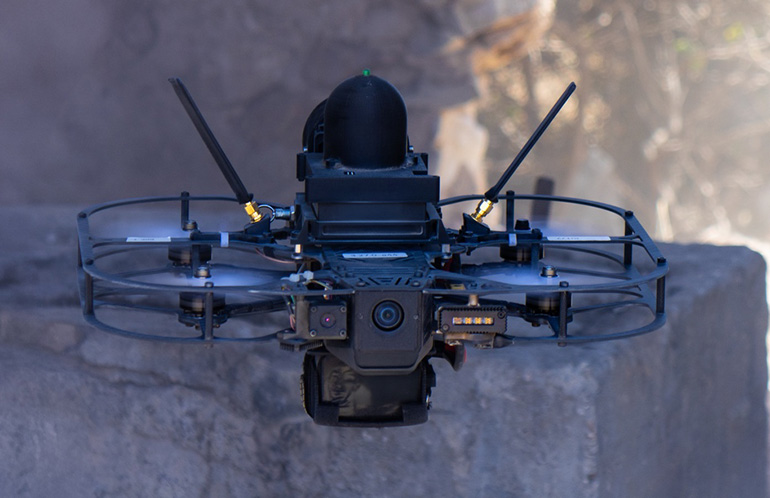
XTEND Reality Inc. has secured a U.S. patent for its autonomous navigation technology, specifically U.S. Patent No. 12,222,735, which allows drones to navigate toward operator-designated destinations without reliance on the surrounding environment. This patent, also granted in Israel, supports the company's mission to enhance drone autonomy in complex operational settings, reducing operator workload and improving mission execution reliability. The significance of this patent lies in its ability to enable drones to adapt their navigation in real-time while maintaining focus on mission objectives. As autonomous operations grow in defense, security, and public safety sectors, this technology positions XTEND favorably in a competitive landscape, reinforcing its software foundation, XOS, for next-generation autonomous systems. Looking ahead, XTEND is set to participate in the Gauntlet II phase of the U.S. Department of War's Drone Dominance Program, which will test autonomous systems in August at Fort Carson, Colorado. No further timeline was disclosed at the time of publication regarding additional developments related to this patent or upcoming projects.
Controllers Defense / Security Investments Mergers & Acquisitions News Unmanned Aerial Systems / Drones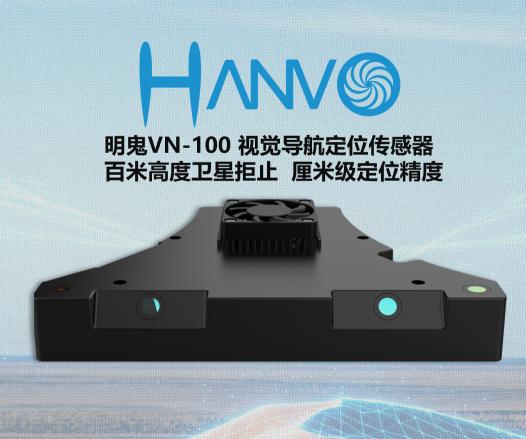
Two Years of Rigorous Testing Across 52 Scenarios: Embodied Intelligence Redefines Visual Navigation Technology
As embodied intelligence moves from laboratory settings to practical applications, researchers are addressing a significant challenge: enabling mobile agents to navigate effectively without relying on satellite signals. A recent exploration into modular visual navigation technology reveals promising advancements that have been validated in extreme environments. This innovative approach enhances the capabilities of various robotic applications, paving the way for more robust and versatile navigation solutions in real-world scenarios. The development of this technology is crucial as it aims to overcome the limitations posed by traditional navigation systems, particularly in areas where satellite signals are unreliable or unavailable.
Visual Navigation Robotics Autonomous Drones Sensor Technology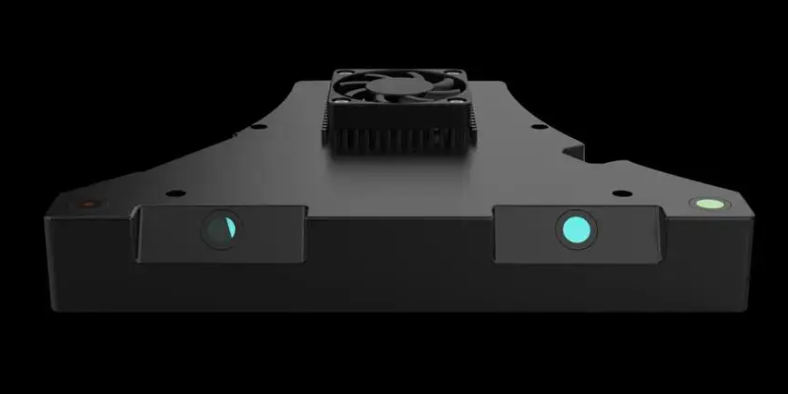
Transforming Embodied Intelligence: Pure Vision Technology Reshapes Navigation in Extreme Environments
Embodied Intelligence is addressing the challenges of navigation in extreme environments where satellite signals are unavailable. The company has introduced a modular pure vision navigation technology that has been successfully validated in 52 real-world scenarios. This innovative solution is set to enhance the operational capabilities of various robotic applications, allowing them to navigate complex terrains more effectively. The development comes at a crucial time as industries increasingly rely on autonomous systems for tasks in remote or signal-deprived locations. By leveraging advanced visual processing techniques, Embodied Intelligence aims to provide reliable navigation solutions that can adapt to diverse operational conditions.
Robotics Navigation Technology AI Autonomous Systems
Klein Marine Systems Selects Exail Navigation Technology to Equip their 5900 Sonar
Klein Marine Systems, a prominent player in sonar technology, has announced the integration of the Exail Octans Nano OEM Attitude and Heading Reference System (AHRS) as the standard navigation solution for its 5900 Side Scan Sonar (SSS). This strategic collaboration, revealed recently, is designed to improve the precision and reliability of the sonar system, which is essential for high-resolution seabed mapping. The enhanced capabilities will support various applications across defense, security, and commercial sectors, reflecting the growing demand for advanced maritime technology.
klein marine systems exail navigation technology 5900 sonarRobotics needs a service framework.
RSF defines a common language for robot service capability, lifecycle operations, certification pathways, and service-provider networks.
Join the RobotToday community on LinkedIn
Daily robotics news, in-depth analysis, conference highlights, and discussions with professionals worldwide.







