Industry Briefing
A single destination for timely, editor-curated robotics news from around the world.

Amazon's Drone Deliveries Encounter Challenges with Water Landings in Texas
Amazon's Prime Air drone service recently delivered a package into a customer's pool in Texas, highlighting potential issues with delivery locations. As the service expands to 500 cities across the U.S., incidents of drones dropping packages into water bodies raise concerns about delivery accuracy and safety. Previous occurrences include packages landing near pools in Arizona and ponds, prompting questions about the drones' delivery protocols. The significance of these incidents lies in the implications for Amazon's drone delivery service as it scales. With the expansion to more cities, the likelihood of similar mishaps increases, potentially affecting customer satisfaction and operational efficiency. Amazon's commitment to ensuring safe deliveries is called into question, especially when packages end up in unintended locations like water. Looking ahead, it will be important to monitor how Amazon addresses these delivery challenges. The company has previously faced setbacks, including drone crashes and collisions, which could impact its reputation and operational plans. No further timeline was disclosed at the time of publication.
Amazon Drones News Tech Transportation
Kratos Begins Production of XQ-58 Valkyrie Drones with Landing Gear
Kratos has initiated production of its XQ-58 Valkyrie drones equipped with landing gear, alongside ongoing production of rocket-assisted takeoff variants. The U.S. Marine Corps is acquiring these landing gear-equipped drones for its MUX TACAIR program, highlighting the Valkyrie's strategic importance in military operations. The introduction of landing gear enhances the Valkyrie's operational versatility, allowing for conventional landings while maintaining the option for rocket-assisted takeoffs. This dual capability is crucial for various mission profiles, as noted by Kratos' President of Unmanned Systems Division, Steve Fendley, during a recent update on the program. Looking ahead, Kratos aims to deliver the first CTOL Valkyries by 2029, with production ramping up for both configurations. The company is also exploring international sales opportunities, indicating a growing interest in the Valkyrie platform among global defense customers. No further timeline was disclosed at the time of publication.
Air Drones Loyal Wingman News & Features Unmanned XQ-58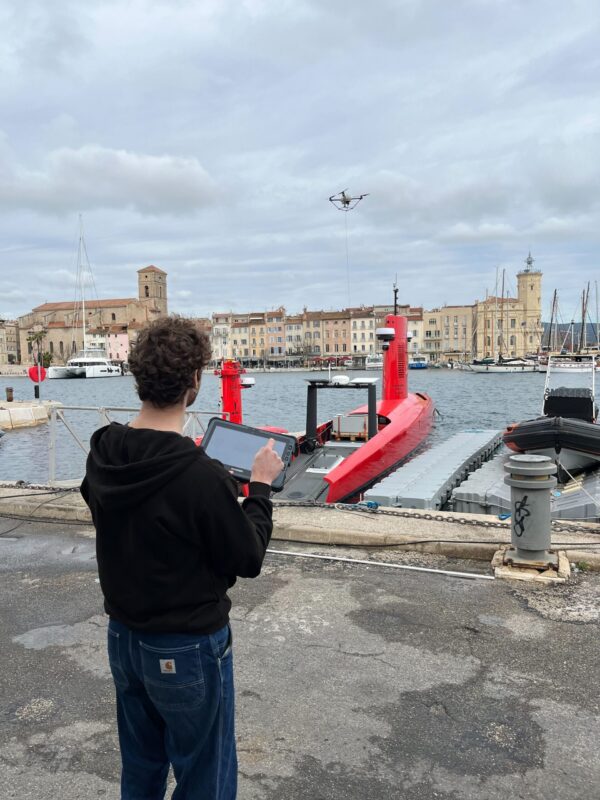
Elistair and Exail Collaborate on Tethered Drone Maritime Surveillance for Autonomous Vessels
Elistair has partnered with Exail to integrate its Khronos DroneBox with Exail's DriX unmanned surface vessel, enabling tethered drone maritime surveillance. This collaboration allows operators to maintain a persistent aerial view from shore, enhancing capabilities for naval, coast guard, and port security operations. The integration of the Khronos DroneBox with the DriX vessel marks a significant advancement in maritime surveillance technology. The tethered drone can operate for up to 24 hours at a height of 60 meters, providing real-time, encrypted video feeds even in challenging environments. This capability extends surveillance beyond traditional surface radar limits, making it ideal for various applications including coastal surveillance and search and rescue missions. Looking ahead, the partnership between Elistair and Exail is expected to evolve as they explore further applications of the Khronos system in maritime contexts. No further timeline was disclosed at the time of publication.
Drone News Drone News Feeds News safety and security seadrones Security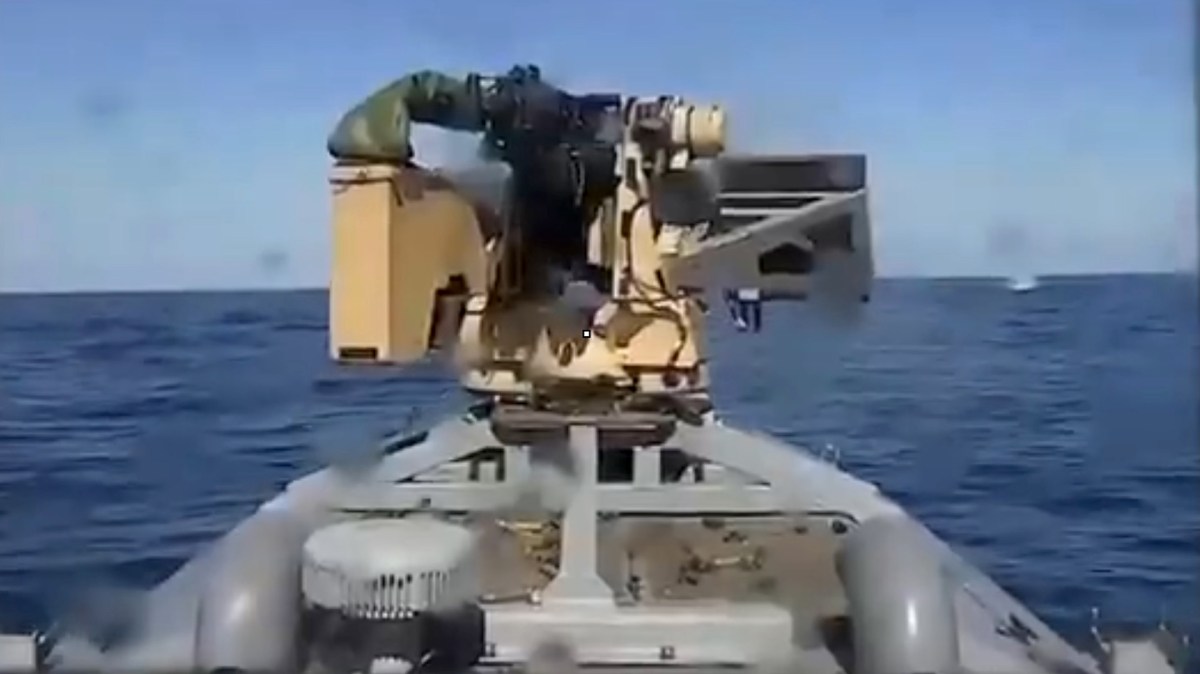
Ukraine Claims Historic First Kill of Russian Drone Boat by Its Own Uncrewed Vessel
The Ukrainian Navy has reported that its uncrewed surface vessel (USV) successfully sank a Russian USV, marking a historic first in naval warfare between unmanned boats. This engagement highlights the increasing effectiveness of Ukraine's combat drone boats against Russia's Black Sea Fleet, prompting a significant evacuation of Russian naval assets from Crimea. This incident underscores the growing proliferation of weaponized USVs globally, as nations explore advanced maritime combat capabilities. The Ukrainian Navy's Sargan 3000, equipped with a Protector 12.7 mm remotely operated weapon station, played a crucial role in this engagement, demonstrating the potential of unmanned vessels in modern warfare. As the use of drone boats expands, industry observers will be keen to monitor further developments in unmanned naval combat. No further timeline was disclosed at the time of publication.
Sea Around The Globe Europe Navies News & Features Russia
Mehler Protection to Launch SCILT NAVAL Counter-Drone System for Naval Vessels
German company Mehler Protection is preparing to introduce its new ship-mounted counter-drone system, SCILT NAVAL, at SMM 2026. This system is specifically designed to protect naval vessels from threats posed by FPV drones, loitering munitions, and other unmanned aircraft that can bypass conventional air defenses. SCILT NAVAL aims to serve as a last line of defense, particularly in high-risk areas such as ports and confined waters where response time is critical. The increasing prevalence of low-cost drones presents significant challenges for naval forces, as even well-equipped ships can be vulnerable to simultaneous drone attacks. Traditional long-range air defense systems may struggle to engage targets that approach closely or operate in restricted environments. SCILT NAVAL addresses this gap by providing a comprehensive onboard solution that can engage both individual and multiple drone threats effectively. Looking ahead, SCILT NAVAL's capabilities include a three-stage response process: detection, warning, and engagement. The system utilizes commercially available shotgun calibers for close-range strikes and offers various ammunition types for different operational needs. While human operators will initially make engagement decisions, Mehler Protection indicates that future automation may be possible as regulations evolve. No further timeline was disclosed at the time of publication.
Military
US Army Tests New Tethered Drone Capable of 50-Hour Flight and Jamming Resistance
The US Army is currently testing a new tethered drone designed to resist jamming and achieve flight durations of up to 50 hours without landing. This advancement represents a significant step in enhancing the Army's capabilities in unmanned aerial systems. The development of this drone is crucial as it addresses the increasing need for reliable and long-lasting aerial surveillance and strike capabilities in modern military operations. The ability to resist jamming is particularly important in contested environments where electronic warfare is prevalent. Looking ahead, the Army's ongoing tests will provide insights into the drone's operational effectiveness and potential integration into existing military strategies. No further timeline was disclosed at the time of publication.
Military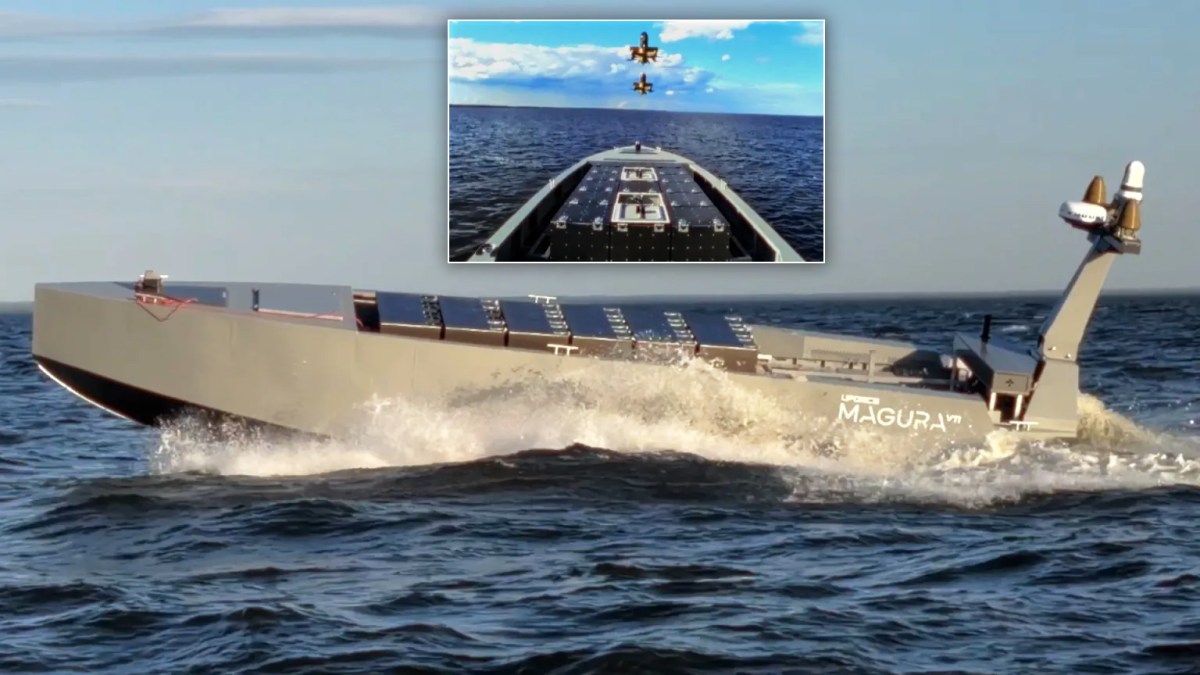
Ukraine Unveils MV11: A Large Uncrewed Surface Vessel with Anti-Drone Capabilities
Ukraine has introduced the MV11, the largest member of its Magura family of uncrewed surface vessels (USV), designed for open-ocean operations. This vessel can carry payloads up to 4,850 pounds and has been showcased with 18 Sting interceptors, enhancing its role as a counter-drone platform. The MV11's capabilities are significant for Ukraine's military strategy, allowing for multi-domain operations and the launch of unmanned systems from a distance. Its debut at Ukraine's Independence Day parade highlights the increasing importance of uncrewed systems in the Ukrainian armed forces. Looking ahead, the MV11's operational effectiveness and integration with existing systems will be crucial. The specifics of its target detection and tracking capabilities remain unclear, but its design suggests potential for advanced operational roles in future missions. No further timeline was disclosed at the time of publication.
Sea Around The Globe Europe News & Features Ukraine Unmanned Surface Vessels (USVs)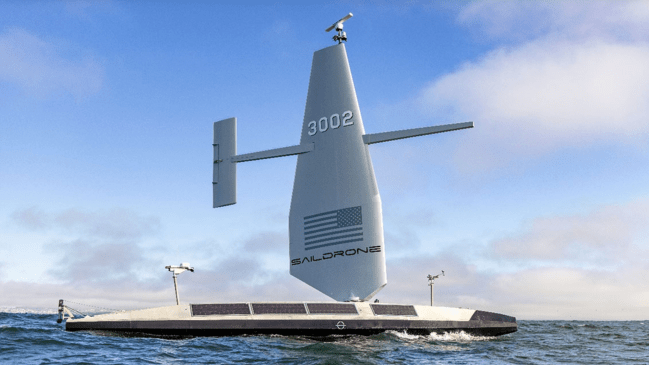
Lockheed Martin and Saildrone Test Missile System on Unmanned Vessel During RIMPAC 2026
Lockheed Martin and Saildrone successfully demonstrated missile launches from an unmanned surface vessel during the RIMPAC 2026 exercise near Hawaii. This integration of Lockheed Martin’s Joint-Air-to-Ground Missile (JAGM) Dual Launcher and Adjunct Remote Engagement System (ARES) on a Surveyor-class Saildrone marks a significant advancement in adapting commercial autonomous platforms for military applications. The demonstration highlights the potential for unmanned vessels to operate alongside traditional naval forces, as evidenced by the vessel's engagement with a surrogate high-speed surface craft while coordinating with the USS Theodore Roosevelt Carrier Strike Group. The rapid development of this system, from concept to live demonstration in just six months, underscores the efficiency of integrating existing defense technologies with commercial platforms. Looking ahead, both companies plan to expand testing capabilities on Saildrone platforms, including the larger Spectre-class vessel. This initiative aims to enhance the operational use of unmanned systems in naval missions, with a focus on integrating advanced weaponry and reducing technical risks associated with deploying new military technologies.
Military
Ice Dart Drone Utilizes Cat-Inspired Claws for Landing on Steep Ice Surfaces
Researchers at Canada’s Université de Sherbrooke have developed the Ice Dart, a multirotor drone designed to land on steep, slippery ice using retractable claws inspired by cats. This innovative landing gear allows the drone to maintain stability on slopes of up to 60 degrees and withstand winds exceeding 30 km/h, as demonstrated in tests conducted on natural icebergs and glaciers in Iceland. The significance of the Ice Dart lies in its ability to expand the operational capabilities of multirotors in challenging environments. By employing friction-based landing gear and reverse thrust, the drone can absorb impact and secure its position on steep ice, making it suitable for various applications such as iceberg tracking, maritime safety, and environmental research. This advancement could enhance the utility of small drones for sensing missions, allowing them to conserve energy while remaining stationary. Looking ahead, the Ice Dart represents a promising development in drone technology, particularly for operations in Arctic regions. The research team, consisting of Isaac Tunney, John Bass, and Alexis Lussier Desbiens, continues to explore innovative landing solutions for multirotors, potentially paving the way for further advancements in drone capabilities in extreme conditions. No further timeline was disclosed at the time of publication.
Drone News Drone News Feeds drone technology Drones in the News News Research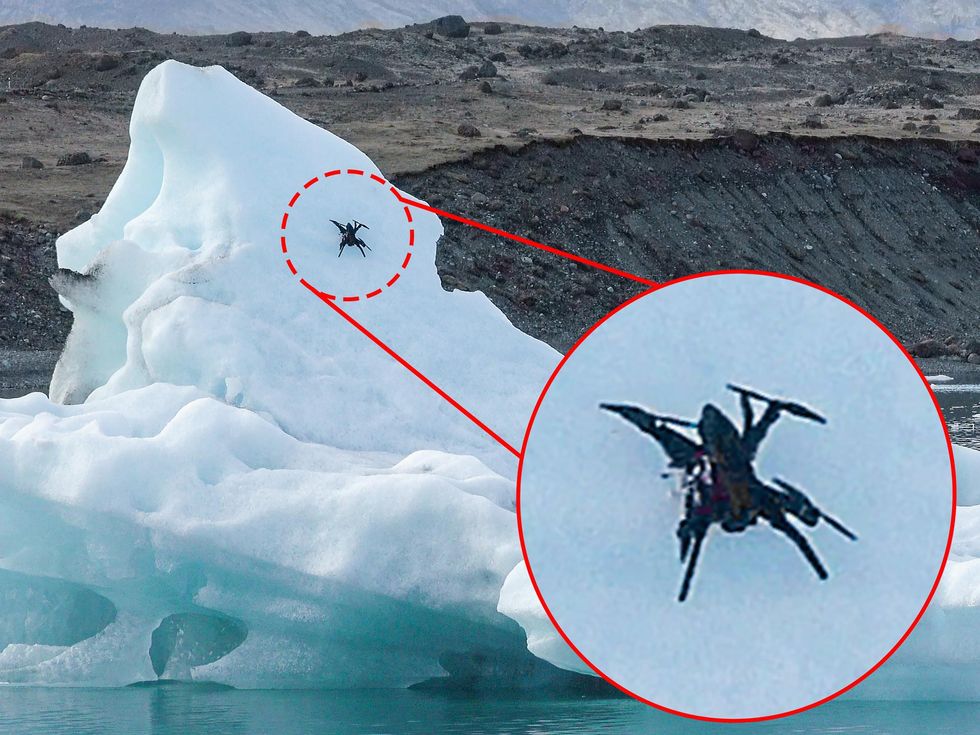
Canadian Researchers Develop Ice Dart Drone for Landing on Arctic Icebergs
Researchers in Canada have developed the Ice Dart drone, capable of landing on steep, slippery surfaces like icebergs. This drone can grip icy slopes of nearly 60 degrees, making it a valuable tool for monitoring Arctic environments. The Ice Dart's unique landing gear absorbs impact and utilizes retractable spines for grip, allowing it to perch successfully even in challenging conditions. The significance of the Ice Dart lies in its ability to land rather than hover, which can enhance drone utility in the field. Once landed, the drone consumes less energy, enabling longer observation periods while remaining silent. This capability allows for extended monitoring of icebergs, providing more detailed data than traditional aerial surveillance methods. Looking ahead, the researchers aim to further develop the Ice Dart for practical applications, including autonomous landing site selection and emergency takeoff features. The drone is set to be deployed in August during a Canadian Arctic mission to collect data and validate iceberg-detection systems.
Journal-watch Arctic Climbing-robots Robotics Drones
Firestorm Labs 3D-prints Over 1,000 Parts and Assembles 12 Drones on USS Essex
Firestorm Labs successfully manufactured over 1,000 components and assembled 12 Squall drones aboard the USS Essex during a two-week trial. This operation took place while the US Navy warship was en route from San Diego to Hawaii for RIMPAC 2026, showcasing the potential for on-site production of military hardware during maritime missions. The significance of this trial lies in its demonstration of the xCell manufacturing platform's capabilities, which allowed for the production of drone components and repair parts despite challenging sea conditions. By reducing reliance on shore-based resupply, the operation enhances combat readiness and supports repairs directly at sea, marking a pivotal shift in military logistics. Looking ahead, the successful deployment of the xCell platform under operational conditions opens avenues for future maritime manufacturing initiatives. Firestorm Labs' ability to produce critical components on demand could revolutionize military operations, particularly in remote or hostile environments. No further timeline was disclosed at the time of publication.
Innovation Military
Drone Strike Causes Fire on U.S. Vessel and Greek LNG Tanker at Egyptian Port
A drone attack reportedly targeted a U.S. floating storage and regasification vessel at an Egyptian port, igniting a fire that spread to a Greek-owned LNG tanker. This incident highlights the vulnerabilities of maritime assets in conflict zones, raising concerns over security measures in critical shipping routes. The attack underscores the ongoing risks faced by vessels operating in volatile regions, particularly those involved in energy transportation. The involvement of both U.S. and Greek assets in this incident may prompt a reevaluation of maritime security protocols and international cooperation to safeguard shipping lanes. As the situation develops, stakeholders in the energy sector should monitor the implications for shipping operations and potential disruptions in LNG supply chains. No further timeline was disclosed at the time of publication.

Saronic Unveils $3B Shipyard Project in Texas for 850-Foot Vessels
Saronic has announced plans to construct a new shipyard in Brownsville, Texas, with an investment exceeding $3 billion. This facility, named Port Alpha, will be capable of building crewed and uncrewed vessels up to 850 feet long, significantly expanding the company's current capabilities, which include the 180-foot drone boat, Marauder. The establishment of Port Alpha is crucial as the U.S. seeks to enhance its shipbuilding capacity amid challenges in keeping pace with China's naval expansion. The new shipyard aims to support the Navy and Coast Guard by addressing existing gaps in ship production and providing a platform for various ship classes, including commercial and military vessels. Looking ahead, Saronic's Port Alpha could potentially expand to accommodate vessels over 1,200 feet in length. The company emphasizes its commitment to creating a state-of-the-art shipyard that aligns with technological advancements and meets the urgent demands of sea services. No further timeline was disclosed at the time of publication.
Sea Navies U.S. Navy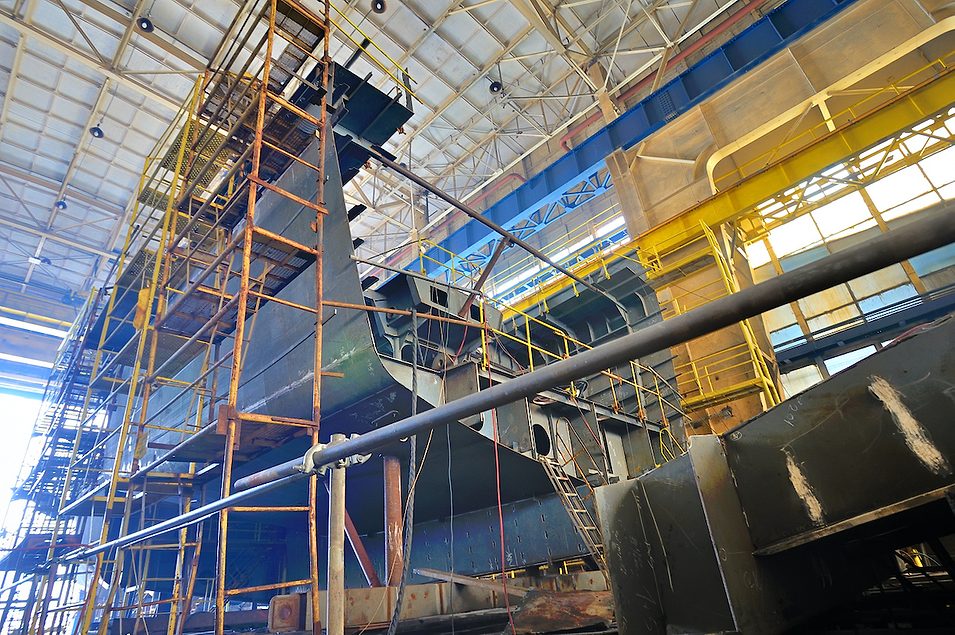
Drone Boat Startup to Establish Port Alpha Shipyard in Texas for Large Vessel Production
A new shipyard named Port Alpha is set to be established by a drone boat startup in Texas. This facility will have the capacity to manufacture ships measuring up to 1,200 feet in length. The development of Port Alpha is significant as it represents a major investment in maritime manufacturing capabilities, particularly for drone technology applications. The ability to construct large vessels will enhance the startup's operational capabilities and market reach. Looking ahead, industry stakeholders will be keen to observe the progress of Port Alpha and its impact on the local economy and the broader maritime sector. No further timeline was disclosed at the time of publication.
Onomichi Dockyard to Manufacture Uncrewed Surface Vessels for Japan and US Markets
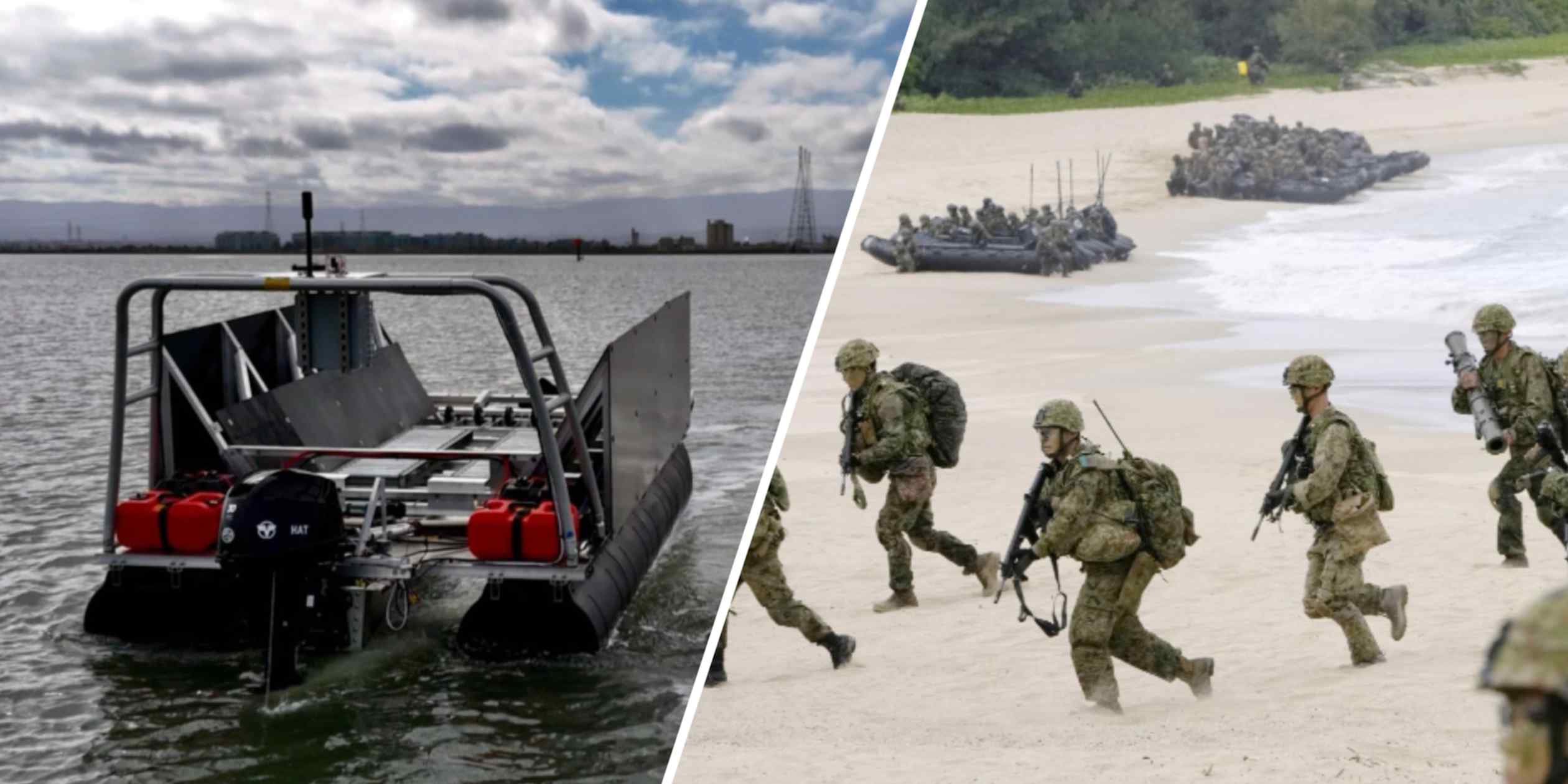
Onomichi Dockyard, a Japanese shipbuilder, has announced plans to start constructing uncrewed surface vessels. The company aims to supply these vessels to Japan's Self-Defense Forces and the U.S. military, marking a significant step into dual-use technologies that serve both civilian and military purposes. This initiative is part of a broader trend among midsize commercial shipbuilders to diversify their offerings and tap into the growing demand for uncrewed maritime solutions. The vessels are designed to deliver supplies to beaches without the need for port infrastructure, highlighting their potential utility in various operational scenarios. Looking ahead, Onomichi Dockyard's entry into the uncrewed vessel market could reshape its business model and open new avenues for collaboration with military and defense sectors. No further timeline was disclosed at the time of publication.

Ukraine Launches First Uncrewed Surface Vessel Attack on Sochi, Russia
Ukraine executed a significant uncrewed surface vessel (USV) attack on the Nefrit, a multipurpose offshore vessel, in Sochi, Russia. This operation marks the first known USV strike on the resort city, located approximately 350 miles from Ukrainian-held territory, highlighting the expanding reach of Ukraine's naval capabilities. The Ukrainian Navy stated that the attack was part of its ongoing campaign against Russia's energy infrastructure, claiming that the Nefrit directly supported the enemy's war economy. The strike is seen as a strategic move to disrupt Russian logistics and military capabilities, emphasizing that even Russian territory is vulnerable to Ukrainian operations. As the situation develops, observers will be keen to assess the extent of the damage to the Nefrit and its implications for Russia's maritime operations. The Ukrainian Navy's continued focus on targeting enemy resources suggests that further actions may be anticipated in the ongoing conflict.
News & Features Around The Globe Europe Russia Sea Ukraine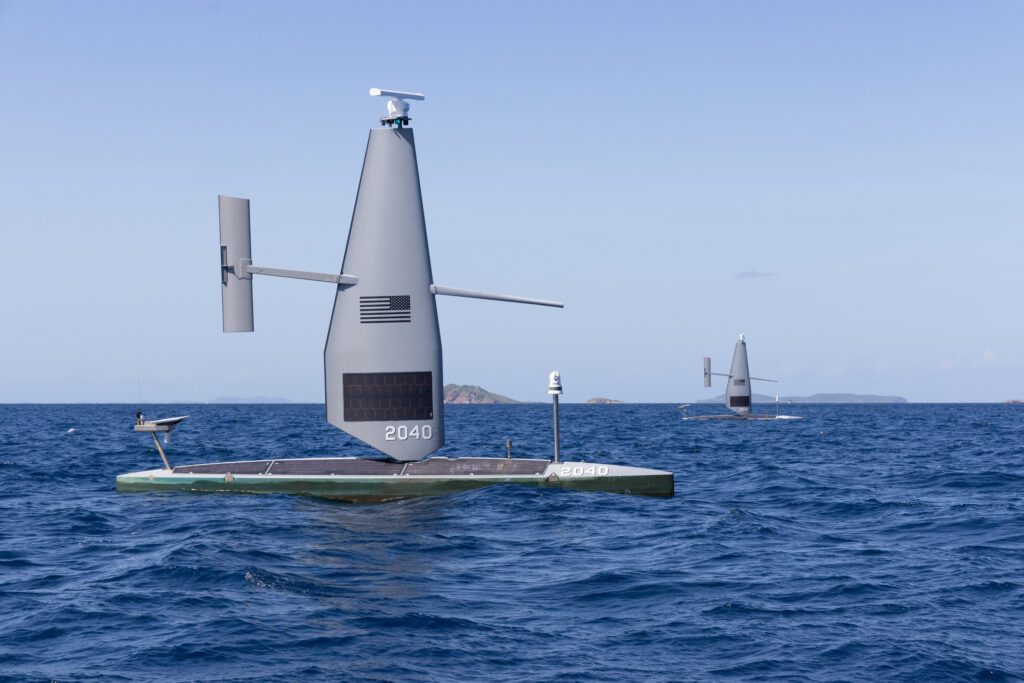
U.S. Navy Utilizes Saildrone Voyager USVs to Seize $81 Million in Cocaine
A Saildrone Voyager unmanned surface vehicle (USV) assisted the U.S. Navy in tracking and intercepting a suspected drug-smuggling vessel in the Caribbean, resulting in the seizure of approximately $81 million worth of cocaine on October 16, 2025. This operation highlights the transition of autonomous maritime systems from experimental platforms to essential tools for real-world security missions. The successful interception underscores the operational capabilities of Saildrone Voyager USVs, which can remain at sea for extended periods, enabling continuous monitoring of vast maritime areas. This capability reduces reliance on crewed vessels and supports the U.S. Navy's counter-narcotics mission in the Caribbean and Eastern Pacific, coordinated by Joint Interagency Task Force South (JIATF-S). Looking ahead, the Navy has awarded Saildrone a $16.3 million task order to continue operating Voyager USVs through 2027. This mission not only demonstrates the effectiveness of unmanned systems in maritime surveillance but also indicates a broader trend of integrating autonomous platforms into naval operations, enhancing mission effectiveness and operational reach.
Applications Defense Drone News Drone News Feeds News safety and security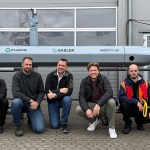
Ranger Autonomous Vessel Successfully Completes Sea Trials from Submarine Torpedo Tube
An innovative autonomous surface vessel, the Ranger, has successfully completed its Sea Acceptance Test (SAT) in Germany, demonstrating its ability to be launched from a submarine's torpedo tube. Developed by Gabler and Flanq, the Ranger is designed for intelligence, surveillance, and reconnaissance missions with minimal human intervention. The successful completion of the SAT marks a significant milestone for the program, confirming the vessel's seaworthiness and the integration of its core technologies. The Ranger, measuring approximately 15 feet long, features a folding keel and collapsible sensor mast, allowing it to fit within a standard 21-inch torpedo tube. Looking ahead, Gabler will manage the commercialization and integration of the Ranger with submarines, while Flanq will provide advanced maritime technologies and mission software. The companies are also developing a one-way attack variant called Strike, expanding the platform's capabilities for future naval operations.
Military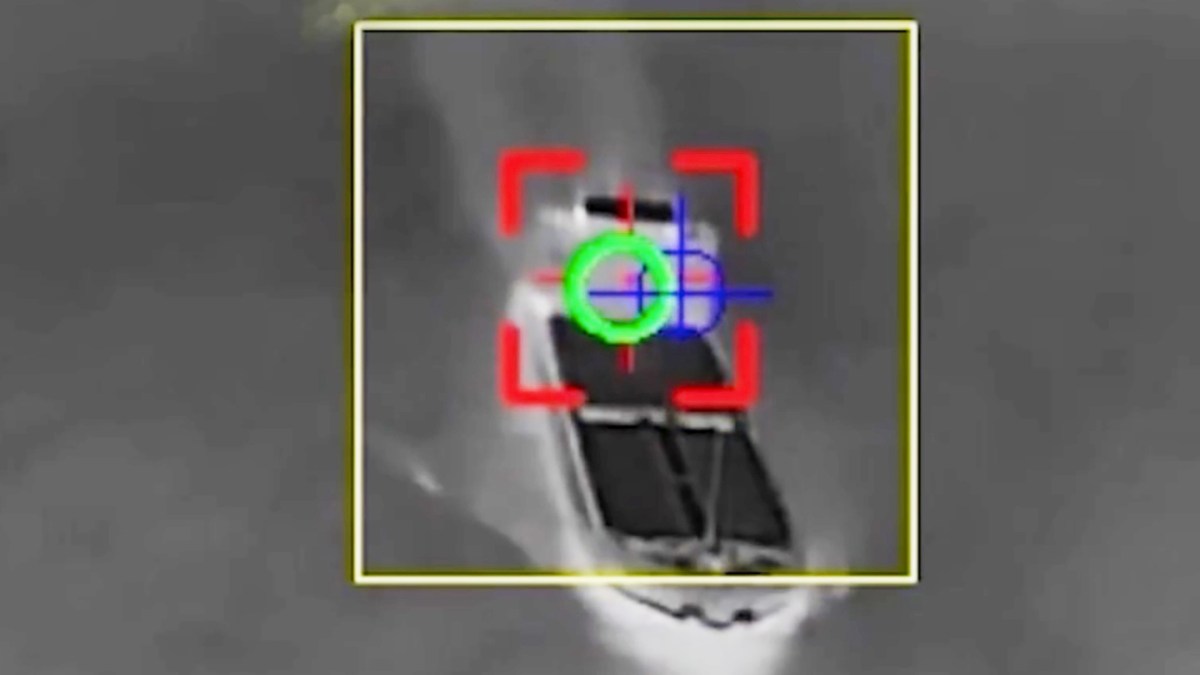
Ukrainian Drone Strikes Hit 28 Russian Vessels in Sea of Azov Campaign
On July 11, Ukraine reported that its aerial drones struck 28 Russian vessels in the Sea of Azov, part of an ongoing campaign that has targeted nearly 80 ships since July 6. This includes a significant number of oil tankers from Russia's shadow fleet, leading to a temporary halt in shipping through the Don-Azov Channel, a crucial navigable waterway for grain exports. The significance of these attacks lies in their impact on Russia's maritime operations and economy. Analysts noted that approximately 25% of Russia's wheat exports, the world's largest exporter of the grain, transit through the Sea of Azov. The strikes have prompted Russia to suspend new vessel transit applications through the Kerch Strait and halt navigation on the Don-Azov Canal, further isolating the Crimean peninsula and disrupting Russian energy supplies. Looking ahead, the Ukrainian military's 414th Separate Unmanned Strike Aviation System Brigade, known as “Magyar’s Birds,” continues to execute operations targeting Russian naval assets and infrastructure. The brigade's campaign, dubbed “Operation ‘Crimean Switch Off,’” aims to weaken Russian capabilities in the region. No further timeline was disclosed at the time of publication.
News & Features Air Around The Globe Drones Europe Russia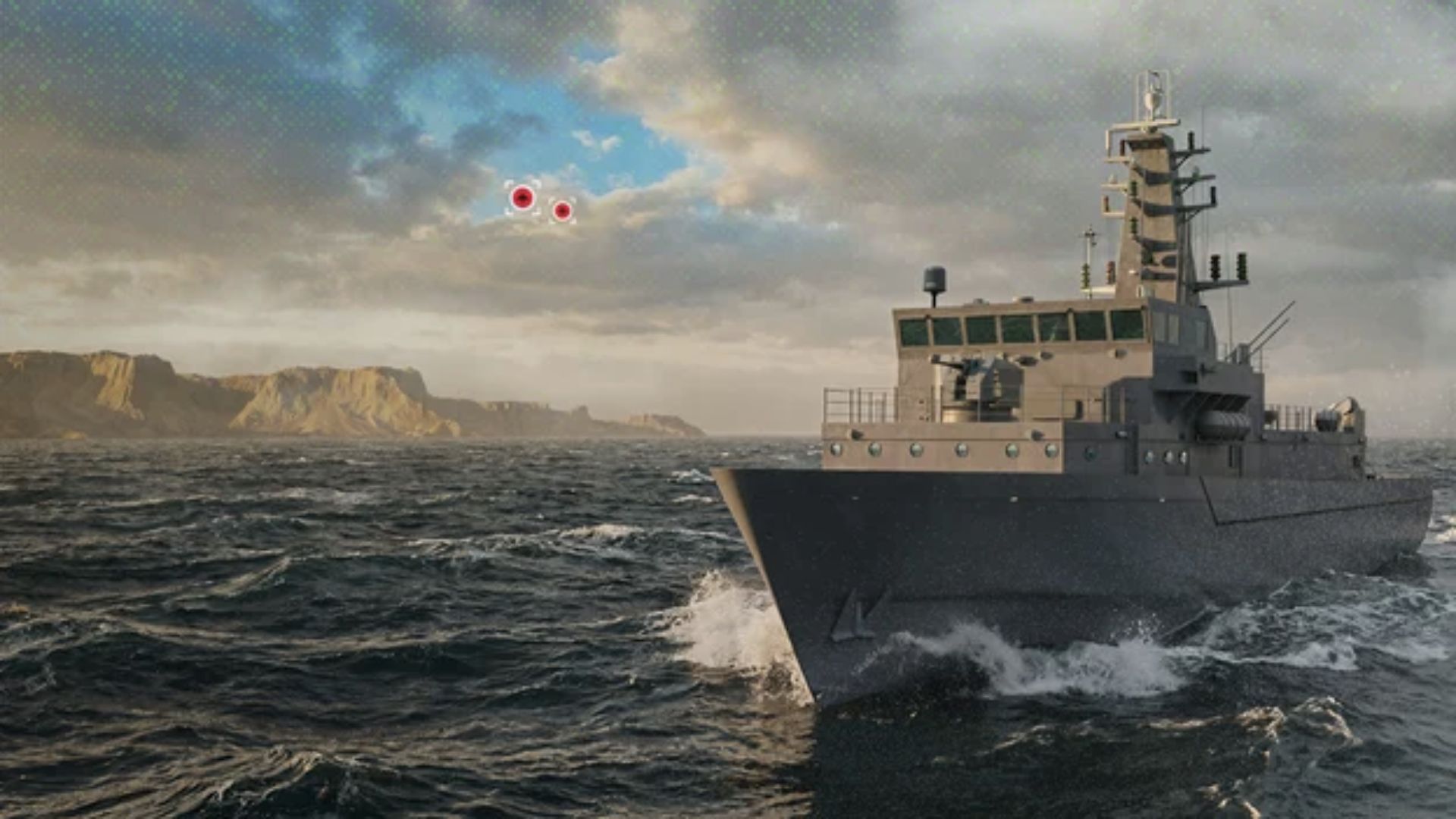
New radar system can detect high-speed drones nearby ports, vessels in extreme environment
A cutting-edge radar system has been developed to enhance the detection of drones operating near ports, vessels, harbors, and other critical maritime areas. This innovative technology aims to bolster maritime security by providing real-time surveillance and threat assessment capabilities. The radar is designed to identify and track drones, which have increasingly become a concern for safety and security in busy maritime environments. The system's deployment is expected to take place in the coming months, with trials set to occur at various strategic locations along coastlines. By integrating advanced detection algorithms and high-resolution imaging, the radar will enable authorities to respond swiftly to potential threats, ensuring the safety of maritime operations and protecting vital infrastructure. This initiative reflects a growing recognition of the need for enhanced security measures in response to the rising prevalence of drone activity in sensitive areas.
Innovation Military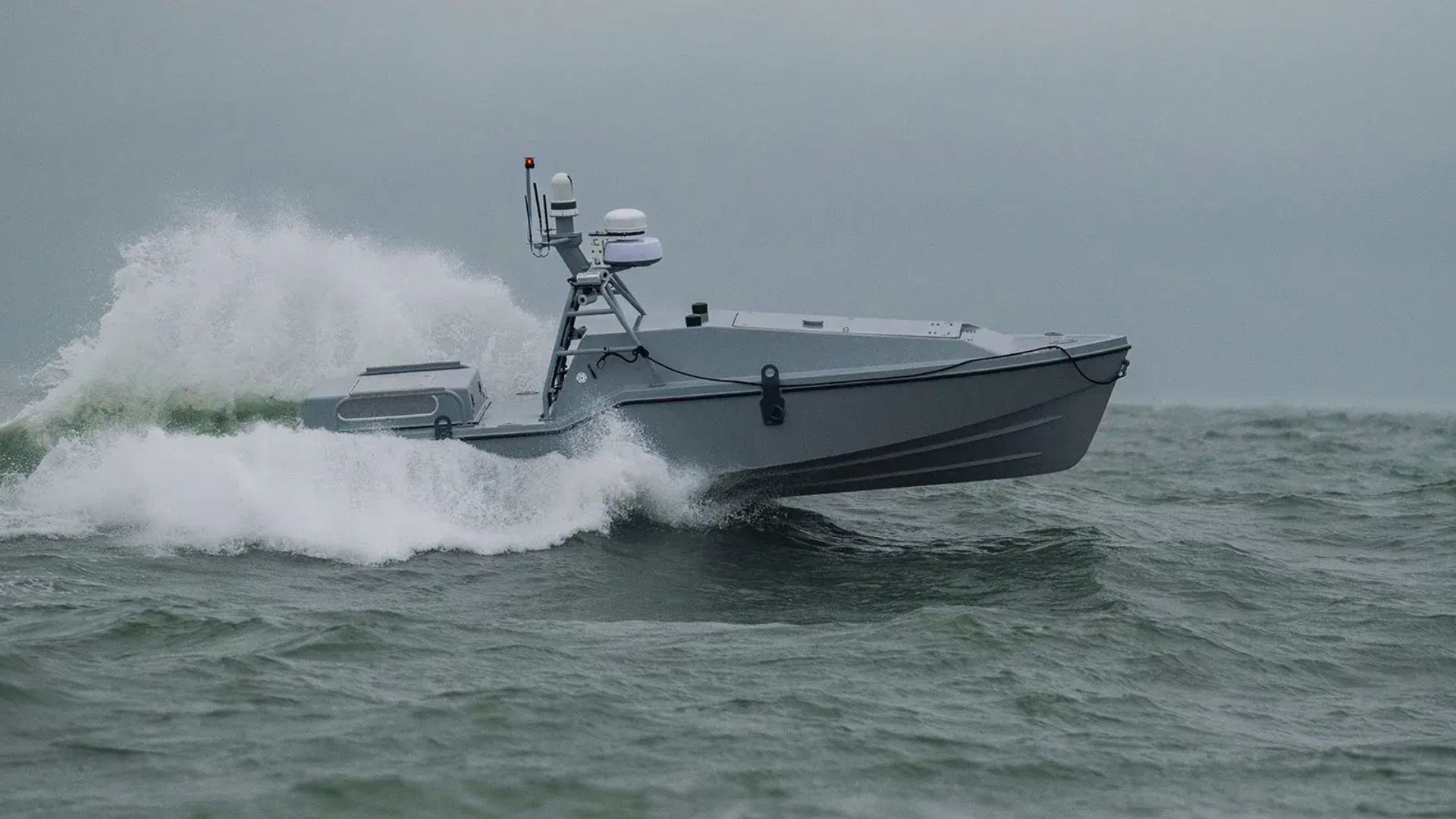
First-ever drone boat rescue: US Navy vessel pulls out two downed pilots from sea
A U.S. Navy unmanned surface vessel successfully conducted a rescue operation for two Army pilots whose AH-64 Apache helicopter had crashed. The incident occurred on a training mission off the coast of California on Tuesday. The unmanned vessel, equipped with advanced technology, was able to locate the pilots quickly and facilitate their safe retrieval from the water. This operation highlights the increasing role of unmanned systems in military rescue missions, showcasing their effectiveness in enhancing operational capabilities and ensuring the safety of personnel in distress. The successful rescue underscores the collaborative efforts between the Navy and Army in conducting joint operations and responding to emergencies in challenging environments.
Military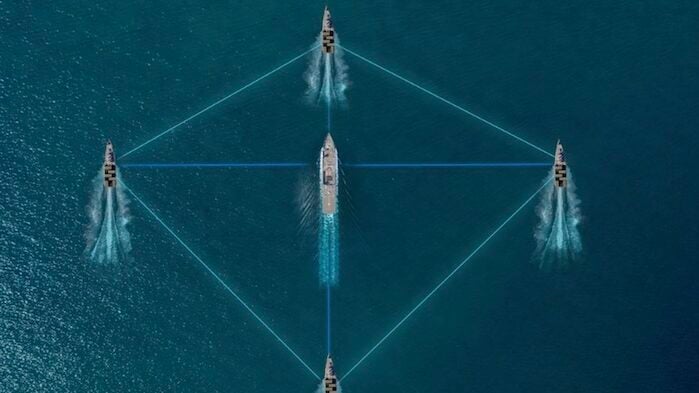
IAI’s new Diamond naval offering envisions flexible drones, missiles for small vessels
A new defense strategy is being implemented that features a network of small satellite ships equipped with various defensive systems. This innovative approach allows these ships to operate independently while remaining connected to a central mother ship, creating a disaggregated model of naval defense. The initiative aims to enhance maritime security and adaptability in response to evolving threats. By utilizing this modular system, naval forces can improve their operational flexibility and resilience in various combat scenarios. The deployment of these satellite ships is expected to take place in the coming months, with the goal of bolstering national defense capabilities and ensuring a more robust presence in contested waters.
Global Middle East Naval Warfare Drones industry Israel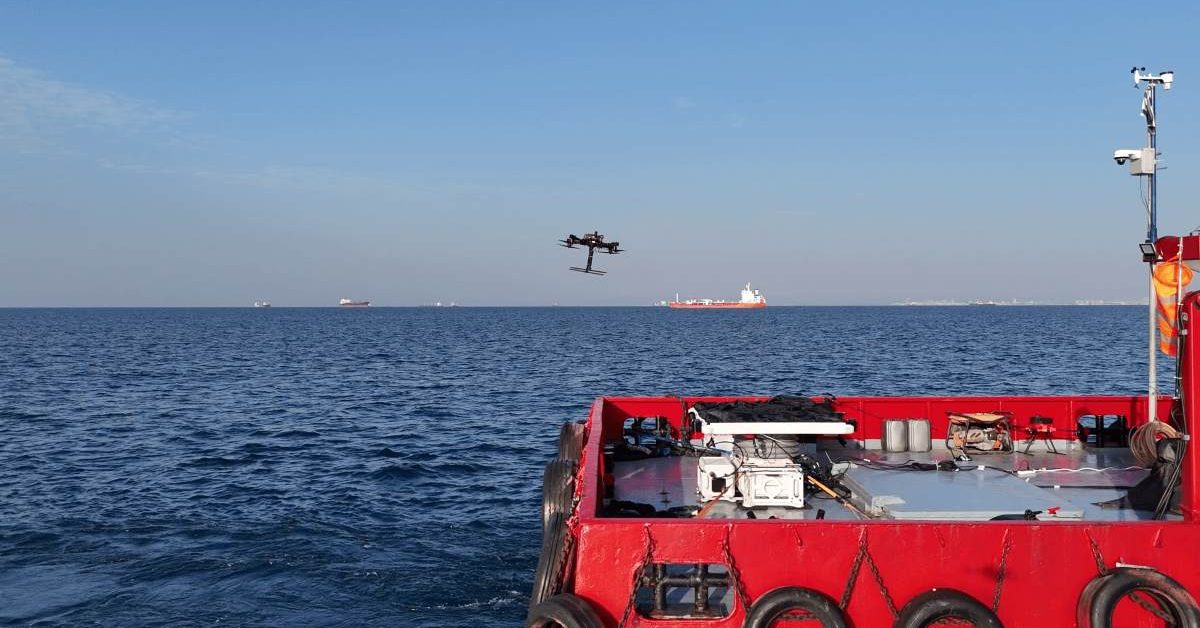
This system aims to fix drone landings in rough seas
A young maritime technology company has made significant advancements in drone operations at sea, addressing the challenges posed by unpredictable conditions such as shifting decks and waves. Traditionally, these factors have made it difficult for even seasoned pilots to land drones safely, leading offshore operators to restrict flights to calm weather. The company claims to have developed a solution that enhances the reliability of drone landings in turbulent environments. This breakthrough could potentially transform offshore operations, allowing for more frequent and efficient use of drones in maritime settings.
News
Saipem to Supply the Hydrone-W Underwater ROV to ISPRA's New Oceanographic Vessel
Saipem has secured a contract with T. Mariotti shipyard in Genoa to provide the Hydrone-W remotely operated underwater vehicle (ROV). This advanced technology will be utilized on ISPRA's new oceanographic vessel, Arcadia. The collaboration aims to enhance marine research capabilities and environmental monitoring efforts. The deployment of the Hydrone-W ROV is expected to significantly contribute to the operational efficiency of the Arcadia, facilitating a range of underwater exploration and data collection tasks.
saipem hydrone-w rov ispra oceanographic vessel
Belgian Deep Tech Startup Completes ESA-Funded Feasibility Study to Advance Autonomous Drone Landing in GPS-Denied Environments
Agilica BV, a company spun out from the Royal Military Academy of Belgium, has successfully completed a feasibility study funded by the European Space Agency (ESA) to create an innovative Alternative Positioning, Navigation, and Timing (PNT) system. This new technology aims to enhance precision drone navigation and landing capabilities in areas where Global Navigation Satellite System (GNSS) signals are weak or unavailable. This milestone marks a significant advancement in the commercialization of Agilica’s primary product, the AGL system. The development integrates compatibility with GNSS and the Galileo High Accuracy Service (HAS) into their Ultra-Wideband (UWB) positioning solution, targeting applications in maritime, logistics, and urban air mobility sectors.
agilica deep tech startup esa feasibility study autonomous drone landingRobotics needs a service framework.
RSF defines a common language for robot service capability, lifecycle operations, certification pathways, and service-provider networks.
Join the RobotToday community on LinkedIn
Daily robotics news, in-depth analysis, conference highlights, and discussions with professionals worldwide.