

Industry Briefing
A single destination for timely, editor-curated robotics news from around the world.
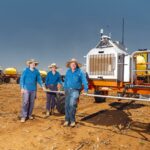
Coggan Farms Achieves 85% Chemical Reduction with Autonomous Spraying Technology
Coggan Farms, located near Meandarra in Queensland, Australia, has successfully implemented autonomous spraying technology from SwarmFarm Robotics, achieving an 85% reduction in chemical use during fallow spraying. The farm operates two SwarmBots equipped with Weed-It cameras and AutoFill technology, which allows for targeted weed control and automatic refilling of spray tanks. The decision to adopt this technology was driven by labor shortages and rising operational costs, prompting the Coggan family to seek automation solutions for their extensive farming operations. With over 65,000 acres managed, the family has integrated robotic technology to enhance efficiency and accuracy in weed control, significantly reducing the need for manual labor. Looking ahead, the continued evolution of agricultural robotics and automation will be crucial for farms like Coggan Farms, as they adapt to changing labor dynamics and strive for sustainable practices. No further timeline was disclosed at the time of publication.
Smart farming autonomy spraying
XTEND AI Robotics, Inc. Receives U.S. Patent for NEST Autonomous Base Station Supporting Robotic Operations
XTEND AI Robotics, Inc. has been granted U.S. Design Patent No. D1,147,179 for its NEST autonomous base station. This patent, issued on September 8, 2026, recognizes the innovative design that allows robotic systems to autonomously deploy, recover, and recharge, thereby enhancing operational efficiency. The significance of this patent lies in its potential to support persistent robotic operations with minimal human intervention. By automating the deployment and recharging processes, XTEND's NEST aims to improve the reliability and effectiveness of robotic systems across various applications, reducing the need for constant human oversight. Looking ahead, industry stakeholders should monitor how XTEND leverages this patent to advance its technology and expand its market presence. The successful implementation of the NEST system could set new standards for autonomous operations in robotics, influencing future developments in the field. No further timeline was disclosed at the time of publication.
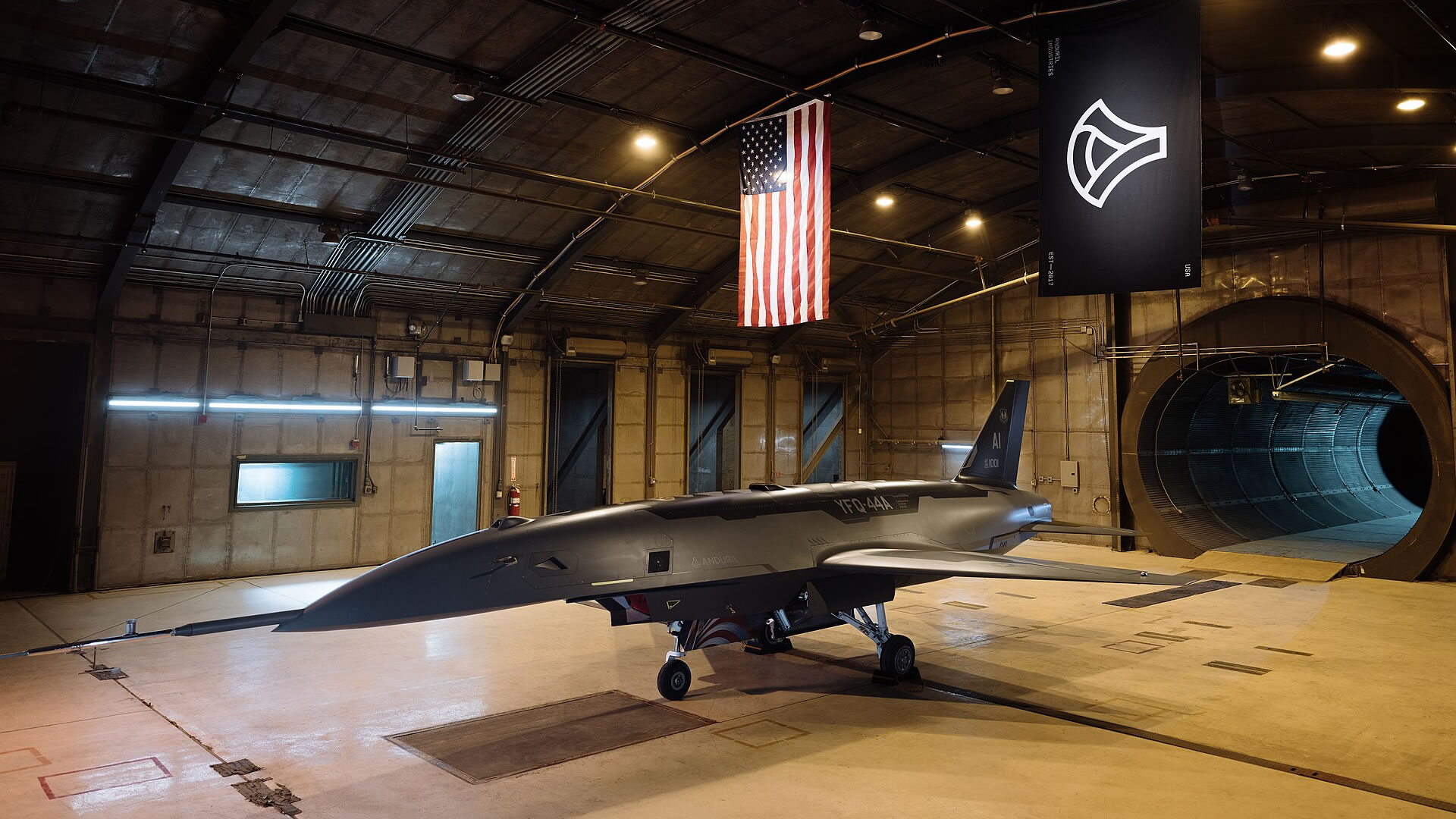
US Air Force Receives First Collaborative Combat Aircraft for Autonomous Warfare Trials
The United States Air Force (USAF) has received its first two Collaborative Combat Aircraft (CCA) designs, the YFQ-44A 'Fury' and YFQ-42A 'Vengeance', at Creech Air Force Base, Nevada. These aircraft will be tested for their operational capabilities alongside crewed fighters in contested airspace. The introduction of CCAs is significant as they are designed to be semi-autonomous and provide a cost-effective solution for missions in high-risk environments. They can carry payloads for offensive and defensive actions, allowing crewed aircraft like the F-35 to operate more safely while coordinating with the CCAs. Moving forward, the USAF will focus on operational experimentation with the CCAs, determining logistics such as the number of personnel required for operation and the optimal handling of multiple CCAs by a single pilot. No further timeline was disclosed at the time of publication.
AI and Robotics Military
SoftBank Allocates $225M to Autonomous Solutions for Construction Robotics Venture
SoftBank Group has invested $225 million in Autonomous Solutions Inc. (ASI) to establish a joint venture aimed at developing autonomous construction equipment for large infrastructure projects. This collaboration will leverage ASI's Mobius fleet-management platform to enhance civil construction and material handling capabilities, supporting a variety of autonomous vehicles from different manufacturers. The significance of this investment lies in ASI's extensive experience in technology development over 25 years, which will facilitate the expansion of autonomous construction systems. ASI CEO Mel Torrie emphasized that the joint venture positions the company at the forefront of innovation in autonomous construction, enabling the deployment of mixed fleets of heavy equipment for complex tasks. Looking ahead, the joint venture is expected to focus on large-scale infrastructure projects, including roads, airports, and waste management. No further timeline was disclosed at the time of publication.
AI AI Funding & Investment Robotics autonomous construction Autonomous Solutions Inc. industrial automation
SkyfireAI and DBOX Collaborate to Enhance Autonomous Drone Operations in the U.S.
SkyfireAI and Lithuania-based DBOX have entered a collaboration to advance integrated autonomous drone operations in the United States. The Memorandum of Understanding (MOU) was signed at the Lithuania–U.S. Business Forum in Miami, attended by Lithuanian President Gitanas Nausėda. The partnership aims to combine expertise in autonomous drone infrastructure, mission-control software, and operational capabilities. This collaboration is significant as it reflects a growing need for comprehensive solutions in autonomous drone operations, which require more than just aircraft and docking stations. The integration of various technologies, including safety systems and airspace management, is crucial for successful deployment. SkyfireAI's experience in Drone as First Responder (DFR) and Beyond Visual Line of Sight (BVLOS) operations complements DBOX's autonomous docking infrastructure. Looking ahead, the companies plan to demonstrate their integrated solution by the fourth quarter of 2026. Initial efforts will focus on integration, testing, safety systems, and regulatory approvals, with operator training and commercialization also being key components of the project. No further timeline was disclosed at the time of publication.
Drone News Drone News Feeds News autonomous drone operations autonomous drones BVLOS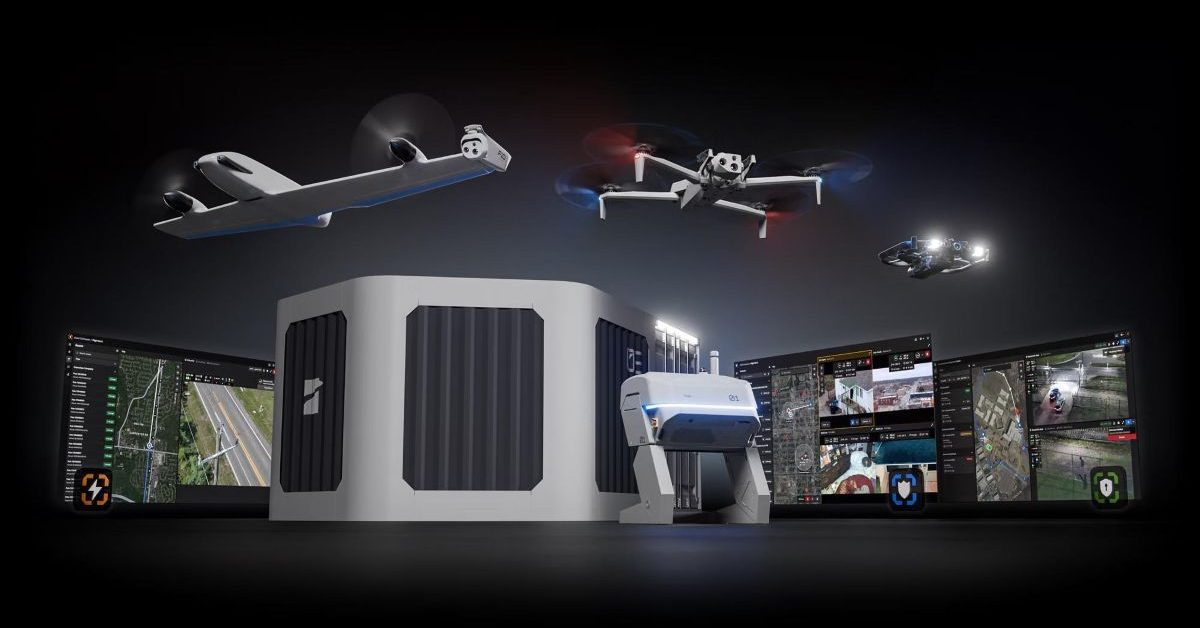
Skydio Introduces F10 Lightrunner, MegaDock, and New Software for Autonomous Drone Operations
Skydio has unveiled its first fixed-wing drone, the F10 Lightrunner, at the Ascend conference in Nevada. This aircraft is designed for long-distance missions, capable of reaching speeds of 100 mph and operating within a 30-mile radius for up to two hours. Alongside the F10, Skydio introduced the MegaDock and two software platforms, Asset Command and Security Command, enhancing its existing drone fleet. The introduction of the F10 Lightrunner signifies a shift in Skydio's approach to drone technology, emphasizing the integration of drones into larger autonomous systems rather than standalone devices. The F10 is particularly suited for applications such as emergency response and infrastructure inspection, where speed and endurance are critical, potentially transforming how agencies and companies utilize drone technology. Looking ahead, Skydio's focus on fixed-wing drones and their operational capabilities could reshape the landscape of drone applications in various sectors. The innovative robotic takeoff and landing system further enhances the F10's usability, eliminating the need for traditional runways or manual handling. No further timeline was disclosed at the time of publication.
News
Caterpillar Collaborates with FieldAI to Enhance Physical AI and Autonomous Robotics
Caterpillar has announced a partnership with FieldAI to advance physical AI and robotics aimed at improving safety and efficiency in jobsites and factories. This collaboration seeks to address labor shortages and productivity demands by transforming real-time observations into actionable insights, enhancing decision-making and maximizing the effectiveness of workers and machines. The significance of this partnership lies in its potential to reshape industries by integrating human expertise with AI-powered machines. Caterpillar's Chief Technology Officer, Jaime Mineart, emphasized the importance of applying AI to improve safety and productivity, thereby delivering greater value to operations. This initiative aligns with Caterpillar's vision for a future where intelligent machines and digital insights create safer and more productive work environments. Looking ahead, Caterpillar's collaboration with FieldAI is expected to accelerate the development of practical solutions that enhance operational efficiency across complex jobsites and manufacturing environments. No further timeline was disclosed at the time of publication.
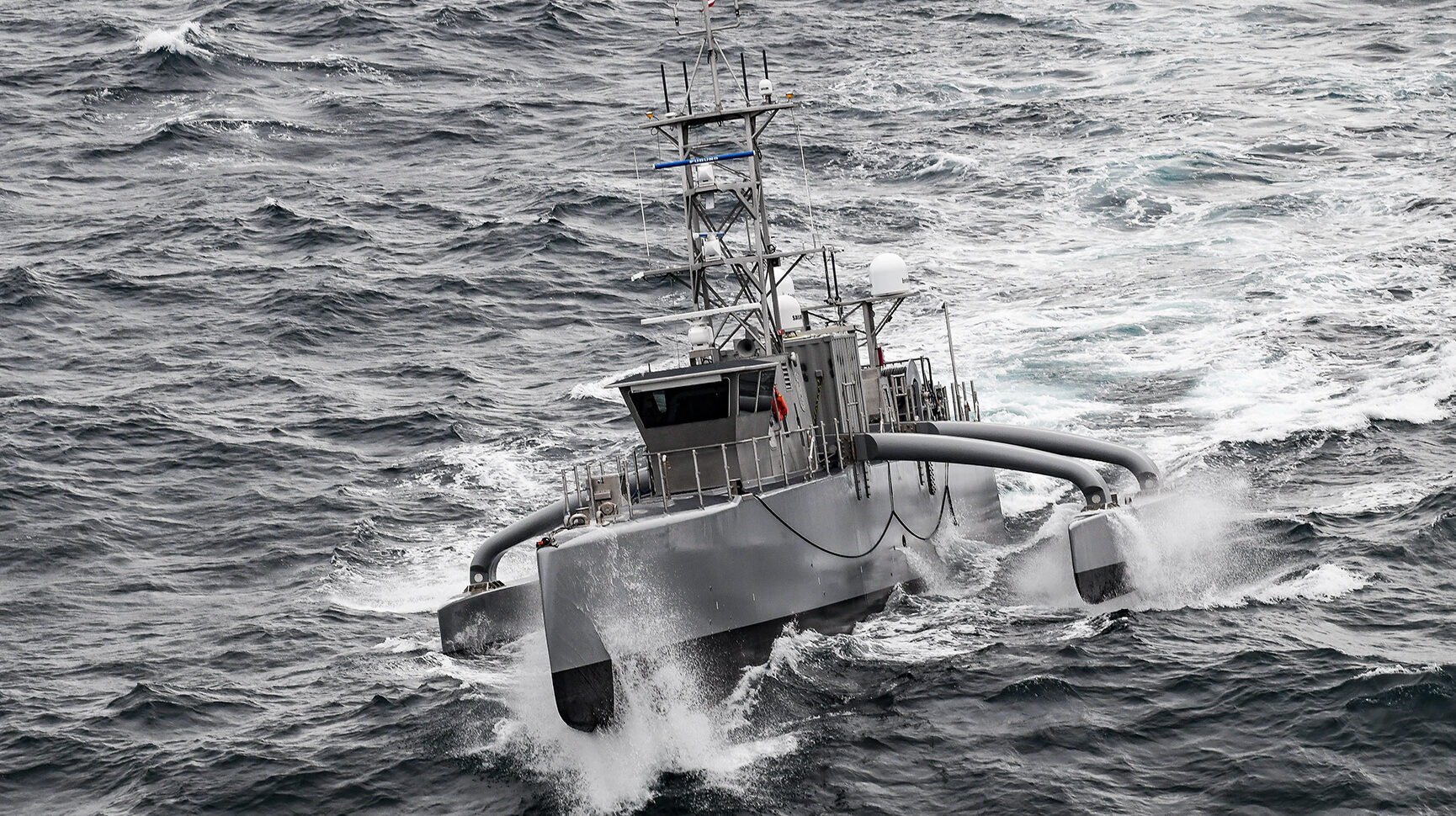
Navy Establishes Robotics and Autonomous Systems Warfighting Development Center in Virginia
The Navy has launched the Robotics and Autonomous Systems Warfighting Development Center (RASWDC) to develop tactics and procedures for unmanned systems. Headquartered at Joint Expeditionary Base Little Creek-Fort Story in Virginia, RASWDC aims to unify efforts across the Navy to enhance operational coherence in unmanned capabilities. This initiative is significant as it aligns with the Navy's broader strategy to integrate robotic and autonomous systems into its operations, as emphasized by Chief of Naval Operations Adm. Daryl Caudle. The RASWDC will work closely with the Direct Reporting Portfolio Manager for Robotic and Autonomous Systems to facilitate the acquisition and deployment of these technologies. Looking ahead, the RASWDC is expected to play a crucial role in ensuring that sailors are equipped with the necessary training and doctrine to effectively utilize unmanned systems. No further timeline was disclosed at the time of publication.
Naval Warfare Adm. Daryl Caudle Drones Navy robotics Unmanned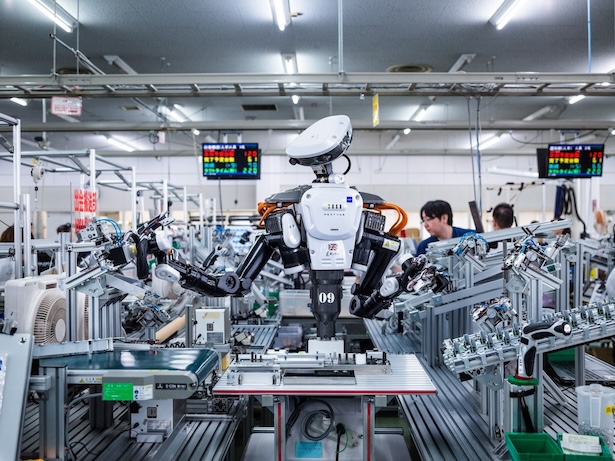
Robot.com and Sodexo Extend Partnership with Seven-Year Deal for Autonomous Delivery Robots
Robot.com has entered into a seven-year commercial agreement with Sodexo to enhance the deployment of autonomous delivery robots across North American college campuses. This partnership, which began in 2021, aims to expand the use of these robots and includes new initiatives such as robot advertising. The significance of this agreement lies in Sodexo's commitment to leveraging digital and AI-enabled solutions to improve consumer experiences and operational efficiency. By integrating autonomous delivery systems, Sodexo is responding to the evolving needs of campus environments while providing flexible service models for operators. Looking ahead, this contract marks Robot.com's largest single enterprise deployment, indicating a substantial growth opportunity in the autonomous delivery sector. No further timeline was disclosed at the time of publication.

Paramount Skydance Settles Lawsuit, Enabling $110 Billion Warner Bros. Discovery Merger
Paramount Skydance has reached a settlement with a coalition of state attorneys general that sought to block its $110 billion merger with Warner Bros. Discovery on antitrust grounds. This lawsuit threatened to delay the acquisition until mid-2027, potentially costing Paramount hundreds of millions in fees. The merger is significant as it combines two major film studios, Paramount and Warner Bros. Discovery, along with a portfolio of TV networks and popular streaming services like Paramount+ and HBO Max. Paramount's CEO, David Ellison, expressed gratitude to the attorneys general for their collaborative approach in reaching a resolution that benefits consumers and the creative community. Looking ahead, Paramount has committed to increasing its domestic production spending by at least $300 million annually and ensuring a significant portion of its films are produced domestically. The company must also adhere to various stipulations regarding film releases and workforce training, with penalties for non-compliance. No further timeline was disclosed at the time of publication.

IAC Hosts Historic Autonomous Racing Event at Laguna Seca with Overtakes
The Indy Autonomous Challenge (IAC) held its latest university racing event on September 3 at Laguna Seca Raceway, marking a significant milestone as it was the first time autonomous racecars overtook each other on a road course. The event featured nine university teams, with Unimore Racing from the University of Modena and Reggio Emilia emerging as the winners against Purdue AI Racing in the final heat. This year's competition was notable for its one-on-one heats, where AI drivers made all decisions regarding overtaking, showcasing advancements in autonomous vehicle technology. The event followed a series of passing competitions held on oval tracks since 2022, emphasizing the evolution of the IAC towards more complex racing scenarios. The teams utilized AV-24s equipped with standardized technology, including a Honda engine and NVIDIA GPU, to compete. Looking ahead, the IAC continues to push the boundaries of autonomous racing, having introduced a qualification process through virtual testing environments. This ensures that teams validate their AI algorithms before competing on physical tracks, reducing the risk of collisions. No further timeline was disclosed at the time of publication.
Academia / Research Artificial Intelligence Automotive Mobility / Navigation News Self-Driving Vehicles
Exploring the Business Advantages of Autonomous Robots in the Industrial Sector
The rapid advancement of physical artificial intelligence is leading to the increased use of autonomous and semi-autonomous robots across various sectors, including warehousing, logistics, mining, construction, and agriculture. As manufacturers prepare to launch humanoid robots, the industrial sector is particularly poised for transformation due to a significant shortage of skilled labor, with projections indicating a rise in vacant manufacturing positions in the U.S. from 440,000 to 510,000 in early 2026 to between 1.5 million and 2 million by the early 2030s. This labor shortage is driving industrial companies to adopt autonomous robots to enhance productivity and manage operational costs. The shift towards automation is expected to change the financial landscape of these businesses, converting operating expenses into capital expenditures and increasing their asset base. This could lead to a credit and financing boom as companies become more attractive to lenders, creating a feedback loop that encourages further investment in robotics. Looking ahead, industrial companies must navigate several challenges, including determining the ownership models for robots, assessing their lifespan, and managing obsolescence risks. Key considerations will include whether to purchase or lease robots, the potential for secondary resale value, and the need for maintenance and upgrade commitments to ensure long-term viability in a rapidly evolving technological landscape.
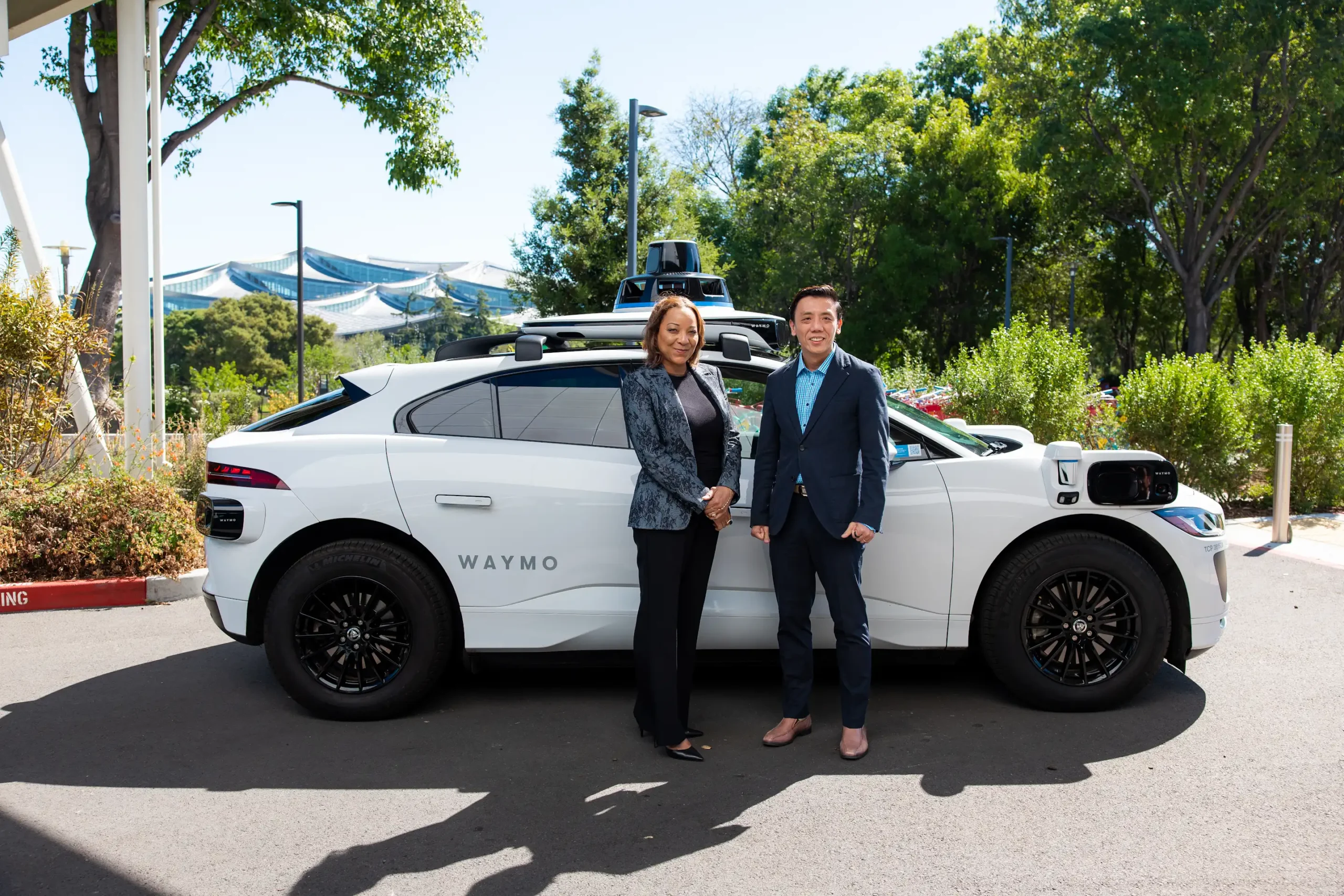
Waymo to Launch Fully Autonomous Ride-Hailing Service in Singapore by 2028
Waymo has announced its intention to introduce a fully autonomous, all-electric ride-hailing service in Singapore by 2028. This initiative marks the company's expansion into international markets, alongside planned launches in Tokyo, London, and Munich. Collaborating with Singapore’s Ministry of Transport and Land Transport Authority, Waymo aims to ensure compliance with safety and regulatory standards while enhancing the country’s autonomous mobility options. The introduction of Waymo's service is significant as it aligns with Singapore's vision of a safe and efficient transportation ecosystem. The government plans to support drivers affected by this transition through retraining programs, emphasizing the importance of community engagement and job creation. Waymo's co-CEO highlighted the company's commitment to complementing Singapore’s public transit network while maintaining a focus on sustainability and reliability. Looking ahead, Waymo will begin deploying an initial fleet of electric Jaguar I-PACE vehicles in the coming months, with trained specialists manually driving them to adapt to local conditions. The company aims to provide fully autonomous rides to the public in 2028, pending regulatory approvals. No further timeline was disclosed at the time of publication.
AI Capital Markets Robotics autonomous driving autonomous vehicles Robotaxi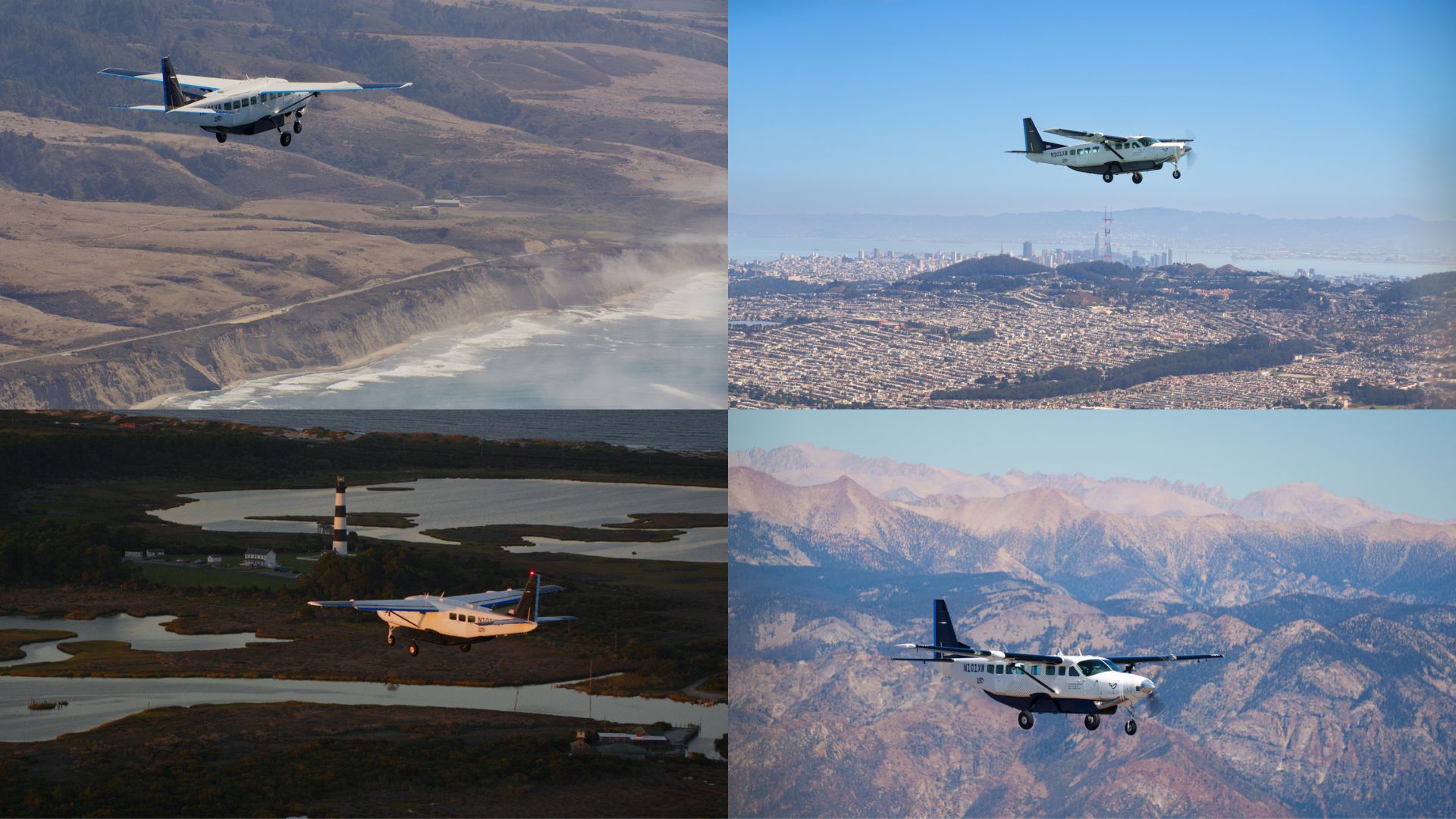
Joby Aviation Achieves Historic 3,199-Mile Autonomous Flight Across the US
Joby Aviation has successfully completed a groundbreaking 3,199-mile autonomous flight across the United States, utilizing a modified Cessna Caravan. The flight, which concluded near North Carolina’s Outer Banks, featured an onboard safety pilot who did not engage with the aircraft's controls, as Joby managed operations remotely from California and South Carolina. This achievement is significant as it demonstrates Joby’s advanced aircraft control technology, allowing the aircraft to autonomously handle critical phases such as taxiing, takeoff, navigation, and landing. The flight also tested the system under various airspace conditions, including severe weather, showcasing the aircraft's ability to adapt to changing environments without prior knowledge of the destination. Looking ahead, Joby Aviation's flight is part of its 2026 Electric Skies tour, with potential applications in commercial cargo, emergency response, and defense logistics. The journey also highlighted the connection between autonomous flight and healthcare logistics, particularly through its support of NCDOT’s eLIFT-NC initiative for transporting medical supplies across the state.
Transportation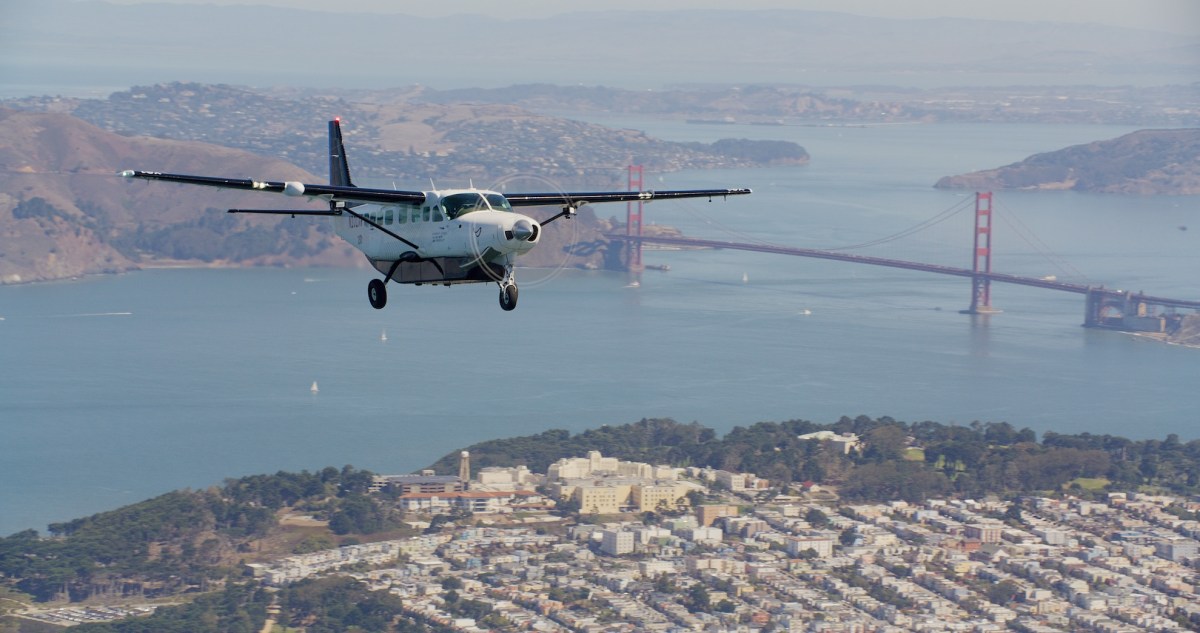
Joby Aviation Achieves 3,100-Mile Autonomous Flight, Expanding Beyond Air Taxis
Joby Aviation successfully completed an autonomous flight exceeding 3,100 miles across the United States, showcasing its advanced autonomy technology. This flight, described as the 'first-ever autonomous flight across the United States,' highlights Joby's ambitions beyond electric air taxis, indicating a strategic shift towards military and logistics applications. The significance of this achievement lies in Joby's demonstration of its autonomy technology's versatility, capable of handling various missions such as medical transport and disaster response. The aircraft, remotely supervised from Joby's California headquarters and Shaw Air Force Base, performed all operations autonomously, with a pilot present solely for compliance. Looking ahead, Joby plans to return the aircraft to the West Coast, with scheduled stops in cities like Louisville and Salt Lake City. The company is also focused on developing a regional airframe equipped with its autonomy stack, supported by a $17 million Air Force contract, and is expanding its defense capabilities following its acquisition of Resonant Sciences for $500 million.
Transportation autonomous flight Joby Aviation
DARPA Initiates $3.5 Million Competition for Autonomous Trauma Surgery Robots
The Defense Advanced Research Projects Agency (DARPA) is launching a $3.5 million competition aimed at developing robotic systems capable of assisting surgeons and eventually performing trauma surgeries autonomously during combat and mass-casualty scenarios. The competition will commence on September 22, 2026, with an Industry Day and will conclude with a finals event in March 2027. This initiative is crucial due to the shortage of available surgeons during large-scale traumatic injury events, where survivable injuries can become fatal if medical personnel are overwhelmed. DARPA's program manager, Dr. Jeremy C. Pamplin, emphasized that the goal is not to replace surgeons but to create highly skilled robotic partners that enhance surgical capabilities through advanced artificial intelligence and human-machine collaboration. Competitors will undergo rigorous testing in medical knowledge, physical capability, and rapid learning, with top teams advancing to two operational tracks, each offering a $1.5 million prize pool. The competition also aims to explore potential civilian applications in disaster response and rural healthcare, highlighting the broader impact of the technologies developed through this initiative.
AI AI Funding & Investment Robotics autonomous trauma surgery robots competition DARPA Funding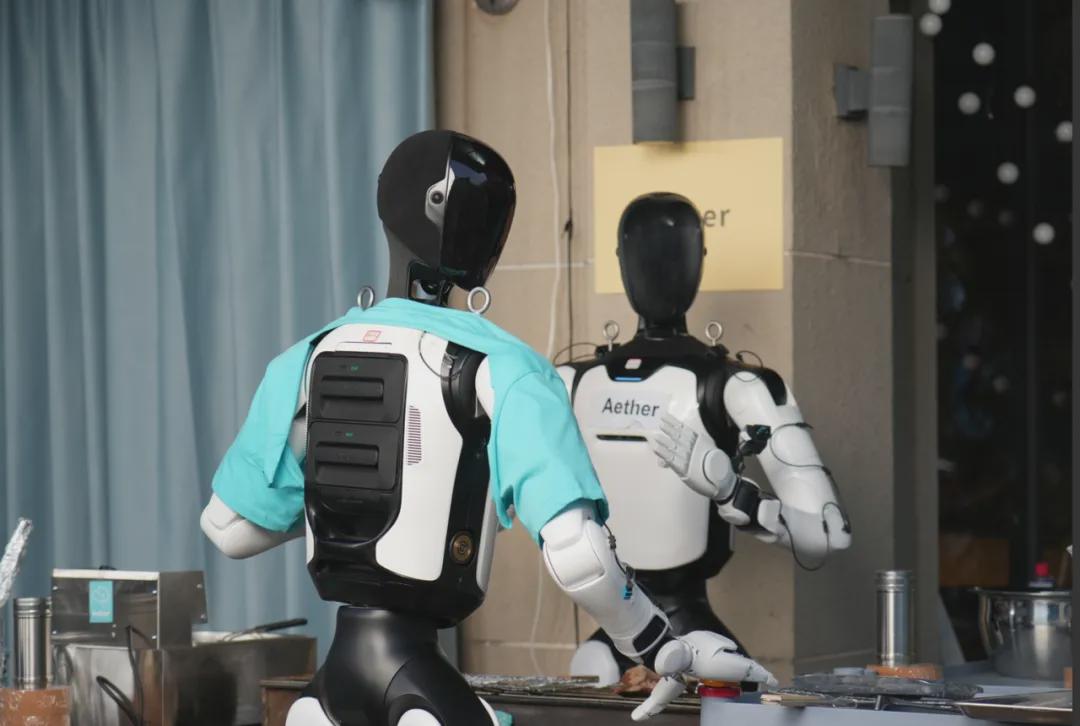
Live Outdoor Demonstration of Autonomous Robots Completing Barbecue Tasks
The embodied intelligence industry is experiencing a 'false prosperity' with frequent demonstrations of robots performing tasks like folding clothes and serving coffee. However, these demos often mask failures and rely on pre-programmed actions or remote control, raising questions about their authenticity. In contrast, LeXiang Technology recently showcased its Ether large model in a live outdoor event, allowing real-time interaction and interruptions from the audience. On September 16, two robots equipped with the Ether model autonomously completed a barbecue task without human intervention. They managed the entire process from taking orders to cooking and serving, while also adapting to unexpected changes from guests. Despite some errors, the live format highlighted the challenges of real-world applications, emphasizing the importance of transparency in robotic capabilities. This demonstration serves as a critical test of the robots' ability to learn and adapt in real-time, rather than just showcasing perfect outcomes. As the industry continues to evolve, the focus on genuine performance under varied conditions will be essential for advancing autonomous technologies.
Autonomous Robots AI Live Demonstrations Robotics Real-World Applications
TLD Robotics Established Following Alvest's Acquisition of EasyMile to Enhance Autonomous Operations
TLD Robotics has officially launched as a subsidiary of Alvest, integrating EasyMile, TractEasy, and TLD’s driverless operations. This move follows Alvest's acquisition of EasyMile, a leader in autonomous technology, and signifies a strategic consolidation in the autonomous vehicle sector. The formation of TLD Robotics is significant as it combines autonomous software capabilities with industrial vehicle expertise, aiming to streamline deployment and enhance customer support. This integrated approach is expected to strengthen Alvest's position in the growing market for autonomous ground operations. Looking ahead, TLD Robotics is poised to leverage its combined resources to advance its offerings in autonomous vehicle technology. No further timeline was disclosed at the time of publication.
Infrastructure News Transportation airport automation alvest autonomous ground vehicles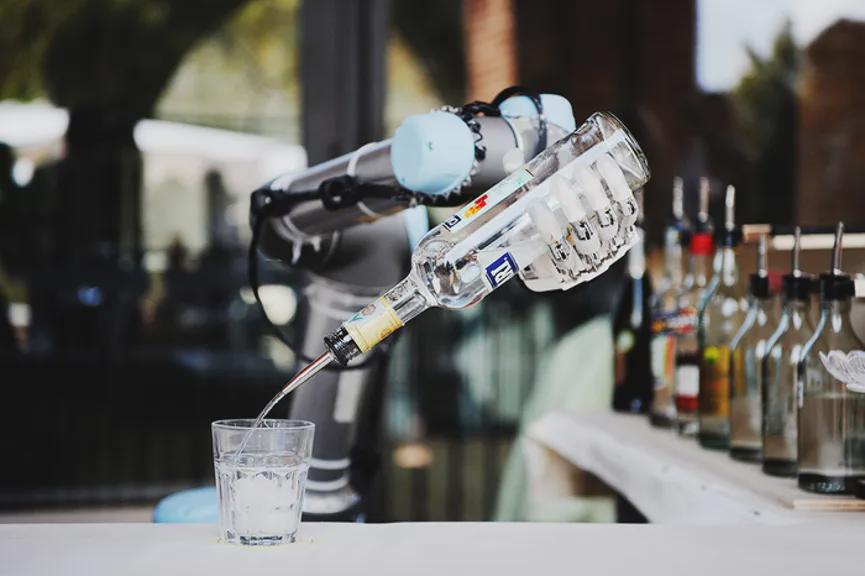
Moutai and Wuliangye Invest in Robotics Amid Sluggish Baijiu Sales
Moutai and Wuliangye, two leading Baijiu producers, are investing in robotics to enhance their operations despite sluggish sales in the Baijiu market. This strategic move is aimed at improving efficiency and reducing costs in production processes, which have been challenged by declining consumer demand. The adoption of robotics could potentially transform their manufacturing capabilities and help them regain market momentum. The Baijiu industry has faced significant challenges recently, with sales figures not meeting expectations. By integrating robotics into their operations, Moutai and Wuliangye are positioning themselves to adapt to changing market conditions and consumer preferences. This investment reflects a broader trend in the beverage industry, where automation is increasingly seen as a solution to operational inefficiencies. Looking ahead, it will be important to monitor how these investments in robotics impact the operational efficiency and profitability of Moutai and Wuliangye. The effectiveness of these technologies in addressing current market challenges will be crucial for their long-term success. No further timeline was disclosed at the time of publication.
Robotics Automation AI
Ecologists Observe Natural Recovery of Mount St. Helens Blast Zone After 46 Years
The eruption of Mount St. Helens on May 18, 1980, devastated 230 square miles of forest and buried the North Fork Toutle valley under volcanic debris. Over the past 46 years, ecologists have monitored the area and noted the natural recovery of the ecosystem, with pocket gophers, prairie lupines, and elk contributing to the regeneration without human intervention. This recovery is significant as it demonstrates the resilience of nature and the ability of ecosystems to rebound from catastrophic events. The presence of species such as pocket gophers and prairie lupines indicates a thriving environment, showcasing the importance of natural succession in ecological restoration. Looking ahead, continued observation of the Mount St. Helens blast zone will provide insights into the long-term effects of volcanic eruptions on ecosystems. Ecologists will likely focus on how these species interact and further shape the landscape, contributing to our understanding of ecological resilience and recovery processes. No further timeline was disclosed at the time of publication.
CLIMATE SCIENCE
GDLS-UK and ARX Robotics Collaborate on Autonomous Wingman Technology for British Army
General Dynamics Land Systems-UK (GDLS-UK) has partnered with ARX Robotics to enhance the integration of autonomous systems into crewed vehicles for the British Army. This collaboration aims to develop advanced 'wingman' technology that can support military operations. The significance of this partnership lies in its potential to improve operational efficiency and safety for soldiers in the field. By integrating autonomous systems, the British Army can leverage advanced technologies to enhance situational awareness and reduce risks during missions. Looking ahead, it will be important to monitor the progress of this collaboration and any subsequent developments in autonomous military technologies. No further timeline was disclosed at the time of publication.
News
Gix Internet Makes $500K Investment in Ottonomy for Autonomous Delivery Robots
Gix Internet has announced a strategic investment of $500,000 in Ottonomy, a U.S. company specializing in autonomous delivery robots. This investment, made through a SAFE agreement, is expected to close during the week of September 16, 2026. Gix aims to integrate Ottonomy's Level 4 autonomous navigation technology with its Deliverz.ai software, enhancing the management of robots and autonomous systems. This investment is significant as it follows a nonbinding agreement from August that could lead to Gix acquiring a majority stake in Ottonomy. The collaboration is poised to leverage Ottonomy's experience in deploying its Ottobot delivery robots across various sectors, including healthcare and last-mile delivery, thereby expanding Gix's capabilities in the autonomous robotics market. Looking ahead, Gix's potential majority ownership of Ottonomy could reshape the landscape of autonomous delivery solutions. However, the proposed majority investment remains contingent on due diligence and regulatory approvals. No further timeline was disclosed at the time of publication.
AI AI Funding & Investment Robotics autonomous delivery investment Israel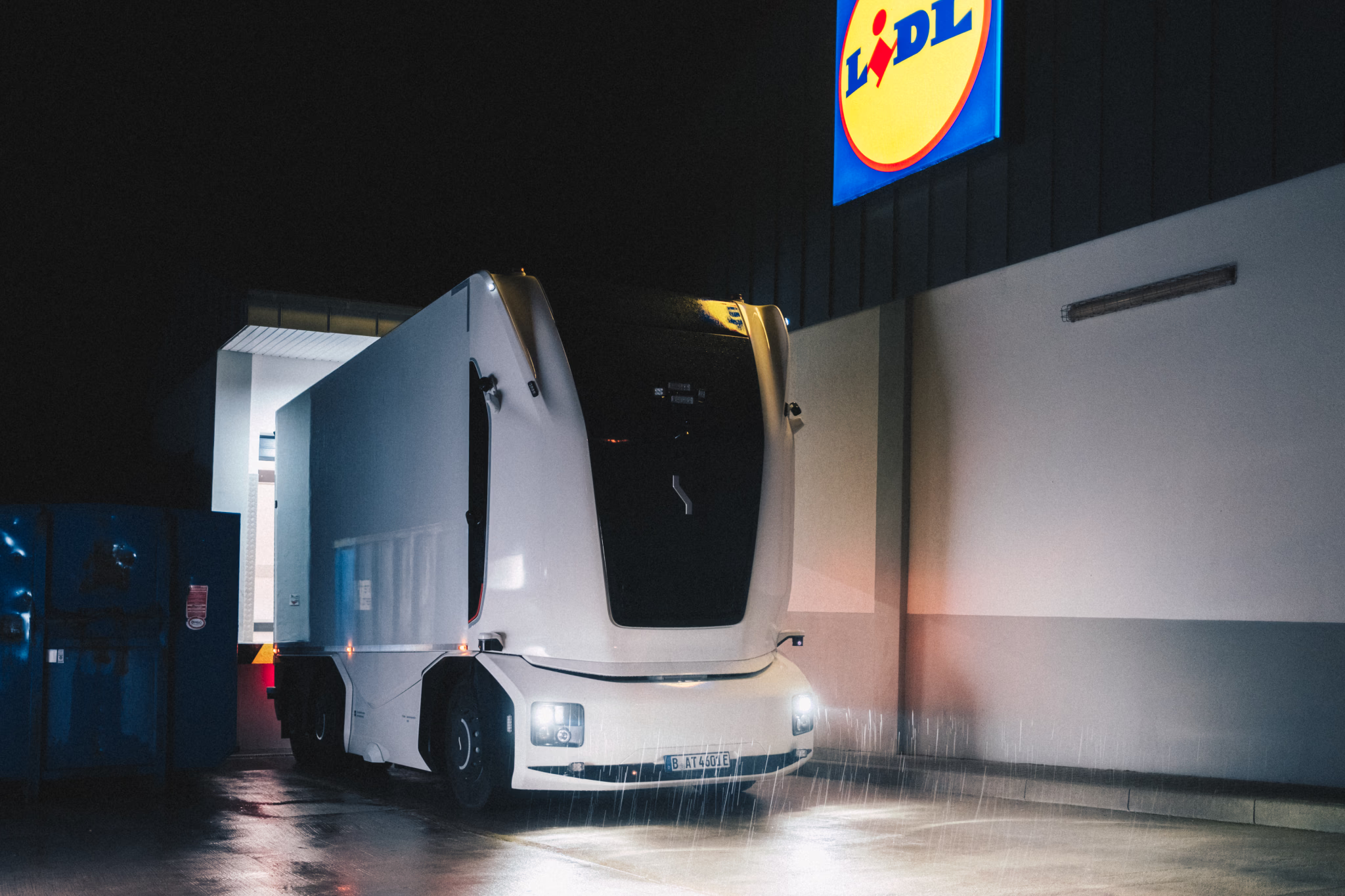
Einride and Lidl Launch Germany's First Autonomous Truck Operations on Public Roads
Einride and Lidl have initiated daily operations of a cab-less SAE Level 4 autonomous truck on public roads in Germany, transporting goods between a Lidl distribution center and store. This deployment marks the first of its kind in Germany, authorized by the Federal Motor Transport Authority, transitioning from a limited demonstration to regular logistics use. The significance of this operation lies in Lidl's exploration of autonomous freight solutions to enhance its logistics network while addressing ongoing driver shortages. The project aims to integrate autonomous trucks into Lidl's supply chain, with plans for a multi-stop milkrun model and potential expansions across other companies within the Schwarz Group. Looking ahead, Einride and Lidl will evaluate the technology's effectiveness in real-world conditions to determine its role in site logistics. No further timeline was disclosed at the time of publication.
AI AI Funding & Investment AI Use Cases Robotics autonomous trucks deployment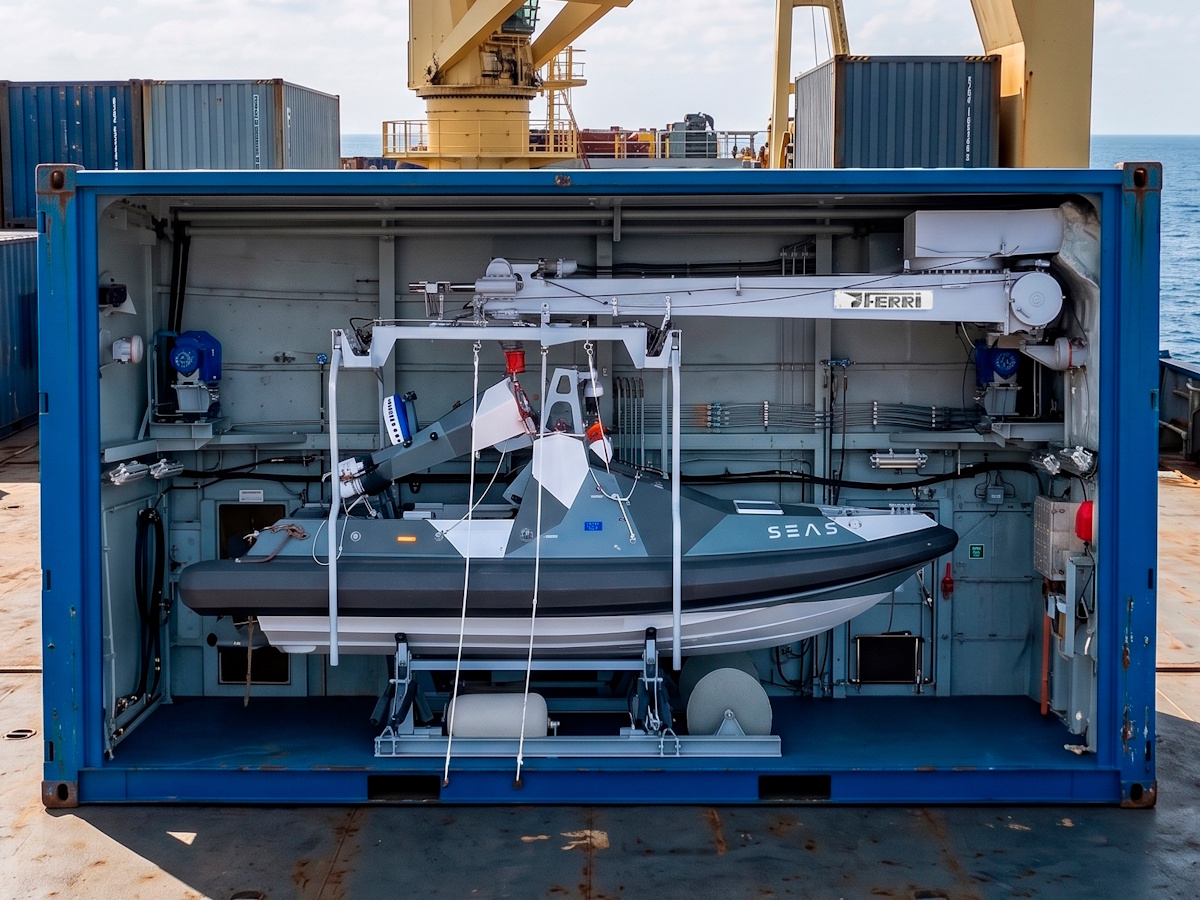
Cellula Robotics and FERRI Establish Nautical Reach Systems for Autonomous Marine Handling
Cellula Robotics Ltd. and Industrias FERRI S.A. have launched Nautical Reach Systems Ltd., a joint venture based in East Coast Canada. This new entity will focus on designing and manufacturing marine motion, lift, and handling systems tailored for autonomous maritime operations, including smart launch and recovery solutions for uncrewed vehicles. The collaboration aims to enhance the safety and reliability of autonomous platforms operating in challenging maritime environments, such as remote and Arctic conditions. Neil Manning, CEO of Cellula Robotics, emphasized the importance of integrating vehicle design with handling equipment to optimize performance at sea, highlighting the joint venture's potential to revolutionize marine operations. Looking ahead, Nautical Reach Systems plans to leverage the combined expertise of both companies to create innovative solutions for naval and coast guard operators. FERRI's significant investment in the venture will foster job creation and intellectual property development in Canada, while Cellula contributes its autonomous handling technology. No further timeline was disclosed at the time of publication.
cellula robotics ferri nautical reach systems autonomous marine handling
Nabuurs Reduces Cleaning Labor by 60-70% with Autonomous Tennant T16AMR Scrubber
Nabuurs Supply Chain Solutions has successfully reduced its cleaning labor requirements by an estimated 60 to 70% through the deployment of an autonomous Tennant T16AMR floor scrubber at its 60,000m² logistics facility in Oosterhout. This initiative, which began in July 2025, followed a thorough trial and ROI analysis aimed at maintaining cleaning standards while minimizing the labor needed for conventional scrubber operations. The introduction of the T16AMR has allowed Nabuurs to achieve consistent cleaning results without the need for a dedicated operator, as the machine autonomously cleans an average of 1,774m² per day. This significant reduction in labor has improved operational efficiency and enabled the company to maintain high cleaning standards across its busy logistics environment. Looking ahead, Nabuurs is considering the potential for rolling out autonomous cleaning solutions to additional sites in the Netherlands, building on the success of the T16AMR at Oosterhout. The collaboration with Tennant continues to evolve, focusing on further enhancing operational efficiency and standardizing cleaning processes across the logistics network.
AMR and AGV Automation Systems and Shuttles IT in Logistics Warehouse Property Warehousing autonomous cleaning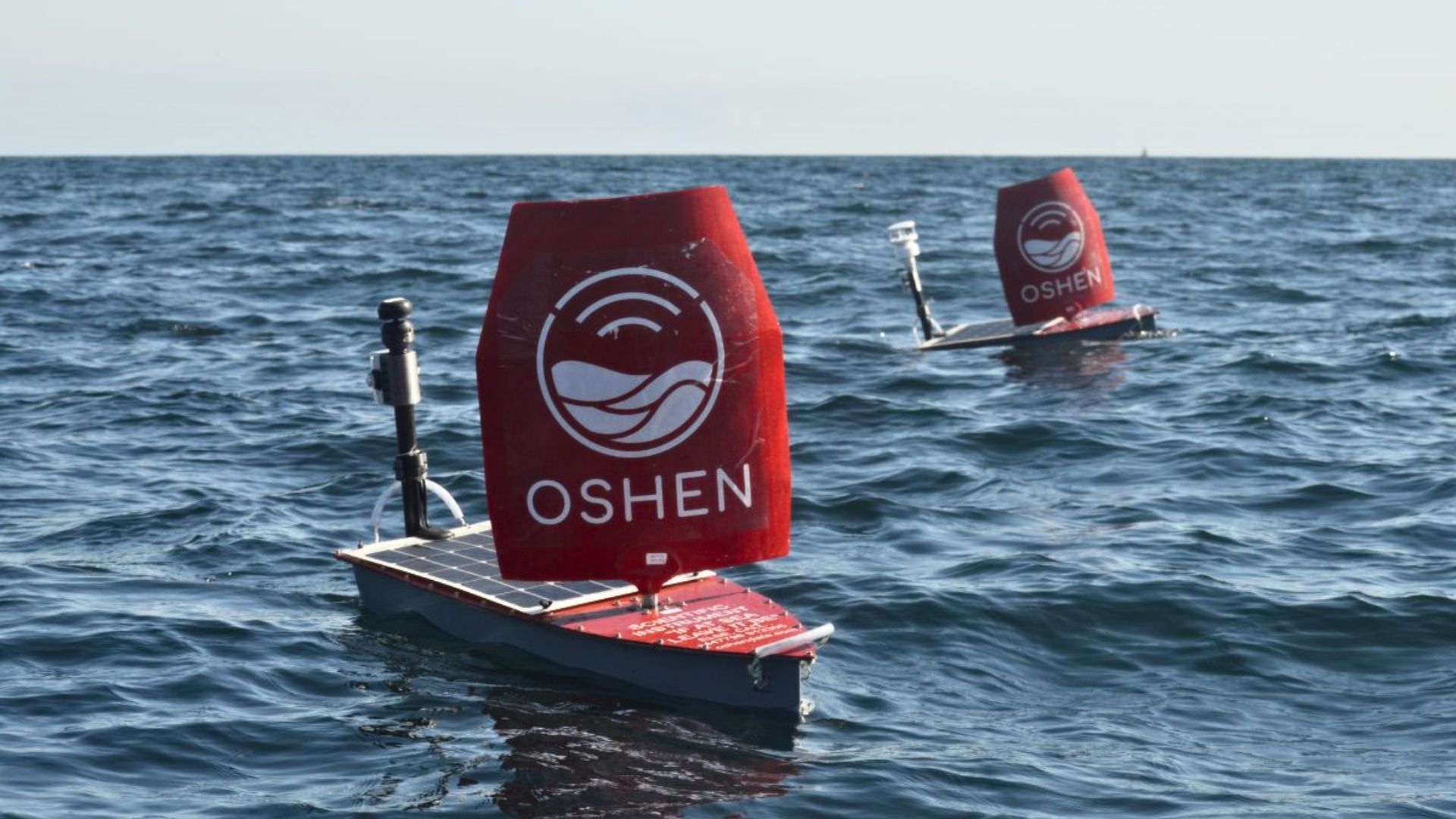
Oshen's Autonomous Sailboat Achieves Historic 3,555-Mile Atlantic Crossing in 127 Days
Oshen's four-foot autonomous sailboat, the C-Star PC13, has successfully completed a 3,555-mile Atlantic crossing, marking a historic achievement in the Microtransat Challenge after over 30 attempts. Departing Gran Canaria on May 7, the vessel reached Barbados in 127 days, navigating through busy shipping routes and challenging weather conditions, including Tropical Storm Dolly. This accomplishment is significant as it represents the first successful completion of the Microtransat, a challenge aimed at advancing the development of robotic boats since its inception in 2010. The PC13's design leverages wind for propulsion while utilizing software for navigation, showcasing the potential of autonomous vessels in maritime applications. Looking ahead, Oshen aims to expand its fleet of C-Stars for various monitoring tasks, including hurricane tracking and climate data collection in the North Atlantic. The company has already demonstrated the capabilities of its vessels in extreme conditions, indicating a promising future for autonomous maritime technology. No further timeline was disclosed at the time of publication.
Transportation
WaiV Robotics Achieves First Autonomous Nighttime Landing on Moving Vessel
WaiV Robotics has successfully conducted a series of open-sea demonstrations showcasing its autonomous drone launch and recovery system. Notably, the company achieved the first-ever autonomous maritime takeoff and landing at night, marking a significant milestone in maritime technology. This achievement is crucial as it demonstrates the capabilities of WaiV's patented catch-lock-release mechanism and AI-powered predictive algorithms. These technologies enable drones to land on moving vessels, enhancing operational efficiency and safety in maritime operations. Looking ahead, the advancements made by WaiV Robotics could pave the way for further innovations in autonomous maritime systems. No further timeline was disclosed at the time of publication.
Drones News autonomous drones autonomous landing autonomous systems drone landing
Tokyo's MW Develops Ceiling-Mounted Robotic Arms for Home Automation Instead of Humanoids
Tokyo-based MW is innovating in home automation by integrating robotic arms into residential ceilings, diverging from the trend of humanoid robots. The company aims to debut its MW bot by 2028 and produce 10,000 robotic homes annually by 2035, potentially capturing 5% of Japan's new housing market. This approach addresses the challenges of compact Japanese homes, where traditional bipedal robots struggle with space and safety. MW's ceiling-mounted robotic arms are designed to handle everyday tasks like sorting groceries and folding laundry, as demonstrated in a recent showcase in Tokyo's Toyosu waterfront area. MW's business model is unique, controlling the entire process from land acquisition to AI development. With 3 billion yen in seed funding and plans for international expansion by 2029, the company is focused on high-end real estate, with the success of its technology dependent on reducing costs for broader market adoption. No further timeline was disclosed at the time of publication.
Home Automation Robotic Arms Smart Homes AI Technology
Japan to Develop Drone-Mounted Quantum Magnetic Sensors for Submarine Detection by 2031
Japan is set to develop compact quantum magnetic sensors for drones to enhance submarine detection capabilities. This initiative is part of Tokyo's fiscal 2027 defense budget request, with a target completion date of fiscal 2031, as reported by the Nikkei newspaper. The sensors aim to identify subtle magnetic changes associated with submerged vessels, complementing existing sonar technologies. By deploying these sensors on low-cost drones, Japan seeks to improve surveillance in strategic chokepoints where Chinese submarines are likely to navigate, thus enhancing maritime security without risking aircrew lives. While the magnetic sensors have limited detection ranges, defense expert Masashi Murano noted their efficiency could be maximized through widespread drone deployment. This strategy could reduce Japan's reliance on its P-1 maritime patrol aircraft, which incurs higher operational costs. No further timeline was disclosed at the time of publication.
Military
Jiushi Expands Its 30,000 Autonomous Vehicles into Urban Governance Applications
Jiushi has announced a strategic upgrade to its urban-level physical AI, aiming to extend its 'Jiushi Brain' capabilities beyond autonomous logistics vehicles. CEO Kong Qi emphasized that the company will leverage its extensive operational experience and data from over 30,000 vehicles, which have collectively traveled more than 250 million kilometers across 300 cities, to enhance urban governance scenarios. This shift is significant as Jiushi seeks to redefine its role in the autonomous vehicle industry, moving from a logistics-focused approach to utilizing its vehicles as a sensor network for urban management. By transforming data from real-world operations into actionable insights for city governance, Jiushi aims to address the complexities of urban environments while ensuring compliance and safety standards. Looking ahead, Jiushi's collaboration with GAC Aion to integrate L4 autonomous driving technology with commercial vehicle manufacturing could help overcome long-standing reliability issues in the industry. The success of this new direction will depend on Jiushi's ability to implement its technology in various cities, transitioning its vehicles from cargo transport to integral components of urban infrastructure.
Autonomous Vehicles Urban Governance AI Technology Data Analytics
ASI Deploys Largest Autonomous Vehicle Fleet in American Sugarcane Farming
Autonomous Solutions Inc. (ASI), in collaboration with U.S. Sugar Corp. and Everglades Equipment Group, has launched the largest fleet of autonomous tractors in American sugarcane farming across South Florida. This deployment spans hundreds of thousands of acres and represents a significant operational shift in agriculture, moving beyond pilot projects to full-scale implementation. The initiative is crucial as American farmers face challenges such as a shrinking workforce, rising costs, and unpredictable weather patterns. ASI's Mobius platform has already facilitated extensive autonomous operations, demonstrating that the technology is ready to meet the demands of modern farming. U.S. Sugar, a key partner in this venture, manages 255,000 acres and emphasizes the importance of innovation in maintaining agricultural productivity. Looking ahead, the collaboration between ASI, U.S. Sugar, and Everglades Equipment Group aims to address labor shortages and enhance operational efficiency. As weather events increasingly threaten crops, the ability to deploy autonomous solutions becomes vital in ensuring the continuity of agricultural work, mitigating economic losses, and supporting the food supply chain.
Agriculture Mobility / Navigation News Opinion Self-Driving Vehicles asi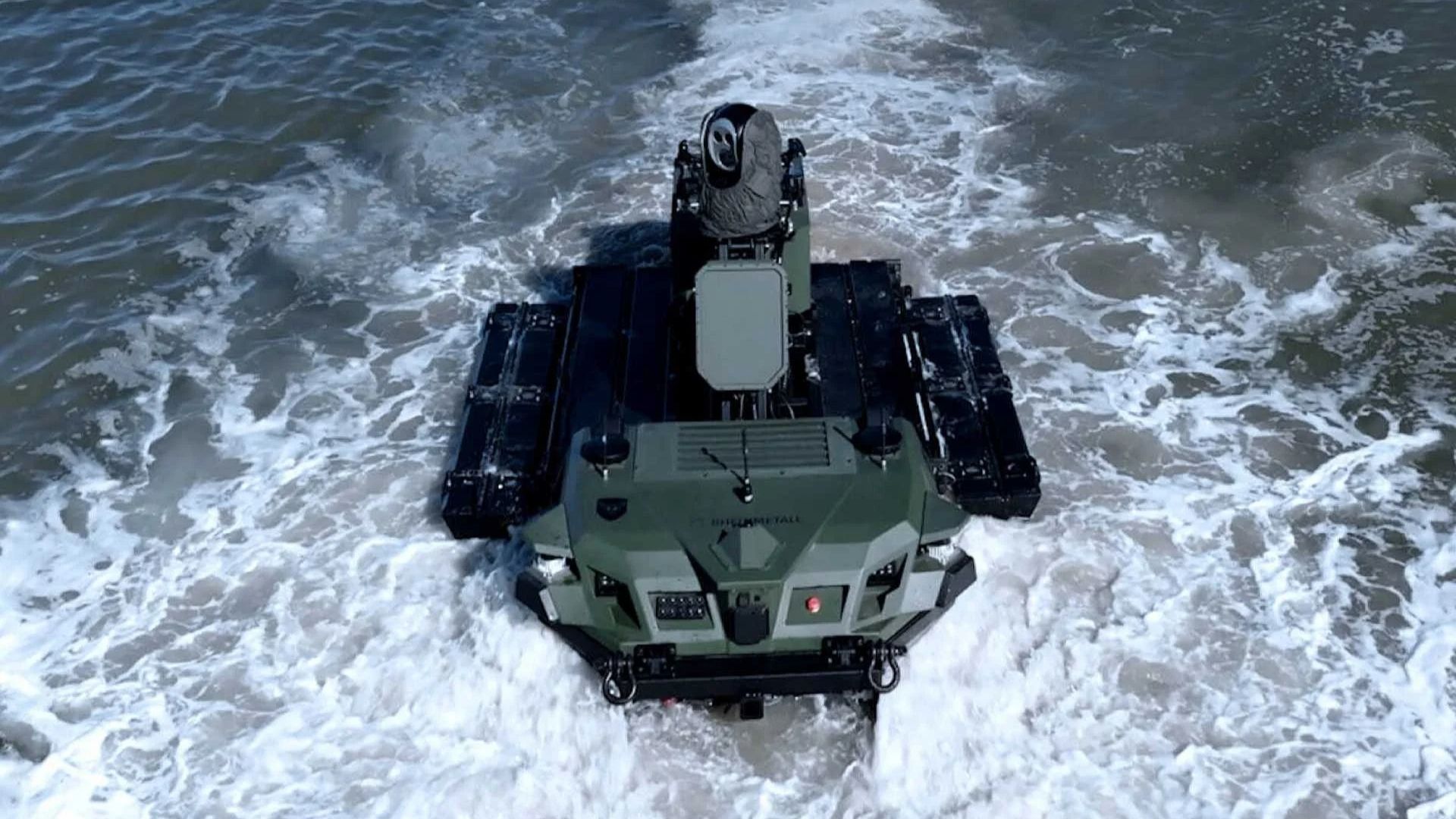
US Marine Corps Secures 12 Rheinmetall Amphibious Robots for Autonomous Logistics
American Rheinmetall has been awarded a $7.28 million contract to supply 12 Mission Master SP Autonomous Unmanned Ground Vehicles (A-UGVs) to the US Marine Corps. This procurement includes five amphibious kits and supporting equipment aimed at enhancing autonomous logistics and expeditionary mobility technologies. The significance of this contract lies in its potential to advance the operational capabilities of the US Marine Corps. The Mission Master SP vehicles are designed to support the Marine Corps Warfighting Laboratory's evaluations and capability development efforts, reflecting over four years of collaboration between Rheinmetall and the Marines. Looking ahead, the deployment of these advanced A-UGVs will be closely monitored as they are integrated into military operations. The amphibious capability is particularly noteworthy, as it addresses the evolving demands of littoral and expeditionary operations, marking a key milestone in Rheinmetall's partnership with the US Marine Corps.
Military
Overland AI Secures $20 Million Contract with US Army for Autonomous Breaching Systems Development
Overland AI has been awarded a $20 million contract by the U.S. Army to develop autonomous ground systems aimed at breaching battlefield obstacles. This initiative, part of the Engineer Autonomous Breaching Capability (EABC), will integrate Overland AI's OverDrive autonomy software with various ground vehicles and mission payloads, enabling a single operator to manage multiple robotic platforms during breaching missions. The significance of this contract lies in its potential to enhance operational safety by reducing the number of combat engineers exposed to hazardous environments during breaching operations. Overland AI's approach, which builds on over 25 government demonstrations with agencies like DARPA and the U.S. Army, aims to modernize battlefield operations through the use of autonomous systems. Looking ahead, the development of the breaching technology will involve collaboration with partners and subcontractors, as well as continued testing with combat engineer units. No further timeline was disclosed at the time of publication.
AI AI Funding & Investment Robotics Autonomous Ground Systems autonomous ground vehicles contract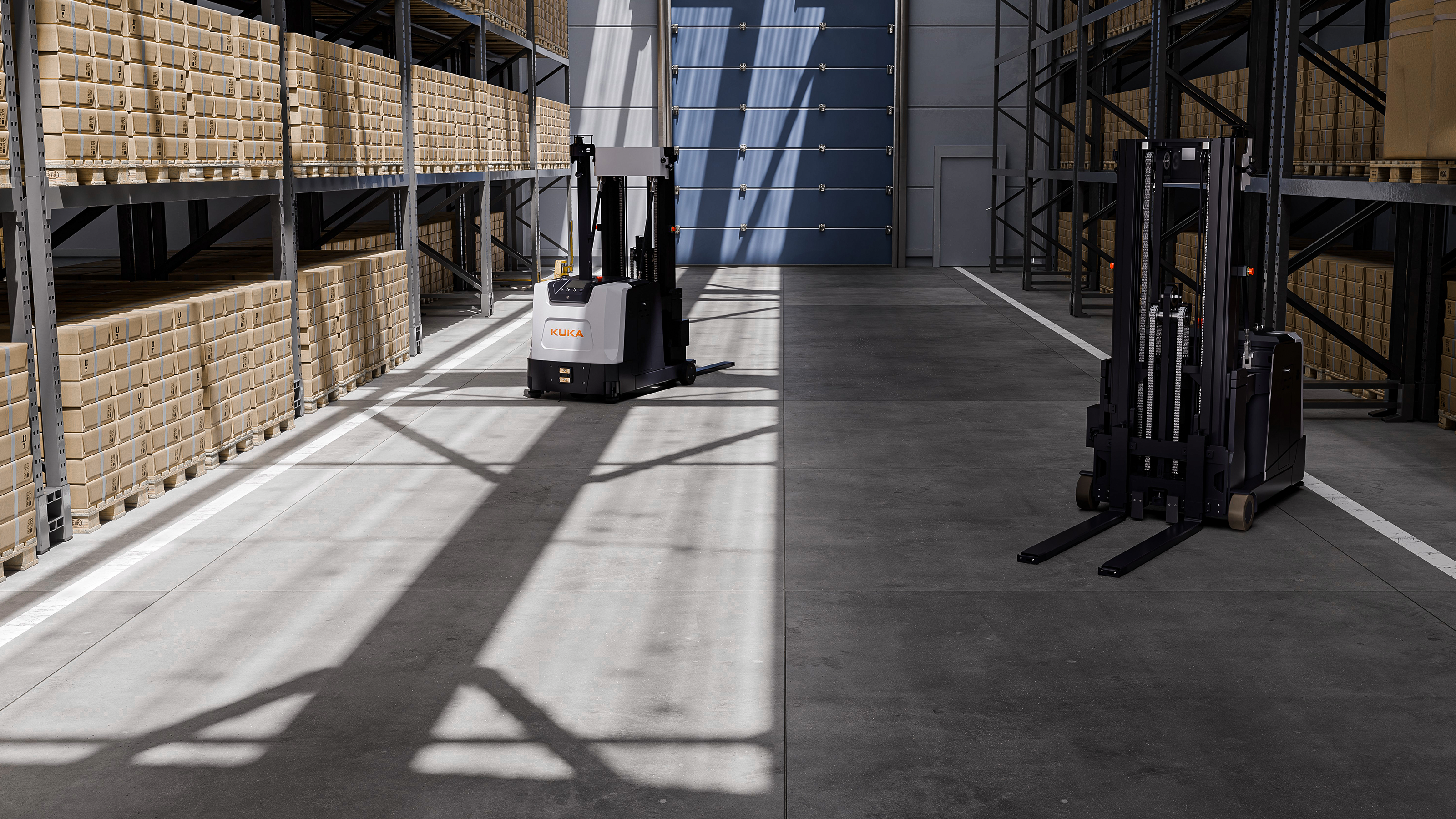
KUKA Introduces KMF 1500P Series of Autonomous Forklifts for Enhanced Productivity
KUKA has launched the KMF 1500P series, a new family of autonomous forklifts designed to improve efficiency in manufacturing and logistics. This series aims to automate transport processes, optimize resource usage, and enhance safety in intralogistics operations. The introduction of the KMF 1500P series addresses the growing demand for automated material handling solutions in the industry. The first model, KMF 1500P-CB, is specifically engineered for the flexible transport of both open and closed pallets and containers over extended distances, making it a versatile addition to KUKA's product lineup. As companies increasingly seek to enhance their operational efficiency, the KMF 1500P series is poised to play a significant role in transforming intralogistics. No further timeline was disclosed at the time of publication.
Yushu Robot G1 Showcases Autonomous Fighting, Yet Concerns Persist
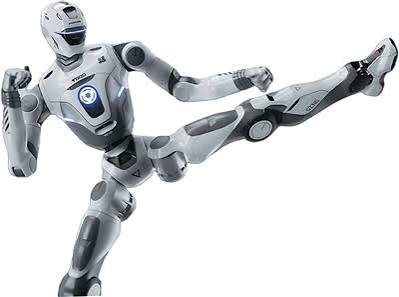
Yushu's G1 robot recently demonstrated autonomous fighting capabilities, executing punches and evasive maneuvers without human control. This 38-second video, released on September 7, claims to be the world's first real-time autonomous humanoid robot combat. However, independent analysis revealed console logs suggesting that AI processing may occur on an external computer, raising questions about the true autonomy of the G1. The distinction between 'fully autonomous' and a system relying on external commands is crucial. Yushu has not provided technical documentation to clarify this issue, leaving the term 'fully autonomous' in question. The UnifoLM-X2-1.0 model, which powers the G1, predicts opponent movements and plans actions accordingly, but lacks independent latency benchmarks to validate its performance. While combat scenarios serve as effective stress tests for robotic systems, the leap from successful fighting to reliable operation in dynamic environments remains unproven. A previous incident involving the G1 injuring a child during a demonstration highlights urgent safety concerns. As robots become more capable, the adequacy of safety regulations and frameworks for humanoid robots is increasingly questioned, emphasizing the need for clear guidelines on their operational parameters.
Humanoid Robots AI Robot Safety Autonomous Systems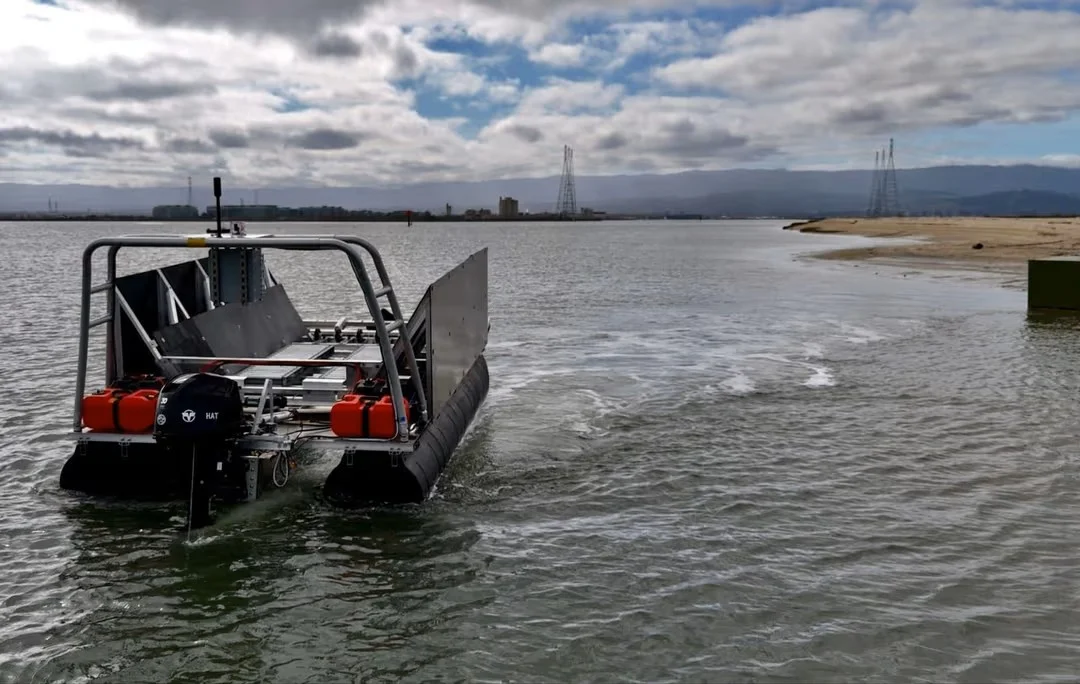
Bulwark Dynamics Secures $6.8M Seed Funding for Autonomous Landing Craft Development in Japan
Bulwark Dynamics has successfully raised $6.8 million in seed funding to advance the development of its Caravel autonomous landing craft. The company has entered into an agreement with Japan’s Onomichi Dockyard to facilitate the serial production of these vessels, which are designed to autonomously deliver cargo across unimproved shorelines without the need for ports or cranes. The significance of this funding lies in Bulwark's focus on enhancing logistics capabilities for U.S. and allied forces in the Indo-Pacific region. The Caravel series aims to improve supply chain resilience in contested environments by utilizing unmanned systems, thereby reducing the risk associated with traditional crewed logistics platforms. The prototype has already demonstrated its ability to autonomously transit, beach, unload cargo, and retract without human intervention. Looking ahead, Bulwark Dynamics plans to develop larger variants of the Caravel, specifically a 35-foot and a 55-foot model, to accommodate greater cargo loads. The company is also expanding its workforce in both the U.S. and Japan to support production and testing efforts. No further timeline was disclosed at the time of publication.
AI AI Funding & Investment Robotics Archetype Ventures autonomous surface vessel California
Unitree Technology Unveils G1 Autonomous Robot's Real-Time Combat Capabilities
On September 7, Unitree released a 38-second video showcasing its G1 humanoid robot engaging in real-time combat against a human opponent. This marks a significant milestone as it is the first instance of a fully autonomous humanoid robot fighting without human remote control, demonstrating advanced decision-making capabilities. The importance of this development lies in the robot's ability to autonomously predict, evade, and counterattack in real-time, a feat that has previously required human intervention. The G1 robot adjusts its stance and actions based on the opponent's movements, showcasing a complete feedback loop from perception to execution, which is crucial for effective combat. Looking ahead, the G1 is set to compete in the CMG World Robot Competition in May 2025, where it will further demonstrate its capabilities. The video highlights the challenges of real-time decision-making in combat scenarios, emphasizing the need for rapid response and adaptation in unpredictable environments. No further timeline was disclosed at the time of publication.
Humanoid Robots Autonomous Systems Robotics Research Artificial Intelligence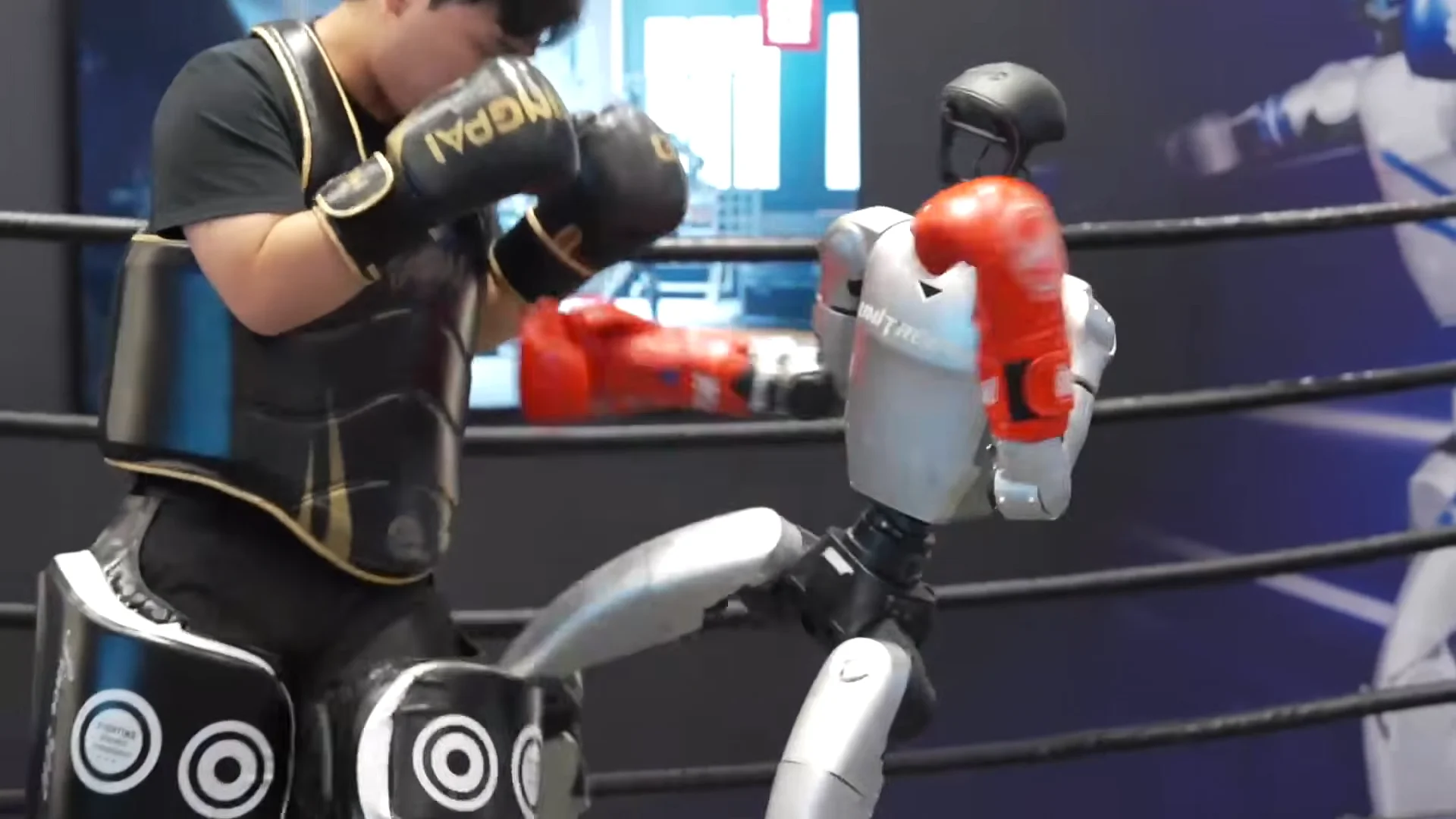
Unitree Robotics Introduces UnifoLM-X2: A Fully Autonomous Combat Robot
Unitree Robotics has launched the UnifoLM-X2-1.0, a groundbreaking AI architecture that enables its G1 humanoid robot to engage in fully autonomous combat. This innovation marks a significant shift from previous humanoid combat, which relied on human operators for control. The demonstration showcases the G1's ability to spar in real-time against a human partner, utilizing predictive modeling to anticipate and react to movements. The introduction of UnifoLM-X2-1.0 is crucial as it addresses latency issues that have historically hindered robotic performance in dynamic environments. By employing a predictive perception-to-action loop, the G1 can execute complex maneuvers such as slipping strikes and recalibrating footwork without human intervention. This advancement positions Unitree at the forefront of the robotics sector, particularly in the rapidly growing field of humanoid combat. Looking ahead, the evolution of Unitree's AI capabilities will be pivotal in shaping the future of robotic interactions in competitive settings. The success of the UnifoLM-X2-1.0 could lead to further innovations in autonomous robotics, enhancing their application in various sectors beyond combat. No further timeline was disclosed at the time of publication.
Unitree Robotics China Autonomy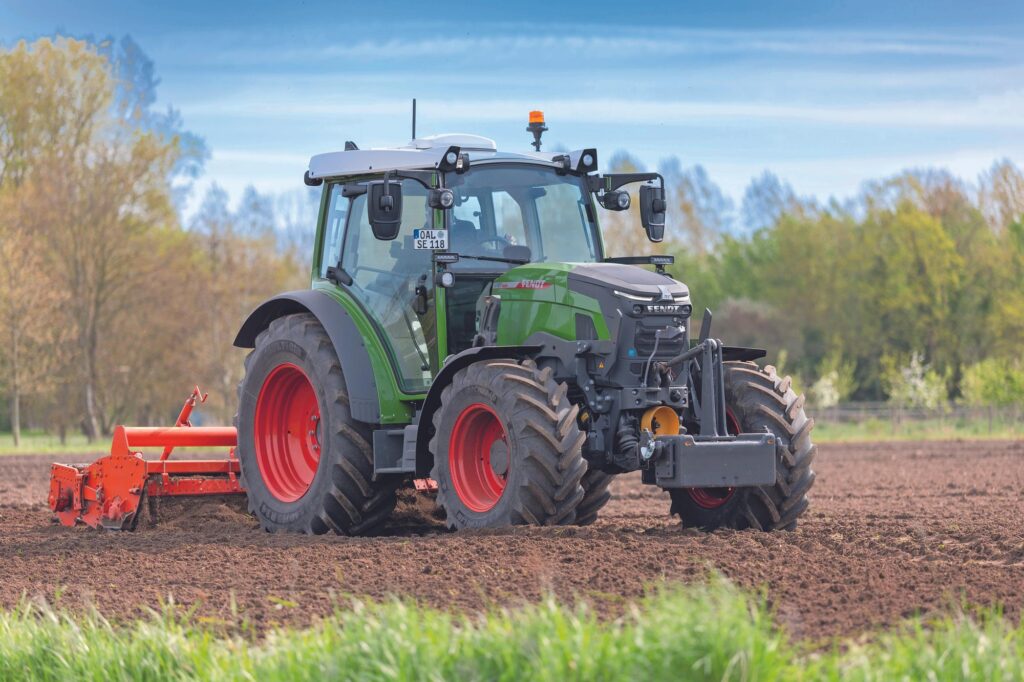
Fendt e107 Vario Electric Tractor Demonstrates Battery Power for Autonomous Field Robots
A recent test compared the Fendt e107 Vario electric tractor with the diesel-powered Fendt 207 Vario in both summer conditions in the Netherlands and winter conditions in Norway. The results indicate that while the electric tractor is advanced, its battery capacity remains a key limitation for heavy-duty tasks. This development is significant for the future of autonomous field robots, as electric drive systems could offer inherent advantages in efficiency and sustainability. The Fendt e107 Vario's performance suggests that battery-electric technology is becoming increasingly viable for agricultural applications. Looking ahead, the evolution of battery technology and electric drivetrains will be crucial for enhancing the capabilities of autonomous field robots. No further timeline was disclosed at the time of publication.
Tech in focus electric fendt
Wayve and Uber Launch First Supervised Autonomous Ride-Hailing Service in London
Wayve and Uber have initiated supervised autonomous rides in London, marking the first autonomous ride-hailing service in the U.K. Riders using UberX, Uber Electric, or Uber Comfort may be matched with a Wayve-equipped Ford Mustang Mach-E, featuring a licensed driver during the initial phase. This service will be available across London, excluding airports. The introduction of this service is significant as it represents a major step in integrating autonomous driving technology into urban transportation. Wayve's AI Driver, which has been trained on London roads since 2018, aims to enhance the city's existing transport network. Over 140,000 London users have opted in to increase their chances of being matched with a Wayve vehicle, showcasing public interest in this innovative service. Looking ahead, Wayve and Uber plan to expand their partnership to include Wayve-powered vehicles in 12 markets, with additional deployments, such as Nissan Leaf vehicles in Tokyo, expected later this year. No further timeline was disclosed at the time of publication.
AI AI Funding & Investment AI Use Cases Robotics autonomous rides London
Elroy Air Completes First Autonomous Cargo Drone Flights with 500-lb Payload in Louisiana
Elroy Air, a US drone startup, has successfully conducted its first autonomous, uncrewed flights of the Chaparral hybrid-electric aircraft under the eVTOL Integration Pilot Program in Louisiana. These flights focused on transporting various cargo types, including medical supplies and industrial equipment, showcasing the aircraft's capabilities. This development is significant as it marks a step towards integrating Advanced Air Mobility aircraft into US airspace, enhancing logistics infrastructure and delivery options nationwide. The Federal Aviation Administration (FAA) emphasized the importance of these test flights in shaping aviation policy and supporting commercialization efforts. Looking ahead, Elroy Air's successful tests will inform its strategy for deploying autonomous heavy-cargo aircraft at scale. The Chaparral's unique features, such as interchangeable cargo pods and VTOL capabilities, position it for diverse applications, including disaster relief and maritime missions. No further timeline was disclosed at the time of publication.
Transportation
AVEVA and IDEC Redefine Machine Safety for Autonomous Operations
AVEVA's Cross DataOps platform enhances safety systems by integrating disparate data to support AI-driven autonomous operations. As manufacturers increasingly adopt robotics, there is a pressing need to evolve industrial safety from static controls to a more dynamic framework that fosters collaboration between humans and machines. Traditional safety protocols, which often involve isolating human workers from machinery, are becoming outdated. Ted Combs from AVEVA highlights the shift towards a more interactive safety approach, driven by the rise of robotics and autonomous technologies. This evolution necessitates new safety measures that allow for safe human-machine interactions without compromising productivity. IDEC's Assisted E-STOP system exemplifies this new safety paradigm, enabling remote activation of emergency stops while preventing unintended machine restarts. By leveraging advanced technologies such as AI and sensors, IDEC aims to create a collaborative safety environment that enhances worker safety and operational efficiency. No further timeline was disclosed at the time of publication.
Factory / Safety
Mouser Launches Qorvo eBook on RF Solutions for Drones, SATCOM, and IIoT Markets
Mouser Electronics has released a new eBook focusing on RF solutions tailored for modern applications such as drones, satellite communications, and industrial IoT. This resource highlights the evolving landscape of RF systems, emphasizing the need for higher speed, flexibility, and scalability in response to market demands. The eBook addresses the transition from traditional, highly customized architectures to more agile development strategies. This shift is crucial for meeting the rapid timelines associated with next-generation technologies, ensuring that developers can adapt to the fast-paced nature of the industry. As the demand for advanced RF solutions continues to grow, stakeholders should monitor how these developments influence the design and implementation of RF systems. No further timeline was disclosed at the time of publication.

Autonomous Agri Solutions Acquires Robotti to Secure Its Future in Agriculture
Autonomous Agri Solutions (AAS) has acquired the Robotti autonomous field robot's key hardware and production assets following Agrointelli's bankruptcy. This acquisition marks a significant milestone for AAS and the agricultural robotics sector, as it aims to continue supporting Robotti users and enhance its market presence. The bankruptcy of Agrointelli in February 2026 left many Robotti users uncertain about the future of their machines. With over 65 robots delivered and more than 10,000 operational hours logged globally, AAS's acquisition is crucial for maintaining service and support for existing customers. The transition to AAS is seen as a positive development for the agricultural community, which relies on Robotti's capabilities. Looking ahead, the future of Robotti will depend on AAS's ability to manage existing customer relationships and potentially expand its distribution network. The situation for customers outside the UK remains uncertain, contingent on the involvement of regional distributors or AAS's direct engagement. No further timeline was disclosed at the time of publication.
Field robots agricultural robots autonomous technology farm management mechanical weeder robotic harvesting
SiMa.ai and ARK Electronics Collaborate to Enhance Autonomous Drone Development
SiMa.ai and ARK Electronics have formed a strategic partnership aimed at accelerating the deployment of next-generation autonomous drones. They are introducing the ARK-SiMa.ai Modalix MLSoC Bundles, which are production-ready solutions designed to facilitate the development of intelligent drones for various markets, including commercial and defense. This collaboration is significant as it combines SiMa.ai's expertise in Physical AI with ARK Electronics' capabilities in high-quality drone electronics. The resulting solutions are expected to be affordable and high-performance, addressing the growing demand for advanced drone technology in sectors such as UAS, industrial applications, and agriculture. Looking ahead, the partnership aims to simplify the development process for intelligent drones, potentially leading to faster deployment in the market. No further timeline was disclosed at the time of publication.

FarmDroid Launches FD60: A Large-Scale Autonomous Seeding and Weeding Robot
FarmDroid has unveiled the FD60, a large-scale field robot designed for autonomous seeding and mechanical weeding of row crops. Launched on September 1, 2026, the FD60 boasts a working width of up to 6.75 meters and a seasonal capacity of 60 hectares, significantly increasing productivity compared to its predecessor, the FD20. This innovation is crucial as it addresses the high cost per hectare that has previously limited the adoption of field robots. With operational costs as low as €304 per hectare, the FD60 offers a sustainable alternative to manual labor and chemical inputs, making it suitable for both organic and conventional farming practices. Looking ahead, the FD60's ability to operate autonomously throughout the season while minimizing labor demands will be a key factor for growers. The robot's compatibility with over 100 row crops and its efficient energy use through solar power and a generator make it a versatile tool in modern agriculture. No further timeline was disclosed at the time of publication.
Field robots autonomous farm equipment FarmDroid mechanical weeder precision agriculture solar energy
Infinit Drones Launches Dock M400 for DJI Matrice 400 Autonomous Operations
Infinit Drones has unveiled the Dock M400, an autonomous docking platform designed for the DJI Matrice 400 drone. This innovation allows for remote launching, recovery, and battery management without the need for on-site personnel, addressing a significant gap in the enterprise drone market. The Dock M400 is particularly important as it enhances the capabilities of the DJI Matrice 400, which is known for its heavy-lift capacity and advanced sensor support. With features like automatic battery replacement and dock-to-dock relay missions, the Dock M400 enables organizations to maintain drones in a mission-ready state, thereby improving operational efficiency in sectors such as utilities and emergency services. Looking ahead, the demand for autonomous drone solutions is expected to rise, especially with the growing interest in Drone as First Responder (DFR) programs and favorable regulatory changes in Canada. Infinit Drones aims to capitalize on these trends by offering a solution that combines the Matrice 400's capabilities with autonomous deployment, potentially transforming aerial operations across various industries.
News
MIT's MouthPad: A $1,400 Tongue-Controlled Mouse for Users with Disabilities
MIT Media Lab's Augmental has launched the MouthPad, a $1,400 tongue-controlled mouse designed for users with disabilities. This innovative device, resembling a custom retainer, allows users to control a cursor by moving their tongue, enabling interaction with computers and mobile devices without the need for hands. The MouthPad addresses a significant gap in assistive technology by providing a solution for individuals with conditions like spinal cord injuries and ALS who cannot use their hands. It offers a unique alternative to traditional input devices, allowing for greater independence in tasks such as note-taking and gaming, as highlighted by user experiences. Looking ahead, the MouthPad's performance metrics, such as the information transfer rate of 10.47 bits/s achieved by a user, suggest it is competitive with existing technologies. However, its applicability is limited to users with some tongue and head control. As feedback continues to shape its development, the device is poised to enhance the lives of many individuals with disabilities.
Assistive Technology Human-Computer Interaction Tongue-Controlled Devices Disability Aids
L3Harris and ARX UK Evaluate Passive Counter-Drone Technology on Autonomous UGVs
L3Harris and ARX UK have tested the CORVUS-RAVEN sensors mounted on unmanned ground vehicles (UGVs) to enhance battlefield awareness. These sensors are designed to track approaching threats, allowing operators to maintain a safe distance from potential dangers. The implementation of the CORVUS-RAVEN technology is significant as it improves situational awareness for military operators, enabling them to respond effectively to drone threats without direct engagement. This advancement in counter-drone capabilities is crucial in modern warfare, where unmanned aerial vehicles pose increasing risks. Looking ahead, the focus will be on the further development and deployment of these passive counter-drone systems. No further timeline was disclosed at the time of publication.
News
GUSS to Enhance Autonomous Orchard Sprayers with Ouster Rev8 OS0 Lidar Technology
GUSS Automation, a subsidiary of John Deere, is set to integrate Ouster's Rev8 OS0 lidar into its autonomous orchard machines. This advanced 3D sensor enhances navigation and obstacle detection in environments where GPS may be insufficient, particularly in orchards and vineyards. The Rev8 OS0 lidar features a 90-degree vertical field of view and generates up to 10.4 million 3D measurement points per second, with a maximum range of 250 meters. This technology allows for detailed mapping of tree trunks, crop rows, and terrain, improving the machines' operational capabilities in dense vegetation. While the initial application focuses on autonomous spraying, GUSS and Ouster anticipate that this lidar technology could be adapted for other tasks in orchards and vineyards. No timeline for the commercial release of these upgraded machines has been disclosed at this time.
Autonomous/semi-auto steering systems Tech in focus autonomy field robotRobotics needs a service framework.
RSF defines a common language for robot service capability, lifecycle operations, certification pathways, and service-provider networks.
Join the RobotToday community on LinkedIn
Daily robotics news, in-depth analysis, conference highlights, and discussions with professionals worldwide.







