

Industry Briefing
A single destination for timely, editor-curated robotics news from around the world.

Mountain Club Launches Humanoid Robot Training Program for Young Learners
On August 15, Mountain Club officially launched its first training course in collaboration with Lion Technology and Jumping Equation. This program integrates theoretical learning, hands-on practice, and competition experience, centered around the second World Humanoid Robot Sports Competition's dance project. Over ten days, 14 students embarked on a journey from understanding to practical application of humanoid robotics. The course began with an introduction to robots, guided by instructor Zhang Hengxi, covering competition rules and robot structures. Students engaged in hands-on activities, disassembling and reassembling robots, and progressed to AI programming, communication, and decision-making. They learned to control robots through code, understand sensor functions, and explore visual systems, transforming abstract concepts into functioning robots. From classroom learning to real-world applications, students visited the competition site from August 22 to 24, observing how humanoid robots perform under pressure. This experience provided them with a comprehensive understanding of the robotics industry, emphasizing the long journey from laboratory development to market readiness. The training concluded, but the lessons learned extend beyond technical skills, highlighting the importance of practical experience in robotics education.
Humanoid Robots Robotics Education AI Programming Robotics Competitions
NOC and ARDITI Forge Strategic Partnership for Ocean Research Advancement
The National Oceanography Centre (NOC) and ARDITI have signed a Memorandum of Understanding (MoU) on June 25, 2026, to enhance collaboration in ocean observation and deep-sea research in Madeira. This partnership aims to leverage the region's unique access to the ultra-deep ocean and its strategic position in the Northeast Atlantic. The MoU outlines a commitment to develop new technologies for ocean observation, combining observational capabilities across various marine environments and utilizing digital tools such as AI and diverse datasets. This collaboration builds on ARDITI's previous acquisition of two NOC Autosub Long Range (ALR) autonomous underwater vehicles, marking a significant step in establishing a collaborative ecosystem focused on ocean research. Looking ahead, the partnership is expected to foster methodologies, data sharing, and operational insights that will enhance ocean observation capabilities. No further timeline was disclosed at the time of publication.
noc arditi memorandum of understanding (mou)
Autonomous Navigation in Large‐Scale Underground Environments Based on a Purely Topological Understanding of Tunnel Networks
In June 2026, the Journal of Field Robotics published a significant study exploring advancements in robotic technology, specifically focusing on autonomous navigation systems. Researchers from leading universities and tech companies collaborated to investigate the effectiveness of these systems in various environments, including urban areas and remote terrains. The study aimed to address the growing demand for efficient and reliable robotic solutions in fields such as agriculture, disaster response, and transportation. By conducting extensive field tests, the team evaluated how these robots adapt to dynamic conditions and obstacles, ultimately enhancing their operational capabilities. The findings highlight the potential for improved safety and efficiency in robotic applications, paving the way for broader adoption in real-world scenarios. This research not only contributes to the academic discourse on robotics but also offers practical insights for industries looking to integrate autonomous systems into their operations.
RESEARCH ARTICLE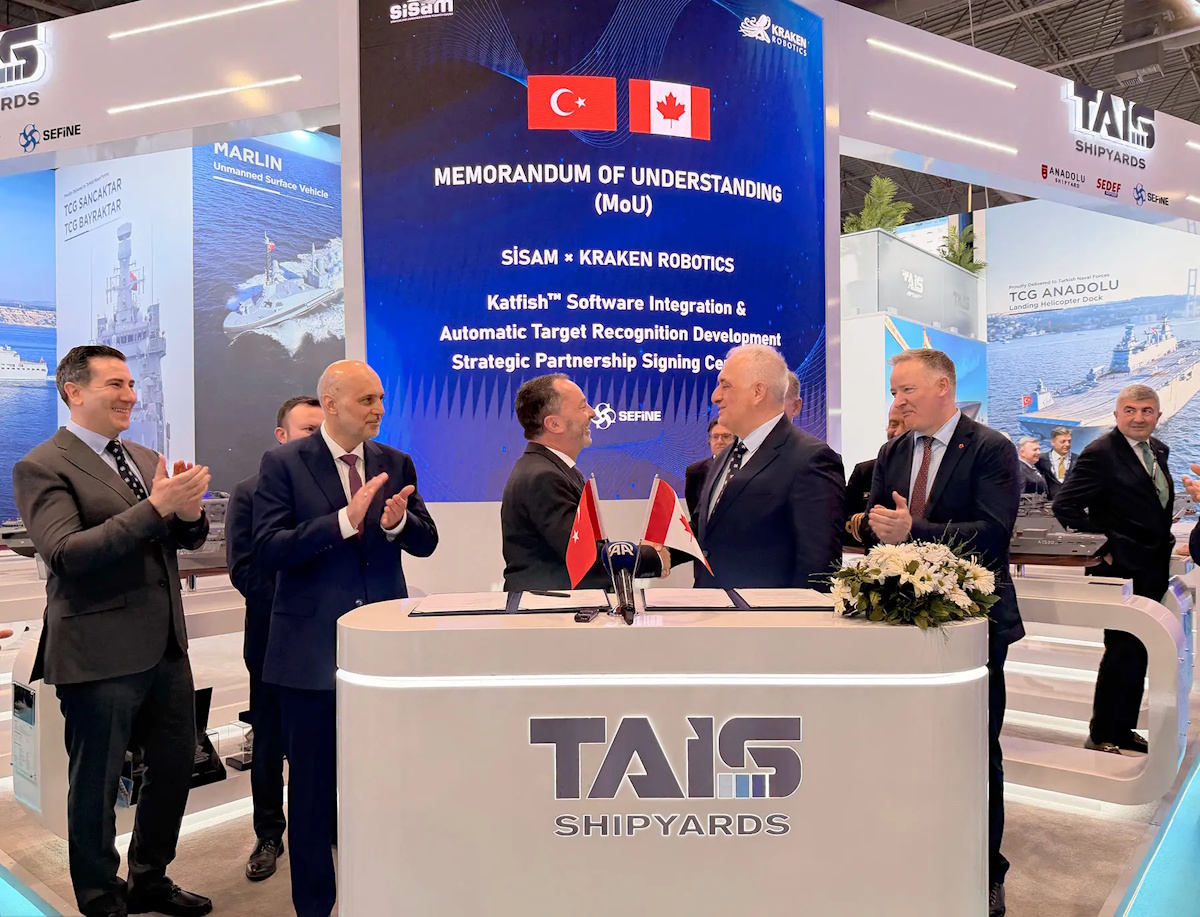
Kraken Robotics Signs Memorandum of Understanding with SEFINE SISAM
Kraken Robotics has entered into a Memorandum of Understanding (MOU) with SEFINE SISAM, the Strategic Unmanned Systems Research Center, as announced during the SAHA exposition held in Türkiye. This partnership aims to enhance collaboration in the development of advanced unmanned systems, reflecting both organizations' commitment to innovation in robotics and technology. The agreement was formalized on [insert date of the exposition], marking a significant step in their joint efforts to leverage their respective expertise in the field. The collaboration is expected to drive progress in unmanned systems research and development, addressing emerging challenges and opportunities in the industry.
kraken robotics memorandum of understanding (mou) sefine sisam (strategic unmanned systems research center)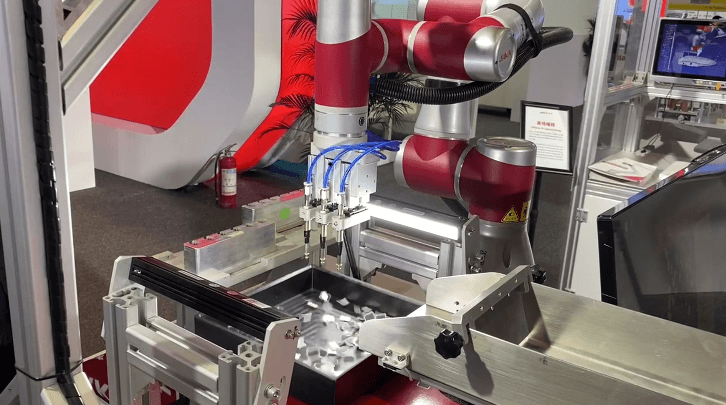
Understanding Robotics and Autonomous Systems in Next-Gen Smart Factories
Factories are experiencing a significant transformation as they shift from traditional linear automation to interconnected, intelligent production ecosystems. This change is driven by the integration of robotics and autonomous systems, with JAKA positioning its industrial cobots as essential components within this advanced network. The industrial cobot serves as a flexible link between manual workstations and fully automated lines, enabling manufacturers to adapt quickly to varying tasks such as assembly and inspection. This adaptability is crucial for high-mix production environments, allowing workflows to respond in near real-time to digital directives from a central Manufacturing Execution System (MES). The evolution of true autonomy is facilitated by the connectivity of individual machines within a coordinated network. JAKA's robotic arms can communicate seamlessly with autonomous mobile robots and vision systems, creating a responsive operational loop. For example, an autonomous robot can deliver components to a JAKA cobot, which then executes tasks based on cloud-based analytics. JAKA emphasizes the importance of reliable, connected hardware to support these systems, focusing on high-precision control technology that ensures accurate task execution. This reliability is essential for advancing towards lights-out production in certain processes. As the next-generation smart factory emerges, the industrial cobot is positioned as a versatile agent within a complex architecture of robotics and autonomous systems. JAKA aims to provide manufacturers with the necessary hardware to build increasingly responsive and autonomous production environments, enhancing efficiency and complexity management in the manufacturing landscape.
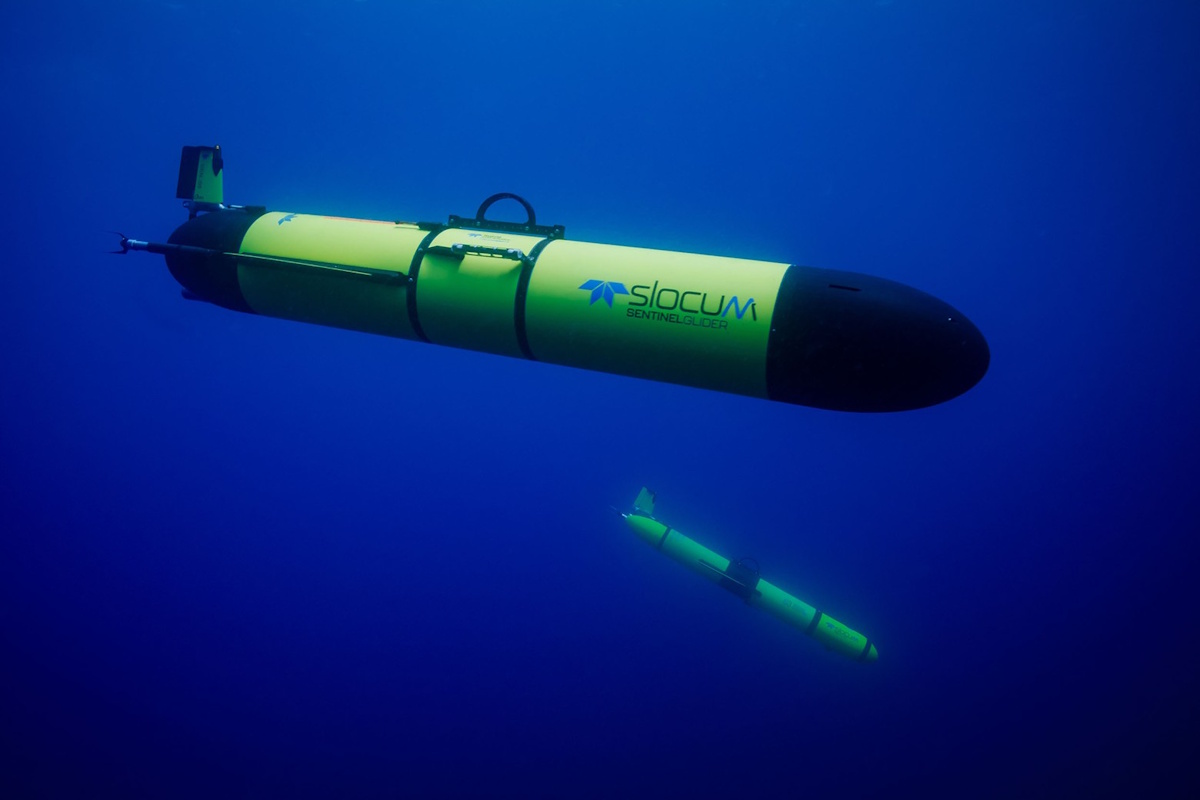
BMT and Teledyne Marine announce Memorandum of Understanding
BMT has signed a Memorandum of Understanding (MoU) with The Teledyne Marine Vehicles group, which encompasses Teledyne Gavia in Iceland and Teledyne Webb Research in North Falmouth, Massachusetts. This agreement marks the beginning of a strategic partnership aimed at fostering collaboration on upcoming projects within the maritime autonomy sector. The MoU reflects both companies' commitment to advancing innovations in marine technology and enhancing operational capabilities in this rapidly evolving field.
bmt teledyne marine memorandum of understanding (mou)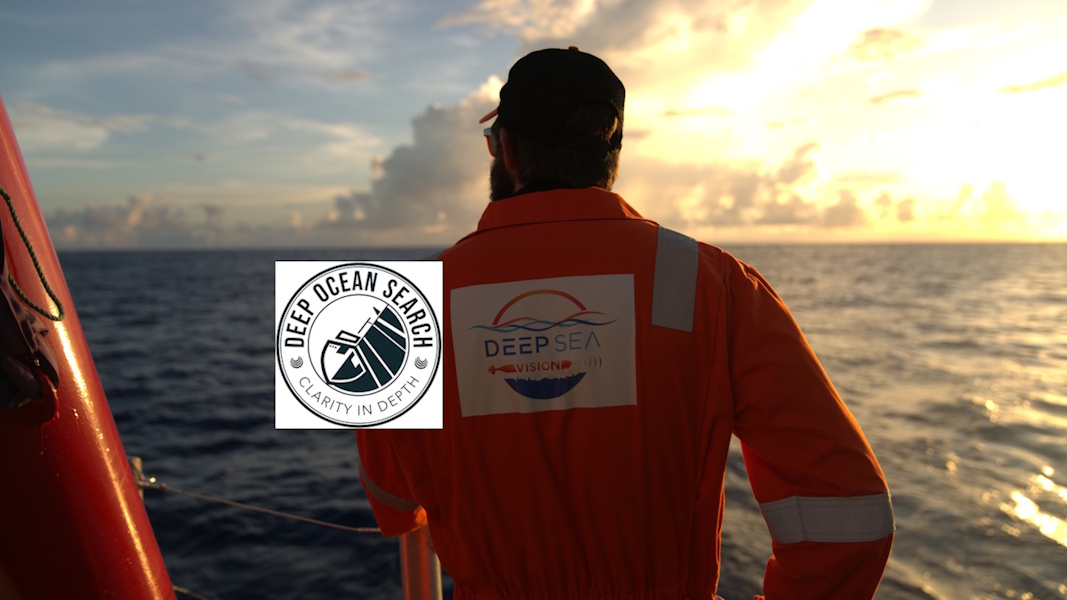
Memorandum of Understanding Between Deep Ocean Search and Deep Sea Vision
Deep Ocean Search and Deep Sea Vision, two leaders in ultra-deep-water technology, have announced the launch of advanced solutions featuring an Autonomous Underwater Vehicle (AUV) and new Remotely Operated Vehicles (ROVs) capable of operating at depths of 19,700 feet (6,000 meters). This significant development, revealed in October 2023, aims to enhance exploration and research capabilities in the challenging deep-sea environment. The collaboration between these two companies is driven by the growing demand for innovative underwater technology to support various industries, including marine research, oil and gas exploration, and environmental monitoring. By combining their expertise, Deep Ocean Search and Deep Sea Vision are set to provide cutting-edge tools that will facilitate deeper and more efficient underwater operations.
memorandum of understanding (mou) deep ocean search deep sea vision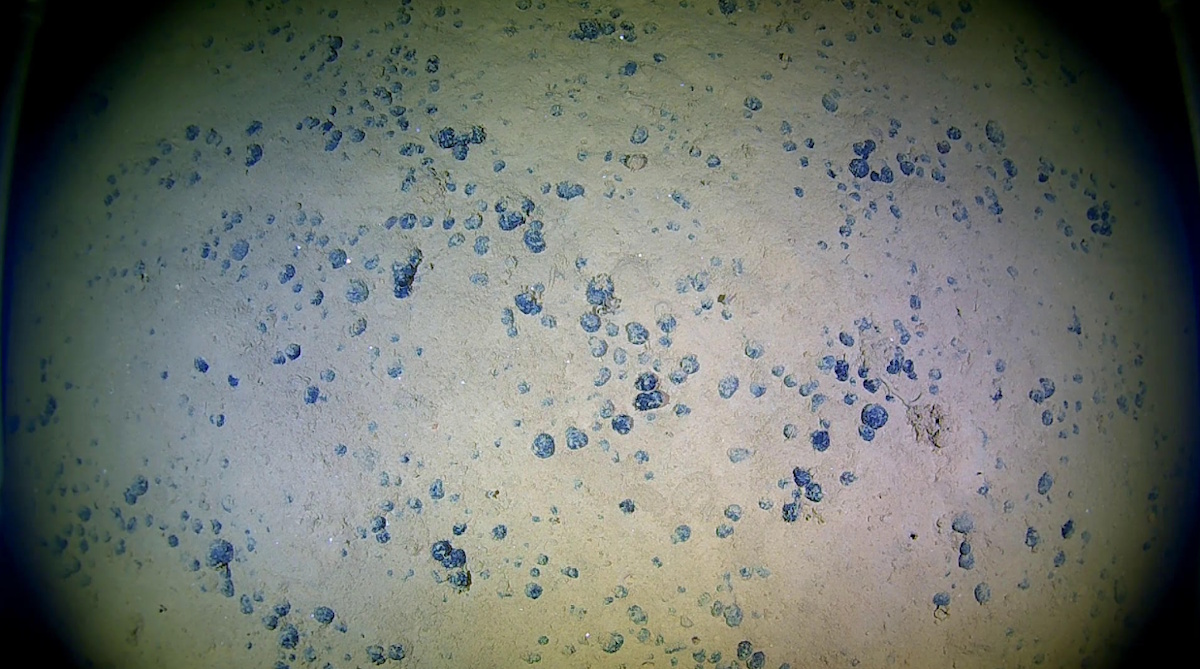
New Autonomous Vehicle Helps Advance Understanding of the Deep Sea and its Critical Minerals
A groundbreaking mission led by the Ocean Exploration Cooperative Institute (OECI) has successfully deployed a new autonomous underwater vehicle (AUV) to explore a previously uncharted section of the seafloor in the ultra-deep waters near the Mariana Trench. This significant operation took place recently and marks the first time this advanced technology has been utilized for such exploration. The initiative received crucial support from several federal agencies, including the National Oceanic and Atmospheric Administration (NOAA), the Bureau of Ocean Energy Management (BOEM), and the U.S. Geological Survey (USGS). The mission aims to enhance our understanding of deep-sea ecosystems and geological formations, contributing valuable data to oceanographic research and conservation efforts.

Blue Abyss and Sonardyne Sign Memorandum of Understanding
Blue Abyss has signed a Memorandum of Understanding (MOU) with Sonardyne International Ltd., a leading company in underwater navigation, positioning, and sensing technologies. This partnership aims to enhance the capabilities of Blue Abyss in the field of underwater exploration and technology development. The agreement was finalized recently, marking a significant step for both organizations in advancing their respective missions. By collaborating, Blue Abyss seeks to leverage Sonardyne's expertise to improve its offerings and contribute to innovations in underwater operations.
blue abyss sonardyne memorandum of understandingRobotics needs a service framework.
RSF defines a common language for robot service capability, lifecycle operations, certification pathways, and service-provider networks.
Join the RobotToday community on LinkedIn
Daily robotics news, in-depth analysis, conference highlights, and discussions with professionals worldwide.







