

Industry Briefing
A single destination for timely, editor-curated robotics news from around the world.

Pentagon Plans to Expand Tech Testing at US-Mexico Border with Unmanned Systems
The Pentagon is utilizing the US-Mexico border as a testing ground for advanced technologies, including high-energy lasers and unmanned systems. Mark Ditlevson, the assistant secretary of defense for Homeland Defense, expressed a desire to expand these projects, contingent on future funding from Congress. Current negotiations on the fiscal 2027 budget could impact the extent of these initiatives. The significance of this testing lies in its potential to enhance border security and combat narco-trafficking. The Pentagon has already deployed 10 Lightfish unmanned surface vessels (USVs) along the Rio Grande, receiving positive feedback on their sensor capabilities. Ditlevson indicated plans to extend the use of USVs into the Gulf of Mexico to further support anti-trafficking efforts. Looking ahead, the Pentagon is also exploring the automation of aerial drones to reduce reliance on manned aircraft and operators. Challenges remain, particularly regarding obstacle avoidance in US airspace. The timeline for deploying additional unmanned vessels and ground vehicles is uncertain, as the Pentagon continues to evaluate existing technologies and their effectiveness in enhancing operational capabilities.
Air Warfare Land Warfare Naval Warfare Pentagon Air Force Army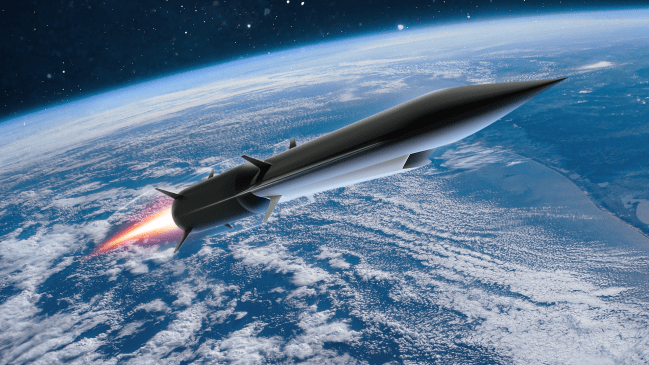
GE Aerospace Secures Contract to Develop Next-Gen Hypersonic Test Platform for US Military
GE Aerospace has been awarded a contract by the Defense Innovation Unit (DIU) to enhance the development of a liquid-fueled hypersonic test platform under the HyCAT program. This initiative aims to expedite hypersonic flight testing, addressing critical bottlenecks in systems designed for speeds exceeding Mach 5. The new test platform will serve as a test bed for flight demonstrations and data generation for future hypersonic systems. This contract builds on initial funding received in 2023, with GE Aerospace set to design a combined booster and cruiser configuration, facilitating more efficient testing without the need for dedicated flight-test vehicles. Looking ahead, the project is on track for significant milestones, including preliminary design reviews and subsystem testing scheduled for 2025 and 2026. This aligns with the US military's goal to enhance hypersonic flight-test infrastructure, enabling faster identification of issues and quicker iterations in technology development.
Military
Russia Trials PLOT-40 Floating Defense Platform Against Drone Threats to Maritime Bases
Russia is testing the PLOT-40 floating defense platform to safeguard its ports from Ukrainian drone attacks. This platform, resembling a small pillbox, is equipped with an automatic cannon and is a response to the increasing sophistication of unmanned systems in maritime warfare. The significance of the PLOT-40 lies in its potential to enhance the defense of Russian maritime assets, particularly following recent drone attacks on the Black Sea port of Novorossiysk. As Ukraine intensifies its drone operations, the need for innovative defense solutions becomes critical for protecting extensive maritime facilities. Looking ahead, the PLOT-40 represents a shift towards improvised defense mechanisms in counter-drone warfare. Its simple design may allow for cost-effective deployment, but its lack of mobility and armor raises questions about its effectiveness against larger drones. No further timeline was disclosed at the time of publication.
Military
Shenzhen's URKL Launches T800 Robot for Competitive Combat Testing
On July 11, Shenzhen's commercial district unveiled a 6-meter tall T800 robot, attracting crowds for the first-ever humanoid robot combat event, the Ultimate Robot Knock-out Legend (URKL). The competition, set to begin on July 16 at the Nanshan Cultural and Sports Center, features a grand prize of 10 million yuan and a unique three-match format, emphasizing the need for robots to learn from physical challenges. The significance of URKL lies in its role as a rigorous testing ground for humanoid robots, pushing their capabilities to the limit in dynamic combat scenarios. Current humanoid robots often struggle in unpredictable real-world environments, making this competition a critical evaluation of their robustness and algorithmic stability. The event aims to shift the focus from mere mobility to the ability to recover autonomously from loss of control, which is essential for practical applications in logistics and security. Looking ahead, the competition will showcase advancements in autonomous decision-making capabilities, as the T800 transitions from a remote-controlled unit to an intelligent competitor. This evolution reflects a broader trend in the robotics industry, where the ability to navigate complex environments and withstand disturbances is becoming increasingly vital. No further timeline was disclosed at the time of publication.
Humanoid Robots Robot Combat AI Robotics Technology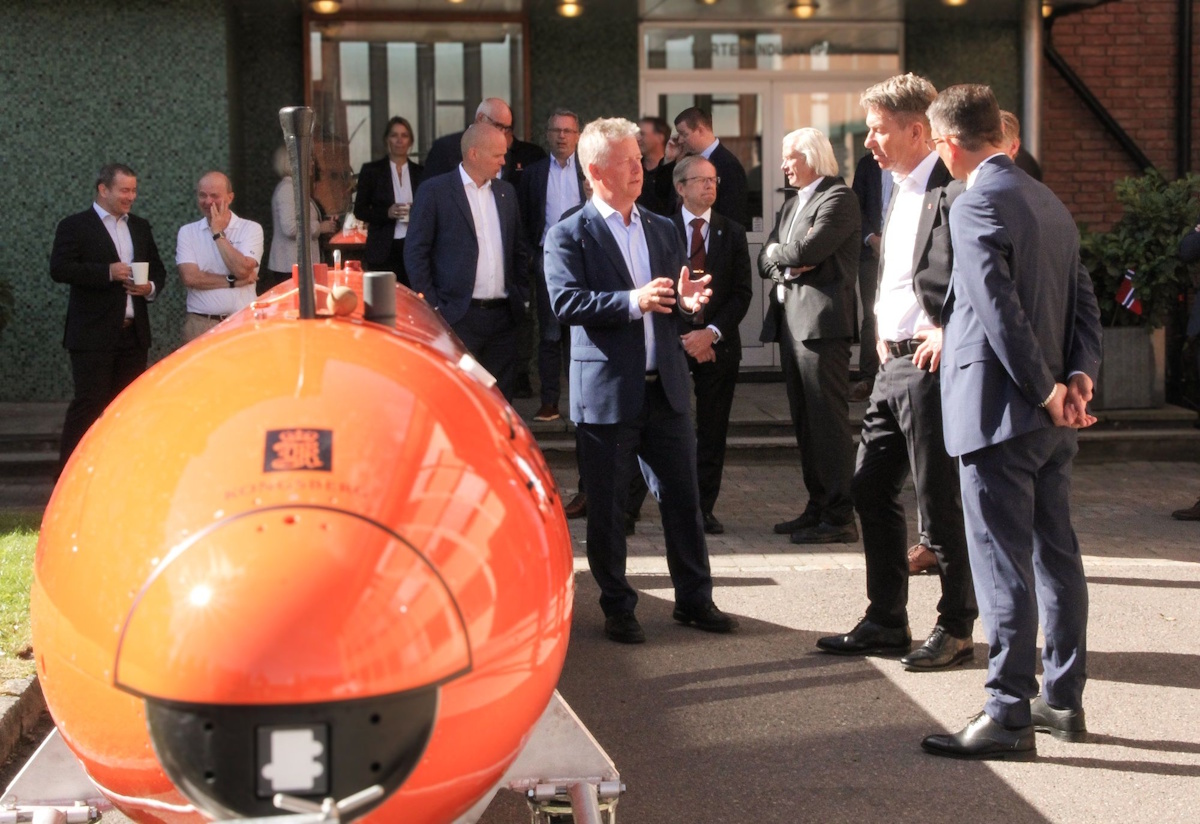
Kongsberg Opens Maritime Test Bed for Protecting Critical Infrastructure
KONGSBERG has announced the launch of the Oslofjord Critical Maritime Infrastructure Protection Test Bed in Horten, Norway, in response to increasing demand for enhanced security measures for vital maritime infrastructure. This initiative aims to address the growing concerns surrounding the protection of maritime assets and operations. By establishing this unique test facility, KONGSBERG seeks to develop and validate innovative solutions that will bolster the resilience and safety of maritime environments. The test bed is designed to facilitate collaboration among industry stakeholders, researchers, and government entities, ensuring a comprehensive approach to maritime security challenges. The initiative underscores KONGSBERG's commitment to advancing technologies that safeguard critical infrastructure in the face of evolving threats.
kongsberg maritime test bed critical infrastructure protection
World Humanoid Robot Games Showcase Hotel Service Robots in 30-Minute Challenges
The second World Humanoid Robot Games took place on August 16-17 at the Beijing Wuzhou Hotel, featuring a hotel guest service competition. During the event, robots were tasked with moving luggage, restocking rooms, and tidying bedding within a strict 30-minute timeframe, demonstrating their capabilities in a real hotel environment. This competition is significant as it tests various robotic skills, including weight-bearing balance, dexterous grasping, navigation, and long-chain task planning. Robots were evaluated based on their autonomy, with a full autonomous performance scoring a weight of 1.0, while remote control operations received a score of 0.5. Looking ahead, the outcomes of this competition may influence future developments in hotel automation and service robotics. The results could provide insights into the effectiveness of robotic systems in hospitality settings, although no further timeline was disclosed at the time of publication.

Royal Navy Tests Robotic Boat for Autonomous Drone Launching in Maritime Surveillance
The Royal Navy is conducting trials of a robotic boat designed to autonomously launch and recover drones at sea, enhancing uncrewed maritime surveillance capabilities. This initiative, in collaboration with ACUA Ocean and Teledyne FLIR Defense, aims to improve persistent aerial reconnaissance while minimizing risks to personnel. The system integrates an uncrewed surface vessel (USV) with a tethered uncrewed aerial system (T-UAS), allowing for extended surveillance operations. This development is significant as it represents a new approach to maritime surveillance, combining aerial and surface capabilities into a single autonomous system. The SkyCarrier and SkyRanger R70 drones, utilized during the trials, are equipped with advanced AI and imaging technologies, enabling them to perform demanding surveillance missions. The ability to maintain a stable tether connection allows for longer operational durations and continuous power supply, which is crucial for effective surveillance in challenging sea conditions. Looking ahead, the Royal Navy's exploration of this technology could lead to enhanced capabilities in anti-submarine warfare, mine countermeasures, and the protection of critical maritime infrastructure. No further timeline was disclosed at the time of publication.
AI and Robotics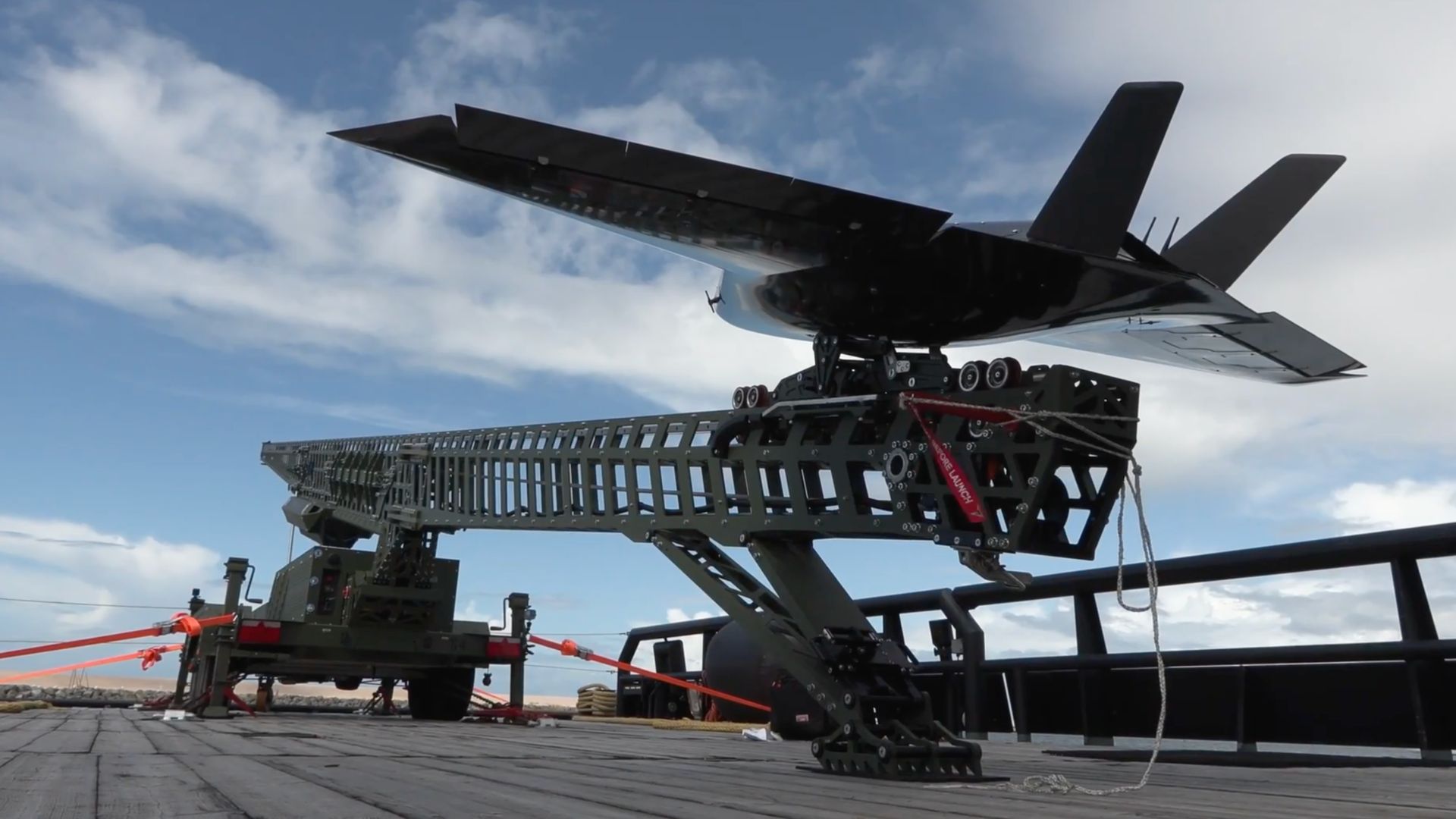
British forces’ new strike drone system tested for battlefield and maritime missions
The Royal Navy and British Army have successfully conducted their first extensive trials of a new advanced military system designed to enhance operational capabilities. These trials took place over the past week at various locations across the UK, aiming to assess the effectiveness and integration of the system within existing military frameworks. The initiative is part of a broader effort to modernize the armed forces and ensure they remain at the forefront of technological advancements in defense. The trials involved rigorous testing scenarios that simulated real-world conditions, allowing military personnel to evaluate the system's performance and reliability under pressure. This development underscores the UK’s commitment to maintaining a robust defense posture in an increasingly complex global security environment.
Military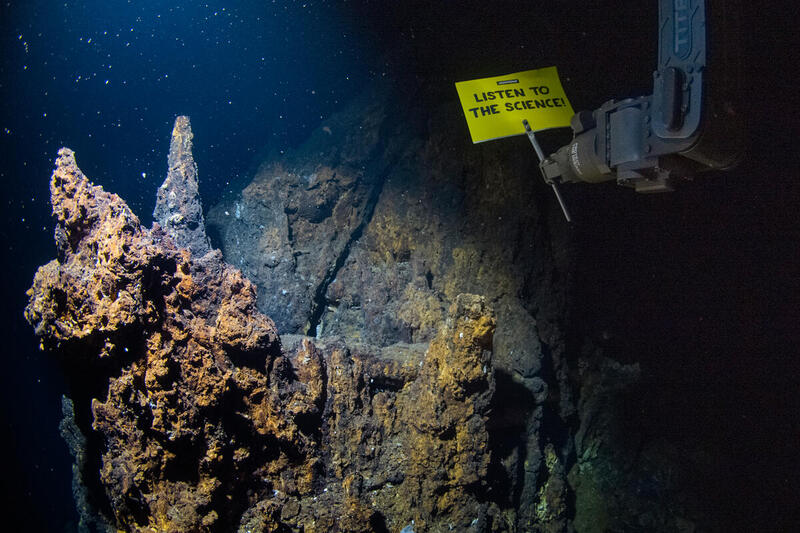
Greenpeace robot stages deepest-ever seabed protest
In a groundbreaking initiative, Greenpeace has launched an underwater robot to conduct a scientific survey of vulnerable deep-sea ecosystems along the Arctic Mid-Ocean Ridge. This event marks the deepest banner protest ever executed from the seabed, occurring at a depth of 2,300 meters. The robot displayed a powerful message urging global leaders to heed scientific advice, stating, “LISTEN TO THE SCIENCE!” The campaign aims to raise awareness about the urgent need for action to protect these unexplored marine environments. Dr. Sandra Schöttner, a key figure in the initiative, emphasized the importance of scientific research in informing policy decisions regarding environmental conservation. This innovative protest not only highlights the threats facing deep-sea ecosystems but also seeks to galvanize international attention and action on climate change and marine protection.
Environment News Arctic Ocean automation news autonomous underwater vehicles climate change
Eight tech giants deploy autonomous fleets across Singapore’s large-scale public test bed
Singapore is actively establishing itself as a global center for "physical AI," focusing on the development and deployment of robots and autonomous systems. This initiative is part of the country's broader strategy to enhance its technological landscape and drive economic growth. The government has been investing in research and development, fostering partnerships between academia and industry, and creating supportive regulatory frameworks to attract both local and international companies in the AI sector. The push for physical AI comes in response to the increasing demand for automation in various industries, including manufacturing, logistics, and healthcare. By 2025, Singapore aims to have a significant number of AI-driven solutions integrated into its economy, enhancing productivity and efficiency. The city-state's strategic location and advanced infrastructure further bolster its appeal as a destination for AI innovation. As part of this initiative, Singapore is hosting conferences and workshops to showcase advancements in robotics and autonomous technologies, encouraging collaboration among tech firms, researchers, and policymakers. This concerted effort not only aims to position Singapore as a leader in the AI field but also to address challenges such as labor shortages and the need for increased operational efficiency across sectors.

Bedrock Appoints Former Satellogic Exec as CEO to Drive Growth in Autonomous Maritime Intelligence
Bedrock Ocean Exploration has appointed Matthew Tirman as its new Chief Executive Officer, a move aimed at strengthening the company’s leadership amid increasing demand in global offshore markets. The announcement was made today, reflecting the company's commitment to expanding its operations and enhancing its capabilities in autonomous subsea data and intelligence. Tirman's leadership is expected to guide Bedrock through its major deployments and capitalize on the growing opportunities within the industry.
Robotics needs a service framework.
RSF defines a common language for robot service capability, lifecycle operations, certification pathways, and service-provider networks.
Join the RobotToday community on LinkedIn
Daily robotics news, in-depth analysis, conference highlights, and discussions with professionals worldwide.







