Industry Briefing
A single destination for timely, editor-curated robotics news from around the world.
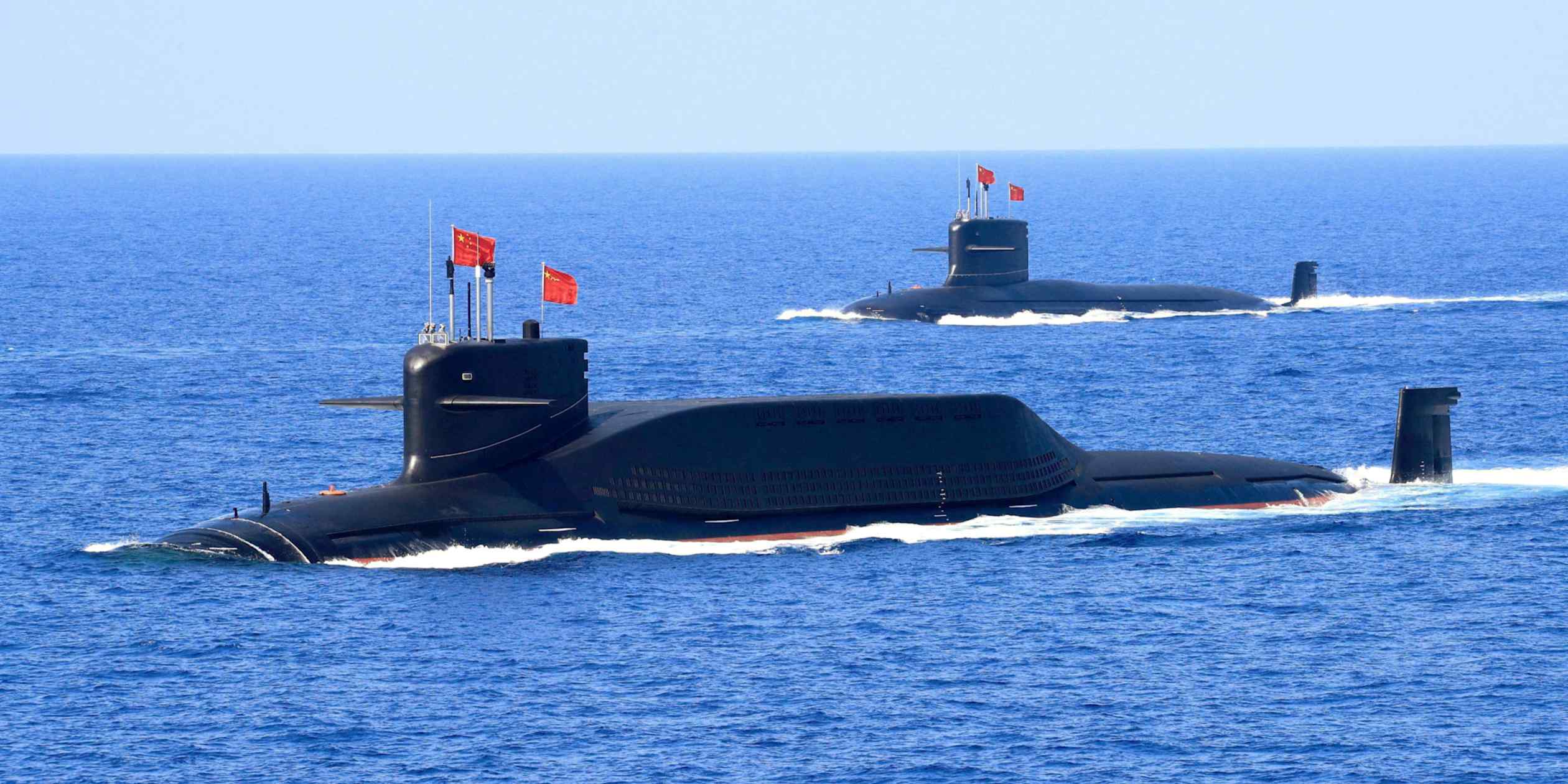
Japan Plans Development of Drone-Based Quantum Sensors for Submarine Detection
Japan's Defense Ministry has announced plans to develop advanced quantum magnetic sensors for drones aimed at detecting submarines. This initiative is part of the fiscal 2027 budget request, reflecting Japan's response to China's increasing naval activities in nearby waters. The development of these drone-based sensors is significant as it enhances Japan's defense capabilities amid growing concerns over regional security, particularly with China's expanding submarine fleet. The move underscores Japan's commitment to bolstering its military technology and ensuring maritime security. Looking ahead, the focus will be on the successful implementation and potential mass production of these quantum sensors. No further timeline was disclosed at the time of publication.

U.S. Marine Corps Acquires Tempest Vehicles for Enhanced Counter-Drone Capabilities
The U.S. Marine Corps is set to enhance its counter-drone capabilities with the acquisition of 10 Tempest vehicles, designed by V2X. This $19 million contract, announced on September 8, includes not only the vehicles but also software management, spare parts, training, maintenance, and engineering support. The Tempest system is engineered to detect and engage unmanned aerial threats quickly while maintaining mobility to evade enemy targeting. The significance of the Tempest vehicle lies in its innovative design, which combines a lightweight off-road platform with advanced radar and missile systems. Unlike traditional air-defense vehicles, Tempest prioritizes mobility and a small footprint, allowing it to operate alongside maneuvering forces. This approach addresses the growing challenge posed by inexpensive drones in modern warfare, as seen in conflicts like Ukraine, where traditional air-defense systems may not be the most effective solution. Looking ahead, the Marine Corps' integration of the Tempest system could reshape its counter-drone strategies, particularly as drone warfare continues to evolve. While the exact specifications of the vehicles have not been fully disclosed, the Tempest's ability to quickly engage and relocate may prove crucial in future operations against increasingly sophisticated unmanned threats. No further timeline was disclosed at the time of publication.
Military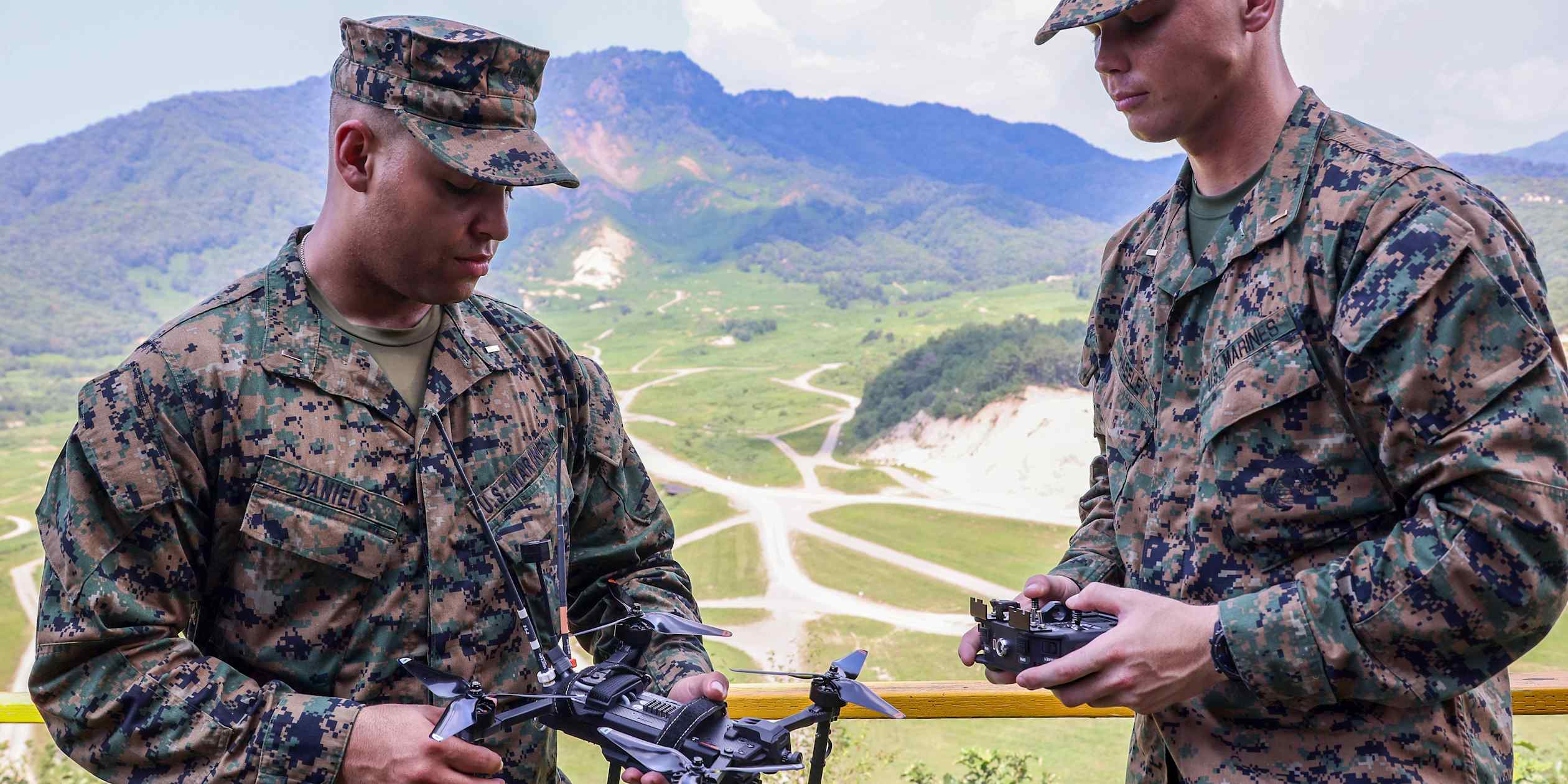
U.S. Marines Conduct Live-Fire Drone Training Amid Korean Conflict Dynamics
In early August 2026, U.S. Marines from the 3rd Battalion, 7th Marine Regiment, engaged in live-fire attack drone training at Camp Humphreys, located in Pyeongtaek, South Korea. This training highlights the increasing role of drones in the ongoing 76-year conflict between North and South Korea, with drones available at prices starting around $2,000. The significance of this development lies in the evolving military capabilities of South Korea, particularly as North Korea enhances its own drone fleet. The introduction of affordable drones into military operations could shift the balance of power in the region, raising concerns about escalating tensions and the potential for conflict. Looking ahead, the situation remains fluid, especially with the backdrop of U.S. political dynamics, including former President Trump's outreach to North Korea's Kim Jong-un. No further timeline was disclosed at the time of publication.

Ultra Maritime Showcases New Underwater Surveillance System at U.S. Navy's 2026 Exercise
Ultra Maritime demonstrated a new underwater surveillance system during the U.S. Navy’s 2026 Lanternfish exercise. The system integrates the Sea Spear passive sonar with the SSQ-125B active sonobuoy to enhance detection capabilities for unmanned underwater vehicles (UUVs). This combination allows for continuous monitoring and precise localization of underwater threats. The significance of this demonstration lies in its potential to improve naval operations against UUVs and submarines. By utilizing both passive and active sonar technologies, Ultra Maritime aims to provide naval forces with a comprehensive understanding of underwater activity across extensive maritime areas. The Sea Spear's passive capabilities enable persistent surveillance, while the SSQ-125B enhances target localization. Looking ahead, Ultra Maritime's system is part of the broader “Ocean of Things” initiative, which envisions a network of underwater sensors deployed from various platforms. This approach could revolutionize maritime security by enabling long-term monitoring of critical areas such as ports and busy sea routes. No further timeline was disclosed at the time of publication.
Military
US Marine Corps Awards $11 Million Contract for Epirus' HAVOC Microwave Weapon System
The US Marine Corps has awarded Epirus an $11 million contract for the HAVOC system, a vehicle-mounted high-power microwave weapon designed to disable drone swarms. This system is derived from Epirus' Leonidas weapon and will be integrated into both manned and unmanned Marine Corps vehicles, enhancing their counter-drone capabilities. The HAVOC system represents a significant advancement in the Marine Corps' efforts to combat drone threats, providing three times the power and improved range compared to its predecessor, the Expeditionary Directed Energy Counter-Swarm system (ExDECS). This capability allows for simultaneous electronic effects against multiple drones, ensuring effective protection for high-value assets and personnel. Looking ahead, the HAVOC system's software-driven architecture will enable continuous updates to counter evolving drone technologies. The universal sled mount design will facilitate its deployment across various Marine Corps vehicles, enhancing operational flexibility. No further timeline was disclosed at the time of publication.
Military
Russian Navy Implements Netting for Submarine Protection Against Drone Threats
Recent satellite imagery reveals that the Russian Navy has begun using nets to shield submarines from drone attacks at its strategic base in Kamchatka. This development highlights Russia's growing concerns about drone threats, extending to critical facilities beyond the Ukraine conflict. Additionally, similar protective measures are being observed at a Black Sea base, indicating a broader trend in enhancing naval defenses against uncrewed aerial systems. The use of nets at the Rybachiy base, home to most of Russia's Borei and Borei-A class nuclear ballistic missile submarines, signifies a tactical shift in response to perceived threats. The imagery shows various submarines covered by nets, consistent with countermeasures previously employed in Ukraine against drone attacks. The introduction of floating booms further enhances protection against surface threats, reflecting a comprehensive approach to naval security. Looking ahead, the Russian Navy's adaptations to counter uncrewed aerial systems and surface vessels will likely continue to evolve. The recent imagery from both Kamchatka and Novorossiysk raises questions about the operational readiness of these submarines and the effectiveness of the new defensive measures. No further timeline was disclosed at the time of publication.
News & Features Air Around The Globe Drones Europe Russia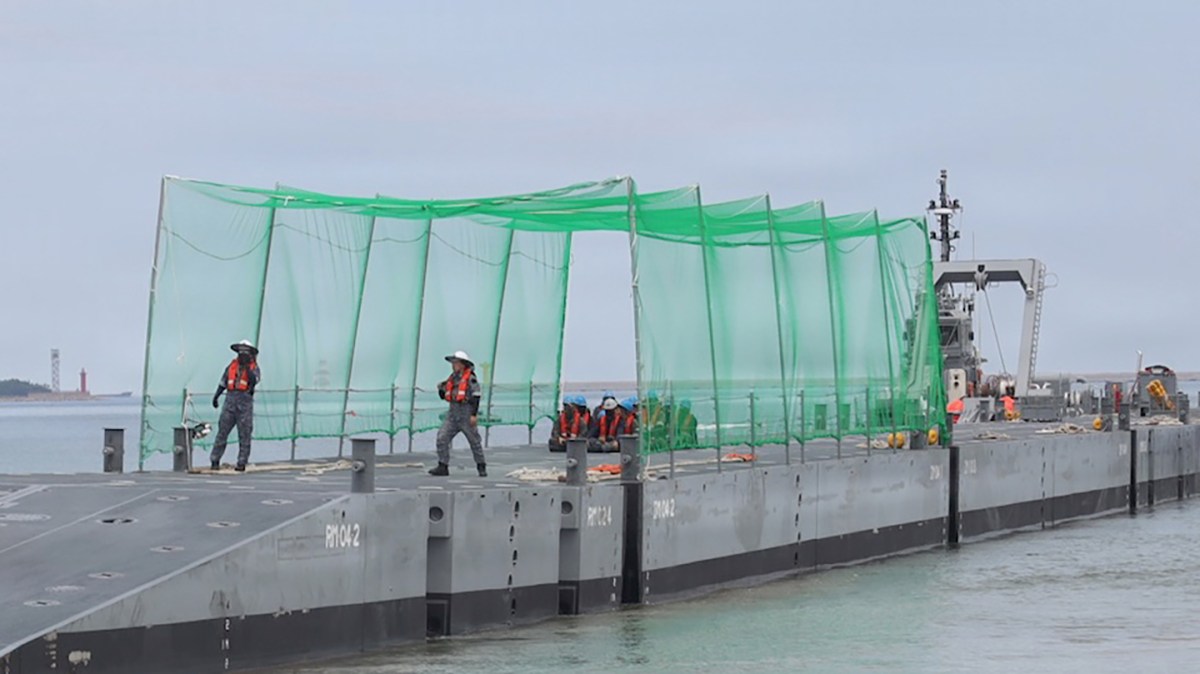
U.S. Marine Corps Implements Anti-Drone Netting in Recent Logistics Exercise
The U.S. Marine Corps has reportedly utilized anti-drone netting during a logistics training exercise in South Korea. Photographs from the Pentagon reveal the netting on a ship-to-shore floating platform, indicating a response to the growing threat of small attack drones. This defensive measure aligns with similar strategies observed in Ukraine and by Dutch forces. The significance of this development lies in the increasing reliance on protective measures against drone threats, particularly in logistics operations. The netting is designed to entangle drones, potentially neutralizing them before they can cause harm. However, its effectiveness against agile first-person view drones remains uncertain, as the netting only covers a portion of the platform, leaving other areas exposed. Looking ahead, the integration of counter-drone strategies into logistics exercises, such as Combined Joint Logistics Over-the-Shore 26, highlights the evolving nature of military operations. As drone attacks continue to pose risks, the military may further adapt its logistics and operational frameworks to enhance protection against these threats. No further timeline was disclosed at the time of publication.
Land Counter-Unmanned Aerial Vehicles (C-UAS) Sea U.S. Marine Corps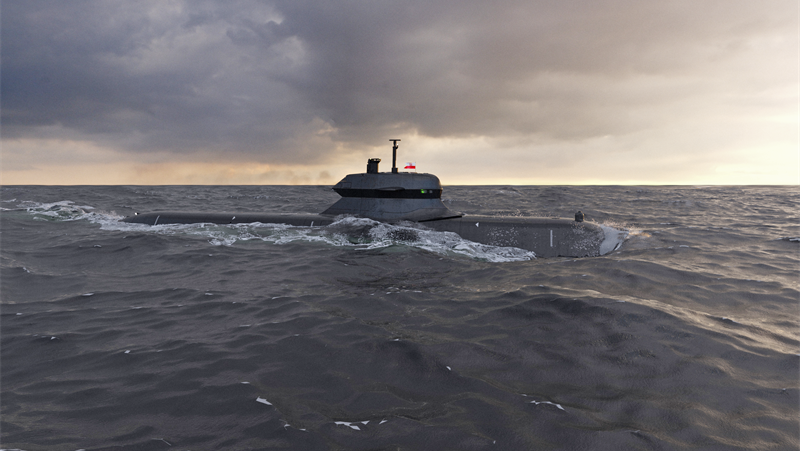
Poland signs $4.8 billion contract for Saab-made A26 submarines
Swedish Prime Minister Ulf Kristersson announced a significant defense agreement that will bolster the Polish Navy, enhancing its capabilities to become one of the most formidable forces within NATO. This long-term deal is expected to strengthen security in the Baltic Sea region and across the alliance. The announcement underscores the importance of collaborative defense efforts among NATO member states, particularly in light of ongoing regional security challenges.
Global Naval Warfare A26 Baltic Sea Europe NATO
US Marines launch long-endurance spy drone from warship in South China Sea
A small US surveillance drone was launched from the deck of a Navy warship in the South China Sea on Thursday, marking a significant move in the ongoing tensions between the United States and China. The operation aimed to enhance reconnaissance capabilities in a region where both nations have been asserting their military presence. This deployment comes amid rising concerns over China's expanding influence and military activities in the area, prompting the US to bolster its surveillance efforts. The drone's mission involved gathering intelligence on maritime movements and potential threats, showcasing the US commitment to maintaining a strategic advantage in the region. The operation underscores the delicate balance of power in the South China Sea, where territorial disputes have heightened the stakes for both countries.
Military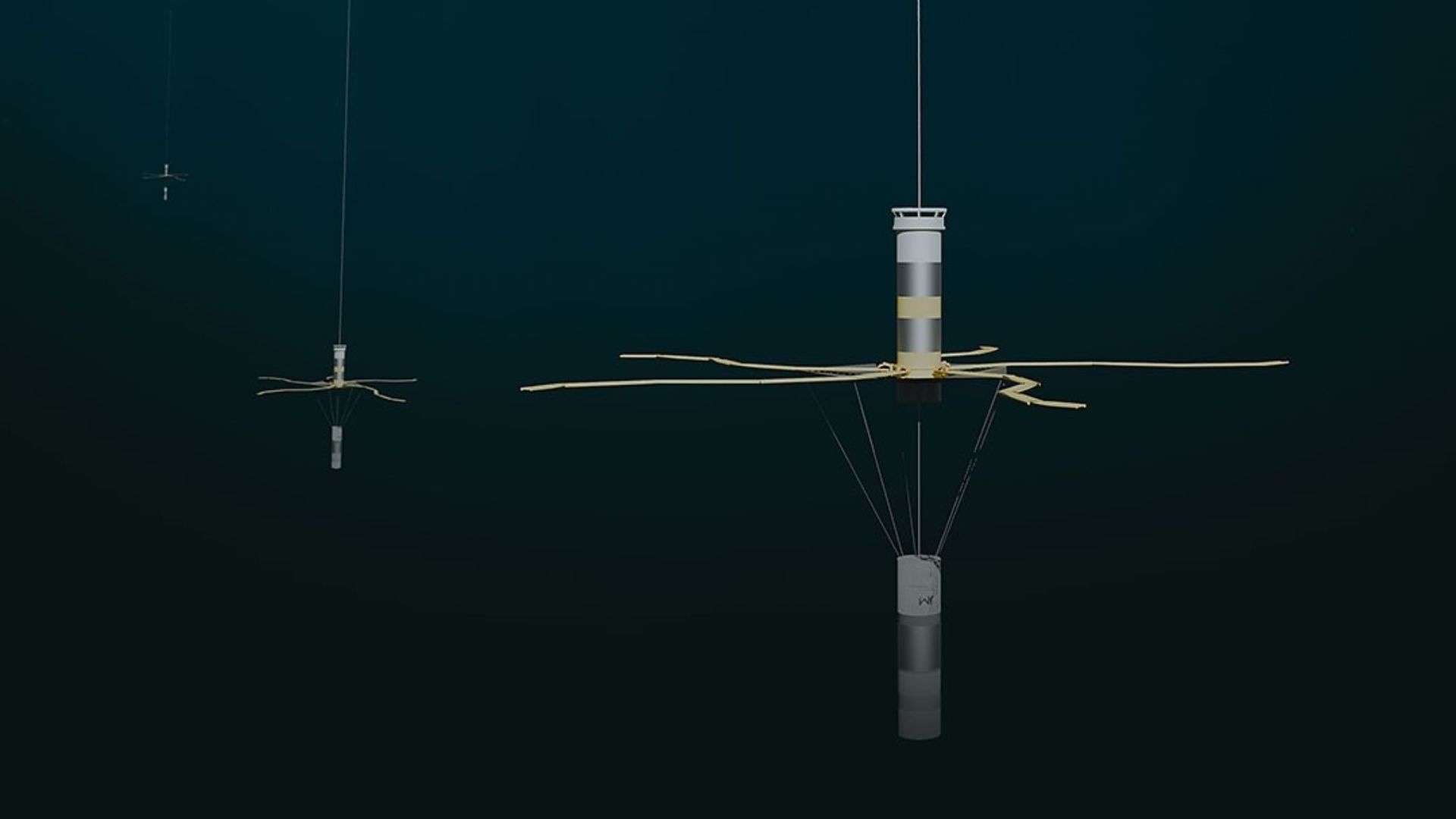
UK trials compact G-size sonobuoy built for autonomous drones hunting submarines
Ultra Maritime has successfully conducted the inaugural in-water deployment trial of its advanced Multistatic Active Receive system. This significant milestone took place recently, marking a key step in the development of the technology designed to enhance maritime surveillance and detection capabilities. The trial was held in a controlled marine environment, allowing the team to assess the system's performance and reliability in real-world conditions. The motivation behind this initiative is to improve the effectiveness of maritime operations, particularly in detecting underwater threats and monitoring marine activities. By utilizing innovative technology and methodologies, Ultra Maritime aims to set a new standard in maritime security solutions. The successful trial demonstrates the potential of the Multistatic Active Receive system to revolutionize the industry and address growing concerns over maritime safety and security.
Military
Naval carrier set to deploy with a drone, while Marines say goodbye to the Harrier
This week, the U.S. Navy is enhancing its fleet capabilities as a Seahawk drone is scheduled to join the aircraft carrier USS Theodore Roosevelt. This integration reflects ongoing efforts to modernize naval operations and improve surveillance and reconnaissance missions. Additionally, the aviation community bids farewell to a legendary aircraft, which is making its final flight, marking the end of an era in military aviation history. The events highlight the Navy's commitment to advancing technology while honoring its storied past.
Air Warfare Naval Warfare Air Force Break Out Video harrier HarrierJumpJet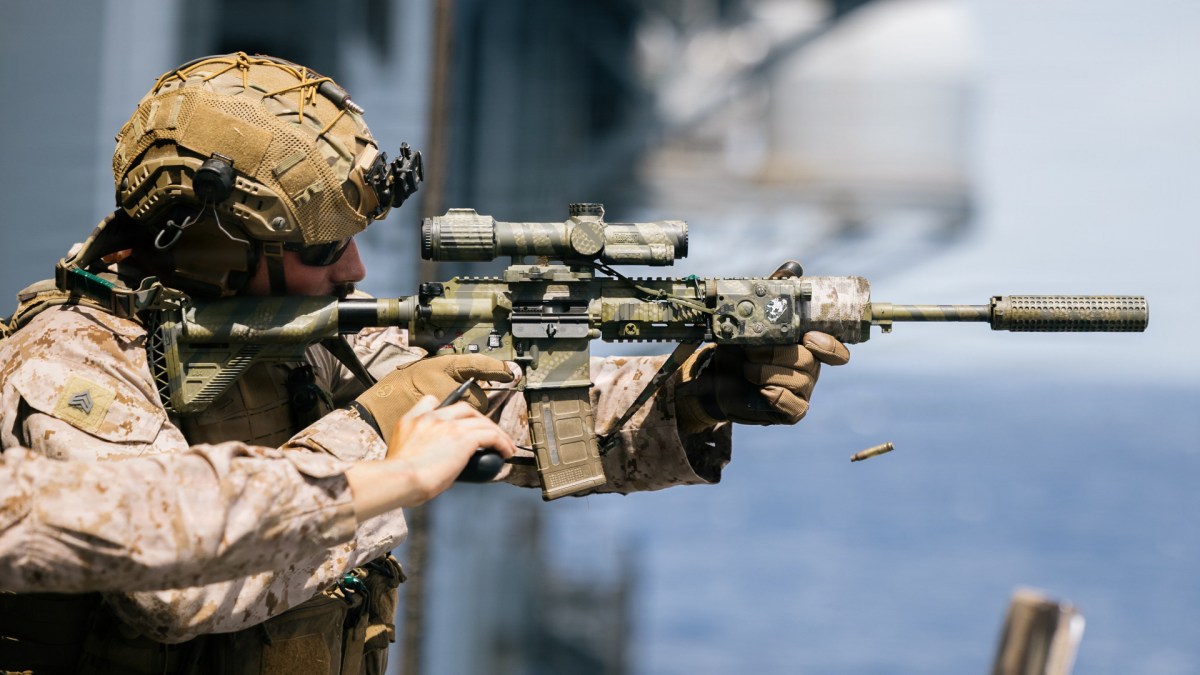
Anti-Drone 5.56mm Rifle Rounds That Break Into Multiple Projectiles Sought By Marines
Marines are seeking specialized 5.56mm rifle rounds designed to enhance their capability to neutralize small unmanned aerial vehicles (UAVs). This initiative aims to equip Marines with ammunition that breaks into multiple projectiles upon firing, thereby increasing the likelihood of successfully targeting and disabling these uncrewed attackers. The development of these anti-drone rounds reflects a growing recognition of the evolving threats posed by drone technology on the battlefield. By improving their firepower against such aerial threats, the Marines hope to bolster their operational effectiveness in various combat scenarios.
Land Assault Rifles Drones M16/AR15/M4 Pattern News & Features Sea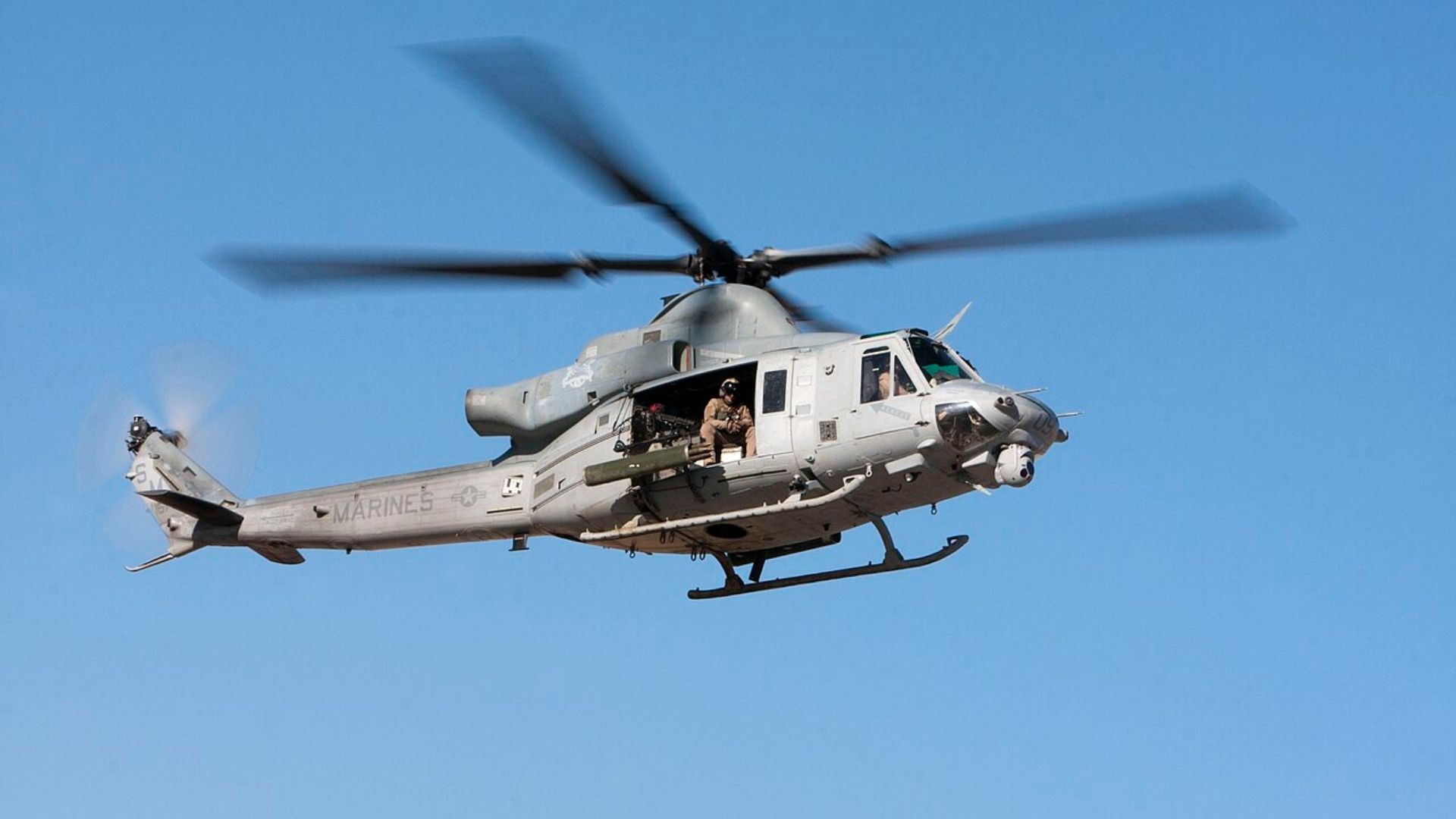
US Marines test low-cost FPV drone attacks coordinated from Venom helicopters
The U.S. Marine Corps is currently testing a novel battlefield tactic that integrates traditional military strategies with advanced technology. This initiative, which began in October 2023, aims to enhance operational effectiveness in diverse combat scenarios. The Marines are conducting these experiments at various training facilities across the United States, focusing on improving coordination and communication among units. The motivation behind this approach stems from the evolving nature of warfare, where rapid technological advancements necessitate a reevaluation of conventional tactics. By blending established military practices with cutting-edge tools, the Marine Corps seeks to adapt to modern threats and maintain a strategic advantage. Through a series of simulations and live exercises, the Marines are assessing the effectiveness of this hybrid strategy. The goal is to refine their tactics, ensuring that they can respond swiftly and effectively in dynamic environments. As these trials progress, the Marine Corps aims to gather valuable insights that will inform future operational planning and training protocols.
Navy SEALs In Mini-Submarines Teamed With Underwater Drones In The Works
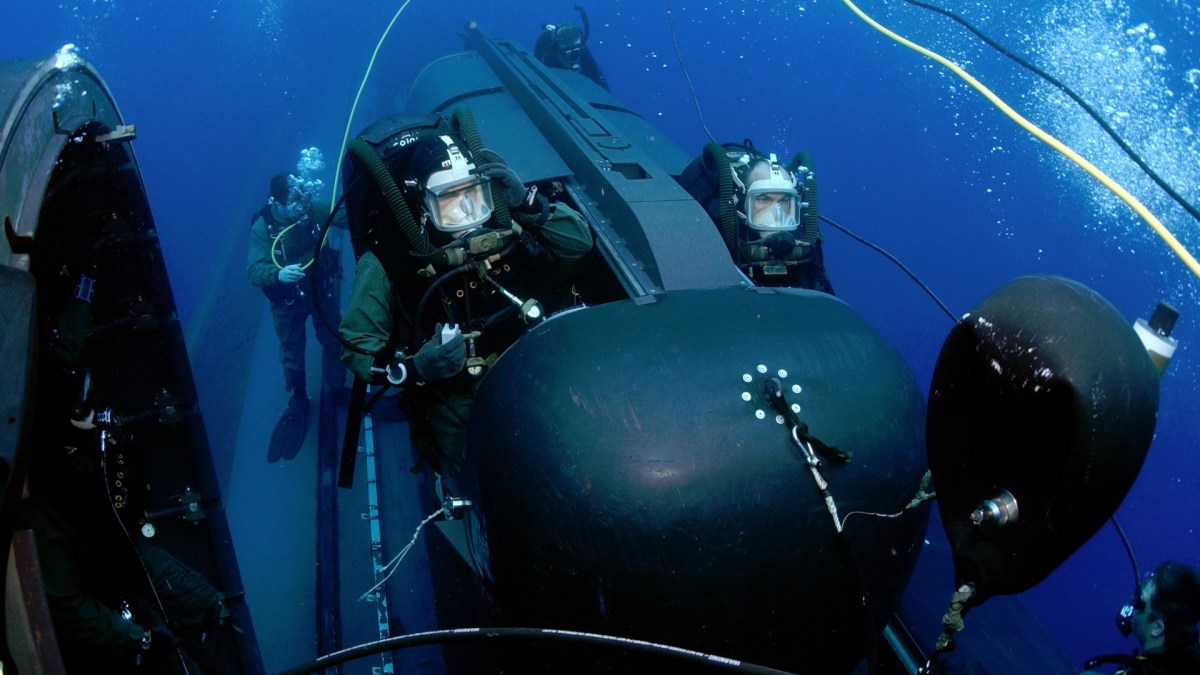
The U.S. Navy is exploring innovative operational strategies by integrating uncrewed underwater vehicles with Navy SEALs utilizing mini-submarines. This collaboration aims to enhance the capabilities of special operations forces in maritime environments, potentially revolutionizing underwater missions. However, the initiative faces several challenges that need to be addressed to ensure effective implementation. As the Navy continues to develop these advanced technologies, the focus remains on overcoming obstacles to maximize the operational potential of this partnership.
Sea Navies Navy SEALs News & Features Special Warfare Submarines
Marines to field light loitering munition to operational units in ‘June timeframe’: Official
Units at Dugway Proving Grounds, located outside Salt Lake City, are currently conducting tests on operational firepower-limited (OFP-L) systems from three different manufacturers. This evaluation aims to assess the effectiveness and reliability of these systems in various operational scenarios. The testing is part of a broader initiative to enhance military capabilities and ensure that the armed forces are equipped with the most advanced technology available. The results from these tests will inform future procurement decisions and potentially shape the direction of military operations.
Air Warfare Naval Warfare Aerovironment Air Force Anduril Drones
L3Harris to Provide Autonomous Underwater Capability for US Navy Submarines
L3Harris Technologies has secured a contract from the Department of Defense's Defense Innovation Unit to develop the Torpedo Tube Launch and Recovery (TTLR) system. This innovative system is designed to deploy and retrieve the company's Iver4 900 autonomous underwater vehicles (AUVs) via submarine torpedo tubes. The contract, awarded under the Other Transaction Authority, underscores the military's commitment to enhancing underwater capabilities. The collaboration aims to improve operational efficiency and expand the tactical applications of AUVs in various defense scenarios.
l3harris autonomous underwater capability us navy submarines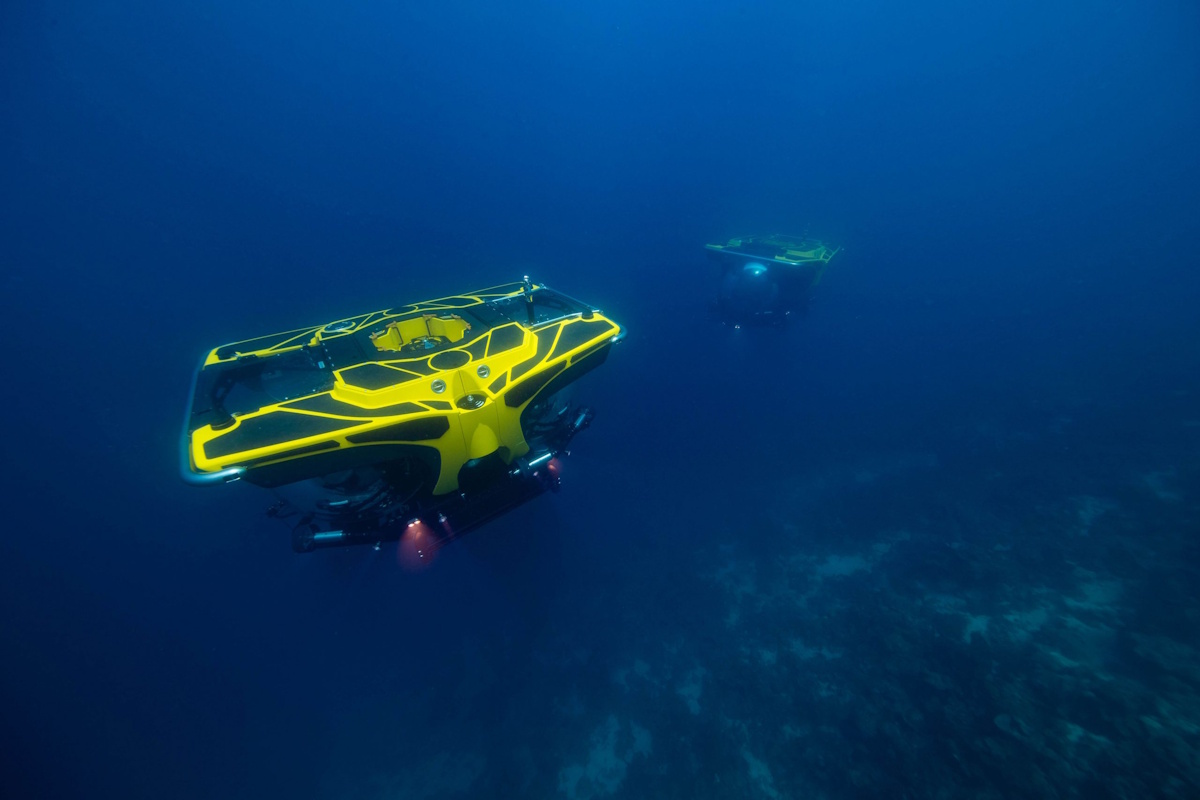
U-Boat Worx Submarines Unlock New Frontiers in Marine Exploration Aboard Expedition Cruise Vessels
A new era of marine exploration and scientific discovery is emerging as Viking and Seabourn expedition vessels incorporate advanced U-Boat Worx Cruise Sub submarines. These state-of-the-art submersibles provide guests with an extraordinary opportunity to explore the depths of the world's oceans while also serving as essential instruments for oceanographic research. This innovative approach is facilitating groundbreaking studies that enhance our understanding of marine ecosystems, highlighting the dual purpose of adventure and scientific inquiry in ocean exploration.
u-boat worx submarines marine exploration expedition cruise vessels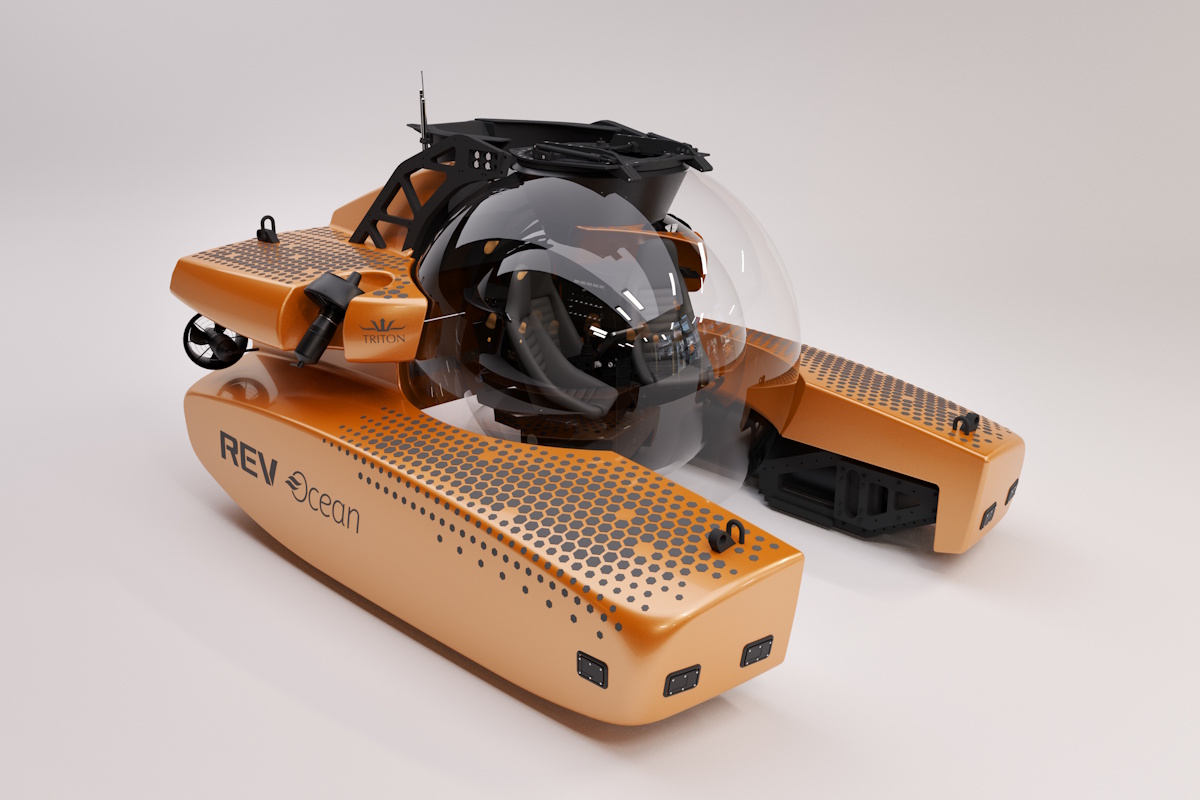
Base Materials Announces Long-term Technical Partnership with Cutting-edge Submersible Manufacturer Triton Submarines LLC
Base Materials has entered into a strategic partnership with Triton Submarines LLC to enhance the capabilities of the Triton 7500/3, recognized as the world's deepest diving three-person acrylic submersible. This collaboration aims to upgrade the innovative vessel, which is certified by DNV and features a fully transparent acrylic pressure hull. Capable of reaching depths of 2,286 meters (7,500 feet) and operating for over 10 hours, the Triton 7500/3 will provide explorers, scientists, and filmmakers with unparalleled access to the ocean's bathypelagic zone, an area located between 1,000 and 4,000 meters (3,280 to 13,123 feet) beneath the surface. This initiative underscores the growing interest in deep-sea exploration and the need for advanced technology to uncover the mysteries of the ocean.
base materials technical partnership submersible triton submarinesRobotics needs a service framework.
RSF defines a common language for robot service capability, lifecycle operations, certification pathways, and service-provider networks.
Join the RobotToday community on LinkedIn
Daily robotics news, in-depth analysis, conference highlights, and discussions with professionals worldwide.