

Industry Briefing
A single destination for timely, editor-curated robotics news from around the world.
University of Rhode Island opens advanced Ocean Robotics Laboratory for autonomous marine research
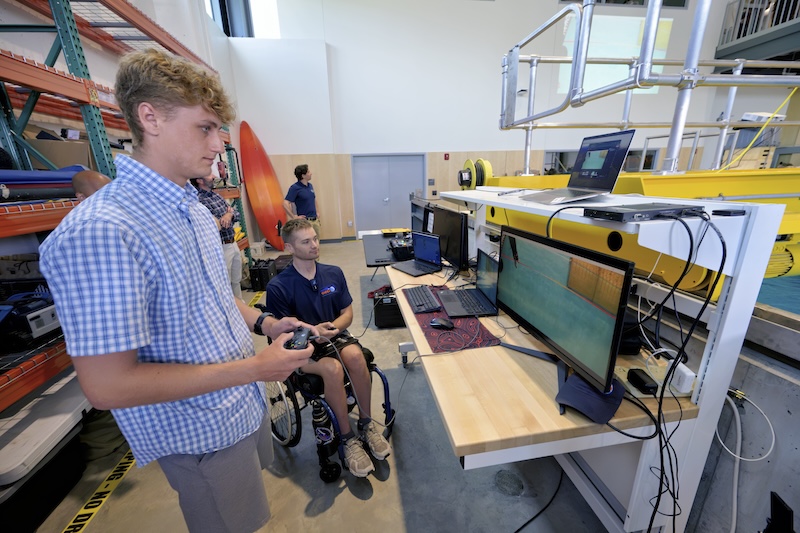
Event marked milestone for Narragansett Bay Campus The University of Rhode Island celebrated a major milestone in the $300 million, multi-phase revitalization of the Narragansett Bay Campus with an underwater ribbon cutting ceremony for the new Ocean Robotics Laboratory on June 25. Students Elliot Roman and Jake Bonney piloted URI’s remotely operated vehicle Rhody to […]
Features Robotics Science autonomous systems autonomous underwater vehicles blue economy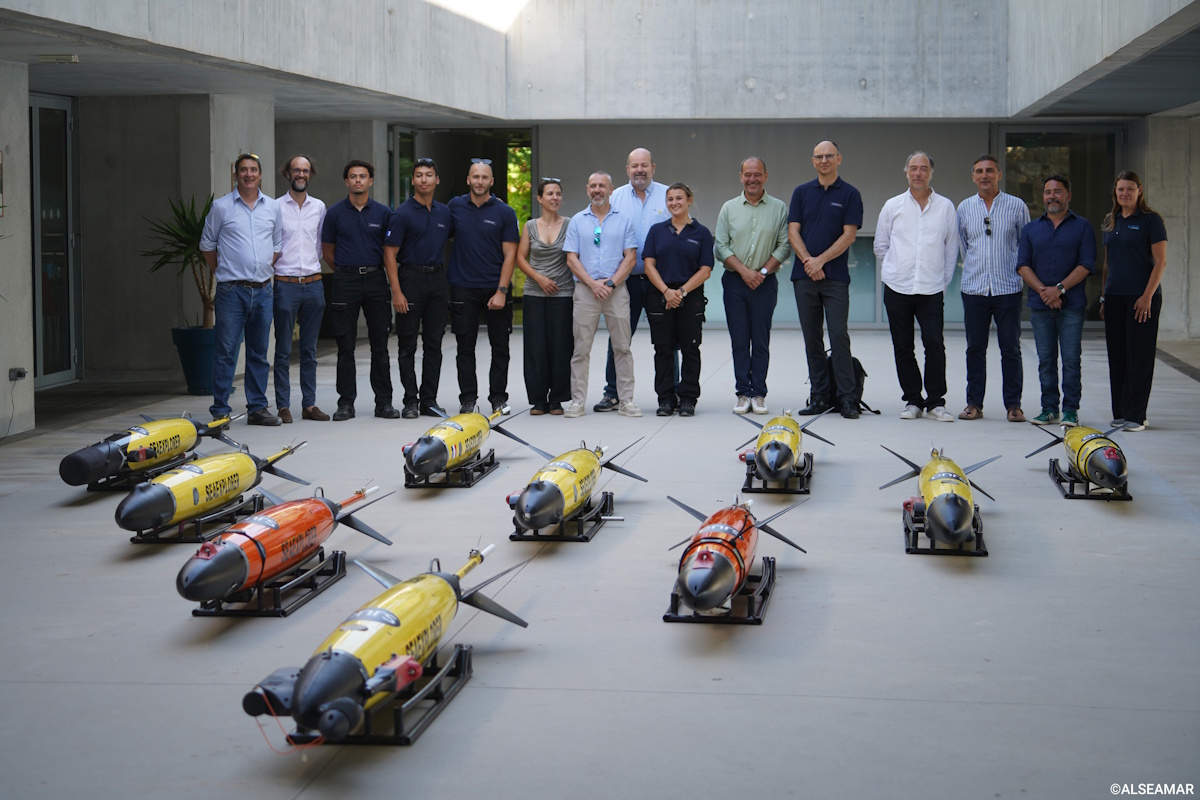
CNRS Deploys Ten SEAEXPLORER Autonomous Gliders for Mediterranean Ecosystem Research
In mid-June 2026, the CNRS deployed ten SEAEXPLORER autonomous underwater gliders in the Ligurian Sea as part of Mission 6 under France's 2030 funding plan. This initiative aims to create a comprehensive environmental data atlas for the northwestern Mediterranean, focusing on the impacts of human activities on marine ecosystems. The gliders will operate for one month, diving to depths of 1,000 meters and equipped with sensors to monitor underwater noise and ocean currents. The deployment is significant as it represents a strategic effort by the French government to enhance industrial competitiveness and develop next-generation technologies for deep-sea exploration. By utilizing coordinated fleets of autonomous gliders and advanced sensing technologies, researchers aim to better understand the dynamics of marine ecosystems and the effects of climate change, maritime traffic, and ocean acidification. This innovative approach will facilitate the study of plankton distribution and biodiversity through methods such as environmental DNA monitoring. Looking ahead, the next phases of Mission 6 will involve additional deployments in the Gulf of Lion in 2028 to test new sensors, followed by operations in French Polynesia between 2028 and 2029. These efforts will further expand the capabilities of autonomous underwater vehicles in marine research, with no further timeline disclosed at the time of publication.
autonomous gliders cnrs exploration mediterranean marine ecosystems
Ocean innovators unite to support marine science research
AquaTitans, a subsea engineering company known for its innovations in ocean technology, has joined the Scottish Association for Marine Science’s (SAMS) Ocean Changemakers initiative. This partnership aims to foster collaboration and drive advancements in marine science and sustainability. By participating in this program, AquaTitans seeks to leverage its expertise to contribute to the development of sustainable ocean solutions. The announcement of this collaboration highlights AquaTitans' commitment to addressing pressing environmental challenges and underscores the growing importance of marine science in combating climate change. The partnership is expected to enhance research and innovation efforts within the marine sector, benefiting both the company and the broader scientific community.
sams
Boxfish Robotics Introduces Reliable and Easy-to-Use Hovering AUV for Marine Research
Boxfish Robotics has unveiled its first generation of fully autonomous tetherless hovering Boxfish AUV (Autonomous Underwater Vehicle), marking a significant advancement in underwater exploration technology. This innovative vehicle, which boasts state-of-the-art autonomy features, aims to redefine standards in the field. The launch took place in October 2023, showcasing the company's commitment to pushing the boundaries of underwater robotics. By eliminating the need for tethering, the Boxfish AUV enhances operational flexibility and efficiency, making it an invaluable tool for researchers and marine explorers. The development of this technology reflects Boxfish Robotics' dedication to advancing marine exploration capabilities and addressing the growing demand for sophisticated underwater vehicles.
boxfish robotics hovering auv marine research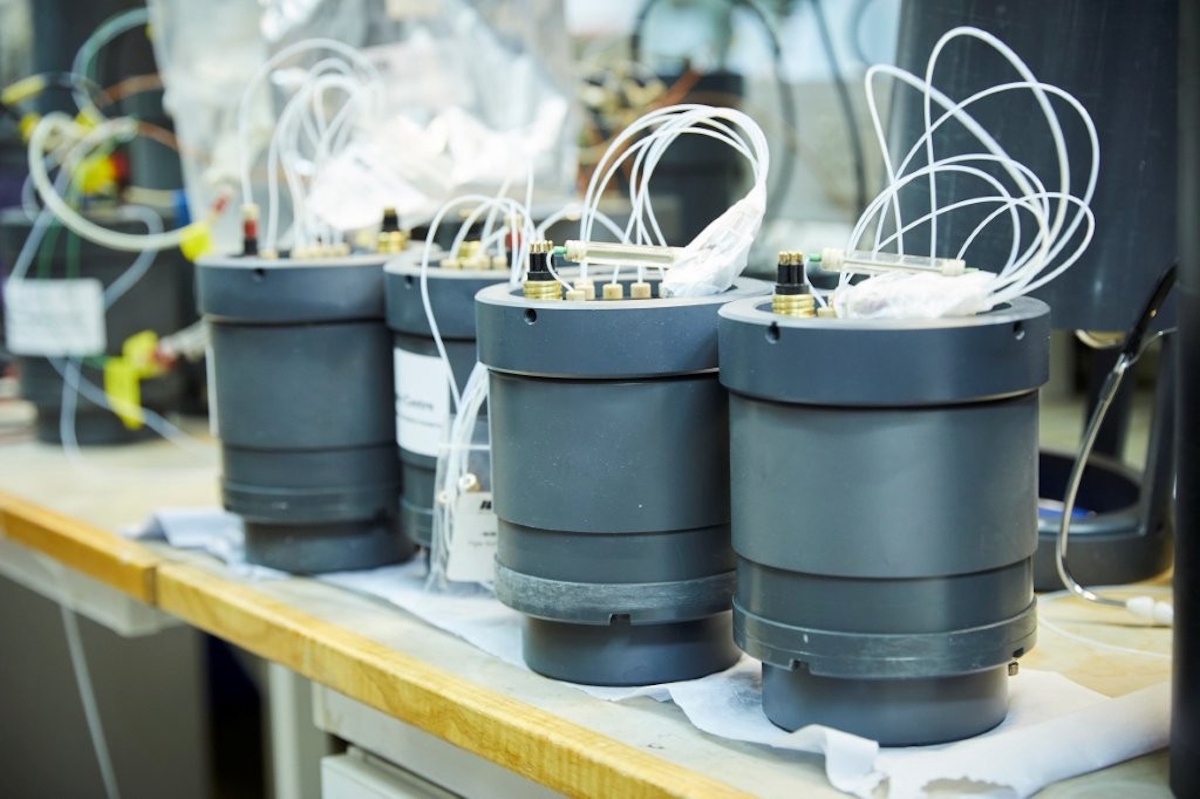
£4 m to Boost Marine Robotics Research Capabilities
The UK’s National Oceanography Centre (NOC) has secured a funding boost of £4 million aimed at enhancing its fleet of marine autonomous systems with next-generation sensing technologies. This investment, announced recently, is designed to support the advancement of sustainable ocean science, enabling researchers to gather more accurate and comprehensive data about marine environments. By integrating these advanced sensing capabilities, the NOC aims to improve its understanding of ocean dynamics and contribute to the global efforts in addressing climate change and preserving marine ecosystems. The initiative reflects a growing commitment to innovative research methods in the field of oceanography, positioning the NOC at the forefront of marine science advancements.
marine robotics researchRobotics needs a service framework.
RSF defines a common language for robot service capability, lifecycle operations, certification pathways, and service-provider networks.
Join the RobotToday community on LinkedIn
Daily robotics news, in-depth analysis, conference highlights, and discussions with professionals worldwide.







