Industry Briefing
A single destination for timely, editor-curated robotics news from around the world.

Dubai Future Foundation and Oxa Launch SHIFFT for Autonomous Logistics at Ports and Airports
Dubai Future Foundation (DFF) and Oxa have unveiled SHIFFT, a joint venture aimed at establishing Dubai as a leader in autonomous logistics. This initiative will integrate self-driving technology into a comprehensive logistics solution, enhancing productivity and safety in operations at ports and airports. The significance of SHIFFT lies in its potential to transform Dubai's logistics sector, contributing to the city's goal of doubling foreign trade volume by 2033. By deploying Oxa's advanced self-driving software and fleet management systems, SHIFFT aims to improve operational resilience and efficiency, aligning with Dubai's Research, Development, and Innovation (RDI) Programme. Looking ahead, SHIFFT plans to initiate its first scalable commercial deployment in Dubai by the end of 2027. This venture not only promotes autonomous mobility but also seeks to create high-tech jobs and bolster Dubai's position as a regional hub for research and development in logistics.
Autonomous Vehicles News airports autonomous logistics autonomous mobility autonomous vehicles
NVIDIA Launches Alpamayo 2 Super for Commercial Use in Robotaxis and Autonomous Vehicles
NVIDIA has announced the commercial availability of Alpamayo 2 Super, a cutting-edge model designed for robotaxis and autonomous vehicles (AVs). This model addresses complex, rare scenarios that traditional systems struggle to handle, enabling AVs to reason about situations and make safe decisions in real time. The significance of Alpamayo 2 Super lies in its open commercial licensing and advanced multitask capabilities, which enhance the AV ecosystem. By being part of the Alpamayo family, it supports a variety of AV-relevant functions within a single foundation model, allowing developers to adapt it to their specific needs and driving policies. Looking ahead, the application of the OpenMDW license across the Alpamayo model family facilitates a seamless transition from adaptation to deployment for AV developers. This model not only provides high-level reasoning capabilities but also promotes a sustainable approach to scaling safe autonomy in commercial fleets, ensuring that developers can efficiently integrate advanced reasoning into their workflows.

Tesla Launches Cybercab as Uber and Waymo Expand Autonomous Vehicle Efforts
Tesla has officially launched its fully autonomous Cybercab in Austin, Texas, with a fleet of approximately 50 operational vehicles. This marks a significant step towards the company's goal of revolutionizing urban transportation with robotaxis. Morgan Stanley analyst Andrew Percoco noted that Wall Street will require more than a few Cybercabs on the road to gain confidence in the market. The competition is intensifying as Waymo raises over $3 billion in debt to expand its services into new cities, including San Diego, Denver, and Tampa Bay. With 14 cities currently serviced, Waymo is also rolling out its new 'Ojai' minivan model. Meanwhile, Uber is restructuring by cutting 10% of its workforce to focus on innovation and has committed over $10 billion to robotaxi partnerships, including a deal for 35,000 autonomous vehicles from Lucid. Looking ahead, the race for robotaxi dominance is heating up, with estimates suggesting the number of robotaxis could grow from 7,000 last year to 1 million by 2030. The economic impact could reach $440 billion, driven by changes in car ownership and rideshare dynamics. No further timeline was disclosed at the time of publication.
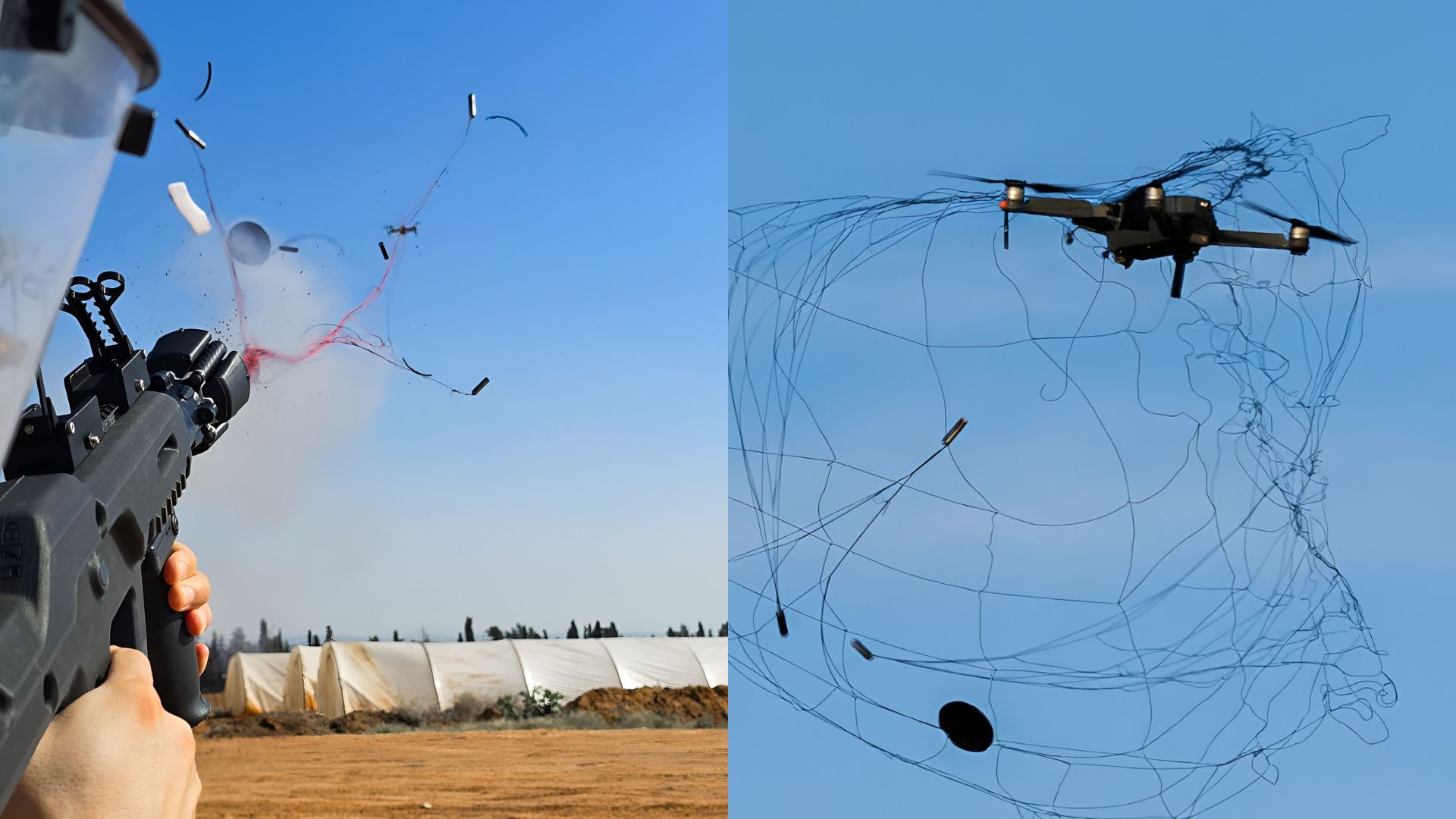
ParaZero Technologies Launches DefendAir for Autonomous Drone Interception in Military Applications
ParaZero Technologies has introduced its DefendAir platform, designed to intercept first-person view (FPV) drones autonomously before they can strike military vehicles. This system utilizes a non-explosive net-based interception method, creating a 360-degree defensive envelope around assets. The platform aims to enhance protection for both moving and stationary high-value military targets without the weight penalties of traditional armor. The rise of low-cost FPV drones has prompted militaries to seek effective countermeasures, as these drones have proven capable of damaging expensive military equipment. ParaZero's DefendAir addresses the limitations of conventional protective measures, such as steel cages, by offering a more agile and responsive solution. The system's ability to detect and neutralize threats rapidly is crucial for modern battlefield scenarios, where speed and precision are paramount. ParaZero is currently collaborating with Tier-1 defense companies to refine the DefendAir technology for operational requirements. While the company has not disclosed specific partners or a timeline for deployment, the focus on active counter-drone systems reflects a broader trend in military strategy, emphasizing the need for innovative solutions to counter evolving aerial threats. No further timeline was disclosed at the time of publication.
Military
SpaceX's Starmind Faces Feasibility Challenges for 1 Million Satellite Deployment
On January 30, 2026, SpaceX submitted a request to the FCC to launch up to 1 million satellites as part of its Starmind orbital compute constellation. This ambitious plan is unprecedented, as the total number of satellites ever launched globally is in the low tens of thousands. The proposal seeks a waiver from standard deployment milestones, citing reliance on the Starship's full reusability for success. The significance of this request lies in the technical and logistical challenges it presents. Experts warn that low Earth orbit may not support the proposed number of active satellites without risking a debris cascade. SpaceX's own IPO prospectus acknowledges unresolved dependencies related to Starship's launch cadence and reusability, which are critical for the orbital AI compute strategy. Looking ahead, the timeline for achieving the necessary launch cadence and manufacturing capacity remains uncertain. SpaceX's Gigasat facility in Texas aims for volume production by late 2027, but this would require unprecedented output levels. No further timeline was disclosed at the time of publication, leaving the feasibility of the Starmind project in question.

Tesla's Optimus Robots to Support Starmind Satellite Production, Not Maintenance
Tesla's Optimus robots will not be used to repair Starmind satellites in orbit, as confirmed by recent statements from Elon Musk. Instead, these robots are intended to assist in the construction and operation of the Terafab chip manufacturing facility in Texas. The AI1 satellites, designed to disintegrate upon reentry, highlight the company's swap-and-replace strategy rather than traditional maintenance practices. This approach is significant as it reflects a broader trend in satellite management, where mass-produced satellites are replaced rather than repaired. The economics of servicing missions are prohibitive, with the cost of launching a replacement satellite being significantly lower than conducting a repair mission. This model aligns with SpaceX's operational history, where rapid replacement of satellites is more efficient than attempting to maintain them in orbit. Looking ahead, the focus will remain on the production capabilities of the Gigasat factory, which is expected to support the continuous replacement of satellites. No further timeline was disclosed at the time of publication, but the demand for rapid satellite turnover suggests a robust future for Optimus robots in terrestrial manufacturing rather than in-space servicing.

Tsinghua Vehicle School Alums Launch Guangxiang Technology, Raise Hundreds of Millions for Embodied AI in Automotive
Guangxiang Technology, a company incubated by Tsinghua University, has successfully raised hundreds of millions in angel funding to advance its innovative physics-native embodied AI model aimed at revolutionizing automotive manufacturing. This significant financial backing comes as the company seeks to enhance efficiency and precision in the automotive sector through advanced artificial intelligence solutions. The funding round, which reflects growing investor confidence in AI technologies, positions Guangxiang Technology to further develop its cutting-edge applications and expand its market presence. The investment underscores the increasing importance of AI in transforming traditional manufacturing processes, particularly in the automotive industry, where precision and efficiency are paramount.
Startups AI
Finland launches counter-drone patrol boats and vehicle project
The Finnish Border Guard has initiated a new project aimed at enhancing its capabilities to counter drone threats through the development of specialized patrol vehicles and boats. This initiative reflects the growing concern over the use of drones in various security contexts, prompting the Border Guard to bolster its operational readiness. The project, which commenced recently, is part of a broader strategy to ensure national security and protect Finland's borders from potential aerial intrusions. By integrating advanced technology into their patrol units, the Border Guard aims to effectively monitor and respond to drone activities, thereby safeguarding the integrity of the nation's airspace.
News
Scania Launches Battery-Electric CrewCab for Rescue Vehicles
Scania has introduced its inaugural battery-electric CrewCab, designed specifically for fire, airport, and civil rescue operations. This innovative vehicle was unveiled in October 2023, marking a significant step towards sustainable emergency response solutions. The CrewCab aims to enhance operational efficiency while reducing environmental impact, aligning with the growing demand for greener technologies in the emergency services sector. By integrating advanced electric powertrain technology, Scania is addressing the challenges faced by rescue operations in urban environments, where emissions and noise pollution are critical concerns. The launch reflects Scania's commitment to providing cutting-edge solutions that meet the needs of modern emergency services while promoting sustainability.

Massimo Group Launches AI Intelligent Patrol Platform Initiative Integrating Autonomous Patrol Vehicles, Spherical Security Robots and Drone Systems
Massimo Group has officially launched the prototype development of autonomous patrol electric vehicles, aiming to penetrate the $50.4 billion U.S. security services industry. This initiative, which began in October 2023, focuses on integrating artificial intelligence into patrol and intelligent security mobility systems. By leveraging advanced technology, the company seeks to enhance security operations and improve efficiency in monitoring and response capabilities. The move is part of Massimo Group's broader strategy to innovate within the security sector, addressing growing demands for smarter and more effective security solutions.
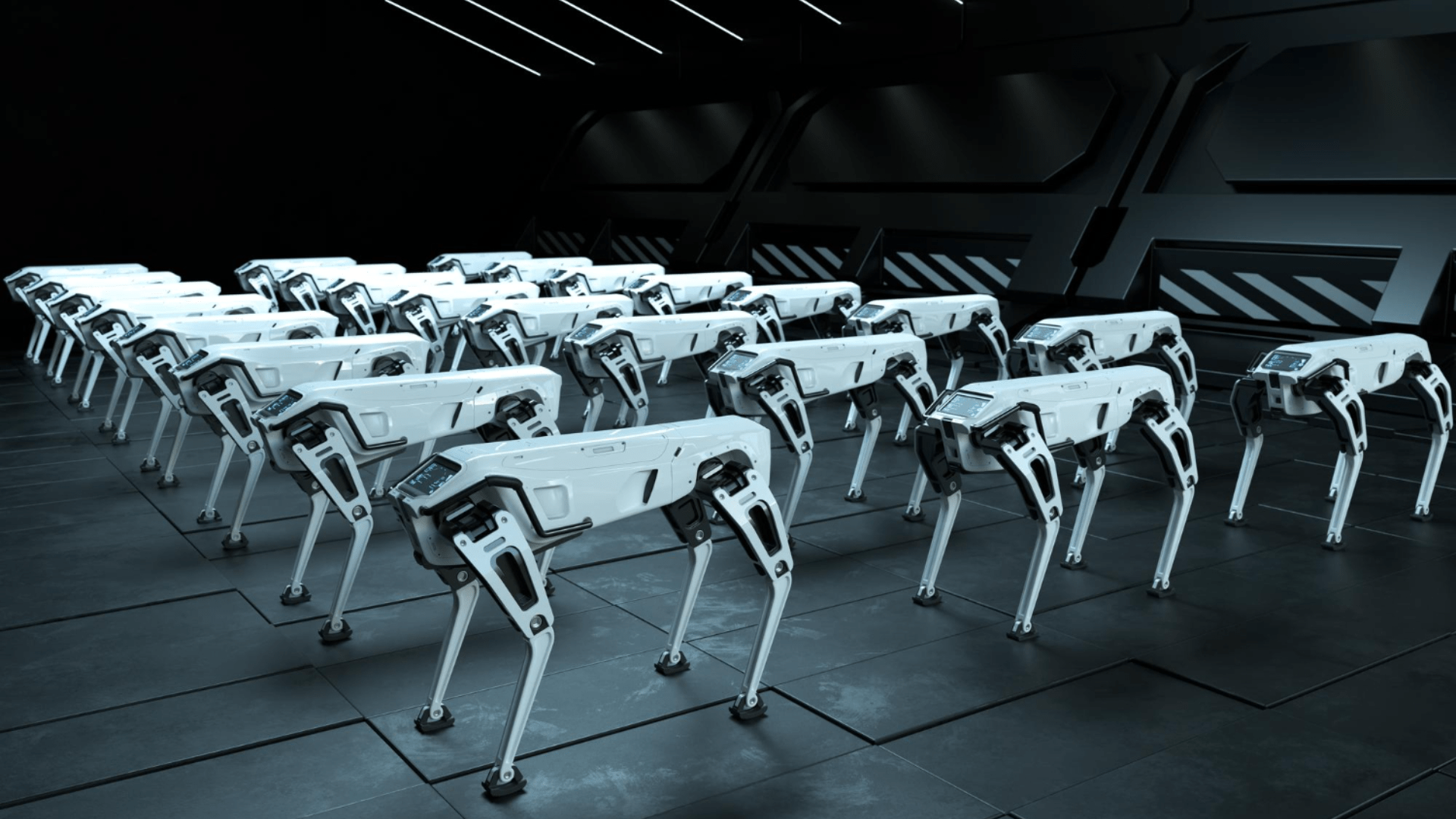
China showcases submarine-launched anti-mine vehicles, robotic combat dogs at defense expo
A new generation of autonomous underwater drones has been developed to detect and neutralize naval mines, marking a significant advancement in maritime security technology. This innovation was unveiled at a recent defense technology conference held in Washington, D.C., where experts gathered to discuss the future of naval warfare. The drones are designed to enhance safety for naval operations by providing a reliable solution to the persistent threat of underwater mines, which pose risks to both military and commercial vessels. The motivation behind this technological breakthrough stems from the increasing need for efficient and effective mine countermeasures in response to evolving maritime threats. By employing advanced sensors and artificial intelligence, these drones can autonomously navigate and identify mines, significantly reducing the risk to human divers and traditional mine-clearing vessels. The development process involved collaboration between defense contractors and military research organizations, leveraging cutting-edge technology to improve operational capabilities. As naval forces worldwide seek to modernize their fleets, this innovation is expected to play a crucial role in enhancing maritime security and ensuring safe passage in contested waters.
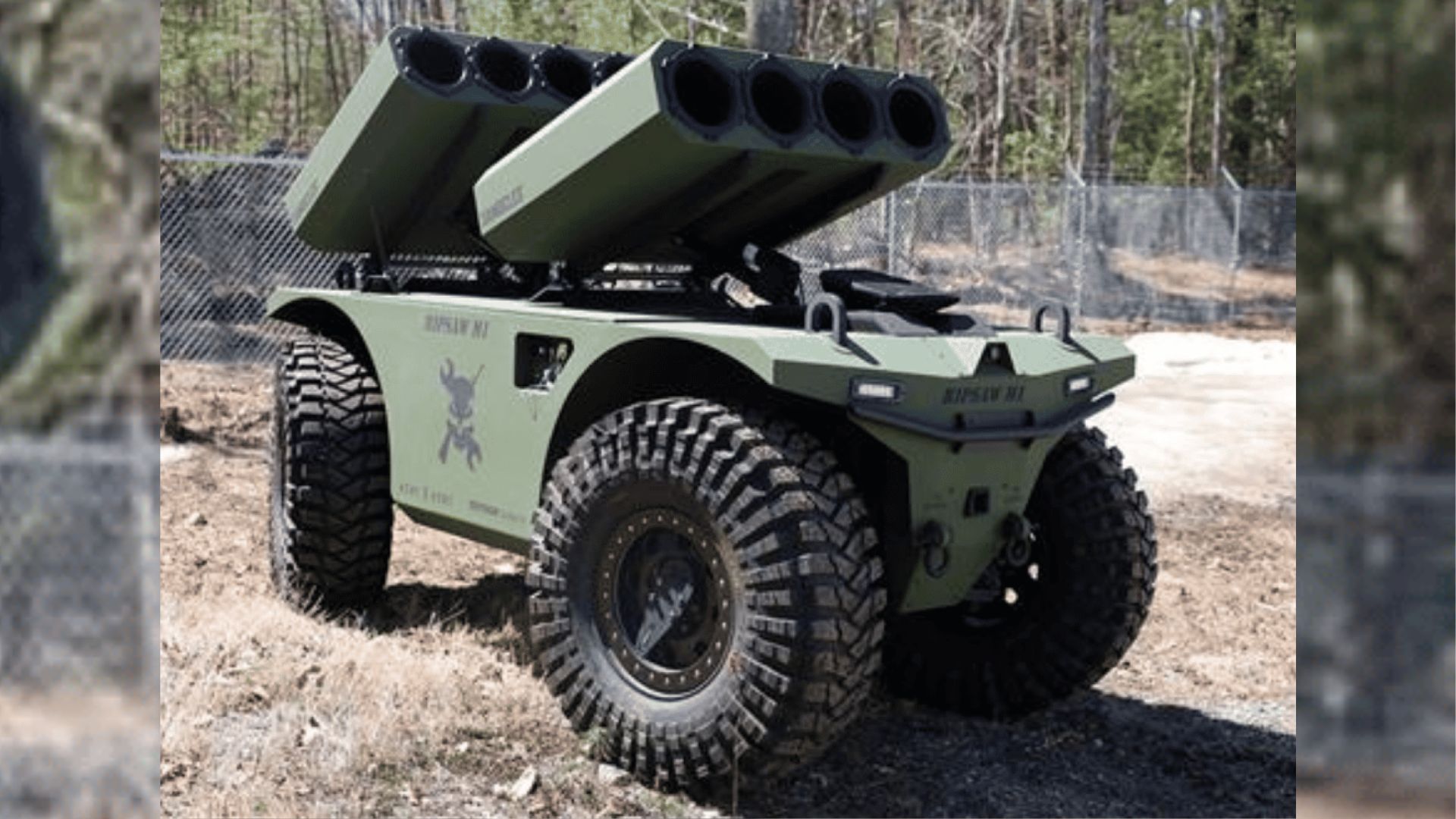
RIPSAW M1 military robot vehicle hits 53 mph, scouts terrain and launches munitions
The U.S. Marine Corps is undergoing a significant transformation in its operational strategies for coastal warfare. This shift involves the deployment of smaller, more agile units capable of rapid movement and adaptability in response to evolving threats. The initiative, aimed at enhancing the Corps' effectiveness in maritime environments, reflects a broader strategic pivot to address modern combat challenges. This change is being implemented as part of ongoing military reforms, with a focus on improving readiness and operational efficiency. The adjustments are expected to take place in various coastal regions, where the Marines will conduct training exercises to refine their new tactics. This evolution in strategy is driven by the need to counter increasingly sophisticated adversaries and to ensure that the Marine Corps remains a formidable force in joint operations alongside other military branches.

HII Successfully Demonstrates Sea Launcher, Ship-Based Automated Launch and Recovery of REMUS Autonomous Underwater Vehicle
HII, a leading manufacturer of autonomous underwater unmanned vehicles, announced the successful shipboard deployment and recovery of a REMUS autonomous underwater vehicle. This achievement was made possible through the use of the company’s automated launch and recovery system, known as Sea Launcher. The event highlights HII's advancements in underwater technology and its commitment to enhancing operational capabilities in marine environments.
hii sea launcher ship-based automated launch and recovery remus autonomous underwater vehicle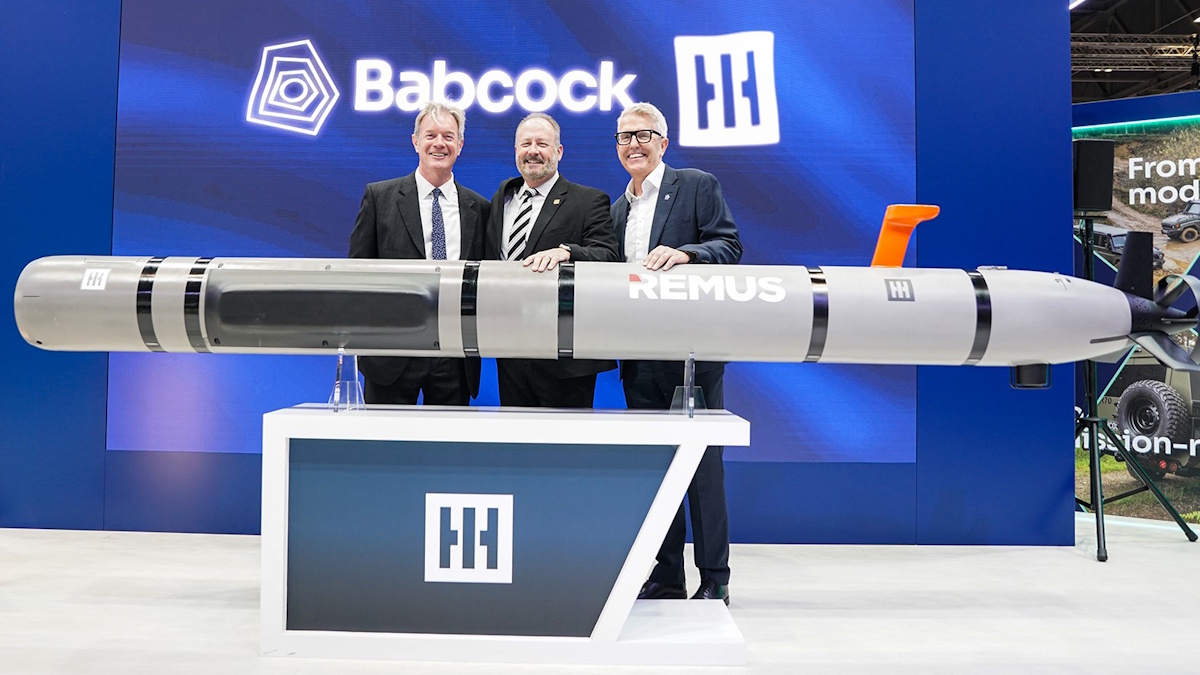
HII and Babcock Join Forces to Integrate Unmanned Underwater Vehicles with Submarine Weapon Handling and Launch Systems
Babcock International Group and HII have entered into a memorandum of understanding to integrate HII’s REMUS unmanned underwater vehicles with Babcock’s advanced submarine Weapon Handling and Launch Systems. This collaboration aims to enhance the autonomous launch and recovery capabilities of UUVs through submarine torpedo tubes, thereby bolstering the undersea operational advantages of allied navies. This initiative marks the inaugural program of its kind within Babcock's Mission Systems division, reflecting a significant step forward in military maritime technology.
hii babcock unmanned underwater vehicles submarine weapon handling and launch systems dsei 2025
Royal Navy Launches Autonomous Vehicles from Submarine in Pioneering Trial
The Royal Navy is currently conducting innovative trials to showcase the launch and recovery of uncrewed underwater vehicles from submarines. These vehicles, which are launched via torpedo tubes, aim to enhance the operational capabilities of the UK’s nuclear-powered attack submarines. The trials are designed to support a range of missions, including underwater reconnaissance, communications, and seabed warfare. By integrating these advanced technologies, the Royal Navy seeks to bolster its strategic advantages in maritime operations.
royal navy trials demo launch and recovery uncrewed underwater vehicles (uuv) submarinesRobotics needs a service framework.
RSF defines a common language for robot service capability, lifecycle operations, certification pathways, and service-provider networks.
Join the RobotToday community on LinkedIn
Daily robotics news, in-depth analysis, conference highlights, and discussions with professionals worldwide.