Industry Briefing
A single destination for timely, editor-curated robotics news from around the world.

Zipline Expands U.S. Operations with Cleveland Clinic Home Delivery and Austin Launch
On July 13, 2026, Zipline announced a significant expansion of its U.S. operations, including the launch of a home delivery service in partnership with Cleveland Clinic and an upcoming service in Austin. The company reported a remarkable 13-fold increase in businesses utilizing its delivery app in the first half of 2026, alongside the completion of over 2.5 million commercial deliveries. This expansion is crucial as it enhances Zipline's healthcare delivery capabilities, allowing eligible Cleveland Clinic patients to receive prescription deliveries at home at no extra cost. The service will eventually include lab samples and medical supplies, building on the home delivery platform introduced in 2023. Furthermore, the Austin launch will enable rapid food and retail deliveries, further diversifying Zipline's marketplace. Looking ahead, Zipline's growth trajectory appears promising, with new partnerships and services on the horizon. The company continues to attract top talent from industry leaders like Tesla and Waymo, which may bolster its operational capabilities. No further timeline was disclosed at the time of publication.
Delivery Drone News Drone News Feeds News 135 million autonomous miles 2.5 million deliveries
SpaceX IPO Provides Indirect Investment Opportunity in Starmind Project
Starmind does not have a standalone stock or ticker; investors can gain exposure through SpaceX (ticker: SPCX), which began trading on Nasdaq after its IPO on June 12, 2026. Starmind is integrated within SpaceX, contributing to the company's AI and space initiatives, and its performance directly influences SPCX shares. The significance of Starmind lies in its role as a division of SpaceX, which encompasses other projects like Starlink and Starship. As of early July 2026, SPCX shares are trading between $149 and $150, significantly lower than their 52-week high of $225.64. The project’s milestones, such as AI1 prototype updates, can impact SpaceX's stock performance, making it essential for investors to monitor these developments closely. Looking ahead, the early 2027 launch of AI1 prototype satellites is a critical milestone that could provide verifiable data affecting Starmind's valuation and, consequently, SPCX stock. No further timeline was disclosed at the time of publication, but the upcoming events will be pivotal for investors tracking the relationship between Starmind and SpaceX's stock performance.
SpaceX's Starship V3 Plans for 1 Million Starmind Satellites by 2030
SpaceX's Starship V3 is set to revolutionize satellite deployment, aiming to launch 1 million Starmind satellites by 2030. The spacecraft can carry over 100 tonnes to low Earth orbit (LEO), significantly more than the Falcon 9's capacity. As of May 2026, Starship has completed 12 flights, with the next mission scheduled for late July 2026, focusing on operational payloads including AI1 prototypes in early 2027. This ambitious plan is crucial for expanding orbital compute capacity, targeting an annual addition of 100 GW through a million tonnes of satellite hardware. SpaceX's strategy hinges on achieving a launch cadence of approximately 12,000 flights, equating to about three launches per day. The company has invested over $15 billion in the Starship program, with expectations to begin payload deliveries in the second half of 2026, starting with Starlink V3 satellites. Looking ahead, the successful deployment of the Starmind constellation will depend on Starship's ability to meet its cost targets of $10–20 million per flight. If achieved, this would make launching satellites more economical than building ground data centers. The next significant milestone will be the launch of AI1 prototypes in early 2027, with full-scale deployments commencing in 2028 from the new Gigasat factory in Texas.

SpaceX's Starmind Project: Supplier Strategy and Chip Manufacturing Plans for 2026
SpaceX's Starmind project, aimed at deploying up to 1 million AI satellites, was filed with the FCC on January 30, 2026. The initiative is designed to minimize reliance on external suppliers, with CEO Elon Musk stating that current chip production capabilities only meet 2% of the projected needs. The first satellite, AI1, is set for prototype launches in early 2027, featuring a 70-meter wingspan and a modular payload system that allows for interchangeable chips from various suppliers. The significance of Starmind lies in its ambitious supply chain strategy, which seeks to transition from external hardware suppliers to a fully integrated Musk-owned facility by 2028. The Gigasat manufacturing site in Bastrop, Texas, is expected to be operational by the end of 2027, with plans for high-volume production of the D3 chip, specifically designed for space applications. This approach aims to consolidate chip manufacturing processes under the Terafab joint venture, which has an estimated initial investment of $55 billion. Looking ahead, the next milestone for Starmind is the launch of AI1 prototypes in early 2027, while the full-scale chip production at Terafab is projected to ramp up significantly thereafter. However, analysts express skepticism regarding the feasibility of achieving Musk's ambitious compute goals, which may require substantial investment and time to establish the necessary manufacturing capabilities.
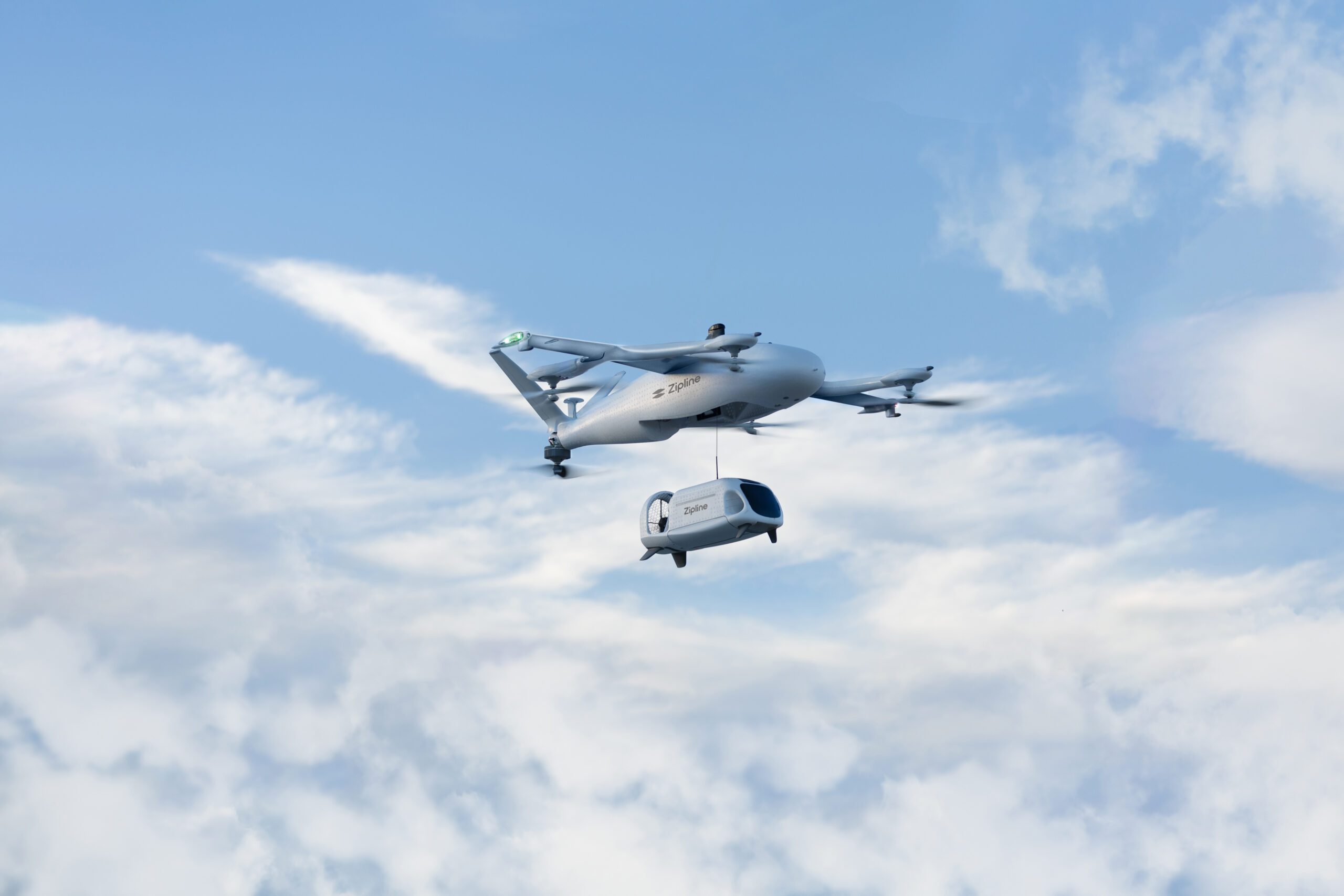
BayCare Partners with Zipline for Drone Delivery Network in Tampa Bay by 2027
BayCare, the largest not-for-profit academic health-care system in West-Central Florida, has announced a partnership with Zipline to establish a drone delivery network. This system is expected to be operational by late 2027, initially focusing on high-volume hospital and laboratory locations in the St. Petersburg/Clearwater area. The network will facilitate the delivery of medical supplies and equipment between BayCare facilities, with plans to expand to patient homes in the future. The collaboration aims to enhance the speed and efficiency of transporting critical health-care items, addressing the needs of BayCare's extensive network of 16 hospitals and numerous other facilities. Zipline's drones are designed to operate autonomously, making precise deliveries even in adverse weather conditions. This initiative is expected to reduce delivery-related emissions and traffic congestion while providing a reliable service for time-sensitive items. Looking ahead, the project will begin with select BayCare facilities in Pinellas County, where the concentration of patient activity is highest. Future expansions across the entire Tampa Bay area are planned, although no further timeline was disclosed at the time of publication. The partnership leverages Zipline's FAA Part 135 air carrier certification, enabling BVLOS flights for commercial deliveries.
Applications Delivery Drone News Drone News Feeds News autonomous delivery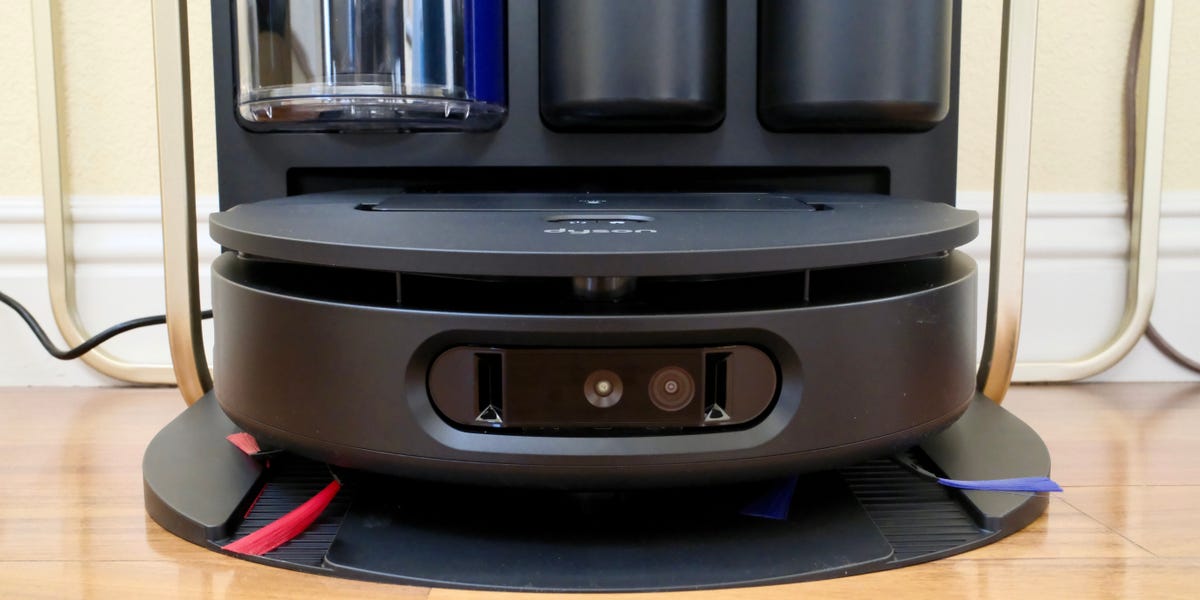
Dyson Spot + Scrub Ai review — Is this $1,200 robot mop worth it?
The Dyson Spot + Scrub Ai, the latest premium robot vacuum and mop from Dyson, has been put to the test in a comprehensive review. This innovative cleaning device is designed to tackle a variety of household challenges, including stubborn stains, pet hair, and carpet cleaning. The review assesses its performance and efficiency in real-world scenarios, highlighting its advanced features and capabilities. With a focus on user experience, the evaluation provides insights into how effectively the Spot + Scrub Ai meets the demands of modern cleaning needs. As consumers increasingly seek smart home solutions, Dyson aims to position this product as a versatile tool for maintaining cleanliness in homes.
Home (Reviews) Reviews ip-home cleaning insider-picks vacuum-cleaners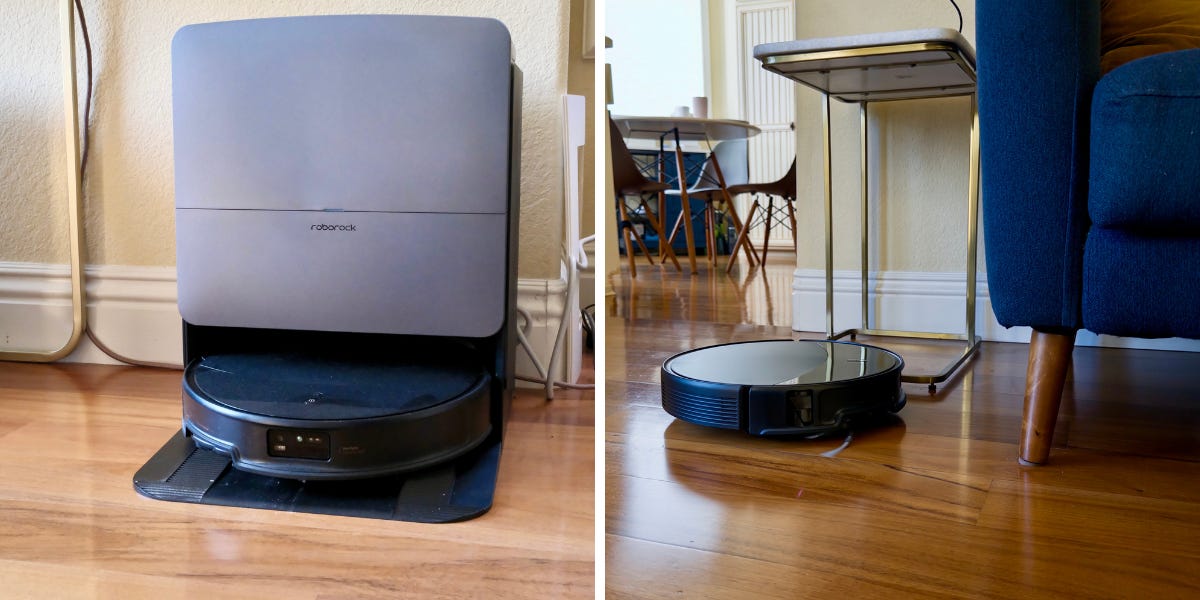
Roborock Saros 20 review: A smarter, more refined robot vacuum, but is it worth the upgrade?
The Roborock Saros 20, a new robotic vacuum, has been designed to navigate various surfaces by raising over three inches to effectively clear rugs and thresholds. However, recent testing has revealed that its cleaning performance does not consistently meet expectations given its price point. While the innovative height adjustment feature aims to enhance usability across different flooring types, users may find that the overall cleaning efficiency falls short of what is anticipated for a product in this price range.
Home (Reviews) Reviews ip-home cleaning insider-picks vacuum-cleaners
Japan Plans Acquisition of 27,500 Nvidia Rubin Chips for Domestic AI Robotics Development
Japan is set to purchase 27,500 next-generation Rubin chips from Nvidia Corp. to develop a foundational AI model tailored for robotics. This initiative aims to enhance Japan's capabilities in creating sovereign AI systems that can be integrated into various robotic applications. The acquisition of these chips is significant as it represents Japan's commitment to advancing its technological independence in the field of artificial intelligence. By building a homegrown AI model, Japan seeks to strengthen its position in the global robotics market and reduce reliance on foreign technologies. Looking ahead, the focus will be on how effectively Japan can leverage these Rubin chips to create a robust AI framework for robots. No further timeline was disclosed at the time of publication.
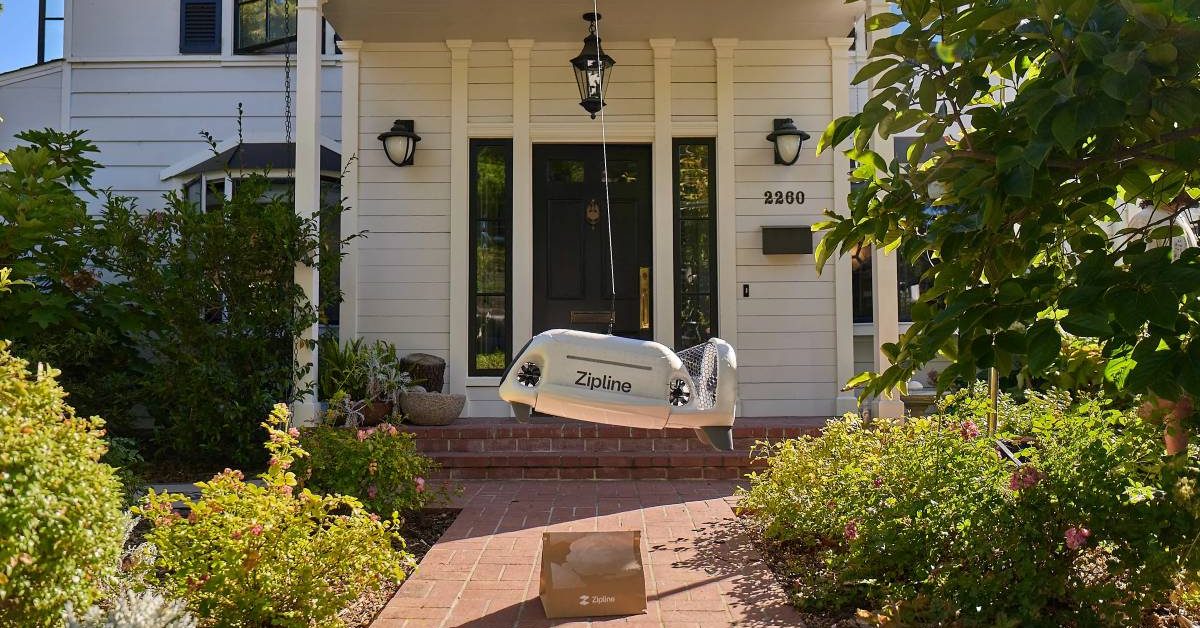
Zipline Expands Drone Delivery Services with New Leadership in Austin and Cleveland
Zipline is intensifying its drone delivery efforts in the U.S. by launching services in Austin and Cleveland, supported by new executives from Tesla, Waymo, and Uber. This strategic move comes as demand for Zipline's delivery platform surges, with a 13-fold increase in businesses utilizing the app in the first half of 2026. The significance of this expansion lies in Zipline's milestone of over 2.5 million commercial deliveries globally, with 70% of flights occurring in the U.S. The upcoming launch of a home prescription delivery service in partnership with Cleveland Clinic marks a pivotal moment for healthcare logistics, with plans to broaden the service to include lab samples and medical supplies. Looking ahead, Zipline's entry into Austin will allow customers to order food and retail products with rapid delivery times. The company is experiencing swift growth, with notable partnerships from national chains like Chipotle and Little Caesars. No further timeline was disclosed at the time of publication.
News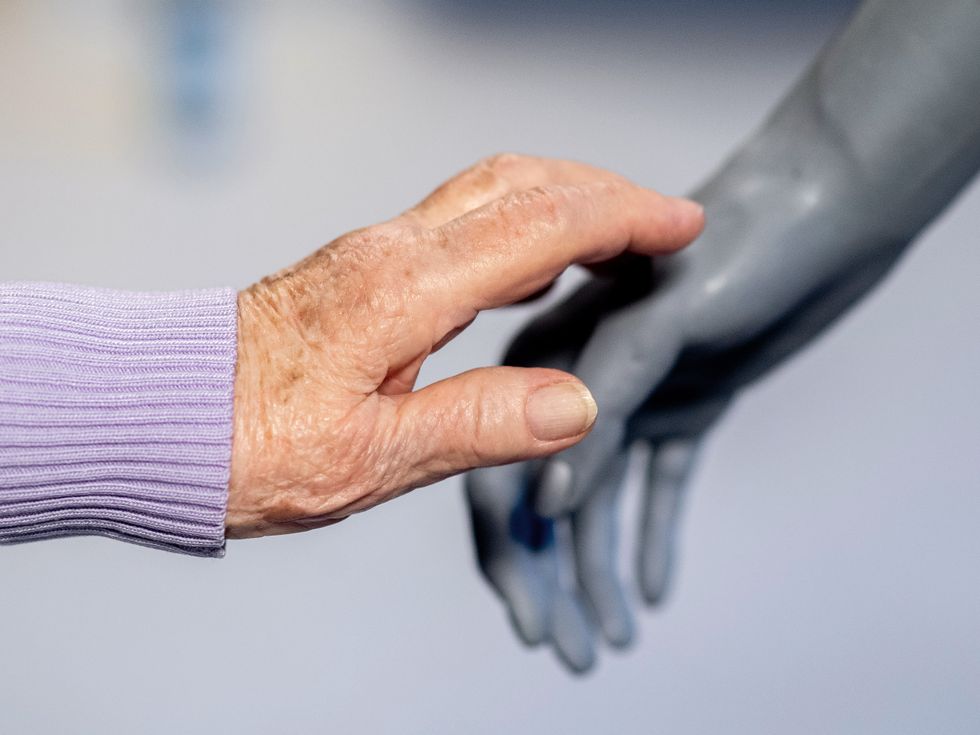
Home Robot Safety Is All About Relationships
The International Standards Organization (ISO) is in the process of updating its safety requirements for personal care robots, a revision that has not occurred in 12 years. This update comes at a crucial time as manufacturers transition from laboratory prototypes to products designed for real-world domestic environments. The proposed changes focus on hazard identification and risk assessment but lack binding compliance criteria and testing methods to address the complexities of human-robot interactions. Jae-Seong Lee, a technology policy researcher from South Korea's Electronics and Telecommunications Research Institute, emphasizes that safety in domestic settings is not merely about avoiding collisions; it involves understanding the dynamic relationship between humans and robots. Current standards, such as ISO 13482, acknowledge various hazards but do not fully translate this knowledge into enforceable rules. The challenge lies in ensuring that robots can operate safely in unpredictable home environments, which differ significantly from controlled industrial settings. Moreover, the standards process has been criticized for not adequately representing the perspectives of older adults, who are often the primary users of these robots. Lee warns that if safety assumptions are embedded in products without thorough scrutiny, it could lead to significant risks, including potential injuries. He advocates for a shift in focus from machine-centric safety measurements to a more holistic approach that considers the interactions between humans and robots. This revision aims to address these pressing concerns, although many unresolved issues remain in advisory language rather than binding regulations.
Home-robots Domestic-robots Standards Iso Robot-safety
Roborock Saros Z70: World’s First* Robotic Home Assistant with OmniGrip Launched at CES 2025
Roborock has introduced the Saros Z70, marking a significant advancement in home cleaning technology as it becomes the first robotic home assistant equipped with the groundbreaking OmniGrip foldable arm designed for efficient obstacle removal. Launched recently, this innovative device combines advanced artificial intelligence navigation with powerful suction capabilities, setting a new standard for automated cleaning solutions. The Saros Z70 aims to enhance the user experience by providing a more thorough and adaptable cleaning process, addressing common challenges faced by traditional robotic vacuums. With its release, Roborock continues to lead the market in smart home technology, catering to the growing demand for efficient and effective home maintenance tools.
Robotics Home Automation AI Technology Smart Home Devices Cleaning Technology
"Rock a New Era": Roborock Revolutionizes Smart Home Cleaning at CES 2025 with robotic arm equipped Saros Z70
At CES 2025, Roborock introduced its latest advancement in home cleaning technology, the Saros Z70 robotic vacuum. This innovative device features the world's first foldable robotic arm, known as OmniGrip, which is designed to improve the efficiency and effectiveness of household cleaning tasks. The Saros series integrates cutting-edge artificial intelligence with enhanced cleaning capabilities, representing a significant advancement in the realm of smart home appliances. This launch underscores Roborock's commitment to pushing the boundaries of technology to meet the evolving needs of consumers seeking smarter and more efficient home solutions.
Robotics Smart Home AI Technology Home Appliances CES 2025
The best vacuum cleaners (2026)
In a comprehensive evaluation of vacuum cleaners, a team of experts has tested numerous models, including cordless, upright, and robot vacuums, to determine the most effective options for tackling pet hair, dust, and everyday messes. The testing process involved rigorous assessments of performance and efficiency, with a focus on how well each vacuum could handle various types of debris commonly found in households. The results highlight the top-performing vacuums that stood out from the competition, providing consumers with informed choices for maintaining a clean living environment. This analysis, conducted in October 2023, aims to guide pet owners and households seeking reliable cleaning solutions.
Home (Reviews) Reviews cordless-stick-vacuums vacuums handheld-vacuums cleaning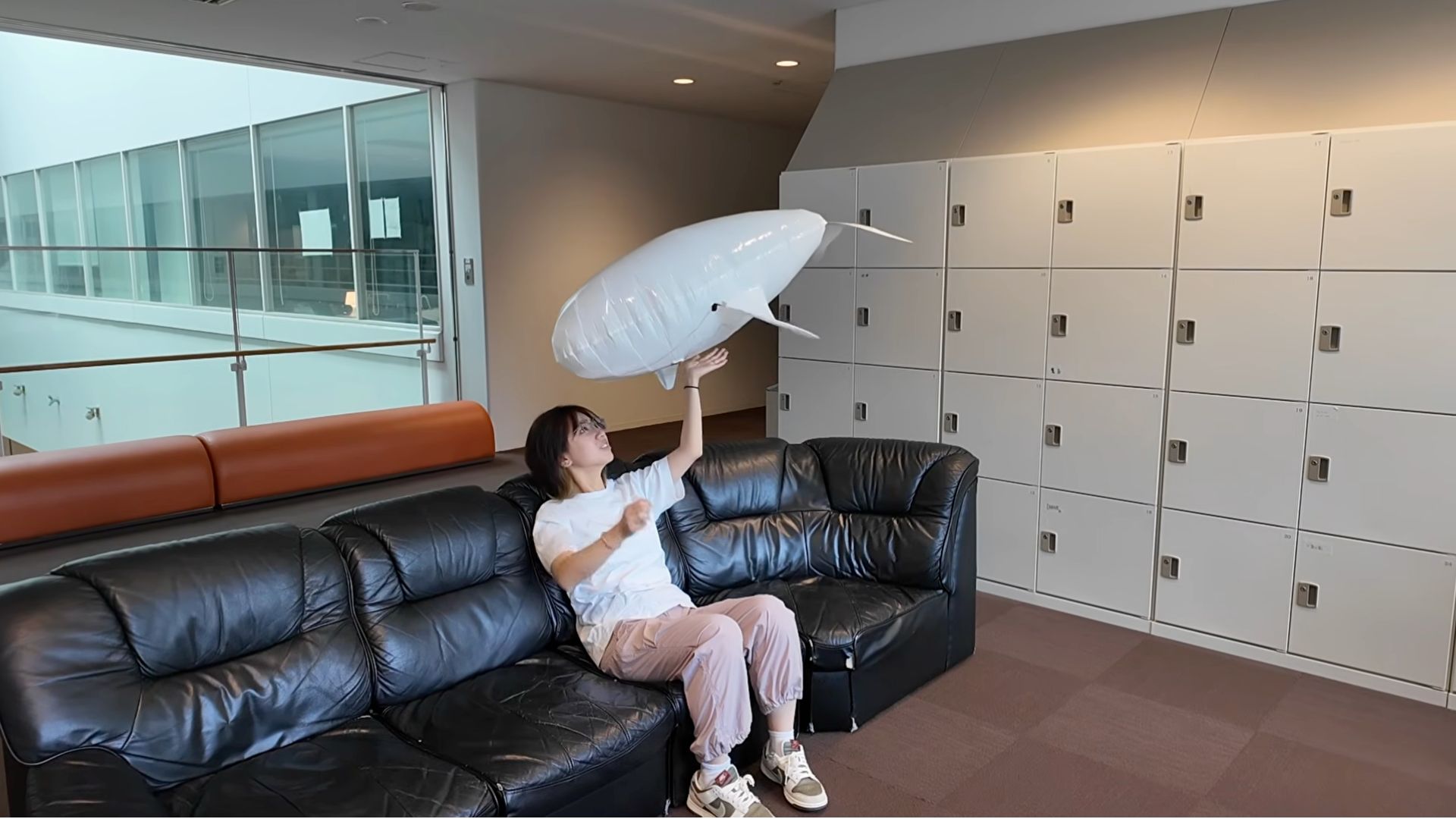
Japanese Researchers Develop Floating Companion Robot Inspired by Fictional Characters
Researchers at Keio University in Tokyo have created a silent, floating companion robot that mimics the movement of animated creatures. This innovative prototype, inspired by characters like Tinker Bell and Pokémon’s Mew, is designed to be approachable and safe for indoor environments. The significance of this development lies in its potential to enhance human-robot interaction at home. Unlike traditional drones, this soft floating robot utilizes helium for buoyancy, resulting in quieter operation and lower energy consumption, making it a more natural companion for users. Looking ahead, the researchers have established a systematic interaction design framework for soft floating robots, which could lead to advancements in mobility and human interaction. No further timeline was disclosed at the time of publication.
AI and Robotics
SpaceX's Starmind Targets AI Labs with $6.3 Billion Compute Contracts
SpaceX's Starmind is designed to provide wholesale AI compute services to businesses, particularly AI labs and cloud customers, rather than individual consumers. The service operates similarly to AWS, where users benefit from applications running on Starmind without direct subscriptions. The compute capacity of a single AI1 satellite is comparable to one NVIDIA GB300 rack, emphasizing its enterprise-grade capabilities. The significance of Starmind lies in its positioning as a potential fourth hyperscaler, joining the ranks of AWS, Microsoft Azure, and Google Cloud. The Reflection AI contract, valued at $150 million per month, exemplifies the enterprise-focused model, with total payments potentially reaching $6.3 billion through 2029. This contract highlights the growing demand for AI compute resources, particularly from AI-native startups and labs. Looking ahead, the focus will remain on securing additional enterprise contracts as Starmind expands its offerings. No consumer-facing products or subscriptions have been announced, and the current strategy is to cater to businesses with substantial AI workloads. No further timeline was disclosed at the time of publication.

SpaceX's $1.75 Trillion Valuation Driven by Starmind's Future Potential
Starmind is a pivotal element in SpaceX's estimated $1.75 trillion IPO valuation, despite currently generating no confirmed revenue. The stock price reflects optimistic projections regarding AI infrastructure growth, which Starmind has yet to substantiate. As of early July 2026, SpaceX's stock has decreased from its 52-week high of $225.64 to around $150, indicating market skepticism about future execution. The significance of Starmind lies in its potential to transform SpaceX's revenue model beyond traditional launch services. Goldman Sachs has shifted its focus from Starlink subscriber growth to the prospects of AI revenue, including orbital computing, as a cornerstone of SpaceX's long-term valuation. This marks a substantial change in how analysts view the company's growth trajectory, necessitating rates exceeding its historical 33% growth. Looking ahead, the credibility of Starmind as a growth narrative will be crucial for maintaining investor confidence. Analysts have noted a considerable divergence in price targets, reflecting uncertainty about the value of the Starmind and xAI initiatives. No further timeline was disclosed at the time of publication regarding specific milestones for these projects.
Tesla's Optimus Robots to Support Starmind Satellite Production, Not Maintenance
Tesla's Optimus robots will not be used to repair Starmind satellites in orbit, as confirmed by recent statements from Elon Musk. Instead, these robots are intended to assist in the construction and operation of the Terafab chip manufacturing facility in Texas. The AI1 satellites, designed to disintegrate upon reentry, highlight the company's swap-and-replace strategy rather than traditional maintenance practices. This approach is significant as it reflects a broader trend in satellite management, where mass-produced satellites are replaced rather than repaired. The economics of servicing missions are prohibitive, with the cost of launching a replacement satellite being significantly lower than conducting a repair mission. This model aligns with SpaceX's operational history, where rapid replacement of satellites is more efficient than attempting to maintain them in orbit. Looking ahead, the focus will remain on the production capabilities of the Gigasat factory, which is expected to support the continuous replacement of satellites. No further timeline was disclosed at the time of publication, but the demand for rapid satellite turnover suggests a robust future for Optimus robots in terrestrial manufacturing rather than in-space servicing.
SpaceX's Starmind Plans 1 Million AI Satellites Amid Collision Risks
SpaceX has announced its ambitious Starmind project, which aims to deploy 1 million AI satellites in orbits between 500 and 2,000 km. This initiative, confirmed by Elon Musk on June 23, 2026, follows a merger with xAI, valuing the combined entity at $1.25 trillion. The satellites will function as orbital data centers, processing AI workloads powered by solar arrays and linked by optical lasers. The significance of Starmind lies in its potential to add 100 gigawatts of AI compute capacity annually, contingent on the successful operation of the Starship launch system. However, the project raises concerns regarding space debris, as the current orbital environment is already congested, with a 20% increase in collision risk reported since 2024. The European Space Agency has highlighted that the density of debris in low Earth orbit is now comparable to that of active satellites, complicating the operational landscape for new entrants like Starmind. Looking ahead, the first operational orbital AI deployments are targeted for 2028, with test launches expected in early 2027. However, the project faces scrutiny regarding its impact on space debris, as even a 1% failure rate could significantly increase the number of uncontrollable objects in orbit, exacerbating existing risks. No further timeline was disclosed at the time of publication.

SpaceX Unveils AI1 Satellite Specs for Starmind Constellation with Key Thermal Challenges
SpaceX has introduced the AI1 satellite, the inaugural component of its Starmind constellation, which stands 20 meters tall and has a wingspan of 70 meters. This orbital compute node is designed to deliver computing power equivalent to one NVIDIA GB300 server rack, utilizing a unique cooling system with deployable liquid radiators. The satellite's specifications were revealed during a presentation on June 8, 2026, ahead of SpaceX's IPO. The significance of the AI1 satellite lies in its role as a compute platform rather than a traditional satellite, focusing on running AI inference workloads. The satellite's cooling system, which is critical for its operation in the vacuum of space, is designed to reject heat through infrared radiation. However, independent engineers have raised concerns about the feasibility of the thermal and mass claims made by SpaceX, suggesting that the cooling requirements may exceed practical limits. Looking ahead, SpaceX plans to launch two AI1 prototypes in early 2027, with full-scale production expected to commence later that year at its Gigasat facility in Bastrop, Texas. The ongoing debate regarding the satellite's thermal management capabilities will be crucial to monitor as the project progresses, with no further timeline disclosed at the time of publication.
SpaceX's Starmind Faces Feasibility Challenges for 1 Million Satellite Deployment
On January 30, 2026, SpaceX submitted a request to the FCC to launch up to 1 million satellites as part of its Starmind orbital compute constellation. This ambitious plan is unprecedented, as the total number of satellites ever launched globally is in the low tens of thousands. The proposal seeks a waiver from standard deployment milestones, citing reliance on the Starship's full reusability for success. The significance of this request lies in the technical and logistical challenges it presents. Experts warn that low Earth orbit may not support the proposed number of active satellites without risking a debris cascade. SpaceX's own IPO prospectus acknowledges unresolved dependencies related to Starship's launch cadence and reusability, which are critical for the orbital AI compute strategy. Looking ahead, the timeline for achieving the necessary launch cadence and manufacturing capacity remains uncertain. SpaceX's Gigasat facility in Texas aims for volume production by late 2027, but this would require unprecedented output levels. No further timeline was disclosed at the time of publication, leaving the feasibility of the Starmind project in question.

UBTech’s lifelike humanoid robots built for companionship arriving in homes across China
UBTech Robotics, recognized as the world's first publicly traded humanoid robot manufacturer, has introduced a new consumer humanoid robot aimed at personal companionship. The U1 model, unveiled on Tuesday in Shenzhen, features lifelike silicone skin and advanced emotional artificial intelligence, reflecting a growing trend among Chinese tech companies to shift robotic applications from industrial settings to domestic environments. Available in both male and female versions, the U1 stands at 183 cm and 168 cm tall, respectively, and comes in three variants: Lite, Pro, and Ultra. This launch signifies a notable advancement in the integration of robotics into everyday life, as UBTech seeks to enhance human-robot interaction in personal spaces.

Post-00s entrepreneurs take center stage at 36Kr offline event: "Go big or go home."
On the evening of May 29, 36Kr and Light Source Capital hosted the second offline gathering titled "TokenAge" in Beijing, focusing on the impact of AI on productivity rather than just token consumption metrics. The event featured four prominent guests from the AI startup scene: Huang Yi, founder of RoboParty, which specializes in open-source bipedal robots; Zheng Jiaxi, founder of Eup Robotics, developing underwater inspection robots for offshore energy platforms; Jin Ruofan, founder of Science Intelligence, exploring AI applications in scientific research; and Huang Xinxin, head of Light Source Capital's 3i Innovation Incubator. The gathering highlighted the challenges faced by young entrepreneurs in the AI sector, emphasizing the need for rapid product delivery and clear commercialization strategies. Attendees, including entrepreneurs and investors, engaged in discussions about how companies should reorganize in the AI era and why AI has yet to significantly enhance organizational efficiency. Light Source Capital's CEO, Zheng Xuanle, noted that AI represents a fundamental shift in productivity, akin to electricity, and is driving innovation across various sectors. The event underscored the importance of understanding AI's potential and the necessity for organizations to adapt to its rapid evolution. As AI becomes increasingly integrated into business processes, the focus will shift from merely adopting technology to fostering a culture of innovation and strategic thinking among teams. The evening concluded with each guest setting ambitious goals for the coming year, reflecting their commitment to advancing their respective fields within the AI landscape.
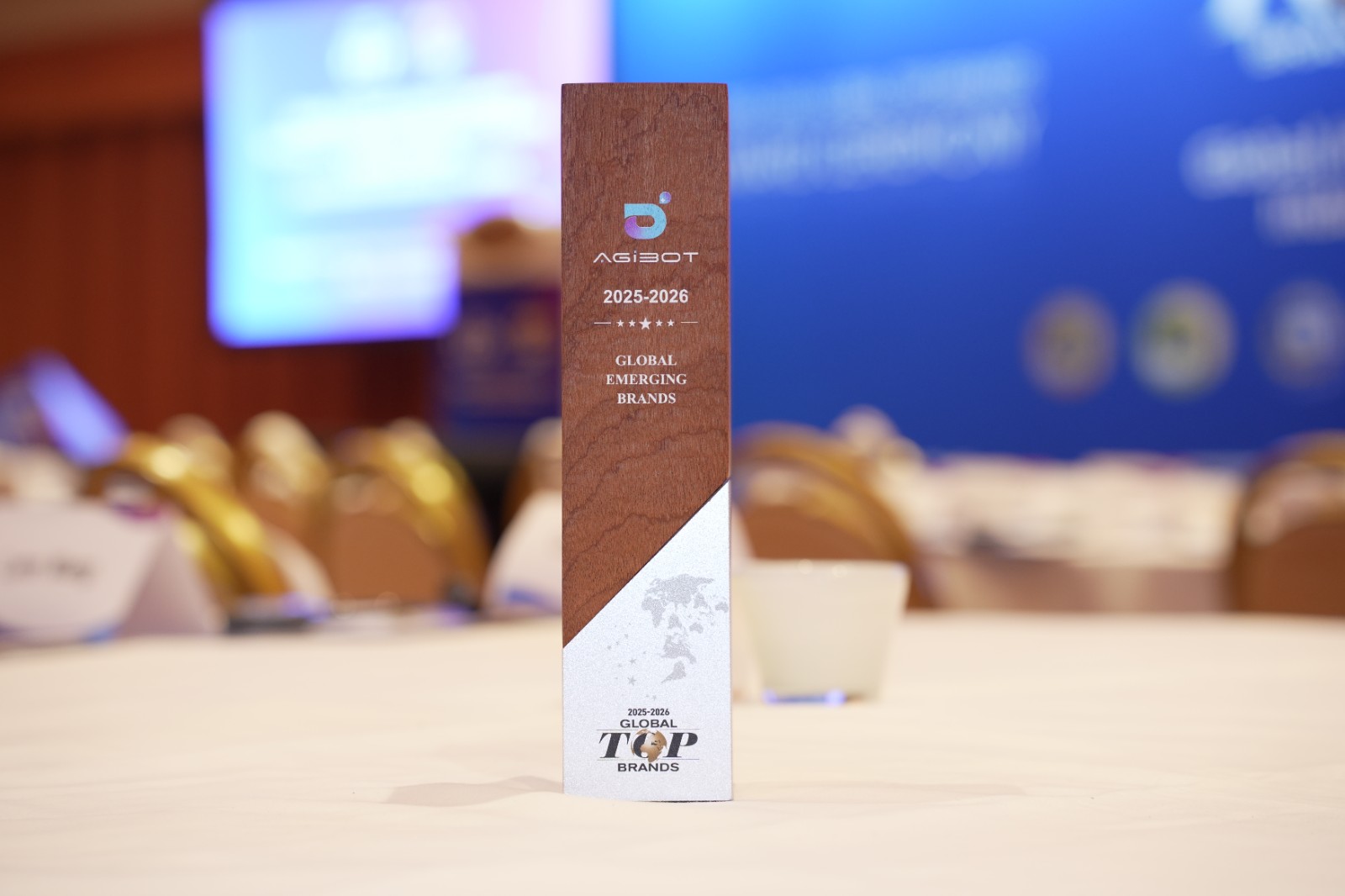
AGIBOT's Humanoid Robots Take Home Multiple Best of CES 2026 Awards Following U.S. Debut
At CES 2026, AGIBOT showcased its advanced humanoid and quadruped robots, marking a significant milestone in the company's U.S. debut. The innovative designs garnered multiple Best of CES awards, underscoring AGIBOT's emergence as a leader in the robotics industry. The A2 Series and other models were praised for their operational maturity and practical applications across various sectors, demonstrating AGIBOT's effective transition from research and development to market deployment. This achievement reflects the company's commitment to advancing robotics technology and addressing real-world challenges.
Robotics Humanoid Robots Artificial Intelligence Technology CES 2026
1X Unveils NEO Robot Hand with Unmatched Precision for Household Tasks
1X has introduced the NEO robot hand, showcasing its ability to perform intricate tasks with remarkable precision. The hand features 25 degrees of freedom and utilizes a tendon-driven structure, mimicking human muscle and tendon systems, allowing for smooth and natural movements. The NEO hand can perform tasks such as separating grapes, twisting light bulbs, and pulling zippers, demonstrating capabilities that closely resemble human dexterity. The significance of the NEO robot hand lies in its potential applications as a household assistant, capable of performing chores, caring for the elderly, and aiding in rehabilitation. Its design incorporates numerous sensors that enable it to not only grasp objects but also assess how to grip them without causing damage. This advancement marks a critical step towards creating robots that can seamlessly integrate into daily life. Looking ahead, the NEO hand's uncanny resemblance to human hands raises questions about the 'uncanny valley' effect, where human-like robots elicit discomfort. As 1X aims to position the NEO as a versatile home assistant, the balance between functionality and human likeness will be crucial in its acceptance. No further timeline was disclosed at the time of publication.
Robotics Dexterous Manipulation AI Technology Human-Robot Interaction
SpaceX Launches Starmind Project for 1 Million AI Satellites by 2028
SpaceX has officially named its orbital AI infrastructure project 'Starmind,' which aims to deploy a constellation of up to 1 million satellites. This initiative, confirmed by Elon Musk on June 22, 2026, will enable AI inference directly in space, utilizing solar energy rather than terrestrial power sources. The first satellite, designated AI1, was unveiled on June 8, 2026, and is designed to operate in sun-synchronous orbits. The significance of Starmind lies in its potential to overcome the limitations faced by ground-based data centers, such as land, power, and water constraints. By running AI computations in orbit, Starmind can provide a more efficient solution to the growing demand for AI computing power. The project leverages the existing Starlink infrastructure for data transmission, distinguishing its function from Starlink's internet relay capabilities. Looking ahead, SpaceX plans to begin hardware deployment with the AI1 satellite, while full-scale production and deployment of the satellite constellation are targeted for 2028. As of now, no Starmind satellites have been launched, and further engineering challenges remain to be addressed, particularly regarding the scalability of the satellite design.

Starmind's Orbital Compute vs. Terrestrial Data Centers: Analyzing Resource Advantages
Starmind's orbital compute technology presents a significant advantage over traditional ground-based data centers by eliminating constraints related to land, water, and grid permitting. While terrestrial data centers are currently cheaper and faster to construct, with U.S. data center spending reaching $85.3 billion in 2026, Starmind's approach focuses on addressing the growing resource limitations faced by hyperscale facilities. The significance of Starmind's technology lies in its ability to sidestep the increasing challenges of land and water usage. For instance, a 100 MW data center can consume approximately 530,000 gallons of water daily for cooling, while Starmind's AI1 utilizes deployable liquid radiators that require no water. This structural advantage could resonate with investors as the demand for AI computing continues to escalate, potentially leading to annual water withdrawals of up to 1.7 trillion gallons by 2027. Looking ahead, Starmind's next milestones include the launch of AI1 prototypes scheduled for early 2027. However, the technology's claims regarding cooling efficiency and operational reliability remain unverified until real flight data is available. As the industry evolves, the competition between orbital and terrestrial solutions will become increasingly relevant, particularly in the context of resource management and sustainability.

Starmind's Satellite Technology Achieves 880 Billion Liters in Annual Water Savings
Starmind has announced that its satellite technology can save approximately 880 billion liters of cooling water annually at full scale. This figure is equivalent to the annual household water use of around 6.5 million Americans. The technology operates by utilizing a closed-loop liquid cooling system that eliminates the need for water during its operational life, contrasting sharply with traditional ground data centers that consume vast amounts of water for cooling. The significance of this achievement lies in the growing water consumption crisis faced by data centers, particularly as AI expansion drives demand. In 2025, U.S. data centers consumed nearly one trillion liters of water, highlighting the urgent need for sustainable solutions. Starmind's approach not only addresses direct water usage but also avoids indirect water consumption associated with electricity generation, marking a substantial shift in how computing can be conducted in a resource-efficient manner. Looking ahead, Starmind's deployment strategy includes a projected buildout of 100 GW of orbital compute per year, which could displace an additional 735 billion liters of ground water demand annually. The first tranche of 10,000 satellites is already operational, offsetting approximately 8.8 billion liters of water per year. No further timeline was disclosed at the time of publication.
SpaceX Proposes 1 Million AI Satellites to Address Ground Data Center Constraints
On January 30, 2026, SpaceX filed with the FCC to launch up to 1 million AI compute satellites, positioning orbital data centers as a solution to the increasing demand for AI computing power. Ground data centers are facing significant challenges, with energy consumption projected to reach approximately 1,050 TWh in 2026, making them the fifth-largest electricity consumer globally. The demand for new data center capacity is outpacing the growth of power generation infrastructure, leading to a critical bottleneck in the grid system. The significance of this initiative lies in the structural constraints faced by ground data centers, including power delivery limitations, high water consumption, and local opposition to new projects. The Uptime Institute's 2026 outlook identifies power as the primary constraint on data center growth, with capacity clearing prices in the PJM grid skyrocketing to $329.17/MW, driven by data center expansion. Additionally, cooling requirements are becoming increasingly unsustainable, with facilities consuming vast amounts of water, further complicating their operational viability. Looking ahead, SpaceX's orbital AI compute initiative aims to circumvent these challenges by leveraging the advantages of space, such as continuous solar power and minimal local opposition. The first AI prototypes are expected to launch in early 2027, with operational deployments planned for 2028. No further timeline was disclosed at the time of publication.
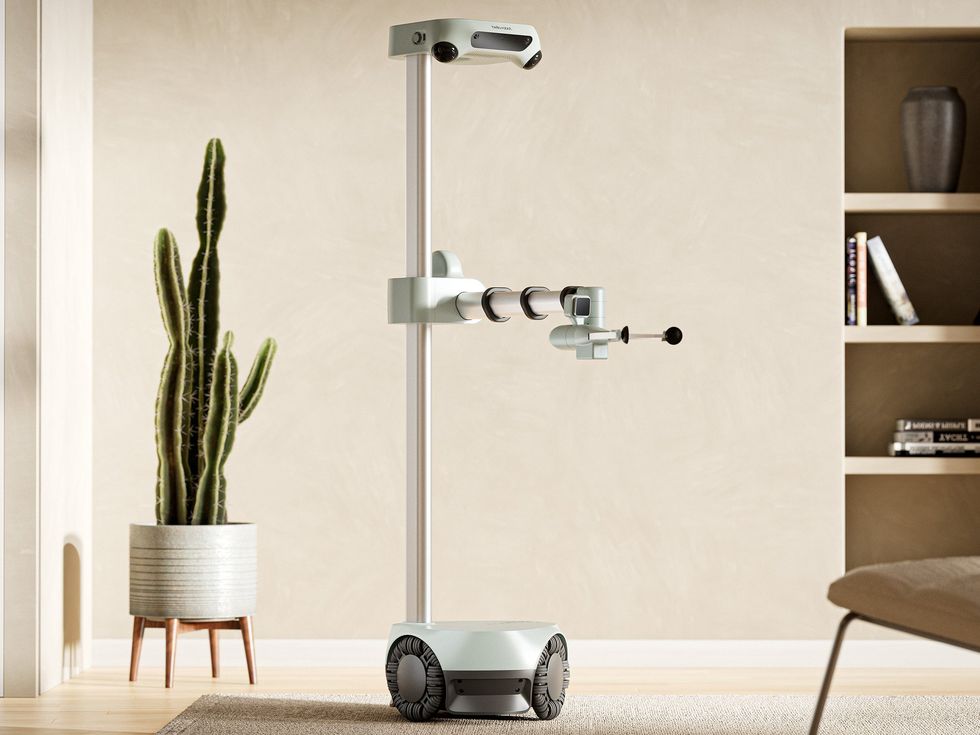
Hello Robot Sets the Standard for Practical, Safe Home Robots
Hello Robot has announced the launch of Stretch 4, a new version of its mobile robot designed for practical household tasks. This announcement comes as the company aims to transition from research-focused robotics to a deployable solution for home use, particularly for individuals with severe mobility impairments. The unveiling took place today, with the robot's design emphasizing mobility and manipulation over humanoid features. Stretch 4 features an advanced omnidirectional base allowing it to move in any direction, enhancing user control. The robot is equipped with a sophisticated sensor suite for improved navigation and autonomy, including cameras and lidar technology. Co-founders Aaron Edsinger and Charlie Kemp highlighted the challenges faced during the design process, aiming to avoid overcomplicating the robot while ensuring it meets real-world needs. The robot is intended for pilot deployments in homes, with the goal of gathering data to refine its capabilities for everyday use. Unlike humanoid robots, which may not effectively serve individuals with disabilities, Stretch 4's wheeled design is seen as more practical and safer for home environments. Priced at $29,950, Stretch 4 is positioned as an affordable option in the mobile manipulation market, with plans for further development leading to a commercially viable assistive robot in the near future.
Hello-robot Home-robots Humanoid-robots Mobile-manipulator Mobility-impaired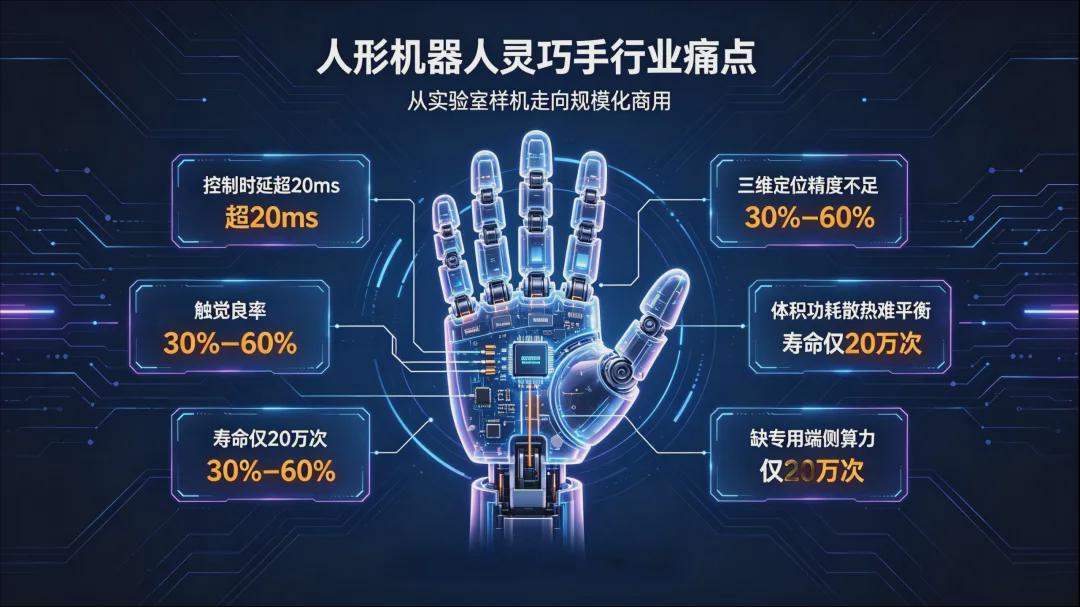
China's First Integrated Chip Solution for Dexterous Hands: 0.1mm Precision and Ultra-Low Latency
A Chinese semiconductor company has unveiled a groundbreaking integrated chip solution designed for dexterous robotic hands, effectively tackling significant challenges such as high latency and low precision. This innovative technology merges AI ASIC capabilities with advanced materials, resulting in improved performance and cost efficiency. The new chip is poised to enhance the functionality of robotic systems across a range of applications, including industrial collaboration and home assistance. By enabling high-precision tasks, this development marks a significant advancement in the field of robotics, promising to transform how robots interact with their environments.
Robotics AI Dexterous Hands Chip Technology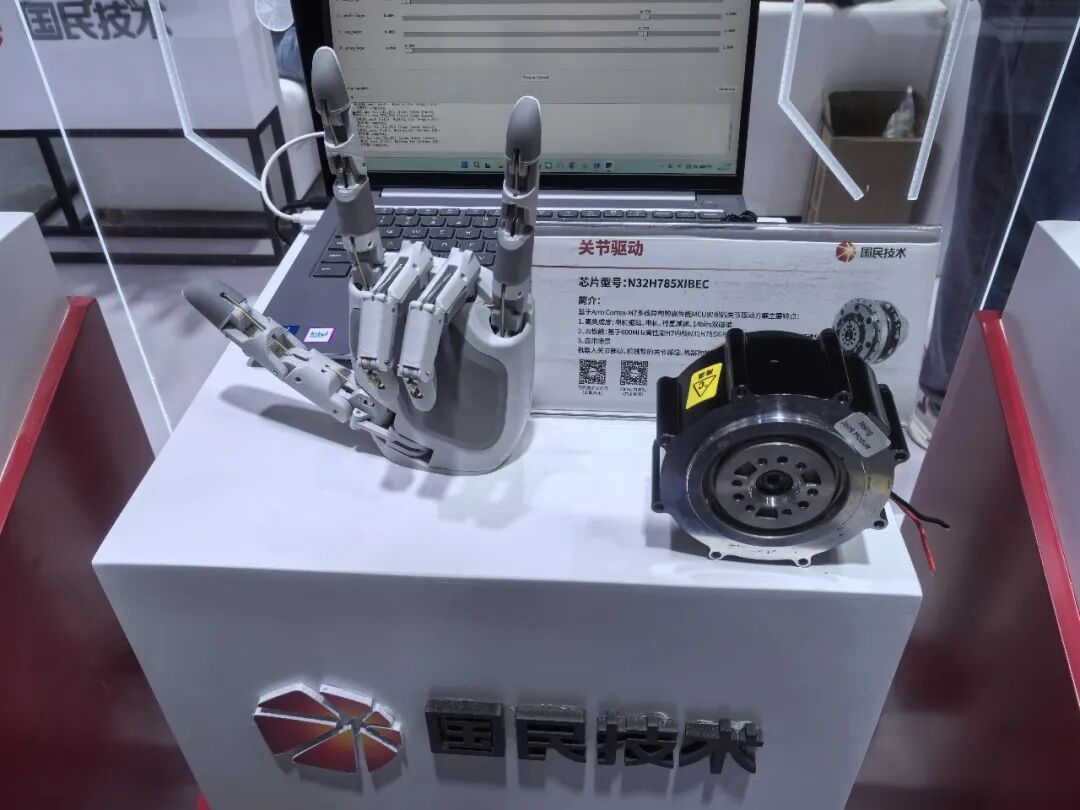
From Race Tracks to Living Rooms: Adapting Chip Solutions for Robotic Applications
Guomin Technology has unveiled its N32H series microcontroller unit (MCU), which is set to revolutionize a range of robotic applications, including marathon-running humanoid robots and smart home assistants. This innovative chip boasts advanced capabilities in real-time response, precision control, and energy management, making it effective in diverse environments. The article also addresses the challenges faced in creating dexterous robotic hands and emphasizes the reliability needed for industrial applications. With these advancements, Guomin Technology aims to enhance the functionality and efficiency of robotics, paving the way for more sophisticated and versatile robotic solutions.
Robotics MCU Technology AI Solutions Smart Home Devices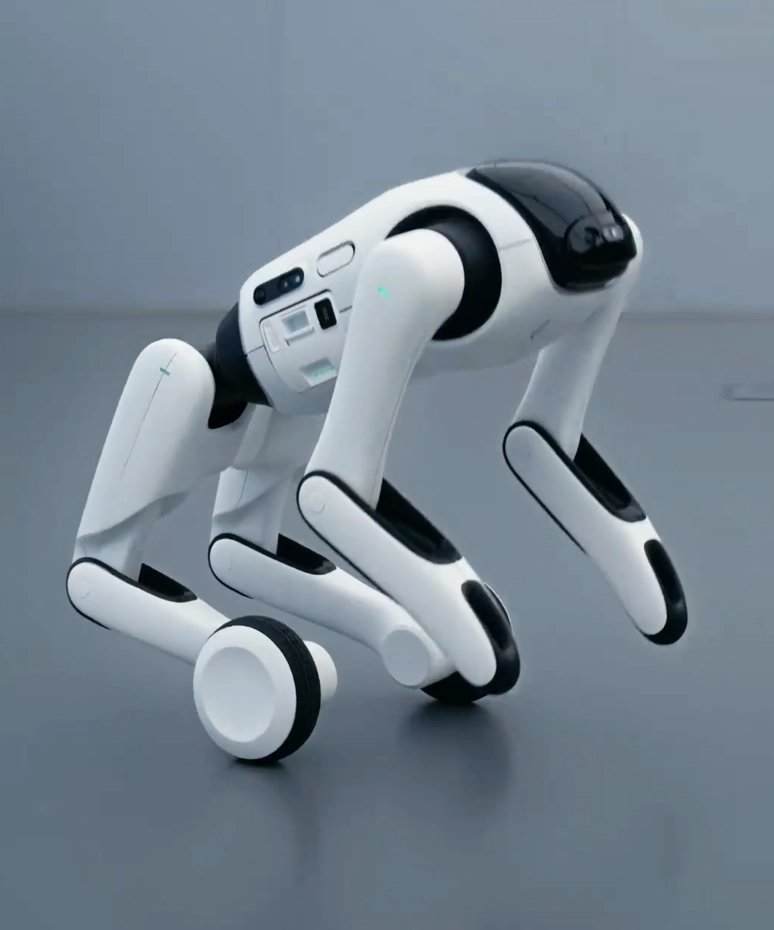
Swancor Qiyuan T1 to Showcase Transformative Personal Robot at WAIC 2026
Swancor Qiyuan's T1, touted as the world's first 'transformable personal robot,' will be publicly demonstrated on July 17, 2026, at the World Artificial Intelligence Conference (WAIC 2026). This robot features a unique Transformer architecture that allows seamless switching between humanoid and quadruped modes, enhancing its interaction and mobility capabilities in various home environments. The significance of the T1 lies in its ability to autonomously select its form based on terrain and tasks, moving beyond traditional manual controls. This innovation is expected to expand the scenarios in which personal robots can operate, addressing common household obstacles while reducing the overall ownership cost for users by eliminating the need for multiple devices. Looking ahead, Swancor's strategy focuses on content creation, education, and companionship rather than general household chores. With offline experience stores already established in major Chinese cities, the T1's success will depend on its pricing and acceptance in the market, potentially proving that adaptable robots hold greater commercial value than those merely mimicking human form.
Transformable Robots Home Robotics AI Technology Robotic Innovation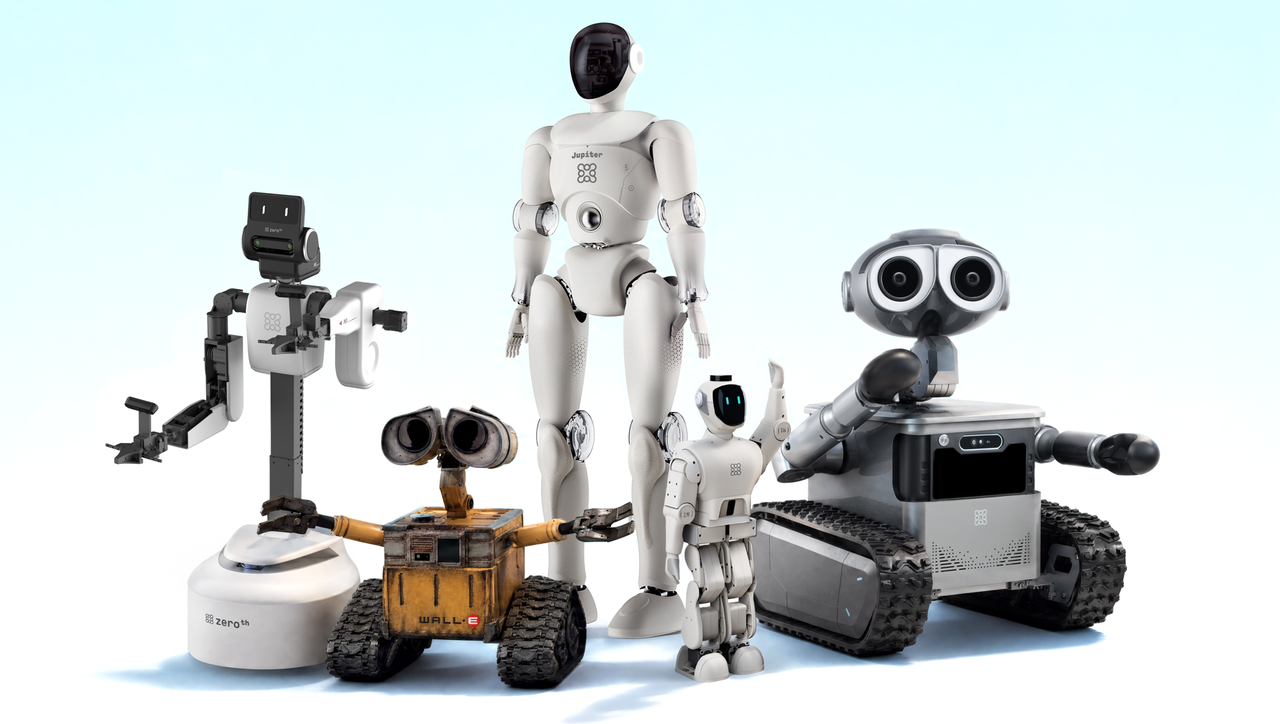
Ant Group Leads $70 Million Investment in Suzhou Lexiang Smart Technology for Home Robotics
Suzhou Lexiang Smart Technology has successfully raised nearly 500 million RMB in a Pre-A funding round, with Ant Group leading the investment. This funding will be utilized to enhance the company's home robotics brand, 'Zeroth'. The company has already received over 30,000 orders for its innovative humanoid robots, which are designed to facilitate family interaction and provide support. With this strong demand, Lexiang anticipates a remarkable 600% revenue growth by mid-2026, reflecting its commitment to advancing technology in the home robotics sector.
Home Robotics AI Technology Investment Smart Home Humanoid Robots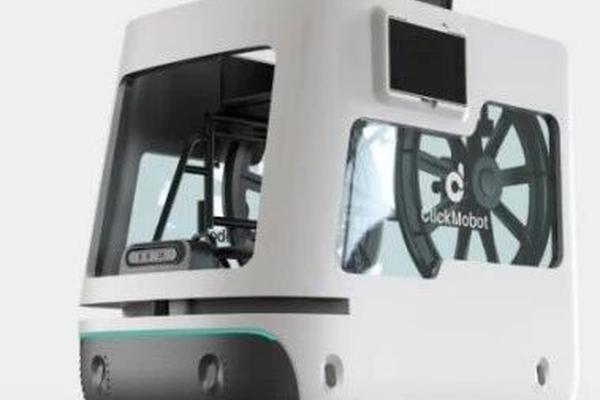
Tsinghua and CAS teams collaborate with West China Hospital to develop a home care transport robot.
Shenzhen-based Kolidian Technology Co., Ltd. has recently secured strategic financing led by Lihe Kechuang, with participation from the Jiangsu Zhongke Intelligent Science and Technology Application Research Institute. This funding will primarily support product development, team expansion, and commercialization efforts. Kolidian focuses on AI and robotics in the eldercare sector, offering products designed for home companionship and rehabilitation. The company has developed a proactive companionship robot for home use and a rehabilitation transport robot in collaboration with Sichuan University’s West China Hospital. Both products have completed prototype development and are moving towards small-scale production and commercialization. As China's population ages, the silver economy is emerging as a significant market, with projections suggesting it could exceed 30 trillion yuan by 2035. The national strategy to actively address aging demographics is driving growth in the eldercare robotics sector. The GR-150 rehabilitation transport robot, designed for medical and eldercare institutions, utilizes advanced navigation and sensor fusion technology to assist patients with mobility. Kolidian's second-generation home companionship robot integrates health monitoring, emotional support, cognitive assistance, and safety features. It can interact with users, detect falls, and provide alerts, while also offering multimedia capabilities. The company aims to finalize product design by the third quarter of 2026 and begin small-scale production by the fourth quarter, with plans for revenue generation by 2027. The founding team, led by Wang Yuheng, combines expertise from prestigious institutions, positioning the company to capitalize on the growing demand for intelligent eldercare solutions. Investors view Kolidian as a promising player in the intersection of the silver economy and embodied intelligence.

TUYA Partners with Zeroth on Smart Home Robots
Tuya Inc., a prominent player in the AI and IoT sector, has announced a strategic partnership with Zeroth on June 12, 2026, to enhance the capabilities of smart home robots. This collaboration aims to merge Tuya's advanced AI+IoT ecosystem with Zeroth's robotics expertise, creating intelligent household companions that can adapt to user needs. Traditionally, home service robots have functioned as isolated devices, limiting their integration with other smart home systems. The partnership seeks to overcome this challenge by enabling robots to serve as integrated hubs within connected homes, effectively managing various devices such as lighting, climate control, and security systems. Utilizing Tuya's proprietary Physical AI Engine (PAE), the robots will transform into proactive household managers, enhancing the overall smart living experience. This initiative reflects Tuya's commitment to delivering innovative solutions in the smart device market while addressing the growing demand for more sophisticated home automation.

Sunrun Surges 26% on 16-Gigawatt Virtual Power Plant Deal With Tesla and Renew Home
Sunrun's stock surged by 26% to $16.17 on June 24, 2026, following the announcement of a significant partnership with Tesla and Renew Home to create a 16-gigawatt virtual power plant. This collaboration aims to address the increasing electricity demand from data centers and artificial intelligence workloads, which Goldman Sachs projects will reach 66 gigawatts by 2027. The partnership will leverage dispatchable capacity from home battery systems and smart devices, positioning Sunrun as a key player in the energy market without the need for new infrastructure. The initiative is particularly relevant in Virginia, where the partners already have over 300 megawatts ready for deployment, expected to grow to at least 500 megawatts by 2030. Sunrun CEO Mary Powell emphasized the urgency of modernizing the grid to meet contemporary energy needs, while Tesla's Colby Hastings highlighted the existing resources in American homes as part of the solution. Despite the positive market reaction, Sunrun's stock remains down 11% year-to-date, raising questions about the sustainability of this rally. Investors are advised to monitor the company's ability to secure firm contracts with hyperscalers and the execution of their capacity plans in the coming months, as these factors will be crucial for the company's future performance.
Embodied AI Chip Market Heats Up as Multiple Players Race for Dominance
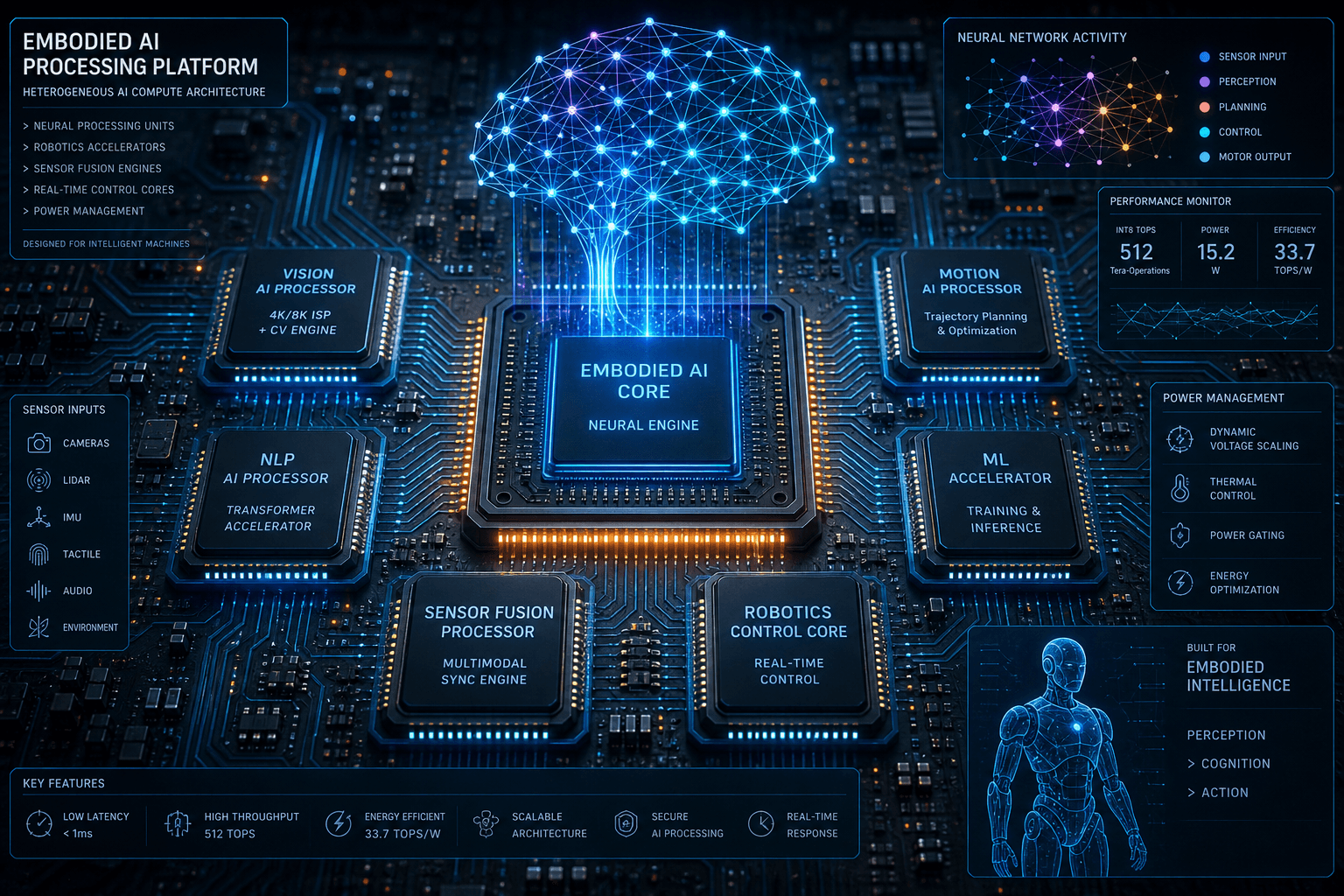
The embodied AI chip market is experiencing rapid growth as various companies compete for leadership in this emerging sector. As of October 2023, advancements in artificial intelligence and robotics have fueled the demand for specialized chips that enhance machine learning capabilities and improve efficiency in automated systems. Major tech firms and startups alike are investing heavily in research and development to create innovative solutions that cater to diverse applications, from autonomous vehicles to smart home devices. This surge in competition is driven by the increasing need for more sophisticated AI technologies that can process data in real-time and adapt to changing environments. As players in the market strive to differentiate their products, collaborations and partnerships are becoming common strategies to accelerate development and gain a competitive edge. The race for dominance in the embodied AI chip market is expected to intensify, with significant implications for the future of technology and automation.
AI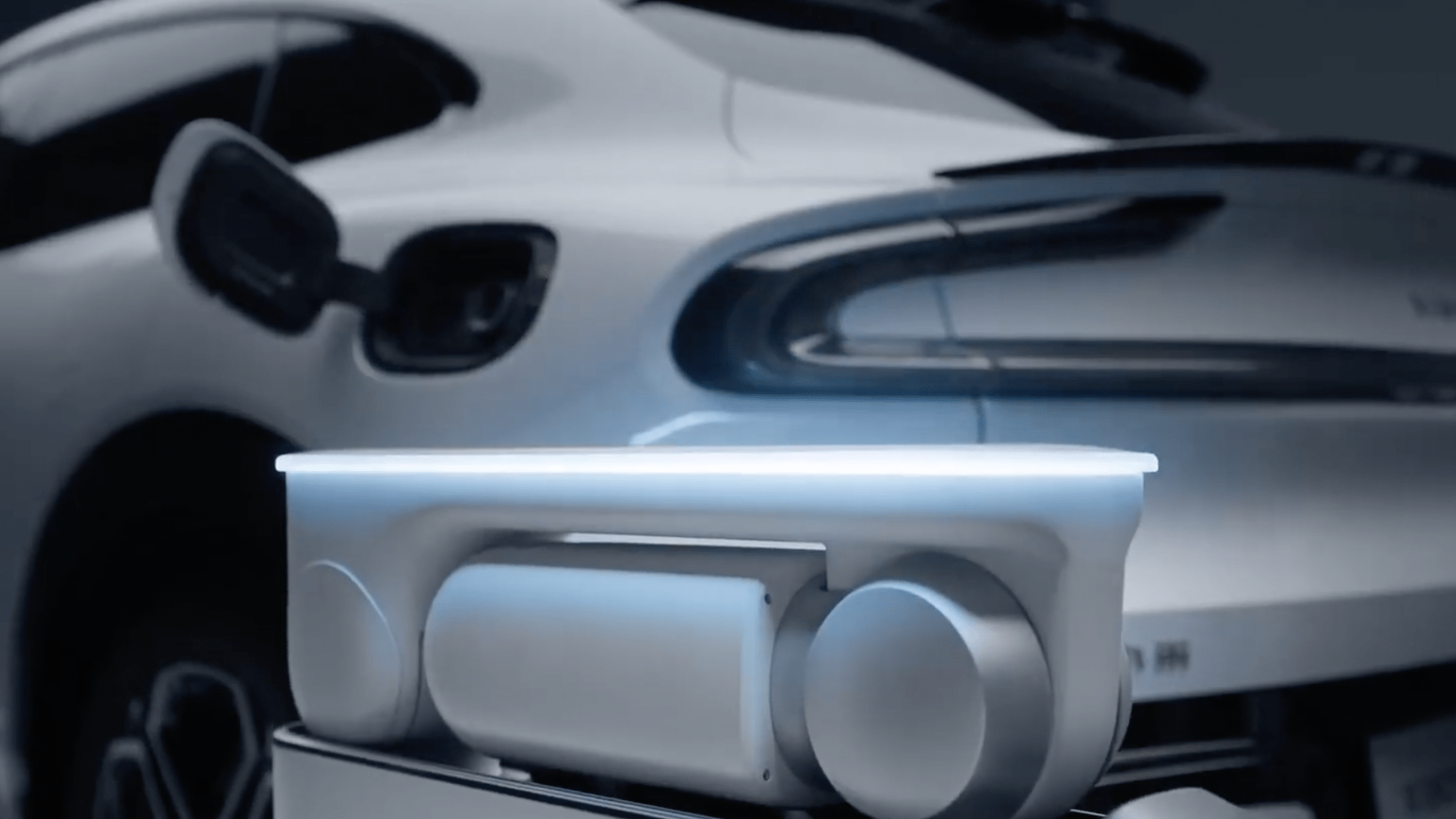
China’s Xiaomi unveils robotic arm that enables remote, hands-free home EV charging
Xiaomi, the prominent Chinese technology company, recently unveiled its strategic vision for the future of smart home technology during a press event held in Beijing. This announcement, made on October 15, 2023, highlights the company's commitment to enhancing user experience through innovative products and seamless integration of smart devices. The initiative aims to address the growing demand for interconnected home environments, driven by an increase in remote work and digital lifestyles. By leveraging advancements in artificial intelligence and the Internet of Things, Xiaomi plans to create a more intuitive and responsive ecosystem that simplifies everyday tasks for consumers. During the event, executives showcased a range of new products designed to work harmoniously within this ecosystem, emphasizing the importance of user-friendly interfaces and energy efficiency. The company also outlined its plans for expanding partnerships with other tech firms to enhance compatibility and functionality across various platforms. Xiaomi's vision reflects a broader trend in the tech industry, where companies are increasingly focused on creating smart solutions that cater to the evolving needs of consumers. As the market for smart home devices continues to grow, Xiaomi's proactive approach positions it as a key player in shaping the future of home automation.
Energy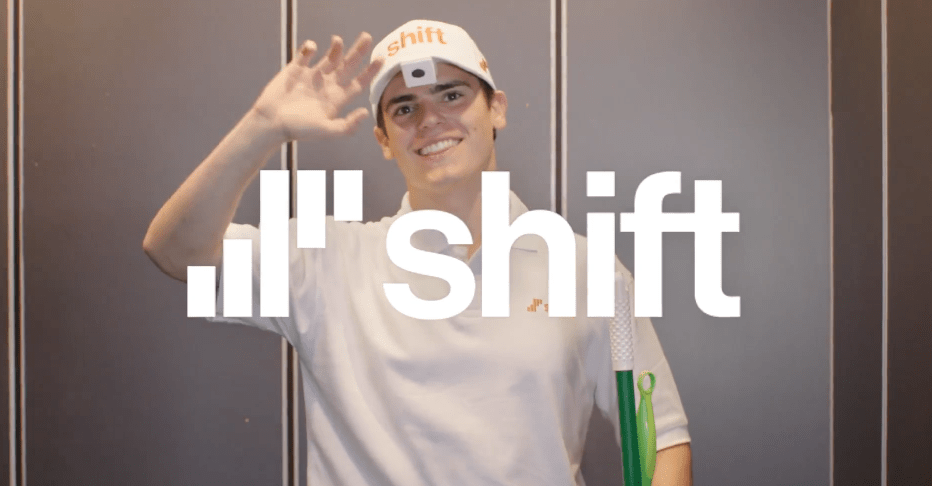
This AI startup will clean your home for free to train future robots
AI training startup Shift has launched an unconventional initiative, offering free home cleaning services in exchange for the opportunity to record the cleaning process. The company aims to capture footage of cleaners as they perform various tasks such as scrubbing, vacuuming, dusting, tidying, and washing, which will be utilized to enhance the training of robots. This unique offer was announced on social media, sparking interest and curiosity among potential participants. Shift's motivation behind this initiative is to gather real-world data that can improve robotic cleaning technology, ultimately aiming to create more efficient and effective automated solutions for household chores.
AI News Robot Tech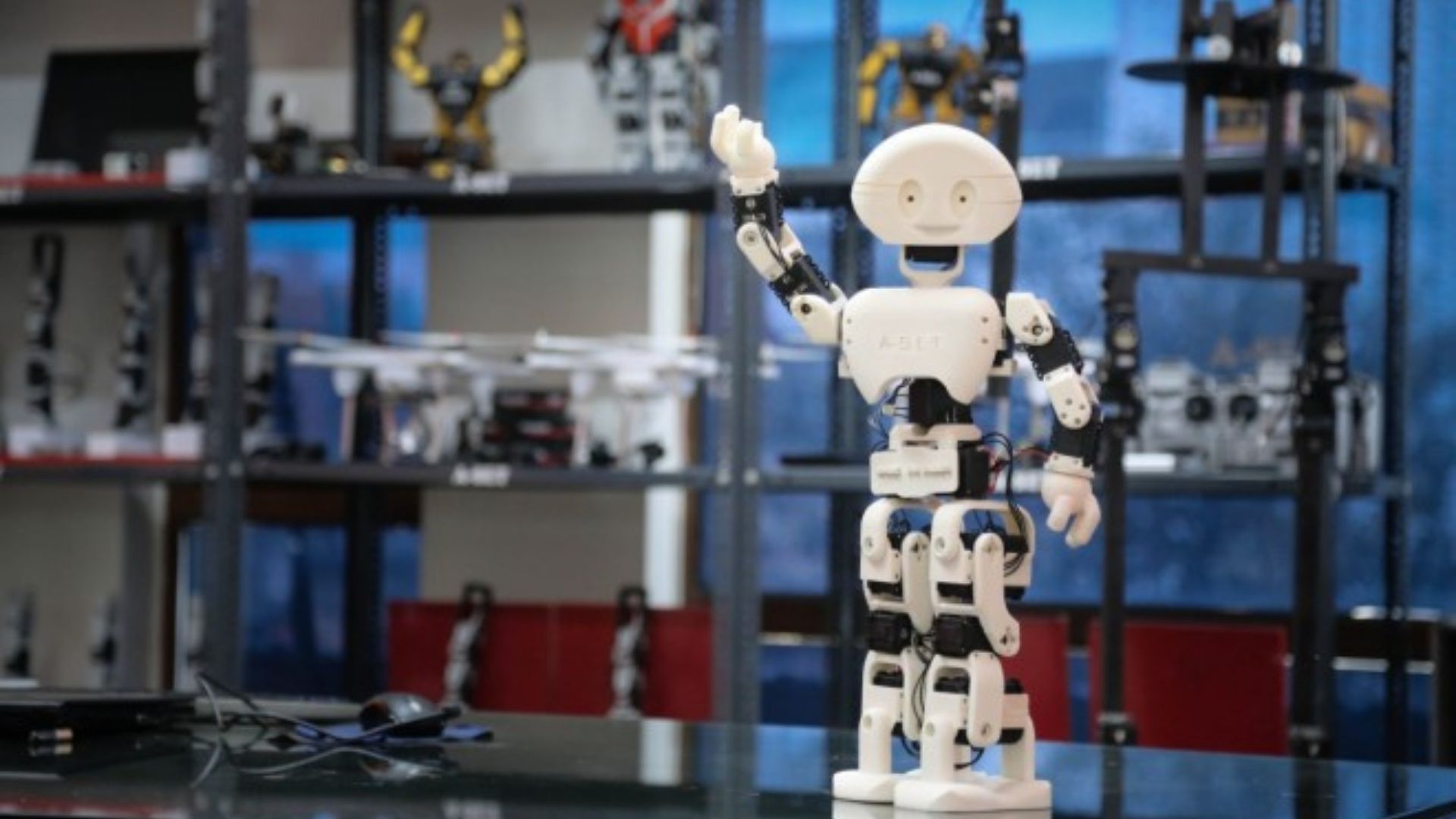
Chinese firm eyes 2027 home robot launch with Wuhan pilot and sub-$15K pricing
Chinese tech company GigaAI has launched what it claims to be the first commercial robotic butler, marking a significant advancement in home automation technology. The unveiling took place at a technology expo in Beijing on October 15, 2023. This innovative device aims to enhance everyday living by performing various household tasks, such as cleaning, cooking, and providing companionship, thereby addressing the growing demand for smart home solutions. The motivation behind GigaAI's development of the robotic butler stems from the increasing interest in automation and artificial intelligence among consumers, who seek convenience and efficiency in their daily routines. The company has integrated advanced AI algorithms and machine learning capabilities into the device, allowing it to adapt to individual household needs and preferences. During the launch event, GigaAI demonstrated the butler's functionalities, showcasing its ability to navigate complex home environments and interact with family members. The company plans to begin commercial sales in early 2024, with the goal of making this technology accessible to a broader audience. As the market for smart home devices continues to expand, GigaAI's robotic butler could potentially revolutionize the way people manage their households, setting a new standard in the industry.

Robot.com Launches R-ads, Redefining Out-of-Home Advertising With Its Autonomous Robot Media Network
Robot.com has unveiled R-ads, an innovative advertising platform that transforms autonomous robots into a measurable out-of-home media network. Launched on May 21, 2026, the platform aims to enhance physical advertising by making it as accountable as digital formats. This initiative follows the company's successful execution of over 100 brand activations across more than 20 countries, including high-profile events such as sports leagues and global tech conferences. R-ads operates on the premise that interactive advertising can significantly boost engagement. With over 500 robots currently deployed in various settings, including campuses and city streets, the platform has completed 2.5 million tasks. Judah Longgrear, co-founder of Robot.com, emphasized that R-ads combines the reach of traditional billboards with the interactive capabilities of robots, allowing brands to measure every impression effectively. The platform offers a self-serve advertising suite that includes moving robots, vehicle wraps, and digital screens, enabling campaigns to launch in minutes with real-time analytics. Notably, R-ads recently partnered with the Ad Council for a 15-day activation in Miami, coinciding with National Heatstroke Prevention Day. This campaign utilized the robots' digital displays due to venue restrictions, generating over 147,000 impressions within the first four days. Robot.com’s CEO, Felipe Chavez, highlighted that R-ads exemplifies the multifunctionality of robots, which can deliver, advertise, and collect data, ultimately making robotic technology more accessible and economically viable.
First-in-US: Gatsby’s humanoid robot performs home cleaning service for client
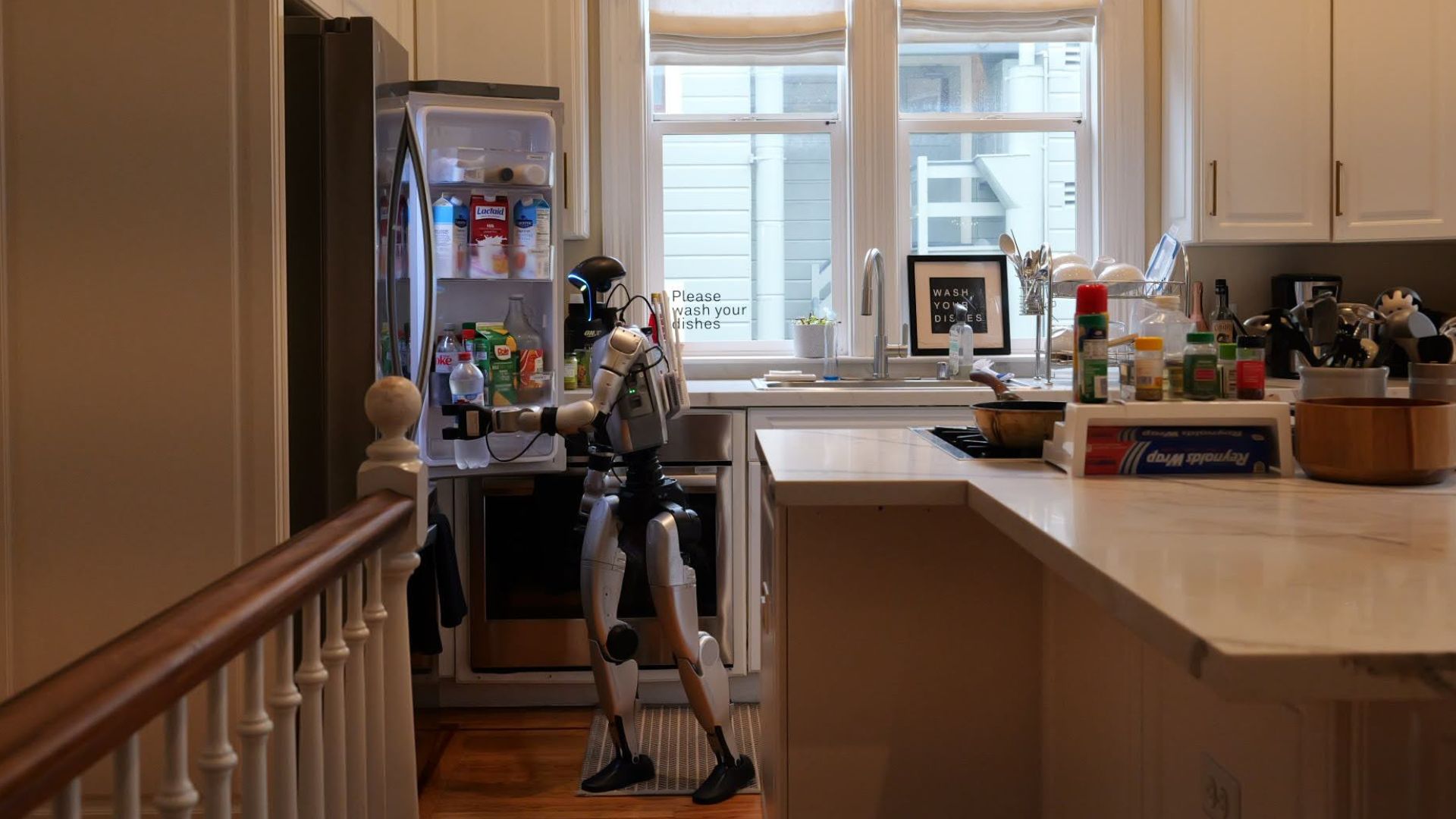
A groundbreaking innovation in household chores has emerged with the introduction of a new robotic assistant designed to streamline daily cleaning tasks. This advanced device, crafted from brushed aluminum, is equipped with iOS compatibility, allowing users to control it seamlessly through their smartphones. The launch of this technology is set for November 2023, with demonstrations taking place at a prominent tech expo in San Francisco. The motivation behind this development stems from the increasing demand for smart home solutions that enhance convenience and efficiency in busy households. By integrating artificial intelligence and machine learning, the robotic assistant learns user preferences and adapts its cleaning routines accordingly, promising a personalized experience for each home. The creators of this innovative product aim to alleviate the burden of housework, freeing up valuable time for individuals and families. As the trend towards automation in everyday life continues to grow, this robotic assistant represents a significant step forward in the evolution of home management technology.
Robin Radar Names Homeland Security and Defense Leads for US Expansion
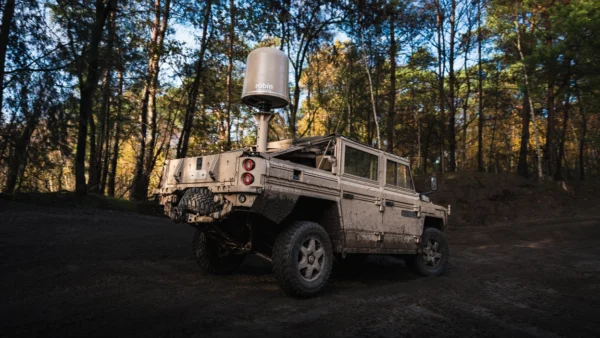
Robin Radar Systems, a Dutch company specializing in drone-detection radar, has announced a significant expansion in the United States to meet the growing demand for homeland security solutions. On May 18, 2026, the company revealed the appointment of senior sales leadership and the establishment of a larger headquarters in Virginia. This strategic move aims to enhance their operational capabilities and better serve the national security sector as concerns over drone-related threats continue to rise. By bolstering its presence in the U.S. market, Robin Radar Systems seeks to strengthen its position in the defense industry and address the increasing need for advanced counter-drone technologies.
Anti-drone technology C-UAS defense Drone News Drone News Feeds Military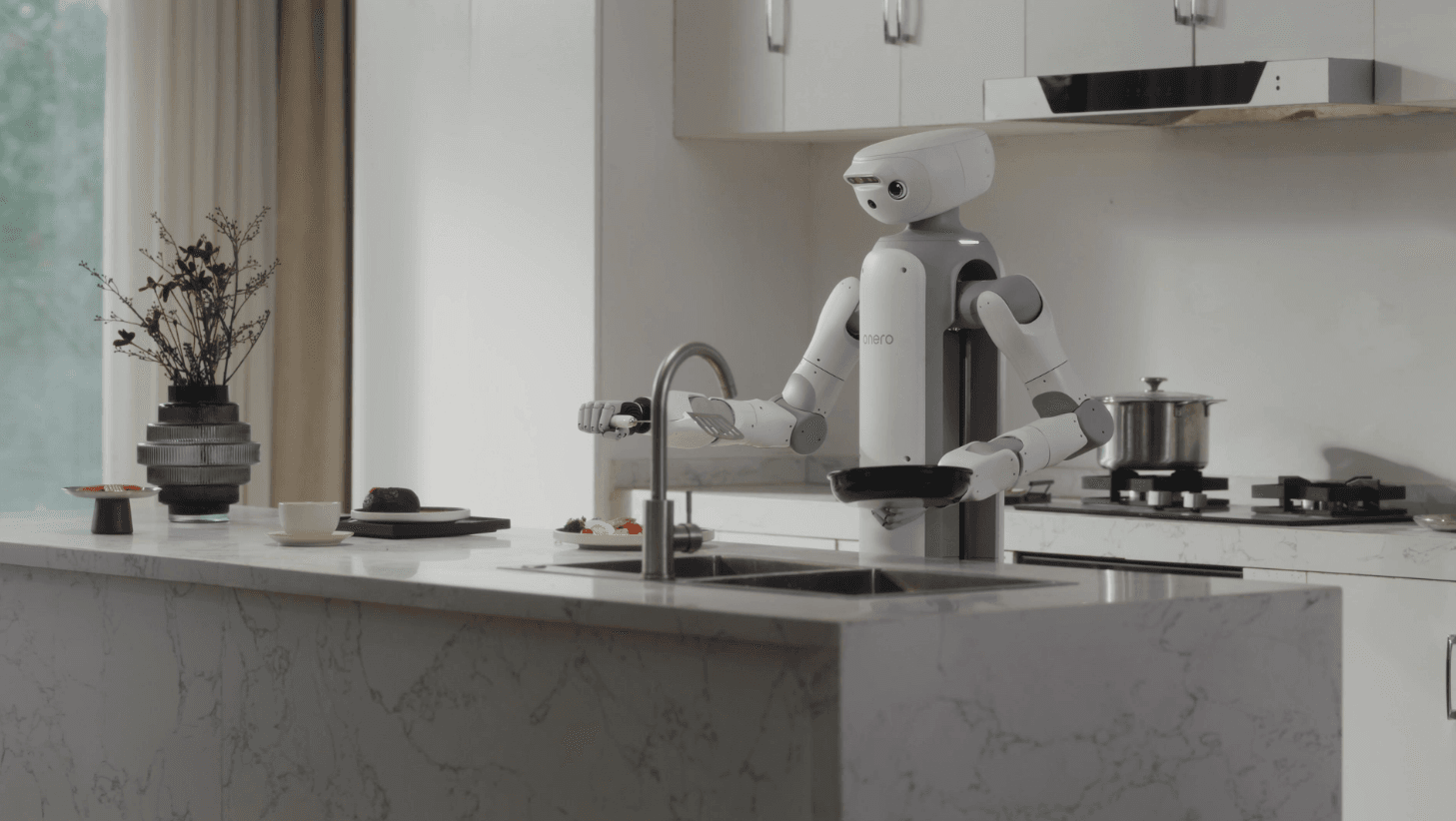
OneRobotics Brings Home Robots to Global Real-World Scenarios: China’s Counterpart to Figure AI
OneRobotics (06600.HK) is making strides in the international market for home robotics with its innovative 'one brain, multiple forms' approach. The company recently demonstrated its capabilities in executing real household tasks, which caught the attention of NHK, Japan's national broadcasting organization. This development highlights OneRobotics' ambition to establish itself as a leading competitor in the global robotics sector, particularly as a Chinese alternative to established players like Figure. The company's efforts reflect a growing trend in the robotics industry towards versatile and efficient home solutions, aiming to meet the increasing demand for smart home technology worldwide.
News
Entropy About Tech's Flyer O1: The World's First Home Flying Robot, Raising Millions in Seed Round
Shenzhen Entropy About Intelligent Technology has secured a multi-million dollar seed funding round, spearheaded by Chuxin Capital. The company is set to unveil the Flyer O1, touted as the world's first home flying robot designed specifically for family environments. The official launch of this innovative product is anticipated by the end of this year, marking a significant advancement in domestic technology.
Robotics
Shangyue Technology's Flyer O1: The World's First Home Flying Robot, Raising Millions in Seed Round
Shangyue Technology, a Shenzhen-based startup, has successfully secured a multi-million dollar seed funding round, with Chuxin Capital leading the investment. The company is set to unveil its innovative product, the Flyer O1, which is touted as the world's first home flying robot designed specifically for family environments. The official launch of the Flyer O1 is anticipated by the end of this year, marking a significant advancement in home robotics and technology. This funding will likely support the final stages of development and marketing efforts for the groundbreaking device, aimed at enhancing domestic living experiences.
Robotics
All3 raises $25m in Seed funding to triple productivity in the construction industry through robotics and AI
All3, a London-based startup focused on revolutionizing the construction industry, has successfully raised $25 million in seed funding to enhance productivity through robotics and artificial intelligence. The funding round, led by RTP Global and supported by SuperSeed, Begin Capital, s16vc, and VNV Global, aims to develop an integrated system that includes an AI architecture platform, robotic factories, and Mantis, an autonomous robot designed for on-site assembly. With Mantis already operational and initial commercial deployments set for Germany later this year, All3's innovative approach promises significant cost savings and efficiency improvements, potentially reducing construction timelines by up to 50% and embodied carbon by 25%. The founding team, which previously established the successful grocery delivery service Samokat, is applying their expertise to address the stagnation in construction productivity, which has seen little advancement in the past 50 years. The funding will primarily support research and development efforts in London and Belgrade, as well as the deployment of robots across active construction sites in Germany, where there is a pressing need for approximately 700,000 new homes. CEO Rodion Shishkov emphasized the company's mission to tackle the housing crisis and improve access to quality housing through advanced technology. Early market demand has already validated All3's model, with over 100,000 square meters of residential projects processed using their AI-powered design software, laying the groundwork for a robust construction pipeline in the coming years.
Global robotic vacuum shipments reach 5.1 million in Q1, top four Chinese brands hold 54.1% market share
Global shipments of smart robotic vacuum cleaners reached 5.096 million units in the first quarter of 2023, according to data from market research firm IDC. This figure represents an 11.9% increase compared to the same period last year, continuing a trend of robust growth with shipment rates exceeding 20% for two consecutive quarters. The surge in demand for these devices reflects a growing consumer preference for automated cleaning solutions, driven by advancements in technology and increased awareness of home automation benefits. Leading brands in the market, including Roborock, Ecovacs, Dreame, and Xiaomi, have contributed significantly to this growth, showcasing their competitive edge in innovation and market reach.
News Feed
JD.com expands into embodied AI with focus on home applications
JD.com is expanding into the realm of embodied intelligence, particularly in home applications, as reported by Shanghai Securities News on Monday. The Chinese e-commerce giant has created a specialized business unit to spearhead its initiatives in this innovative sector. In a strategic move to enhance its smart robotics capabilities, JD.com has entered into agreements with multiple publicly listed companies, signaling a significant commitment to advancing technology in home automation. This development reflects the company's broader goal of integrating intelligent solutions into everyday life, aiming to improve consumer experiences and streamline household tasks.
News Feed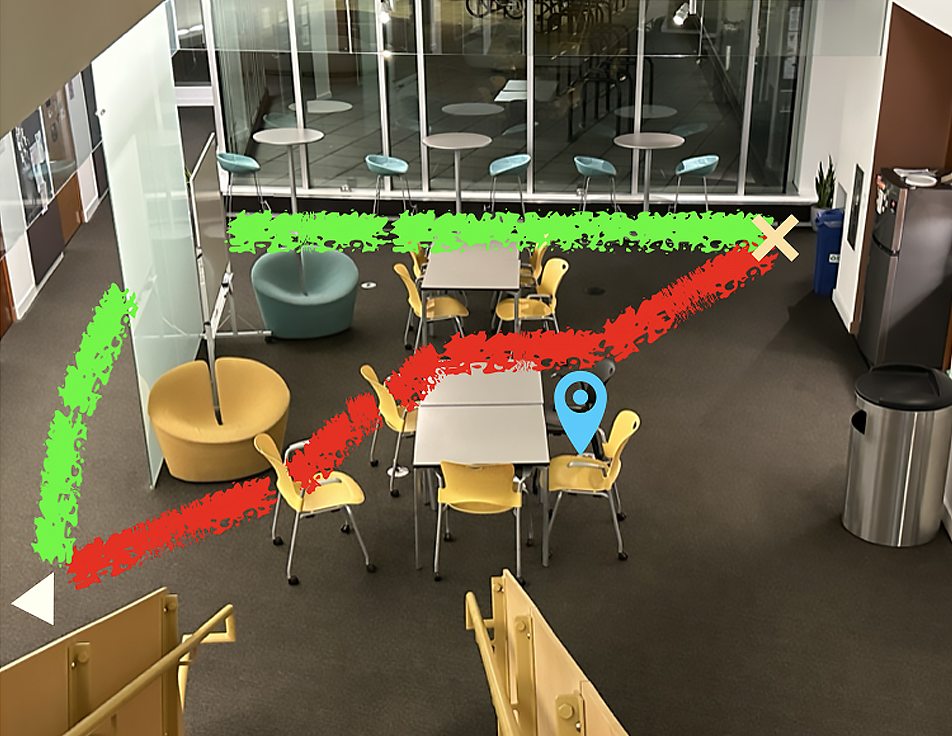
Acoustic Awareness: ANAVI Framework Addresses Robot Noise Levels in the Home
Researchers at Carnegie Mellon University's Robotics Institute are exploring the potential of in-home robots to enhance quality of life by assisting with tasks such as cleaning, companionship, security, and healthcare. While these robots offer significant convenience, concerns regarding their noise levels have emerged as a critical issue for effective human-robot interaction. To address this challenge, the team has developed the ANAVI framework, which focuses on managing and reducing the noise produced by these robotic systems. This initiative aims to create a more harmonious living environment, ensuring that the benefits of robotic assistance do not come at the cost of comfort and tranquility in the home.
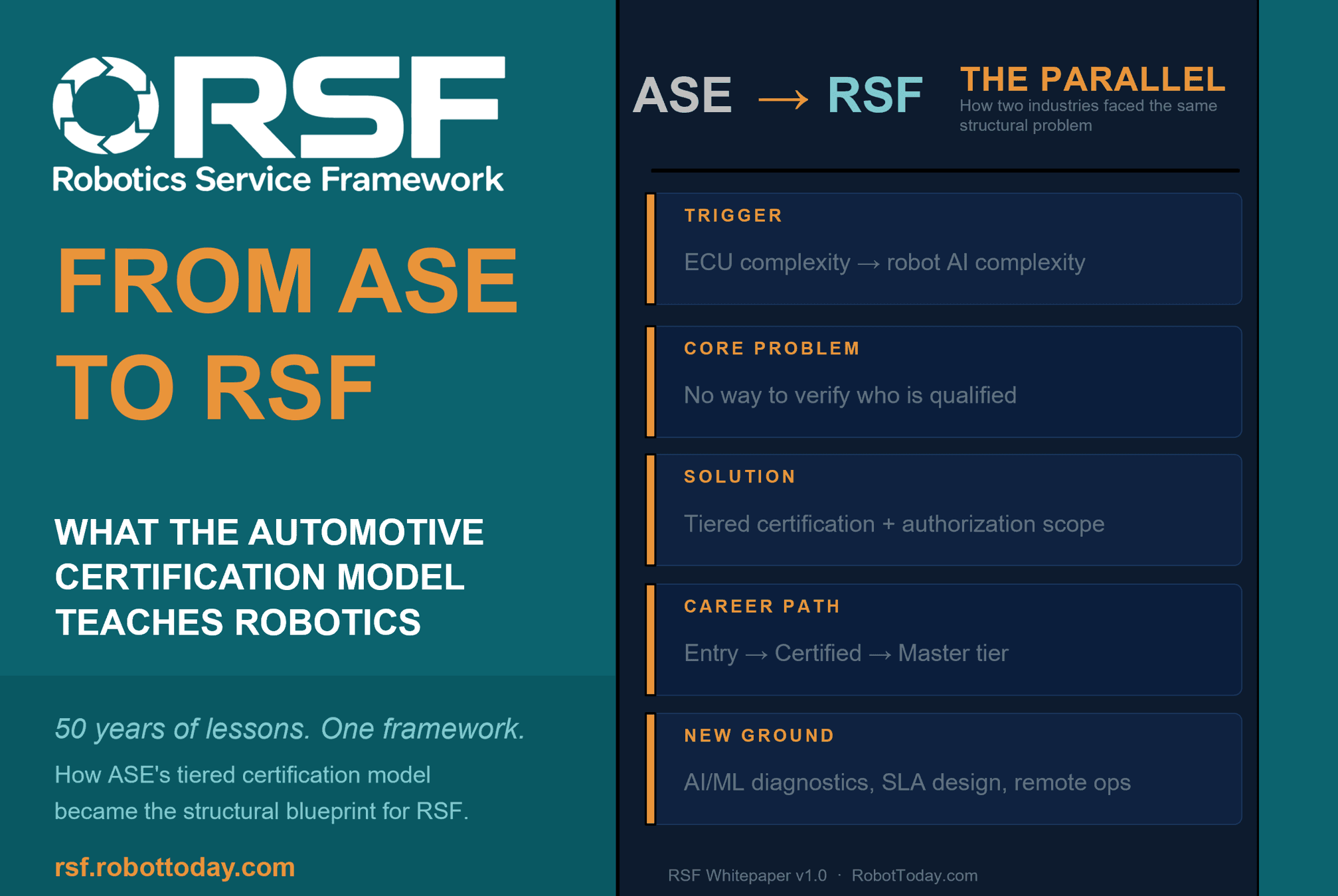
ResearchRobotics needs a service framework.
RSF defines a common language for robot service capability, lifecycle operations, certification pathways, and service-provider networks.