

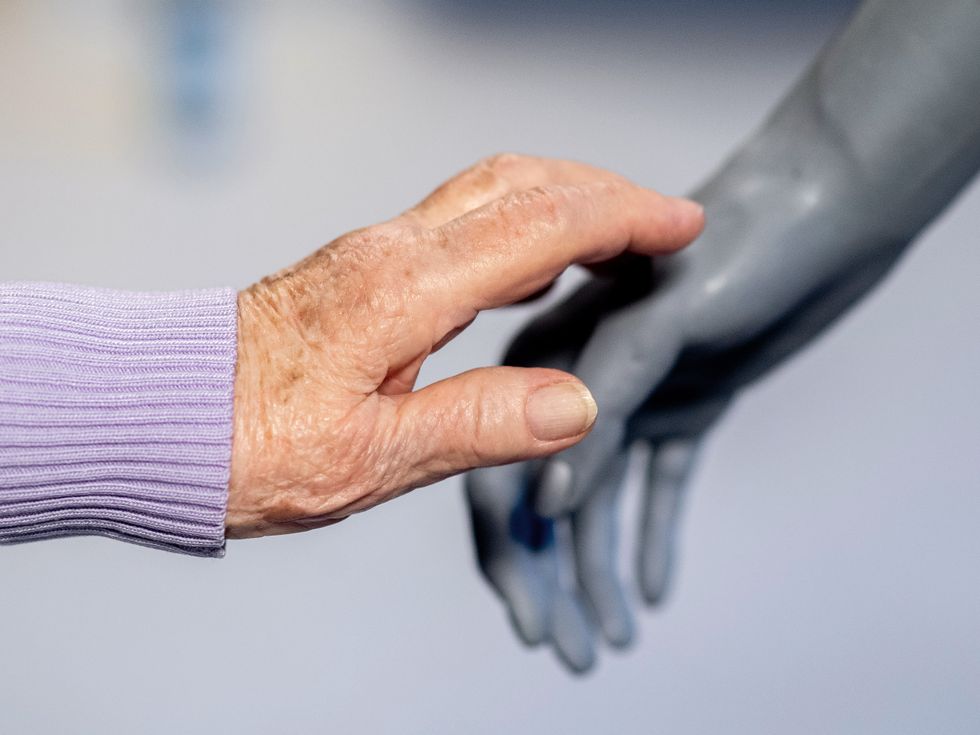
The International Standards Organization (ISO) is in the process of updating its safety requirements for personal care robots, a revision that has not occurred in 12 years. This update comes at a crucial time as manufacturers transition from laboratory prototypes to products designed for real-world domestic environments. The proposed changes focus on hazard identification and risk assessment but lack binding compliance criteria and testing methods to address the complexities of human-robot interactions. Jae-Seong Lee, a technology policy researcher from South Korea's Electronics and Telecommunications Research Institute, emphasizes that safety in domestic settings is not merely about avoiding collisions; it involves understanding the dynamic relationship between humans and robots.
Current standards, such as ISO 13482, acknowledge various hazards but do not fully translate this knowledge into enforceable rules. The challenge lies in ensuring that robots can operate safely in unpredictable home environments, which differ significantly from controlled industrial settings. Moreover, the standards process has been criticized for not adequately representing the perspectives of older adults, who are often the primary users of these robots.
Lee warns that if safety assumptions are embedded in products without thorough scrutiny, it could lead to significant risks, including potential injuries. He advocates for a shift in focus from machine-centric safety measurements to a more holistic approach that considers the interactions between humans and robots. This revision aims to address these pressing concerns, although many unresolved issues remain in advisory language rather than binding regulations.
























Leave a comment