Industry Briefing
A single destination for timely, editor-curated robotics news from around the world.

Designing User-Friendly Industrial Software: A Shift Towards Familiar Interfaces
Recent discussions highlight the convergence of IT and SCADA in industrial automation, emphasizing the need for user-friendly software. Traditionally, industrial applications operated in silos, requiring operators to master multiple interfaces, each with unique navigation and terminology. However, as software in other sectors has evolved to prioritize user experience, industrial software is beginning to adopt similar principles. This shift is significant as it aims to enhance operator efficiency and reduce the learning curve associated with using various applications. Eric Williams from Process and Data Automation (PDA) notes that modern industrial applications should not only be powerful but also intuitive from the first interaction. By creating a cohesive software environment, operators can seamlessly transition between different applications without the frustration of learning new interfaces. PDA's strategy involves developing a library of standardized interface components to ensure consistency across applications. This approach not only accelerates development but also fosters a familiar user experience, making new applications feel like extensions of existing systems. No further timeline was disclosed at the time of publication.
Factory / Digital Transformation
Challenges of New Software on Legacy Hardware in Industrial Organizations
Modern software is increasingly being deployed on industrial hardware that is decades old, leading to significant visibility challenges. According to Matt Wyckhouse, CEO of Finite State, while organizations can identify physical assets within operational technology networks, they often lack insight into the software running on these devices. This lack of visibility can result in prolonged investigations when vulnerabilities are disclosed, as operators struggle to determine the exact configurations of their systems. The difficulty in inspecting industrial products stems from the complexity of compiled firmware, which differs significantly from typical enterprise applications. A firmware image may include various components, often received as binaries without source code, complicating the ability to track software dependencies accurately. As time passes, the fidelity of the original software record diminishes, making it challenging for organizations to maintain an accurate view of their deployed products. Looking ahead, the role of digitalization in addressing these visibility issues remains uncertain. No further timeline was disclosed at the time of publication, but the ongoing evolution of digital tools may provide solutions to enhance transparency in industrial software management.
Products / Software
Vention and FANUC America Join Forces to Bring Industrial Robots to Vention's AI-Driven Hardware and Software Platform
At Automate 2026, live demonstrations showcased the capabilities of FANUC's CRX10iA and LR Mate 200iD robots, which are enhanced by Vention's advanced MachineMotion AI and MachineLogic software. These technologies are designed to optimize machine tending and adaptive robotic motion applications. The event, taking place in 2026, highlights the growing integration of artificial intelligence in automation processes, aiming to improve efficiency and flexibility in manufacturing environments. By leveraging these innovative solutions, companies can streamline operations and adapt to varying production demands, reflecting the industry's shift towards smarter, more responsive automation systems.

Industrial Automation Is Quietly Becoming a Software Discipline
A recent exploration into software-defined automation highlights its pivotal role in advancing toward autonomous systems. Industry experts gathered at a technology conference in San Francisco on October 15, 2023, to discuss the transformative potential of this innovative approach. The event showcased how organizations are increasingly adopting software-defined automation to enhance operational efficiency and reduce human error in various sectors, including manufacturing and logistics. The motivation behind this shift stems from the growing demand for smarter, more responsive systems capable of adapting to real-time data and changing environments. By leveraging advanced algorithms and machine learning, companies are streamlining processes and achieving greater levels of autonomy in their operations. Participants emphasized the importance of collaboration between technology providers and end-users to ensure successful implementation. Demonstrations of real-world applications illustrated how software-defined automation can optimize workflows and improve decision-making capabilities. As industries continue to evolve, the integration of these technologies is expected to drive significant advancements in productivity and innovation. The discussions also touched on the challenges that accompany this transition, including the need for robust cybersecurity measures and the potential impact on the workforce. As organizations navigate these complexities, the journey toward full autonomy remains a focal point for future developments in technology.
Factory / Control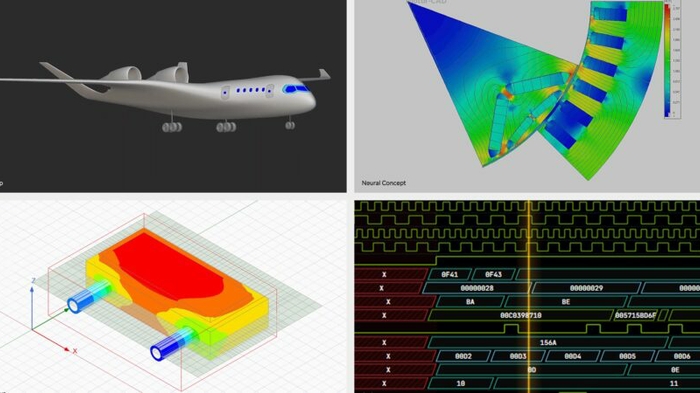
Industrial Software Leaders Build Secure, Autonomous AI Engineers With NVIDIA NemoClaw
Accelerated computing has transformed the field of industrial engineering by significantly reducing simulation times from weeks to mere hours. Despite these advancements, experts indicate that challenges persist in the end-to-end workflow associated with simulations, which includes critical processes such as computer-aided design, meshing, and the simulations themselves. As industries continue to adopt these technologies, addressing these workflow issues is essential for maximizing efficiency and effectiveness in engineering practices. The ongoing developments in accelerated computing are expected to further streamline these processes, enhancing productivity and innovation in the sector.
NVIDIA and Global Industrial Software Giants Bring Design, Engineering and Manufacturing Into the AI Era
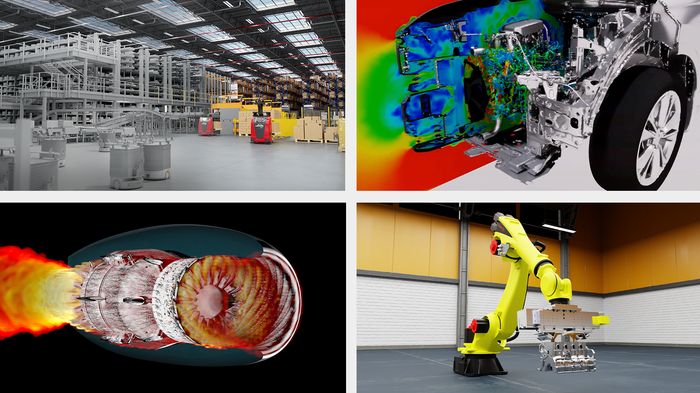
NVIDIA has partnered with leading global industrial software companies, including Cadence, Dassault Systèmes, PTC, Siemens, and Synopsys, to enhance industrial software and tools through its CUDA-X™ and Omniverse™ platforms. This collaboration aims to integrate GPU-accelerated technologies into the operations of major manufacturers such as FANUC and HD Hyundai. The initiative, announced today, seeks to drive innovation and efficiency in industrial processes by leveraging advanced computing capabilities. By combining NVIDIA's cutting-edge technology with the expertise of these software leaders, the partnership is set to transform the landscape of industrial automation and design, ultimately improving productivity and performance across various sectors.
NVIDIA and Global Industrial Software Leaders Partner With India’s Largest Manufacturers to Drive AI Boom
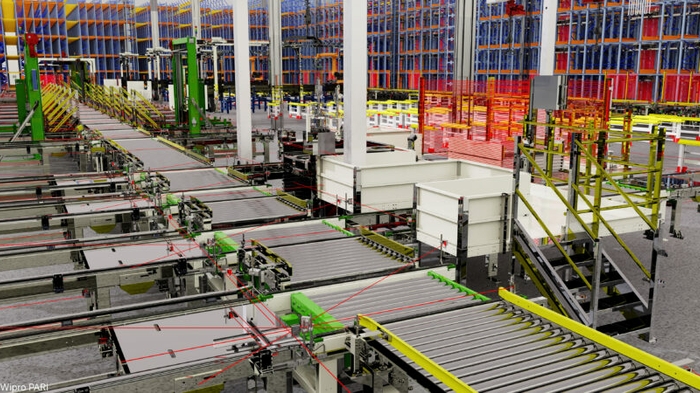
India is poised to embark on a significant transformation in its industrial landscape, driven by advancements in artificial intelligence. The government has announced a substantial investment of $134 billion aimed at enhancing manufacturing capabilities across various sectors, including construction and automotive. This initiative reflects India's commitment to modernizing its industrial framework and adapting to the evolving global market. By leveraging AI technologies, the country aims to improve the design, production, and operational efficiency of physical products and systems. This strategic move is expected to position India as a competitive player in the global manufacturing arena, fostering innovation and economic growth in the coming years.
Robotics needs a service framework.
RSF defines a common language for robot service capability, lifecycle operations, certification pathways, and service-provider networks.
Join the RobotToday community on LinkedIn
Daily robotics news, in-depth analysis, conference highlights, and discussions with professionals worldwide.