Industry Briefing
A single destination for timely, editor-curated robotics news from around the world.
UT Austin to Head $30 Million NSF Center Focused on Human-Robot Co-Adaptation
The University of Texas at Austin has been selected to lead a new National Science Foundation Science and Technology Center dedicated to exploring the dynamics of human-robot interaction in real-world settings. This initiative, named the Center for Human and Robot Co-Adaptation, will involve collaboration among 39 researchers from six different universities. This research is significant as it aims to understand how assistive robots can effectively integrate into everyday environments, enhancing their utility and acceptance among users. By studying the co-adaptation process, the center seeks to address challenges that arise when robots transition from controlled laboratory conditions to unpredictable real-world scenarios. Looking ahead, the center's findings could pave the way for advancements in assistive robotics, influencing design and deployment strategies. No further timeline was disclosed at the time of publication.
News Research Robotics Science apptronik artificial intelligence
Humanoid Robots Enter Combat Arena: A New Path for EngineAI T800
On September 10, in Riyadh, two humanoid robots, EngineAI T800, engaged in combat in a specially constructed arena. Each robot stands 1.73 meters tall and weighs between 75 to 85 kilograms, showcasing capabilities such as walking, running, punching, and kicking. This event marked the first humanoid robot fighting competition in the Middle East, organized by Hero Esports, a leading esports operator. The significance of this event lies in its potential to commercialize humanoid robots effectively. Unlike traditional roles in factories or service sectors, combat provides a dynamic environment for robots to gather valuable data on physical interactions. This data is crucial for improving robotic movement and decision-making in real-world scenarios, making combat a more viable path for humanoid robots. Looking ahead, Hero Esports plans to host eight competitions across four regions: the Middle East, Europe, America, and Asia. The focus will be on collecting combat data to enhance motion control algorithms. The success of this initiative could transform robot fighting from mere entertainment into a significant driver of technological advancement in humanoid robotics.
Humanoid Robots Robot Combat AI Technology Data Analytics Entertainment Technology
Challenges in Training Robots for Effective Human Collaboration
Humans present a unique challenge for robot training due to their quick and complex thinking processes, making exact actions unpredictable. This unpredictability raises questions about the methods and techniques required to effectively train robots for collaboration with humans. Understanding how to train robots to work alongside humans is crucial as industries increasingly adopt automation. The ability to predict and respond to human actions can enhance productivity and safety in various sectors, emphasizing the importance of developing advanced training methodologies for robots. Looking ahead, the focus will be on exploring innovative training approaches that can bridge the gap between human unpredictability and robotic capabilities. No further timeline was disclosed at the time of publication.
Robotics
Humanoid Robots Enhanced by AI Controller for Translating Commands into Actions
Humanoid robots, designed to mimic human limbs and body structures, are being enhanced by an AI controller that translates virtual reality, video, and language commands into actionable movements. This advancement aims to simplify the teaching process for these robots, which often struggle with executing humanlike movements reliably. The significance of this development lies in its potential to streamline the deployment of humanoid robots across various environments, including homes and workplaces. By improving the efficiency of command translation, the AI controller could reduce the time and effort required to train these robots, making them more accessible for practical applications. Looking ahead, the focus will be on the effectiveness of the AI controller in real-world scenarios and its ability to adapt to diverse tasks. No further timeline was disclosed at the time of publication.
Robotics
Neura Robotics and SECO Collaborate to Enhance Humanoid Robot Production in Europe
Neura Robotics has entered into a strategic partnership with SECO to develop and manufacture electronic compute modules for its cognitive robots, including the 4NE1 humanoid. This collaboration aims to facilitate scalable series production in Europe, addressing the growing demand for advanced robotics solutions. The partnership is significant as it not only focuses on humanoid robot production but also aims to expand into physical AI applications within the semiconductor and electronics manufacturing sectors. This move is expected to enhance the capabilities of Neura's robots and improve production efficiency. Looking ahead, the collaboration between Neura Robotics and SECO could lead to advancements in both humanoid robotics and AI applications in manufacturing. No further timeline was disclosed at the time of publication.
Humanoids News 4ne1 cognitive robots dragonwing edge ai
BigWave Robotics Partners with Space Factory to Deploy Humanoid Robots in Construction by 2026
BigWave Robotics, a South Korean AI company, has announced a partnership with modular housing manufacturer Space Factory to deploy humanoid robots in housing production starting in 2026. This initiative marks a significant shift in the construction industry, which has traditionally relied on human expertise, as robots begin to automate complex tasks such as insulation installation. The entry of humanoid robots into the construction sector is crucial as it addresses labor shortages and enhances production efficiency amid rising housing demands. Modular housing, which involves factory prefabrication and on-site assembly, is increasingly seen as a solution to expedite housing construction, and the integration of robotics is expected to further advance this trend towards smart manufacturing. Looking ahead, the success of humanoid robots in various industries will depend on their cost, reliability, and efficiency. While BigWave Robotics is focusing on the construction sector, the broader implications of this technology could lead to its application in logistics, energy maintenance, and public facility management, marking a new era in industrial automation.
Humanoid Robots Construction Automation Smart Manufacturing Modular Housing AI Technology
XPENG Launches Production of World's First Advanced Humanoid Robot with Official Facility Commissioning
XPENG has officially launched its humanoid robot production lines, successfully completing the manufacturing of the world's first advanced humanoid robot. This milestone signifies a significant transition from research and development prototyping to actual production-line manufacturing. The achievement is crucial as it demonstrates XPENG's capabilities in humanoid robotics, potentially influencing the future of automation and robotics in various sectors. The autonomous walking of the humanoid robot off the production lines showcases advancements in technology and manufacturing processes. Looking ahead, industry observers will be keen to see how XPENG's humanoid robot performs in real-world applications and how it impacts the competitive landscape of robotics. No further timeline was disclosed at the time of publication.

Data Collectors at JD Teach Robots to Live Like Humans Through Daily Activities
At JD's Robot Data Collection Center in Suqian, data collectors are teaching robots to mimic human activities such as cooking and scanning. This innovative approach transforms everyday actions into precise data points, essential for training embodied intelligent models. The center aims to collect over 10 million hours of quality data within two years, recruiting 100,000 full-time and 500,000 part-time data collectors across various environments. This initiative is significant as it bridges the gap between AI and human-like understanding, allowing robots to learn from real-life scenarios. The data collectors, equipped with lightweight devices, meticulously capture actions to ensure the data's accuracy and relevance. Their work exemplifies the evolving relationship between humans and robots, highlighting the importance of human input in AI development. Looking ahead, the center's ambitious goal of extensive data collection will play a crucial role in advancing AI capabilities. As the demand for skilled data collectors grows, this emerging profession is gaining popularity, with experienced collectors earning substantial incomes. No further timeline was disclosed at the time of publication.
AI Data Collection Robotics Human-Robot Interaction
Nscale and Figure Forge $3.5 Billion Partnership for Humanoid Robot Computing
Nscale has entered into a multi-year partnership with Figure, committing $3.5 billion to deploy up to 100,000 Nvidia GPUs for Figure's next generation of humanoid robots. The agreement has the potential to exceed $6 billion, with initial deployments of Nvidia Vera Rubin GPUs set for Barstow, Texas, starting in the latter half of 2027. This partnership is significant as it positions Nscale as Figure's preferred compute provider and shareholder, while also exploring the integration of humanoid robots into Nscale's supply chain. The collaboration aims to enhance the capabilities of Figure's AI model, Helix, which relies on increased data and computing power to improve its performance. Looking ahead, the companies plan to leverage Nvidia's AI infrastructure to support Figure's models throughout their lifecycle, from training to deployment. No further timeline was disclosed at the time of publication.
AI AI Funding & Investment Robotics compute deal Figure
Zeroth Launches Bridge, the First AI-Native Humanoid Robot with OpenBridge Ecosystem
Zeroth, a Chinese robotics company, has unveiled Bridge, touted as the world's first AI-native embodied robot, along with the OpenBridge open-source ecosystem. This platform aims to facilitate real-world robot development through its compact humanoid design and developer-friendly interfaces, with the first Bridge Geek Edition units now available for purchase. The introduction of Bridge is significant as it represents a shift towards more adaptable and interactive robotics, moving away from traditional fixed-motion robots. With features like bipedal walking and obstacle avoidance, Bridge is designed to support developers in creating innovative capabilities, making physical AI development more accessible and collaborative. Looking ahead, Zeroth's Bridge Builder Program will engage developers globally, with the first phase selecting 500 participants for a co-creation challenge. This initiative aims to foster community-driven development within the OpenBridge ecosystem, enhancing the robot's capabilities and encouraging shared contributions among developers. No further timeline was disclosed at the time of publication.
AI and Robotics
Study Reveals Trust Issues with Humanoid Robots After Conversational Errors
A recent study published in Science Robotics indicates that people become more suspicious of humanoid robots, particularly expressive ones, when they make errors during interactions. The research involved 50 participants conversing with the humanoid robot Pepper, which is designed to recognize emotions and engage expressively. The findings revealed that errors made by the robot led to increased oxytocin levels, which correlated with decreased trust and influence on participants' decisions. This research is significant as it challenges the assumption that socially expressive robots inherently earn more trust. Instead, it suggests that when an expressive robot makes a mistake, it is perceived as a social violation rather than a technical malfunction, impacting users' trust levels. The study highlights the importance of understanding how human-robot interactions can affect trust, especially as robots become more integrated into daily life. Future research will explore whether these findings apply to diverse demographics and different robot designs. Additionally, the study aims to investigate if robots can regain trust after making mistakes, similar to human interactions, by acknowledging errors or expressing good intent. No further timeline was disclosed at the time of publication.

Bernstein Reports on the Economic Viability of Humanoid Robots in Key Applications
On August 25, Bernstein released a significant report titled 'Humanoid robotics: The road to real-world adoption,' which systematically quantifies the economic viability of humanoid robots across four key application scenarios. The findings indicate that in certain scenarios, a return on investment can be achieved in as little as one year. The report highlights that for urban and industrial patrolling, the payback period is the shortest, requiring only 1.0 years in the U.S. and approximately 1.5 years in China. This is largely due to the high substitution ratio, where one robot can replace four patrolling personnel, coupled with relatively low robot prices. In contrast, warehouse picking and handling show longer payback periods of about 2.9 years in the U.S. and 4.3 years in China. Bernstein emphasizes that a critical threshold for procurement decisions is a payback period of 2.5 years. If the payback period falls below this threshold, companies are likely to shift from tentative 'should we try' to a decisive 'why not buy' mindset. The report predicts that by 2031, global shipments of humanoid robots will reach one million units, with the four key scenarios contributing approximately 50% of this total.
Humanoid Robots Economic Viability Market Analysis Robotics Applications
Humanoid Robots Set New Records at World Championships, Highlighting Industry Progress
On August 26, the second World Humanoid Robot Games concluded in Beijing, where multiple records were significantly improved. The 400-meter run time was reduced from 1:28.03 to 38.15 seconds, the 1500-meter run from 6:34.40 to 2:21.64, and the high jump from 0.956 meters to 3.40 meters. Many competing robots also secured medals and orders, demonstrating a successful transition from competition to practical application. This progress stems from the stringent replication of real physical environments in the competition rules. Robots had to navigate centrifugal forces on standard tracks, endure impacts in combat arenas, and make autonomous decisions at table tennis tables. These high-pressure scenarios drive algorithm optimization, material upgrades, and control system reconstruction, with iterative testing being crucial for overcoming foundational technological barriers. With 666 teams from 16 countries and regions participating in 1301 matches across 51 events, the competition fostered collaboration among enterprises, universities, and research institutions. The event also released the world's first comprehensive dataset for humanoid robot competitions, available for free to encourage further development. As China leads in humanoid robot shipments, with over 40,000 units expected in the first half of 2026, the next games aim to showcase even more robots transitioning from exhibition to practical use.
Humanoid Robots Robotics Competitions AI Technology Industry Standards Robotics Innovation
The Human Cost of Robotaxis: Injuries Reported Among Waymo and Zoox Test Drivers
Recent investigations reveal that test drivers for Waymo and Zoox sustained over two dozen injuries in 2024 and 2025 due to sudden movements of autonomous vehicles. Injuries included whiplash, leading to extended recovery times for affected workers. This raises concerns about the safety of test drivers in the autonomous vehicle sector. The findings highlight a hidden human cost associated with the development of autonomous vehicle technology, challenging the narrative that robotaxis will solely enhance road safety. While proponents argue for the benefits of reduced crash incidents, the injuries sustained by test drivers indicate that the transition to autonomous driving may come with significant risks for those involved in the testing process. Looking ahead, it remains to be seen whether other autonomous vehicle developers face similar issues, as they may not be subject to the same reporting requirements as Waymo and Zoox. No further timeline was disclosed at the time of publication.
Transportation Waymo robotaxis techcrunch mobility
Yushu Technology Founder Highlights Humanoid Robots' Limitations at World Robot Conference
At the World Robot Conference, the founder of Yushu Technology addressed the limitations of humanoid robots, stating their efficiency is only 30% to 50% of human capabilities. He emphasized that the company's ongoing 'physical AI self-evolution' is still in the research phase, far from large-scale application. This candid assessment contrasts with typical expectations for a newly listed company, where founders often project optimism. Instead, he highlighted significant challenges, including the robots' inability to adapt to new environments, which drastically reduces task success rates. Looking ahead, he suggested that for robots to reach a 'ChatGPT moment,' they must operate effectively in 80% of unfamiliar scenarios using voice commands, a milestone that could take two to ten years to achieve. No further timeline was disclosed at the time of publication.
Humanoid Robots AI Robotics Technology Startup Innovation
JAKA π Completes Trials Ahead of 2026 World Humanoid Robot Games
The JAKA π humanoid robot, developed by JAKA Robotics, has successfully completed trials for the upcoming 2026 World Humanoid Robot Games. This lightweight robot showcased its capabilities in various events, including 100m sprints and martial arts, during the recent competition held in Beijing. Its design focuses on dynamic balance control and human-robot interaction, making it a notable entry in the field of humanoid robotics. The significance of JAKA π lies in its ability to bridge advanced technology with practical applications in everyday life. With a focus on sectors such as education, commercial services, and entertainment, JAKA π aims to make robotics more accessible. The robot's performance at the World Humanoid Robot Games reflects ongoing efforts to innovate and expand the boundaries of humanoid robotics. Looking ahead, JAKA π is set to officially launch in June 2026, following a series of successful demonstrations and trials. The robot's rapid development and adaptability in various environments highlight its potential for widespread use in diverse applications. No further timeline was disclosed at the time of publication.
Humanoid Robots Robotics Technology AI Emergency Response Education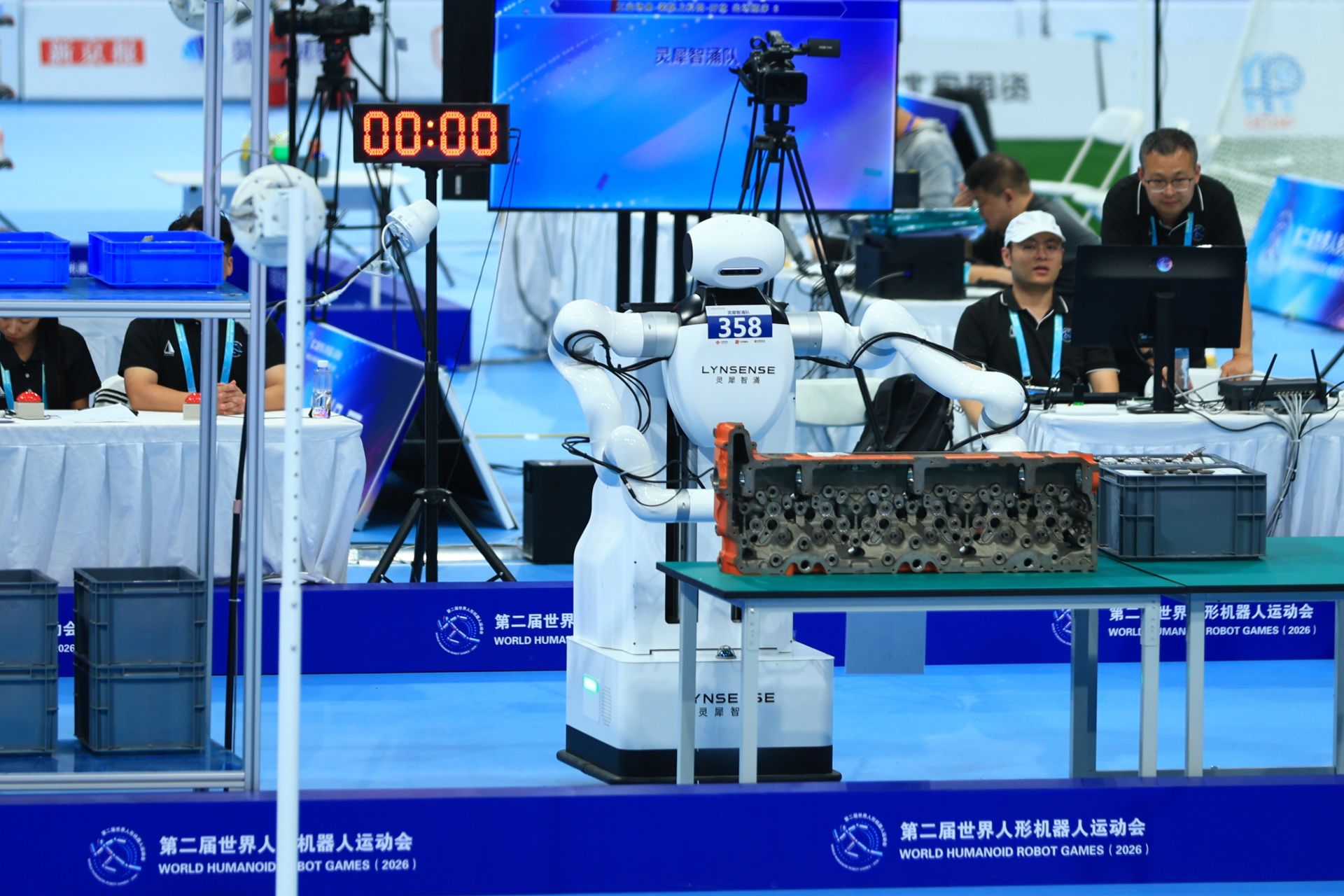
ROSS Harness Secures Third Place in World Humanoid Robot Competition for Industrial Tasks
In the 2026 World Humanoid Robot Competition for Industrial Applications, a robot successfully completed three tasks: transporting a 10kg material box, selecting seven types of parts, and assembling 18 engine valves with sub-millimeter precision. The Lingxi Zhiyong robot autonomously achieved a total score of 160, ranking third among established industry leaders and marking the only startup to reach the national top three in its debut. This competition highlights the pressing challenges in the field of embodied intelligence robotics, emphasizing the need for robots to perform reliably in real industrial environments. Unlike other competitions, this event focused on continuous, accurate task execution within industrial time constraints, showcasing the necessity for robots to deliver verifiable production results. Lingxi Zhiyong, founded by a PhD graduate from the University of Science and Technology of China, is addressing these challenges with its unique approach combining the CONWAY industrial native model and the ROSS Harness self-evolution engine. As the industry grapples with the gap between model capabilities and real-world delivery, the focus is shifting from merely developing advanced models to effectively utilizing them in practical applications.
Embodied Intelligence Industrial Robotics Automation Technology Robot Competitions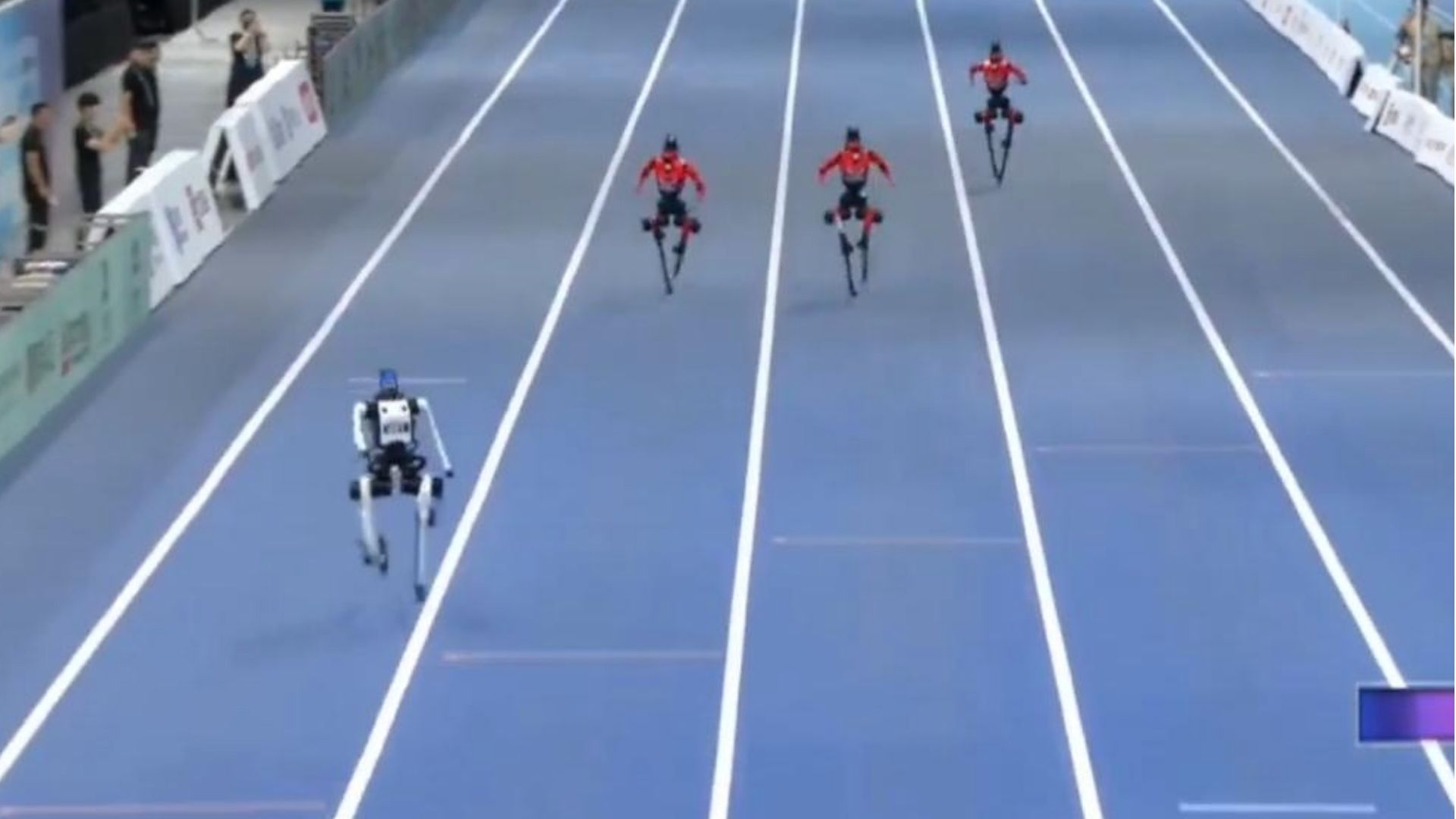
Tiangong Ultra Sets New 100-Meter Record at World Humanoid Robot Games
At the 2nd World Humanoid Robot Games, the humanoid robot Tiangong Ultra, developed by X-Humanoid in Beijing, completed a 100-meter race in 8.64 seconds, establishing a new record for the event. This performance was nearly one second faster than Usain Bolt's human world record of 9.58 seconds, although direct comparisons between robot and human times are not applicable. The achievement is significant as it demonstrates the rapid advancements in humanoid locomotion, with Tiangong Ultra improving its own previous record of 8.86 seconds set earlier in the competition. This year's event showcased substantial progress compared to the inaugural games, where the fastest time exceeded 12 seconds, indicating a year of remarkable development in robotic sprinting capabilities. Looking ahead, Tiangong Ultra's performance raises expectations for future competitions and advancements in humanoid robotics. The robot's closest competitor, Lightning, also made headlines with its own record-breaking feats, including a half-marathon completion time of 50 minutes and 26 seconds. No further timeline was disclosed at the time of publication.
AI and Robotics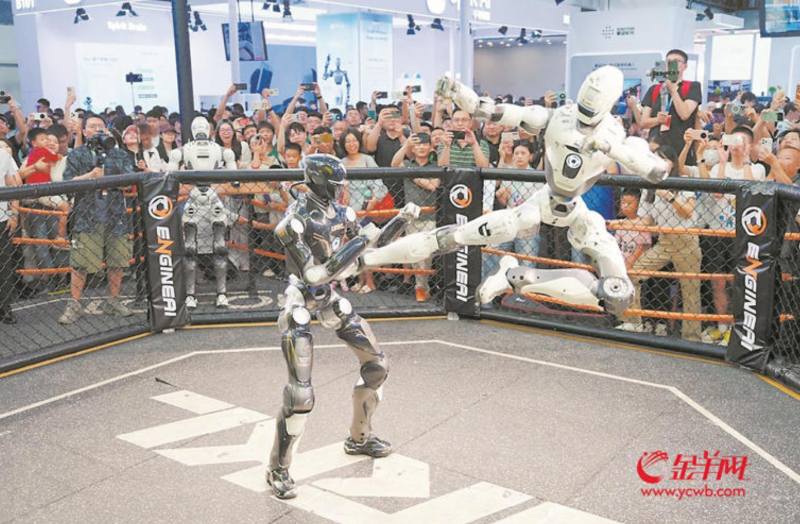
Guangdong's Humanoid Robot Targets Production of 100,000 Units in 8.64 Seconds
Guangdong's humanoid robot has achieved a significant milestone, completing a task in just 8.64 seconds. This rapid performance highlights the advancements in robotics technology and the potential for mass production. The ambitious goal of producing 100,000 units underscores the growing demand for humanoid robots in various sectors. This development is crucial as it reflects the increasing interest and investment in robotics, particularly in the humanoid segment. The ability to produce robots quickly and efficiently could lead to broader applications across industries, enhancing productivity and innovation. The market is poised for a transformation as companies seek to integrate humanoid robots into their operations. Looking ahead, stakeholders should monitor the progress of Guangdong's humanoid robot production and its impact on the robotics landscape. The target of 100,000 units could signify a shift in how humanoid robots are perceived and utilized in various sectors. No further timeline was disclosed at the time of publication.
Robotics Automation AI
Humanoid Robots Achieve 100 Meters in 8.64 Seconds and High Jump of 3.4 Meters
Recent advancements in humanoid robotics have led to remarkable achievements, with robots completing 100 meters in just 8.64 seconds and achieving a high jump of 3.4 meters. These milestones indicate significant progress in robotic capabilities, showcasing the potential for humanoid robots to surpass human athletic records. The implications of these developments are profound, as they highlight the rapid evolution of robotics technology and its potential applications in various fields, including sports, rehabilitation, and entertainment. As humanoid robots continue to push the boundaries of physical performance, they may redefine our understanding of human-robot interaction and competition. Looking ahead, it will be essential to monitor further advancements in humanoid robotics and their impact on industries that rely on physical performance. No further timeline was disclosed at the time of publication.
Robotics Automation AI
UBTECH's Chief Brand Officer Tan Min Discusses Humanoid Robot Competition
At WAIC 2026, UBTECH's Chief Brand Officer Tan Min shared insights on the competitive landscape of humanoid robots. While he refrained from claiming leadership, he emphasized that UBTECH is certainly not lagging behind in the race. This statement reflects the growing interest and investment in the humanoid robotics sector, which has seen significant funding and valuation increases. The humanoid robotics market is experiencing a surge, with reports indicating a recent funding round of 5 billion, leading to a valuation of 20 billion. This financial momentum highlights the increasing capital flow into the sector, suggesting a pivotal moment for market validation and acceptance of humanoid robots. Looking ahead, industry stakeholders should monitor the developments in humanoid robotics, particularly in terms of technological advancements and market dynamics. No further timeline was disclosed at the time of publication, but the ongoing competition and investment trends will likely shape the future landscape of this sector.
Robotics Automation AI
Final Medal Tally Released for the Second World Humanoid Robot Games
The final medal tally for the Second World Humanoid Robot Games has been announced, showcasing the achievements of various teams. This event highlights the advancements in humanoid robotics and the competitive spirit among participants. The games serve as a platform for innovation and collaboration in the robotics community. The significance of the Second World Humanoid Robot Games lies in its ability to bring together engineers, researchers, and enthusiasts to share knowledge and push the boundaries of humanoid robot capabilities. The medal tally reflects not only individual team efforts but also the growing interest and investment in humanoid robotics. Looking ahead, the robotics community will continue to monitor developments in humanoid technologies and the impact of competitions like these on future innovations. No further timeline was disclosed at the time of publication.
Robotics Automation AI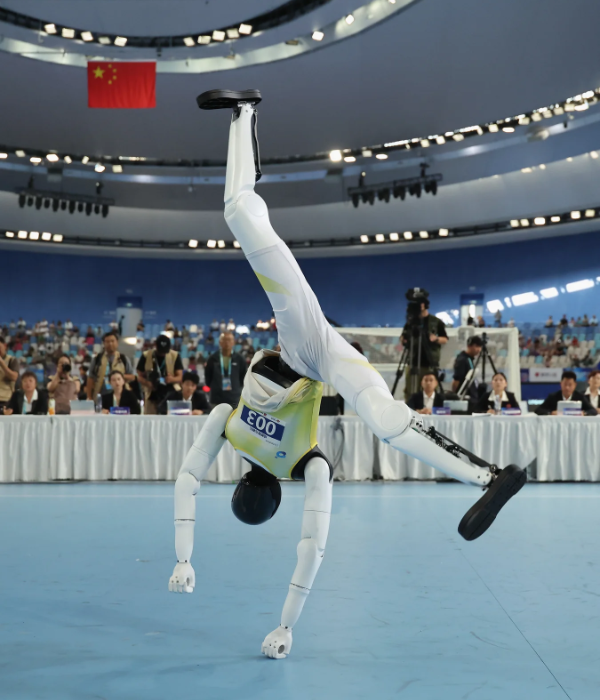
Humanoid Robots Set Records at World Championships but Encounter Challenges
At the second World Humanoid Robot Games, two humanoid robots broke Usain Bolt's 100-meter world record, finishing in 9.39 seconds and 9.47 seconds. However, their performance was marred by mishaps, including one robot sparking after colliding with a padded wall. The event featured 51 competitions with participants from 16 countries, showcasing a variety of sports such as football and weightlifting. While the robots' speed was impressive, they still lack the agility and balance of human athletes, often resulting in comical failures, such as crashing into walls or the referee's table. Rodney Brooks, an MIT professor, cautioned that extraordinary performance in specific tasks does not equate to general human-like capabilities, highlighting the limitations of robots in real-world scenarios. One robot successfully competed in table tennis, demonstrating some adaptability in unpredictable environments, signaling progress in humanoid robotics. Although it may be a while before robots compete alongside humans in the Olympics, their true potential may lie in overcoming broader challenges beyond just speed and strength.
Humanoid Robots Robotics Competitions AI Automation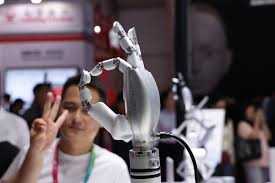
Convergent Binocular Stereo Enhances Depth Perception in Humanoid Robot Vision
A recent study published in Science Robotics highlights advancements in convergent binocular stereo technology, which significantly improves depth perception for humanoid robots. This development is crucial as it allows robots to better navigate and interact with their environments, enhancing their functionality in various applications. The importance of this technology lies in its potential to revolutionize humanoid robot capabilities, making them more effective in tasks that require spatial awareness and interaction with complex surroundings. Enhanced depth perception can lead to improved safety and efficiency in industrial and service sectors where humanoid robots are deployed. Looking ahead, researchers will focus on further refining this technology and exploring its applications in real-world scenarios. No further timeline was disclosed at the time of publication.
Research Article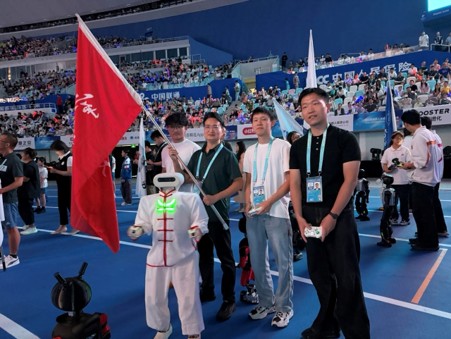
JAKA π Robot Successfully Completes Trials Ahead of 2026 World Humanoid Robot Games
The JAKA π robot, developed by JAKA Robotics, has successfully completed its first international humanoid competition at the World Humanoid Robot Games in Beijing. This lightweight humanoid robot, which debuted just two months ago, showcased its capabilities in various events, including 100m sprints and emergency rescue scenarios, demonstrating its adaptability to real-world applications. The significance of JAKA π's participation lies in its focus on expanding the boundaries of humanoid robotics beyond traditional athletic performance. JAKA Robotics aims to make robotic technology accessible for diverse applications, including education, commercial services, and entertainment, thereby fostering innovation and talent development in the field. Looking ahead, JAKA π is set for an official launch in June 2026, following a series of successful trials and public demonstrations. The company is committed to refining its technology and expanding its impact on various industries, emphasizing the importance of making advanced robotics more approachable for students and professionals alike. No further timeline was disclosed at the time of publication.
Humanoid Robots Robotics Technology AI Education Robotics Emergency Services
Chinese Humanoid Robot Sets New 100-Meter Sprint Record at 8.86 Seconds in Beijing
A humanoid robot from China achieved a remarkable feat by completing a 100-meter sprint in just 8.86 seconds in Beijing on Tuesday. This new record surpasses both its robotic competitors and the fastest recorded human time. This achievement is significant as it showcases advancements in robotics and artificial intelligence, particularly in humanoid robot capabilities. The ability to outperform human sprinting records highlights the potential of robotics in various applications, including sports and competitive environments. Looking ahead, it will be interesting to see how this record influences future developments in humanoid robotics and whether other organizations will attempt to break this new benchmark. No further timeline was disclosed at the time of publication.
Robotics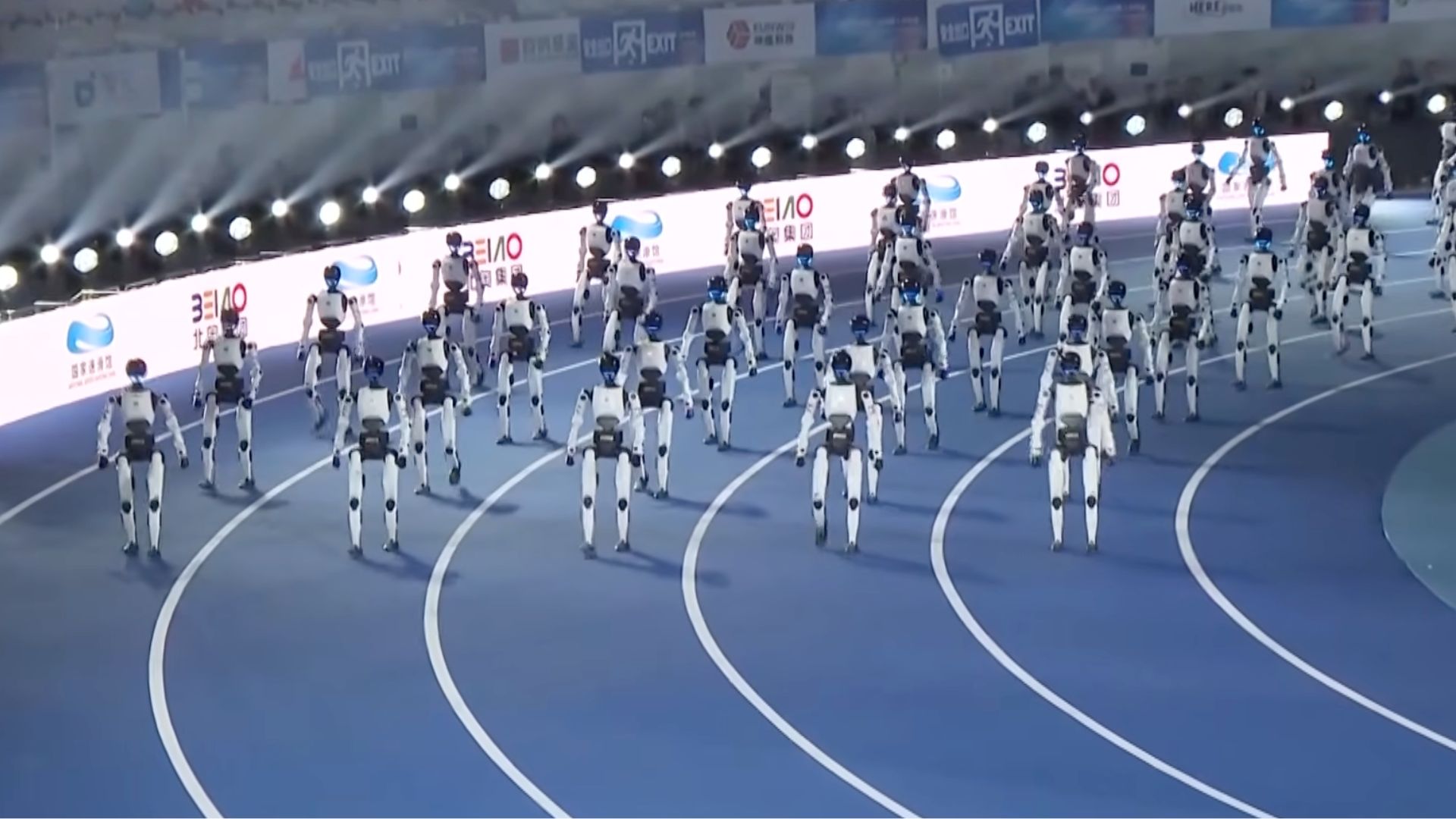
Chinese Humanoid Robot Lightning Breaks Usain Bolt's 100-Meter Record with 9.32 Seconds
A humanoid robot named Lightning, developed by Honor, has reportedly completed a 100-meter sprint in 9.32 seconds, surpassing Usain Bolt's previous world record of 9.58 seconds set in 2009. This achievement occurred during a test event in Beijing ahead of the second World Humanoid Robot Games (WHRG), which is expected to see a 138 percent increase in participation compared to last year. The significance of Lightning's performance lies in the advancements in speed, balance, and autonomous movement in humanoid robotics, reflecting the growing capabilities of Chinese companies in this field. Lightning reached a peak speed of 14.5 meters per second, showcasing its specialized design for high-performance running, which includes features such as long-stride biomechanics and a liquid-cooling system. Looking ahead, the WHRG will feature various robots competing in multiple sporting events, with another Chinese robot, Tiangong Ultra, also clocking a time faster than Bolt's record at 9.39 seconds. No further timeline was disclosed at the time of publication.
AI and Robotics
Honor's Humanoid Robot Lightning Completes 400m in 40.6 Seconds, Sets New Record
At the World Humanoid Robot Games held in Beijing, Honor's self-developed humanoid robot, Lightning, achieved a remarkable feat by completing a 400m run in 40.6 seconds. This performance surpassed the previous human men's world record of 43.03 seconds, established by Wayde van Niekerk during the 2016 Rio Olympics. This achievement is significant as it showcases the advancements in robotics and artificial intelligence, particularly in humanoid robot capabilities. Honor's Lightning not only demonstrates speed but also highlights the potential for robots to compete in athletic events, pushing the boundaries of technology and innovation in the field. Looking ahead, the implications of Lightning's performance could influence future developments in robotics, particularly in competitive environments. No further timeline was disclosed at the time of publication.

T800 Humanoid Robot Showcases Combat Skills at World Robot Conference 2026
During the 2026 World Robot Conference, the T800 humanoid robot captivated audiences with its combat skills, showcasing punching, dodging, and flying kicks. The event featured a fighting competition between two robots named 'Doujiang' and 'Luzhu,' part of the world's first industrial-grade humanoid robot fighting league, which attracted over 200 teams and offered a total prize pool of 14 million yuan. Zhao Tongyang, founder and CEO of Zhongqing, emphasized that combat-related investments account for less than 10% of the company's focus, with the majority directed towards integrating robots into homes and factories. He explained that mastering physical capabilities through combat is essential for robots to serve humans effectively, as agility and strength are crucial for handling unexpected scenarios. The T800 has already begun operations in the Luxshare Precision factory in Suzhou, handling material loading and transportation tasks. Zhongqing also introduced the EngineAI Awaken, a brain-inspired intelligent engine, which allows for rapid deployment and high success rates in robotic actions. Zhao predicts a significant breakthrough in embodied intelligence within three years, aiming for mass production of humanoid robots to make them commonplace in households.
Humanoid Robots Robotics Competitions AI Technology Industrial Automation
Humanoid Robot Sets New 100m Record at World Championships with 9.39 Seconds
A humanoid robot completed the 100m dash in 9.39 seconds, breaking the previous human world record of 9.58 seconds. This event took place on August 22 at the second World Humanoid Robot Championships held at the National Speed Skating Stadium in Beijing, featuring 666 teams and 2056 robots from 16 countries, marking a 138% increase in teams and a fourfold increase in robots since the first event. The significance of this achievement extends beyond speed; it challenges the industry's perceptions of robotic capabilities. The competition expanded from 26 to 51 events, including real-life scenario simulations such as food service and emergency response tasks. The scoring system favors fully autonomous operations, emphasizing the importance of real-world applicability for humanoid robots. Looking ahead, the competition's focus on practical applications highlights the need for robots to demonstrate their utility in real-world environments. The advancements in humanoid robotics, particularly in China, where over 40,000 units were shipped in the first half of the year, indicate a growing market and technological foundation that supports further development and deployment of these robots in various sectors.
Humanoid Robots Robotics Competitions AI Technology Industrial Automation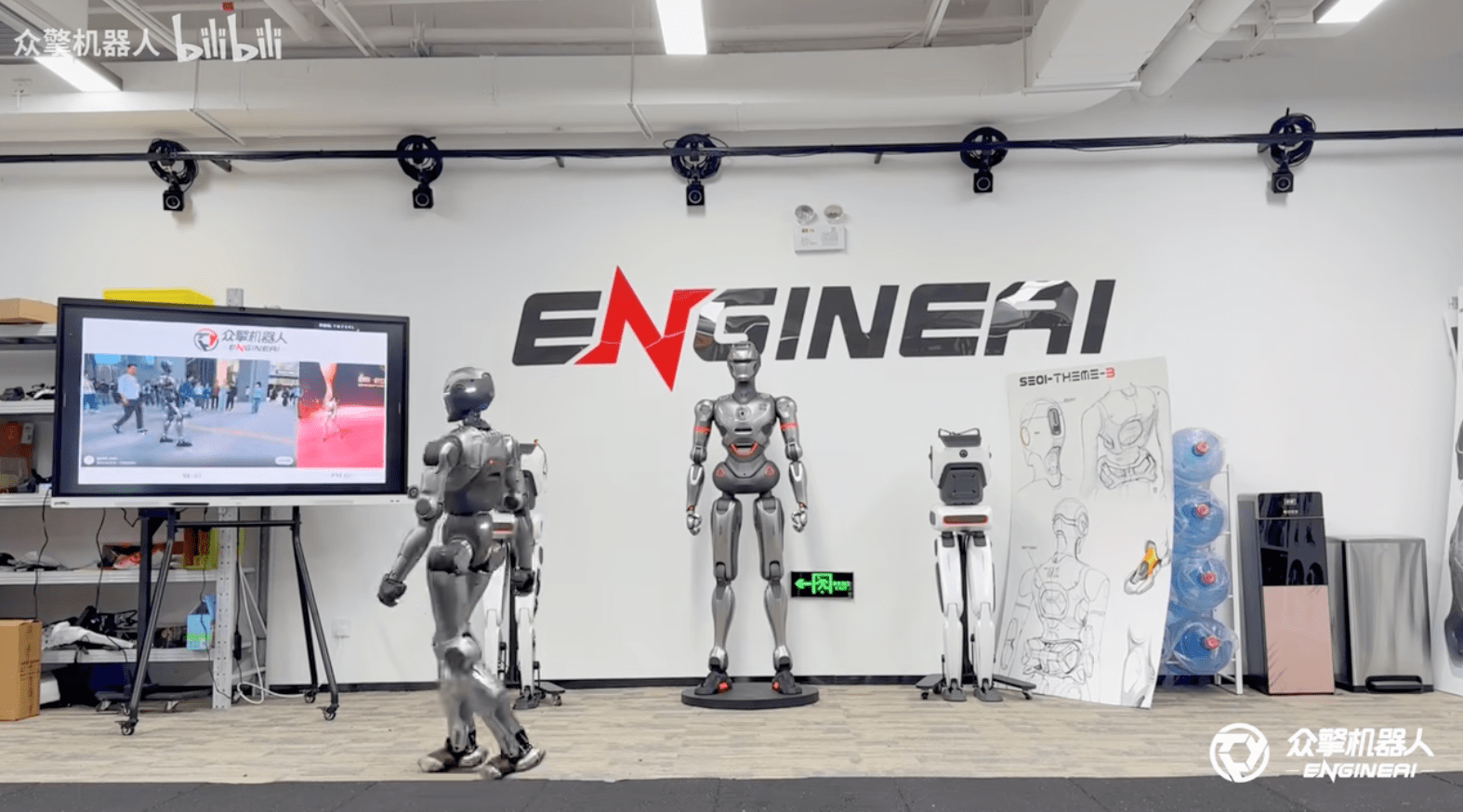
ENGINEAI Reports General-Purpose Humanoid Robot Costs Drop Below RMB100,000
ENGINEAI, a humanoid robot manufacturer based in Shenzhen, has announced that the cost of its general-purpose humanoid robots has decreased to below RMB100,000 per unit. This significant reduction marks a shift from three years ago when similar robots were priced over RMB1 million. The CEO of ENGINEAI, Zhao Tongyang, emphasized that this pricing pertains to robots intended for practical applications in factories and households, distinguishing them from lower-cost toy models. This development highlights the growing accessibility of advanced robotics technology for various sectors. Looking ahead, the industry may witness further advancements in humanoid robotics as costs continue to decline. No further timeline was disclosed at the time of publication.
News Feed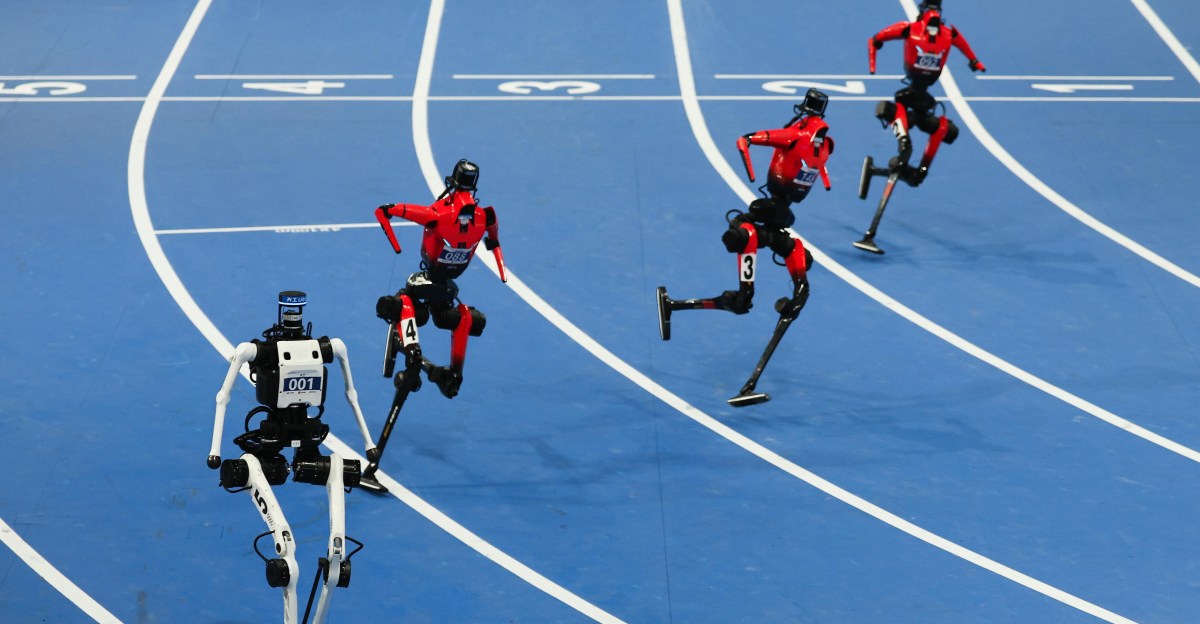
Chinese Robots Break Usain Bolt's 100-Meter Record at World Humanoid Robot Games
Chinese robots have surpassed Usain Bolt's 100-meter dash record during the World Humanoid Robot Games in Beijing. The Tiangong Ultra, developed by the Beijing Humanoid Robot Innovation Center, completed the race in 9.39 seconds, while the Honor-developed Lightning followed closely at 9.47 seconds. This achievement is significant as it highlights the advancements in bipedal robot technology, showcased at an event likened to an annual robot Olympics. The World Humanoid Robot Games, launched in 2025, features 2,056 robots from 16 countries competing in various categories, including sprinting and jumping. Looking ahead, the event continues to attract attention for its innovative displays of robotics. Tiangong Ultra also set a record in the 400-meter race, finishing in 38.16 seconds, outperforming the previous record held by Wayde van Niekerk. No further timeline was disclosed at the time of publication.
Entertainment News Robot Sports Tech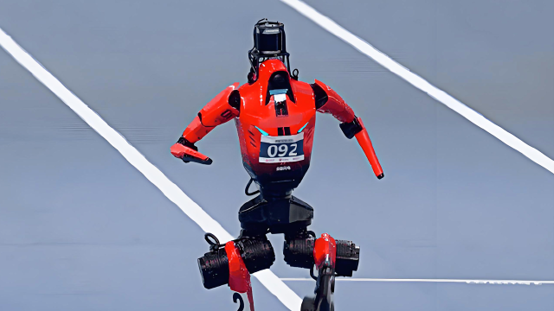
Honor Robot Sets Three Human Records Using Suoteng Lidar Technology
Recently, at the Second World Humanoid Robot Sports Competition, the Honor humanoid robot 'Lightning' broke three records using Suoteng's lidar technology. It completed the 1500 meters, 400 meters, and 100 meters events in 2 minutes 30 seconds, 39.45 seconds, and 9.32 seconds, respectively, surpassing human world records in all three categories. This achievement highlights the capabilities of the 'Lightning' robot, which demonstrates stable perception abilities across different athletic conditions. The Suoteng lidar plays a crucial role in the robot's environmental perception system, continuously gathering three-dimensional spatial information to support high-speed movement and stable operation. As the Honor robot sets these records, Suoteng's robotics business is also accelerating its scale. In the first quarter of 2026, the company sold 185,500 lidar units in the robotics sector, marking a 1458.8% year-on-year increase. The company has established itself as a leader in global 3D lidar shipments for robotics and is poised for further growth with the upcoming mass production of its self-developed SPAD-SoC chips.
Humanoid Robots Lidar Technology Robotics AI Sports Technology
Humanoid Robot Sets New 100m Record, Surpassing Usain Bolt in Beijing
At the opening ceremony of the second World Humanoid Robot Games in Beijing, a humanoid robot completed a 100-meter dash in 9.39 seconds. This remarkable feat surpassed Usain Bolt's previous world record of 9.58 seconds, as reported by Xinhua News Agency. The achievement is significant as it showcases advancements in robotics and artificial intelligence, particularly in the realm of humanoid robotics. Beating a record held by one of the fastest humans highlights the potential of robotic technology in competitive environments. Looking ahead, the implications of this event may influence future developments in robotics, particularly in sports and performance applications. No further timeline was disclosed at the time of publication.

Chinese Humanoid Robots Break Human Records in 100m Sprint and High Jump at Beijing Games
On the opening day of the World Humanoid Robot Games in Beijing, Chinese humanoid robots achieved remarkable feats by breaking human records. Notably, they surpassed Usain Bolt's world record in the 100-meter sprint, showcasing their advanced capabilities. This achievement is significant as it highlights the rapid advancements in robotics technology, particularly in humanoid design and performance. The ability of these robots to outperform human athletes in such competitive events underscores the potential for robotics in various applications, including sports and entertainment. Looking ahead, it will be interesting to see how these developments influence future competitions and the evolution of humanoid robotics. No further timeline was disclosed at the time of publication.
Robotics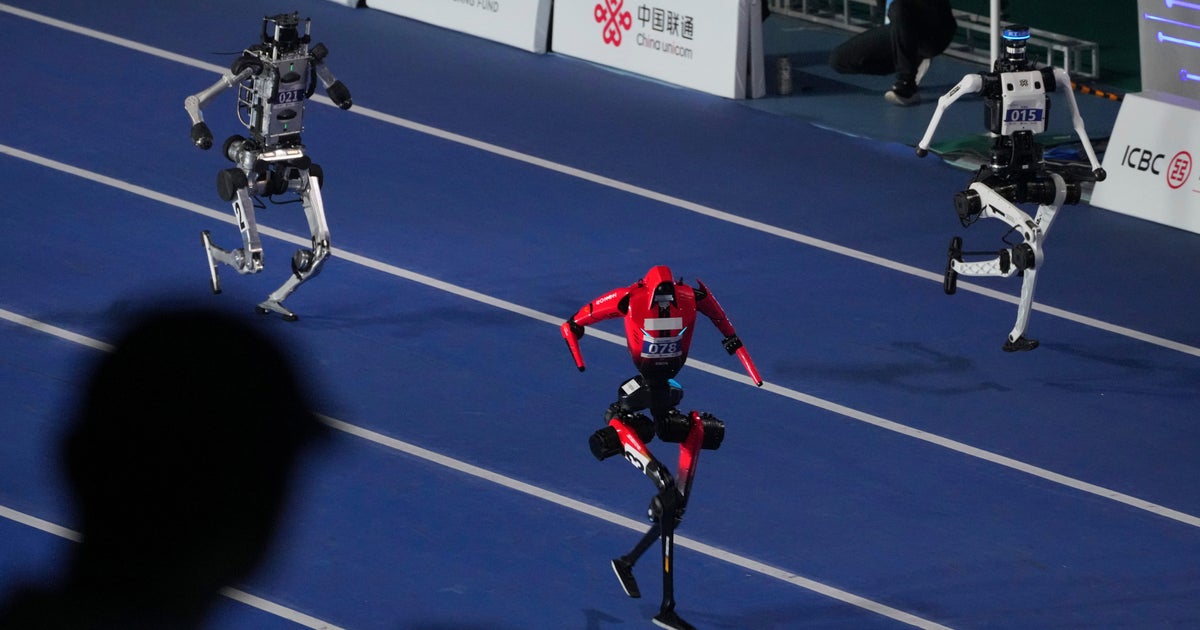
X-Humanoid's Robot Breaks Usain Bolt's 100-Meter Sprint Record in Beijing
At the World Humanoid Robot Games in Beijing, China's X-Humanoid showcased a humanoid robot that completed a 100-meter sprint in 9.39 seconds, surpassing Usain Bolt's previous record of 9.58 seconds set in 2009. This achievement highlights the advancements in robotics and the competitive spirit of the event, which featured over 2,000 humanoid robots. The significance of this milestone lies in China's growing leadership in humanoid robot development, as the event aims to demonstrate the country's rapid technological progress. The successful sprint and high jump records, alongside the participation of numerous robots, underscore the potential of robotics in various applications, despite some failures during the competitions. Looking ahead, the event reflects China's ambition in robotics, but experts caution that while impressive, the technology is still primarily used for demonstrations. No further timeline was disclosed at the time of publication.
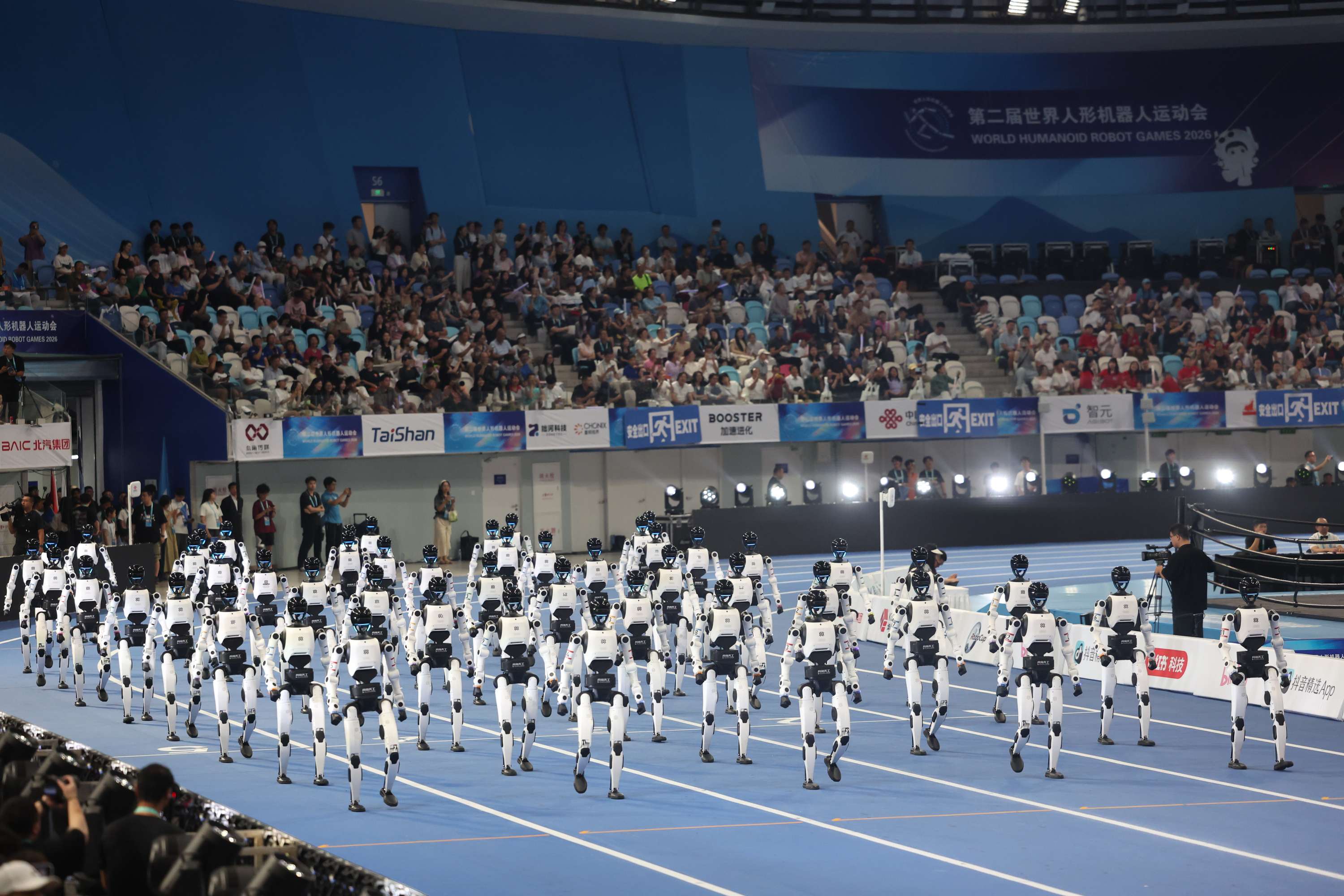
Second World Humanoid Robot Games Opens in Beijing with 2056 Robots Competing
The Second World Humanoid Robot Games commenced on August 22 at the National Speed Skating Hall in Beijing, featuring 666 teams from 16 countries and 2056 robots competing across 51 events over five days. This event is significant as it showcases cutting-edge technology and promotes the development of the embodied intelligence industry, serving as a platform for international technical exchange and innovation in robotics. Looking ahead, the competition has upgraded to fully autonomous operations, eliminating manual controls. The interactions between robots and human athletes highlight the advancements in robotics, setting high expectations for their performance in various scenarios.
Humanoid Robots Robotics Competitions AI Technology Autonomous Systems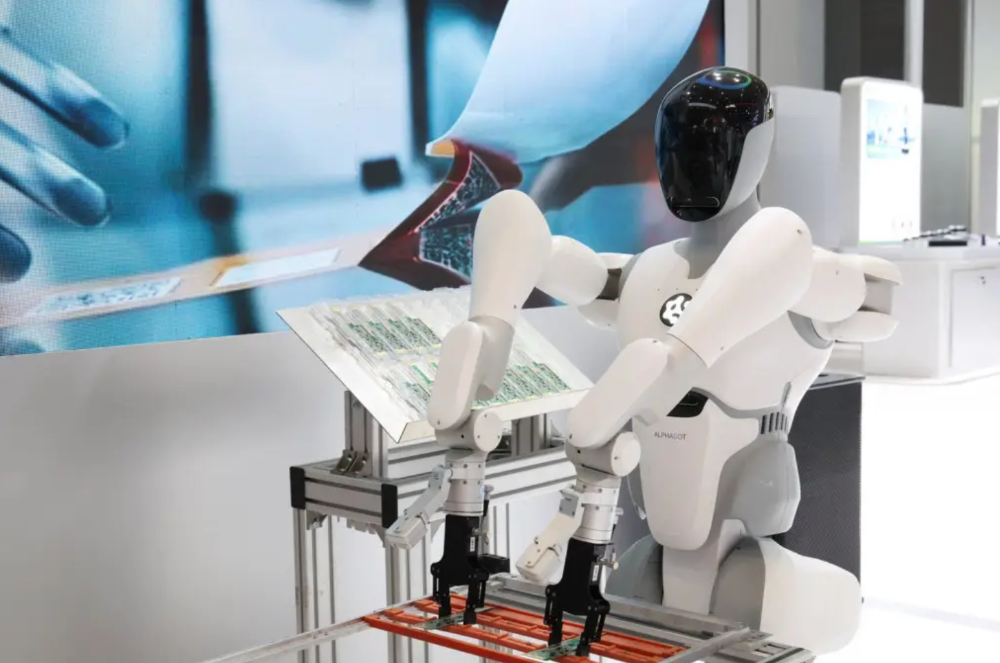
Humanoid Robots Evolve as Competition Intensifies in Human-Like Capabilities
On August 20, the World Robot Conference 2026 entered its second day, showcasing a notable trend: humanoid robots are increasingly resembling humans. Companies like Galaxy Universal launched the bipedal Galbot ET1, while Zhi Shen Technology presented the dynamic debut of the Yin Yi NE01. Various firms, including Xingdong Era and Ant Lingbo, have deployed humanoid robots in parcel sorting roles. This shift is significant as the industry debate over bipedal versus wheeled robots diminishes, with a growing consensus on the need for humanoid robots in both factories and homes. However, differing technological paths and product designs remain. Galaxy Universal's founder, Wang He, emphasized that for large-scale commercialization, humanoid robots must address foundational model capabilities, rapid scene adaptation, and reliable hardware, introducing the WAM-TTT technology to facilitate quick adaptation without manual intervention. As competition evolves, the focus is shifting from merely choosing a robot form to mastering specific applications and data utilization. EIR's CEO, Feng Zhenyu, highlighted the importance of real-world usage for product optimization and data collection. The next phase of competition will hinge on who can leverage deeper insights and stronger data capabilities to create value in various sectors, including finance and education.
Humanoid Robots Robotics Technology AI Automation Data Analytics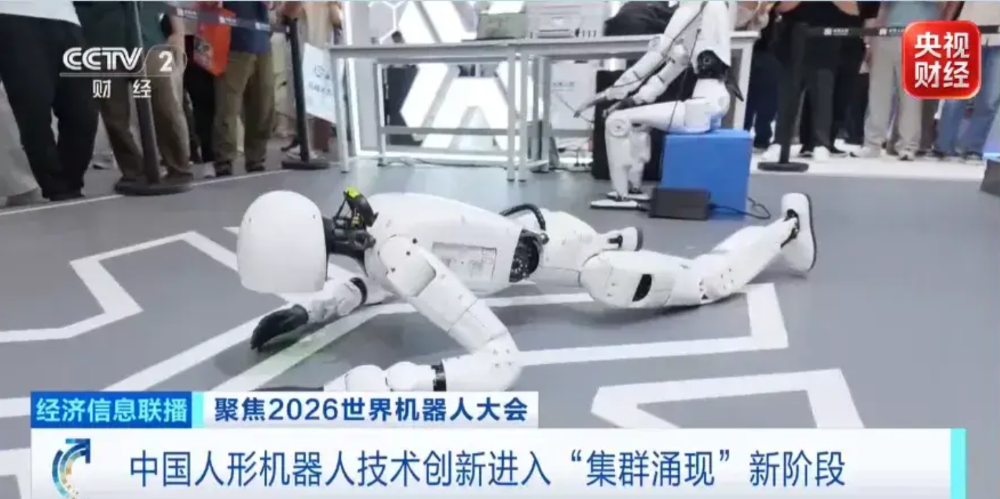
Humanoid Robot Industry Shifts from Solo Operations to Fleet Collaboration
On August 20, the 2026 World Robot Conference revealed that China's humanoid robot shipments exceeded 40,000 units in the first half of the year, capturing 97% of the global market share. The industry is transitioning from small-scale trials to regular deployment and large-scale applications. The conference showcased over 300 companies and more than 3,000 exhibits, with 300 new products launched. A significant trend noted was the shift from 'solo operations' to 'fleet collaboration.' Feiba Technology introduced a mobile logistics base capable of supporting various robotic platforms, including humanoid robots and drones, set to enter mass production by the end of this year. Additionally, the OneHub multi-robot collaboration system from Siasun aims to unify different robotic types under a single operational framework. The advancements in technology and collaboration strategies indicate a pivotal shift in the humanoid robot industry, moving towards collective efficiency rather than individual capabilities. No further timeline was disclosed at the time of publication.
Humanoid Robots Robot Collaboration Robotics Technology Logistics Robotics
Siemens Executive Highlights Semiconductors as the Core of Humanoid Robot Intelligence
Siemens Semiconductor Vice President Michael Mancy emphasized that the true essence of humanoid robots lies not in their physical appearance but in the semiconductors that enable their functionality. These robots must process real-time sensor data, run AI models, and coordinate joint movements simultaneously, requiring a robust semiconductor computing platform to avoid being mere 'puppets'. Mancy pointed out that humanoid robots are fundamentally software-defined systems, with their capabilities stemming from the integration of software, electronics, and mechanics rather than just mechanical hardware. The intelligence of these robots must extend to safely responding to various situations, necessitating advanced physical AI that coordinates perception, feedback, and actuation, which is significantly more complex than executing a large language model. As AI workloads increase on processors, heat management becomes critical, especially in high-temperature and electrically noisy factory environments. Mancy proposed heterogeneous integrated circuits as a solution, allowing multiple chips to be stacked in one package to optimize thermal performance. He also highlighted the importance of digital twins for modeling and validating humanoid systems before physical construction, enabling engineers to test software and hardware collaboratively and share verified improvements across fleets, ensuring continuous evolution and reliable operation in real-world environments.
Humanoid Robots Semiconductors AI Digital Twins Industrial Automation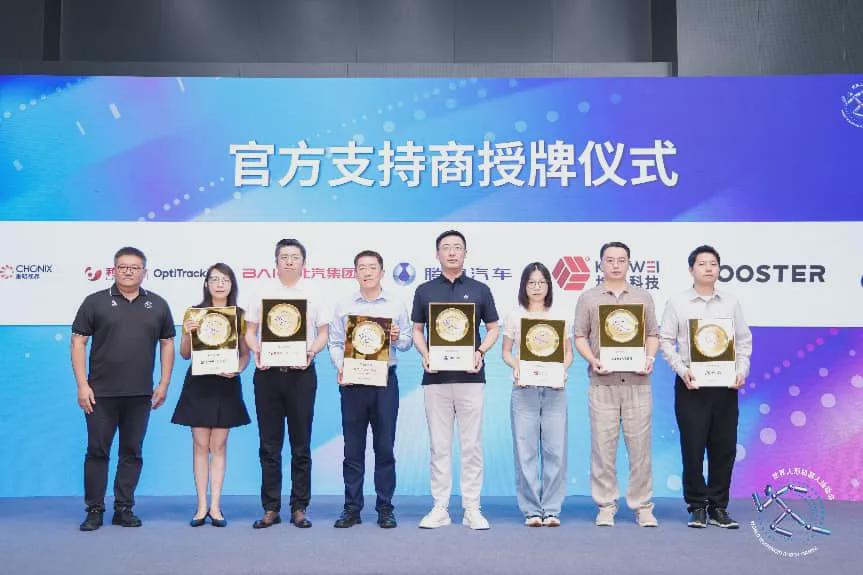
Kunwei Technology to Support 2nd World Humanoid Robot Games with Force Control Technology
The 2nd World Humanoid Robot Games will take place on August 22, 2026, at the National Speed Skating Stadium in Beijing. This event, themed 'Intelligent Competition Towards the Future,' will feature 666 teams and 2056 robots from 16 countries, marking a 138% increase in teams and a fourfold increase in robots compared to the first event. The competition will expand from 26 to 51 events, introducing high-intensity challenges such as long jump, weightlifting, tug-of-war, and table tennis, while also extending scenarios to nine real-world environments including industrial and domestic settings. This event is significant as it showcases the advancements in humanoid robot technology and aims to promote industry standards through competition. Analysts predict that 2026 will be a pivotal year for the commercialization of humanoid robots. The core components, such as six-dimensional force and joint torque sensors, are crucial for ensuring safe human-robot interaction and effective performance. Domestic manufacturers, led by Kunwei Technology, are gaining market share, achieving 58.8% in 2025, marking a shift away from reliance on foreign brands. Looking ahead, the focus will be on the development of a self-sufficient supply chain for force sensors in humanoid robots. Leading manufacturers are prioritizing domestic sensors for their stability, lightweight integration, and rapid customization. Kunwei Technology, with over 20 years of experience in multi-dimensional force sensor research, is positioned to meet these demands with its innovative technologies and products, including specialized sensors for humanoid robots that have already been adopted by major companies in the field. No further timeline was disclosed at the time of publication.
Humanoid Robots Force Sensors Robotics Technology Industrial Automation
Unitree Robotics Becomes First Humanoid Robot Company to Go Public in China
On Wednesday, Unitree Robotics made its debut on the STAR Market of the Shanghai Stock Exchange, trading under the ticker 688836.SH. This launch coincided with the opening of the 2026 World Robot Conference in Beijing, marking a significant moment as humanoid robots transition from laboratories to commercial markets. Unitree's initial public offering was priced at RMB 150.80 ($22.41) per share, raising approximately RMB 6.099 billion ($910 million) through the issuance of 40,446,434 new A-shares. Initially focused on quadruped robots, Unitree's founder Wang Xingxing established the company in 2016, capitalizing on the easier development and commercialization of quadruped designs. The company launched several series, including the Go, A, and B series, which laid the groundwork for its revenue growth. From 2022 to 2025, revenue from quadruped robots increased from RMB 92.82 million ($13.79 million) to RMB 698 million ($103.72 million), providing a solid foundation before the humanoid robot market surged. By 2025, humanoid robots became Unitree's primary growth driver, with revenue from this segment rising from RMB 2.96 million ($440,000) in 2023 to RMB 868 million ($128.98 million), representing over 51% of total revenue. As the humanoid robotics industry shifts focus toward practical applications, Unitree's successful IPO highlights its commercial viability and positions it well for future growth in a competitive market.
Heavy Hitters Content and entertainment Highlight News Robotics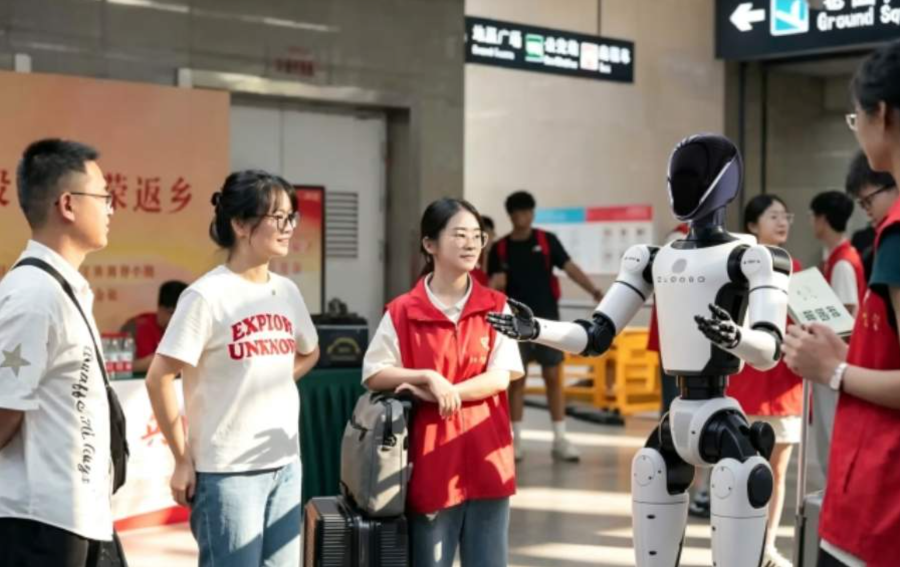
Wuhan's Humanoid Robot Team Unveils Innovations at 2026 World Robot Conference
At the 2026 World Robot Conference, Wuhan's humanoid robot team showcased innovations from 21 companies at the Hubei Provincial Humanoid Robot Innovation Center. Notable exhibits included the C1 humanoid robot, capable of getting up after falling, and the D2-W quadruped robot dog, equipped with autonomous navigation and long-lasting operational capabilities. This event highlights the advancements in humanoid robotics, demonstrating their evolution from basic mobility to performing complex tasks such as industrial handling and real-world inspections. The C1 robot's development involved nearly a month of training, while the D2-W has already been deployed for patrol duties in the Guanggu Innovation World. Looking ahead, the Wuhan team aims to establish partnerships and attract clients, emphasizing the importance of collaboration in advancing humanoid robotics. No further timeline was disclosed at the time of publication.
Humanoid Robots Robotics Innovation AI Technology Industrial Automation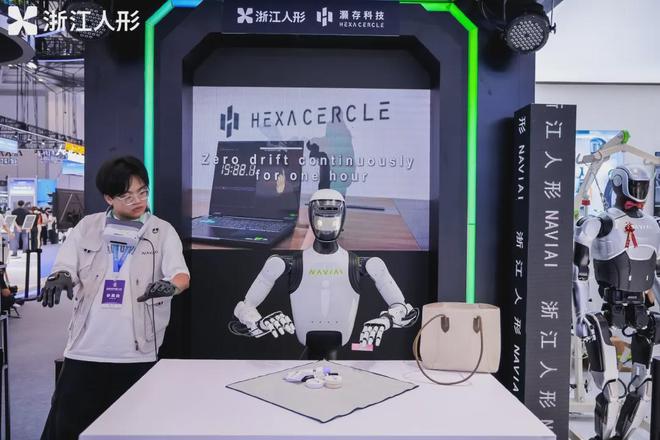
Haocun Technology and Zhejiang Humanoid Robotics Collaborate to Enhance Practical Applications
From August 19 to 23, the World Robot Conference (WRC) was held at the Beiren Yichuang International Exhibition Center, showcasing cutting-edge technologies in humanoid robotics and industrial intelligence. During the event, Zhejiang Humanoid Robotics Innovation Center's humanoid robot NAVIAI demonstrated its capabilities by synchronizing its arm movements with an operator wearing motion data gloves, achieving precise gestures without pre-programmed instructions. This collaboration between Haocun Technology and Zhejiang Humanoid Robotics marks a significant step in addressing the challenges faced by the humanoid robotics industry, which is transitioning from prototype development to practical applications. The partnership aims to overcome bottlenecks in skill transfer, training time, and operational reliability, which have hindered the deployment of humanoid robots in real-world scenarios. Looking ahead, the integration of Haocun Technology's motion perception and data collection capabilities with Zhejiang Humanoid's hardware platform is expected to accelerate the adoption of embodied intelligence technologies. No further timeline was disclosed at the time of publication.
Humanoid Robots Motion Capture Technology Industrial Automation Robotics Collaboration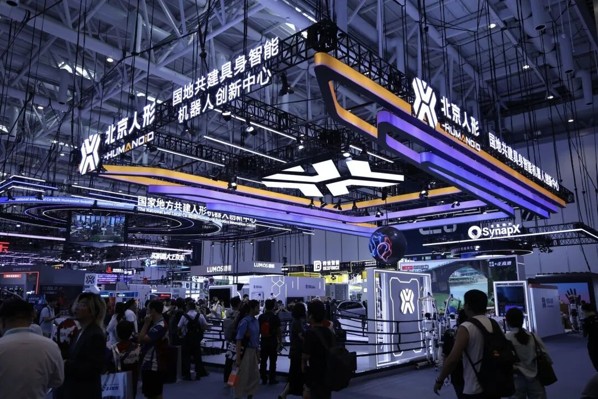
Beijing Humanoid Robots Unveil Full-Stack Technology at 2026 World Robot Conference
On August 19, the 2026 World Robot Conference commenced in Beijing, showcasing the Beijing Humanoid Robot Innovation Center's full-stack technology. The center presented its Tian Gong family of robots in a 336-square-meter exhibition area, emphasizing its commitment to autonomous and user-friendly industrial solutions. The significance of this event lies in the introduction of two benchmark products: the Pelican-Unify and the Tian Gong Omni. These innovations enhance embodied intelligence by integrating advanced capabilities such as visual understanding and action control, marking a significant step towards achieving general artificial intelligence (AGI). Looking ahead, the Pelican VL-2.0 will be commercially launched, representing a major milestone in the industry. The Tian Gong 3.0 robot demonstrated its ability to navigate complex environments autonomously, indicating its potential applications in various sectors, including luxury automotive and public service. No further timeline was disclosed at the time of publication.
Humanoid Robots Embodied Intelligence Robotics Innovation AI Automation Solutions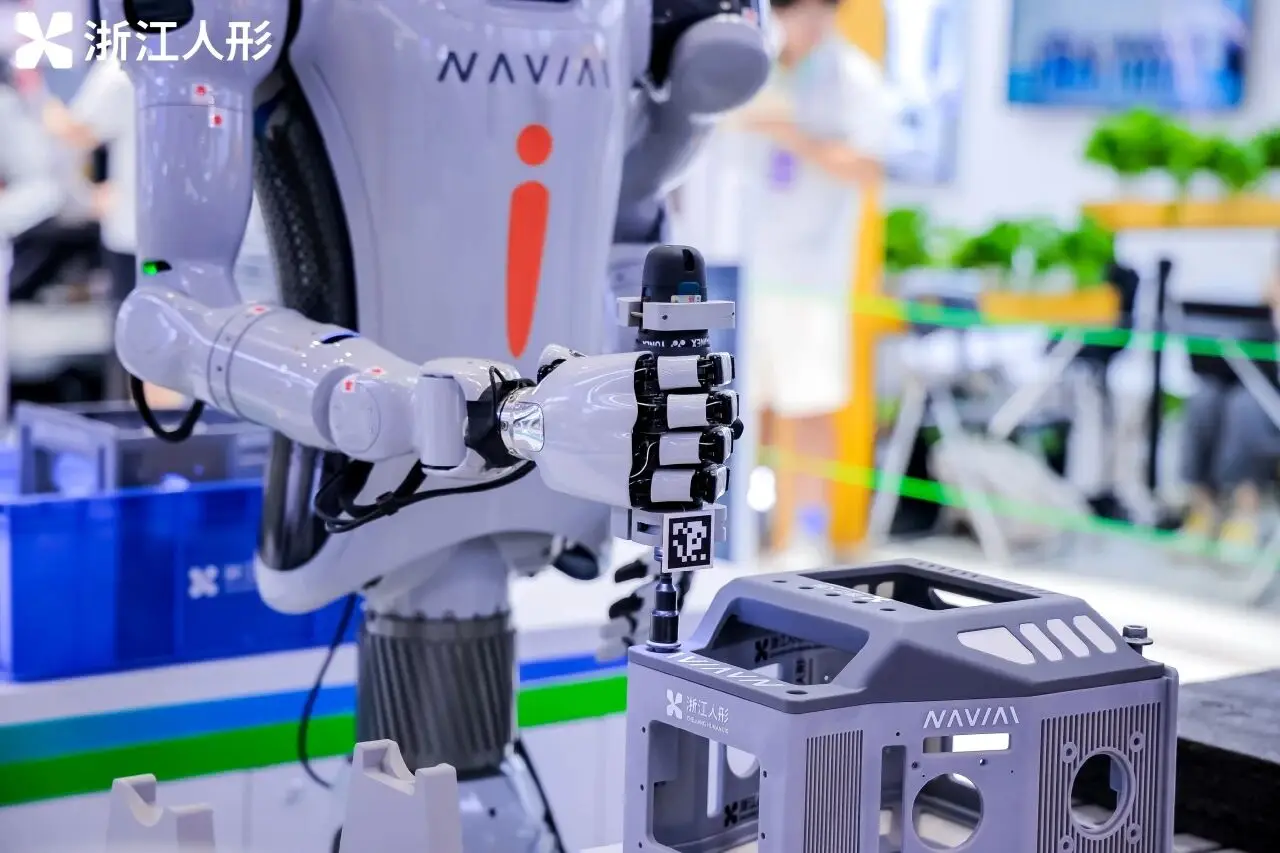
Zhejiang Humanoid Robotics Unveils NAVIAI at the 2026 World Robot Conference
The 2026 World Robot Conference (WRC) commenced on August 19 at the Yichuang International Exhibition Center in Beijing, marking a significant evolution from previous events. Zhejiang Humanoid Robotics Innovation Center Co., Ltd. showcased its NAVIAI core robot matrix at booth C-105, highlighting a product system based on a unified technology platform and demonstrating practical applications across various scenarios. This event is crucial as it reflects the integration of the SPIRE technology system, which combines world models for environmental cognition and embodied models for dynamic adaptation. This synergy enables robots to transition from understanding semantics to executing precise actions, showcasing the potential of humanoid robots in industrial, commercial, and domestic settings. Looking ahead, the focus will be on the continued development of humanoid robots like NAVIAI in diverse applications. No further timeline was disclosed at the time of publication, but the advancements in operational capabilities and the ability to adapt to various environments suggest a promising future for humanoid robotics in both commercial and domestic markets.
Humanoid Robots Industrial Automation Robotics Technology AI Smart Home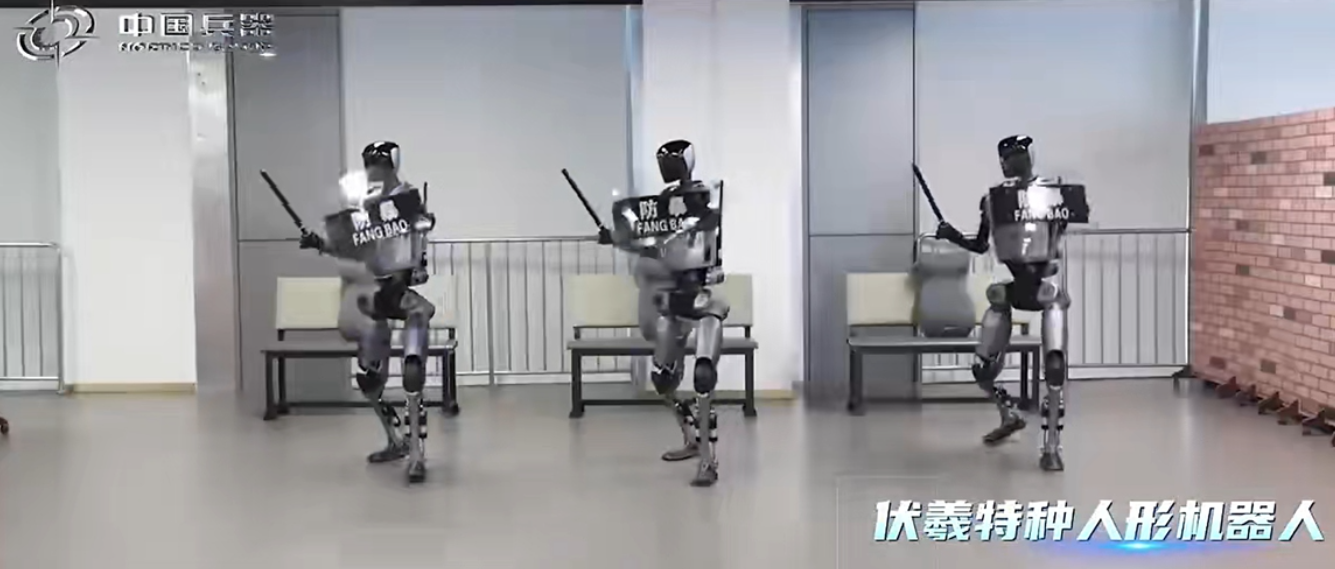
NORINCO Launches Fuxi Humanoid Robot for Remote Operations in Dangerous Environments
On August 19, NORINCO unveiled its full-size humanoid robot, Fuxi, at the 2026 World Robot Conference in Beijing. This robot is designed for remote human control in hazardous areas, utilizing a system that allows operators to replicate their movements in real-time. Fuxi aims to operate in environments where humans cannot or should not go, such as nuclear disaster sites or areas under enemy fire. The significance of Fuxi lies in its advanced capabilities for reconnaissance, intelligent patrolling, and operations in dangerous zones. It can identify personnel and issue alerts, and multiple Fuxi robots can work collaboratively. During the conference, Fuxi demonstrated its ability to perform urban patrols at night, showcasing its practical capabilities in multi-robot management and response. Fuxi is built using entirely domestically developed technology, focusing on human-robot perception and coordination. This development marks a significant step for China in military and special operations robotics, distinguishing itself from consumer and industrial robots. No further timeline was disclosed at the time of publication.
Humanoid Robots Remote Operation Technology Military Robotics Hazardous Environment Robotics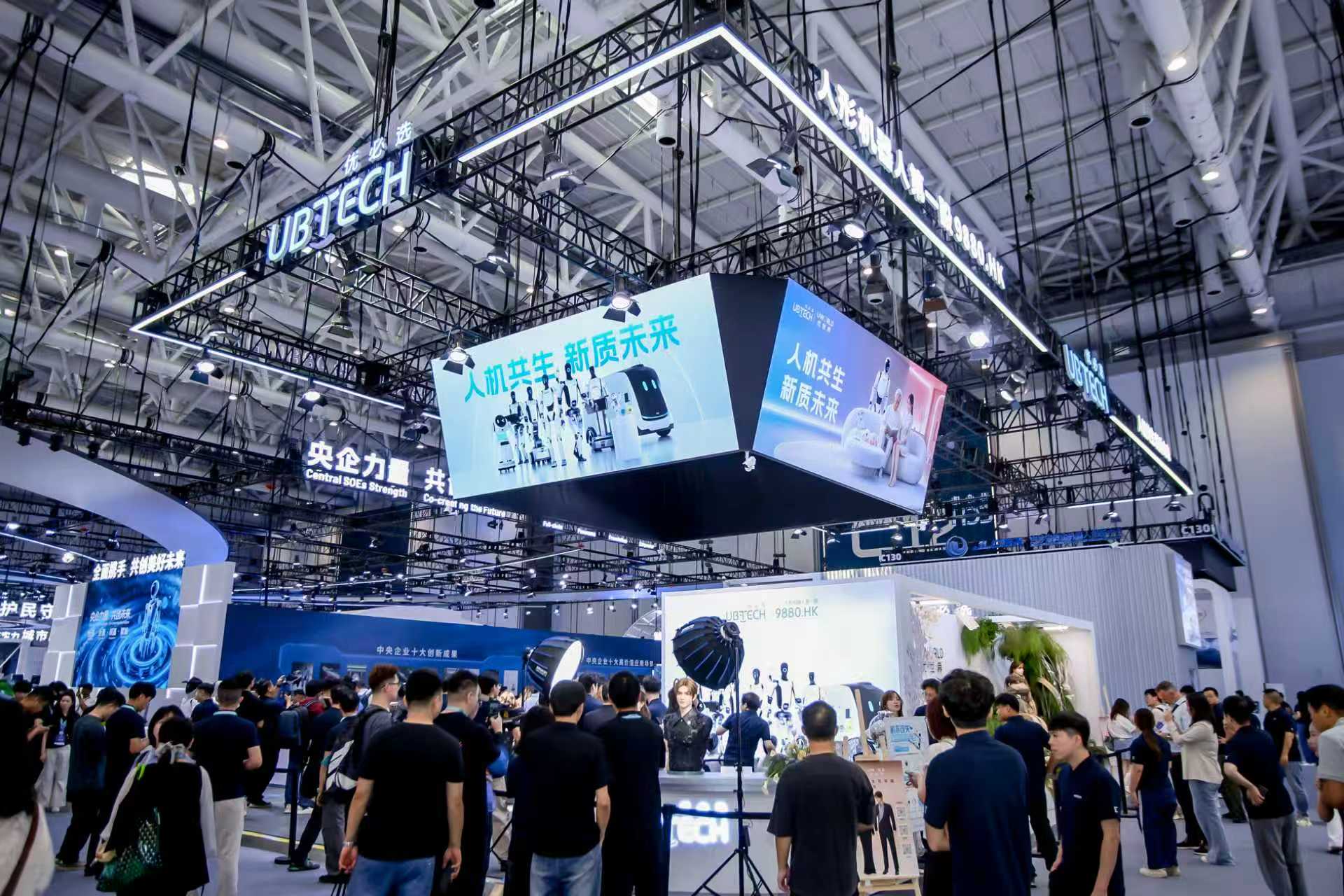
UBTECH Unveils New Humanoid Robots for Industrial, Commercial, and Home Use at WRC 2026
From August 19 to 23, 2026, the World Robot Conference (WRC 2026) took place in Beijing, where UBTECH showcased a range of humanoid robots designed for industrial, commercial, and home applications. Highlighted products included the industrial humanoid robot Cruzr Y1, the commercial service robot Walker C1, and the ultra-bionic humanoid robot U1, marking a significant step towards the market application of humanoid robots. This event is pivotal as 2026 is recognized as the inaugural year for the market application of humanoid robots, transitioning from conceptual exploration to practical, scalable development. UBTECH's strategy encompasses a comprehensive approach to industrial strength, commercial service, and emotional engagement in home consumption, leveraging technology and data to enhance the productivity value of humanoid robots. Looking ahead, UBTECH's commitment to advancing embodied intelligence technology is crucial for the successful deployment of humanoid robots across various sectors. No further timeline was disclosed at the time of publication.
Humanoid Robots Industrial Automation Commercial Robotics Home Robotics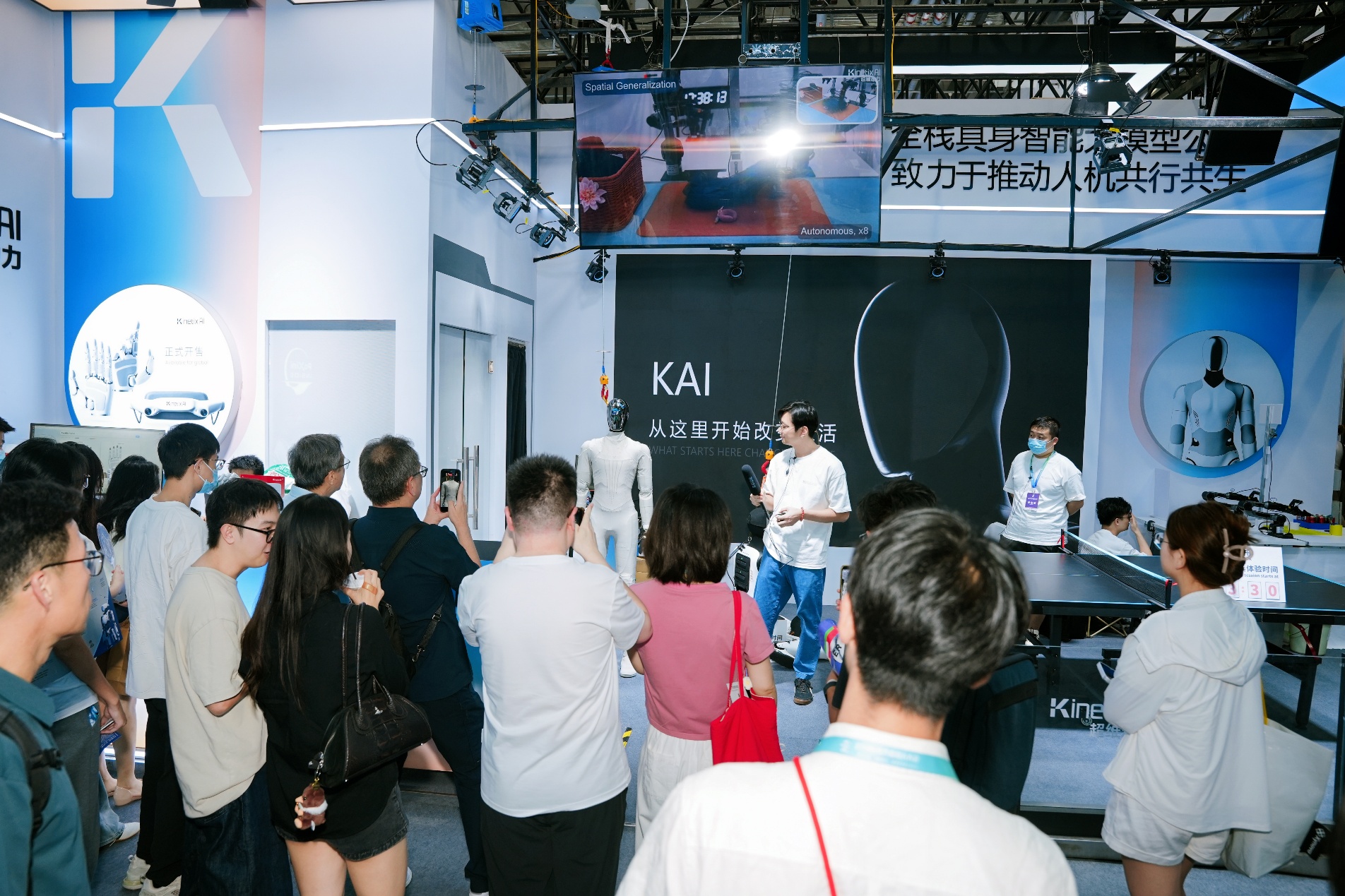
First Humanoid Robot Achieves Autonomous Table Tennis Match at 2026 World Robot Conference
On August 19, the 2026 World Robot Conference opened in Beijing, featuring the world's first humanoid robot capable of completing an autonomous table tennis match. This milestone, achieved by Chao Wei Power, showcases significant advancements in the robot's perception, decision-making, and control capabilities in high-speed dynamic environments. The importance of this achievement lies in its demonstration of the robot's ability to respond to fast-moving and unpredictable table tennis scenarios, with a reaction time measured in milliseconds. The SMASH 2.0 system integrates high-speed visual perception and real-time trajectory prediction, enabling the robot to autonomously serve and return balls with coordination and adaptability comparable to human athletes. Looking ahead, Chao Wei Power's innovations, including the KAIBot with 117 degrees of freedom and the KAI Hand for fine manipulation, will continue to evolve. No further timeline was disclosed at the time of publication.
Humanoid Robots Table Tennis Robotics AI Technology Robotics Innovation
Yushu Technology Launches 'Superman' Humanoid Robot with Record-Breaking Performance
Yushu Technology has introduced its latest humanoid robot, 'Superman', which features remarkable abilities including a vertical jump of 2 meters and a maximum speed of 12.66 m/s, exceeding human performance records. This development is significant as it showcases Yushu Technology's commitment to advancing dynamic movement and stability in robotics, furthering their exploration in high-performance robotic systems. Looking ahead, the industry will be keen to observe how 'Superman' performs in real-world applications and whether it can influence future designs in humanoid robotics. No further timeline was disclosed at the time of publication.
Humanoid Robots Robotics Technology Dynamic Movement AIRobotics needs a service framework.
RSF defines a common language for robot service capability, lifecycle operations, certification pathways, and service-provider networks.
Join the RobotToday community on LinkedIn
Daily robotics news, in-depth analysis, conference highlights, and discussions with professionals worldwide.