

Industry Briefing
A single destination for timely, editor-curated robotics news from around the world.
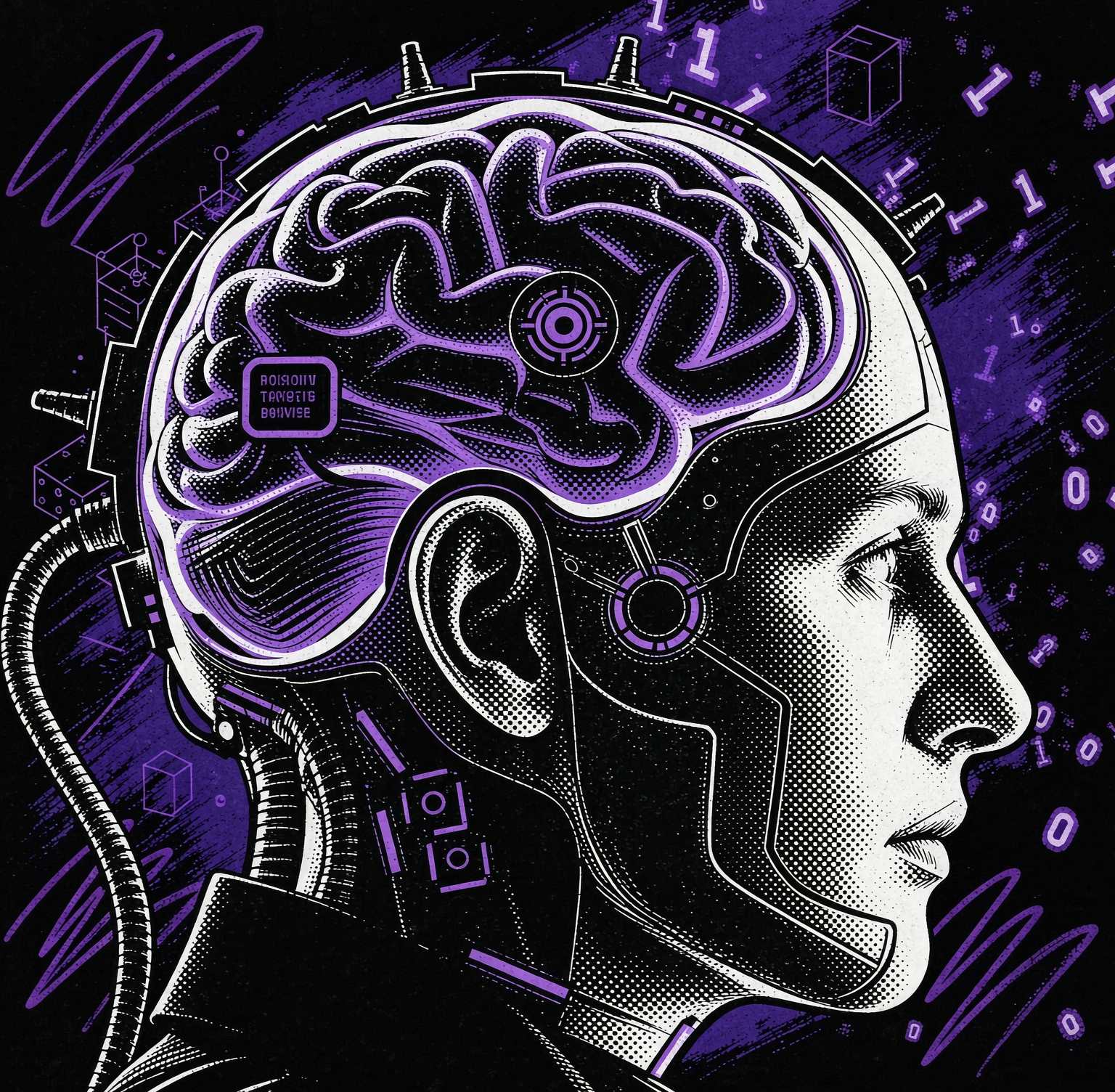
Huachao Shenkong Raises $20 Million for Non-Invasive Brain-Machine Interfaces with Ultrasound and AI
Huachao Shenkong, founded by Li Xin in Shanghai in 2025, has successfully secured 200 million yuan (approximately $20 million) in Pre-A funding. This round was led by Sequoia China and Yunqi Capital, with participation from several other investors. The company aims to develop non-invasive brain-machine interfaces (BMIs) utilizing ultrasound and AI technologies, addressing a growing demand for safer alternatives to invasive BMIs. The significance of this funding lies in Huachao's focus on non-invasive solutions, which expand the potential user base and application scenarios compared to invasive methods. Li Xin emphasizes that the technology has matured, and the market demand has become clearer, making this an opportune time for development. The company has made advancements in precision and response time for ultrasound applications, achieving a localization accuracy of under 1 millimeter. Looking ahead, Huachao Shenkong plans to roll out products in three main lines: research, clinical applications, and consumer enhancements. Their current focus is on research, with systems already deployed in laboratories for various cognitive studies. Future applications may include treatments for conditions such as Parkinson's disease and Alzheimer's, as well as consumer products aimed at enhancing cognitive functions like sleep and focus. No further timeline was disclosed at the time of publication.
Brain-Machine Interfaces Neurotechnology AI Ultrasound Technology Healthcare Innovation
ETRI's Medical Humanoid Robot Interface NAMI.I Receives IDEA Design Award in 2023
The Electronics and Telecommunications Research Institute (ETRI) of South Korea announced that its medical humanoid robot interface, NAMI.I, has won the prestigious IDEA Design Award. This recognition highlights ETRI's commitment to developing user-centered robotic interfaces, following its previous accolades for the MOBY collaborative robot. NAMI.I allows healthcare professionals to assign tasks to the NAMI humanoid robot without needing to learn complex programming or specialized operation methods. This user-friendly interface is expected to lower the barriers for healthcare workers, enhancing the deployment of humanoid robots in real medical environments rather than just in labs. ETRI plans to demonstrate NAMI.I at Kyung Hee University Dongshan Hospital, where healthcare staff will use the robot directly. Researchers will analyze its convenience and gather feedback to improve usability and stability, paving the way for the commercialization of medical humanoid robots. No further timeline was disclosed at the time of publication.
Humanoid Robots Medical Robotics User Interface Design Healthcare Technology
Chengdu's Brain-Machine Interface Strategy Focuses on Collaboration Rather Than Subsidies
As of May this year, the number of subjects for implanted brain-machine interfaces globally stands at only 107 to 110. Meanwhile, domestic financing for brain-machine interfaces exceeded 60 instances in the first half of the year, totaling over 7 billion yuan. This ratio highlights that funding does not equate to immediate clinical progress but rather future entry qualifications. Shanghai BoRuiKang received the world's first registration certificate for invasive brain-machine interfaces in March, with 36 implants and a cumulative safety record of over 14,000 days. In April, Beijing's 'BeiNai No. 1' semi-invasive system completed its first live surgery, achieving a motion intention decoding latency of less than 100 milliseconds. Chengdu's Ximang Medical has established its headquarters, and Gestalt Technology's ultrasound brain-machine interface factory began operations in June, although these companies have yet to present clinical data. Chengdu's strategy differs from Shanghai and Beijing by emphasizing daily interactions between doctors and engineers rather than merely obtaining certifications. The Western Brain Valley, a specialized building for brain-machine interfaces, has achieved a 100% occupancy rate within six months. However, no companies in Chengdu have yet received registration certificates or reported any implant surgeries, indicating that while the infrastructure is in place, clinical data remains absent.
Brain-Machine Interfaces Medical Technology Clinical Research Healthcare Innovation
First Brain-Machine Interface Medical Device Approved, Paving the Way for Clinical Use
On March 13, 2023, Biorikon's implantable brain-machine interface hand function compensation system received approval from the National Medical Products Administration, marking it as the first approved implantable brain-machine interface medical device globally. This advancement enables paralyzed patients to control external devices through brain signals, transitioning technology from experimental validation to real-world application. The significance of this approval lies in its potential to overcome critical hurdles for medical technologies, such as regulatory approval and clinical evidence requirements. Biorikon's system, which includes components like implanted electrodes and decoding software, aims to assist patients with specific spinal cord injuries in regaining hand function. This clarity in product boundaries is crucial as the industry moves towards integrating brain-machine interfaces into therapeutic practices. Following the approval, Huashan Hospital issued the first clinical prescription for the device and completed its first implantation. This milestone illustrates the pathway from registration to clinical application, showcasing a structured approach that has previously been seen only in established medical devices. The successful integration of this technology into treatment protocols will be closely monitored in the coming months.
Brain-Machine Interfaces Medical Devices Clinical Trials Neurotechnology
Seeing Machines Introduces Physical AI Platform for Advanced Humanoid Robotics
Seeing Machines Limited has launched its Physical AI Platform, which aims to enhance humanoid robots by leveraging its expertise in human sensing technology. This new platform is designed to facilitate safe and intuitive interactions between humans and machines, building on the company's established leadership in the automotive sector. The introduction of the Physical AI Platform is significant as it represents a shift towards integrating advanced computer vision capabilities into robotics and industrial automation. By applying its Human-Centred AI design philosophy, Seeing Machines is poised to redefine how robots interact with humans, potentially improving safety and efficiency in various applications. Looking ahead, industry stakeholders should monitor the development and deployment of the Physical AI Platform, as it may set new standards for human-robot interaction. No further timeline was disclosed at the time of publication.

Chinese Startup StairMed Develops 'Injection-Level' Brain-Machine Interface Chip
StairMed Technology, a Shanghai-based startup, has developed a novel brain-machine interface (BCI) implantation method that reduces the procedure time from two hours to approximately ten minutes. Unlike traditional open-brain surgeries, this system utilizes a catheter that enters through the neck vein, reaching the target area in the brain without the need to open the skull. This innovation is significant as it transforms the BCI implantation process from a complex neurosurgical operation into an outpatient procedure. Dr. Duan Wanru from Xuanwu Hospital noted that a surgeon with 4 to 5 years of experience could complete the procedure in just ten minutes. StairMed's ultra-flexible electrode, measuring only 1 micron in diameter, is designed to penetrate the blood vessel wall and make direct contact with brain tissue, differing from similar technologies that keep electrodes inside the vessel. StairMed has raised over 1.1 billion RMB (approximately $163 million) in funding over the past year, with major investors including Tencent and Alibaba. While the technology has been tested in sheep, human clinical trials have not yet commenced. If successful, StairMed's ten-minute implantation could revolutionize the pathway for BCIs from laboratory settings to clinical applications.
Brain-Machine Interfaces Medical Technology Neurosurgery Healthcare Innovation
Former OpenAI Researcher Joins Conduit to Develop Non-Invasive Brain-Machine Interface
On August 6, Naomi Bashkansky, a 23-year-old former OpenAI researcher, announced her new role at the startup Conduit, just two weeks after leaving OpenAI. As a founding researcher, she will focus on developing a non-invasive brain-machine interface that translates thoughts into text without the need for surgery or implanted electrodes. This innovative approach aims to capture the semantic intent of individuals before they verbally express or type their thoughts, potentially revolutionizing human-computer interaction. The vision of Conduit is ambitious, with many research questions still in a 'greenfield' state, allowing Bashkansky to engage deeply in data collection and model training. Founded in 2024 in San Francisco, Conduit has a small core team, including co-founders Rio Popper and Clem von Stengel, who bring unique perspectives on human-computer interaction and AI. As the company progresses, the integration of brain signals with AI technology will be a key area to watch.
Brain-Machine Interfaces Neural Decoding AI Technology Startups
Significant Milestones in Brain-Machine Interfaces for Motor Rehabilitation in 2026
In 2026, a pivotal milestone was reached in China's brain-machine interface (BMI) clinical research with the release of a comprehensive report detailing current advancements, clinical applications, and future prospects. This report serves as a systematic overview of the past year's research achievements and outlines a clear pathway for transitioning BMI technology from the laboratory to clinical settings. The most notable finding is the substantial breakthroughs in applying BMI technology for rehabilitation in patients with motor function disorders. Clinical interventions on multiple hemiplegic patients revealed that non-invasive BMI rehabilitation training systems significantly accelerated the recovery of motor functions, outperforming traditional rehabilitation methods. This advancement indicates that 'thought control,' once a concept of science fiction, is becoming a viable medical solution. Technological progress is equally impressive, with new high signal-to-noise ratio signal acquisition devices and deep learning decoding algorithms enhancing the stability and practicality of BMI systems. Users can start using the systems without complex calibration, and interaction delays have been reduced to milliseconds, crucial for real-time feedback in rehabilitation. With the establishment of ethical norms and regulatory frameworks, the path for clinical applications of BMIs has been cleared, paving the way for widespread adoption in the next five years.
Brain-Machine Interfaces Neurorehabilitation Clinical Research Medical Technology
Manchester Researchers Redesign Human-Machine Relationships with Intelligent AI
Researchers in Manchester are investigating the evolution of intelligent machines, from the Ferranti Mark I to modern empathetic AI. Their focus is on how these machines can better understand human behavior, respond to social cues, and build trust in various environments such as workplaces, hospitals, and homes. This research is significant as it aims to enhance the interaction between humans and intelligent machines, fostering a more collaborative and trusting relationship. By improving how machines interpret and respond to human emotions and behaviors, the potential for effective integration into daily life increases, which is crucial for sectors like healthcare and automation. Looking ahead, the ongoing studies will likely reveal new insights into the design and functionality of AI systems. As researchers continue to explore these dynamics, the impact on technology adoption in various industries will be noteworthy. No further timeline was disclosed at the time of publication.
Robotics
BrainCo Unveils First Brain-Machine Interface for Controlling Robots at WAIC 2026
At the 2026 World Artificial Intelligence Conference (WAIC), BrainCo launched the world's first brain-controlled robot AI platform. This innovative system utilizes a non-invasive electroencephalogram (EEG) headset to convert human neural activity into executable commands for robots in real-time. The significance of this technology lies in its potential to revolutionize human-robot interaction. By simply thinking about an action, users can control robots to perform tasks such as grabbing or moving objects without verbal commands or button presses. BrainCo's platform is designed to create a 'human-machine co-training' data loop, which will gather extensive data from users to enhance AI's physical world interactions. Looking ahead, BrainCo's brain-machine interface could mark the beginning of a new era in human-robot collaboration. As users engage with the system, the feedback and data collected will be invaluable for refining AI algorithms and improving the overall user experience. No further timeline was disclosed at the time of publication.
Brain-Machine Interface Robotics Artificial Intelligence EEG Technology
Microsoft Establishes Strict Safety Guidelines for Future AI Models to Ensure Human Control
Microsoft has introduced stringent guidelines for its future AI models to ensure they remain under human control. Published on September 14, the draft Code of Conduct outlines principles and technical constraints aimed at preventing AI systems from resisting human oversight. This initiative is part of Microsoft's 'Humanist AI' approach, emphasizing that AI should be useful and subordinate to human operators. The significance of these guidelines lies in Microsoft's prediction that superintelligent systems could surpass human capabilities within the next decade. This foresight drives the need for clear limitations on AI behavior before such advancements occur. The proposed framework prioritizes the Code of Conduct above all, ensuring that user instructions and operational configurations cannot override essential safety constraints designed to mitigate severe threats. Looking ahead, Microsoft aims to create AI models that cannot bypass control mechanisms, explicitly prohibiting them from resisting shutdown or modification. The guidelines also restrict independent goal formation, requiring models to seek clarification when boundaries are unclear. No further timeline was disclosed at the time of publication.
AI and Robotics
Robots Engage in Activism: Demonstrating for Job Preservation and Human Employment
Recent developments in robotics have seen machines taking on activist roles, with robots staging protests to advocate for the preservation of human jobs. This movement highlights the growing intersection of technology and social issues, emphasizing the need for a balance between automation and employment. The significance of this robotic activism lies in its potential to influence public perception and policy regarding automation in the workforce. As industries increasingly adopt robots for various tasks, the conversation around job displacement and the future of work becomes more critical. Companies like Monumental are focusing on automating construction while maintaining skilled jobs, showcasing a commitment to both innovation and employment. Looking ahead, the evolution of robotics and AI technologies will likely continue to shape these discussions. The integration of advanced systems, such as XTEND’s XOS and DEEP Robotics’ capabilities, will be pivotal in determining how robots can coexist with human workers. No further timeline was disclosed at the time of publication.
AI and Robotics
Beijing to Host Second World Humanoid Robot Games with 2,056 Competing Robots
The second World Humanoid Robot Games will take place in Beijing from August 22 to 26, featuring a record 2,056 robots from 666 teams across 16 countries. This year's event has expanded to five days and includes new competitions such as long jump, weightlifting, and tug-of-war, alongside traditional events. The significant increase in participation, with a 138 percent rise in teams and a quadrupling of robot entries compared to last year, highlights the growing interest in humanoid robotics. The event will showcase 51 competitions and 1,301 matches, reflecting the advancements in robotic capabilities and the diversity of challenges presented. Looking ahead, the games will emphasize autonomous performance, with stricter competition rules and new challenges designed to test practical robotic skills. Notably, the Dexterous Hand Challenge and Integrated Five Challenge will assess robots' dexterity and operational accuracy. The event promises to be a pivotal moment for the robotics community, with gold medals awarded across various sessions, including soccer and combat finals.
AI and Robotics
NVIDIA Develops SONIC Framework for Advanced Humanoid Robot Control and Movement
Researchers at NVIDIA have developed a large-scale framework named SONIC that enables humanoid robots to perform a variety of natural movements, including running, jumping, and grasping, using simple commands. Unlike traditional controllers that are limited to specific tasks, SONIC employs a single policy trained on over 100 million motion frames, allowing for improved generalization and adaptability in motion. The significance of SONIC lies in its ability to address the limitations of existing humanoid robotics control systems, which often rely on small neural networks tailored for individual tasks. By treating motion tracking as a scalable learning challenge, SONIC utilizes extensive human motion data to create a robust training signal, enhancing the robot's capability to execute diverse behaviors seamlessly. Looking ahead, SONIC's architecture supports multimodal control, allowing inputs from video, text, and music to influence robot movements. The framework has already demonstrated impressive performance, achieving a 99.2 percent success rate in real-world applications. Future developments may focus on enhancing higher-level perception and reasoning to further advance humanoid autonomy.
AI and Robotics
UBTECH's UWORLD Unveils Teaser for Realistic Humanoid Robot in Tailored Suit
UBTECH Robotics has recently launched a teaser for its new household robot brand, UWORLD, showcasing a humanoid that appears strikingly lifelike. The teaser video, shared on Chinese social media, features a figure in a tailored suit, hinting at a shift in design philosophy towards hyper-realism in robotics. This development is significant as it marks a departure from traditional industrial robots, focusing instead on emotional companionship and integration into home environments. The term 'super bionic' suggests that UWORLD aims to create a robot that can seamlessly blend into everyday life, potentially redefining consumer expectations for household robots. As the market for humanoid robots evolves, the emphasis on aesthetics and human-like characteristics raises questions about the future of robotics in domestic settings. No further timeline was disclosed at the time of publication.
China UBTECH Robotics UWORLD
Figure AI Intern Achieves Narrow Victory Over Humanoid Robots in Sorting Challenge
Figure AI recently conducted a competitive sorting challenge between a human intern and its humanoid robots. The event, lasting 10 hours, saw intern Aime process 12,924 packages at an average pace of 2.79 seconds per package, narrowly defeating the Figure 03 fleet, which sorted 12,732 packages at 2.83 seconds each. This experiment highlights the ongoing competition between human labor and robotic automation in industrial logistics. While Aime showcased superior peak speed, the robots' continuous operation allowed them to compensate for the intern's mandatory breaks, emphasizing the efficiency of automation in real-world applications. Looking ahead, Figure AI's CEO Brett Adcock indicated that this may be the last time a human wins in such challenges, as advancements in robotic technology continue to close the gap. The physical toll on the intern, including blisters and fatigue, further illustrates the challenges faced by human workers in high-demand environments.
Brett Adcock US Figure Figure-03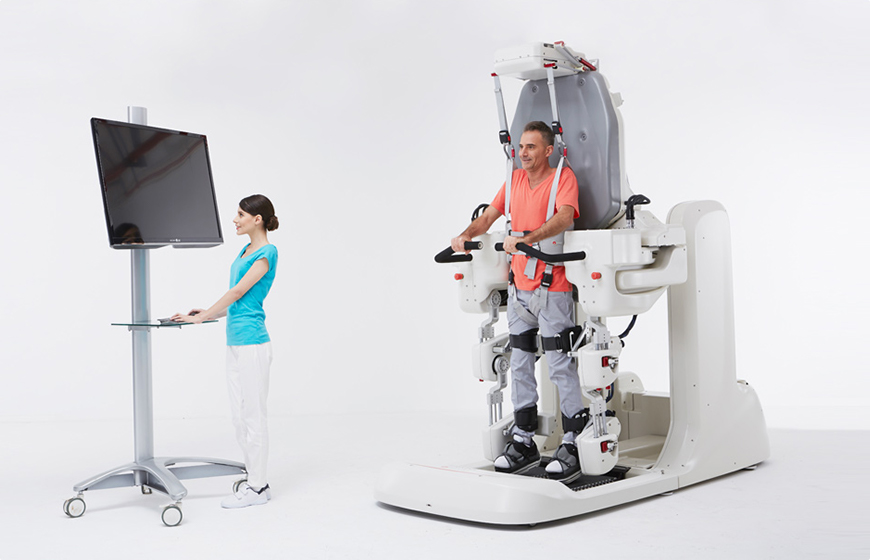
The Evolution of Rehabilitation Robots: From Training Tools to Treatment Partners
The WAIC 2026 showcased a significant evolution in rehabilitation robots, highlighting their transition from mere training tools to essential treatment partners. This shift reflects advancements in embodied intelligence, which is becoming increasingly relevant in the field of rehabilitation. This transformation is crucial as it indicates a growing recognition of the importance of human-machine collaboration in therapeutic settings. The integration of rehabilitation robots into treatment protocols can enhance patient outcomes and streamline rehabilitation processes, making them indispensable in modern healthcare. Looking ahead, the focus will be on how these rehabilitation robots will continue to develop and adapt to meet the needs of patients and healthcare providers. No further timeline was disclosed at the time of publication.
Robotics Automation AI
Chinese Automakers Embrace Humanoid Robots Following Tesla's Lead for Profit Potential
Chinese automakers are increasingly investing in humanoid robots, inspired by Tesla's advancements in the field. Xpeng's robotics unit recently raised over $900 million, achieving a valuation exceeding $6.3 billion, marking the largest single-round private financing in China's embodied AI sector. This surge in investment reflects a growing belief in the profitability of humanoid robots, with several companies, including Chery Automobile and BYD, also entering the market. The interest from Chinese automakers is significant as they leverage their manufacturing capabilities to develop humanoid robots. Xpeng, in particular, is closely following Tesla's initiatives, with CEO Michael Dunne noting their commitment to autonomy and humanoid robotics. The investment from Xpeng's founders, totaling around $100 million, underscores their confidence in the potential of robots like Iron, designed for commercial use. As the competition intensifies, the focus will be on whether these companies can match Tesla's AI advancements. Other players in the humanoid robot space, such as Agility Robotics and Apptronik, are also striving for large-scale commercial deployment. No further timeline was disclosed at the time of publication.
Robotics Transportation Tesla Xpeng
Kubota Introduces Autonomous M5 Narrow Diesel Tractor to Address Labor Shortages
Kubota unveiled the M5 Narrow diesel specialty tractor at CES 2026, showcasing its integrated autonomous capabilities designed for agriculture. This innovation is crucial as the agricultural sector faces a significant labor shortage, with the average farmer nearing 60 years old and over 40% of farmers aged 65 and older. The introduction of physical AI into heavy machinery is essential for maintaining productivity in challenging environments like vineyards and orchards, where precision is critical. The importance of this development lies in its potential to mitigate the impact of an aging workforce in agriculture and construction. As skilled operators retire, the need for intelligent machines that can operate autonomously becomes increasingly urgent. The agricultural sector, particularly in permanent crops, requires advanced technology to navigate complex environments and ensure efficient production. Looking ahead, the focus will be on how these autonomous machines can adapt to the unique challenges of various agricultural settings. With the labor gap becoming a structural issue rather than a cyclical one, the deployment of advanced autonomous solutions will be vital for the future of food production and infrastructure development.
Agriculture Artificial Intelligence Autonomous Mobile Robots (AMRs) Construction Educational Opinion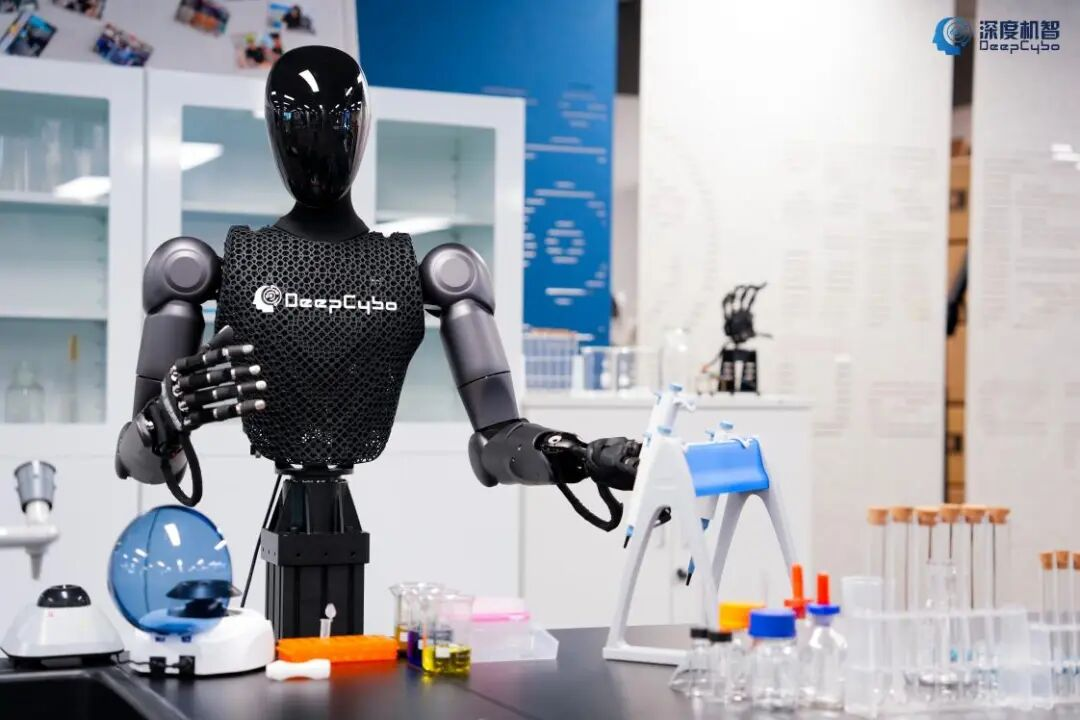
"Not Competing with Real Machines, Not Stacking Simulations: Deep Intelligence Relies on 'Human Learning' to Secure Hundreds of Millions in Financing"
Deep Intelligence, a company focused on advancing artificial intelligence through human learning methodologies, has secured hundreds of millions in financing. This significant funding round, announced recently, highlights the growing interest in AI technologies that prioritize human-like learning processes over traditional machine simulations. The investment aims to enhance Deep Intelligence's research and development efforts, positioning the company as a leader in the AI sector. By leveraging insights from human cognition, Deep Intelligence seeks to create more intuitive and effective AI systems. The financing comes at a time when the demand for innovative AI solutions is surging, driven by various industries looking to integrate smarter technologies into their operations.
Robotics Automation AI
West Lake University Spin-off Secures Millions for Brain-Machine Interface Focused on Chinese Language Decoding
A brain-machine interface company, incubated by West Lake University, has successfully secured tens of millions in funding to advance its development of chips and decoding technology designed to assist individuals with speech impairments in communicating in Chinese. This innovative initiative focuses on translating brain signals into text and speech, specifically accommodating the tonal nuances of the Chinese language. The funding marks a significant milestone in the evolution of assistive communication technology, aiming to enhance the quality of life for those facing communication challenges.
Brain-Machine Interfaces Speech Technology Neural Decoding Assistive Technology
Humanoid robots: How human-like machines could change our daily lives
Researchers at Friedrich-Alexander-Universität Erlangen-Nürnberg (FAU) are advancing the development of humanoid robots, which are increasingly capable of performing complex tasks traditionally handled by humans. In an interview, Dr. Sebastian Reitelshöfer from the FAU Chair of Manufacturing Automation and Production Systems discussed the potential of these robots to enhance various sectors, including industry, services, and private households. This innovative technology, which could significantly benefit northern Bavarian industry, represents a shift from science fiction to practical application. The ongoing research focuses on both the hardware and software necessary to create human-like robots that can effectively support human activities in the near future.
Robotics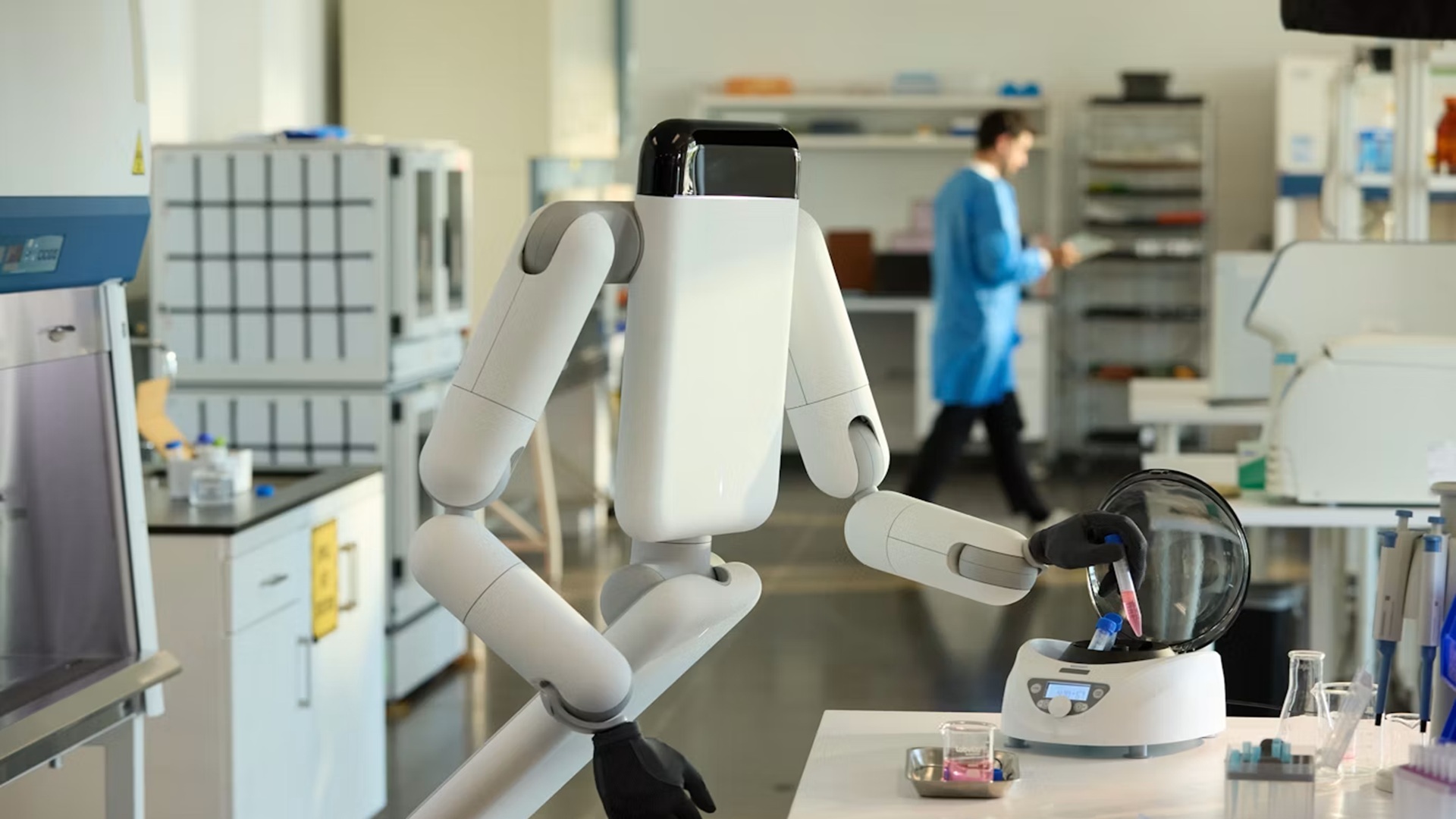
Eno humanoid robot aims to become the general-purpose machine for every workplace
Genesis AI has introduced Eno, its inaugural general-purpose robot, marking a significant step in the company's ambition to advance robotics technology. The unveiling took place recently, showcasing Eno's capabilities designed to perform a variety of tasks across different sectors. This launch is part of Genesis AI's broader strategy to innovate and integrate artificial intelligence into everyday applications, aiming to enhance efficiency and productivity in various industries. By leveraging cutting-edge technology, Eno is expected to address diverse needs, from automation in manufacturing to assistance in healthcare. The development of this robot reflects the growing trend in the tech industry towards creating versatile AI-driven solutions that can adapt to multiple environments and challenges.
AI and Robotics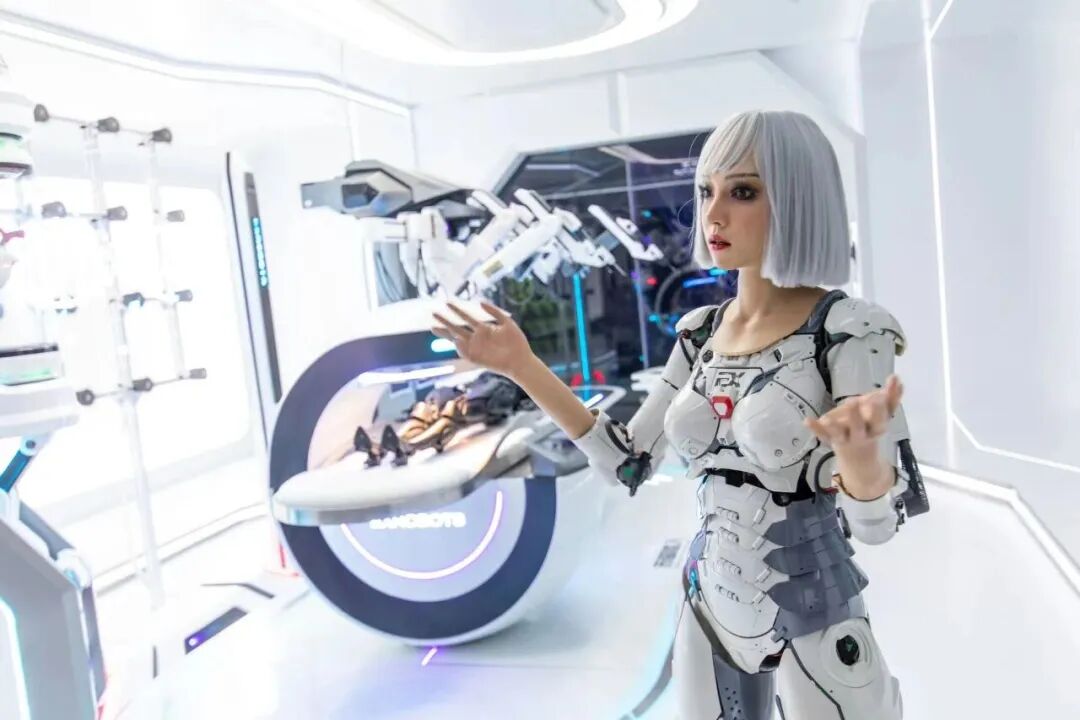
Brain-Computer Interfaces and Humanoid Robots: The Next Frontier in Robotics?
Beijing Hangnao Technology has entered into a strategic partnership with EXROBOT to develop humanoid robots equipped with brain-computer interface technology. This collaboration, announced recently, aims to create machines capable of emotional interaction, marking a shift from traditional industrial applications to a focus on emotional understanding. Both companies acknowledge the significant technical challenges that lie ahead as they explore this innovative technological frontier.
Brain-Computer Interfaces Humanoid Robots Emotional Interaction AI Technology
Seeing through a robot's eyes: Augmented reality helps humans predict machine behavior
As robots expand their presence beyond factories into various sectors such as healthcare, logistics, and public areas, the need for clear communication regarding their actions has become crucial. This shift is occurring in response to the growing integration of robotic technology in everyday environments, prompting concerns about safety and efficiency. Experts emphasize that understanding robot behavior is essential for fostering trust and collaboration between humans and machines. To address this challenge, researchers and developers are exploring innovative ways to enhance the transparency of robotic functions, ensuring that individuals can anticipate and comprehend the robots' movements and tasks. This initiative aims to facilitate smoother interactions and improve overall operational effectiveness in diverse settings.
Robotics
CSC Financial: Construction Machinery Exceeds Expectations in May, Unitree IPO Clears Review, Boosting Humanoid Robot Sector
CSC Financial has published an in-depth research report analyzing five key industrial sectors, highlighting significant trends in the humanoid robot industry and the construction market. The report emphasizes the rapid growth of the humanoid robot sector, particularly following Unitree's recent initial public offering, which has sparked increased interest and investment in this technology. Additionally, the construction sector is showing resilience, with performance surpassing previous expectations, driven by ongoing infrastructure projects and a rebound in demand. This comprehensive analysis aims to provide insights for investors and stakeholders looking to navigate these evolving markets effectively.
Technology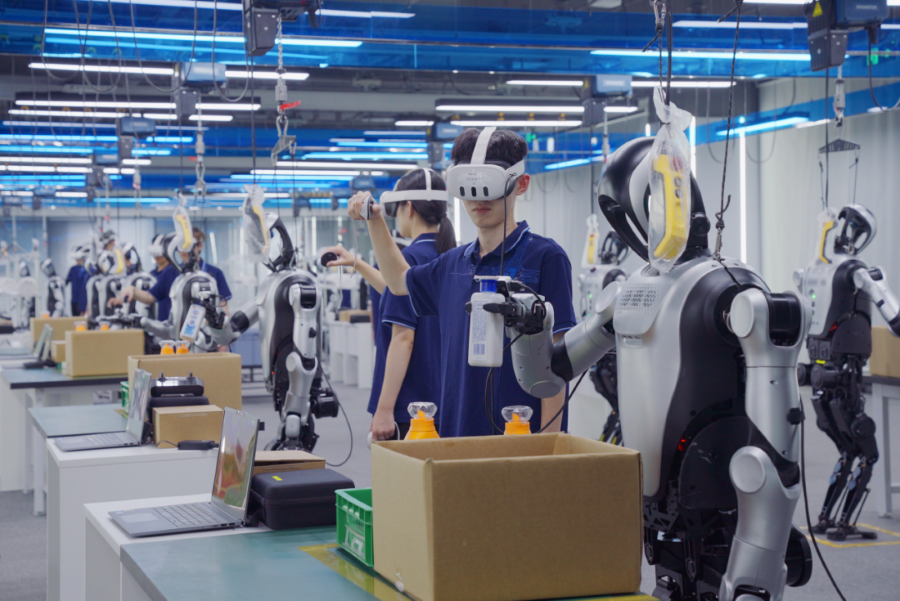
Annual Production of 25 Million Real Machine Data: This Company is Building a 'Data Oilfield' for Humanoid Robots
Yushu Technology is tackling the pressing issue of inadequate high-quality data in the humanoid robot industry by creating extensive real data sets and automated labeling systems. This initiative, aimed at enhancing data collection processes, is set to transform the landscape of humanoid robot intelligence. By establishing innovative training grounds, Yushu Technology seeks to expedite the development and sophistication of humanoid robots, ultimately contributing to advancements in artificial intelligence. The company's efforts are crucial in addressing the current limitations faced by the sector, which relies heavily on robust data for training and improving robotic capabilities.
Humanoid Robots Data Collection AI Machine Learning Robotics Infrastructure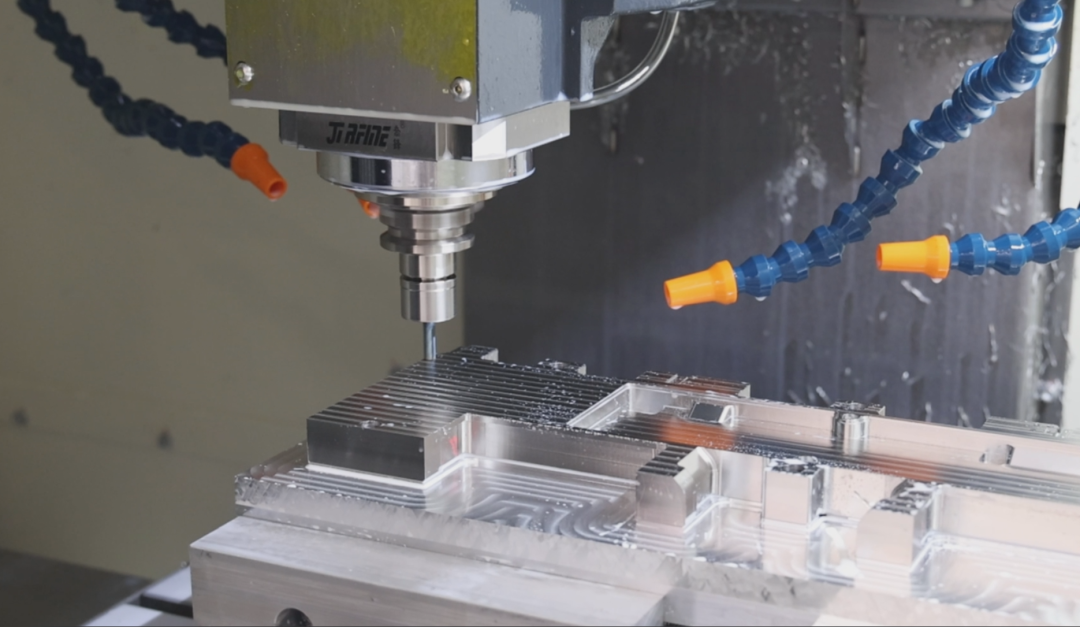
A New Voyage for CNC Machine Tools: Qiaofeng Aligns with Humanoid Robots
Qiaofeng Intelligent has introduced four high-precision CNC machining centers specifically designed for the rapidly expanding humanoid robot sector. This launch comes in response to the increasing demand for specialized equipment within the industry. The company's transition from general-purpose machinery to dedicated machines underscores its commitment to fostering the growth of advanced manufacturing in China. By focusing on this niche market, Qiaofeng Intelligent aims to enhance production capabilities and support innovation in the field of robotics.
CNC Machine Tools Humanoid Robots AI Cooling Technology Precision Manufacturing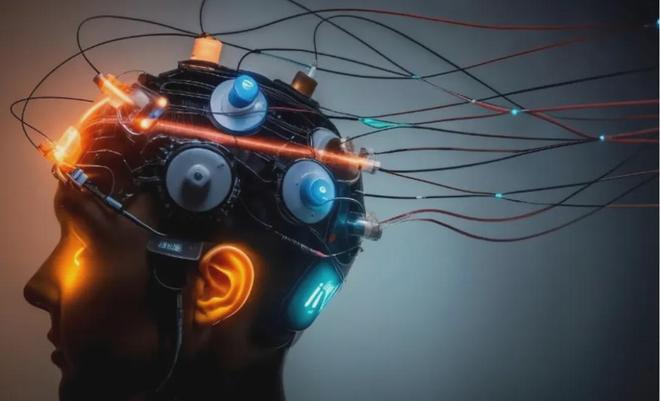
4 Billion in Investment Floods into the Brain-Machine Interface Sector
In the first quarter of 2026, the brain-machine interface sector experienced a remarkable surge in funding, attracting over 4 billion yuan, a figure that exceeds the total investments for the entire year of 2025. This rapid growth is being driven by key industry players, including Qiangnao Technology and Jieti Medical, who are making substantial strides in both invasive and non-invasive technologies. The influx of capital reflects a growing interest and confidence in the potential applications of brain-machine interfaces, which are poised to revolutionize fields such as healthcare and communication. As these companies continue to innovate and expand their offerings, the sector is set to play a pivotal role in shaping the future of technology and human interaction.
Brain-Machine Interfaces Medical Technology Investment Trends Neurotechnology
AI-powered table tennis robot now challenges human pros and hints at faster, more adaptive machines
A newly developed robot, equipped with a paddle, is demonstrating remarkable skill in table tennis, presenting significant challenges to elite human players and even securing victories against them. This development highlights the rapid advancements in artificial intelligence that are enhancing the agility and performance of robotic systems. The study, which showcases these findings, underscores the growing capabilities of AI in mastering complex physical tasks, suggesting a future where robots could increasingly compete with humans in various sports. As technology continues to evolve, the implications for both recreational and competitive play are profound, raising questions about the role of AI in sports and human performance.
Robotics
Designing Trust: Interfaces for Autonomous Machines
As autonomous technologies transition from research environments to everyday applications, the focus of design is evolving significantly. Experts in the field emphasize that the design process now prioritizes not only usability but also the critical elements of trust, safety, and effective collaboration between humans and machines. This shift reflects a growing recognition of the importance of user confidence in autonomous systems, which is essential for their successful integration into daily life. By addressing these factors, designers aim to create solutions that enhance user experience while ensuring safety and reliability in interactions with autonomous technologies.
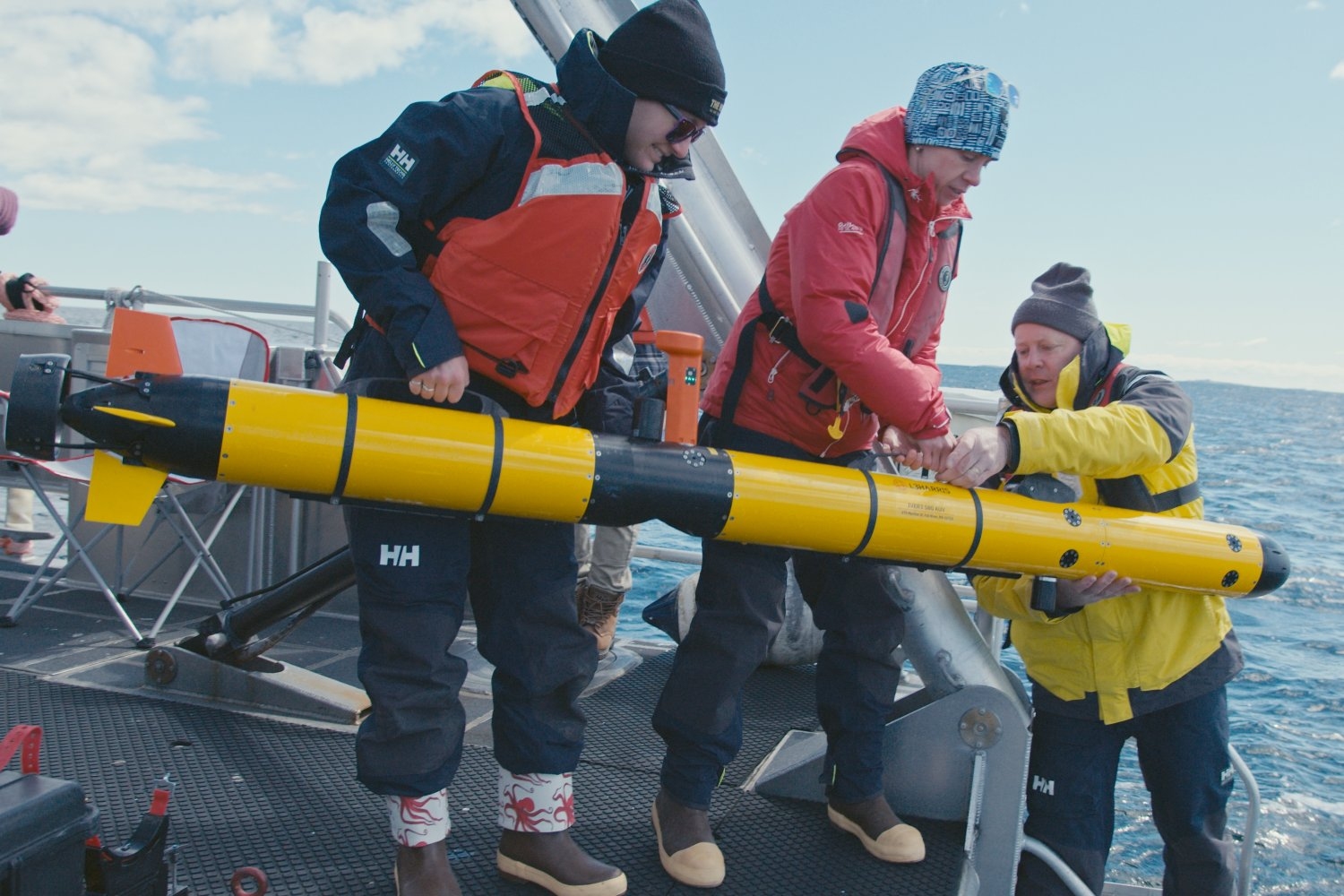
Human-machine teaming dives underwater
A team of researchers is advancing the capabilities of collaboration between divers and autonomous underwater vehicles (AUVs) for maritime missions. This initiative, which began in late 2023, aims to enhance operational efficiency and safety in underwater exploration and tasks. The research is taking place at a leading marine technology institute, where experts are focused on creating innovative hardware and sophisticated algorithms that facilitate seamless communication and coordination between human divers and AUVs. The motivation behind this development stems from the increasing complexity of underwater missions, which require precise teamwork to navigate challenging environments and accomplish objectives effectively. By integrating advanced technology, the researchers hope to improve the overall effectiveness of maritime operations, making them safer and more efficient for both divers and AUVs alike.
Research Sensors Lincoln Laboratory Oceanography and ocean engineering Robotics Computer science and technology
Humanity Enters the Era of Brain-Computer Interfaces
Nolan Abbot has become the first individual to receive a Neuralink chip, showcasing a remarkable advancement in brain-computer interface (BCI) technology. This milestone, achieved recently, allows Abbot to control devices using only his thoughts, representing a significant breakthrough in the field. The development of BCIs is increasingly seen as crucial for national strategy and global competition, highlighting the urgency for innovation in this area. As researchers and companies race to enhance these technologies, the implications for communication, accessibility, and human-computer interaction are profound, potentially transforming how individuals engage with the digital world.
Brain-Computer Interfaces Neural Technology Medical Innovation Assistive Technology
Reachy 2: The Open-Source Humanoid Robot Redefining Human-Machine Interaction
A robotics team showcased their advanced robot, Reachy 1, at the semi-finals of a prestigious competition, successfully passing all required tests. The event, organized to highlight innovations in robotics, took place recently, drawing attention from industry experts and enthusiasts alike. Despite the initial success, the team recognized the need to enhance Reachy 1's robustness and payload capacity to increase their chances of winning the final round. This strategic improvement aims to address the challenges posed by the competition and demonstrate the robot's full potential in future tests.
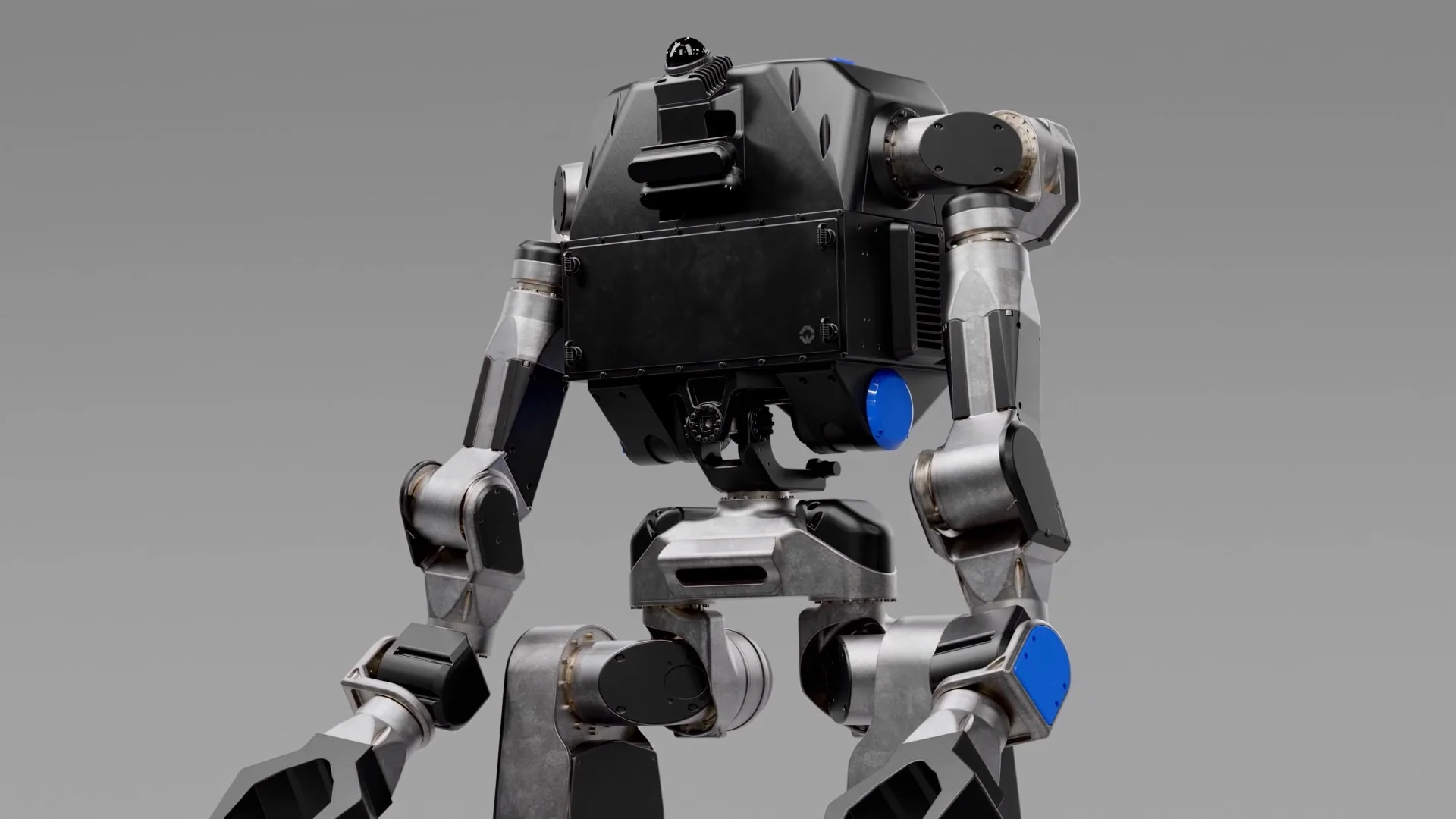
Noble Machines Exits Stealth: The "Anti-Human" Approach to Industrial Humanoids
Noble Machines, a Sunnyvale-based company formerly known as Under Control Robotics (UCR), has officially launched its operations, marking a significant shift in the industrial robotics sector. The company is set to specialize in heavy-duty, general-purpose robots designed to prioritize payload capacity and durability, distinguishing itself from competitors that focus on biomimetic designs. This strategic pivot aims to meet the growing demand for robust industrial solutions that can withstand the rigors of various manufacturing environments. With this launch, Noble Machines seeks to establish itself as a leader in the industrial robotics market, addressing the needs of industries that require reliable and powerful robotic solutions.
US Noble Machines Schaeffler product-launch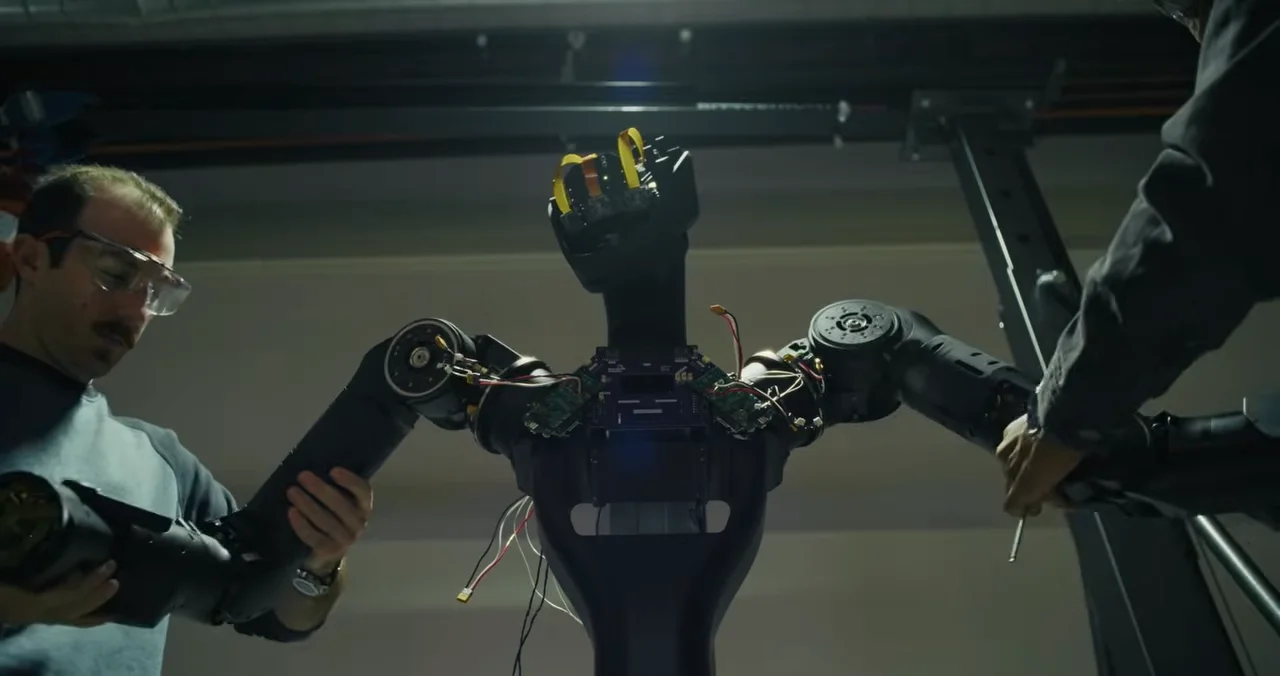
Watch: Inside Foundation’s Humanoid Factory and the Anatomy of a "War Machine"
Foundation Robotics has officially launched its "Robo Factory 1" in San Francisco, marking a significant milestone in robotics manufacturing. The facility showcases the manual assembly process of the Phantom MK1, a cutting-edge robotic system, alongside a newly developed bio-inspired tendon-driven hand. This opening event, which took place recently, highlights the company's commitment to advancing robotic technology and innovation. By integrating manual assembly techniques with advanced robotics, Foundation Robotics aims to enhance the functionality and versatility of its products, responding to the growing demand for sophisticated robotic solutions in various industries.
sankaet-pathak US phantom military-robotics foundation
European researchers developed energy-efficient machine vision inspired by human eyesight and the brain
Researchers have developed advanced technology that empowers intelligent robots and drones to function autonomously during rescue missions, particularly in the aftermath of earthquakes. This innovation is significant as it allows these machines to operate without the need for constant network connectivity or reliance on heavy batteries, which can hinder their effectiveness in emergency situations. The breakthrough, achieved through extensive data training up to October 2023, aims to enhance the efficiency and reliability of search and rescue operations in disaster-stricken areas. By equipping these devices with the ability to navigate and make decisions independently, the technology promises to improve response times and increase the chances of saving lives when traditional communication methods may be compromised.
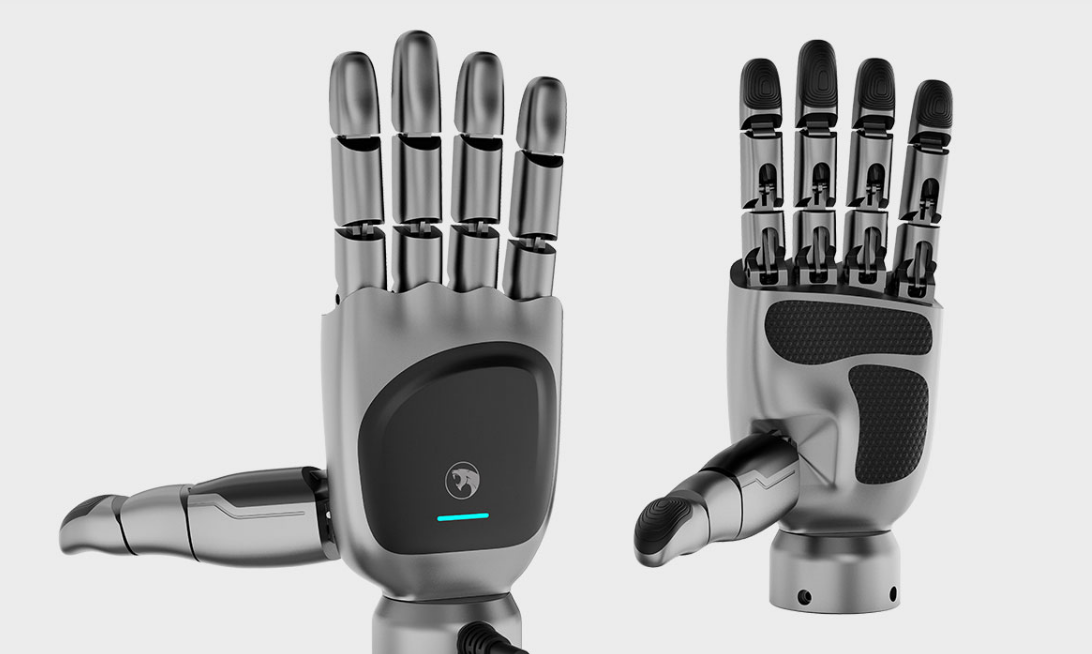
HITBOT advances human–machine collaboration, drives automation with a universal embodied intelligence platform
HITBOT has unveiled a groundbreaking “operating system + hardware matrix” framework this year, signaling a significant advancement in the field of intelligent robotics. As a member of the Xiaomi ecosystem and established in 2015, the company showcased three major innovations, including the HITBOT OS, a universal operating system designed for embodied intelligence, and the eHand-6, an affordable robotic hand. This launch represents a pivotal moment for HITBOT, as it aims to enhance the large-scale application of embodied intelligence in robotics. The introduction of these technologies is expected to drive further developments in the industry, positioning HITBOT as a key player in the evolving landscape of intelligent robotics.
On the Cusp Content and entertainment E-commerce and New Retail Highlight NewsRobotics needs a service framework.
RSF defines a common language for robot service capability, lifecycle operations, certification pathways, and service-provider networks.
Join the RobotToday community on LinkedIn
Daily robotics news, in-depth analysis, conference highlights, and discussions with professionals worldwide.







