A single destination for timely, editor-curated robotics news from around the world.
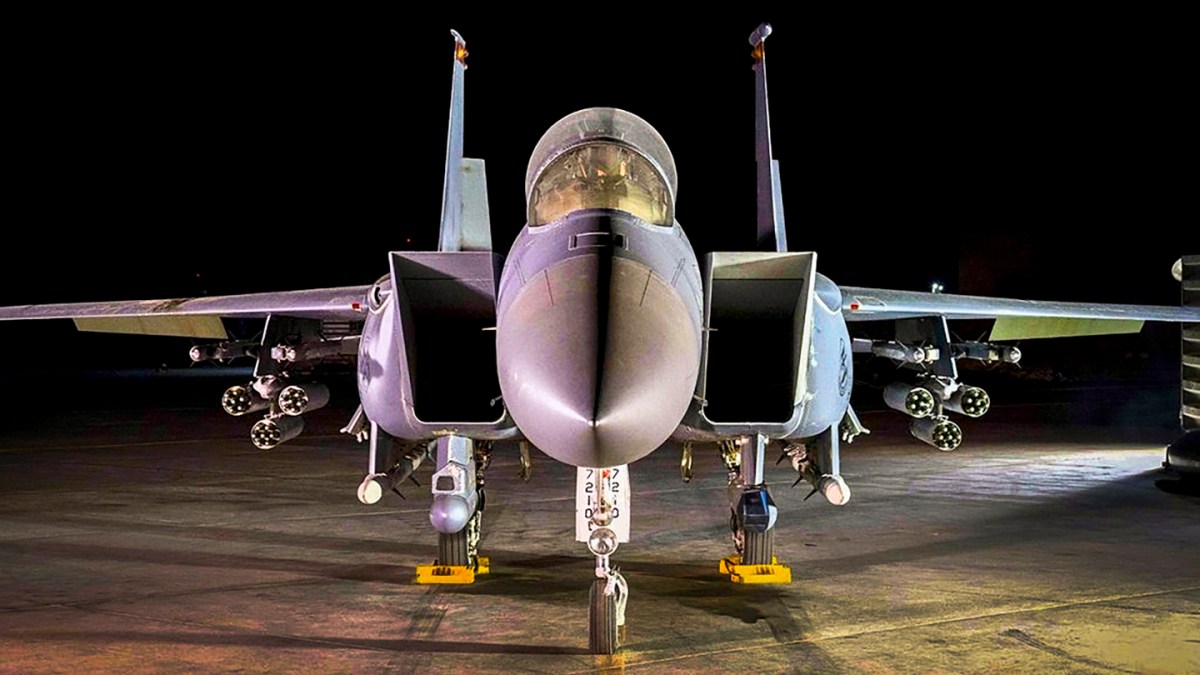
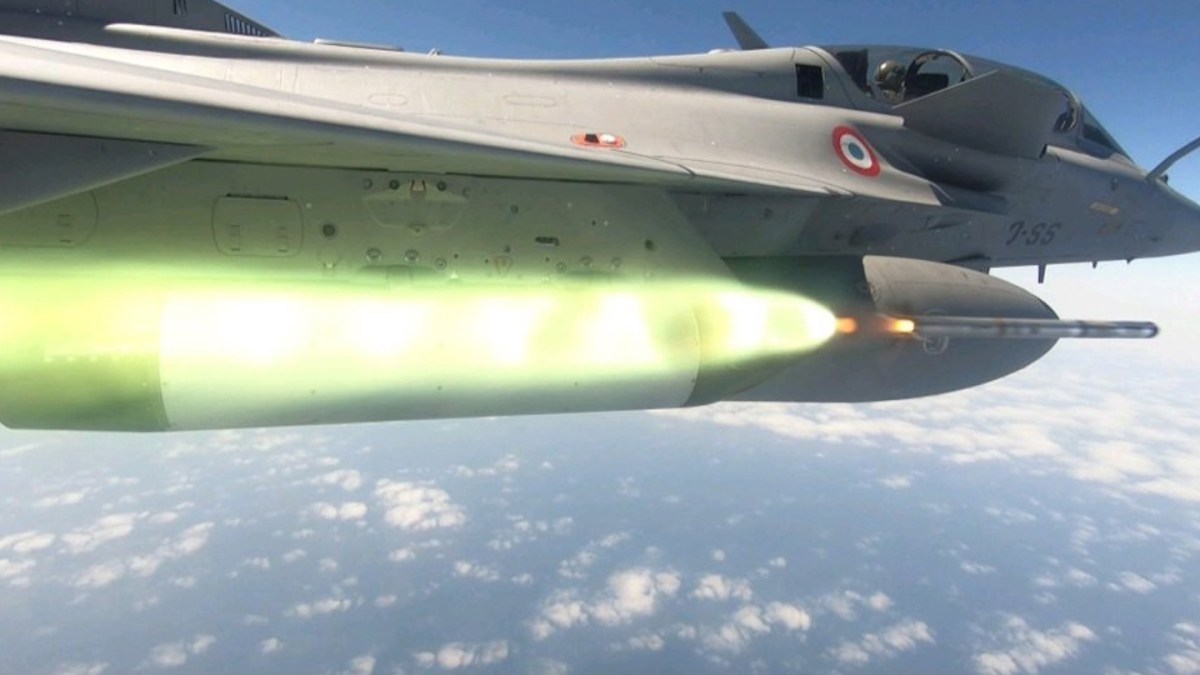
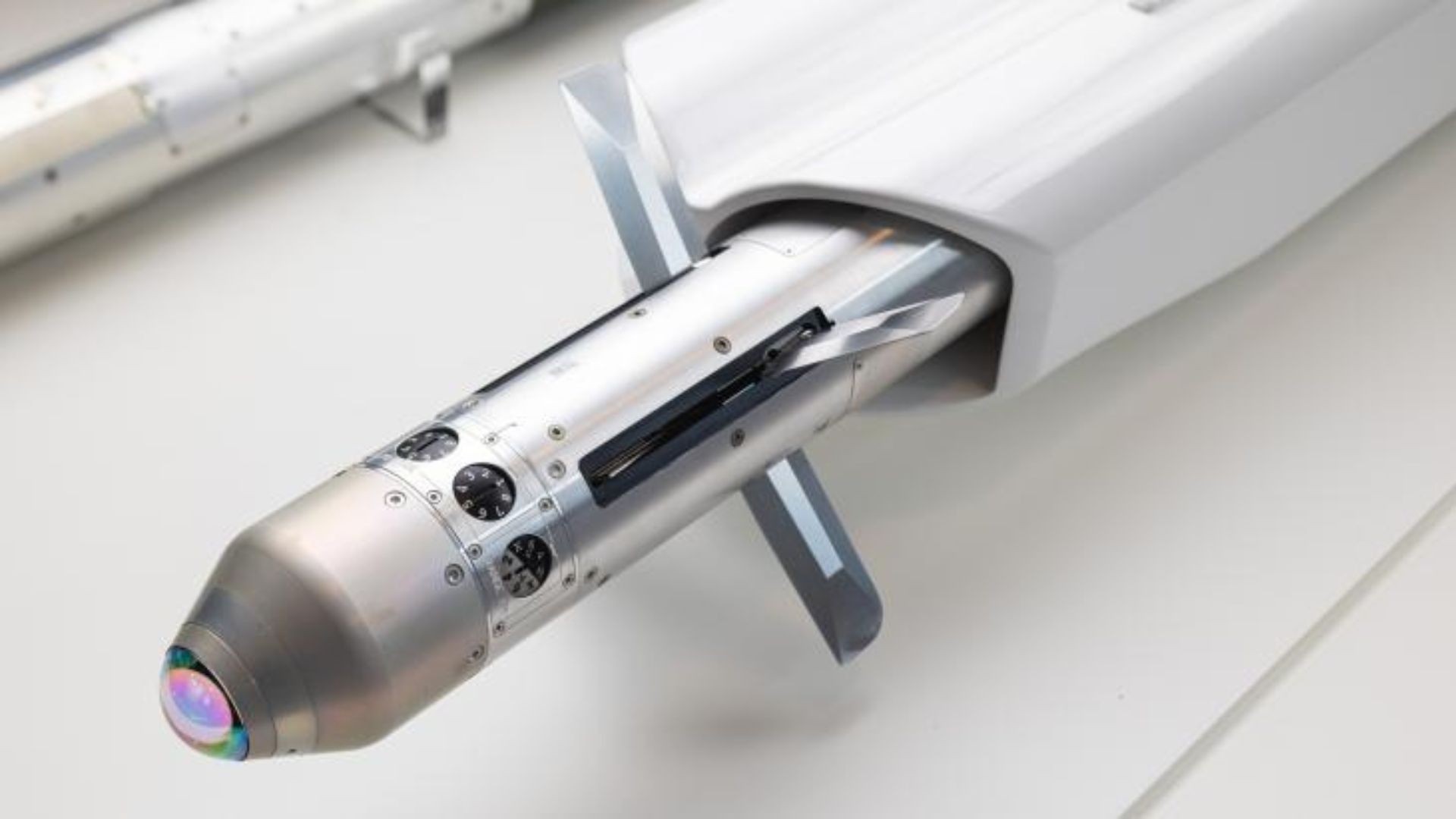
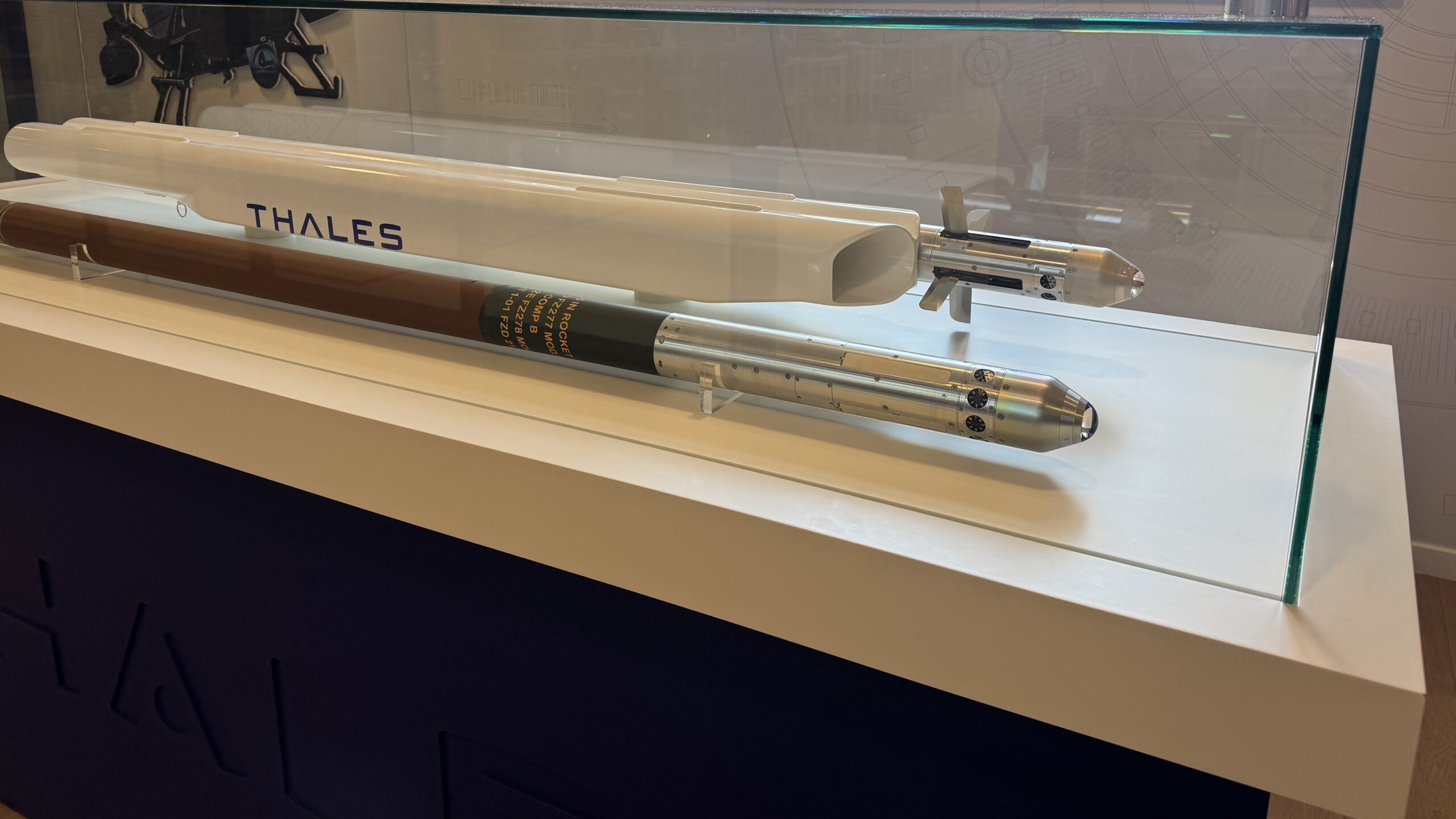
In response to the escalating situation in the Middle East, a company executive announced that their production numbers have more than doubled. This significant increase reflects the company's commitment to addressing heightened demand amid ongoing regional tensions. The announcement was made during an interview with Breaking Defense, highlighting the company's proactive approach to adapt to the current geopolitical landscape. The executive emphasized that the decision to ramp up production is a strategic move to ensure they can meet the needs of their clients during these uncertain times.
BreakingDefense By Agnes Helou 6 hours ago Global Business & Industry Counter UAS cUAS Drones Europe guided rocket

Voyager Technologies has announced its acquisition of Astrobotic, a move aimed at enhancing the development of lunar initiatives and reusable rocket programs. This strategic investment is set to accelerate Astrobotic's existing projects, positioning the company to play a significant role in the growing space exploration sector. The acquisition reflects Voyager's commitment to advancing technologies that support lunar exploration and sustainable space travel. The deal underscores the increasing interest and investment in space-related ventures, particularly those focused on the Moon and beyond.
RoboticsBusinessReview.com By Brianna Wessling 6 hours ago Aerospace Financial Markets / Industries Mergers & Acquisitions News Astrobotic
China is making significant strides in the development of electromagnetic rocket launch technology, a cutting-edge advancement in the aerospace sector. Private aerospace company Galactic Energy is at the forefront of this initiative, aiming to become the first entity to operationalize this innovative launch method. This technology promises to enhance the efficiency and cost-effectiveness of rocket launches, potentially revolutionizing space access. As the country invests in and refines this technology, it positions itself as a leader in the global aerospace industry, seeking to capitalize on the growing demand for satellite deployment and space exploration. The timeline for the operational rollout remains under wraps, but the advancements signal a pivotal shift in how space missions may be conducted in the near future.
PanDaily.com By [email protected] (Pandaily) Jun 03, 2026 Technology
On June 2, 2023, in Beijing, Gaode Map and the Singapore Tourism Board signed a strategic cooperation memorandum, marking the launch of the first collaborative tourism ranking list between a Chinese company and an overseas national tourism board. This initiative will feature the Singapore Street Ranking, utilizing Gaode's advanced aerial street view technology to provide a 360-degree perspective of local attractions, hotels, neighborhoods, and restaurants. The goal is to enhance the travel experience by allowing visitors to assess their destinations before arrival. In a separate development, the Jiangxi National Rare Earth Technology Innovation Center was established with a registered capital of 1.25 billion yuan, focusing on mineral resource exploration and scientific research. Additionally, WeRide and Uber announced plans to introduce Spain's first commercial Robotaxi service in Madrid, expanding WeRide's presence to its twelfth global city. The initiative aims to deploy hundreds of Robotaxis in the city center as operational benchmarks are met. In France, Ardian, a private equity firm, revealed a partnership with Verne to invest up to 5 billion euros in developing a next-generation digital infrastructure park in the Île-de-France region, with a target capacity of 500 megawatts by 2030. Other notable news includes a collaboration between Google and Telstra to build a fiber and submarine cable network in Australia, updates on the recovery timeline for Blue Origin's launch facilities following a recent rocket explosion, and a reduction in fuel surcharges for domestic flights in China starting June 5.
36kr.com Jun 02, 2026
In response to escalating pressures on supply chains, warehouse operators are increasingly turning to advanced automation technologies to meet rising consumer demands for rapid delivery and precise order fulfillment. As expectations for efficiency and accuracy grow, traditional manual processes for picking, packing, and sorting are proving inadequate. The shift towards automation includes the implementation of automated guided vehicles and smart conveyor systems, which are designed to enhance operational efficiency and streamline logistics. This transition is crucial for businesses aiming to remain competitive in a fast-evolving market landscape.
RoboticsAndAutomationNews.com By Sam Francis Jun 02, 2026 Automation Business Infrastructure Warehouse robots agvs automated guided vehicles
The Aerospace Corporation is making significant strides in the development of a restartable solid rocket motor (RSRM), a technology that could enhance the flexibility and efficiency of space missions. This innovative motor design allows for multiple ignitions, which could be crucial for various applications, including satellite deployment and deep-space exploration. The advancements come as part of ongoing efforts to improve propulsion systems in the aerospace industry. The research and testing phases are currently taking place at the company’s facilities in California, with the aim of addressing the growing demand for more adaptable and reliable rocket systems. By enabling rockets to be restarted in-flight, the RSRM could revolutionize mission planning and execution, ultimately contributing to more cost-effective and sustainable space operations. The Aerospace Corporation's work in this area reflects a broader trend in the aerospace sector, where the need for versatile and efficient technologies is becoming increasingly critical as space exploration continues to expand.
InterestingEngineering.com By Aditya Jadhav Jun 01, 2026
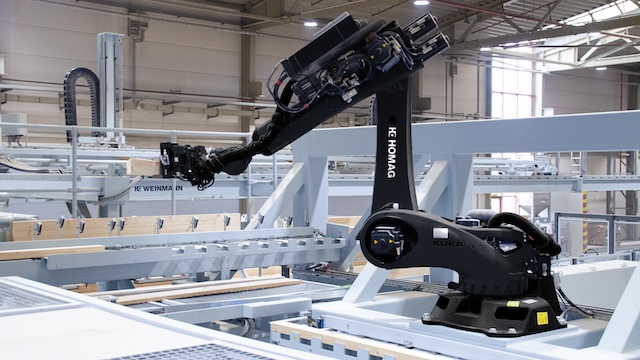
Albert Eger, a manufacturer of paper tubes and winding cores, has implemented the FTS Leo flow from Bito-Lagertechnik to enhance and digitize its manufacturing processes. This initiative aims to optimize production efficiency within a compact space, reflecting the company's commitment to modernizing its operations. The integration of this automated guided vehicle system is expected to streamline workflows and improve overall productivity in the production area.
ROBOTICSandPRODUCTION By xmlrpc Jun 01, 2026 Allgemein Automation Fördertechnik & Handling Lagerlogistik & Materialfluss Mobile Robotik
Melkus Mechatronic has unveiled a redesigned version of its pallet automated guided vehicle (AGV), the Melkus G130 3.0. This update aims to enhance the vehicle's efficiency and functionality in material handling processes. The redesign reflects the company's commitment to innovation in robotics and automation technology, catering to the evolving needs of industries that rely on automated solutions for logistics and production. The new model is expected to improve operational workflows and reduce manual labor, aligning with the growing trend towards automation in various sectors.
ROBOTICSandPRODUCTION By xmlrpc Jun 01, 2026 Allgemein Automation Fördertechnik & Handling Lagerlogistik & Materialfluss Mobile Robotik
A Seoul-based rocket startup is making strides in the aerospace industry by developing its own launch vehicles and engines. This initiative aims to enhance South Korea's capabilities in space exploration and satellite deployment. The company is leveraging advanced technology and innovative engineering practices to create reliable and efficient rocket systems. As the demand for satellite launches continues to grow, the startup seeks to position itself as a key player in the competitive space market. With plans to conduct test flights in the near future, the company is focused on achieving successful launches that could pave the way for commercial opportunities and partnerships in the global space sector.
TechCrunch By Kate Park Jun 01, 2026 Space south korea launch vehicle Unastella Hanwha aerospace
Japanese researchers have unveiled an innovative method for controlling cyborg insects, aiming to enhance the understanding of their behavior and capabilities. This groundbreaking development was announced during a recent conference held in Tokyo, where scientists discussed advancements in bioengineering and robotics. The motivation behind this research stems from the potential applications in environmental monitoring and disaster response, where these engineered insects could play a crucial role in collecting data from hard-to-reach areas. The researchers have integrated electronic components into the insects, allowing for remote control and manipulation of their movements. This process involves sophisticated techniques that blend biology with technology, enabling the insects to be guided through various environments. The team believes that by mastering this control, they can create a new class of biohybrid systems that could revolutionize how we interact with the natural world. As the project progresses, the researchers are optimistic about the implications of their work, which could lead to significant advancements in both ecological research and practical applications in urban planning and emergency management. The findings from this study are expected to be published in a leading scientific journal, further contributing to the growing field of cyborg biology.
InterestingEngineering.com By Bojan Stojkovski May 30, 2026
On the evening of May 28, Blue Origin's New Glenn rocket experienced a catastrophic explosion during a testing phase, sending flames and debris soaring into the sky. The incident was visible from extensive areas across Florida, drawing attention from residents and observers alike. The explosion highlights the challenges faced in the development of new space launch vehicles, as Blue Origin continues to work towards advancing its capabilities in the competitive aerospace industry. The company has not yet disclosed the specific cause of the failure, but such testing phases are critical for identifying potential issues before future launches.
SPACE.com By [email protected] (Josh Dinner) May 29, 2026 Launches & Spacecraft Space Exploration
The US Army recently conducted a test involving the TRV-150 drone, which was originally designed for surveillance and reconnaissance missions. This test took place at a military facility in California, showcasing the drone's advanced capabilities in real-world scenarios. The Army aims to enhance its operational efficiency and effectiveness by integrating cutting-edge technology into its arsenal. The TRV-150 is expected to play a crucial role in future military operations, providing critical data and support to ground troops. The successful demonstration of the drone's features underscores the Army's commitment to modernizing its equipment and adapting to evolving battlefield demands.
InterestingEngineering.com By Munis Raza May 29, 2026
In just three years, Figure AI has skyrocketed to a valuation of $39 billion, surpassing many publicly traded automotive manufacturers and becoming the leading humanoid robot producer globally. This remarkable achievement was confirmed in September 2025 during a Series C funding round. The startup aims to integrate humanoid robots into factories and potentially households, reflecting a growing interest in automation and robotics. Figure AI's rapid rise highlights the increasing demand for innovative technologies in various sectors.
RobotMagazine By Christophe Carl Louis May 28, 2026 À la une IA Industrie Robotique automatisation industrielle IA avenir de la robotique
Blue Origin, the aerospace company founded by Jeff Bezos, has announced plans to expand its manufacturing campus in Cape Canaveral. This expansion is expected to create approximately 500 new jobs in the region. The initiative reflects the company's commitment to enhancing its production capabilities and contributing to local economic growth. The expansion is part of Blue Origin's ongoing efforts to advance space exploration and technology development, positioning itself as a key player in the aerospace industry. The project is set to bolster employment opportunities in the area, further solidifying Cape Canaveral's reputation as a hub for aerospace innovation.
ManufacturingDive.com By Sara Samora May 27, 2026
As the trend of automation in warehouses and manufacturing facilities accelerates, operators are prioritizing the coordination of autonomous vehicles through unified control systems. This growing demand for Mixed-Fleet AGV Interoperability is driven by companies looking to integrate automated guided vehicles (AGVs), autonomous mobile robots (AMRs), and manually operated equipment into their operations. The push for seamless integration aims to enhance efficiency and streamline processes, reflecting the industry's shift towards more sophisticated automation solutions.
LogisticsBusiness By Will Priestman May 27, 2026 AMR and AGV IT in Logistics Materials Handling AGV fleet integration
At Booth 1401, FANUC will showcase a series of demonstrations highlighting the latest advancements in robotics and automation technology. Scheduled to take place during the upcoming industry event, these demonstrations will feature collaborative robots, high payload industrial robots, and vision-guided systems, alongside digital tools and emerging AI-driven capabilities. The aim is to illustrate how these innovations can enhance flexibility, precision, and scalability for manufacturers across various industries and applications. By integrating cutting-edge technology, FANUC seeks to address the evolving needs of the manufacturing sector, ultimately driving efficiency and productivity.
RoboticsTomorrow.com May 27, 2026
Researchers at Nanyang Technological University (NTU) Singapore have unveiled a groundbreaking seed-sized surgical robot designed to enhance precision in minimally invasive surgeries. This innovative device, which measures just a few millimeters, has the potential to revolutionize surgical procedures by allowing for targeted interventions within the human body. The development was announced on October 15, 2023, during a presentation at the university's annual technology showcase. The motivation behind this advancement stems from the need for improved surgical techniques that reduce recovery times and minimize complications associated with traditional surgery. By utilizing advanced robotics and miniaturization technologies, the team at NTU aims to provide surgeons with a tool that can navigate complex anatomical structures with greater accuracy. The surgical robot operates through a combination of remote control and autonomous navigation, enabling it to perform intricate tasks while being guided by a surgeon. This dual functionality ensures that while the robot can operate independently, it remains under the expert oversight of medical professionals, enhancing both safety and efficacy. As the medical community continues to seek innovative solutions to improve patient outcomes, this development represents a significant step forward in the field of robotic surgery, promising to make procedures less invasive and more effective in the near future.
InterestingEngineering.com By Neetika Walter May 26, 2026
The Royal Air Force (RAF) has initiated the deployment of a cost-effective laser-guided counter-drone weapon system on its Eurofighter Typhoon aircraft. This move comes as part of the RAF's ongoing efforts to enhance its capabilities in addressing the growing threat posed by unmanned aerial vehicles (UAVs). The deployment began in October 2023, as the military seeks to bolster its defense strategies amid increasing concerns over drone-related security risks. By integrating this advanced technology into its fleet, the RAF aims to improve its operational effectiveness in neutralizing potential drone threats, ensuring the safety of airspace and ground operations. The laser-guided system is designed to provide precision targeting, allowing for effective engagement of hostile drones while minimizing collateral damage.
InterestingEngineering.com By Atharva Gosavi May 22, 2026
SpaceX is making headlines with its recent attempt to launch the Starship, coinciding with the release of its initial public offering (IPO) prospectus. This strategic move is anticipated to pave the way for what could become a record-setting IPO. The launch, which took place in October 2023, underscores SpaceX's ambitions in the aerospace sector and its commitment to advancing space exploration. The timing of the launch aligns with the company's efforts to attract investors and generate interest in its forthcoming public offering, highlighting the dual focus on innovation and financial growth. As SpaceX continues to push the boundaries of space travel, this launch serves as a critical step in demonstrating the capabilities of its Starship program while simultaneously setting the stage for its financial future.
CNBCTechnology May 21, 2026
Elon Musk's reusable rocket company is on the verge of achieving a significant milestone with its anticipated stock market debut, which is expected to set a record. As the company prepares for this launch, it aims to capitalize on the growing interest in space exploration and technology. The debut is poised to attract considerable investor attention, reflecting the increasing demand for innovative aerospace solutions. With the stock market debut expected to take place soon, industry analysts are closely monitoring the developments, as this event could reshape the landscape of the aerospace sector. The successful launch of the company's reusable rockets has positioned it as a leader in the industry, further fueling excitement around its upcoming entry into the stock market.
CNBCTechnology May 14, 2026
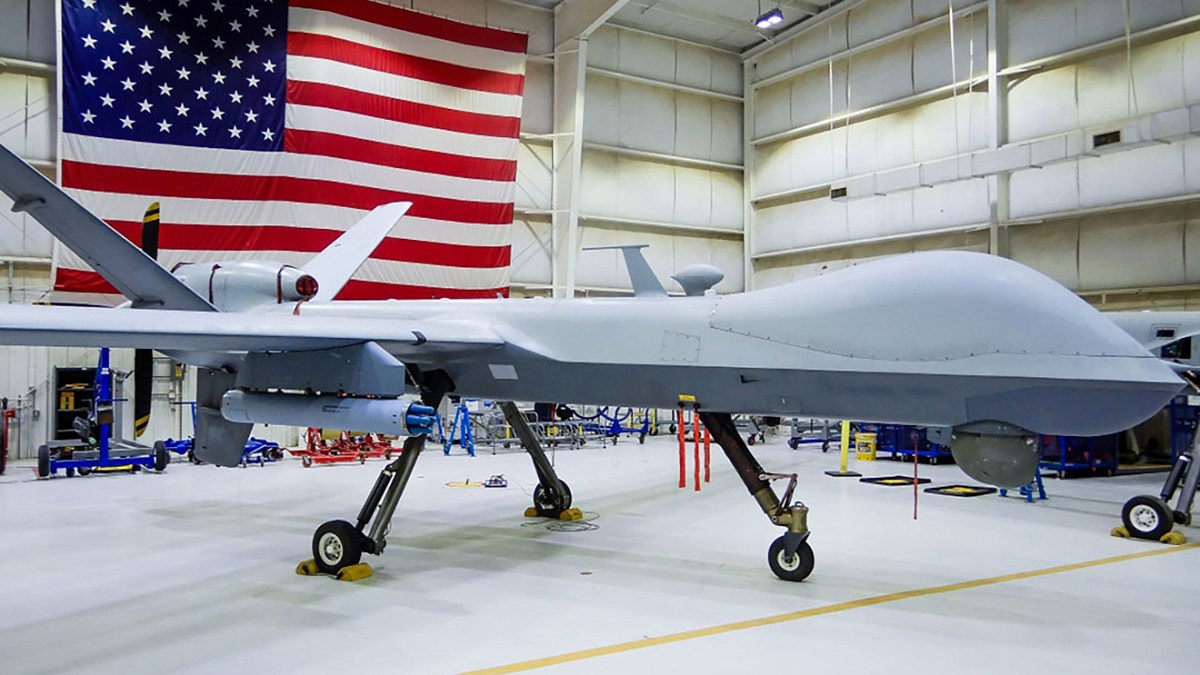
The MQ-9 Reaper drone has successfully conducted tests firing Advanced Precision Kill Weapon System (APKWS) rockets at both air and ground targets. This development comes amid a growing demand for cost-effective solutions to counter drone threats. The tests highlight the increasing versatility of the MQ-9 in modern warfare, showcasing its capability to engage various targets with precision. The successful demonstration of these laser-guided rockets marks a significant step in enhancing the drone's operational effectiveness and meeting the evolving needs of military operations.
TheWarZone By Thomas Newdick May 11, 2026 Air Air Force Munitions Air-To-Ground Drones Laser Guided Rockets News & Features
The rapid growth of large language models is driving a global surge in energy demand for data centers, prompting operators to seek alternative power sources. Among them is Orbital Inc., a Los Angeles-based startup that recently emerged from stealth mode to announce plans for space-based data centers. Backed by venture capital firm Andreessen Horowitz, Orbital aims to utilize solar energy from a constellation of small satellites in low Earth orbit to power AI inference workloads, such as chatbots. Orbital's founder and CEO, Euwyn Poon, emphasizes the limitations of terrestrial energy sources, stating, “There simply isn’t enough capacity here [on Earth], and the only way is up.” The company envisions a network of up to 10,000 satellites, each equipped with GPU server racks powered by solar panels. The first test of this concept is scheduled for 2027, with a prototype satellite launch aboard a SpaceX Falcon 9 rocket. While Orbital's approach aims to reduce launch costs and improve efficiency, it faces significant engineering challenges, including radiation effects on GPUs, thermal management in space, and maintenance difficulties. Experts like Dr. Amit Verma from Texas A&M University caution that the operational feasibility of such systems will depend on the specific applications they support. Despite these hurdles, Orbital plans to finalize its satellite designs by 2026 and establish a manufacturing facility by 2028, with the goal of tapping into major AI firms as customers. Poon remains optimistic about overcoming technical challenges, asserting that their engineering efforts will pave the way for the future of space-based data processing.
IEEESpectrumAI By Aaron Mok May 10, 2026 Data-center Space Ai Inferencing
Turkey is advancing its defense capabilities by developing a new variant of its MAM-L lightweight munition, which features pop-out, sword-like blades similar to those found on the AGM-114R9X Hellfire missile. This innovative precision-guided munition aims to enhance Turkey's military effectiveness and operational flexibility. The initiative reflects the country's ongoing efforts to bolster its indigenous defense production and reduce reliance on foreign military technology. As the development progresses, it underscores Turkey's commitment to modernizing its armed forces and maintaining a competitive edge in the region.
TheWarZone By Thomas Newdick May 05, 2026 Air AGM-114 Hellfire Air Force Munitions Air-To-Ground Around The Globe Drones
ABB Robotics has introduced PickMaster® Lite, a simplified version of its robotic picking software, aimed at packaging OEMs and system integrators. Launched on May 5, 2026, this new software is designed to accelerate the development of high-speed, vision-guided robotic picking solutions. By offering essential features for common picking tasks, PickMaster Lite reduces engineering efforts by 30% and commissioning time by 25%, while ensuring reliable performance. The motivation behind this launch stems from the increasing demand for automation in manufacturing, driven by labor shortages and consumer expectations for personalized products. Craig McDonnell, Business Line Managing Director at ABB Robotics, emphasized the need for quick and reliable automation solutions to enhance production flexibility. PickMaster Lite employs an intuitive, task-based interface with pre-configured templates, eliminating the need for specialized programming skills. It integrates seamlessly with existing machine control architectures, allowing for easy communication with PLC and HMI systems. This capability enables machine builders to manage key functions directly through their preferred control systems, thus minimizing development risks. The software is particularly suited for high-volume, cost-sensitive applications in sectors such as consumer goods, food and beverage, pharmaceuticals, electronics, and e-commerce. As part of the broader PickMaster family, it offers a scalable solution that can evolve alongside production needs, with options for more advanced functionalities through PickMaster and PickMaster Twin. For additional details, interested parties can visit ABB's robotics website.
RoboticsTomorrow.com May 05, 2026
Northrop Grumman, a leading aerospace and defense technology company, has partnered with South Korean defense firm Hanwha Aerospace by signing a Memorandum of Agreement aimed at enhancing collaboration in the defense sector. This agreement was finalized recently, signaling a commitment to strengthen defense capabilities and technological advancements between the two companies. The partnership is expected to facilitate the development of innovative solutions and support regional security efforts, particularly in response to evolving threats in the Asia-Pacific region. By leveraging each other's expertise and resources, Northrop Grumman and Hanwha Aerospace aim to deliver advanced defense systems that meet the needs of their respective governments and allies.
InterestingEngineering.com By Munis Raza Apr 29, 2026
Astrobotic successfully tested its Chakram rotating detonation rocket engine (RDRE) for the first time, marking a significant milestone in propulsion technology. The test took place recently at the company’s facility, where engineers monitored the engine's performance under various conditions. This innovative engine design aims to enhance efficiency and reduce costs in space travel, aligning with Astrobotic's mission to advance space exploration. The successful demonstration of the RDRE is expected to pave the way for future applications in both commercial and governmental space missions, showcasing the potential for improved propulsion systems in the aerospace industry.
InterestingEngineering.com By Chris Young Apr 27, 2026
Researchers are developing snake-like robots designed to enhance rescue operations in challenging environments. These innovative machines, characterized by their slender bodies, are capable of maneuvering through narrow spaces, traversing uneven terrain, and even navigating water surfaces. This technology is particularly promising for disaster response in earthquake-prone regions, such as Japan, where traditional rescue methods may be hindered by debris and hazardous conditions. By enabling access to areas that are dangerous for human rescuers, these robots have the potential to significantly improve survival rates and expedite recovery efforts following natural disasters. The ongoing advancements in robotics aim to create more effective tools for emergency responders, ultimately contributing to saving lives in critical situations.
TechXplore:Robotics Apr 15, 2026 Robotics
Onward Robotics, a leader in intelligent fulfillment automation, is showcasing its innovative Pyxis Suite™ Fulfillment Orchestration Platform and Lumabot® autonomous mobile robots (AMRs) at MODEX 2026, the largest supply chain trade show. The event, taking place on April 14, 2026, invites attendees to witness live demonstrations that highlight how Onward's software-driven Meet Me® automation solution enhances fulfillment efficiency and accuracy across warehousing, logistics, distribution, and manufacturing sectors. At Booth #B14357, visitors can engage with the Pyxis-powered fulfillment system, interact with Lumabot's intuitive put-to-light technology, and test the user-friendly Pyxis Point™ wearable devices. The demonstrations will showcase how Pyxis Conductor™ directs operations in real time, transforming traditional fulfillment processes into agile and efficient systems. CEO Lance VandenBrook emphasized that the future of fulfillment lies not in adding more automation but in creating a cohesive system that integrates people, robots, and workflows seamlessly. The Lumabot AMR, guided by Pyxis Conductor, represents the latest advancements in technology, offering enhanced speed and agility in dynamic environments. As demand grows for flexible, software-driven fulfillment models, Onward Robotics is positioned to lead the shift from fragmented automation to a unified platform. Attendees are encouraged to visit the booth to explore how the Pyxis Suite can be customized to meet their operational needs. For more details, interested parties can visit onwardrobotics.com/modex26.
RoboticsTomorrow.com Apr 14, 2026
In response to the growing demands of manufacturing systems, which require increased efficiency and precision, the use of Automated Guided Vehicles (LGVs) is becoming more prevalent. Unlike traditional forklifts, which rely heavily on operator skill and can be affected by factors such as fatigue and congestion, LGVs offer a consistent and repeatable solution for material handling. This shift is particularly crucial as production volumes rise and tolerances become tighter, necessitating a more reliable flow of materials within facilities. As industries seek to enhance their operational capabilities, the integration of LGVs is seen as a strategic move to improve productivity and reduce the risks associated with human error.
roboticstomorrow-Robotics Apr 14, 2026
The Journal of Field Robotics has published a new study highlighting advancements in autonomous robotic technologies. Researchers from various institutions collaborated to explore innovative applications of robotics in diverse fields, including agriculture, search and rescue, and environmental monitoring. The findings, released in early October 2023, emphasize the potential of these technologies to enhance efficiency and safety in critical operations. The study showcases how autonomous robots can navigate complex environments and perform tasks with minimal human intervention, driven by the need for improved operational capabilities in challenging conditions. By employing advanced algorithms and machine learning techniques, these robots can adapt to their surroundings and make real-time decisions. The research was conducted across multiple locations, with field tests demonstrating the robots' effectiveness in practical scenarios. The motivation behind this work stems from the increasing demand for automation in various sectors, as industries seek to reduce labor costs and improve productivity. Overall, the study underscores the transformative impact of robotics on traditional practices, paving the way for future innovations that could reshape how tasks are performed across multiple domains.
JournalofFieldRobotics By Jing Lian, Duo Sui, Linhui Li, Xiaofang Yuan, Yaonan Wang, Haoyuan Kang, Shi Chen Apr 10, 2026 RESEARCH ARTICLE
In May 2026, researchers published a significant study in the Journal of Field Robotics, focusing on advancements in robotic technology. The study, appearing in Volume 43, Issue 3, pages 1973-1987, highlights innovative methodologies for enhancing the autonomy and efficiency of field robots. Conducted by a team of experts in robotics and artificial intelligence, the research aims to address the growing demand for automated solutions in various industries, including agriculture, construction, and disaster response. The motivation behind this research stems from the need to improve operational capabilities in challenging environments, where human intervention may be limited or hazardous. By employing advanced algorithms and machine learning techniques, the researchers demonstrated how robots can better navigate complex terrains and perform tasks with minimal human oversight. The findings are expected to have a profound impact on the future of robotics, paving the way for more reliable and versatile machines capable of operating in diverse settings. This study not only contributes to the academic field but also offers practical applications that could revolutionize industries reliant on automation. As the demand for efficient robotic systems continues to rise, this research represents a crucial step towards achieving greater autonomy in robotic operations.
JournalofFieldRobotics By Boyang Deng, Yuzhen Lu, Daniel Brainard Apr 08, 2026 RESEARCH ARTICLE
In recent years, manufacturing has experienced a significant transformation as companies shift from standalone automation to interconnected and flexible systems. JAKA, a leader in collaborative robot technology, has observed this evolution, where production environments are increasingly designed around coordinated robots, autonomous guided vehicles (AGVs), and Industrial Internet of Things (IIoT) platforms. This transition enables automation to adapt dynamically to real production conditions while ensuring safety and flexibility in workplaces that prioritize human interaction. Initially, collaborative robots were embraced for their ability to work safely alongside human operators, facilitating smoother automation processes. As their applications have matured, integrating these robots with AGVs and IIoT systems has become a logical progression. This integration allows for synchronized material handling and processing tasks, enhancing efficiency. IIoT connectivity further supports real-time data exchange, enabling predictive maintenance and improved process visibility, which is crucial for maintaining flexibility in production lines. AGVs play a pivotal role in extending automation beyond fixed workstations. When connected through IIoT infrastructure, these vehicles and robots can share crucial information, reducing idle time and manual interventions while enhancing workflow traceability. This coordination not only boosts operational efficiency but also increases transparency, allowing for continuous optimization and informed decision-making. To facilitate this integrated approach, JAKA has developed the Ai12, a collaborative robot designed for easy deployment through wireless teaching and graphical programming. This technology enhances safety and adaptability, allowing for seamless human-robot interaction. JAKA envisions a future where industrial robotic automation is not merely a collection of isolated machines but a cohesive system that evolves with production demands, fostering smarter and more responsive industrial environments.
jaka.com By JAKA Apr 03, 2026
As automation technology evolves, manufacturers are increasingly seeking ways to enhance robot teaching methods while ensuring precision. JAKA, a leader in collaborative automation solutions, is focusing on simplifying this process through the integration of visual perception in their cobot systems. This innovative approach significantly reduces setup time and enhances adaptability in production environments. Waypoint teaching, a critical aspect of robot operation, allows robots to understand their movement and interaction with surroundings through visual feedback rather than fixed programming. By utilizing cameras for reference identification, JAKA's vision-guided robots can dynamically generate waypoints, accommodating slight positional variations of parts on the work surface. This method is particularly beneficial for tasks such as picking, alignment, and inspection, where positional changes are common. The teaching process begins with visual calibration to align the robot's coordinate system with the camera's perception. Operators then guide the robot to sample waypoints, with the vision system recording spatial relationships. This continuous validation of waypoint data ensures consistent performance without the need for frequent re-teaching, making it ideal for environments with changing product models or layouts. In practical applications, JAKA employs the A12L intelligent visual perception robot, which integrates collaborative functionality with advanced vision capabilities. This system streamlines the teaching process, allowing operators to easily set waypoints without complex external hardware. By combining visual perception with structured teaching steps, JAKA aims to make automation more accessible while maintaining the expertise of human operators, ultimately fostering flexible and efficient manufacturing workflows.
jaka.com By JAKA Mar 31, 2026
JAKA, a leader in modern manufacturing automation, is advancing efficiency and product quality through the integration of 6-axis robot arm systems and collaborative robot arm solutions. The company emphasizes that the choice between these technologies hinges on specific production requirements, workspace limitations, and safety considerations. The JAKA Zu18 system exemplifies the benefits of contemporary 6-axis robot technology, offering high precision and operational consistency. This system minimizes defects and reduces costs by performing complex tasks, such as intricate spraying and handling delicate components, which traditionally required manual labor. By automating these processes, JAKA not only enhances production rates but also fosters safer and more ergonomic working conditions for operators. Collaborative robot arm systems, like the JAKA Zu18, provide significant advantages in flexible deployment and intelligent control. Their compact design allows operation in confined spaces, and user-friendly interfaces enable operators with minimal robotics experience to engage with the technology. Advanced algorithms enhance task precision and safety, facilitating seamless integration into existing production lines without extensive downtime. Safety remains a crucial factor in the comparison of robotic systems. Unlike traditional robots that necessitate extensive safety barriers, JAKA's collaborative arms can operate alongside humans, thanks to sophisticated sensors and protective features. This capability, combined with integration into existing manufacturing execution systems and automated guided vehicles, allows for adaptable production environments. In summary, JAKA advocates for a thoughtful evaluation of production needs when selecting between 6-axis and collaborative robot solutions. By prioritizing precision, safety, and flexibility, the JAKA Zu18 is positioned as an ideal choice for various manufacturing tasks, ultimately driving down operational costs and enhancing product quality.
jaka.com By JAKA Mar 20, 2026
In May 2019, a cardiac surgeon at Boston Children’s Hospital successfully performed a complex heart surgery on a child with a severe congenital defect, utilizing advanced virtual twin technology. This innovative approach involved creating a detailed 3D model of the child's heart and vascular system from MRI and CT scans, allowing the surgical team to simulate various strategies and predict outcomes before the operation. The procedure was critical due to the unique nature of the child's heart condition, which had no established surgical manual. The Living Heart Project, initiated in 2014, has since guided nearly 2,000 surgeries by employing virtual twin modeling, which combines engineering principles with medical expertise to enhance surgical precision and patient outcomes. This project, now involving over 150 organizations globally, aims to revolutionize medical treatment by providing a dynamic, predictive tool that can simulate the human body's responses. The technology not only aids in surgical planning but also has the potential to streamline clinical trials. By creating virtual patient cohorts, researchers can test treatments more efficiently, reducing the time and costs associated with traditional trials. The FDA has recognized the significance of this approach, collaborating with the project to establish guidelines for in silico clinical trials, marking a significant shift in how medical innovations are developed and validated. As virtual twins expand beyond cardiac applications to other organs, they promise to transform healthcare by enabling personalized medicine and fostering a deeper understanding of patient physiology, ultimately improving treatment outcomes and patient engagement in their health management.
IEEESpectrumAI By Steve Levine Mar 19, 2026 Cardiology Digital-twins Personalized-medicine Virtual-heart Generative-ai
NVIDIA has unveiled its latest accelerated computing platforms, marking a significant advancement in space innovation. This announcement, made today, highlights the integration of AI computing capabilities into orbital data centers (ODCs), enhancing geospatial intelligence and facilitating autonomous operations in space. The company's efforts aim to revolutionize how data is processed and utilized in the space sector, leveraging advanced technology to improve efficiency and effectiveness in various space-related applications. By harnessing the power of AI, NVIDIA is poised to transform the landscape of space exploration and operations, paving the way for new possibilities in the industry.
NvidiaNews By NVIDIA Mar 16, 2026
In the rapidly evolving manufacturing sector, JAKA Robotics is emphasizing the importance of safety and compliance with Cobot China standards. The company, which specializes in collaborative robotics, is committed to meeting stringent ISO and CE requirements to enhance operational efficiency while ensuring workforce protection. JAKA's robotics systems are equipped with advanced safety mechanisms, including intelligent control algorithms and collision prevention features, which allow for real-time adjustments to potential hazards. This design ensures compliance with both international and domestic safety regulations, minimizing the risk of injury in complex environments. To maintain high precision and reliability, JAKA employs high-resolution encoders and adaptive servo control, achieving accuracy levels of 0.2 mm. Their lightweight collaborative robots, such as the Zu series and MiniCobo, are engineered for safe interaction with human operators, supported by integrated monitoring systems that uphold safety parameters. Recognizing the need for adaptability in modern manufacturing, JAKA's solutions seamlessly integrate with manufacturing execution systems (MES), automated guided vehicles (AGVs), and vision modules. This flexibility allows operators to engage with cobots safely without requiring extensive technical training. JAKA's commitment to adhering to Cobot China safety standards reflects its dedication to responsible innovation, ensuring that its collaborative robots operate effectively across various industrial environments. By prioritizing safety, JAKA aims to support both industrial growth and the well-being of the workforce.
jaka.com By JAKA Mar 13, 2026
JAKA Robotics is making significant strides in the field of industrial automation, focusing on smart manufacturing solutions across the Asia-Pacific (APAC) region. The company specializes in collaborative robots that work safely alongside human operators, ensuring consistent performance in various applications such as electronics assembly, automotive component handling, and semiconductor processes. With a commitment to precision and stability, JAKA employs advanced control systems and intelligent software, achieving high repeatability levels essential for sensitive tasks like shaft assembly. Their robots are designed with low-noise circuitry and automated quality controls, enabling manufacturers to maintain efficiency and reduce errors during production. The Zu series of JAKA robots highlights the company's emphasis on flexible deployment, featuring compact designs that fit into confined workspaces. User-friendly programming tools allow even those without technical backgrounds to manage complex tasks, while safety features like collision protection and zero-drift calibration enhance human-robot collaboration. JAKA also prioritizes seamless system integration, offering communication interfaces compatible with manufacturing execution systems (MES), automated guided vehicles (AGVs), and vision modules. This adaptability supports more complex automation scenarios and allows non-specialized staff to operate sophisticated processes efficiently. As JAKA Robotics continues to innovate, it remains dedicated to enhancing productivity and operational resilience in the electronics, automotive, and semiconductor sectors, exemplifying how advanced automation solutions can transform modern manufacturing in the APAC region.
jaka.com By JAKA Mar 12, 2026
JAKA, a leader in automation solutions for modern manufacturing, is showcasing its range of collaborative robots designed to enhance precision, flexibility, and safety in production environments. The JAKA Zu Series, particularly the Zu7 model, is tailored for high-precision tasks such as painting and packaging, effectively replacing manual labor while improving production rates and reducing material waste through its accurate control and repeatability. In contrast, the JAKA S Series focuses on smart control and safety, featuring advanced force-sensing and collision protection algorithms that enhance human-robot interaction. This series is designed for easy programming, allowing operators without coding experience to manage complex tasks, making it ideal for environments with limited space or frequently changing processes. Both series facilitate extensive system integration, connecting seamlessly with manufacturing execution systems (MES), automated guided vehicles (AGVs), and vision equipment. This integration supports a flexible manufacturing ecosystem, optimizing productivity and reducing deployment time. As clients evaluate their options, JAKA emphasizes the importance of selecting the right cobot based on specific operational needs. The Zu Series is recommended for high-volume, repetitive applications, while the S Series is better suited for adaptable operations requiring close collaboration with human workers. By understanding the unique strengths of each series, JAKA aims to help clients enhance their production efficiency and meet precision requirements in modern manufacturing.
jaka.com By JAKA Mar 12, 2026
JAKA, a leader in robotic technology, emphasizes the critical importance of meticulous calibration in vision-guided robotic systems to achieve high operational accuracy. This process, which aligns the coordinate systems of the camera, robot, and environment, is essential for delicate tasks such as assembly and inspection. Poor calibration can lead to significant operational failures. The calibration process begins with intrinsic calibration, which corrects lens distortion and establishes the camera's focal length, followed by extrinsic calibration to determine the camera's position relative to the robot. JAKA's robotic platforms are designed with anti-interference and low-vibration features, ensuring a stable foundation for these calibrations. For enhanced precision, JAKA employs hand-eye calibration, which establishes the spatial relationship between the camera and the robot's end-effector. This method is vital for guiding the robot accurately to targets viewed by the moving camera. The company's advanced control technology ensures repeatable performance, crucial for effective hand-eye coordination. Moreover, JAKA recognizes that calibration is an ongoing process. Process-specific calibration fine-tunes systems for particular tasks, while periodic recalibration addresses issues like thermal drift and mechanical wear. The intuitive graphical programming in JAKA's cobot systems facilitates these adjustments, maintaining long-term accuracy. Through these advanced calibration techniques, JAKA transforms vision systems and robots into cohesive, intelligent units, enabling them to perform complex tasks accurately in dynamic environments.
jaka.com By JAKA Mar 10, 2026
Recycling facilities face ongoing challenges in maintaining material purity due to the variability of recyclables, which complicates manual sorting processes. To address this issue, JAKA is proposing the implementation of automated sorting robots designed to integrate seamlessly into existing workflows. These collaborative robots, or cobots, are equipped with advanced vision-guided systems that can identify and separate diverse materials based on visual or spectroscopic signals. The robots are engineered to operate effectively in the dynamic environments of recycling plants, where safety is paramount. JAKA's cobots feature multiple safety mechanisms, including force sensing and collision detection, allowing them to work alongside human operators without the need for extensive safety barriers. Their compact design enables installation in tight spaces, making them suitable for retrofitting in current facilities. Successful deployment of these sorting robots relies on a well-coordinated system that includes high-resolution cameras or near-infrared sensors for accurate material identification, as well as adaptive grippers or vacuum cups for handling various materials. JAKA emphasizes intuitive programming, allowing technicians to quickly adjust the robots for different material streams, thus minimizing downtime. By incorporating JAKA's sorting robots into recycling quality inspection processes, facilities can significantly enhance material purity and throughput. This strategic move not only improves operational consistency but also supports the essential work of modern recycling, ensuring a more efficient and effective waste management system.
jaka.com By JAKA Mar 10, 2026
JAKA, a leader in robotics, has unveiled its JAKA S5 series, a highly flexible robotic arm designed to meet the demands of modern manufacturing. This innovative arm, which features a six- or seven-axis design, offers mechanical dexterity that allows it to navigate complex environments and perform tasks with precision. The JAKA S5 integrates advanced control systems, including built-in force sensors, enabling it to execute sensitive operations such as precision insertions with consistent accuracy. The lightweight and compact design of the JAKA S5 allows for easy installation in confined spaces and quick deployment across various tasks, significantly reducing downtime. Its zero-installation, zero-configuration setup facilitates rapid relocation, making it ideal for dynamic production lines. Moreover, the JAKA S5 is engineered for user accessibility, featuring intuitive hand-guided teaching and graphical interfaces that allow operators without specialized training to quickly program new tasks. This combination of advanced mechanics, rapid deployment, and user-friendly software positions the JAKA S5 as a versatile assistant capable of adapting to evolving production needs. By integrating these elements, JAKA emphasizes that true flexibility in robotics goes beyond mere mechanical specifications, aiming to enhance operational agility and reduce integration costs in the manufacturing sector.
jaka.com By JAKA Mar 10, 2026
JAKA, a leader in industrial automation, has introduced two distinct lines of collaborative robots, the S Series and Pro Series, designed to meet varying operational demands on production lines. The S Series focuses on advanced human-robot interaction, featuring cutting-edge force control technology that enhances safety and precision for tasks requiring delicate handling, such as assembly and hand-guided teaching. This series is ideal for environments where direct collaboration with humans is essential. Conversely, the Pro Series is engineered for harsh industrial settings, boasting an IP68 rating for waterproof and dustproof capabilities. This robustness allows it to operate effectively in challenging conditions, such as machining and foundries, where exposure to contaminants is a concern. Both series are equipped with extensive communication interfaces, facilitating integration with manufacturing execution systems and other peripherals. The choice between the two depends on the specific needs of the application—whether the priority is on sensitive interaction or durability in demanding environments. JAKA aims to provide tailored solutions that enhance productivity and reliability in modern manufacturing processes, allowing businesses to select the most suitable robot for their operational context.
jaka.com By JAKA Mar 04, 2026
JAKA has introduced a new polishing robot built on a collaborative platform, revolutionizing surface finishing tasks traditionally reliant on fixed machinery. This innovative cobot arm, designed for complex components, enhances precision and adaptability in polishing and grinding processes. Unlike conventional grinding machines that excel only on flat surfaces, the JAKA robot utilizes advanced force control technology to adjust pressure in real-time, ensuring even material removal without damaging intricate parts. The cobot arm's lightweight and compact design allows for quick redeployment across different production stations, significantly reducing changeover time. Operators can easily program new finishing paths through intuitive hand-guided teaching, transforming the robot into a versatile asset capable of handling small batches and custom work efficiently. Moreover, the collaborative nature of the JAKA robot enhances safety in the workplace. Unlike traditional machines that require full safety guarding, the cobot arm is equipped with safety mechanisms that enable it to operate alongside human workers. This allows for manual loading and inspection tasks to be performed without interrupting the production flow. In summary, JAKA's polishing robot offers manufacturers a flexible and precise solution for finishing tasks, making it an ideal choice for complex parts and mixed-production environments. The integration of this technology promises to improve workflow and product quality while adapting to the evolving needs of modern manufacturing.
jaka.com By JAKA Mar 02, 2026
JAKA, a leader in robotic technology, has developed advanced programming solutions for 6-axis robot arms, enabling them to navigate complex, non-linear trajectories with precision. Traditionally, programming such intricate paths has been a challenge, often requiring tedious point-by-point teaching that can lead to jerky movements. To address this, JAKA has integrated intuitive software interfaces that allow operators to program the robotic arms using graphical tools and drag-and-drop methods, significantly simplifying the process. The innovative design of the 6-axis robot arm provides the necessary dexterity to maneuver around obstacles and follow curves smoothly. JAKA’s precision control technology ensures that the arm can accurately interpolate motion between points, resulting in fluid movements essential for tasks like welding and sealing. Additionally, features such as waypoint recording and path smoothing algorithms help translate human-guided motions into repeatable programs. Safety and reliability are paramount in dynamic operations. JAKA's robotic arms are equipped with advanced sensors that enable real-time path corrections based on force feedback and vision input, ensuring consistent performance even in unpredictable environments. With multiple safety mechanisms in place, the robotic arms can operate safely alongside human workers. By combining cutting-edge mechanical design, intelligent software, and robust safety features, JAKA aims to make the programming of complex robotic tasks accessible and efficient, empowering programmers to fully exploit the capabilities of their 6-axis robot arms in various production settings.
jaka.com By JAKA Feb 28, 2026
NASA's Perseverance rover has achieved a remarkable milestone in autonomous navigation on Mars, completing approximately 90% of its travels without human intervention since landing on February 18, 2021. As of October 28, 2024, the rover has driven over 30 kilometers (18.65 miles) and collected 24 samples, significantly surpassing the 6.2% autonomy rate of its predecessor, Curiosity. This advancement is largely attributed to its Enhanced Autonomous Navigation (ENav) algorithm, which allows the rover to analyze its surroundings and evaluate thousands of potential paths using limited computing power equivalent to an outdated iMac G3. The rover's journey has been guided primarily by images it captures, as high-resolution data from Mars Reconnaissance Orbiter is often insufficient for navigation. Despite challenges posed by the uncharted Martian terrain, ENav enables Perseverance to assess travel time and terrain roughness, running complex calculations only on the most promising paths. This strategic design has resulted in unprecedented levels of autonomous driving, including a record-setting 331.74 meters in a single Martian day on April 3, 2023. Masahiro "Hiro" Ono, a supervisor at NASA’s Jet Propulsion Laboratory, emphasizes the importance of advancing autonomous navigation for future space exploration, particularly as missions venture farther from Earth where communication delays become significant. The ongoing success of Perseverance highlights the critical role of automation in expanding the frontiers of space exploration.
Spectrum.ieee.orgAutomaton By Michelle Hampson Feb 25, 2026 Mars Perseverance-rover Autonomous-robots Journal-watch
IEEE Spectrum robotics has released its weekly roundup of notable robotics videos and upcoming events, including the ICRA 2026 conference scheduled for June 1-5, 2026, in Vienna. Among the highlights, Westwood Robotics unveiled THEMIS Gen2.5, the first commercial full-size humanoid robot capable of walking and manipulating objects simultaneously. This advancement builds on Helix's previous work, which demonstrated a single neural network controlling a humanoid's upper body, now expanded to encompass the entire robot's functions. In a demonstration of practical applications, Kimberly Elenberg from Carnegie Mellon University showcased how data from robotic responders can enhance life-saving efforts during mass casualty incidents. Meanwhile, Sphero continues to thrive in the competitive educational robotics market since its inception in 2011. Innovative flight testing methods were discussed by Zipline, emphasizing the importance of testing drones in extreme conditions. Additionally, researchers from the University of Tokyo introduced a concept of 3D-printing both skin and skeleton, while LimX presented small bipedal robots capable of skiing and resembling dinosaurs. The EPFL Reconfigurable Robotics Lab introduced a novel user-guided control system for modular robots, demonstrating its effectiveness through various tasks. Texas A&M University showcased its Quadrotor Biplane Tailsitter (QBiT) UAVs, which combine the agility of quadrotor drones with the efficiency of fixed-wing aircraft. Lastly, DARPA announced a new challenge aimed at developing drones capable of carrying payloads exceeding four times their weight, promising to transform drone usage across multiple sectors.
Spectrum.ieee.orgAutomaton By Evan Ackerman Jan 30, 2026 Humanoid-robots Video-friday Commercial-robots Drones Educational-robots Bipedal-robots
IEEE Spectrum robotics has released its latest edition of Video Friday, showcasing a variety of innovative robotics videos and announcing upcoming events in the field. Among the highlights is the Robotic Autonomy in Complex Environments with Resiliency (RACER) program, which is nearing completion after extensive collaboration with the U.S. Army and Marine Corps. This program is expected to leave a lasting impact on military operations and stimulate private-sector investment in autonomous technologies. Notable advancements include the introduction of COSA, a cognitive operating system that enhances humanoid robots' capabilities for high-level cognition and motion control. Meanwhile, the 1X World Model has made significant strides in robot learning, allowing its NEO model to perform tasks autonomously based on voice or text prompts, even for unfamiliar objects. In assistive technology, the GuideData Dataset has been launched to improve interactions between guide dog trainers and visually impaired individuals, aiming to enhance mobility and safety. Additionally, Fourier's Care-Bot prototype is gaining attention for its interactive features at CES 2026. In environmental monitoring, ETH Zurich has developed an autonomous quadruped robot for volcanic gas measurements, successfully tested on Mount Etna. Humanoid robots have also made progress in industrial logistics, completing proof-of-concept testing at Siemens's factory in Erlangen. Columbia Engineers have created a robot capable of learning facial lip motions for speech and singing through observational learning, marking a significant milestone in robotics. Lastly, DEEP Robotics showcased its quadruped robots' capabilities in complex firefighting scenarios, while Synapticon introduced its POSITRON platform to enhance safety in humanoid robots for real-world applications.
Spectrum.ieee.orgAutomaton By Evan Ackerman Jan 16, 2026 Robotics Video-friday Bipedal-robots Humanoid-robots Quadruped-robots Industrial-robots
In the evolving landscape of modern manufacturing, JAKA is advocating for the adoption of industrial collaborative robots (cobots) over traditional Automated Guided Vehicles (AGVs) for assembly logistics. This shift is driven by the need for greater flexibility and efficiency in material handling, particularly as production demands change. While AGVs have long been utilized for point-to-point transport along fixed paths, they struggle to adapt to the dynamic requirements of assembly lines, which often necessitate rapid reconfiguration for different product variants. In contrast, a stationary cobot can easily manage hand-offs between multiple workstations and human operators, allowing for quicker reprogramming and less disruption during production adjustments. Moreover, cobots offer added value by performing tasks such as quality inspections or light assembly during the transport process, transforming logistics nodes into productive checkpoints. This capability not only reduces handling time but also shortens overall cycle times, a benefit that standalone AGVs cannot match. Additionally, the integration of cobots simplifies factory layouts by eliminating the need for dedicated navigation lanes and charging stations required by AGVs. Operating within existing workspaces, cobots streamline operations and reduce the complexity of managing multiple systems. Ultimately, while AGVs remain effective for long-distance transport of standardized loads, JAKA's cobots present a compelling alternative for intricate, variable tasks within compact assembly environments, enhancing both logistical efficiency and production value.
jaka.com By JAKA Jan 14, 2026
Manufacturing facilities are increasingly turning to integrated cobot solutions to address persistent challenges in precision tasks and product variability. JAKA, a leader in this field, has developed a system that combines collaborative robots with machine vision to enhance environmental awareness and adaptability. This innovative approach allows for precise operations, such as polishing, where robots can adjust their actions based on real-time visual feedback. The integration of machine vision significantly improves process consistency, especially when dealing with non-uniform parts. By guiding the robot to identify part location, orientation, and surface geometry, the system can adapt pressure, speed, and patterns to minimize defects and enhance product quality. This closed-loop control mechanism is crucial for achieving high equipment effectiveness across production batches. Moreover, these integrated systems facilitate rapid changeovers and flexible production, essential for high-mix, low-volume manufacturing. The vision component enables a single robotic cell to recognize different product models, reducing changeover times from hours to minutes by eliminating the need for extensive manual adjustments. This flexibility allows for efficient handling of diverse tasks, including assembly and inspection, without compromising cycle times. Additionally, the integration generates valuable process data, transforming cobots into connected nodes within the factory's data ecosystem. This data stream supports predictive maintenance and continuous improvement, enabling engineers to refine quality and efficiency over time. As factories seek to enhance quality, agility, and operational intelligence, the adoption of vision-guided cobot solutions represents a strategic advancement in modern manufacturing.
jaka.com By JAKA Jan 13, 2026Excepteur sint occaecat cupidatat non proident