A single destination for timely, editor-curated robotics news from around the world.

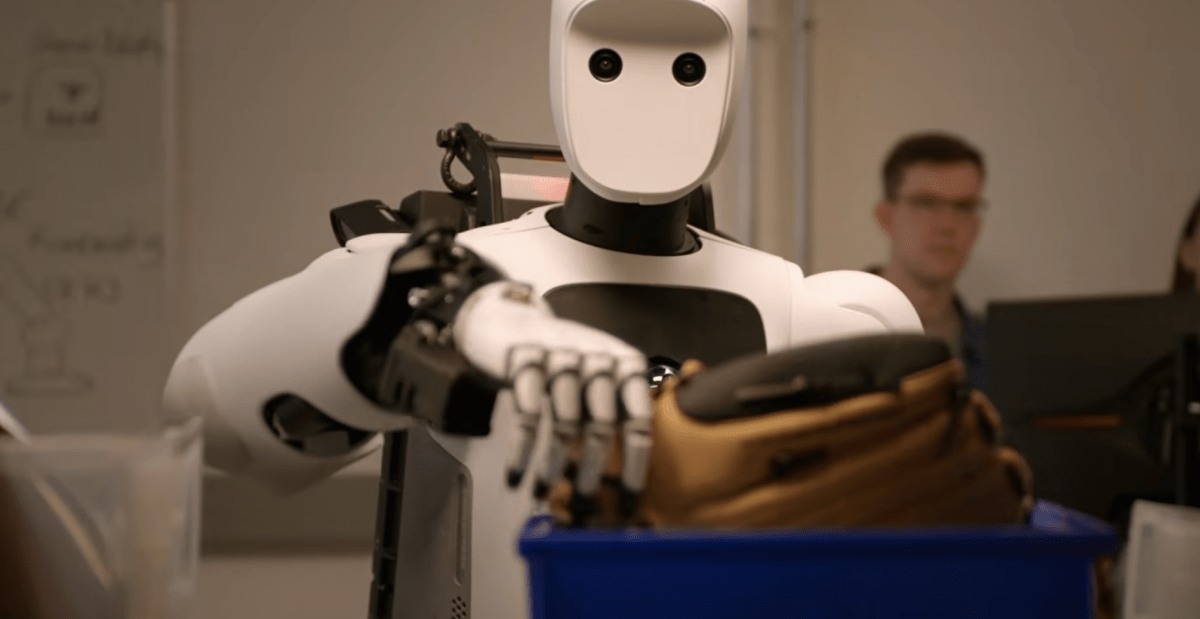
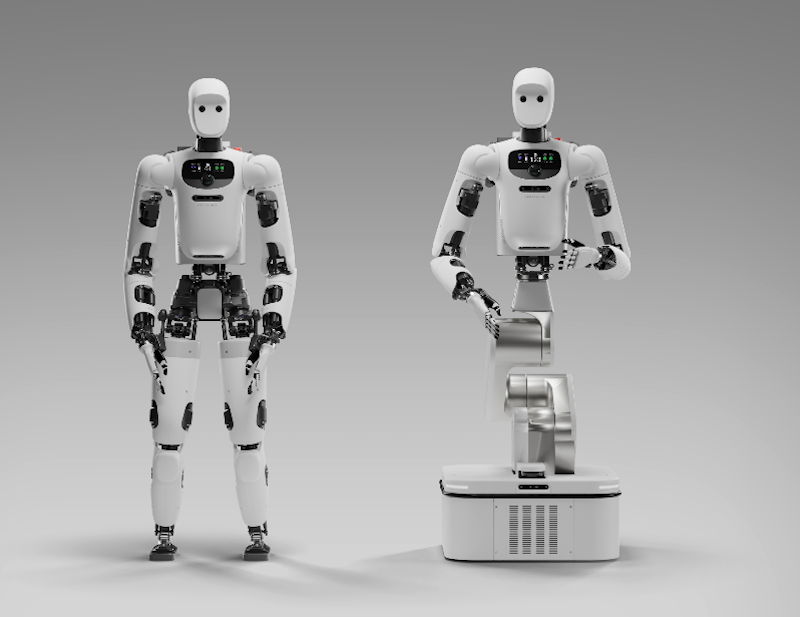
Agile Robots is making a significant impact at Robot Technology Japan (RTJ) 2026, where the Munich-based company is showcasing its extensive range of industrial robotics, embodied AI, and humanoid technologies. The event, taking place in Nagoya, serves as a platform for Agile Robots to highlight its latest innovations, including advanced force-control systems, collaborative robots, and AI-driven automation solutions. This presentation underscores the company's commitment to expanding its presence in the global automation market, reflecting the growing demand for sophisticated robotic technologies in various industries.
RoboticsAndAutomationNews.com By Sam Francis 1 hour ago Events Industrial robots News Agile ONE agile robots automation news
Google has introduced DiffusionGemma, an innovative experimental AI model designed to generate text through a diffusion-based approach. This announcement was made recently as part of the company's ongoing efforts to advance artificial intelligence technologies. The model aims to enhance the capabilities of AI in natural language processing by leveraging diffusion techniques, which have shown promise in generating high-quality text outputs. Google’s initiative reflects its commitment to pushing the boundaries of AI research and development, seeking to improve user interactions with technology. The unveiling of DiffusionGemma marks a significant step in the evolution of AI, showcasing how advanced methodologies can be applied to create more sophisticated and contextually aware text generation systems.
InterestingEngineering.com By Neetika Walter 6 hours ago AI and Robotics
Google DeepMind has unveiled DiffusionGemma, an experimental open model designed for rapid text generation. This innovative model is optimized by NVIDIA to achieve enhanced performance on NVIDIA GeForce RTX GPUs and the NVIDIA RTX PRO platform. The release, which took place today, aims to push the boundaries of text generation technology, providing users with a tool that can produce content at unprecedented speeds. By leveraging advanced GPU capabilities, DiffusionGemma seeks to meet the growing demand for efficient and high-quality text generation solutions in various applications.
NvidiaNews By NVIDIA Jun 10, 2026
NVIDIA has announced that its GPUs equipped with Confidential Computing technology are now being utilized for confidential inference in Apple’s Private Cloud Compute (PCC). This development marks a significant expansion of Apple’s cloud capabilities, extending beyond its own data centers to include Google Cloud. The announcement was made during Apple’s annual Worldwide Developers Conference (WWDC), where the company showcased its latest advancements and innovations aimed at enhancing data security and privacy for users. This collaboration with NVIDIA is expected to bolster Apple’s commitment to maintaining user confidentiality while leveraging cloud resources effectively.
NvidiaNews By NVIDIA Jun 09, 2026
ByteDance is setting ambitious goals for its AI initiatives in 2026, focusing on four key areas. The company aims to enhance world model training, targeting performance levels comparable to Google's leading model, Genie 3, by the end of the year. Additionally, ByteDance plans to maintain its leadership in video models while exploring new avenues like dynamic generation. The company is also committed to strengthening its coding capabilities, emphasizing the importance of data feedback and evaluation to improve agent performance, particularly in office applications. Despite recent advancements, including the launch of Seed 2.0 and Seedance 2.0, ByteDance faces challenges in the world model arena, having entered the field later than competitors. The company established a research group in 2025 to explore visual-language-action models and has since set a clear goal for world model development. However, internal assessments indicate that performance still lags behind global standards by approximately 10%. In parallel, ByteDance is accelerating the commercialization of its Doubao platform, which has seen a surge in daily active users, reaching 200 million. The company plans to introduce paid features and enhance its offerings for professional users, particularly in sectors like finance and law. Doubao's strategy includes differentiating itself in the crowded AI tools market and expanding its presence internationally, with a focus on small language markets. As ByteDance navigates these challenges, it aims to leverage its engineering expertise and data resources to emerge as a leader in the evolving AI landscape.
36kr.com Jun 04, 2026
Industrial robotics is undergoing a significant transformation, driven by advancements in artificial intelligence, large language models, and embodied AI. This evolution has generated renewed interest in the development of robots capable of understanding, reasoning, and interacting with their physical environments. Notable partnerships, including collaborations between Google DeepMind and Boston Dynamics, have intensified discussions surrounding the potential for more sophisticated general-purpose robots. As these technologies continue to evolve, the industry anticipates a future where robots can perform a wider array of tasks, enhancing their utility across various sectors. The ongoing innovations suggest a promising trajectory for the integration of robotics into everyday life, potentially reshaping industries and improving operational efficiencies.
RoboticsAndAutomationNews.com By Sam Francis Jun 04, 2026 Features Industrial robots Robotics Software automation news automation roi
Quantum computers are poised to tackle problems beyond the capabilities of today's most advanced supercomputers, but their operation relies heavily on classical computing infrastructure. As the industry prepares for the anticipated scale of quantum computing, major players like Nvidia, Q-CTRL, IBM Quantum, and Google Quantum AI are developing innovative classical hardware and software solutions to support these machines. In April, Nvidia unveiled AI-based software designed to enhance the classical tasks essential for quantum computing. Sydney-based Q-CTRL has created an automatic calibration algorithm that utilizes Nvidia’s system to streamline the calibration process, which is crucial for maintaining the reliability of qubits—quantum bits that are inherently unstable and require regular adjustments. Calibration involves a meticulous two-stage process that traditionally demands significant time and expertise, prompting a push for automation. Q-CTRL's intelligent software analyzes calibration data in real-time, allowing for dynamic adjustments to improve efficiency. Additionally, quantum error correction is a critical focus, as it enables the detection and compensation of errors in qubits, a process that must occur rapidly to maintain quantum states. While AI is gaining traction in simplifying hardware control, challenges such as latency and computational expense remain. Experts suggest that a hybrid approach combining traditional and AI methods may be necessary to optimize performance. As quantum technology evolves, the demand for robust classical support will grow, necessitating new strategies to manage the increasing complexity of quantum systems.
IEEESpectrumAI By Edd Gent Jun 03, 2026 Quantum-computers Quantum-error-correction Internal-calibration Nvidia Quantum-computing
On June 2, 2023, in Beijing, Gaode Map and the Singapore Tourism Board signed a strategic cooperation memorandum, marking the launch of the first collaborative tourism ranking list between a Chinese company and an overseas national tourism board. This initiative will feature the Singapore Street Ranking, utilizing Gaode's advanced aerial street view technology to provide a 360-degree perspective of local attractions, hotels, neighborhoods, and restaurants. The goal is to enhance the travel experience by allowing visitors to assess their destinations before arrival. In a separate development, the Jiangxi National Rare Earth Technology Innovation Center was established with a registered capital of 1.25 billion yuan, focusing on mineral resource exploration and scientific research. Additionally, WeRide and Uber announced plans to introduce Spain's first commercial Robotaxi service in Madrid, expanding WeRide's presence to its twelfth global city. The initiative aims to deploy hundreds of Robotaxis in the city center as operational benchmarks are met. In France, Ardian, a private equity firm, revealed a partnership with Verne to invest up to 5 billion euros in developing a next-generation digital infrastructure park in the Île-de-France region, with a target capacity of 500 megawatts by 2030. Other notable news includes a collaboration between Google and Telstra to build a fiber and submarine cable network in Australia, updates on the recovery timeline for Blue Origin's launch facilities following a recent rocket explosion, and a reduction in fuel surcharges for domestic flights in China starting June 5.
36kr.com Jun 02, 2026
During its Build developer conference, Microsoft unveiled a new suite of generative AI models aimed at competing in the rapidly evolving artificial intelligence market, which is currently dominated by OpenAI, Anthropic, and Google. The announcement, made on a significant platform for developers, highlights Microsoft's commitment to advancing AI technology and expanding its capabilities in this competitive landscape. By introducing these models, Microsoft seeks to leverage its existing resources and expertise to carve out a stronger presence in the AI sector, responding to the growing demand for innovative AI solutions. The move is part of a broader strategy to enhance its offerings and attract developers to its ecosystem, positioning the company as a formidable player in the ongoing AI race.
CNBCTechnology Jun 02, 2026
Amazon Web Services (AWS) has announced the launch of a new service called "AWS Interconnect - multicloud," which enables high-speed connections to other cloud platforms, including Google Cloud and Microsoft Azure, through private networks. As part of this initiative, AWS is offering a complimentary 500Mbps bandwidth to users. This move aims to enhance connectivity options for businesses looking to integrate multiple cloud services efficiently. The announcement underscores AWS's commitment to providing flexible and robust cloud solutions in an increasingly competitive market.
ITmedia.co.jp Jun 02, 2026
Google and Microsoft are intensifying their focus on coding tools as they seek to compete with leading AI companies Anthropic and OpenAI. This strategic shift comes in response to the growing demand for advanced programming assistance and the rapid advancements made by their rivals in the artificial intelligence sector. As of October 2023, both tech giants are investing heavily in developing and enhancing their coding capabilities to attract developers and businesses looking for innovative solutions. By leveraging their extensive resources and expertise, Google and Microsoft aim to establish a stronger foothold in the AI-driven coding landscape, ultimately striving to offer more efficient and effective tools that can streamline the software development process.
CNBCTechnology Jun 01, 2026
Kawasaki has launched a new center in Silicon Valley aimed at enhancing collaboration in physical artificial intelligence between the United States and Japan. This initiative reflects the company's commitment to fostering innovation and technological partnerships across borders. Meanwhile, Stellantis is set to collaborate with Accenture and Nvidia to develop digital twin technology, which will enable the creation of virtual replicas of physical assets for improved operational efficiency and decision-making. Both developments highlight the growing emphasis on advanced technology and international cooperation in the automotive and AI sectors.
ManufacturingDive.com By Nathan Owens May 29, 2026
Google has partnered with FANUC America Corporation, a leading Japanese robotics company, to enhance the development of Physical AI technology. This collaboration aims to integrate advanced artificial intelligence into robotics, enabling machines to better understand and interact with the physical world. The announcement was made recently, signaling a significant step forward in the field of robotics and AI. By combining Google’s expertise in AI and machine learning with FANUC's extensive experience in automation and robotics, the two companies seek to create more intelligent and adaptable robotic systems. This initiative is driven by the growing demand for automation in various industries, as businesses look to improve efficiency and productivity through innovative technologies. The partnership is expected to leverage cutting-edge research and development, paving the way for breakthroughs in how robots operate and collaborate with humans in diverse environments.
InterestingEngineering.com By Atharva Gosavi May 22, 2026
Google has initiated the rollout of its latest multimodal AI model, Gemini Omni Flash, which is designed to enhance user interactions across various platforms. This launch began in October 2023 and aims to integrate advanced AI capabilities into Google's suite of services. The motivation behind this development is to provide users with a more seamless and efficient experience by allowing the model to process and respond to inputs in multiple formats, including text, images, and voice. By leveraging cutting-edge technology, Gemini Omni Flash is expected to significantly improve the way users engage with Google's applications, making interactions more intuitive and responsive. The rollout is part of Google's ongoing commitment to innovation in artificial intelligence, positioning the company at the forefront of the AI landscape.
InterestingEngineering.com By Neetika Walter May 22, 2026
FANUC has experienced a surge in customer interest following the launch of its physical AI system at the IREX exhibition in Tokyo. This heightened demand has prompted the company to collaborate with tech giants Google and NVIDIA to enhance the capabilities of its robotic systems. The partnership aims to leverage advanced AI technologies to improve the functionality and efficiency of FANUC's robots, positioning the company at the forefront of innovation in the robotics industry.
RoboticsBusinessReview.com By The Robot Report Staff May 21, 2026 Artificial Intelligence Artificial Intelligence / Cognition Collaborative Robots Controllers Design / Development Industrial Robots
Researchers at the University of Waikato in New Zealand have developed a high-fidelity synthetic voice for te reo Māori, the indigenous language of the country, in response to concerns over the ownership and control of Māori language data by foreign technology companies. Led by associate professor Te Taka Keegan and his former master's student Kingsley Eng, the project was motivated by a desire for "sovereign digital systems" that prioritize Māori ownership of their language resources. The initiative began with the recording of 4.5 hours of data from Ngaringi Katipa, a fluent speaker and language mentor, which was later expanded to 7 hours and 45 minutes. The researchers faced challenges due to the unique linguistic features of te reo Māori, such as vowel length and digraphs, which can alter meanings. They employed a phoneme-based approach to training the text-to-speech model, utilizing open-source tools and testing various neural architectures to achieve an effective AI voice with a word error rate of 6.78 percent. Despite receiving funding from Google, Keegan emphasized that the ownership of the voice model remains a collective responsibility of the Māori community, particularly the tribes affiliated with Katipa. The project aims to empower Māori language speakers and establish a framework for similar initiatives among other indigenous communities globally. Keegan envisions a future where community-owned language models can preserve and promote indigenous knowledge, ensuring that technology serves to empower rather than diminish cultural heritage.
IEEESpectrumAI By Laurie Winkless May 21, 2026 Artificial-intelligence Languages Ai-models
Hark, a company established by Brett Adcock, the CEO of Figure AI, has successfully raised $700 million in funding. This significant investment positions Hark to compete with major players in the artificial intelligence sector, including OpenAI, Apple, Google, and Meta. The funding aims to accelerate the development of innovative AI hardware solutions, reflecting the growing demand for advanced technology in various industries. With this financial backing, Hark plans to enhance its capabilities and carve out a substantial presence in the competitive landscape of AI hardware innovation.
BusinessInsider By [email protected] (Rya Jetha) May 21, 2026 Tech AI Startups tech ai brett-adcock
Amrita Roy, an investment analyst, has reaffirmed her "buy" rating for Reddit (NYSE: RDDT) despite concerns surrounding a recent overhaul of Google Search. Following Google's announcement at its I/O 2026 developer conference, Reddit's stock experienced a 5.5% decline. However, Roy highlights that Reddit's AI-powered search capabilities and strong advertising revenue growth, with Q1 FY26 revenue increasing by 69% year-over-year, position the company favorably. Although Google Search accounts for 40-50% of Reddit's traffic, most of these users are logged out, which limits potential monetization risks from any declines due to the search updates. Analysts project a 46.5% revenue growth and an 89% increase in earnings per share for FY26, with a forward price-to-earnings ratio of 20.9 and a potential upside of 53% to the average price target. Roy, who leads a family office fund in Vancouver, emphasizes the importance of investing in sustainable, growth-oriented companies and aims to provide accessible financial insights through her award-winning newsletter, The Pragmatic Optimist.
Seekingalpha.com May 21, 2026 GOOG META RDDT Amrita Roy
In the coming decades, billions of AI-powered robots are expected to collaborate with humans across various sectors, including factories, warehouses, elder care, disaster response, and home assistance. By 2025, investments in robotics reached a record $40.7 billion, highlighting the growing interest in this technology. Despite ambitious claims from robotics companies about humanoid robots entering homes soon, significant challenges remain in bridging the gap between current capabilities and the promises made. Experts in AI and robotics, including a professor from Oregon State University and a former Google X executive, emphasize that while AI is revolutionizing robotics, the complexity of real-world environments poses substantial hurdles. Current demonstrations of humanoid robots, such as those showcased at the 2026 Spring Festival Gala in China, often rely on scripted performances rather than genuine autonomy, revealing the limitations of existing technology. The development of general-purpose robots is hindered by the need for vast amounts of high-quality training data and the challenge of creating hardware that can safely interact with humans. As robotics evolves, the focus will shift to practical applications that address real-world needs, with an emphasis on safety and reliability. The path forward involves a series of incremental advancements rather than a single breakthrough, as AI-driven robots gradually begin to deliver tangible benefits across various industries, potentially transforming the economy and improving daily life.
IEEESpectrumRobotics By Hans Peter Brondmo May 20, 2026 Robotics Everyday-robots Agility-robotics Artificial-intelligence
Google DeepMind is set to enhance its Project Genie by integrating it with Street View, aiming to develop immersive and interactive world simulations. This innovative initiative will enable users to explore diverse environments, experience dynamic weather changes, and encounter rare scenarios. The integration is part of DeepMind's broader effort to advance applications in robotics, gaming, and travel, providing a more engaging and realistic experience for users. The project is expected to leverage the extensive data from Street View to create detailed and responsive virtual landscapes, making it easier for developers and users alike to engage with these simulations in meaningful ways.
TechCrunch By Rebecca Bellan May 19, 2026 AI Robotics genie 3 Google Google I/O google io 2026
Google is set to revolutionize its Search functionality by integrating artificial intelligence, moving away from traditional link-based results to a more interactive and conversational experience. This transformation, which is expected to roll out in the coming months, aims to provide users with direct answers and engage them through autonomous agents and dynamic interfaces. The shift is driven by the company's goal to enhance user engagement and streamline information retrieval. However, this innovation raises concerns among publishers, as it could lead to a significant decrease in web traffic directed to their sites, potentially impacting their revenue streams. As Google continues to refine its AI capabilities, the implications for content creators and the broader digital landscape remain to be seen.
TechCrunch By Sarah Perez May 19, 2026 AI Apps Google Google Search AI search google io 2026
Google has announced the launch of Universal Cart, a new feature aimed at enhancing the shopping experience for consumers who frequently use multiple devices and engage with various retailers over extended periods. This initiative comes in response to the evolving shopping habits observed in today's digital landscape, where customers often browse and purchase items across different platforms. By introducing Universal Cart, Google seeks to streamline the purchasing process, allowing users to manage their shopping activities more efficiently. The rollout of this feature reflects the company's commitment to adapting to consumer needs and improving online retail interactions.
TechCrunch By Aisha Malik May 19, 2026 AI Apps Commerce Google Google I/O google io 2026
Google has unveiled its latest innovation, Gemini Omni, a multimodal model designed to enhance user interaction by reasoning across various formats, including text, images, audio, and video. This cutting-edge technology allows users to generate and edit videos through straightforward conversational prompts, with the initial feature being Omni Flash. The launch of Gemini Omni marks a significant advancement in artificial intelligence, aiming to simplify content creation and editing processes for users. The model is trained on data available up to October 2023, ensuring it incorporates the most recent developments in AI capabilities. This initiative reflects Google's commitment to pushing the boundaries of technology and improving user experiences in digital content creation.
TechCrunch By Rebecca Bellan May 19, 2026 Media & Entertainment AI Google Veo google io 2026 google gemini omni
In response to the evolving shopping habits of consumers, a leading technology company has announced the launch of Universal Cart, a new feature designed to streamline the online shopping experience. Recognizing that shoppers frequently use multiple devices and browse various retailers over extended periods, the initiative aims to simplify the purchasing process by allowing users to manage their shopping carts across different platforms seamlessly. This development comes as part of the company's ongoing efforts to enhance user convenience and adapt to the changing landscape of e-commerce. The Universal Cart is expected to roll out in the coming weeks, providing a unified shopping experience that caters to the modern consumer's needs.
TechCrunch By Aisha Malik May 19, 2026 AI Apps Commerce Google Google I/O google io 2026
At the recent Google I/O event, Google announced a significant push into AI-driven shopping, unveiling its latest innovation: a "Universal Cart." This new feature allows users to seamlessly add products from various retailers across Google platforms, including Gemini, and plans to extend to YouTube and Gmail in the future. This initiative comes as some competitors are scaling back their efforts in the AI commerce space, highlighting Google's commitment to enhancing the online shopping experience. By integrating multiple retail options into a single cart, Google aims to streamline the purchasing process for consumers, making it easier to shop across different platforms.
TheVerge.com By Mia Sato May 19, 2026 AI Business Google Google I/O 2026 News Online Shopping
Former President Donald Trump engaged in significant trading activity involving the so-called "Magnificent Seven" tech stocks during the first quarter of 2026, according to a recent ethics disclosure. The report reveals that Trump executed 94 trades valued between $50 million and $70 million, including 64 purchases and 30 sales, while actively promoting these companies. Notably, he increased his holdings in Apple and Alphabet, while selling more Tesla shares than he acquired. The disclosure, which encompasses over 3,700 trades under Trump's name, has raised concerns about potential conflicts of interest, particularly as some transactions occurred close to public announcements regarding the companies. The Trump Organization stated that Trump's account is managed by third-party financial institutions, asserting that neither Trump nor his family influences investment decisions. Among the notable trades was a purchase of at least $1 million in Nvidia stock on February 10, just before the company announced a strategic partnership with Meta. Additionally, on the same day, Trump sold between $10 million and $50 million in Microsoft and Amazon stock. The nature of many trades, described as "unsolicited," has sparked questions regarding the organization's claims of non-involvement by Trump and his family in the trading process.
YahooFinance May 19, 2026
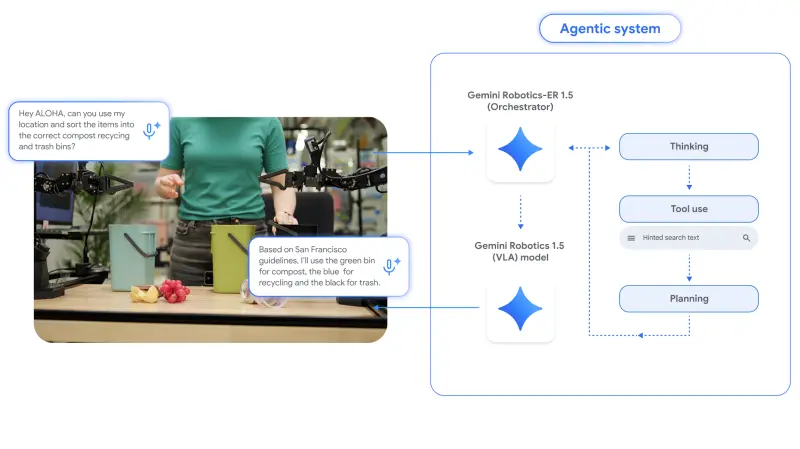
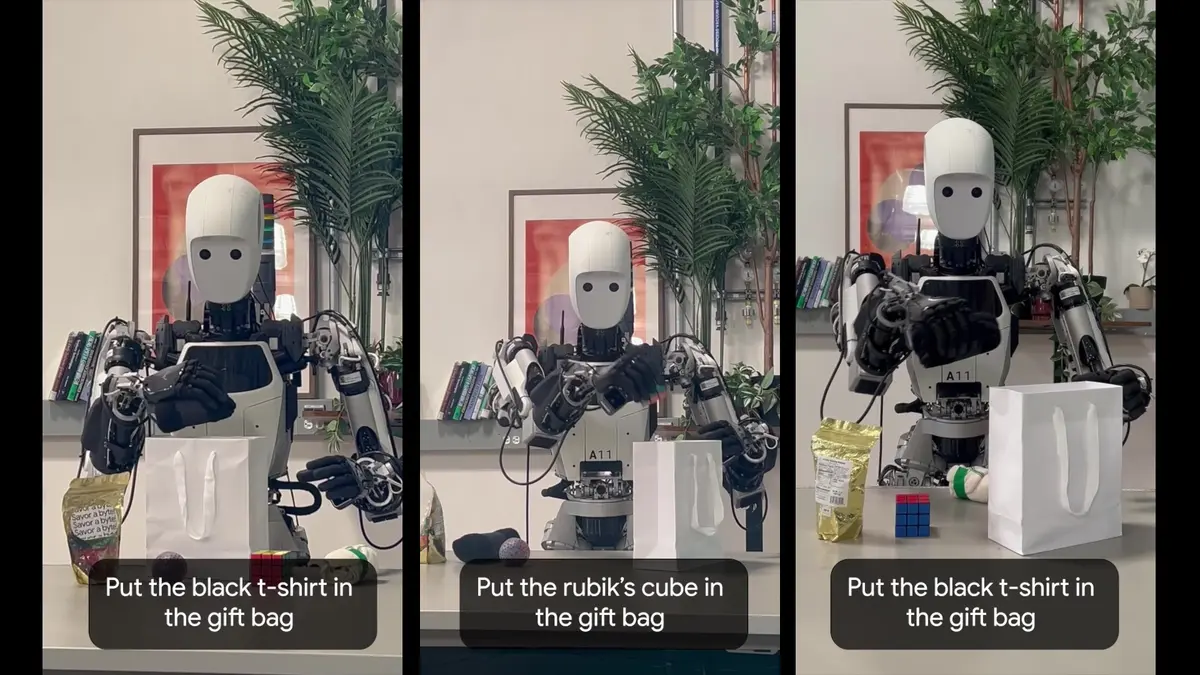
A new AI agent developed by Google is now operating robots, showcasing advanced capabilities in automation and artificial intelligence. This innovative technology was unveiled in October 2023, marking a significant milestone in the field of robotics. The AI agent is designed to enhance the efficiency and effectiveness of robotic operations across various industries, including manufacturing, logistics, and healthcare. The motivation behind this development is to leverage AI's potential to streamline processes, reduce human error, and increase productivity in environments that require precision and reliability. By integrating sophisticated algorithms and machine learning techniques, the AI agent can adapt to different tasks and environments, allowing robots to perform complex operations with minimal human intervention. This breakthrough represents a significant step forward in the ongoing evolution of robotics, as it combines Google's expertise in AI with practical applications in real-world scenarios. The implications of this technology could transform how industries operate, paving the way for smarter, more autonomous systems that can tackle a wide range of challenges.
RoboticsTomorrow.com May 19, 2026
At the recent Google I/O conference, NVIDIA and Google Cloud announced a significant initiative aimed at enhancing the productivity of over 100,000 developers within their collaborative developer community. This program offers curated learning paths, hands-on labs, and various events designed to support developers in building innovative solutions. The partnership underscores both companies' commitment to fostering a robust ecosystem for developers, facilitating skill development and project execution in an increasingly competitive tech landscape. By providing these resources, NVIDIA and Google Cloud aim to empower developers to leverage cutting-edge technologies and accelerate their projects effectively.
NvidiaNews By NVIDIA May 19, 2026
Stainless, a startup based in New York and established in 2022, has gained recognition in the burgeoning artificial intelligence sector for its innovative approach to automating the creation and maintenance of software development kits (SDKs). These SDKs serve as essential libraries that enable developers to effectively interact with application programming interfaces (APIs). By streamlining this process, Stainless aims to enhance efficiency and reduce the complexity involved in software development, positioning itself as a key player in the tech landscape.
TechCrunch By Kirsten Korosec May 18, 2026 AI Anthropic Stainless
Google is leveraging its latest Android rollout to establish Gemini as the central artificial intelligence layer across a range of devices, including smartphones, Chromebooks, laptops, and vehicles. This strategic move aims to enhance user experience by integrating advanced AI capabilities into everyday technology. The rollout, which began in October 2023, reflects Google's commitment to innovation and its vision of a seamlessly connected ecosystem. By embedding Gemini across multiple platforms, the tech giant seeks to streamline operations and improve functionality, making AI more accessible and beneficial for users in their daily lives.
CNBCTechnology May 12, 2026
Perceptron Inc., a Bellevue-based startup founded by former Meta researchers Armen Aghajanyan and Akshat Shrivastava, has launched its flagship video analysis model, Mk1, aimed at revolutionizing how enterprises utilize AI in real-time video processing. Announced today, this innovative model is priced significantly lower than competitors, at $0.15 per million input tokens and $1.50 per million output tokens, making it accessible for large-scale industrial applications. The Mk1 model, developed over 16 months, excels in understanding complex physical interactions and temporal reasoning, outperforming established models like OpenAI's GPT-5 and Google's Gemini 3.1 Pro in various benchmarks. Its unique architecture allows it to process video streams continuously, maintaining object identity and providing precise analysis of dynamic scenes, which is particularly beneficial for sectors such as security, robotics, and marketing. Perceptron aims to position Mk1 as a leader in the "Efficiency Frontier," balancing high performance with cost-effectiveness. The model's capabilities extend to auto-clipping highlights from live sports and enhancing quality control in manufacturing. A public demo site is available for potential users to explore its functionalities. This launch signifies a significant step towards integrating advanced AI into real-world applications, as the company seeks to make "physical AI" as prevalent as its digital counterpart.
Venturebeat.com By [email protected] (Carl Franzen) May 12, 2026 Technology
Papa Johns and Wing, in collaboration with Google Cloud, are pioneering a future where artificial intelligence, autonomous logistics, and drone delivery converge into a unified ecosystem. This partnership marks a significant step for the commercial drone industry, moving beyond traditional narratives that emphasize the technical aspects of drones, such as payload capacity, battery life, and regulatory challenges. By integrating AI systems with drone technology, the collaboration aims to enhance the efficiency and effectiveness of delivery services, potentially transforming the landscape of commerce. This innovative approach not only promises to streamline operations but also to redefine consumer experiences in delivery logistics.
Dronelife.com By Miriam McNabb May 11, 2026 Applications Delivery DL Exclusive Drone News Drone News Feeds Feature 1
Recent advancements in artificial intelligence (AI) have reignited discussions about recursive self-improvement (RSI), a concept first proposed by mathematician I. J. Good in 1966. As AI systems like large language models (LLMs) and machine-learning algorithms evolve, researchers are exploring how these technologies can autonomously enhance their own capabilities. Notable developments include OpenAI's GPT-5.3-Codex, which reportedly assisted in its own creation, and Google DeepMind's AlphaEvolve, designed to optimize complex problems in scientific discovery. While some researchers view these advancements as steps toward fully autonomous AI, they acknowledge that current systems still depend on human oversight for goal-setting and evaluation. Experts like Jeff Clune from the University of British Columbia believe that the field is on the brink of achieving RSI, which could revolutionize science and technology. However, challenges remain, including the complexity of AI systems and the necessity of human involvement in the development process. Concerns about the potential risks of RSI have also emerged, with some experts advocating for a pause in AI development to prevent unintended consequences. The debate continues over whether AI could lead to an intelligence explosion, with many researchers emphasizing the importance of maintaining human oversight to ensure safe progress. As AI technologies evolve, the future landscape may see a collaborative relationship between humans and machines, reshaping roles in research and innovation.
IEEESpectrumAI By Matthew Hutson May 07, 2026 Ai-safety Singularity Llms Evolutionary-algorithm
The U.S. government is intensifying regulations on advanced artificial intelligence technologies, responding to growing concerns over their potential risks and ethical implications. This initiative, announced recently, aims to establish a framework that ensures the responsible development and deployment of AI systems. The new measures are part of a broader effort to address issues such as privacy, security, and bias in AI applications. The regulations are expected to be implemented in the coming months, with the Biden administration emphasizing the need for collaboration between federal agencies, industry leaders, and academic institutions. By fostering a transparent and accountable AI ecosystem, officials hope to mitigate risks while promoting innovation. The move reflects a proactive stance in the face of rapid advancements in AI, as policymakers seek to balance technological progress with public safety and ethical standards. As the global landscape for AI continues to evolve, the U.S. aims to position itself as a leader in responsible AI governance, setting a precedent that could influence international standards and practices.
InterestingEngineering.com By Aamir Khollam May 05, 2026
The White House is contemplating the establishment of a new working group focused on artificial intelligence, aimed at examining oversight and vetting models prior to the release of AI technologies. This initiative, confirmed by CNBC, reflects the administration's growing concern over the implications of AI advancements and the need for regulatory frameworks to ensure safety and ethical standards. The proposed working group is part of broader efforts to address the rapid evolution of AI and its potential impact on society.
CNBCTechnology May 05, 2026
The Defense Department has announced new agreements with several major technology companies, including Amazon Web Services, Google, Microsoft, NVIDIA, OpenAI, SpaceX, and Reflection, with Oracle joining the list shortly thereafter. This initiative, revealed in a morning announcement, aims to enhance the Department's capabilities in various technological fields. By collaborating with these industry leaders, the Defense Department seeks to leverage advanced technologies to improve national security and operational efficiency. The partnerships are expected to facilitate the integration of cutting-edge innovations into defense strategies, reflecting a commitment to staying at the forefront of technological advancements.
BreakingDefense By Sydney J. Freedberg Jr. May 01, 2026 Networks & Digital Warfare Pentagon AI & Autonomy Amazon anthropic artificial intelligence AI
Planet Labs, a California-based Earth observation company, has successfully implemented AI image processing aboard its Pelican-4 multispectral satellite, marking a significant advancement in satellite technology. The satellite captured an image of an airport in Alice Springs, Australia, where an AI model autonomously identified and highlighted over a dozen aircraft on the tarmac. This achievement comes after 18 months of development aimed at enabling real-time object classification from space, which could revolutionize the Earth observation industry by providing immediate insights to users. Currently, Planet Labs operates hundreds of Dove and SuperDove CubeSats, alongside its Pelican satellites, which offer high-resolution imaging capabilities. The Pelican-4, launched into orbit in 2025, utilizes onboard AI algorithms to analyze images rapidly, delivering results to users within minutes. This efficiency addresses previous delays in data processing that could hinder timely responses to critical situations, such as wildfires. Looking ahead, Planet Labs plans to enhance its satellite fleet with a new model called the Owl, equipped with advanced AI detection capabilities. This network of satellites aims to create a system that autonomously monitors the planet and flags potential issues in real-time. The company envisions a future where powerful AI models could provide instant textual updates on detected anomalies, further streamlining Earth monitoring efforts. The space-based AI detection service is expected to be available to customers within the next six to nine months, as Planet Labs continues to collaborate with Google on projects that could expand data-processing capabilities in orbit.
IEEESpectrumAI By Tereza Pultarova May 01, 2026 Earth-observation Ai Computer-vision Satellites
In a recent financial update, leading tech giants Amazon, Google, and Microsoft announced their first-quarter cloud results, which exceeded analysts' expectations. This positive performance indicates a significant uptick in demand for artificial intelligence services. The reports, released in early April 2023, highlight the growing importance of cloud computing and AI technologies in the current market landscape. As businesses increasingly turn to AI solutions to enhance efficiency and innovation, these companies are poised to benefit from the rising trend. The robust results reflect not only the strength of their cloud services but also the broader shift towards digital transformation across various industries.
CNBCTechnology Apr 30, 2026
Investments in artificial intelligence by major US tech companies are projected to exceed $700 billion this year, significantly outpacing spending by Chinese firms. This surge is fueled by increasing memory costs and a growing demand for AI applications. Analysts suggest that China's tech industry, recognizing the urgent need to enhance its AI capabilities, will also ramp up its investments in the sector throughout the year. On Thursday, both Google and Microsoft highlighted their ongoing commitment to AI development, underscoring the competitive landscape between US and Chinese technology firms. As the global race for AI dominance intensifies, the contrasting investment trends reflect the differing strategic priorities and market conditions in the two countries.
SCMPTech By Xinmei Shen Apr 30, 2026
In April 2023, DAIMON Robotics, a Hong Kong-based company, launched Daimon-Infinity, touted as the world's largest omni-modal robotic dataset for physical AI. This extensive dataset, which includes high-resolution tactile sensing data from over 80 real-world scenarios and 2,000 human skills, aims to enhance robot manipulation capabilities across various tasks, from household chores to industrial assembly lines. The initiative is backed by collaborations with prominent partners, including Google DeepMind, Northwestern University, and the National University of Singapore. Prof. Michael Yu Wang, co-founder and chief scientist of DAIMON, emphasized the importance of tactile feedback in improving robotic dexterity, advocating for a shift from the traditional Vision-Language-Action (VLA) model to a more integrated Vision-Tactile-Language-Action (VTLA) framework. This transition is crucial for enabling robots to perform complex manipulation tasks effectively, especially in environments where visual data alone is insufficient. Recognizing a significant data gap in the robotics industry, DAIMON has committed to open-sourcing 10,000 hours of its dataset to support broader research and development efforts. The company aims to accelerate the deployment of embodied AI by providing high-quality tactile data, which is essential for training robots to interact with their surroundings more naturally and effectively. As the robotics landscape evolves, DAIMON's innovative approach positions it as a key player in advancing the capabilities of humanoid robots in real-world applications.
Spectrum.ieee.orgAutomaton By Sujeet Dutta Apr 30, 2026 Type-sponsored Factory-robots Tactile-sensing Ai-models Embodied-intelligence
Boston Dynamics has announced the integration of Google's Gemini Robotics AI into its robotic platform, Spot. This advancement allows Spot to perform automated industrial gauge readings and conduct visual inspections of facilities. The collaboration aims to enhance operational efficiency and accuracy in industrial settings, addressing the growing demand for automation in various sectors. The integration is expected to streamline processes and reduce the need for human intervention in routine inspections, thereby improving safety and productivity. This development comes as part of Boston Dynamics' ongoing efforts to leverage cutting-edge technology to transform the capabilities of its robots, with the integration officially rolling out in late 2023.
AutomationWorld.com By (undefined) Apr 30, 2026 Factory / Plant Maintenance
A team of former researchers from MIT and DeepMind has established Eka Robotics, unveiling a groundbreaking "Vision-Force-Action" (VFA) foundation model. This innovative technology harnesses the power of simulation and tactile sensing to enable robots to perform tasks with superhuman speed and remarkable physical intelligence. The launch marks a significant advancement in robotics, aiming to enhance the capabilities of machines in various applications. By integrating advanced sensory data with real-time decision-making, Eka Robotics seeks to revolutionize how robots interact with their environments. The initiative reflects a growing trend in the tech industry to develop more sophisticated and responsive robotic systems, addressing the increasing demand for automation across multiple sectors.
HumanoidsDaily By [email protected] (Humanoids Daily Staff) Apr 29, 2026 US Eka Robotics
GFT Technologies has expanded its collaboration with Google Cloud by deploying AI-powered robots in automotive factories to enhance quality control processes. These robots are designed to identify and remove defective parts from production lines, transitioning from mere inspection to active intervention. This innovative approach aims to improve manufacturing efficiency and reduce the likelihood of faulty products reaching consumers. The initiative reflects a growing trend in the automotive industry to integrate advanced technology for better operational outcomes.
RoboticsBusinessReview.com By Eugene Demaitre Apr 29, 2026 Arms / Manipulators Artificial Intelligence Artificial Intelligence / Cognition Automotive Cameras / Imaging / Vision Manufacturing
Malicious actors are increasingly leveraging generative AI to conduct cyberattacks, employing AI-generated deepfakes for scams, AI-assisted malware, and chatbots for phishing campaigns. In early April, Anthropic’s Frontier Red Team revealed that its Claude Mythos Preview model identified thousands of critical vulnerabilities across major operating systems and web browsers, despite not being specifically trained for this purpose. This prompted the launch of Project Glasswing, a collaborative initiative with tech giants like Amazon Web Services, Apple, Google, Microsoft, and Nvidia, aimed at using Mythos Preview to enhance software security. While generative AI demonstrates remarkable capabilities in identifying code vulnerabilities, experts warn that these same abilities can be exploited by cybercriminals. Jeremy Katz, vice president of code security at Sonar, noted that AI can effectively pinpoint security flaws within extensive codebases. However, the technology is not without its challenges, including the potential for false positives, which complicates the process for open-source maintainers. To mitigate these issues, cybersecurity professionals advocate for a balanced approach that incorporates human oversight in the verification of AI findings. Techniques such as adversarial self-review and dynamic threat modeling are suggested to enhance the reliability of AI tools. Experts emphasize the importance of integrating security measures earlier in the software development lifecycle and providing ongoing training for developers to preemptively address vulnerabilities. As AI continues to evolve in its ability to detect and classify security weaknesses, the focus will shift towards effectively remediating these vulnerabilities at scale.
IEEESpectrumAI By Rina Diane Caballar Apr 27, 2026 Anthropic Coding Artificial-intelligence
In a groundbreaking collaboration, Insta360, a prominent manufacturer of 360-degree cameras, has teamed up with the UK-based startup Splatica to revolutionize virtual exploration. This partnership aims to empower creators to develop immersive, interactive environments reminiscent of Google Street View, but with the added ability for users to navigate these spaces like a video game. The initiative, announced in January, allows individuals to capture and share their surroundings without relying on traditional filming methods. By leveraging Splatica’s innovative platform alongside Insta360’s advanced camera technology, the duo seeks to democratize the creation of virtual experiences, enabling users to engage with their environments in a more dynamic and personalized way. This move is set to enhance the accessibility of virtual content creation, appealing to a wide range of users from casual creators to professional developers.
TheVerge.com By Sean Hollister Apr 24, 2026 Cameras Drones Gadgets Hands-on News Report
NVIDIA and Google Cloud have announced a significant milestone in their long-standing partnership, which has lasted over ten years. Together, they have developed a comprehensive AI platform that integrates various technology layers, including performance-optimized libraries, frameworks, and robust cloud services tailored for enterprise needs. This collaboration aims to enhance the capabilities of artificial intelligence applications, providing businesses with advanced tools and resources to leverage AI effectively. The initiative reflects both companies' commitment to driving innovation in the AI space and supporting organizations in their digital transformation journeys.
NvidiaNews By NVIDIA Apr 22, 2026
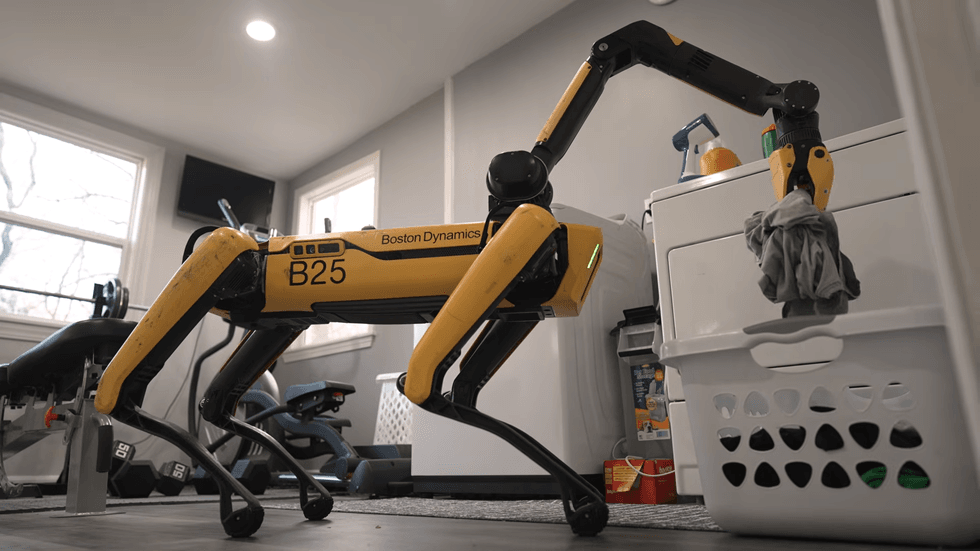
Boston Dynamics has announced that its quadruped robot, Spot, is now equipped with Google DeepMind’s Gemini Robotics-ER 1.6, a high-level embodied reasoning model designed to enhance the robot's usability and intelligence for complex tasks. This development, revealed today, marks a significant advancement in the commercial deployment of legged robots, particularly in industrial inspections, where Spot will autonomously identify hazardous debris, read gauges, and utilize vision-language-action models for better environmental understanding. The collaboration aims to improve how robots interpret and interact with their surroundings, addressing the challenges of ensuring that robotic actions align with human reasoning. Marco da Silva, vice president of Spot at Boston Dynamics, emphasized that the new capabilities will allow Spot to autonomously navigate real-world challenges more effectively. Despite the progress, experts acknowledge ongoing challenges in achieving seamless human-robot interaction. Carolina Parada from Google DeepMind noted that while the Gemini model enhances visual recognition, it currently lacks integration with other sensory data, such as touch, which is crucial for reliable object manipulation. As part of the deployment, customers using Spot for inspections will need to share operational data with Boston Dynamics to further refine the technology. The introduction of Gemini Robotics-ER 1.6 is seen as a step toward creating safer and more reliable robots capable of performing everyday tasks, with the potential to apply these advancements to other robotic platforms in the future.
Spectrum.ieee.orgAutomaton By Evan Ackerman Apr 14, 2026 Boston-dynamics Spot-robot Google-deepmind Inspection-robots Quadruped-robots
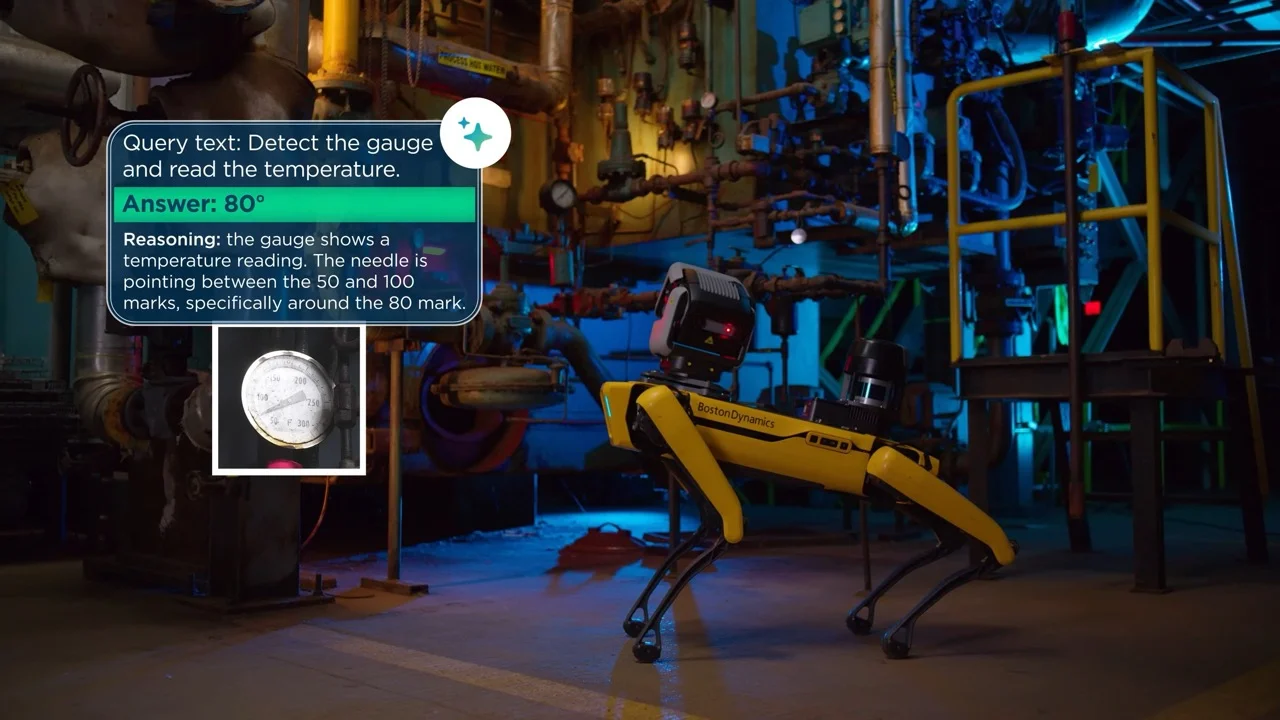
DeepMind has unveiled its latest and most sophisticated embodied reasoning model, which incorporates a cutting-edge "agentic vision" system designed specifically for industrial inspections. This new technology aims to improve the accuracy and efficiency of multi-view success detection in various industrial applications. The launch, which took place recently, marks a significant advancement in artificial intelligence capabilities, reflecting DeepMind's commitment to enhancing operational processes across industries. By leveraging advanced machine learning techniques, the model is expected to streamline inspection workflows and reduce the likelihood of errors, ultimately driving productivity and safety in industrial environments.
HumanoidsDaily By [email protected] (Humanoids Daily Staff) Apr 14, 2026 Google Gemini Gemini Robotics-ER 1.6 google-deepmind Boston Dynamics
A recent analysis by Senior Editor Samuel K. Moore highlights the ongoing DRAM shortage, primarily driven by the increasing demand for high bandwidth memory (HBM) from AI hyperscalers like Google, Microsoft, OpenAI, and Anthropic. This shortage is significantly impacting the performance of large language models, as these companies invest heavily in building expansive data centers to support their AI operations. The report, published on February 10, has been updated to reflect the current state of the memory market, which is also affecting the prices of low-cost computers, such as the Raspberry Pi. The demand for memory is exacerbated by the energy consumption of AI technologies, which could account for up to 12 percent of all U.S. power by 2028. As companies like Nvidia and AMD require more memory for their processors, the pressure on supply chains continues to mount. Moore notes that any adjustments in production schedules from major HBM manufacturers—Micron, Samsung, and SK Hynix—could signal a potential easing of the shortage. Additionally, tech companies may need to adapt by opting for hardware that requires less memory or redesigning products to mitigate the impact of the constraints. The analysis emphasizes the importance of monitoring these developments as the tech industry navigates the challenges posed by the memory shortage. To stay informed on this evolving situation and broader technology trends, readers are encouraged to subscribe to the weekly newsletter, Tech Alert.
IEEESpectrumAI By Harry Goldstein Apr 06, 2026 Semiconductors Dram Memory Chips Ai Data-centersExcepteur sint occaecat cupidatat non proident