Industry Briefing
A single destination for timely, editor-curated robotics news from around the world.
First Direct Drive Stock IPO Approaches as Young Team Transitions from Gearbox Technology
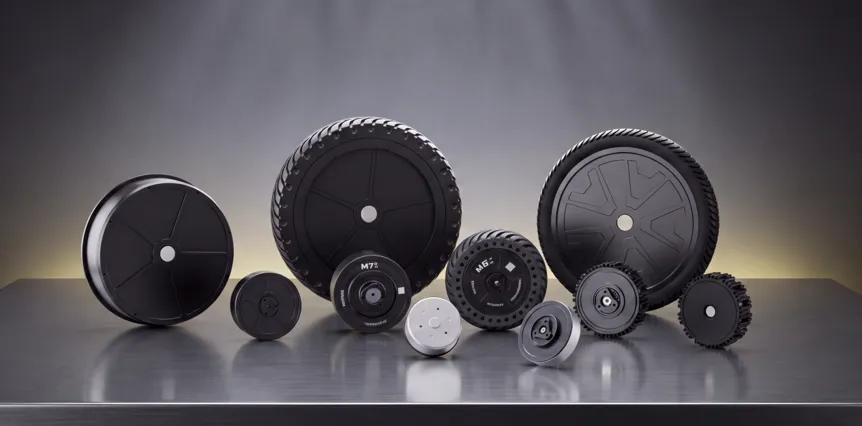
A young Chinese team, Benmo Technology, is set to revolutionize the power system paradigm with their direct drive technology, moving away from traditional gearboxes. This shift is crucial as AI demands more flexible, precise, and reliable power outputs, highlighting the limitations of gear-driven systems. The direct drive technology allows for direct coupling of motors to loads, eliminating intermediary components like gearboxes, thus reducing structural redundancy and maintenance costs. The market for direct drive modules in China is rapidly expanding, with a current penetration rate of only 3.9%, indicating significant potential for growth as the industry transitions to this new paradigm. Looking ahead, Benmo Technology has already achieved substantial sales, with over 8.5 million direct drive modules shipped by 2025, empowering more than 5 million robots globally. As the demand for precision and efficiency in robotics increases, the company is well-positioned to define the next generation of power systems, with expectations for continued growth in the direct drive market through 2030.
Direct Drive Technology Robotics Automation AI Power Systems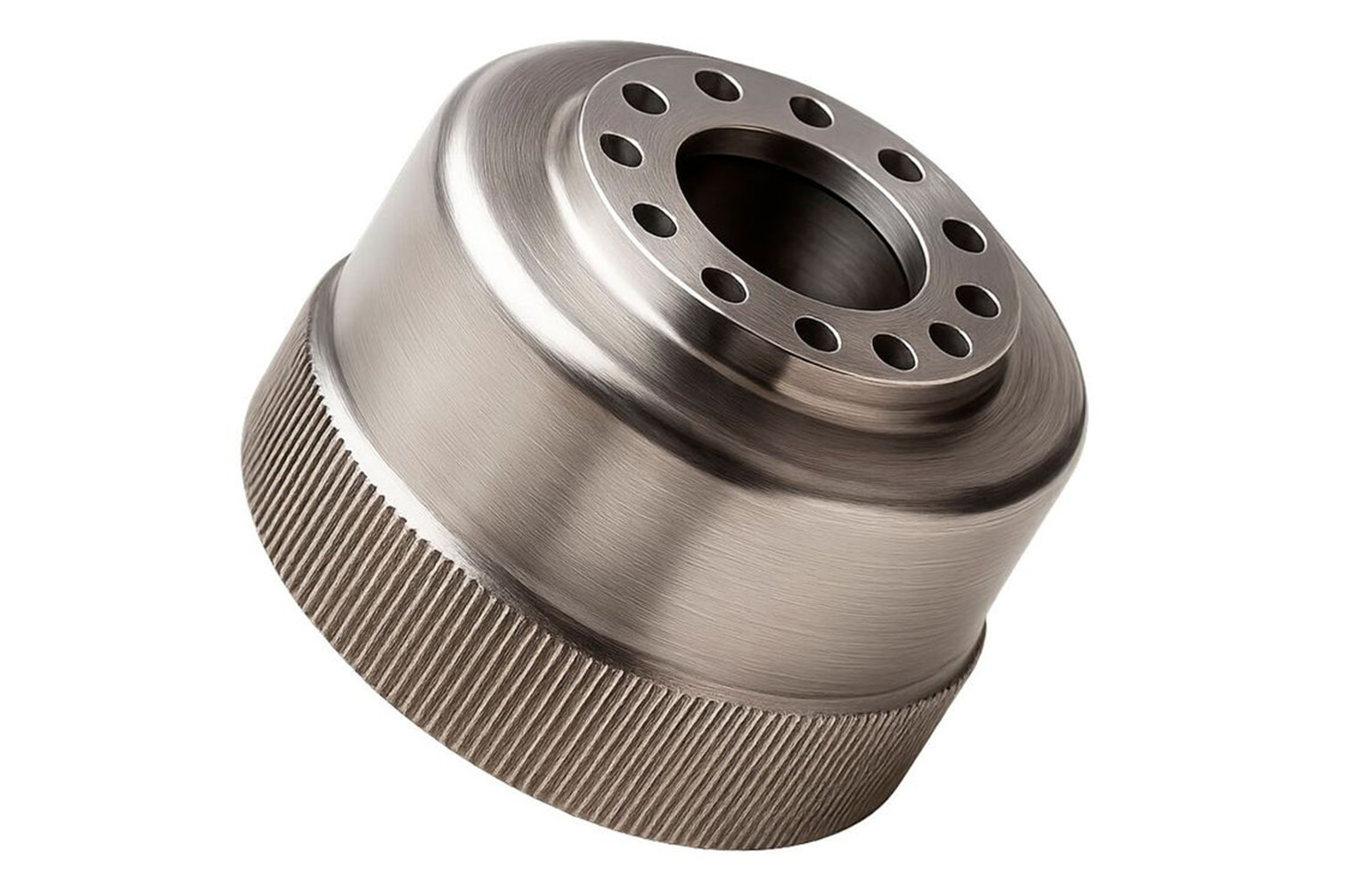
Schaeffler to Begin Mass Production of Humanoid Robot Gearboxes by 2027
Schaeffler Technologies AG has developed formed strain wave gearboxes specifically for humanoid robots and plans to start mass production in 2027. These gearboxes are essential components in actuators, which account for approximately half of the costs associated with manufacturing humanoid robots. Their ability to transmit movements with high precision and torque in compact spaces makes them ideal for humanoid joints. The significance of this development lies in Schaeffler's ambition to lead the humanoid robotics market. According to David Kehr, president of humanoid robotics at Schaeffler, the company leverages its global value chain knowledge to create high-quality, economical, and scalable solutions. The formed strain wave gearboxes are designed to overcome traditional manufacturing bottlenecks, enabling faster production and reduced costs. Looking ahead, Schaeffler's innovative forming technology allows for the rapid production of gearboxes, cutting manufacturing costs by over 25% and material usage by more than 75%. The company plans to initiate production in Germany before expanding to other regions. No further timeline was disclosed at the time of publication.
Actuators / Motors / Servos Humanoids Motion Control News Robot Components Robots / Platforms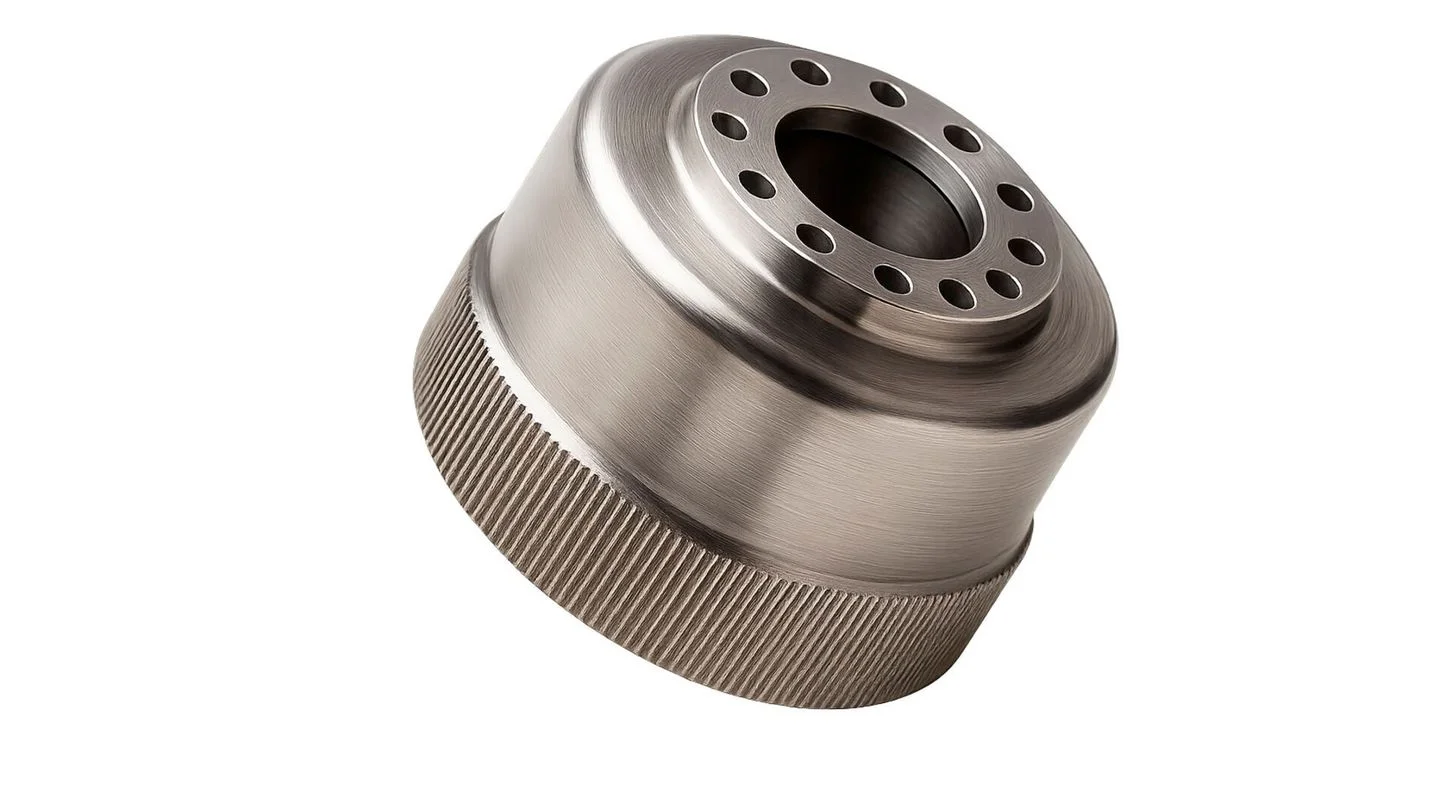
Schaeffler Announces Breakthrough in Strain Wave Gearbox Production for Humanoid Robotics
Schaeffler has successfully validated a new manufacturing process for formed strain wave gearboxes, which significantly reduces production costs and time. This innovation is crucial for humanoid robotics, where actuators can account for up to half of a robot's total manufacturing cost. With mass production planned for 2027, Schaeffler aims to solidify its position as a leading Tier 1 supplier in the humanoid robotics market. The formed strain wave gearboxes offer advantages over traditional planetary gears, including zero backlash and high precision in a compact design, essential for robotic joints. The new manufacturing method utilizes high pressing forces to shape components quickly, cutting costs by over 25% and reducing material use by more than 75%. This advancement addresses a significant supply chain challenge as humanoid companies scale production from hundreds to thousands of units. Looking ahead, Schaeffler's formed strain wave gearboxes complement its existing planetary gear actuator solutions, enabling the company to provide a comprehensive range of actuation products for OEM robot manufacturers. No further timeline was disclosed at the time of publication.
Europe Actuators Schaeffler
Schaeffler Introduces Formed Strain Wave Gearboxes for Humanoid Robotics Market
Schaeffler, a motion technology company, is launching formed strain wave gearboxes aimed at enhancing its humanoid robotics product line. These gearboxes are crucial components in actuators, which account for nearly half of the manufacturing costs of humanoid robots. They are designed to deliver precise motion transmission with high torque capacity in compact spaces, meeting the essential requirements for humanoid robot joints. The introduction of formed strain wave gearboxes is significant as it addresses the limitations of traditional precision machining methods, which are time-consuming and costly. Schaeffler's innovative forming technology allows for the production of key components in seconds, reducing manufacturing costs by over 25% and material usage by more than 75%. This advancement is expected to facilitate the scaling of humanoid robot production, with mass production slated to begin in Germany in 2027. Looking ahead, Schaeffler's successful validation testing of these gearboxes positions the company to lead in the humanoid robotics market. With over 2 million formed strain wave gearboxes supplied to the automotive sector in the past decade, Schaeffler is leveraging its manufacturing expertise to meet the growing demands of humanoid robotics. No further timeline was disclosed at the time of publication.
Components Humanoids News forming technology gear manufacturing high-volume manufacturing
The Gearbox Trap: Origami Robotics and 1X Clash Over the Future of Manipulation
Origami Robotics has released a technical critique highlighting that high-ratio gearboxes are a significant barrier to achieving greater dexterity in robotics. This assertion has led to an unusual hardware disclosure from Bernt Børnich, the CEO of 1X, who responded to the critique. The discussion surrounding this issue is particularly timely, as advancements in robotics are increasingly sought after in various industries. The critique emphasizes the need for innovation in gearbox technology to enhance robotic performance and functionality, suggesting that overcoming this bottleneck could lead to substantial improvements in robotic applications. Børnich's hardware reveal aims to address these concerns and showcase potential solutions to the challenges identified by Origami Robotics.
Origami Robotics 1X-technologies Scott Walter hand hands Bernt Børnich
Origami Robotics Challenges 1X Technologies on Future of Robotic Manipulation
Origami Robotics co-founder Quanting Xie has raised concerns about the industry's dependence on high-ratio gearboxes, which he claims hinder the development of human-level manipulation. In a blog post titled 'The Dexterity Deadlock,' Xie argues that these gearboxes introduce significant failures in the 'sim-to-real' pipeline, necessitating excessive domain randomization in simulations. The debate has attracted attention from industry leaders, including 1X Technologies CEO Bernt Børnich, who defends the 'tendon-drive' system used in their upcoming NEO humanoid. Xie proposes an alternative axial flux motor design that reduces gear ratios significantly, enhancing torque generation and enabling a fully backdrivable hand capable of sensing forces through motor current. As the discussion unfolds, the implications for robotic manipulation technology are profound. The contrasting approaches of Origami and 1X highlight a critical juncture in the field, with potential impacts on future humanoid designs. No further timeline was disclosed at the time of publication.
Origami Robotics 1X Technologies Scott Walter hand hands Bernt Børnich
Rethinking Robotic Gearboxes in the Age of Additive Manufacturing
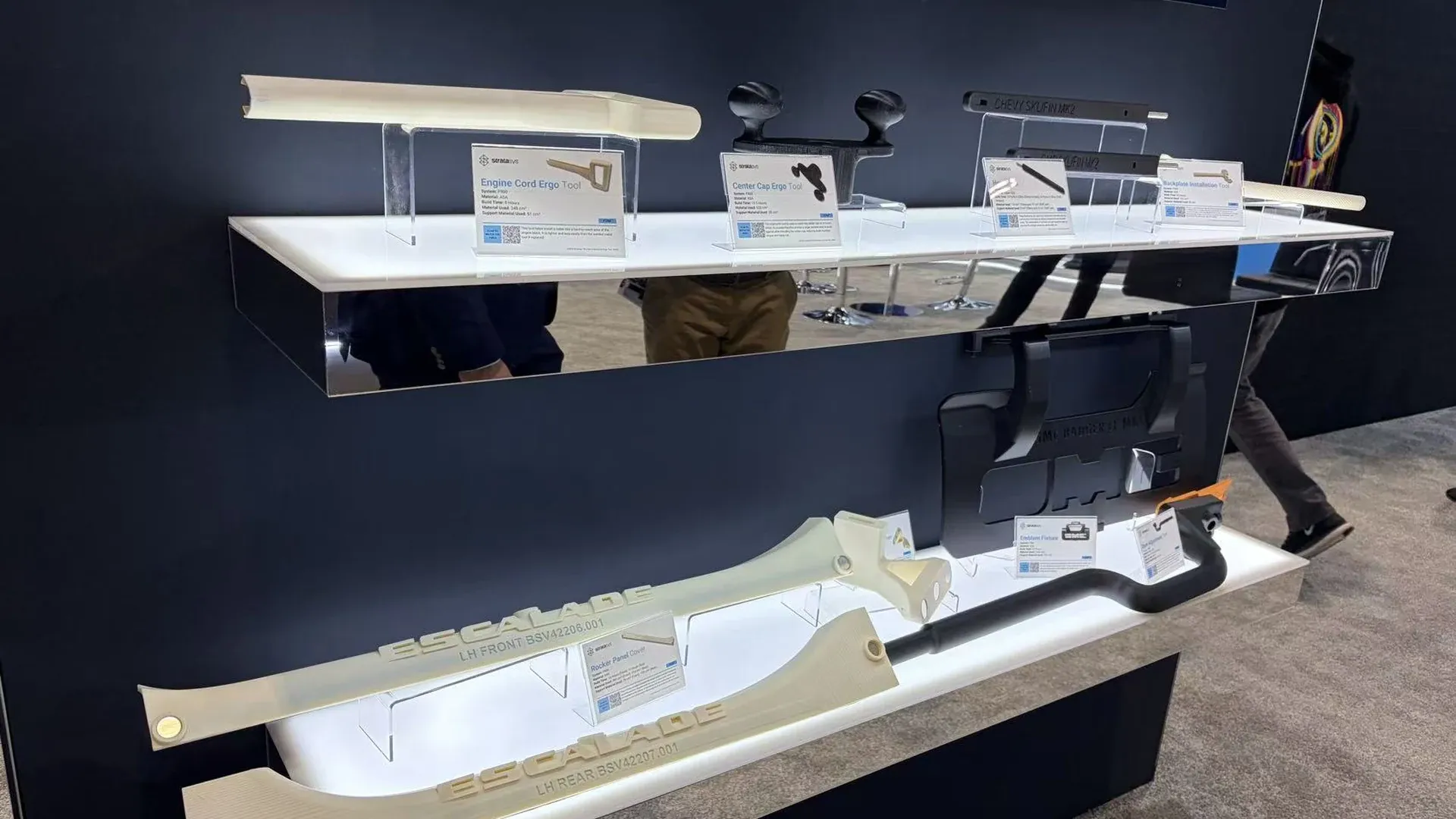
For decades, the gearbox manufacturing industry has depended on traditional methods of precision machining and multi-stage assembly. While this established process has demonstrated reliability, it presents significant challenges, including prolonged lead times, design limitations, and reduced flexibility during the early stages of product development. As manufacturers seek to innovate and improve efficiency, there is a growing need to address these trade-offs, prompting industry leaders to explore alternative approaches that could streamline production and enhance design capabilities. The shift towards more agile manufacturing processes is becoming increasingly critical as companies aim to meet evolving market demands and reduce time-to-market for new products.
Robotics needs a service framework.
RSF defines a common language for robot service capability, lifecycle operations, certification pathways, and service-provider networks.
Join the RobotToday community on LinkedIn
Daily robotics news, in-depth analysis, conference highlights, and discussions with professionals worldwide.