Industry Briefing
A single destination for timely, editor-curated robotics news from around the world.

Jack Technology Orders 2,000 Humanoid Robots for Enhanced Textile Production Efficiency
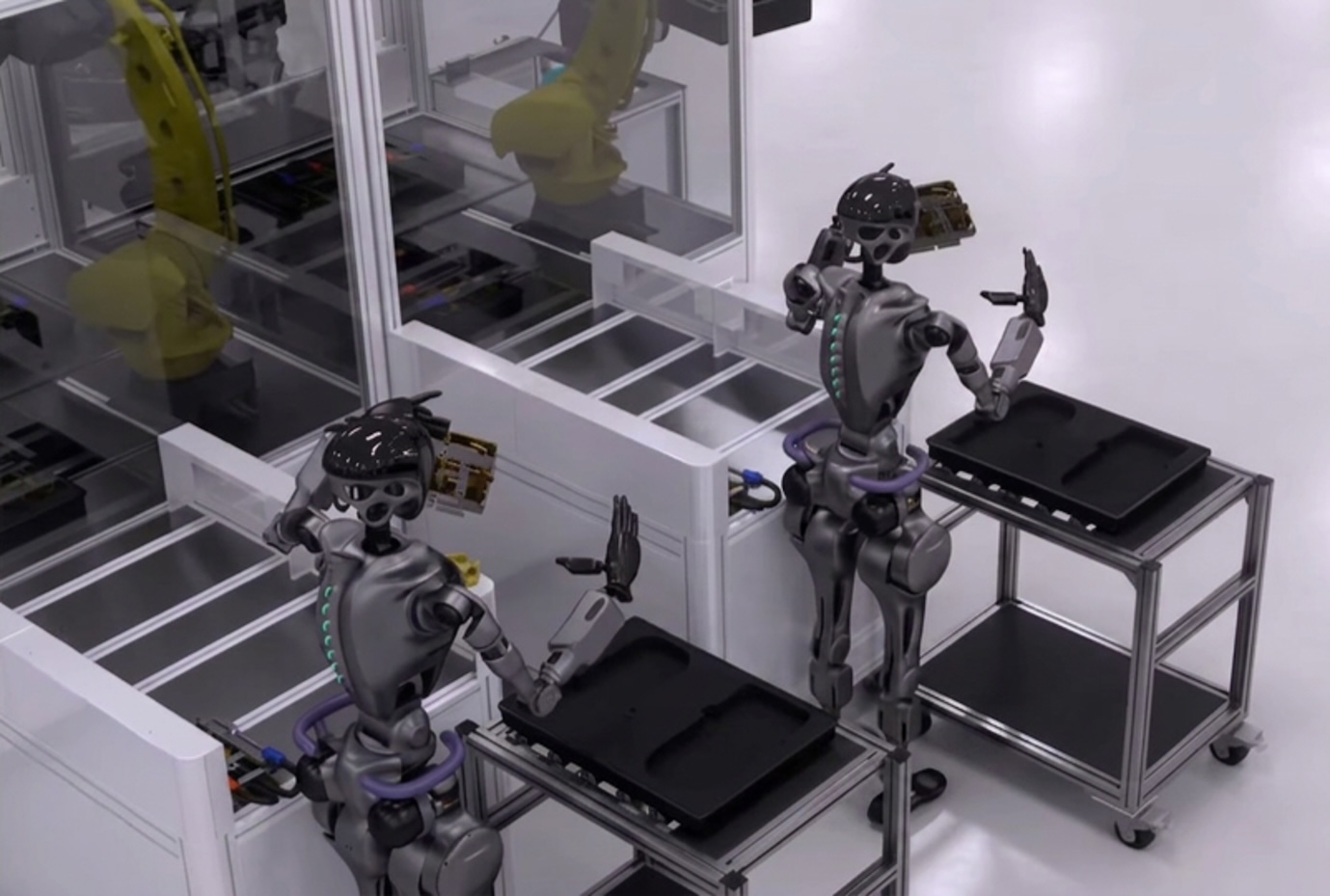
Jack Technology, a China-based industrial sewing machine manufacturer, is collaborating with Siemens to integrate humanoid robots into textile production. The initiative aims to enhance manufacturing efficiency by at least 30% while addressing challenges such as shorter lead times and rising costs. This deployment of 2,000 humanoid robots represents a significant step towards automation in the textile industry. The introduction of humanoid robots is crucial as they can operate in environments designed for human workers, utilizing existing tools and workstations without major modifications. Their ability to replicate human-like movements allows them to adapt to changing surroundings, making them valuable in addressing labor shortages while working alongside human employees. A recent trial of the Alpha humanoid robot showcased its effectiveness in handling material tasks autonomously. Looking ahead, the textile industry may see further integration of humanoid robots and other mobile robotic systems, such as ANYbotics' ANYmal, which is designed for inspection and maintenance in hazardous environments. No further timeline was disclosed at the time of publication.
AI and Robotics
Neros Secures $250 Million Funding to Advance Drone Production and Technology
Drone startup Neros has successfully raised $250 million in a funding round co-led by Sequoia, increasing its valuation to $2.5 billion. This investment will support Neros as it expands its offerings beyond strike drones to include autonomous systems and drone interceptors. The significance of this funding lies in Neros's ambition to establish a robust US supply chain for drone production, reducing reliance on China. CEO Soren Monroe-Anderson and Sequoia partner Shaun Maguire highlighted their goal of ramping up production capabilities, aiming to manufacture one million drones annually. Looking ahead, stakeholders should monitor Neros's progress in scaling production and the development of its autonomous systems. No further timeline was disclosed at the time of publication.
SpaceX Launches Starmind Project for 1 Million AI Satellites by 2028
SpaceX has officially named its orbital AI infrastructure project 'Starmind,' which aims to deploy a constellation of up to 1 million satellites. This initiative, confirmed by Elon Musk on June 22, 2026, will enable AI inference directly in space, utilizing solar energy rather than terrestrial power sources. The first satellite, designated AI1, was unveiled on June 8, 2026, and is designed to operate in sun-synchronous orbits. The significance of Starmind lies in its potential to overcome the limitations faced by ground-based data centers, such as land, power, and water constraints. By running AI computations in orbit, Starmind can provide a more efficient solution to the growing demand for AI computing power. The project leverages the existing Starlink infrastructure for data transmission, distinguishing its function from Starlink's internet relay capabilities. Looking ahead, SpaceX plans to begin hardware deployment with the AI1 satellite, while full-scale production and deployment of the satellite constellation are targeted for 2028. As of now, no Starmind satellites have been launched, and further engineering challenges remain to be addressed, particularly regarding the scalability of the satellite design.

SpaceX Unveils AI1 Satellite Specs for Starmind Constellation with Key Thermal Challenges
SpaceX has introduced the AI1 satellite, the inaugural component of its Starmind constellation, which stands 20 meters tall and has a wingspan of 70 meters. This orbital compute node is designed to deliver computing power equivalent to one NVIDIA GB300 server rack, utilizing a unique cooling system with deployable liquid radiators. The satellite's specifications were revealed during a presentation on June 8, 2026, ahead of SpaceX's IPO. The significance of the AI1 satellite lies in its role as a compute platform rather than a traditional satellite, focusing on running AI inference workloads. The satellite's cooling system, which is critical for its operation in the vacuum of space, is designed to reject heat through infrared radiation. However, independent engineers have raised concerns about the feasibility of the thermal and mass claims made by SpaceX, suggesting that the cooling requirements may exceed practical limits. Looking ahead, SpaceX plans to launch two AI1 prototypes in early 2027, with full-scale production expected to commence later that year at its Gigasat facility in Bastrop, Texas. The ongoing debate regarding the satellite's thermal management capabilities will be crucial to monitor as the project progresses, with no further timeline disclosed at the time of publication.

SpaceX's Starmind Project: Supplier Strategy and Chip Manufacturing Plans for 2026
SpaceX's Starmind project, aimed at deploying up to 1 million AI satellites, was filed with the FCC on January 30, 2026. The initiative is designed to minimize reliance on external suppliers, with CEO Elon Musk stating that current chip production capabilities only meet 2% of the projected needs. The first satellite, AI1, is set for prototype launches in early 2027, featuring a 70-meter wingspan and a modular payload system that allows for interchangeable chips from various suppliers. The significance of Starmind lies in its ambitious supply chain strategy, which seeks to transition from external hardware suppliers to a fully integrated Musk-owned facility by 2028. The Gigasat manufacturing site in Bastrop, Texas, is expected to be operational by the end of 2027, with plans for high-volume production of the D3 chip, specifically designed for space applications. This approach aims to consolidate chip manufacturing processes under the Terafab joint venture, which has an estimated initial investment of $55 billion. Looking ahead, the next milestone for Starmind is the launch of AI1 prototypes in early 2027, while the full-scale chip production at Terafab is projected to ramp up significantly thereafter. However, analysts express skepticism regarding the feasibility of achieving Musk's ambitious compute goals, which may require substantial investment and time to establish the necessary manufacturing capabilities.

Tesla's Optimus Robots to Support Starmind Satellite Production, Not Maintenance
Tesla's Optimus robots will not be used to repair Starmind satellites in orbit, as confirmed by recent statements from Elon Musk. Instead, these robots are intended to assist in the construction and operation of the Terafab chip manufacturing facility in Texas. The AI1 satellites, designed to disintegrate upon reentry, highlight the company's swap-and-replace strategy rather than traditional maintenance practices. This approach is significant as it reflects a broader trend in satellite management, where mass-produced satellites are replaced rather than repaired. The economics of servicing missions are prohibitive, with the cost of launching a replacement satellite being significantly lower than conducting a repair mission. This model aligns with SpaceX's operational history, where rapid replacement of satellites is more efficient than attempting to maintain them in orbit. Looking ahead, the focus will remain on the production capabilities of the Gigasat factory, which is expected to support the continuous replacement of satellites. No further timeline was disclosed at the time of publication, but the demand for rapid satellite turnover suggests a robust future for Optimus robots in terrestrial manufacturing rather than in-space servicing.

The Shift in Physical AI: Qunke Technology Develops a Simulation Data Production Line
Qunke Technology has introduced a pioneering solution to tackle the pressing shortage of high-quality 3D training data, which is vital for the advancement of the physical AI industry. As leading companies in embodied intelligence shift their focus from model architecture to data infrastructure, Qunke's innovative simulation data production line aims to fill this gap. The company’s efforts have been recognized at the European Conference on Computer Vision (ECCV), where three of its groundbreaking research papers were accepted. These contributions are expected to set new benchmarks in the fields of spatial intelligence and data synthesis, further propelling the development of AI technologies.
Embodied Intelligence Simulation Data 3D Training Data AI Benchmarking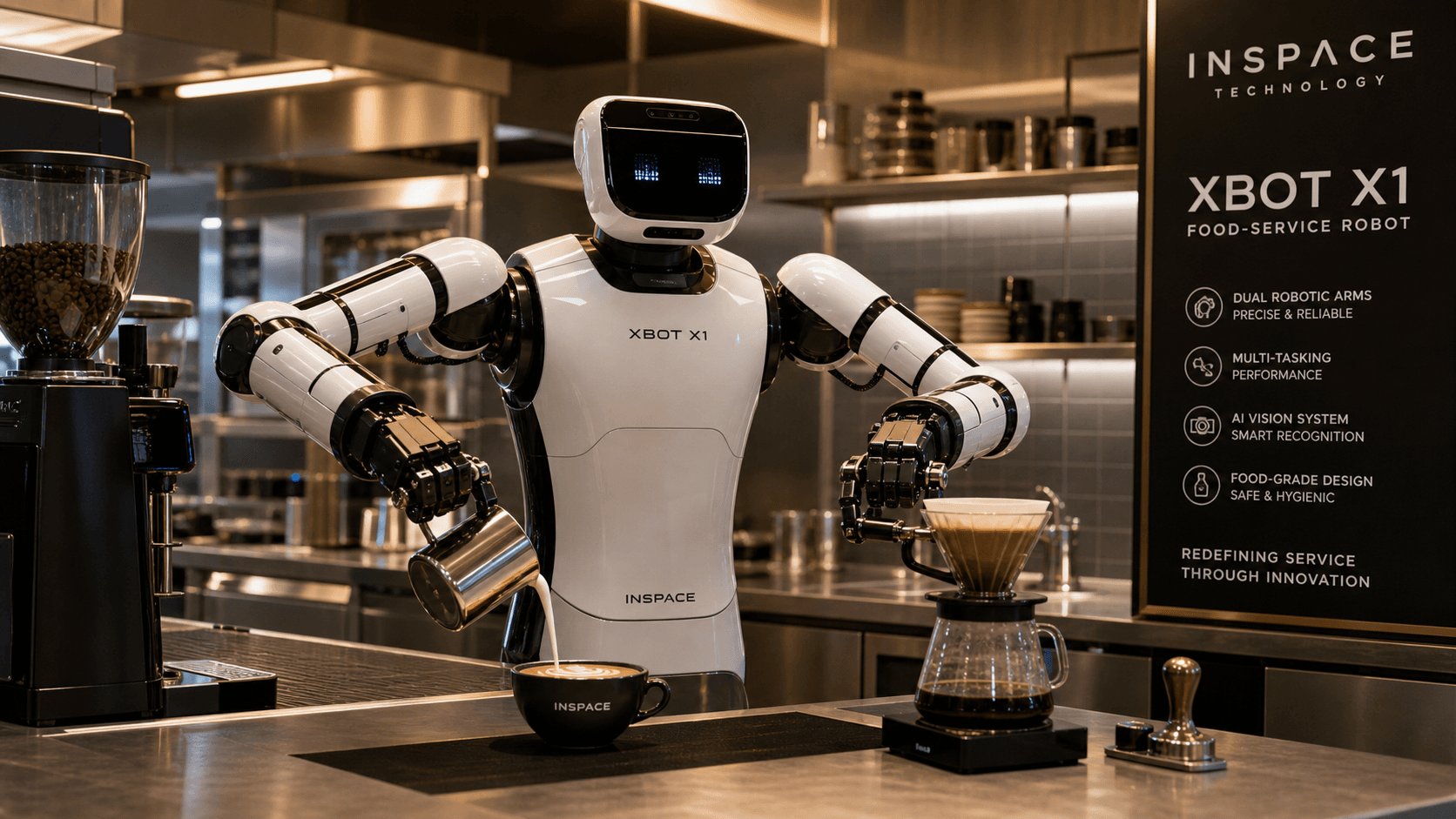
Ex-Xiaomi Executive Tang Mu Launches Food Service Humanoid Robot, Targets Year-End Production
InSpace Technology, a robotics company established by former Xiaomi executive Tang Mu, introduced three innovative food-service robots during a product launch event held on June 30. The unveiling took place in a bid to enhance efficiency in the food service industry, addressing the growing demand for automation in restaurants and catering services. These robots are designed to streamline operations, reduce labor costs, and improve customer service by delivering food and beverages directly to tables. The launch event showcased the robots' advanced features and capabilities, highlighting their potential to revolutionize the way food service is conducted.
Robotics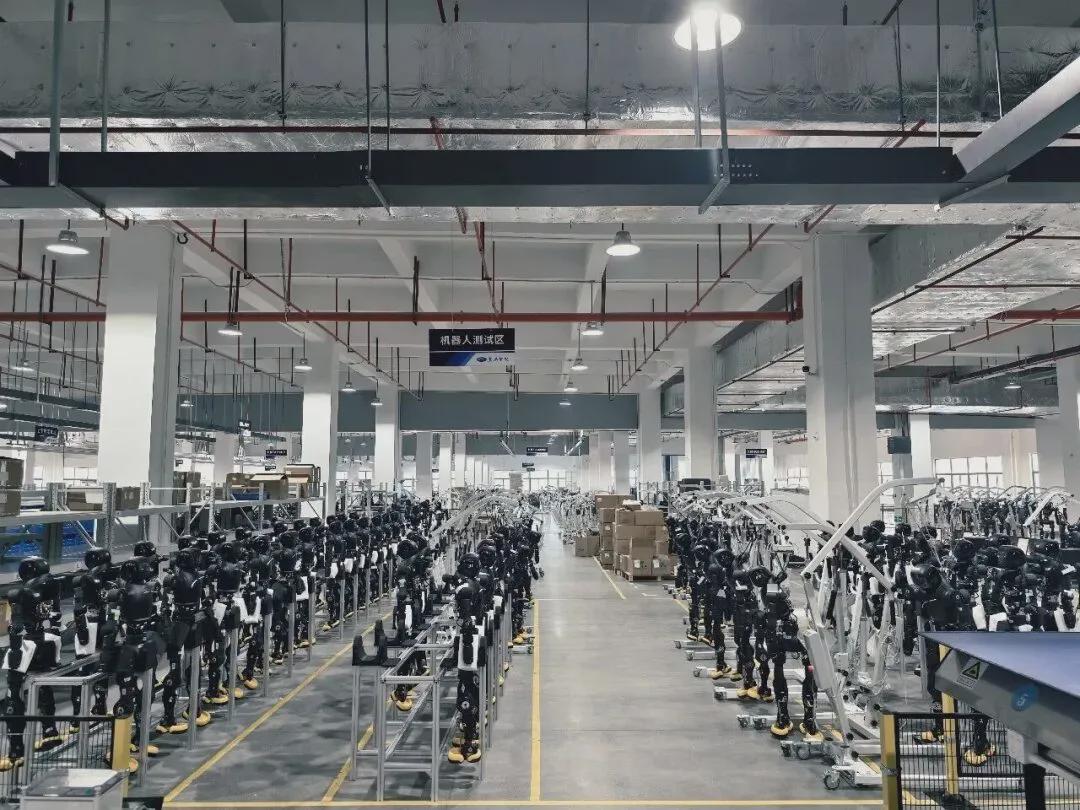
Lansi Technology's Robotics Production: Precision Manufacturing Meets Embodied Intelligence
Lansi Technology, a company recognized for its mobile glass products, is expanding its operations into the robotics sector by utilizing its advanced manufacturing capabilities. Recently, the firm has commenced mass production of robotic components, marking a significant milestone in revenue generation. This strategic move aims to strengthen its foothold in the competitive robotics industry, supported by new partnerships that enhance its operational capacity and market presence. The initiative reflects Lansi's commitment to innovation and automation, positioning the company for future growth in this emerging field.
Robotics Manufacturing Automation Industrial Robots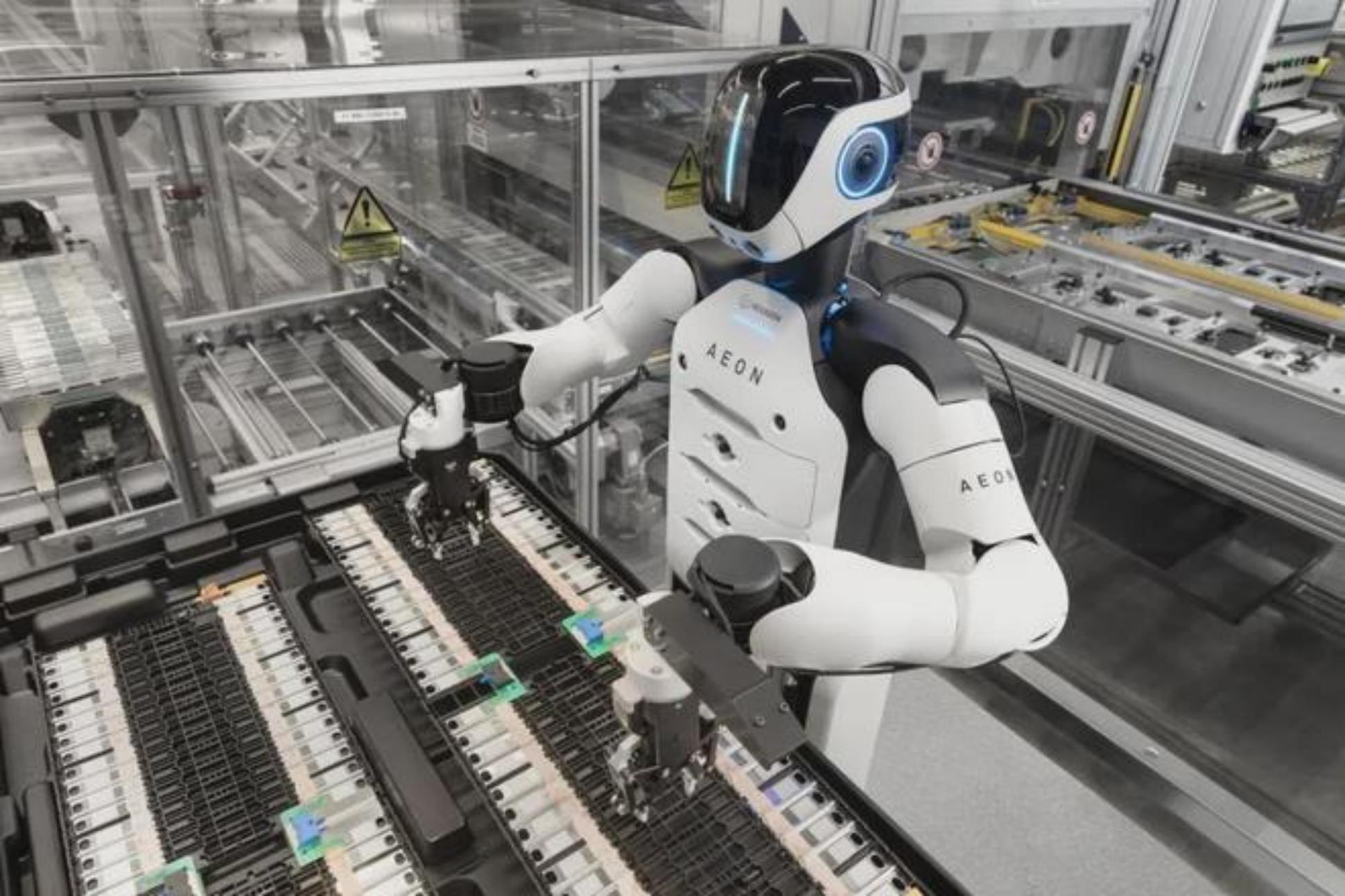
World's First! BMW Introduces Humanoid Robots on Production Line, Powered by Chinese Technology!
BMW has made a significant leap in industrial automation by integrating humanoid robots into its production line at the Leipzig plant, becoming the first German automaker to do so. The AEON robot, developed by Hexagon, will be responsible for high-pressure battery assembly and the production of precision components. This innovative move, which underscores BMW's commitment to enhancing efficiency and precision in manufacturing, was officially announced recently. The implementation of the AEON robot is expected to streamline operations and improve the overall quality of the production process, reflecting the growing trend of automation in the automotive industry.
Humanoid Robots Automotive Manufacturing Industrial Automation AI Technology
AGIBOT and Longcheer Technology Achieve World's First Embodied AI Deployment in Consumer Electronics Precision Manufacturing Mass-Production Line
A groundbreaking project has been launched, representing the world's first large-scale industrial implementation of embodied AI systems in the core production workflows of consumer electronics manufacturing. This innovative initiative aims to enhance efficiency and productivity within the industry, leveraging advanced artificial intelligence to streamline operations and improve product quality. The project is set to transform traditional manufacturing processes by integrating intelligent systems that can learn and adapt in real-time. This significant development is expected to take place in various manufacturing facilities across the globe, with initial implementations scheduled for early 2024. By adopting these cutting-edge technologies, the consumer electronics sector seeks to address increasing demands for faster production times and higher quality standards, positioning itself at the forefront of technological advancement in manufacturing.
Robotics needs a service framework.
RSF defines a common language for robot service capability, lifecycle operations, certification pathways, and service-provider networks.
Join the RobotToday community on LinkedIn
Daily robotics news, in-depth analysis, conference highlights, and discussions with professionals worldwide.