Industry Briefing
A single destination for timely, editor-curated robotics news from around the world.

Humanoid Robots Transforming Brownfield Factories for Industrial Automation
Humanoid robots are emerging as a transformative force in manufacturing, particularly in brownfield factories. Their ability to adapt to existing human-centric environments allows for seamless integration into production workflows, minimizing the need for extensive modifications. This adaptability is crucial as manufacturers seek to modernize facilities without incurring significant capital investment or operational disruption. The significance of humanoid robots lies in their unique design and functionality, which enable them to perform a wide range of tasks in dynamic environments. Unlike traditional automated guided vehicles (AGVs) and autonomous mobile robots (AMRs), humanoids can navigate and adjust to changing conditions, making them well-suited for environments built around human dimensions. This capability positions them as a viable solution for manufacturers looking to enhance automation in legacy systems. Looking ahead, organizations must focus on workforce training and process reevaluation to ensure effective human-robot collaboration. The integration of a robust digital thread and the creation of digital twins will be essential for simulating interactions and validating workflows before deploying humanoids in production. No further timeline was disclosed at the time of publication.
Factory / Robotics
South Korea's Army Pursues Automation in Field Maintenance Amid Personnel Decline
The South Korean Army is initiating efforts to automate its field maintenance and logistics operations, driven by a projected decline in available personnel. Military officials announced a study aimed at transitioning key maintenance functions to automated systems, forming part of the 'smart field maintenance support system' under the ArmyTiger initiative. This automation is crucial as the Army anticipates a demographic decline that will reduce personnel available for logistics and maintenance roles. The initiative seeks to enhance efficiency in workforce utilization and address the growing disparity between advanced combat platforms and their maintenance systems, which have not seen a similar reduction in staffing needs. Looking ahead, the Army will explore AI-based predictive maintenance, automated storage systems, and drone delivery among other technologies. Some technologies are already in testing phases, including a smart logistics center that has automated 70% of its processes, reducing workforce needs by 16%. No further timeline was disclosed at the time of publication.
All News
Robotics as a Service Is Transforming Business Automation Strategies
Companies ranging from small warehouse operators to hospital networks are increasingly adopting Robotics as a Service (RaaS), allowing them to rent robotic capabilities instead of purchasing hardware outright. This model enables businesses to pay for outcomes, similar to how they rent cloud servers or software licenses. The significance of this shift lies in its ability to make automation more accessible and predictable for organizations. By treating robotic services as a monthly expense rather than a capital investment, companies can better manage their budgets and reduce the risks associated with automation investments. Looking ahead, the trend towards RaaS is expected to continue growing as more businesses recognize the benefits of flexible automation solutions. No further timeline was disclosed at the time of publication.

AI Agents Revolutionize Service Layer Automation Beyond Traditional Factory Settings
Industrial automation has significantly changed physical production, yet the service layer remains largely manual. Maintenance requests still require human coordination, consuming valuable operational time. AI agents are now emerging to automate this service layer, handling unstructured requests and integrating with various systems to streamline operations. This shift is crucial as it allows organizations to redirect skilled labor from administrative tasks to more strategic work. By automating the intake, triage, and coordination processes, AI agents enhance efficiency and reduce the burden on human operators. The ability to manage requests end-to-end marks a significant advancement in operational capabilities. Looking ahead, the continued development of AI agents in the service layer will be essential for organizations aiming to improve productivity and responsiveness. As these technologies evolve, they promise to further integrate with existing systems and transform how service operations are managed. No further timeline was disclosed at the time of publication.
Automation Computing ai agents artificial intelligence automation chatbots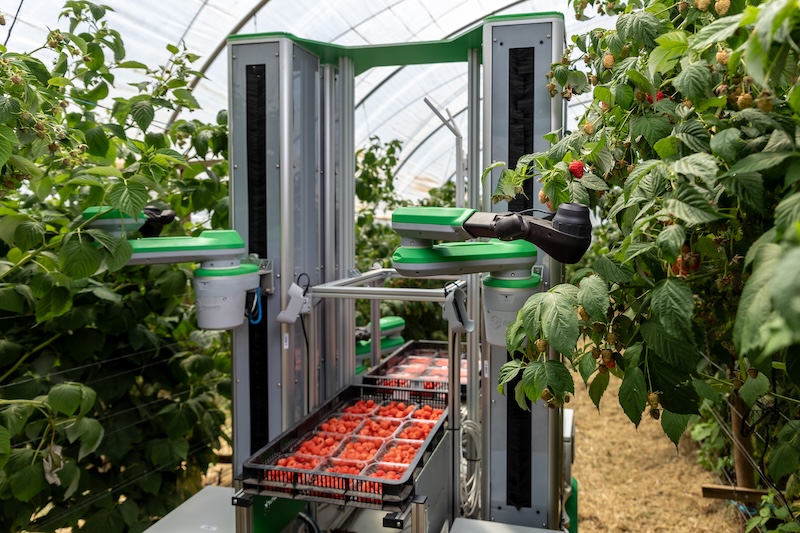
Fieldwork Robotics Receives £2.5 Million Investment for Berry Harvesting Automation
Fieldwork Robotics has secured a £2.5 million investment from SEED Innovations to enhance its selective and modular berry harvesting robots. This funding is part of a Seed+ fundraising initiative announced in April 2026, aimed at addressing labor shortages and rising costs in berry production. The investment will facilitate the transition from technology validation to commercial trials, with production robots already deployed in a two-year program in Norfolk and Stafford. The significance of this investment lies in its potential to alleviate pressing challenges faced by berry growers, including labor shortages and increased harvesting costs. By utilizing autonomous harvesting robots, Fieldwork aims to boost productivity and reduce reliance on seasonal labor, thereby minimizing food waste and stabilizing consumer prices. Jim Mellon, chairman of SEED Innovations, emphasizes the opportunity for robotics and AI to tackle real-world agricultural issues, aligning with Fieldwork's mission to enhance farm efficiency. Looking ahead, Fieldwork Robotics anticipates operating multi-robot fleets on farms by 2027, contingent on the success of ongoing trials. Additionally, the company plans to expand its operations internationally, with trials set to take place in Australia as part of its global growth strategy. No further timeline was disclosed at the time of publication.
Agriculture Financials & Investments agri robotics agricultural robotics agriculture automation
bergler Industrieservices Implements Locus Robotics for Mezzanine Automation
On February 20, 2026, Locus Robotics announced the successful deployment of its LocusONE™ platform at bergler Industrieservices GmbH. This implementation involves the management of 32 autonomous mobile robots (AMRs) to enhance the efficiency of order picking for electrical installation materials. The project was completed within three months, showcasing the effectiveness of Locus Robotics' technology in meeting increased operational demands. The automation of approximately 3,500 square meters of new picking space was driven by the need to accommodate a new client and expand warehouse capabilities. By utilizing Locus Robotics' innovative solutions, bergler Industrieservices achieved a significant improvement in order processing speed and accuracy, while also enhancing workplace ergonomics for employees. Future plans include expanding automation to include putaway processes, further advancing the company's warehousing capabilities. The collaboration highlights the importance of a strategic automation approach for sustainable business success, as emphasized by both Locus Robotics and bergler Industrieservices management.

ForwardX Robotics Releases Whitepaper on Scaling AMRs in Existing Manufacturing Facilities
ForwardX Robotics has launched a new whitepaper that explores the engineering capabilities necessary for deploying and scaling autonomous mobile robots (AMRs) in existing manufacturing environments. This initiative comes as manufacturers seek to enhance automation in their facilities while ensuring production continuity. The whitepaper highlights the potential of AMRs to improve internal material flow in brownfield environments, which often require minimal changes to existing factory infrastructure. However, it also addresses the unique challenges posed by these environments, which extend beyond simple robot navigation. As the industry moves towards greater automation, stakeholders should monitor how ForwardX Robotics' insights can influence the adoption of AMRs in brownfield settings. No further timeline was disclosed at the time of publication.

Daniel Gaddy Joins Automation World as Lead Reporter with Industrial Expertise
Daniel Gaddy has recently been appointed as the lead reporter at Automation World, bringing extensive experience from Processing magazine, where he focused on the process industries. His background includes roles as managing editor and assistant editor, emphasizing multimedia content and industry insights. Gaddy's transition to Automation World is significant as he aims to cover critical issues in industrial automation, a field he is already familiar with from his previous work. His experience in the industrial sector positions him well to engage with thought leaders and explore innovative solutions relevant to automation. Looking ahead, Gaddy is eager to connect with industry professionals and welcomes story ideas and news items. No further timeline was disclosed at the time of publication.
Process
The Kitchen Robot Market: A Billion-Dollar Opportunity for Automation
The robotics industry is witnessing a significant shift as kitchen robots, particularly cooking robots, emerge as a key area for commercialization. Recent developments include Zhigu Tianchu securing nearly 100 million yuan in strategic funding, and partnerships between Haier Robotics and Xianglu Robotics to create the first fully autonomous AI cooking robot, CR3. Additionally, SoftBank Robotics has formed a strategic alliance with Bujing Technology to enhance their food AI platform. This trend is driven by the restaurant industry's urgent need for efficiency amid a growing shortage of chefs, with the Ministry of Human Resources and Social Security reporting that chefs have topped the list of most in-demand jobs for three consecutive years. A cooking robot capable of working 24/7 and ensuring standardized output aligns perfectly with the industry's challenges, making it a compelling investment once the payback period is reduced to under 12 months. Moreover, advancements in AI and sensor technologies are enabling robots to adapt to the complex kitchen environment, overcoming previous limitations. As consumer acceptance of smart cooking devices increases, particularly following the pre-prepared meal trend, cooking robots are positioned to become a significant breakthrough in the service robotics sector. The Chinese cooking robot market is projected to reach 3.81 billion yuan by 2025 and exceed 12.5 billion yuan by 2030, indicating substantial growth potential.
Cooking Robots AI Technology Restaurant Automation Smart Kitchen Service Robots
Schneider Electric Launches Industrial Automation Service Built on HPE Infrastructure
A new service has been launched to assist industrial operators in modernizing their operations without interrupting production. This initiative, powered by HPE's cloud infrastructure and software, aims to streamline the modernization process, enabling businesses to enhance efficiency and adopt advanced technologies. The service is designed to cater to the unique needs of the industrial sector, ensuring that upgrades can be implemented seamlessly. By leveraging HPE's robust cloud solutions, operators can transition to modern systems while maintaining continuous production flow. This development comes at a time when many industries are seeking innovative ways to improve their operations and stay competitive in a rapidly evolving market.
Factory / Digital Transformation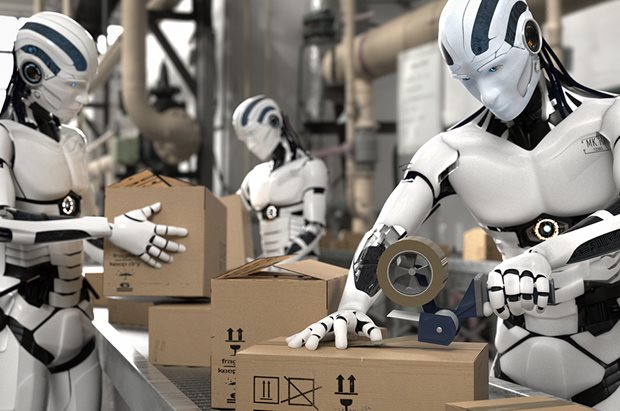
Automation vs autonomy: What will shape the future of battlefield drones?
Recent advancements in drone technology are enabling these unmanned aerial vehicles to operate autonomously, significantly enhancing their effectiveness in various operations. This shift towards autonomy is seen as a crucial development, particularly in military applications, where drones can act as force multipliers on the battlefield. The integration of autonomous capabilities allows drones to make real-time decisions without direct human intervention, although human oversight remains essential for critical kinetic decisions. This balance aims to improve operational efficiency while ensuring safety and accountability. The ongoing evolution of drone technology is expected to reshape strategies in both defense and civilian sectors, with implications for how aerial missions are conducted in the future.
Networks & Digital Warfare Sponsored Post AI cyber security Drones networks
Brownfield Is the Real Test of Automation: How ForwardX Scaled 484 AMRs in a Live Auto OEM Factory Without Production Downtime
Over a year since its implementation, ForwardX's autonomous mobile robot (AMR) system is successfully expanding within Chery Automobile's manufacturing facility in Dalian, China, while maintaining uninterrupted production. This project has emerged as one of the largest brownfield AMR deployments in the automotive sector, showcasing the effectiveness of integrating advanced robotics into existing manufacturing processes. The deployment aims to enhance operational efficiency and streamline logistics within the facility, reflecting the growing trend of automation in the automotive industry.

Appetronix acquires Cibotica to expand robotic foodservice automation beyond pizza
Appetronix, a developer specializing in robotic kitchen systems, has acquired Cibotica, a company focused on food robotics, to enhance its automation platform by incorporating a wider range of food categories beyond pizza. The financial details of the acquisition remain undisclosed. This strategic move allows Appetronix to integrate Cibotica’s advanced automated ingredient dispensing and portioning technology into its existing offerings, including the Remy robotic system. The acquisition is part of Appetronix's ongoing efforts to innovate and expand its capabilities in the food service industry.
Engineering AI in foodservice appetronix automation news autonomous kitchens Cibotica
Delivering Flawless Field Service with Predictive Insights and AI
In a recent session, industry leaders discussed the integration of artificial intelligence and predictive technologies in asset maintenance and field service operations. The event highlighted how organizations are leveraging real-time asset insights to enhance their maintenance and service strategies. By utilizing intelligent recommendations, companies are optimizing their operations and improving technician guidance. This approach not only streamlines maintenance processes but also facilitates the orchestration of end-to-end workflows across supply chain management, service execution, and financial operations. The session underscored the growing importance of technology in driving efficiency and effectiveness in asset management.

How Automation Improves Service Consistency in Pest Control Operations
In the rapidly growing $15 billion pest control industry, companies face significant challenges as they expand into new territories. The primary concern is not the prevalence of pests but rather the potential for human error, which can jeopardize operational consistency. As businesses scale, the risk of technicians overlooking essential procedures or arriving late increases, leading to customer dissatisfaction and potential damage to the company's reputation. To combat these issues, pest control operations are implementing rigorous training programs and standardized protocols to ensure that all employees adhere to best practices, regardless of location. By focusing on operational excellence, these companies aim to maintain high service standards and foster customer trust in a competitive market.
Automation Environment Health AI scheduling automation news automation software
Micro-Scale Robotics in the Medical Field: Precision Automation Meets Health Care Innovation
Recent advancements in micro-scale robotics are transforming the healthcare sector, showcasing significant progress in precision and data analytics. Unlike traditional medical machinery, which often occupies large spaces, these innovative micro-robots are designed to operate at a much smaller scale, offering new possibilities for patient care and treatment. This evolution in medical technology is driven by the need for more efficient and effective healthcare solutions, allowing for minimally invasive procedures and improved patient outcomes. As the field continues to evolve, the integration of these micro-robots into clinical practice is expected to enhance diagnostic capabilities and treatment options, ultimately reshaping the future of medical interventions.

How Rapid Repair Services Are Fueling a Competitive Edge in Automation
As the industrial and robotics automation sectors continue to expand at a rapid pace, the importance of speed in operations has become increasingly critical. A minor delay in production can lead to significant quarterly losses for companies. In this context, the demand for rapid servo repair services has surged, providing businesses with the necessary support to minimize downtime and maintain efficiency. These specialized services enable companies to quickly address and resolve issues with servo motors, ensuring that operations remain uninterrupted and competitive in a fast-evolving market.
Robotics needs a service framework.
RSF defines a common language for robot service capability, lifecycle operations, certification pathways, and service-provider networks.
Join the RobotToday community on LinkedIn
Daily robotics news, in-depth analysis, conference highlights, and discussions with professionals worldwide.