Industry Briefing
A single destination for timely, editor-curated robotics news from around the world.

Specialized Robots Enhance Efficiency in Solar Farm Construction and Maintenance
A rising number of robotics companies are developing specialized machines aimed at alleviating labor bottlenecks in solar farm construction and maintenance. These innovations are crucial as they address the unique challenges posed by solar farm terrains, optimizing both construction timelines and operational efficiency. The significance of these advancements lies in their potential to streamline processes and reduce reliance on manual labor, which can be both costly and time-consuming. By integrating specialized robots, companies can enhance productivity and improve safety standards on solar farms, making the sector more sustainable and economically viable. Looking ahead, the continued evolution of robotics in this field will be essential to meet the growing demand for renewable energy solutions. Stakeholders should monitor developments in robot capabilities and their impact on solar farm operations. No further timeline was disclosed at the time of publication.

AgriFood Signals: Farmland LP Secures $126 Million for New Fund Amid Industry Developments
AgFunderNews highlights significant developments in agtech and foodtech, including Farmland LP's successful fundraising of $126 million for its third fund. This capital will support investments in sustainable agriculture and food production technologies, reflecting a growing interest in the sector. The importance of this funding is underscored by the increasing demand for innovative solutions in agriculture, particularly as the industry faces challenges related to sustainability and efficiency. Farmland LP's new fund aims to capitalize on these trends, positioning itself as a key player in the evolving agtech landscape. Looking ahead, stakeholders should monitor how Farmland LP deploys its new capital and the impact of other recent funding rounds, such as Sharpa's $670 million for robotics at Dairy Queen. No further timeline was disclosed at the time of publication.
Agtech FoodTech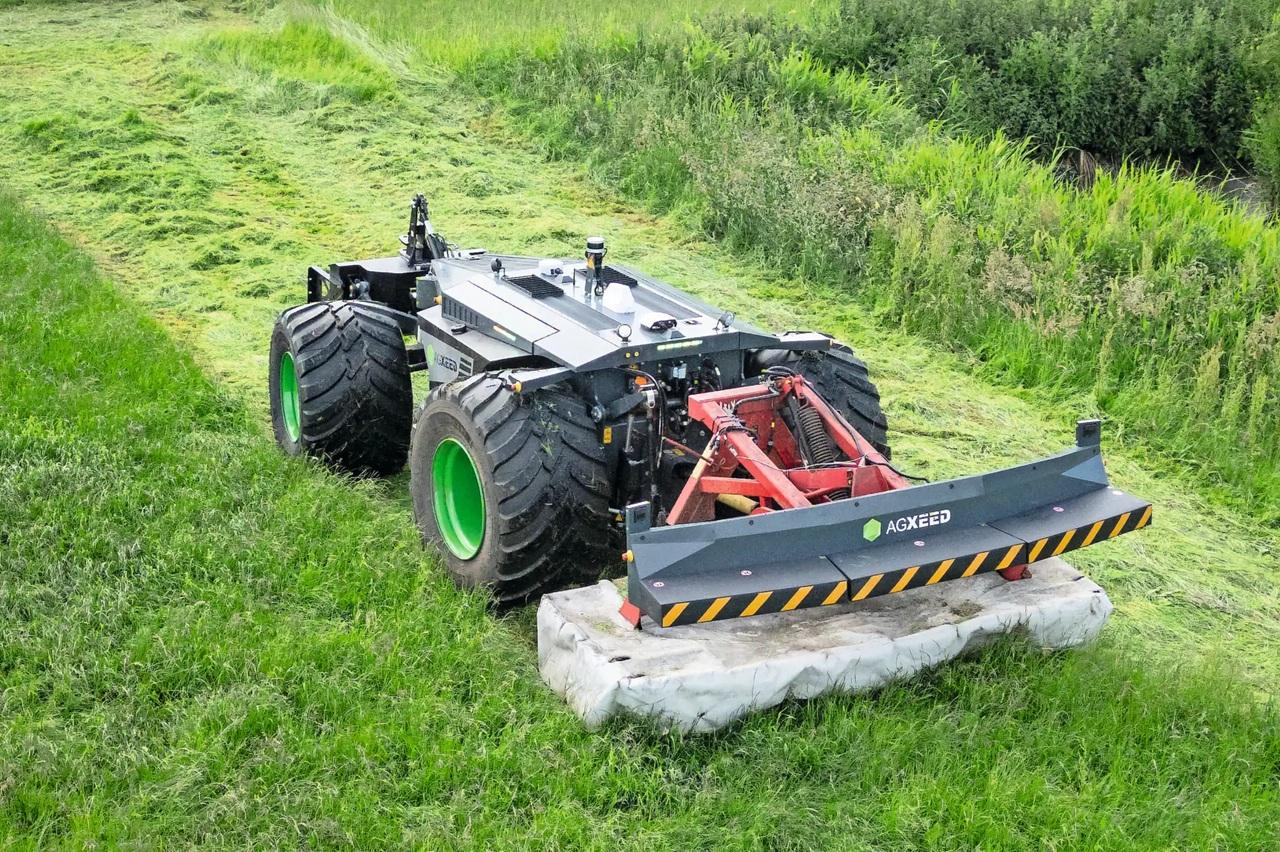
Agxeed W4 Autonomous Robot Enters Dairy Farming Trials in the Netherlands
Dutch dairy farmer Joram Hofman is currently testing the Agxeed W4 autonomous robot for mowing, tedding, and raking grass on his farm. This initiative, in collaboration with NPPL+R and Agxeed, highlights the potential of autonomous field robots in dairy farming, traditionally dominated by arable farming technologies. The integration of the Agxeed W4 into Hofman's highly automated dairy operation, which includes Lely milking robots and feeding systems, demonstrates a shift towards more efficient farming practices. Hofman utilizes data from these robots to optimize cow rations, leading to improved feed efficiency, although he notes that milk yield has not significantly increased. Looking ahead, the ongoing trials of the Agxeed W4 could pave the way for broader adoption of autonomous technologies in dairy farming. As farmers like Hofman seek to enhance productivity while managing labor challenges, the role of such robots in forage production will be crucial. No further timeline was disclosed at the time of publication.
Crop solutions autonomous farm equipment autonomous tractors farm robots field robots gps
Kilter's AX-1 Robots Save Over 1 Million Liters of Herbicide in 8 Months
Kilter's AX-1 robots have successfully helped farmers avoid using more than 1 million liters of herbicide mixture in under eight months across five countries. This achievement is attributed to the robot's precise application of herbicide in micro-droplets, which significantly reduces waste compared to conventional broadcast spraying. The importance of this technology lies in its ability to enhance crop yields by up to 40% while reducing labor costs. The AX-1 operates autonomously, allowing farmers to focus on other critical tasks, especially in a labor-scarce environment. The robot's design is particularly beneficial for high-value crops like root vegetables and leafy greens, where weed control is crucial for maximizing harvest quality. Looking ahead, Kilter anticipates further advancements in the AX-1's capabilities over the next five years. As the technology continues to evolve, growers are encouraged to consider how the AX-1 can fit into their existing operations and improve their overall efficiency. No further timeline was disclosed at the time of publication.
Smart farming autonomous farm equipment herbicide precision agriculture weed control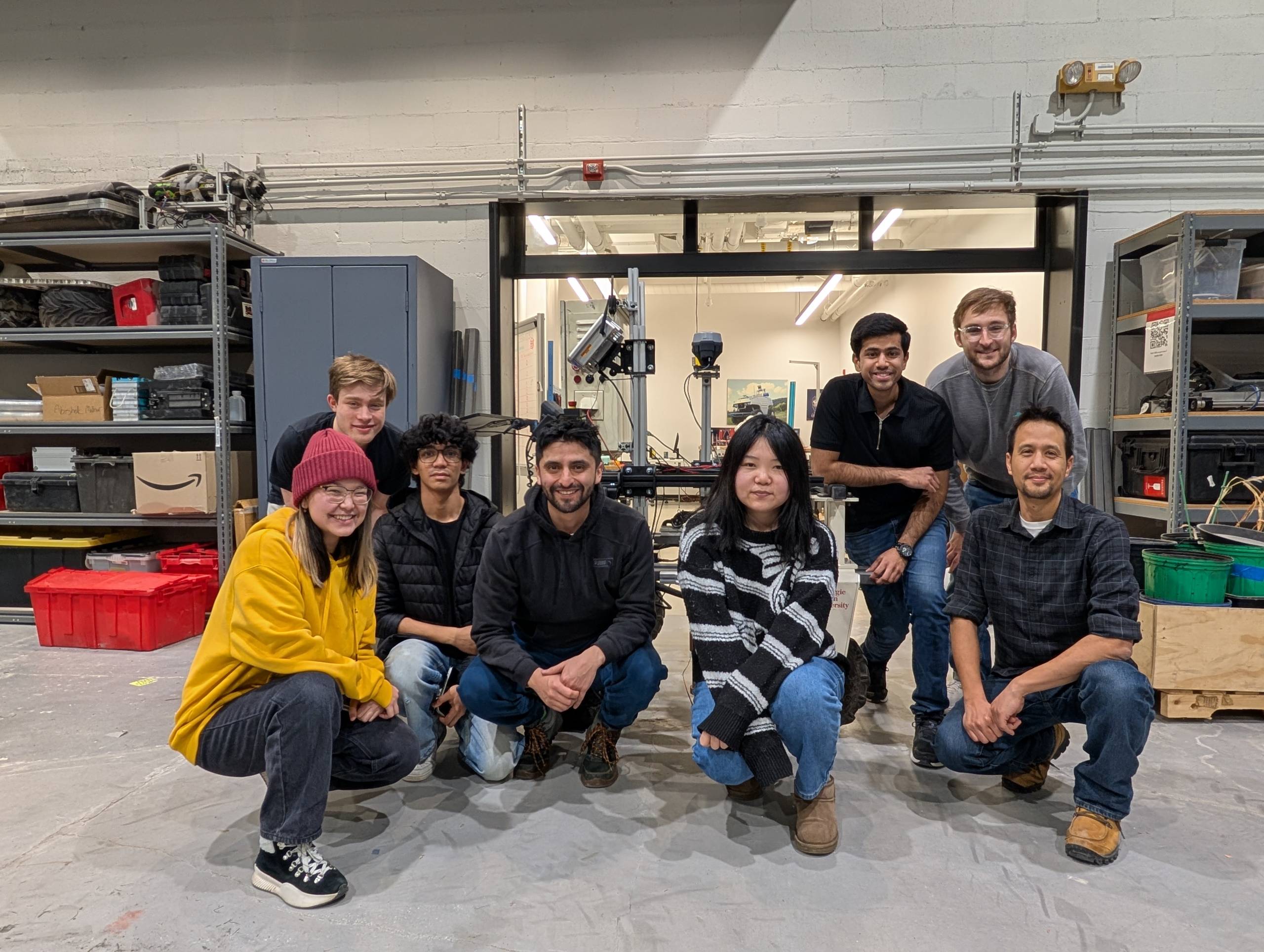
Carnegie Mellon Team Helps Farmers Fight Crop Disease With Robots
A team of students from Carnegie Mellon University's Robotics Institute has developed an innovative robotic solution to combat fire blight, a destructive disease that threatens orchards by killing branches and entire trees, leading to significant economic losses for farmers. This project, known as the Fire Blighters, aims to assist growers in detecting the disease earlier and minimizing its spread. The team's efforts have recently garnered national recognition, highlighting the potential of robotics in agricultural disease management.
Announcements Awards
Photos | Robots, drones and packed fields at Dutch Arable Farming Day
The Arable Farming Day, organized in Lelystad, Flevoland, on May 28, attracted over 1,000 attendees who engaged in various demonstrations, field tours, presentations, and exhibitor displays. The event, held under sunny skies, showcased a diverse array of agricultural practices, drawing significant interest from visitors. Organizers expressed satisfaction with the turnout and the positive feedback received, highlighting the importance of such events in promoting advancements in arable farming.
Uncategorized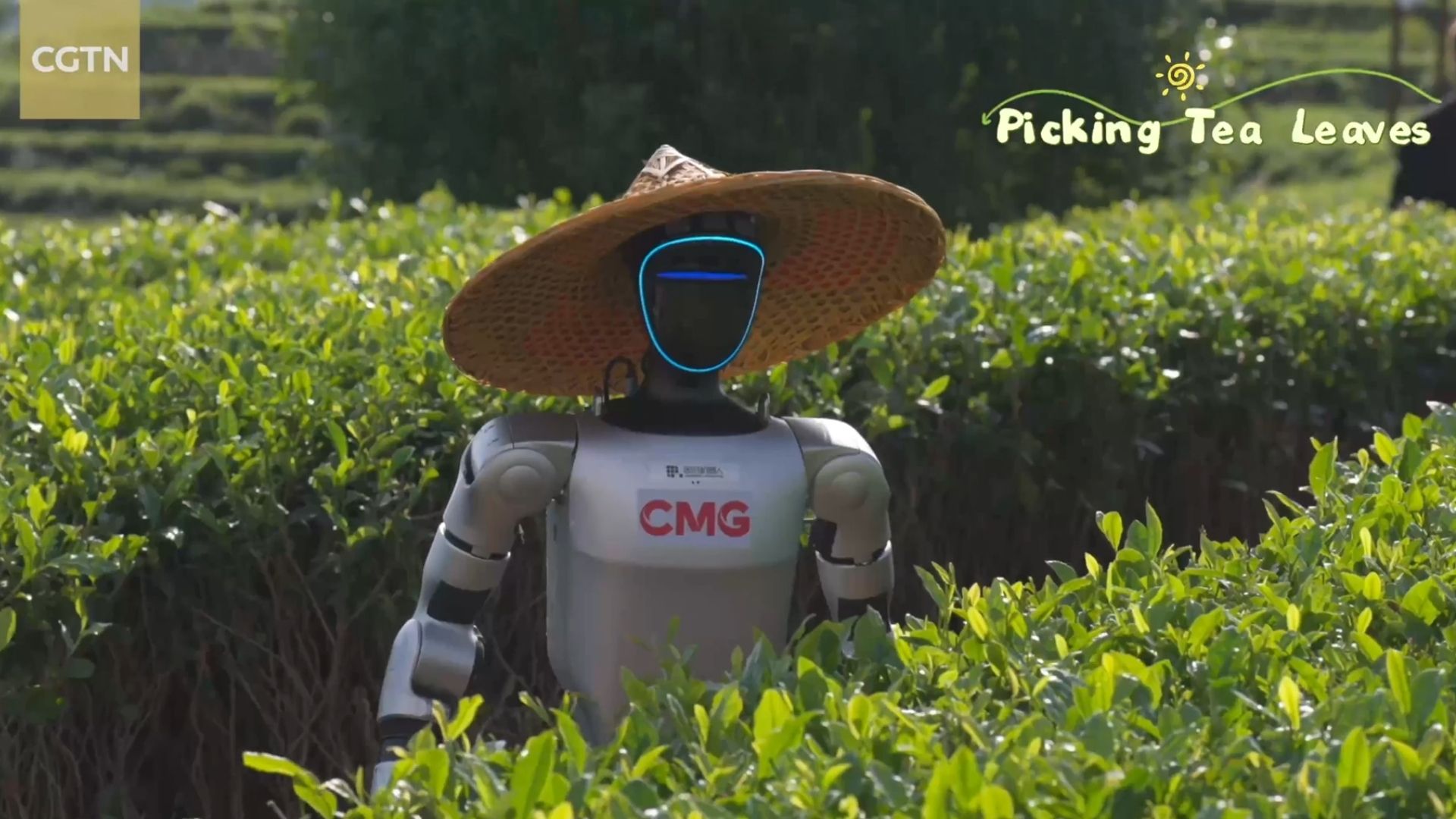
China tests humanoid robots in tea farms before the 2026 World Robot Games
Humanoid robots are making significant strides beyond laboratory demonstrations, now being deployed in tea fields. This advancement marks a notable shift in the application of robotics, showcasing their potential to assist in agricultural tasks. The development comes as part of ongoing efforts to enhance efficiency and productivity in farming, particularly in regions where labor shortages are prevalent. By integrating advanced robotics into everyday agricultural practices, researchers and engineers aim to address the challenges faced by the agricultural sector, including the need for sustainable farming solutions. The implementation of these robots in tea cultivation is expected to streamline operations, allowing for more precise and consistent harvesting methods. As this technology continues to evolve, it holds promise for transforming not only tea production but also other agricultural industries worldwide.
Mathematical models help farm robots work together in real time
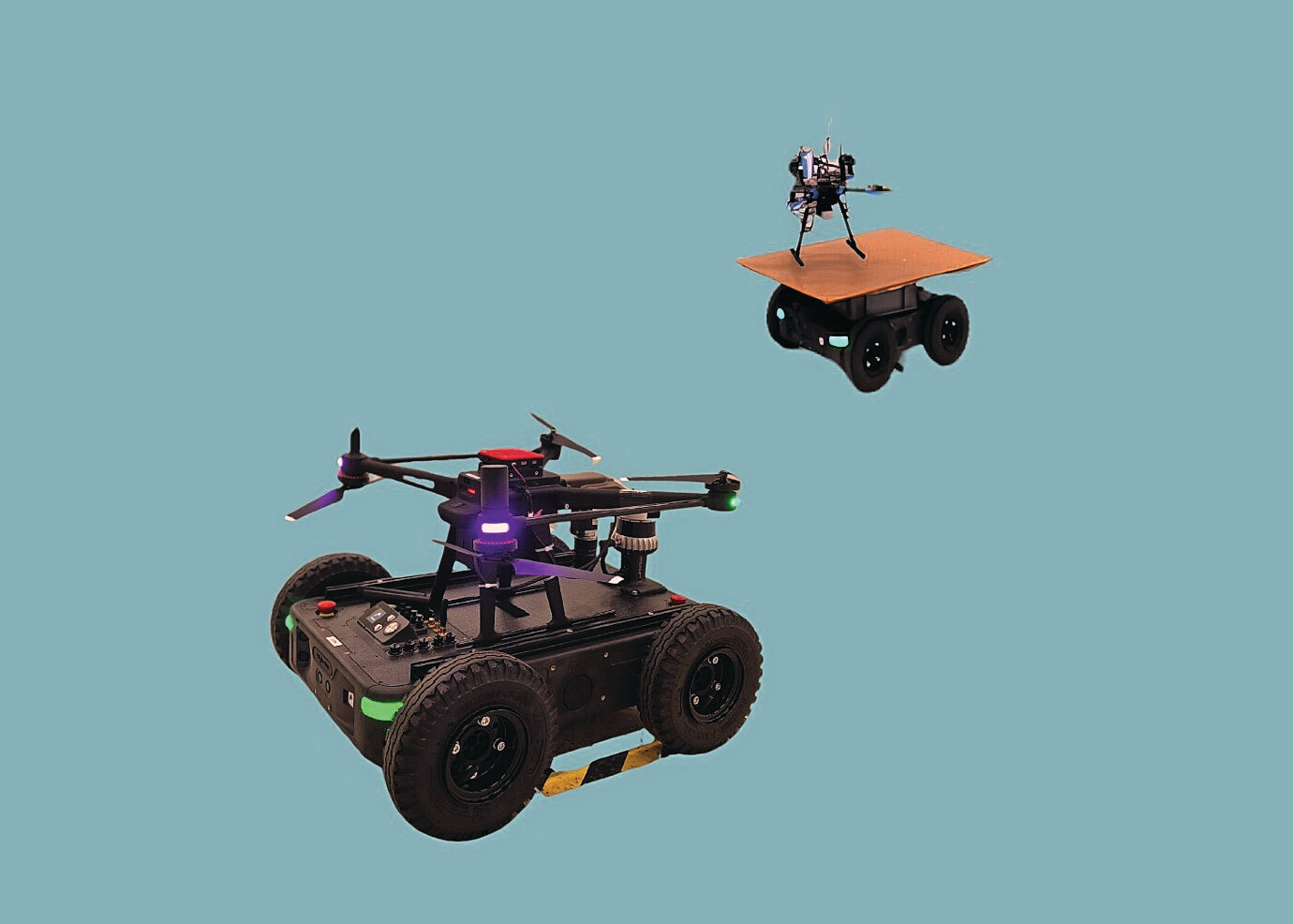
Researchers at the University of Groningen in the Netherlands are pioneering the development of innovative mathematical control systems aimed at enabling drones and ground robots to work together autonomously in agricultural settings. This initiative, which is currently underway, seeks to enhance efficiency in farming operations without the need for extensive datasets or artificial intelligence training. The project highlights a significant advancement in agricultural technology, focusing on streamlined cooperation between aerial and terrestrial robotic systems to optimize farming practices. By leveraging mathematical algorithms, the researchers aim to create a more sustainable and effective approach to agriculture, potentially transforming how crops are monitored and managed in the future.
Smart farming agricultural robots crop monitoring drones robotics
Jeju to rent wearable robots to farmers
Jeju Island is set to launch a rental program for wearable robots aimed at assisting farmers in the region. The initiative, announced by the provincial government on Sunday, introduces a vest-type strength-assist robot specifically designed to alleviate the physical demands of agricultural work, particularly in tasks such as mandarin orange harvesting. This technology can provide up to 25 kilogram-force of support to the lower back, addressing the challenges posed by repetitive bending and heavy lifting. The introduction of these robots reflects a broader effort to enhance productivity and reduce the physical strain on farmers in one of South Korea's vital agricultural areas.
All NewsRobotics needs a service framework.
RSF defines a common language for robot service capability, lifecycle operations, certification pathways, and service-provider networks.
Join the RobotToday community on LinkedIn
Daily robotics news, in-depth analysis, conference highlights, and discussions with professionals worldwide.