

Industry Briefing
A single destination for timely, editor-curated robotics news from around the world.
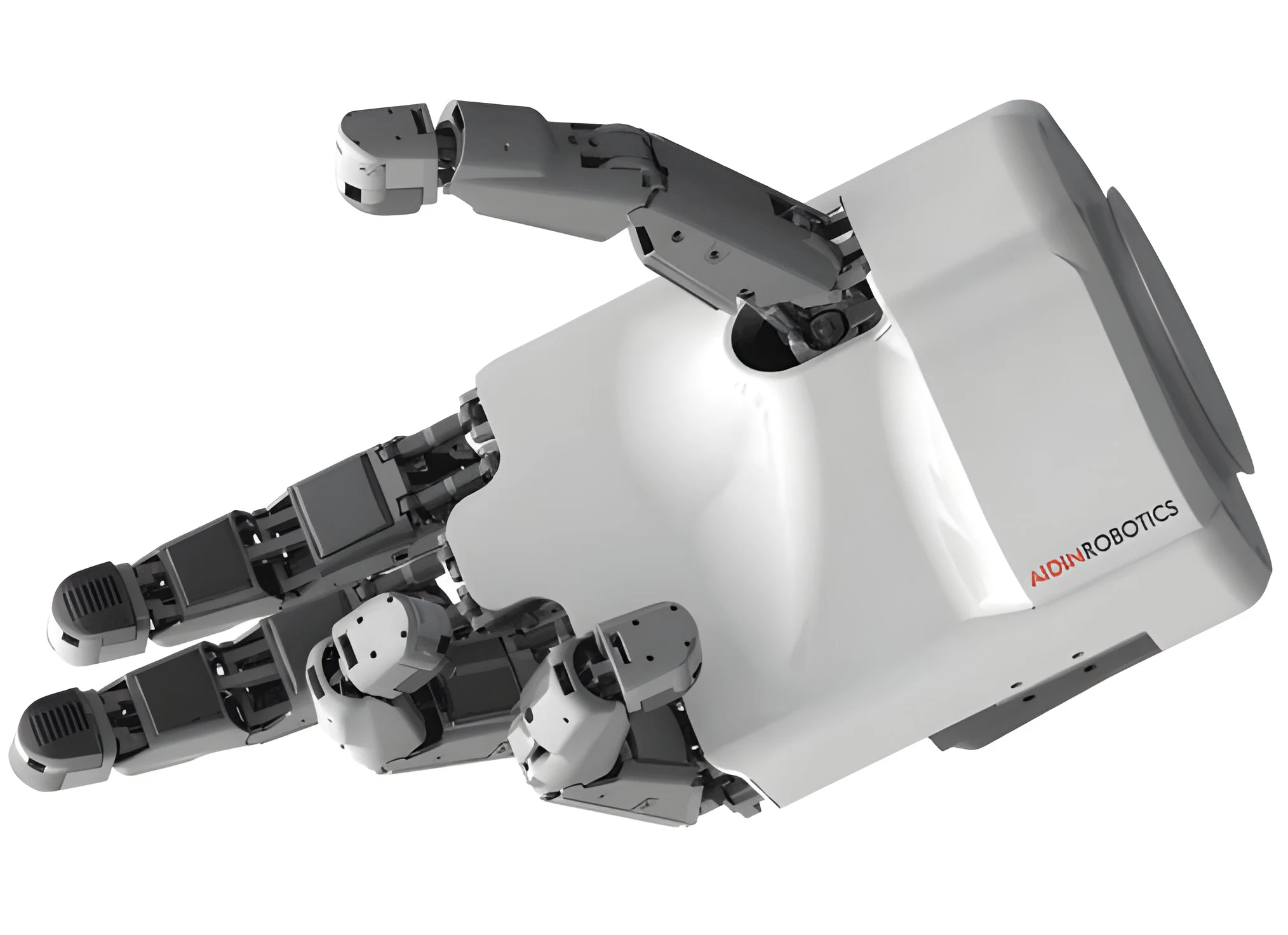
HD Hyundai Robotics Develops Humanoid AI to Enhance Existing Factory Robots
HD Hyundai Robotics is advancing its humanoid robot project, aiming to integrate AI capabilities into its existing industrial and collaborative robots. CTO Ahn Sung-hwan revealed plans to enhance perception, manipulation, and task-planning abilities in a recent interview, although no specific launch date for the humanoid was provided. This initiative is significant as it seeks to create a unified platform that connects industrial robots, cobots, and humanoids, leveraging data from manufacturing processes. The company has also invested ₩13 billion in AIDIN Robotics to develop a specialized five-finger hand for applications in shipbuilding, which will be utilized in both humanoids and existing robots. Looking ahead, HD Hyundai Robotics is also collaborating with Persona AI to integrate humanoids into shipyards, following initial demonstrations of teleoperated welding. Future developments will be closely monitored, particularly regarding the progress of humanoid capabilities and their application in industrial settings. No further timeline was disclosed at the time of publication.
South Korea manufacturing Persona AI
UBTECH Opens Liuzhou Factory with Capacity for 10,000 Humanoid Robots Annually
On September 12, UBTECH inaugurated a super smart factory in Liuzhou capable of producing over 10,000 humanoid robots annually. This facility is the world's first industrial humanoid robot manufacturing benchmark factory designed for such high capacity, utilizing intelligent planning and digital scheduling systems to implement a robot-to-robot manufacturing model. The significance of this factory lies in its ability to address the challenges of mass production in the humanoid robot sector, where most companies previously produced only hundreds to thousands of units per year. The factory's design allows for a robot to be completed every 10 minutes, potentially scaling production to around 50,000 units annually, contingent on order fulfillment and supply chain alignment. Looking ahead, UBTECH's Walker S2 humanoid robot, equipped with advanced capabilities such as dual RGB vision and a high degree of freedom, is set to redefine operational efficiency in various sectors. The factory's production capacity supports UBTECH's expansion into industrial, commercial, and consumer markets, marking a significant step in the evolution of humanoid robotics manufacturing.
Humanoid Robots Industrial Automation Smart Manufacturing Robotics Technology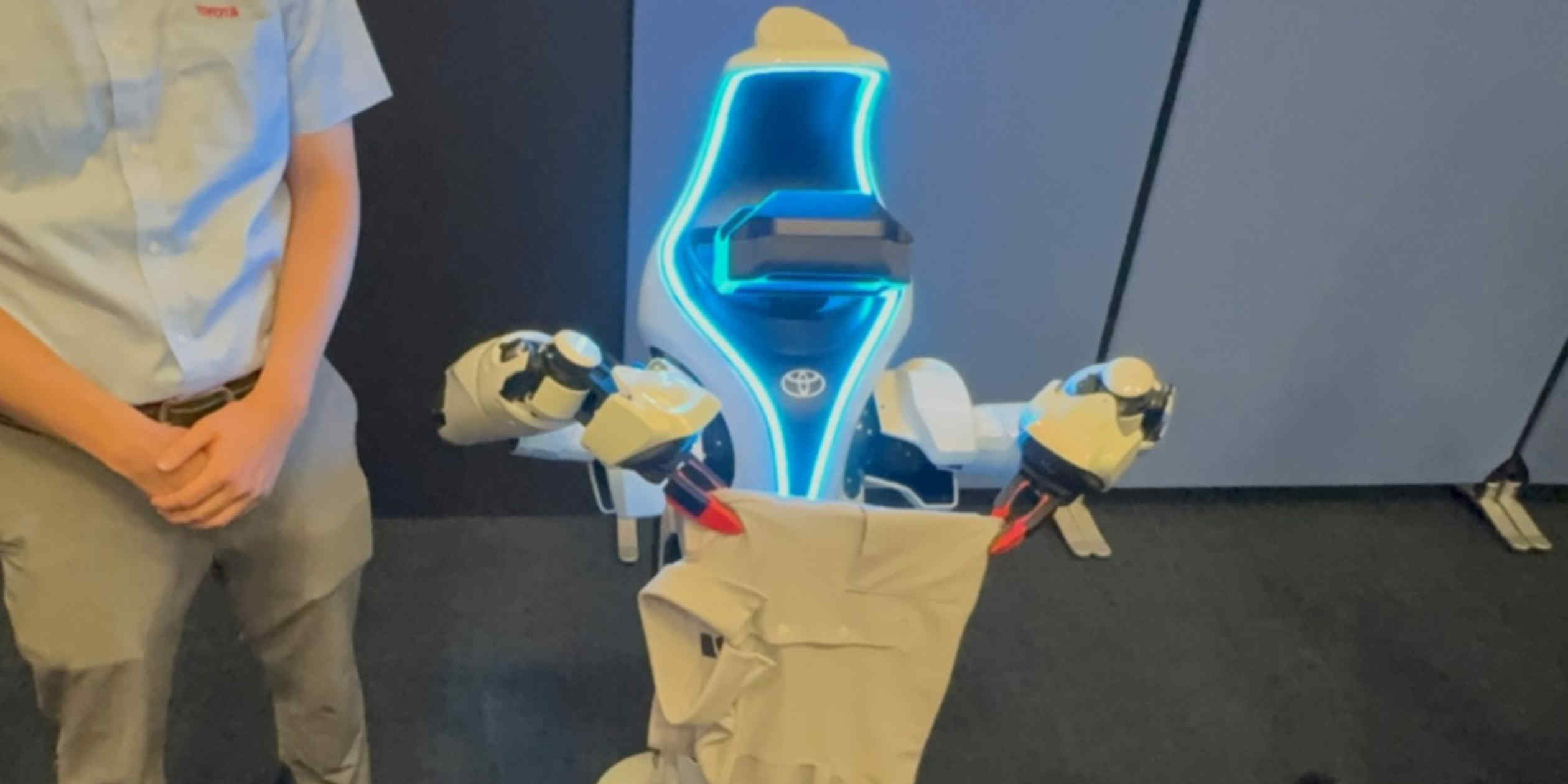
Toyota Plans to Deploy 400,000 Robots to Enhance Factory Operations
Toyota Motor group is set to deploy 400,000 robots developed in-house across its production facilities globally. This initiative is part of the company's strategy to create a collaborative environment where human workers and robots operate side by side, enhancing efficiency and productivity in manufacturing. The introduction of these robots is significant as it reflects Toyota's commitment to integrating advanced automation technologies within its factories. By enabling robots to learn from employees and assist in training new workers, Toyota aims to streamline operations and address labor shortages in the manufacturing sector. Looking ahead, industry observers will be keen to see how this large-scale deployment impacts Toyota's production capabilities and workforce dynamics. No further timeline was disclosed at the time of publication.
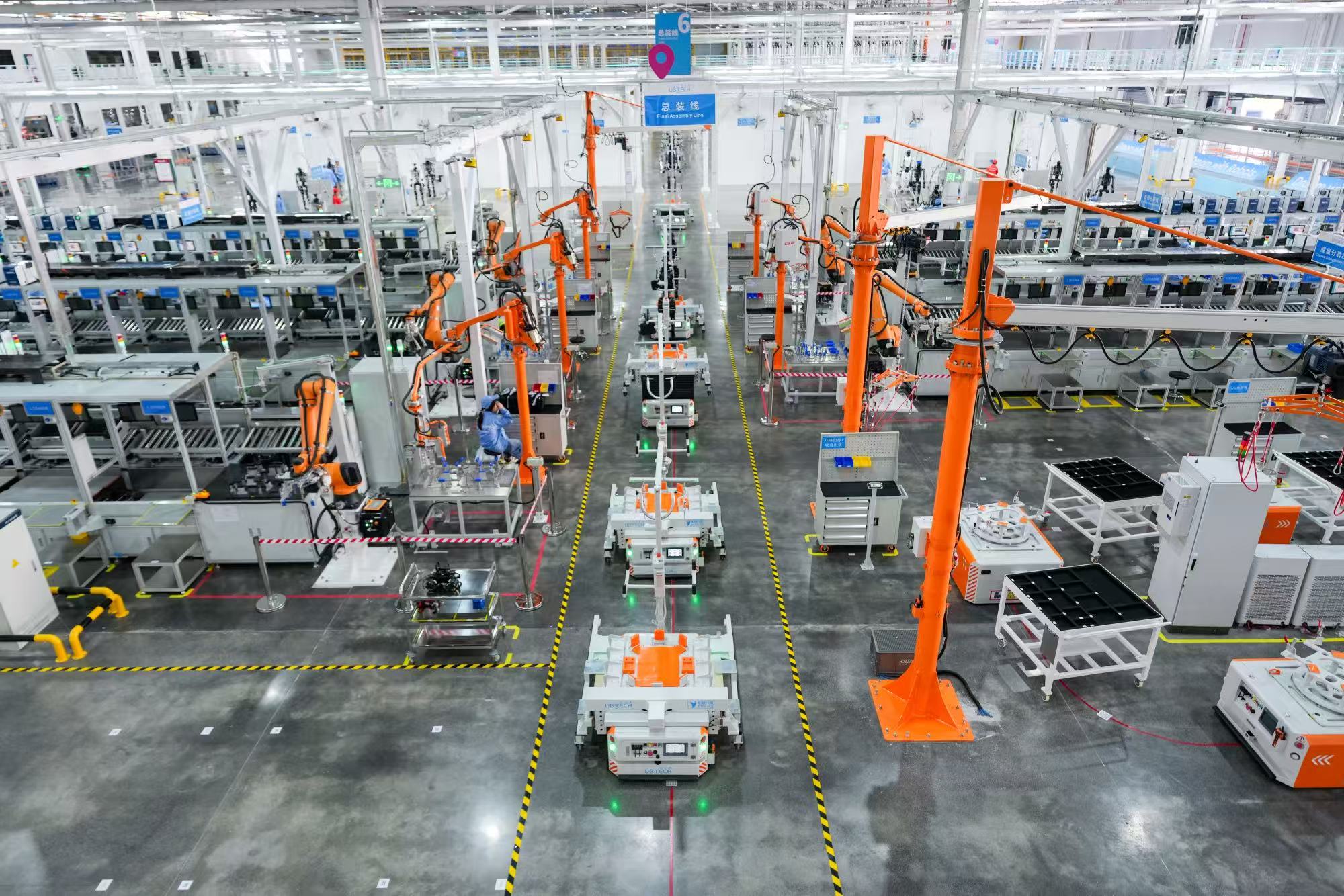
Company Producing 10,000 Humanoid Robots Annually, with Non-Human Workers Dominating Factory Operations
A newly established company has begun producing 10,000 humanoid robots each year, highlighting a significant advancement in robotics manufacturing. This development is noteworthy as it reflects the growing reliance on automation in production processes, where non-human workers are increasingly taking on roles traditionally held by humans. The implications of this trend are profound, as it raises questions about the future of labor and the potential for robots to replace human jobs. The fact that a company can produce such a high volume of humanoid robots annually indicates a shift towards more automated and efficient manufacturing practices. Looking ahead, it will be important to monitor how this company and others in the industry adapt to the challenges and opportunities presented by automation. No further timeline was disclosed at the time of publication.
Robotics Automation AI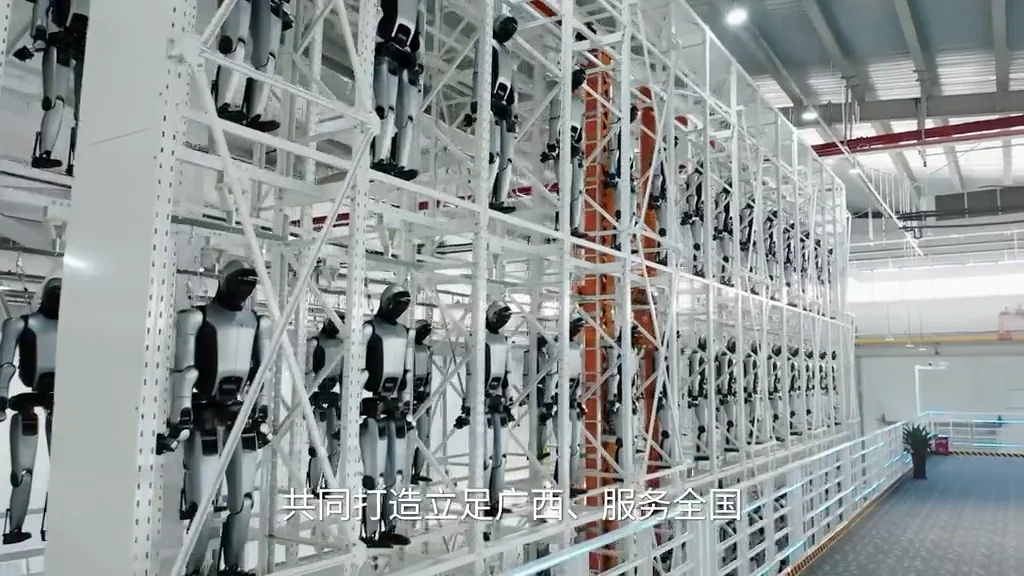
UBTECH Launches 10,000-Unit Super Factory for Humanoid Robots in Liuzhou
UBTECH Robotics has officially launched its Industrial Humanoid Robot Super Smart Factory in Liuzhou, China, on September 12-13, 2026. This facility is designed to produce 10,000 industrial humanoid robots annually, marking a significant shift from traditional batch assembly to high-throughput manufacturing. The establishment of this factory is crucial as it supports UBTECH's ambitious growth targets, especially after a remarkable 1,445% revenue increase in the first half of 2026, driven by 921 bipedal robot deliveries. The factory's design allows for the completion of a humanoid robot every 10 minutes, positioning UBTECH competitively in the global robotics market. Looking ahead, the factory employs a flexible assembly line and a robotic logistics fleet, enhancing efficiency and adaptability in production. The integration of UBTECH's Yanshee MOM platform with Siemens' technology further streamlines operations. No further timeline was disclosed at the time of publication.
Market manufacturing China UBTECH Robotics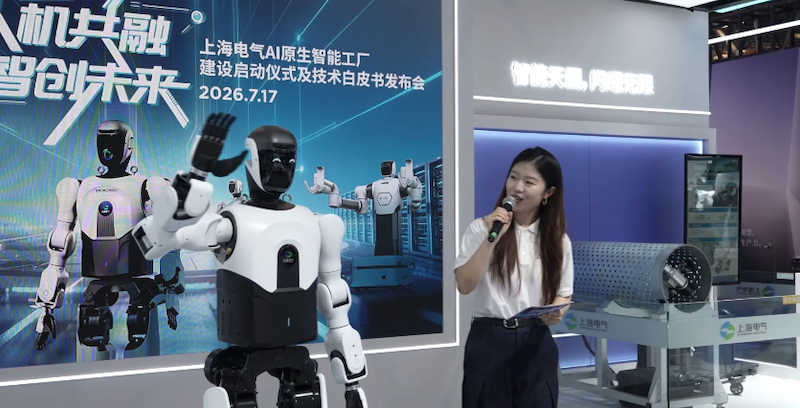
Shanghai Electric Showcases Humanoids, Industrial Robots, and AI Smart Factory Innovations
At the 2026 World Artificial Intelligence Conference, Shanghai Electric presented its advanced embodied intelligence solutions for industrial applications. The company emphasized its capabilities in embodied AI robots, core components, and AI-native smart factory technologies, showcasing a comprehensive portfolio designed for various industrial scenarios. This development is significant as it highlights the integration of machine precision with human expertise, aiming to enhance collaboration in manufacturing processes. Shanghai Electric's robotics solutions address critical tasks such as connector insertion, intelligent assembly, and flexible sorting, showcasing innovations like the planetary roller screw and DexHand dexterous hand. Looking ahead, Shanghai Electric's launch of 51 AI models under the “StarCloud Intelligent Manufacturing” series marks a shift towards data-driven operations in manufacturing. The release of the “AI-Native Smart Factory Technology White Paper” outlines a new architecture for real-time production optimization, indicating a transformative approach to industrial automation. No further timeline was disclosed at the time of publication.
Artificial Intelligence Robotics AI-native smart factory embodied ai humanoid robots industrial ai
BMW Integrates Humanoid Robots at Spartanburg Factory with $25 Hourly Cost
At BMW's Spartanburg factory in South Carolina, humanoid robots are actively sorting parts on the production line as part of a ten-year 'Physical AI' experiment. This initiative aims to transform the facility, which employs over 11,000 staff and produces more than 400,000 vehicles annually, into a global automotive manufacturing showcase. The significance of this experiment lies in its potential to reshape the manufacturing workforce. The Figure 02 robot, deployed for an 11-month trial, assisted in producing over 30,000 BMW X3 vehicles by handling more than 90,000 metal parts with high precision. According to Brett Adcock, CEO of Figure AI, the deployment demonstrates that humanoid robots can be valuable assets in creating a flexible and reliable manufacturing labor force. Looking ahead, the upgraded Figure 03 robot is set to take on more complex logistics sorting tasks, requiring advanced operational and decision-making capabilities. With a cost of $25 per hour, Figure 03 is part of BMW's broader $1.7 billion investment in expanding the Spartanburg plant and establishing a new battery factory, which will support the production of the iX5 electric vehicle by the end of 2026.
Humanoid Robots Automotive Manufacturing AI Technology Logistics Automation
Xiaomi's Robots Achieve High Success Rates in Factory Automation Tasks
On July 29, Xiaomi's founder and CEO Lei Jun shared a video showcasing the company's robots in action at its automotive factory. The video highlights a white robot efficiently stacking storage boxes while a black Xiaomi robot oversees the operation, signaling a significant advancement in automation. This development is crucial as Xiaomi's robots have improved their dual-side operation success rate from 90.2% to 98% within four months, nearing the 99% benchmark set by skilled workers. Additionally, the robots have successfully tackled new tasks involving complex components, demonstrating their capability in handling flexible workpieces in a factory setting. Looking ahead, Xiaomi's robots have begun to collaborate in multi-robot scenarios, a rarity in humanoid robotics. As the industry observes these advancements, Xiaomi stands out as the only company to achieve such high-level operational success in real factory environments, indicating a promising future for their automation technology.
Industrial Automation Robotics Factory Automation AI Collaborative Robots
Walden Robotics Launches AI-Driven Factory Robots for Real-World Automation
Walden Robotics, a US-based startup, has unveiled a general-purpose robotics platform that enables Physical AI robots to learn and adapt while performing real work. Unlike traditional robots that follow pre-programmed workflows, Walden's robots continuously improve through real-world operations, making them suitable for complex tasks alongside human workers from the outset. The significance of Walden Robotics lies in its full-stack approach, which integrates hardware, AI, and deployment software to create robots that evolve in capability over time. With $300 million in funding and a valuation of $1.1 billion, the company is addressing the growing demand for flexible automation in sectors like automotive, aerospace, and logistics, driven by labor shortages and increasing product complexity. Looking ahead, Walden Robotics has already begun deploying its robots in production environments, including a Toyota manufacturing plant in North America. The company aims to enhance its robots' skills through real-world experience, utilizing advanced AI techniques such as Large Behavior Models and Diffusion Policy. No further timeline was disclosed at the time of publication.
AI and Robotics Innovation
Xiaomi Reports 98% Success Rate for Humanoid Robots in Automotive Factory Tasks
Xiaomi has announced significant advancements in its humanoid robot utilized in an automotive factory. After four months of development, the robot's success rate at a self-tapping nut loading station improved from 90.2% to 98%, now just one percentage point below human workers' qualification rates. This progress is crucial as it demonstrates the increasing capability of humanoid robots to perform complex tasks in industrial settings. The introduction of two additional tasks—center console side panel sorting and parts bin folding and recycling—both achieving a 90% success rate, highlights the robot's versatility and potential for broader applications. Looking ahead, the center console side panel sorting task is particularly noteworthy as it represents the first instance of a humanoid robot executing long-duration continuous operations on flexible workpieces in an automotive factory. No further timeline was disclosed at the time of publication.
News Feed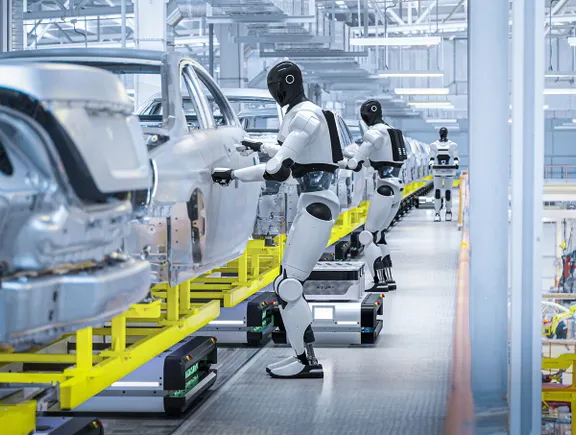
Global Factory Robot Installations Exceed 5 Million, IFR Reports Significant Growth
According to the International Federation of Robotics (IFR), global factory robot installations have surpassed 5 million units, with a projected growth of 9% this year, translating to an increase of 655,000 deployments. By 2029, installations could reach as high as 806,000 units, driven primarily by the automotive and electronics sectors. The demand for robotics has expanded beyond traditional industries, with sectors such as metal and machinery, plastics and chemicals, and food experiencing a fivefold increase in demand from 2015 to 2025. China remains the leader in robotics adoption, accounting for over half of the global deployments, while the United States, Japan, South Korea, and Germany collectively represent 80% of the market. As manufacturers seek to enhance production capabilities in high-wage economies and address labor shortages, the trend towards automation is expected to continue. Advances in AI, machine vision, and easier programming are making robots more accessible, although humanoid robots are still in the early stages of deployment despite rising interest and sales.

RaaS and Spatial AI Transform Factory Operations with Enhanced Robotics Capabilities
Recent advancements in Robotics as a Service (RaaS) and Spatial AI are revolutionizing factory operations by shifting robotics from capital expenditure to an operating expense model. This allows facilities to subscribe to fleets of autonomous mobile robots and collaborative arms, enhancing operational flexibility and efficiency. The significance of this shift lies in its potential to streamline manufacturing processes and reduce upfront costs for companies. By adopting RaaS, manufacturers can access cutting-edge robotics technology without the burden of ownership, thus enabling quicker adaptation to changing production demands and improving overall productivity. Looking ahead, the integration of RaaS and Spatial AI in factories is expected to accelerate, with manufacturers increasingly leveraging these technologies to optimize workflows and enhance automation capabilities. No further timeline was disclosed at the time of publication.
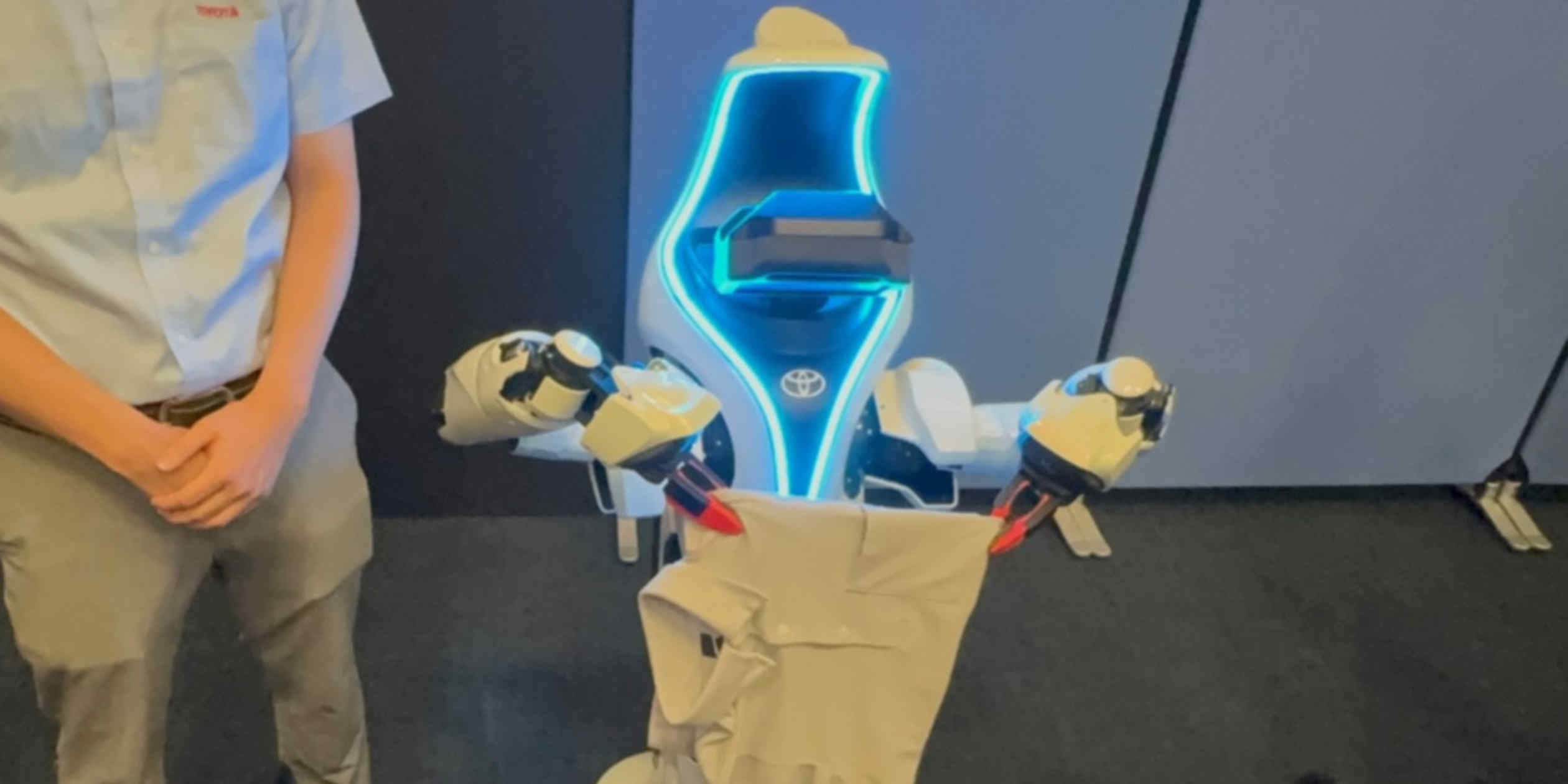
Toyota Plans Global Deployment of 400,000 Humanoid Robots in Factories
Toyota Motor group has announced plans to deploy 400,000 humanoid robots across its production sites worldwide. This initiative is part of the company's strategy to enhance factory operations by integrating robots that can learn from human employees and assist in training new workers. The introduction of these in-house-developed humanoid robots signifies Toyota's commitment to creating a collaborative work environment where humans and robots can work side by side. This move is expected to improve efficiency and productivity in manufacturing processes, aligning with the industry's ongoing trend towards automation and advanced technology integration. As Toyota progresses with this deployment, industry watchers will be keen to see how these humanoid robots perform in real-world factory settings. No further timeline was disclosed at the time of publication.

Ubtech Launches 10,000-Unit Capacity Humanoid Robot Factory in Liuzhou, China
Ubtech Robotics has commenced operations at a new humanoid robot factory located in Liuzhou, China. This facility is designed to produce up to 10,000 units annually and can manufacture one industrial humanoid robot every 10 minutes, focusing on the Walker S and Cruzr series. The significance of this factory lies in its innovative use of robotics in the manufacturing process itself. The 14,000-square-meter plant incorporates Cruzr robots and autonomous logistics equipment, enhancing efficiency and productivity while also featuring a 65-square-meter automated warehouse that increases space utilization by over 50%. Looking ahead, the integration of Siemens Digital Industries Software for production management indicates a trend towards more automated and efficient manufacturing processes in the robotics sector. No further timeline was disclosed at the time of publication.
AI AI Funding & Investment Capital Markets Robotics China humanoid robotics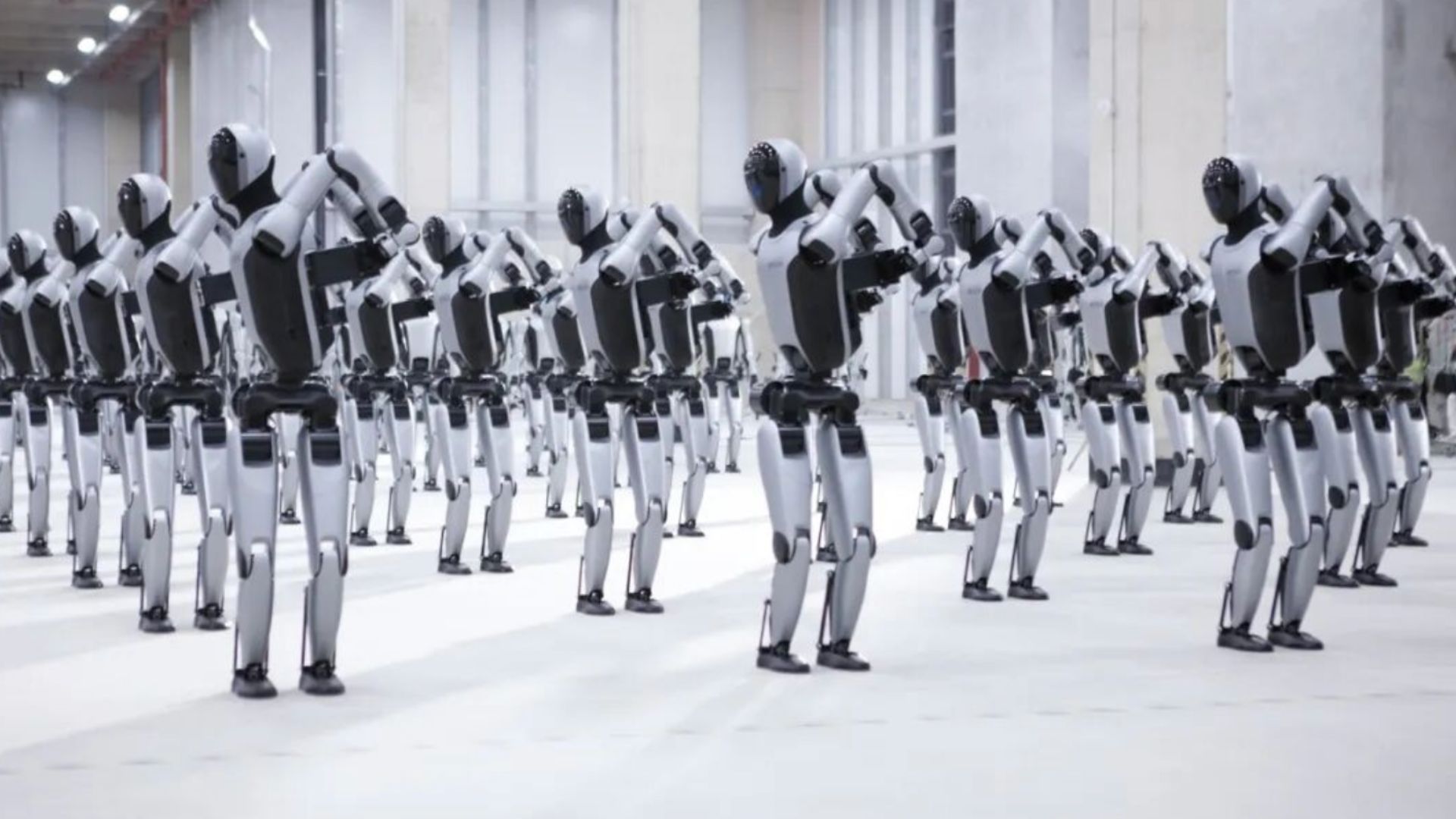
UBTECH Launches New Factory Capable of Producing 10,000 Humanoid Robots Annually
UBTECH has commenced operations at its new humanoid robot factory in Liuzhou, Guangxi, as of September 12. This facility is set to produce over 10,000 humanoid robots each year, marking a significant transition from limited production to large-scale manufacturing. The factory's production line is engineered to assemble one robot every 10 minutes, enhancing UBTECH's manufacturing capabilities. The establishment of this factory is pivotal for UBTECH, as it signifies a major advancement in the commercial production of humanoid robots. The facility, covering 14,000 square meters, will primarily focus on the Walker S Series and Cruzr Series robots. The automation integrated into the manufacturing process, including humanoid robots and collaborative arms, streamlines operations and reduces the need for extensive hardware modifications. Looking ahead, UBTECH's collaboration with Siemens Digital Industries Software is noteworthy, as it encompasses various aspects of digital manufacturing. The development of the Yanshee MOM system and the use of Siemens’ Plant Simulation platform will enhance production efficiency and quality control. No further timeline was disclosed at the time of publication.
AI and Robotics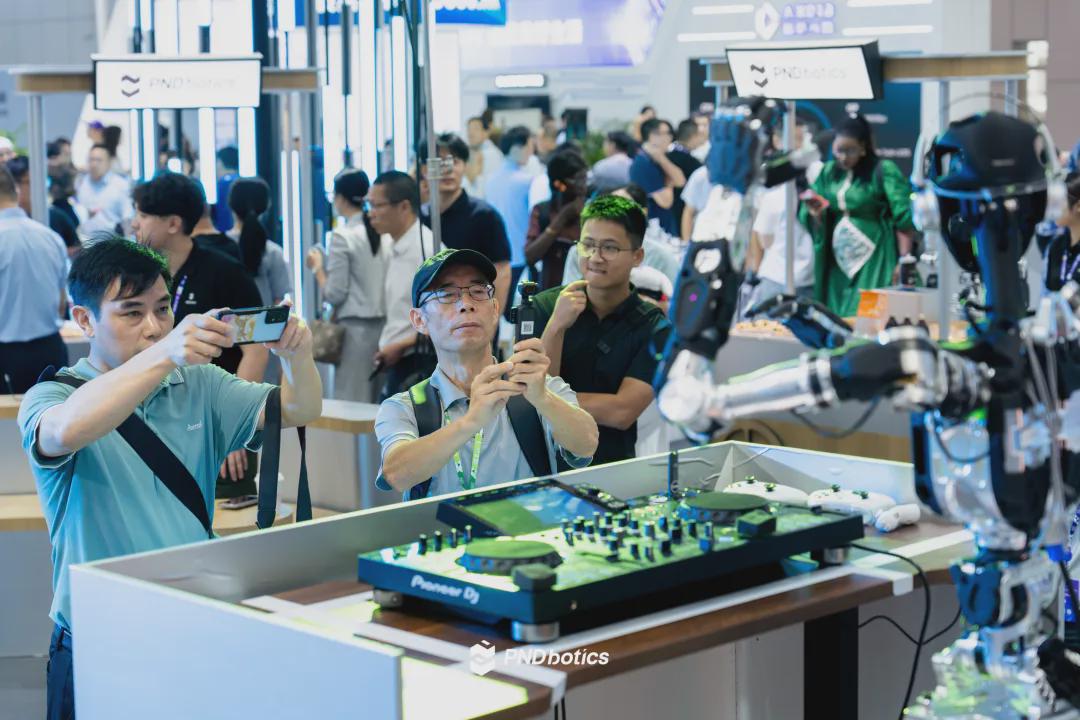
PNDbotics Showcases Humanoid Robots for Real-World Industrial Applications
PNDbotics is exploring the application of humanoid robots in real industrial tasks at the Future Factory exhibition, held from September 11 to 13 at the Ningbo International Exhibition Center. The showcase emphasizes the robots' ability to understand tasks, recognize environments, and adapt execution strategies in dynamic production settings. This initiative is significant as it addresses the challenges of integrating humanoid robots into complex industrial environments, where continuous decision-making is crucial. Unlike controlled lab settings, real factories present fluctuating conditions that require robots to perform a series of interconnected actions, demonstrating their full operational capabilities. Looking ahead, the focus will be on how these robots can effectively connect with real production environments and validate their reliability through successful task execution. The goal is to enhance the robots' system capabilities, moving beyond mere movement to achieving task completion in manufacturing settings.
Humanoid Robots Industrial Automation Robotics Technology AI Manufacturing Solutions
BigWave Robotics Partners with Space Factory to Deploy Humanoid Robots in Construction by 2026
BigWave Robotics, a South Korean AI company, has announced a partnership with modular housing manufacturer Space Factory to deploy humanoid robots in housing production starting in 2026. This initiative marks a significant shift in the construction industry, which has traditionally relied on human expertise, as robots begin to automate complex tasks such as insulation installation. The entry of humanoid robots into the construction sector is crucial as it addresses labor shortages and enhances production efficiency amid rising housing demands. Modular housing, which involves factory prefabrication and on-site assembly, is increasingly seen as a solution to expedite housing construction, and the integration of robotics is expected to further advance this trend towards smart manufacturing. Looking ahead, the success of humanoid robots in various industries will depend on their cost, reliability, and efficiency. While BigWave Robotics is focusing on the construction sector, the broader implications of this technology could lead to its application in logistics, energy maintenance, and public facility management, marking a new era in industrial automation.
Humanoid Robots Construction Automation Smart Manufacturing Modular Housing AI Technology
Japanese Humanoid Robots Expand Applications Beyond Manufacturing to Tree Cutting and Lab Work
Japan is exploring diverse applications for its humanoid robots, moving beyond traditional manufacturing roles. Domestic developers are focusing on leveraging the precision and durability of these robots, which have been enhanced through factory production lines, to compete with Chinese counterparts. This shift in application is significant as it showcases Japan's innovation in robotics, particularly in sectors like tree cutting and laboratory work. By diversifying the use of humanoid robots, Japan aims to maintain its competitive edge in the global robotics market. Looking ahead, it will be important to monitor how these humanoid robots perform in new environments and tasks. No further timeline was disclosed at the time of publication.

Humanoid Robots Encounter Significant Hurdles Before Factory Integration
By 2026, humanoid robots are set to transition from laboratories to factories, targeting brownfield sites designed for human workers without accommodating robots. This pragmatic approach leverages existing factory dimensions, allowing robots that can walk, bend, and reach to potentially operate without extensive modifications. Siemens is already utilizing digital twin technology to simulate the integration of humanoid robots in virtual environments, identifying potential conflicts in advance. However, several challenges remain. Reliability is a primary concern, as a robot's ability to walk ten steps does not guarantee it can perform consistently in a real factory environment filled with variables like vibrations, dust, and human activity. Additionally, dexterity poses a significant obstacle; while walking capabilities are improving, fine motor tasks such as picking up small screws or handling fragile components remain problematic for most commercial robots. Data availability is another critical issue. Developing a versatile robot that can adapt to various factories and tasks requires vast amounts of real-world interaction data, which is currently insufficient. A review published in Science Robotics highlights that mobility does not equate to production readiness. As humanoid robots have surpassed the basic walking threshold, the focus now shifts to their actual operational capabilities in factories. Decision-makers should begin evaluating processes and preparing infrastructure to support these advancements.
Humanoid Robots Manufacturing Automation Robotics AI Digital Twin Technology
Shanghai Electric Launches Advanced Humanoid Robots with Continuous Operation Features
Shanghai Electric unveiled a comprehensive range of industrial robots and AI technologies at the WAIC 2026, focusing on automating complex manufacturing tasks that require human-like precision. The new portfolio includes the SUYUAN bipedal humanoid robot, equipped with 41 degrees of freedom and a dual-battery hot-swap design for uninterrupted operation, aimed at tasks like inspection and assembly. The introduction of these robots is significant as they address the growing demand for automation in manufacturing, particularly in environments where precision and efficiency are critical. Shanghai Electric's innovations, including the TUOYUAN and Mermaid robots, are designed to enhance productivity and reduce reliance on human labor in specialized manufacturing settings. Looking ahead, Shanghai Electric plans to expand the deployment of these advanced robotic systems as the technology evolves. The company also aims to integrate its AI models with robotic control systems to optimize factory operations, making it essential for industry stakeholders to monitor these developments closely.
AI and Robotics
Tesla's Optimus Robots to Support Starmind Satellite Production, Not Maintenance
Tesla's Optimus robots will not be used to repair Starmind satellites in orbit, as confirmed by recent statements from Elon Musk. Instead, these robots are intended to assist in the construction and operation of the Terafab chip manufacturing facility in Texas. The AI1 satellites, designed to disintegrate upon reentry, highlight the company's swap-and-replace strategy rather than traditional maintenance practices. This approach is significant as it reflects a broader trend in satellite management, where mass-produced satellites are replaced rather than repaired. The economics of servicing missions are prohibitive, with the cost of launching a replacement satellite being significantly lower than conducting a repair mission. This model aligns with SpaceX's operational history, where rapid replacement of satellites is more efficient than attempting to maintain them in orbit. Looking ahead, the focus will remain on the production capabilities of the Gigasat factory, which is expected to support the continuous replacement of satellites. No further timeline was disclosed at the time of publication, but the demand for rapid satellite turnover suggests a robust future for Optimus robots in terrestrial manufacturing rather than in-space servicing.
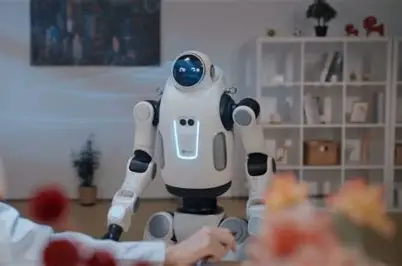
UBTECH Secures Major Contracts and Launches Large-Scale Humanoid Robot Factory
UBTECH has recently made significant strides in the humanoid robot sector, securing a 150.8 million yuan government contract in Leshan and announcing over 50 million yuan in overseas orders from Europe and Japan. These developments indicate a shift from conceptual discussions to tangible market presence, as UBTECH establishes itself as a key player in the industry. The importance of these contracts lies in their validation of the demand for humanoid robots in practical applications, such as industrial inspections and commercial reception. The Leshan contract, awarded through a public tender, highlights a growing market need for operational humanoid robots, suggesting a strategic focus on regional market penetration. Additionally, the launch of UBTECH's large-scale humanoid robot factory in Liuzhou, developed in collaboration with Siemens, marks a significant achievement in supply chain management and production capacity. With a reported revenue of 1.27 billion yuan and a 1445% increase in sales of full-sized humanoid robots, UBTECH is poised for further growth in the second half of the year, with multiple product lines set for delivery and international orders beginning to materialize.
Humanoid Robots Industrial Automation Robotics Manufacturing AI Commercial Applications
Genisom Secures Series B Funding, ForgeAI Raises Angel Round, Qiyuan Launches $3,000 Robots
Genisom AI has successfully closed a Series B funding round of tens of millions of dollars, led by Stone Venture from the UAE. The funding aims to enhance their robot production capabilities, with over 15,000 units produced by June 2026. This move signifies a strong push towards advancing autonomous navigation technologies. ForgeAI, a startup linked to Tsinghua University, has raised an angel round in the low- to mid-single-digit millions of dollars, backed by TusStar. The funds will support the development of a general-purpose skills operating system, which aims to improve efficiency in property-cleaning tasks, showcasing the potential for robots to replace multiple human workers. Additionally, Qiyuan Robotics has launched its Q1 and T1 consumer robots, priced starting at approximately $3,000, with shipments commencing on October 1. This launch reflects the growing trend of consumer robotics and the integration of AI technologies into everyday tasks, indicating a shift in market dynamics towards more accessible robotic solutions.
AI AI Funding & Investment Robotics China Farada Group ForgeAI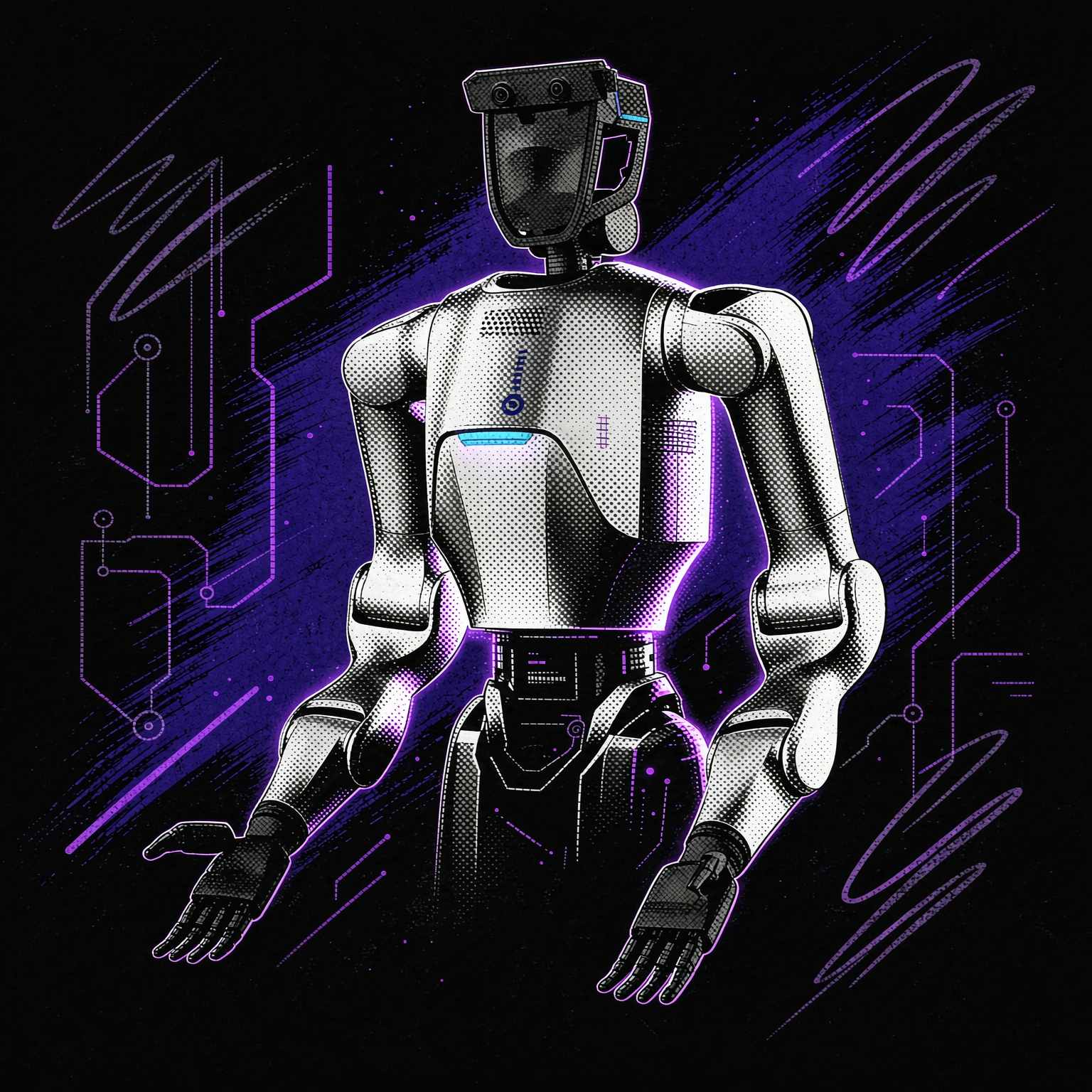
Investment in Embodied Intelligence Grows, Yet Factory Robot Adoption Remains Low
In the first half of 2026, China saw 172 investment events in embodied intelligence, totaling approximately 109.17 billion RMB. The number of companies valued over 10 billion RMB increased from three in 2025 to 25 in 2026. Despite this growth, only 20% of humanoid robots are utilized in smart manufacturing and logistics, with over 60% directed towards entertainment and education. The disparity between capital market narratives and industry realities is widening, as many products require significant restructuring to meet actual operational needs. A report indicates that around 70% of products need deep reconfiguration during implementation, highlighting a gap between technological demonstration and practical application. As of August 2026, companies like Yushutech and UBTECH reported record revenues in their humanoid robotics sectors, with Yushutech achieving 1.15 billion RMB and UBTECH 1.27 billion RMB. However, both companies face challenges in profitability and market reliance on research institutions rather than industrial scale deployment. The report emphasizes that the key to success in embodied intelligence lies in mastering operational efficiency and cost management.
Embodied Intelligence Industrial Robotics Investment Trends Manufacturing Automation
Dongfeng Motor to Deploy Humanoid Robots for Factory Operations by October 2023
Dongfeng Motor is set to introduce humanoid robots into factory settings for sorting and quality inspection starting in October 2023. This initiative marks a significant step towards enhancing operational efficiency within their manufacturing processes. The deployment of these humanoid robots is crucial as it aims to achieve human-level operational capabilities by the end of 2027. This advancement reflects Dongfeng's commitment to integrating advanced robotics into their production lines, which is essential for maintaining competitiveness in the automotive industry. Looking ahead, Dongfeng plans to initiate small-batch trial production of these robots by the end of this year. Additionally, the company is preparing to launch the Yuanzai robot dog to dealerships, indicating a broader strategy to incorporate robotics across various applications within their operations.
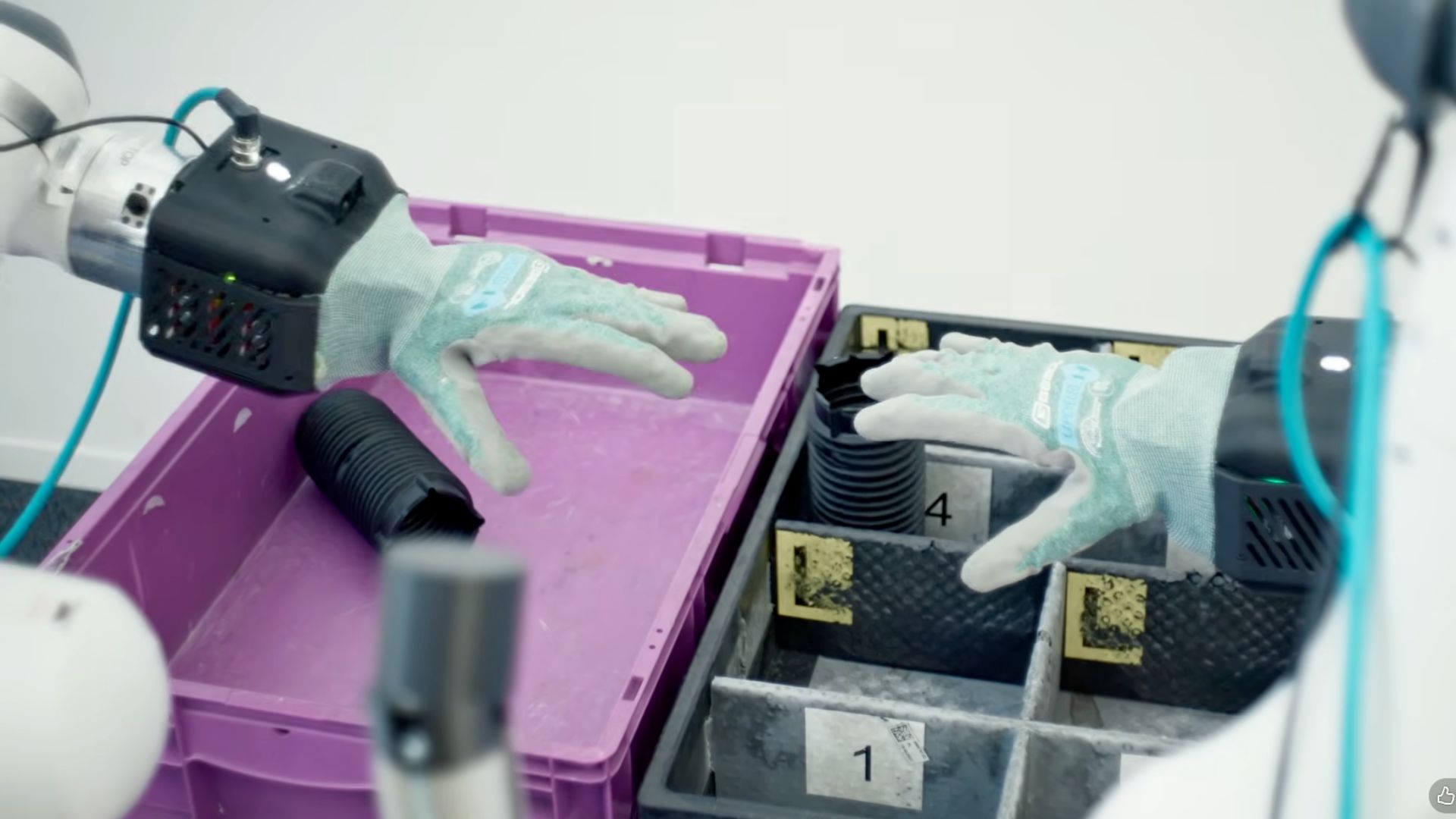
Mimic Robotics Introduces FLUX-mimic for Efficient Robot Learning from Video Demonstrations
Mimic Robotics has launched FLUX-mimic, a cutting-edge Video-Action Model developed with Black Forest Labs, enabling robots to learn intricate industrial tasks from video demonstrations. This innovative system significantly reduces the amount of training data required, allowing for faster and more efficient robot training in factory settings, including deployments at Audi. The importance of FLUX-mimic lies in its ability to streamline robot training processes, which traditionally demand extensive demonstration data. By utilizing a generative video foundation model, FLUX-mimic can fine-tune manipulation tasks with as little as 30 minutes of data, compared to the 30 hours often needed by conventional systems. This advancement is expected to shorten deployment cycles from months to weeks, enhancing operational efficiency. Looking ahead, the collaboration with Audi will test FLUX-mimic's performance in real-world factory environments, particularly for high-dexterity tasks. The focus on automating complex manipulations could lead to broader applications in manufacturing and logistics, making robotic automation more adaptable to evolving production needs. No further timeline was disclosed at the time of publication.
AI and Robotics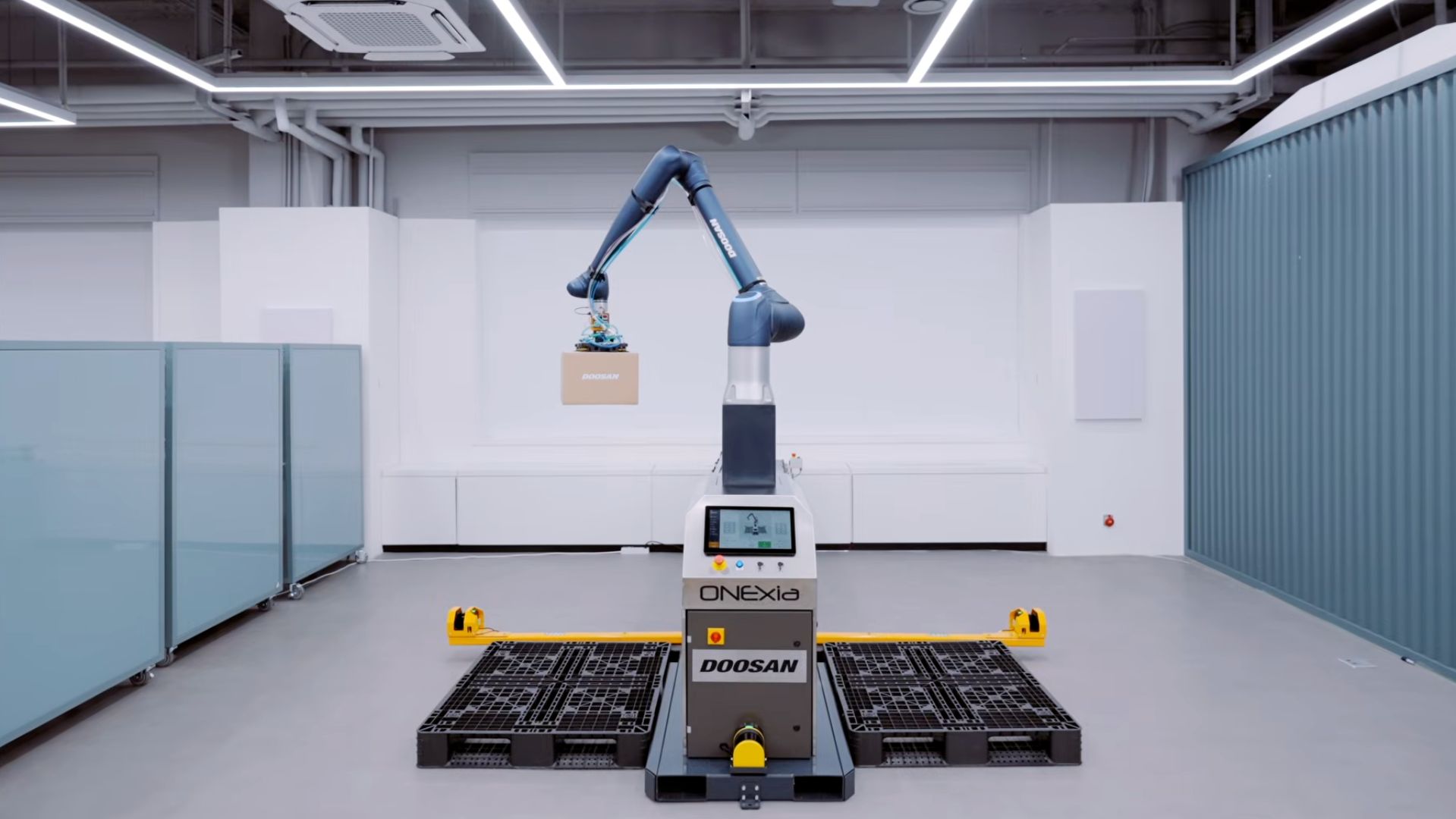
Grid Dynamics Partners with Doosan Robotics to Enhance Physical AI in Manufacturing
A US technology company, Grid Dynamics, has formed a strategic partnership with South Korea's Doosan Robotics to promote the use of Physical AI in manufacturing and logistics. This collaboration will provide Doosan's industrial collaborative robot customers with a comprehensive software stack and integration services, facilitating advanced automation tasks such as complex object inspection and variable component assembly. The significance of this partnership lies in its potential to expedite the deployment of AI-powered robotic systems, thereby broadening the applications of Physical AI within industrial operations. Doosan Robotics, a leading manufacturer of collaborative robots, offers a range of models designed for various tasks, including the lightweight A Series and heavy-duty H Series, which can handle payloads up to 55 pounds. Looking ahead, the integration of Grid Dynamics' GAIN Platform with Doosan's cobots is expected to enhance automation capabilities, particularly for complex tasks that traditional robotics struggle with. No further timeline was disclosed at the time of publication.
AI and Robotics Innovation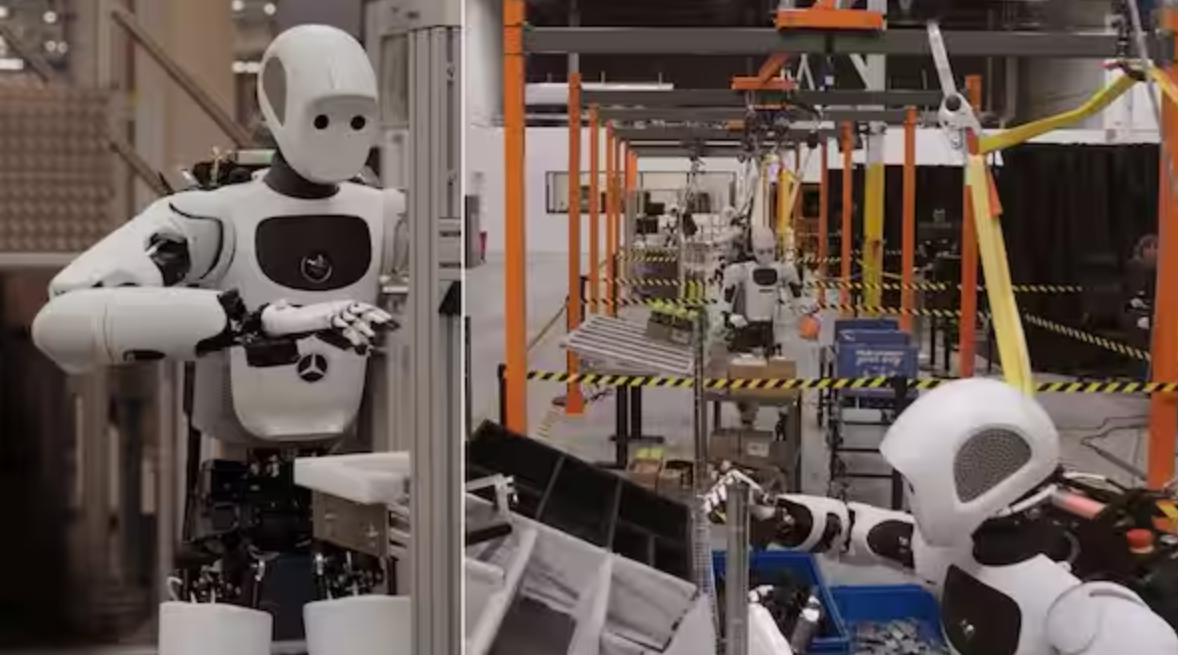
Google's Apptronik opens a 90,000 square foot "robot park": training humanoid robots with a data factory to walk towards...
Apptronik, a robotics company backed by Google, has inaugurated a 90,000 square foot facility known as a "robot park" dedicated to the training of humanoid robots. This state-of-the-art center, located in Austin, Texas, aims to enhance the capabilities of robots by utilizing a sophisticated data factory that allows them to learn and refine their walking abilities. The opening of the robot park comes as part of Apptronik's broader mission to advance humanoid robotics technology, driven by the increasing demand for automation and intelligent machines in various industries. By leveraging extensive data and innovative training methods, the facility is expected to significantly accelerate the development of robots that can perform complex tasks in real-world environments.
Robotics Automation AI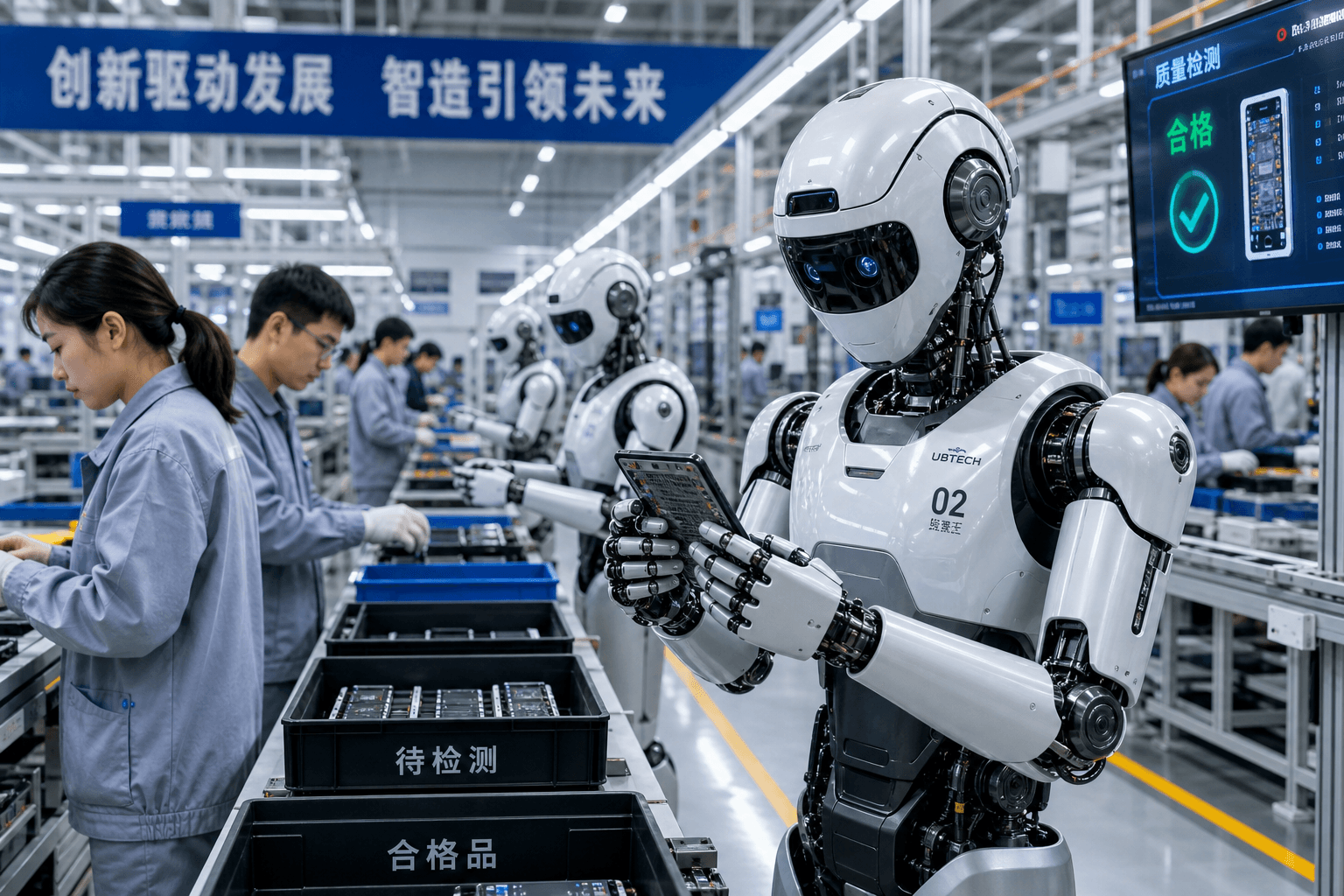
Humanoid Robots Enter the Frontline: From Show Floor to Factory Floor as Star Employees
Humanoid robots are increasingly being integrated into real-world work environments, marking a significant shift from their previous role as mere showcases. Recent advancements have enabled these robots to operate in factories and logistics centers, where they are now achieving 85% of human efficiency. This transition is driven by the need for enhanced productivity and cost-effectiveness in various industries. As companies seek to optimize their operations, the deployment of humanoid robots is seen as a viable solution to meet growing demands while addressing labor shortages. The ongoing development and refinement of robotic technology are facilitating this integration, allowing these machines to perform complex tasks alongside human workers.
Industry AI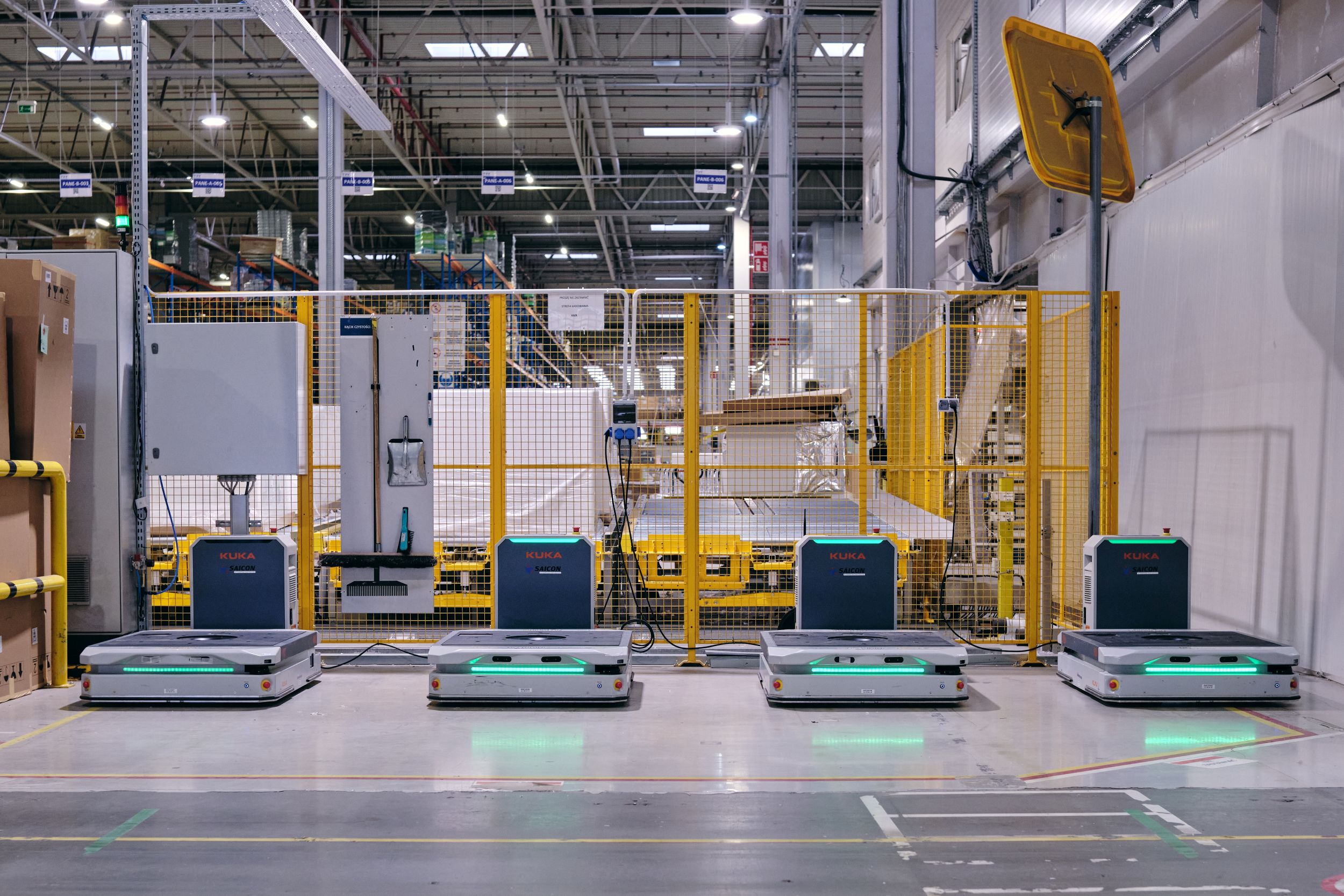
From the factory floor to the living room: 22 mobile robots keep TV production running
In a significant advancement for warehouse operations, a company has successfully transitioned from manual electric carts to fully automated transport systems utilizing autonomous mobile robots. This shift, which took place recently, aims to enhance efficiency and streamline logistics within the facility. By implementing these robots, the company seeks to reduce the need for human intervention in material handling, thereby minimizing the risk of accidents and improving overall productivity. The integration of this technology marks a pivotal change in how goods are transported within the warehouse, reflecting a broader trend towards automation in the industry.
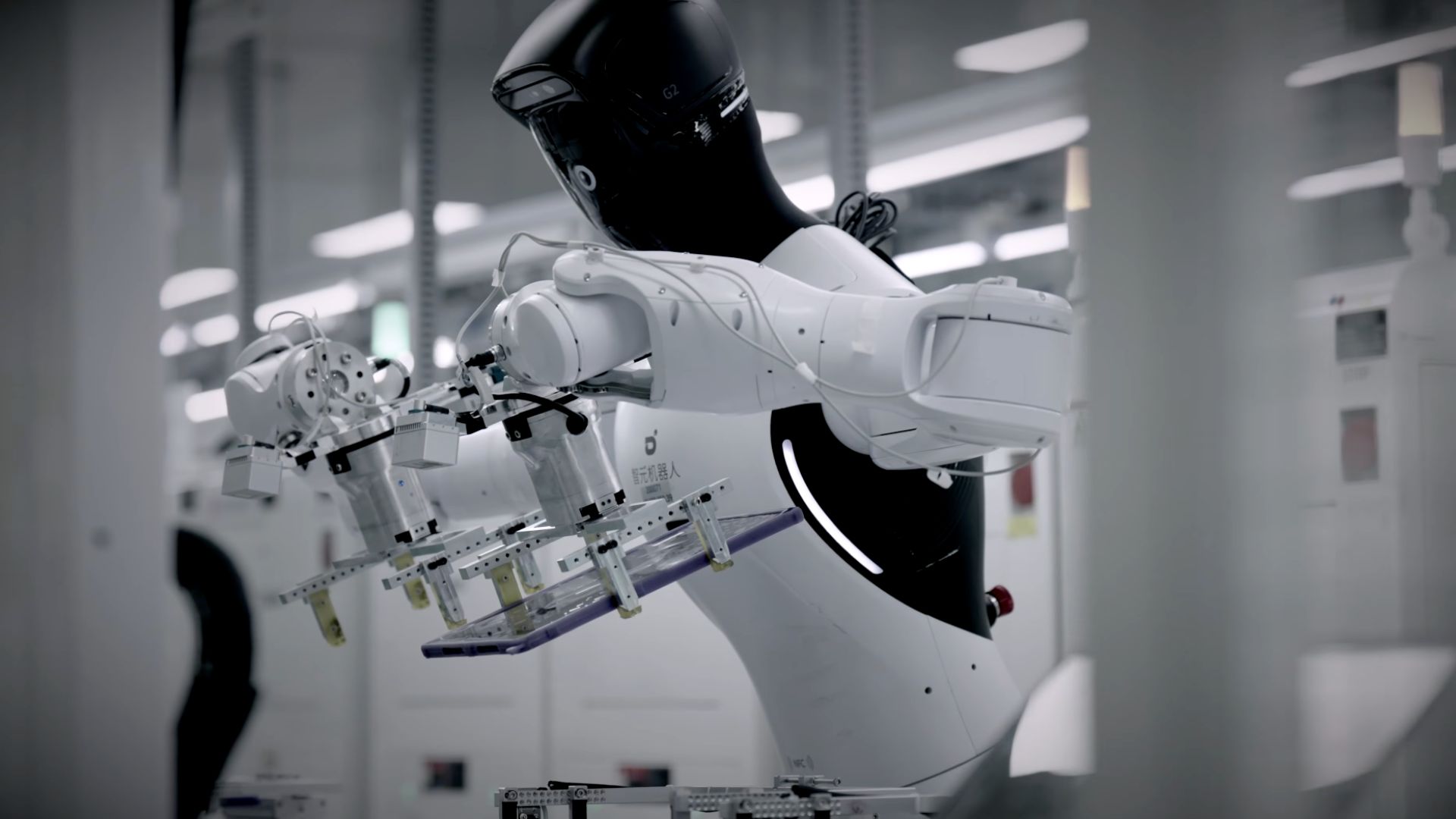
China: Agibot robots hit 99 percent success during six-day live factory demo
AGIBOT, a Chinese robotics company, has successfully conducted a global livestream showcasing its G2 humanoid robots performing a series of autonomous tasks. This event took place recently, highlighting the advancements in robotics technology. The livestream aimed to demonstrate the capabilities of the G2 robots, which are designed to operate independently in various environments. By showcasing their performance to an international audience, AGIBOT seeks to position itself as a leader in the robotics industry and attract potential investors and partners. The event utilized advanced streaming technology to reach viewers worldwide, emphasizing the company's commitment to innovation and global outreach in the field of robotics.
AI and Robotics
AGIBOT to Livestream Humanoid Robots from Active Production Line in 2026
AGIBOT, a Chinese embodied AI developer, has announced a six-day global livestream scheduled from June 23 to June 28, 2026. The broadcast will originate from Longcheer Technology's Nanchang factory, showcasing multiple humanoid robots in action within a live consumer electronics mass-production environment. This initiative marks a significant shift in how robotics firms validate their technologies, moving away from edited promotional content to real-time demonstrations. AGIBOT's livestream aims to counter critiques of lab-based testing by illustrating the capabilities of its humanoid robots in handling the complexities of a commercial factory floor, where operational consistency and efficiency are crucial. As the livestream approaches, industry observers will be keen to see if AGIBOT's robots can maintain their claimed throughput of 310 units per hour and a success rate exceeding 99% during the extended public audit. This event represents a critical moment for AGIBOT as it seeks to establish its technology's reliability in real-world applications.
livestream China AGIBOT
AGIBOT to Launch Global Livestream of Humanoid Robots Operating on a Real Factory Production Line
AGIBOT is set to host a six-day global livestream event from June 23 to June 28, featuring humanoid robots in action on a real factory production line at Longcheer Technology's facility in Nanchang. The event aims to showcase the practical applications of embodied artificial intelligence in the realm of intelligent manufacturing. Viewers will witness demonstrations of multi-robot coordination and human-robot collaboration, providing insights into how these technologies can enhance production efficiency and workflow in a live setting. This initiative underscores the growing importance of robotics and AI in modern manufacturing processes.
Humanoid Robots Embodied AI Manufacturing Live Streaming Industrial Automation
Humanizing robots makes factory workers more productive
Recent research from the Alberta School of Business reveals that factory workers who view industrial robots as co-workers and attribute human-like qualities to them experience enhanced productivity and overall well-being. This study highlights the psychological impact of human-robot interaction in industrial settings, suggesting that fostering a collaborative mindset towards automation can lead to significant improvements in workplace efficiency. By encouraging workers to engage with robots as partners rather than mere tools, companies may not only boost output but also enhance employee satisfaction. The findings underscore the importance of integrating technology in a way that promotes a positive work environment, ultimately benefiting both workers and organizations alike.
Business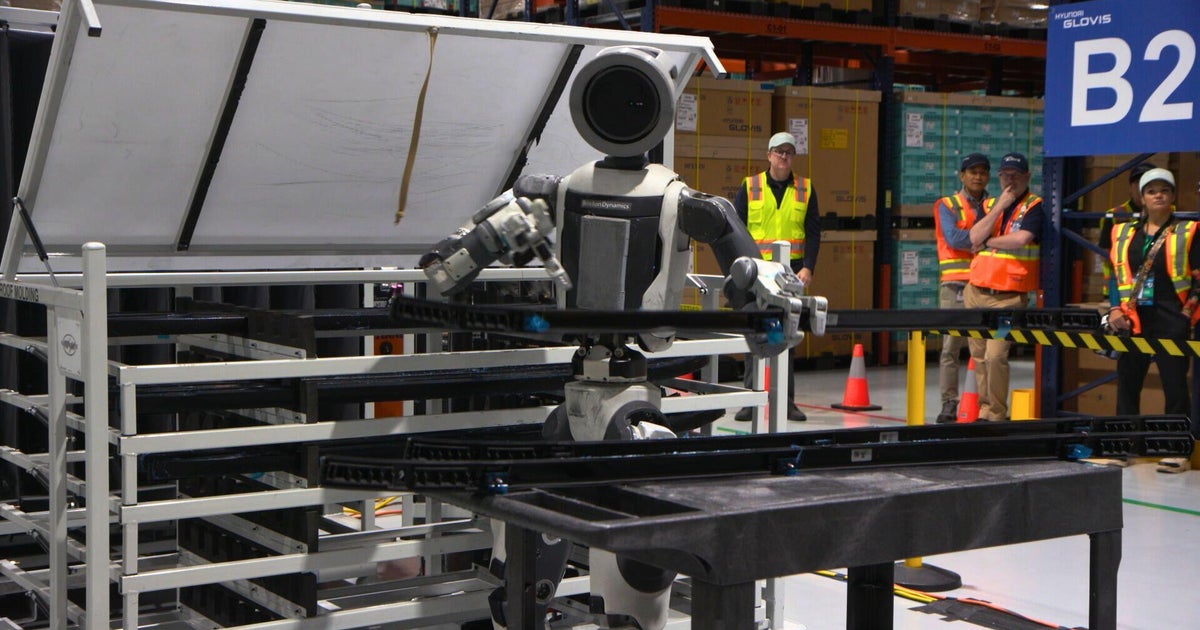
Could humanoid robots go from the lab to the factory floor?
Engineers and computer scientists are advancing the development of AI-powered humanoid robots, with Boston Dynamics recently showcasing its Atlas robot in a demonstration for 60 Minutes. The event highlighted Atlas's ability to learn and perform tasks within a Hyundai factory setting. This initiative aims to enhance automation in manufacturing processes, reflecting a growing trend towards integrating robotics in various industries. By leveraging artificial intelligence, these robots are designed to mimic human actions, potentially improving efficiency and productivity in factory operations. The collaboration between Boston Dynamics and Hyundai underscores the increasing importance of robotics in modern manufacturing, as companies seek innovative solutions to meet evolving production demands.
LG to build Korea's first humanoid 'data factory' to train robots
LG Electronics is transforming its research and development campus in the Yangjae district of southern Seoul into South Korea's first "data factory" dedicated to humanoid robots, according to industry sources. This initiative, announced on Friday, aims to utilize hundreds of CLOiD machines that will perform everyday tasks to generate essential real-world data. As the development of humanoid robots increasingly hinges on data rather than hardware, this facility seeks to address the growing challenge of acquiring the necessary information for effective robot training. By creating a controlled environment where robots can learn from repetitive tasks, LG Electronics is positioning itself at the forefront of the competitive humanoid robotics sector.
All News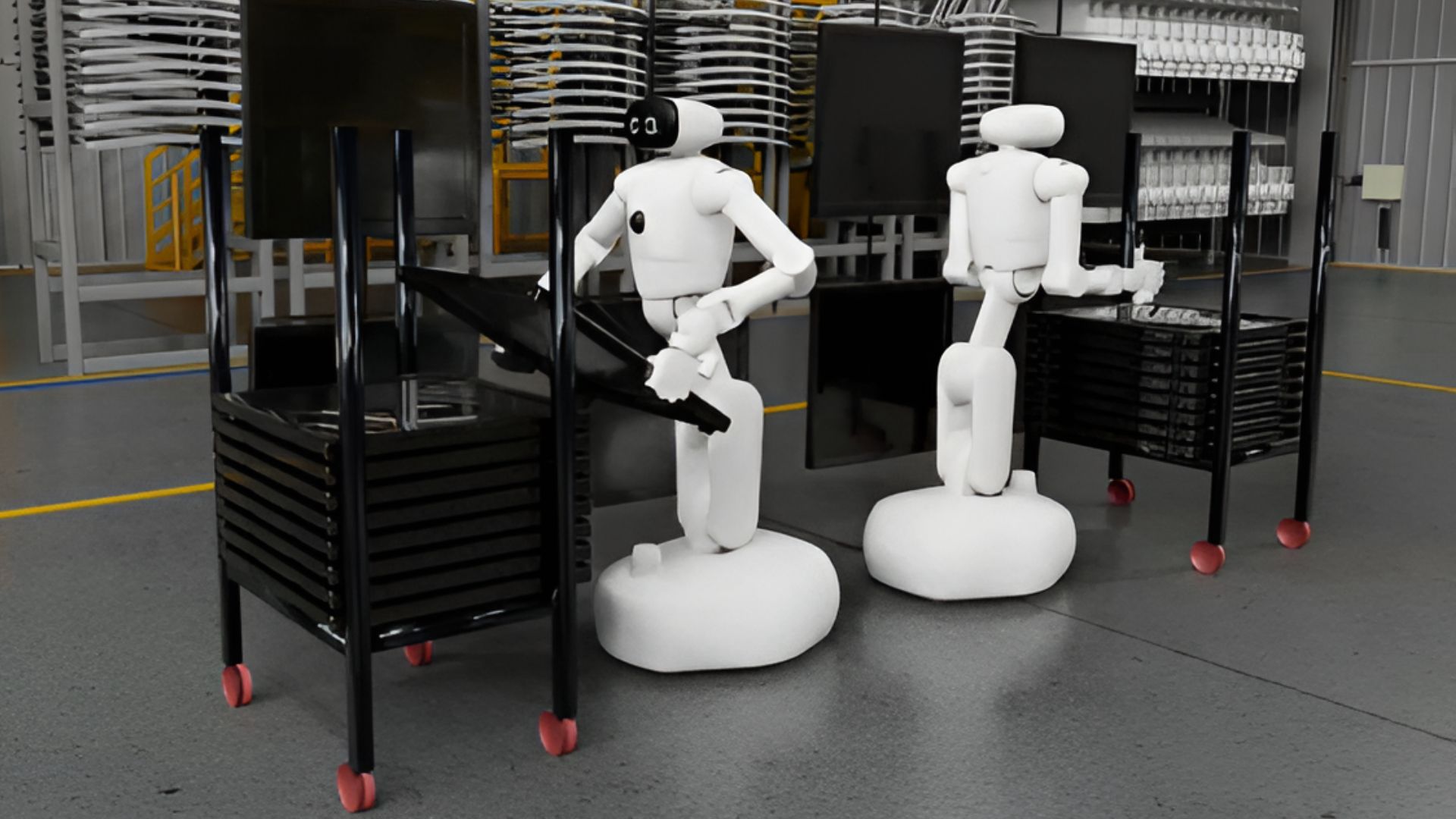
NVIDIA and LG Group build AI factory to train robots and power future mobility
Researchers and engineers are advancing the next frontier of artificial intelligence, focusing on the development of machines capable of movement, visual perception, and autonomous decision-making. This initiative, which has gained momentum in recent months, aims to enhance the functionality and adaptability of AI systems across various sectors, including healthcare, transportation, and robotics. The push for these advancements is driven by the increasing demand for intelligent systems that can operate in dynamic environments and perform complex tasks without human intervention. By integrating advanced sensors and machine learning algorithms, developers are working to create AI that not only processes information but also interacts with the physical world in real-time. This evolution in AI technology is taking place in research laboratories and tech hubs around the globe, with significant contributions from universities, private companies, and government agencies. As these entities collaborate, they are exploring innovative applications that could revolutionize industries and improve everyday life. The ongoing research is expected to culminate in prototypes and pilot programs by early 2024, showcasing the potential of these intelligent machines. As the field progresses, ethical considerations and safety measures are also being prioritized to ensure responsible deployment and integration into society. The ultimate goal is to create AI systems that enhance human capabilities and contribute positively to various aspects of life.
IDEC Factory Solutions to showcase "Instant Power Package" for SMEs with ROKAE collaborative robots at RTJ2026.
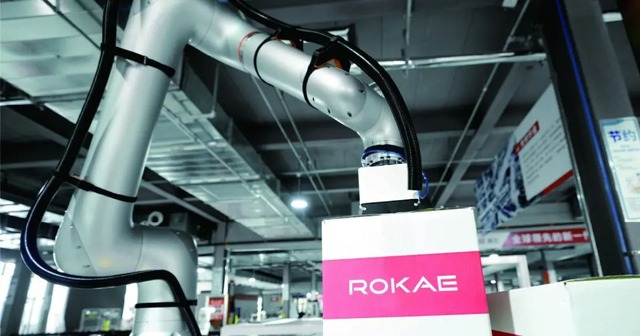
IDEC Factory Solutions Co., Ltd. will participate in the upcoming "ROBOT TECHNOLOGY JAPAN 2026" (RTJ2026), a specialized exhibition for industrial robots and automation systems. The event is scheduled to take place from June 11 to June 13, 2026, at the Aichi Sky Expo in Aichi Prefecture, Japan. IDEC aims to showcase its latest innovations and solutions in the field of automation, highlighting the company's commitment to advancing technology in industrial applications. Attendees can find IDEC at booth F-06 in Exhibition Hall F.

Denso Wave to Showcase Factory Robots and 3D Vision AI at ROBOT TECHNOLOGY JAPAN 2026
Denso Wave will participate in the upcoming "ROBOT TECHNOLOGY JAPAN 2026," scheduled to take place from June 11 to June 13, 2026, at the Aichi Sky Expo in Aichi Prefecture. This event aims to showcase advancements in robotics technology, reflecting the growing interest and innovation in the field. Denso Wave's involvement highlights its commitment to contributing to the development and promotion of robotics solutions.
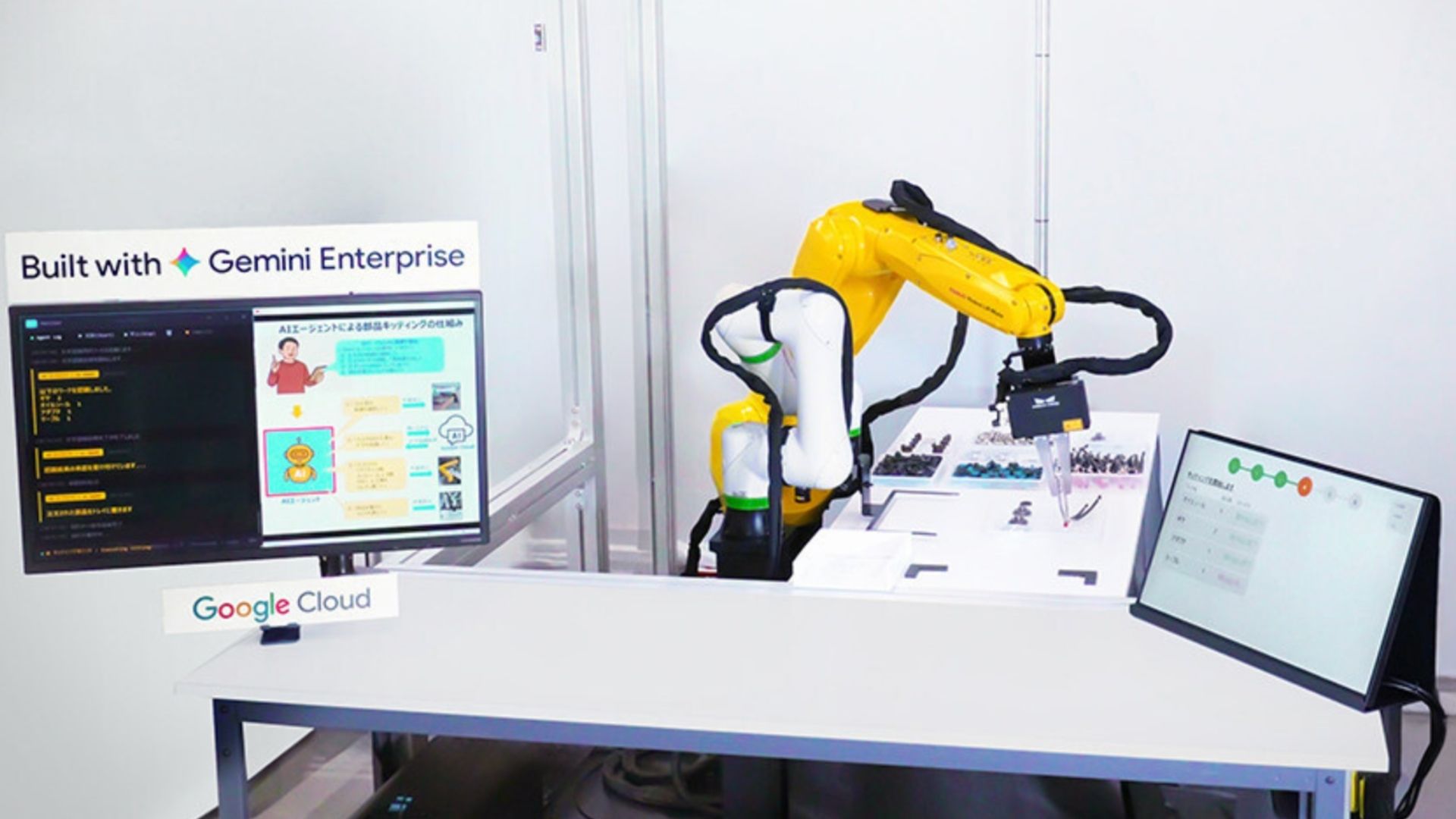
Google joins Japanese robotics giant to power next-gen autonomous factory robots
Google has partnered with FANUC America Corporation, a leading Japanese robotics company, to enhance the development of Physical AI technology. This collaboration aims to integrate advanced artificial intelligence into robotics, enabling machines to better understand and interact with the physical world. The announcement was made recently, signaling a significant step forward in the field of robotics and AI. By combining Google’s expertise in AI and machine learning with FANUC's extensive experience in automation and robotics, the two companies seek to create more intelligent and adaptable robotic systems. This initiative is driven by the growing demand for automation in various industries, as businesses look to improve efficiency and productivity through innovative technologies. The partnership is expected to leverage cutting-edge research and development, paving the way for breakthroughs in how robots operate and collaborate with humans in diverse environments.
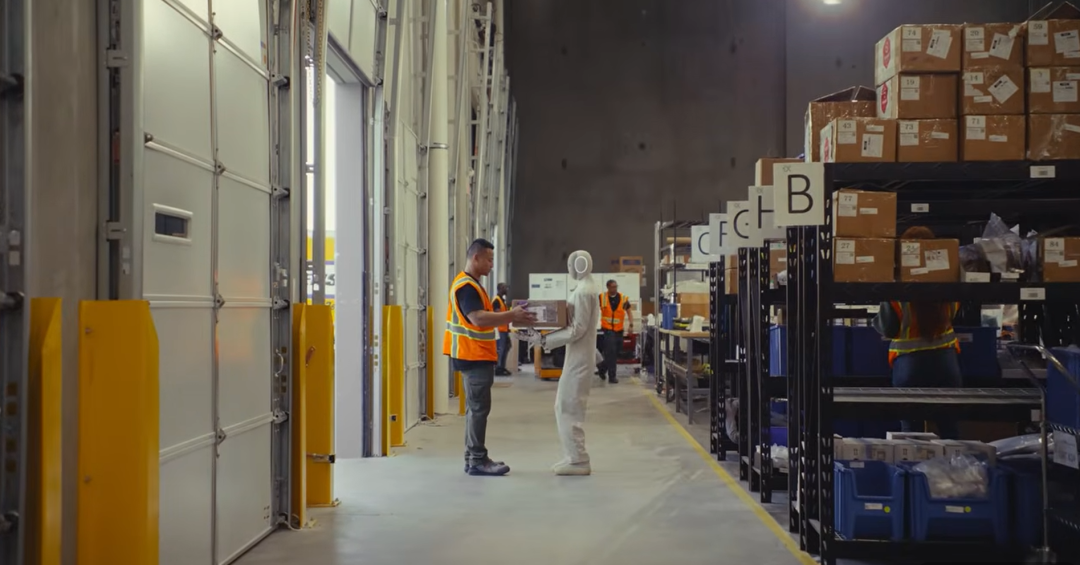
1X Technologies Launches Neo Factory in California: Annual Production Capacity of 10,000 NEO Robots, Set to Increase to 100,000 in a Year
1X Technologies has inaugurated its Neo Factory in Hayward, California, establishing the first vertically integrated, high-volume humanoid robot manufacturing facility in the United States. The factory is set to produce 10,000 NEO robots each year, with ambitious plans to increase production to 100,000 units by the end of 2027. This initiative reflects the company's commitment to advancing robotics technology and meeting the growing demand for humanoid robots in various sectors.
Humanoid Robots Robot Manufacturing AI Technology Vertical Integration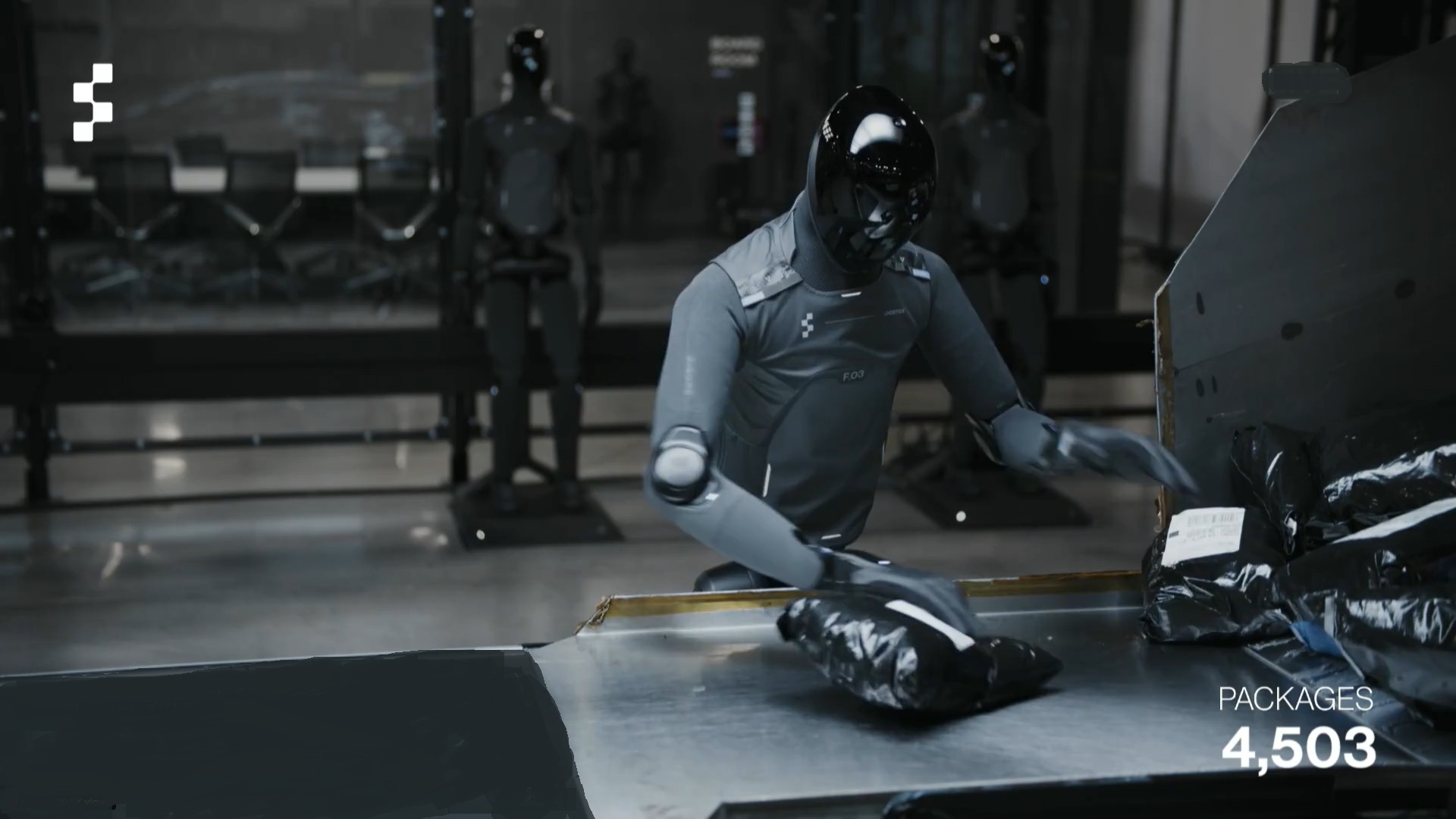
Helix-02 robots now sustain full factory-style 8-hour shifts without intervention
Figure AI has announced that its humanoid robots are now capable of operating autonomously for full eight-hour shifts. This development marks a significant advancement in robotics technology, allowing these machines to perform tasks without human intervention. The announcement was made in October 2023, highlighting the company's commitment to enhancing workforce efficiency through automation. The robots are designed to take on various roles, potentially transforming industries by addressing labor shortages and increasing productivity. Figure AI's innovation demonstrates how advancements in artificial intelligence and robotics can lead to more effective solutions in the workplace.

What Are Factory Robots Called?
In the evolving landscape of manufacturing, factory robots, commonly referred to as industrial robots, are increasingly recognized for their functional roles rather than their mechanical specifications. JAKA, a key player in the robotics industry, emphasizes that these programmable machines are integral to various tasks such as assembly, material handling, inspection, and packaging. This shift in terminology reflects a broader trend where manufacturers prioritize practical definitions that align with workflow requirements, especially as automation becomes more flexible and collaborative. As industrial robot suppliers, JAKA observes that factory robots are often categorized based on their application roles, such as assembly or handling robots, rather than rigid classifications. This approach not only enhances usability and safety on the production floor but also facilitates smoother integration into existing systems. The company highlights the importance of collaborative capabilities and operational flexibility in discussions with clients, positioning factory robots as adaptable tools that meet the dynamic demands of modern production environments. Ultimately, JAKA advocates for clear and practical terminology surrounding factory robots to aid manufacturers in making informed automation decisions. By understanding the evolving definitions and applications of these robots, companies can better plan and implement effective manufacturing strategies in an increasingly automated world.
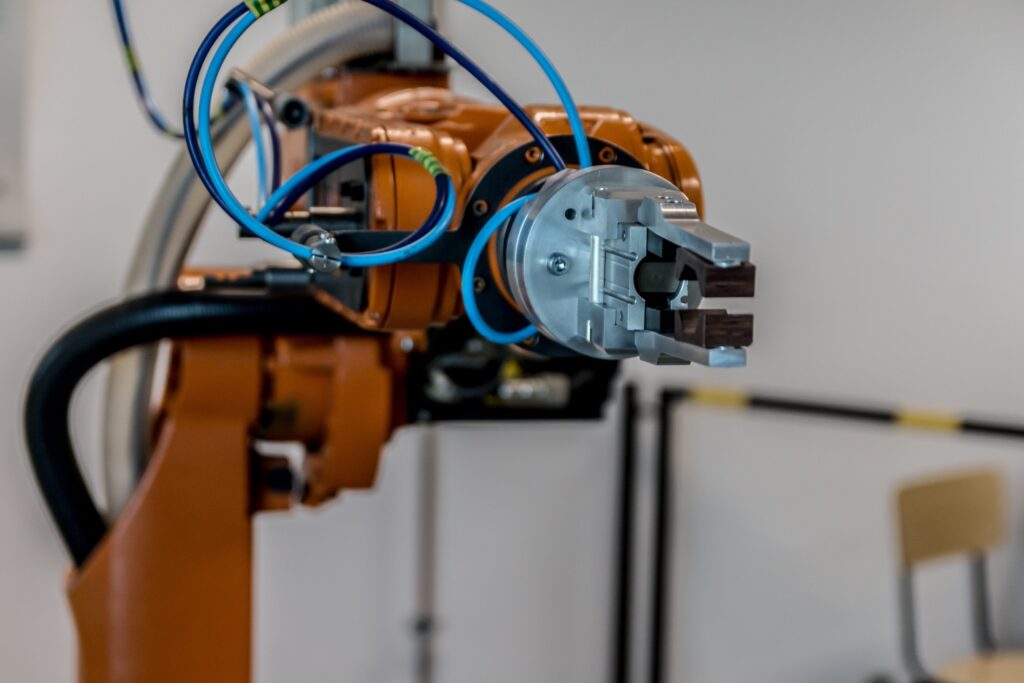
Back to school: robots learn from factory workers
Czech startup RoboTwin is revolutionizing the way robots are trained for factory work by enabling workers to teach them new skills through demonstration rather than complex coding. This innovative approach allows factory employees to perform tasks once, after which RoboTwin's technology captures the movements and translates them into actionable instructions for the robots. By simplifying the training process, RoboTwin aims to enhance efficiency and safety in manufacturing environments, particularly for dirty and dangerous jobs. The initiative reflects a growing trend in automation, where human expertise is leveraged to improve robotic capabilities, ultimately transforming the landscape of industrial labor.
Agile Robots and Google DeepMind Partner to Bring Gemini to the Factory Floor
Agile Robots, based in Munich, has entered into a strategic research partnership with Google DeepMind to enhance industrial robotics. This collaboration seeks to integrate Gemini Robotics foundation models with advanced industrial hardware, addressing the prevalent issue of data bottlenecks in the field. By leveraging a scalable AI flywheel, the partnership aims to improve the efficiency and effectiveness of robotic systems in various industries. The initiative highlights the growing intersection of artificial intelligence and robotics, as both companies work together to push the boundaries of technology and innovation.
DeepMind US Agile ONE Europe Google google-deepmind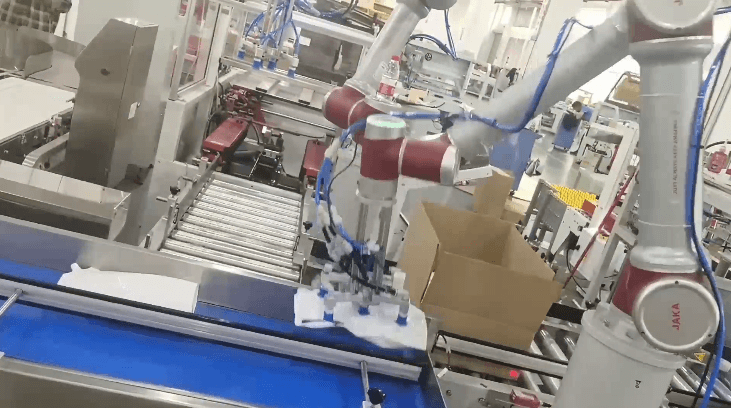
The Role of Collaborative Robots in the Future of Smart Factory Automation
As smart factories evolve, JAKA highlights a significant shift towards collaborative automation, where robots work alongside human operators rather than in isolation. This transition is driven by the need for flexible automation solutions that can adapt to changing production demands. Collaborative robots, designed for shared workspaces, assist in repetitive and precision-critical tasks, allowing manufacturers to respond swiftly to variations in product designs and smaller batch sizes without extensive reconfiguration of production lines. A notable example of this collaborative approach is the JAKA Zu7, engineered for automated screwdriving tasks that require high accuracy and stability. With adjustable torque settings tailored to specific product needs, the Zu7 ensures consistent assembly quality while integrating seamlessly into existing manufacturing processes. This capability enhances operational efficiency and quality control, reducing manual strain on workers. The integration of collaborative robots into broader automation systems is crucial for maintaining production rhythm and scalability. By combining human oversight with automated precision, these robots contribute to a balanced and sustainable production environment. JAKA envisions collaborative robot technology as essential for creating adaptable, people-centered automation systems that evolve with the manufacturing landscape, reinforcing the importance of collaboration in the future of smart factory automation.
Xiaomi says humanoid robots begin factory trials, targets large-scale deployment within five years
Xiaomi CEO Lei Jun announced that the company has initiated trial operations of its humanoid robots at its automobile factory. In a recent social media update, he revealed plans to integrate a significant number of these robots into production facilities over the next five years. This development is part of Xiaomi's ongoing efforts to enhance automation and efficiency in manufacturing, leveraging advancements in its robotics unit, which is built on a general-purpose vision-language-action (VLA) foundation. The strategic move aims to position Xiaomi at the forefront of technological innovation in the automotive sector.
News Feed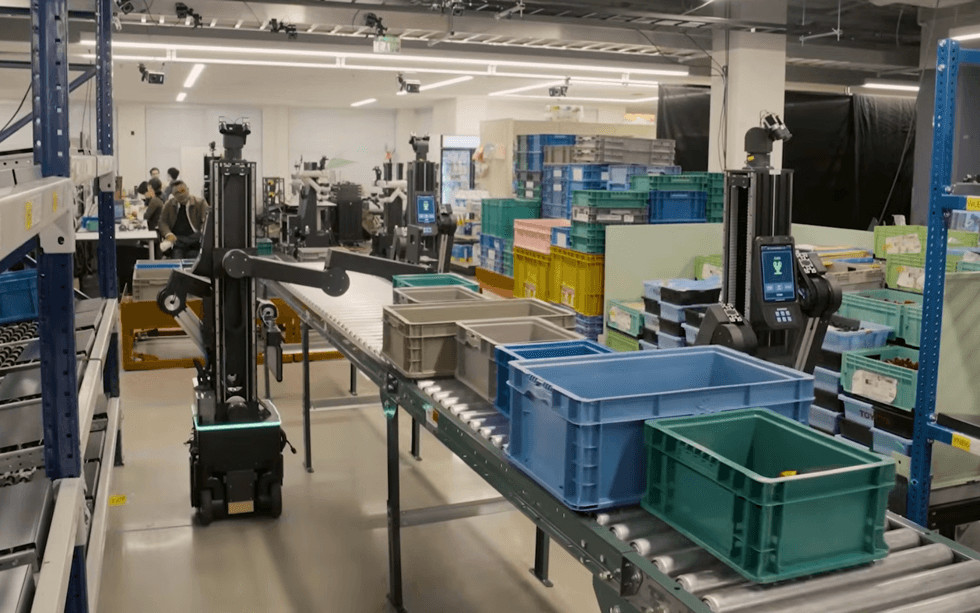
Video Friday: Autonomous Robots Learn By Doing in This Factory
In a recent edition of Video Friday, IEEE Spectrum robotics showcased a variety of innovative robotics projects and developments. Notably, scientists at the Toyota Research Institute are collaborating with Toyota Manufacturing to implement autonomous robots on factory floors, enhancing production efficiency. Zipline shared insights into their drone delivery system, detailing the challenges faced and lessons learned in its development. Humanoid introduced KinetIQ, an AI framework designed for the orchestration of humanoid robot fleets, which integrates task allocation and execution through advanced cognitive layers. Meanwhile, researchers at VISTEC unveiled a decentralized adaptive resilient neural control system (DARCON) that enables legged robots to autonomously adapt to limb loss, ensuring mission success despite mechanical failures. NASA's Jet Propulsion Lab presented an animation of the Perseverance rover's drive along the Jezero Crater, captured on December 10, 2025, showcasing the rover's navigation capabilities. Additionally, Unitree's humanoid robot G1 made its mark on the snowfields of Altay, demonstrating its adaptability in extreme conditions. The Norwegian University of Science & Technology introduced a hierarchical 3D scene graph to enhance autonomous agents' understanding of their environments. Other highlights included the HoLoArm quadrotor, which features compliant arms for improved stability, and SkyDreamer, a pioneering vision-based autonomous-drone racing policy. The event also featured demonstrations of dexterous object manipulation by the AI Worker robot and advancements in swarm robotics for architectural applications.
Video-friday Autonomous-robots Humanoid-robots Industrial-robots Robot-ai Perseverance-rover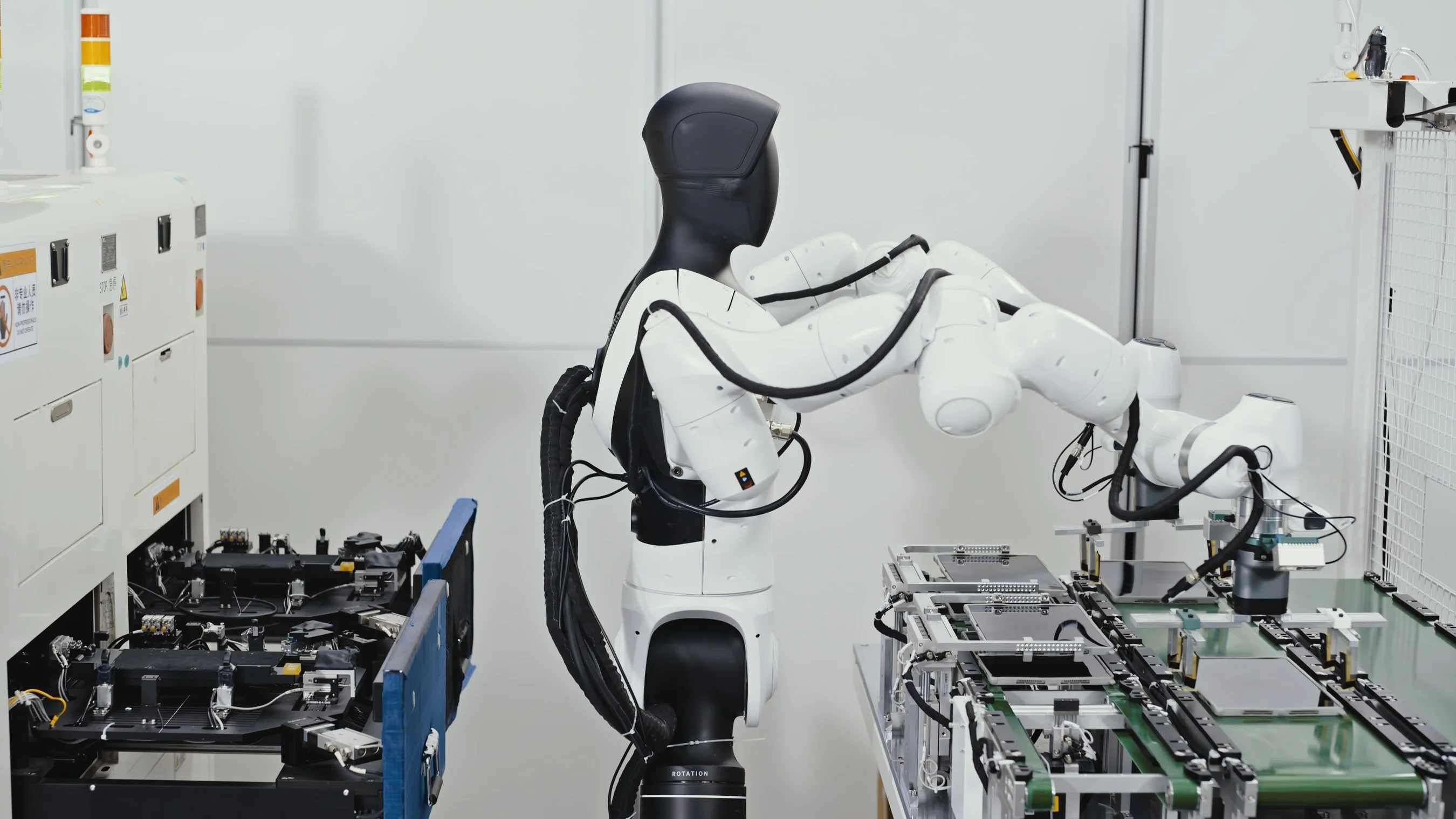
AgiBot Claims Factory Breakthrough: Robots 'Learn' New Tasks in Minutes Using Real-World RL
AgiBot has successfully implemented a real-world reinforcement learning (RW-RL) system on a pilot production line in collaboration with Longcheer Technology. This innovative approach enables industrial robots to acquire new and complex tasks in a matter of minutes, drastically reducing the time needed compared to the traditional weeks of programming and fine-tuning associated with rigid automation systems. The deployment marks a significant advancement in the efficiency and adaptability of robotic operations in manufacturing environments.
AGIBOT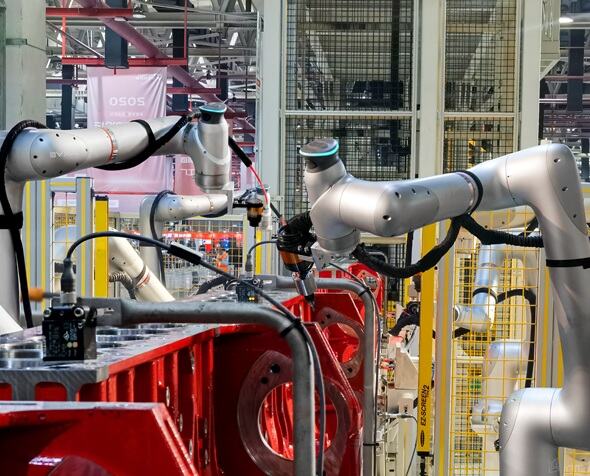
ROKAE Robots Empower Foton Cummins “Lights-Out Factory” with 24/7 Smart Production
ROKAE has successfully deployed over 100 robots across more than 30 different application scenarios, providing customized automation solutions that include machining, assembly, surface treatment, inspection, and dispensing. This significant implementation supports Foton Cummins’ lights-out factory, where these robots are integral to essential processes such as cylinder block machining, final assembly, and quality inspection. The initiative aims to enhance operational efficiency and productivity within the manufacturing environment, showcasing ROKAE's commitment to advancing industrial automation technologies.
Robotics needs a service framework.
RSF defines a common language for robot service capability, lifecycle operations, certification pathways, and service-provider networks.
Join the RobotToday community on LinkedIn
Daily robotics news, in-depth analysis, conference highlights, and discussions with professionals worldwide.







