

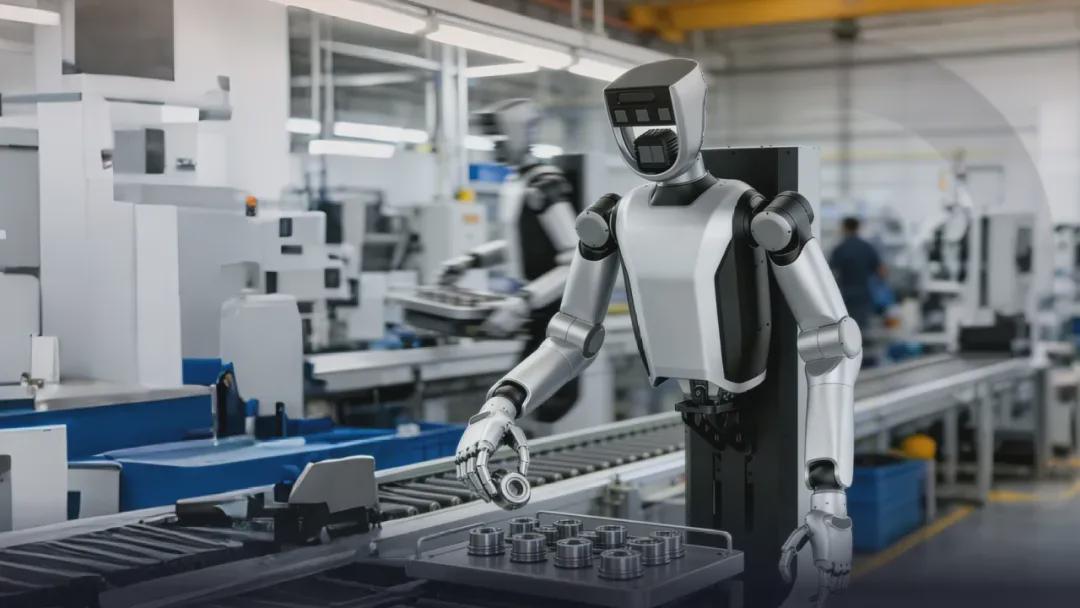
In the evolving landscape of manufacturing, factory robots, commonly referred to as industrial robots, are increasingly recognized for their functional roles rather than their mechanical specifications. JAKA, a key player in the robotics industry, emphasizes that these programmable machines are integral to various tasks such as assembly, material handling, inspection, and packaging. This shift in terminology reflects a broader trend where manufacturers prioritize practical definitions that align with workflow requirements, especially as automation becomes more flexible and collaborative.
As industrial robot suppliers, JAKA observes that factory robots are often categorized based on their application roles, such as assembly or handling robots, rather than rigid classifications. This approach not only enhances usability and safety on the production floor but also facilitates smoother integration into existing systems. The company highlights the importance of collaborative capabilities and operational flexibility in discussions with clients, positioning factory robots as adaptable tools that meet the dynamic demands of modern production environments.
Ultimately, JAKA advocates for clear and practical terminology surrounding factory robots to aid manufacturers in making informed automation decisions. By understanding the evolving definitions and applications of these robots, companies can better plan and implement effective manufacturing strategies in an increasingly automated world.

























Leave a comment