

Industry Briefing
A single destination for timely, editor-curated robotics news from around the world.

Robot Talk Episode 138 – Robots in the environment, with Stefano Mintchev
Claire recently engaged in a discussion with Stefano Mintchev, an Assistant Professor of Environmental Robotics at ETH Zürich, Switzerland. The conversation centered on the innovative use of robots designed to explore and monitor natural environments. Mintchev, who holds a Ph.D. in Bioinspired Robotics from Scuola Superiore Sant’Anna in Italy and has conducted postdoctoral research at EPFL in Switzerland, shared insights into how these advanced robotic systems can enhance our understanding of ecological systems. The dialogue highlighted the importance of integrating technology with environmental science to address pressing ecological challenges.
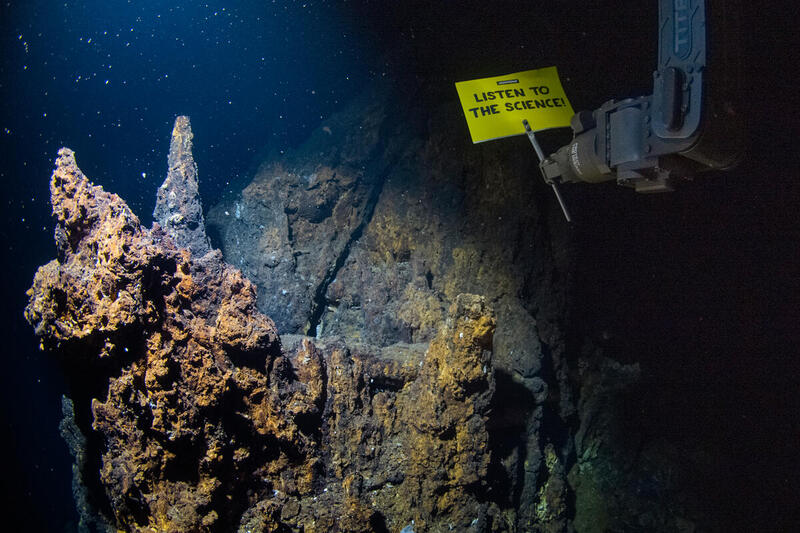
Greenpeace robot stages deepest-ever seabed protest
In a groundbreaking initiative, Greenpeace has launched an underwater robot to conduct a scientific survey of vulnerable deep-sea ecosystems along the Arctic Mid-Ocean Ridge. This event marks the deepest banner protest ever executed from the seabed, occurring at a depth of 2,300 meters. The robot displayed a powerful message urging global leaders to heed scientific advice, stating, “LISTEN TO THE SCIENCE!” The campaign aims to raise awareness about the urgent need for action to protect these unexplored marine environments. Dr. Sandra Schöttner, a key figure in the initiative, emphasized the importance of scientific research in informing policy decisions regarding environmental conservation. This innovative protest not only highlights the threats facing deep-sea ecosystems but also seeks to galvanize international attention and action on climate change and marine protection.
Environment News Arctic Ocean automation news autonomous underwater vehicles climate change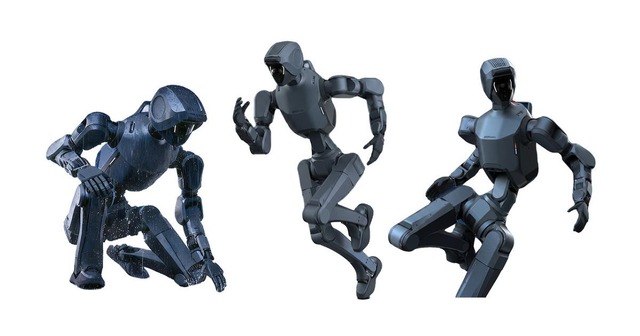
Elza Japan starts handling the world's first fully IP66 waterproof industrial humanoid, DEEPRobotics DR02.
Elsa Japan Co., Ltd. announced the launch of the DEEPRobotics DR02, an all-weather industrial humanoid robot, for the domestic market on June 18, 2026. This new product aims to enhance operational efficiency in various industries by providing advanced robotic solutions capable of functioning in diverse environmental conditions. The introduction of the DR02 reflects the growing demand for automation and robotics in Japan, as companies seek innovative technologies to improve productivity and safety in their operations.

Interview with Digid’s Nils Könne and Christian Kreil: Nanoscale sensors could help solve robotics’ tactile sensing challenge
The swift advancement of artificial intelligence and robotics is drawing significant attention to software and powerful processors, particularly large language models. However, experts emphasize that for robots to function effectively in real-world settings, they require a fundamental capability: advanced environmental sensing and understanding. This necessity is driving increased interest and investment in cutting-edge sensing technologies, as researchers and developers seek to enhance robots' interaction with their surroundings. The push for these innovations is becoming more pronounced as industries recognize the potential of robots to perform complex tasks in various environments, highlighting the importance of integrating sophisticated sensory systems into robotic designs.
Features Science Sensors Technology AI infrastructure automation news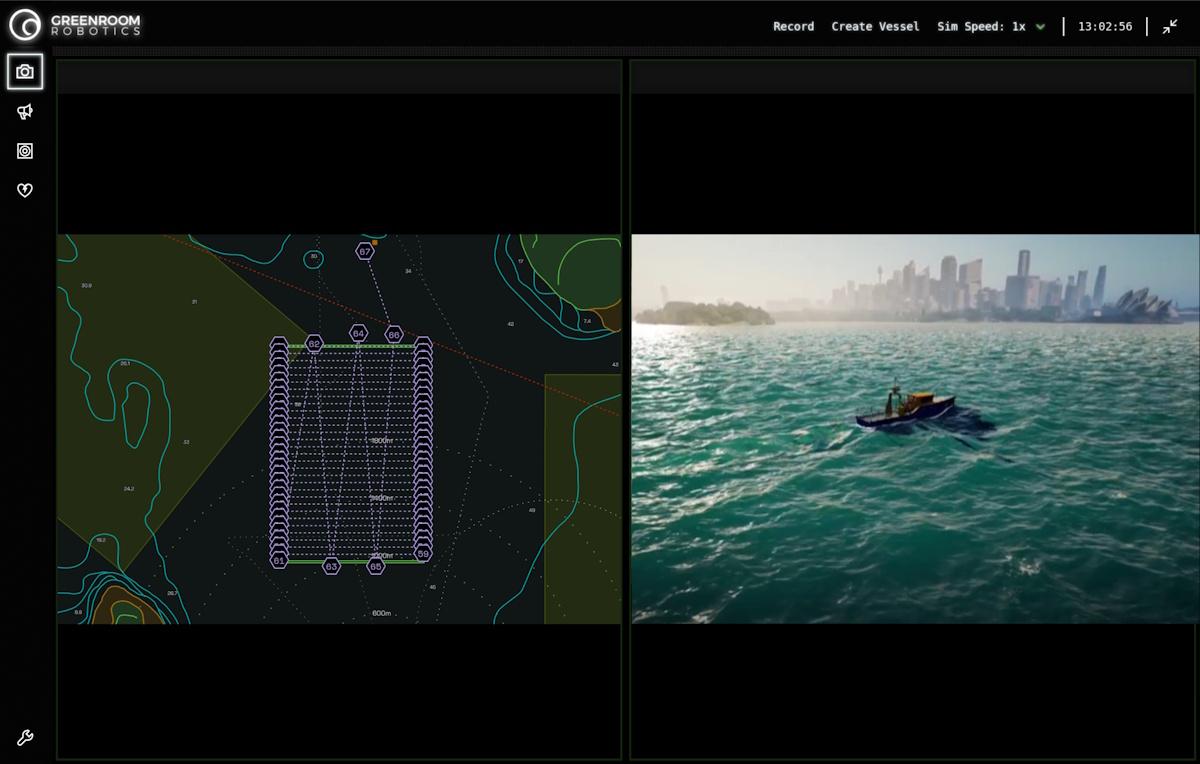
Seabed 2030 and Greenroom Robotics Announce Partnership to Support Global Ocean Mapping
The Nippon Foundation-GEBCO Seabed 2030 Project has formed a partnership with Greenroom Robotics, an Australian company specializing in artificial intelligence and autonomy for maritime operations. This collaboration aims to enhance the safety, efficiency, and environmental sustainability of maritime activities through advanced perception and autonomy software. The announcement highlights the growing importance of innovative technologies in supporting responsible maritime practices as the project continues its mission to map the world's seabed by 2030.
seabed 2030 greenroom robotics partnership global ocean mapping
Cellula Robotics to Showcase Long-Range Subsea Autonomy at Oceanology International 2026
Cellula Robotics Ltd. has announced its participation in Oceanology International 2026, scheduled for March 10-12, 2026, at ExCeL London. The company will be located at Stand C601, where it plans to provide valuable insights into long-range subsea autonomy and deployment readiness. The exhibition will focus on the practical aspects of endurance, repeatable workflows, and support models relevant to defense, offshore survey, and environmental applications. This initiative aims to showcase Cellula's expertise and innovations in subsea technology to industry professionals and stakeholders.
cellula robotics showcase long-range subsea autonomy oceanology international 2026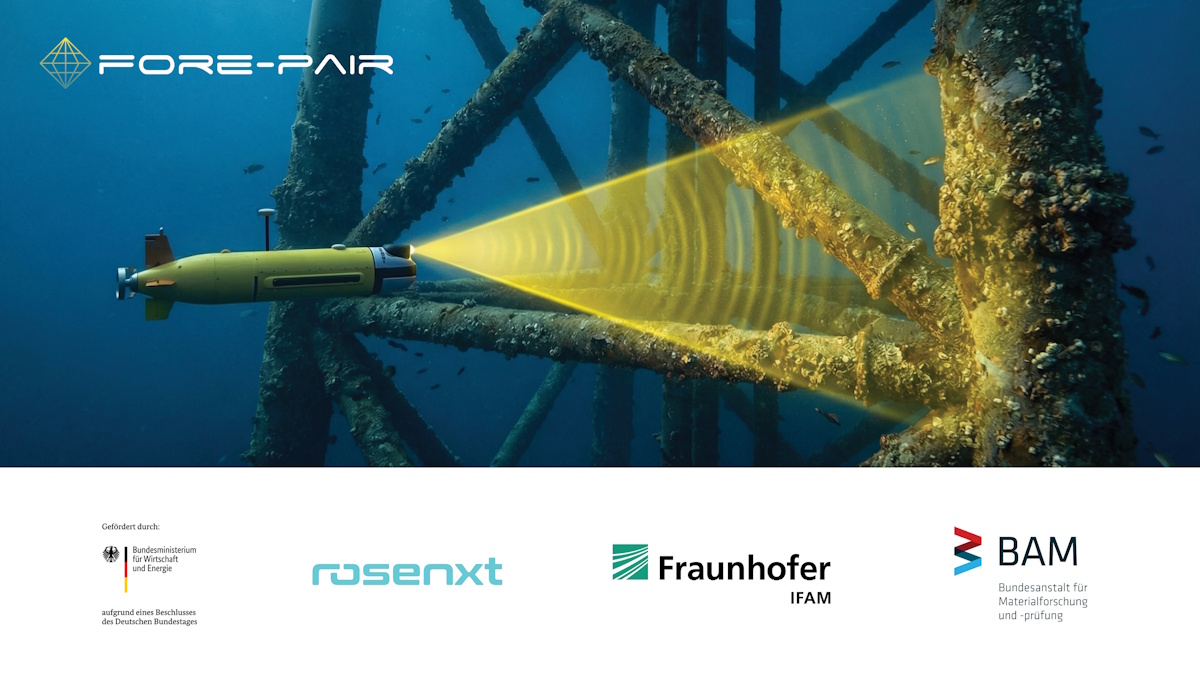
Federal Funding for Autonomous Underwater Robotics Project to Inspect Floating Offshore Energy Platforms
The FORE-PAIR consortium has officially launched a project aimed at developing autonomous robotic technologies for the inspection, maintenance, and cleaning of floating offshore energy platforms, including floating wind and solar systems. This initiative is backed by approximately 10 million euros in federal funding. The project is set to enhance the efficiency and sustainability of offshore energy production, addressing the growing demand for renewable energy sources. By leveraging advanced robotics, the consortium aims to streamline operations and reduce the environmental impact associated with traditional maintenance methods. The project is expected to contribute significantly to the future of offshore energy infrastructure, promoting innovation in the sector.
funding autonomous underwater robotics
Nauticus Robotics Announces Movement of Second Aquanaut Vehicle into the Acceptance Testing Phase
Nauticus Robotics, a prominent player in the field of autonomous subsea robotics and software, has successfully completed the assembly of its second flagship underwater vehicle, the Aquanaut Mark 2. This significant milestone marks a key advancement in the company's efforts to enhance underwater exploration and operations. The announcement comes as Nauticus continues to push the boundaries of technology in the subsea sector, aiming to provide innovative solutions for various industries, including oil and gas, environmental monitoring, and underwater infrastructure maintenance. The Aquanaut Mark 2 is expected to play a crucial role in expanding the capabilities of autonomous underwater vehicles, further solidifying Nauticus's position as a leader in this emerging field.
nauticus robotics second aquanaut vehicle acceptance testing phase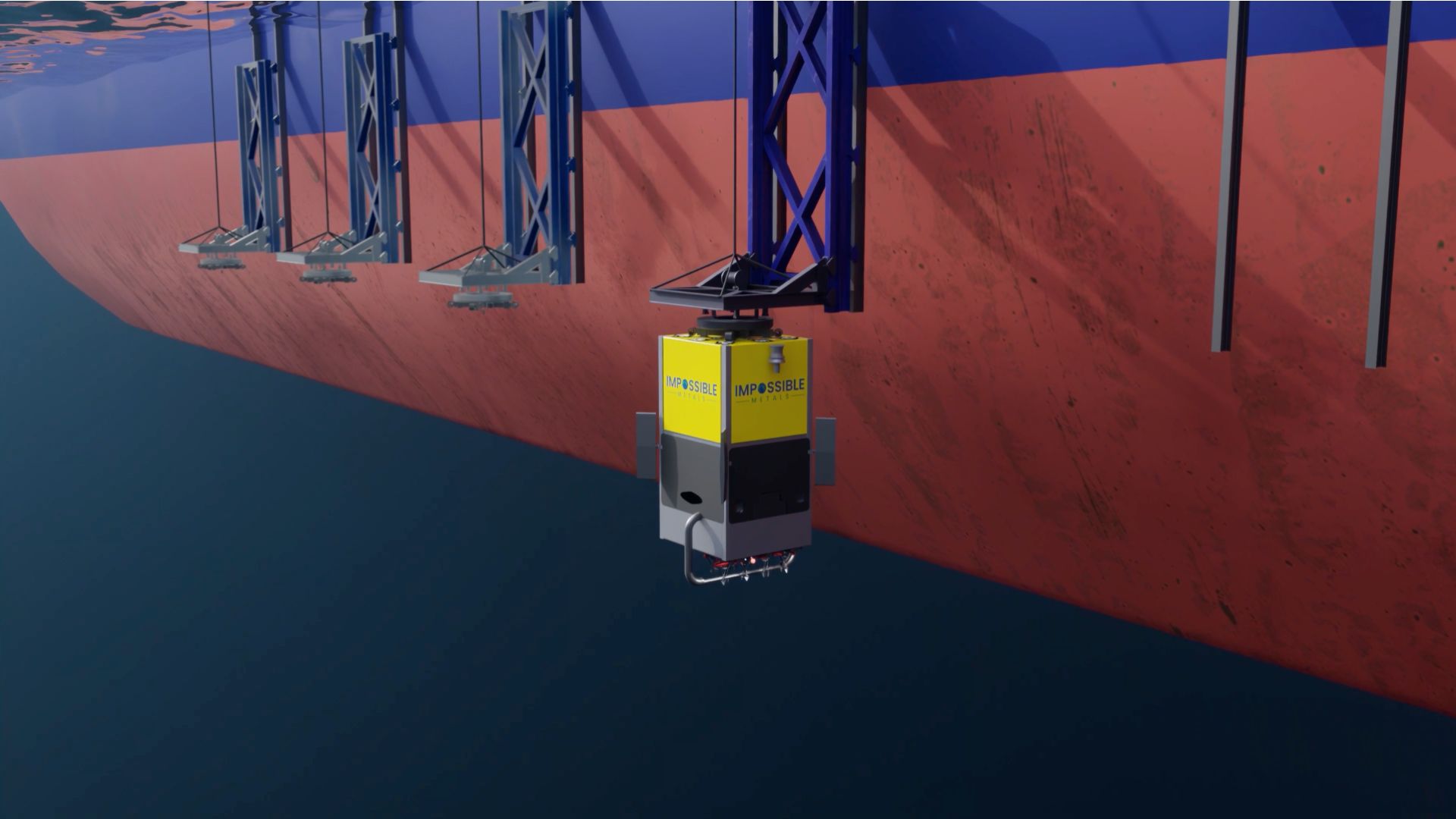
Impossible Metals to Launch Advanced Marine Robotics Hub for Deep-Sea Mineral Harvesting
Impossible Metals, a US mining technology company, has announced plans to establish an Advanced Marine Robotics Hub in Pittsburgh, Pennsylvania. This facility will focus on developing autonomous marine systems for the deep-sea collection of critical minerals, creating over a dozen high-paying engineering and science jobs. The hub aims to enhance US capabilities in marine robotics and critical mineral technologies through collaboration with local universities and researchers. The significance of this initiative lies in its potential to redefine deep-sea mining practices. According to Mike Regan, Chief Growth Officer at Impossible Metals, the hub will enable swarms of autonomous robots to harvest critical minerals like nickel, cobalt, copper, and manganese with minimal environmental impact. This approach not only promises to produce the lowest-cost critical metals on Earth but also aims to strengthen the US supply chain and reduce reliance on foreign sources of essential materials. Looking ahead, the Advanced Marine Robotics Hub will serve as the primary research center for advancing the Eureka autonomous underwater platform and Smart Launch and Recovery Systems. The company plans to continue developing dual-use technologies that cater to both commercial and naval applications. No further timeline was disclosed at the time of publication.
AI and Robotics
Bio-hybrid robotics system ‘listens’ to cyborg insects for collaborative control
Japanese researchers have unveiled an innovative method for controlling cyborg insects, aiming to enhance the understanding of their behavior and capabilities. This groundbreaking development was announced during a recent conference held in Tokyo, where scientists discussed advancements in bioengineering and robotics. The motivation behind this research stems from the potential applications in environmental monitoring and disaster response, where these engineered insects could play a crucial role in collecting data from hard-to-reach areas. The researchers have integrated electronic components into the insects, allowing for remote control and manipulation of their movements. This process involves sophisticated techniques that blend biology with technology, enabling the insects to be guided through various environments. The team believes that by mastering this control, they can create a new class of biohybrid systems that could revolutionize how we interact with the natural world. As the project progresses, the researchers are optimistic about the implications of their work, which could lead to significant advancements in both ecological research and practical applications in urban planning and emergency management. The findings from this study are expected to be published in a leading scientific journal, further contributing to the growing field of cyborg biology.

BM3D‐Based Optical Flow Tracking for Enhanced Visual Simultaneous Localization and Mapping Systems in Mobile Robotics
The Journal of Field Robotics has recently published an early view article highlighting advancements in robotic technology. This publication, released in October 2023, showcases innovative research that aims to enhance the capabilities of field robots in various applications, including agriculture, search and rescue, and environmental monitoring. The research is driven by the growing need for automation and efficiency in these sectors, as well as the increasing complexity of tasks that robots are expected to perform. The findings suggest that integrating advanced algorithms and machine learning techniques can significantly improve the performance and adaptability of robotic systems in real-world scenarios. This research not only contributes to the academic field but also has practical implications for industries looking to leverage robotics for improved operational efficiency and safety.
RESEARCH ARTICLE
Automation and Industrial Robotics for Small Workshops: Overcoming Budget Barriers
Small workshops are increasingly recognizing the potential of automation and industrial robotics, despite initial investment concerns. A company specializing in these technologies is addressing the challenges faced by smaller operations by promoting the integration of collaborative robots, or cobots, such as the JAKA Pro5. This solution allows workshops to enhance productivity and efficiency without the burden of significant upfront costs. The JAKA Pro5 is designed for easy deployment in limited spaces, featuring a maintenance-free integrated joint system that ensures high precision with minimal upkeep. Its robust environmental adaptability makes it suitable for various industrial conditions, allowing small teams to automate multiple processes effectively. To alleviate budget constraints, the company collaborates with clients to identify key areas for automation, enabling a gradual implementation of robotic capabilities. This approach allows workshops to spread costs over time while achieving measurable improvements in productivity and maintaining safety standards. By strategically adopting JAKA technology, small workshops can unlock their industrial potential, optimize workflows, and remain competitive in the market, even with limited financial resources. The company emphasizes that advanced industrial automation is accessible to businesses of all sizes, empowering smaller operations to innovate and grow.
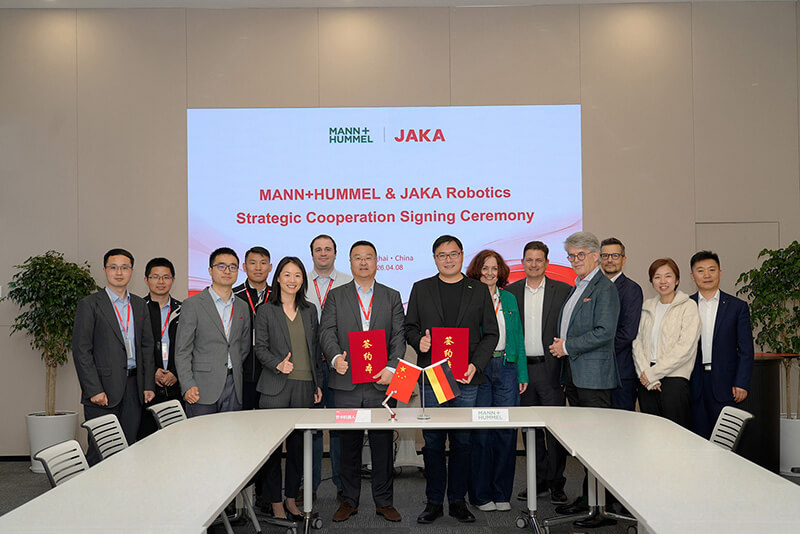
JAKA Robotics and MANN+HUMMEL China Partner to Automate Sustainable Filtration Production
JAKA Robotics, a leader in intelligent robotics, has partnered with MANN+HUMMEL Filter (Shanghai) to enhance smart and sustainable filtration solutions, particularly in the mobility sector. The collaboration aims to integrate JAKA's advanced robotic technology with MANN+HUMMEL's extensive industry knowledge to improve the efficiency of filtration manufacturing processes. This strategic alliance was formalized during a signing ceremony attended by senior executives from both companies, including Kurk Wilks, CEO of MANN+HUMMEL, and Liz Chang, Vice President of JAKA Robotics. The partnership reflects a shared commitment to advancing smart manufacturing practices and aims to contribute to the long-term sustainability of the filtration industry. JAKA Robotics, founded in 2014, has established itself as a global player in the robotics field, serving over 1,500 clients worldwide, including major automotive brands. MANN+HUMMEL, with an 85-year legacy in filtration, is focused on developing innovative solutions for cleaner mobility and environmental applications. This collaboration is expected to accelerate the transition towards energy-efficient filtration technologies, benefiting both companies and the broader industry.
The Shifting Paradigms of Disaster Robotics Three Decades of Research
A recent study published in the Journal of Field Robotics highlights advancements in robotic technology aimed at improving agricultural efficiency. Researchers from a leading university conducted experiments over the past year, focusing on the integration of autonomous robots in crop monitoring and management. The trials took place in various agricultural settings across the Midwest, where the team sought to address the growing challenges of labor shortages and the need for sustainable farming practices. The motivation behind this research stems from the increasing demand for food production and the necessity to optimize resource use in agriculture. By employing cutting-edge robotics, the researchers aimed to demonstrate how these machines can enhance precision in tasks such as planting, watering, and pest control. The study involved deploying multiple robotic prototypes equipped with advanced sensors and AI algorithms to gather data and perform tasks autonomously. Results from the trials indicate that the use of these robots not only improved operational efficiency but also reduced the environmental impact of farming activities. The findings suggest that integrating robotics into agricultural practices could be a viable solution to meet the demands of a growing population while promoting sustainable farming methods. As the agricultural sector continues to evolve, this research paves the way for further innovations in the use of robotics to support food production and resource management.
RESEARCH ARTICLE
REQDGAN‐TUA: A Reflection Equivariant Quantum Graph Attention Framework With Tactical Unit Optimization for Intelligent Fault Diagnosis in Industrial Robotics
A recent study published in the Journal of Field Robotics highlights advancements in robotic technology, focusing on the development of autonomous systems capable of navigating complex environments. Conducted by a team of researchers from various institutions, the study was released in May 2026 and aims to enhance the efficiency and safety of robotic operations in fields such as agriculture, search and rescue, and environmental monitoring. The researchers utilized cutting-edge algorithms and machine learning techniques to enable robots to interpret and respond to dynamic surroundings. This innovation is particularly significant as it addresses the growing demand for automation in sectors where human intervention can be hazardous or inefficient. By testing these autonomous systems in real-world scenarios, the team demonstrated their potential to operate effectively in unpredictable conditions, which could revolutionize how tasks are performed in challenging environments. The findings underscore the importance of continued investment in robotics research to improve safety, productivity, and operational capabilities across various industries. This study not only contributes to the academic field but also has practical implications for industries looking to integrate advanced robotics into their operations, paving the way for a future where robots can work alongside humans more seamlessly.
RESEARCH ARTICLE
Robot Talk Episode 145 – Robotics and automation in manufacturing, with Agata Suwala
Claire recently engaged in a discussion with Agata Suwala, a Technology Manager at the Manufacturing Technology Centre, focusing on the integration of robotics to enhance sustainability in manufacturing systems. Suwala, who has over ten years of experience in research and development, is at the forefront of innovation in automation and robotics. The conversation highlighted the importance of adopting advanced manufacturing technologies to reduce environmental impact and improve efficiency. By leveraging robotics, manufacturers can streamline processes, minimize waste, and create more sustainable production methods. This dialogue underscores the growing trend in the industry to prioritize sustainability through technological advancements, reflecting a broader commitment to environmental responsibility in manufacturing practices.

Kinisi Robotics Deploys Wheeled Humanoid for Glass Sorting
A startup based in New York City and Bristol has launched its first practical application of technology by deploying its wheeled KR1 robot to sort glass bottles at a facility in the UK. This marks a significant milestone for the company as it transitions from laboratory development to real-world operations. The initiative aims to enhance recycling efficiency and address the growing need for sustainable waste management solutions. By utilizing advanced robotics, the startup seeks to streamline the sorting process, reduce human labor, and improve overall productivity in recycling facilities. The KR1 robot's deployment is part of a broader effort to innovate within the recycling industry and contribute to environmental sustainability.
Kinisi
Rethinking packaging - with the help of robotics: Apply now for the KUKA Innovation Award 2026
The packaging industry, a crucial component of the modern economy, is undergoing significant transformation as it seeks to enhance sustainability. In response to this pressing need, KUKA has launched a new round of its Innovation Award, inviting participants to submit creative and innovative ideas that leverage robotics to improve packaging sustainability. This initiative aims to address the environmental challenges associated with packaging materials and processes, encouraging advancements that could lead to more eco-friendly solutions. The competition is open to innovators and thinkers who can contribute to a more sustainable future in packaging, showcasing the potential of robotics in this vital sector.
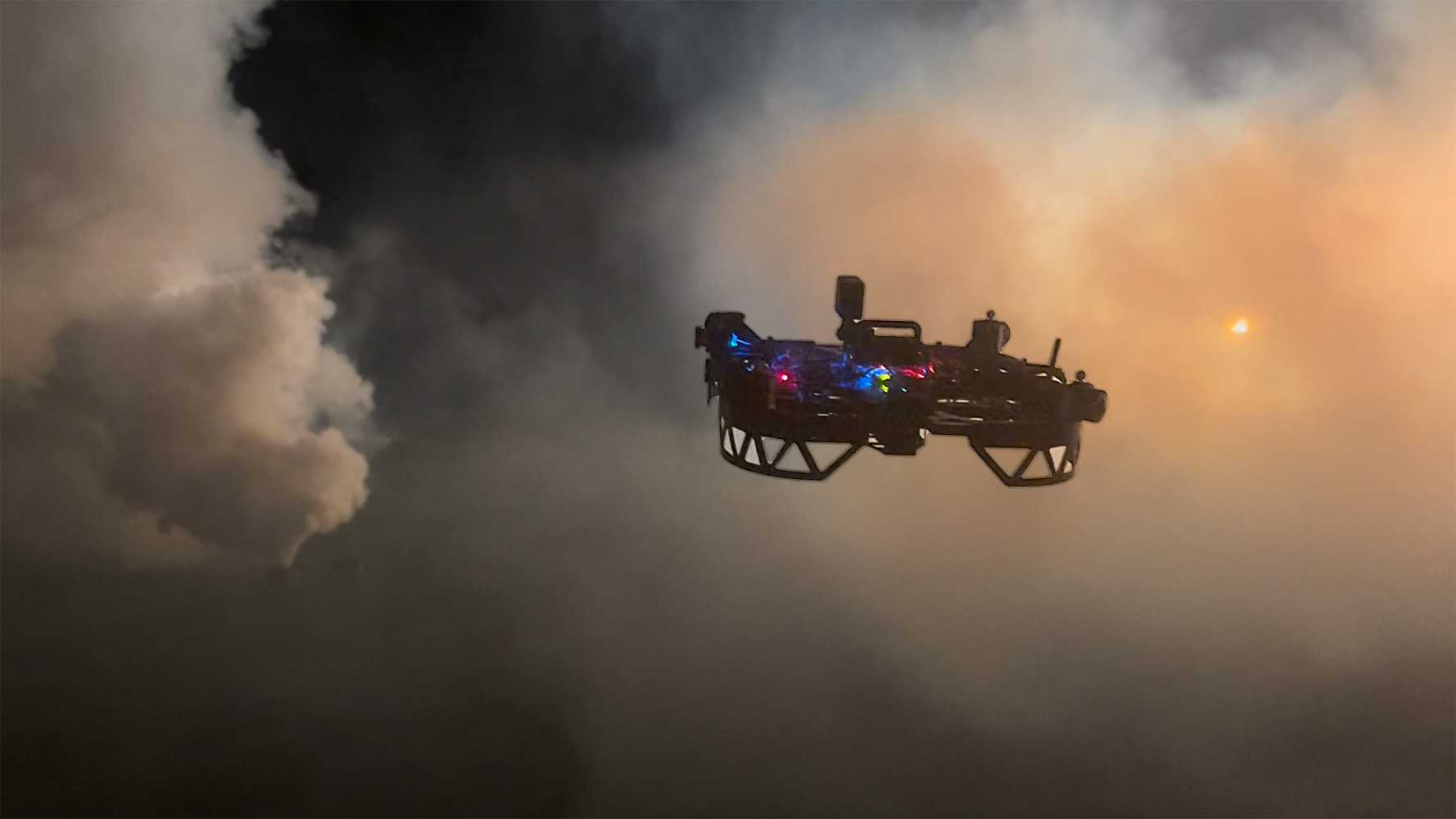
Robotics Institute Developing Drones To Fight Wildfires
Researchers at Carnegie Mellon University's Robotics Institute are developing drones aimed at combating wildfires, a project inspired by the brown haze that enveloped Pittsburgh and other U.S. cities last summer. This haze was a result of unprecedented wildfires in Canada, which served as a stark reminder of the growing threat posed by such natural disasters. The initiative seeks to enhance firefighting capabilities and mitigate the impacts of wildfire smoke on urban areas. By leveraging drone technology, the Robotics Institute aims to improve monitoring and response efforts during wildfire events, ultimately contributing to better environmental management and public safety.
Uncategorized
ARGOS-X from Forssea Robotics Performs Resident ROV Demo at IFREMER Pools
The RESIDENT R&D program, initiated two years ago in partnership with IFREMER, is focused on developing and qualifying technological components for remotely operated vehicles (ROVs) to ensure their long-term residency on the seabed. This innovative project aims to enhance the capabilities of ROVs for underwater exploration and research by improving their durability and functionality in challenging marine environments. The collaboration seeks to address the growing need for advanced underwater technology as industries increasingly rely on ROVs for tasks such as environmental monitoring, resource exploration, and scientific research. The program is set to continue its efforts into 2024, with ongoing testing and evaluation of the technologies being developed.
argos-x forssea robotics resident rov demo ifremer
Ocean Robotics Planet Magazine Issue 43 is out NOW!
A new report has been released by a team of researchers from the University of California, highlighting significant advancements in renewable energy technologies. The findings were published on October 15, 2023, during a conference held in San Francisco, aimed at addressing the urgent need for sustainable energy solutions amid rising climate concerns. The researchers emphasized the importance of these innovations in reducing carbon emissions and combating climate change, showcasing various breakthroughs in solar and wind energy efficiency. The report outlines how these technologies can be implemented on a larger scale to meet global energy demands while minimizing environmental impact. By collaborating with industry leaders and policymakers, the team aims to accelerate the adoption of these renewable solutions, ultimately contributing to a more sustainable future.
ocean robotics planet magazine rov planet magazine issue 43 2025
Ocean Robotics Planet Buyer's Guide 2025
A new report has been released by the World Health Organization (WHO) detailing the global impact of climate change on public health. The document, published on October 10, 2023, highlights alarming trends in health risks associated with rising temperatures, air pollution, and extreme weather events. The report emphasizes that vulnerable populations, particularly in low-income countries, are disproportionately affected due to limited resources and inadequate healthcare systems. The WHO urges governments worldwide to take immediate action to mitigate climate change and protect public health. This includes implementing policies aimed at reducing greenhouse gas emissions, promoting sustainable practices, and enhancing healthcare infrastructure to better prepare for climate-related health challenges. The findings underscore the urgent need for a coordinated global response to address the intertwined crises of climate change and health, as the effects are expected to worsen in the coming years if no significant measures are taken. This comprehensive analysis serves as a call to action for policymakers, health professionals, and communities to prioritize environmental health and work collaboratively towards sustainable solutions that safeguard both the planet and public health.
ocean robotics planet buyer's guide 2025 rov/auv parts & equipment suppliers
MIT and EPFL Develop Aerial-Aquatic Robot for Enhanced Environmental Studies
In a groundbreaking demonstration, two full teams of humanoid robots engaged in an 11-vs-11 soccer match at RoboCup 2026 in Incheon, South Korea, marking a significant milestone in robotic sports. This event showcased the advancements in humanoid robotics, with Tech United competing against IRIS, bringing the vision of robot soccer closer to reality. The significance of this event lies in its potential to drive interest and investment in humanoid robotics and AI technologies. As robots like Boston Dynamics' Atlas perform in front of large audiences, the market for humanoid robots in entertainment and practical applications is expected to grow. Additionally, the introduction of advanced robotic hands by 1X, featuring 25 degrees of freedom, highlights the ongoing evolution in dexterity and manipulation capabilities. Looking ahead, the next major robotics events include the Summer School on Multi-Robot Systems in Prague from July 29 to August 4, 2026, and IROS 2026 in Pittsburgh from September 27 to October 1, 2026. These gatherings will likely showcase further advancements in robotics and provide a platform for collaboration and innovation in the field. No further timeline was disclosed at the time of publication.
Video-friday Humanoids Robotics World-cup
Underwater ribbon cutting ushers in new URI Ocean Robotics Laboratory
The Narragansett Bay Campus recently celebrated a significant milestone, marking a pivotal moment in its development and contributions to marine research and education. The event, which took place on October 15, 2023, brought together faculty, students, and community members to recognize the campus's achievements and future goals. This gathering highlighted the institution's commitment to advancing knowledge in marine sciences and fostering collaboration among researchers. Attendees participated in various activities, including presentations and discussions, aimed at showcasing the campus's innovative projects and its role in addressing environmental challenges. The celebration underscored the importance of the Narragansett Bay Campus as a hub for scientific inquiry and community engagement, reinforcing its mission to enhance understanding of marine ecosystems and promote sustainability efforts in the region.

Why Serve Robotics (SERV) Is Emerging as a Physical AI Growth Story
A significant event unfolded recently as a coalition of environmental organizations and local activists gathered to protest against a proposed oil drilling project in the Arctic National Wildlife Refuge. This demonstration took place on Saturday, October 14, 2023, in Washington, D.C., where hundreds of participants voiced their concerns over the potential ecological impact of the drilling. The protest aimed to raise awareness about the threats to wildlife and climate change posed by fossil fuel extraction in one of the nation’s most pristine natural areas. Activists emphasized the need for sustainable energy solutions and urged lawmakers to prioritize environmental protection over economic gains. The coalition organized the event through social media campaigns and grassroots mobilization, highlighting the urgency of the climate crisis and the importance of preserving natural habitats for future generations.

NautiGEN Launches Hydrogen Power Solutions for Maritime Operations, Autonomous Systems and Subsea Applications
On World Oceans Day, NautiGEN, Inc. officially launched as a new player in the maritime hydrogen power sector. The company, a collaboration between Cellula Robotics and Infinity Fuel Cell and Hydrogen, Inc., aims to revolutionize maritime operations, autonomous systems, and subsea applications by providing high-density fuel cell power solutions. This initiative is driven by the need for sustainable energy alternatives in the maritime industry, addressing both environmental concerns and the demand for efficient power sources. NautiGEN's innovative approach is expected to enhance the performance and sustainability of various maritime technologies, marking a significant step forward in the transition to cleaner energy solutions at sea.
cellula robotics nautigen hydrogen power maritime operations autonomous systems subsea applications
FORSSEA & DOS to Offer Joint Underwater Services
Forssea Robotics has entered into a gentleman's agreement with Deep Ocean Search (DOS) and its French affiliate, The Deep Company (TDC), to provide enhanced survey-augmented remotely operated vehicle (ROV) services on a global scale. This collaboration aims to leverage the expertise of both companies in underwater exploration and data collection, enhancing the efficiency and effectiveness of marine surveys. The agreement marks a significant step in expanding the reach of advanced ROV technology, facilitating improved operations in various underwater environments. The partnership is expected to benefit industries such as oil and gas, environmental monitoring, and underwater construction, addressing the growing demand for sophisticated marine survey solutions.
forssea robotics deep ocean search (dos) joint underwater services
Current Disturbances Impacting Online Localization for Autonomous Underwater Vehicles
The Journal of Field Robotics has published an early view article discussing the challenges of online localization for autonomous underwater vehicles (AUVs) in the presence of current disturbances. This research highlights the difficulties faced by AUVs when global references are not available, which is crucial for their navigation and operational efficiency. Understanding how current disturbances affect AUV localization is significant as it directly impacts the effectiveness of underwater missions. Accurate localization is essential for various applications, including environmental monitoring, underwater exploration, and military operations. The findings from this study could lead to improved algorithms and technologies that enhance the reliability of AUVs in challenging underwater environments. Future research should focus on developing advanced localization techniques that can mitigate the effects of current disturbances on AUVs. As underwater exploration continues to grow, the demand for reliable AUV navigation systems will increase. No further timeline was disclosed at the time of publication.
RESEARCH ARTICLE
Agile Multiskill Locomotion Techniques for Quadrupedal Robots in Natural Environments
A recent study published in Science Robotics explores advanced locomotion techniques for quadrupedal robots designed for outdoor environments. The research focuses on developing agile and perceptive multiskill locomotion capabilities that enable these robots to navigate complex terrains effectively. This advancement is significant as it enhances the operational versatility of quadrupedal robots, making them more suitable for various applications in challenging environments. By improving their ability to adapt to different terrains, these robots can be utilized in fields such as search and rescue, environmental monitoring, and exploration. Looking ahead, the implications of this research could lead to further innovations in robotic mobility and autonomy. No further timeline was disclosed at the time of publication.
Research Article
MIT Develops FloatForm Swarm of Autonomous Boats for Adaptive Marine Infrastructure
MIT researchers have unveiled FloatForm, a swarm of 21-centimeter-square autonomous robotic boats capable of self-assembling into floating structures. Each boat is equipped with thrusters, sensors, and a magnetic latching mechanism, allowing them to connect and reconfigure with minimal human intervention. This modular system can adapt to various environments, supporting applications such as emergency response, temporary bridges, and floating markets in waterways across diverse geographies. The significance of FloatForm lies in its decentralized swarm robotics approach, which enables the boats to make local decisions rather than relying on a central controller. This design enhances scalability and efficiency, allowing the robots to navigate and coordinate independently while maintaining robust structural integrity. The innovative magnetic latching system, inspired by origami, allows for reliable connections between boats, facilitating the creation of larger, adaptive structures on water. Future developments will focus on expanding the capabilities of FloatForm for use in canals, rivers, and coastal areas. The researchers aim to deploy larger versions of the robots for various applications, including temporary infrastructure and environmental monitoring. No further timeline was disclosed at the time of publication, but the potential for this technology to transform marine operations is significant, as noted by experts in the field.
AI and Robotics
Chinese Companies Explore World Models for AI Simulation of Environments
Artificial intelligence is evolving with a focus on 'world models,' which simulate environmental responses to actions. This shift is gaining traction among Chinese companies, expanding the application of these models beyond traditional physics and robotics. The technology is still developing, with no clear consensus on its final form, indicating a significant area of exploration for AI advancements. The significance of world models lies in their potential to enhance AI's predictive capabilities, allowing systems to anticipate changes in both physical and digital environments. This could lead to improved decision-making processes across various sectors, as companies leverage these models to better understand and interact with their surroundings. The growing interest from major tech firms highlights the competitive landscape surrounding this emerging technology. Looking ahead, the development of world models is expected to progress, although specific timelines for advancements or implementations remain undisclosed. As the industry continues to explore this frontier, stakeholders should monitor the evolution of standards and applications that will shape the future of AI simulation technologies.

MIT Develops FloatForm Swarm of Modular Aquatic Robots for Dynamic Structures
MIT researchers have unveiled FloatForm, a swarm of small square robotic boats capable of self-assembly into larger structures on water. This innovative system allows the robots to break apart and reconfigure with minimal human intervention, showcasing a new approach to aquatic construction. The project emphasizes the potential for dynamic, adaptable structures in marine environments, with applications in environmental monitoring and infrastructure development. The significance of FloatForm lies in its ability to create modular and reconfigurable structures, which can respond to changing environmental conditions. This technology could revolutionize how we think about construction and deployment in aquatic settings, offering flexibility and efficiency in design. The robots' self-assembly capabilities could lead to advancements in marine architecture and environmental sustainability. Looking ahead, the next steps for the FloatForm project include further testing and potential applications in real-world scenarios. No further timeline was disclosed at the time of publication, but the implications of this technology could influence future developments in robotics and marine engineering.
Robotics
New Birdlike Robot Mimics Diving Birds with Swimming and Flying Capabilities
A new birdlike robot has been developed that can swim underwater and transition into flight without the need for paddling. This innovative design mimics the natural behaviors of various diving birds, such as loons and gulls, which are known for their dual capabilities. The robot's ability to seamlessly switch between swimming and flying represents a significant advancement in biomimetic robotics. This technology is significant as it opens up new possibilities for aerial and aquatic exploration, potentially enhancing search and rescue operations, environmental monitoring, and wildlife observation. By emulating the mechanics of birds that can both swim and fly, the robot could improve efficiency in navigating diverse terrains and conditions. The integration of these functionalities could lead to more versatile robotic applications in various industries. Future developments to watch include enhancements in the robot's propulsion systems and control mechanisms to improve its performance in both environments. No further timeline was disclosed at the time of publication, but ongoing research in biomimetic designs may yield additional breakthroughs in the near future.
Robotics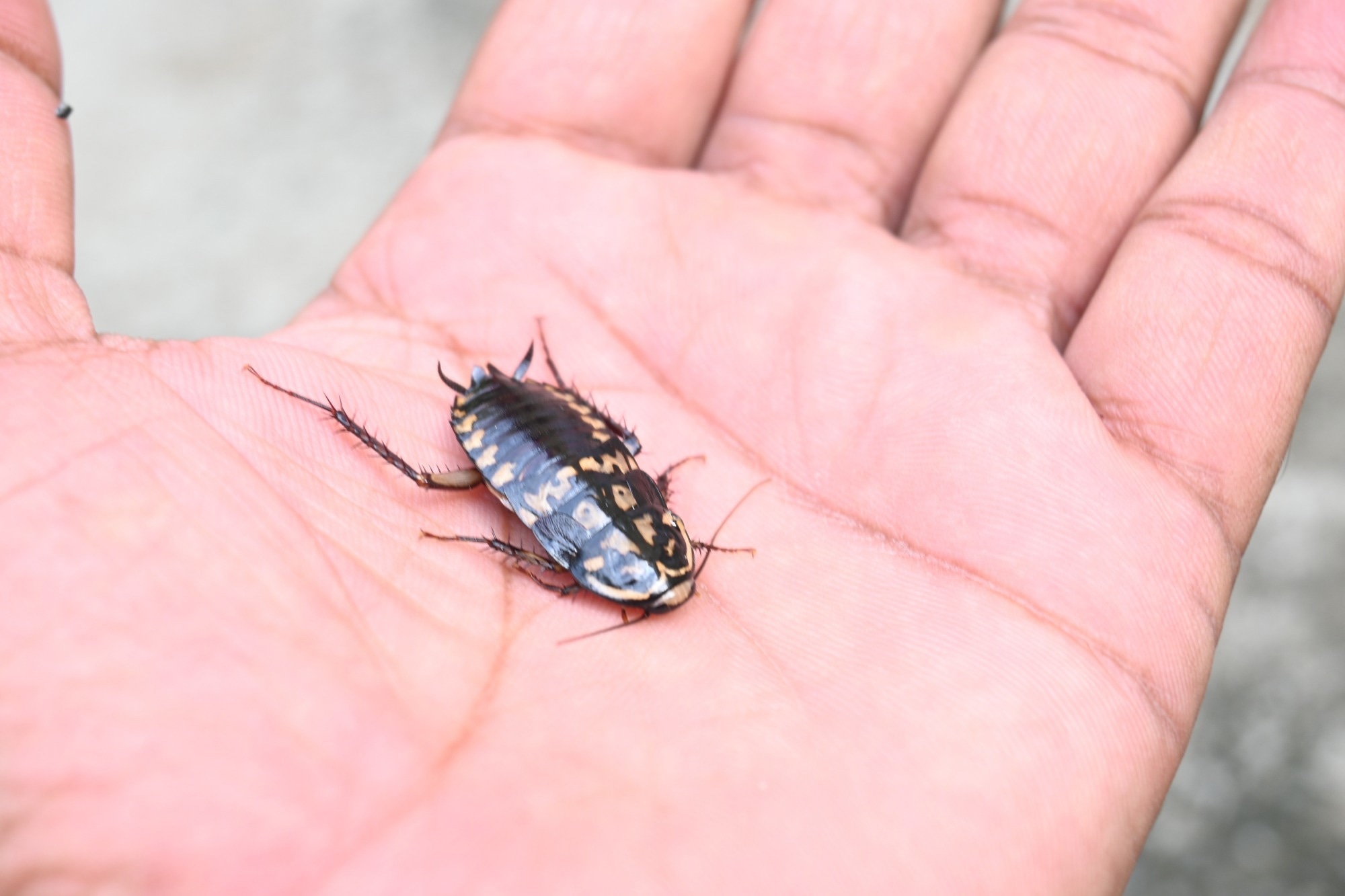
Cyborg Cockroaches Equipped with Diving Suits Achieve Three-Hour Submersion
Researchers have developed a miniature diving suit for cyborg cockroaches, allowing them to navigate both land and water environments. This innovation enables the cockroaches to survive underwater for up to three hours, showcasing their amphibious locomotion capabilities. The study highlights the potential applications of biohybrid systems in hazardous environments, where traditional robots may struggle to operate effectively. The significance of this development lies in its implications for search and rescue operations, environmental monitoring, and exploration of submerged terrains. By integrating biological organisms with robotic technology, researchers aim to enhance the adaptability and functionality of robotic systems in challenging conditions. This approach could lead to advancements in the field of biohybrid robotics, where living organisms and machines work in tandem. Looking ahead, the research team is expected to explore further enhancements to the diving suit's design and functionality. No further timeline was disclosed at the time of publication, but ongoing studies may reveal additional capabilities or applications for these cyborg cockroaches in various operational scenarios.

A Survey of Dynamic Wireless Power Transfer for Persistent UAV Transportation in Low‐Altitude Economy: The Field–Motion Framework
A recent study published in the Journal of Field Robotics highlights advancements in robotic technology aimed at enhancing agricultural efficiency. Researchers from various universities collaborated to develop an innovative robotic system designed to automate crop monitoring and management tasks. This study, released in early October 2023, emphasizes the growing need for sustainable farming practices amid increasing global food demands. The robotic system utilizes advanced sensors and artificial intelligence to assess crop health, optimize irrigation, and reduce pesticide usage. By integrating these technologies, the researchers aim to support farmers in making data-driven decisions that can lead to higher yields and lower environmental impact. The project was conducted in various agricultural settings, showcasing its adaptability to different crops and farming methods. The motivation behind this initiative stems from the challenges faced by the agricultural sector, including labor shortages and the need for more efficient resource management. By automating routine tasks, the robotic system not only addresses these issues but also promotes sustainable agricultural practices that are essential for future food security. As the agricultural landscape continues to evolve, this research represents a significant step towards the integration of robotics in farming, potentially transforming how crops are cultivated and managed in the years to come.
SURVEY ARTICLE
FLSea: Underwater Visual–Inertial and Stereovision Forward‐Looking Data Sets
A recent study published in the Journal of Field Robotics highlights advancements in autonomous robotic systems designed for agricultural applications. Researchers from various institutions collaborated to develop innovative algorithms that enhance the efficiency and effectiveness of robots in crop monitoring and management. The findings, released in early October 2023, demonstrate how these technologies can significantly reduce labor costs and improve yield predictions, addressing the growing demand for sustainable farming practices. The research was conducted in various agricultural settings, showcasing the robots' adaptability to different environments and crops. By integrating machine learning and real-time data analysis, the team aims to provide farmers with tools that not only optimize their operations but also contribute to environmental sustainability. This study marks a significant step forward in the integration of robotics into agriculture, promising to transform traditional farming methods and support food security in the face of global challenges.
RESEARCH ARTICLE
A Vision‐Guided Docking Method for Autonomous Underwater Vehicle From Ice Hole
A recent study published in the Journal of Field Robotics highlights advancements in autonomous robotic systems designed for agricultural applications. Researchers from a leading university conducted experiments to evaluate the efficiency of these robots in crop monitoring and management. The study, released in early October 2023, took place in various agricultural settings across the Midwest. The motivation behind this research stems from the increasing need for sustainable farming practices amid rising global food demands. By integrating advanced robotics and artificial intelligence, the team aimed to enhance productivity while minimizing environmental impact. The robots utilized cutting-edge sensors and machine learning algorithms to collect and analyze data on crop health, soil conditions, and pest activity. Through a series of field trials, the researchers demonstrated that these autonomous systems could significantly reduce labor costs and improve yield predictions. The findings suggest that the implementation of such technology could revolutionize traditional farming methods, making them more efficient and environmentally friendly. This study not only underscores the potential of robotics in agriculture but also paves the way for further innovations that could address the challenges faced by the agricultural sector in the coming years.
RESEARCH ARTICLE
M3RS: Multi‐Robot, Multi‐Objective, and Multi‐Mode Routing and Scheduling
A recent study published in the Journal of Field Robotics highlights the advancements in robotic technology aimed at enhancing agricultural efficiency. Conducted by a team of researchers from various universities, the study was released in October 2023. The research focuses on the integration of autonomous robots in farming practices, particularly in crop monitoring and harvesting tasks. The motivation behind this initiative stems from the growing need for sustainable agricultural solutions to meet the demands of a rising global population. By employing robots equipped with advanced sensors and artificial intelligence, farmers can optimize resource usage, reduce labor costs, and increase crop yields. The researchers conducted field trials across multiple farms, demonstrating how these robotic systems can operate in real-time to assess plant health and identify areas requiring attention. The findings suggest that the implementation of such technologies could revolutionize traditional farming methods, making them more efficient and environmentally friendly. As the agricultural sector faces challenges such as labor shortages and climate change, this innovative approach offers a promising pathway to enhance productivity while minimizing environmental impact. The study underscores the potential of robotics in transforming agriculture, paving the way for future developments in the field.
RESEARCH ARTICLE
A Hybrid Technique for Active SLAM Based on RPPO Model With Transfer Learning
The Journal of Field Robotics has released an EarlyView article highlighting recent advancements in robotic technology. Researchers from various institutions have collaborated to develop innovative algorithms that enhance the efficiency and autonomy of field robots. This significant study, published in October 2023, aims to address the growing demand for automation in agriculture and environmental monitoring. The research focuses on improving the decision-making capabilities of robots operating in complex outdoor environments. By integrating machine learning techniques, the team has demonstrated how robots can better navigate and adapt to changing conditions, ultimately increasing productivity in agricultural practices. The findings are particularly relevant as the industry seeks to optimize resource use and reduce labor costs. The study was conducted across multiple test sites, showcasing the practical applications of these advancements in real-world scenarios. The researchers emphasize that these developments are crucial for meeting the challenges posed by climate change and the need for sustainable farming practices. By enhancing the operational capabilities of field robots, the team hopes to contribute to a more efficient and resilient agricultural sector. This publication marks a significant step forward in the field of robotics, underscoring the potential for technology to transform traditional practices and improve outcomes in various sectors. As the demand for automation continues to rise, the implications of this research could be far-reaching, paving the way for future innovations in robotic applications.
RESEARCH ARTICLE
Swarm robots inspired by bees and ants could transform the future of mining
A team of researchers at Adelaide University has unveiled an innovative robotic system designed to enhance safety, efficiency, and sustainability in the mining industry. Drawing inspiration from the collaborative behaviors of bees and ants, this new technology aims to transform traditional mining practices. The development comes at a crucial time when the industry faces increasing pressure to adopt more environmentally friendly methods and improve worker safety. By mimicking the social structures and collective decision-making processes of these insects, the robotic system is expected to optimize resource extraction while minimizing environmental impact. This advancement not only highlights the potential for robotics in industrial applications but also underscores the importance of interdisciplinary research in addressing contemporary challenges in mining.
Robotics
Design of Tentacle Structure and Dynamic Parameters for a Biomimetic Jellyfish Robot and Investigation on Its Propulsion Performance
A recent study published in the Journal of Field Robotics highlights advancements in autonomous robotics, focusing on their applications in various fields such as agriculture, search and rescue, and environmental monitoring. Conducted by a team of researchers from leading universities, the study was released in early October 2023. The research aims to address the growing demand for efficient and reliable robotic systems that can operate in unpredictable environments. By integrating advanced machine learning algorithms and sensor technologies, the team demonstrated how these robots can navigate complex terrains and perform tasks with minimal human intervention. The findings underscore the potential for autonomous robots to enhance productivity and safety in critical operations, particularly in areas that are hazardous for human workers. The study emphasizes the importance of continued innovation in robotics to meet the challenges posed by climate change and population growth. As the field of robotics evolves, the researchers advocate for collaboration between academia and industry to accelerate the development and deployment of these technologies. The implications of this research could significantly impact various sectors, paving the way for smarter, more adaptable robotic solutions in the near future.
RESEARCH ARTICLE
Latest Progress! Zhejiang University Team's T-RO Research Achievements, Magnetic-Controlled Microrobots Achieve "Wave-Like Steps" in Complex Environments.
A team from Zhejiang University has made significant advancements in the field of robotics with their development of magnetic-controlled microrobots capable of executing "wave-like steps" in complex environments. This breakthrough was announced recently, showcasing the innovative capabilities of these microrobots, which can navigate challenging terrains with enhanced agility. The research aims to address various practical applications, including medical procedures and environmental monitoring, where precise movement is crucial. By employing magnetic fields to control the microrobots, the team has demonstrated a novel approach to maneuvering small-scale machines, potentially paving the way for future technological advancements in robotics.
Robotics Automation AI
Eco Wave Power Turns Waves Into Watts With NVIDIA AI Infrastructure and Digital Twins
The future of artificial intelligence (AI) is poised to be shaped not just by computational power but significantly by energy resources. As AI technologies evolve, particularly in areas such as agentic AI, industrial AI, edge computing, and robotics, the demand for sustainable energy solutions will become increasingly critical. This shift highlights the importance of integrating energy efficiency into the development of AI systems, ensuring that as these technologies scale and become more prevalent, they do so in an environmentally responsible manner. The emphasis on energy will drive innovation and investment in renewable resources, ultimately influencing the trajectory of AI advancements.
Research on the Application of SSG‐RRT Path Planning Algorithm Integrated With Dynamic Obstacle Avoidance in Wheeled Picking Robot
A recent study published in the Journal of Field Robotics highlights advancements in robotic technology aimed at improving agricultural efficiency. Researchers from various institutions conducted the study to explore how autonomous robots can enhance crop management and reduce labor costs. The findings, released in early October 2023, indicate that these robots can perform tasks such as planting, monitoring, and harvesting with greater precision than traditional methods. The research was conducted in diverse agricultural settings, showcasing the robots' adaptability to different crops and terrains. By integrating advanced sensors and machine learning algorithms, the robots can analyze soil conditions and plant health, allowing for timely interventions that can lead to increased yields. This initiative is driven by the growing need for sustainable farming practices in response to global food demands and labor shortages in the agricultural sector. The study emphasizes that implementing robotic solutions could not only optimize resource use but also address environmental concerns associated with conventional farming techniques. As the agricultural industry faces mounting challenges, the deployment of these innovative robotic systems represents a significant step forward in modernizing farming practices and ensuring food security for the future.
RESEARCH ARTICLE
Motion Control and Experimental Verification of a Continuum Aerial Manipulator for Power Grid Maintenance Operations
A recent study published in the Journal of Field Robotics highlights advancements in robotic technology aimed at improving agricultural efficiency. Researchers from various institutions collaborated to develop a new robotic system designed to automate the process of crop monitoring and management. This innovative system was tested in fields across California during the summer of 2023, demonstrating its potential to enhance productivity and reduce labor costs for farmers. The motivation behind this research stems from the increasing demand for sustainable agricultural practices and the need to address labor shortages in the farming sector. By integrating advanced sensors and artificial intelligence, the robotic system can analyze crop health, soil conditions, and environmental factors in real-time, providing farmers with actionable insights. The study outlines the methodology used in the field trials, including the deployment of multiple robotic units equipped with cutting-edge technology. These robots were programmed to navigate autonomously, collect data, and deliver precise recommendations for crop management. The findings indicate that the implementation of such robotic systems could lead to significant improvements in yield and resource efficiency. As the agricultural industry faces mounting challenges, this research underscores the importance of innovation in fostering sustainable practices and meeting the needs of a growing population. The successful trials pave the way for further development and potential commercialization of robotic solutions in agriculture, promising a transformative impact on the sector.
RESEARCH ARTICLE
Chassis Pose Kinematic Model and Control for Terrestrial Mobile Robots With Active Flippers
The Journal of Field Robotics has published an EarlyView article highlighting recent advancements in robotic technology. Researchers from various institutions have collaborated to explore innovative applications of robotics in fields such as agriculture, search and rescue, and environmental monitoring. This study, released in October 2023, emphasizes the growing importance of autonomous systems in enhancing efficiency and safety across these sectors. The research team conducted extensive field tests to demonstrate how robots can perform complex tasks, such as crop monitoring and disaster response, with minimal human intervention. By integrating artificial intelligence and machine learning, the robots are designed to adapt to dynamic environments, showcasing their potential to revolutionize traditional practices. The motivation behind this research stems from the increasing demand for automation in response to labor shortages and the need for more effective solutions to global challenges. The findings underscore the necessity for continued investment in robotic technology to address pressing issues such as food security and disaster management. As the field of robotics continues to evolve, this publication serves as a critical resource for professionals and researchers aiming to leverage these advancements for practical applications. The collaborative effort reflects a commitment to pushing the boundaries of what is possible in robotics, paving the way for future innovations that could significantly impact various industries.
RESEARCH ARTICLE
Humanoid Robot Climbs 6,000-Meter Peak for the First Time, Next Stop: Everest
A modified Unitree G1 humanoid robot, named Pemba, successfully reached the summit of Chimborazo volcano in Ecuador, standing at 6,310 meters. This achievement highlights the capabilities of legged robots in conducting environmental monitoring in challenging terrains. The ascent took place recently, showcasing advancements in robotics technology and its potential applications in remote and difficult-to-access areas. By navigating the rugged landscape of one of the highest peaks in the Andes, Pemba's journey underscores the growing interest in utilizing robotic systems for scientific research and environmental observation.
HumanoidRobotics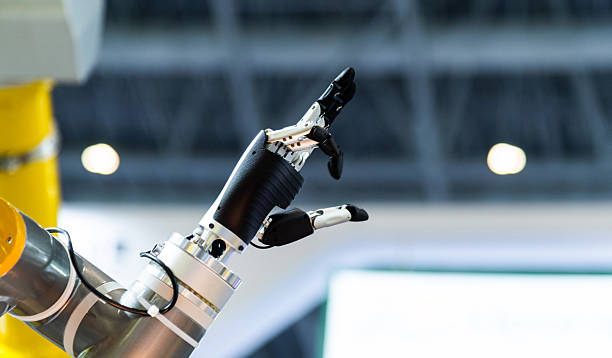
Outracing a National Level Model Racing Car Champion: A Hybrid Model‐Based Data‐Driven Approach
A recent study published in the Journal of Field Robotics highlights advancements in autonomous robotic systems designed for agricultural applications. Conducted by a team of researchers from various universities, the study was released in early October 2023. The research focuses on the development of robots capable of performing tasks such as planting, harvesting, and monitoring crops with minimal human intervention. The motivation behind this innovation stems from the increasing demand for efficient agricultural practices to address food security challenges and labor shortages in the farming sector. By utilizing advanced sensors and artificial intelligence, these robots can navigate complex terrains and adapt to varying environmental conditions, enhancing productivity and sustainability in agriculture. The researchers conducted extensive field trials to validate the robots' effectiveness, demonstrating their ability to operate autonomously while maintaining high levels of accuracy and efficiency. The findings suggest that integrating these robotic systems into farming operations could significantly reduce labor costs and improve crop yields, paving the way for a more sustainable future in agriculture.
RESEARCH ARTICLE
Is Physical AI the Optimal Solution for Factory Automation?
At the recent Zhangjiang Robot Forum, industry leaders convened to address the shortcomings of current Variable Length Architecture (VLA) models in manufacturing environments. Despite substantial investments in humanoid robotics, the majority have struggled to achieve consistent production levels. Experts emphasized the need to transition from merely enhancing model architecture to developing comprehensive operational systems that guarantee return on investment, facilitate environmental interaction, and ensure precise control. WeiYi's innovative approach, which integrates artificial intelligence with industrial requirements, was highlighted as a potential solution to these challenges. The forum underscored the urgency for the robotics sector to evolve in order to meet the demands of modern manufacturing.
Physical AI Factory Automation Humanoid Robots Industrial Robotics
Heavy‐UUV Docking System for a Fixed Seabed Station Based on Differential Optical‐Guidance Beacons
The Journal of Field Robotics has recently published an early view article highlighting advancements in robotic technology. Researchers from various institutions have collaborated to develop a new autonomous navigation system that enhances the efficiency and safety of field operations. This innovative system was tested in agricultural settings in California during the summer of 2023, where it demonstrated significant improvements in crop monitoring and resource management. The motivation behind this research stems from the growing need for precision agriculture, which aims to optimize farming practices and reduce environmental impact. By integrating advanced sensors and machine learning algorithms, the team was able to create a robotic platform capable of navigating complex terrains while collecting valuable data on soil health and crop conditions. The successful implementation of this technology could revolutionize the agricultural sector, providing farmers with tools to make informed decisions and increase productivity. The findings are expected to contribute to ongoing discussions about sustainable farming practices and the role of robotics in addressing global food security challenges.
RESEARCH ARTICLERobotics needs a service framework.
RSF defines a common language for robot service capability, lifecycle operations, certification pathways, and service-provider networks.







