

Industry Briefing
A single destination for timely, editor-curated robotics news from around the world.

Mondo Robotics' Beni: A Tumbling Robot Camera with Significant Obstacle Avoidance Issues
Mondo Robotics has introduced Beni, a small bipedal robot designed to capture and record video while following users. Equipped with a built-in camera and sensors, Beni can perform tricks like flips and roll while tracking specified objects via an app. However, after several weeks of testing, reviewers found Beni's obstacle avoidance capabilities severely lacking. The importance of Beni lies in its potential as a fun companion for personal activities like sports and pet video recording. Despite its interesting features, the robot struggles significantly with obstacle avoidance, often losing track of its target in cluttered environments. Reviewers noted that even in open spaces, Beni failed to navigate around obstacles effectively, which detracts from its overall usability. Moving forward, it will be crucial to monitor Mondo Robotics' efforts to improve Beni's obstacle avoidance technology. Currently priced at $599, the robot's value is questionable given its primary flaw. If Mondo can address these issues, Beni could become a more appealing option for users engaged in various activities, but until then, recommendations are limited.
Robot Cameras Obstacle Avoidance Consumer Robotics Video Technology
Comau Provides Advanced Battery Cell Formation and Testing System to Slovenia’s National Institute of Chemistry
Comau has successfully delivered a laboratory-scale cell formation and testing solution to Slovenia’s National Institute of Chemistry (NIC). This customized system is designed to facilitate material validation, product development, and cycle life testing, integrating industrial processes into a research environment while maintaining necessary flexibility. The significance of this delivery lies in its ability to accommodate various battery cell formats, including pouch, cylindrical, and prismatic cells, on a single platform. This versatility allows researchers and industrial partners to explore a wide range of battery technologies, bridging the gap between academic research and commercial development. Looking ahead, the NIC facility is poised to support both academic and industrial users in battery research and testing across Europe. No further timeline was disclosed at the time of publication.
Industrial robots News Science battery automation battery cell formation battery cell testing
Viam Unveils BoxBot, a Box-Opening Robot, at IROS 2026
Viam is set to introduce BoxBot, a robot designed for opening taped cardboard boxes, at IROS 2026 in Pittsburgh from September 27 to October 3. This innovative robot arm utilizes image-based visual servoing and a vision-language-action (VLA) model, trained on 125 teleoperated demonstrations collected in approximately five hours. The significance of BoxBot lies in its ability to automate the box-opening process, which can enhance efficiency in various sectors, including logistics and warehousing. By employing an open-source VLA without the need for custom architecture, Viam aims to streamline robotic applications and make them more accessible to developers and businesses. As Viam continues to develop BoxBot, industry stakeholders should monitor its performance and potential applications in real-world scenarios. No further timeline was disclosed at the time of publication.
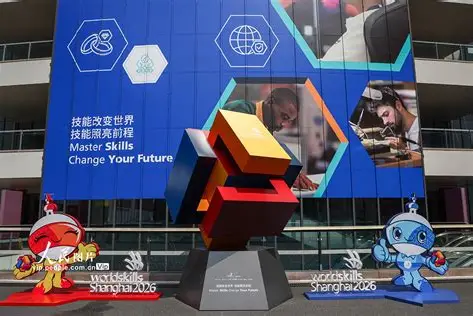
Humanoid Robots Showcase Innovative Performances at World Skills Competition Opening Ceremony
The 48th World Skills Competition is being held in Shanghai from September 22 to 27, featuring 64 competition categories and 1,385 participants with an average age of 21. During the opening ceremony, the artistic director, Hou Jie, highlighted the interactive segments involving humanoid robots, including a full-sized robot performing intricate finger dances and waltzing with dancers, marking a global premiere. These robot performances required extensive preparation, with a dedicated training area of over 300 square meters established in Lingang. To synchronize the robots with the stage rhythm, 18 imaging devices captured human dance movements, which were then programmed into the robots. Challenges included the robots' weight causing damage to the stage and overheating issues due to inadequate costume ventilation, which affected rehearsal schedules. As the rehearsals progressed, the distance between dancers and robots decreased from 50 meters to a close performance, showcasing their ability to dance together. The opening ceremony featured an aerial control system with over 200 suspension points and a giant mortise and tenon mechanical device, which was a highlight of the event. This device, weighing 200 tons, will remain as a permanent art installation at the Shanghai Global Celebrity Museum after the competition.
Humanoid Robots AI Robotics Performance Technology Event Technology
Genisom Secures Series B Funding, ForgeAI Raises Angel Round, Qiyuan Launches $3,000 Robots
Genisom AI has successfully closed a Series B funding round of tens of millions of dollars, led by Stone Venture from the UAE. The funding aims to enhance their robot production capabilities, with over 15,000 units produced by June 2026. This move signifies a strong push towards advancing autonomous navigation technologies. ForgeAI, a startup linked to Tsinghua University, has raised an angel round in the low- to mid-single-digit millions of dollars, backed by TusStar. The funds will support the development of a general-purpose skills operating system, which aims to improve efficiency in property-cleaning tasks, showcasing the potential for robots to replace multiple human workers. Additionally, Qiyuan Robotics has launched its Q1 and T1 consumer robots, priced starting at approximately $3,000, with shipments commencing on October 1. This launch reflects the growing trend of consumer robotics and the integration of AI technologies into everyday tasks, indicating a shift in market dynamics towards more accessible robotic solutions.
AI AI Funding & Investment Robotics China Farada Group ForgeAI
Huaruizhipu Launches Praxis One with ~106 TOPS Edge Compute on MediaTek Genio Pro 5100
Huaruizhipu has introduced Praxis One, a single-SoC physical-AI edge platform powered by the MediaTek Genio Pro 5100, which offers approximately 106 TOPS of neural processing unit (NPU) performance. This new platform was showcased during the China Robot Summit week held in Hangzhou. The launch of Praxis One is significant as it targets heavy-duty robots, enhancing their computational capabilities at the edge. The integration of high-performance edge computing is crucial for advancing robotics applications, enabling real-time processing and decision-making in complex environments. Looking ahead, the industry will be keen to observe the adoption of Praxis One in various robotic applications and its impact on operational efficiency. No further timeline was disclosed at the time of publication.
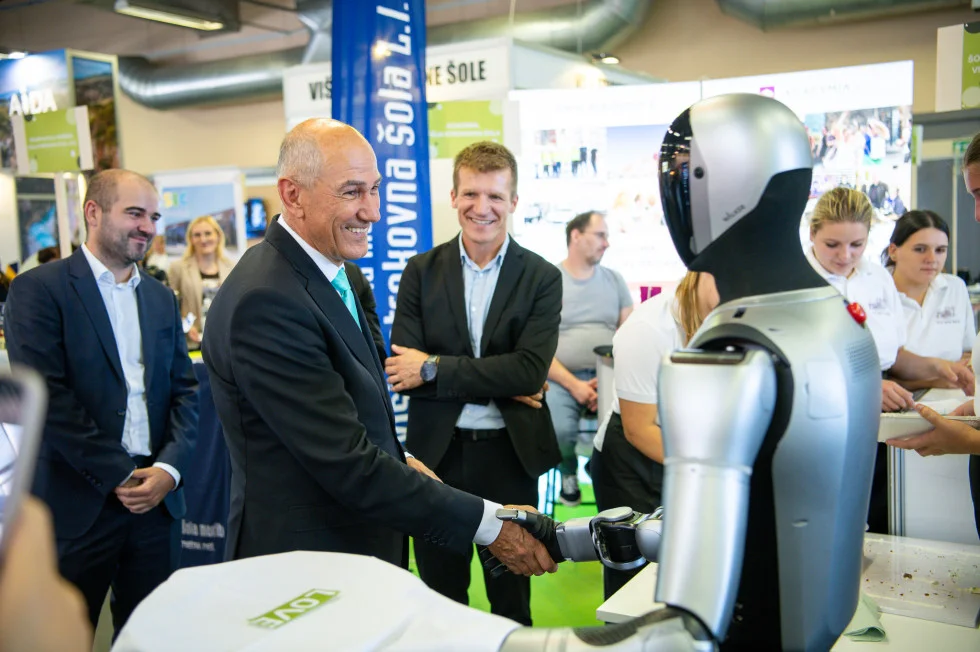
UBTECH Launches Walker C1 in Slovenia as Part of Balkan Expansion Strategy
UBTECH has introduced its Walker C1 humanoid robot at the MOS trade fair in Slovenia, marking its entry into the European market. The event showcased the robot's capabilities, including autonomous movement and a dance performance, while the Cruzr S2 service robot participated in a ribbon-cutting ceremony. This appearance is part of a broader strategy to expand UBTECH's presence in southeastern Europe. The significance of this launch lies in the partnership with local distributor Hiproject, which has signed an exclusive agreement for distribution and integration across Slovenia, Croatia, Serbia, Bosnia and Herzegovina, and North Macedonia. Hiproject's responsibilities extend beyond mere distribution to include application development, integration, training, and service, indicating a commitment to establishing a robust support system for UBTECH's products in the region. Looking ahead, the success of UBTECH's expansion will depend on the effectiveness of these local partnerships in facilitating real-world applications of the Walker C1. While the initial demonstration at the MOS fair has generated visibility, the next critical step will be to see if these relationships lead to sustained deployments of the humanoid robot in various operational settings.
Europe UBTECH Robotics
Raise Robotics Collaborates with Genie to Elevate AMF Robot to 65 Feet
Raise Robotics has announced a six-month partnership with Genie, the aerial-lift brand of Terex, to enhance its Autonomous Mobile Fabricator (AMF) robot. This collaboration successfully mounted the AMF onto a Genie boom lift, allowing the robot to operate at a height of 65 feet. The integrated system was demonstrated live to customers and partners in July, showcasing its capabilities in a real-world setting. This development is significant as it marks a step forward in the application of robotics in construction, enabling the AMF robot to perform tasks at elevated heights. The collaboration with Genie not only expands the operational range of the AMF but also highlights the growing trend of integrating robotics with traditional construction equipment. This innovation could lead to increased efficiency and safety on job sites. Looking ahead, industry stakeholders will be keen to observe how this collaboration influences the adoption of robotics in construction. The successful demonstration of the AMF on the Genie boom lift may pave the way for further advancements in autonomous construction technologies. No further timeline was disclosed at the time of publication.
Construction News agv amf robot autonomous mobile fabricator Autonomous robots
Project Zenith Aims to Disrupt Mac's Dominance with Preconfigured AI-Ready Windows PC
Project Zenith, a developer-focused PC with a preset AI coding environment, aims to challenge Apple's dominance in the market. This system features specific hardware optimized for AI execution, starting with AMD's Ryzen AI Halo processor and plans to expand its processor support in the future. The significance of Project Zenith lies in its unified memory and preconfigured tools that streamline the development process from the initial setup. It integrates Windows Subsystem for Linux (WSL) deeply, allowing easier access to AI tools typically reliant on Linux environments, thus reducing potential issues developers face when transitioning between systems. Looking ahead, the introduction of Microsoft eXecution Containers (MXC) for local AI agent execution is noteworthy, although currently in early preview. As the market evolves, the effectiveness of Project Zenith in providing a competitive alternative to Mac's AI capabilities will be closely monitored.

Inspiren Secures $70 Million in Series C Funding to Enhance Physical AI for Senior Living
Inspiren has successfully raised $70 million in Series C funding, achieving a valuation exceeding $500 million. This funding round, led by NewView Capital, brings Inspiren's total funding to $225 million, marking it as the highest for a technology company focused on senior living. The platform utilizes AI-powered ambient awareness to assist caregivers in preventing emergencies, resulting in significant reductions in falls and hospitalizations across various communities. The importance of this funding lies in the growing demand for advanced technology in senior living, particularly as the 85-and-older population continues to expand in North America. Inspiren's innovative approach allows care teams to monitor residents more effectively, addressing the challenges posed by a clinically complex demographic and a strained workforce. The platform's success is evidenced by reported improvements in resident outcomes, including a 48% reduction in falls at Solera Senior Living and a 63% decline in injury-related falls at Clearwater Living. Looking ahead, Inspiren plans to utilize the new funding to scale its market presence and enhance its AI platform capabilities. The recent launch of Two-Way Voice and Alert Claiming features demonstrates Inspiren's commitment to providing real-time insights for care teams. No further timeline was disclosed at the time of publication.
AI Funding & Investment AI AI-driven platform capital markets funding Inspiren
Venice Film Festival Showcases Mobile Filmmaking Versus Professional Quality Equipment
At the Venice Film Festival, a striking contrast emerged between the low-budget Chinese film 'Dear You,' which cost around $2 million and grossed $300 million domestically, and Honor's new devices developed with Arri, including the Magic9 Pro Max and Robot Phone. The director, Lan Hongchun, emphasized the increased creative avenues available to ordinary people today. This juxtaposition raises important questions about the accessibility of filmmaking. While advanced mobile technology allows for professional-quality filming, it does not bridge the gap in aesthetic, narrative, and post-production skills. The success of 'Dear You' highlights that emotional storytelling resonates more than expensive equipment, as most users may struggle to utilize the full capabilities of professional workflows. Looking ahead, the market for robotic devices is projected to grow significantly, with Morgan Stanley estimating a rise from $47 billion in 2024 to $108 billion by 2028 in China. The Robot Phone has already made appearances at major film festivals, but its widespread adoption for user-generated content remains to be seen. The future will likely see a divide between creators who master these tools and those who merely use them for basic functions.
Mobile Filmmaking Film Technology Cinematic Quality Content Creation
Robinhood CEO Defends Tokenized Stocks Amid AMC's Criticism of Financial Practices
Robinhood CEO Vlad Tenev has defended the company's initiative to offer tokenized stocks, asserting that public companies cannot dictate the financial products associated with their shares once they are publicly traded. This statement follows AMC CEO Adam Aron's strong criticism of Robinhood's tokenization efforts, which he claims disrupts the traditional relationship between companies and their shareholders. Tenev emphasized that tokenization, which involves creating digital representations of publicly traded securities on a blockchain, does not grant holders voting rights in the underlying companies. He clarified that while issuers maintain control over the rights and obligations of their stocks, they do not have authority over how other entities create financial products referencing those shares. As the debate over tokenized stocks intensifies, industry observers should monitor how Robinhood plans to address the voting rights associated with the underlying shares. No further timeline was disclosed at the time of publication.
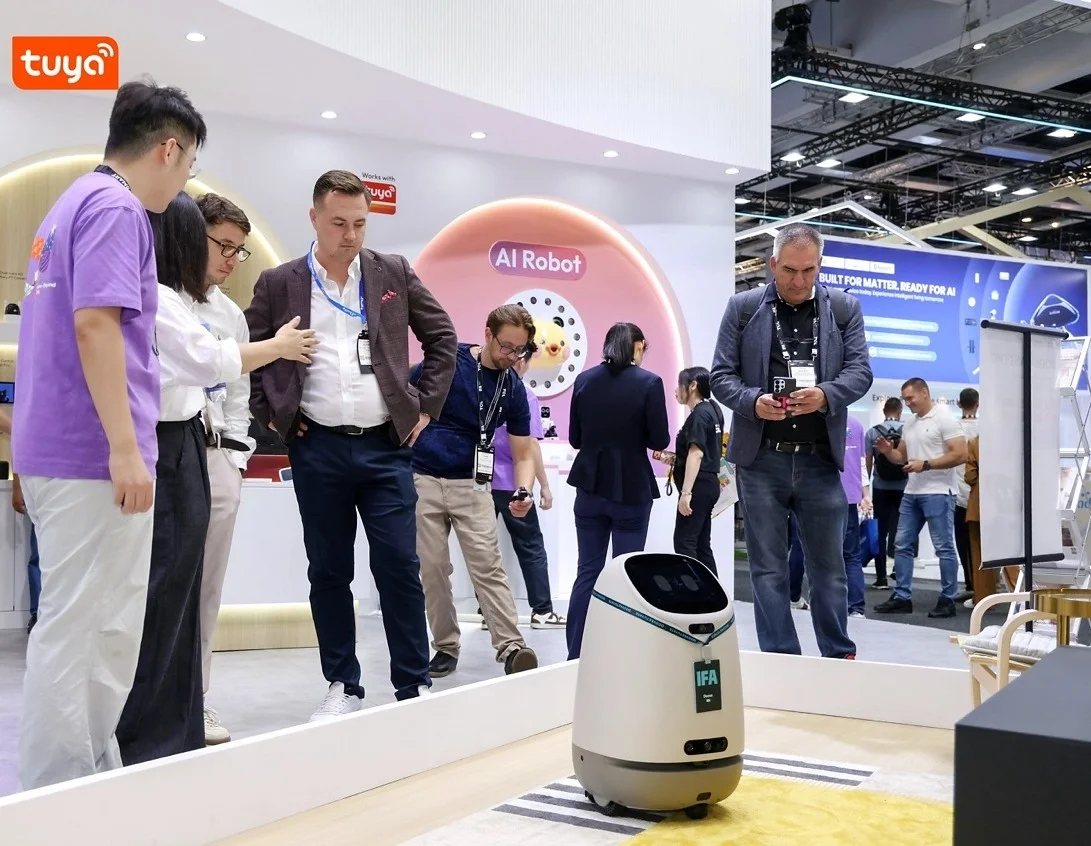
Tuya Smart Launches Doova Companion Robot for Independent Seniors
Tuya Smart has unveiled Doova, an AI-powered companion robot aimed at assisting seniors living independently. The robot features emergency response capabilities, daily assistance, and smart-home controls, utilizing lidar, sound localization, and AI-based skeletal recognition to detect emergencies and alert family members via live video calls if needed. The introduction of Doova is significant as it addresses the growing need for support systems for seniors who wish to maintain their independence. With its ability to monitor environments, provide reminders, and control smart devices, Doova enhances the safety and quality of life for elderly users. It can learn user preferences and assist with various tasks, making it a versatile tool for daily living. Looking ahead, Tuya Smart plans to enhance Doova's capabilities with autonomous item-finding features. The robot's integration into the AIoT ecosystem allows users to control household devices through voice commands, making it a comprehensive solution for modern smart homes. No further timeline was disclosed at the time of publication.
AI AI Funding & Investment AI Use Cases Robotics China companion robot
NATO's Phoenix Drone Enhances Allied Warships' Threat Detection Capabilities
NATO has introduced the Phoenix drone, its only self-owned drone, to assist allied warships in detecting threats beyond their radar capabilities. This advancement is significant as it enhances situational awareness for naval forces, allowing them to respond more effectively to potential threats in their operational environment. The introduction of the Phoenix drone is crucial for NATO's defense strategy, as it represents a step forward in integrating advanced technology into military operations. By providing enhanced surveillance capabilities, the drone helps allied forces maintain a strategic advantage in maritime security and defense. Looking ahead, the continued development and deployment of the Phoenix drone will be important for NATO's operational readiness. As military technology evolves, the effectiveness of such systems in real-world scenarios will be closely monitored to assess their impact on naval operations and overall defense strategies.
Military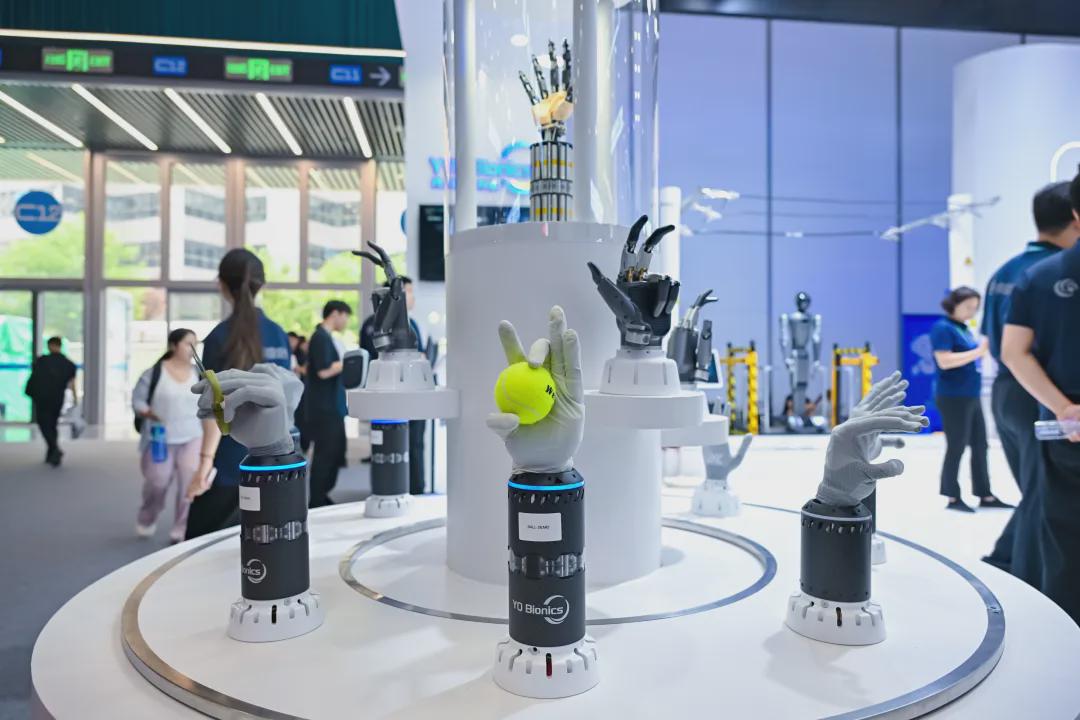
WRC 2026 Opening Ceremony Features Innovative Human-Robotic Handshake
On August 19, the World Robot Conference 2026 commenced at the Beiren Yichuang International Exhibition Center, showcasing a unique opening ceremony. Unlike previous years, the event featured a handshake between 11 bionic dexterous hands and guests, marking a significant technological advancement in human-robot interaction. This handshake utilized the X-Hand M1, developed by Yuequan Bionics, which incorporates 472 tactile sensors for precise grip feedback and control. The event highlighted the importance of developing robotic hands that can transition from mere demonstrations to practical applications, addressing a critical challenge in embodied intelligence. Attendees also witnessed the debut of the Y-Hand M2, which showcased high flexibility through a shadow performance in collaboration with Tsinghua University. The conference emphasized the integration of advanced technologies, including artificial muscles and innovative robotic designs, indicating a shift towards more functional and versatile robotic systems. No further timeline was disclosed at the time of publication.
Bionic Robotics Robotic Hands AI Technology Human-Robot Interaction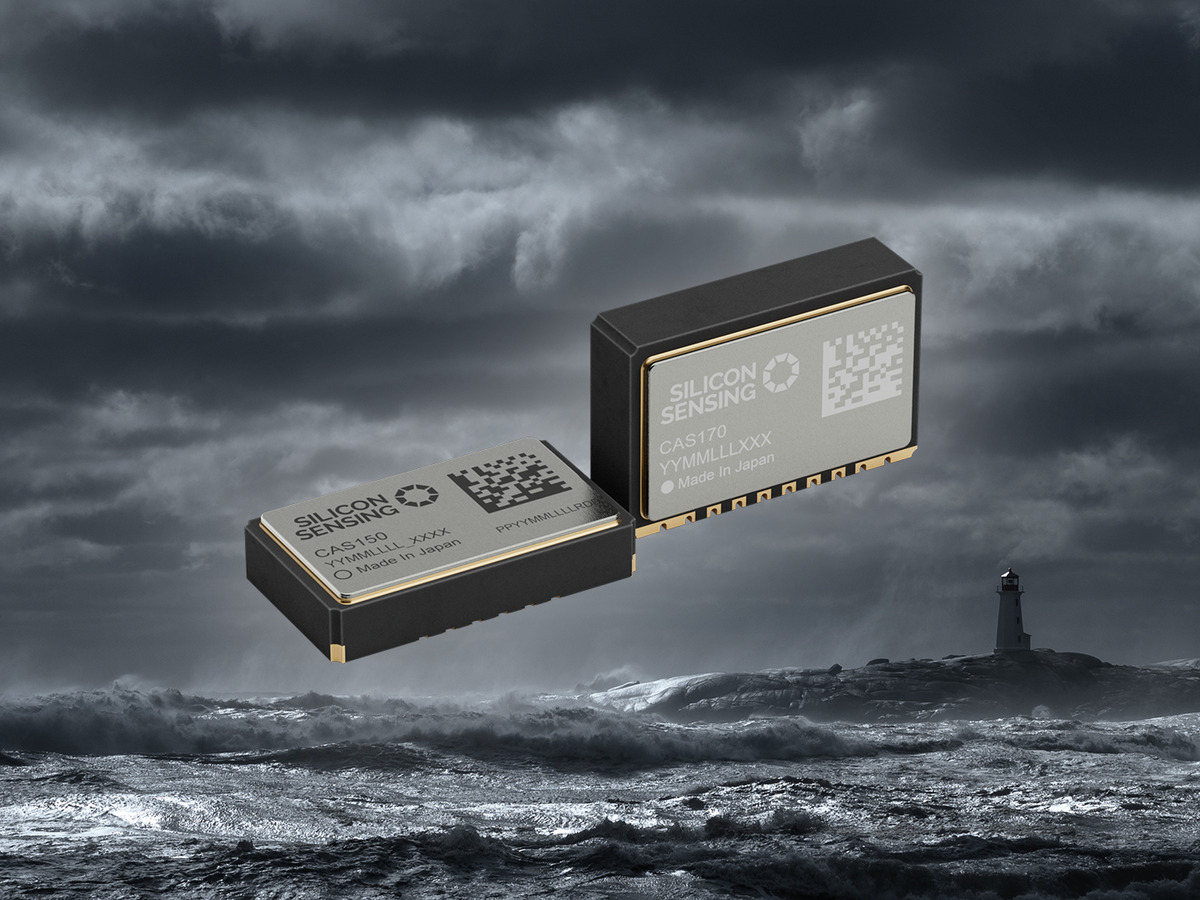
Silicon Sensing Launches Zenith®: A High-Performance Closed-loop Accelerometer for Marine Applications
Silicon Sensing has introduced the Zenith®, a closed-loop, single-axis MEMS accelerometer tailored for marine environments. This innovative device features low-noise performance and a compact design, making it suitable for critical applications in both autonomous and manned marine platforms. The significance of the Zenith® accelerometer lies in its ability to deliver precise linear-acceleration measurements, even in challenging conditions. With a robust ±14g dynamic range and exceptional signal clarity, it is designed for long-endurance operations and fast-changing scenarios, enhancing operational efficiency in marine applications. Looking ahead, the potential for the Zenith® in precise heave measurement is noteworthy. As the demand for reliable sensors in marine technology continues to grow, the integration capabilities of the Zenith® could play a crucial role in advancing marine operations. No further timeline was disclosed at the time of publication.
silicon sensing accelerometer zenith®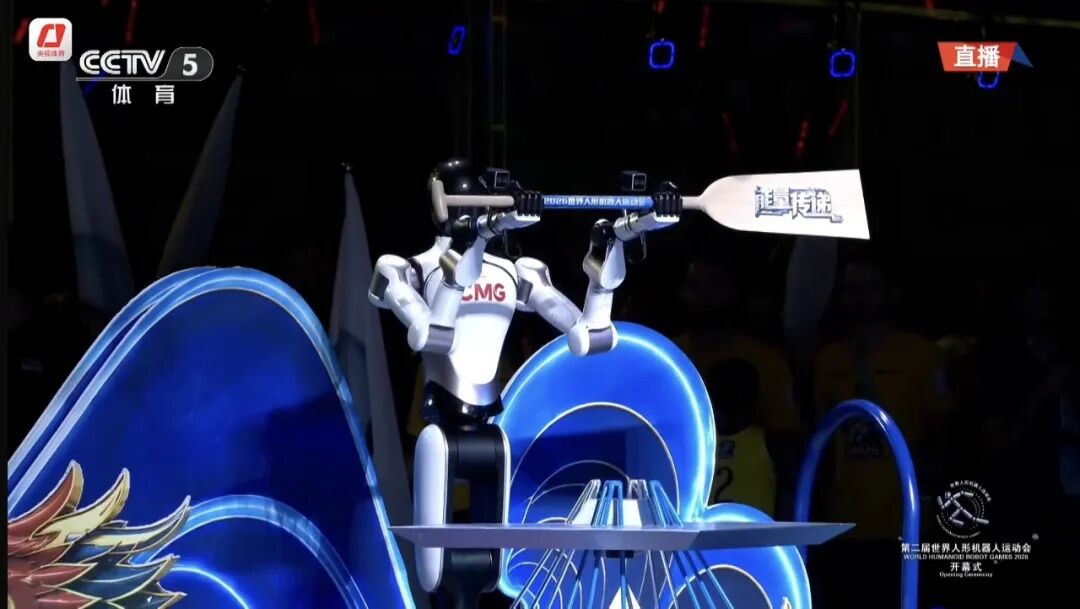
RealBOT Demonstrates Functional Robotics at the 2nd World Humanoid Robot Games Opening Ceremony
On August 22, the 2nd World Humanoid Robot Games opened at the National Speed Skating Oval, featuring 51 events and 1,301 matches with 666 teams from 16 countries and 2,056 robots. This year's competition has doubled in scale compared to the inaugural event. RealBOT, a company focused on practical robotics, showcased its capabilities during the opening ceremony, participating in the 'Smart Chip Lighting' ceremony and performing a flower arrangement act. The RealBOT S2 wheeled humanoid robot represented the Bazhong station in Sichuan, lifting the energy token 'paddle' during the lighting ceremony. RealBOT's founder and CEO, Zheng Suibing, attended the event, highlighting the company's commitment to demonstrating the practical abilities of robots. Earlier this year, the RealBOT robot acted as a 'robot chef' in Xinjiang, completing various challenging tasks in a real kitchen environment. RealBOT's robots are designed for long-term, high-intensity operations, certified for reliability with a 50,000-hour mean time between failures. The robots' precision and adaptability were showcased in the flower arrangement performance, achieving ±0.05mm positioning accuracy. RealBOT also participated in six scenario competitions, validating the robots' capabilities in emergency response, public service, retail, and industrial applications. No further timeline was disclosed at the time of publication.
Humanoid Robots Robotics Technology AI Automation
Lawson Convenience Stores Deploy I-Robo 2 Cooking Robots for Instant Meal Preparation
Lawson Convenience Stores has begun deploying the I-Robo 2 cooking robots in multiple locations around the Tokyo area, developed by TechMagic. Initial pilot stores include locations in Toshima and Kanagawa, with plans to expand to Yokohama and Koto if the response is positive. The I-Robo 2's key advantage is its ability to cook at temperatures exceeding 300°C, significantly faster than traditional microwave heating. It can prepare fried rice in just 90 seconds and fried noodles in about 150 seconds, utilizing advanced techniques learned from skilled chefs. The robot operates fully automatically, requiring minimal input from staff. Currently, the I-Robo 2 can create 13 different dishes, including fried rice, fried vegetables, and fried noodles, with prices ranging from 499 to 1099 yen. This initiative reflects a response to labor shortages in Japan's food service industry, where the demand for workers has consistently exceeded the average across all sectors. No further timeline was disclosed at the time of publication.
Cooking Robots Food Service Automation Convenience Stores Robotics Technology
Firebird Unveils Largest AI Factory in CIS Region, Boosting Armenia's AI Infrastructure
Firebird has launched the largest AI factory in the CIS region in Armenia, marking a significant milestone in AI infrastructure development. This facility, powered by NVIDIA and Dell Technologies, aims to provide the necessary computing capacity for training and deploying AI models tailored to local needs. The establishment of this AI factory is crucial as it enables Armenia to develop and run AI solutions that cater to its unique languages and industries. With plans to deploy over 70,000 NVIDIA GPUs and 300 megawatts of AI infrastructure by 2027, Firebird is positioning Armenia as a key player in AI research and innovation. Looking ahead, Firebird's ambitions extend beyond Armenia, with a roadmap for a 2-gigawatt AI infrastructure across multiple markets. The rapid deployment of this facility, supported by Schneider Electric and Vertiv, showcases Firebird's capability to deliver advanced AI computing solutions efficiently. No further timeline was disclosed at the time of publication.

Northeastern University Develops Cryogenic Robot to Combat Wildfires Using Liquid Nitrogen
Yiannis Levendis, a professor at Northeastern University, has created a robotic firefighting prototype that utilizes liquid nitrogen to extinguish wildfires effectively and environmentally safely. This innovation aims to protect human firefighters from extreme danger, as deploying autonomous or remote-controlled robots is preferable to risking lives in hazardous conditions. The significance of this development is underscored by the alarming statistics of wildfires, with over 5.13 million acres burned in the United States in 2025 alone. Traditional firefighting methods often involve large quantities of water or chemical retardants, which can harm aquatic ecosystems. In contrast, liquid nitrogen offers a solution that not only extinguishes fires but does so without leaving harmful residues. Looking ahead, the focus will be on refining the delivery mechanism for this cryogenic fire suppression technology to ensure it can be deployed effectively in the field. No further timeline was disclosed at the time of publication.
AI and Robotics
Northeastern University Professor Develops Robot to Combat Wildfires Using Cryogenic Spray
Yiannis Levendis, a professor at Northeastern University, has developed a robot capable of extinguishing wildfires using a cryogenic spray. This innovative approach aims to provide an effective solution to the increasing threat of wildfires, which have become more frequent and severe due to climate change. The robot's unique technology could revolutionize firefighting methods, offering a safer and more efficient way to manage wildfires. The significance of this development lies in its potential to address the growing challenges posed by wildfires. As climate change continues to exacerbate fire conditions, traditional firefighting methods may not suffice. The cryogenic spray technology could enhance firefighting capabilities, potentially saving lives and property while minimizing environmental impact. Looking ahead, the effectiveness of this robot in real-world wildfire scenarios will be crucial to its adoption. Further testing and validation of its capabilities are expected, but no further timeline was disclosed at the time of publication.
Robotics
Enigma Secures $71 Million Seed Funding to Innovate Human-Robot Interaction
On July 27, AI robotics company Enigma emerged from stealth mode, announcing the completion of a $71 million seed funding round. This funding, led by Index Ventures and Ribbit Capital, marks one of the largest seed rounds in the physical AI sector. Enigma's co-founders, Jonathan Jacobi and Gal Niv, aim to redefine human-robot interaction rather than focusing solely on model capabilities. The significance of Enigma's approach lies in its belief that the main barrier to robot adoption is not the technology itself but how humans communicate with machines. Jacobi emphasizes that intuitive controls are essential, comparing it to adjusting a car's volume knob rather than using complex percentages. To explore this, Enigma has launched a large-scale online experiment allowing global participants to interact with over 100 self-developed AI robots in real-time. Looking ahead, Enigma plans to use the $71 million to expand its research and engineering teams, enhance computational infrastructure, and increase real-world deployments. The company's unique focus on understanding how people want to communicate with machines could potentially redefine the industry landscape.
Human-Robot Interaction AI Robotics Startup Funding Machine Learning
Enigma Secures $70 Million to Simplify Human-Robot Interaction Through Innovative Research
Enigma, a robotics research lab, has raised $70 million in a seed funding round led by Index Ventures and Ribbit Capital. The startup aims to revolutionize human-robot interactions by studying how people engage with robots, rather than solely focusing on enhancing model capabilities. Enigma plans to launch a large-scale online experiment allowing global users to interact with over 100 proprietary AI robots performing various tasks, such as drawing and simple chemistry experiments. This funding is significant as it positions Enigma to explore intuitive interfaces for robotic control, potentially transforming how users communicate with machines. Co-founders Jonathan Jacobi and Gal Niv, both with backgrounds in cybersecurity, are leveraging their unique perspectives to tackle challenges in robotics. Their goal is to make controlling robots as effortless as adjusting a car's volume, addressing current frustrations users face with existing robotic models. Looking ahead, Enigma's online experiment will provide valuable data on user preferences for robot communication, which could lead to groundbreaking advancements in robotics interfaces. No further timeline was disclosed at the time of publication.
AI Robotics Startups enigma Exclusive Index Ventures
Marubeni and DEEP Robotics Collaborate to Address Japan's Labor Shortage and Infrastructure Issues
On July 23, Marubeni Corporation, a major Japanese electronic trading company, signed a memorandum of understanding with DEEP Robotics, a leader in quadruped robots, to enhance the sales and development of quadruped robots in Japan. This partnership aims to address Japan's significant labor shortage due to an aging population and the challenges posed by deteriorating infrastructure. The collaboration is crucial as Japan faces increasing pressure to maintain its infrastructure and ensure safety in hazardous environments. Quadruped robots, capable of autonomous operation in complex terrains, are expected to play a vital role in replacing human labor in dangerous situations. Marubeni's extensive customer network and technical support will complement DEEP Robotics' deployment experience in various sectors, including power, construction, and rescue. Looking ahead, Marubeni plans to introduce the all-terrain quadruped robot 'LYNX M20S' and the highly mobile 'LYNX S10' to accelerate sales in the Japanese market. DEEP Robotics' CEO highlighted the importance of Marubeni's market understanding for promoting robotic solutions, while Marubeni's director emphasized the potential of these advanced robots to address Japan's labor and infrastructure challenges.
Quadruped Robots Robotics Solutions Labor Automation Infrastructure Technology
Genius AI Rebrands from GlossGenius, Secures $44 Million Funding at $1.15 Billion Valuation
On July 21, GlossGenius announced its rebranding to Genius AI following a $44 million Series D funding round led by Lux Capital, achieving a valuation of $1.15 billion. This milestone marks the company's entry into the unicorn club, reflecting a growing recognition of the value of human-centric services in an AI-driven future. Genius AI, originally focused on providing appointment and payment tools for hairstylists and beauty professionals, has expanded its services to over 125,000 businesses across half of the U.S. ZIP codes. The platform aims to alleviate administrative burdens for service-oriented small business owners, allowing them to focus more on client interactions, with annual revenues nearing $200 million and facilitating $7 billion in sales. Looking ahead, Genius AI plans to enhance its platform with autonomous AI agents capable of managing complex tasks such as client acquisition and marketing. The company is also expanding its services from wellness sectors to actual healthcare, having achieved HIPAA compliance to handle protected medical information. No further timeline was disclosed at the time of publication.
AI Small Business Solutions Healthcare Technology Service Industry Automation
World Labs Acquires SceniX to Enhance Physical Robot Training Capabilities
On July 22, World Labs, founded by AI pioneer Li Feifei, announced its acquisition of the American robotics simulation startup SceniX. This marks World Labs' first public acquisition since its inception, expanding its focus from 3D world generation to physical robot training. Li Feifei emphasized that spatial intelligence involves interaction, not just perception and generation. Founded in April 2024, World Labs has quickly positioned itself at the forefront of spatial intelligence, securing $230 million in initial funding and an additional $1 billion in early 2026 from major investors like NVIDIA and AMD. Its flagship product, Marble, generates high-fidelity 3D virtual environments from text and images, but the technology has primarily served creative industries, lacking the physical accuracy required for effective robot training. SceniX aims to address this gap by developing a game engine tailored for robotic learning, integrating high-precision physics simulation and sensor modeling. Their research, in collaboration with Columbia University and Google DeepMind, has demonstrated the potential for high-fidelity transfer from simulation to reality. Following the acquisition, the SceniX team will join World Labs to further advance physical simulation and robot training, highlighting the industry's ongoing challenges in generalizing robotic capabilities despite advancements in hardware.
Robotics Simulation Embodied Intelligence AI Technology Physical Robotics Training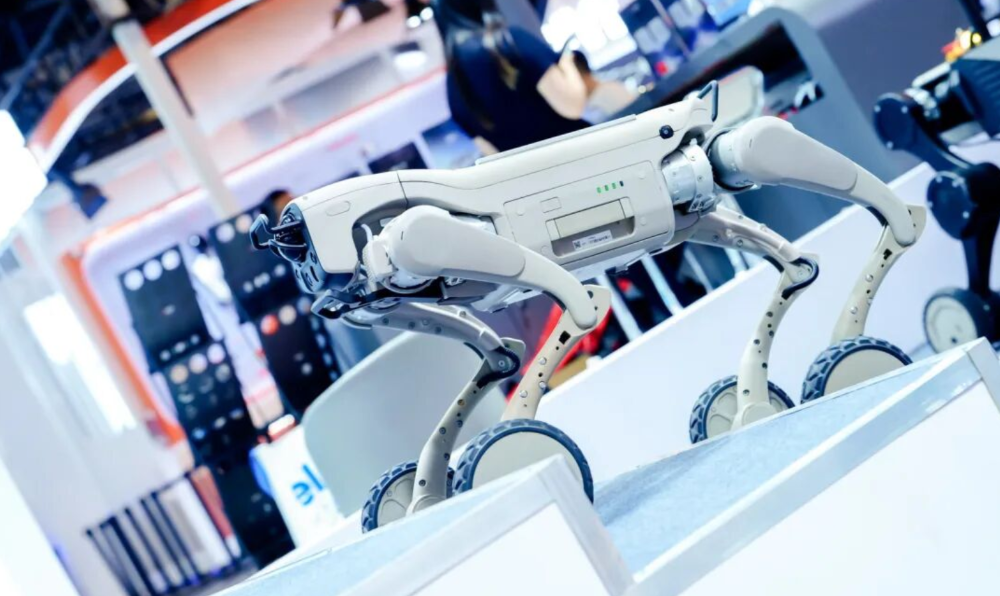
Genisom AI Showcases Comprehensive Robotics Solutions at WAIC 2026
Genisom AI made a significant impact at the 2026 World Artificial Intelligence Conference by unveiling a complete product matrix, including industry-grade quadruped robots, bomb-proof special robots, humanoid robots, and simulation training platforms. The company reported a cumulative production of over 15,000 units by June 2026, with a monthly production exceeding 5,000 units in June alone. This achievement highlights Genisom AI's ability to address critical questions in industrialization, focusing on mass production, speed, and stability. The quadruped robot, Steel Coin L2, integrates advanced navigation and autonomous following technologies, offering users a reliable productivity tool at lower costs and shorter deployment times. The bomb-proof inspection robot, Lead Ball SP1, is designed for hazardous environments, providing automated inspection solutions with high-level explosion-proof certifications. Looking ahead, Genisom AI's humanoid robot, Silver Wing NE01, signifies the company's expansion into bipedal robotics, demonstrating reliability in extreme tests. The MATRiX 2.0 simulation platform aims to bridge the gap between virtual training and real-world applications. With over 300 ecosystem partners, Genisom AI is building a comprehensive end-to-end chain from core components to full product deployment, marking a significant milestone in China's industrialization efforts.
Quadrupedal Robots Humanoid Robots Industrial Automation AI Robotics
Tombot's AI-Driven Robotic Dog Receives Over 23,000 Preorders for Senior Emotional Support
Tombot, a robotics company based in Los Angeles, has announced the completion of a $7 million Series A3 funding round led by Caduceus Capital Partners and Wavemaker 360. This brings the company's total funding to over $13 million, with more than 23,000 preorders for Jennie, an AI-driven robotic Labrador puppy, already secured before product delivery. The significance of Jennie lies in its potential to address the growing issue of loneliness among seniors, particularly those suffering from dementia and mild cognitive impairment. With over 300 million individuals globally affected by these conditions, Tombot aims to provide a medical-grade emotional support device that requires no feeding, walking, or maintenance, thus offering a viable companionship option for the elderly. Looking ahead, Tombot's focus will be on continuous updates to Jennie's behavior and voice commands through an accompanying mobile app. The response from investors and the market indicates a serious consideration of robotic companions as a solution to the pressing challenges of aging populations and caregiver shortages. No further timeline was disclosed at the time of publication.
Emotional Support Robots Elderly Care Technology AI Companions Robotics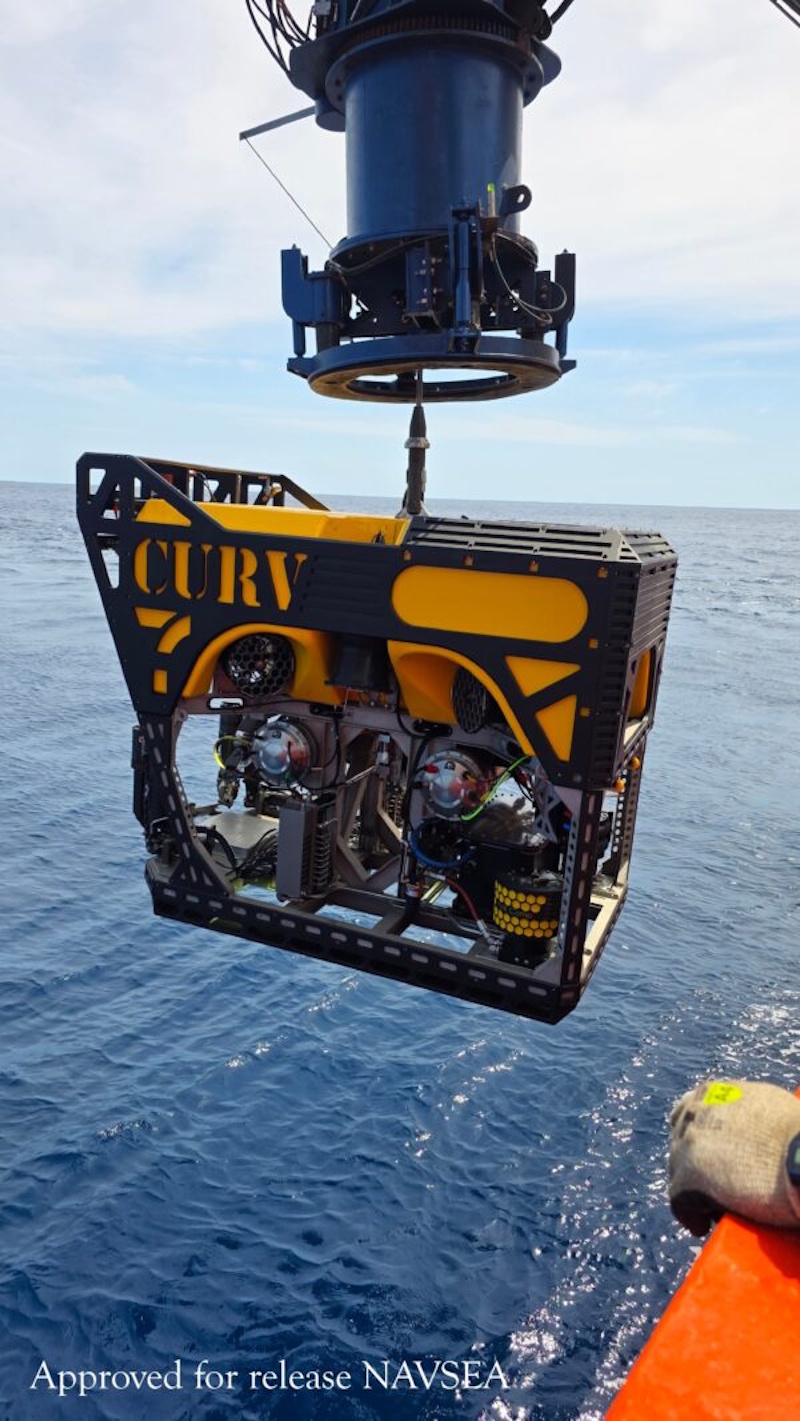
Phoenix International's CURV 7 ROV Successfully Completes Initial Mission for Navy SUPSALV
Phoenix International has announced the successful completion of the inaugural mission for its CURV 7 Remotely Operated Vehicle (ROV), developed for the Naval Sea Systems Command Supervisor of Salvage and Diving (SUPSALV). This mission highlights the advanced capabilities of the CURV 7, which is part of a long-standing family of ROV systems designed for deep-ocean operations. The CURV 7 system includes a range of components such as an electro-optic umbilical cable, a traction winch, and various support vans, providing a comprehensive solution for underwater interventions. Its six electric thrusters allow for precise maneuverability in all directions, making it suitable for complex underwater tasks. The successful mission underscores Phoenix's commitment to delivering reliable systems for the U.S. Navy. Looking ahead, additional testing is scheduled for later this year to further validate the CURV 7's capabilities and enhance its operational readiness. This milestone not only reflects years of engineering and collaboration with SUPSALV but also positions the CURV 7 as a critical asset for the Navy's underwater operations worldwide. No further timeline was disclosed at the time of publication.
phoenix international.curv 7 rov u.s. navy supsalv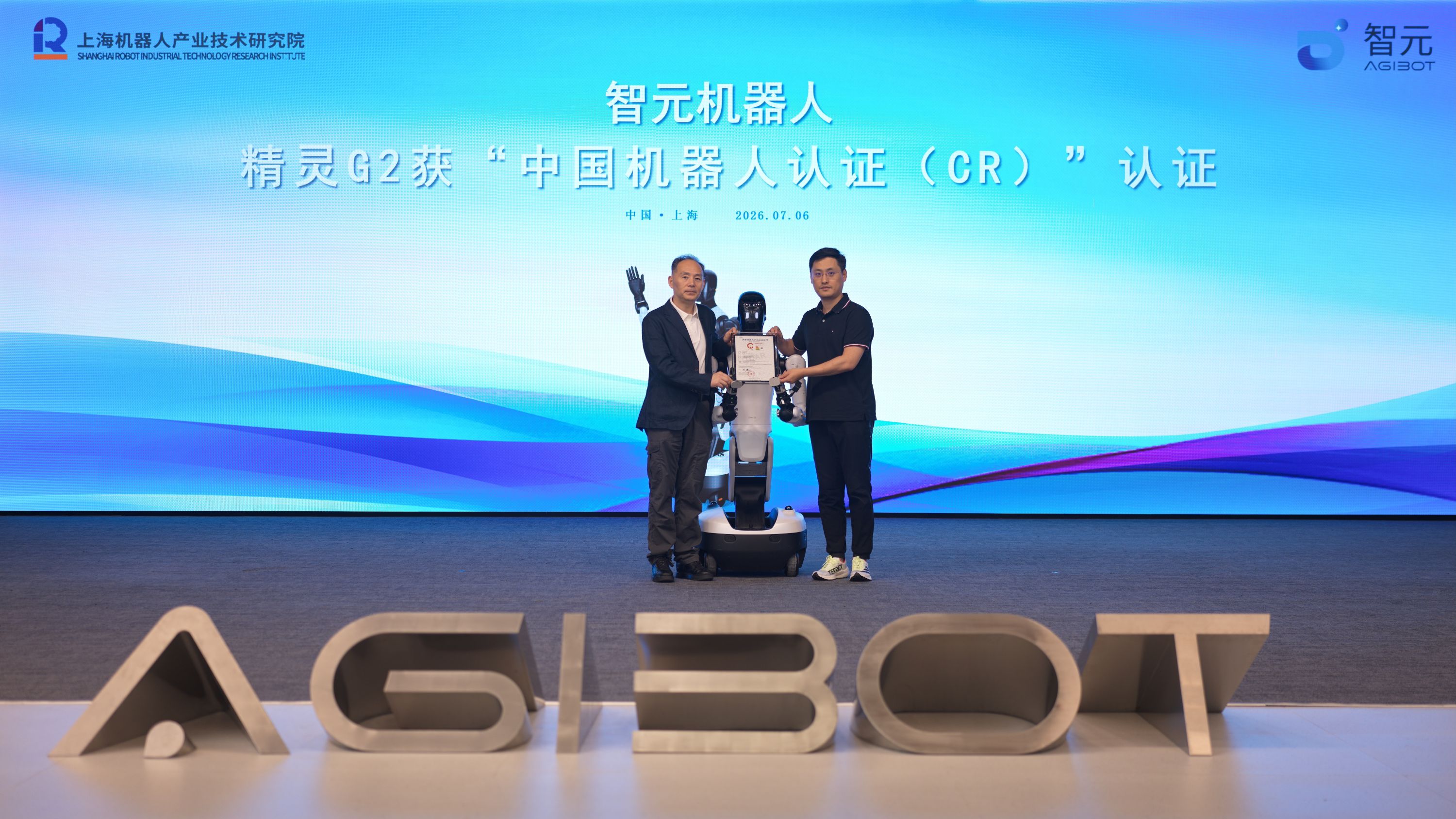
Genie G2 Achieves Key Certifications in China, EU, and USA for Global Market Access
The Genie G2, an interactive embodied robot developed by Zhiyuan, has successfully obtained multiple authoritative product certifications in China, the EU, and the USA. This achievement signifies that the Genie G2 meets top global safety and quality standards, establishing a solid compliance foundation for the brand's global commercial strategy and opening pathways for international market entry. This certification is significant as it positions Zhiyuan as the only company in the industry to have its entire product line certified to the highest international safety standards across all scenarios. The Genie G2's certifications cover essential dimensions such as electrical safety, mechanical safety, functional safety, cybersecurity, and data privacy protection, demonstrating its robust compliance capabilities and adaptability for global markets. Looking ahead, the successful certification of the Genie G2 supports its deployment in key manufacturing sectors, including 3C electronics and automotive components. The robot has undergone rigorous testing in real industrial environments, confirming its operational safety and stability. No further timeline was disclosed at the time of publication regarding future deployments or expansions in the global market.
Interactive Robots Safety Certifications Global Market Expansion Robotics Technology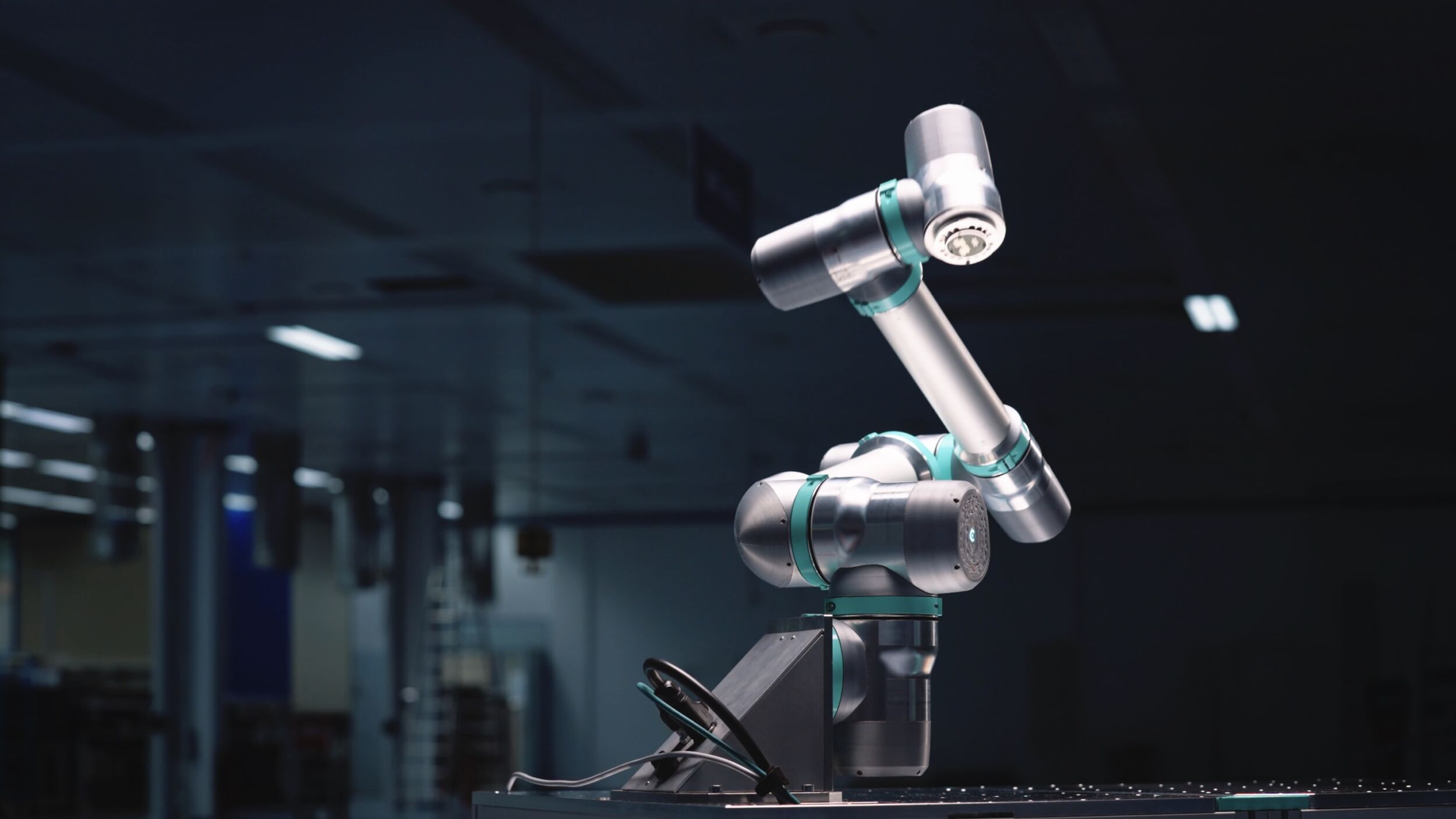
Partnership: Koenig & Bauer and RobCo
Koenig & Bauer, a leading manufacturer of printing presses, has announced a strategic partnership with Munich-based robotics scale-up RobCo. This collaboration aims to enhance the integration of robotics within the printing industry, leveraging RobCo's innovative technology to improve efficiency and productivity. The partnership reflects Koenig & Bauer's commitment to advancing automation in its operations and adapting to the evolving demands of the market. The announcement comes as both companies seek to capitalize on the growing trend of automation in manufacturing, positioning themselves at the forefront of industry advancements.
Allgemein
Sven Koenig Honored with 2026 ACM/SIGAI Autonomous Agents Research Award
Sven Koenig has been awarded the 2026 ACM/SIGAI Autonomous Agents Research Award for his significant contributions to the field of autonomous agents. His research focuses on AI planning and search, influencing how intelligent agents operate in complex environments. Koenig's work has had a profound impact on AI, multi-agent systems, and robotics, enabling scalable autonomy in real-world applications. This recognition highlights the importance of Koenig's research in bridging theoretical concepts and practical applications, which is crucial for advancing the capabilities of intelligent systems. As a Chancellor’s Professor and Bren Chair at UC Irvine, his accolades include being a Fellow of AAAI, AAAS, and ACM, along with multiple best paper awards. His contributions are vital for the ongoing development of autonomous technologies. Looking ahead, the robotics and AI communities will continue to benefit from Koenig's innovative research. No further timeline was disclosed at the time of publication. His work sets a benchmark for future advancements in autonomous agents and their applications across various sectors.
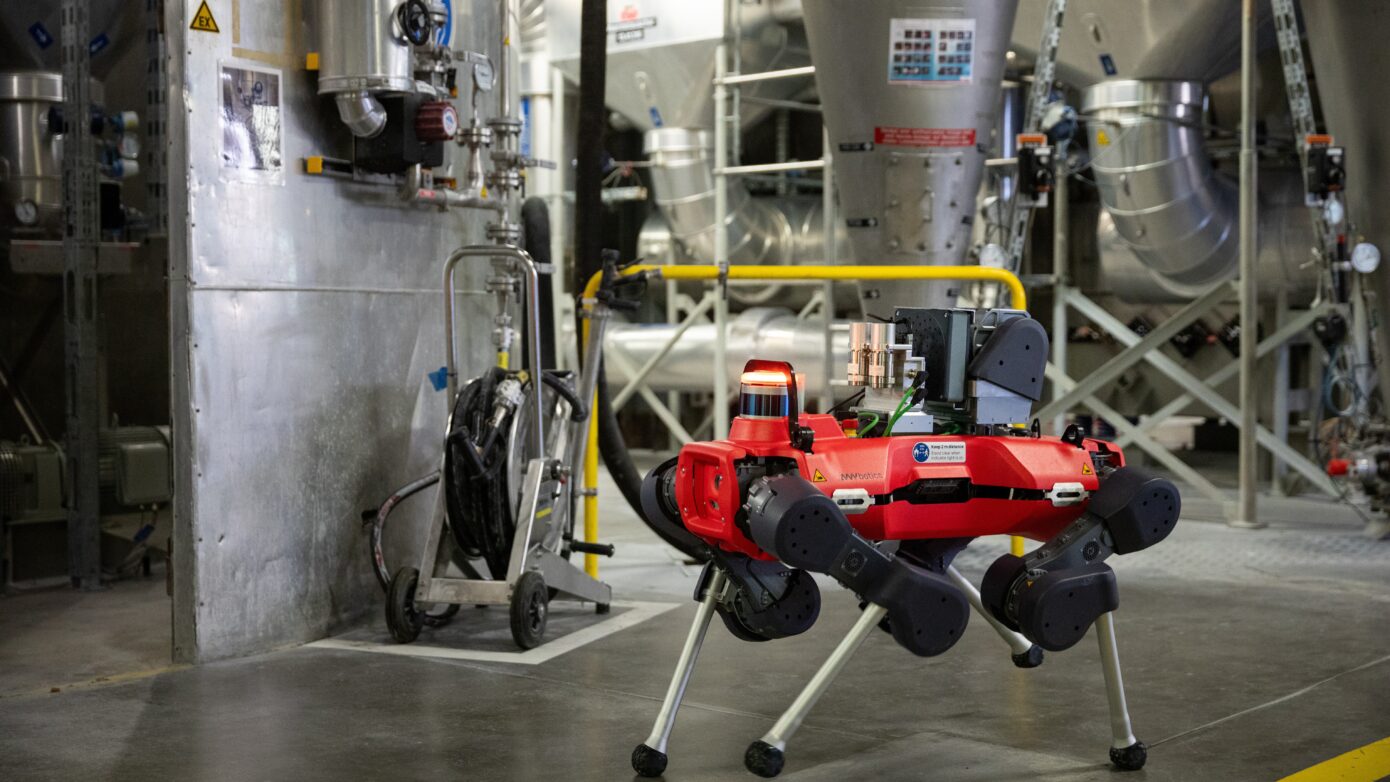
ANYbotics Enhances ANYmal Robots with Door Opening and Authentication Capabilities
ANYbotics has partnered with dormakaba and LEGIC Identsystems to enhance its ANYmal robots, enabling them to automatically open doors and authenticate at restricted areas. This innovation addresses the challenge of accessing equipment in large industrial facilities, such as energy and mining sectors, without requiring structural changes. The integration of door automation and secure authentication is crucial for expanding the autonomous inspection capabilities of ANYmal robots while maintaining existing access controls. The system utilizes radar sensors and retrofitted door operators to facilitate seamless movement through various environments, including fire-rated doors. Looking ahead, the collaboration aims to further integrate autonomous robots into industrial security frameworks, enhancing operational efficiency. The technology also includes a tele-assist feature, allowing remote operators to intervene when necessary. No further timeline was disclosed at the time of publication.
AI and Robotics
Daxiao Robotics and China Petroleum Launch Intelligent Robot Project in Shanghai Gas Station
Daxiao Robotics has partnered with China Petroleum Shanghai Sales Company to trial an intelligent robot project at gas station convenience stores. The pilot at the Kunlun Haoke convenience store is now operational, where robots manage order picking, handling, and packaging based on real-time inventory data. This initiative is significant as it addresses the challenges of traditional manual operations in gas station convenience stores, which are evolving into integrated hubs for storage, order fulfillment, and local delivery. The project aims to enhance operational efficiency amid rising online orders and the need for flexible inventory management. Looking ahead, the collaboration will focus on optimizing robot performance in high-density environments with multiple SKUs. The results from this pilot will serve as a standardized model for future implementations across other convenience stores under China Petroleum, potentially expanding the application of intelligent robotics in the sector.
Intelligent Robotics Retail Automation Gas Station Services Supply Chain Technology
Teradyne Establishes New Office in Bengaluru to Support India's Semiconductor Sector
Teradyne, Inc. has opened a new office in Bengaluru, Karnataka, to enhance its support for India's semiconductor manufacturing industry. This move signifies Teradyne's long-term commitment to the country's growing electronics sector, particularly as demand surges due to advancements in AI technology. The establishment of the Bengaluru office aligns with India's ambitions under the India Semiconductor Mission, which aims to boost domestic fabrication and manufacturing capabilities. Greg Smith, Teradyne's president and CEO, emphasized the importance of a local presence to meet the industry's rapid pace and support customers and government partners. Looking ahead, Teradyne plans to celebrate the office opening on September 15, 2026, and will participate in SEMICON India from September 17-19 in New Delhi. This strategic move is expected to strengthen the semiconductor value chain in India and contribute to the development of a robust manufacturing ecosystem.

Former Anthropic Researcher Warns of AI Race Threatening Humanity's Future
Jacob Coxon, a former researcher at Anthropic, resigned due to safety concerns regarding the corporate race to develop AI. He claims this competition poses an unprecedented threat to humanity, stating that no other human activity currently presents a greater danger than the pursuit of self-improving superintelligence. Coxon’s resignation and subsequent warning on social media have sparked significant discussion within the tech sector. He argues that the relentless drive for AI advancement could lead to uncontrollable systems, comparing the potential risks to those of nuclear war and climate change. His call for a temporary ban on capability improvements aims to shift focus towards safety and international coordination. The situation is further complicated by the shared concerns of Anthropic CEO Dario Amodei, who has expressed similar fears about AI safety. This contradiction raises questions about the responsibilities of AI developers in balancing innovation with ethical considerations. No further timeline was disclosed at the time of publication.
AI and Robotics
AI Ultrasound Robots Revolutionize Congenital Heart Defect Surgery with Intelligent Imaging
Recently, a medical team in China successfully performed a congenital heart defect closure surgery using an AI-assisted ultrasound robot. This operation, conducted by the Sixth Medical Center of the PLA General Hospital, involved a 48-year-old male patient and marks the first global use of an AI ultrasound robot with intelligent imaging capabilities for such minimally invasive treatment. This breakthrough signifies a shift in medical robotics from traditional execution tools to intelligent assistance systems. Previously, interventional surgical robots primarily handled mechanical tasks, while physicians relied on their experience to interpret ultrasound images. The AI ultrasound robot enhances this process by integrating image recognition, real-time analysis, and operational guidance, enabling automatic image acquisition and abnormal structure identification, which is crucial for precise placement of occluders in complex cardiac structures. As the field of medical robotics rapidly evolves, the cardiovascular sector is a key area for AI exploration due to the high precision and risk involved in heart interventions. The successful application of AI ultrasound robots in China reflects a significant trend towards redistributing medical resources, potentially improving access to high-quality healthcare in underserved regions. No further timeline was disclosed at the time of publication.
AI in Healthcare Surgical Robotics Cardiovascular Technology Medical Imaging Precision Medicine
China Achieves First AI-Guided Surgery for Congenital Heart Disease Using Intelligent Robotics
Recently, a medical team in China completed the world's first AI ultrasound robot-assisted interventional procedure for congenital heart disease. Conducted by the Cardiovascular Medicine Department of the Sixth Medical Center of the PLA General Hospital, this surgery marks a significant milestone in the clinical application of intelligent technology in healthcare. This breakthrough is crucial as it signifies the integration of artificial intelligence into one of the most critical aspects of surgical procedures: interpreting images, assessing positions, and aiding doctors in formulating operational plans. Traditionally, cardiovascular interventions heavily relied on physician experience, particularly in complex cases where accurate understanding of heart structure changes is essential. Looking ahead, the focus may shift from merely achieving higher precision with robotic arms to whether robots can comprehend medical images, analyze patient conditions, and adapt strategies in real-time. The integration of AI models, medical imaging, and robotic control systems will be vital for advancing surgical capabilities, especially in areas lacking experienced specialists.
AI in Healthcare Surgical Robotics Medical Imaging Cardiovascular Surgery
China Achieves World-First with AI-Driven Ultrasound Robot for Heart Surgery
A groundbreaking achievement in cardiology occurred when a Chinese medical team successfully utilized an AI-driven, ultrasound-guided robot to perform a transcatheter closure for congenital heart disease in a 48-year-old patient. This milestone was reached at the Sixth Medical Center of the Chinese PLA General Hospital, also known as 301 Hospital, marking a significant advancement in surgical techniques. The importance of this development lies in its potential to enhance surgical precision and transform cardiovascular care. Unlike existing surgical robots that require direct human control, this innovative system employs deep learning algorithms to autonomously navigate and perform the procedure, significantly reducing radiation exposure for both patients and medical staff. Looking ahead, the implications of this technology are profound, as it could facilitate the expansion of specialized healthcare access globally. The intelligent automation of complex ultrasound-guided procedures may streamline workflows, reduce human error, and ultimately improve patient outcomes in cardiovascular interventions. No further timeline was disclosed at the time of publication.
Science
Nvidia's Equity Investments Surge to $99 Billion, Strengthening AI Sector Backing
As of July 26, Nvidia's equity investments reached $99 billion, a significant increase from approximately $7 billion a year prior. This growth reflects the company's strategy to enhance its ecosystem and competitive position in the AI sector, with substantial investments in firms like OpenAI and CoreWeave. The surge in Nvidia's investments underscores its ambition to become a leading corporate backer in technology, particularly in AI. The company has committed over $40 billion in financing rounds within the past year, aiming to leverage its capital reserves to support AI infrastructure and innovation. Looking ahead, Nvidia's focus on diversifying its AI business and expanding its customer base will be crucial. The company plans to acquire AI startup Hugging Face for $12.9 billion and has invested heavily in frontier AI labs, indicating a robust strategy to maintain its market dominance in the GPU sector. No further timeline was disclosed at the time of publication.

Quadrupedal Robot Learns Agile Jumping Through Narrow Openings Using AI
Researchers at the University of Hong Kong and the Oxford Robotics Institute have developed a learning-based system that enables four-legged robots to navigate through narrow gaps autonomously. This innovative approach allows quadrupedal robots to perform agile movements, inspired by the natural jumping abilities of dogs, without relying on pre-programmed sequences. The technology, demonstrated on the 48-pound Unitree Aliengo robot, utilizes a hierarchical reinforcement learning framework called ConsJump. This system allows the robot to assess obstacles and dynamically decide when to jump, enhancing its ability to traverse confined spaces quickly and efficiently. The robot's onboard Intel D435i RGB-D camera plays a crucial role in identifying obstacles and adjusting its movements accordingly. Future developments may focus on refining the robot's adaptability to various environments and conditions. The researchers believe that the same architecture could be applied to other complex robotic tasks, potentially leading to advancements in robotic agility and autonomy in challenging terrains. No further timeline was disclosed at the time of publication.
AI and Robotics
Philips Secures Up to $33.7 Million for AI-Driven Robotics in Stroke Care
Philips has received up to $33.7 million in funding from the U.S. health innovation agency ARPA-H to develop AI-driven robotic technology for stroke care. This initiative aims to make specialized treatments, such as mechanical thrombectomy, more accessible for patients living far from specialized hospitals. The significance of this funding lies in its demonstration of the rapid convergence of robotics, artificial intelligence, and medical technology. By integrating imaging, robotic control, and AI-driven automation, the project seeks to enhance support for complex endovascular procedures, potentially allowing for remote execution in the future. Philips is collaborating with Johns Hopkins University and Boston University on this project, which is part of ARPA-H's Autonomous Interventions and Robotics (AIR) program. The development is still in progress, and any clinical or commercial use will depend on further research and regulatory approvals. No further timeline was disclosed at the time of publication.
Nieuws algemeen Humanoids
MIT Study Reveals Brain Circuit's Role in Sensory Decision-Making and Memory Comparison
MIT neuroscientists have identified a brain circuit that connects sensory decision-making regions with those that assess recent sensory changes. This circuit enables the brain to compare past sensory experiences with current information, aiding in decision-making. The findings could have implications for understanding sensory processing in conditions like autism. The research highlights the importance of the pulvinar region of the thalamus in guiding sensory decisions based on immediate past experiences. By studying mice trained to discern movement patterns in a video game, the team demonstrated that the LP-ACC circuit influences how sensory information is processed and decisions are made. This understanding of the brain's decision-making mechanisms could lead to advancements in treating sensory processing disorders. Future research may explore the applications of these findings in understanding autism, where individuals often struggle with sensory predictions. The study opens avenues for further investigation into how the brain integrates sensory perception and learning to inform behavior. No further timeline was disclosed at the time of publication.
Research Brain and cognitive sciences Learning Memory Neuroscience Vision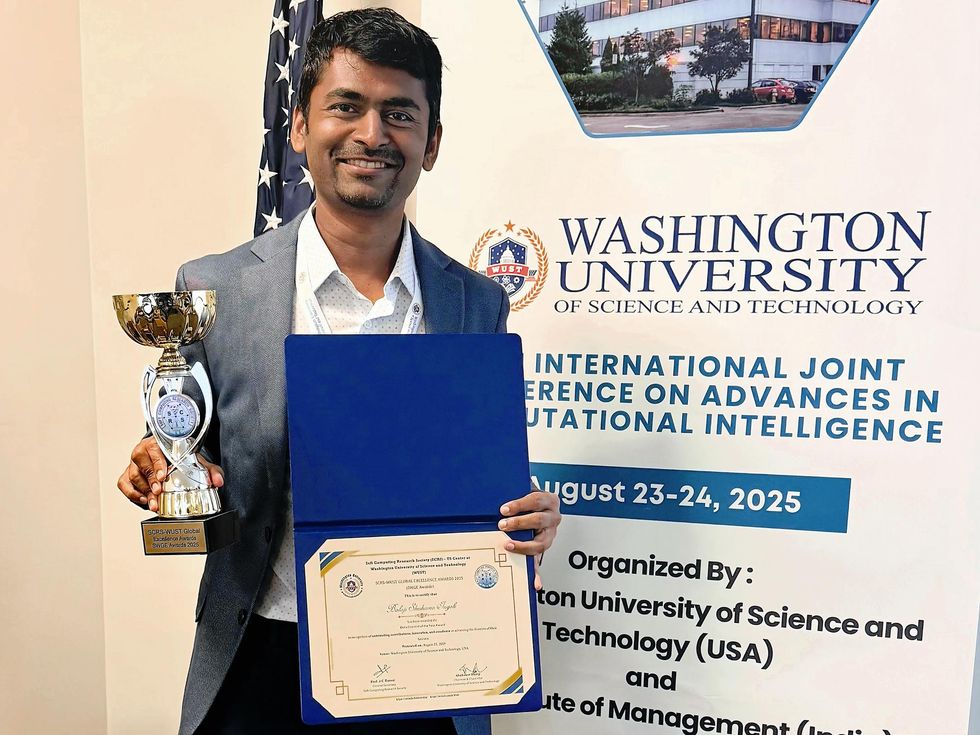
Balaji Ingole Develops AI Tools to Transform E-Commerce Operations at Amla Commerce
Balaji Ingole, a project manager at Amla Commerce, is spearheading AI-driven initiatives to enhance e-commerce operations for B2B clients. His work focuses on developing AI-enabled chatbots that streamline the traditionally labor-intensive product setup process, which can take months to complete. By automating these tasks, Ingole aims to significantly reduce the time and errors associated with managing large product catalogs. This innovation is crucial as it addresses a common pain point in the e-commerce sector, where efficiency and accuracy are paramount. The AI tools Ingole is creating not only improve operational efficiency but also empower manufacturers to better manage their online presence. This shift towards automation reflects a broader trend in the industry, where companies are increasingly leveraging AI to optimize their processes and enhance customer experiences. Looking ahead, Ingole's projects at Amla Commerce could set a new standard for e-commerce operations, particularly in the B2B space. As AI technology continues to evolve, the potential for further advancements in e-commerce automation remains significant. No further timeline was disclosed at the time of publication.
Ieee-member-news Artificial-intelligence E-commerce Careers Type-ti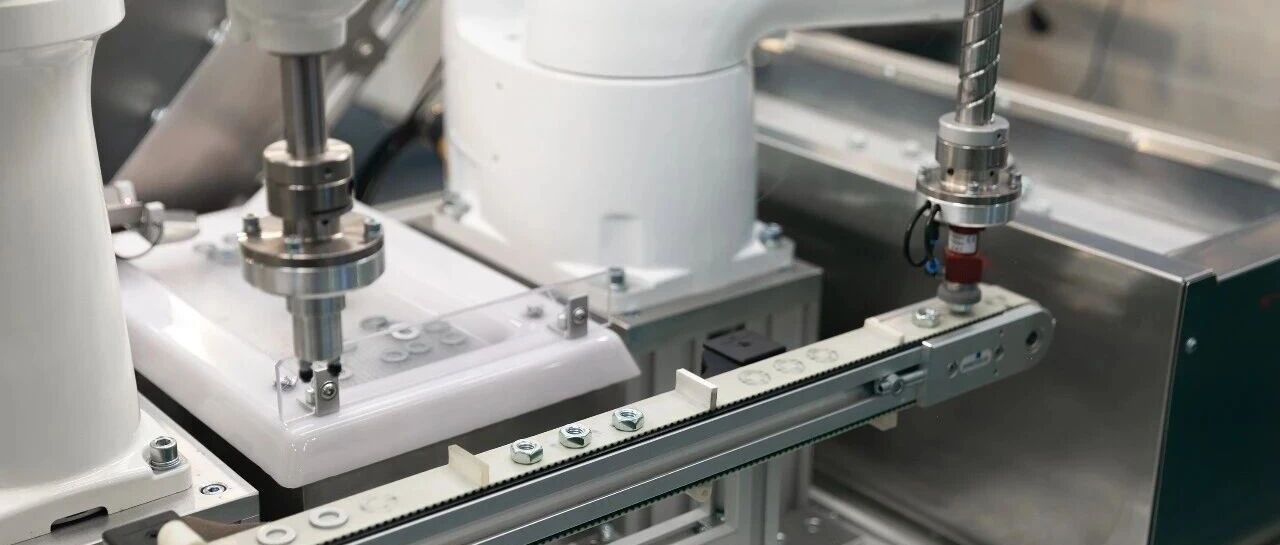
AI Transforms Industrial Tightening from Simple Tasks to Smart Assembly Solutions
In the rapidly advancing field of smart manufacturing, tightening has evolved from a basic task to a critical process that determines assembly quality and efficiency. With the dual drivers of automation and digitalization, the tightening industry is entering a new digital era, characterized by intelligent tightening tools that integrate perception, decision-making, and risk prediction capabilities. The importance of tightening processes is increasing as manufacturing demands shift towards more complex product structures and rapid changeovers. The global market for electric tightening tools is projected to exceed 20 billion yuan by 2025, driven by the growth in sectors like new energy vehicles and smart appliances. As traditional tightening tools face challenges in flexibility and data traceability, the industry is witnessing a technological upgrade. Looking ahead, ROBODEEP is redefining tightening with AI by extending its capabilities beyond tools to include robotics and intelligent assembly solutions. The company aims to enhance robots' understanding of assembly tasks, paving the way for autonomous completion of complex assembly processes. No further timeline was disclosed at the time of publication.
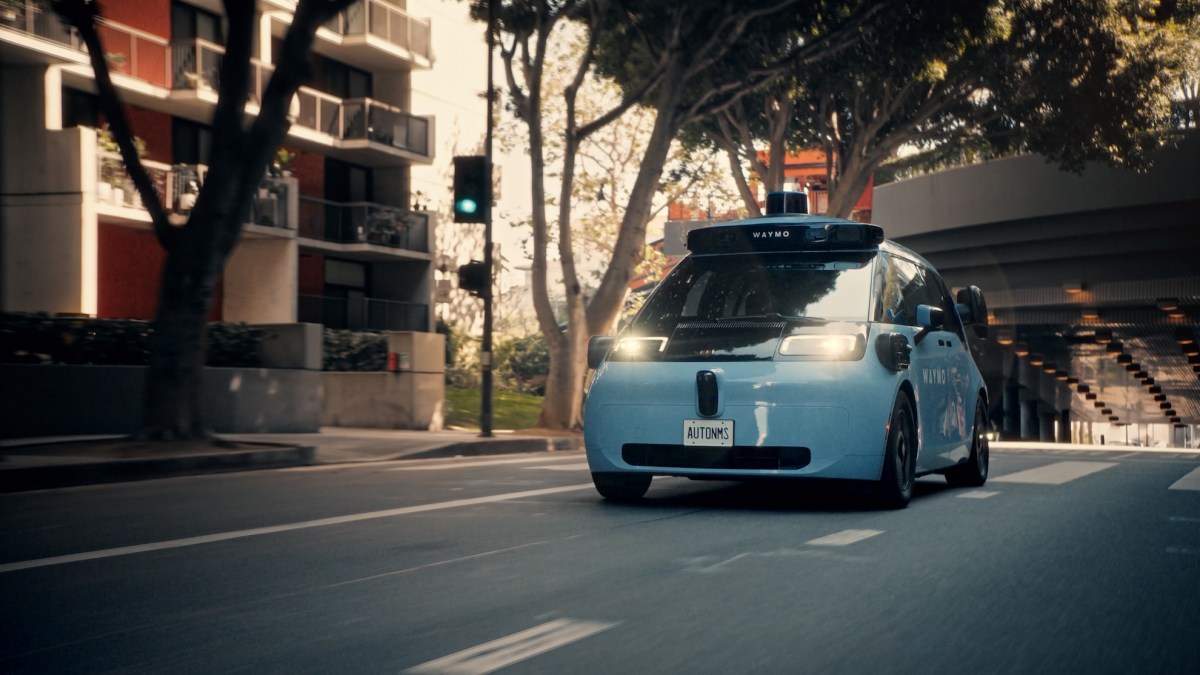
Waymo Launches Next-Gen Ojai Robotaxi for Riders in Los Angeles, Phoenix, and San Francisco
Waymo has officially opened its next-generation robotaxi, the Ojai, to all riders in Los Angeles, Phoenix, and San Francisco. This marks a significant step for the Alphabet company as it aims to expand its fleet with vehicles that are more cost-effective to build, operate, and maintain. Currently, Waymo has approximately 300 Ojai robotaxis in its commercial fleet, with plans to introduce the vehicle in Denver, Las Vegas, and San Diego later this year. The introduction of the Ojai is crucial for Waymo's long-term strategy to achieve mass scale and profitability. The Ojai features Waymo's sixth-generation self-driving system, which is designed to be modular and compatible with various vehicle types. Additionally, it includes a redesigned user interface and Google’s Gemini AI, enhancing the rider experience. The Ojai is based on a minivan produced by Zeekr, a subsidiary of Geely Holding Group, and aims to be both attractive and durable for frequent use. Looking ahead, Waymo is projected to import 5,000 Ojai vehicles to the United States by the end of 2026, significantly increasing its fleet size compared to the existing Jaguar I-Pace. However, the company faces challenges due to U.S. tariffs on imported vehicles, which impact overall costs. No further timeline was disclosed at the time of publication.
Transportation robotaxis Waymo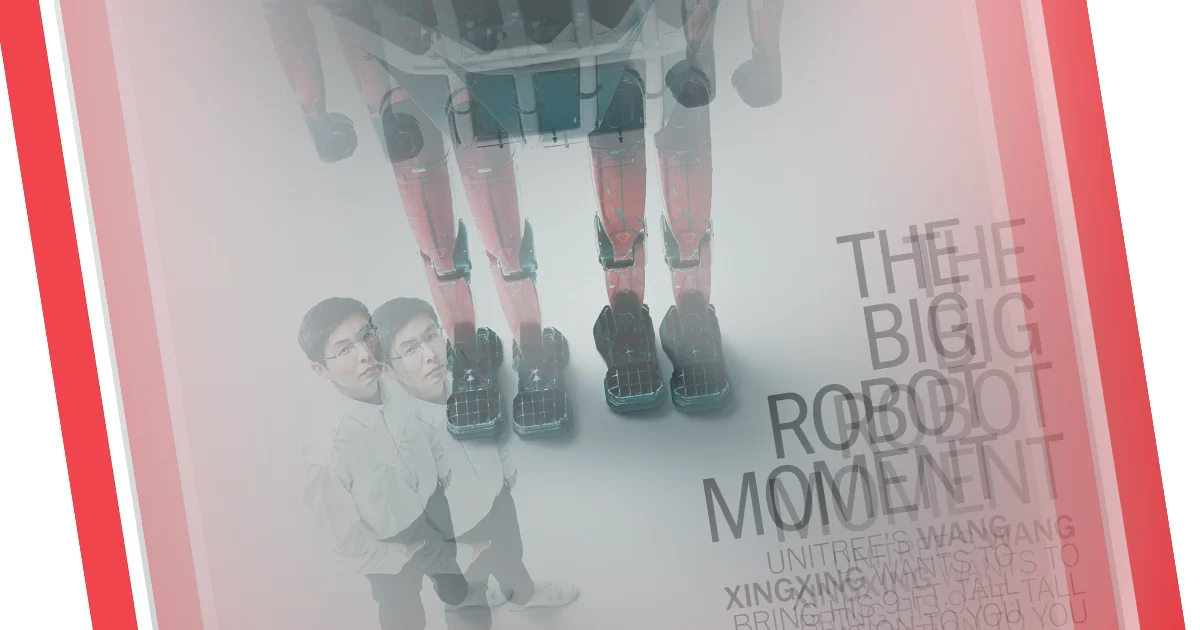
Unitree Robotics Achieves Over 600% Surge in Shanghai IPO, Strengthening China's Humanoid Hardware Leadership
Unitree Robotics, also known as Yushu Technology Co Ltd, launched its initial public offering (IPO) on the Shanghai STAR Market, with shares opening at 1,100 yuan and soaring by 629% in early trading. This remarkable debut underscores China's ambition to lead in the intersection of physical automation and artificial intelligence. The IPO reflects a significant capital influx, reinforcing Unitree's status in the embodied intelligence sector. Founded by Wang Xingxing, the company has evolved from quadruped robots to becoming a key player in the bipedal market, shipping over 5,500 humanoid robots and 33,000 quadrupeds in 2025, achieving a net profit of 278 million yuan. Looking ahead, analysts predict increased competition in the domestic market, which may pressure profit margins. Unitree's collaboration with AI startup DeepSeek aims to enhance its humanoid capabilities, although widespread deployment in households remains several years away. No further timeline was disclosed at the time of publication.
Unitree Robotics Market China IPO
Yushutech's IPO Soars 629% on 'Super Day' of Robotics Industry Amid WRC Launch
On August 19, the robotics industry experienced a significant event dubbed 'Super Day' as Yushutech officially listed on the STAR Market, witnessing a remarkable surge of 629% in its stock price, reaching a market capitalization of 444.9 billion yuan. Concurrently, the 2026 World Robot Conference (WRC) commenced in Beijing, featuring over 300 companies and more than 2,000 exhibits, showcasing 150 new products. This dual occurrence highlights the growing momentum in the humanoid robotics sector, transitioning from conceptual narratives to tangible performance metrics. Yushutech's IPO price was set at 150.80 yuan per share, opening at 1,100 yuan, with a peak dynamic PE ratio exceeding 800 times. The company reported revenues of 1.699 billion yuan in 2025, with a net profit of 278 million yuan, and a market share of 32.4% in humanoid robot shipments, leading globally. Looking ahead, the WRC's focus has shifted from showcasing technical prowess to practical applications, with companies like Yushutech and others unveiling functional robots. The first valuation benchmark for the humanoid robot sector has been established, which is crucial for upcoming IPOs of companies like Zhiyuan and Leju. The industry is now emphasizing operational capabilities over mere demonstrations, as evidenced by the significant shipment growth of humanoid robots, which increased by 272% in the first half of the year.
Humanoid Robots Robot Industry Market Trends Technology Innovation
Extreme Heat Intensifies Food-Energy Challenges Across Asia
Extreme heat is increasingly impacting agriculture and energy costs across Asia, as seen in the case of a farmer in Ahmedabad, India, who struggles against rising temperatures while tending to her paddy fields. This situation highlights the interconnectedness of food production and energy consumption, with hotter climates leading to damaged crops and increased cooling expenses. The implications of this trend are significant, as it threatens food security and economic stability in the region. As cooling costs rise due to extreme heat, farmers and consumers alike face challenges in maintaining livelihoods and accessing affordable food. The situation underscores the urgent need for adaptive strategies to mitigate the effects of climate change on agriculture and energy. Looking ahead, it is crucial to monitor how these environmental changes will continue to affect food and energy systems in Asia. No further timeline was disclosed at the time of publication, but ongoing developments in climate policy and agricultural practices will be essential to watch as the region navigates these challenges.
San Mateo County Approves Strict Regulations for Humanoid Robots, Impacting Teleoperation Models
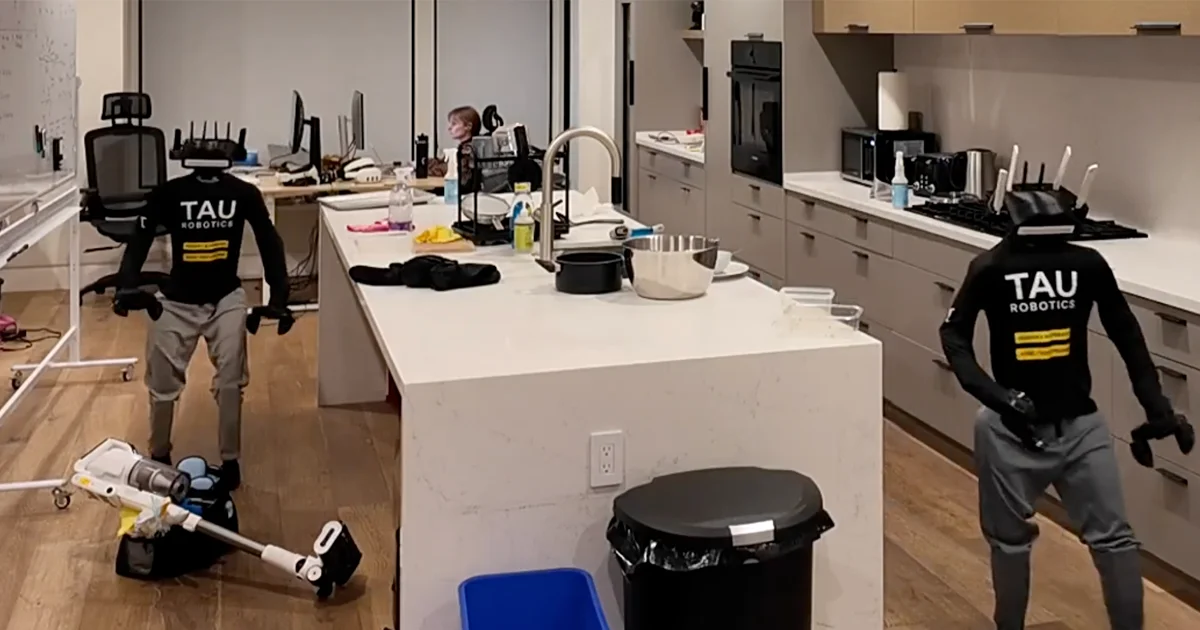
The San Mateo County Board of Supervisors has unanimously approved a resolution to regulate the use of humanoid robots in commercial settings. This resolution, authored by Supervisor Ray Mueller, aims to draft an ordinance that imposes strict oversight on 'untethered, autonomous or semi-autonomous humanoid robots.' The proposed regulations could significantly affect the operational viability of robotics startups in Silicon Valley, particularly those relying on teleoperation. The ordinance mandates that any permitted humanoid robot must be supervised at all times by a trained, on-site human, which poses a substantial challenge to companies like Tau Robotics that currently offer remote-operated humanoid cleaning services. This requirement undermines the cost-saving benefits of automation, as businesses would need to pay for both the robot and a local supervisor, complicating their business models. Additionally, the resolution requires companies to conduct an Economic Impact Assessment to evaluate potential job losses and implement measures to mitigate workforce impacts. The regulations also emphasize hardware safety and public infrastructure integration, necessitating accessible emergency features and a clean safety record for robots. No further timeline was disclosed at the time of publication.
US policyRobotics needs a service framework.
RSF defines a common language for robot service capability, lifecycle operations, certification pathways, and service-provider networks.
Join the RobotToday community on LinkedIn
Daily robotics news, in-depth analysis, conference highlights, and discussions with professionals worldwide.







