Industry Briefing
A single destination for timely, editor-curated robotics news from around the world.

FlybyOps Launches Platform to Streamline Management of Autonomous Drone Fleets
FlybyOps, a Finland-based company, has introduced an enterprise drone operations platform aimed at addressing the complexities of scaling autonomous drone fleets. As commercial drone operations expand, managing pilots, equipment, approvals, and compliance becomes increasingly challenging, especially with the rise of Beyond Visual Line of Sight (BVLOS) operations. The platform serves as a central hub for organizations developing large-scale BVLOS and autonomous drone programs, connecting flights with necessary personnel, aircraft, and compliance requirements. With regulators worldwide facilitating more routine BVLOS flights, industries such as logistics and infrastructure inspection are preparing for fleets capable of performing hundreds or thousands of autonomous missions, necessitating robust management tools. FlybyOps emphasizes compliance and operational oversight, allowing organizations to manage flight approvals, personnel qualifications, and operational risks from a single system. The software has already been adopted globally, providing operators with enhanced visibility into complex flight programs. No further timeline was disclosed at the time of publication.
News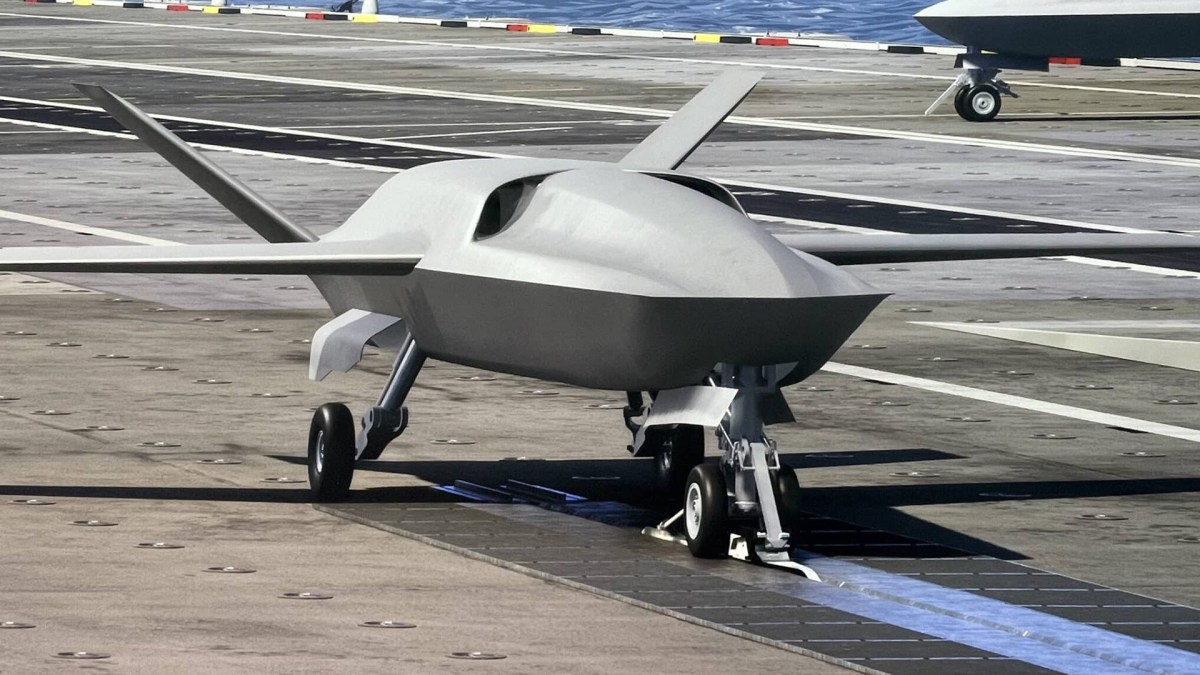
U.S. Navy Seeks 1,000 Nautical Mile Range for Future Carrier-Based Drones
The U.S. Navy is planning to develop carrier-based uncrewed aircraft capable of striking enemy targets at least 1,000 nautical miles away without mid-air refueling. This initiative is part of a broader request for information (RFI) issued by Naval Air Systems Command (NAVAIR) regarding the Air Wing of the Future (AWOTF) family of systems. This capability is crucial as adversary anti-access/area denial strategies evolve, necessitating that carrier air wings operate from greater distances. The Navy's focus on uncrewed systems aims to enhance combat effectiveness over existing platforms while ensuring compatibility with Nimitz and Ford class carriers. Future developments will likely include vertical takeoff and landing drones for use on destroyers, as well as integration with existing U.S. Navy Unmanned Carrier Aviation control systems. No further timeline was disclosed at the time of publication.
Air Carriers Collaborative Combat Aircraft Drones Navies News & Features
Smart drones, safe skies: Student's system tests and coordinates drone fleets
Autonomous drones have the potential to revolutionize various industries by delivering packages, inspecting infrastructure, monitoring emergencies such as wildfires, and eventually transporting passengers. However, as of now, the airspace is not equipped with the necessary testing and coordination infrastructure to ensure the safe operation of drones in proximity to people, buildings, aircraft, and one another. This lack of infrastructure poses significant challenges to the widespread adoption of drone technology, hindering its ability to demonstrate safety and reliability in urban environments. As stakeholders in the aviation and technology sectors push for advancements, the need for a comprehensive framework to facilitate safe drone operations remains critical.
Robotics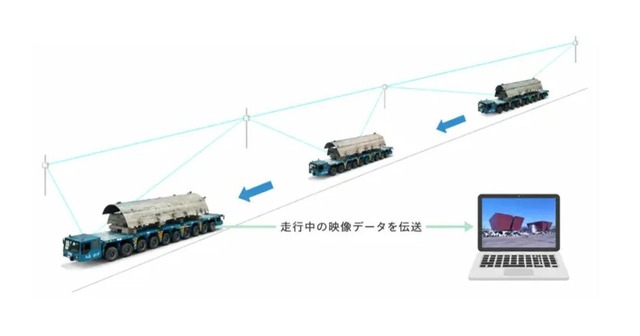
AiTrax tests mesh Wi-Fi for stable communication in AGVs and drone fleets at shipyard.
AiTrax Inc. has successfully achieved real-time video transmission via Wi-Fi access points mounted on large component transport vehicles. This milestone was reached during operations at the Imari facility of Namura Shipbuilding in Saga Prefecture. The demonstration took place from March 16 to March 18, 2026, showcasing the company's innovative technology aimed at enhancing logistics and operational efficiency in industrial settings. The successful implementation of this technology is expected to streamline processes and improve communication within manufacturing environments.
Robotics needs a service framework.
RSF defines a common language for robot service capability, lifecycle operations, certification pathways, and service-provider networks.
Join the RobotToday community on LinkedIn
Daily robotics news, in-depth analysis, conference highlights, and discussions with professionals worldwide.