Industry Briefing
A single destination for timely, editor-curated robotics news from around the world.
Iwa Robotics Launches Autonomous Drone Fleet for Wildfire Management Solutions
Iwa Robotics has unveiled three autonomous drone platforms aimed at assisting fire departments in detecting, assessing, and suppressing wildfires in both urban and wildland-interface areas. The drones, named Hawk, Canary, and Pelican, are part of Iwa's Discovery and Resolution Fleet, designed to operate collaboratively for enhanced firefighting capabilities. The introduction of these drones is significant as it enhances crew safety and operational efficiency in wildfire management. The Hawk drone specializes in long-endurance reconnaissance, while the Canary drone focuses on sensing and fire diagnostics. The Pelican drone is equipped for aerial suppression, addressing hot spots and establishing fire lines, thereby providing critical support to firefighting teams. Iwa Robotics plans to offer these drones through a fleet-as-a-service model, which includes aircraft, autonomy training, data services, maintenance, and insurance. This approach allows fire agencies to integrate advanced aerial detection and suppression capabilities without the need for upfront equipment purchases. No further timeline was disclosed at the time of publication.
AI AI Funding & Investment AI Use Cases Robotics autonomous drones Iwa Robotics
FlybyOps Launches Platform to Streamline Management of Autonomous Drone Fleets
FlybyOps, a Finland-based company, has introduced an enterprise drone operations platform aimed at addressing the complexities of scaling autonomous drone fleets. As commercial drone operations expand, managing pilots, equipment, approvals, and compliance becomes increasingly challenging, especially with the rise of Beyond Visual Line of Sight (BVLOS) operations. The platform serves as a central hub for organizations developing large-scale BVLOS and autonomous drone programs, connecting flights with necessary personnel, aircraft, and compliance requirements. With regulators worldwide facilitating more routine BVLOS flights, industries such as logistics and infrastructure inspection are preparing for fleets capable of performing hundreds or thousands of autonomous missions, necessitating robust management tools. FlybyOps emphasizes compliance and operational oversight, allowing organizations to manage flight approvals, personnel qualifications, and operational risks from a single system. The software has already been adopted globally, providing operators with enhanced visibility into complex flight programs. No further timeline was disclosed at the time of publication.
News
Flytrex Launches Rooftop Drone Docks and AI Fleet Positioning in Dallas-Fort Worth
Flytrex has unveiled a rooftop docking system and AI-driven fleet positioning for drone delivery in the Dallas-Fort Worth area. This innovative system is designed to reduce delivery costs by 60% and cut customer delivery times by half by positioning drones at restaurants before orders are placed. The significance of this development lies in its potential to streamline drone delivery operations. By eliminating the need for drones to fly from a central location to restaurants, Flytrex's system addresses a major inefficiency in current delivery networks. The technology allows for quicker service and fresher food, enhancing the overall customer experience. Looking ahead, Flytrex plans to install the rooftop docking system at over 100 additional sites, expanding its operational footprint. However, the success of this model will depend on finding suitable locations and obtaining regulatory approvals for its operations. No further timeline was disclosed at the time of publication.
Applications Delivery Drone News Drone News Feeds News AI fleet positioning
InOrbit.AI Launches OpenRobOps for Standard-Compliant Robot Fleet Management
InOrbit.AI has unveiled OpenRobOps (ORO), an open-source software aimed at enhancing robot operations and fleet management. This new tool is designed to facilitate scaled deployments within the robotics community, ensuring compliance with industry standards. The introduction of OpenRobOps is significant as it addresses the growing need for standardized solutions in robot orchestration. By providing a framework that supports fleet management, InOrbit.AI aims to streamline operations and improve efficiency for enterprises utilizing robotic systems. Looking ahead, stakeholders in the robotics sector should monitor the adoption of OpenRobOps and its impact on operational practices. The effectiveness of this software in real-world applications will be crucial in determining its success and influence on future developments in robot management solutions. No further timeline was disclosed at the time of publication.

UK Ministry of Defence Selects Tekever AR5 Drones to Replace Watchkeeper Fleet
The UK Ministry of Defence has selected Tekever's AR5 surveillance drones to replace the British Army's outdated Watchkeeper fleet. This decision highlights the UK's commitment to modernizing its military capabilities with advanced drone technology. The replacement of the Watchkeeper fleet is significant as it underscores the need for enhanced surveillance and reconnaissance capabilities in military operations. Tekever's AR5 drones are expected to provide improved performance and reliability compared to the older systems. As the UK moves forward with this transition, it will be important to monitor the integration of the AR5 drones into the British Army's operations. No further timeline was disclosed at the time of publication.
News
Roboteon Enhances Fleet Management and Orchestration for Manufacturing Robots and AGVs
Roboteon has announced an expansion of its capabilities, providing a powerful software platform designed to orchestrate automated material flows in manufacturing environments. This platform aims to improve visibility, control, productivity, and throughput for manufacturers by acting as a digital nervous system. The significance of this development lies in Roboteon's position as a leading innovator in intelligent warehouse and manufacturing robotics software. By enabling the integration and synchronization of mobile robots and autonomous guided vehicles (AGVs), manufacturers can optimize their operations and enhance overall efficiency on the shop floor. Looking ahead, industry stakeholders should monitor how Roboteon's advancements in fleet management and orchestration will influence manufacturing processes and the adoption of automated solutions. No further timeline was disclosed at the time of publication.
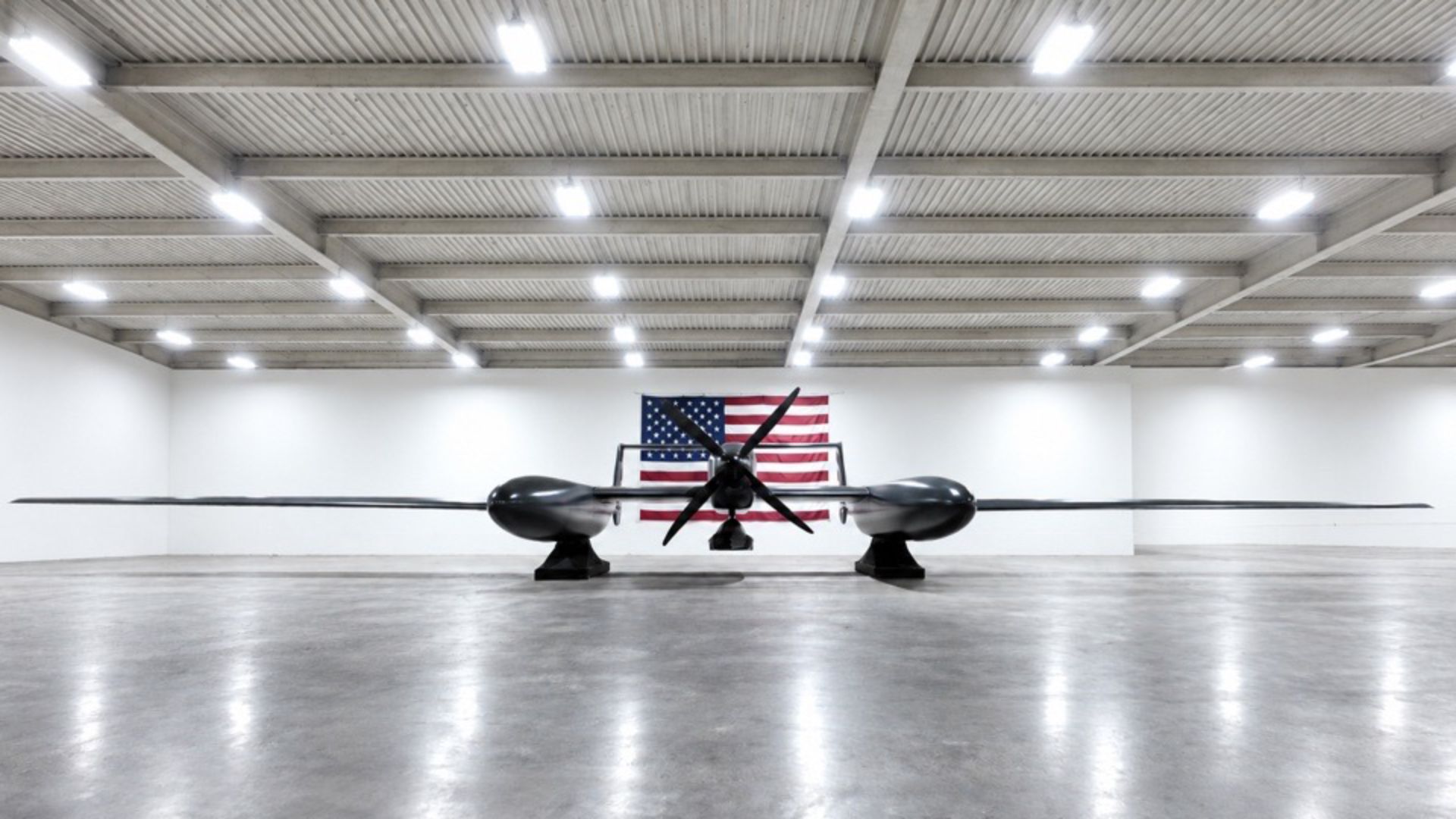
Swarm Aero Introduces Gamera Drone with 10,357-Mile Range for U.S. Air Force Replacement
Swarm Aero has launched its Gamera drone, a long-range uncrewed aircraft aimed at replacing the MQ-9A Reaper for the U.S. Air Force. The Gamera features a 72-foot wingspan and an impressive unrefueled range of up to 10,357 miles, designed for the Pentagon's Massed Modular Aircraft program, which seeks cost-effective solutions for intelligence and strike missions. This development is significant as it addresses the need for a lower-cost, attrition-tolerant aircraft, with the Gamera capable of carrying at least 2,800 pounds of payload, including advanced weaponry. Its innovative design includes two parallel fuselages and a unique engine placement, enhancing its operational capabilities while allowing for modular payload adjustments as mission requirements evolve. Looking ahead, Swarm Aero's Gamera is positioned to revolutionize drone operations with its autonomous swarm capabilities, allowing a single operator to control multiple aircraft. The company has been developing this technology since 2022 and aims to meet the Air Force's target price of approximately $10 million per aircraft, significantly lower than the MQ-9A's cost, which can reach $50 million depending on configuration.
Military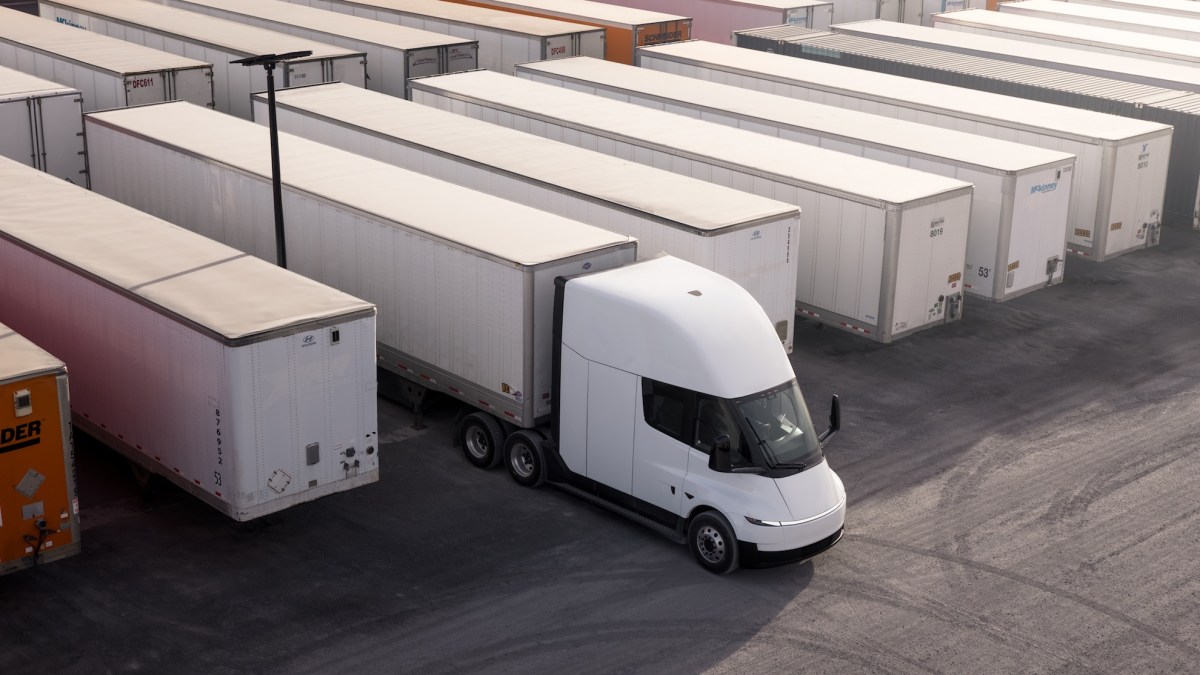
Einride Plans to Acquire 500 Tesla Semis for Enhanced Fleet Management
Swedish electric and autonomous trucking company Einride announced its intention to purchase 500 Tesla Semis, which will be integrated into its fleet over the next 24 months, starting in September. This acquisition aims to provide customers, including Amazon, with electric trucking solutions without the burdens of ownership, managed through Einride's Saga AI platform. The significance of this deal lies in its potential to triple Einride's fleet size and enhance its service offerings. The Tesla Semis will support the expansion of Einride's electric freight network across key U.S. corridors, including California, Georgia, New Jersey, and Texas. CEO Roozbeh Charli emphasized that this deployment demonstrates Einride's capability to meet customer demands at scale. Looking ahead, Einride's partnership with Tesla could lead to approximately $800 million in potential long-term annual recurring revenue through joint business plans with shippers. The company is also focused on scaling its operations, having recently secured a deal with Amazon for 75 electric trucks and acquiring EV charging company Flipturn to enhance its service portfolio. No further timeline was disclosed at the time of publication.
Transportation Amazon einride Tesla
Enhancing Safety in Drone Operations by Addressing Fatigue and Workload Management
Commercial drone operations are increasingly complex, necessitating improved safety measures that support human performance. Experts Aloha Ley and Giovanni Carnaroli highlight the importance of addressing operator fatigue and workload through better practices and emerging technologies. Their insights reveal that even short shifts can lead to significant fatigue, impacting safety in high-demand sectors like package delivery and public safety. The findings from a 2025 Clemson University dissertation emphasize that passive monitoring can introduce fatigue pathways, challenging the notion that drone oversight is less demanding than piloting. A case study in utility aviation demonstrated the effectiveness of structured fatigue risk management, achieving a 25% reduction in scheduling exceedances and a 20% decrease in fatigue-related incidents. Looking ahead, the integration of advanced technologies is crucial for managing human factors in drone operations. New tools are being developed to dynamically manage workload and monitor operator performance in real-time. This adaptive approach signifies a shift from traditional control paradigms, aiming to enhance safety and operational efficiency in commercial drone fleets. No further timeline was disclosed at the time of publication.
DL Exclusive Drone News Drone News Feeds education News AI for drones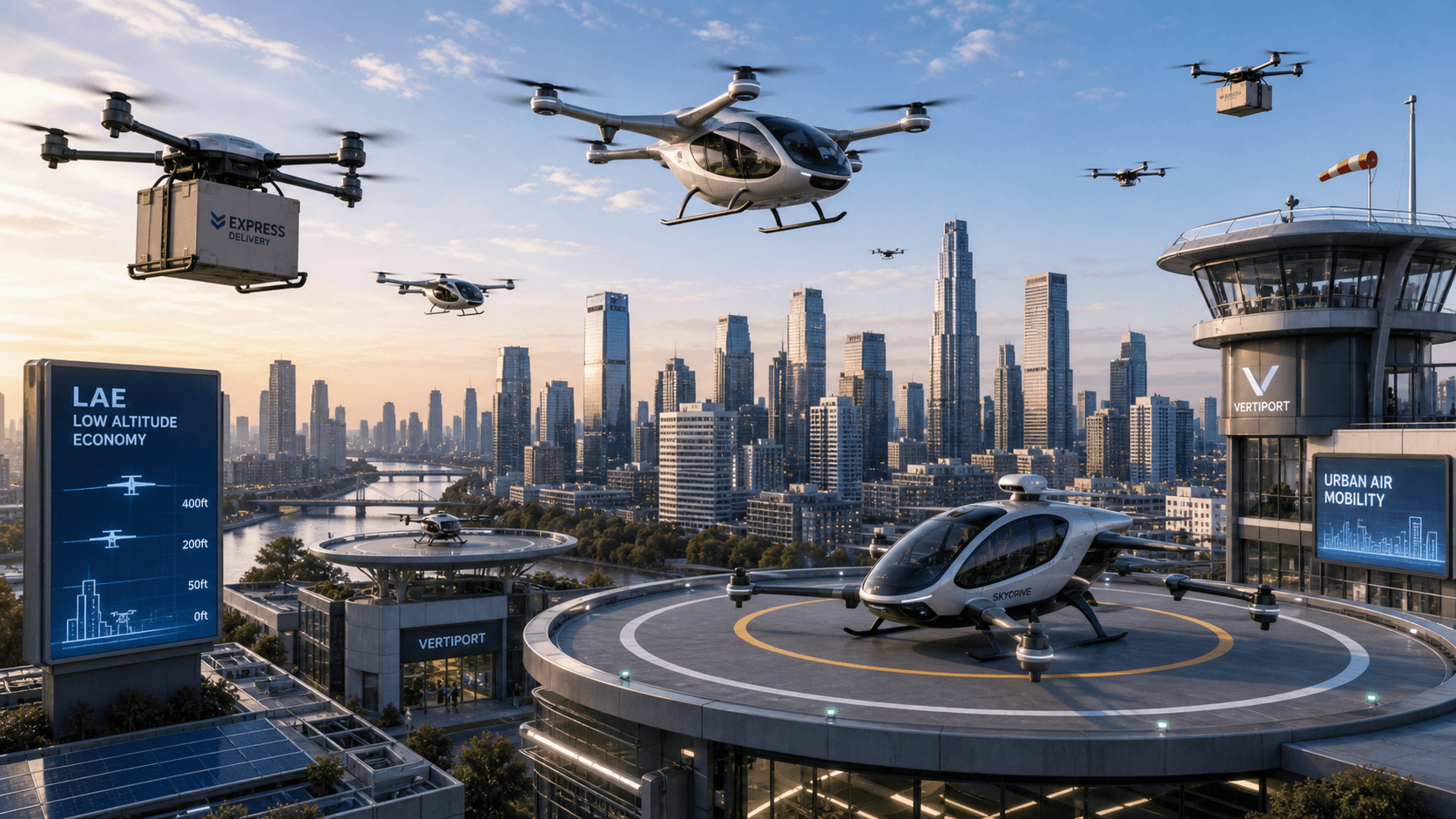
Low-Altitude Economy Experiences Rapid Growth with Logistics Drones and eVTOL Aircraft
The low-altitude economy is entering a significant growth phase as logistics drones, eVTOL aircraft, and airspace management systems converge. This convergence is marked by the commercialization of delivery drones and inspection robots, which are at the forefront of this emerging market. This development is crucial as it signifies an inflection point for the industry, highlighting the increasing demand for efficient logistics solutions and advanced airspace management. The integration of these technologies is expected to enhance operational capabilities and streamline delivery processes in various sectors. Looking ahead, stakeholders should monitor advancements in airspace management infrastructure and the deployment of logistics drones and eVTOL aircraft. No further timeline was disclosed at the time of publication.
Industry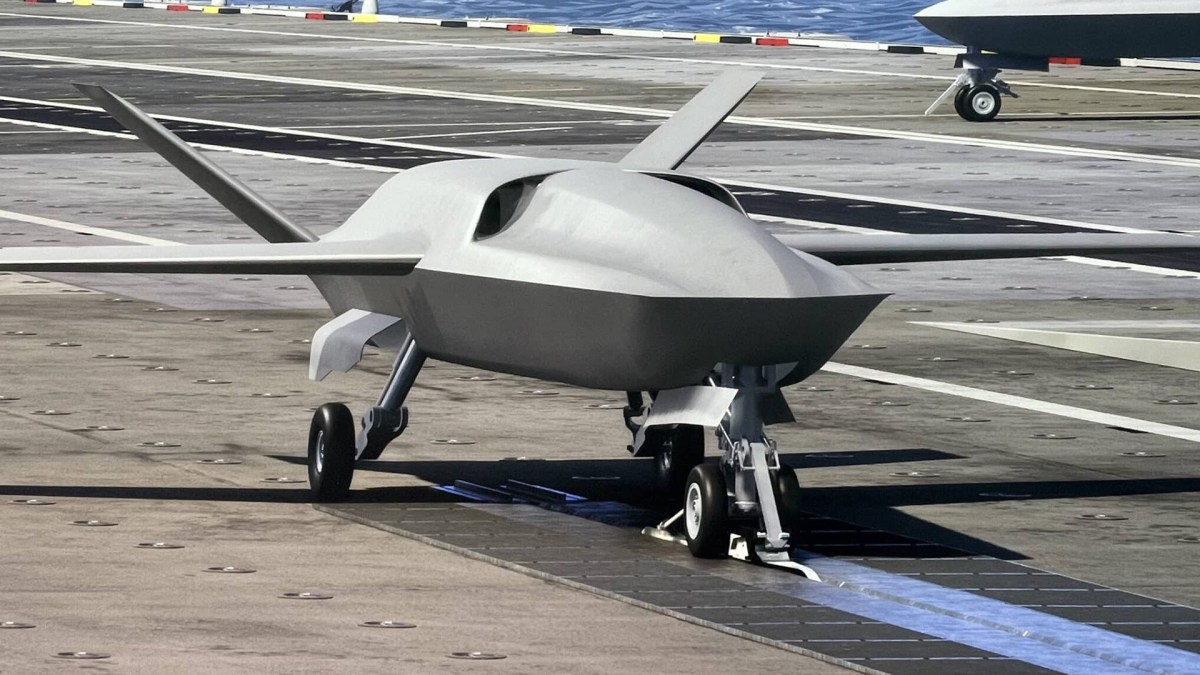
U.S. Navy Seeks 1,000 Nautical Mile Range for Future Carrier-Based Drones
The U.S. Navy is planning to develop carrier-based uncrewed aircraft capable of striking enemy targets at least 1,000 nautical miles away without mid-air refueling. This initiative is part of a broader request for information (RFI) issued by Naval Air Systems Command (NAVAIR) regarding the Air Wing of the Future (AWOTF) family of systems. This capability is crucial as adversary anti-access/area denial strategies evolve, necessitating that carrier air wings operate from greater distances. The Navy's focus on uncrewed systems aims to enhance combat effectiveness over existing platforms while ensuring compatibility with Nimitz and Ford class carriers. Future developments will likely include vertical takeoff and landing drones for use on destroyers, as well as integration with existing U.S. Navy Unmanned Carrier Aviation control systems. No further timeline was disclosed at the time of publication.
Air Carriers Collaborative Combat Aircraft Drones Navies News & Features
Commercial UAV Expo Launches DRONERESPONDERS Training for Public Safety Applications
The Commercial UAV Expo has introduced a new two-day program management training course as part of its Public Safety Summit. This initiative focuses on various applications of drones in public safety, including their use as first responders, in fire services, crash-scene management, and shared-airspace operations. The course will also feature a two-part session discussing counter-UAS strategies learned from the 2026 FIFA World Cup. This new training program is significant as it addresses the growing integration of drones in emergency response and public safety sectors. By equipping program managers with specialized knowledge, the initiative aims to enhance operational efficiency and safety in critical situations. The inclusion of counter-UAS lessons from a major international event like the FIFA World Cup underscores the importance of preparedness in managing drone-related challenges. Looking ahead, the next milestone for the Public Safety Summit will be the execution of this training course, scheduled to take place soon. No further timeline was disclosed at the time of publication, but the program's launch indicates a proactive approach to improving drone operations in public safety contexts.

Tattu Launches 5.0 Smart Battery Platform as Heavy-Lift Drones Demand Faster Charging and Smarter Fleet Power Management
A new platform has been developed for 100kg-class agricultural and logistics unmanned aerial vehicles (UAVs), showcasing advanced technological features aimed at enhancing operational efficiency. This innovative system integrates high-discharge performance capabilities, enabling rapid energy release during flight. Additionally, it supports 6C fast charging, significantly reducing downtime for UAVs between missions. The platform also incorporates an intelligent Battery Management System (BMS) that optimizes battery performance and longevity, while providing access to lifecycle data for better maintenance and operational planning. This development is expected to revolutionize the agricultural and logistics sectors by improving the reliability and efficiency of UAV operations, ultimately contributing to increased productivity in these industries.
InOrbit.AI Launches OpenRobOps as ISO 21423 Reference Implementation for Fleet Management
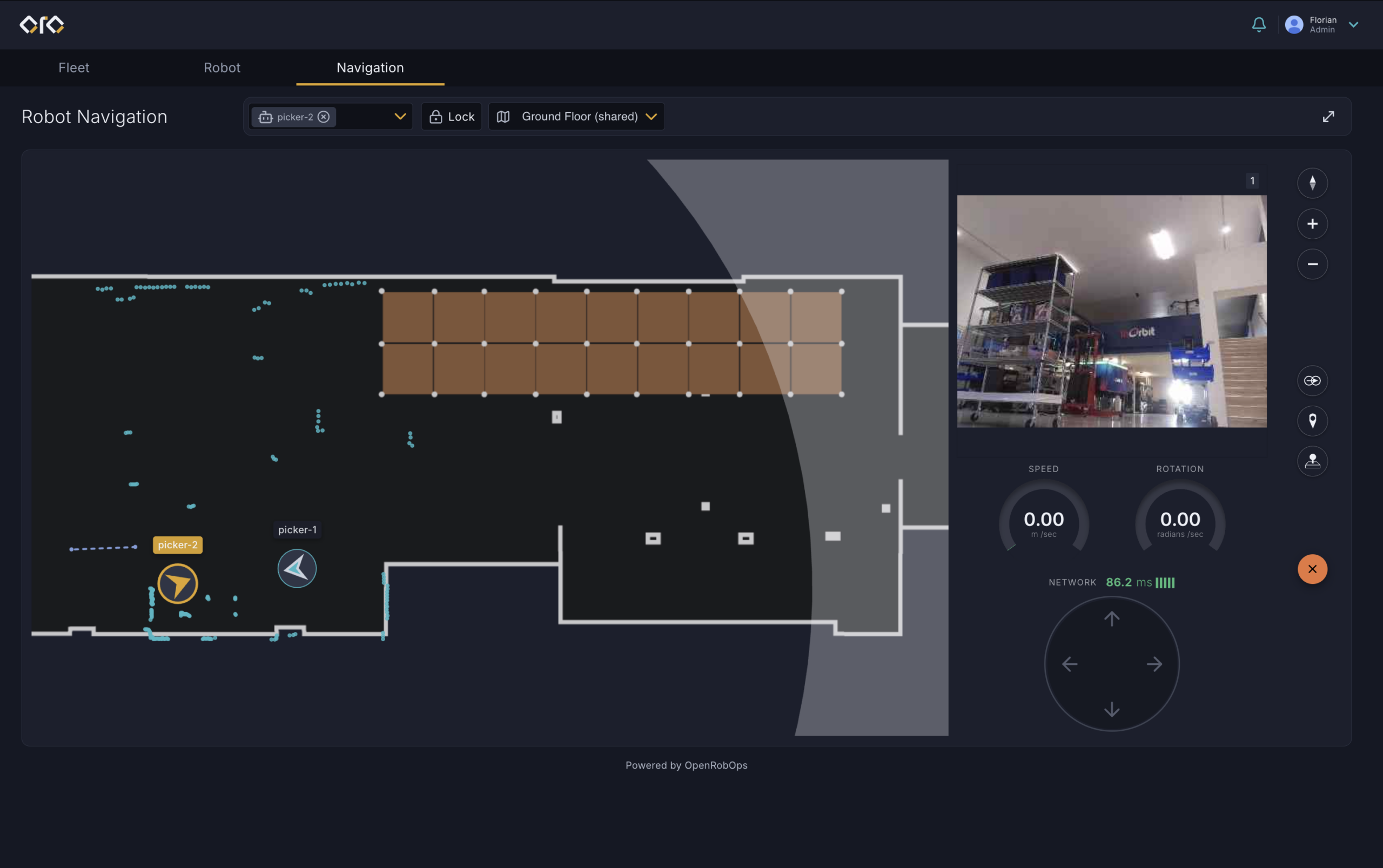
InOrbit Inc. has introduced OpenRobOps, an open-source robot operations and fleet management software aimed at simplifying fleet orchestration for developers. This release marks the industry's first ISO 21423 reference implementation, which is designed to enhance interoperability among mobile robots and fleet managers. The significance of OpenRobOps lies in its potential to help robotics developers avoid the 'build trap' by providing a production-grade foundation that allows them to focus on innovation rather than backend development. According to Florian Pestoni, CEO of InOrbit, this initiative is a contribution to the global robotics community, enabling organizations to bridge the gap between business intent and physical execution. Looking ahead, OpenRobOps is expected to facilitate the adoption of the ISO 21423 standard, which governs communication and data exchange for industrial mobile robots. As the demand for autonomous mobile robots increases, the ability to provide standardized fleet management solutions will be crucial for OEMs and developers in the robotics sector. No further timeline was disclosed at the time of publication.
Autonomous Mobile Robots (AMRs) Development Tools / SDKs / Libraries Logistics Mobility / Navigation News Regulatory & Compliance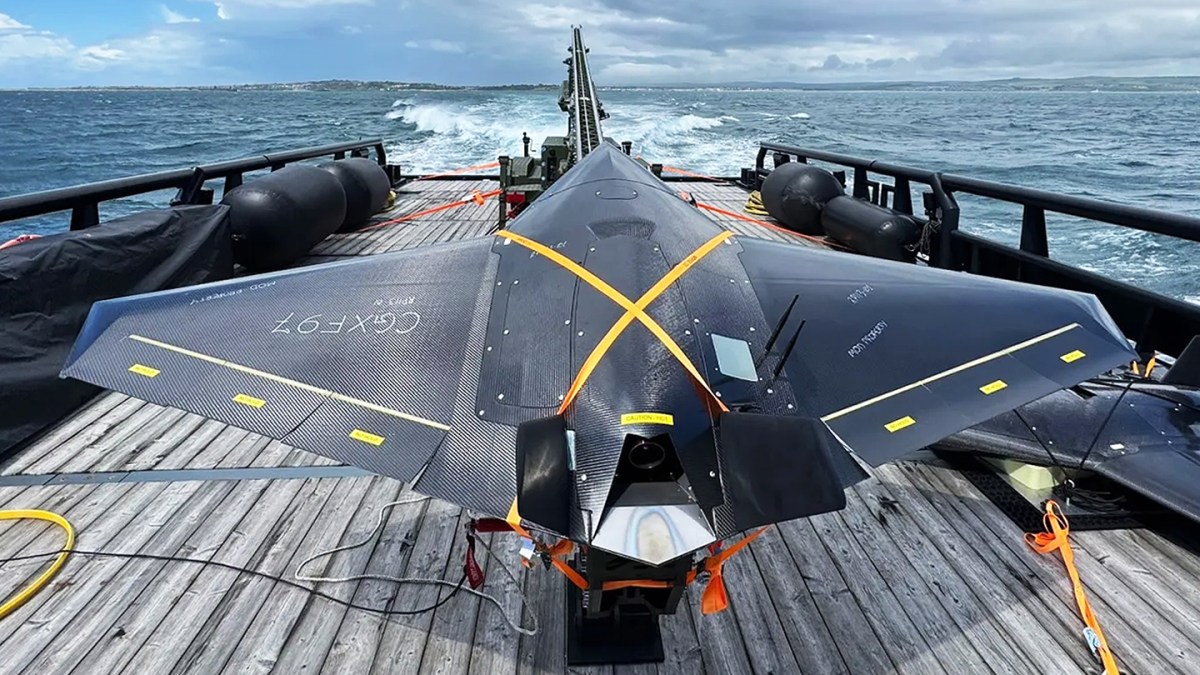
Royal Navy’s Sea Launch Of Combat-Proven Nyan Kamikaze Drone Points To Fleet’s ‘Hybrid’ Future
The Royal Navy has showcased a new shipboard strike capability with the demonstration of the combat-proven Nyan Kamikaze drone, highlighting its commitment to integrating advanced drone technology across its fleet. This event signals a significant step towards a hybrid future for naval operations, as the Royal Navy seeks to enhance its combat effectiveness and operational flexibility. The demonstration took place recently, underscoring the urgency of modernizing naval capabilities in response to evolving threats. By incorporating drones into its strategic framework, the Royal Navy aims to improve its maritime defense and maintain a competitive edge in modern warfare.
News & Features Carriers Drones Navies Queen Elizabeth Class Royal Navy
Smart drones, safe skies: Student's system tests and coordinates drone fleets
Autonomous drones have the potential to revolutionize various industries by delivering packages, inspecting infrastructure, monitoring emergencies such as wildfires, and eventually transporting passengers. However, as of now, the airspace is not equipped with the necessary testing and coordination infrastructure to ensure the safe operation of drones in proximity to people, buildings, aircraft, and one another. This lack of infrastructure poses significant challenges to the widespread adoption of drone technology, hindering its ability to demonstrate safety and reliability in urban environments. As stakeholders in the aviation and technology sectors push for advancements, the need for a comprehensive framework to facilitate safe drone operations remains critical.
Robotics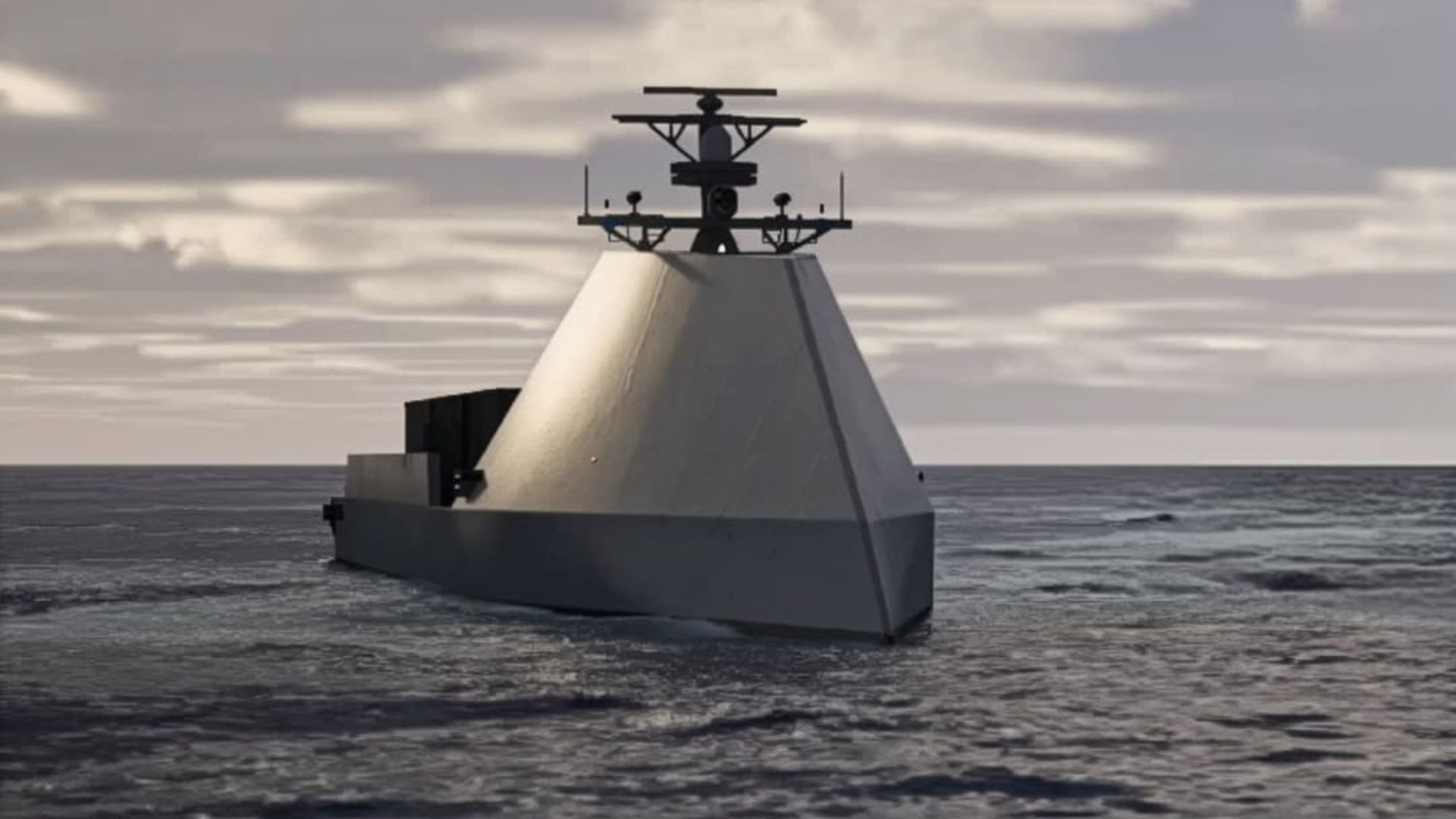
US Navy drone ship gets its own production line to speed up fleet deliveries
Bayou Metals, a key manufacturing partner of defense shipbuilder Huntington Ingalls Industries (HII), has announced the establishment of a new facility aimed at enhancing its production capabilities. This development, which took place in early October 2023, is located in the Gulf Coast region, a strategic area for defense manufacturing. The decision to expand comes in response to increasing demand for advanced materials and components necessary for military vessels. By investing in this new facility, Bayou Metals aims to streamline its operations and improve efficiency, ultimately supporting HII's commitment to delivering high-quality defense products. The facility is expected to create numerous jobs and contribute to the local economy, while also reinforcing the supply chain for the defense sector.
Military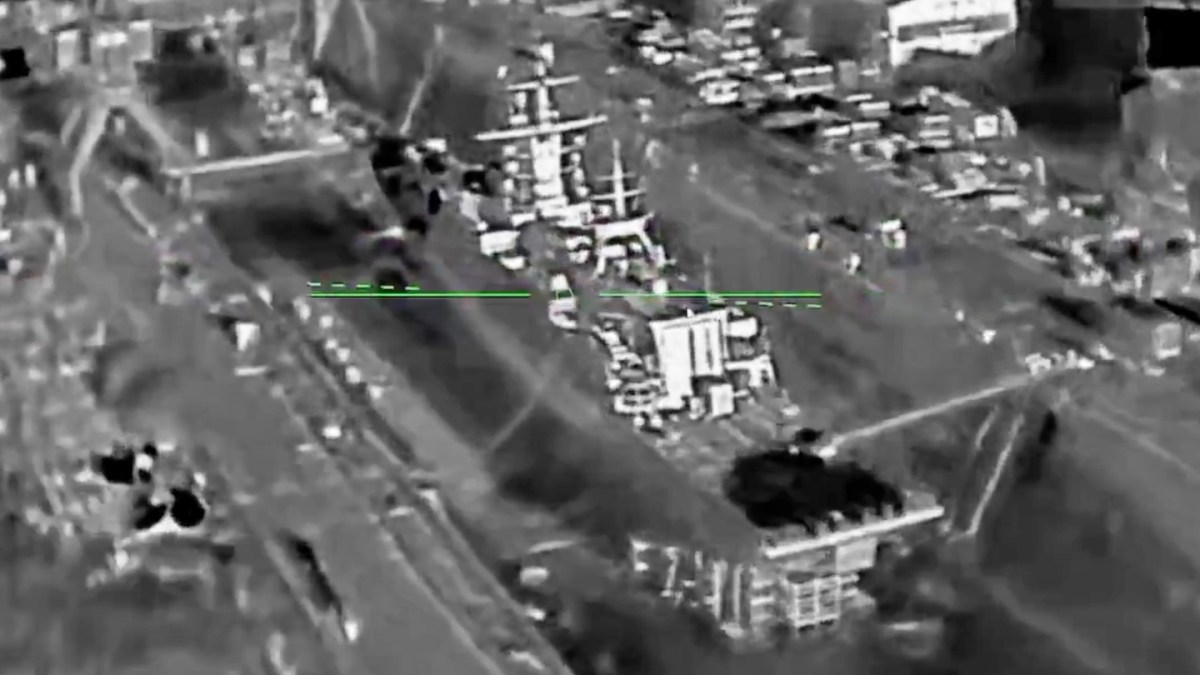
Russia’s Baltic Fleet Successfully Attacked By Ukrainian Drones
The Baltic Fleet, historically a stronghold for Russian naval operations, has become a target of Ukraine's advancing long-range strike capabilities. This shift in focus comes as Ukraine intensifies its military efforts against Russian forces amid ongoing tensions in the region. The recent drone attacks on the fleet signify a strategic escalation in Ukraine's campaign, aiming to undermine Russian naval strength and assert its own military presence in the area. The developments highlight the evolving dynamics of the conflict, with Ukraine leveraging innovative tactics to challenge its adversary's maritime power.
Sea Around The Globe Baltic Sea Corvettes Drones Europe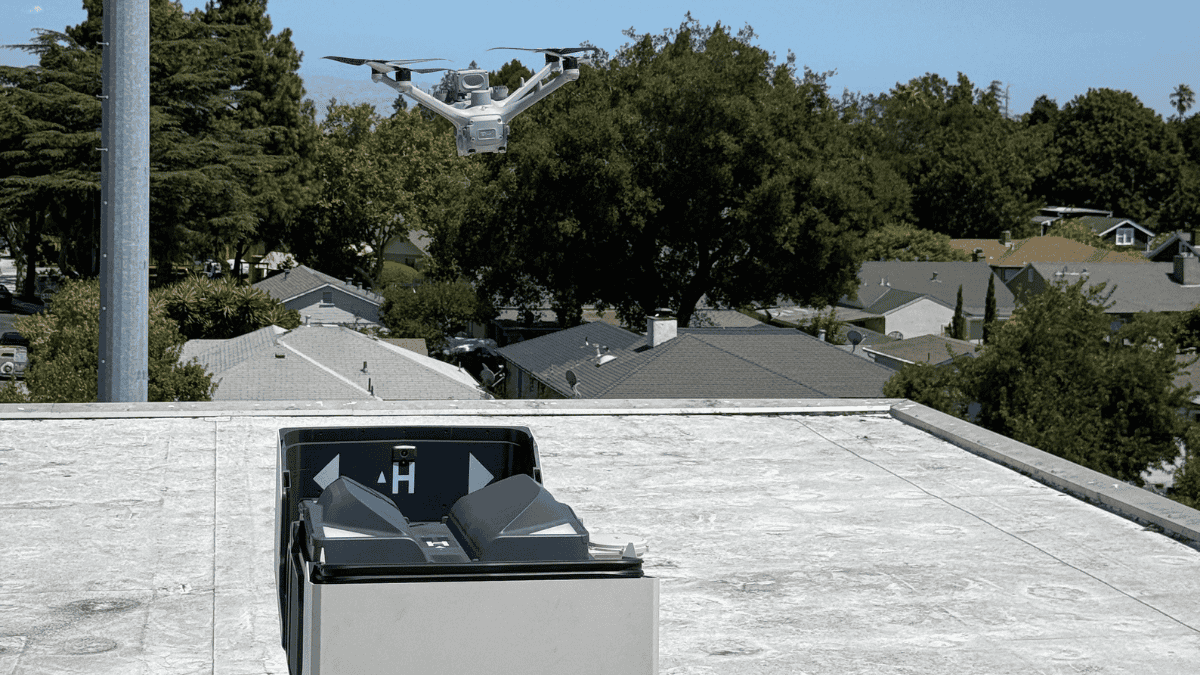
As Drone as First Responder Programs Scale, Data Management Becomes Mission Critical
A California fire district is facing significant challenges as it expands its public safety drone program, particularly in transforming flight data into actionable intelligence. As agencies increasingly incorporate drones into their operations, the focus has shifted from merely launching aircraft to effectively managing larger fleets and handling increased volumes of data. This evolution necessitates more sophisticated operational strategies to ensure that the drones can be utilized effectively in emergency situations. The growing complexity of these programs underscores the critical importance of data management in enhancing public safety efforts.
Applications Drone News Drone News Feeds Drones in the News Featured – Safety and Security News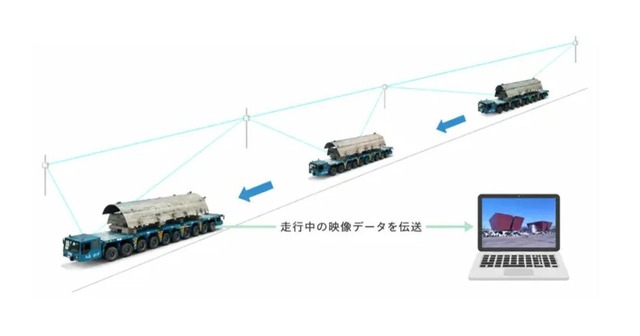
AiTrax tests mesh Wi-Fi for stable communication in AGVs and drone fleets at shipyard.
AiTrax Inc. has successfully achieved real-time video transmission via Wi-Fi access points mounted on large component transport vehicles. This milestone was reached during operations at the Imari facility of Namura Shipbuilding in Saga Prefecture. The demonstration took place from March 16 to March 18, 2026, showcasing the company's innovative technology aimed at enhancing logistics and operational efficiency in industrial settings. The successful implementation of this technology is expected to streamline processes and improve communication within manufacturing environments.

Airspace Management Systems Help Prioritize Emergency Drones
NASA is advancing its airspace management initiatives to enhance public safety for drones, particularly in response to the increasing challenges posed by congested urban environments. As urban areas become more populated and the use of drones expands, the agency is focusing on innovative solutions to ensure safe and efficient air traffic management. This initiative aims to address the complexities of integrating drones into existing airspace systems, thereby reducing the risk of accidents and improving overall safety for both drone operators and the public. Through research and development, NASA is exploring new technologies and strategies that will facilitate the seamless operation of drones in crowded cityscapes, ultimately paving the way for a safer and more organized airspace.

SkyfireAI Raises $11M in Seed Funding to Develop Autonomous Drone Fleet Platform for First Responders and Defense
SkyfireAI, a U.S. startup specializing in drone autonomy, has successfully secured $11 million in seed funding to advance its innovative software solutions. The funding round, primarily led by Mucker Capital, also saw contributions from notable investors including AI Fund, SaaS Ventures, and Halogen. This financial boost aims to enhance the company's capabilities in developing technology that enables organizations to efficiently manage fleets of drones without the need for a proportional increase in pilots or operational staff. The investment comes at a time when the demand for drone coordination and automation is rapidly growing, reflecting a broader trend towards increased efficiency in various sectors.
AI AI Funding & Investment Robotics autonomous drones Mucker Capital Seed Funding
Explained: How blockchain secures the future of US drone fleet
The United States drone industry is currently facing significant supply chain challenges that threaten its growth and efficiency. In response to these issues, industry leaders are exploring the potential of blockchain technology as a solution. This innovative approach could enhance transparency and traceability within the supply chain, allowing for more efficient tracking of components and reducing delays. As the demand for drones continues to rise, particularly in sectors such as delivery services and surveillance, addressing these supply chain disruptions has become increasingly urgent. Experts believe that implementing blockchain could streamline operations and foster greater collaboration among manufacturers, suppliers, and logistics providers. The exploration of this technology is gaining momentum as stakeholders seek to secure the future of the drone market in the U.S.

Bringing Firepower to the Fleet: Lockheed Martin Invests $50M in Saildrone to Advance Unmanned Surface Vehicle Capabilities for US Navy
Lockheed Martin has announced a significant investment of $50 million in Saildrone, Inc., aimed at enhancing the capabilities of unmanned surface vehicles (USVs). This partnership, revealed today, seeks to integrate advanced defense technology with Saildrone's proven USV systems, positioning them for military applications. The collaboration is expected to accelerate the development of these vehicles, equipping them with cutting-edge technology for all-domain defense operations. The investment underscores Lockheed Martin's commitment to advancing defense solutions and reflects the growing importance of innovative technologies in military strategy.
lockheed martin investment saildroneRobotics needs a service framework.
RSF defines a common language for robot service capability, lifecycle operations, certification pathways, and service-provider networks.
Join the RobotToday community on LinkedIn
Daily robotics news, in-depth analysis, conference highlights, and discussions with professionals worldwide.