Industry Briefing
A single destination for timely, editor-curated robotics news from around the world.
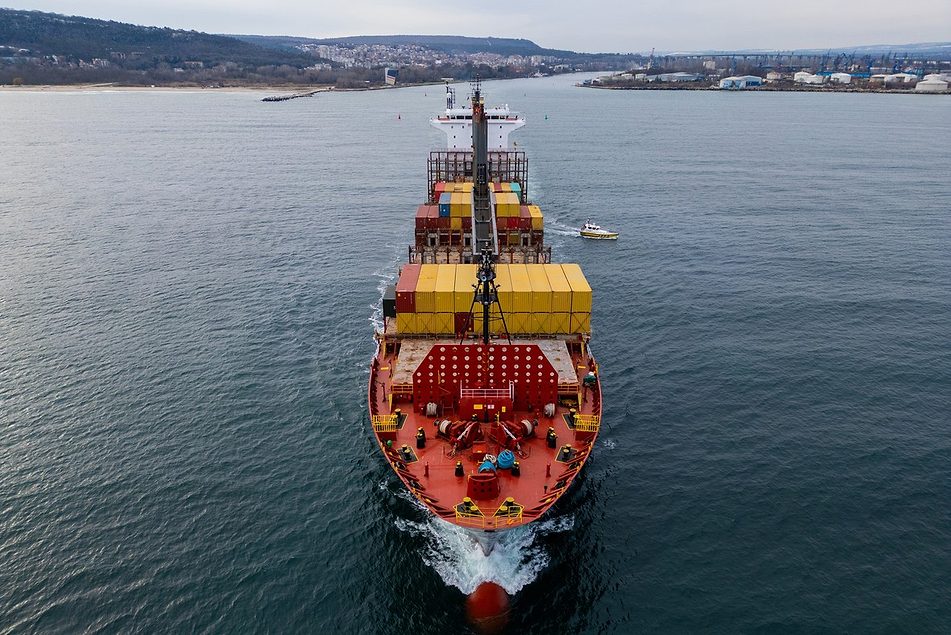
Black Sea Drone Strikes Target Cargo Ships Amid Escalating Ukraine Conflict
Recent drone strikes in the Black Sea have targeted cargo ships, highlighting the growing dangers in this vital trade corridor. These attacks underscore the escalating tensions in the region, particularly affecting agricultural trade routes crucial for Ukraine's economy. The significance of these strikes lies in their impact on global food supply chains, as the Black Sea is a key route for transporting agricultural products. Disruptions in this area could lead to increased prices and shortages, affecting markets worldwide. Looking ahead, stakeholders should monitor the situation closely, as further escalations could threaten maritime safety and trade stability. No further timeline was disclosed at the time of publication.
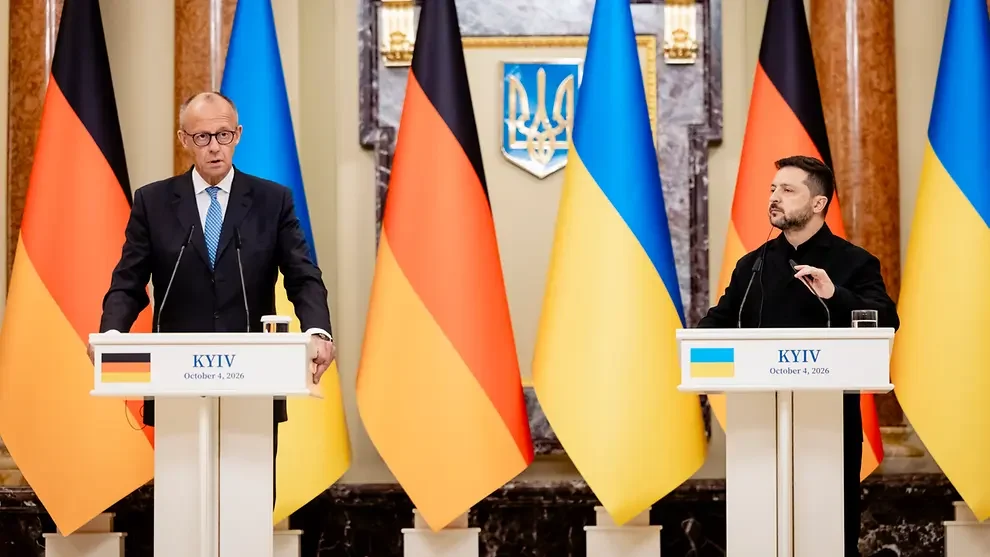
Germany Announces $1.1 Billion Military Aid Package to Ukraine Including Drone Interceptors
German Chancellor Friedrich Merz has unveiled a military aid package for Ukraine worth approximately €1 billion ($1.1 billion), featuring turbojet-powered drone interceptors, standoff weapons, and space-based technology. This announcement was made during a surprise visit to Kyiv, where Merz emphasized the importance of strengthening Ukraine's air defenses in light of Russia's ongoing aggression. The aid package includes significant contributions from German companies, with reports indicating that executives signed 14 agreements totaling around €6.6 billion. Key components of the package involve Diehl's IRIS-T air defense missiles, Hensoldt's radar systems, and Quantum Systems' jet-powered drone interceptors, which are set to be produced in Ukraine to counter Russia's drone attacks. Looking ahead, the production of several tens of thousands of Quantum Systems interceptor drones is expected to bolster Ukraine's defense capabilities. No further timeline was disclosed at the time of publication.
Air Warfare Global Air Force Drones Europe Germany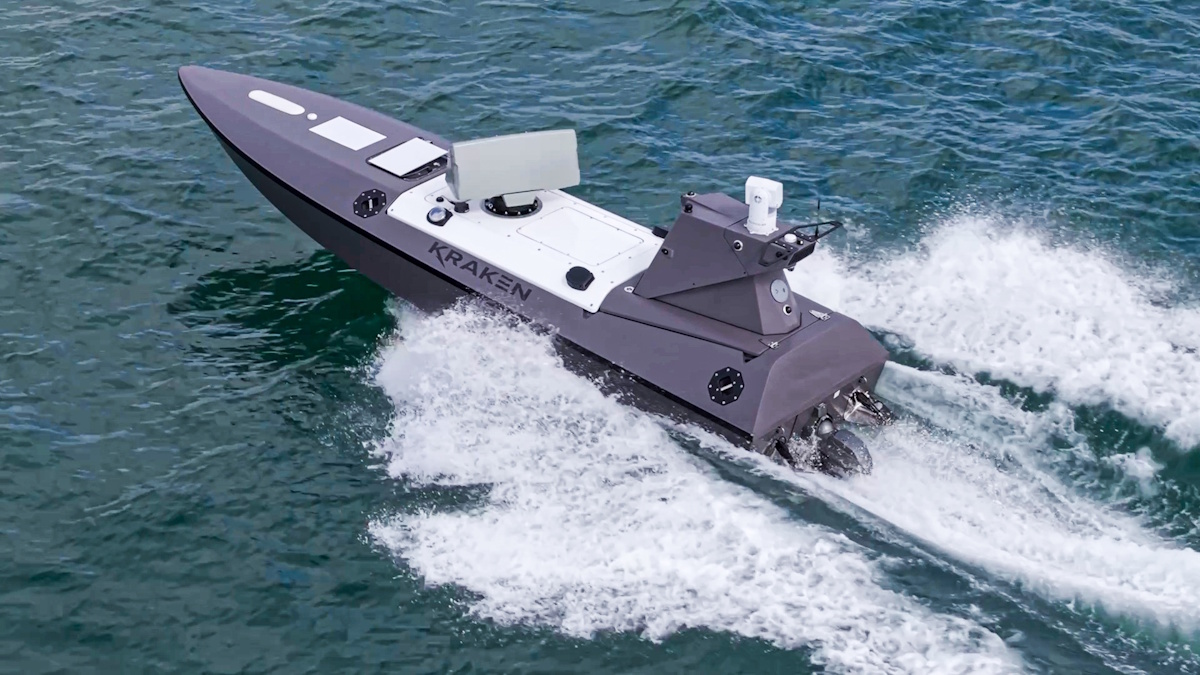
Saab UK and Kraken Develop Experimental Autonomous 'Drone Seeker' Vessel
Saab UK and Kraken have announced the development of an experimental autonomous 'drone seeker' vessel aimed at enhancing maritime security against aerial threats. This prototype integrates Saab's Giraffe 1X radar with Kraken's K3 Scout platform, creating a counter-UAS system that can operate independently or alongside traditional vessels. The collaboration is significant as it aligns with the UK Government's Defence Investment Plan, promoting a hybrid navy concept where autonomous vessels work in tandem with conventional assets. The Giraffe 1X radar is designed to detect and track airborne threats, providing early warnings of drone incursions, which is crucial for protecting shipping and critical infrastructure. Currently in the experimental phase, the prototype has undergone sea trials to assess its radar performance. The rapid development, completed in under seven months, showcases the capabilities of both companies to address evolving maritime security needs. No further timeline was disclosed at the time of publication.
saab uk kraken collaboration autonomous ‘drone seeker’ vessel
Ukrainian Defense Manufacturers Accelerate Development of Jet-Powered Interceptors Against Russian Drones
In Kyiv, Russian jet-powered drones are evading Ukrainian air defenses, prompting manufacturers to rapidly develop new interceptors. These drones, which can travel at hundreds of kilometers per hour, are targeting critical infrastructure, exacerbating the challenges faced by Ukraine's war-torn economy. The urgency for new interceptors is heightened as Russian tactics evolve, with recent drone strikes disrupting energy systems, industries, and essential services in Kyiv. Ukrainian officials report that the new interceptors have successfully engaged these high-speed threats, but the rapid pace of drone attacks leaves little room for error. Manufacturers are racing against time, with production and pilot training for the interceptors potentially taking up to six months. President Volodymyr Zelenskyy has emphasized the need for expedited production, as air-defense crews face daily losses while improvising under constant drone assaults.
Politics & Geopolitics Military Headlines drones Ukraine Russia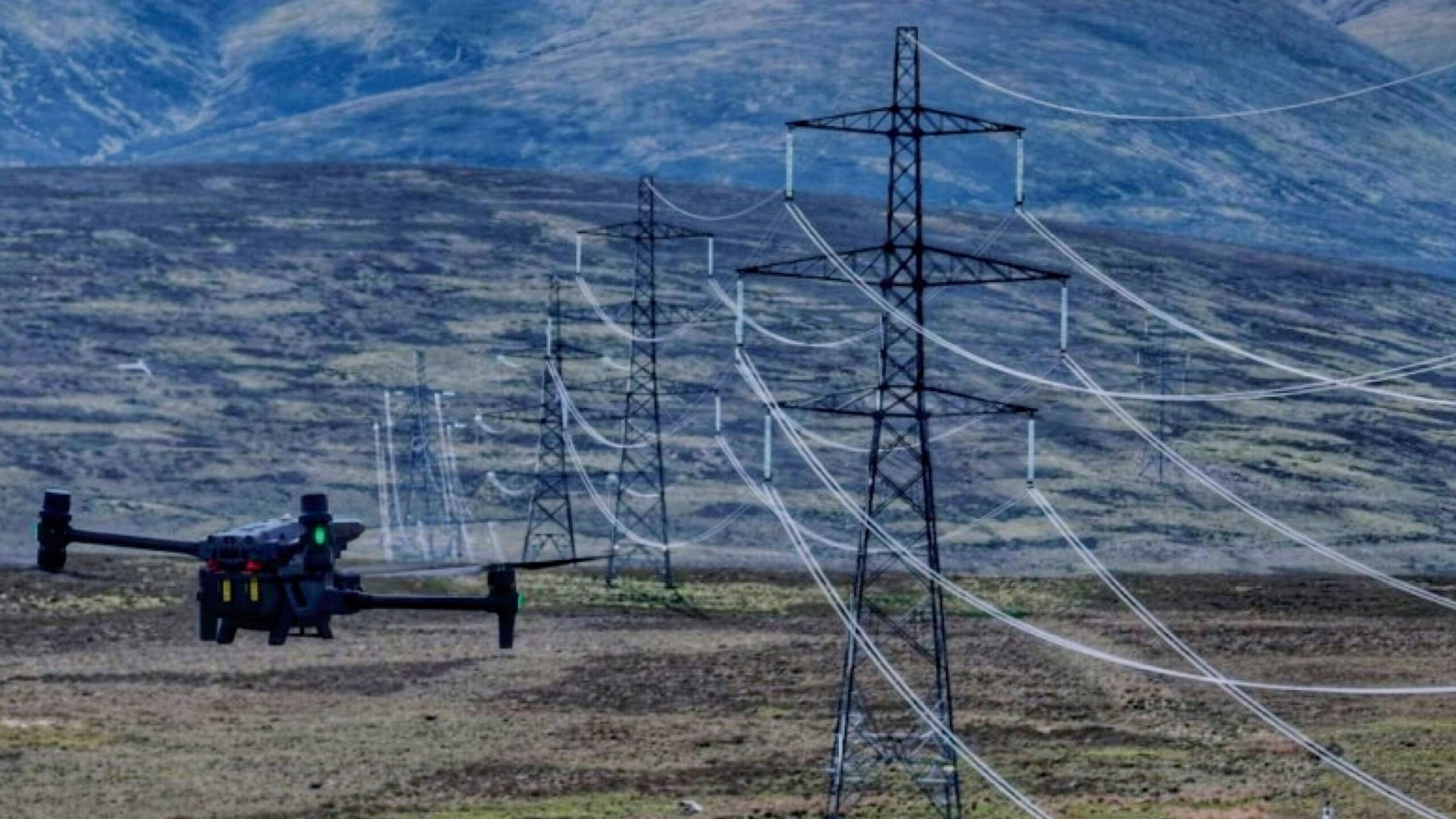
Cyberhawk Signs Multi-Year Drone Inspection Deal for SSE's UK Electricity Networks
Cyberhawk has entered into a multi-year agreement to deliver drone inspection and surveying services for SSE’s electricity networks in Britain. This contract spans an initial three years with an option for an additional two years, reinforcing a partnership that has lasted over a decade. Cyberhawk will enhance inspection safety and efficiency while minimizing the need for workers to access challenging infrastructure. This agreement is significant as it marks the third major long-term contract between Cyberhawk and SSE, following two previous five-year agreements. The collaboration covers SSE’s regulated network businesses, SSEN Transmission and SSEN Distribution, which manage extensive electricity infrastructure across mainland Britain. The use of drones is expected to improve data quality and operational efficiency, reflecting SSE’s commitment to innovation in energy management. Looking ahead, the agreement also extends Cyberhawk’s services to SSE’s offshore renewable energy assets, particularly in offshore wind turbine inspection. This expansion highlights the increasing demand for efficient asset inspection in hard-to-reach areas. No further timeline was disclosed at the time of publication.
Applications Drone News Drone News Feeds Inspection News critical infrastructure drones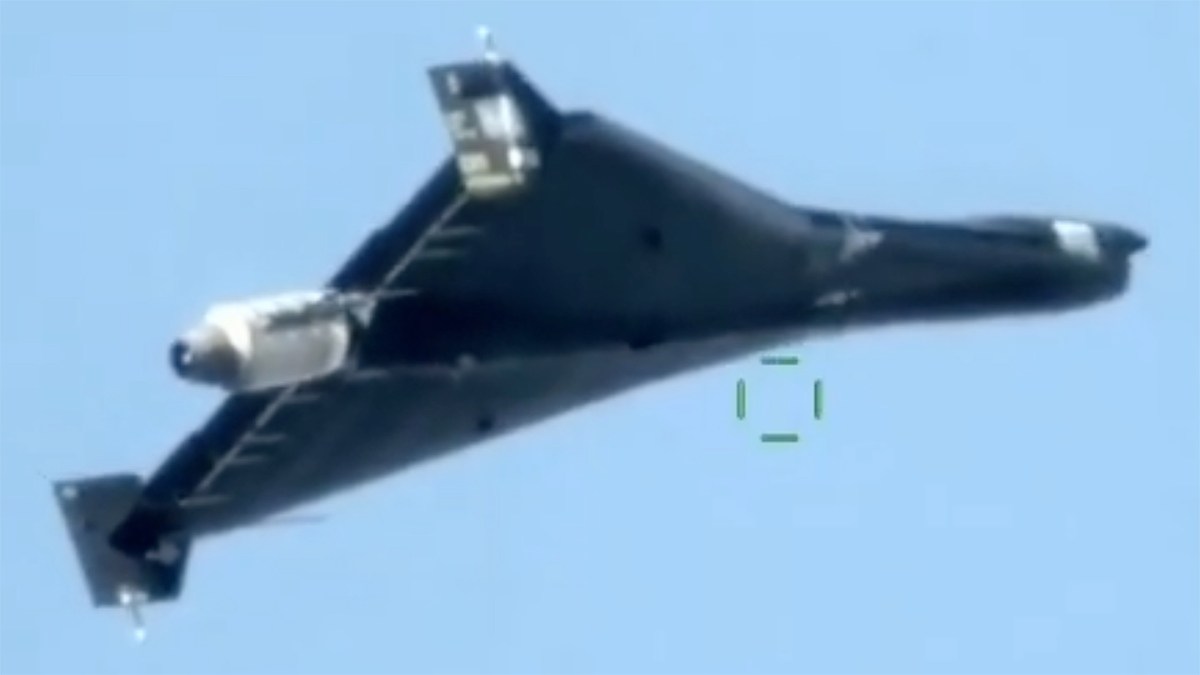
Russia's Geran-4 Jet-Powered Drones Evolve, Challenging Ukraine's Air Defense
Russia has escalated its deployment of jet-powered one-way attack drones, specifically the Geran-4, which are proving significantly more challenging for Ukraine to intercept. These drones, which can fly at altitudes of up to eight kilometers and speeds of 450 to 500 kilometers per hour, have increased the strain on Ukraine's air defense systems since their introduction in mid-2025. The emergence of the Geran-4, a more advanced version of the earlier Geran-3, highlights the ongoing evolution of drone warfare. With a turbojet engine and improved aerodynamic design, the Geran-4 is capable of operating deep within Ukrainian territory, complicating defense efforts. The Ukrainian Defense Intelligence Directorate noted that the new drone's structure is specifically designed for high-speed maneuvers, making it a formidable threat. As Russia continues to launch large-scale drone attacks, including a recent incident involving 165 drones, the situation remains critical for Ukraine. The ongoing conflict and the introduction of advanced drone technology underscore the need for enhanced air defense capabilities. No further timeline was disclosed at the time of publication.
News & Features Air Around The Globe Drones Europe Russia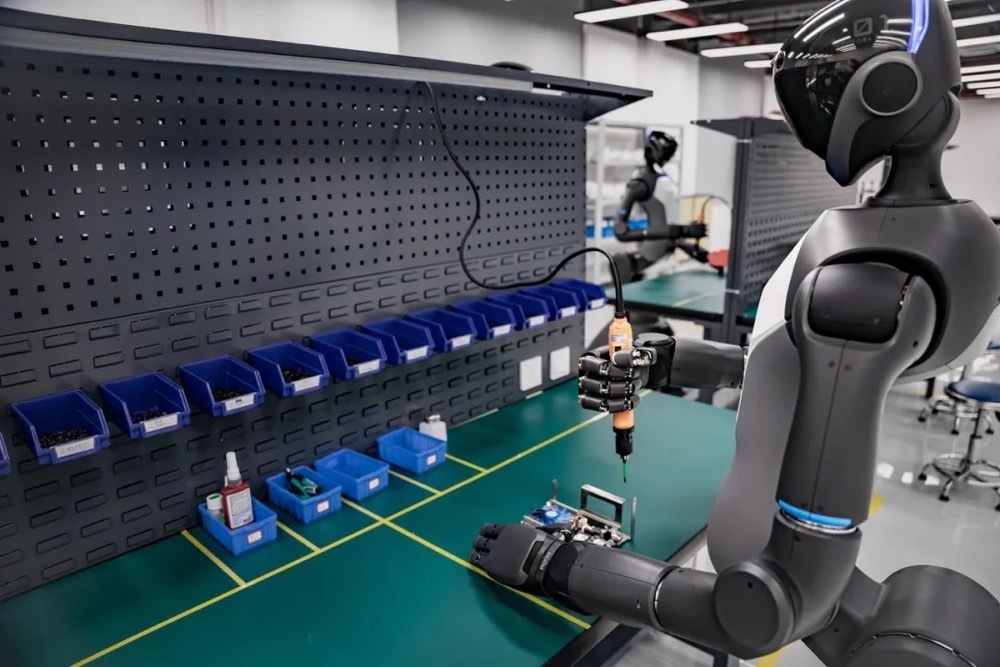
Ukraine's Fedorov Reports Drones Make Up 95% of Battlefield Strikes
Mykhailo Fedorov, the former Defence Minister of Ukraine, stated that drones are responsible for 95% of strikes on the battlefield. He emphasized the need for a new initiative termed the 'Army of Robots' to enhance military capabilities. This assertion highlights the increasing reliance on drone technology in modern warfare, reflecting a significant shift in military strategy. The call for an 'Army of Robots' indicates a push towards integrating advanced robotics into Ukraine's defense framework, which may influence future military operations. As the conflict continues, the development and deployment of robotic systems could play a crucial role in Ukraine's defense strategy. Observers should monitor advancements in drone technology and the potential establishment of the proposed robotic army, as these developments may reshape the dynamics of the battlefield.
News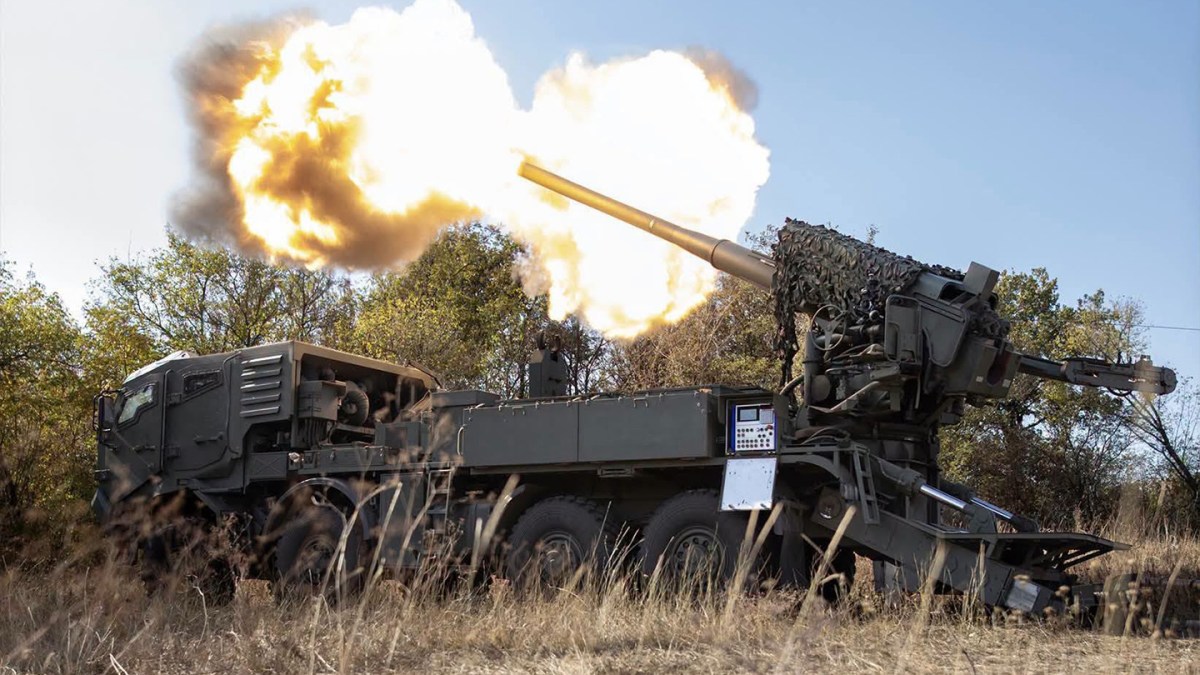
Ukraine's Artillery Adapts to Drone Warfare Dynamics Amid Ongoing Conflict
Since the onset of Russia's invasion, the role of artillery in Ukraine has evolved significantly, with drones now dominating the battlefield. Lt. Col. Vitalii Korniienko, commander of the 7th Artillery Brigade, highlighted the integration of artillery and drones to enhance combat effectiveness. While drones conduct the majority of strikes, artillery remains crucial for specific tasks that drones cannot accomplish, particularly in areas affected by electronic warfare. The shift in warfare tactics emphasizes the need for artillery to adapt to the changing landscape, where traditional massed fire is no longer viable. Korniienko pointed out that the cost-effectiveness of using drones for targeting has led to a strategic rethinking of artillery deployment. Artillery is now used in conjunction with drones to provide cover and engage targets that are out of reach for drones, ensuring that both systems complement each other. Looking ahead, the continued integration of ground-based robotic systems for logistics and the ongoing evolution of artillery tactics will be critical. As the conflict progresses, the ability to effectively combine these technologies will determine operational success on the battlefield. No further timeline was disclosed at the time of publication.
News & Features Around The Globe Artillery Europe Land Russia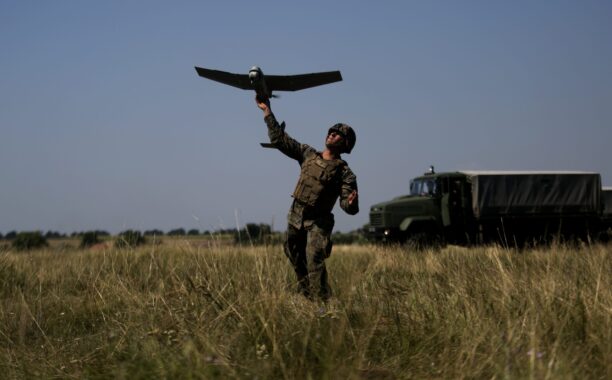
Ukraine and U.S. Move Towards Drone Defense Agreement to Enhance Production and Testing
Ukraine is poised to finalize a drone defense agreement with the United States, which aims to enhance the testing and production of Ukrainian defense technology in the U.S. Although the deal has not been officially signed, discussions have been ongoing since July, indicating a strong commitment to collaboration between the two nations. This proposed agreement is significant as it underscores Ukraine's expanding role in the international defense industry, evidenced by its existing partnerships with countries like Denmark, Norway, and Qatar. These collaborations highlight Ukraine's capabilities in drone production and defense technology, which are increasingly recognized on a global scale. Looking ahead, the key milestone will be the signing of the agreement and the subsequent public disclosure of the terms regarding testing, production, and support of the drone systems. The successful execution of this deal could further solidify Ukraine's influence in defense technology and enhance its strategic partnerships with the U.S. and other nations.
Applications Defense defense Drone News Drone News Feeds News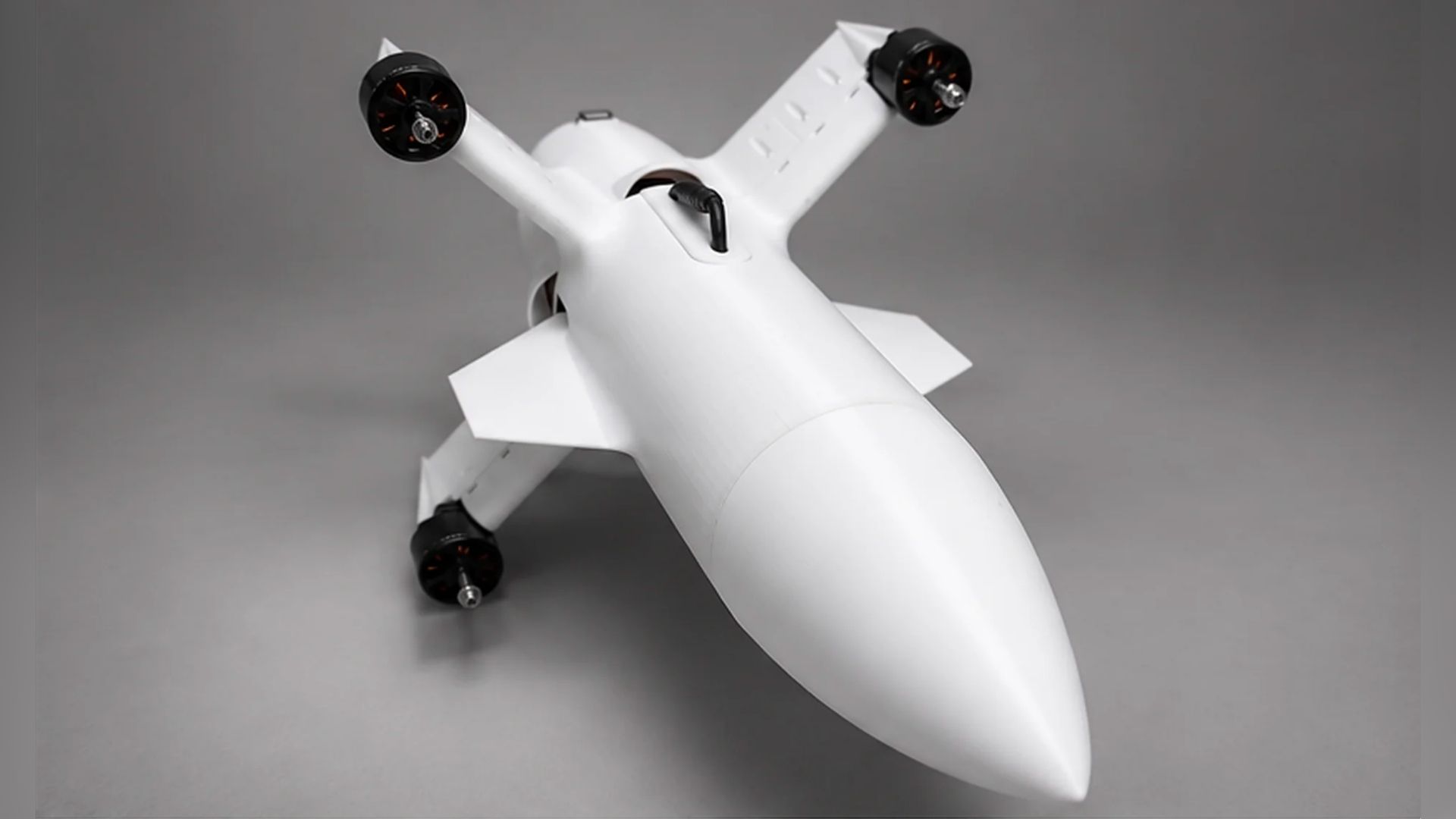
Ukraine's Vluchnyk Unveils Zorelit v5 Drone Interceptor with 258 mph Speed
Ukraine's Vluchnyk has successfully completed internal testing of the Zorelit v5, a high-speed interceptor drone aimed at neutralizing aerial threats, including jet-powered UAVs. With a maximum speed of 416 km/h (258 mph) and a range of 47 kilometers (29 miles), the Zorelit v5 is now ready for delivery to military units, available through direct contracts. This development is significant as the Zorelit v5 is designed to counter various reconnaissance UAVs and Russian drones, including the Gerbera and Geran series. Its capabilities, including a maximum engagement speed against targets traveling at 300-350 km/h, enhance Ukraine's defense against aerial threats, particularly in the ongoing conflict. Looking ahead, the Zorelit v5 will be integrated into Ukraine's e-procurement system following the completion of its codification process. The interceptor's advanced features, such as AI-assisted target detection and automated flight path calculations, position it as a critical asset in modern aerial warfare.
Military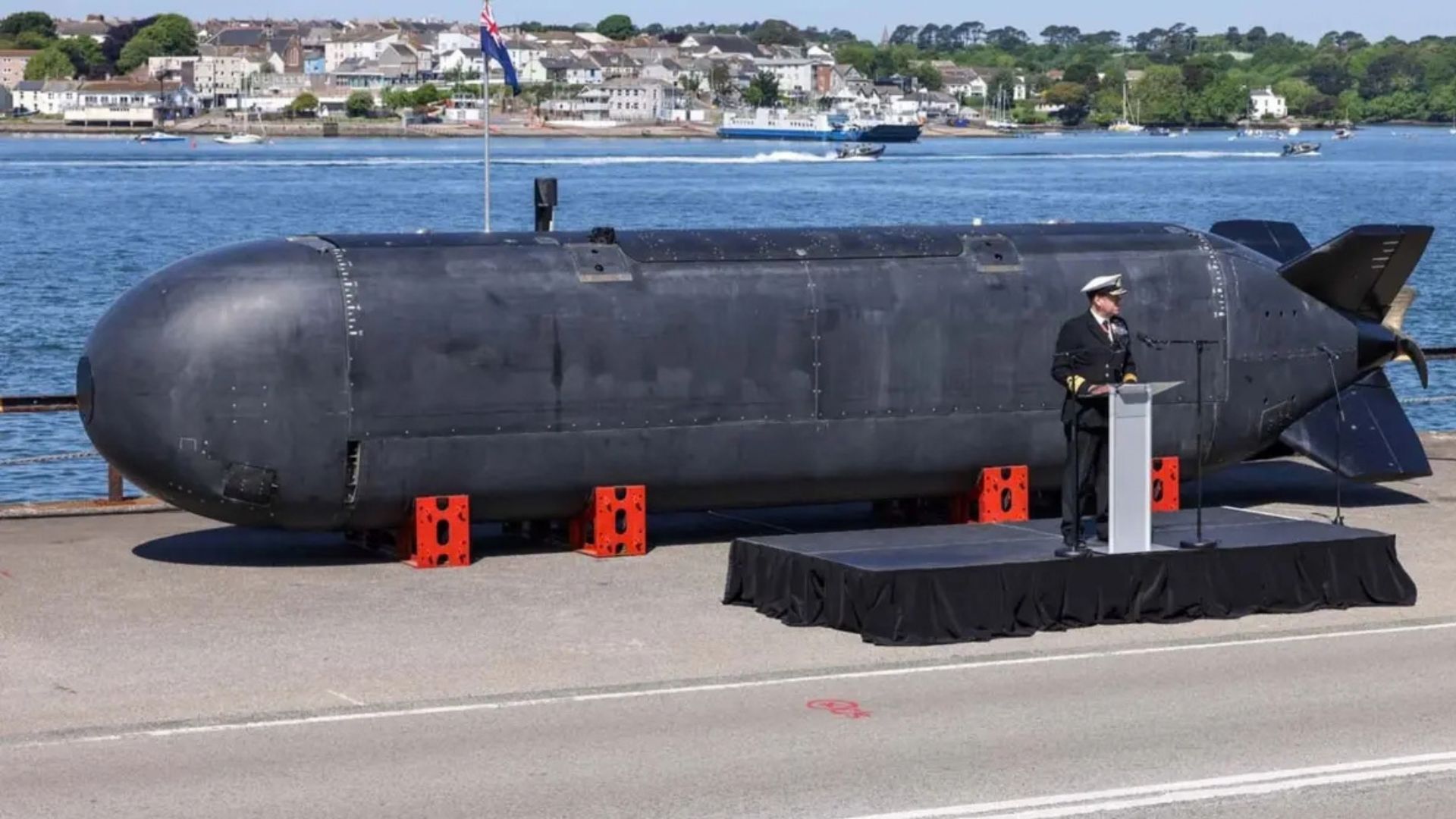
US and UK Collaborate to Launch Mk 48 Torpedo from British Submarine Drone
A British uncrewed submarine successfully launched a U.S. Mk 48 heavyweight torpedo during a joint test on September 13 at the British Underwater Test and Evaluation Center in Scotland. This trial, part of the AUKUS partnership, aims to advance armed underwater drone technology for both nations. The significance of this test lies in its potential to enhance undersea warfare capabilities and promote weapon interchangeability between the U.S. Navy and Royal Navy. Adm. Daryl Caudle highlighted the historic nature of the trial, which validates the integration of American weaponry with British autonomous systems. Looking ahead, operational questions remain regarding the deployment and control of armed underwater drones. The U.S. Navy is also pursuing further demonstrations, including Project Cutlass, which will explore additional integration and tactical applications for underwater vehicles like Anduril’s Dive-XL.
Military
NATO Secretary-General Rutte Promises Increased Support for Ukraine Amid Russian Drone Strikes
NATO Secretary-General Mark Rutte announced on Monday that the alliance would enhance its support for Ukraine following recent Russian drone strikes near the Ukraine-Poland border. These attacks, which included one that struck a train shortly after high-ranking officials had visited the station, are seen as indicative of Russia's escalating desperation in its ongoing conflict with Ukraine. Rutte emphasized that the strikes demonstrate Russian President Vladimir Putin's recklessness and intent to instill fear, asserting that NATO would not be deterred from supporting Ukraine. The NATO chief's commitment comes as Poland increases its security measures along its border, with officials warning of a potential intensification of Russian military actions that could impact European territories. Looking ahead, Polish Prime Minister Donald Tusk cautioned that the coming weeks may witness heightened Russian aggression, potentially affecting NATO member states. As NATO prepares for a coordinated response, the situation remains tense, with intelligence suggesting that Russia may escalate its attacks on border points and conduct sabotage within Europe.
Politics & Geopolitics Military Headlines North Atlantic Treaty Organization - NATO Ukraine Russia Poland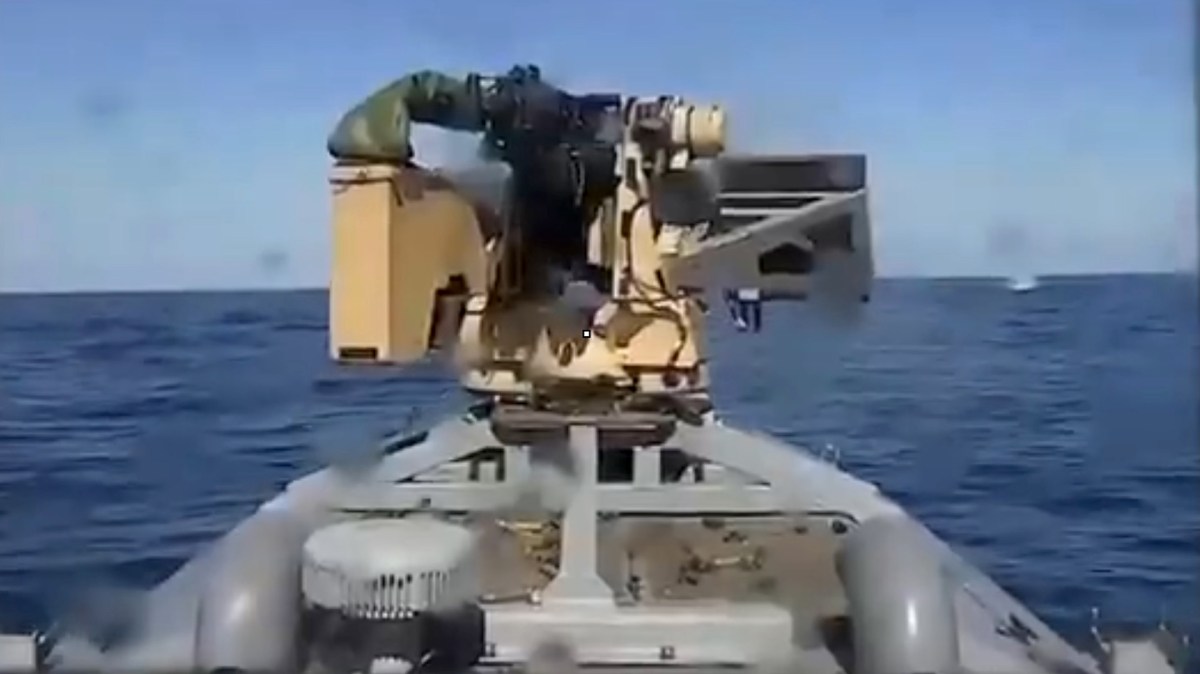
Ukraine Claims Historic First Kill of Russian Drone Boat by Its Own Uncrewed Vessel
The Ukrainian Navy has reported that its uncrewed surface vessel (USV) successfully sank a Russian USV, marking a historic first in naval warfare between unmanned boats. This engagement highlights the increasing effectiveness of Ukraine's combat drone boats against Russia's Black Sea Fleet, prompting a significant evacuation of Russian naval assets from Crimea. This incident underscores the growing proliferation of weaponized USVs globally, as nations explore advanced maritime combat capabilities. The Ukrainian Navy's Sargan 3000, equipped with a Protector 12.7 mm remotely operated weapon station, played a crucial role in this engagement, demonstrating the potential of unmanned vessels in modern warfare. As the use of drone boats expands, industry observers will be keen to monitor further developments in unmanned naval combat. No further timeline was disclosed at the time of publication.
Sea Around The Globe Europe Navies News & Features Russia
Canada and Ukraine Sign Long-Term Pact to Boost Drone Production and Security Collaboration
Canada has launched a new national Defence Drone Initiative Marketplace (DDIM) to enhance its security partnership with Ukraine. This initiative aims to increase drone production, reflecting a commitment to strengthen defense capabilities between the two nations. The establishment of the DDIM is significant as it underscores Canada's dedication to supporting Ukraine amid ongoing security challenges. By fostering collaboration in drone technology, both countries aim to bolster their defense strategies and enhance operational effectiveness in addressing threats. Looking ahead, the focus will be on the outcomes of this initiative and how it influences defense production capabilities. No further timeline was disclosed at the time of publication.
News
Ukraine Conducts Longest Drone Strike Against Russia Targeting Gas Plant
On September 9, 2026, Ukraine executed a drone strike on the Novy Urengoy Gas Condensate Processing Plant, marking its farthest attack from the Ukrainian border at over 1,700 miles. This operation highlights Ukraine's ongoing strategy to disrupt Russia's energy infrastructure amidst the ongoing conflict. The strike is significant as it targets a crucial facility in Russia's gas condensate infrastructure, which has an annual processing capacity of approximately 19.5 million tons. The Ukrainian military claims that the plant's products are essential for the Russian armed forces, indicating a strategic focus on weakening military supply lines. As the situation develops, observers should monitor the extent of the damage and any potential retaliatory actions from Russia. The Ukrainian Armed Forces have indicated that operations against key military targets will continue, suggesting further escalations in the conflict may be imminent.
News & Features Around The Globe Europe Russia Ukraine
Ukrainian M1A1 Abrams Tanks Grounded by Russian Drone Saturation on the Battlefield
Ukrainian crews operating Australian-supplied M1A1 Abrams tanks report that the battlefield is now so overwhelmed with Russian drones that their tanks cannot be utilized in combat. Despite this, they assert that main battle tanks are not obsolete. The crews, part of Ukraine’s 425th Separate Assault Regiment 'Skala,' have previously deployed these tanks in two significant operations near Pokrovsk. The first major deployment occurred in December, where the Abrams supported assault groups entering Pokrovsk, a vital logistics hub in eastern Donetsk. A crew member, known as Kent, described the aggressive mission where the tank drew enemy fire, allowing infantry to advance. The second operation on March 31 aimed to secure an industrial area to hinder Russian movements toward Hryshyne, with extensive reconnaissance and planning conducted over two weeks to prepare for the mission. Looking ahead, the effectiveness of the M1A1 Abrams tanks in future operations remains uncertain due to the persistent threat posed by Russian drones. No further timeline was disclosed at the time of publication.
Land Armies Around The Globe Europe M1 Abrams News & Features
KUKA Achieves Security Level 2 Certification for Robotics Automation Solutions
KUKA has successfully attained Security Level 2 certification, showcasing its dedication to cybersecurity in automation solutions. This certification is crucial as manufacturers increasingly adopt connected technologies, emphasizing the need for secure robot controllers and operating systems to mitigate cybersecurity risks. As the industry evolves, KUKA's achievement highlights the importance of reliable operations in protecting critical production assets.

Germany Accuses Russia of Attempted Drone Attack on Ukrainian An-124 at Leipzig Airport
Germany has formally accused Russia of orchestrating an attempted drone strike against a Ukrainian cargo aircraft at Leipzig/Halle Airport. This incident, which involved a drone carrying approximately 1.3 pounds of explosives, highlights the increasing concerns over hybrid threats to Germany's critical infrastructure, particularly in light of ongoing Russian hybrid warfare. The attempted attack, which was thwarted by a failed detonator, underscores the vulnerabilities facing critical infrastructure in Germany. Authorities have indicated that the Russian state provided the necessary equipment and expertise for the operation, utilizing local agents to execute the plan. The choice of target, a Ukrainian-operated Antonov An-124, is significant due to its role in transporting weapons to Ukraine, making it a strategic point of interest. Moving forward, the implications of this incident are profound, as it raises questions about the security of aviation infrastructure and the potential for future hybrid attacks. Investigators have found traces of military-grade explosives near the airport, further solidifying the connection to Russia. No further timeline was disclosed at the time of publication.
News & Features Air An-124 Around The Globe Europe Germany
AI Robots and Drones to Aid in Fukushima Nuclear Plant Cleanup Efforts
The Japanese government and Tokyo Electric Power Co. Holdings are set to launch a consortium to deploy AI robots and drones for the cleanup of radioactive debris at the Fukushima Daiichi nuclear plant. This initiative aims to address the significant challenge posed by the 880 tons of debris remaining in three reactors. This development is crucial as it marks a significant step in the ongoing decommissioning process of the Fukushima plant, which has been a focal point of concern since the nuclear disaster. The use of advanced technologies like AI robots and drones is expected to enhance safety and efficiency in handling hazardous materials. Looking ahead, the consortium is anticipated to commence its operations within the current fiscal year. Stakeholders will be keen to monitor the progress of this initiative, particularly in terms of its impact on the decommissioning timeline and the effectiveness of AI technologies in such complex environments. No further timeline was disclosed at the time of publication.

L3Harris and ARX UK Evaluate Passive Counter-Drone Technology on Autonomous UGVs
L3Harris and ARX UK have tested the CORVUS-RAVEN sensors mounted on unmanned ground vehicles (UGVs) to enhance battlefield awareness. These sensors are designed to track approaching threats, allowing operators to maintain a safe distance from potential dangers. The implementation of the CORVUS-RAVEN technology is significant as it improves situational awareness for military operators, enabling them to respond effectively to drone threats without direct engagement. This advancement in counter-drone capabilities is crucial in modern warfare, where unmanned aerial vehicles pose increasing risks. Looking ahead, the focus will be on the further development and deployment of these passive counter-drone systems. No further timeline was disclosed at the time of publication.
News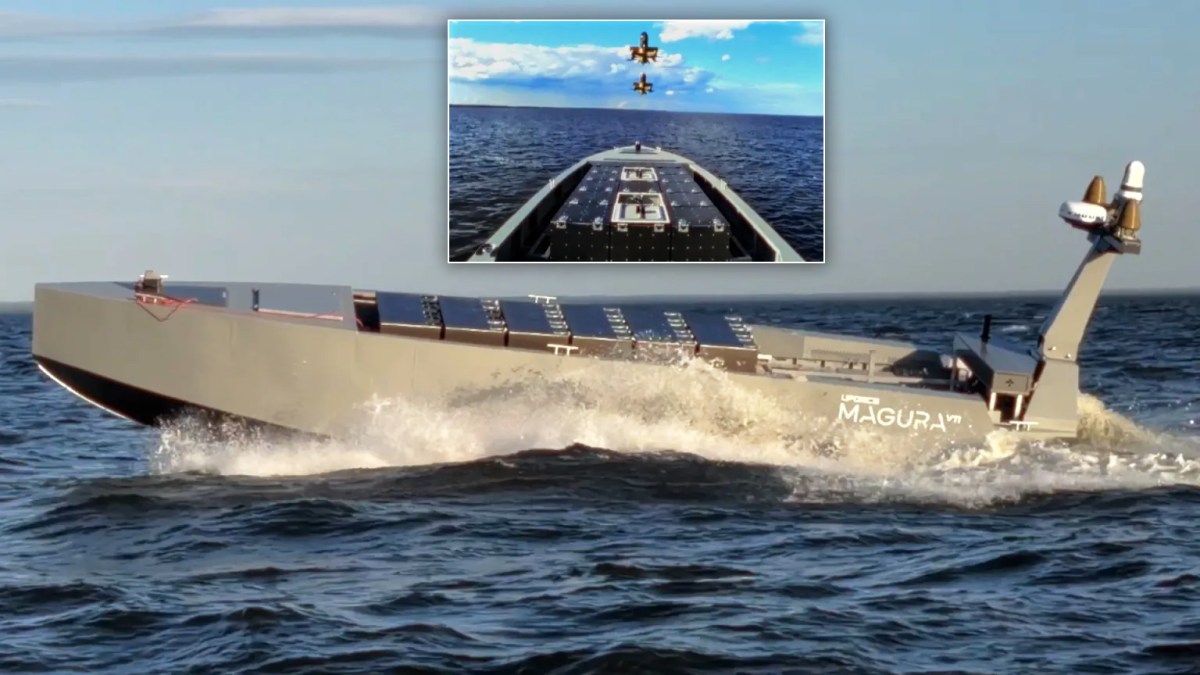
Ukraine Unveils MV11: A Large Uncrewed Surface Vessel with Anti-Drone Capabilities
Ukraine has introduced the MV11, the largest member of its Magura family of uncrewed surface vessels (USV), designed for open-ocean operations. This vessel can carry payloads up to 4,850 pounds and has been showcased with 18 Sting interceptors, enhancing its role as a counter-drone platform. The MV11's capabilities are significant for Ukraine's military strategy, allowing for multi-domain operations and the launch of unmanned systems from a distance. Its debut at Ukraine's Independence Day parade highlights the increasing importance of uncrewed systems in the Ukrainian armed forces. Looking ahead, the MV11's operational effectiveness and integration with existing systems will be crucial. The specifics of its target detection and tracking capabilities remain unclear, but its design suggests potential for advanced operational roles in future missions. No further timeline was disclosed at the time of publication.
Sea Around The Globe Europe News & Features Ukraine Unmanned Surface Vessels (USVs)
Ukraine Introduces Alexa Spatium Drone Interceptor to Combat Russian UAVs
Ukraine has launched a new jet-powered interceptor drone named Alexa Spatium, aimed at enhancing its air defense capabilities against Russian unmanned aerial vehicles (UAVs). The introduction of the Alexa Spatium is significant as it represents Ukraine's ongoing efforts to bolster its defense systems amid ongoing conflicts involving Russian UAVs. This new technology is expected to improve the country's ability to intercept and neutralize aerial threats. Looking ahead, the effectiveness of the Alexa Spatium in real-world scenarios will be closely monitored, particularly in its operational deployment against Russian UAVs. No further timeline was disclosed at the time of publication.
News
Limited-Time Offer: Ruko F11 Pro 2 Drone Now Available at 54% Discount
The Ruko F11 Pro 2 drone is currently on sale at Amazon, offering a significant discount of $280, bringing the price down to $240. This drone features a robust design, a 6K camera, and the capability to capture 4K video at 30FPS, making it a top choice for aerial photography enthusiasts. This deal is noteworthy as it represents a 54% reduction from its typical price range of $350 to $400, making it an attractive option for both beginners and experienced users. The drone includes two batteries, providing up to 70 minutes of flight time, which enhances its value for users looking for extended aerial sessions. As this offer is time-sensitive, potential buyers should act quickly to take advantage of the savings. The Ruko F11 Pro 2 is equipped with various flight modes, including GPS positioning and subject tracking, although it lacks collision avoidance features. No further timeline was disclosed at the time of publication.
Drones Technology
Explosive Drone Incident Near Ukrainian An-124 in Germany Highlights New Security Threats
Recent drone-related incidents at Leipzig/Halle Airport in Germany have raised significant security concerns. An explosive-laden drone was discovered near a Ukrainian An-124 cargo jet, marking the first such finding in Europe far from the Ukrainian border. This incident has prompted a counter-terror investigation and temporary airport closure, underscoring the escalating threat of drone incursions in Europe. The presence of an explosive drone signifies a new level of danger, according to German Interior Minister Armin Schuster. The drone was found in a security area, and its discovery has led to heightened fears regarding the safety of parked aircraft. Ukrainian officials have pointed fingers at Russia, suggesting a deliberate escalation in hostilities as the war continues. Looking ahead, the investigation into these incidents is being conducted by multiple law enforcement agencies, including the Central Office for Extremism Saxony. The outcome of this investigation could have implications for security protocols at critical infrastructure sites across Europe, especially as tensions remain high in the region. No further timeline was disclosed at the time of publication.
News & Features Air Around The Globe Drones Europe Germany
The Importance of Adaptation Over Drones in Ukraine's Conflict
The ongoing conflict in Ukraine has drawn significant attention to the use of drones in warfare. However, the real lesson lies in Ukraine's remarkable ability to adapt its strategies and tactics in response to evolving battlefield conditions. This adaptability has proven crucial in countering various challenges faced during the conflict. Understanding Ukraine's adaptive strategies is vital for military analysts and defense planners worldwide. While drones play a role in modern warfare, it is the capacity to innovate and adjust tactics that can determine the outcome of conflicts. This insight emphasizes the need for military forces to prioritize flexibility and responsiveness over reliance on specific technologies. Looking ahead, observers should monitor how Ukraine continues to evolve its military strategies in the face of ongoing challenges. The focus should remain on the broader implications of adaptability in warfare, rather than solely on the technological aspects. No further timeline was disclosed at the time of publication.
Air Warfare Opinion acquisition Air Force autonomy Drones
UK Civil Aviation Authority's New Vision for BVLOS Drone Operations in Airspace
The UK Civil Aviation Authority has unveiled its Airspace Architecture Concept of Operations, aiming to transition Beyond Visual Line of Sight (BVLOS) drone operations from isolated trials to widespread commercial use across UK airspace. Published on July 30, 2026, the document outlines how drones and other airspace users can operate routinely at scale, emphasizing the need for integrated commercial operations rather than bespoke approvals. This initiative is part of the CAA’s Airspace Modernisation Strategy and Future of Flight programme, which recognizes the current limitations of BVLOS flights that rely on dedicated airspace arrangements. The Concept of Operations builds on the UK BVLOS Roadmap and introduces five key technology and process pillars, including electronic detection systems, conflict-avoidance systems, reliable communication links, digital traffic management services, and information sharing among operators and air traffic services. The CAA envisions a future where drone technology can deliver significant economic and societal benefits, with target use cases including faster inspections of critical infrastructure and support for emergency services. As technology evolves, the CAA expects the document to adapt, paving the way for a more integrated airspace system that maintains safety standards while fostering innovation. No further timeline was disclosed at the time of publication.
Drone News Drone News Feeds News aerial infrastructure inspection Airspace Architecture Concept of Operations Airspace Modernisation Strategy
European Commission Allocates €3.47bn to Enhance Ukraine's Defence with Drones and Gripen Jets
The European Commission has announced the release of an additional €3.47 billion to bolster Ukraine's defence capabilities. This funding is part of the larger €90 billion Ukraine Support Loan initiative aimed at strengthening Ukraine's military resources amidst ongoing conflict. This financial support is crucial for Ukraine as it seeks to enhance its defence infrastructure, particularly through the acquisition of drones and Gripen jets. The infusion of funds is expected to significantly improve Ukraine's operational capabilities and readiness in the face of external threats. Looking ahead, stakeholders will be monitoring how this funding will be utilized in terms of procurement and deployment of military assets. No further timeline was disclosed at the time of publication.
News
DoorDash Secures FAA Certification for In-House Drone Delivery Program Launch
DoorDash has announced that it has received Part 135 air carrier certification from the Federal Aviation Administration, enabling the launch of DoorDash Air, its proprietary drone delivery program. This certification allows the company to operate as an air carrier, expanding its delivery capabilities beyond traditional methods. The significance of this certification lies in DoorDash's commitment to enhancing its delivery automation efforts. With the launch of DoorDash Air, the company aims to create a comprehensive delivery network that integrates various modes of transportation, including drones, to meet the growing demands of local commerce. Harrison Shih, head of DoorDash Air, emphasized the importance of building a seamless infrastructure for drone delivery. Looking ahead, DoorDash plans to leverage its Autonomous Delivery Platform, which optimizes delivery routes across different modes, including drones and robots. The company is also focused on developing interoperable ground infrastructure to facilitate merchant handoffs. No further timeline was disclosed at the time of publication.
Drones Food / Beverage Markets / Industries News Regulatory & Compliance Robots / Platforms
UK Government Commits Over £5 Billion to Drone Ecosystem Development
The UK government has announced an investment exceeding £5 billion in drones and autonomous systems throughout the current Parliament. This significant funding is part of the Defence Investment Plan, which aims to enhance domestic manufacturing, testing infrastructure, and artificial intelligence capabilities in uncrewed technology. This investment is crucial as it reflects a strategic shift among allied nations towards prioritizing domestic production and trusted supply chains for critical technologies. The funding will support various branches of the UK armed forces, including autonomous aircraft for the Royal Air Force and uncrewed vessels for the Royal Navy, thereby strengthening national defense capabilities. Looking ahead, the establishment of the Uncrewed Systems Taskforce and the Uncrewed Systems Centre in Swindon, Europe's largest drone testing facility, will facilitate collaboration with industry. No further timeline was disclosed at the time of publication.
Applications Defense Drone News Drone News Feeds Europe Drone Industry News
Ukraine and NATO Initiate Joint Funding Program for Counter-Drone Innovations
Ukraine's defense technology cluster Brave1, in collaboration with NATO, has launched a new innovation program aimed at funding defense companies. This initiative, which opened on Tuesday, focuses on developing counter-drone systems specifically targeting FPV and Shahed-type drones. The program allows for funding of up to €500 million ($569.6 million) per partner for joint ventures between Ukrainian firms and NATO member companies. This program is significant as it addresses the urgent need for advanced counter-drone technologies amid ongoing conflicts, particularly with the increasing use of drones by Russian forces. Brave1 has identified five key areas of interest for development, including active protection systems and electromagnetic attack technologies. The initiative aims to leverage Ukraine's expertise in drone warfare while enhancing the capabilities of NATO allies in countering drone threats. Looking ahead, stakeholders will be monitoring the progress of applications and the development of technologies funded through this program. The collaboration between Ukraine and NATO is expected to strengthen defense capabilities against the growing number of unmanned systems deployed by Russia. No further timeline was disclosed at the time of publication.
Air Warfare Global Land Warfare Air Force Army Business & Industry
Chinese Robots Enter UK Home Service Market with Dual Certification Initiative
From July 20 to 22, a roundtable dialogue on Sino-British home service policies was held in Beijing, organized by the National Development and Reform Commission's International Cooperation Center. Key stakeholders from both countries discussed the industry's development, highlighting the entry of a unique robot named Liyang Xiaodangjia, which is set to meet UK service standards. This initiative is significant as it marks a step towards establishing internationally recognized service standards, crucial for the expansion of Chinese service robots into the UK home market. With China's robot exports reaching 10.37 million units valued at 19.99 billion yuan in the first five months of 2026, the focus is on overcoming cultural differences in service expectations between China and the UK. Looking ahead, the collaboration between Yangguang Dajie Group and TQUK aims to create a dual certification pathway for service workers, enhancing the credibility of service robots in domestic settings. The training of Liyang Xiaodangjia in real-life scenarios is a critical aspect of this initiative, as it seeks to align with both Chinese and UK service standards to facilitate smoother market entry.
Service Robots Home Automation AI International Standards
US Manufacturer to Produce Ukraine-Designed Magura Sea Drones for First Time
A US manufacturer is preparing to produce the Magura sea drones, which were designed and battle-tested in Ukraine. This initiative marks the first time these drones will be manufactured in the United States, reflecting a strategic move by the White House to enhance military production capabilities. The production of the Magura sea drones is significant as it aligns with the US government's efforts to expand its unmanned military arsenal. By incorporating these battle-tested drones into its inventory, the US aims to strengthen its defense capabilities and support Ukraine amid ongoing conflicts. Looking ahead, industry stakeholders will be monitoring the production timeline and potential deployment of the Magura sea drones. No further timeline was disclosed at the time of publication.
BAE Systems Unveils UK's First Autonomous Combat Drone, Brontanax, at Farnborough Airshow
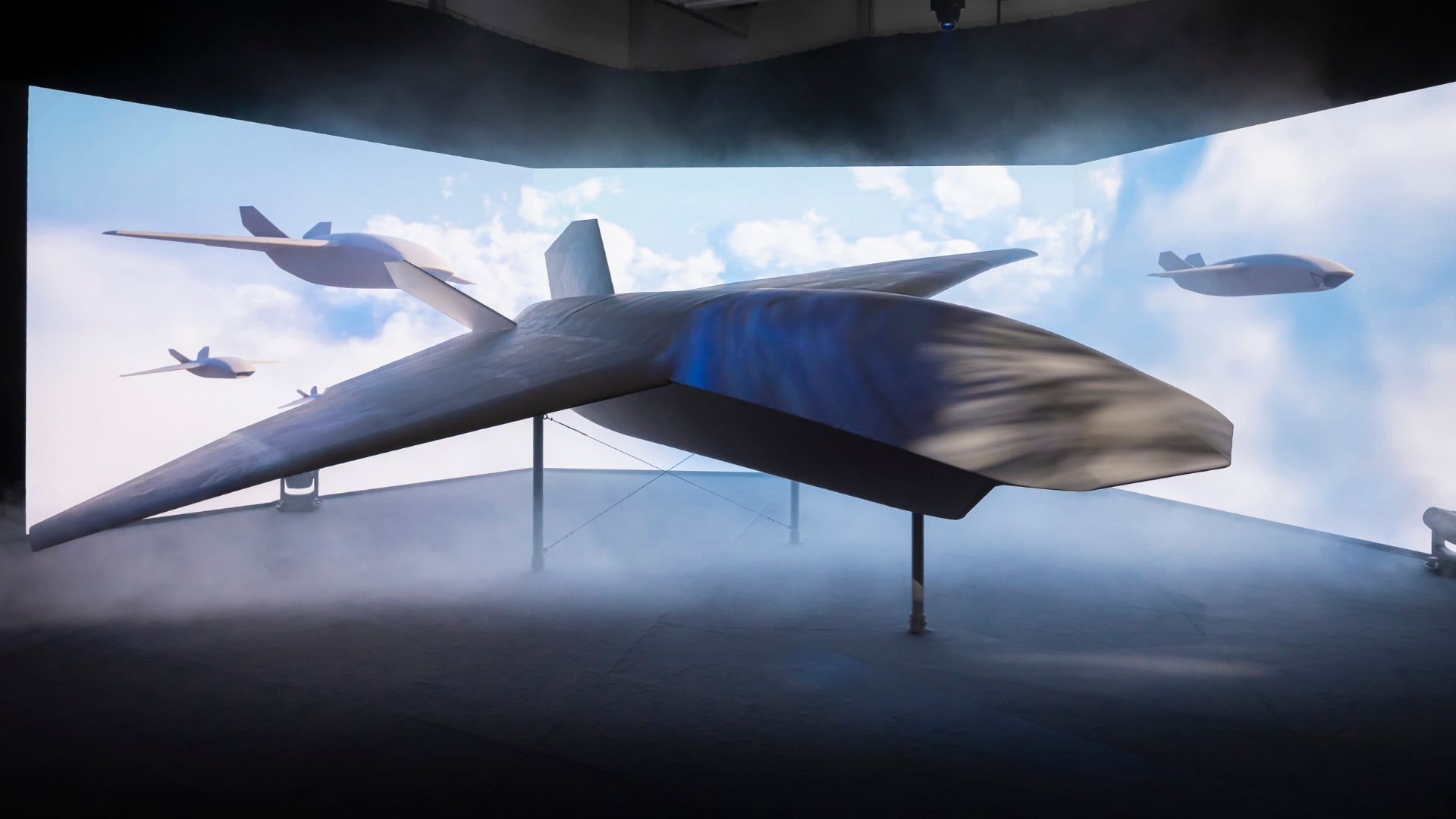
BAE Systems has launched the UK's first autonomous Collaborative Combat Aircraft (CCA), named Brontanax, at the Farnborough International Airshow. This aircraft is designed to operate alongside crewed fighter jets like the Eurofighter Typhoon, enhancing combat capabilities through missions such as electronic warfare and precision strikes. The introduction of Brontanax is significant as it represents a major advancement in the UK's defense strategy, supported by a £300 million investment from the government through the Storm Fighter program. This initiative aims to establish a sovereign CCA capability for the Royal Air Force, positioning the UK as a leader in next-generation combat aviation in Europe. Looking ahead, ground testing of Brontanax will commence at BAE Systems' Warton facility, with flight trials expected to begin in UK airspace next year. If development proceeds as planned, the aircraft could be operational with the Royal Air Force by the end of the decade, marking a pivotal moment in military aviation technology.
Military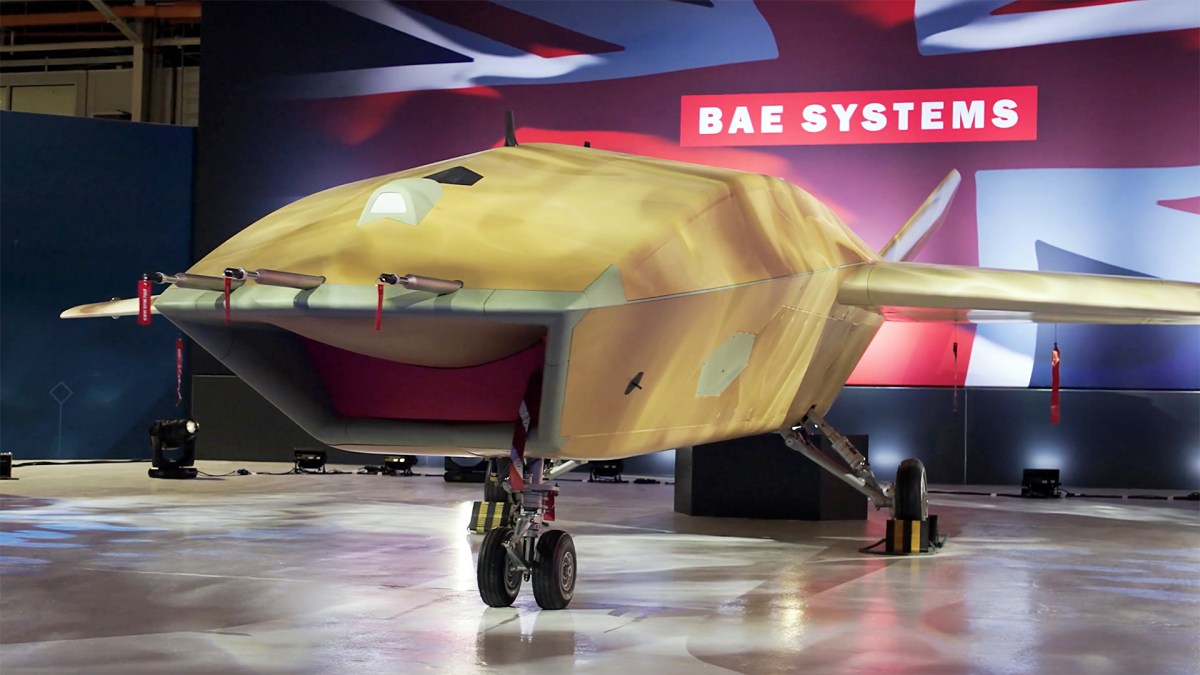
BAE Systems Unveils Brontanax Fighter Drone for UK Royal Air Force's Collaborative Combat Program
BAE Systems has introduced the Brontanax, a new collaborative combat aircraft (CCA) drone designed for the U.K. Royal Air Force. This unveiling coincides with the launch of the Storm Fighter program, aimed at establishing Europe’s first sixth-generation air force. The Brontanax prototype was showcased at the Farnborough International Airshow, attended by the U.K. Defense Secretary Wes Streeting. The significance of the Brontanax lies in its role as an operational prototype, built in secret at BAE Systems’ Warton facility. It is set for ground testing before flight trials in U.K. airspace, with potential participation in a NATO exercise as early as next year. This development reflects the U.K.'s commitment to advancing its military capabilities and integrating new technologies into its air force. Looking ahead, the Brontanax is expected to inform the design of future drones accompanying the U.K. F-35 and Tempest combat jets. While specific performance details remain undisclosed, the drone features a stealthy design with advanced aerodynamics, suggesting a focus on operational versatility and mission capability in various combat scenarios. No further timeline was disclosed at the time of publication.
Air Air Forces Around The Globe Collaborative Combat Aircraft Europe News & Features
BAE Systems Introduces Brontanax, a UK-Designed Collaborative Combat Aircraft Drone
BAE Systems has unveiled the Brontanax, a new collaborative combat aircraft (CCA) drone designed for the UK, during the Farnborough Airshow. The drone, comparable in size to a BAE Hawk trainer jet, aims to enhance electronic warfare and precision strike capabilities against various targets. Defence Secretary Wes Streeting emphasized the significance of Brontanax, calling it a groundbreaking moment for British defense and innovation. The introduction of Brontanax aligns with the UK’s recent announcement of the Storm Fighter CCA program, which aims to develop advanced combat aircraft. Streeting stated that Brontanax will serve as the operational concept demonstrator, with plans to have it airborne by 2027. This initiative is part of a broader strategy to position the Royal Air Force as Europe’s first sixth-generation air force, integrating uncrewed systems with crewed platforms to enhance operational effectiveness. Looking ahead, BAE Systems has indicated that Brontanax may participate in NATO’s Steadfast Defender exercise later this year. The drone's internal weapons bay is compatible with existing RAF armaments, and BAE has self-funded its development with several hundred million pounds to ensure readiness for future operational needs. No further timeline was disclosed at the time of publication.
Air Warfare Air Force BAE Systems Brontanax CCA collaborative combat aircraft
KUKA Achieves Security Level 2 Certification for iiQKA.OS2 and KR C5 Controller
KUKA has achieved Security Level 2 certification for its iiQKA.OS2 operating system and KR C5 controller platform, in accordance with IEC 62443-4-2. This certification signifies that KUKA's robotic systems are equipped to handle the increasing demands for security in digitalized production environments. The importance of this certification lies in its alignment with the growing need for security and regulatory compliance as production processes become more digital and connected. KUKA's compliance with Regulation (EU) 2024/2847 Cyber Resilience and EN ISO 10218-1:2025 positions it as a leader in secure automation solutions. Looking ahead, KUKA's certification sets a benchmark for the robotics industry, emphasizing the necessity of robust security measures in automation. No further timeline was disclosed at the time of publication.

Ukraine Aims to Double Drone Production to 20 Million Annually with EU Support
Ukrainian President Volodymyr Zelenskyy announced that Ukraine is currently producing 10 million drones each year. With the assistance of partners, the country aims to increase its drone production capacity to 20 million annually. This initiative is significant as it highlights Ukraine's commitment to enhancing its unmanned systems capabilities amid ongoing challenges. The collaboration with partners, particularly the EU, is expected to accelerate the production process and improve the technological advancements in drone manufacturing. Looking ahead, stakeholders will be keen to monitor the progress of this production increase and the potential impact on Ukraine's defense capabilities. No further timeline was disclosed at the time of publication.
Air Warfare Air Force Drones EU Europe Fincantieri
UK Ministry of Defence Awards £3.16m Contracts for Low-Cost Drone Interceptors
The UK Ministry of Defence has allocated £3.16 million in contracts to three British SMEs for the development and testing of new low-cost drone interceptors. This initiative aims to enhance the UK's capabilities in countering drone threats effectively and affordably. The significance of this funding lies in its potential to bolster national security by enabling rapid development of innovative solutions to address emerging aerial threats. By engaging SMEs, the MoD is fostering a competitive environment that encourages technological advancements in drone interception. Looking ahead, the success of these trials could lead to further investments in drone defense technologies. No further timeline was disclosed at the time of publication.
News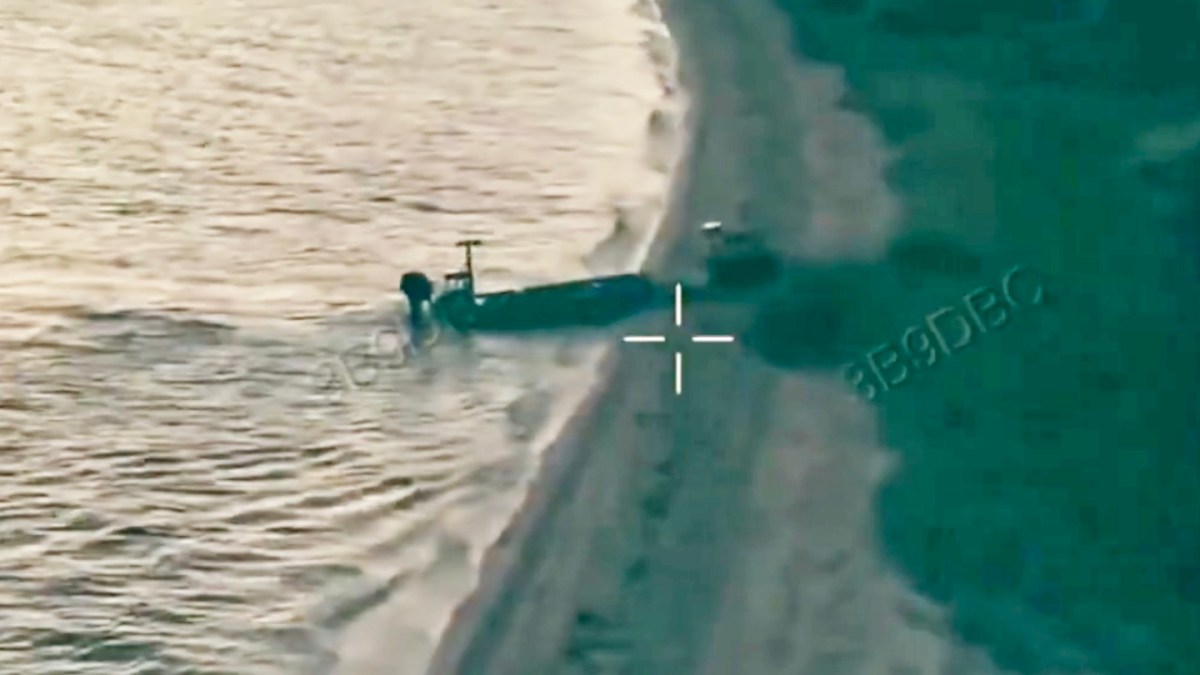
Ukraine Executes Historic Combat Mission Using Drone Boat to Deploy Armed Robot
Ukraine has conducted a groundbreaking military operation, deploying an armed ground robot via a sea drone on the Russian-occupied Kinburn Spit. This mission, executed by the 123rd Separate Territorial Defense Brigade, marks the first known instance of a sea drone transporting a combat robot into enemy territory, showcasing Ukraine's innovative use of uncrewed systems in warfare. The significance of this operation lies in its demonstration of advanced military technology and strategy, as Ukraine seeks to leverage unmanned systems to counter Russian forces. The use of the uncrewed surface vessel (USV) to deliver the Rys family ground robot reflects a shift towards automation in combat, potentially changing the dynamics of modern warfare. Looking ahead, the continued integration of uncrewed systems in military operations will be crucial for Ukraine's strategy. As the conflict evolves, further developments in robotic warfare and the effectiveness of these technologies in combat scenarios will be closely monitored. No further timeline was disclosed at the time of publication.
Sea Armies Around The Globe Drones Europe Land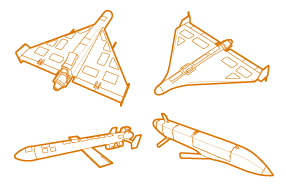
Jet Drones Enhance Russia's Capabilities in the Ongoing Drone Conflict in Ukraine
Jet drones have emerged as a significant innovation in the ongoing conflict in Ukraine, providing Russia with enhanced combat capabilities. These advanced robotic systems are designed to operate in the challenging conditions of warfare, showcasing their potential effectiveness in aerial combat scenarios. The introduction of jet drones is crucial as it represents a shift in military technology, allowing for more agile and responsive operations in combat. This advancement may alter the dynamics of the conflict, giving Russia a tactical advantage in drone warfare. As the situation evolves, it will be important to monitor the deployment and effectiveness of these jet drones in combat. Their performance could influence future military strategies and the overall outcome of the conflict in Ukraine. No further timeline was disclosed at the time of publication.
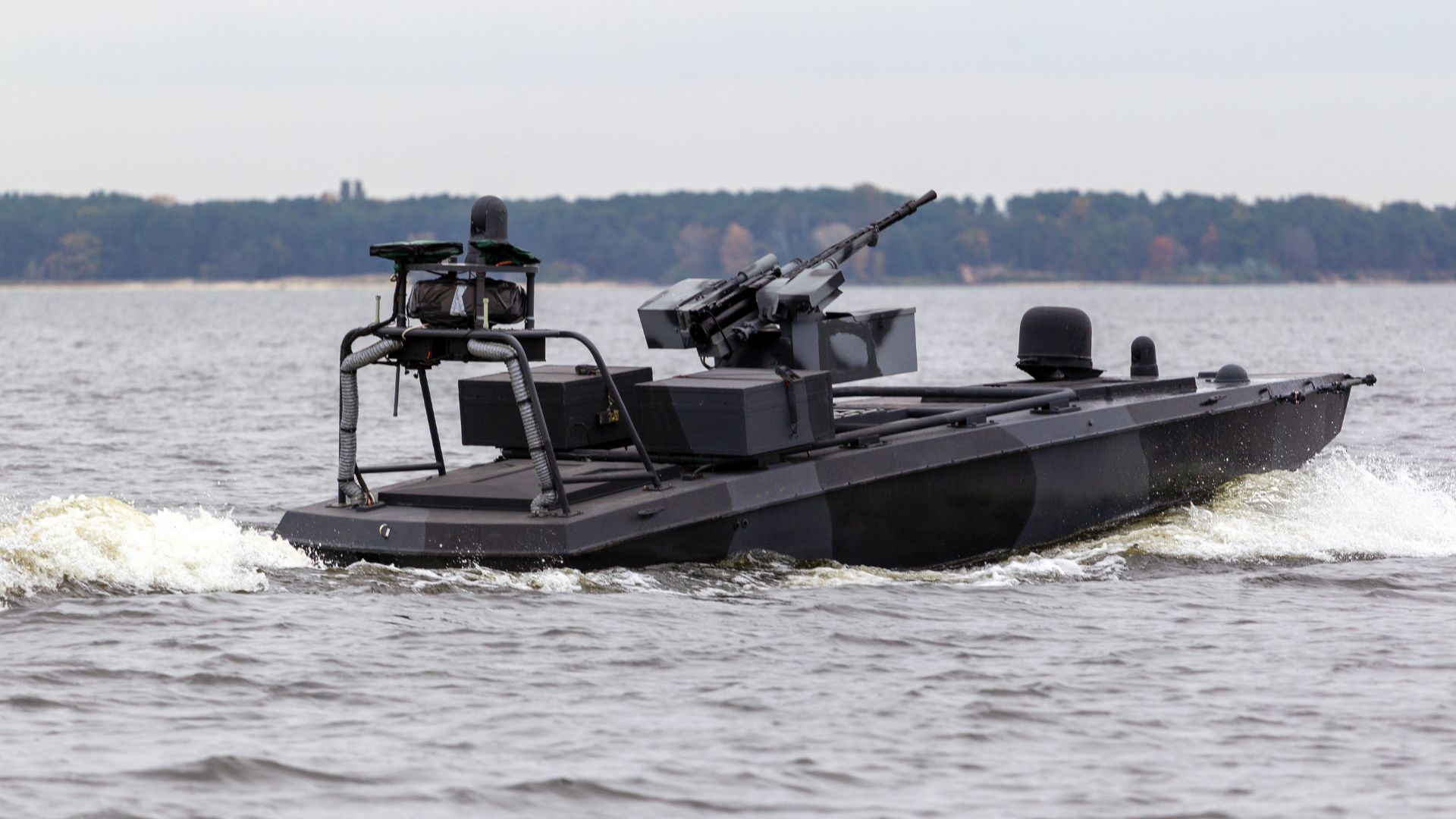
Ukraine's Sargan-3000 USV Engages and Destroys Russian Naval Drone in Historic Battle
On September 12, a Ukrainian unmanned surface vessel (USV) successfully destroyed a Russian naval drone in the Black Sea, marking the first combat between two unmanned boats, according to Ukraine's Navy. The operation involved Ukraine's military intelligence agency, HUR, which identified the Russian vessel prior to the attack by the Sargan-3000 USV, equipped with a 12.7-mm Protector remote weapon station. This incident signifies a pivotal moment in the ongoing Russia-Ukraine War, as both nations increasingly utilize naval drones to target maritime assets. The Ukrainian Navy highlighted the significance of this engagement, stating it represents a new phase in naval warfare. The Russian drone, identified as an improved Orcan type, was designed for explosive attacks and has been actively used against Ukrainian ports and naval targets. Looking ahead, the use of unmanned naval vessels is expected to escalate as both sides adapt to this new combat dynamic. The Sargan-3000, also known as SeaWolf, is a versatile platform capable of various operational roles, including strike missions and electronic warfare. No further timeline was disclosed at the time of publication.
Military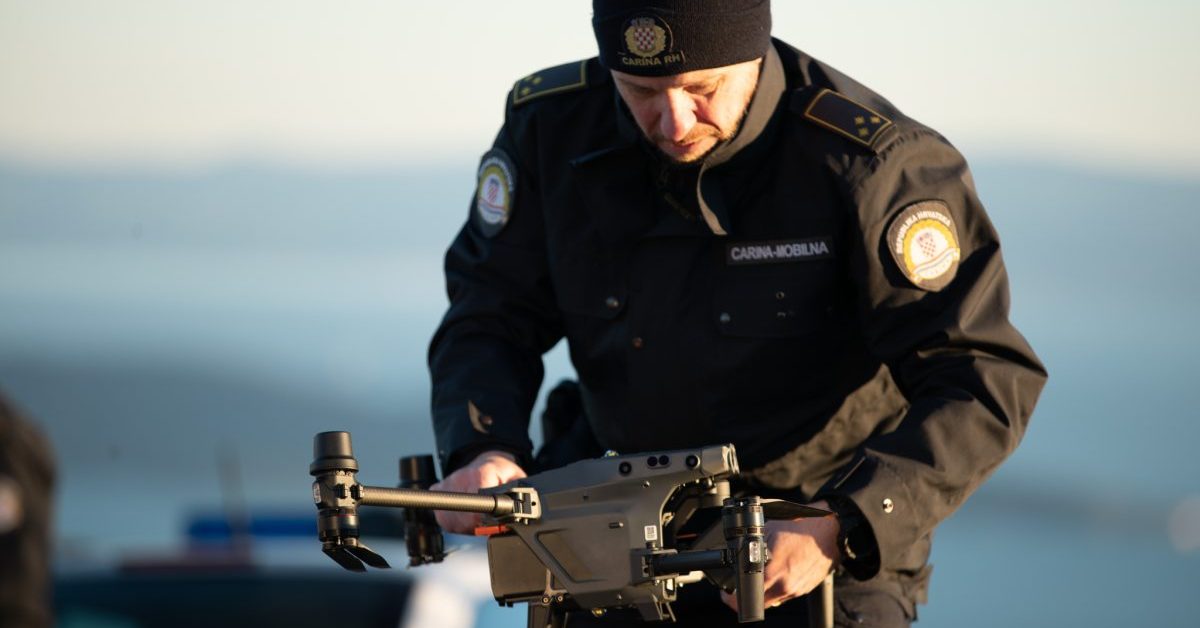
UK Police Drone Operator Faces Misconduct Hearing After Child Injury Incident
A police drone operator in Kent, UK, is undergoing disciplinary proceedings after a DJI Matrice 30T drone struck an overhead cable and injured a child in August 2025. The incident occurred while the special police inspector was responding to a disturbance, and the Independent Office for Police Conduct (IOPC) reported that the officer failed to conduct a proper risk assessment before launching the drone. The child sustained significant injuries to their right thumb and hand, requiring two surgeries after being treated by emergency responders and transferred to specialized hospitals. The IOPC noted that this incident marks the first investigation into a police drone injuring a civilian, highlighting the importance of risk assessment in drone operations, especially in law enforcement contexts. Kent Police confirmed that the special inspector will face a misconduct meeting due to an alleged breach of professional standards. The DJI Matrice 30T, a professional-grade drone, is designed for various applications, including law enforcement, and features advanced technology that emphasizes safety. However, the IOPC concluded that technology cannot substitute for proper operational preparation and risk assessment.
News
UK Defence Innovation Initiates Project PANOPTES to Enhance Integrated C-UAS Capabilities
The UK Defence Innovation (UKDI) has officially launched Project PANOPTES, which focuses on developing integrated counter-unmanned aerial systems (C-UAS) capabilities for enhanced force protection. This initiative is significant as it addresses the growing threat posed by mass drone attacks, ensuring that military forces are better equipped to safeguard their operations and personnel against such risks. Looking ahead, stakeholders will be keen to monitor the progress of Project PANOPTES and its impact on the UK's defense strategies against drone threats. No further timeline was disclosed at the time of publication.
News
Ukraine Launches First Uncrewed Surface Vessel Attack on Sochi, Russia
Ukraine executed a significant uncrewed surface vessel (USV) attack on the Nefrit, a multipurpose offshore vessel, in Sochi, Russia. This operation marks the first known USV strike on the resort city, located approximately 350 miles from Ukrainian-held territory, highlighting the expanding reach of Ukraine's naval capabilities. The Ukrainian Navy stated that the attack was part of its ongoing campaign against Russia's energy infrastructure, claiming that the Nefrit directly supported the enemy's war economy. The strike is seen as a strategic move to disrupt Russian logistics and military capabilities, emphasizing that even Russian territory is vulnerable to Ukrainian operations. As the situation develops, observers will be keen to assess the extent of the damage to the Nefrit and its implications for Russia's maritime operations. The Ukrainian Navy's continued focus on targeting enemy resources suggests that further actions may be anticipated in the ongoing conflict.
News & Features Around The Globe Europe Russia Sea Ukraine
Russia Intensifies Drone and Missile Attacks on Kyiv with New Strategy
Russia has significantly increased the frequency and duration of its attacks on Kyiv, with Ukrainian officials reporting a record number of drone waves targeting the capital. This shift from mass barrages to smaller, more frequent assaults suggests a strategic change aimed at exhausting air defenses and disrupting daily life in the city. On August 27, Kyiv experienced 13 air raid alerts, the highest since the war began, with residents forced to seek shelter repeatedly throughout the day. The implications of this new strategy are profound, as it aims to wear down the Ukrainian populace and hinder commerce. Ukrainian officials, including Iryna Terekh, CEO of Fire Point, have noted that the relentless attacks are designed to instill fear and despair among citizens, potentially undermining their will to resist. The ongoing assaults have not only disrupted daily activities but have also resulted in civilian casualties, highlighting the severe impact of these military tactics. Looking ahead, the situation remains tense as Russia continues its bombardment of Kyiv and surrounding regions. The potential for further escalation exists, with the possibility that this strategy could backfire on Moscow, as suggested by military analysts. No further timeline was disclosed at the time of publication.
News & Features Around The Globe Europe Russia Ukraine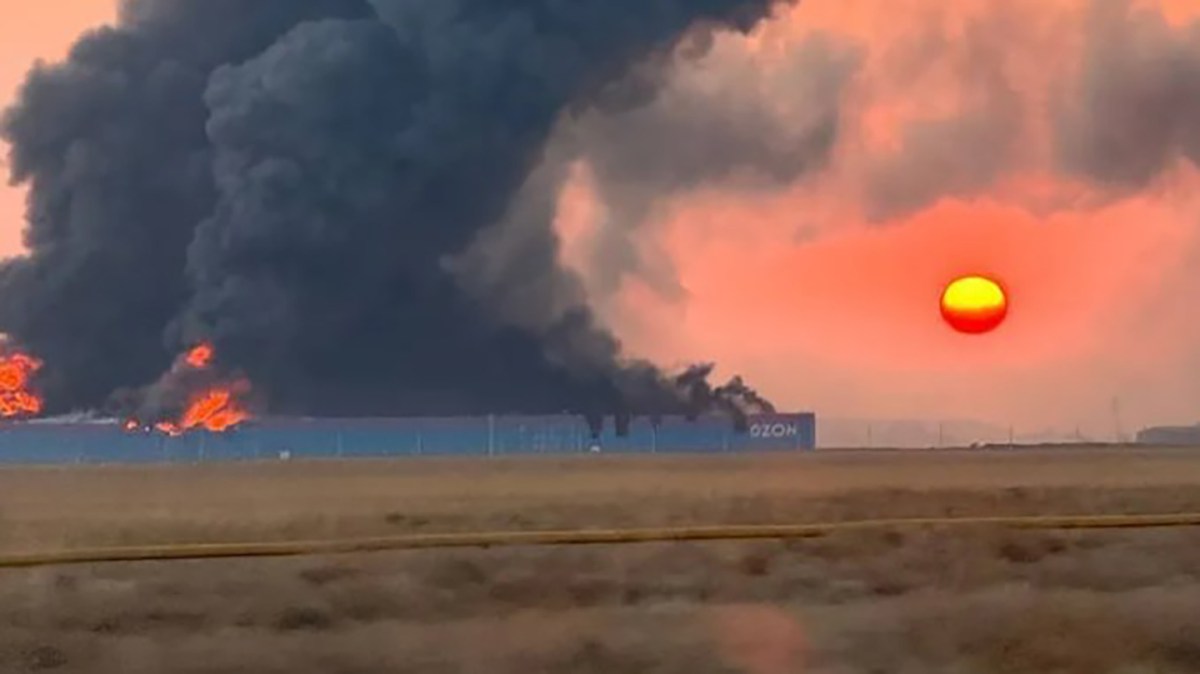
Putin Authorizes Temporary Seizure of Unprotected Commercial Infrastructure Amid Drone Threats
In response to escalating Ukrainian drone attacks, President Vladimir Putin has authorized the temporary seizure of commercial infrastructure deemed critical and inadequately protected. This decree aims to address the vulnerabilities exposed by recent strikes on Russian oil refineries and e-commerce centers, which have intensified economic pressures on the country. The significance of this action lies in the Russian government's acknowledgment of the threat posed by Ukrainian drones, prompting a shift in responsibility for infrastructure protection. The decree indicates that facilities failing to implement necessary repairs or defenses after attacks may be taken over by the state, reflecting a growing urgency to safeguard vital economic assets. Looking ahead, the effectiveness of this decree remains uncertain, particularly given the existing shortages in Russia's air defense systems. The flourishing civilian counter-drone industry may provide some solutions, but the specific requirements for infrastructure protection have yet to be detailed. No further timeline was disclosed at the time of publication.
News & Features Around The Globe Europe Russia Ukraine
Spanish F-18s Respond to Drone Crash in Romania Near Ukraine Border
A drone reportedly entered Romanian airspace and crashed in an uninhabited region of Tulcea county early Thursday morning, as stated by the Romanian Defence Ministry. This incident highlights ongoing concerns regarding airspace security in the region, particularly given the proximity to the Ukraine conflict. Observers should monitor further developments regarding airspace violations and military responses in Eastern Europe.
News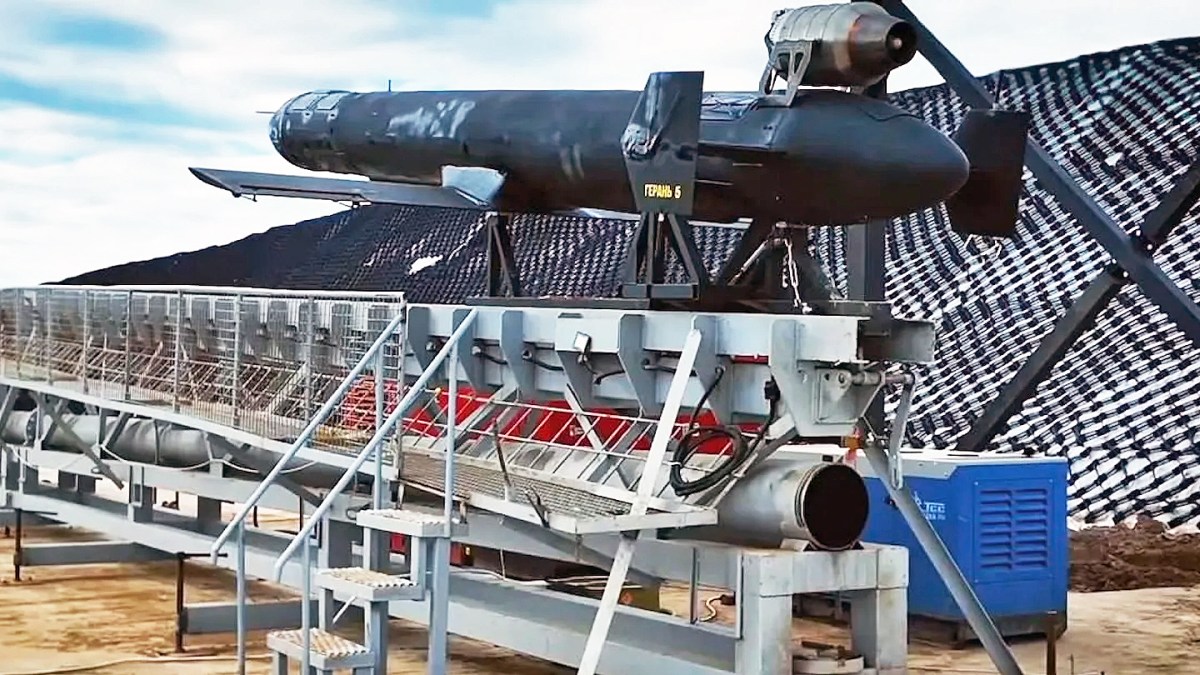
Russia Expands Infrastructure for Long-Range Strike Drones Near Ukraine and NATO
Russia is enhancing its long-range strike drone capabilities by constructing new launch infrastructure, including extended rails for larger Geran variants. This development indicates an increase in Russia's ability to deploy drones from various locations, posing a potential threat to NATO territories. The expansion includes at least 10 bases with 59 launch rails, some already utilized in attacks on Ukraine. The significance of this expansion lies in its implications for regional security, as the new launch sites increase the range of Russian drones, potentially allowing them to target NATO countries. The construction of these facilities, some converted from military bases and civilian airfields, demonstrates Russia's commitment to enhancing its military capabilities amid ongoing tensions in the region. Looking ahead, the focus will be on the operational deployment of these drones and their impact on the conflict in Ukraine and NATO's response. No further timeline was disclosed at the time of publication.
News & Features Around The Globe Drones Europe NATO Russia
Kyiv Enhances Drone Interception Strategies with Western Fighter Jets and Modified Aircraft
Since last year, Kyiv has adopted Western fighter jets to counter aerial threats, while also implementing dispersed air defense teams. This multifaceted approach aims to improve the effectiveness and affordability of Ukraine's drone interception capabilities against Russian drones. The reliance on both advanced Western technology and modified aircraft highlights Ukraine's strategic shift in addressing aerial threats. By diversifying its defense methods, Kyiv seeks to enhance its operational readiness and resilience in the face of ongoing challenges posed by Russian drone activities. Looking ahead, it will be crucial to monitor how these strategies evolve and whether additional support from Western allies will further bolster Ukraine's air defense capabilities. No further timeline was disclosed at the time of publication.
Air Warfare Global Land Warfare air defense Air Force Army
Fire Point CEO Discusses Development of Missiles and Drones Against Russian Forces
Fire Point CEO Iryna Terekh recently shared insights on the company's evolution from a garage startup to a key player in missile and drone production. Amid ongoing threats from Russian missiles, Terekh highlighted the effectiveness of their FP-1 and FP-2 drones, as well as the new Flamingo cruise missiles, which enhance Ukraine's long-range capabilities. The significance of Fire Point's advancements lies in their strategic aim to counter Russian aggression. The FP-9 ballistic missile, designed to strike targets up to 500 miles away, and the FP-7.x interceptor, intended as a cost-effective alternative to Patriot systems, are pivotal in strengthening Ukraine's defense. Terekh's leadership has been crucial in navigating the challenges of weapon development under constant threat. Looking ahead, the status of the FP-9 program and the development of indigenous missile systems will be critical. Terekh's insights into the use of AI in weapon systems and the challenges faced during production highlight the innovative approaches being taken to ensure Ukraine's defense capabilities remain robust. No further timeline was disclosed at the time of publication.
News & Features Around The Globe Europe Land Land-Based Ballistic Missile Defense RussiaRobotics needs a service framework.
RSF defines a common language for robot service capability, lifecycle operations, certification pathways, and service-provider networks.
Join the RobotToday community on LinkedIn
Daily robotics news, in-depth analysis, conference highlights, and discussions with professionals worldwide.